Artificial Intelligence

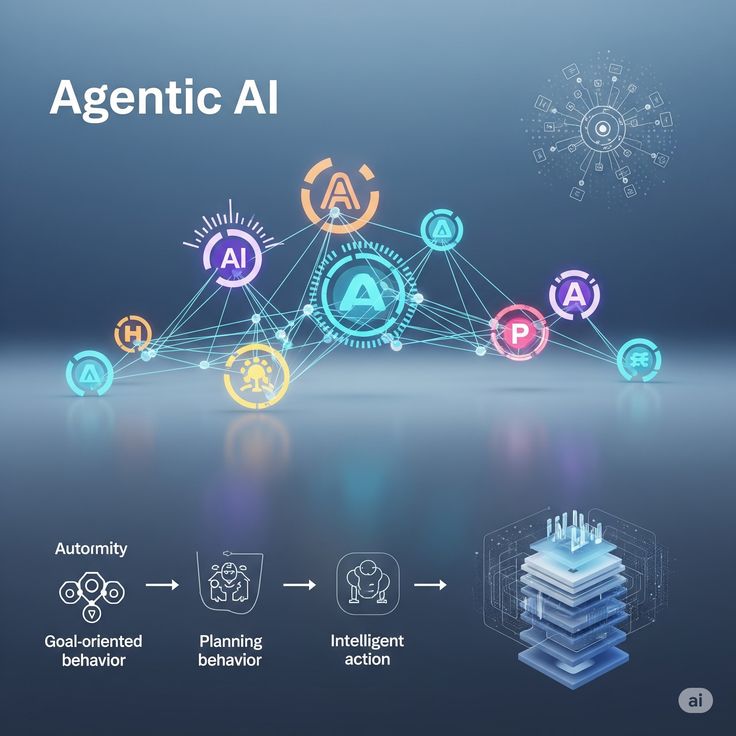
Abstract visualization of artificial intelligence and machine learning networks.
Artificial Intelligence, machine learning

Artificial Intelligence and Machine Learning in Everyday Life

Introduction Artificial Intelligence (AI) and Machine Learning (ML) are no longer futuristic concepts — they’re part of our daily reality. Whether it’s unlocking your phone with facial recognition, getting directions from Google Maps, or streaming personalized shows on Netflix, AI and ML are silently working behind the scenes. These technologies have become the backbone of modern innovation, revolutionizing industries, improving decision-making, and enhancing user experiences everywhere. In this article, we’ll explore how AI and ML are reshaping the way we live, work, and interact with technology. Understanding AI and ML Artificial Intelligence (AI) AI refers to the simulation of human intelligence in machines. It enables computers to perform tasks like thinking, learning, problem-solving, and decision-making. Machine Learning (ML) ML is a subset of AI that allows systems to learn from data and improve automatically without being explicitly programmed. In simple words:AI = The brain that makes decisions.ML = The process that helps the brain learn from experience. How AI and ML Work Together AI uses algorithms and models developed through ML to process vast amounts of data and identify patterns. The more data they process, the smarter they become. For instance, when you shop online and see product recommendations, that’s ML analyzing your behavior, and AI deciding what to show you next. AI and ML in Everyday Life Here are some real-world examples of how these technologies impact our daily routines: 1. Smartphones and Personal Assistants Voice assistants like Siri, Google Assistant, and Alexa use AI for voice recognition, natural language processing (NLP), and smart decision-making. AI helps understand your voice commands. ML learns your preferences over time. Combined, they make your device more intuitive and efficient. Example: Predictive text suggestions, camera scene detection, and smart replies in messaging apps. Social Media Platforms AI powers everything from your feed recommendations to face tagging. Facebook/Instagram: Recognize faces in photos using ML models. Twitter/X: Filters spam and offensive content automatically. TikTok/YouTube: Recommend videos based on user behavior patterns. AI learns what you enjoy, keeping your feed relevant and engaging. Healthcare and Medicine AI is saving lives by improving diagnostics and personalizing treatments. Early Disease Detection: ML models detect cancer or heart disease earlier than humans. Drug Discovery: AI accelerates the process of finding new medicines. Virtual Nurses: Chatbots assist patients with reminders and consultations. Example: IBM Watson assists doctors by analyzing patient data for accurate diagnoses. 4. Transportation and Navigation From Google Maps to self-driving cars, AI and ML make transportation smarter. Navigation apps use ML to analyze traffic patterns and suggest the fastest routes. Autonomous vehicles like Tesla’s Autopilot use sensors and AI to drive safely. Impact: Reduced traffic congestion, fewer accidents, and improved travel efficiency. 5. Banking and Finance AI enhances fraud detection, risk management, and personalized banking. Detects unusual transactions in real time. Analyzes spending behavior to prevent fraud. Provides AI-based financial advice and budgeting tools. Example: Chatbots like HDFC’s “EVA” or SBI’s “SIA” answer customer queries instantly. 6. Education and E-Learning AI personalizes learning for students based on strengths and weaknesses. Adaptive learning platforms adjust content difficulty automatically. Virtual tutors provide 24/7 assistance. ML helps educators predict student performance. Example: Duolingo uses ML to personalize language lessons for every learner. 7. Entertainment and Streaming Platforms AI decides what you watch next! Netflix, Spotify, and YouTube use ML algorithms to study your history and recommend similar content. AI improves sound and video quality using enhancement algorithms. Example: Netflix’s recommendation engine reportedly saves the company over $1 billion per year by retaining users through personalized suggestions. 8. Smart Homes and IoT Devices AI-powered home devices such as Nest Thermostats, Smart Lights, and Security Cameras learn your habits to optimize comfort and energy use. Adjusts lighting and temperature automatically. Detects intrusions using ML-based image recognition. Saves energy with predictive scheduling. 9. Customer Service Chatbots Businesses now use AI chatbots to handle thousands of customer queries efficiently. Provides 24/7 instant support. Understands natural language queries. Reduces wait time and operational costs. Example: ChatGPT-powered bots are now integrated into customer service systems globally. 10. Retail and E-Commerce AI and ML personalize your shopping journey. Product recommendations Dynamic pricing (adjusts prices based on demand) Predictive inventory management Example: Amazon’s “Just Walk Out” technology uses AI to automatically bill customers as they leave the store. Behind the Scenes: Technologies That Power AI and ML Technology Function Neural Networks Mimic the human brain to identify complex patterns. Natural Language Processing (NLP) Enables machines to understand human speech/text. Deep Learning Learns from massive data sets with minimal human supervision. Computer Vision Allows systems to interpret visual data (images, videos). Reinforcement Learning Systems learn by trial and error through rewards and penalties. These technologies together enable machines to see, understand, and respond intelligently — shaping our digital world. Advantages and Challenges of AI in Daily Life Advantages Saves time and increases efficiency Reduces human error Enables predictive analytics Improves personalization and user experience Enhances safety and convenience Challenges Data privacy concerns Job automation and workforce displacement Algorithmic bias High implementation cost for small businesses The Future of AI and ML The next decade will witness AI becoming even more integrated into our personal and professional lives. Future Trends: AI-powered healthcare diagnostics Fully autonomous transportation systems Emotion-recognizing AI for human-machine interaction AI-driven education personalization Smarter robotics for home and industry AI is moving from automation to augmentation — not replacing humans, but empowering them to achieve more. Conclusion AI and ML have become invisible assistants guiding our daily decisions — what we buy, how we travel, what we learn, and even how we stay healthy. Their true magic lies not in replacing humans, but in enhancing human potential — making life smarter, faster, and more connected than ever before. The era of intelligent machines has begun — and it’s already in your pocket. FAQs 1. What is the difference between AI and ML?AI is the broader concept of intelligent machines; ML is a subset that allows machines to learn from data. 2. How is AI used in daily

Artificial intelligence network scanning for cyber threats and data protection.
Artificial Intelligence, cybersecurity

The Role of Artificial Intelligence in Cybersecurity

Introduction In a world where cyberattacks are growing more sophisticated by the day, traditional defense systems are no longer enough. Businesses, governments, and individuals face threats ranging from phishing scams to ransomware and identity theft. To combat this, Artificial Intelligence (AI) has emerged as a game-changing weapon in the field of cybersecurity. By combining machine learning (ML), predictive analytics, and automation, AI helps security teams identify, prevent, and respond to attacks — often before they occur. As per IBM’s Cost of a Data Breach Report 2025, organizations using AI-driven cybersecurity tools save an average of $3 million per breach compared to those without it. Clearly, the future of cybersecurity is AI-powered. What Is AI in Cybersecurity? Artificial Intelligence in Cybersecurity involves using algorithms and machine learning models to analyze data, detect anomalies, and automatically respond to threats. Unlike traditional security systems that rely on pre-defined rules, AI systems learn and adapt to new threats dynamically — making them ideal for handling today’s complex digital environments.     Core Functions: Real-time threat detection Automated response and mitigation Behavioral analysis Network monitoring Predictive analytics Why AI Is Essential in Cybersecurity Traditional cybersecurity relies on human experts and static rule-based systems. However, with billions of daily data points and evolving attack patterns, humans alone can’t keep up. AI brings: Speed: Instantly processes large datasets to identify threats. Accuracy: Reduces false positives compared to manual analysis. Scalability: Monitors thousands of endpoints simultaneously. Adaptability: Learns from new data and evolving attacks. AI acts as a force multiplier — enhancing human intelligence rather than replacing it. Key Applications of AI in Cybersecurity 1. Threat Detection and Prediction AI systems analyze historical attack data to predict potential threats. By learning patterns, AI can detect zero-day vulnerabilities that traditional systems might miss. Example: Darktrace uses AI to continuously learn an organization’s network behavior and identify anomalies in real-time. 2. Behavioral Analytics AI monitors user and system behavior to detect suspicious activities such as unauthorized access or data transfers. Example: If an employee’s account suddenly downloads huge amounts of data at odd hours, AI can flag and isolate that activity. 3. Automated Incident Response AI can automate the initial response to threats — such as isolating infected devices or blocking suspicious IP addresses — reducing the time between detection and action. Example: SOAR (Security Orchestration, Automation, and Response) platforms use AI to streamline security workflows. 4. Phishing and Email Security Machine learning models analyze email content, sender patterns, and URLs to detect phishing attacks before they reach users’ inboxes. Example: Google’s Gmail AI blocks over 100 million phishing emails daily using ML filters. 5. Malware Detection AI-powered systems can detect new malware strains by studying code structure and execution patterns — even if the malware hasn’t been seen before. Example: Cylance uses AI models trained on millions of malicious files to predict threats in real-time. 6. Network Security and Monitoring AI helps track massive network traffic volumes, identifying abnormalities that might signal cyberattacks like DDoS (Distributed Denial of Service). Example: AI tools detect unusual spikes in network activity and alert administrators instantly. 7. Fraud Detection Banks and e-commerce companies use AI to analyze user transactions and detect fraudulent behavior. Example: Mastercard’s Decision Intelligence uses AI to evaluate transaction risks within milliseconds.  Advantages of Using AI in Cybersecurity Advantage Impact Speed & Efficiency Real-time threat detection and mitigation Improved Accuracy Fewer false alarms and better prioritization Cost Reduction Reduced operational costs and data breach impact Predictive Capabilities Prevents attacks before they occur 24/7 Monitoring Continuous protection without downtime Adaptive Learning Evolves with emerging cyber threats Challenges and Limitations While AI offers immense potential, it’s not without challenges. 1. Adversarial AI Attacks Hackers use AI to create smarter malware or bypass security systems by mimicking legitimate behavior. 2. High Implementation Costs Building and training AI models require significant investment in infrastructure and expertise. 3. False Positives Poorly trained AI systems may still misclassify safe activities as threats, leading to unnecessary alerts. 4. Data Privacy Concerns AI models need large datasets to train — which sometimes include sensitive user data. 5. Skill Gap The shortage of AI and cybersecurity professionals makes it difficult for many organizations to deploy AI effectively. The Future of AI in Cybersecurity The next era of cybersecurity will be autonomous, predictive, and intelligent. Key Trends to Watch: AI + Blockchain Integration: For tamper-proof data verification. Quantum AI Security: Defending against quantum computing-based attacks. Self-Healing Systems: Networks that can automatically detect, isolate, and repair vulnerabilities. Edge AI: Real-time protection for IoT and edge devices. AI-driven Cyber Threat Intelligence (CTI): Collaborative global databases for predictive defense. By 2030, AI will be the central pillar of all major cybersecurity infrastructures — empowering organizations to respond to threats faster than hackers can act. Real-World Case Studies IBM Watson for Cybersecurity Uses natural language processing and machine learning to analyze millions of security reports, helping security teams make faster decisions. Capital One Implements AI to monitor billions of transactions in real time, protecting customers from credit card fraud and identity theft. Healthcare Networks Hospitals use AI-based security tools to protect sensitive patient records and detect ransomware attacks. Conclusion The rise of Artificial Intelligence has redefined the battle against cybercrime. From predictive threat detection to automated defense mechanisms, AI enables businesses to stay one step ahead of hackers. As digital transformation accelerates, the fusion of AI and cybersecurity will become the cornerstone of trust and resilience in the online world. However, with great power comes responsibility — ensuring AI is used ethically, transparently, and securely will be crucial for a safer digital future. In short, AI is not just defending the digital world — it’s redefining it. FAQs 1. How is AI used in cybersecurity?AI analyzes patterns, detects anomalies, and automates responses to identify and mitigate cyber threats in real time. 2. Can AI prevent cyberattacks completely?AI reduces risks and improves detection, but human oversight remains essential for complex decision-making. 3. What are the main benefits of AI in cybersecurity?Faster detection, improved accuracy,

A robotic human face representing artificial intelligence technology.
Artificial Intelligence

Artificial Intelligence in Everyday Life

Introduction Artificial Intelligence (AI) is no longer just a futuristic idea — it’s already a part of our everyday lives. Whether it’s voice assistants like Alexa, smart recommendations on Netflix, or self-driving cars, AI quietly powers many aspects of our daily routines. But how exactly does it work, and where do we experience it the most? What is Artificial Intelligence? Artificial Intelligence is the simulation of human intelligence in machines. These systems are designed to learn, reason, and make decisions — often faster and more accurately than humans. The main goal of AI is to make systems capable of performing tasks that normally require human intelligence, such as understanding language, recognizing images, or solving problems. AI in Our Daily Lives a. Smart Assistants Devices like Amazon Alexa, Google Assistant, and Siri help us with daily tasks such as setting reminders, playing music, or checking the weather — all powered by natural language processing (NLP). b. Personalized Recommendations When Netflix suggests a movie or Amazon recommends a product, it’s using machine learning algorithms to analyze your preferences and predict what you’ll like next. c. AI in Healthcare AI helps doctors detect diseases early, analyze X-rays, and predict health risks. For example, AI models can detect diabetic retinopathy from eye scans with remarkable accuracy. d. Smart Homes and Devices From thermostats that adjust to your temperature preference to fridges that track food freshness — AI makes our homes smarter and energy-efficient. e. AI in Education Personalized learning platforms powered by AI assess student performance and adapt lessons accordingly, improving learning outcomes. Benefits of AI in Everyday Life Convenience: Simplifies daily tasks. Efficiency: Automates repetitive work. Accuracy: Reduces human error. Personalization: Offers custom experiences.  Challenges of AI Privacy Concerns: Data collected by AI devices can be misused. Job Automation: Some jobs are being replaced by AI systems. Bias: AI systems can inherit biases from training data. Conclusion Artificial Intelligence is shaping a smarter, more connected world. As it evolves, it promises to make our lives easier — but also challenges us to use it responsibly. The future of AI lies in finding the right balance between innovation and ethics. FAQs Q1: What is an example of AI in daily life?AI examples include voice assistants, facial recognition on smartphones, and personalized online recommendations. Q2: How does AI make life easier?AI automates tasks, provides personalized suggestions, and improves decision-making in daily routines. Q3: What are the risks of AI?Major risks include privacy issues, unemployment due to automation, and biased algorithms.

A diverse team of professionals and a humanoid robot collaborate in a futuristic office surrounded by holographic AI visuals and digital data charts, symbolizing innovation, technology, and AI-driven startup development.
Artificial Intelligence, startup

Step-by-Step Guide to Building and Funding Your AI Startup

Introduction Artificial Intelligence (AI) is the driving force behind the most exciting AI startup trends of 2025. From generative models to predictive analytics, AI is fueling a new generation of innovation across industries. For emerging startups, building an AI MVP (Minimum Viable Product) is the smartest way to test ideas and attract early investors. This guide will walk you through the step-by-step process of AI MVP development, explore AI funding strategies, and highlight artificial intelligence innovation that can turn your idea into a real-world business success. Step-by-Step Guide to Building Your MVP 1. Identify the Problem and Validate the IdeaStart with a real-world problem AI can solve. For example, automating resume screening, predicting health outcomes, or optimizing logistics. Conduct market research and user interviews to confirm demand before writing a single line of code. 2. Define Core Features (Keep It Lean)Focus on the one AI-driven feature that delivers the most value. Instead of building everything at once, design a prototype that showcases the core intelligence of your product — like a chatbot, image recognizer, or recommendation engine. 3. Choose the Right Tech StackSelect reliable tools for faster MVP development: Backend: Python (FastAPI, Flask) or Node.js Frontend: React.js or Next.js AI/ML Tools: TensorFlow, PyTorch, OpenAI API, Hugging Face Database: MongoDB, PostgreSQL Hosting: AWS, Google Cloud, or Azure 4. Build and Test IterativelyDevelop your MVP in short sprints. Gather feedback from beta testers and iterate quickly. Use analytics to understand user behavior and improve AI performance. 5. Launch and Collect DataOnce launched, track user engagement, model accuracy, and overall experience. The insights you gather will help refine your AI model and product roadmap. How to Raise Funding for Your MVP in 2025 1. Create a Compelling Pitch DeckHighlight your AI’s unique edge — what problem it solves and how it uses data intelligently. Investors want to see impact + scalability. 2. Showcase Early TractionEven small user metrics, pilot results, or demo videos can prove your MVP’s value. Show that your AI works and users love it. 3. Target the Right InvestorsReach out to AI-focused venture funds, tech accelerators, and angel investors who understand machine learning and automation potential. Examples: Sequoia India, Accel, Y Combinator, Techstars AI Track. 4. Emphasize Ethical AI and Data PrivacyIn 2025, investors are more cautious about AI ethics and compliance. Mention fairness, transparency, and responsible data handling in your pitch. 5. Use Funding PlatformsExplore modern fundraising options like: AngelList (for pre-seed rounds) Y Combinator’s Startup School PitchBook & Crunchbase (for investor connections) Crowdfunding with AI-based prototypes (Kickstarter, Indiegogo) Pro Tips  Start with No-Code or Low-Code AI Tools: Use platforms like Bubble, Builder.ai, or Lobe.ai to test MVP ideas quickly.  Focus on Data Quality: Your AI is only as smart as the data you train it on.  Leverage Open Source Models: Fine-tune pre-trained models instead of building from scratch.  Prioritize User Feedback: Iteration is your best teacher.  Integrate Ethics and Transparency: Build user trust through explainable AI features. Conclusion The AI boom of 2025 offers endless opportunities for innovative startups. Building a smart, efficient MVP is the best way to validate your idea and attract funding. By staying lean, focusing on real problems, and emphasizing responsible AI practices, you can turn your concept into a market-ready product. Remember — in AI startups, speed and adaptability matter more than perfection.   ❓ FAQ 1. What is an AI MVP?An AI MVP (Minimum Viable Product) is a lightweight version of an AI-based product built to test market demand and gather user feedback before full-scale development. 2. How long does it take to build an AI MVP?Typically 4–12 weeks, depending on complexity, data availability, and team size. 3. How much funding do AI startups usually raise initially?AI startups usually raise between $50,000 – $250,000 in seed or pre-seed rounds for MVP development. 4. What’s the best AI tech stack for startups in 2025?Python (for AI/ML), React (for frontend), and AWS or Google Cloud for deployment are the most popular combinations. 5. Can I build an AI MVP without coding?Yes! Tools like Lobe.ai, Peltarion, and Builder.ai allow non-technical founders to prototype AI solutions quickly. How to Build a Minimal Viable Product (MVP) and Raise Funding in 2025

Startup founders collaborating over digital MVP wireframes, with growth charts and investment icons in a modern business environment, representing MVP development and funding in 2025
Artificial Intelligence

How to Build a Minimal Viable Product (MVP) and Raise Funding in 2025

Introduction Building a Minimal Viable Product (MVP) has become the cornerstone for modern startups seeking validation and funding in the fast-paced 2025 tech landscape. With the integration of AI, automation, and no-code tools, launching an MVP is more accessible, but also more competitive. This blog will walk you through the practical steps to building a successful MVP and securing funding, drawing from current trends and investor expectations.​ Step-by-Step Guide to Building Your MVP Define the Problem Clearly Pinpoint the pain point your idea solves. Identify your target users and research current alternatives.​ Focus on Core Features Prioritise only must-have features for solving the core problem. Use a simple priority matrix: Must-have, Nice-to-have, Not-needed.​ Rapid Prototyping and Validation Create a prototype using no-code/low-code or traditional development, based on your skills and budget. Gather user feedback quickly through surveys, early tests, or beta access.​ Build, Test, and Iterate Develop the initial version and launch it to a small segment of your target market. Collect concrete feedback and track real usage data. Iterate—add improvements and remove what doesn’t work.​ Emphasise Usability and User Experience Your MVP doesn’t need to be fancy, but it must be stable and user-friendly. How to Raise Funding for Your MVP in 2025 Bootstrapping: Many founders use personal funds for early versions, preserving ownership but limiting resources.​ Angel Investors: Present your MVP and early traction. Angels value real usage and a clear solution.​ Venture Capital: VCs seek rapid growth potential. Stand out by demonstrating market fit and scalability with your MVP.​ Crowdfunding: Platforms like Kickstarter and Indiegogo can provide funding and validate demand at the same time.​ Grants & Incubators: Research regional government and private startup programs for non-dilutive capital and guidance.​ Friends and Family: This traditional route can help, but ensure clear terms and expectations.​ Pro Tips Highlight AI, automation, or impact-driven features—investors love innovation aligned with future trends.​ Use clear, data-driven storytelling about your traction, market validation, and vision. Network early—connect with investors, mentors, and communities before launching your MVP.​ Conclusion A minimal viable product is your launchpad—it reduces risk, tests demand, and attracts funding. Focus on solving real problems with a user-focused MVP, validate quickly, and leverage smart funding strategies for growth. In 2025, those who learn fast, build lean, and present a compelling story will find their place in the market and unlock the funding they need. Ready to build your MVP and raise capital? Start with laser focus, then network and pitch relentlessly to bring your vision to life. FAQ 1. Why is building an MVP important before fundraising? It allows you to prove your idea works and reduces investment risks.​ 2. What are the best tools for rapid MVP development in 2025? No-code/low-code platforms, AI-assisted builders, and cloud stacks accelerate MVP launches.​ 3. Can you raise VC funding before you have traction? Generally, early traction or a proven need for your solution is required, but strong teams and innovation can sometimes secure early backing.​ 4. What documentation do investors expect for an MVP? A working demo, user feedback, business plan, market size data, and a clear vision for growth.​ 5. How much should you spend on an MVP? Costs vary, but focus on delivering only essential features—AI, compliance, and analytics can impact your budget.​

Futuristic SIEM dashboard interface overlayed with application security icons and the Australian flag, representing application security solutions for Australia
Artificial Intelligence

SIEM for App Security in Australia

Introduction Organisations in Australia are grappling with a rapidly evolving cyber threat landscape where application-layer attacks are more frequent and far-reaching than ever before. As digital infrastructures grow more complex and interconnected, security teams need efficient solutions to detect, investigate, and respond to threats targeting their applications. Security Information and Event Management (SIEM) platforms have emerged as a vital line of defense, providing both real-time visibility and advanced analytics to help businesses stay ahead of attackers. This blog explores why SIEM has become indispensable for Australian organisations seeking robust application security—and how it serves as a strategic weapon against the next generation of threats.​ SIEM for App Security in Australia How SIEM Protects Modern Applications Centralised Log Management: SIEM consolidates logs from across your entire stack—web apps, APIs, databases, and cloud services—transforming fragmented data into one coherent intelligence stream.​ Real-Time Threat Detection: Automated monitoring and correlation engines analyse events at scale, detecting suspicious behaviours and potential breaches before they escalate.​ Incident Response Enablement: SIEM alerts analysts to actionable threats, allowing them to prioritise and respond quickly, preventing damage and downtime.​ Compliance Support: With Australia’s data privacy regulations and the Security of Critical Infrastructure Act, SIEM helps organisations maintain auditable records and meet regulatory requirements efficiently.​ Key Benefits Early Breach Identification: By connecting seemingly minor events, SIEM unmasks coordinated attacks—like credential-stuffing or API abuse—that could remain undetected in siloed systems.​ Streamlined Security Operations: Automating event triage and investigation reduces the manual workload for security professionals and accelerates incident remediation.​ Integration with SOAR: Many SIEM platforms now work alongside Security Orchestration, Automation, and Response (SOAR) tools, further improving response times and consistency.​ SIEM in the Australian Security Landscape Australian businesses face increasingly complex and sophisticated attacks, prompting widespread adoption of SIEM solutions. According to recent market analysis:​ Growth Driven by Compliance and Threats: Demand for SIEM is surging as organisations strive to comply with the Australia Cyber Security Strategy and protect critical infrastructure, especially in sectors like BFSI, IT, and government.​ Rise of AI and Automation: Modern SIEM systems leverage artificial intelligence and machine learning to detect threats and automate responses, addressing the skills shortage and increasing detection accuracy.​ Operational Challenges: Integrating SIEM with legacy infrastructures, managing the volume of security data, and controlling costs remain significant hurdles for Australian businesses.​ Use Cases & Statistics Essential Eight Maturity: SIEM is a cornerstone for achieving the Australian Signals Directorate’s Essential Eight maturity model, translating to better preparedness and faster detection.​ Incident Response Uptake: 86% of Australian entities had an active incident response plan in 2024, showing a maturing industry that sees SIEM as critical to readiness.​ Market Outlook: The SIEM market in Australia is set for robust growth, fueled by both enterprise and SME adoption, as real-time detection and actionable security analytics become business imperatives.​ Conclusion SIEM has become a non-negotiable pillar for application security in Australia’s cyber threat environment. By centralising log data, delivering advanced analytics, and supporting compliance, SIEM empowers organisations to defend against evolving threats efficiently and confidently. Investing in SIEM today means not just meeting regulatory demands, but enabling your team to spot sophisticated attacks much earlier—and respond faster. As cyber risks grow, the question is not if, but how soon your organisation will face them. Make SIEM the cornerstone of your cyber strategy and stay a step ahead. Ready to take your application security to the next level? Explore advanced SIEM platforms or consult with a cybersecurity expert to start protecting your business today! FAQ 1. What is SIEM and why is it important for Australian businesses? SIEM stands for Security Information and Event Management—a platform to collect, analyse, and correlate security data in real-time, crucial for early threat detection and regulatory compliance.​ 2. How does SIEM help meet Australian compliance standards? SIEM provides auditable logs, automated reporting, and breach detection, helping organisations comply with regulations like the Privacy Act and Security of Critical Infrastructure Act.​ 3. What kinds of threats can SIEM detect in applications? SIEM detects credential stuffing, API abuse, insider threats, and targeted cyber-attacks by correlating anomalous events across application layers.​ 4. Are SIEM platforms suitable for both large enterprises and SMEs? Yes, both large enterprises and small-to-medium businesses are increasingly adopting SIEM to strengthen their security posture and compliance readiness.​ 5. What trends are shaping SIEM adoption in Australia? AI-powered analytics, automation, and integration with SOAR are top trends, addressing complexity and improving response speeds in the face of rising threats.

Cartoon-style illustration showing a futuristic robot in a laboratory, digital interface panels, vision overlays, and scientists interacting, representing Gemini Robotics ER-1.5-Preview
Artificial Intelligence

A Glimpse into the Future of Robotic Intelligence

Introduction The world of robotics is experiencing a seismic shift with the introduction of Gemini Robotics ER-1.5-Preview, Google DeepMind’s next-generation reasoning engine for robotics. This breakthrough system isn’t just a technical upgrade—it is a philosophical leap toward artificial agents that can perceive, plan, and act safely in our complex physical world. ER-1.5 is an important preview of the future, where robots seamlessly integrate vision, reasoning, and natural language understanding to perform sophisticated, real-world tasks with new levels of adaptability. Data Analytics in Banking: Transforming Finance in 2025 What Makes Gemini Robotics ER-1.5 Revolutionary? Advanced Vision-Language Reasoning: ER-1.5 enables robots to process images, video, and audio, understanding objects, environments, and even spatial-temporal relationships. Natural Language Task Management: Issue a command like “find the banana” or “clean up the table,” and Gemini breaks it down, plans, sequences subtasks, and orchestrates the robot’s actions accordingly. Agentic Autonomy: Gemini can act as a high-level “brain” for robots, performing spatial reasoning, task decomposition, and precise orchestration across a wide range of real-world scenarios—from sorting recyclables based on online guidelines to complex household or industrial automation. Safety and Adaptability: The model is designed with safety checks, semantic understanding for responsible action, and can adapt behaviors across diverse robots, from dual-arm platforms to humanoids. Developer Friendly: The ER-1.5 Preview is available now for testing and implementation via Google AI Studio and Gemini API. Developers can build, experiment, and deploy intelligent agentic robotics with ease. Use Cases and Practical Explanations Industrial Robotics: Robots can now identify parts, understand spatial layouts, and sequence actions for precision assembly, inspection, or transport. Household Automation: Tasks like sorting trash or tidying up are handled by understanding both physical objects and contextual online knowledge, allowing for true “general purpose” agents. Healthcare & Assisted Living: Adaptive robots can take nuanced instructions, reason about safety and comfort, and work in dynamic human spaces. Education & Research: Developers and researchers can now train robots in simulated or real-world environments, driving faster innovation in embodied AI. Safety, Transparency & Thinking Budget Safety by Design: ER-1.5 includes multi-layered safeguards, semantic safety policies, and low-level safety mechanisms, reducing risks of unintended or unsafe robot behavior. Transparent Reasoning: The system can offer explicit step-by-step plans, explain its logic, and adapt on the fly by referencing internet sources or executing custom functions. Thinking Budget: Gemini allows control over the “thinking budget”—balancing fast responses for routine tasks and deeper, higher-accuracy thinking for complex actions. Why This Preview Matters Gemini Robotics ER-1.5-Preview is not merely another AI model—it’s a foundation for safer, more intelligent, and universally adaptable robotics. The separation of “planner” and “executor” functions, natural language interfaces, and agentic autonomy point toward an era where general-purpose robots are feasible for businesses, households, and beyond. This is a crucial inflection point in robotics AI, celebrated by experts worldwide as the dawn of embodied, reliable AI agents. Conclusion Gemini Robotics ER-1.5-Preview is setting the stage for the next decade of intelligent, adaptable, and safe robotics across domains. As AI and robotics become inseparable, tools like ER-1.5 will empower innovators, startups, and industry giants to create game-changing solutions for real-world problems. Now is the time to start building, testing, and imagining the robotic world of tomorrow. FAQ What is Gemini Robotics ER-1.5-Preview? It’s a high-level, vision-language agentic model that enables robots to perceive, reason, and act in complex real-world environments using natural language instructions. How can developers use it? Preview access is available through Google AI Studio and the Gemini API, making rapid prototyping and deployment possible. What sets ER-1.5 apart from other robotics AI? It offers revolutionary separation of planning and execution, deep safety mechanisms, support for multiple robot types, and natural multi-tasking. Is Gemini ER-1.5 safe for real-world use? Yes, with layered safety, transparent planning, and strong semantic controls, but human oversight and best practices remain required. Where can I learn more about real-world applications and benchmarks? See Gemini Robotics-ER documentation and DeepMind’s latest blog. TechOTD Internal Backlinks TechOTD Blog Confidential AI Cloud Computing – An Ultimate Guide for Businesses Predictive Analytics Software Development Agentic RAG: What It Is, Types, Applications and Implementation Large Language Models (LLMs) in Finance How Blockchain Integration Is Optimizing Business Processes in Dubai

Infographic illustrating industries such as healthcare, finance, government, retail, telecom, manufacturing, energy, education, and logistics benefiting from Confidential AI adoption, with icons for data security, AI, and compliance.
Artificial Intelligence

Confidential AI

Introduction The age of intelligent automation is reshaping every industry, allowing organizations to process vast amounts of data, deliver deeply personalized experiences, and accelerate innovation. However, as the power of AI grows, so do concerns about data privacy, security, and regulatory compliance. Confidential AI—a new paradigm for data protection—ensures that sensitive information remains secure not only during storage or transit but also while being processed by advanced machine learning models. Embracing Confidential AI is essential for organizations that want to unlock the full potential of intelligent automation without compromising on trust or ethics. The Rise of Confidential AI: Protecting Data at Every Stage Traditional security approaches primarily focus on protecting data at rest and in transit. Confidential AI extends these boundaries, delivering robust protection even when data is actively being processed by AI models. Key Technologies Behind Confidential AI: Homomorphic Encryption: Allows computations on encrypted data, so raw information is never exposed—even during analytics and model training. Federated Learning: Enables AI models to learn collaboratively from multiple sources without sharing underlying data—critical for sectors like healthcare and finance. Trusted Execution Environments (TEEs): Secure zones within hardware that keep sensitive processing insulated from the rest of the system. Differential Privacy & Secure Multiparty Computation: Techniques that anonymize data or allow secure joint analysis across organizations. These methods work together to form multilayered defenses that guard against both external hackers and insider threats, ensuring regulatory compliance and ethical stewardship. Why Confidential AI is Critical for Today’s Businesses Compliance with Tougher Regulations With GDPR, HIPAA, CCPA, and similar laws tightening global data privacy requirements, Confidential AI helps organizations: Automate compliance by integrating privacy controls directly into AI workflows, reducing manual oversight. Respond rapidly to audits and demonstrate robust safeguards, building regulatory trust. End-to-End Security and Risk Mitigation Confidential AI protects sensitive datasets against exposure at all stages—storage, transit, and active processing—mitigating risks before they start. By encrypting or isolating data in secure hardware and software enclaves, organizations significantly reduce vulnerabilities to insider attacks and malicious breaches. Business Value and Ethical Innovation Enables organizations to extract actionable insights from confidential data safely, driving data-driven innovation without reputational risk. Supports responsible AI and data ethics by default, so businesses can build customer trust and brand reputation while scaling automation. Best Practices for Implementing Confidential AI 1. Encrypt All Sensitive Data Use strong encryption protocols for data storage, transfer, and especially for processing (homomorphic encryption). Ensure encryption keys are controlled and regularly rotated. 2. Strengthen Data Privacy with Differential Privacy Anonymize datasets before analysis to remove personal identifiers. Use role-based controls so only authorized personnel access confidential data. 3. Utilize Secure Hardware and Trusted Execution Environments Deploy TEEs to isolate AI computations from the rest of the system, preventing unauthorized monitoring or data leaks. 4. Enforce Rigorous Access Controls and Monitoring Use multi-factor authentication, API keys, and continuous monitoring to detect and stop unauthorized access to both data and models. Maintain full audit trails of data access and algorithm activity for accountability and compliance reviews. 5. Ensure AI Compliance and Governance Regularly review AI systems for bias, model transparency, and explainability issues to meet emerging regulatory standards. Align with frameworks like GDPR, HIPAA, and sector-specific regulation. Practical Use Cases of Confidential AI Healthcare Securely processes patient records for diagnostics and research without ever exposing raw personal data. Enables collaborative research via federated learning between hospitals and labs. Finance Protects sensitive financial data (such as transaction history and customer details) while enabling fraud detection and predictive analytics. Facilitates secure AI-driven risk modeling across regulated financial institutions. Government and Public Sector Allows agencies to analyze census, security, and welfare data without violating citizen privacy. Supports public health and smart city initiatives powered by confidential data aggregation. Cross-Industry: Multi-Party Data Collaboration Confidential AI allows companies in supply chain, retail, tech, and more to build shared AI models without sharing underlying datasets. Key Points Table Aspect Confidential AI Approach Traditional AI Security Data Protection Secures data at rest, in transit, and in use Focuses on data at rest/in transit Technology Homomorphic encryption, TEEs, federated learning Firewalls, standard encryption Insider Threats Mitigates both insider and outsider threats Limited resistance to insider attacks Compliance Embedded privacy controls, audit-friendly Manual compliance checks Business Value Unlocks insights from sensitive data securely Limits analysis on confidential data FAQ Q1: What is Confidential AI and how is it different from traditional AI security? A1: Confidential AI protects sensitive data not just during storage and transfer, but also while data is being actively processed by AI models—using technologies like encryption, federated learning, and secure hardware zones. Traditional security typically focuses only on protecting data at rest or in transit. Q2: What are the main regulatory compliance concerns with AI and sensitive data? A2: Regulations such as GDPR, HIPAA, and CCPA require strict data protection, usage transparency, and rapid breach reporting. Confidential AI automates much of the compliance process and reduces the risk of costly violations. Q3: Which industries benefit most from Confidential AI? A3: Sectors with highly sensitive or regulated data—such as healthcare, finance, government, and cloud-based collaboration—gain the most value from Confidential AI solutions. Q4: How can organizations implement Confidential AI effectively? A4: Encrypt all sensitive data, use secure enclaves for computation, enforce strict access controls, and embed compliance checks throughout the AI lifecycle. Q5: Is Confidential AI expensive or hard to deploy? A5: With cloud providers and hardware vendors now supporting TEEs, federated learning, and dedicated confidential AI services, implementation is becoming more accessible and cost-efficient for organizations of any size. Conclusion The explosion of intelligent automation means businesses handle more sensitive data than ever before. Confidential AI empowers organizations to extract unparalleled business value from data—while maintaining compliance, ethics, and trust. By embedding cutting-edge privacy and security methods throughout the AI lifecycle, Confidential AI becomes a cornerstone for safe, responsible automation. Now is the time for leaders in all industries to invest in end-to-end confidential AI solutions, leveraging innovation without sacrificing data protection. For organizations seeking to securely harness AI’s potential, consult with experts at TechOTD AI Services to design

Artificial Intelligence

From Google to AI: Why We’re Changing the Way We Search Forever

Introduction The way we search for information online is undergoing a groundbreaking transformation. What began as keyword-based queries on Google is rapidly evolving into an AI-powered, conversational, and context-aware experience. This shift is not just a technological trend, but a fundamental change in how humans interact with information on the internet. The Evolution from Traditional Search to AI Search Traditional search engines like Google use keyword matching and ranking algorithms to serve web pages related to user queries. While effective, this method requires users to refine their searches and sift through links to find answers. AI Search changes this paradigm by understanding natural language, user intent, and context at a far deeper level. Powered by advanced models like Google’s Gemini 2.5, AI Search can generate comprehensive, nuanced responses that summarize and analyze information from across the web—often eliminating the need to browse multiple sites. Why AI is Changing Search Forever 1. Conversational Interaction Users can interact with AI search as if talking to a knowledgeable assistant. This makes searches more intuitive, including follow-up questions without repeating context. 2. Multimodal Capabilities AI Search supports text, voice, and image queries, enhancing accessibility and flexibility. 3. Comprehensive Answers AI compiles information from multiple sources and produces detailed overviews, reducing the time and effort users spend searching. 4. Personalized and Contextual Results AI tailors responses based on user preferences, search history, and current context, delivering highly relevant answers. 5. Impact on SEO and Content Content strategies need to adapt, focusing on authority, relevance, experience, and clarity since AI ranks content differently than traditional algorithms. Use Cases of AI Search Healthcare: Immediate, reliable medical information without navigating complex sites. Education: Rich, synthesized answers for learners and researchers. E-commerce: Personalized shopping assistance and product discovery. Business Research: Rapid market insights and competitor analysis. Future Trends in AI Search Tight integration with virtual assistants and IoT devices for hands-free queries. Enhanced AI models understanding complex visual and audio content. Growth in localized and multilingual AI search to serve global users better. Continuous improvement in content quality evaluation to reduce misinformation. Conclusion The transition from traditional Google Search to AI-driven experiences represents a new chapter in digital information discovery. Embracing AI Search opens vast possibilities for users and businesses alike, offering faster, richer, and more intuitive access to knowledge. For insights and service offerings on AI-powered search technologies, visit TechOTD AI Services and explore emerging trends on the TechOTD Blog.

Artificial Intelligence

Why and How to Integrate Voice Commerce AI

Introduction Voice commerce, powered by artificial intelligence (AI), is transforming how users interact with e-commerce platforms. By enabling hands-free, conversational, and personalized shopping experiences, voice commerce is rapidly becoming a crucial component for online retailers seeking to stay competitive and boost customer engagement. This blog explores the reasons why integrating voice commerce AI into your e-commerce platform is essential, practical applications across the buyer journey, and a step-by-step process for successful implementation. Why Integrate Voice Commerce AI? 1. Enhanced Customer Convenience Voice commands simplify the shopping experience by enabling users to search, browse, and purchase products using natural language without navigating complex menus. 2. Increased Engagement and Accessibility Voice interfaces cater to diverse customer preferences and support accessibility for users with disabilities, broadening your market reach. 3. Faster Conversions and Sales By reducing friction in product discovery and checkout, voice commerce accelerates purchase decisions and lifts conversion rates. 4. Harnessing AI for Personalization Voice AI understands customer preferences and behavior, providing personalized recommendations, offers, and support. 5. Staying Competitive and Innovative Adopting voice commerce positions your brand at the forefront of technology trends, delivering differentiated customer experiences. Practical Applications of Voice Commerce AI Voice Search and Product Discovery: Customers can ask for products by name, features, or categories. Personalized Voice Assistants: AI-driven assistants guide users through the buying process, suggest products, or answer queries. Shopping Cart and Checkout Voice Commands: Add, remove, or modify cart items and complete purchases securely via voice. Order Tracking and Customer Support: Customers can inquire about order status or request assistance vocally. Voice-Activated Promotions and Offers: Deliver targeted deals and flash sales announcements. Step-by-Step Process to Integrate Voice Commerce AI Step 1: Define Your Use Cases and Objectives Identify specific user scenarios where voice interactions can add value (e.g., product search, checkout) and set KPIs. Step 2: Choose the Right Voice AI Technology Select a voice AI provider or framework compatible with your platform — options include Google Dialogflow, Amazon Alexa Skills Kit, Microsoft Azure Speech Services, or custom-built NLP (Natural Language Processing) models. Step 3: Design Conversational Flows Map user intents, possible phrases, responses, and error handling to create seamless voice interactions. Step 4: Integrate with E-commerce Backend Connect voice AI with product databases, user profiles, shopping cart, and payment gateways through secure APIs. Step 5: Implement Voice User Interface (VUI) Add front-end voice input and output capabilities through microphones, speakers, and app or web integrations. Step 6: Test Extensively Perform functional, performance, and user acceptance testing across devices and environments. Step 7: Train and Optimize AI Models Use real-world interaction data to continuously improve AI understanding, personalization, and response accuracy. Step 8: Launch and Promote Publicize voice commerce capabilities and educate customers on usage to drive adoption. Conclusion Integrating voice commerce AI enriches your e-commerce platform with natural, convenient shopping experiences that increase accessibility, engagement, and sales. By following a structured implementation process and leveraging AI capabilities, retailers can capitalize on this rising trend to stand out in a competitive market. For advanced AI integration services, including voice commerce, explore offerings at TechOTD AI Services and gain further insights from the TechOTD Blog.

Scroll to Top