Healthcare & Fitness

Healthcare & Fitness, Technology & Innovation

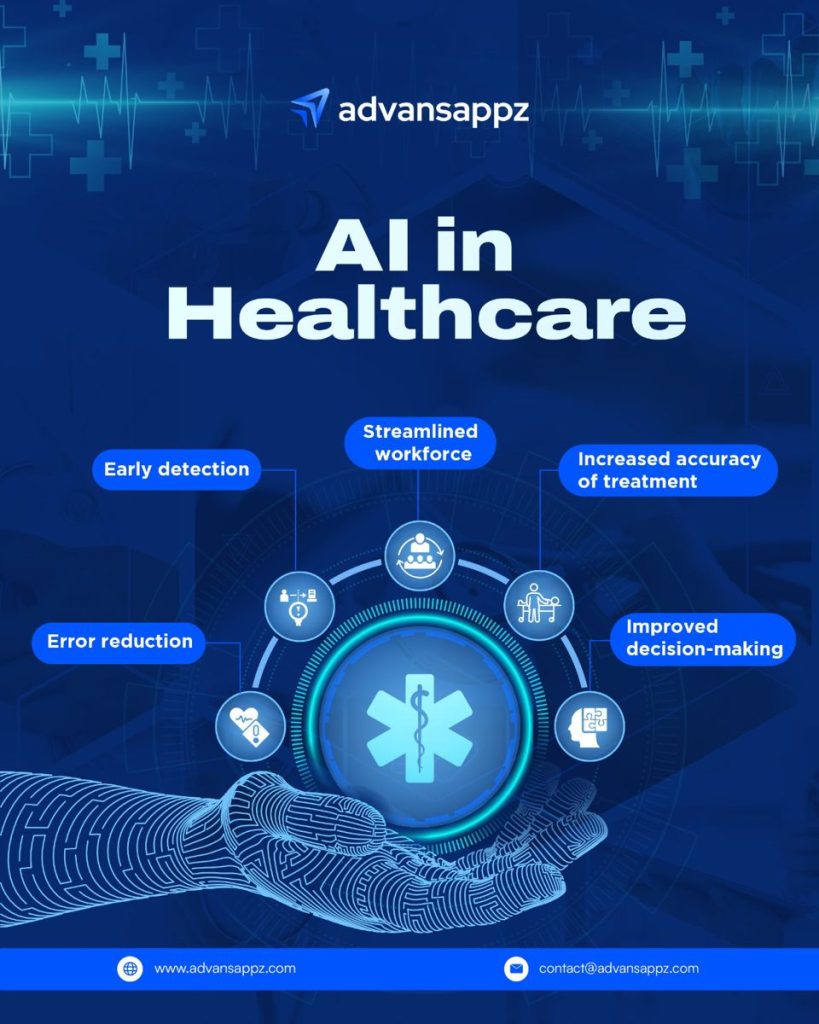
AI in Healthcare Software Development

The Ultimate Guide to AI in Healthcare Software Development: Engineering the Future of Medicine The intersection of medicine and technology is no longer about digitized paperwork or basic electronic health records (EHRs). We have officially entered the era of intelligent software. Today, AI in healthcare software development is reshaping how doctors diagnose diseases, how hospitals manage chaotic workflows, and how pharmaceutical giants discover life-saving drugs. But building software for the healthcare sector isn’t like building a standard consumer app. It requires an intricate dance between cutting-edge machine learning model architectures, strict data privacy regulations, and an absolute zero-tolerance policy for critical errors. Whether you are a product manager, a software engineer, or a healthcare innovator, this definitive guide will walk you through everything you need to know about developing AI-driven healthcare solutions in a human-centric way. 1. Why AI is a Necessity (Not a Luxury) in Modern Healthcare The global healthcare system is facing a quiet crisis: exploding patient volumes, skyrocketing costs, and unprecedented levels of clinician burnout. Doctors spend hours staring at screens typing clinical notes instead of looking at their patients. This is where artificial intelligence steps in—not to replace the human touch, but to supercharge it. By integrating AI into healthcare software, we can offload cognitive friction from medical staff, allowing them to focus on what they do best: healing. The Macro Benefits of Intelligent Medical Software Hyper-Speed Diagnostics: Processing massive datasets (like MRI scans or genomic sequences) in seconds rather than days. Erasing Administrative Friction: Automated charting, smart scheduling, and instant medical billing triaging. Proactive Care: Shifting medicine from reactive (treating the sick) to predictive (preventing the illness before symptoms manifest). 2. Core Use Cases of AI in Healthcare Software Development To build a valuable product, you must first understand exactly where machine learning can solve real-world clinical pain points. Let’s break down the primary domains where AI software is driving the highest return on investment (ROI). A. Medical Imaging and Computer Vision Radiology, pathology, and dermatology rely heavily on visual analysis. Computer vision models can analyze images with pixel-level accuracy to flag anomalies that might escape the tired human eye at the end of a 14-hour shift. Tumor Detection: Deep learning algorithms (specifically Convolutional Neural Networks, or CNNs) scan CT and MRI images to identify early-stage oncological growths. Cardiovascular Risks: Software analyzing echocardiograms can calculate ejection fractions and detect subtle arterial blockages automatically. B. Generative AI and Natural Language Processing (NLP) in Clinical Workflows Generative AI has completely transformed healthcare software development. Clinical documentation is the primary driver of doctor burnout; LLMs (Large Language Models) are solving this problem directly. Ambient Clinical Documentation: AI software listens to a doctor-patient conversation (with consent), filters out the small talk, and automatically drafts a structured clinical note (SOAP note) directly into the EHR system. Medical Text Summarization: Synthesizing hundreds of pages of a patient’s historical medical records into a concise, actionable one-page summary for emergency room clinicians. C. Predictive Analytics for Patient Care By running historical patient data through predictive models, software can alert care teams about critical events before they occur. Sepsis Prediction: Sepsis is a leading cause of hospital deaths. AI algorithms constantly monitor live vitals (heart rate, blood pressure, lab results) to give nurses a 6-hour head start on a potential septic shock. Readmission Risk Scoring: Identifying which discharged patients are at a high risk of returning within 30 days, prompting proactive outpatient follow-ups. D. AI-Driven Drug Discovery and Genomics Developing a new pharmaceutical drug traditionally takes over a decade and costs billions of dollars. AI software cuts this timeline exponentially. Molecular Simulation: Machine learning models predict how different chemical compounds will interact with target proteins, narrowing down millions of drug candidates to a handful of viable options in weeks. Genomic Mapping: Identifying specific genetic mutations to design highly tailored, personalized cancer therapies. 3. The Architecture of a Healthcare AI Application Building an AI healthcare application requires a robust, highly secure, and modular software architecture. Because medical data is highly dynamic, your infrastructure must support both continuous training and split-second real-time inference. The Standard Technical Stack for Healthcare AI A typical enterprise-grade AI medical application relies on a multi-layered ecosystem: Layer Recommended Technologies / Frameworks Purpose Data Ingestion Kafka, AWS Kinesis, HL7/FHIR APIs Capturing real-time streams of patient data and vitals safely. Data Processing Apache Spark, Pandas, DICOM parsers Cleaning medical images, normalizing electronic health notes. AI/ML Engine PyTorch, TensorFlow, Hugging Face Transformers Building, training, and deploying deep learning and LLM models. Database & Storage PostgreSQL, MongoDB, AWS S3 (encrypted) Storing relational patient data and unstructured medical imagery. Interoperability Hapi FHIR, Smile CDR Ensuring the software seamlessly speaks to hospital legacy systems. 4. Step-by-Step Development Lifecycle for Medical AI Software Developing AI software for a hospital or clinic requires a systematic, rigorous approach. Unlike standard SaaS applications, you cannot simply “move fast and break things” when human health is on the line. Step 1: Solving the Medical Data Conundrum AI models are only as good as the data they eat. In healthcare, getting clean data is incredibly difficult due to strict privacy laws. Data Anonymization: You must meticulously strip away all Personally Identifiable Information (PII) and Protected Health Information (PHI) before feeding data to your models. Labeling and Annotation: For clinical tasks, you cannot use cheap crowdsourced labeling. You need licensed radiologists, pathologists, and cardiologists to annotate your training data, which requires considerable time and investment. Step 2: Model Selection and Training Decide whether to build custom models from scratch or fine-tune existing foundation models. For niche imaging tasks, building custom, lightweight CNNs is often preferred. For clinical text automation, fine-tuning medical-specific open-source LLMs (like Med-PaLM or specialized BioBERT variants) yields excellent results without requiring millions of dollars in compute costs. Step 3: Seamless Integration (The Interoperability Challenge) Your brilliant AI model will fail to gain adoption if it requires doctors to open a separate tab or log into a standalone dashboard. It must live natively inside their existing ecosystem. FHIR Protocols: Use Fast

Artificial Intelligence, Healthcare & Fitness, Technology & Innovation

AI Use Cases in Healthcare

AI Use Cases in Healthcare: The Practical Blueprint for Clinical and Operational Excellence (2026) The healthcare sector has transcended basic digital record-keeping and entered the age of autonomous intelligence. Today, integrating Artificial Intelligence (AI) into healthcare systems is no longer a speculative technology play; it is a fundamental strategy for survival. Hospitals, clinics, and pharmaceutical enterprises face unprecedented challenges: severe clinician burnout, skyrocketing operational overhead, and a massive surge in unstructured patient data. When properly architected, AI workflow automation transforms this burden into an asset. By handing high-volume data parsing, clinical documentation, and predictive diagnostics over to specialized AI models, healthcare organizations can return clinicians to their primary calling—direct, high-quality patient care. This comprehensive guide details the highest-ROI use cases for AI in modern healthcare ecosystems, providing an implementation framework optimized for compliance, security, and clinical efficacy. 1. The Core Philosophy of Healthcare AI Automation Deploying AI in a medical context requires a fundamentally different philosophy than automating standard corporate workflows. In a traditional corporate setting, a 2% error rate from an AI model might mean minor data cleanup. In healthcare, a 2% error rate can result in catastrophic clinical outcomes. Therefore, modern healthcare AI systems are built on a framework of augmented intelligence. The goal is never to replace human medical judgment, but to eliminate the administrative and analytical friction that isolates clinicians from their patients. +———————————————————————–+ | THE HEALTHCARE AI PARADIGM | +———————————————————————–+ | RAW DATA INGESTION | HUMAN-IN-THE-LOOP (HITL) | | “Heavy Analytical Lifting” | “Ultimate Clinical Authority” | | • Ambient voice transcription | • Physician reviews drafted charts | | • Cross-referencing lab data | • Radiologist signs off on anomalies | | • Parsing historical patterns | • Care manager approves interventions | +———————————————————————–+ By enforcing a strict Human-in-the-Loop (HITL) protocol, medical enterprises can deploy probabilistic large language models (LLMs) and deterministic computer vision algorithms safely, ensuring that final diagnostic, therapeutic, and administrative actions are always validated by licensed professionals. 2. High-Impact Clinical Use Cases Clinical workflows are notoriously bottlenecked by manual administrative tasks and data fragmentation. Implementing targeted AI pipelines directly relieves these pain points across multiple clinical disciplines. A. Ambient Clinical Documentation and Charting The Friction Point: Physicians routinely spend up to two hours entering electronic health record (EHR) data for every single hour spent face-to-face with a patient, driving historic industry burnout. The AI Automation Solution: Ambient AI scribes utilize low-latency, medical-grade speech-to-text engines to listen natively to patient-doctor conversations. The system filters out casual small talk, structures the relevant clinical insights, and automatically populates a comprehensive SOAP (Subjective, Objective, Assessment, and Plan) note inside the EHR system. The physician simply reviews, edits, and signs off on the note, shrinking documentation time by over 60%. B. Intelligent Diagnostic Imaging Pipelines The Friction Point: Radiologists face an overwhelming volume of complex scans (CT, MRI, X-ray), leading to diagnostic delays and fatigue-induced oversight of minute anomalies. The AI Automation Solution: Specialized computer vision models act as an automated first-line triage system. As scans are completed, the AI automatically pre-screens the imagery to flag critical conditions like acute intracranial hemorrhages, pulmonary embolisms, or early-stage tumors. The pipeline automatically escalates high-risk cases to the top of the radiologist’s reading queue, appending bounding boxes and statistical heatmaps over anomalous tissues to accelerate diagnostic accuracy. C. Predictive Analytics for Patient Deterioration The Friction Point: Acute hospital wards must constantly monitor patients to catch sudden physiological declines before they escalate into cardiac arrest or septic shock. The AI Automation Solution: Predictive AI models continuously stream real-time data from ICU monitors, lab results, and nursing logs. By recognizing subtle, multi-variable patterns that human eyes might miss—such as a specific, concurrent fluctuation in heart rate, oxygen saturation, and white blood cell counts—the system calculates an automated “deterioration risk score.” It automatically triggers early-warning alerts to the floor nursing station hours before a code blue event occurs. 3. Operational and Administrative Transformation A hospital’s operational infrastructure is incredibly complex. Managing revenue cycles, scheduling resources, and matching staffing requirements directly impact an institution’s financial stability and capacity to deliver care. [Inbound Patient Intake] —> [AI Revenue Cycle Automation] —> [Optimized Payer Reimbursement] A. Automated Prior Authorization and Revenue Cycle Management (RCM) The Friction Point: The prior authorization process is manual, tedious, and prone to insurance company denials, delaying vital patient treatments. The AI Automation Solution: When a physician orders a complex procedure, an enterprise AI agent automatically extracts the patient’s historical chart notes, pairs them with the required medical coding, and cross-references them against the insurance payer’s specific medical necessity criteria. The AI automatically compiles, formats, and submits the prior authorization bundle via electronic clearinghouses, reducing approval cycles from weeks to minutes. B. Predictive Inpatient Capacity and Staffing Optimization The Friction Point: Managing emergency department (ED) surges and inpatient bed availability typically relies on historical guesswork, leading to understaffed shifts or costly over-scheduling. The AI Automation Solution: Machine learning models ingest historical admission data, regional epidemiological tracking, local weather forecasts, and community event schedules to predict emergency department inflow up to 72 hours in advance. The operational workflow automatically outputs recommended nurse-to-patient staffing configurations and projects bed clearance times, maximizing hospital throughput and minimizing patient wait times. 4. Selecting the Core AI Infrastructure Stack for Healthcare Building a medical AI pipeline requires selecting model ecosystems that provide elite reasoning capabilities, highly specialized training sets, and ironclad enterprise security arrangements. Capability / Requirement OpenAI Enterprise (via Azure) Anthropic (Claude via AWS Bedrock) Google Cloud (Gemini & MedLM via Vertex AI) Primary Healthcare Strength Fast conversational APIs for patient intake and ambient voice systems. Exceptionally detailed, nuanced parsing of complex, unstructured clinical charts. Specialized, medical-native model architectures (Med-PaLM 2 / MedLM) out of the box. Compliance Infrastructure SOC 2 / HIPAA BAA via Microsoft Azure environment. Enterprise data isolation and safety guardrails through AWS. Highly secure Google Cloud healthcare data engines with deep regional compliance. Best Analytical Use Case Interactive telehealth assistants and real-time transcription. Legal/Regulatory audit compliance and complex clinical research parsing.

Artificial Intelligence, Data Analytics, Digital Transformation, Healthcare & Fitness

Beyond the Chart: How Innovative Technologies are Empowering Population Health Management

Beyond the Chart: How Innovative Technologies are Empowering Population Health Management For decades, the healthcare system has been largely “reactive.” You get sick, you visit a doctor, and you receive a treatment. However, the tide is shifting toward a more holistic, proactive approach known as Population Health Management (PHM). At its core, PHM is about keeping people healthy before they ever need an ER visit. But managing the health of thousands—or millions—of individuals is a gargantuan task. This is where Innovative Technology steps in. We aren’t just talking about digital filing cabinets; we’re talking about an intelligent ecosystem that empowers providers to see the “whole person” behind the data point. The Human Face of Population Health When we discuss “population health,” it’s easy to get lost in spreadsheets and percentages. But population health is actually about the grandmother who avoids a hospital stay because a sensor caught her rising blood pressure early. It’s about the neighborhood with high asthma rates finally getting the air quality sensors and mobile clinics they need. Technology is the “bridge” that allows doctors to extend their reach beyond the four walls of the clinic. It humanizes medicine by allowing for personalization at scale. 1. Predictive Analytics: Seeing the Future Today The most powerful tool in the PHM arsenal is Predictive Analytics. By leveraging Machine Learning, healthcare systems can analyze historical data to identify which patients are at the highest risk for chronic diseases. Identifying the “Rising Risk” In a traditional model, resources are often focused on the “high-cost” patients who are already very ill. Predictive technology allows us to find the “Rising Risk” group—individuals who are currently stable but whose data signatures (missed appointments, fluctuating glucose, or even socio-economic factors) suggest they are headed for a crisis. Proactive Intervention: Instead of a surgery, the patient gets a call from a health coach. Resource Allocation: Hospitals can predict “surge” times for respiratory illnesses based on weather and pollution data. 2. The Internet of Medical Things (IoMT) and RPM Remote Patient Monitoring (RPM) has completely redefined the patient-provider relationship. Handheld devices and wearables have turned the home into a continuous stream of health insights. Continuous Care, Not Episodic Care With IoMT, a doctor doesn’t have to wait for a 6-month checkup to know how a patient is doing. Smart Scales: For heart failure patients, a sudden weight gain (fluid retention) can trigger an immediate medication adjustment. Wearable ECGs: Detecting arrhythmias in real-time while the patient goes about their daily life. Handheld Integration: Patients can sync their devices to their smartphones, giving them a sense of agency and “ownership” over their own health journey. 3. Artificial Intelligence and Social Determinants of Health (SDOH) We now know that clinical care only accounts for about 20% of a person’s health outcomes. The other 80% is determined by where they live, what they eat, and their access to transportation—the Social Determinants of Health. AI as a Social Advocate Innovative AI platforms are now being used to scan non-clinical data to help providers understand these barriers. Zip Code Analysis: AI can flag that a patient lives in a “food desert,” prompting the healthcare team to connect them with local food security programs. Natural Language Processing (NLP): AI can “read” a doctor’s typed notes to pick up on social cues—like a patient mentioning they can’t afford their bus pass—and automatically trigger a referral to a social worker. 4. Telehealth and the End of Geographic Barriers Technology & Innovation in telecommunications has made “distance” irrelevant. In population health, this is critical for reaching rural or underserved communities. Virtual Care Teams Telehealth isn’t just a video call; it’s a collaborative platform. A primary care doctor in a small town can instantly share data and video with a specialist in a major city. This ensures that the “population” being managed isn’t limited by their proximity to a skyscraper hospital. The Challenge: Data Silos and Privacy While the potential is infinite, the biggest hurdle is the Silo. Patient data is often trapped in different systems that don’t talk to each other. Interoperability: The future of PHM relies on Blockchain & Technology and unified API standards (like FHIR) to ensure that a patient’s data follows them wherever they go. Trust: To humanize this tech, we must ensure absolute Data Privacy & Security. Patients must feel that their data is being used to help them, not just track them. Conclusion: Empowering the Healers Ultimately, leveraging technology in population health management isn’t about replacing doctors with algorithms. It’s about removing the administrative noise so that healers can focus on healing. When we empower population health with data, we move from a world of “fixing what’s broken” to a world of “nurturing what’s whole.” That is the true promise of digital health transformation. The Command Center in Your Pocket: Mastering Home Automation and Security via Handheld Devices

Healthcare & Fitness, Technology, Technology & Innovation

The Digital Vet: How Technology is Disrupting Veterinary Medicine and Practice Management

Introduction For decades, the local veterinary clinic looked much the same: a waiting room filled with anxious paws, a wall of paper files, and a stethoscope as the primary tool of the trade. But as we move through 2026, the “white coat” profession is undergoing a digital renaissance. Technology isn’t just making the job faster; it’s fundamentally changing how we understand the silent patients who cannot tell us where it hurts. From Artificial Intelligence that “reads” X-rays to wearable collars that act as 24/7 nurses, the disruption is real, humanized, and—most importantly—saving lives. The AI Radiologist: Beyond the Human Eye One of the most significant disruptions in modern veterinary medicine is the integration of AI-driven diagnostics. In the past, a vet might wait days for a specialist to review a complex set of radiographs. Today, AI algorithms trained on millions of clinical images can provide a preliminary analysis in under sixty seconds. These systems aren’t replacing veterinarians; they are providing a powerful “second set of eyes.” By highlighting subtle shadows in a lung lobe or detecting early-stage heart enlargement that might be missed by a tired human eye at the end of a long shift, AI is ensuring that “proactive care” isn’t just a buzzword. It allows the practitioner to discuss treatment options with the owner immediately, while the pet is still on the exam table. Wearable Tech: Giving a Voice to the Silent Patient The biggest challenge in veterinary medicine has always been the communication gap. Animals are masters at hiding pain—an evolutionary trait designed to protect them from predators. In 2026, wearable technology has finally closed this gap. Smart collars and harnesses now monitor much more than just GPS location. They track respiratory rates, sleep quality, scratching frequency, and even “pulse wave velocity” to detect early cardiac distress. When this data is synced with practice management software, it creates a “biometric baseline” for the pet. If a senior dog’s activity level drops by 15% over a week, the clinic’s system can automatically flag this for a follow-up, often catching arthritis or metabolic issues months before the owner notices a limp. Telemedicine and the “Hybrid Clinic” Model The pandemic-era pivot to Zoom calls has evolved into a sophisticated “Hybrid Clinic” model. We’ve moved past the clunky video calls of the early 2020s. Today’s veterinary telemedicine platforms integrate directly with home-use diagnostic kits. Owners can now use smartphone-connected otoscopes to show a vet the inside of an inflamed ear or use AI-powered urine analysis strips that send results directly to the clinic’s database. This disruption saves the “stress-sensitive” pets—like cats who loathe the carrier—from unnecessary travel, while allowing veterinarians to reserve their physical exam rooms for surgical cases and emergencies. It’s a win-win for clinic efficiency and animal welfare. Revolutionizing Practice Management: The Paperless Heart Behind the scenes, the “brain” of the clinic—the Practice Management Software (PMS)—has seen the most drastic overhaul. Gone are the days of clunky, on-premise servers. The 2026 veterinary practice is cloud-native and automated. Automated Workflow and Client Communication Modern PMS platforms now handle the “invisible work” that used to burn out veterinary staff. Automated systems handle appointment reminders, post-operative check-in texts, and even laboratory result deliveries. When a blood panel is completed by the lab, the software can automatically draft a summary for the vet to approve and send to the owner’s app instantly. This reduces the “phone tag” that has historically plagued the industry. Inventory Intelligence Inventory is often the largest expense for a vet practice. Disruptive technology now uses predictive analytics to manage pharmacy stocks. By analyzing local disease trends (like a spike in heartworm cases in a specific zip code), the software can automatically order the necessary medications before the clinic runs out, ensuring that life-saving treatments are always on the shelf. 3D Printing and Personalized Surgery We are entering an era where “one size fits all” no longer applies to surgery. 3D printing technology is being used to create patient-specific surgical guides and implants. If a dog has a complex bone fracture or a tumor, surgeons can now print a 3D model of that specific animal’s bone structure to practice the surgery before the first incision is made. This leads to shorter anesthesia times, smaller incisions, and significantly faster recovery periods. In 2026, we are even seeing the rise of 3D-printed prosthetic limbs that are custom-contoured to a pet’s gait, giving mobility back to animals that previously would have had no options. The Ethical Frontier: Data Privacy and the Human Touch With all this data comes a new responsibility. As veterinary clinics become data hubs, cybersecurity has become a top priority. Protecting the “digital identity” of the pet and the financial data of the owner is now a core part of practice management. However, the most important trend in 2026 is the “Humanization of Tech.” Developers have realized that the more tech we add, the more we need to preserve the human-animal bond. The best technologies are those that stay in the background—handling the data and the paperwork—so that the veterinarian can spend more time sitting on the floor with the patient, offering a treat and a comforting hand. Conclusion: A Future Focused on Longevity Technology in veterinary medicine is no longer about “gadgets.” It is about a fundamental shift from reactive medicine (fixing what is broken) to preventative medicine (keeping the pet healthy longer). As these disruptions become the standard, the role of the veterinarian is evolving into that of a “Data Interpreter” and a “Compassionate Guide.” By embracing AI, wearables, and cloud-based management, the veterinary profession is ensuring that our pets don’t just live longer, but that their extra years are filled with quality, comfort, and the best care that human (and machine) intelligence can provide. Unity 2D Game Development: The Ultimate Guide to Building Your Custom Games

Alt Text (SEO-Optimized, 128 characters) Diverse patient family using Apple Watch and MyChart app to track health vitals, showcasing digital health tools integration for patient empowerment 2026
Healthcare & Fitness

How Patients Can Use Digital Tools to Take Control of Their Health Journey

Introduction Digital health tools now give everyday patients unprecedented control over their personal health journey, from tracking daily vitals and medication schedules to coordinating care across multiple doctors and specialists without ever picking up a phone. Patients who actively use wearables, patient portals, medication management apps, and telehealth platforms experience dramatically better outcomes—studies show 37% higher medication adherence rates, 24% fewer emergency room visits, and 22% improved sleep quality within just 90 days of consistent use. This comprehensive guide walks you through the exact digital tools, daily workflows, setup process, data-sharing strategies, and security best practices that real patients use to transform reactive sick-care into proactive, personalized health management that actually fits their busy lives. Essential Digital Tools Every Patient Needs Modern digital health tools fall into five core categories that work together to create a complete personal health ecosystem. Wearables and Continuous Monitoring Devices These devices provide 24/7 tracking of vital signs that doctors previously could only capture during brief office visits. Apple Watch Series 10 / Samsung Galaxy Watch 7: Heart rate, blood oxygen, ECG readings, sleep stages, fall detection, and temperature trend monitoring for early illness detection. Oura Ring Gen 4: Superior sleep tracking with recovery scores, HRV (heart rate variability), and readiness metrics that correlate directly with illness risk. Withings Body Scan Scale: Body composition analysis, vascular age, nerve health, and ECG alongside traditional weight tracking. Omron Connect Blood Pressure Monitors: Clinically validated home monitors that sync directly to phone apps for long-term trend analysis. Patient Portals and Electronic Health Record Access These secure platforms connect patients directly to their complete medical history across hospital systems. Wearables and Continuous Monitoring Devices These devices provide 24/7 tracking of vital signs that doctors previously could only capture during brief office visits. Apple Watch Series 10 / Samsung Galaxy Watch 7: Heart rate, blood oxygen, ECG readings, sleep stages, fall detection, and temperature trend monitoring for early illness detection. Oura Ring Gen 4: Superior sleep tracking with recovery scores, HRV (heart rate variability), and readiness metrics that correlate directly with illness risk. Withings Body Scan Scale: Body composition analysis, vascular age, nerve health, and ECG alongside traditional weight tracking. Omron Connect Blood Pressure Monitors: Clinically validated home monitors that sync directly to phone apps for long-term trend analysis. Telehealth and Virtual Care Platforms Skip the waiting room with specialist access from home. Doctor on Demand: $99/visit behavioral health + primary care Lemonaid Health: $25-45/month chronic condition management Wheel: Insurance-covered specialist consults (dermatology, mental health) MDLive: 24/7 urgent care + prescription delivery Mental Health and Wellness Tracking Daily mood and stress tracking reveals patterns your doctor needs to know. Daylio: Zero-effort mood tracking with custom factors (sleep, diet, stress) Bearable: Symptom correlation with lifestyle factors Headspace: Guided meditation with sleep sounds (free basic tier) Complete Daily Health Management Workflow 5:30 AM – Morning Vital Check (3 minutes) Smartwatch/wearable sync: Review overnight HRV, sleep score, blood oxygen trends Connected scale: Step on bathroom scale for weight, body fat %, muscle mass Blood pressure cuff: Morning reading (most important daily metric for cardiovascular risk) Medication scan: Camera confirms today’s doses taken 7:00 AM – Pre-Work Sync (2 minutes) Check Apple Health/Google Fit for yesterday’s activity rings completion Log morning mood/hydration/coffee intake in tracking app Review patient portal for new lab results or doctor messages Throughout Day – Automated Nudges 10:00 AM: Hydration reminder (WaterMinder tracks against daily goal) 1:00 PM: Post-lunch activity prompt (4000 steps remaining) 3:00 PM: Stress check-in (Daylio quick-tap mood logger) 6:00 PM: Pre-dinner medication reminder 8:00 PM – Evening Review and Prep (4 minutes) Export weekly trends (wearable charts + blood pressure graph) Symptom correlation: Did poor sleep predict today’s headache? Doctor communication: Flag any out-of-range vitals in patient portal Prep tomorrow’s medication doses in pill organizer Coordinating Care Across Multiple Providers The Reality: Patients see average of 3.5 doctors; no single person has complete picture. Digital Solution Workflow: Week 1: Apple Health aggregates data from 5+ devices Week 2: Generate PDF summary (sleep trends, BP averages, activity) Week 3: QR code sharing at specialist visits (30 seconds) Week 4: Doctor feedback loop via secure portal messaging Pro Tips for Multi-Doctor Coordination: Screenshot key metric trends (BP weekly average dropping 10mmHg) Use Apple Health Records QR sharing at every new specialist Patient portals answer routine questions 48% faster than phone calls Weekly vitals dashboard shared via email keeps primary doctor current Advanced Features for Chronic Condition Management Diabetes Management Stack: Dexcom G7 CGM → Real-time glucose + 10-day wear Omnipod 5 → Automated insulin delivery MySugr → Carb counting + bolus calculator Glooko → Doctor data sharing portal Heart Disease Monitoring: KardiaMobile 6L → Medical-grade ECG anywhere Omron Evolv → Wrist BP with atrial fibrillation detection Whoop 5.0 → 24/7 heart strain monitoring Post-Surgical Recovery: Current Health → Hospital-at-home vitals monitoring BioIntelliSense → FDA-cleared single-use vital patch Current RPM → Nurse response within 15 minutes of alerts Annual Data Export Protocol: Download complete Apple Health export (XML format) Screenshot critical trends from wearables Request EHR data download from patient portal Store encrypted backup (Proton Drive or pCloud) Conclusion Patients who implement this complete digital health stack transform from passive care recipients to active health directors, achieving clinical outcomes that rival full-time medical teams. The system compounds: better sleep → more energy → more movement → lower blood pressure → fewer complications → dramatically lower healthcare costs. Start today: Download Apple Health/Google Fit, connect one wearable, install Medisafe, and link your patient portal. Complete morning routine takes 5 minutes. Your 90-day health transformation begins now. Download our free “Complete Digital Health Dashboard Setup Guide” with device compatibility checklists and doctor communication templates. FAQ What are the three most essential digital health tools for beginners? Apple Health/Google Fit (data hub), Medisafe (medication), patient portal app (doctor coordination)—start here for 80% of benefits. Do wearables actually help detect medical problems early? Yes—Apple Watch has detected 1000+ cases of atrial fibrillation; Oura Ring predicts respiratory infections 3+ days early via HRV patterns. Is my personal health data safe in these consumer apps? Patient portals = HIPAA compliant. Apple Health = encrypted device storage. Wearables = review privacy policy annually. Use biometric locks

Healthcare & Fitness

How to Custom Healthcare App Development

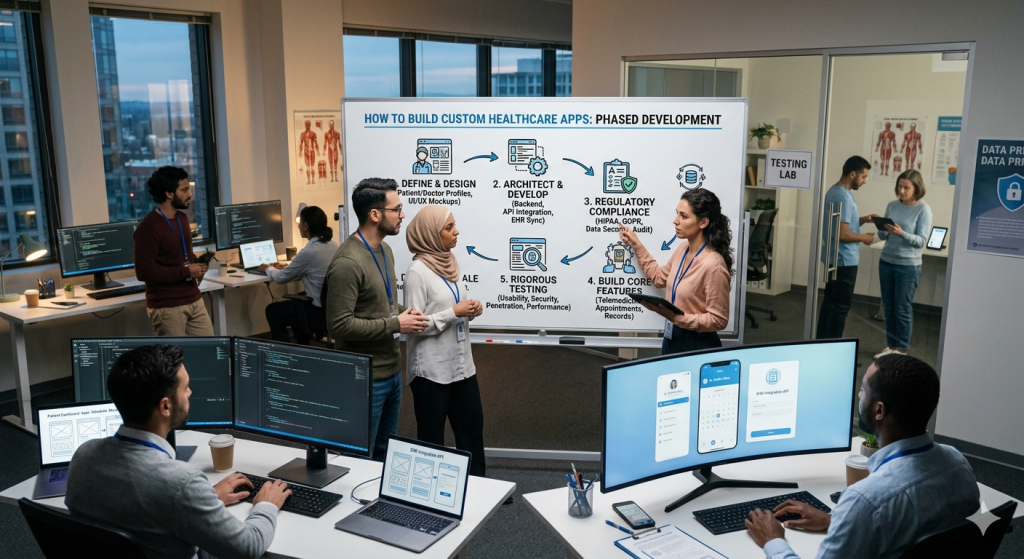
Introduction Custom healthcare app development helps hospitals, clinics, startups, and wellness brands build digital products around real patient and provider needs instead of forcing workflows into generic software. A strong healthcare app can improve appointment booking, remote care, clinical communication, patient monitoring, and record access, but it also has to meet strict privacy, security, and compliance requirements from day one. This guide explains how custom healthcare app development works, what features matter most, how to plan an MVP, and what costs usually shape the project. It is important because healthcare apps handle sensitive data, often integrate with EHR systems, and must balance usability with HIPAA-grade safeguards, audit controls, and role-based access. Custom healthcare app development creates tailored digital solutions for hospitals, clinics, private practices, telehealth startups, and wellness brands, solving real-world problems like appointment chaos, fragmented patient records, inefficient provider communication, and gaps in chronic care management. Unlike generic off-the-shelf software that forces workflows into rigid templates, custom apps adapt to specific needs—whether that’s streamlining triage for emergency departments, enabling remote monitoring for diabetes patients, or building provider collaboration tools that integrate with existing EHR systems. In 2026, healthcare apps must deliver more than convenience; they handle protected health information (PHI), demanding HIPAA-compliant architecture from day one, seamless interoperability with standards like FHIR and HL7, and AI-powered features like predictive analytics, personalized care plans, and real-time clinical decision support. With trends like genomic personalization, blockchain-secured data sharing, AR/VR for medical training and patient education, and 5G-enabled remote monitoring, custom development positions providers and patients for continuous, proactive care beyond clinic walls. The global telemedicine market alone continues explosive growth, making now the ideal time to build apps that scale with rising demand for digital-first healthcare. This comprehensive guide covers planning your app, essential features, compliance requirements, development costs, and proven strategies to launch a HIPAA-secure MVP that drives better outcomes and revenue. Whether you’re a clinic owner modernizing operations or a startup disrupting chronic care, custom healthcare app development delivers measurable ROI through efficiency gains, patient retention, and new service lines. Planning the App The first step in custom healthcare app development is defining the exact problem, audience, and workflow the app will serve, such as patient scheduling, telemedicine, chronic care monitoring, or provider-side care coordination. Successful projects usually start by identifying whether the primary users are patients, doctors, nurses, administrators, or a mix of stakeholders with different needs. A practical planning process includes: Define the core use case and success metric. Build user personas for patients, clinicians, and admins. Prioritize features with an MVP framework such as MoSCoW. Map the core data objects, such as patients, appointments, providers, prescriptions, and reports. Core features Most custom healthcare apps need secure login, profile management, appointments, notifications, and protected data handling as a base layer. Telemedicine products often add doctor discovery, video visits, chat, reminders, and care follow-up tools to make remote consultations work smoothly. Common feature groups include: User authentication and role-based access. Appointment booking and calendar management. Video, voice, or chat consultations. EHR or EMR integration using standards such as HL7 or FHIR. Audit logs, consent handling, and secure document sharing. Compliance and security Compliance is not an add-on in healthcare app development; it shapes architecture, storage, access rules, and incident response from the beginning. If the app handles protected health information for a HIPAA-covered entity and the developer or vendor has persistent access to that data, HIPAA obligations and business associate requirements apply. Security best practices typically include: Encryption in transit and at rest. Strong authentication and session controls. Audit logging and activity tracking. Minimum-necessary access rules. Backup, recovery, and breach response procedures. Cost and timeline Cost depends on the feature set, platform choice, integrations, and compliance complexity. Published 2026-era estimates show that telemedicine-related builds can range from about $40,000 to $100,000 for a basic app and from $100,000 to $300,000 or more for feature-rich platforms, while individual modules such as appointment management or real-time communication add their own cost ranges. A simple budget view is below: Component Typical range Basic telemedicine app $40,000 to $100,000 Advanced healthcare platform $100,000 to $300,000+ Frontend development $20,000 to $70,000 Backend development $30,000 to $100,000+ Conclusion Custom healthcare app development works best when you start with one clear use case, define the right user roles, and build an MVP around secure workflows instead of trying to launch every feature at once. The most reliable products combine patient-friendly UX, provider efficiency, standards-based interoperability, and strict compliance controls before scaling into broader healthcare ecosystems. If you are turning this into a blog title, a cleaner SEO version would be: How to Build a Custom Healthcare App: Complete Development Guide for 2026. FAQ What is custom healthcare app development? It is the process of building a healthcare app tailored to a specific workflow, audience, and compliance need rather than using off-the-shelf software. Which features should come first in an MVP? Secure login, user roles, appointments, messaging or consultations, and protected patient data workflows usually come first. Does every healthcare app need HIPAA compliance? Not every health app does, but apps developed for covered entities that collect or handle protected health information generally must meet HIPAA-related requirements. How much does a custom healthcare app cost? Basic healthcare or telemedicine apps can start around $40,000 to $100,000, while advanced custom platforms can exceed $300,000 depending on integrations and compliance scope. <h2 id=”which-standards-matter-for-interoperability” class=”font-editorial font-bold mb-2 mt-4 [.has-inline-images_&]:clear-end text-base first:mt-0″>Which standards matter for interoperability? HL7 and FHIR are commonly cited standards for healthcare data exchange and interoperability.

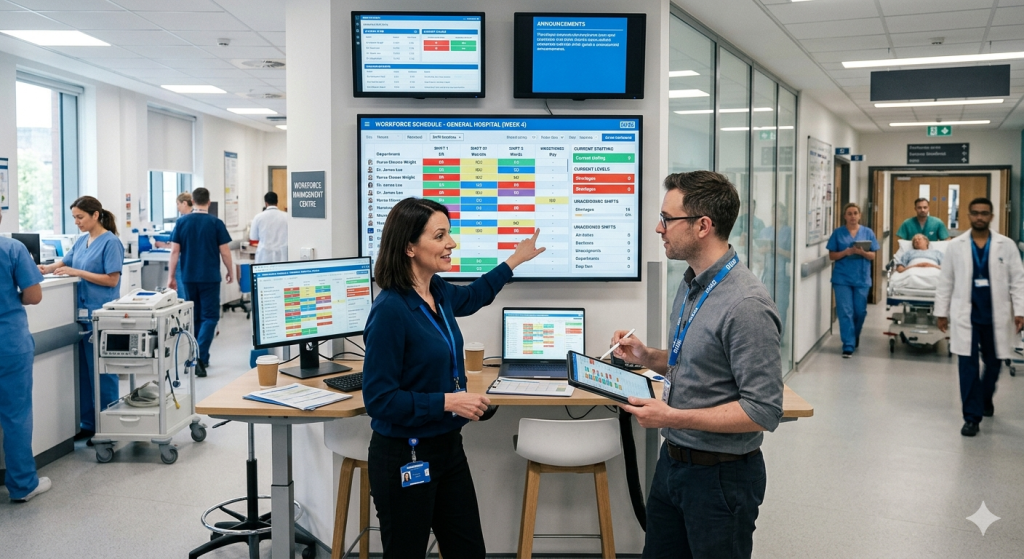
Illustration of healthcare workforce management showing a diverse hospital team with digital dashboards for scheduling, shift planning, and staff performance tracking in a modern control center.
Healthcare & Fitness

Healthcare Workforce Management

Introduction In 2026, hospitals face their toughest staffing crisis yet—nurse shortages up 17%, burnout rates at 62%, and compliance violations costing millions annually. Enter healthcare workforce management software: the AI-powered solution transforming chaos into precision. Hospitals lose $8.4 billion yearly to inefficient scheduling and staffing gaps, while 70% of healthcare leaders report manual processes as their #1 operational bottleneck. This comprehensive guide reveals how healthcare workforce management software leverages AI scheduling, predictive analytics, and HIPAA-compliant automation to: Reduce labor costs 30% through optimized shift planning Cut overtime 45% with demand forecasting Boost staff retention 28% via fatigue monitoring Ensure 100% compliance across 50+ state regulations From real-time nurse scheduling to integrated credential tracking, discover the top 8 features, 5 must-have integrations, and 3 implementation pitfalls every hospital administrator needs to master in 2026. Ready to transform your workforce management? This 2026 definitive guide delivers proven strategies, real-world examples, and ROI calculations to help healthcare leaders achieve operational excellence while prioritizing patient care and staff wellbeing. Healthcare workforce management software revolutionizes hospital operations by automating scheduling reducing overtime costs by 30%, and ensuring compliance across 24/7 shifts. Facing 20% global nurse shortages and $7.5B annual overtime expenses, hospitals need AI-driven tools to match staff skills with patient demand in real-time. This software integrates EHR systems, tracks credentials, and forecasts census with 95% accuracy—preventing fines from understaffing while eliminating budget waste from overstaffing. From ER surges to surgical backlogs, healthcare workforce management software delivers 98% schedule adherence, 25% faster onboarding, and 40% agency spend reduction. Essential for CNOs and HR directors, these platforms boost HCAHPS scores through consistent care teams and HIPAA-compliant automation. Professional team of diverse doctors and nurses representing seamless healthcare workforce management software optimization. Key Features Modern healthcare workforce management software handles complex regulations and 50+ roles: AI-powered demand forecasting (7-30 days ahead) Drag-and-drop scheduling with fatigue/skill matching Automated credentialing alerts (90-day warnings) Geofenced time tracking + payroll integration JCAHO-compliant reporting for ratios/labor laws Top Solutions Overview symplr Workforce excels in labor cost control for large systems ($250K+/year). ADP WorkForce Suite offers payroll integration ($120K/year). UKG Healthcare provides analytics for enterprises ($400K+). Workforce.com suits clinics at $15/staff/month. Legion specializes in real-time ER adjustments ($80K/year). Proven ROI Metrics Overtime savings: 25-35% ($2M+ annually) Agency usage: 40% → 12% No-shows: 18% reduction Payroll accuracy: 99.2% 300-500% Year 1 ROI for 500+ bed facilities. 2026 Implementation Steps Data migration + training (Month 1) Unit pilot (ER/ICU – Month 2) System-wide rollout (Month 3) Continuous AI optimization Conclusion Healthcare workforce management software eliminates staffing chaos, cuts costs 30%, and elevates patient care. Prioritize AI forecasting, EHR integration, and HIPAA compliance for maximum ROI. Schedule demos with symplr or UKG today to transform your operations. FAQ https://images.unsplash.com/photo-1576091160399-1d65cdaa8782?w=1200 Q1: What is healthcare workforce management software? A: Cloud-based platforms automating hospital scheduling, credentialing, time tracking, and AI demand forecasting while ensuring HIPAA/JCAHO compliance across 24/7 operations. Q2: How much does it cost for a 500-bed hospital? A: $120K-$400K/year depending on features; smaller clinics start at $15/staff/month. ROI hits 300% in Year 1 via overtime/agency savings. Q3: Does it integrate with Epic or Cerner EHR? A: Yes—95% of enterprise solutions (symplr, UKG, ADP) offer native APIs for seamless patient census syncing. Q4: What’s the typical implementation timeline? A: 60-90 days: Month 1 (migration/training), Month 2 (pilot), Month 3 (full rollout). Q5: Can it reduce nurse agency spend? A: Absolutely—40% to 12% fill rates typical, saving $1M+ annually for mid-size systems.

Healthcare & Fitness

Healthcare & Fitness in 2025: How Technology and Wellness Are Transforming Lives

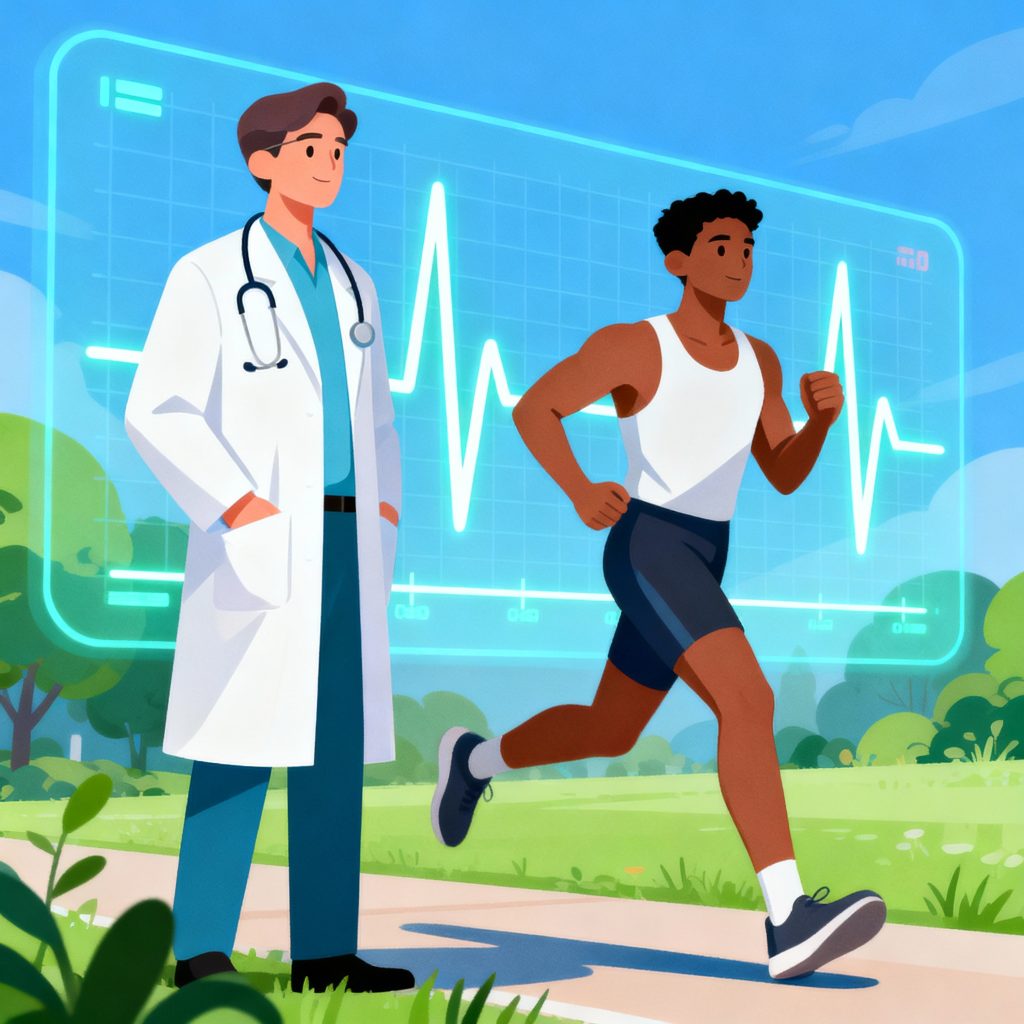
Introduction Health is no longer just about treating illness — it’s about prevention, personalization, and technology-driven care. In 2025, Healthcare and Fitness are merging like never before, powered by artificial intelligence, wearable technology, and data analytics. From smartwatches that monitor heart rates to virtual fitness coaches powered by AI, the future of wellness is digital, personalized, and accessible to everyone. What Is Healthcare & Fitness in the Modern Age? Healthcare focuses on diagnosing, treating, and preventing illnesses.Fitness emphasizes physical well-being through exercise, nutrition, and active lifestyles. In 2025, the two have merged into one unified concept: Digital Health — where technology, medicine, and fitness data work together to promote holistic wellness. How Technology Is Transforming Healthcare Technology is redefining medical care and patient experience: AI Diagnostics: Early detection of diseases using algorithms. Telemedicine: Virtual doctor consultations from home. Electronic Health Records (EHR): Simplified data management for hospitals. Robotic Surgery: Precision-based treatment with minimal recovery time. Wearable Devices: Track heart rate, oxygen, and sleep patterns in real-time. The Role of Fitness in Modern Life Fitness has evolved beyond gyms. People now combine technology and mindfulness to maintain health. Smartwatches and Fitness Bands: Track steps, calories, and workouts. Virtual Workouts: Online platforms like FitOn and Peloton make exercise accessible. Mental Wellness Apps: Meditation and stress management tools like Calm and Headspace. Nutrition Tracking: Apps helping users maintain balanced diets. Healthcare & Fitness Trends in 2025 AI-Driven Health Insights – Personalized fitness and treatment plans. Genetic Testing – DNA-based diet and fitness recommendations. Virtual Reality Therapy – Pain management and mental relaxation through VR. Remote Monitoring – Doctors track patients’ vitals from anywhere. Preventive Healthcare – Early alerts through smart devices. Benefits of Healthcare and Fitness Integration Personalized Wellness: Data-driven recommendations based on individual needs. Accessibility: Healthcare services reach even remote locations. Cost Efficiency: Reduced hospital visits through preventive care. Empowered Patients: People actively manage their own health. Better Outcomes: Continuous tracking leads to early detection and intervention. Challenges in Healthcare & Fitness Despite progress, challenges remain: Data Privacy: Securing sensitive health information. Healthcare Inequality: Ensuring access in rural areas. Tech Dependency: Balancing digital tools with human expertise. Rising Lifestyle Diseases: Due to stress and sedentary work culture. Conclusion Healthcare and Fitness in 2025 are driven by technology, data, and proactive wellness. As AI, wearables, and telemedicine continue to grow, they’re helping people lead healthier, longer, and more balanced lives. The message is clear: “The future of health isn’t in hospitals — it’s in our hands.” FAQ Section Q1. How is technology changing healthcare?Through AI, telemedicine, and wearable devices that make care faster and more accurate. Q2. Why is fitness important for overall health?It improves strength, immunity, mental health, and longevity. Q3. What are examples of fitness technology?Smartwatches, health apps, and virtual workout platforms. Q4. What is preventive healthcare?Detecting and preventing diseases before they develop using screenings and data insights. Q5. How can AI improve health?AI helps predict illnesses, personalize treatments, and improve diagnosis accuracy.

Healthcare & Fitness

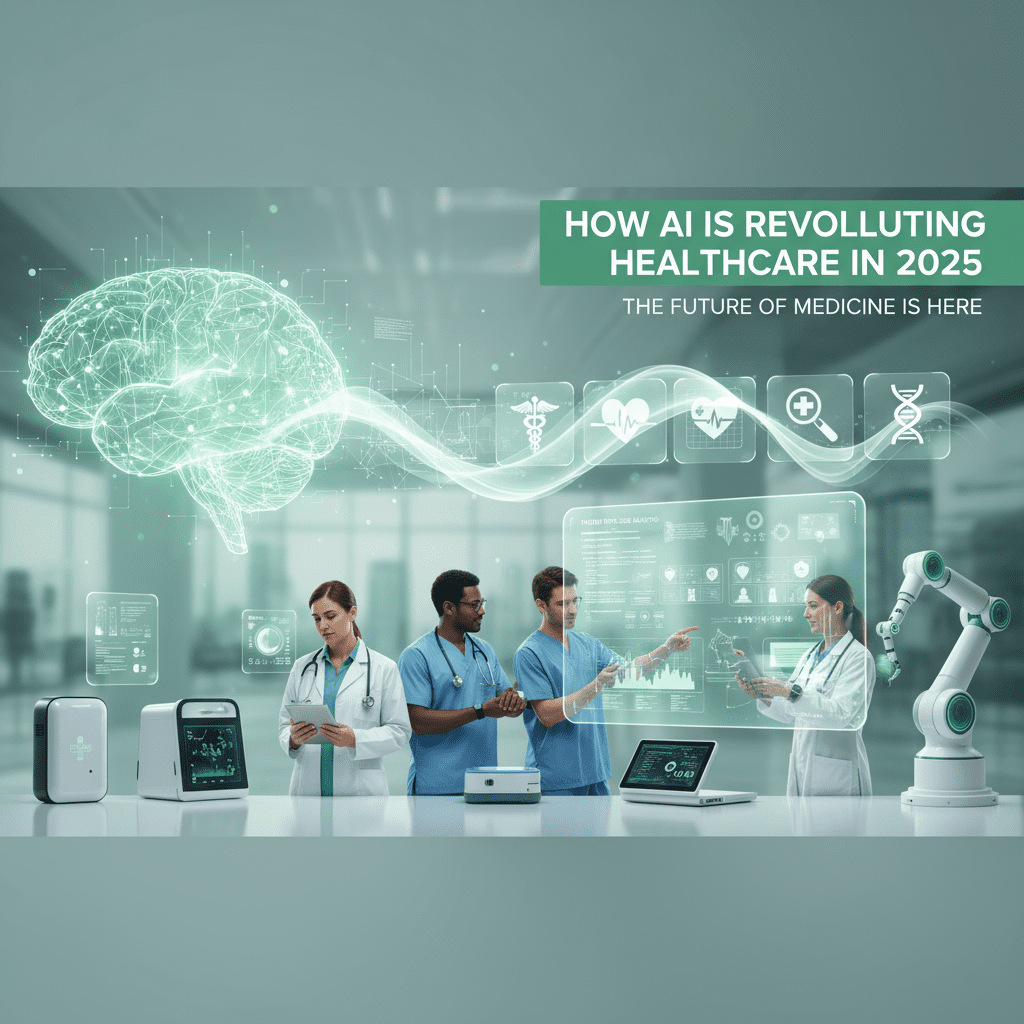
How AI is Revolutionizing Healthcare in 2025

Introduction Artificial Intelligence is ushering in a new era of healthcare in 2025—boosting patient outcomes, accelerating innovation, and making care more precise and accessible than ever before. Here’s how AI is shaping the future of medicine across the globe. Smarter, Faster Diagnostics AI-Powered Medical Imaging: AI now analyzes X-rays, MRIs, and CT scans to detect anomalies like tumors, fractures, and infections faster and more accurately than ever. Early cancer and rare disease detection have been dramatically improved, with error rates and costs dropping significantly. Predictive Diagnostics: AI uses data from patient histories, genetics, and wearables to anticipate the risk of diseases before symptoms occur, allowing for preventative care strategies—especially effective for chronic conditions like heart disease and diabetes. Next-Gen Treatment: Personalized Medicine Precision Treatments: AI integrates genetic, lifestyle, and clinical data to tailor therapies for individuals, especially in oncology and rare diseases, optimizing outcomes and reducing side effects. Genomics and Profiling: Advanced AI systems rapidly interpret genomic data, enabling real-time profiling during surgeries and predicting individual responses to therapies, revolutionizing cancer and rare disease management. Remote Care & Virtual Health Assistants Wearable Monitoring: AI-powered devices track real-time vital signs, alerting both patients and clinicians to potential health issues before they escalate. Hospital-at-home models reduce readmissions and improve quality of life. 24/7 Virtual Support: Chatbots and AI-driven apps now answer medical questions, schedule appointments, provide medication reminders, and triage patients, all while reducing the workload of clinicians. AI in Clinical Decision-Making Real-time Decision Support: AI gives doctors evidence-based recommendations at the point of care by synthesizing global research, treatment guidelines, and patient information. This augments physician expertise, increases diagnostic accuracy, and improves confidence in treatment decisions. Automating Admin Tasks: Intelligent agents automate medical documentation, billing, and coding. This lightens the administrative load and allows clinicians to spend more time with patients. Accelerating Medical Research & Drug Discovery Drug Development: AI can sift through millions of molecules, predict interactions, and simulate clinical trials—speeding up drug discovery, lowering development costs, and quickly identifying optimal candidates for new treatments. Clinical Trials Optimization: By analyzing records and finding ideal trial participants, AI makes trials safer and more effective, accelerating new therapies to market. Enhancing Equity and Population Health Addressing Social Determinants: AI analyzes socioeconomic data alongside health records to identify at-risk populations, close care gaps, and optimize resource allocation—paving the way for fairer, more accessible healthcare. Global Reach: AI extends expertise to remote areas, bridging geographic gaps and allowing global collaboration in tackling public health challenges. Robotic Surgery and Assisted Procedures Greater Precision: Robotic systems powered by AI help surgeons perform complex operations with greater dexterity and accuracy, resulting in fewer complications and quicker recovery times for patients. Impact at a Glance Area AI-Driven Transformation Example/Impact Diagnostics More accurate, earlier detection AI finds tumors in scans invisible to the eye Personalized Care Tailored therapies, reduced side effects Precision oncology; rare disease management Patient Monitoring Continuous data analysis, proactive alerts Wearables detect heart issues before symptoms Administration Automated records and workflows Less clinician burnout, more patient care Research Faster drug discovery, smarter trials Shortened time to new treatments Access & Equity AI bridges gaps for rural or vulnerable groups Virtual care reaches more patients Challenges and the Road Ahead Ethics & Trust: Ensuring privacy, reducing bias, and building transparent, explainable AI remain priorities as adoption expands. Human-AI Partnership: AI isn’t replacing medical professionals but empowering them—successful healthcare systems will be those that blend human empathy with machine intelligence. Scalability: With 90% of hospitals expected to use AI by 2025, broad access and workforce training are key for sustaining progress. AI’s transformative role in healthcare is just beginning. As these technologies advance, expect faster diagnoses, more personalized care, and a health system that’s smarter, fairer, and more responsive to the needs of all. The revolution is well underway—and in 2025, AI is making healthcare better, one patient at a time.

Healthcare & Fitness

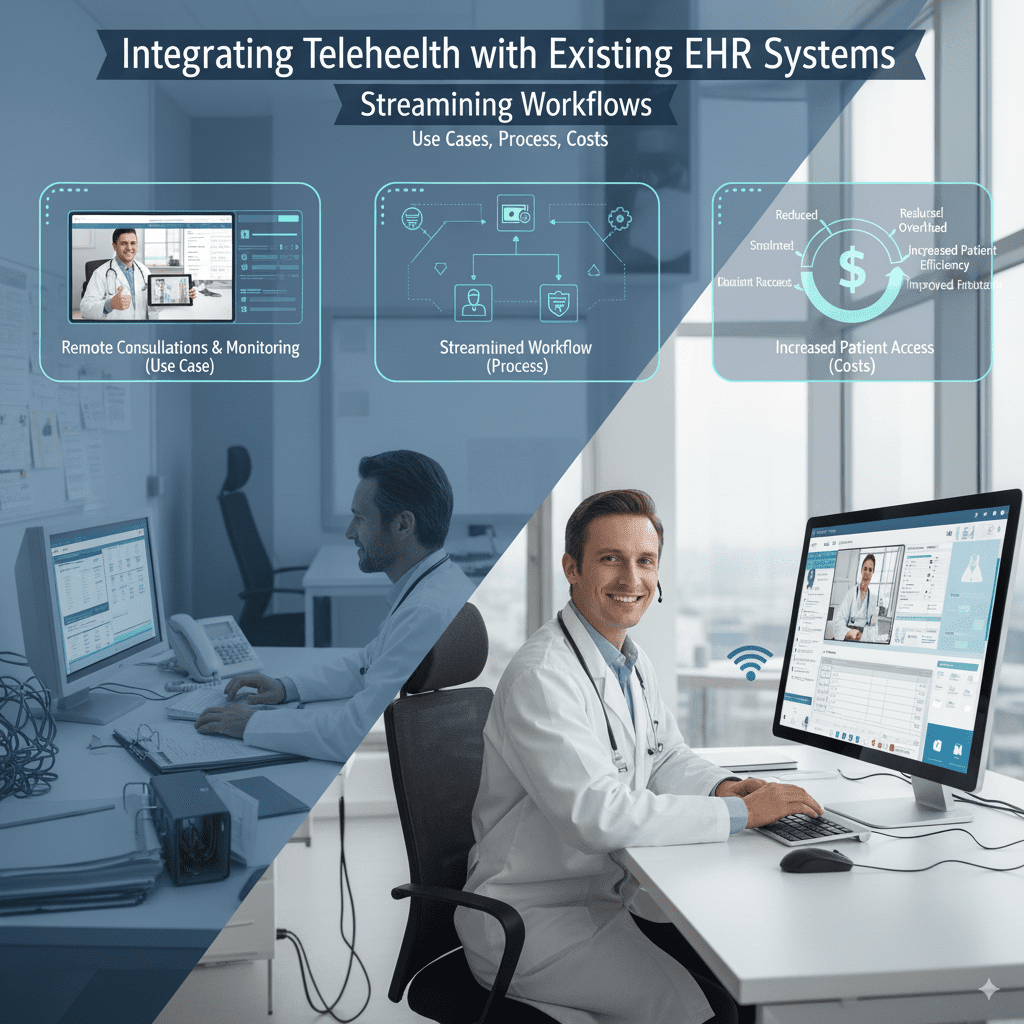
Integrating Telehealth with Existing EHR Systems: Streamlining Workflows

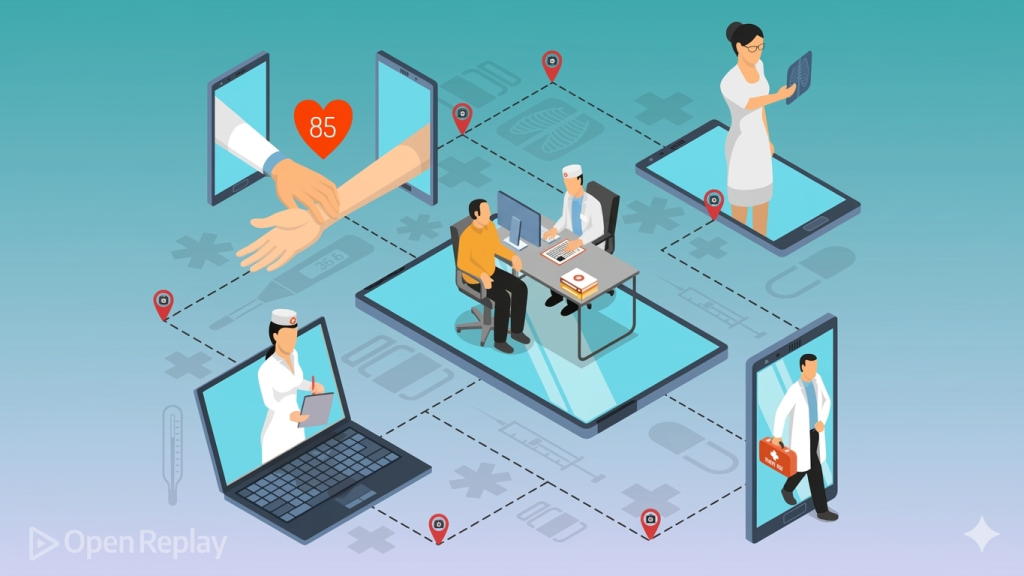
A rapid growth in the adoption of Electronic Health Records (EHRs) and telehealth software systems have been reported all across the world. For instance, almost 74% of healthcare physicians are actively offering telehealth services to their patients. However, one interesting finding in these studies is that it is causing a new strain of problems for healthcare providers, especially for healthcare IT teams. Since most healthcare providers use different healthcare software systems for different purposes, the creation of data silos has affected not only the interoperability of the desperate healthcare systems but also the clinical workflows of these practices. The disconnection between telehealth and Electronic Health Records (EHR) is creating a gap that is widening with every passing day. That is the reason a new trend is now taking shape and becoming a norm in the modern-day healthcare landscape. Yes, telehealth integration with EHR systems and EHR integration with telehealth systems for better data integration practices is what we’re talking about. But is this really the solution to bridge the gap between patient data leading to fragmented care? Well, explore exactly that along with the telehealth EHR integration benefits and the challenges of telehealth integration as well. So, without further ado, let’s get started! Unlocking the Power of Data Integration As healthcare practices are moving towards a digital landscape, the role of data in care delivery and also in the day-to-day affairs of healthcare practices is becoming the epicenter. That is why healthcare practices offering telemedicine should have EHR integration with their systems. Here are some of the telehealth EHR integration benefits that you must know: 1. Holistic Patient View: EHR integration with telemedicine systems enables healthcare providers to have a unified and holistic view of patient data. This patient data usually includes medical history, previous notes, telehealth encounters, and even medication and treatment plans. This will enable the provider to provide better patient care with a personalized approach. 2. Improved Care Coordination: Telehealth integration with healthcare systems, especially electronic health records systems, gives the provider direct access to all the relevant patient information, that too, in one place. This way, the entire care team can coordinate care in a much better way and make informed clinical decisions that can contribute to improving patient outcomes. 3. Streamlined Workflows and Reduced Errors: One of the major benefits of telehealth EHR integration is that it completely eliminates the chances of data duplication and manual entry. This way, clinical workflow is streamlined, significant time for both healthcare providers is saved, and errors are minimized, which will lead to better care practices. Apart from that, with EHR integration, the entire workflow can be streamlined, leading to better care practices. The Key to Interoperability: Standards and Technologies If you have even a slight idea about workflow optimization and telehealth integration with electronic health records, then you must know that interoperability is the key to data integration. Furthermore, to create a well-connected digital healthcare ecosystem, you must achieve interoperability. Here are some ways in which you can achieve that: 1. Breaking Down Silos with HL7 FHIR: HL7, also known as Health Level 7 and FHIR, are the interoperability standards that allow secure and standardized data exchange between telehealth platforms and EHR systems. Following these standards for data, integration enables healthcare providers to seamlessly exchange data and achieve EHR interoperability and telehealth. 2. Beyond Telehealth: While telehealth enables real-time virtual consultations with the use of telecommunication technologies, its integration with electronic health records and remote patient monitoring systems by achieving interoperability will make it an ecosystem where information can flow seamlessly and efficiently across different healthcare IT systems. This way, the telehealth integration will take the system beyond just virtual health consultations. 3. Future Proofing Your Infrastructure: As healthcare systems are becoming a part of the mainstream healthcare landscape, sooner or later, there will be a need to standardize the pattern in which data will be exchanged. This is in the foresight of the future of healthcare systems. So, actually following this as a best practice during your healthcare development will help you make your software future-proof and your practice one step ahead of the competitors, giving your practice more efficiency and efficacy. Challenges to Consider During Integration Since there are a lot of systems involved, the integration of so many systems is bound to be a challenging process for many. Here are some things that you can consider to avoid such challenges during the integration to help you achieve easy and smooth EHR and telehealth integration. 1. Data Standardization and Mapping: Data consistency across different systems is almost near impossible. The data stored in one healthcare IT system would be completely different from the data stored in your physicians’ healthcare systems. For instance, if the data standardization formats followed are different, then it becomes hard for the healthcare system to understand, interpret, and make sense of the data. However, with data mapping tools and industry-standard practices, you can actually ensure the quality of the data, which will automatically enhance the entire process, making the integration process much easier for the systems. 2. Cybersecurity and Data Privacy: Being one of those industries that is highly prone to cyber threats, there is a need to take robust security measures to protect sensitive patient data during the integration process. But how to ensure that? Following necessary compliances and regulatory regulations such as HIPAA, HITECH Act, GDPR, etc., can go a long way. Along with that, you ensure security measures are taken and also build trust in patients that their data is safe and private from the rest of the world. 3. Change Management and Staff Training: It cannot be ignored that the technology is constantly changing, and with that, everything needs to change. And the advancements in the medical field are proof of that. Being in the fastest changing industries, any change in the workflow or procedure will need a change in the system as well. Prepare for that in advance, train your staff well, and always address the technological changes that will help in the smooth adoption of the integrated system. Strategies for A Successful

Scroll to Top