September 2025

Cartoon-style illustration showing a futuristic robot in a laboratory, digital interface panels, vision overlays, and scientists interacting, representing Gemini Robotics ER-1.5-Preview
Artificial Intelligence

A Glimpse into the Future of Robotic Intelligence

Introduction The world of robotics is experiencing a seismic shift with the introduction of Gemini Robotics ER-1.5-Preview, Google DeepMind’s next-generation reasoning engine for robotics. This breakthrough system isn’t just a technical upgrade—it is a philosophical leap toward artificial agents that can perceive, plan, and act safely in our complex physical world. ER-1.5 is an important preview of the future, where robots seamlessly integrate vision, reasoning, and natural language understanding to perform sophisticated, real-world tasks with new levels of adaptability. Data Analytics in Banking: Transforming Finance in 2025 What Makes Gemini Robotics ER-1.5 Revolutionary? Advanced Vision-Language Reasoning: ER-1.5 enables robots to process images, video, and audio, understanding objects, environments, and even spatial-temporal relationships. Natural Language Task Management: Issue a command like “find the banana” or “clean up the table,” and Gemini breaks it down, plans, sequences subtasks, and orchestrates the robot’s actions accordingly. Agentic Autonomy: Gemini can act as a high-level “brain” for robots, performing spatial reasoning, task decomposition, and precise orchestration across a wide range of real-world scenarios—from sorting recyclables based on online guidelines to complex household or industrial automation. Safety and Adaptability: The model is designed with safety checks, semantic understanding for responsible action, and can adapt behaviors across diverse robots, from dual-arm platforms to humanoids. Developer Friendly: The ER-1.5 Preview is available now for testing and implementation via Google AI Studio and Gemini API. Developers can build, experiment, and deploy intelligent agentic robotics with ease. Use Cases and Practical Explanations Industrial Robotics: Robots can now identify parts, understand spatial layouts, and sequence actions for precision assembly, inspection, or transport. Household Automation: Tasks like sorting trash or tidying up are handled by understanding both physical objects and contextual online knowledge, allowing for true “general purpose” agents. Healthcare & Assisted Living: Adaptive robots can take nuanced instructions, reason about safety and comfort, and work in dynamic human spaces. Education & Research: Developers and researchers can now train robots in simulated or real-world environments, driving faster innovation in embodied AI. Safety, Transparency & Thinking Budget Safety by Design: ER-1.5 includes multi-layered safeguards, semantic safety policies, and low-level safety mechanisms, reducing risks of unintended or unsafe robot behavior. Transparent Reasoning: The system can offer explicit step-by-step plans, explain its logic, and adapt on the fly by referencing internet sources or executing custom functions. Thinking Budget: Gemini allows control over the “thinking budget”—balancing fast responses for routine tasks and deeper, higher-accuracy thinking for complex actions. Why This Preview Matters Gemini Robotics ER-1.5-Preview is not merely another AI model—it’s a foundation for safer, more intelligent, and universally adaptable robotics. The separation of “planner” and “executor” functions, natural language interfaces, and agentic autonomy point toward an era where general-purpose robots are feasible for businesses, households, and beyond. This is a crucial inflection point in robotics AI, celebrated by experts worldwide as the dawn of embodied, reliable AI agents. Conclusion Gemini Robotics ER-1.5-Preview is setting the stage for the next decade of intelligent, adaptable, and safe robotics across domains. As AI and robotics become inseparable, tools like ER-1.5 will empower innovators, startups, and industry giants to create game-changing solutions for real-world problems. Now is the time to start building, testing, and imagining the robotic world of tomorrow. FAQ What is Gemini Robotics ER-1.5-Preview? It’s a high-level, vision-language agentic model that enables robots to perceive, reason, and act in complex real-world environments using natural language instructions. How can developers use it? Preview access is available through Google AI Studio and the Gemini API, making rapid prototyping and deployment possible. What sets ER-1.5 apart from other robotics AI? It offers revolutionary separation of planning and execution, deep safety mechanisms, support for multiple robot types, and natural multi-tasking. Is Gemini ER-1.5 safe for real-world use? Yes, with layered safety, transparent planning, and strong semantic controls, but human oversight and best practices remain required. Where can I learn more about real-world applications and benchmarks? See Gemini Robotics-ER documentation and DeepMind’s latest blog. TechOTD Internal Backlinks TechOTD Blog Confidential AI Cloud Computing – An Ultimate Guide for Businesses Predictive Analytics Software Development Agentic RAG: What It Is, Types, Applications and Implementation Large Language Models (LLMs) in Finance How Blockchain Integration Is Optimizing Business Processes in Dubai
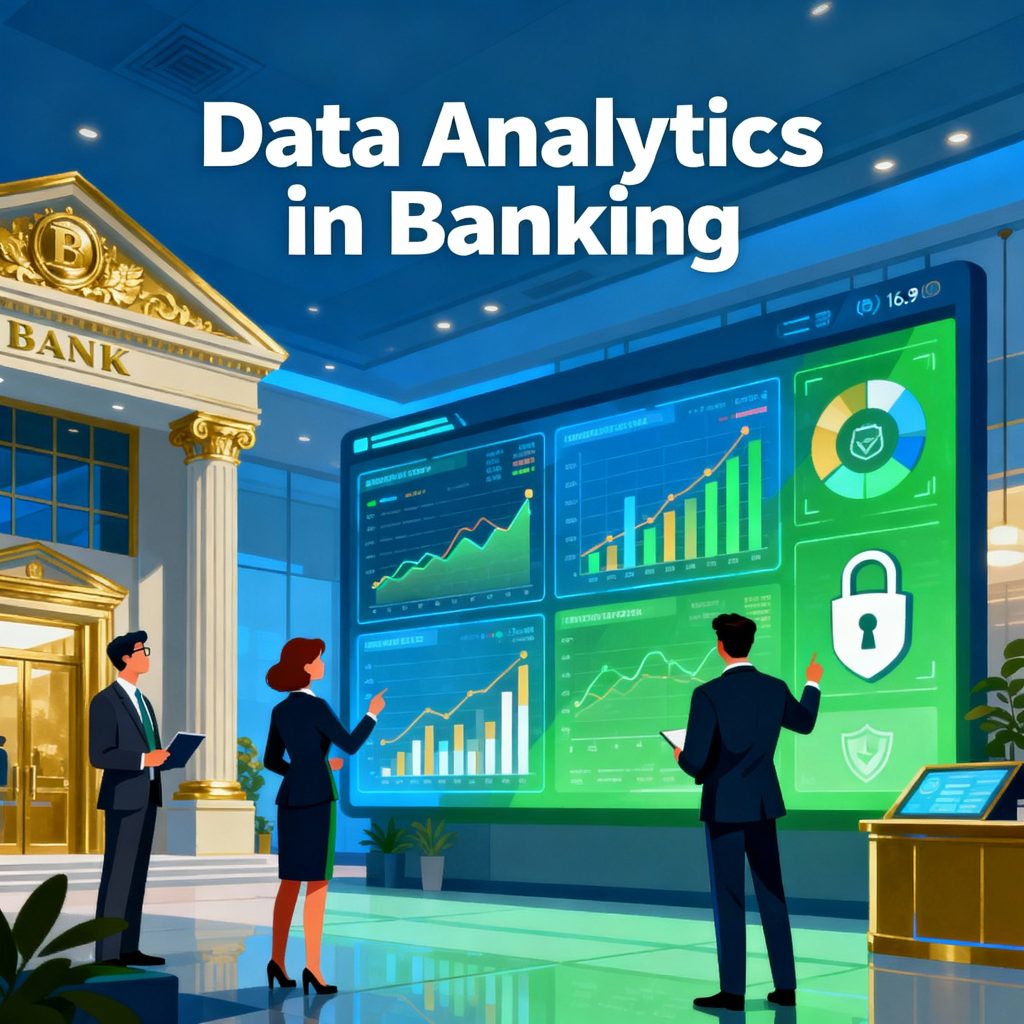
2D illustration of a modern bank with professionals examining colorful digital analytics dashboards, security icons, and vibrant graphs, highlighting data analytics in banking.
data science

Data Analytics in Banking: Transforming Finance in 2025

  Introduction The banking industry is entering a new era—where every transaction, service, and decision is powered by data analytics in banking, banking analytics, and data-driven banking. From retail and commercial banking to investment and treasury, financial institutions are now harnessing the power of analytics tools, financial data analysis, and artificial intelligence to drive smarter strategies, deliver personalized customer experiences, prevent fraud, and manage risk more effectively than ever before. In today’s competitive financial landscape, banks that embrace data analytics not only thrive—they set the pace. For insights on related financial innovation, read our guide to predictive analytics software development. For the latest industry research from a leading consultancy, visit McKinsey Financial Services Insights. How Data Analytics Powers Modern Banking Fraud Detection and AML/KYC Real-time transaction monitoring, anomaly detection, and predictive analytics flag suspicious activity for strong anti-fraud and compliance measures in banking analytics. Machine learning models analyze transaction patterns to detect fraud, building trust and reducing losses for data-driven banking. Customer Segmentation & Personalization Banks group customers by behavior, demographics, and spending patterns for highly relevant product offerings powered by financial data analysis. Personalized recommendations, communications, and experiences increase retention by up to 85% when personalization is prioritized in data analytics in banking. Credit Risk Assessment Advanced credit analytics leverage alternative data and predictive analytics models to accurately assess borrower risk, reducing non-performing assets. Faster and fairer data-driven lending decisions empower responsible lending and expand financial inclusion. Churn Prediction & Retention Analytics identify at-risk customers early, enabling banks to trigger proactive retention campaigns and reduce churn in banking analytics. Early intervention through data-driven banking strategies boosts long-term relationship value. Operational Efficiency & Compliance Streamlined reporting and process automation lower regulatory costs and compliance errors in banking analytics (compliance costs can drop by 20%). Automated pipelines support real-time reporting for Basel, IFRS9, and SEBI requirements with predictive analytics in banking. Predictive Analytics for Strategy Predictive analytics models anticipate cash/ATM demand, optimize pricing, assess investment risk, and forecast market trends for smarter business decisions. Scenario analysis enables banks to adapt to changing economic conditions using data analytics in banking. Real-World Use Cases   Use Case Description Fraud Detection Real-time analytics spot and prevent suspicious transactions using banking analytics. Personalized Banking Banks offer tailored products and services brought by data-driven banking and customer financial data analysis. Loan Default Prediction Machine learning credit scoring supports risk decisions, reducing losses in banking analytics. Compliance Reporting Automation cuts regulatory costs and errors in financial data analysis. Customer Churn Prediction Analytics identify at-risk accounts for targeted retention using predictive analytics. Pricing Optimization Data-driven interest rates and dynamic product pricing improve growth. Strategic ATM Placement Analytics and data-driven banking determine ATM locations for higher usage and savings. Benefits of Data Analytics in Banking Smarter, faster data-driven decisions for revenue growth Stronger fraud prevention and security through predictive analytics Better risk management using banking analytics tools Personalized customer engagement and loyalty Reduced operational costs and improved compliance in financial data analysis Deeper customer insight for strategic data-driven banking innovation Conclusion Data analytics in banking, banking analytics, and predictive analytics are transforming every facet of the industry—empowering institutions to innovate, mitigate risk, and deliver exceptional service. As financial data analysis and data-driven banking become standard in 2025, analytics will drive resilient, future-ready financial strategies. FAQ How does data analytics prevent banking fraud? By using real-time monitoring and machine learning, analytics detect fraudulent patterns and anomalies rapidly, minimizing losses. What is customer segmentation and why does it matter? It’s grouping customers by behavioral and demographic traits, helping banks target relevant offerings for higher engagement and loyalty. How does analytics improve loan approval speed? Credit scoring models use multiple data sources for instant, accurate risk assessment—approving loans faster and reducing bad debt. Can analytics reduce compliance costs? Yes, automation of reporting and data management slashes compliance expenses and error rates. What’s the future of analytics in banking? Expect smarter AI models, blockchain integration for data transparency, real-time insights, and hyper-personalized banking as standard.  

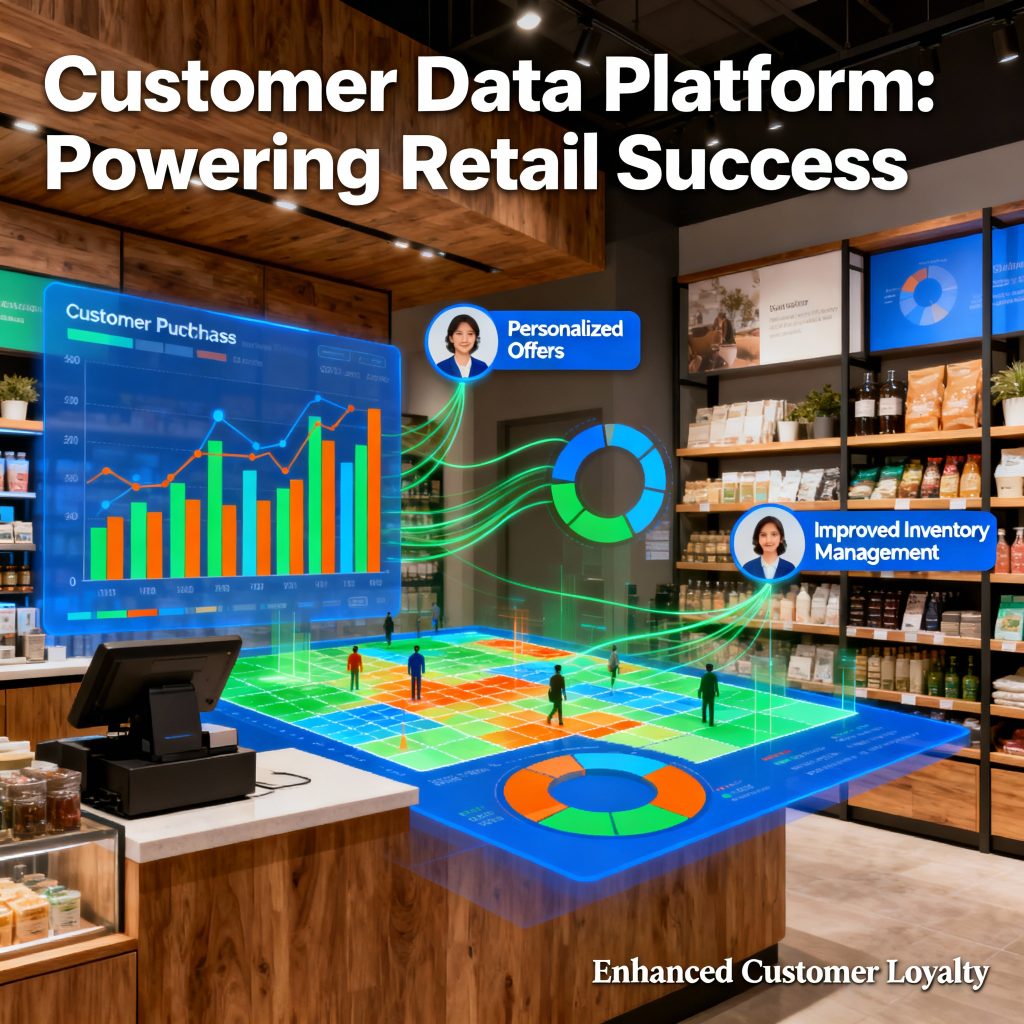
Feature image showing customer data platform (CDP) benefits for retail businesses, with colorful data analytics visuals and modern retail store elements.
Software development

10 Reasons You Need a CDP for Your Retail Business

  Introduction In today’s data-driven retail landscape, understanding and connecting with customers is crucial to success. Modern retailers rely on advanced software solutions like a Customer Data Platform (CDP) to unify fragmented customer data into a single hub. This empowers retail technology ecosystems to create personalized experiences, optimize marketing, and boost sales. As machine learning retail analytics, privacy regulations, and digital channels expand, a robust e-commerce CDP is no longer a luxury—it’s an essential tool for thriving in retail. This blog explores ten powerful reasons every retailer needs a CDP and offers actionable steps to build one, with deep insights and internal links to TechOTD’s leading resources. 10 Reasons You Need a CDP for Your Retail Business 10 Reasons Your Retail Business Needs a CDP 1. Unified Customer View A CDP creates a single, comprehensive profile for each customer by consolidating data from online stores, point-of-sale systems, mobile apps, and loyalty programs. This unified profile becomes the backbone of your retail system, supporting better understanding and improved decision-making. 2. Improved Personalization With unified data, retailers can deliver highly personalized product recommendations, emails, and offers. Personalization increases engagement and conversion rates by leveraging smart machine learning retail models within your CDP. 3. Enhanced Customer Segmentation CDPs enable segmentation based on behaviors, demographics, and purchase history—so messaging and offers are always relevant to each group, making your retail technology strategy more powerful. 4. Better Marketing ROI Precise targeting with real-time data means fewer wasted ad dollars and more effective campaigns. CDPs boost return on ad spend (ROAS) and improve overall marketing efficiency using advanced software analytics. 5. Seamless Omnichannel Experience CDPs unify customer journeys across web, apps, email, and physical stores, ensuring consistent messaging and experiences no matter where customers interact—essential for any e-commerce cdp implementation. 6. Data Compliance and Privacy Managing customer data centrally makes compliance with GDPR, CCPA, and other privacy regulations easier, reducing legal risks. 7. Real-Time Analytics and Insights Advanced analytics allow retailers to track campaign performance, predict churn, and uncover trends for smart, agile decision-making within your retail system. 8. Recover Abandoned Carts CDPs enable personalized follow-up emails and offers that re-engage customers and recover lost sales—using software-powered triggers for timely communication. 9. Customer Retention and Loyalty By understanding and responding to customer needs, CDPs empower loyalty programs and incentives, driving repeat purchases and long-term relationships with the help of advanced retail technology. 10. Marketing Automation and Efficiency Automated workflows triggered by customer actions save time, increase relevance, and let teams focus on strategy instead of manual tasks. This is the essence of modern retail software. How to Build a CDP for Your Retail Business Building a CDP is a strategic process that ensures your investment aligns with business goals—and delivers ongoing value for your retail system. 1. Assess Your Business Needs Identify whether you want more personalization, improved retention, or seamless omnichannel experiences. Clear goals inform every subsequent step. 2. Audit Existing Data Sources Review all systems with customer data (e.g., CRM, online store, loyalty programs—a part of your retail system), identify overlaps and gaps, and clean your data to ensure reliability. 3. Design the Architecture Plan how the CDP will connect to platforms like CRMs, e-commerce, POS, and marketing tools—key elements of retail technology. Define rules for real-time and batch data processing, access control, and regulatory compliance. 4. Develop and Integrate the Platform Choose scalable technology and APIs to bridge systems, ensure rapid data sync, and prioritize security. Integrate with existing processes and future-proof for business expansion using suitable software. 5. Define Segments and Attributes Map out key customer attributes and create segments for targeted campaigns (e.g., VIPs, frequent buyers, at-risk customers). 6. Personalization and Automation Configure real-time triggers for personalized messages, recommendations, and offers using machine learning retail tools. Use automation tools to deliver the right communication at the right time. 7. Privacy and Compliance Management Build in privacy controls and consent management. Keep customer trust by being transparent about data handling and honoring customer choices. 8. Measure and Optimize Set clear KPIs, monitor campaign results, and adjust segments, messages, and strategies using live data and advanced analytics software. Key Points Table Reason/Step Description Unified Customer View Single profile per customer enables better understanding and interactions. Improved Personalization Data-driven product recommendations and offers for each user. Enhanced Segmentation Group customers for relevant messages and campaigns. Marketing ROI Fewer wasted ads, real-time performance tracking, higher sales. Omnichannel Experience One smooth journey across online and offline touchpoints. Compliance & Privacy Centralized data simplifies consent management and data regulations. Real-Time Analytics Track trends, campaign success, and customer needs as they happen. Recover Carts Use behavioral data to re-engage and convert lost customers. Retention & Loyalty Data-driven incentives for long-term relationships and repeat sales. Automation Hands-off, triggered messaging and campaigns improve efficiency. For insights on how AI and software are transforming retail, read our guide on Machine Learning in Healthcare for parallels in data-driven innovation: Machine Learning in Healthcare Explore the future of AI-powered customer service in retail technology with our article on Seamless Customer Journeys with AI: Seamless Customer Journeys with AI – The Future of Service Excellence Understand how predictive analytics software enhance CDP capabilities in retail by visiting: Predictive Analytics Software Development – Features, Benefits, Use Cases, Process, and Cost Discover how cloud technology supports modern retail systems in our comprehensive guide: Cloud Computing – An Ultimate Guide for Businesses Learn about agentic RAG and its applications for smarter data management in retail systems: Agentic RAG: What It Is, Types, Applications, and Implementation Read about confidential AI systems transforming data security and compliance in retail technology: Confidential AI Conclusion A Customer Data Platform is a must-have software for every modern retail business. By connecting disparate data sources, enabling true omnichannel engagement, and powering personalization through machine learning retail analytics, a CDP puts the customer at the heart of decision-making. Investing in a CDP enables retailers to exceed customer expectations, drive returns, and thrive amid fierce competition. If you haven’t yet explored CDPs, now is the time to future-proof your retail business with advanced retail system tools—ensuring agility, compliance, and sustained growth. For tailored CDP integration and AI solutions, explore TechOTD’s expertise today. FAQ What is a CDP and how does it differ from a CRM? A CDP unifies customer data from all sources for 360° analysis and activation, while a CRM

Illustration showing doctors, nurses, and digital AI interfaces analyzing patient data, medical images, and health charts—depicting how machine learning is transforming healthcare
machine learning

Machine Learning in Healthcare

Introduction Machine learning (ML) is redefining the healthcare sector worldwide, enabling medical professionals to deliver smarter, faster, and more personalized care than ever before. By analyzing vast amounts of medical data, ML algorithms are transforming how diseases are diagnosed, how treatments are personalized, and how hospitals operate. With predictions indicating the global healthcare AI market will exceed $600 billion by 2034, there’s no better time to explore how machine learning is reshaping the entire industry. Transformative Applications of Machine Learning in Healthcare Early Disease Detection and Accurate Diagnosis Machine learning’s pattern recognition strength allows it to analyze genetic data, medical images, and electronic health records to detect diseases at earlier stages. Advanced ML models interpret X-rays, MRIs, and CT scans for abnormalities that might escape the human eye, boosting detection rates for cancers, cardiovascular diseases, and neurological disorders. Example: AI-enabled breast cancer risk assessment models can predict malignancy up to 10% more accurately than traditional methods. Impact: Earlier intervention, higher survival rates, and improved patient outcomes. Predictive Analytics for Personalized Treatment By processing a patient’s entire health history, ML identifies patterns that correlate with optimal treatments. This accelerates precision medicine, where therapies are selected based on an individual’s genetic, lifestyle, and environmental factors. Example: Oncora Medical uses ML to tailor cancer treatment regimens, dramatically improving effectiveness. Drug Discovery and Development Acceleration Traditional drug discovery is slow and expensive. ML streamlines the development process by predicting how drugs interact with biological systems, identifying promising compounds, and reducing time to market. This advances new treatments for diseases like cancer, diabetes, and rare disorders. Streamlining Hospital Operations Hospitals are using ML to forecast patient admissions, optimize staff scheduling, manage inventory, and automate billing—improving overall operational efficiency and patient experience. Example: Historical data and ML models help hospitals anticipate patient influx, minimizing wait times and resource shortages. Improving Prescription Accuracy ML-based systems alert clinicians to potential drug interactions, allergies, or risky dosages, reducing adverse drug events and ensuring safer care. Real-Time Patient Monitoring With wearable devices, ML analyzes vital signs and behavioral data, flagging complications and enabling proactive interventions for chronic conditions. Benefits of ML in Healthcare Benefit Description Early Disease Detection Faster, more accurate diagnosis leveraging big data and imaging analytics. Personalized Care Custom treatment plans based on individual patient profiles and predictive modeling. Improved Efficiency Automates repetitive tasks, streamlines hospital ops, reduces costs. Drug Discovery Identifies effective compounds, speeds time to market, lowers R&D expenses. Better Patient Outcomes Enables timely, precise interventions, reducing hospitalizations and improving recovery. Enhanced Data Security ML models anonymize and protect sensitive health data, complying with regulations. Real-World Use Cases Risk Assessment Models: Predict cancer, heart disease, and diabetes risk from diverse health data sources. Optimizing Chemotherapy: AI models recommend optimal cancer treatments, boosting precision and reducing trial-and-error. Wearable Health Tech: Devices monitor patients in real time, alerting caregivers to emergencies or medication needs. Emergency Room (ER) Triage: ML automates prioritization, ensuring the most critical cases are addressed immediately. Virtual Health Assistants: Chatbots collect patient information, provide education, and offer 24/7 support, saving staff time. Predictive Hospital Resource Management: ML tools forecast peak periods, staff needs, and supply demands. Challenges to Adoption Data Privacy & Security: Sensitive medical data requires strict compliance with privacy regulations. Integration: Legacy systems can make incorporating AI and ML difficult for care providers. Bias and Explainability: Ensuring fairness and transparency in predictions remains a developing priority. Skill Gaps: Many providers require new skills and resources to realize ML’s full potential. Conclusion Machine learning is truly shaping the future of healthcare. From detecting diseases earlier to engineering revolutionary drugs and tailoring patient care at the individual level, ML brings innovation and efficiency across the sector. Adoption challenges remain, but its capacity to improve patient outcomes and operational excellence means ML will soon be omnipresent in every healthcare journey. Embracing these digital tools transforms healthcare into a smarter, safer, and more connected industry. FAQ How does ML improve healthcare diagnosis? ML analyzes vast medical datasets and images for patterns, enabling earlier and often more accurate detection of diseases than traditional methods. Can ML help in drug discovery? Yes. ML predicts promising compounds and streamlines R&D, making drug development faster and more cost-effective. What are the benefits of ML for hospitals? It improves efficiency by automating scheduling, billing, and inventory, forecasts patient flow, and enhances resource use. Does ML in healthcare protect patient data? Advanced ML models help anonymize and secure personal data, supporting compliance with HIPAA and GDPR. What is the outlook for ML in healthcare? With ongoing advances, ML will soon underpin everything from diagnostics and operations to personalized medicine—benefitting providers and patients alike.

Illustration of a futuristic retail store featuring AI-powered recommendations, automated checkout, and digital data analytics, highlighting how machine learning is transforming the retail sector
machine learning

How Machine Learning in Retail is Redefining the Sector

Introduction The retail sector is undergoing a digital revolution driven by the rapid adoption of machine learning (ML) and artificial intelligence (AI). From dynamic personalization to predictive inventory management, retailers of all sizes are leveraging ML to transform customer experiences, improve operations, and boost profitability. With global AI in retail expected to reach $23.3 billion by 2025 and hyper-personalization becoming a benchmark for success, machine learning is no longer a luxury—it’s a competitive necessity. Hyper-Personalization: The New Retail Standard Machine learning enables retailers to offer deeply personalized shopping experiences. By analyzing massive amounts of data—such as browsing history, purchase patterns, and social media activity—ML models predict consumer preferences before customers even realize them. AI-powered Recommendation Engines: Platforms like Amazon and Netflix use ML to suggest tailored products and content, dramatically increasing engagement and sales. Dynamic Content & Offers: In-store and online, ML customizes promotions and product displays to match individual tastes, driving greater conversion rates. Customer Segmentation: ML clusters shoppers by behavior and interest, enabling more effective targeted marketing. Stat: 75–80% of shoppers are more likely to buy when offered personalized experiences, and brands adopting this approach are seeing customer loyalty and revenue soar. Predictive Analytics Drive Smart Inventory and Dynamic Pricing Gone are the days of manual forecasting. Advanced ML algorithms analyze historical sales, seasonal trends, and even weather patterns to predict demand with remarkable accuracy. Retailers can: Optimize Inventory: Minimize stockouts and reduce excess inventory, cutting costs and increasing fulfillment rates. Dynamic Pricing Engines: Adjust prices in real time based on demand, competition, and buyer behavior, maximizing profits while staying competitive. Case Example: REWE uses AI-driven demand forecasting to fine-tune inventory and reduce waste, while Amazon’s dynamic pricing adapts instantly to market fluctuations. Smarter Fraud Detection and Risk Management Retailers face major challenges from payment fraud and account takeovers. ML continuously analyzes transaction patterns to identify anomalies, stopping fraud in real time. Fraud Detection: Spotting fake transactions and unauthorized activity before losses occur. Reduced False Positives: ML learns over time, minimizing disruptions for genuine shoppers while raising the bar for would-be fraudsters. Enhanced Search, Chatbots, and In-Store Automation Machine learning’s impact goes beyond backend efficiency—it enhances customer engagement at every point. Semantic Search Engines: ML understands context, delivering highly relevant search results and recommendations. Chatbots & Virtual Assistants: 24/7 AI-powered help improves support, provides expert advice, and streamlines online and in-store processes. Staff-less & Automated Stores: Innovations like Amazon Go use ML to enable checkout-free shopping, reshaping the physical retail space. Optimizing Supply Chain and Logistics ML streamlines the complex world of retail logistics: Route Optimization: Reduces delivery times and shipping costs. Demand Forecasting: Predicts regional demand spikes, ensuring the right stock is in the right place. Supplier Collaboration: Shares insights instantly, keeping partners aligned on inventory and fulfillment. Real-World Impact: Retail Success Stories Walmart Realm: Uses AI to adapt virtual stores and enhance the shopping journey for each customer. H&M: Employs ML for demand prediction and store optimization—cutting excess stock by 20% and strategically opening locations. Tesco: Offers healthier food suggestions by analyzing purchase histories, encouraging better choices among shoppers. Key Benefits of Machine Learning in Retail Benefit Description Personalization Tailors recommendations and promotions to individual shoppers. Inventory Optimization Accurately forecasts demand, reducing stockouts and surplus. Dynamic Pricing Updates prices in real time to balance profit and competitiveness. Fraud Prevention Detects and prevents unauthorized transactions. Customer Insights Uncovers deep patterns in buying behavior for targeted marketing. Operational Efficiency Automates repetitive tasks and improves overall workflow. Challenges and Future Trends Challenges: Data Privacy & Security: ML systems handle sensitive customer data, making compliance and security paramount. Integration: Merging new ML tech with legacy retail systems can be complex. Talent Gap: Building in-house ML capabilities remains a challenge for smaller retailers. Trends for 2025 and Beyond: Hyper-personalization will become a baseline, not a differentiator. Voice commerce and conversational AI will drive new user experiences. ML will power sustainability efforts through waste reduction and optimized logistics. Conclusion Machine learning is fundamentally redefining the retail sector—empowering businesses to anticipate trends, create individualized customer journeys, combat fraud, and optimize every step from supply chain to checkout. Retailers that invest in ML-driven transformation today are poised to win tomorrow’s market, building resilience, agility, and customer loyalty in a fiercely competitive landscape. FAQ How does machine learning personalize retail? By analyzing a shopper’s data and behavior, ML models recommend products, tailor offers, and create a seamless, relevant experience—both online and in-store. How does ML help with inventory management? ML uses historical and real-time data to forecast demand, reducing overstock and preventing stockouts. Can machine learning stop fraud in retail? Yes, by monitoring transactions for unusual patterns, ML instantly detects and stops fraudulent behavior, lowering losses. What are the key challenges for adopting ML in retail? Data privacy, system integration with legacy tools, and the shortage of skilled talent are major challenges for many retailers. Is ML only for large retailers? No. While giants lead adoption, scalable ML tools and cloud solutions are available for retailers of all sizes30 tags

Infographic illustrating industries such as healthcare, finance, government, retail, telecom, manufacturing, energy, education, and logistics benefiting from Confidential AI adoption, with icons for data security, AI, and compliance.
Artificial Intelligence

Confidential AI

Introduction The age of intelligent automation is reshaping every industry, allowing organizations to process vast amounts of data, deliver deeply personalized experiences, and accelerate innovation. However, as the power of AI grows, so do concerns about data privacy, security, and regulatory compliance. Confidential AI—a new paradigm for data protection—ensures that sensitive information remains secure not only during storage or transit but also while being processed by advanced machine learning models. Embracing Confidential AI is essential for organizations that want to unlock the full potential of intelligent automation without compromising on trust or ethics. The Rise of Confidential AI: Protecting Data at Every Stage Traditional security approaches primarily focus on protecting data at rest and in transit. Confidential AI extends these boundaries, delivering robust protection even when data is actively being processed by AI models. Key Technologies Behind Confidential AI: Homomorphic Encryption: Allows computations on encrypted data, so raw information is never exposed—even during analytics and model training. Federated Learning: Enables AI models to learn collaboratively from multiple sources without sharing underlying data—critical for sectors like healthcare and finance. Trusted Execution Environments (TEEs): Secure zones within hardware that keep sensitive processing insulated from the rest of the system. Differential Privacy & Secure Multiparty Computation: Techniques that anonymize data or allow secure joint analysis across organizations. These methods work together to form multilayered defenses that guard against both external hackers and insider threats, ensuring regulatory compliance and ethical stewardship. Why Confidential AI is Critical for Today’s Businesses Compliance with Tougher Regulations With GDPR, HIPAA, CCPA, and similar laws tightening global data privacy requirements, Confidential AI helps organizations: Automate compliance by integrating privacy controls directly into AI workflows, reducing manual oversight. Respond rapidly to audits and demonstrate robust safeguards, building regulatory trust. End-to-End Security and Risk Mitigation Confidential AI protects sensitive datasets against exposure at all stages—storage, transit, and active processing—mitigating risks before they start. By encrypting or isolating data in secure hardware and software enclaves, organizations significantly reduce vulnerabilities to insider attacks and malicious breaches. Business Value and Ethical Innovation Enables organizations to extract actionable insights from confidential data safely, driving data-driven innovation without reputational risk. Supports responsible AI and data ethics by default, so businesses can build customer trust and brand reputation while scaling automation. Best Practices for Implementing Confidential AI 1. Encrypt All Sensitive Data Use strong encryption protocols for data storage, transfer, and especially for processing (homomorphic encryption). Ensure encryption keys are controlled and regularly rotated. 2. Strengthen Data Privacy with Differential Privacy Anonymize datasets before analysis to remove personal identifiers. Use role-based controls so only authorized personnel access confidential data. 3. Utilize Secure Hardware and Trusted Execution Environments Deploy TEEs to isolate AI computations from the rest of the system, preventing unauthorized monitoring or data leaks. 4. Enforce Rigorous Access Controls and Monitoring Use multi-factor authentication, API keys, and continuous monitoring to detect and stop unauthorized access to both data and models. Maintain full audit trails of data access and algorithm activity for accountability and compliance reviews. 5. Ensure AI Compliance and Governance Regularly review AI systems for bias, model transparency, and explainability issues to meet emerging regulatory standards. Align with frameworks like GDPR, HIPAA, and sector-specific regulation. Practical Use Cases of Confidential AI Healthcare Securely processes patient records for diagnostics and research without ever exposing raw personal data. Enables collaborative research via federated learning between hospitals and labs. Finance Protects sensitive financial data (such as transaction history and customer details) while enabling fraud detection and predictive analytics. Facilitates secure AI-driven risk modeling across regulated financial institutions. Government and Public Sector Allows agencies to analyze census, security, and welfare data without violating citizen privacy. Supports public health and smart city initiatives powered by confidential data aggregation. Cross-Industry: Multi-Party Data Collaboration Confidential AI allows companies in supply chain, retail, tech, and more to build shared AI models without sharing underlying datasets. Key Points Table Aspect Confidential AI Approach Traditional AI Security Data Protection Secures data at rest, in transit, and in use Focuses on data at rest/in transit Technology Homomorphic encryption, TEEs, federated learning Firewalls, standard encryption Insider Threats Mitigates both insider and outsider threats Limited resistance to insider attacks Compliance Embedded privacy controls, audit-friendly Manual compliance checks Business Value Unlocks insights from sensitive data securely Limits analysis on confidential data FAQ Q1: What is Confidential AI and how is it different from traditional AI security? A1: Confidential AI protects sensitive data not just during storage and transfer, but also while data is being actively processed by AI models—using technologies like encryption, federated learning, and secure hardware zones. Traditional security typically focuses only on protecting data at rest or in transit. Q2: What are the main regulatory compliance concerns with AI and sensitive data? A2: Regulations such as GDPR, HIPAA, and CCPA require strict data protection, usage transparency, and rapid breach reporting. Confidential AI automates much of the compliance process and reduces the risk of costly violations. Q3: Which industries benefit most from Confidential AI? A3: Sectors with highly sensitive or regulated data—such as healthcare, finance, government, and cloud-based collaboration—gain the most value from Confidential AI solutions. Q4: How can organizations implement Confidential AI effectively? A4: Encrypt all sensitive data, use secure enclaves for computation, enforce strict access controls, and embed compliance checks throughout the AI lifecycle. Q5: Is Confidential AI expensive or hard to deploy? A5: With cloud providers and hardware vendors now supporting TEEs, federated learning, and dedicated confidential AI services, implementation is becoming more accessible and cost-efficient for organizations of any size. Conclusion The explosion of intelligent automation means businesses handle more sensitive data than ever before. Confidential AI empowers organizations to extract unparalleled business value from data—while maintaining compliance, ethics, and trust. By embedding cutting-edge privacy and security methods throughout the AI lifecycle, Confidential AI becomes a cornerstone for safe, responsible automation. Now is the time for leaders in all industries to invest in end-to-end confidential AI solutions, leveraging innovation without sacrificing data protection. For organizations seeking to securely harness AI’s potential, consult with experts at TechOTD AI Services to design

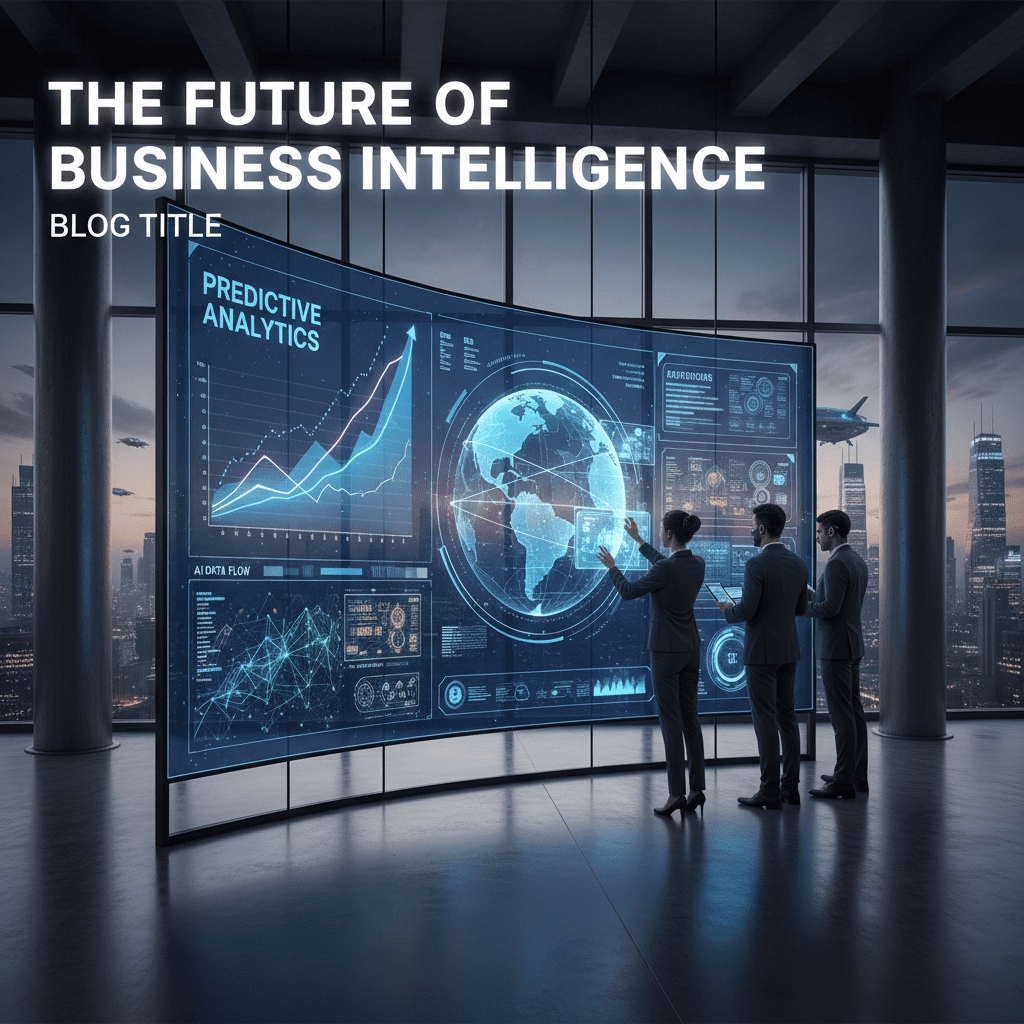
"Futuristic dashboard with predictive analytics graphs, AI data streams, and business professionals analyzing digital interfaces, representing software-driven business forecasting."
data science, Software development

Predictive Analytics Software Development

Introduction Predictive analytics software development is revolutionizing how organizations leverage their data to anticipate trends, reduce risk, and gain a competitive edge. By deploying machine learning, statistics, and advanced modeling, companies can turn historical and real-time data into actionable predictions—whether for sales forecasting, preventing fraud, or optimizing inventory. With mounting business complexity and data volumes, predictive analytics tools have become essential for organizations aiming to future-proof their strategies and drive smart decisions in an ever-changing market. What Is Predictive Analytics Software Development? Predictive analytics utilizes historical and live data, advanced algorithms, and machine learning to forecast future outcomes and recommend the best actions. Developing predictive analytics software typically involves identifying business needs, collecting and preparing data, building models, and integrating these models seamlessly into business applications for real-time insights. Modern predictive analytics systems can be custom-coded, built using data science tools, or integrated through user-friendly low-code platforms, making this technology accessible across industries. Key Features: Automated data ingestion and cleansing Model building, evaluation, and deployment Real-time prediction capabilities Integration with business processes and dashboards Ability to learn and adapt as new data arrives The Predictive Analytics Software Development Lifecycle Strategic Planning Define specific business problems such as churn prediction, fraud detection, or inventory optimization. Set measurable goals and align key stakeholders. Data Collection & Preparation Gather data from internal systems, external sources, and real-time feeds. Cleanse, transform, and annotate data to ensure quality input for models. Model Development Choose appropriate algorithms (e.g., regression, decision trees, neural networks). Train and validate models on historical data; iterate for accuracy and explainability. Integration & Deployment Embed predictive models into business systems like CRMs, ERPs, or supply chain tools for live predictions. Provide end-users, analysts, and leaders with intuitive dashboards or automated triggers. Monitoring, Maintenance, and Scaling Track accuracy; retrain models as conditions shift and new data is available. Continuously enhance with new features and data sources. Best Practices: Start small with a pilot project—optimize, then scale Prioritize data quality and governance early on Foster teamwork between IT, data science, and business units Focus on model transparency and compliance Embrace agile, iterative development for adaptability Business Benefits & Use Cases Improved Decision-Making: Predictive analytics drives proactive strategies by uncovering patterns and forecasting potential outcomes. Risk Reduction: Banks, insurers, and manufacturers leverage predictive models for fraud detection, credit scoring, risk assessment, and predictive maintenance. Enhanced Efficiency: Automated forecasting and resource allocation improve supply chain and operations management. Personalization: Retailers and marketers optimize targeting, recommendations, and retention using behavioral analytics. Healthcare: Early disease detection, readmission risk prediction, and personalized treatment planning lead to improved patient outcomes. Scalable Growth: Predictive software enables organizations to handle increasing data complexity and maintain a competitive edge. Conclusion Developing predictive analytics software equips organizations with the foresight to make smarter, data-driven decisions while automating processes and enhancing resiliency. By following best practices and leveraging modern development frameworks, businesses of all sizes can turn raw data into predictive power—unlocking new opportunities and sustainable growth. Call-to-Action: Explore predictive analytics software solutions tailored to your business needs—connect with expert developers today and turn your data into a strategic asset! FAQ What is predictive analytics software? It is a tool that uses historical and current data, along with algorithms and machine learning, to forecast future trends and inform smarter business decisions. How does predictive analytics benefit companies? It improves revenue prediction, reduces risk, enhances customer experience, streamlines operations, and delivers personalized recommendations. What are common use cases? Fraud detection, demand forecasting, maintenance planning, customer segmentation, and healthcare diagnosis are among the top applications. What is needed to build predictive analytics software? You need a well-defined problem, quality data, an experienced team, the right algorithms, and a plan for ongoing monitoring and refinement. How do you choose the right predictive model? Select based on the type of prediction needed—classification, regression, or time series—and evaluate with validation metrics before deployment

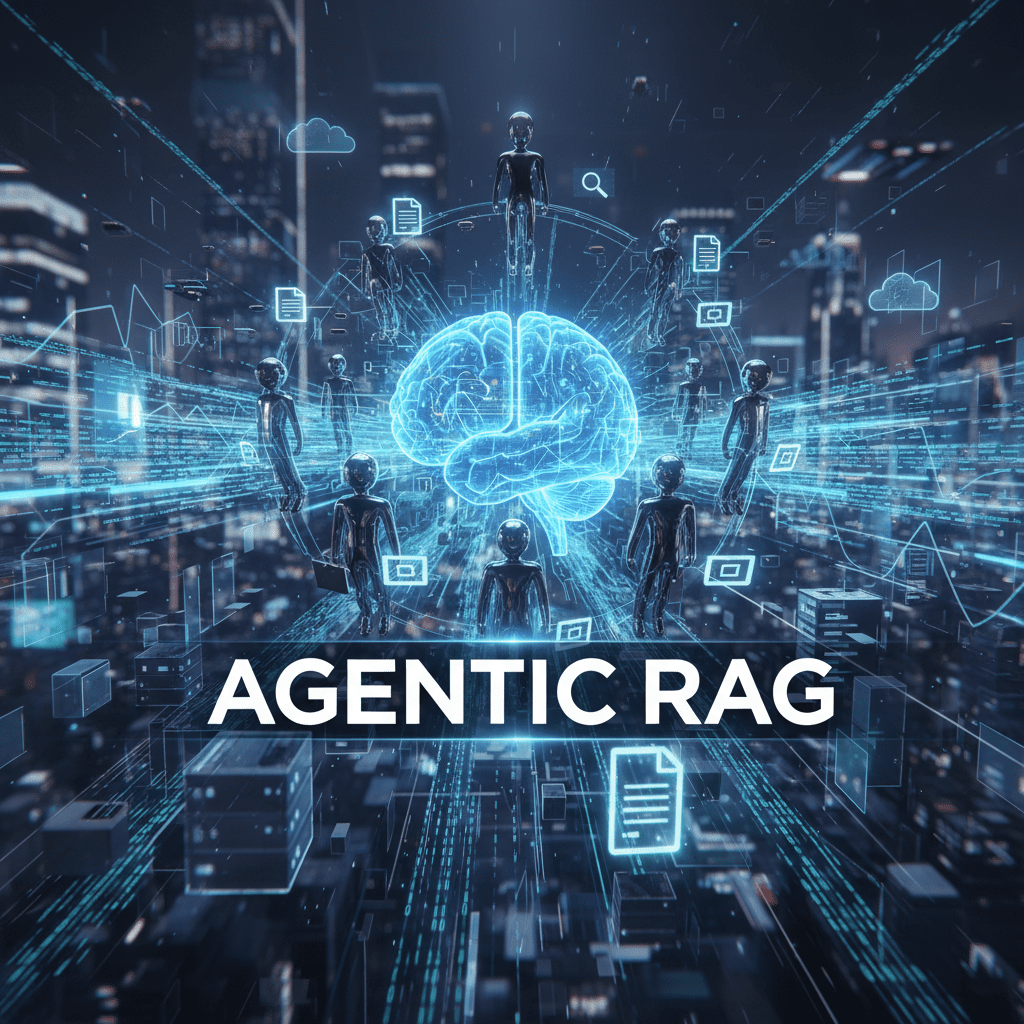
Futuristic business illustration showing a central AI brain connected to digital agent nodes and data streams, with document icons symbolizing smart retrieval. Bold title reads 'Agentic RAG
React native doveploment

Agentic RAG

Introduction Agentic RAG is transforming the way organizations approach information retrieval, research, and automation by combining the power of retrieval-augmented generation (RAG) with intelligent, autonomous agents. This advanced AI framework empowers systems to reason, plan, use external tools, and learn over time, resulting in highly accurate and context-aware outputs. As modern enterprises face exponential growth in data, agentic RAG offers new ways to access reliable information, automate workflows, and create advanced virtual assistants—ushering in a new era of scalable, adaptive business intelligence. What Is Agentic RAG? Agentic RAG merges retrieval-based AI models with generative language models, empowered by autonomous agents that go beyond static query matching. Agents can decide what information to retrieve, break down complex queries into sub-tasks, access external APIs, and synthesize data for comprehensive responses. Unlike classic RAG, agentic RAG adapts to new data and context dynamically, leveraging iterative planning and feedback to continually improve output quality. Key Features: Autonomous decision-making and reasoning Multi-step planning and query decomposition Dynamic retrieval from diverse sources (databases, APIs, knowledge bases) Enhanced accuracy, efficiency, and real-time adaptability Continual learning and context management Types of Agentic RAG Agentic RAG systems employ several types of agents based on function and complexity: Routing Agent: Directs queries to the most suitable RAG pipeline, using agentic reasoning to analyze tasks such as document summarization or question answering. One-Shot Query Planning Agent: Breaks queries into independent sub-queries, executes them in parallel, and synthesizes unified answers. Tool Use Agent: Integrates external tools and APIs for real-time or specialized data, enhancing generative responses. ReAct Agent (Reason + Act): Iteratively reasons and interacts with multiple sources or tools, adapting its approach mid-task for the most precise result. Dynamic Planning & Execution Agent: Manages multi-step and complex workflows, separating long-term plans from immediate execution. Utilizes computational graphs and orchestrates stepwise execution. Applications in Real-World Scenarios Agentic RAG offers transformative benefits across industries: Enterprise Knowledge Management: Streamlines access to organizational data, enabling employees to make fast, informed decisions. Automated Support & Virtual Assistants: Reduces workloads by providing instant, context-relevant answers in customer and employee support. Healthcare: Improves patient insights and research capabilities with agents that gather and contextualize medical knowledge. Legal Research & Finance: Accelerates analysis of documents, regulations, and market data with agents capable of domain-specific data synthesis. Innovation & Research: Assists in synthesizing ideas, comparing multiple sources, and driving strategic initiatives through intelligent information retrieval. How To Implement Agentic RAG Follow these steps for building an agentic RAG system: Define Objectives: Identify tasks suitable for agentic RAG, such as chatbots or automated research. Choose Core Components: Select a retrieval system (e.g., dense passage retrieval, hybrid search) and a generative AI model (e.g., GPT, BERT). Prepare Data: Collect, clean, and preprocess documents to ensure compatibility and maximize retrieval accuracy. Build the Retrieval Layer: Index documents for fast, context-aware search. Agent Integration: Introduce agents to orchestrate workflows—query planning, tool use, and multimodal integration. Fine-Tune & Feedback Loops: Continuously refine models with user feedback and retraining to maintain high performance. Deploy & Monitor: Set up APIs, real-time monitoring, and performance dashboards for ongoing optimization. Key Tools: LlamaIndex and LangChain for agent orchestration, reasoned workflows, and tool integration. Low-code platforms like ZBrain for business workflows and rapid issue response. Conclusion Agentic RAG is redefining the landscape of AI-driven knowledge management, automating complex information retrieval, and powering scalable enterprise solutions. Its combination of multi-agent intelligence, context-awareness, dynamic adaptation, and modular flexibility gives organizations the tools to succeed in an information-rich, rapidly evolving market. Unlock the power of agentic RAG to supercharge research, virtual assistants, and automated decision-making. Call-to-Action: Explore how agentic RAG can optimize workflows and revolutionize information access—connect with AI experts today to get started on a future-ready solution! FAQ What is Agentic RAG? Agentic RAG is a framework that empowers AI agents to retrieve and use external information, plan multi-step workflows, and generate intelligent, context-aware responses far beyond classic RAG capabilities. How does it differ from traditional RAG? Agentic RAG adds autonomous reasoning, multi-task orchestration, and external tool use—enabling more accurate and adaptable information synthesis. What are the main benefits for enterprises? Benefits include scalable automation, enhanced data accuracy, personalized user experiences, and efficiency with reduced costs and improved decision quality. What are common implementation challenges? Challenges involve complex system integration, managing data quality, ensuring scalability, and maintaining real-time performance. Which platforms support agentic RAG development? Popular frameworks are LlamaIndex, LangChain, and low-code platforms like ZBrain, offering flexible workflow design and seamless data integration. The Real Benefits of Hiring a React Native App Development Company

The Real Benefits of Hiring a React Native App Development Company
React native doveploment

The Real Benefits of Hiring a React Native App Development Company

Introduction In today’s fiercely competitive digital landscape, businesses need to bring robust, user-friendly mobile applications to market faster and more efficiently than ever. React Native, a leading cross-platform framework, has transformed the way companies approach app development by enabling a single codebase for both iOS and Android. But the real edge comes when outsourcing to a specialized React Native app development company. This blog unpacks the practical, cost, and strategic benefits of choosing expert agencies over building an in-house team, and why it might be the best move for businesses aiming for speed, quality, and scalability in their mobile solutions. Why Hire a React Native App Development Company? Cost Efficiency Agencies eliminate the need for recruiting, training, and maintaining an internal team, significantly reducing overhead costs. Outsourcing allows businesses to work with global experts at competitive rates, especially from regions with lower operating expenses. Access to Specialized Talent React Native agencies employ dedicated teams of specialists—developers, designers, testers, and project managers—bringing years of experience and the latest technical skills. Expertise spans not just coding, but also performance optimization, UX/UI, and deep platform knowledge for iOS and Android. Faster Time to Market Companies use streamlined workflows and prebuilt components to accelerate development, helping brands launch their products quickly without sacrificing quality. Agencies adapt to tight timelines and fluctuating project scopes with scalable resources. Cross-Platform Excellence Leveraging a single codebase, React Native app development ensures uniform app performance and look on both major platforms, saving time and costs associated with redundant builds. Additional Benefits and Use Cases End-to-End Support and Risk Reduction From ideation to launch and maintenance, agencies offer holistic support, reducing the risk of project delays and management headaches. Pre-existing modules and reusable components reduce technical risk and enhance code reliability. Scalability and Flexibility Need to expand features, support new users, or enter fresh markets? Agencies design scalable architectures from the outset, enabling seamless growth without costly rebuilds. Easy to scale teams up or down according to project demands. Enhanced Quality and Security Professional companies adhere to the latest security and quality standards, leveraging industry best practices to ensure risk-free, high-performing apps. Focus on Core Business Free internal resources to concentrate on business-critical activities rather than IT project management or technical challenges. Conclusion Choosing a React Native app development company gives access to top-tier technical expertise, reduces operational costs, and dramatically speeds up delivery—all while ensuring cross-platform excellence and scalable solutions. For businesses looking to make a mark in the mobile app space, outsourcing to seasoned professionals isn’t just an option; it’s a strategic advantage. Start your next mobile project on the right track by partnering with experts for maximum impact. FAQ Q1: How much can outsourcing app development save? A1: Agencies can reduce costs by up to 60% compared to employing an in-house team, thanks to shared resources and lower international rates. Q2: Will my app be secure with an agency? A2: Established companies follow industry-standard security protocols and best practices, ensuring your data and intellectual property are protected. Q3: How soon can my app go live? A3: Agencies leverage reusable components and proven workflows, often launching fully functional and tested apps in half the time of traditional development. Q4: Can I update my app easily later? A4: Absolutely. Scalable architectures and professional support make upgrades and feature additions simple and efficient.

How Much Does It Cost to Develop a Crypto Wallet App Like MetaMask?
Blockchain & Technology

how much does it cost to devlop a crypto wallet app like metamask ?

Introduction Building a crypto wallet app like MetaMask requires careful financial planning, smart tech decisions, and a clear understanding of user needs. On average, the development cost ranges from $30,000 for a basic wallet to $250,000 or more for an advanced, feature-rich, and enterprise-grade solution. Here’s a detailed, SEO-optimized blog explaining what drives these costs—and how businesses can get the best return on investment. How Much Does It Cost to Develop a Crypto Wallet App Like MetaMask? Creating a crypto wallet app modeled after MetaMask might appear daunting, but it’s increasingly essential for startups and businesses aiming to enter the Web3 world. In this guide, uncover what impacts costs, how the budget breaks down, and the smartest strategies for building a secure, scalable, and future-ready crypto wallet app. What Drives Crypto Wallet Development Costs? App Complexity: A simple wallet (send/receive tokens, basic UI, single blockchain) costs $30,000–$60,000. Medium-complexity builds (multi-chain, DEX, DeFi support, enhanced UI) hit $60,000–$150,000. Enterprise-grade wallets with full DeFi/NFT, advanced analytics, compliance, and custom security start at $150,000–$250,000+. Key Features Impacting Price: User authentication (biometrics, seed phrase) Multi-wallet and multi-chain support DeFi and NFT integration DApp browser, token swaps, analytics Cold/hot wallet integration and backup Push notifications Development Team Location: North America/Western Europe: $80–$200/hour Asia/Eastern Europe: $30–$100/hour Regional rates directly influence cost. Security & Compliance: Security audits, encryption, cold storage, KYC/AML systems can be 20–30% of the total budget. Design & UX: Intuitive, on-brand, and regulatory-compliant designs cost $10,000–$50,000. Blockchain Infrastructure: Node integration, cross-chain APIs, and smart contracts add $20,000–$150,000 depending on complexity. Crypto Wallet App Cost Breakdown Example Feature/Phase Cost Range User Authentication $4,000 – $12,000 Wallet Creation/Management $5,000 – $15,000 Multi-Chain Support $7,500 – $25,000 DeFi/NFT/DApp Browser $10,000 – $50,000 Security (Audit, Cold Storage) $30,000 – $100,000 UI/UX Design $10,000 – $50,000 Backend, API, Smart Contracts $35,000 – $150,000 Maintenance (annual) $20,000 – $50,000 Total: $30,000–$250,000+ based on feature set and depth. Timeline Simple MVP: 3–6 months Advanced wallet: 6–9+ months ROI: What Can Your Business Gain? Monetization Opportunities: Earn fees from token swaps, staking, and premium features. Brand Differentiation: Offer unique features such as NFT support or DeFi integration. Long-term Growth: Scalable architecture supports fast user acquisition and usage spikes. Best Practices to Reduce App Development Costs Start with MVP: Build essential features first—add more later based on feedback. Leverage Open-Source Frameworks: Reduces development time and boosts reliability. Outsource Wisely: Offshore teams can lower costs but require strong project management. Invest in Security: Skimping on security costs more in the long run. Conclusion Building a crypto wallet app like MetaMask is a significant investment—but one with powerful growth and revenue potential for businesses in Web3 and fintech. Understanding costs, planning for scale, and choosing experienced partners will set a project up for long-term success. For a project estimate or detailed consultation, connect with a specialized crypto wallet app development firm today! Ready to launch your secure, feature-rich crypto wallet? Let expert blockchain developers show you how to maximize ROI and stand out in the crypto world! FAQ How much does it cost to build a wallet like MetaMask? Costs range from $30,000 for a basic version to $250,000+ for an advanced, enterprise-ready wallet, depending on the features and security needed. How long does development take? A basic wallet takes 3–6 months to build, while complex solutions can require 6–9+ months. What’s the most expensive part? Security protocols, smart contract integration, and compliance are typically the largest contributors to the total budget. Can DeFi and NFT be integrated from the start? Yes, but it will increase both the development time and upfront cost. What team is required for a MetaMask-style wallet? A typical team includes project managers, blockchain developers, frontend/backend engineers, UI/UX designers, and security auditors

How would you like me to respond?

Select a personality for your AI assistant

Normal
Happy
Sad
Angry

Your selection will affect how the AI assistant responds to your messages

Chat Assistant

Let's discuss your project!

Hear from our clients and why 3000+ businesses trust TechOTD

Tell us what you need, and we'll get back with a cost and timeline estimate

Scroll to Top