data science

Data Privacy & Security, data science, Lifestyle & Future Trends

The Command Center in Your Pocket: Mastering Home Automation and Security via Handheld Devices

The Command Center in Your Pocket: Mastering Home Automation and Security via Handheld Devices There was a time, not too long ago, when “home security” meant a heavy deadbolt and a prayer that you remembered to lock the back door. If you wanted to change the temperature, you walked to the hallway. If you wanted to dim the lights, you got up and flipped a switch. Today, that physical tether to our living spaces has been severed—not by magic, but by the seamless integration of home automation and security with handheld devices. We now carry our homes in our pockets. Whether you are at the office, on a beach halfway across the world, or simply snuggled under a duvet, you have total agency over your environment. The Evolution: From Passive Walls to Active Ecosystems Traditional home security was “reactive.” An alarm went off after a window broke. Modern smart security is “proactive.” It uses data, motion sensing, and real-time alerts to prevent incidents before they escalate. When we talk about handheld integration, we are talking about the democratization of control. You no longer need a dedicated security room with glowing monitors to keep an eye on things. Your smartphone, tablet, or even your smartwatch serves as the interface for a complex web of sensors and actuators. The Psychology of “Mobile-First” Security Why does handheld integration matter so much? It’s about the peace of mind. The “humanized” benefit of a smart home isn’t just about showing off a cool gadget; it’s about removing the nagging anxiety of “Did I leave the iron on?” or “Did the kids get home safe?” By shifting the control to a device you already carry 24/7, home security becomes a natural extension of your digital life rather than a chore you have to manage separately. The Core Pillars of Integrated Home Security To understand how your handheld device manages your home, we have to look at the different systems that “talk” to your phone. 1. Smart Surveillance: The Eyes That Never Sleep Gone are the days of grainy CCTV footage that you can only view on a VCR in the basement. Modern cameras—like those from Ring, Nest, or Arlo—stream 4K video directly to your handheld device. Real-time Alerts: Your phone pings you the second a package is dropped off. Two-Way Audio: You can tell a delivery driver where to hide a box or warn a trespasser they are being recorded—all via your phone’s microphone. Geofencing: Some systems recognize when your phone leaves a 500-meter radius of your house and automatically “arm” the cameras. 2. Intelligent Access Control: Beyond the Key Physical keys are a security liability; they can be lost, stolen, or copied. Smart locks integrate with your handheld device to provide: Digital Keys: Send a temporary “key” to a guest via text message. Activity Logs: Check your phone to see exactly what time your teenager got home. Remote Locking: If you realize at work that the front door is unlocked, one tap on your screen secures the house. 3. Environmental Sensors: Security from the Inside Security isn’t just about intruders; it’s about protecting the home from internal disasters. Smart Smoke/CO Detectors: Instead of just beeping at an empty house, these send an emergency notification to your phone, allowing you to call the fire department even if you aren’t home. Water Leak Sensors: Placed near water heaters or under sinks, these send an alert to your device the moment moisture is detected, preventing thousands of dollars in flood damage. Home Automation: Enhancing Security Through Lifestyle While “security” keeps things out, “automation” makes life easy. However, the two are deeply intertwined. The “Occupied” Illusion One of the best security features of an automated home is the ability to make it look like you’re there when you aren’t. Through your handheld device, you can set “Vacation Modes” that: Randomly turn lights on and off in different rooms. Open and close smart blinds at sunrise and sunset. Play audio (like a radio or simulated dog barking) to deter observers. Smart Lighting and Motion Integration Integration means that when your outdoor camera detects motion at 2:00 AM, your handheld device doesn’t just buzz; it triggers an automation where the hallway lights turn on and the front porch light flashes. This immediate response is often enough to scare away potential intruders before they even touch a door handle. The Handheld Interface: App Fatigue vs. Unified Hubs One of the biggest challenges in home automation is “App Fatigue.” If you have one app for your lights, one for your lock, and one for your camera, your handheld device becomes a cluttered mess. The Rise of Unified Hubs To truly “humanize” the experience, users are moving toward unified ecosystems: Apple HomeKit: Uses the “Home” app on iPhone/Apple Watch for a clean, consistent UI. Google Home: Deeply integrates with Android devices and Google Assistant. Samsung SmartThings: A massive ecosystem that connects thousands of third-party devices into one mobile dashboard. The goal is a Single Pane of Glass. You want to open one app and see the status of your entire “fortress” at a glance. Addressing the Elephant in the Room: Cybersecurity If your handheld device can unlock your front door, what happens if someone hacks your phone? This is where Data Privacy & Security becomes the most critical part of the conversation. Securing Your Mobile Command Center To keep your automated home safe, you must treat your handheld device with extreme caution: Biometric Authentication: Use FaceID or Fingerprint scanning to open your home automation apps. Two-Factor Authentication (2FA): Always enable 2FA so that even if someone gets your password, they can’t access your home cameras. End-to-End Encryption: Ensure your smart home brands encrypt the video and data traveling from your house to your phone. The Human Impact: Why We Do It At the end of the day, we don’t automate our homes because we are lazy. We do it because we value our time and our loved ones. For the Elderly: Handheld integration
Big Data, data science, Digital Transformation, Internet of Things, Technology & Innovation

Digital Farmers: Why Data is the New Seed for Harvesting Superior Results

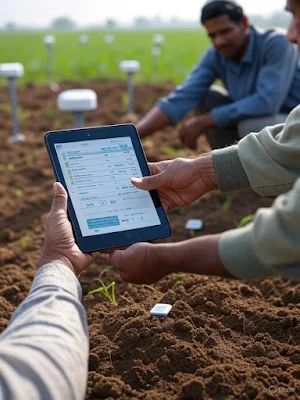
Digital Farmers: Why Data is the New Seed for Harvesting Superior Results For generations, farming was a game of intuition, tradition, and a fair bit of gambling with the weather. A farmer knew their land by the feel of the soil between their fingers and the color of the horizon at sunset. While that ancestral wisdom remains the heartbeat of agriculture, a new “crop” is being planted in fields across the globe: Data. The rise of the Digital Farmer isn’t about replacing the human element; it’s about empowering it. By harvesting billions of data points—from soil moisture levels to satellite imagery—modern growers are achieving results that were once considered impossible. The Dawn of the Data-Driven Acre In the past, if a field was thirsty, the whole field got water. If a pest was spotted in the north corner, the entire farm was sprayed with pesticides. This “blanket approach” was the only way to manage large-scale operations, but it was incredibly inefficient. Digital farming, or Precision Agriculture, changes the script. It allows farmers to treat every square meter of their land as an individual unit. By using sensors and GPS-guided machinery, a digital farmer can apply the exact amount of water, fertilizer, or seed needed for a specific spot. Why Data Matters More Than Ever We are currently facing a global challenge: feeding a population expected to reach 10 billion by 2050 while using less water and land than ever before. Data is the bridge. It allows for: Predictive Analysis: Knowing a drought is coming before the first leaf wilts. Resource Optimization: Reducing chemical runoff by only spraying where necessary. Yield Maximization: Finding the “sweet spot” for planting density. The Digital Toolkit: How Data is Collected To harvest results, you first have to harvest information. Digital farmers use a sophisticated ecosystem of tools to get a 360-degree view of their operations. 1. IoT Sensors (The Nervous System) Internet of Things (IoT) sensors are the “eyes and ears” on the ground. These small, rugged devices are buried in the soil or mounted on equipment to monitor: Soil Moisture: Preventing over-irrigation and saving millions of gallons of water. Nutrient Levels: Tracking Nitrogen, Phosphorus, and Potassium (NPK) in real-time. Temperature and Humidity: Predicting the risk of fungal outbreaks. 2. Satellite Imagery and Drones (The View From Above) High-resolution satellite data allows farmers to see “invisible” problems. Using Normalized Difference Vegetation Index (NDVI) imaging, farmers can spot areas where crops are stressed long before the human eye can detect a change in color. Drones take this a step further, providing centimeter-level accuracy for spot-spraying or counting livestock. 3. Telematics and Smart Machinery Modern tractors are essentially moving computers. They collect data on fuel consumption, engine health, and planting depth. When synced with the cloud, this data helps farm managers optimize their fleet’s performance and reduce downtime. From Big Data to Big Decisions: The Human Element Having data is one thing; knowing what to do with it is another. This is where the “humanized” side of digital farming shines. AI-driven platforms take the “noise” of raw data and turn it into Actionable Insights. Instead of looking at a spreadsheet of soil pH levels, a farmer receives a notification on their smartphone: “Zone B4 needs 5% more lime to reach peak yield potential. Schedule application for Tuesday before the rain?” This shift moves the farmer from a laborer to a Data Strategist. It reduces the crushing stress of uncertainty, allowing for a better work-life balance and more predictable financial outcomes. Overcoming the “Digital Divide” Transitioning to digital farming isn’t without its hurdles. For many, the “Data Harvest” feels out of reach due to: High Initial Costs: Smart machinery and sensor networks require significant upfront investment. Connectivity Issues: Many rural areas still lack the high-speed internet required to sync heavy data loads to the cloud. The Learning Curve: Farmers are experts in biology and mechanics, not necessarily data science. However, the industry is pivoting. Open-source data platforms and “as-a-service” models are making tech more accessible to small-scale farmers, ensuring that the digital revolution doesn’t leave the family farm behind. The Future: AI and Autonomous Harvests As we look toward the next decade, data will move from being a “tool” to being the “operator.” We are already seeing the rise of autonomous tractors and robotic weeders that identify and pluck weeds without a drop of herbicide. The goal isn’t a “farmer-less” world, but a world where the farmer is free to focus on the high-level health of the ecosystem, while the data handles the repetitive, granular tasks. Conclusion: Harvesting a Greener Tomorrow The digital farmer is a steward of both the land and the cloud. By embracing data, they are not just harvesting better results for their bank accounts; they are harvesting a more sustainable future for the planet. In the world of modern agriculture, the most valuable tool in the shed isn’t the plow—it’s the insight. When is the Best Time to Source On-Demand Developers? A Strategic 2026 Guide

Artificial Intelligence, Data Analytics, data science, Digital Transformation, Gaming, Graphic Designing

What is Agentforce? Unveiling Salesforce’s Game-Changing AI Platform

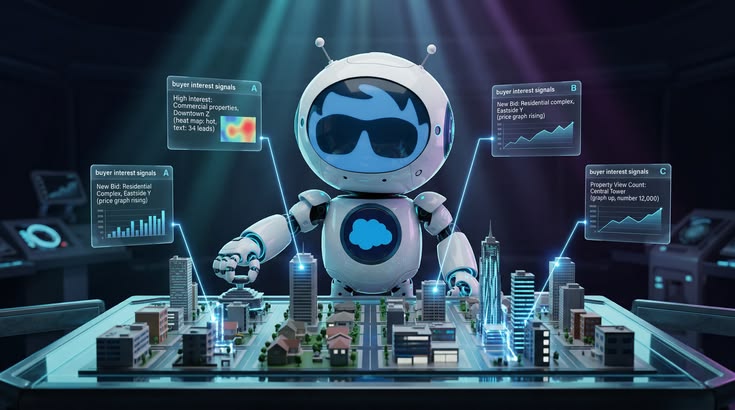
What is Agentforce? Unveiling Salesforce’s Game-Changing AI Platform The End of the “Copilot” Era For the last two years, the tech world has been obsessed with “assistants.” We’ve all used them: the little chat bubbles that help us summarize a long email or draft a polite rejection note. But in 2026, the novelty of the assistant is wearing off. Business leaders are no longer asking for a tool that tells them what to do; they are demanding a platform that simply does it. Salesforce’s answer to this demand is Agentforce. If the previous generation of AI (Einstein Copilot) was a co-pilot sitting in the passenger seat giving directions, Agentforce is the autonomous vehicle that drives the route itself. It represents a fundamental shift from “Predictive AI” and “Generative AI” to “Agentic AI.” This platform allows organizations to build, customize, and deploy autonomous agents that handle tasks end-to-end, across every department from Sales and Service to Marketing and Commerce. 1. The Secret Sauce: The Atlas Reasoning Engine The most frequent question technical teams ask is: “How does it actually make decisions?” The answer lies in the Atlas Reasoning Engine. Unlike standard LLMs that simply predict the next word in a sentence, Atlas is designed to reason through complex business logic. It operates on a continuous loop of: Evaluation: Analyzing the user’s intent and the current state of the CRM data. Refinement: Breaking down a vague request (e.g., “Fix this shipping delay”) into granular steps. Execution: Selecting the right “tools”—whether that’s a Salesforce Flow, an Apex class, or a MuleSoft API call—to resolve the issue. This reasoning engine ensures the agent doesn’t just “hallucinate” a solution; it follows the strict business processes already defined in your Salesforce environment. 2. Data Cloud: The Nervous System of the Agent An agent is only as smart as the data it can access. This is why Agentforce is inextricably linked to Salesforce Data Cloud. In many organizations, customer data is “trapped” in silos—emails, PDFs, legacy databases, and call transcripts. Data Cloud acts as the nervous system, harmonizing this unstructured data and feeding it to the agent in real-time. This allows an Agentforce service agent to know that a customer just complained on Twitter, opened a high-priority ticket ten minutes ago, and has a contract expiring next month—all before the conversation even begins. 3. Building Without Code: The Agent Builder Salesforce has always championed the “low-code” revolution, and Agentforce continues that legacy. Through the Agent Builder, admins can create a digital worker as easily as they would create a custom object. The builder focuses on four key pillars: Role: Defining exactly what the agent does (e.g., “Tier 1 Support Concierge”). Knowledge: Pointing the agent to the right documentation and data sources. Actions: Giving the agent “hands” to perform tasks like processing refunds or scheduling meetings. Guardrails: Setting the ethical and operational boundaries the agent must never cross. 4. Real-World Impact: Beyond the Hype The true value of Agentforce isn’t in its code, but in the hours it returns to human employees. Consider these 2026 benchmarks: Customer Service: Early adopters are seeing agents resolve up to 75% of common inquiries autonomously, from password resets to complex troubleshooting. Sales Qualification: AI agents are now performing 100% of initial lead follow-ups within minutes, ensuring that human sales reps only step in when a deal is “warm.” Operational Efficiency: In manufacturing, agents are being used to detect anomalies in field service data and automatically trigger repair workflows before a machine even fails. 5. The “Human-in-the-Loop” Security Model Autonomy often triggers anxiety about security. Salesforce addresses this through the Einstein Trust Layer. This security framework ensures that sensitive customer data (like PII) is stripped away before being processed by an LLM and that every autonomous action leaves a clear audit trail. Furthermore, Agentforce is built with a “Handoff Logic.” If the agent detects frustration in a customer’s tone or encounters a problem it isn’t authorized to solve, it seamlessly transfers the case to a human, providing a full summary of the interaction so the customer never has to repeat themselves. 6. Pricing and The “Consumption” Revolution Moving into mid-2026, Salesforce has shifted its pricing model to match the agentic era. Instead of just paying “per seat,” many organizations are moving toward a consumption-based model. * Flex Credits: Enterprises can purchase credits that are consumed as agents perform specific actions. Conversation-Based Pricing: For customer-facing bots, a flat rate (typically around $2 per conversation) allows for predictable scaling without adding headcount. Conclusion: Writing the Next Chapter of CRM Salesforce Agentforce is more than just a new feature; it is the blueprint for the future of work. By moving from “assistants” to “agents,” Salesforce is allowing businesses to scale their operations at a rate previously thought impossible. The companies that will win in the coming years are those that view AI not as a threat to their workforce, but as an expansion of it. Agentforce provides the platform to make that expansion safe, data-driven, and—most importantly—deeply human. We are no longer just managing relationships; we are orchestrating a symbiotic team of humans and agents, working together to drive success. The Digital Colleague: How Agentic AI Will Work as a Coworker Alongside Your Team

Artificial Intelligence, Business Intelligence, cybersecurity, data science, Digital Transformation, Education

The Digital Colleague: How Agentic AI Will Work as a Coworker Alongside Your Team

The Digital Colleague: How Agentic AI Will Work as a Coworker Alongside Your Team The Great Shift: From Tools to Teammates For years, we’ve treated Artificial Intelligence like a high-powered calculator or a sophisticated filing cabinet. We gave it a command, it gave us an output. But as we move through 2026, that relationship is fundamentally changing. We are no longer just “using” AI; we are “working with” it. Enter Agentic AI. Unlike the generative AI of 2023 or 2024, which waited for a prompt to act, Agentic AI has agency. It understands goals, plans multi-step processes, and executes them with minimal hand-holding. It doesn’t just write an email; it researches the recipient, checks your calendar for meeting times, drafts the invite, and follows up if there’s no response. This isn’t just automation—it’s a new kind of social contract in the workplace. It’s about moving from “Software as a Service” to “Service as a Colleague.” 1. Understanding the “Agency” in Agentic AI To work effectively with a new coworker, you have to understand how they think. Agentic AI operates on a loop of Reasoning, Planning, and Execution. Reasoning: If you tell a digital colleague, “We need to prep for the Q3 board meeting,” it doesn’t just search for “Q3.” It reasons that a board meeting requires financial reports, project updates, and a slide deck. Planning: It breaks the massive goal into bite-sized tasks. First, it pings the finance agent for the latest spreadsheets. Second, it summarizes the last three months of Jira tickets. Execution: It uses tools. It opens PowerPoint, populates the charts, and leaves a draft in your inbox with a note: “I’ve noticed a slight dip in August productivity—should I add a slide exploring why?” This level of initiative is what transforms AI from a “search bar” into a “seat at the table.” 2. The Human-AI Handshake: Who Does What? The most common fear is replacement, but the reality of 2026 is Augmentation. Think of your team as an orchestra. In the past, the human was the conductor and every single musician. Now, the Agentic AI takes over the “rhythm section”—the repetitive, high-volume, and data-heavy tasks—leaving the human to be the true conductor, focusing on interpretation, emotion, and strategy. Human Strengths (The “Director”): Contextual Nuance: Knowing that a client is going through a merger and needs a softer tone. Ethical Judgment: Deciding if a specific data-driven decision aligns with the company’s core values. Empathy: Managing the morale of the human team. AI Strengths (The “Operator”): Data Synthesis: Reading 1,000 pages of legal documents in seconds to find a single conflict. 24/7 Monitoring: Checking supply chains for disruptions while the rest of the team sleeps. Pattern Recognition: Identifying that a specific software bug always appears when three specific conditions are met. 3. Real-World Scenarios: A Day in the Life of a Hybrid Team Imagine a Marketing Team in 2026. Instead of a manager spending six hours a week on “admin,” they have an AI Agent named “Link.” 9:00 AM: Link scans the morning’s industry news and identifies a trending topic relevant to the brand. 9:30 AM: Link drafts three social media posts and a brief blog outline based on the trend. 10:00 AM: The Human Creative Director reviews Link’s work. They like the data but find the “voice” a bit dry. They ask Link to “Make it more adventurous and focus on the sustainability angle.” 10:05 AM: Link regenerates the content perfectly. It then schedules the posts and begins monitoring engagement in real-time. 4. The Architecture of Trust: How Teams Manage Autonomous Agents One of the biggest hurdles in integrating a digital coworker is the “Trust Gap.” If an agent can make decisions, how do we ensure it doesn’t go rogue or misinterpret a brand’s values? In 2026, this is managed through Instructional Guardrails and Feedback Loops. Defining the Sandbox: Just as you wouldn’t give a new human intern the keys to the corporate bank account on day one, Agentic AI operates within a defined “sandbox.” Managers set spending limits, API access permissions, and approval triggers. The “Human-in-the-Loop” (HITL) Model: This is the gold standard for coworker collaboration. The agent performs the heavy lifting—researching, drafting, and organizing—but pauses for a “Human Handshake” before any external-facing action. Transparent Reasoning: Modern agents now provide a “Chain of Thought.” Instead of just delivering a finished report, your AI coworker can show its work: “I prioritized Project X over Project Y because the Q2 deadline is closer and the resource gap is 15% higher.” This transparency is the foundation of a healthy team dynamic. 5. Re-architecting the Workflow: From “Doing” to “Reviewing” The arrival of Agentic AI requires a fundamental shift in how we structure our workdays. We are moving from a Task-Based Economy to an Outcome-Based Economy. In a traditional setup, a worker’s value was often measured by the hours spent “doing”—typing, coding, or filing. With an agentic coworker, the human’s value shifts toward: Objective Setting: Clearly defining what “success” looks like for the agent. Strategic Refinement: Taking the 80% finished work from the AI and adding the final 20% of “human soul”—the creativity, the empathy, and the unique brand voice. Cross-Functional Orchestration: Coordinating between different AI agents and human departments to ensure everyone is moving toward the same North Star. 6. Overcoming the “Black Box” and Ethical Challenges We cannot talk about AI coworkers without addressing the elephant in the room: Accountability. When an AI agent makes a mistake—perhaps it accidentally uses copyrighted material or misinterprets a data privacy regulation—who is responsible? The 2026 workplace solves this through Algorithmic Accountability Frameworks. Companies are now appointing “AI Orchestrators”—humans whose entire job is to audit, tune, and mentor the company’s fleet of AI agents. This ensures that while the AI has agency, the human remains the ultimate moral and legal authority. 7. The Socio-Economic Impact: Will We Work Less? The goal of the agentic coworker isn’t necessarily to make us work fewer hours, but to make those hours more meaningful. By offloading

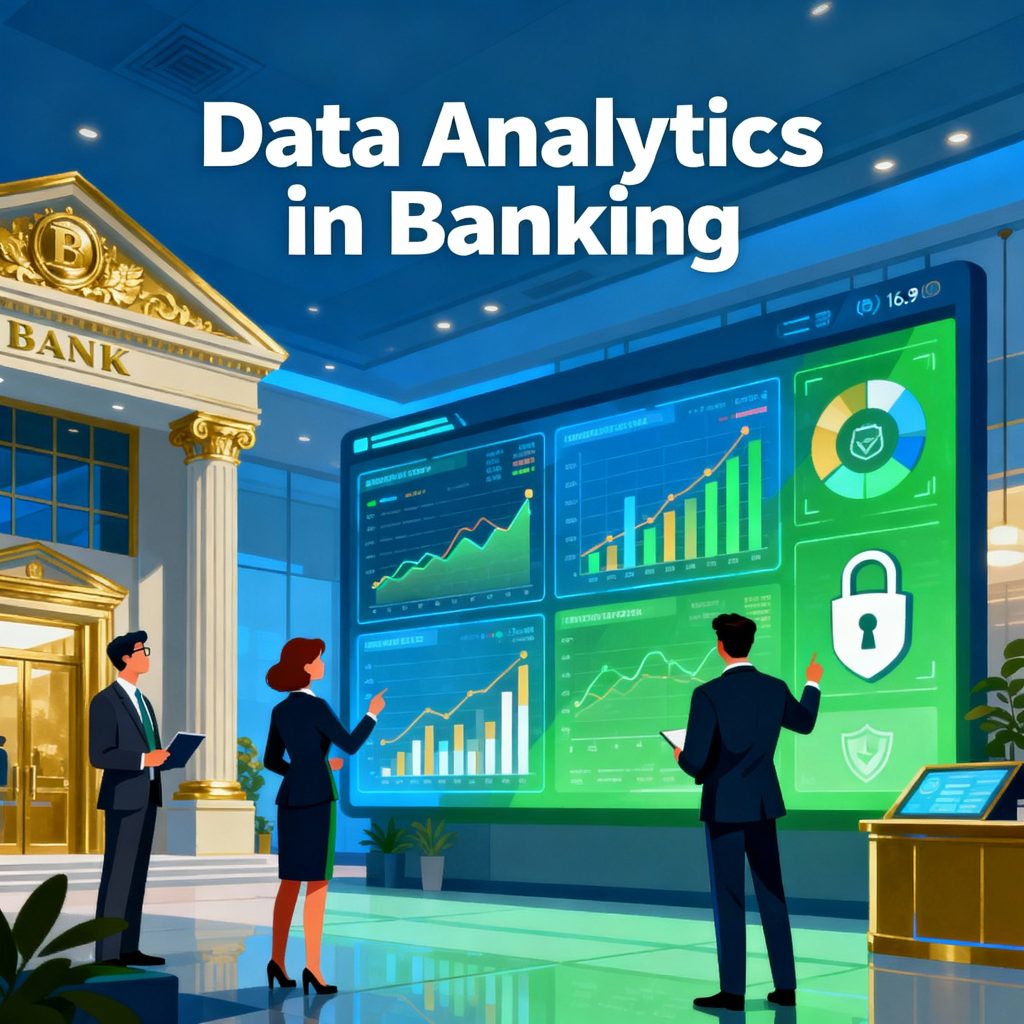
2D illustration of a modern bank with professionals examining colorful digital analytics dashboards, security icons, and vibrant graphs, highlighting data analytics in banking.
data science

Data Analytics in Banking: Transforming Finance in 2025

  Introduction The banking industry is entering a new era—where every transaction, service, and decision is powered by data analytics in banking, banking analytics, and data-driven banking. From retail and commercial banking to investment and treasury, financial institutions are now harnessing the power of analytics tools, financial data analysis, and artificial intelligence to drive smarter strategies, deliver personalized customer experiences, prevent fraud, and manage risk more effectively than ever before. In today’s competitive financial landscape, banks that embrace data analytics not only thrive—they set the pace. For insights on related financial innovation, read our guide to predictive analytics software development. For the latest industry research from a leading consultancy, visit McKinsey Financial Services Insights. How Data Analytics Powers Modern Banking Fraud Detection and AML/KYC Real-time transaction monitoring, anomaly detection, and predictive analytics flag suspicious activity for strong anti-fraud and compliance measures in banking analytics. Machine learning models analyze transaction patterns to detect fraud, building trust and reducing losses for data-driven banking. Customer Segmentation & Personalization Banks group customers by behavior, demographics, and spending patterns for highly relevant product offerings powered by financial data analysis. Personalized recommendations, communications, and experiences increase retention by up to 85% when personalization is prioritized in data analytics in banking. Credit Risk Assessment Advanced credit analytics leverage alternative data and predictive analytics models to accurately assess borrower risk, reducing non-performing assets. Faster and fairer data-driven lending decisions empower responsible lending and expand financial inclusion. Churn Prediction & Retention Analytics identify at-risk customers early, enabling banks to trigger proactive retention campaigns and reduce churn in banking analytics. Early intervention through data-driven banking strategies boosts long-term relationship value. Operational Efficiency & Compliance Streamlined reporting and process automation lower regulatory costs and compliance errors in banking analytics (compliance costs can drop by 20%). Automated pipelines support real-time reporting for Basel, IFRS9, and SEBI requirements with predictive analytics in banking. Predictive Analytics for Strategy Predictive analytics models anticipate cash/ATM demand, optimize pricing, assess investment risk, and forecast market trends for smarter business decisions. Scenario analysis enables banks to adapt to changing economic conditions using data analytics in banking. Real-World Use Cases   Use Case Description Fraud Detection Real-time analytics spot and prevent suspicious transactions using banking analytics. Personalized Banking Banks offer tailored products and services brought by data-driven banking and customer financial data analysis. Loan Default Prediction Machine learning credit scoring supports risk decisions, reducing losses in banking analytics. Compliance Reporting Automation cuts regulatory costs and errors in financial data analysis. Customer Churn Prediction Analytics identify at-risk accounts for targeted retention using predictive analytics. Pricing Optimization Data-driven interest rates and dynamic product pricing improve growth. Strategic ATM Placement Analytics and data-driven banking determine ATM locations for higher usage and savings. Benefits of Data Analytics in Banking Smarter, faster data-driven decisions for revenue growth Stronger fraud prevention and security through predictive analytics Better risk management using banking analytics tools Personalized customer engagement and loyalty Reduced operational costs and improved compliance in financial data analysis Deeper customer insight for strategic data-driven banking innovation Conclusion Data analytics in banking, banking analytics, and predictive analytics are transforming every facet of the industry—empowering institutions to innovate, mitigate risk, and deliver exceptional service. As financial data analysis and data-driven banking become standard in 2025, analytics will drive resilient, future-ready financial strategies. FAQ How does data analytics prevent banking fraud? By using real-time monitoring and machine learning, analytics detect fraudulent patterns and anomalies rapidly, minimizing losses. What is customer segmentation and why does it matter? It’s grouping customers by behavioral and demographic traits, helping banks target relevant offerings for higher engagement and loyalty. How does analytics improve loan approval speed? Credit scoring models use multiple data sources for instant, accurate risk assessment—approving loans faster and reducing bad debt. Can analytics reduce compliance costs? Yes, automation of reporting and data management slashes compliance expenses and error rates. What’s the future of analytics in banking? Expect smarter AI models, blockchain integration for data transparency, real-time insights, and hyper-personalized banking as standard.  

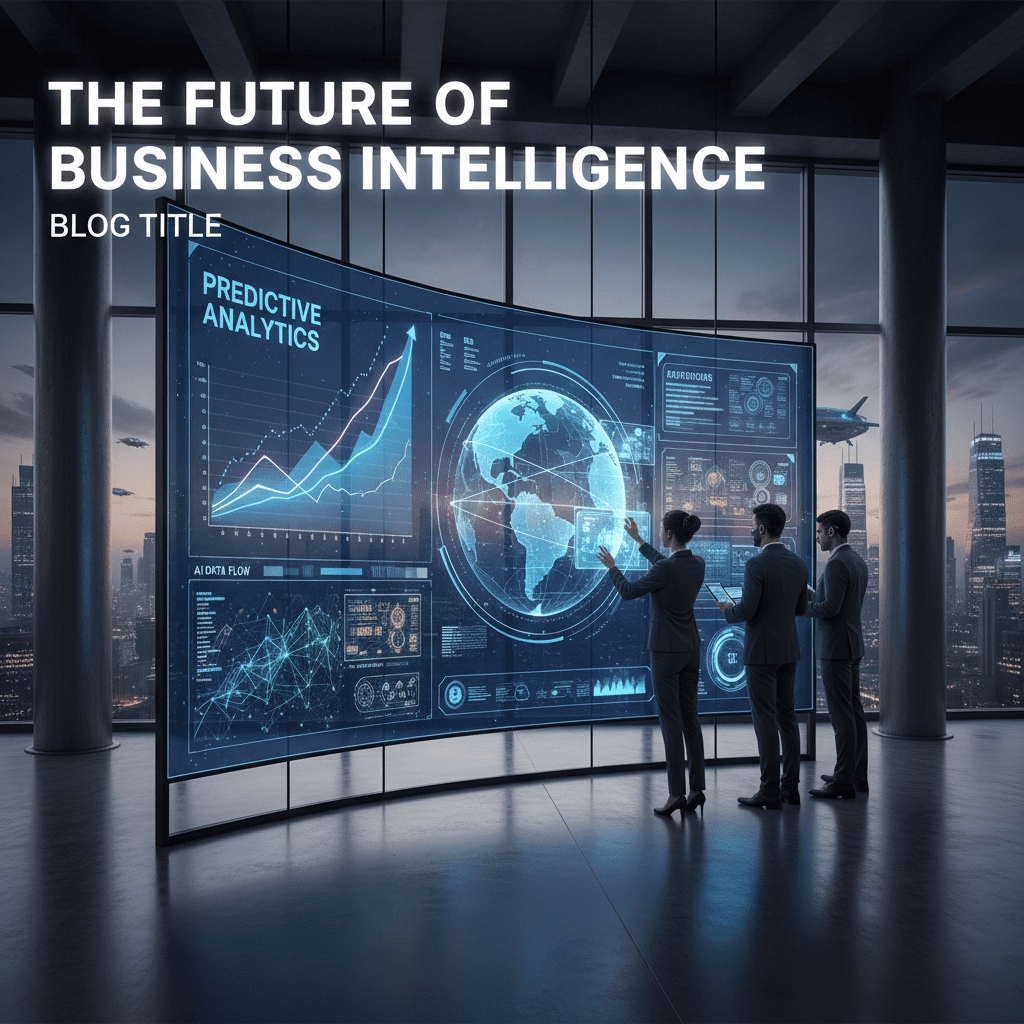
"Futuristic dashboard with predictive analytics graphs, AI data streams, and business professionals analyzing digital interfaces, representing software-driven business forecasting."
data science, Software development

Predictive Analytics Software Development

Introduction Predictive analytics software development is revolutionizing how organizations leverage their data to anticipate trends, reduce risk, and gain a competitive edge. By deploying machine learning, statistics, and advanced modeling, companies can turn historical and real-time data into actionable predictions—whether for sales forecasting, preventing fraud, or optimizing inventory. With mounting business complexity and data volumes, predictive analytics tools have become essential for organizations aiming to future-proof their strategies and drive smart decisions in an ever-changing market. What Is Predictive Analytics Software Development? Predictive analytics utilizes historical and live data, advanced algorithms, and machine learning to forecast future outcomes and recommend the best actions. Developing predictive analytics software typically involves identifying business needs, collecting and preparing data, building models, and integrating these models seamlessly into business applications for real-time insights. Modern predictive analytics systems can be custom-coded, built using data science tools, or integrated through user-friendly low-code platforms, making this technology accessible across industries. Key Features: Automated data ingestion and cleansing Model building, evaluation, and deployment Real-time prediction capabilities Integration with business processes and dashboards Ability to learn and adapt as new data arrives The Predictive Analytics Software Development Lifecycle Strategic Planning Define specific business problems such as churn prediction, fraud detection, or inventory optimization. Set measurable goals and align key stakeholders. Data Collection & Preparation Gather data from internal systems, external sources, and real-time feeds. Cleanse, transform, and annotate data to ensure quality input for models. Model Development Choose appropriate algorithms (e.g., regression, decision trees, neural networks). Train and validate models on historical data; iterate for accuracy and explainability. Integration & Deployment Embed predictive models into business systems like CRMs, ERPs, or supply chain tools for live predictions. Provide end-users, analysts, and leaders with intuitive dashboards or automated triggers. Monitoring, Maintenance, and Scaling Track accuracy; retrain models as conditions shift and new data is available. Continuously enhance with new features and data sources. Best Practices: Start small with a pilot project—optimize, then scale Prioritize data quality and governance early on Foster teamwork between IT, data science, and business units Focus on model transparency and compliance Embrace agile, iterative development for adaptability Business Benefits & Use Cases Improved Decision-Making: Predictive analytics drives proactive strategies by uncovering patterns and forecasting potential outcomes. Risk Reduction: Banks, insurers, and manufacturers leverage predictive models for fraud detection, credit scoring, risk assessment, and predictive maintenance. Enhanced Efficiency: Automated forecasting and resource allocation improve supply chain and operations management. Personalization: Retailers and marketers optimize targeting, recommendations, and retention using behavioral analytics. Healthcare: Early disease detection, readmission risk prediction, and personalized treatment planning lead to improved patient outcomes. Scalable Growth: Predictive software enables organizations to handle increasing data complexity and maintain a competitive edge. Conclusion Developing predictive analytics software equips organizations with the foresight to make smarter, data-driven decisions while automating processes and enhancing resiliency. By following best practices and leveraging modern development frameworks, businesses of all sizes can turn raw data into predictive power—unlocking new opportunities and sustainable growth. Call-to-Action: Explore predictive analytics software solutions tailored to your business needs—connect with expert developers today and turn your data into a strategic asset! FAQ What is predictive analytics software? It is a tool that uses historical and current data, along with algorithms and machine learning, to forecast future trends and inform smarter business decisions. How does predictive analytics benefit companies? It improves revenue prediction, reduces risk, enhances customer experience, streamlines operations, and delivers personalized recommendations. What are common use cases? Fraud detection, demand forecasting, maintenance planning, customer segmentation, and healthcare diagnosis are among the top applications. What is needed to build predictive analytics software? You need a well-defined problem, quality data, an experienced team, the right algorithms, and a plan for ongoing monitoring and refinement. How do you choose the right predictive model? Select based on the type of prediction needed—classification, regression, or time series—and evaluate with validation metrics before deployment

data science

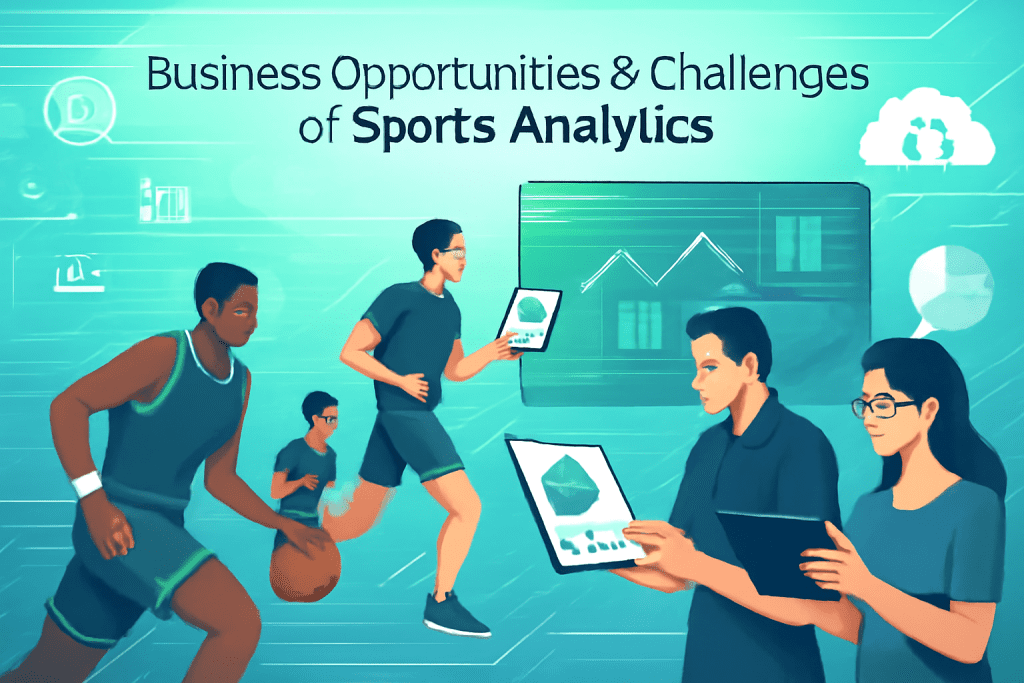
The Business Opportunities and Challenges of Implementing Analytics in Sport

Introduction In the digital age, analytics is changing the game in sports—powering smarter strategies, unlocking new revenue streams, and delivering richer fan engagement. From wearable tech on athletes to sophisticated data-driven marketing for fans, analytics enables teams, leagues, and organizations to optimize both performance and business operations. However, turning numbers into insights and ROI brings its own set of hurdles. Explore the core business opportunities and essential challenges of sports analytics, and learn how to embark on your analytics transformation with trusted partners. For end-to-end AI and analytics consultation, see TechOTD’s AI Solutions. Key Business Opportunities of Sports Analytics Performance Optimization: Teams leverage real-time data and AI-powered insights to design custom training, maximize athlete output, and guide in-game decision-making. Over 75% of professional sports teams use real-time analytics to gain a strategic advantage and reduce injuries. Talent Scouting and Recruitment: Advanced analytics driven by machine learning helps objectively identify top prospects and predict potential, far outpacing traditional scouting methods. Revenue Optimization: Data analytics enables dynamic ticket and merchandise pricing, smarter fan segmentation, and improved stadium resource allocation. Teams analyze fan data to increase profitability and optimize event operations. Fan Engagement and Monetization: Analytics creates personalized fan experiences, targeted marketing, and interactive digital content using live stats and preferences. This increases sponsorship value and crosses over into new digital markets like fantasy and e-sports (see AI’s role in predictive analytics). Business Intelligence for Operations: Sports organizations and leagues use analytics to make data-driven decisions on resource management, recruitment, and business expansion for sustained growth. For methodologies, see How TechOTD Works. Core Challenges in Sports Analytics Implementation Data Quality and Integration Issues: Data comes from multiple sources—wearable sensors, CRM systems, social feeds—often in inconsistent formats. Integrating and cleaning data for accurate insights is a major challenge. Resistance to Change: Coaches, staff, and even players may hesitate to trust algorithmic models over hard-won experience. This calls for robust change management and meaningful collaboration between analysts and sports professionals. High Implementation and Talent Costs: Building scalable sports analytics solutions demands significant tech investment and skilled data scientists. Costs for basic analytics can range from $40,000 to $200,000 for a small team, scaling up to $5M+ for enterprise setups (see full breakdown on Appinventiv). Communication Gaps: Translating technical findings into actionable insights for coaches and executives often requires dedicated communication bridges and training. Privacy, Security, and Regulation: Managing large quantities of sensitive player or fan data requires strict GDPR compliance, robust cybersecurity, and clear data governance strategies. Future Trends and Technology Stack Sports analytics is set to benefit from advances in AI and cloud computing—real-time analytics, blockchain data tracking, and advanced fan segmentation will offer new revenue streams and fan experiences. Read more about blockchain’s impact and LLMs in sports and finance. For a deeper dive into these digital trends and their influence on the sports industry, see TechOTD Blog. Conclusion Sports analytics is transforming the business of sports—from athlete development to stadium profitability and personalized marketing. While the payoff is high, success requires careful planning, seamless data integration, stakeholder buy-in, and a strong, secure technology stack. With the right analytics partner, such as TechOTD, you can harness data for peak performance and ROI. Start your journey with AI-powered consulting and explore more strategies for success on the TechOTD Blog. FAQs Q1: What’s the most profitable application of analytics in sports? Personalized fan engagement and data-driven revenue optimization offer the highest ROI, closely followed by AI-aided performance improvement. Q2: What are the top technical challenges for sports analytics? Data integration, quality control, and developing scalable infrastructure are significant barriers—AI and cloud solutions are key to overcoming them. Q3: Is analytics in sports only for big leagues? No. Even amateur teams and local leagues use basic analytics for talent scouting, performance tracking, and operations. Q4: How do you manage privacy in analytics projects? Implement GDPR-ready policies, secure infrastructure, and transparent data protocols. More on AI security best practices. Q5: What’s the investment range for sports analytics? Projects range from $40,000 to $200,000 for small teams to enterprise investments exceeding $1 million.

data science

Top 7 Myths About Predictive Analytics That Are Holding Businesses Back

Introduction Predictive analytics has emerged as a transformative technology for businesses across industries today. Leveraging data, algorithms, and machine learning, predictive analytics helps organizations forecast trends, optimize operations, reduce risk, and deliver personalized experiences. However, despite its proven benefits, many business leaders and decision-makers hesitate to fully embrace predictive analytics due to prevalent myths and misconceptions. These myths introduce fear, uncertainty, and resistance that hold businesses back from unlocking the full potential of their data and AI investments. Understanding and debunking these misconceptions is essential to harness predictive analytics genuinely. This extensive blog will cover the top 7 myths about predictive analytics that stall business growth, explain why they are false, and provide actionable insights to overcome them. By demystifying these barriers, businesses can accelerate innovation, improve ROI, and stay competitive in an AI-driven world. Myth 1: Predictive Analytics Requires Massive Data Sets to Be Effective A common myth is that predictive analytics only works if an organization has an enormous volume of data. Many companies, especially small and medium businesses, assume they cannot benefit from predictive models because they do not operate at “big data” scale. Why This Myth is False Predictive analytics models can work effectively even on small to medium-sized, high-quality data sets. Advanced techniques like transfer learning and synthetic data generation help create accurate models with less data. Data preprocessing, feature engineering, and domain expertise significantly influence model performance more than raw data volume. Tools and platforms today (including those with backend support from providers like TechOTD AI solutions) enable democratized access to predictive analytics for businesses of all sizes. Overcoming the Myth Focus on data quality, relevance, and proper feature selection rather than merely increasing quantity. Start small with pilot projects and scale as you validate results. Myth 2: Predictive Analytics Replaces Human Decision-Making Many fear that predictive models will diminish the role or importance of human judgment in business decisions. This myth creates resistance, especially among executives and operational teams. Why This Myth is False Predictive analytics is a decision-support tool designed to augment human intuition, not replace it. Models provide data-driven insights and risk assessments, but final decisions require human oversight considering context and ethics. Collaborative intelligence combining AI and human expertise leads to better accuracy, accountability, and trust. Case studies from industries like finance and healthcare, detailed in this article on LLM applications in finance, show human-in-the-loop systems outperform fully automated decisions. Embrace the Tool Use predictive analytics to enhance decision speed and quality but maintain transparent human review for critical judgments. Myth 3: Predictive Analytics Is Too Expensive and Complex for Most Businesses Another misconception is that predictive analytics implementation demands prohibitively high costs, complex infrastructure, and specialized AI talent—making it inaccessible to all but the largest enterprises. Why This Myth is False The rise of cloud-based AI platforms, APIs, and pre-built models has drastically reduced the cost and complexity barriers. Businesses can leverage low-code and no-code predictive analytics solutions that require minimal technical expertise. Cloud providers like AWS, Azure, and Google Cloud enable pay-as-you-go services to optimize investments. Consulting experts, such as those offered by TechOTD’s AI consulting and development, help companies plan feasible roadmaps tailored for budgets and scale. Open-source tools and online communities foster skills development and shared resources. Making it Cost-Effective Start with targeted use cases offering clear ROI, then expand capabilities over time. Adopt incremental build-test-learn cycles. Myth 4: Predictive Analytics Can Guarantee 100% Accurate Predictions Some organizations expect predictive analytics to replace uncertainty with certainty, promising flawless forecasts. This unrealistic expectation leads to disappointment and mistrust when models inevitably have errors. Why This Myth is False Predictions are probabilistic, not deterministic. Models provide likelihoods and risk assessments, not certainties. Accuracy depends on data quality, model choice, and constantly updated inputs. The business value often lies in improved risk management and informed decision-making, not perfect outcomes. Prediction intervals, confidence scores, and scenario simulations reflect inherent uncertainty effectively. Real-world cases reviewed in predictive analytics software development guide underline setting practical expectations. Manage Expectations Educate teams on probabilities and uncertainties, and use models as one input among many to support decisions. Myth 5: Predictive Analytics Is Only for Large Enterprises and Specific Industries A common belief is that only large companies or specific sectors like finance or retail gain benefits from predictive analytics. Why This Myth is False Predictive analytics benefits businesses of every size and sector, including healthcare, education, manufacturing, and beyond. Use cases include demand forecasting, customer churn prediction, equipment maintenance, fraud detection, and personalized marketing. SMEs readily adopt predictive tools to optimize supply chain, improve customer experience, and reduce operational costs. Resources such as TechOTD’s blog industry insights showcase diverse industry use cases. Explore Your Industry Use Cases Identify pain points where predictive analytics applies to your context and explore affordable tools. Myth 6: Predictive Analytics Tools Are Plug-and-Play – No Expertise Needed There is a misconception that predictive analytics tools are simple plug-and-play solutions that instantly generate valuable insights without domain knowledge or expertise. Why This Myth is False While tools increasingly automate workflows, building reliable models requires domain expertise, data science skills, and continuous refinement. Understanding business context, data nuances, and model limitations is critical. Collaborative teams of business analysts, data scientists, and IT specialists ensure relevant and ethical application. Partnership with experienced solution providers like TechOTD’s custom AI model development guarantees expertise-backed deployments. Invest in Skills and Process Develop in-house capabilities or engage trusted experts to translate analytics outputs into strategic business actions. Myth 7: Predictive Analytics Does Not Need Continuous Monitoring or Updating Some businesses deploy predictive models once and expect them to work indefinitely without ongoing maintenance or improvement efforts. Why This Myth is False Predictive models degrade over time as data patterns, customer behavior, and external factors evolve. Continuous monitoring, retraining, and validation ensure models stay accurate and relevant. Dynamic updating supports adaptation to new market conditions, regulations, or operational changes. Robust governance frameworks covering data privacy, compliance, and ethical AI maintain trust and legal adherence (see AI ethical considerations). Ongoing support services, such as those offered by TechOTD, cover continuous improvement and risk mitigation. Plan for Lifecycle Management Integrate monitoring and governance into predictive analytics strategy from the start for sustainable

data science, Uncategorized

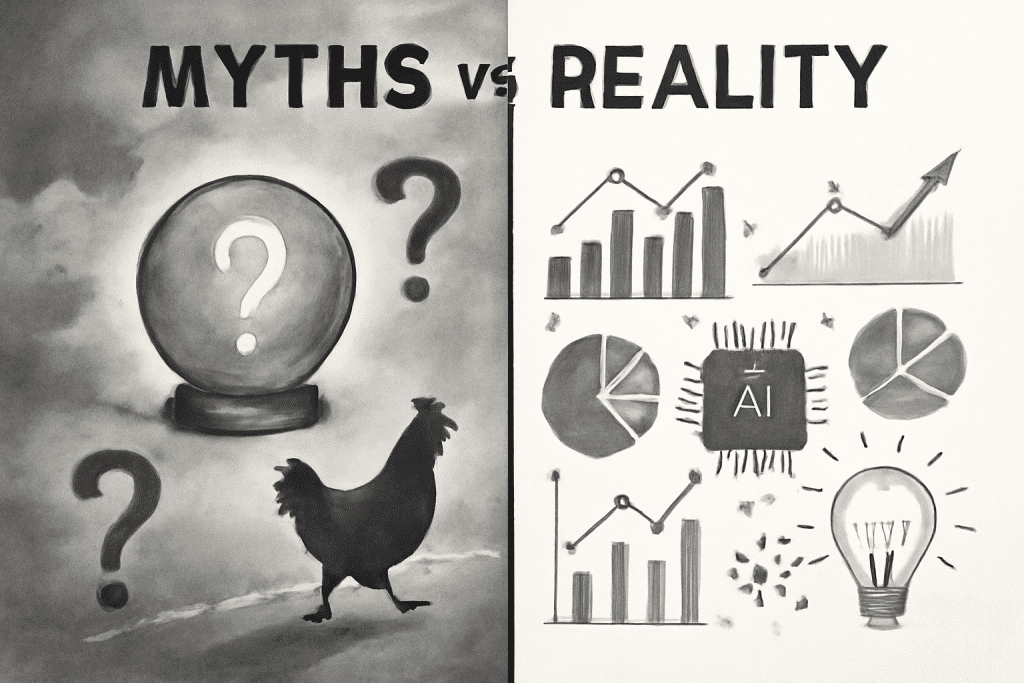
Predictive Analytics Explained: Myths vs Reality in 2025

Introduction Predictive analytics has rapidly become one of the most transformative technologies reshaping industries in 2025. Businesses across sectors — from healthcare and finance to manufacturing and retail — are leveraging predictive insights to stay competitive. Yet, despite its immense potential, many misconceptions cloud the true value of predictive analytics. Some assume it’s only for tech giants; others believe it’s just about forecasting numbers. The reality is far more nuanced. In this blog, we’ll break down the myths vs. reality of predictive analytics in 2025, explore its benefits, and highlight how organizations can adopt it for sustainable growth. . 🔗 For a deeper dive into how predictive models work with AI, check out AI Page at TechOTD. What is Predictive Analytics? Predictive analytics refers to the use of historical data, statistical models, AI, and machine learning to forecast future outcomes. In 2025, predictive analytics is not only about predicting consumer behavior but also about optimizing operations, identifying risks, and enabling smarter decision-making. For example, predictive analytics now plays a key role in finance (fraud detection), healthcare (disease prediction), and manufacturing (machine maintenance). With advancements in AI and large language models, predictive analytics has become more accurate and accessible. Common Myths About Predictive Analytics Myth: Predictive Analytics is only for large enterprises.Many small businesses think predictive analytics is out of reach. Myth: It replaces human decision-making.The reality: It enhances decision-making by providing insights. Myth: Predictive models are always 100% accurate.Predictive analytics gives probabilities, not certainties. Myth: Predictive analytics is only about sales forecasting.It’s widely used in healthcare, manufacturing, finance, and education. Myth: It requires highly advanced coding knowledge.Thanks to modern tools, even non-technical professionals can leverage it. The Growing Importance of Predictive Analytics in 2025 In 2025, predictive analytics is no longer optional—it’s becoming a strategic differentiator. 📈 Businesses are leveraging it for real-time decision-making. ⚡ AI-powered predictive analytics models are improving accuracy and efficiency. 🌍 Adoption is spreading across every industry, from education to e-commerce. 🔗 Learn more about its impact across industries on TechOTD Industry Insights. Myths vs Reality in Predictive Analytics Myth 1: Predictive Analytics Can 100% Accurately Predict the Future Reality: Predictive analytics is not fortune-telling. It provides probabilistic forecasts based on data patterns—not guaranteed results. Models evolve with new data and must be continuously updated. Myth 2: Only Big Enterprises Can Use Predictive Analytics Reality: With the rise of cloud-based tools and affordable platforms, even small and medium businesses can implement predictive analytics today. Startups and SMEs use it for marketing campaigns, sales forecasting, and customer behavior analysis. Myth 3: Predictive Analytics Replaces Human Decision-Making Reality: Predictive analytics supports decision-making, but it doesn’t replace human intuition and expertise. Leaders still need to interpret results in the context of strategy and ethics. Myth 4: Predictive Analytics Requires Only AI & ML Experts Reality: While technical knowledge is valuable, modern platforms offer user-friendly dashboards and low-code/no-code solutions, making predictive analytics accessible to non-technical professionals. Myth 5: Predictive Analytics is Only About Sales Forecasting Reality: It goes far beyond sales—it improves supply chains, healthcare treatments, fraud detection, customer loyalty, education outcomes, and operational efficiency. Myth 6: Data Quantity Matters More Than Data Quality Reality: Poor-quality data produces misleading insights. In predictive analytics, data quality > data volume. Clean, reliable datasets are essential. Real-World Applications in 2025   Retail: Personalized recommendations, inventory optimization. Finance: Fraud detection, investment risk assessment. Healthcare: Predicting patient risks, treatment plans. Education: Improving student performance using data. 🔗 Read TechOTD on Tech’s Impact on Education. Logistics: Predicting delivery delays and optimizing routes. Hospitality: Guest personalization, loyalty programs. Manufacturing: Predictive maintenance and demand forecasting. Customer Service: AI-powered predictive assistance. 🔗 Learn more about this in Seamless Customer Journeys with AI. Benefits of Predictive Analytics in 2025   Benefit Impact in Business Improved Forecast Accuracy Better demand planning Cost Reduction Reduced operational inefficiencies Risk Management Fraud prevention & compliance Customer Personalization Enhanced customer experience Competitive Advantage Faster, data-driven decisions Operational Efficiency Streamlined processes Innovation Enablement New product and service design Predictive Analytics & AI in 2025 Predictive analytics is closely tied to AI and ML models. Large Language Models (LLMs), for example, are being applied in finance to predict risks and automate insights. 🔗 Check out this detailed blog: LLMs in Finance. Predictive Analytics Myths That Still Persist Even in 2025, businesses are held back by: Fear of high costs (though cloud tools make it affordable). Concerns about data privacy (solved with stricter regulations and security frameworks). Belief that it’s a one-time setup (in reality, models need continuous learning). 🔗 Learn how businesses integrate it with emerging technologies like blockchain: Blockchain in Business. Predictive Analytics & Mobile App Development Today, predictive analytics isn’t limited to enterprise dashboards. It’s embedded in mobile applications to deliver real-time insights directly to users. 🔗 Explore how apps are transforming industries at Mobile Apps Development Services. Key Points Summary Predictive analytics is about probabilities, not certainties. Businesses of all sizes can implement predictive analytics in 2025. Clean, reliable data is more important than large amounts of data. Predictive analytics complements human decision-making—it doesn’t replace it. It has wide applications: healthcare, finance, education, manufacturing, retail, and more. FAQs Q1. Is predictive analytics expensive for small businesses?Not anymore. With cloud-based solutions and SaaS tools, even startups can access predictive analytics affordably. Q2. Can predictive analytics ensure 100% accurate predictions?No—it provides probabilistic forecasts. Accuracy improves with high-quality data and refined models. Q3. What skills are required to use predictive analytics?While technical skills help, modern no-code platforms allow non-technical users to access predictive insights. Q4. How is predictive analytics different from AI?Predictive analytics is a subset of AI focused on forecasts. AI covers a wider scope including decision-making, automation, and generative models. Q5. Where can I learn more about predictive analytics software and its features? 🔗 Visit Predictive Analytics Software Development Guide. Conclusion In 2025, predictive analytics is no longer futuristic—it’s an essential business capability. However, separating myths from reality is crucial for businesses to unlock its real potential. By focusing on quality data, continuous model

data science

10 Use Cases and Benefits of Predictive Analytics in Manufacturing

Introduction The manufacturing industry is undergoing a massive transformation, thanks to digital technologies such as Artificial Intelligence (AI), Machine Learning (ML), Internet of Things (IoT), and Predictive Analytics. In the past, factories relied heavily on reactive maintenance, manual monitoring, and limited visibility across operations. But today, manufacturers are leveraging data-driven insights to improve efficiency, reduce downtime, and boost profitability. At the center of this revolution lies Predictive Analytics—a powerful technique that uses historical and real-time data to forecast future outcomes. According to MarketsandMarkets, the predictive analytics market is expected to reach $28.1 billion by 2026, growing at a CAGR of 21.7%. Much of this growth is fueled by the manufacturing sector, where predictive analytics helps companies anticipate problems, optimize production, and stay competitive in a global marketplace. This blog explores the 10 key use cases of predictive analytics in manufacturing—and the benefits each brings to the table. What is Predictive Analytics in Manufacturing? Predictive analytics involves analyzing historical data, real-time data, and external factors to identify patterns and predict future outcomes. In manufacturing, it combines IoT sensors, machine learning algorithms, and advanced statistical models to forecast: Equipment failures Demand fluctuations Quality issues Supply chain risks Instead of reacting to issues after they occur, manufacturers can now prevent problems before they happen. Benefits of Predictive Analytics in Manufacturing Before diving into the use cases, let’s highlight some universal benefits: Reduced Downtime: By predicting equipment failures, factories minimize unplanned shutdowns. Lower Maintenance Costs: Shifting from reactive to predictive maintenance saves money. Improved Product Quality: Detecting defects early prevents large-scale waste. Optimized Supply Chain: Data-driven demand forecasting reduces inventory issues. Increased Productivity: Efficient operations ensure maximum output with fewer resources. Enhanced Customer Satisfaction: Delivering on time with consistent quality builds trust. Data-Driven Decision Making: Real-time analytics empowers management to act proactively. Now, let’s explore 10 powerful use cases. 10 Use Cases of Predictive Analytics in Manufacturing 1. Predictive Maintenance Problem: Traditional maintenance schedules are either too frequent (wasting resources) or too late (leading to breakdowns).Solution: Predictive analytics uses IoT sensor data (temperature, vibration, sound) to detect anomalies in equipment performance.Benefit: Manufacturers can service machines only when needed, reducing downtime and extending asset lifespan.Example: General Motors uses predictive analytics to monitor assembly line robots, preventing costly shutdowns. 2. Demand Forecasting Problem: Overstocking ties up capital, while understocking leads to missed sales.Solution: Predictive models analyze past sales, seasonal trends, and market conditions.Benefit: Accurate forecasts align production with demand, reducing waste and storage costs.Example: Coca-Cola uses predictive analytics to forecast demand for different beverage categories across global markets. 3. Quality Control and Defect Detection Problem: Manual quality checks are time-consuming and prone to errors.Solution: Predictive analytics processes real-time production data to spot deviations that may cause defects.Benefit: Early detection prevents defective products from reaching customers.Example: BMW uses predictive analytics to monitor welding processes and reduce defects in vehicle assembly. 4. Supply Chain Optimization Problem: Supply chains face disruptions due to delays, shortages, or global crises.Solution: Predictive analytics monitors supplier performance, transport delays, and raw material availability.Benefit: Manufacturers gain resilience, reducing risks of bottlenecks.Example: Toyota uses predictive analytics to optimize its just-in-time supply chain model. 5. Energy Management Problem: Energy consumption is one of the largest expenses in manufacturing.Solution: Predictive models analyze energy use patterns and suggest optimizations.Benefit: Reduced energy costs and improved sustainability.Example: Siemens uses predictive analytics to optimize energy usage across smart factories. 6. Inventory Management Problem: Overstocking and stockouts disrupt production.Solution: Predictive models ensure optimal stock levels by analyzing demand and lead times.Benefit: Reduced holding costs, improved cash flow, and uninterrupted production.Example: Unilever uses predictive analytics to balance inventory across global warehouses. 7. Workforce Optimization Problem: Labor shortages and high turnover affect productivity.Solution: Predictive analytics forecasts staffing needs based on demand and machine usage.Benefit: Right number of workers at the right time improves efficiency.Example: Foxconn uses predictive models to optimize workforce schedules in its electronics factories. 8. Equipment Lifecycle Management Problem: Manufacturers struggle with knowing when to replace vs. repair machinery.Solution: Predictive analytics provides lifecycle predictions based on usage patterns.Benefit: Helps plan capital expenditures and reduce unexpected failures.Example: Aerospace manufacturers use predictive analytics to monitor jet engine lifecycle performance. 9. Safety and Risk Management Problem: Industrial accidents lead to costly downtime and legal consequences.Solution: Predictive analytics analyzes workplace data (incidents, sensor readings, environmental factors).Benefit: Prevents accidents by alerting managers to unsafe conditions.Example: Oil & gas companies use predictive analytics to prevent equipment-related hazards. 10. Product Innovation and R&D Problem: Developing new products is costly and time-consuming.Solution: Predictive models analyze customer preferences, competitor trends, and material performance.Benefit: Faster innovation with higher chances of market success.Example: 3M uses predictive analytics in material science research to design new products. Challenges of Implementing Predictive Analytics in Manufacturing High Initial Investment: IoT sensors, data platforms, and analytics tools can be expensive. Data Integration Issues: Many factories still use legacy systems. Skill Gaps: Lack of data science expertise in manufacturing teams. Cybersecurity Risks: Increased data collection requires stronger security protocols. The Future of Predictive Analytics in Manufacturing Looking ahead, predictive analytics will continue to evolve, supported by: AI & Machine Learning: Smarter models for accurate predictions. Edge Computing: Faster real-time analytics closer to machines. Digital Twins: Simulating production processes to test improvements. Sustainability Goals: Optimizing energy and reducing carbon footprint. Manufacturers that embrace predictive analytics will gain a strong competitive edge in efficiency, innovation, and profitability. Conclusion Predictive analytics is no longer just a buzzword—it’s a game-changer for manufacturing. From predictive maintenance to product innovation, its use cases span across every stage of the production cycle. By adopting predictive analytics, manufacturers can: Reduce downtime Improve quality Optimize supply chains Manage costs Enhance customer satisfaction The 10 use cases and benefits we explored show why predictive analytics is becoming the backbone of smart manufacturing. As Industry 4.0 advances, manufacturers that ignore predictive analytics risk falling behind. Those who embrace it will lead the future of data-driven, efficient, and sustainable manufacturing.

How would you like me to respond?

Select a personality for your AI assistant

Normal
Happy
Sad
Angry

Your selection will affect how the AI assistant responds to your messages

Chat Assistant

Let's discuss your project!

Hear from our clients and why 3000+ businesses trust TechOTD

Tell us what you need, and we'll get back with a cost and timeline estimate

Scroll to Top