enterprise

cybersecurity, Digital Transformation, Educational Technology, enterprise

Zero Trust Security: Why Organizations Are Adopting It Faster Than Ever

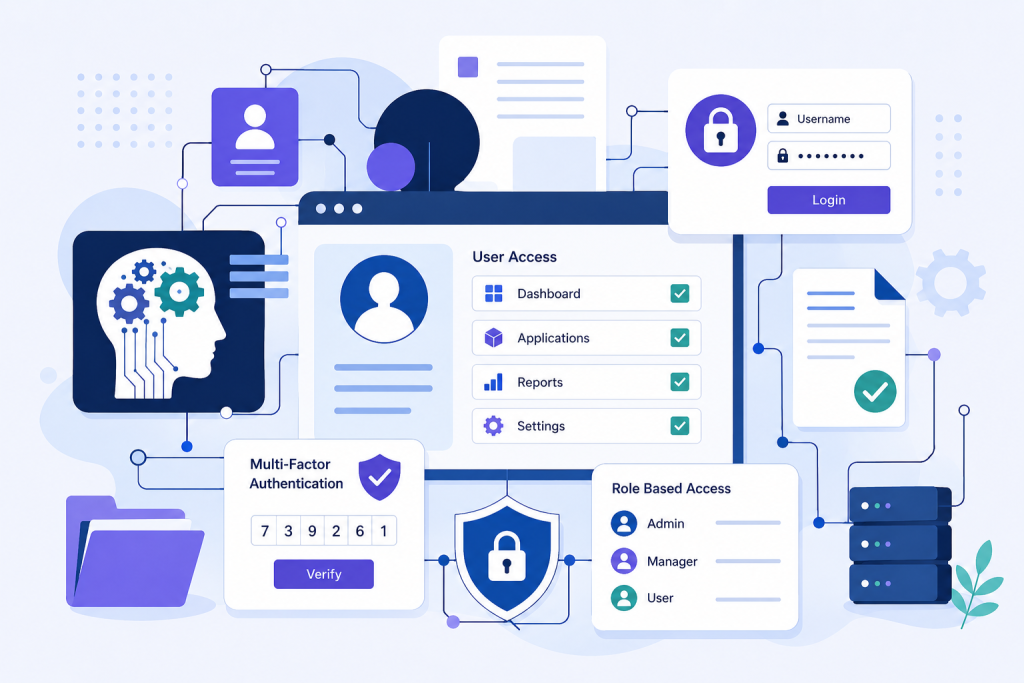
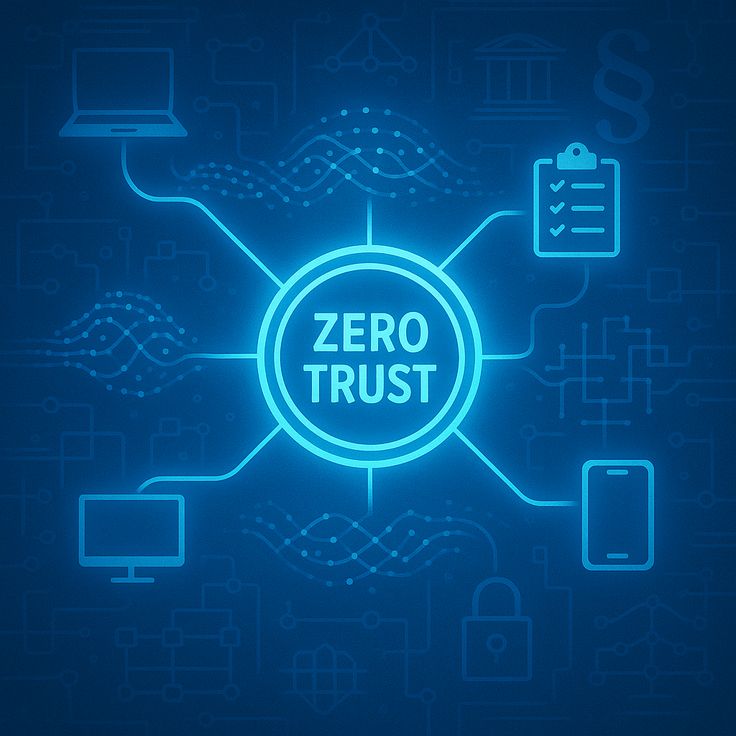
Zero Trust Security: Why Organizations Are Adopting It Faster Than Ever Cybersecurity has never been more important than it is today. Organizations across the globe are facing an unprecedented number of cyber threats, ranging from ransomware attacks and phishing campaigns to insider threats and sophisticated nation-state cyber operations. As businesses continue to embrace cloud computing, remote work, digital transformation, and interconnected technologies, traditional security models are proving increasingly inadequate. For decades, organizations relied on perimeter-based security strategies. The assumption was simple: anything inside the corporate network could be trusted, while anything outside should be treated as a potential threat. Firewalls, VPNs, and network segmentation formed the backbone of enterprise security. However, the modern digital environment has fundamentally changed this approach. Employees access company resources from multiple devices and locations. Applications reside in public and private clouds. Third-party vendors require network access. Sensitive data moves continuously between platforms and users. In this new reality, the concept of trust based solely on network location no longer works. This is where Zero Trust Security comes into the picture. Zero Trust has rapidly evolved from a cybersecurity concept into one of the most widely adopted security frameworks worldwide. Organizations of all sizes are investing heavily in Zero Trust architectures to protect their digital assets, strengthen compliance, and reduce cyber risks. But what exactly is Zero Trust Security, and why are organizations adopting it faster than ever before? Let’s explore. Understanding Zero Trust Security Zero Trust Security is a cybersecurity framework built on a simple but powerful principle: “Never Trust, Always Verify.” Unlike traditional security models that automatically trust users and devices inside a corporate network, Zero Trust assumes that every user, device, application, and connection could potentially be compromised. Under a Zero Trust model, no entity receives automatic trust, regardless of whether it is inside or outside the network perimeter. Every access request must be continuously verified before access is granted. This verification process typically includes: Identity verification Device authentication Access control policies User behavior analysis Multi-factor authentication Continuous monitoring The objective is to minimize risk by ensuring that only authorized users can access specific resources under predefined conditions. The Evolution of Cybersecurity Threats One of the biggest reasons organizations are embracing Zero Trust is the dramatic evolution of cyber threats. Modern cybercriminals have become more sophisticated than ever. Today’s attackers use advanced techniques such as: Ransomware-as-a-Service (RaaS) AI-powered phishing attacks Credential theft Supply chain attacks Insider threats Cloud account compromises Social engineering campaigns Many of these attacks bypass traditional security defenses because they exploit trusted accounts and legitimate access credentials. When attackers successfully steal login credentials, they can often move freely across traditional networks without triggering security alerts. Zero Trust eliminates this weakness by requiring verification at every stage of access. Even if an attacker compromises one account, they cannot automatically gain unrestricted access to sensitive systems. This significantly reduces the attack surface and limits potential damage. Why Traditional Security Models Are Failing The traditional “castle-and-moat” approach to cybersecurity was designed for a different era. In the past: Employees worked primarily from offices. Applications were hosted on-premises. Data remained within corporate networks. Devices were company-managed. Today, none of these assumptions consistently apply. Modern enterprises operate in highly distributed environments where: Employees work remotely. Applications run in multiple clouds. Data resides across various platforms. Contractors and vendors require access. Employees use personal devices. As a result, the network perimeter has effectively disappeared. Organizations can no longer rely solely on perimeter defenses because users and data exist far beyond traditional boundaries. Zero Trust addresses this challenge by focusing on identities, devices, and access rather than network location. The Core Principles of Zero Trust Security While Zero Trust implementations vary between organizations, most frameworks follow several key principles. Verify Every User Every user must authenticate before accessing resources. Authentication methods may include: Passwords Biometrics Security tokens Multi-factor authentication Identity verification is performed continuously rather than only during login. Least Privilege Access Users receive only the minimum access necessary to perform their tasks. This approach reduces risk because compromised accounts cannot access systems beyond their authorized permissions. Least privilege significantly limits lateral movement during cyberattacks. Continuous Monitoring Security teams continuously monitor user activities, devices, and network traffic. Behavior analytics help identify unusual patterns that may indicate malicious activity. Suspicious behavior triggers additional verification or access restrictions. Assume Breach Zero Trust operates under the assumption that breaches can occur at any time. Instead of focusing solely on prevention, organizations prioritize detection, containment, and response. This mindset improves resilience against sophisticated attacks. Device Security Verification Access decisions consider device health and security status. Devices may be evaluated based on: Operating system updates Antivirus status Encryption settings Security compliance Compromised or non-compliant devices may be denied access. The Remote Work Revolution Accelerated Adoption The global shift toward remote and hybrid work has dramatically accelerated Zero Trust adoption. Employees now access corporate resources from: Home offices Coffee shops Airports Co-working spaces Mobile devices Traditional VPN-based security approaches struggle to secure this distributed workforce effectively. Organizations need a security framework that protects users regardless of location. Zero Trust enables secure access by verifying users and devices rather than relying on network boundaries. As remote work becomes a permanent part of business operations, Zero Trust continues to gain momentum. Cloud Computing and Zero Trust Cloud adoption is another major driver behind the rise of Zero Trust Security. Modern organizations increasingly rely on: Software-as-a-Service (SaaS) Infrastructure-as-a-Service (IaaS) Platform-as-a-Service (PaaS) Cloud environments introduce new security challenges because resources are distributed across multiple providers and locations. Traditional security architectures often lack visibility and control in these environments. Zero Trust helps organizations secure cloud assets through: Strong identity management Granular access controls Continuous authentication Micro-segmentation Cloud workload protection This approach improves security without sacrificing flexibility. The Role of Multi-Factor Authentication Multi-factor authentication (MFA) has become a cornerstone of Zero Trust Security. Passwords alone are no longer sufficient. Attackers frequently obtain credentials through: Phishing attacks Data breaches Malware Credential stuffing MFA requires users to provide additional verification

Blockchain & Technology, Digital Transformation, Educational Technology, enterprise

Blockchain Beyond Cryptocurrency: Real-World Enterprise Applications

Introduction When most people hear the word blockchain, their minds immediately jump to cryptocurrencies like Bitcoin. While digital currencies played a significant role in introducing blockchain to the world, the technology has evolved far beyond its original purpose. Today, organizations across industries are leveraging blockchain to improve transparency, security, efficiency, and trust in business operations. From managing global supply chains to securing healthcare records and streamlining financial transactions, blockchain is emerging as a powerful tool for enterprise transformation. As businesses continue their digital transformation journeys, blockchain is increasingly becoming a strategic technology rather than merely a foundation for cryptocurrencies. This article explores how blockchain is being applied in real-world enterprise environments, the benefits it offers, the challenges organizations face, and what the future holds for this revolutionary technology. Understanding Blockchain Technology At its core, blockchain is a distributed digital ledger that records transactions across multiple computers. Unlike traditional databases controlled by a central authority, blockchain stores information in a decentralized manner. Each transaction is grouped into a block, and once verified, it becomes linked to the previous block, forming a chain of records. This structure creates an immutable and transparent history of transactions that cannot be altered without consensus from the network. Several characteristics make blockchain particularly valuable for enterprises: Transparency and auditability Enhanced security through cryptography Decentralized data management Reduced risk of fraud Improved trust among stakeholders Automation through smart contracts These capabilities have encouraged organizations to explore blockchain applications beyond digital currencies. Why Enterprises Are Investing in Blockchain Modern businesses operate in increasingly complex ecosystems involving suppliers, customers, partners, regulators, and service providers. Managing information across these networks often creates inefficiencies, duplication, and security risks. Blockchain addresses many of these challenges by providing a shared source of truth that all authorized participants can trust. Organizations are investing in blockchain because it can: Reduce operational costs Improve transaction speed Enhance transparency Strengthen cybersecurity Increase regulatory compliance Eliminate unnecessary intermediaries Improve customer trust As a result, blockchain adoption is growing across various sectors, including finance, healthcare, manufacturing, logistics, retail, and government services. Supply Chain Management and Traceability One of the most successful enterprise applications of blockchain is supply chain management. Traditional supply chains involve multiple parties, including manufacturers, distributors, suppliers, transportation providers, and retailers. Tracking products throughout this journey can be difficult, especially when data is stored in separate systems. Blockchain creates a shared ledger where every participant can record and verify information in real time. Product Traceability Companies can track products from raw material sourcing to final delivery. This visibility helps organizations verify authenticity, prevent counterfeiting, and ensure compliance with industry standards. For example, food producers can trace agricultural products back to their source within seconds. If contamination occurs, affected products can be identified and removed quickly, reducing risks and costs. Improved Transparency Customers increasingly demand information about where products originate and how they are manufactured. Blockchain enables businesses to provide transparent records regarding: Product origins Manufacturing processes Transportation history Sustainability practices Ethical sourcing standards This transparency strengthens consumer confidence and brand reputation. Reduced Fraud Counterfeit goods cost businesses billions of dollars annually. Blockchain records make it significantly more difficult for fraudulent products to enter legitimate supply chains. Smart Contracts and Business Automation Smart contracts are self-executing digital agreements stored on a blockchain. These contracts automatically perform actions when predefined conditions are met, reducing the need for manual intervention. Automating Payments Businesses can automate supplier payments when goods are delivered and verified. This eliminates delays and minimizes administrative overhead. Streamlining Procurement Procurement processes often involve extensive paperwork and approvals. Smart contracts can automatically: Verify purchase orders Confirm deliveries Trigger payments Update inventory systems This automation reduces processing time and human error. Insurance Claims Processing Insurance companies can use smart contracts to automatically process claims when specific conditions are verified. For example, travel insurance policies can issue compensation immediately when a flight delay is confirmed through trusted data sources. Blockchain in Financial Services Although blockchain originated within the financial sector, enterprise applications extend far beyond cryptocurrency trading. Cross-Border Payments Traditional international payments often involve multiple intermediaries and lengthy processing times. Blockchain networks can facilitate faster and more cost-effective cross-border transactions by reducing dependency on intermediary institutions. Trade Finance Trade finance processes frequently rely on paper-based documentation and manual verification. Blockchain helps digitize: Letters of credit Shipping documents Trade agreements Payment records This improves efficiency while reducing fraud and administrative costs. Fraud Prevention Financial institutions are adopting blockchain to strengthen transaction security and reduce fraudulent activities. The technology’s immutable records create reliable audit trails that make unauthorized alterations extremely difficult. Digital Identity Verification Banks and financial organizations can use blockchain-based identity systems to streamline customer verification procedures while enhancing privacy and security. Healthcare and Medical Records Management Healthcare organizations generate massive amounts of sensitive data. Managing patient records securely while ensuring accessibility remains a major challenge. Secure Patient Records Blockchain allows healthcare providers to store and share patient information securely. Authorized medical professionals can access accurate records while maintaining strict privacy controls. Improved Interoperability Medical records are often fragmented across multiple systems and providers. Blockchain can create unified patient histories accessible across healthcare networks, improving care coordination. Drug Supply Chain Verification Counterfeit medications represent a serious global concern. Blockchain enables pharmaceutical companies to track medications throughout the supply chain, ensuring authenticity and patient safety. Clinical Research Researchers can use blockchain to maintain transparent and tamper-proof records of clinical trial data, enhancing trust and regulatory compliance. Digital Identity and Access Management Identity verification is becoming increasingly important in the digital economy. Traditional identity systems often expose users to data breaches and identity theft. Blockchain-based identity solutions allow individuals to maintain greater control over their personal information. Self-Sovereign Identity Users can manage and share verified credentials without relying entirely on centralized databases. Benefits include: Enhanced privacy Reduced identity fraud Simplified verification processes Better user control Enterprise Access Control Organizations can use blockchain to manage employee credentials, system access permissions, and authentication processes more securely. Blockchain in Real Estate Real estate transactions typically

Digital Transformation, enterprise, Technology

The Role of Digital Trust in Modern Enterprise Technology

Introduction In today’s hyperconnected digital world, technology has become the foundation of almost every business operation. Organizations rely on cloud platforms, artificial intelligence, automation, data analytics, and digital communication tools to improve efficiency and deliver better customer experiences. While these technologies offer tremendous opportunities, they also introduce new challenges related to security, privacy, transparency, and accountability. As a result, digital trust has emerged as one of the most important assets for modern enterprises. Digital trust refers to the confidence that customers, employees, partners, and stakeholders place in an organization’s ability to protect data, secure systems, and use technology responsibly. It goes beyond traditional cybersecurity and encompasses ethical technology practices, transparent data management, regulatory compliance, and reliable digital experiences. In an era where data breaches, cyberattacks, and privacy concerns regularly make headlines, organizations that establish strong digital trust gain a significant competitive advantage. Modern consumers are more informed than ever before. They expect businesses to handle their personal information responsibly and provide secure digital interactions. A single security incident can damage a company’s reputation, reduce customer loyalty, and lead to substantial financial losses. On the other hand, organizations that prioritize trust can strengthen relationships, improve customer retention, and accelerate digital transformation initiatives. Understanding Digital Trust Digital trust is the assurance that technology systems, processes, and organizations operate securely, reliably, and ethically. It is built through a combination of technological safeguards, transparent business practices, and consistent user experiences. When customers interact with a company’s website, mobile application, or digital service, they expect their data to remain protected. They want to know how their information is collected, stored, and used. Similarly, employees rely on secure digital environments to perform their work effectively, while business partners need confidence that shared information will remain protected. Digital trust is not created overnight. It requires continuous investment in cybersecurity, data governance, compliance programs, and ethical technology practices. Organizations must demonstrate that they are committed to safeguarding stakeholder interests while leveraging technology for innovation and growth. Why Digital Trust Matters More Than Ever The rapid expansion of digital technologies has significantly increased the volume of sensitive information being generated and processed. Businesses collect customer data, financial records, operational metrics, and proprietary intellectual property on a massive scale. As digital ecosystems become more interconnected, the risks associated with data misuse and cyber threats continue to grow. Several factors have contributed to the growing importance of digital trust: Rising Cybersecurity Threats Cybercriminals are constantly developing sophisticated attack methods targeting businesses of all sizes. Ransomware attacks, phishing campaigns, identity theft, and data breaches have become common challenges across industries. Organizations that fail to implement adequate security measures risk losing customer confidence and facing severe financial consequences. Increasing Privacy Expectations Consumers are becoming more aware of how companies collect and use their personal information. They expect transparency and control over their data. Businesses that respect privacy preferences and communicate their practices clearly are more likely to earn customer trust. Expansion of Artificial Intelligence Artificial intelligence is transforming decision-making processes across industries. However, concerns about algorithmic bias, transparency, and accountability have raised questions about how AI systems should be deployed responsibly. Trustworthy AI practices are becoming essential for maintaining stakeholder confidence. Regulatory Compliance Requirements Governments and regulatory bodies worldwide have introduced stricter regulations related to data protection and cybersecurity. Compliance is no longer optional. Organizations must demonstrate responsible data management practices to avoid legal penalties and reputational damage. Remote and Hybrid Work Models The rise of remote work has expanded digital attack surfaces. Employees access corporate systems from multiple locations and devices, increasing security risks. Building digital trust requires ensuring secure access and protecting sensitive information regardless of where work takes place. Key Pillars of Digital Trust Building digital trust requires a comprehensive approach that addresses multiple aspects of enterprise technology. Cybersecurity Cybersecurity forms the foundation of digital trust. Organizations must protect their systems, networks, and data from unauthorized access and malicious attacks. This includes implementing advanced security technologies such as multi-factor authentication, endpoint protection, encryption, and continuous monitoring. A strong cybersecurity strategy not only reduces risk but also demonstrates a company’s commitment to protecting stakeholder information. Data Privacy Privacy has become a major concern for consumers and regulators alike. Businesses must clearly explain how data is collected, stored, shared, and processed. Transparent privacy policies and user consent mechanisms help establish confidence and foster trust. Organizations should adopt privacy-by-design principles, ensuring that privacy considerations are integrated into technology development from the beginning. Transparency Trust grows when organizations are open about their practices and decision-making processes. Transparency involves communicating clearly about data usage, security measures, AI-driven decisions, and incident response procedures. When issues occur, transparent communication helps maintain credibility and demonstrates accountability. Reliability and Performance Customers expect digital services to be available, responsive, and dependable. Frequent system outages, technical failures, or poor user experiences can quickly erode trust. Modern enterprises must invest in infrastructure resilience, disaster recovery planning, and performance optimization to ensure consistent service delivery. Ethical Technology Use The ethical use of technology is becoming increasingly important. Organizations must ensure that AI systems, automation tools, and analytics platforms operate fairly and responsibly. Ethical technology practices include addressing algorithmic bias, ensuring explainability, and preventing misuse of customer data. Businesses that prioritize ethics strengthen their reputation and foster long-term trust. The Relationship Between Digital Trust and Business Success Digital trust is no longer just a technology concern; it is a business strategy. Organizations that successfully build trust often experience measurable benefits across multiple areas. Enhanced Customer Loyalty Customers are more likely to engage with brands they trust. When users feel confident that their information is secure and handled responsibly, they are more willing to share data and use digital services. Trust creates stronger customer relationships, leading to increased retention and higher lifetime value. Competitive Differentiation In crowded markets, trust can become a powerful differentiator. Organizations that demonstrate superior security, transparency, and ethical practices stand out from competitors. Customers increasingly consider trustworthiness when choosing products, services, and business partners. Accelerated Digital Transformation Digital transformation initiatives

Artificial Intelligence, Business Intelligence, Digital Transformation, enterprise

Agentic AI: How Autonomous AI Agents Are Changing Business Workflows

Agentic AI: How Autonomous AI Agents Are Changing Business Workflows Artificial Intelligence has rapidly evolved from being a futuristic concept to becoming a critical component of modern business operations. Over the past few years, organizations have adopted AI-powered tools to automate repetitive tasks, improve customer experiences, and enhance decision-making. However, the latest advancement in this technological journey is Agentic AI—a new generation of AI systems capable of acting autonomously, making decisions, and completing complex workflows with minimal human intervention. Unlike traditional AI systems that require continuous prompts and instructions, Agentic AI can independently analyze situations, plan actions, execute tasks, and adapt based on outcomes. This shift represents one of the most significant developments in business technology, offering organizations unprecedented levels of efficiency, productivity, and scalability. As businesses face increasing competition and growing operational complexity, Agentic AI is emerging as a powerful solution capable of transforming how work gets done. From customer service and sales to software development and project management, autonomous AI agents are redefining business workflows across industries. In this article, we’ll explore what Agentic AI is, how it works, its business applications, benefits, challenges, and why it is poised to become a cornerstone of future enterprise operations. Understanding Agentic AI Agentic AI refers to artificial intelligence systems designed to operate as autonomous agents. These agents can perceive their environment, understand goals, create plans, make decisions, and take actions without requiring constant human supervision. Traditional AI tools generally perform specific tasks based on direct user input. For example, a chatbot may answer questions, or an AI image generator may create images based on prompts. Agentic AI goes several steps further. Instead of merely responding to commands, autonomous AI agents can: Understand objectives Break down complex tasks into smaller actions Gather necessary information Make decisions based on available data Execute workflows independently Learn from outcomes and adjust strategies This capability transforms AI from a passive assistant into an active digital worker capable of managing entire business processes. The Evolution from Traditional AI to Agentic AI The development of Agentic AI represents the next stage in the evolution of artificial intelligence. Traditional Automation Early automation systems followed predefined rules. They could execute repetitive tasks but lacked flexibility and intelligence. Examples include: Email automation Data entry automation Scheduled reporting systems Machine Learning Systems Machine learning introduced predictive capabilities. These systems could identify patterns and make recommendations based on data. Examples include: Recommendation engines Fraud detection systems Predictive analytics tools Generative AI Generative AI expanded AI capabilities by creating content such as text, images, code, and videos. Examples include: AI writing assistants Image generation platforms Coding assistants Agentic AI Agentic AI combines reasoning, planning, memory, and action capabilities. Instead of assisting users with individual tasks, autonomous agents can complete entire workflows from start to finish. This progression marks a fundamental shift from AI tools that simply respond to requests toward AI systems that actively pursue objectives. How Agentic AI Works To understand its business value, it’s important to know how Agentic AI functions. 1. Goal Understanding An AI agent begins by understanding the objective provided by the user or organization. For example: “Generate a market research report for the healthcare industry.” The agent interprets the request and identifies the required steps. 2. Planning The system creates a strategic plan to accomplish the objective. This may involve: Researching industry data Gathering competitor information Analyzing trends Creating visual reports Drafting conclusions 3. Execution The AI agent performs tasks independently using available tools and resources. It may: Search databases Access internal documents Analyze spreadsheets Generate reports Send notifications 4. Monitoring Throughout execution, the agent evaluates progress and adjusts actions when necessary. 5. Learning Advanced agents continuously improve performance by learning from previous experiences and outcomes. This combination of reasoning, planning, execution, and adaptation enables Agentic AI to handle increasingly sophisticated business processes. Why Businesses Are Embracing Agentic AI Organizations worldwide are investing heavily in Agentic AI because of its ability to improve operational efficiency while reducing costs. Several factors are driving adoption: Growing Data Volumes Businesses generate enormous amounts of data daily. Human teams often struggle to process and analyze this information efficiently. Agentic AI can monitor, analyze, and extract insights from large datasets in real time. Need for Faster Decision-Making Competitive markets require rapid responses. Autonomous agents can process information and make recommendations significantly faster than traditional workflows. Workforce Productivity Employees spend substantial time on repetitive administrative tasks. AI agents can automate these activities, allowing workers to focus on strategic and creative responsibilities. Cost Optimization Reducing manual effort leads to lower operational expenses while maintaining high levels of productivity. Business Applications of Agentic AI Agentic AI is transforming numerous departments across organizations. Customer Support Customer service is one of the most impactful areas for AI adoption. Autonomous agents can: Handle customer inquiries Resolve common issues Process refunds Escalate complex cases Provide 24/7 support This improves customer satisfaction while reducing support costs. Sales and Lead Generation Sales teams spend considerable time identifying prospects and nurturing leads. AI agents can: Research potential customers Qualify leads Schedule meetings Send follow-up emails Generate sales insights As a result, sales professionals can focus on closing deals rather than administrative work. Marketing Automation Marketing departments can leverage Agentic AI for: Content creation Campaign optimization Audience segmentation Competitor analysis Social media management AI agents continuously monitor performance and make adjustments to improve results. Human Resources HR teams are increasingly using AI agents to streamline recruitment and employee management. Applications include: Resume screening Candidate ranking Interview scheduling Employee onboarding Performance tracking This reduces hiring time and improves recruitment efficiency. Software Development Agentic AI is making a major impact in software engineering. AI agents can: Write code Detect bugs Conduct testing Generate documentation Monitor system performance Development teams benefit from faster release cycles and improved software quality. Finance and Accounting Financial departments use autonomous AI agents for: Invoice processing Expense tracking Financial forecasting Fraud detection Compliance monitoring These capabilities reduce errors and improve financial accuracy. Benefits of Agentic AI for Businesses Increased Productivity

cybersecurity, Data Privacy & Security, Digital Transformation, enterprise, Software development, Technology

Beyond the Firewall: Securing the Software Supply Chain in 2026

Beyond the Firewall: Securing the Software Supply Chain in 2026 For decades, cybersecurity was defined by the “castle and moat” analogy. If you built a strong enough firewall, your data was safe. However, as we move through 2026, the perimeter has completely dissolved. Modern software is no longer a monolithic block of custom code; it is a sprawling web of open-source dependencies, third-party APIs, and AI-generated snippets. The greatest threat to the tech sector today isn’t a hacker “breaking in” through your front door—it’s a vulnerability “walking in” through your supplier’s back door. Welcome to the era of Software Supply Chain Integrity. The New Attack Vector: Upstream Compromise In 2026, attackers have pivoted their focus “upstream.” Instead of targeting a single enterprise, they target the libraries and tools that thousands of enterprises use. By compromising a popular open-source package or a widely used CI/CD tool, a single exploit can cascade through the global tech ecosystem. The data is clear: supply chain attacks have quadrupled over the last few years. Whether it is a malicious “dependency confusion” attack or a compromised GitHub Action, the goal is the same: to inject malicious code into a trusted environment before it ever reaches production. The Three Pillars of Modern Supply Chain Security At TechOTD, we’ve identified three critical strategies that every development team must adopt in 2026 to remain resilient. 1. The SBOM Mandate (Software Bill of Materials) Think of an SBOM as the “nutrition label” for your software. It is a formal, machine-readable record of every library, module, and dependency used to build an application. In 2026, providing an SBOM is no longer a “nice-to-have”; it is a regulatory requirement for many enterprise contracts. By maintaining a real-time SBOM, security teams can respond to new vulnerabilities (CVEs) in seconds rather than days. If a critical flaw is found in a minor utility library, an SBOM tells you exactly which of your products are affected and where they are deployed. 2. Guarding AI-Generated Code The rise of “Vibe Coding” and AI agents has introduced a new type of risk: AI-generated security debt. AI models are designed to be helpful, but they lack context and judgment. They may suggest code that is functional but uses outdated, insecure encryption or references deprecated libraries. Securing the supply chain in 2026 means implementing Automated AI Guardrails. Every line of code suggested by an AI must pass through an automated “security lens”—AI-powered SAST (Static Application Security Testing) tools that scan for logic flaws and insecure patterns in real-time within the developer’s IDE. 3. Identity-First Security and Non-Human Identities (NHIs) The “login” is the new break-in point. As we move toward Agentic AI and automated microservices, the number of “Non-Human Identities”—API keys, service accounts, and tokens—has exploded. Attackers in 2026 are increasingly targeting these machine identities because they are often over-privileged and rarely rotated. A robust security posture now requires Continuous Adaptive Authentication, where every request—whether from a human or an AI agent—is verified based on real-time risk signals like geolocation, device health, and behavioral patterns. From Prevention to “Durable Resilience” The hard truth of 2026 is that 100% prevention is impossible. The focus has shifted from “How do we stop every attack?” to “How quickly can we recover when a dependency is compromised?” This is the concept of Durable Resilience. It involves: Chaos Engineering for Security: Purposely “breaking” a dependency in a sandbox to see how the system fails. Crypto-Agility: Building architecture that allows you to swap out compromised encryption algorithms without rebuilding the entire app. Rapid Patching Protocols: Mandating that high-severity vulnerabilities in third-party code must be patched within 24 hours of discovery. Conclusion: The Developer’s New Mandate Cybersecurity is no longer a “department”—it is a core feature of high-quality software development. In the tech sector of 2026, the most successful companies will be those that treat their software supply chain with the same scrutiny they apply to their own internal code. AI-Native Architecture

enterprise

How Can Enterprise Mobile App Development Accelerate Your Business Growth?

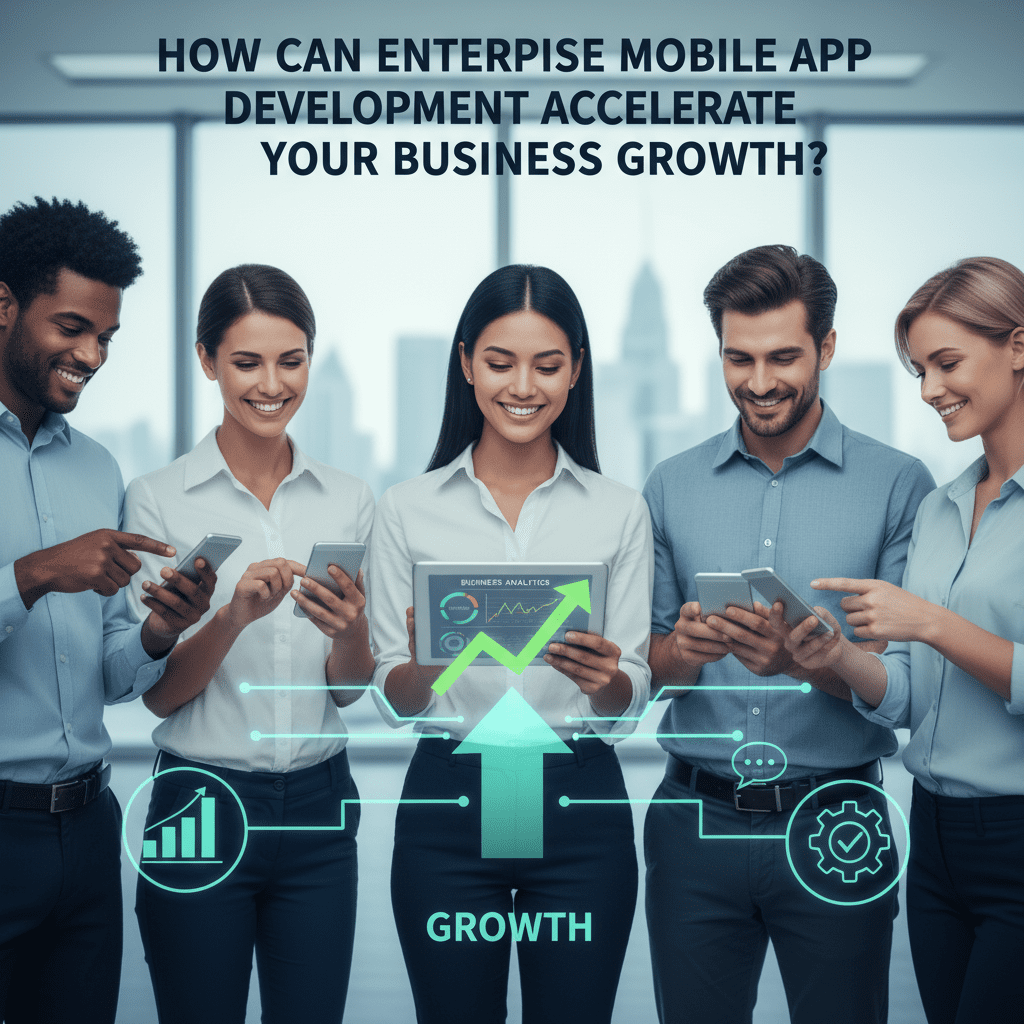
Introduction Enterprise mobile app development is transforming the way businesses operate by providing powerful tools that streamline workflows, improve communication, and drive productivity. In 2025, organizations that invest in custom mobile solutions are better positioned to compete, innovate, and grow faster than their peers. Top Ways Enterprise Mobile Apps Accelerate Growth 1. Enhanced Employee Productivity Enterprise mobile apps empower employees to work efficiently on the go, access resources in real-time, and complete tasks with fewer barriers. Field teams use dedicated apps for inventory checks, reporting, and seamless task updates—making daily operations faster and more reliable. 2. Streamlined Operations and Workflow Automation Mobile apps automate repetitive processes like scheduling, approvals, and reporting, reducing administrative overhead and human error. This streamlines workflows across departments, enabling teams to focus on strategic work. 3. Real-Time Data and Decision-Making Mobile apps unify enterprise data sources and enable instant access to dashboards, analytics, and KPIs. Leaders can make data-driven decisions quickly, respond to changing conditions, and gain valuable business insights at any time. 4. Improved Communication and Collaboration Custom mobile apps offer secure, centralized channels for messaging, file sharing, and field communication, keeping teams aligned. Employees across locations coordinate instantly—boosting engagement and reducing internal delays. 5. Greater Customer Experience and Loyalty Enterprise apps give support and sales staff immediate access to customer data, enabling faster responses and more personalized service. This increases customer satisfaction, retention, and repeat business. 6. Integration with Existing Systems Mobile solutions integrate seamlessly with ERP, CRM, HRMS, and other enterprise software, ensuring data consistency and unified user experiences across all platforms. 7. Flexibility and Scalability Enterprise apps scale as the business grows—accommodating more users, teams, and new functionalities without major overhauls. Mobile-first strategies keep companies agile and responsive in a rapidly changing market. 8. Cost Savings and ROI Mobile app automation reduces process costs, cuts errors, and strengthens productivity—delivering long-term savings and measurable business value. Faster project execution and better resource allocation drive growth and profitability. Sectors Benefiting Most Manufacturing: Real-time production monitoring and supply chain optimization Retail: Inventory management, sales analytics, and loyalty programs Healthcare: Patient record accessibility and remote care coordination Logistics: Delivery tracking, route planning, and fleet management Construction: Equipment reporting, project tracking, and time logging Conclusion Enterprise mobile app development is a growth accelerator—enhancing processes, boosting productivity, and improving customer outcomes. In the fast-evolving digital landscape of 2025, investing in tailored mobile solutions is essential for organizations committed to innovation and competitive edge. Explore expert mobile app development and enterprise integration services at TechOTD AI Services and stay informed on the latest digital trends at the TechOTD Blog. Would you like step-by-step guidance on choosing the right enterprise mobile architecture?

enterprise

Best Strategies for Supply Chain Risk Management

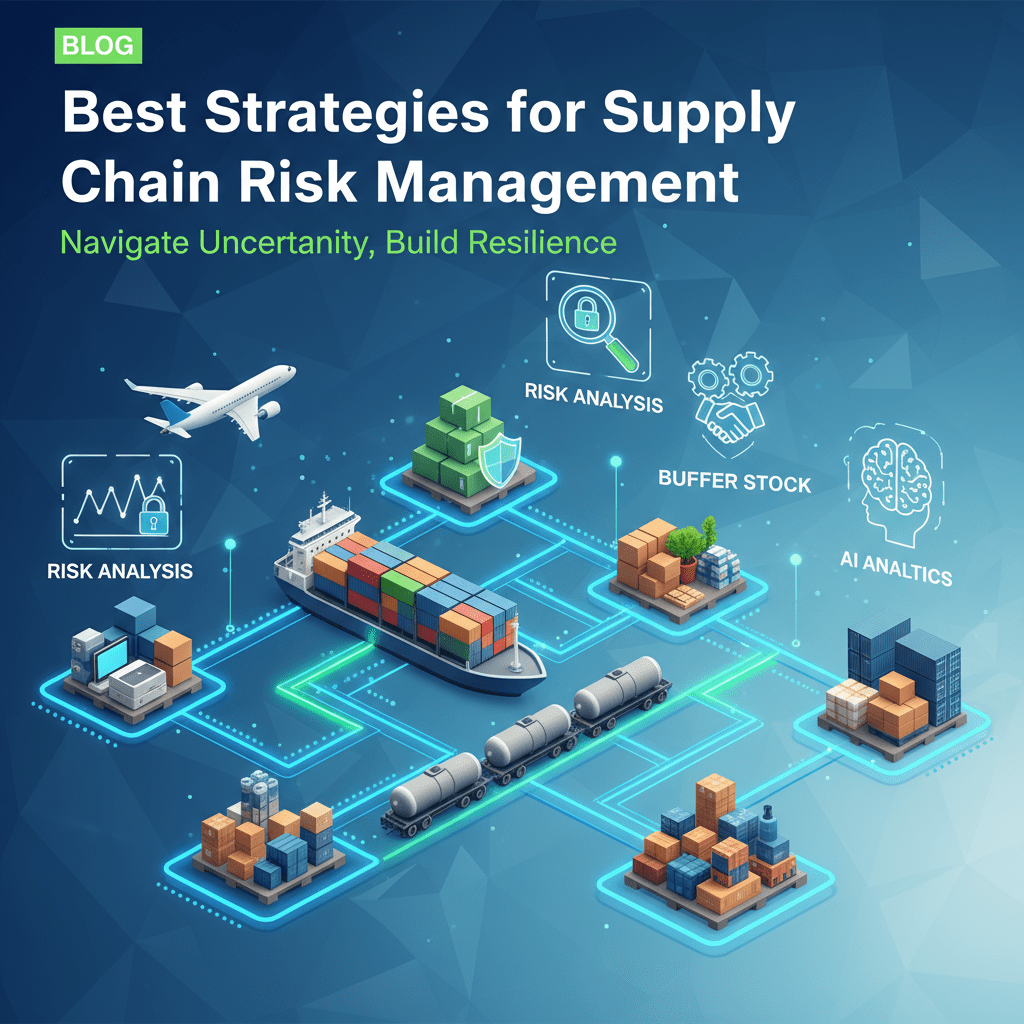
Introduction Supply chain risk management has become a top priority for organizations due to geopolitics, climate events, cyber threats, and unpredictable global disruptions. Businesses need robust frameworks and proactive strategies to secure continuity, minimize losses, and ensure long-term resilience in 2025. Diversify the Supplier Base Relying on a single supplier exposes companies to disruption risks. Multi-sourcing and geographic diversification reduce the impact of localized events and create backup capabilities for critical supplies. Nearshoring and Regionalization Locating suppliers closer to operations or markets shortens lead times and mitigates risks associated with global transport delays, tariffs, or geopolitical issues. Nearshoring also increases control and responsiveness in volatile scenarios. Enhance Supply Chain Visibility Leveraging digital tools (IoT, blockchain, real-time dashboards) provides transparency across supplier tiers, shipment status, and inventory levels. Visibility enables faster detection and mitigation of disruptions. Scenario Planning and Stress Testing Run regular scenario analyses and stress tests to reveal vulnerabilities in supply chain networks. Realistic modeling for natural disasters, cyber incidents, or supplier insolvency enables preparation and rapid response. Safety Stock and Redundant Inventory Maintain buffer inventory and safety stock for critical products to mitigate supply disruptions or demand spikes, protecting business continuity. Strategic Supplier Relationships Build partnerships and collaborate closely with suppliers—share forecasts, risk data, and contingency plans for mutual support during crises. Invest in Digital and AI Tools Adopt supply chain mapping, predictive analytics, and automation to sense early warnings, model risks, and automate risk response for greater resilience. Cybersecurity Integration Protect supply chains from escalating cyber threats by implementing end-to-end security protocols, monitoring supplier IT risk, and securing contracts and information exchanges. Regular Risk Assessments and Training Conduct frequent supply chain risk reviews and educate internal teams about risk awareness and mitigation, ensuring organizational preparedness for emerging threats. Conclusion Effective supply chain risk management requires a mix of prudent planning, technology adoption, supplier collaboration, and ongoing monitoring. By implementing these best strategies, organizations can handle disruption confidently, secure operations, and build lasting resilience against future challenges. For advanced supply chain risk solutions and AI-powered analytics, explore TechOTD AI Services and learn more on the TechOTD Blog. Would you like a checklist or template for supply chain risk management planning?

enterprise

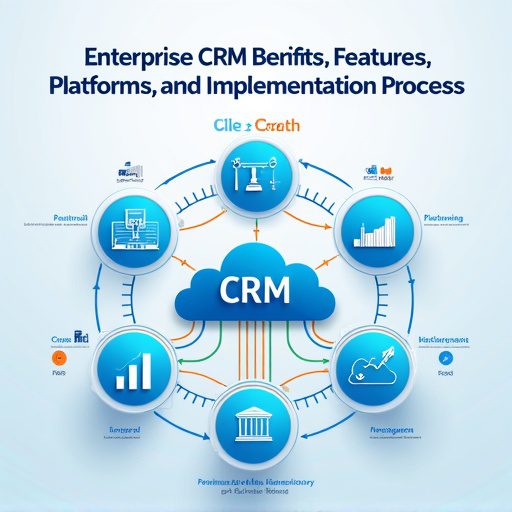
Enterprise CRM Benifits, Features, Platforms, And Implementation Process

Introduction Enterprise CRM (Customer Relationship Management) platforms are powerful tools that transform how large organizations manage customer data, improve engagement, and drive business growth. Below is a detailed blog-style guide, covering benefits, features, leading platforms, and the implementation process, with strategic backlinks to your TechOTD resources. In today’s hyper-competitive marketplace, Enterprise CRM is not merely a software—it’s an integrated approach that centralizes data, automates workflows, and fuels personalized customer journeys at scale. When implemented with advanced technologies like AI and predictive analytics, CRM becomes a strategic driver of efficiency, compliance, and business agility. Discover how AI and tech consulting can elevate CRM on TechOTD’s AI solutions page. Key Benefits of Enterprise CRM 360° View of Customers Enterprise CRM consolidates all customer data—interactions, preferences, support tickets—into a unified dashboard, providing a 360-degree customer profile. This empowers sales, marketing, and support teams to deliver informed, personalized service and anticipate customer needs. Learn how holistic data fuels AI-driven insights on TechOTD’s privacy and AI page. Improved Team Collaboration CRM platforms break down silos, enabling seamless information sharing across sales, marketing, and customer support departments. This unified communication boosts efficiency and ensures everyone works towards common goals. Data-Driven Decision Making Advanced analytics and reporting tools enable data-driven strategies, empowering management to spot trends, forecast sales, and make informed decisions. For a deeper dive into data analytics, visit TechOTD’s predictive analytics feature. Streamlined Sales and Marketing Processes Automation of repetitive tasks—lead tracking, appointment scheduling, follow-ups—lets teams focus on strategic initiatives, shortens sales cycles, and improves productivity. Enhanced Customer Experience CRM software personalizes every touchpoint—recommendations, promotional offers, and support—leading to higher customer satisfaction and loyalty. Explore more on TechOTD’s blog about seamless customer journeys. Compliance and Risk Management Modern platforms are designed to help businesses adhere to data privacy regulations and industry standards, crucial for finance, healthcare, and other regulated sectors. For more insights, read TechOTD’s how we work page. Essential Features of Enterprise CRM Holistic Customer View Provides a consolidated, real-time profile of each customer, tracking every email, call, transaction, and support request. Advanced Automation and AI Automation tools drive efficiency in sales, marketing, and workflows. AI features offer predictive analytics, intelligent recommendations, and chatbots—see TechOTD’s blog on LLMs and AI in customer journeys. Customizable Dashboards and Analytics Enterprises require deep analytics, granular segmentation, and real-time reporting to identify opportunities and mitigate risks. Multichannel Communication Integrated email, chat, phone, and social media support ensure consistent, timely engagement with customers wherever they interact. Security and Compliance Enterprise-grade CRMs offer robust security features: role-based access, encryption, audit trails, and compliance tools for GDPR, HIPAA, and more. Integration and Extensibility APIs and integrations connect CRM with ERP, marketing automation, e-commerce, and legacy systems for seamless data flow across the organization. Top Enterprise CRM Platforms Platform Best For Key Distinction Pricing/Notes [More Info] Salesforce Customization, large-scale deployments Deep modularity, AI, ecosystem From $165/user/mo, AI extra Leading Gartner MQ SAP CRM Integrated ERP-CRM for SAP users Native SAP integration, global Quote-based Oracle CX Large, complex organizations Flexibility, analytics, CX tools Quote-based Microsoft Dynamics 365 Microsoft-centric organizations ERP links, hybrid cloud options Flexible tiers HubSpot Enterprise Quick setup, remote teams User-friendly, marketing-heavy Competitive pricing Zoho CRM Growing enterprises, customization Automated workflows, scalability Lower overall TCO Zendesk Sell Sales and support integration Suited for Zendesk users Per-seat pricing Freshsales AI-driven engagement Fast, contextual interactions Modern UI, flexibility Discover more platforms and business app tips at TechOTD’s industry blogs. The Enterprise CRM Implementation Process 1. Define Strategy and Objectives Start by mapping out business objectives, key performance indicators, and a data strategy. Use TechOTD’s consulting framework to establish clear priorities. 2. Data Migration and Integration Cleanse existing data, de-duplicate records, and plan integrations with core systems (ERP, e-commerce, etc.). Blockchain integration—see blockchain in Dubai business—can add transparency to data migration. 3. Platform Selection and Customization Choose a CRM platform based on scale, industry, compliance, and integration requirements. Custom-build modules as needed, adjusting workflows, triggers, and dashboards for your enterprise’s unique processes. 4. User Adoption and Training Invest in staff training, change management, and cross-departmental workshops. Encourage power users and stakeholders to champion the CRM for maximum adoption. 5. Launch and Ongoing Support Roll out in phases—start with pilot departments, gather feedback, iterate, and expand. Leverage continuous analytics and support for long-term ROI. For best practices in tech project launches, visit TechOTD’s mobile services page. 6. Advanced Optimization Integrate AI-driven analytics, marketing automation, and predictive customer scoring. Review and refine workflows to drive ongoing efficiency. Explore predictive analytics solutions on TechOTD’s featured blog page. Real-World Use Cases Sales Acceleration: Automated lead scoring and next-best actions reduce time-to-close and increase sales. Customer Service Excellence: Omnichannel ticketing and AI-powered chatbots resolve issues faster, improving CSAT. Marketing ROI: Segmentation, journey mapping, and attribution modeling optimize spend and boost conversion rates. Risk & Compliance: Audit trails, consent management, and data protection features mitigate regulatory risk—critical for finance and healthcare. Mobile CRM: Field sales and service reps use mobile apps to access/updating customer data on the go; see TechOTD’s mobile frameworks guide. Conclusion Adopting an enterprise CRM is transformative for large organizations—it centralizes operations, unleashes team potential, personalizes every customer interaction, and future-proofs against changing regulations. For ongoing trends, strategies, and CRM case studies, explore: AI-Powered Enterprise Solutions TechOTD Blogs on Business Technology Customer Journey Mapping with AI Blockchain for Data Integrity How We Work at TechOTD Predictive Analytics for CRM Mobile Solutions and CRM Industry Insights & Platforms

How would you like me to respond?

Select a personality for your AI assistant

Normal
Happy
Sad
Angry

Your selection will affect how the AI assistant responds to your messages

Chat Assistant

Let's discuss your project!

Hear from our clients and why 3000+ businesses trust TechOTD

Tell us what you need, and we'll get back with a cost and timeline estimate

Scroll to Top