
Real-Time Visibility

Automobile, Data Analytics, Real-Time Visibility, Technology & Innovation

How Fleet Management Software Slashes Operational Costs

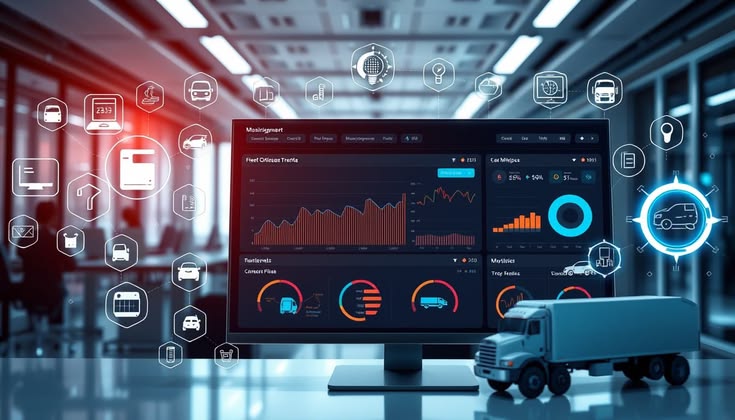
Driving Down the Bottom Line: How Fleet Management Software Slashes Operational Costs Managing a fleet is often described as trying to plug leaks in a sinking ship. Between fluctuating fuel prices, unexpected engine failures, and the rising cost of insurance, fleet managers are under constant pressure to do more with less. The introduction of Fleet Management Software (FMS) hasn’t just added a map to the dashboard; it has provided a financial scalpel. By turning raw data into actionable insights, FMS allows businesses to cut costs with surgical precision. 1. The Fuel Factor: Cutting Your Largest Expense Fuel usually accounts for nearly 30% of total fleet operating costs. FMS reduces this burden in three distinct ways: Eliminating Idling Did you know that a heavy-duty truck can burn roughly one gallon of fuel for every hour it idles? FMS tracks “dead time” and alerts managers when a driver leaves the engine running unnecessarily. By humanizing this data—explaining to drivers why idling matters—companies often see a 5–10% drop in fuel spend within the first month. Route Optimization It’s not just about getting from point A to point B; it’s about avoiding the traffic at point C. Innovative routing algorithms analyze historical traffic patterns and real-time accidents to ensure drivers take the most fuel-efficient path, reducing total mileage and wear on the tires. 2. Predictive Maintenance: Stopping the “Small” Problems A $50 sensor check is always cheaper than a $5,000 engine overhaul. FMS connects directly to the vehicle’s diagnostic port (OBD-II), allowing for Predictive Maintenance. Real-time Alerts: The software notifies the shop the moment a “Check Engine” light flickers, often before the driver even notices a change in performance. Scheduled Servicing: Instead of guessing when to change the oil based on a calendar, FMS uses actual mileage and engine hours to schedule service exactly when it’s needed—neither too early (wasting money) nor too late (risking damage). 3. The Humanized Side: Improving Driver Behavior We often forget that the most expensive part of a vehicle is the person behind the wheel. Aggressive driving—speeding, harsh braking, and rapid acceleration—can lower fuel economy by up to 33% at highway speeds. Gamification and Coaching Modern FMS provides “Driver Scorecards.” Instead of “spying” on drivers, managers can use this data to reward the safest, most efficient operators. This humanized approach reduces turnover and slashes the costs associated with accidents and insurance premiums. When drivers know their safety is being monitored for reward rather than punishment, the culture of the fleet shifts toward efficiency. 4. Total Cost of Ownership (TCO) and Lifecycle Management Every vehicle has a “sweet spot”—a point where it is most profitable before maintenance costs begin to outweigh its value. FMS tracks the lifecycle of every asset. It tells you exactly when to sell a van before it becomes a “money pit,” ensuring you always have the most cost-effective fleet on the road. 5. Reducing Administrative “Paper” Costs The hidden cost of fleet management is the hours spent on paperwork—IFTA fuel tax reporting, ELD compliance, and maintenance logs. FMS digitizes this entire process. Compliance: Automatically generating HOS (Hours of Service) reports prevents heavy fines. Labor Savings: By automating reports that used to take a manager 10 hours a week, you effectively “buy back” a quarter of their salary to focus on growth. Conclusion: Data as Your Most Valuable Asset Fleet management software isn’t just about “tracking trucks”; it’s about visibility. When you can see every drop of fuel, every minute of idling, and every harsh brake, you gain the power to control your destiny. In 2026, the most successful fleets aren’t the ones with the newest trucks; they are the ones with the best data.How to Develop an Innovative Social Commerce App: A Blueprint for Success

Digital business dashboard showing real-time analytics and performance metrics.
Real-Time Visibility

Real-Time Visibility: The Key to Smarter, Faster, and More Informed Decisions

Introduction In today’s fast-moving digital world, every second counts. Businesses can no longer afford to wait hours—or even minutes—for updates on critical operations. Real-time visibility has become a necessity, not a luxury. It provides instant access to live data, helping organizations monitor, track, and make better decisions at every level. What is Real-Time Visibility? Real-time visibility refers to the ability to view and analyze live data from systems, devices, or processes as it happens. It enables decision-makers to instantly understand what’s occurring within their business—whether it’s tracking shipments, monitoring network performance, or observing production efficiency. In simple terms, it’s about knowing what’s happening right now, not just what happened an hour ago. Why Real-Time Visibility Matters Instant Decision-Making:With immediate data access, businesses can respond faster to changes, disruptions, or risks. Operational Efficiency:Real-time monitoring helps identify inefficiencies quickly, allowing teams to act before issues escalate. Enhanced Customer Experience:Companies can provide accurate delivery times, proactive updates, and faster problem resolution. Cost Savings:By preventing errors and optimizing operations, organizations save time, money, and resources. Key Industries Using Real-Time Visibility 1. Supply Chain & Logistics Real-time tracking of shipments through IoT sensors and GPS. Instant alerts on route delays or temperature fluctuations in perishable goods. Improved coordination between suppliers, distributors, and retailers. 2. Manufacturing Monitoring production lines to detect machine failures instantly. Real-time quality control through automated systems. Optimized inventory management by tracking stock levels in real time. 3. Healthcare Live monitoring of patients’ vitals. Real-time updates on medication administration and equipment usage. Faster response to emergencies through connected healthcare systems. 4. Information Technology Real-time visibility into network performance and cybersecurity threats. Instant system health checks and uptime monitoring. Quick detection of server or application issues. Technologies Behind Real-Time Visibility Internet of Things (IoT): Enables sensors and devices to share live data. Cloud Computing: Allows real-time data processing and storage accessible anywhere. Artificial Intelligence (AI) & Machine Learning (ML): Automates analysis of large datasets instantly. Blockchain: Provides transparent, tamper-proof data sharing. Data Dashboards & Analytics Tools: Help visualize live insights for faster action. Benefits of Implementing Real-Time Visibility Benefit Impact Faster response to disruptions Reduced downtime and better service delivery Improved forecasting Data-driven planning and decision-making Transparency Builds trust with customers and stakeholders Compliance Easier tracking and audit readiness Challenges in Achieving Real-Time Visibility While the benefits are clear, implementing real-time visibility comes with challenges: Data Overload: Managing huge volumes of live data can be complex. Integration Issues: Connecting multiple systems and platforms seamlessly. Security Concerns: Protecting sensitive real-time data from cyber threats. High Initial Costs: Investment in technology and infrastructure. Future of Real-Time Visibility The future is intelligent and connected. With advancements in AI-driven analytics, 5G networks, and edge computing, real-time visibility will become faster and more accurate. Businesses that embrace it will gain a competitive edge by turning instant insights into powerful actions. Conclusion In a world where speed and accuracy define success, real-time visibility stands as a game changer. Whether in logistics, healthcare, IT, or manufacturing, it enables organizations to stay proactive, informed, and agile. Embracing this technology today means being prepared for the challenges of tomorrow. Frequently Asked Questions (FAQs)   1. What does real-time visibility mean? Answer: Real-time visibility refers to the ability to access and monitor live data from systems, devices, or business operations as it happens. It helps organizations make instant decisions, detect issues early, and improve efficiency. 2. Why is real-time visibility important for businesses? Answer: It enables companies to act proactively instead of reactively. With real-time data, businesses can identify bottlenecks, optimize performance, improve customer experience, and reduce costs. 3. Which industries benefit most from real-time visibility? Answer: Industries such as supply chain and logistics, manufacturing, healthcare, retail, and IT operations benefit greatly from real-time visibility. It allows them to track assets, monitor systems, and respond to issues instantly. 4. What technologies enable real-time visibility? Answer: Technologies like IoT (Internet of Things), cloud computing, AI and machine learning, blockchain, and real-time analytics dashboards are key enablers of real-time visibility systems. 5. What are the main challenges in implementing real-time visibility? Answer: The primary challenges include data overload, integration of multiple systems, data security concerns, and high initial setup costs for technology infrastructure. 6. How does real-time visibility improve customer satisfaction? Answer: By providing live updates, accurate tracking, and quick responses, businesses can enhance transparency and build trust with their customers—leading to higher satisfaction and loyalty. 7. What is the future of real-time visibility? Answer: With advancements in 5G, AI-driven analytics, and edge computing, the future of real-time visibility will be even faster, smarter, and more integrated across global systems.

Real-Time Visibility

Solving the Transportation Data Breakdown Before It Hurts Performance

Introduction Transportation systems run on data—real-time routing, shipment tracking, fleet maintenance, and customer service all depend on seamless digital information flow. But when data breaks down—due to silos, outdated systems, or poor integrations—the impact is immediate: missed deliveries, increased costs, frustrated customers, and lost revenue. This blog reveals how to proactively solve the transportation data breakdown before it disrupts your logistics, showing you key strategies, actionable steps, and the critical role of future-proof technology in powering performance. Solving the Transportation Data Breakdown Before It Hurts Performance Transportation networks—covering logistics, fleet management, supply chain operations, and delivery services—depend heavily on accurate and timely data. When data breakdowns happen (due to silos, poor data quality, or system integration issues), it leads to: Delayed shipments Higher operational costs Inefficient route planning Reduced customer satisfaction Common Causes and Warning Signs of Data Breakdown Data Silos: Information trapped in separate TMS, ERP, or telematics platforms with no cross-communication. Manual Processes: Reliance on spreadsheets, faxes, or phone calls for load assignment and tracking. Inconsistent Data Formats: Discrepancies between systems, leading to errors in route planning, billing, or compliance. Lack of Real-Time Visibility: Delays in data flow mean you don’t know where trucks, inventory, or drivers are—until it’s too late. Integration Gaps: Outdated APIs or incompatible software prevent smooth hand-offs between shipper, carrier, and customer portals. Spot the warning signs: Frequent shipment delays or rerouting. Customer service teams “chasing” information across departments. High rates of billing errors and dispute resolution. Drivers or staff entering the same data into multiple systems. Why Fixing Data Breakdown is Critical Performance Impact: Broken data pipelines lead to missed ETAs, inventory shortfalls, and lost business. Cost Escalation: Every manual workaround or error correction increases operational costs. Customer Experience: Today’s clients expect real-time tracking and transparent updates—data breakdown derails trust. Compliance Risks: Regulatory requirements around safety, hours of service, and freight documentation demand accurate, up-to-date data.   Strategies to Solve Transportation Data Breakdowns Transportation systems rely heavily on data for smooth operations—covering everything from vehicle tracking and route optimization to shipment visibility and predictive maintenance. When data is incomplete, siloed, or inaccurate, it leads to operational delays, cost overruns, and reduced customer satisfaction.Here are key strategies to prevent and solve transportation data breakdowns:   1. Centralize and Synchronize Data Implement a unified transportation management system (TMS) that connects with ERPs, GPS, telematics, and customer portals. Use cloud-based solutions to enable seamless access and sharing, supporting distributed workforces and partners. Regularly audit your data schema—fix inconsistencies before they multiply. 2. Automate Data Collection and Sharing Replace manual logs and spreadsheets with IoT sensors, RFID tags, and direct software integrations. Automate notifications for load status, delays, or re-routing, giving customers and staff real-time alerts. 3. Modernize Integrations Use open APIs and EDI standards for easy communication between shippers, carriers, and partners. Invest in modular platforms that support easy integration with new tools (AI analytics, route optimization, billing). 4. Drive Data Quality and Governance Set up validation rules and “single source of truth” principles. Regularly inspect and cleanse historical data to ensure accuracy for reporting and decision-making. 5. Empower Data-Driven Performance Use real-time dashboards for tracking assets, shipments, and performance metrics. Leverage predictive analytics to spot issues before they occur—such as maintenance needs, at-risk deliveries, or bottlenecks. TechOTD offers expert solutions for cloud-based TMS, AI-powered route optimization, and seamless system integration. Discover modern logistics tech at TechOTD, or explore AI & Automation, Web Development, and Industry eCommerce Solutions for customized support. Conclusion Don’t let data breakdown silently undermine your transportation performance. By centralizing information, automating workflows, and modernizing integrations, your business can deliver faster, cheaper, and smarter than ever before. Act now—future-proof your logistics with digital solutions that keep your data, drivers, and customers in sync. Take the lead in transportation innovation. Connect with TechOTD for a free audit or explore end-to-end logistics technology built for tomorrow’s challenges. FAQ 1. What is transportation data breakdown? It’s when digital information flow (orders, routes, shipment status) is disrupted—causing delays, errors, and customer/operational issues. 2. How do I spot data breakdown early? Frequent shipment delays, manual data entry across platforms, and missing/inconsistent shipment info are key red flags. 3. What’s the fastest way to automate my transport data? Adopt cloud-based TMS, leverage open APIs, and integrate IoT/telematics for real-time data capture. 4. Can AI help prevent breakdown? Yes—AI predicts bottlenecks, optimizes routes, and automates alerts, making data-driven performance possible. 5. Is a single vendor or platform best for solving breakdown? A modular approach lets you integrate best-of-breed solutions—just ensure strong API and data governance for seamless operation.

How would you like me to respond?

Select a personality for your AI assistant

Normal
Happy
Sad
Angry

Your selection will affect how the AI assistant responds to your messages

Chat Assistant

Let's discuss your project!

Hear from our clients and why 3000+ businesses trust TechOTD

Tell us what you need, and we'll get back with a cost and timeline estimate

Scroll to Top