Restaurent

Restaurent

How Much Does It Cost to Build an App Like DoorDash?

Introduction The booming on-demand food delivery market has made apps like DoorDash household names, offering convenience, choice, and speed. Building a comparable app means creating a multi-faceted system integrating customer ordering, real-time driver tracking, payment processing, restaurant management, and much more. This blog breaks down the key features, development phases, technology stack, and estimated costs associated with building an on-demand food delivery app like DoorDash in 2025. It also highlights ways to optimize budget while delivering a robust, scalable solution. Key Features of a DoorDash-like App 1. User App for Customers Registration/login Browse restaurants and menus Real-time order tracking and notifications Multiple payment gateway integrations Ratings and reviews 2. Delivery Driver App Profile management Order acceptance/rejection GPS navigation and route optimization Earnings and payout tracking Real-time status updates 3. Restaurant Partner App Menu management Order notifications and status updates Sales and analytics dashboard Promotional tools 4. Admin Panel User, driver, and restaurant management Order management and monitoring Payment and commission management Analytics and reports Customer support and dispute handling Technology Stack Recommendations Front-end: React Native (for cross-platform mobile apps) Back-end: Node.js, Python Django Database: PostgreSQL, MongoDB Cloud Hosting: AWS, Azure, or Google Cloud APIs: Google Maps (for navigation), Payment gateways (Stripe, PayPal) Push Notifications: Firebase Cloud Messaging Real-time Updates: Socket.io or similar AI Enhancements: Predictive delivery times, demand forecasting (see AI-driven solutions) Development Timeline Discovery & Planning: 2–4 weeks UI/UX Design: 4–6 weeks Backend & API Development: 8–12 weeks Mobile App Development (iOS & Android): 8–10 weeks Testing & Deployment: 4 weeks Total: 5–7 months approximately Cost Estimation App Component Estimated Cost (USD) Customer App $40,000 – $70,000 Delivery Driver App $30,000 – $50,000 Restaurant App $25,000 – $45,000 Admin Panel $20,000 – $40,000 Backend & API $30,000 – $60,000 Testing & QA $15,000 – $30,000 Project Management $10,000 – $25,000 Total $170,000 – $320,000+ Cost Influencing Factors Feature complexity and AI integration Design sophistication and customization Third-party integrations Development team’s location and expertise Ongoing maintenance and scaling needs Tips to Optimize Development Cost Start with an MVP focusing on core features Use cross-platform frameworks like React Native Outsource to cost-effective, yet experienced teams Leverage cloud services to reduce infrastructure expenses Incorporate AI-driven features after initial launch (Learn more) Conclusion Building an app like DoorDash requires a significant financial commitment, but with strategic planning, smart technology choices, and AI-powered optimizations (Explore AI solutions), it is achievable. A feature-rich, scalable app can capture the opportunities in the fast-growing food delivery marketplace. For detailed guidance, development services, and ongoing innovation insights, consult TechOTD AI Services and stay updated with evolving trends via the TechOTD Blog.

on-demand app

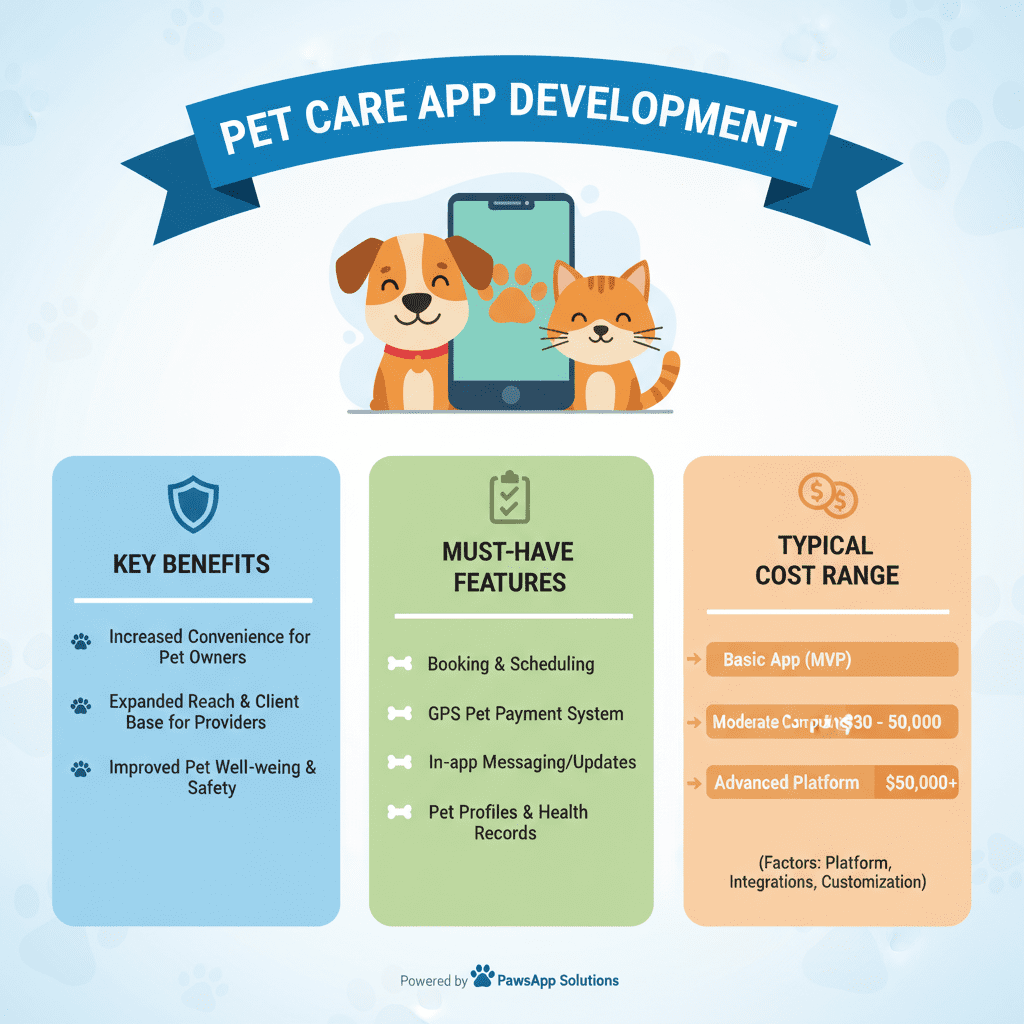
Pet Care App Development Like Rover: Benefits, Features, Costs, and More

Introduction The pet care industry has witnessed remarkable growth driven by changing lifestyles, increased pet ownership, and the demand for convenient, trustworthy pet services. Pet care apps like Rover revolutionize how pet owners find, book, and manage pet care—including dog walking, pet sitting, grooming, and training—right from their smartphones. These platforms create an ecosystem connecting pet owners with vetted service providers, combining technology with compassionate care. Building a pet care app like Rover offers a lucrative opportunity to tap into this expanding market by delivering seamless user experiences, efficient service management, and data-driven insights. This blog explores the benefits, must-have features, development process, costs, and strategies to build a competitive pet care app, enriched with insights and services from TechOTD AI Services and expert content from the TechOTD Blog. Benefits of Developing a Pet Care App Like Rover 1. Addressing Growing Market Demand The global pet care industry is booming, fueled by pet humanization and digital adoption. Apps provide pet owners with on-demand access to qualified pet sitters, walkers, and groomers, meeting their growing need for flexible, reliable care. 2. Building a Trusted Community Platforms like Rover establish trust through background-checked pet care providers, transparent reviews, and secure payment processing, fostering loyalty among users. 3. Increased Convenience and Accessibility 24/7 booking, real-time updates, and location tracking provide unprecedented convenience for pet owners, enhancing satisfaction and repeat usage. 4. Data-Driven Service Optimization Gathering behavioral data enables personalized recommendations, targeted promotions, and improved scheduling—fueling operational efficiency and revenue growth. 5. Monetization Opportunities Multiple revenue streams exist—from commission on bookings, subscription models for providers, to value-added services like pet health tracking and training modules. 6. Competitive Advantage Through Innovation Integrating AI for smart matching, blockchain for secure data management (blockchain in business), and analytics for customer insights sets your app apart. Essential Features of a Pet Care App Like Rover 1. User Profiles and Registration Separate profiles for pet owners and providers with verification, photos, service listings, and user reviews. 2. Search and Filters Robust searching with filters by location, service type, pet type, availability, and pricing. 3. Booking System Easy scheduling with calendar integration, service selection, duration options, and instant booking or request system. 4. Real-Time Notifications and Messaging In-app messaging, push notifications for booking status, reminders, and direct communication between users. 5. GPS Tracking and Updates Live tracking for dog walks and visit updates increases transparency and trust. 6. Secure Payment Gateway Multiple payment methods, automatic invoicing, and refund processing. 7. Ratings, Reviews & Feedback Allowing users to rate and review providers ensuring quality and accountability. 8. Admin Dashboard For managing users, providers, payments, disputes, and analytics reporting. 9. AI-Powered Matching Personalized service provider recommendations based on pet needs and user preferences (AI solutions). 10. Integration with Wearables & Health Tracking Syncing with pet health devices to log activity or medical info enhances service personalization. 11. Customer Support Automation Chatbots or AI assistants to handle FAQs, booking support, and issue resolution (Seamless AI journeys). 12. Multi-language and Localization Supporting global user base by offering region-appropriate languages and service recommendations. Development Process Overview 1. Market Research and Planning Understanding target audience, competitors, and regulatory compliance relevant to pet care and data privacy. 2. UI/UX Design Focusing on intuitive navigation, attractive layouts, and responsive design for mobile and web platforms. 3. Technology Stack Selection Front-end: React Native, Flutter for cross-platform apps Back-end: Node.js, Python/Django Database: MongoDB, PostgreSQL Cloud: AWS, Azure, Google Cloud for scalability AI & Analytics: Integration of machine learning models (Predictive analytics) for personalized recommendations Blockchain: For secure data handling if applicable 4. Development Phases MVP creation with core features Alpha/Beta testing User feedback incorporation Full platform rollout 5. Post-Launch Support Continuous monitoring, feature updates, bug fixes, customer support, and infrastructure scaling (TechOTD’s development process). Cost Breakdown for Building a Pet Care App Feature/Component Estimated Cost Range (USD) Basic MVP Development $40,000 – $70,000 Advanced Features (AI, GPS) Additional $30,000 – $70,000 Mobile App Development $20,000 – $50,000 Backend & API Development $30,000 – $60,000 Design and UX $10,000 – $30,000 Testing and Deployment $10,000 – $20,000 Maintenance & Support (Annual) 15% – 20% of development cost Total estimated budget typically ranges from $100,000 to $250,000+, depending on complexity and scale. Best Practices to Maximize ROI Start with a scalable MVP to test market response. Leverage AI and automation for customer and provider matching. Incorporate secure, transparent payment and data management via blockchain tech (Blockchain integration). Focus on user feedback loops to iterate UI/UX continuously. Offer subscription or premium service tiers. Use analytics for targeted marketing and service improvement. Conclusion Developing a robust pet care app similar to Rover requires a strategic blend of the right features, scalable technology, and a deep understanding of the pet care market. Investing in AI, secure data handling, and user experience can differentiate your platform and fuel sustainable growth. Partnering with experienced AI and software development specialists like TechOTD AI Services ensures access to cutting-edge technology and expert guidance. Stay updated with industry trends and innovation through the TechOTD Blog. Building a pet care app offers not only exciting business opportunities but also the chance to impact pet owners’ lives positively in an increasingly connected world

Restaurent

Factors for Choosing Restaurant App Development for Your Business

Introduction In a digital-first world, having a dedicated restaurant app can significantly boost your business by enhancing customer engagement, streamlining orders, and expanding reach. However, choosing the right restaurant app development approach requires careful consideration of various factors to ensure the app aligns with your business goals, target audience, and operational requirements. This blog explores the crucial factors businesses should evaluate before embarking on restaurant app development. It also highlights the role of AI and advanced technology solutions in creating powerful, user-friendly apps for the foodservice industry. For insights into modern app development and technology trends, explore TechOTD’s AI services at TechOTD AI Services and their comprehensive technology blog. Key Factors to Consider When Choosing Restaurant App Development 1. Understanding Your Business Model and Objectives Define what you want the app to achieve—whether it’s increasing dine-in footfall, boosting delivery orders, loyalty programs, or brand awareness. Your objectives will shape the app’s feature set and design approach. 2. Target Audience and User Experience Analyze your customer demographics and preferences. Mobile-savvy younger customers may demand seamless ordering and social sharing, while older customers might prioritize ease of use and reliability. A superior UI/UX design tailored to users’ needs is essential. 3. Platform Selection: Native vs Cross-Platform Choose between native apps (iOS and Android separately) that offer the best performance or cross-platform frameworks like React Native or Flutter that speed up development and reduce costs. Learn more here: React Native vs Swift. 4. Must-Have Features Incorporate key functionalities like menu browsing, order customization, real-time order tracking, push notifications, integrated payments, feedback systems, and loyalty programs. AI-powered personalized recommendations can further elevate user engagement. 5. Integration Capabilities Ensure the app can seamlessly integrate with existing POS systems, kitchen management software, delivery platforms, and CRM tools for unified operations. 6. Security and Compliance Secure customer data through encryption, secure payment gateways, and compliance with data protection regulations such as GDPR and PCI DSS. 7. Scalability and Performance Design the app architecture to handle growing users and orders smoothly without downtime or slowdowns. Scalable cloud-based solutions often provide this flexibility. 8. Budget and Time-to-Market Balance your investment against the desired time to launch. Cross-platform development can reduce time and costs, but complex customizations may require more resources and time. 9. Post-Launch Support and Maintenance Consider the availability of ongoing technical support, updates, feature enhancements, and scalability options for evolving business needs. Leveraging AI and Advanced Technologies The integration of AI capabilities such as predictive analytics, chatbots, and automated customer support enables restaurants to offer personalized experiences, optimize inventory, and forecast demand, driving operational efficiency. Read more on AI-powered features for apps here: Predictive Analytics Software Development. Partnering with the Right Development Team Choosing a reliable technology partner with experience in restaurant app development, AI, and mobile platforms is critical to success. Companies like TechOTD provide end-to-end solutions — from ideation and design to development, deployment, and maintenance tailored to your business. Explore their workflow here: How We Work – TechOTD. Conclusion Choosing the right restaurant app development strategy is vital for creating a seamless digital experience that delights customers and drives business growth. By considering your objectives, audience, technology preferences, budget, and partnering with expert developers, you can build a competitive app that stands out in the bustling foodservice market. Start your journey today by exploring advanced app solutions and trends at TechOTD Blog. FAQs Q1: Should I develop a native or cross-platform restaurant app? It depends on your budget and desired features. Cross-platform apps are cost-efficient, while native apps offer superior performance. Q2: What essential features must a restaurant app have? Menu browsing, online ordering, payment, order tracking, reviews, and loyalty programs. Q3: How important is AI integration in restaurant apps? AI significantly enhances personalization, forecasting, and customer engagement. Q4: How to ensure app security? Use encrypted data transmission, secure payment gateways, and comply with regulations like GDPR. Q5: Can I integrate with existing restaurant systems? Yes, integration with POS, CRM, and delivery platforms is crucial for smooth operations.

Restaurent

Essential Features to Consider When Building a Restaurant Search App

Introduction In an era where convenience and instant gratification drive customer choices, a restaurant search app can be a game-changer for food lovers and businesses alike. These apps help users discover the best dining options nearby or in a specific location, review menus, make reservations, and place orders—all at their fingertips. However, creating a restaurant search app that stands out and provides exceptional user experience requires thoughtful planning and inclusion of critical features tailored to user needs. This blog outlines the essential features to consider when building a restaurant search app, from intuitive search functionality to personalized user experiences. Leveraging advanced technologies like AI and predictive analytics can enhance these features, making the app smarter and more engaging. For insights on how AI and modern technologies transform app development and business processes, explore TechOTD’s AI solutions and their extensive tech blog. Key Features to Build a Successful Restaurant Search App 1. Accurate and Intuitive Search and Filters Location-based search: Use GPS to find nearby restaurants instantly. Category filters: Allow filtering by cuisine, price range, ratings, dietary preferences, or opening hours. Advanced keyword search: Enable users to find restaurants by dish names, ambiance, or specific attributes. 2. Detailed Restaurant Profiles Menus with pricing and pictures Opening hours and contact information User reviews and ratings Special offers or events 3. User Reviews and Ratings System Allow users to post feedback, rate their dining experience, and share photos. Incorporate machine learning models to detect fake or spam reviews, enhancing trustworthiness. Explore more on AI in sentiment analysis in customer reviews: Seamless Customer Journeys with AI. 4. Real-Time Table Availability and Reservation System Integration with restaurant booking systems Instant confirmation and reminders Cancellation and modification options 5. Integration with Food Delivery and Takeout Options Direct users to place orders for delivery or pickup instantly within the app or via partner apps. 6. Interactive Maps and Directions Visual maps showing restaurant locations with step-by-step navigation and estimated travel times. 7. Personalized Recommendations Leverage AI to analyze user preferences, location history, and dining behavior to offer tailored restaurant suggestions. 8. Social Sharing and Loyalty Programs Allow users to share their favorite spots on social media and participate in loyalty schemes or rewards. 9. Secure Payment Gateway Include multiple payment methods with encryption and fraud protection to facilitate smooth in-app purchases or deposits for reservations. 10. Multi-Platform Support and Offline Mode Develop apps compatible with iOS, Android, and web browsers and enable offline viewing of saved restaurants and previous searches. Leveraging Predictive Analytics in Restaurant Search Apps Incorporating predictive analytics can optimize user experience by: Forecasting peak dining times and suggesting less crowded slots Anticipating user cravings or preferred cuisines based on past behavior Preemptively managing restaurant capacity and promotions Learn about predictive analytics and its business benefits here: Predictive Analytics Software Development. The Role of Technology Partners in Building Your App Partnering with technology and AI solution experts like TechOTD ensures your restaurant search app is designed with scalable architecture, real-time features, secure integrations, and ongoing maintenance. Their agile development and AI-driven insights can accelerate your product launch and market fit. Get insights on choosing the right development framework: React Native vs Swift. Conclusion A restaurant search app offers immense value in today’s fast-paced lifestyle but demands careful inclusion of user-centric features to succeed. From accurate search tools to personalized recommendations, each feature must be seamlessly integrated and well-optimized for performance and security. Incorporating AI and predictive analytics enhances the app’s competitive edge. To start building your restaurant search app with cutting-edge features and robust technology, consider consulting with expert developers like TechOTD for a tailored approach and agile delivery. Explore their innovative digital services and latest industry insights at TechOTD Blog. FAQs Q1: What is the most important feature in a restaurant search app? Intuitive and accurate location-based search with rich filter options is essential for user satisfaction. Q2: How can personalization improve the app? Personalized restaurant suggestions based on user behavior increase engagement and conversion. Q3: Is it necessary to integrate delivery options? Yes, integration with delivery or takeout services adds convenience and increases user retention. Q4: How does AI help in restaurant search apps? AI enables sentiment analysis, personalized recommendations, and efficient data management. Q5: Should the app support offline mode? Offline support is valuable for users with limited connectivity, allowing access to saved data and favorites.

Restaurent

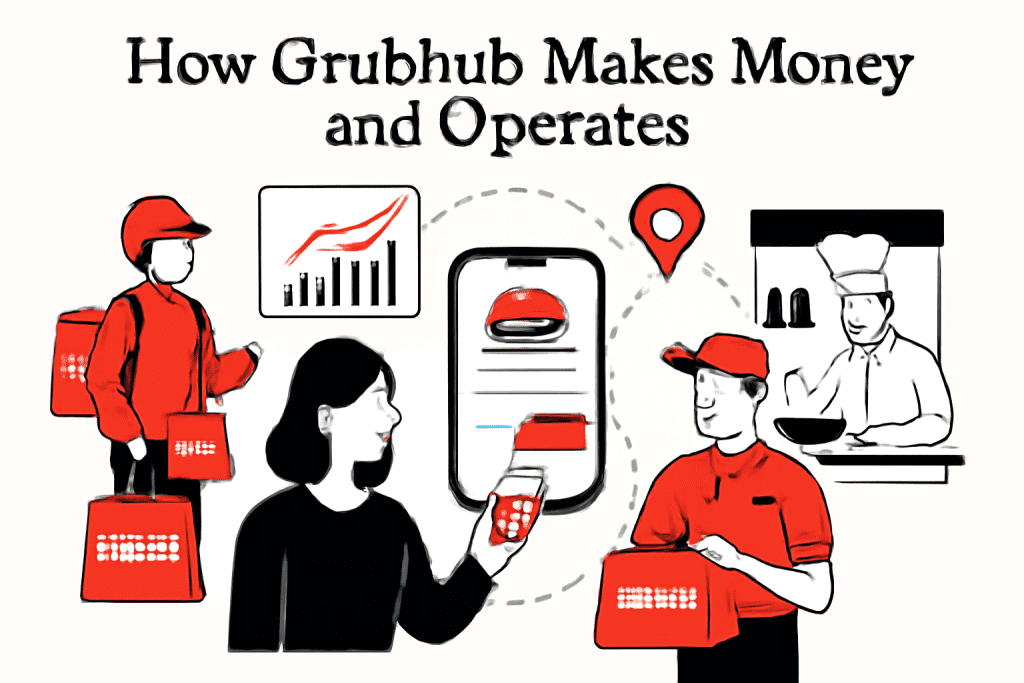
How Does Grubhub Make Money and Operate?

Introduction Grubhub has emerged as one of the leading platforms in the booming online food delivery market, connecting millions of hungry customers with their favorite local restaurants. With seamless access to menus, easy ordering, and quick delivery, Grubhub has redefined the convenience of dining. But what powers this expansive ecosystem, and more importantly, how does Grubhub make money while keeping operations smooth and efficient? This blog sheds light on the business model and operational framework of Grubhub, detailing its revenue streams, logistics, and technologies that keep this food delivery giant thriving. It also explores the challenges it faces and innovative strategies shaping its future. For complementary insights on AI-driven business transformation and predictive analytics sustaining such platforms, check out TechOTD’s innovative solutions at TechOTD AI Services and the latest trends in their blog section. How Grubhub Makes Money: Revenue Streams Explained Grubhub’s monetization is built around a diversified revenue model suited to its role as a marketplace linking customers, restaurants, and delivery drivers. 1. Commission Fees from Restaurants Restaurants pay Grubhub a commission, which typically ranges from 10% to 30% of each transaction processed on the platform. This fee offsets Grubhub’s costs related to user acquisition, marketing, technology infrastructure, and customer support. 2. Delivery Fees Charged to Customers Customers pay a delivery fee based on distance, demand, and order size. This fee covers driver compensation and delivery logistics. Sometimes, promotions or subscription memberships waive or reduce these fees. 3. Service and Processing Fees Additional service fees applied at checkout include payment processing and platform maintenance costs. These fees can be fixed or percentage-based, transparently disclosed during purchase. 4. Subscription Revenue via Grubhub+ With its subscription service, Grubhub+ members gain benefits such as free delivery and exclusive deals for a monthly fee, providing Grubhub with a steady, recurring revenue stream. 5. Advertising and Promotional Placements Grubhub offers advertising slots and promotional placements to restaurants looking to boost their visibility on the app and website. These marketing tools generate incremental revenue while helping restaurants acquire more customers. How Grubhub Operates: The Logistics Behind the Platform Grubhub connects three critical stakeholders: customers, restaurants, and delivery drivers, optimally coordinating their interactions through advanced technology. 1. Customer Interface Customers use Grubhub’s mobile apps or website to browse local restaurant options, customize orders, pay online, and track deliveries in real time. The platform offers personalized recommendations leveraging machine learning. 2. Restaurant Partnerships Restaurants upload their menus and manage orders through a dedicated portal. Grubhub handles the payment process and customer service inquiries, enabling restaurants to focus on food preparation and quality. 3. Delivery Network Independent contractor drivers, called Grubhub Delivery Experts, receive delivery requests via the app. Intelligent routing algorithms optimize delivery routes, minimizing wait times and enhancing customer satisfaction. The Technology Powering Grubhub Grubhub uses a blend of cutting-edge technologies to stay competitive and efficient. Mobile and Web Apps: Intuitive and fast interfaces for seamless placement and management of orders. Real-time Geospatial Ordering: Live GPS tracking ensures efficient and visible delivery processes. Machine Learning & Predictive Analytics: Personalizes customer experiences and optimizes logistic decisions. Secure Payment Systems: Enable safe, smooth financial transactions backed by fraud detection. For how AI and predictive analytics are transforming business models, see TechOTD’s comprehensive guide: Predictive Analytics Software Development: Features & Benefits. Challenges Faced by Grubhub Operating in the highly competitive and fast-evolving food delivery sphere, Grubhub navigates: Maintaining favorable commission rates while supporting partner restaurants. Managing delivery driver satisfaction and costs amid regulatory pressures. Ensuring on-time, error-free deliveries to meet customer expectations. Competing with other major players like DoorDash and Uber Eats for market share. Innovation and Future Outlook Grubhub is investing strategically in: Growing virtual kitchens and branded food concepts. Leveraging AI for better demand forecasting and customer targeting. Enhancing sustainability practices in logistics. Integrating contactless delivery and new payment methods. Explore more about seamless digital customer experiences enabled by AI: Seamless Customer Journeys with AI. Conclusion Grubhub’s revenue model capitalizes on diverse streams that economically connect restaurants, delivery experts, and consumers. Its technological backbone, combined with an efficient operational framework, supports its position as a leader in food delivery innovation. Navigating challenges while continuously evolving via AI and sustainability initiatives, Grubhub exemplifies the new digital marketplace in the food industry. To understand how businesses in various domains leverage AI and tech for growth, visit TechOTD’s blog and explore their end-to-end technology services: TechOTD Services. FAQs Q1: What are the main revenue streams for Grubhub? Grubhub makes money through restaurant commissions, delivery fees, service fees, subscriptions, and advertising. Q2: Who delivers food for Grubhub? Independent contractors, called Grubhub Delivery Experts, carry out deliveries coordinated by the platform’s algorithms. Q3: Does Grubhub offer any subscription plans? Yes, Grubhub+ offers customers perks like free deliveries for a monthly fee. Q4: How does Grubhub use AI? AI personalizes customer recommendations, optimizes driver routing, and predicts order demand. Q5: What challenges does Grubhub face? Maintaining competitive commissions, managing drivers, ensuring timely deliveries, and competing in a crowded market.

Restaurent

Boosting Customer Loyalty with Restaurant Mobile Apps: A Complete Guide

Introduction In today’s competitive restaurant landscape, customer loyalty is a critical driver of sustained success. Loyal customers return more frequently, spend more per visit, and become brand advocates. One of the most effective ways for restaurants—whether small neighborhood eateries or large chains—to boost customer loyalty is by investing in mobile apps. These apps provide convenient, personalized, and engaging experiences that keep customers coming back. This comprehensive guide explores how restaurant mobile apps elevate loyalty programs, enhance customer engagement, and deliver measurable business outcomes. It covers strategic app features, technology integrations, real-world best practices, and future trends. For innovative AI-powered personalization strategies, explore TechOTD AI Services. The Importance of Customer Loyalty in Restaurants Loyal customers drive a significant portion of revenue for restaurants; studies show that acquiring new customers costs five times more than retaining existing ones. Mobile apps enable direct communication with customers, personalized rewards, and seamless ordering—cornerstones of modern loyalty initiatives. Explore how AI enhances customer journeys and loyalty at TechOTD Seamless AI Customer Journeys. Core Benefits of Mobile Apps for Loyalty Building Direct Control Over Customer Engagement By owning their mobile app, restaurants can bypass third-party platforms, reducing fees and controlling branding and messaging. Personalized Rewards and Offers Apps enable tailored loyalty programs using AI-driven insights to offer rewards aligned to customer preferences and behavior. Learn about AI predictive analytics aiding such personalization at TechOTD Predictive Analytics. Convenience and Frictionless Experience Mobile ordering, payment, and delivery integration reduce friction and increase repeat visits. Data-Driven Marketing and Optimization Apps collect valuable data for analytics, enabling data-backed decision-making in menu, promotions, and operations. Essential Loyalty Features for Restaurant Mobile Apps Reward Points and Tiered Programs Customers earn points on every purchase, with higher tiers unlocking exclusive perks. Personalized Notifications and Offers Push notifications tailored through behavioral data increase app engagement and repeat orders. Seamless Mobile Ordering and Payments Integrated secure payment gateways and easy reordering streamline the customer journey. Referral Programs Encourage users to invite friends with incentives, expanding customer reach. Feedback and Reviews Allow customers to provide feedback directly to improve service and build trust. Social Media Integration Share rewards, special events, and user-generated content easily via social platforms. Technology Innovations Driving Loyalty Apps Artificial Intelligence AI enables hyper-personalized offerings, smarter chatbots, and predictive customer insights. Blockchain Blockchain technology assures transparent and tamper-proof loyalty points management and secure transactions, reducing fraud risks. Learn how blockchain optimizes business processes at TechOTD Blockchain Blog. Predictive Analytics Predict customer lifetime value, churn risk, and tailor retention campaigns for maximum effectiveness. Mobile Payment Innovations Integration with digital wallets and contactless payments accelerates checkout and improves user experience. Building a Successful Loyalty App: Best Practices Understand Your Customer Base Leverage data and surveys to design rewards that resonate. Simple and Transparent Rewards Ensure customers easily understand how to earn and redeem points. Engage Through Gamification Introduce levels, badges, challenges, and leaderboards for fun and motivation. Omnichannel Integration Seamlessly connect app loyalty with in-store and online experiences. Continuous Feedback and Improvement Use app analytics and customer feedback for ongoing enhancements. For expert strategies and implementation, explore TechOTD How We Work. Case Studies: Loyalty Success with Mobile Apps Chain Restaurant A increased repeat customer sales by 40% post app launch. Local Café B grew its user base by 60% using targeted push notifications and rewards. Delivery Service Provider C improved delivery retention rates through app-based incentives. Challenges and Solutions User Adoption Encourage downloads with sign-up incentives and integrate app promotion in every touchpoint. Technical Scalability Choose the right tech stack for seamless scaling and integration with POS systems. Read about selecting mobile development frameworks at TechOTD React Native vs Swift. Data Privacy and Security Implement rigorous security measures and transparent privacy policies to build trust. Balancing Cost and ROI Begin with a Minimum Viable Product (MVP) focused on core loyalty features and iterate. Future Trends in Restaurant Loyalty Apps Voice-activated ordering and loyalty management Augmented reality experiences for in-store engagement AI-driven dynamic pricing and personalized menus Integration with smart home devices and IoT Discover emerging AI trends impacting industries at TechOTD AI Blog. Key Takeaways: Loyalty drives revenue and reduces customer acquisition costs. Mobile apps enable robust, data-driven loyalty programs. AI and blockchain enhance personalization and security. Strategic app development and marketing maximize adoption. Continuous innovation is vital for sustained success. For tailored mobile app development services and AI-powered solutions, visit TechOTD Mobile Apps. Conclusion Mobile apps are indispensable tools for boosting customer loyalty in today’s restaurant market. They empower restaurants with direct customer relationships, personalized engagement, and operational efficiencies needed to thrive.

Restaurent

Why Small Restaurants Should Invest in Mobile Apps – Not Just Big Chains

Introduction In the digital age, the restaurant industry has experienced a paradigm shift. While big chains have long embraced mobile apps for ordering, loyalty programs, and personalized marketing, small restaurants often overlook this powerful tool due to misconceptions about cost, complexity, or necessity. However, investing in a mobile app is no longer a luxury reserved for large brands—it is a strategic imperative that can level the playing field and catalyze growth for small eateries. This blog explores why mobile apps are crucial for small restaurants, the benefits they unlock, how mobile technology drives customer engagement and operational efficiency, and best practices for building apps tailored to small business needs. For cutting-edge technological integrations, explore TechOTD AI Services. Why Mobile Apps Matter for Small Restaurants Changing Consumer Behavior Today’s customers increasingly prefer mobile ordering and digital engagement. According to studies, over 60% of food orders are now made through mobile devices, with consumers valuing convenience, speed, and personalized experiences. Small restaurants that fail to capitalize on this shift risk losing market share to competitors with digital tools. Explore how personalized customer journeys powered by AI improve retention: seamless AI customer experiences. Direct Customer Engagement and Loyalty Mobile apps enable small restaurants to engage customers directly, bypassing third-party aggregators who charge high fees. Apps facilitate loyalty programs, push notifications for promotions, and personalized recommendations, encouraging repeat business and brand affinity. Businesses leveraging AI and predictive analytics for targeted marketing see significant ROI gains—learn more at TechOTD Predictive Analytics. Competitive Differentiation Mobile apps give small eateries a professional edge, enabling seamless ordering, real-time updates, and engaging user experiences that rivals large chains. A custom app reflects a commitment to customer satisfaction and modern convenience. TechOTD’s mobile app services specialize in tailored solutions for SMBs. Core Benefits of Mobile Apps for Small Restaurants Increased Convenience and Order Accuracy Apps streamline the ordering process, minimizing errors common in phone orders, and letting customers customize their meals easily. Operational Efficiency Automating orders through an app reduces staff workload, allowing teams to focus on food preparation and service quality. Enhanced Marketing Capabilities Restaurants can target customers based on preferences, order history, and location, executing high ROI campaigns with push notifications and special offers. Data-Driven Insights Mobile apps capture valuable customer data, enabling analytics that drive menu optimization, sales forecasting, and personalized experiences. Features Essential for Small Restaurant Apps Easy Ordering System with customizable menus Loyalty and Rewards Programs Multiple Payment Gateways including digital wallets Real-time Order Tracking Push Notifications and Offers Table Reservations and Waitlist Management User Reviews and Feedback Social Media Integration Offline Mode for Areas with Poor Connectivity Overcoming Concerns and Challenges Cost and Development Concerns With platforms leveraging React Native and Flutter, and scalable cloud services like Azure and AWS, the cost and complexity of app development for small businesses have drastically reduced. For detailed insights on choosing mobile frameworks, see React Native vs Swift guide. User Adoption Effective marketing, seamless UX, and incentives drive app downloads and engagement. Small restaurants should combine their app strategy with in-store promotions and digital marketing. Maintenance and Scaling Partnering with expert service providers, like those featured on TechOTD How We Work, ensures apps remain performant and up to date. Case Studies: Small Restaurant Success Stories with Apps Small eateries worldwide have reported increased revenue, customer satisfaction, and operational improvements after launching apps. A local café increased repeat orders by 35% through an app-based loyalty program. A family-owned pizzeria streamlined delivery and pickup orders, reducing wait times by 25%. The Future: AI and Blockchain in Restaurant Apps AI-driven personalized menus, chatbots for customer service, and dynamic pricing models improve customer engagement. Blockchain technologies optimize supply chains and payment security. Discover how blockchain is revolutionizing business processes at TechOTD Blockchain Integration. Explore AI innovations powering business transformation at TechOTD AI Blog. Key Points: Mobile ordering trends increasingly favor app usage. Mobile apps foster direct engagement and loyalty. Cost-effective technologies reduce app development barriers. Data analytics unlock growth opportunities. AI and blockchain will further transform the restaurant experience. For expert help in building and scaling your restaurant’s mobile app, explore TechOTD mobile app solutions. Conclusion Mobile apps offer small restaurants far-reaching benefits: enhanced customer engagement, operational efficiency, and competitive advantage. Today’s technology ecosystem makes building and maintaining apps accessible and affordable for SMBs looking to embrace digitalization. Key Points: Mobile ordering trends increasingly favor app usage. Mobile apps foster direct engagement and loyalty. Cost-effective technologies reduce app development barriers. Data analytics unlock growth opportunities. AI and blockchain will further transform the restaurant experience. For expert help in building and scaling your restaurant’s mobile app, explore TechOTD mobile app solutions.

Restaurent

From Orders to Loyalty: Why Restaurants Can’t Ignore Mobile Apps Anymore

Introduction The restaurant industry has always been about more than just food. It’s about the experience, the connection, and the convenience customers feel when engaging with a brand. But in the digital-first world we live in, experiences are increasingly shaped by technology—especially by the mobile phone in every customer’s hand. In the last decade, mobile apps have transformed industries across the globe, and the restaurant business is no exception. From ordering meals in just a few taps to building long-term loyalty through digital rewards, apps are no longer optional; they’re essential tools for growth, profitability, and customer satisfaction. According to Statista, the global online food delivery market is expected to surpass $466 billion by 2027, with mobile applications being the primary driver. Customers today expect their favorite restaurants to not just serve good food but also provide digital convenience, personalization, and engagement. This is why restaurants—from small cafés and food trucks to large chains like McDonald’s and Domino’s—are turning to mobile apps. They know that apps are no longer just about orders; they’re about loyalty, branding, and customer retention. In this blog, we’ll take a deep dive into why restaurants can’t afford to ignore mobile apps anymore, exploring the journey from orders to loyalty. The Evolution of Customer Expectations in Dining Old vs. New Dining Experience Not too long ago, the restaurant experience revolved around: Walking into a restaurant and browsing a paper menu. Calling on the phone to book reservations. Waiting in long queues during peak hours. But today, things have changed. Customers demand: Digital menus available online. App-based reservations that save time. Instant ordering & contactless payments. Personalized recommendations based on their preferences. This shift is largely driven by mobile technology. Apps like Zomato, Swiggy, Uber Eats, and DoorDash have set the standard, and customers now expect the same level of digital ease from individual restaurants too. Why Mobile Apps Are a Game-Changer for Restaurants Mobile apps impact restaurants on multiple levels—operations, customer experience, marketing, and revenue. Let’s break down the biggest advantages. 1. Convenience and Seamless Ordering A restaurant app eliminates friction from the ordering process: Customers browse the menu at their own pace. They can customize meals (extra cheese, less spice, gluten-free, etc.). One-click reordering makes regular customers happy. Digital payment options ensure smooth checkouts. Example: Starbucks’ app allows customers to order ahead and skip the line. This feature alone transformed their customer experience and now accounts for a huge chunk of their revenue. 2. Direct Revenue Growth Third-party delivery platforms charge 15–30% commission per order. Restaurants with their own app: Keep more profit. Control their pricing strategies. Run exclusive in-app promotions. Case in Point: Domino’s Pizza focused heavily on its own app. Today, 70% of its U.S. sales come through digital channels, making it a leader in the space. 3. Building Customer Loyalty This is where apps truly shine. A restaurant’s own app allows for: Loyalty rewards programs (points, discounts, freebies). Push notifications to keep customers engaged. Personalized deals based on customer history. Gamification (e.g., earn a free drink after 5 visits). McDonald’s App Success: The McDonald’s app became globally popular due to personalized offers and digital loyalty points, which kept customers coming back. 4. Data-Driven Decision Making Mobile apps provide valuable insights into: Most popular dishes. Peak ordering times. Customer demographics. Spending patterns. Restaurants can then use predictive analytics (read more on Predictive Analytics Software Development) to create personalized marketing strategies and improve menu offerings. 5. Brand Presence and Marketing Unlike third-party apps where your brand is hidden among competitors, your own mobile app is a dedicated space for your restaurant. Benefits: Stronger brand recall (every time a customer sees your app icon). Push notifications for promotions. Integrated social sharing features. In a way, a mobile app becomes your direct marketing channel. Must-Have Features of a Restaurant Mobile App If you’re considering investing in a mobile app, here are the essential features: User-Friendly Interface Digital Menu with Images & Descriptions Table Reservations Online Ordering & Payments Loyalty & Rewards System Push Notifications Real-Time Order Tracking Customer Feedback & Ratings Multi-language & Multi-currency Support Integration with POS & CRM systems For development choices, restaurants often debate React Native vs Swift—you can explore more here: React Native vs Swift Guide. Challenges in Restaurant App Adoption (and Solutions) High Development Costs Solution: Use cross-platform frameworks or partner with affordable service providers (Mobile App Development Services). Customer Reluctance to Download Yet Another App Solution: Offer exclusive deals only available via the app. Operational Integration Issues Solution: Ensure POS, CRM, and delivery systems are smoothly integrated. The Future of Restaurant Mobile Apps Restaurant apps are not stopping at just ordering and loyalty. The future includes: AI-driven recommendations (based on order history). AR menus (customers can see 3D food previews). Voice ordering via AI chatbots. Predictive demand analytics for better inventory management. Digital transformation is happening across industries (check out this Technology Impact on Education Guide), and restaurants are at the forefront too. Beyond Restaurants: Industry-Wide Impact Mobile apps aren’t just revolutionizing restaurants. They’re impacting multiple sectors—healthcare, education, retail, logistics, and more. You can explore other industry insights here. Conclusion The journey from orders to loyalty highlights one undeniable fact:Restaurants can no longer ignore mobile apps. Whether you want to increase convenience, grow your revenue, or build lasting loyalty, a mobile app is one of the smartest investments you can make. Big brands like Domino’s, Starbucks, and McDonald’s have already proven this. Now, even local cafés and mid-sized restaurants are joining the digital revolution. If you’re ready to future-proof your restaurant business, investing in a mobile app is the first step toward long-term success in the digital age.

Restaurent

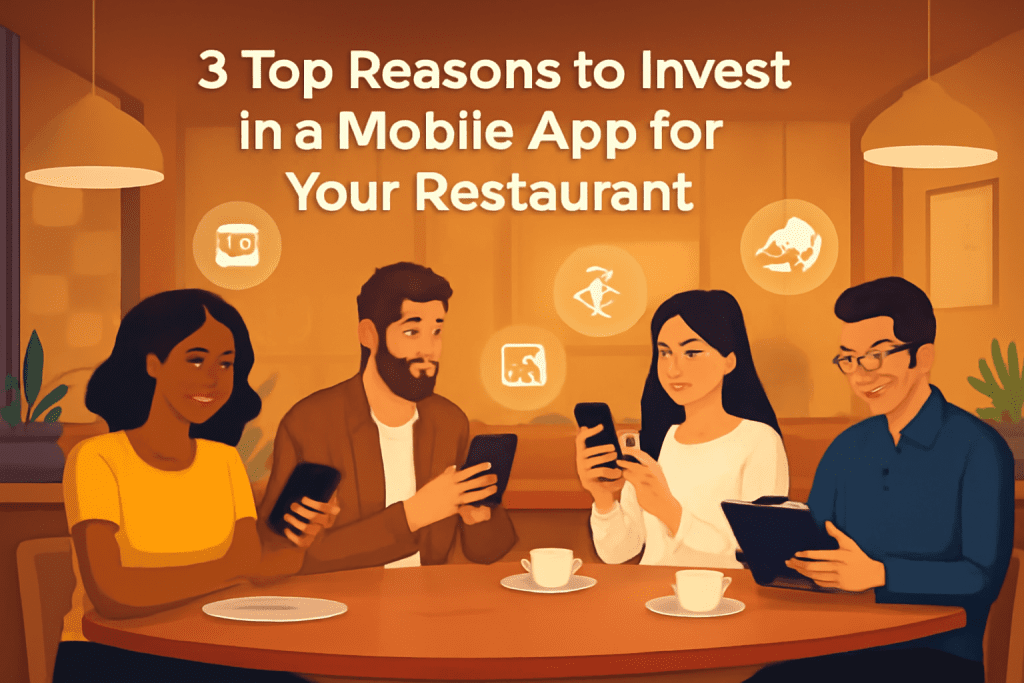
3 Top Reasons to Invest in a Mobile App for Your Restaurant

Introduction The restaurant industry is one of the most competitive markets in the world. From small cafés and food trucks to fine-dining restaurants and international chains, the battle for customer attention is constant. In such a fast-paced environment, technology is no longer a luxury—it’s a necessity. One of the most powerful tools a restaurant can use today is a mobile app. A custom-built app gives restaurants the power to connect directly with customers, streamline operations, boost sales, and build loyalty. According to Statista, the global online food delivery market is expected to surpass $466 billion by 2027, and a large share of this growth is driven by mobile applications. Customers now expect restaurants to offer the convenience of browsing menus, placing orders, and even earning rewards—all from their smartphones. But here’s the key question: Why should you invest in a mobile app for your restaurant?While there are countless benefits, this blog will focus on the 3 top reasons: Enhanced Customer Convenience and Experience Boosted Revenue Through Online Ordering & Delivery Improved Customer Loyalty and Brand Engagement Let’s dive deep into each reason and explore why a mobile app could be the smartest investment your restaurant can make. Reason 1: Enhanced Customer Convenience and Experience The Rise of “On-Demand” Dining Customers today value convenience above everything else. Whether they’re ordering from home, booking a table in advance, or customizing a dish, they expect restaurants to cater to their preferences seamlessly. A mobile app makes this possible by offering features like: Digital Menus with pictures, prices, and descriptions Table Reservations without phone calls One-Click Reordering for regular customers Contactless Payments via UPI, credit/debit cards, and wallets Imagine this: A customer is on their way home from work. Instead of calling your restaurant and waiting on hold, they open your app, reorder their favorite meal with one tap, and it’s ready by the time they arrive. That level of convenience builds loyalty. Case Study: Starbucks Mobile App Starbucks has one of the most successful restaurant apps in the world. Their app allows users to order ahead, pay digitally, and skip the line. In 2022, 26% of Starbucks’ transactions in the U.S. came through their mobile app. That’s the power of customer convenience. Key Benefits for Restaurants Reduced Wait Times: Faster ordering means higher table turnover. Error-Free Orders: Customers input their own preferences, reducing mistakes. Accessibility: Customers can place orders anytime, anywhere. When your app makes life easier for customers, they’ll naturally choose you over competitors who don’t offer such convenience. Reason 2: Boosted Revenue Through Online Ordering & Delivery Food Delivery is Exploding Food delivery apps like Swiggy, Zomato, Uber Eats, and DoorDash have changed how people order food. But relying solely on third-party apps comes with high commission fees (15–30%). A restaurant’s own mobile app eliminates this problem. With your own app, you: Keep 100% of the profit (no commission fees). Gain direct control over customer data. Offer special discounts to drive repeat sales. Example: Domino’s Pizza Domino’s invested heavily in mobile ordering early on. Today, over 70% of Domino’s sales come from digital platforms, with mobile being the primary channel. By cutting reliance on third-party platforms, Domino’s boosted both profits and customer loyalty. Upselling and Cross-Selling Opportunities Mobile apps can be designed to recommend add-ons and combo meals. For example: If a customer orders a burger, the app suggests fries and a drink. If they order a pizza, the app offers extra cheese or dessert. This digital upselling strategy significantly increases average order value (AOV). Improved Delivery Management Apps also allow restaurants to: Integrate real-time delivery tracking. Assign delivery staff more efficiently. Send push notifications when food is ready. All of this improves customer satisfaction while ensuring smooth business operations. Reason 3: Improved Customer Loyalty and Brand Engagement Why Loyalty Matters in the Restaurant Industry In a market where customers are spoiled with options, retaining a customer is cheaper than acquiring a new one. Studies show that: Acquiring a new customer can cost 5–7 times more than retaining an existing one. Loyal customers spend 67% more than new customers. A mobile app provides the perfect platform to build loyalty. Features That Build Loyalty Reward Programs: Points for every purchase, redeemable for discounts/free meals. Personalized Offers: Based on customer history (e.g., “50% off on your favorite pizza”). Push Notifications: Keep customers engaged with daily specials and limited-time offers. Gamification: Customers can unlock badges, levels, or freebies for frequent purchases. Case Study: McDonald’s App McDonald’s app has become a global success, largely due to its loyalty rewards system. Customers regularly use the app to claim personalized offers and discounts, making it one of the most downloaded food apps worldwide. Social Media & Branding Your app also doubles as a branding tool. Every time customers open it, they’re reminded of your restaurant’s name, logo, and unique offerings. Unlike third-party apps, your app builds your brand, not someone else’s. Additional Benefits of a Mobile App for Restaurants While the three main reasons above are the most powerful, here are some bonus benefits that come with having a mobile app: Direct Marketing Channel – Push notifications and in-app messages reach customers instantly. Customer Data Insights – Track order frequency, popular dishes, and customer preferences. Reduced Operational Costs – Automated ordering reduces staff workload. Competitive Advantage – Stand out from restaurants that still rely only on offline or third-party services. Addressing Common Concerns “Isn’t it expensive to build a restaurant app?” Not necessarily. With today’s development tools, even small restaurants can build cost-effective apps. The ROI (Return on Investment) often outweighs the initial cost within months due to increased sales and customer loyalty. “What if my customers prefer Zomato/Swiggy?” You don’t have to abandon third-party apps. Instead, use them to attract new customers while encouraging repeat customers to use your own app for better discounts and loyalty rewards. “What if I don’t have delivery services?” Even without delivery, an app can handle reservations, pre-orders, takeaways, and loyalty programs. FAQs About Restaurant Mobile Apps Q1. Do small/local

How would you like me to respond?

Select a personality for your AI assistant

Normal
Happy
Sad
Angry

Your selection will affect how the AI assistant responds to your messages

Chat Assistant

Let's discuss your project!

Hear from our clients and why 3000+ businesses trust TechOTD

Tell us what you need, and we'll get back with a cost and timeline estimate

Scroll to Top