How Digital Classrooms Are Changing Modern Education
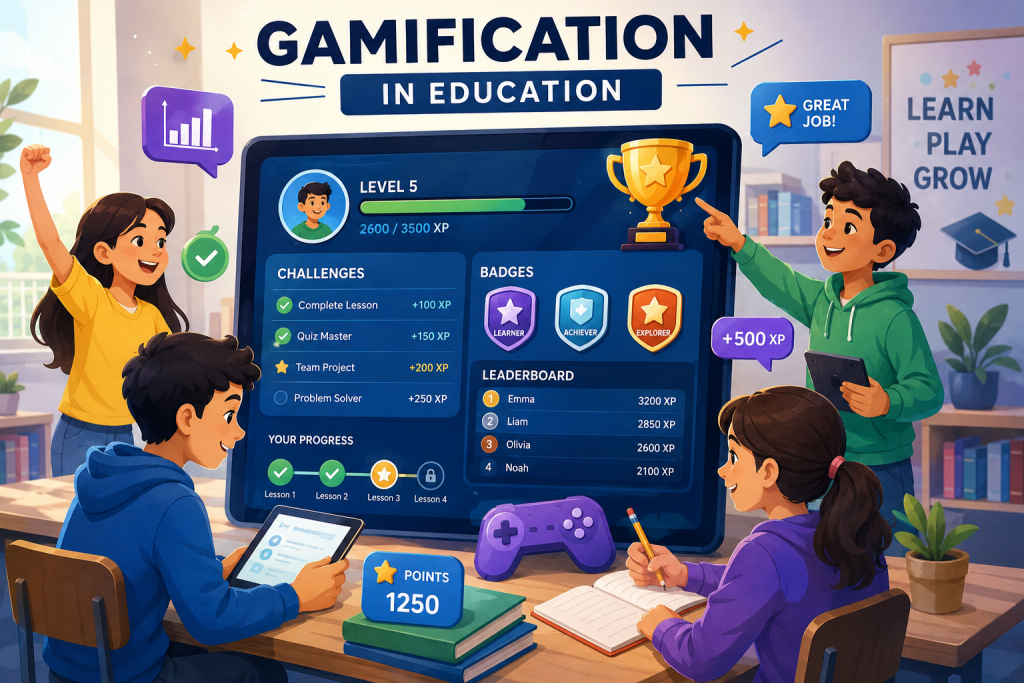
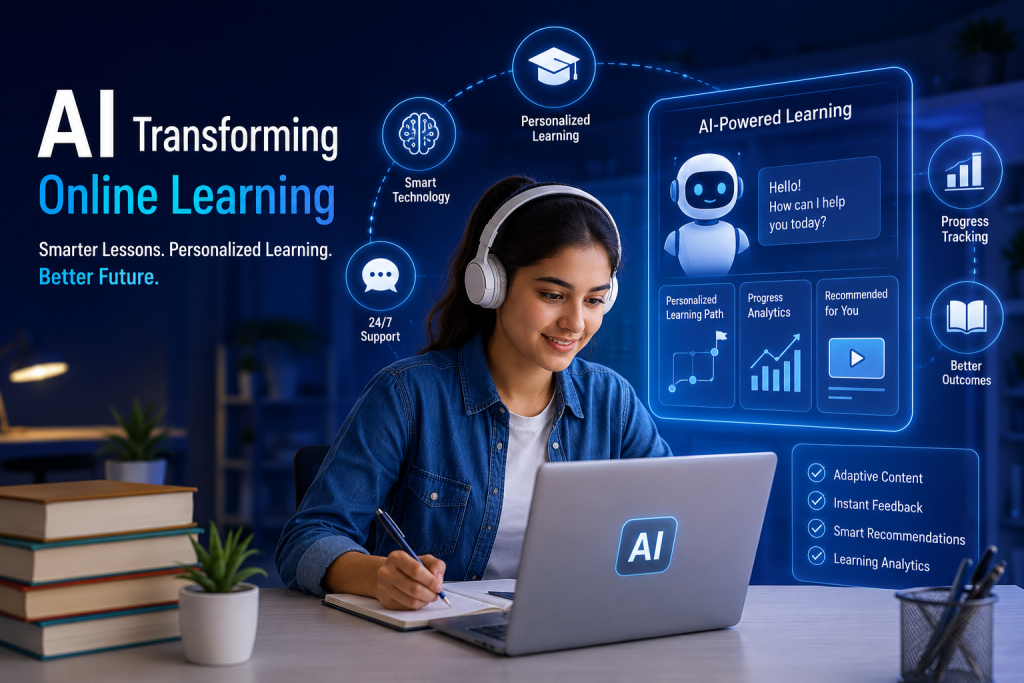
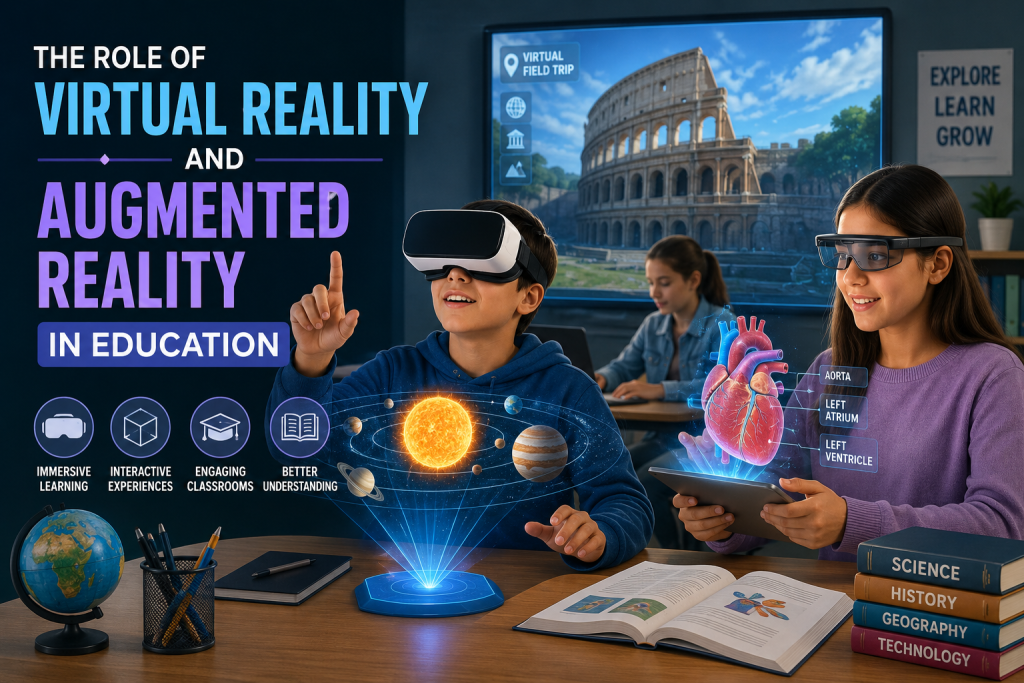
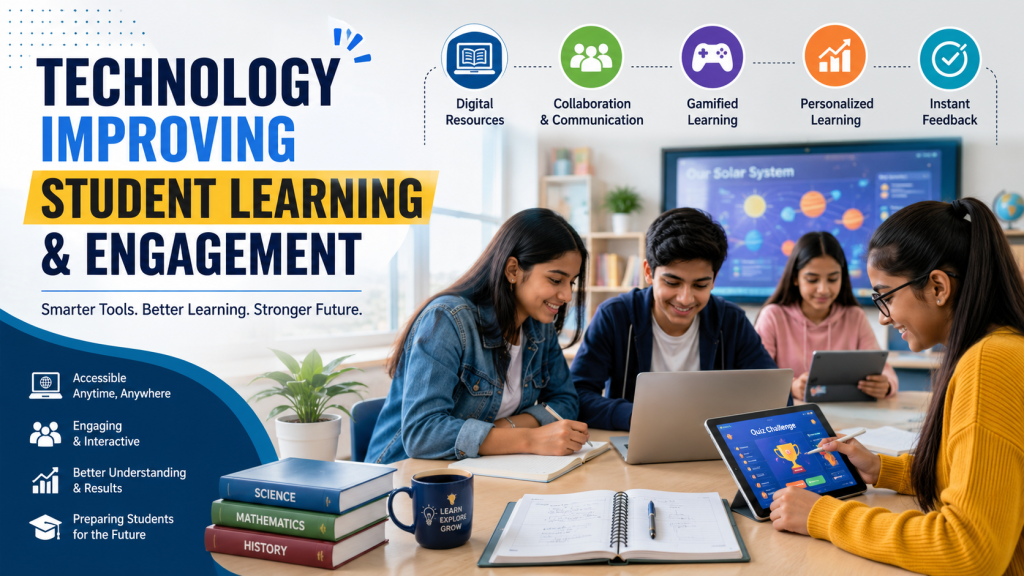
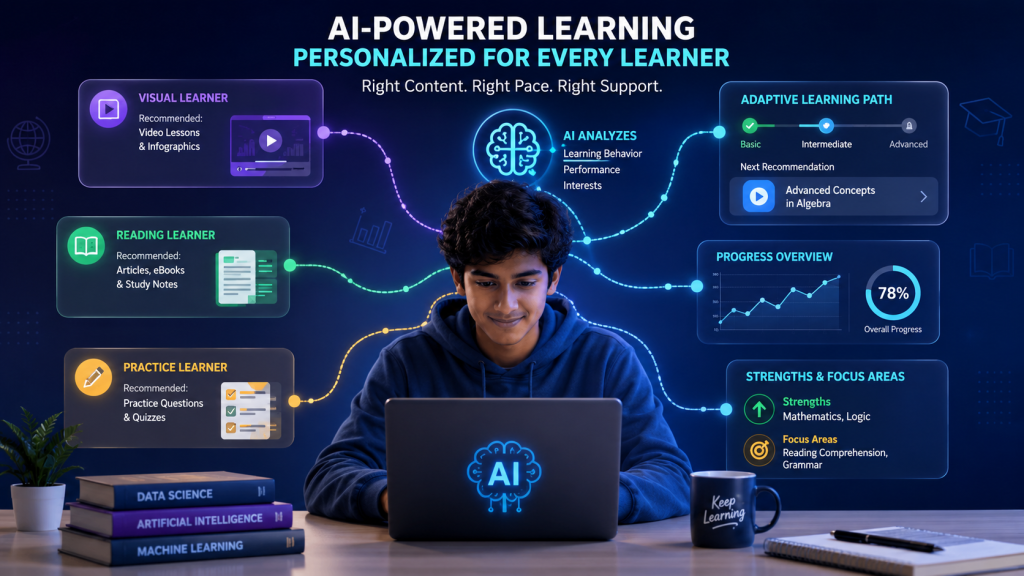
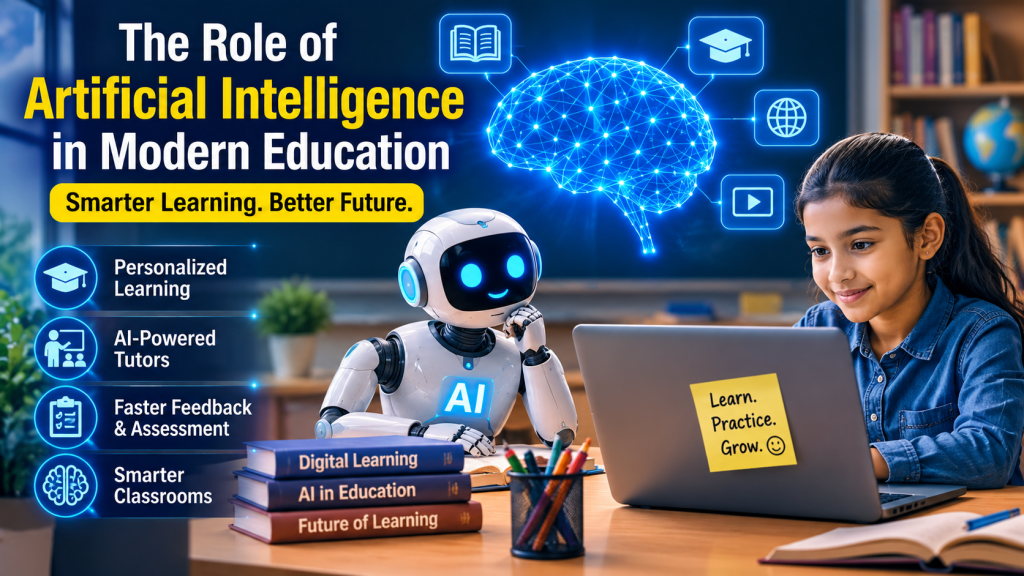
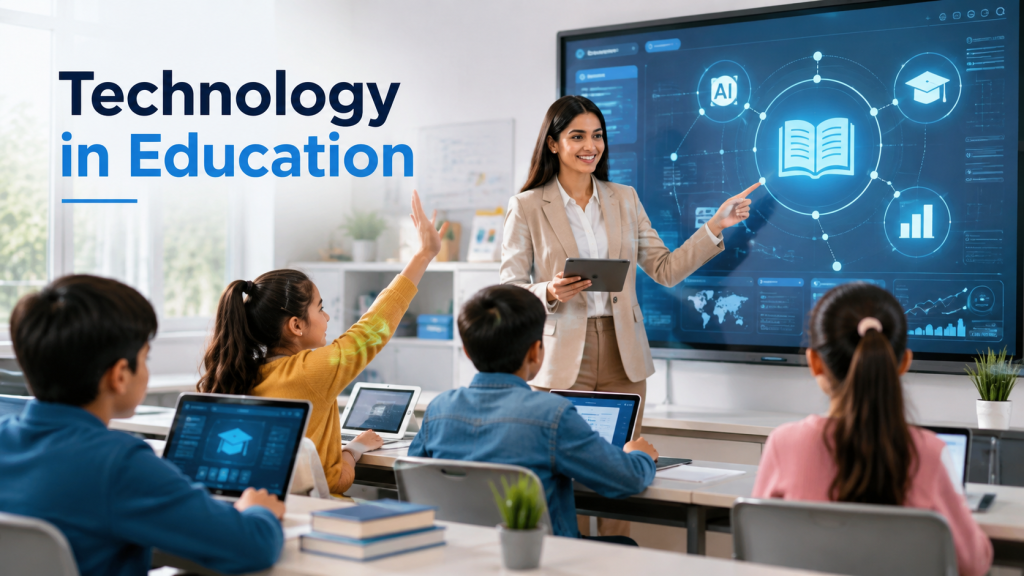
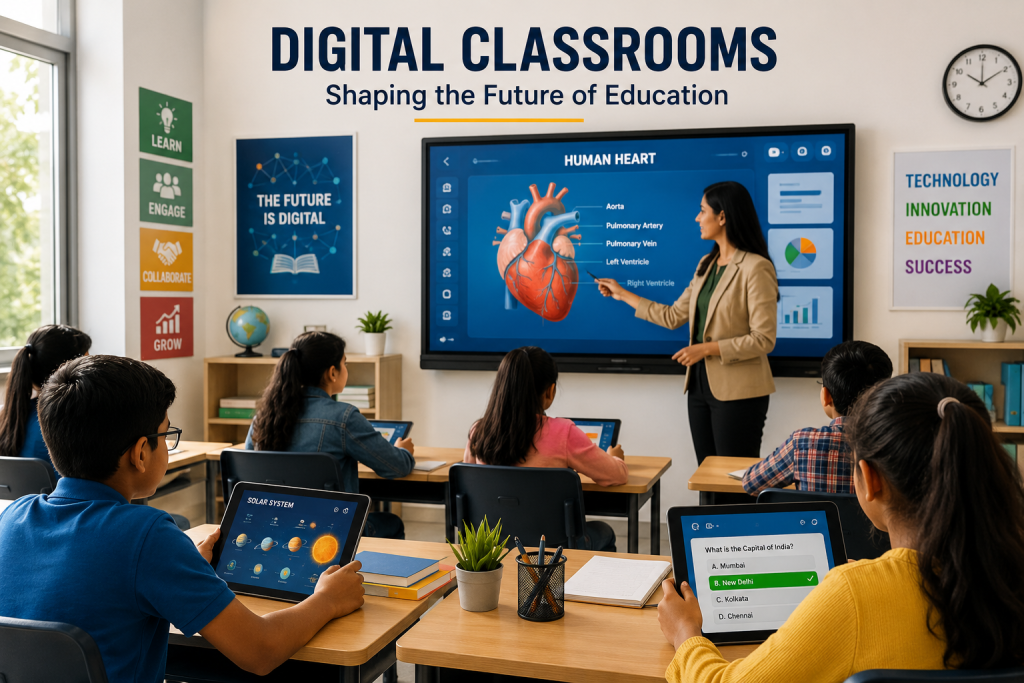
Introduction Digital classrooms are changing the way students and teachers interact with educational content. By combining digital devices, online platforms, interactive tools, and multimedia resources, modern classrooms can create more flexible and engaging learning experiences. Digital classrooms allow students to access lessons, assignments, videos, presentations, and learning materials more easily. Teachers can also use technology to encourage collaboration, provide feedback, and adapt learning activities to different student needs. As educational technology continues to develop, digital classrooms are becoming an important part of modern education. When used effectively, they can support interactive learning, improve access to educational resources, and prepare students for an increasingly digital world. What Are Digital Classrooms? Digital classrooms are learning environments that use technology to support teaching, communication, collaboration, and access to educational resources. They may include computers, tablets, interactive displays, learning management systems, online platforms, and digital content. Digital Learning Tools Digital classrooms use a variety of learning tools to make educational content more accessible and interactive. These tools can include presentation software, educational applications, online quizzes, videos, simulations, and digital assignments. Interactive Classroom Technology Interactive technologies can help students participate more actively in lessons. Smart boards, shared digital displays, polls, quizzes, and collaborative platforms can make classroom activities more engaging and encourage greater student involvement. Access to Online Learning Resources Digital classrooms can provide students with easier access to online educational resources. Learners may be able to review lessons, download study materials, watch educational videos, and access assignments from different locations. By combining traditional teaching methods with digital tools, classrooms can become more flexible and responsive to the learning needs of modern students. How Digital Classrooms Improve Learning Digital classrooms can improve learning by making educational content more interactive, accessible, and flexible. Technology allows students to explore information through different formats while giving teachers additional ways to explain concepts and support learning. 1. Interactive Learning Experiences Digital tools can make lessons more interactive through videos, quizzes, simulations, presentations, and collaborative activities. Instead of only listening to lectures, students can actively participate and engage with educational content. 2. Personalized Learning Support Digital platforms can provide students with learning materials and activities based on their progress and individual needs. Teachers can also use digital tools to provide additional resources and support for students who require more practice. 3. Improved Collaboration Online collaboration tools can help students work together on assignments, projects, and discussions. Shared documents and digital platforms allow learners to communicate and contribute even when they are not sitting in the same physical location. 4. Easy Access to Learning Resources Digital classrooms can give students access to educational resources beyond traditional textbooks. Videos, articles, online libraries, presentations, and interactive activities can be available whenever students need additional support. Benefits of Digital Classrooms in Modern Education Digital classrooms can provide several benefits for students and teachers by making education more flexible, interactive, and accessible. When technology is used effectively, it can support both classroom learning and independent study. Greater Flexibility in Learning Digital learning tools allow students to access educational materials and complete certain learning activities from different locations. Recorded lessons and online resources can also help learners review important concepts at their own pace. Better Student Engagement Interactive tools such as quizzes, videos, simulations, and digital activities can encourage students to participate actively in lessons. Different content formats can also make learning more interesting and engaging. Faster Communication and Feedback Digital platforms can make it easier for teachers and students to communicate, share assignments, and provide feedback. Students may receive updates and guidance more quickly, helping them understand what they need to improve. Support for Personalized Learning Technology can provide students with additional resources and activities based on their learning needs. Learners who need extra practice can access supporting materials, while others can explore more advanced content. Preparation for a Digital Future Using digital tools in education can help students develop important technology and communication skills. These skills can prepare learners for future academic opportunities and workplaces where digital systems are increasingly common. Challenges of Digital Classrooms Although digital classrooms offer many advantages, their implementation can also create challenges. Schools and educators need to consider access to technology, internet connectivity, teacher training, digital distractions, and the effective use of online learning tools. Digital Access and Inequality Not every student has equal access to reliable internet connections, computers, tablets, or other digital devices. Limited access can create unequal learning opportunities and make it difficult for some students to participate fully in digital education. Teacher Training and Digital Skills Teachers need appropriate training and confidence to use digital tools effectively. Technology can support learning best when educators understand how to connect digital resources with clear teaching objectives. Digital Distractions Digital devices can provide access to useful educational resources, but they can also create distractions. Students may need guidance and effective learning routines to stay focused while using technology. Technical Problems Internet issues, software errors, device problems, and compatibility challenges can interrupt digital learning activities. Schools need reliable technical support and suitable infrastructure to reduce these difficulties. Balancing Digital and Traditional Learning Technology should support education rather than completely replace effective teaching methods. Digital classrooms work best when technology is combined with teacher guidance, discussions, reading, practical activities, and meaningful human interaction. The Future of Digital Classrooms The role of digital classrooms is likely to continue growing as educational technology becomes more advanced and accessible. Future classrooms may combine digital tools, artificial intelligence, interactive content, and online platforms to create more flexible and personalized learning experiences. Technologies such as AI, virtual reality, augmented reality, and adaptive learning platforms may become more integrated into modern classrooms. These tools could help teachers provide interactive lessons while giving students more opportunities to explore content in different ways. Smarter and More Personalized Learning Future digital classrooms may use technology to better understand student progress and learning needs. Digital platforms could provide personalized resources, adaptive activities, and additional support based on individual performance. Greater Collaboration and Connectivity Digital technology can make it easier