October 2025

Data analytics dashboard showing business performance metrics
Business Analytics

Business Analytics: Turning Data into Strategic Advantage

The Power of Business Analytics: Turning Data into Strategic Advantage In today’s hyper-competitive business landscape, gut feeling and intuition alone are no longer sufficient to drive critical decisions. Organizations across industries are increasingly turning to business analytics to gain deeper insights, optimize operations, and stay ahead of the curve. But what exactly is business analytics, and why has it become such a crucial component of modern business strategy? Understanding Business Analytics Business analytics is the practice of iterative, methodical exploration of an organization’s data, with an emphasis on statistical analysis. It enables businesses to make data-driven decisions by transforming raw data into meaningful insights. Think of it as the bridge between data collection and strategic action—the process that turns numbers on a spreadsheet into actionable intelligence. At its core, business analytics combines three essential elements: data management, statistical analysis, and predictive modeling. Together, these components help organizations understand what happened in the past, why it happened, and what’s likely to happen in the future. The Four Pillars of Business Analytics Business analytics typically falls into four categories, each serving a distinct purpose: Descriptive Analytics answers the question “What happened?” by examining historical data to identify trends and patterns. This might include sales reports, website traffic analysis, or customer demographic studies. It’s the foundation upon which all other analytics build. Diagnostic Analytics goes a step further, asking “Why did it happen?” This type digs deeper into data to understand the root causes of trends and anomalies. For example, if sales dropped in a particular quarter, diagnostic analytics would help identify whether it was due to market conditions, pricing changes, or competitive pressure. Predictive Analytics looks forward, using statistical models and machine learning techniques to forecast future outcomes. Retailers use this to predict inventory needs, financial institutions to assess credit risk, and healthcare providers to anticipate patient outcomes. Prescriptive Analytics represents the most advanced form, recommending specific actions based on predictive insights. It not only tells you what’s likely to happen but also suggests the best course of action to achieve desired outcomes. Real-World Impact Across Industries The applications of business analytics span virtually every sector. In retail, companies like Amazon use sophisticated analytics to personalize recommendations, optimize pricing strategies, and manage vast supply chains with remarkable efficiency. Healthcare organizations leverage analytics to improve patient outcomes, reduce readmission rates, and streamline resource allocation. Financial services firms employ analytics for fraud detection, risk assessment, and algorithmic trading. Manufacturing companies use it to predict equipment failures before they occur, minimizing costly downtime. Even sports teams now rely heavily on analytics to evaluate player performance, develop game strategies, and make informed draft decisions. The Competitive Advantage Organizations that effectively implement business analytics gain several critical advantages. They can respond more quickly to market changes, identify emerging opportunities before competitors, and allocate resources more efficiently. Analytics also enables better customer understanding, allowing for more targeted marketing and improved customer experiences. Perhaps most importantly, data-driven decision-making reduces uncertainty and risk. When leaders can back their strategies with solid data and statistical evidence, they’re more likely to make choices that drive positive outcomes. Overcoming Implementation Challenges Despite its obvious benefits, implementing business analytics isn’t without challenges. Many organizations struggle with data quality issues, siloed information systems, and a shortage of skilled analysts. There’s also the cultural challenge of shifting from intuition-based to data-driven decision-making, which requires buy-in at all organizational levels. Success requires investment not just in technology, but in people and processes. Companies need the right tools to collect and analyze data, skilled professionals who can interpret results, and a culture that values evidence-based decision-making. Looking Ahead As we move forward, the importance of business analytics will only grow. Advances in artificial intelligence and machine learning are making analytics more powerful and accessible. Real-time analytics allows for immediate insights and rapid response to changing conditions. The integration of diverse data sources—from social media sentiment to IoT sensor data—is creating unprecedented opportunities for comprehensive business intelligence. The organizations that thrive in the coming years will be those that successfully harness the power of their data. Business analytics is no longer a nice-to-have capability—it’s a fundamental requirement for competitive survival. Whether you’re a small startup or a multinational corporation, the question isn’t whether to invest in business analytics, but how quickly you can build the capabilities to turn your data into your most valuable strategic asset. The data is there; the tools are available. The only question is: are you ready to unlock the insights that will drive your business forward? Conclusion Business Analytics is no longer optional — it’s a necessity. It empowers organizations to make smarter, faster, and more informed decisions using data. Whether you’re a student, entrepreneur, or professional, mastering business analytics can open doors to a world of opportunities.

Different types of modern sensors used in smart devices and automation systems
sensor

Sensors: The Invisible Technology Powering Our Connected World

Every moment of your day is touched by sensors, yet you probably never think about them. From the instant you wake up to your smartphone alarm to the time you drift off to sleep in a climate-controlled room, sensors are silently working behind the scenes, collecting data, making decisions, and enabling the seamless experiences we’ve come to expect from modern technology. Did you know? The average smartphone contains over 20 different sensors, and by 2025, experts estimate there will be more than 75 billion connected IoT devices worldwide, with sensors at the heart of each one. Welcome to the age of sensing intelligence. What Exactly Are Sensors? At its core, a sensor is a device that detects and responds to physical input from its environment. This input can be light, heat, motion, moisture, pressure, or any number of other environmental phenomena. Sensors convert these physical parameters into signals that can be measured, recorded, and processed by electronic systems. Think of sensors as the electronic equivalent of human senses. Just as we use our eyes to see, ears to hear, and skin to feel, machines use sensors to perceive and interact with the world around them. But unlike human senses, sensors can detect phenomena beyond our natural capabilities, operating in extreme conditions, measuring with microscopic precision, and never getting tired. Types of Sensors: A Comprehensive Overview 🌡️ Temperature Sensors Measure heat and cold in environments ranging from industrial furnaces to medical thermometers. Common types include thermocouples, RTDs, and thermistors. Applications: HVAC systems, weather stations, medical devices, automotive engines 💨 Pressure Sensors Detect force per unit area in gases and liquids. Essential for monitoring atmospheric pressure, hydraulic systems, and blood pressure. Applications: Weather forecasting, automotive tire monitoring, medical equipment, aviation 📡 Proximity Sensors Detect the presence or absence of objects without physical contact using electromagnetic fields, light, or sound. Applications: Parking assistance, automatic faucets, smartphone screens, industrial automation 💡 Light Sensors Measure illumination levels and can detect different wavelengths from infrared to ultraviolet. Include photodiodes and photoresistors. Applications: Automatic brightness adjustment, security systems, photography, solar panels 🏃 Motion Sensors Detect movement using accelerometers, gyroscopes, and magnetometers. Fundamental to modern navigation and activity tracking. Applications: Fitness trackers, gaming controllers, drone stabilization, earthquake detection 🎤 Sound Sensors Convert acoustic waves into electrical signals. Range from simple microphones to sophisticated ultrasonic sensors. Applications: Voice assistants, noise monitoring, ultrasonic imaging, automotive parking 💧 Humidity Sensors Measure moisture content in air. Critical for climate control and preservation of sensitive materials. Applications: Weather monitoring, food storage, museums, greenhouses, data centers ⚡ Gas Sensors Detect and measure concentration of gases in the atmosphere. Essential for safety and environmental monitoring. Applications: Carbon monoxide detectors, air quality monitoring, industrial safety, breathalyzers How Sensors Work: The Science Behind Sensing While sensors vary greatly in their specific mechanisms, most follow a similar operational principle. They consist of three main components working in harmony: Sensing Element: The component that directly interacts with the physical phenomenon being measured, undergoing a change in response to environmental conditions. Transduction Element: Converts the physical change into an electrical signal, such as voltage, current, or resistance that electronic systems can process. Signal Conditioning: Amplifies, filters, and processes the raw electrical signal to make it suitable for interpretation and use by digital systems. For example, in a digital thermometer, the sensing element (typically a thermistor) changes its electrical resistance based on temperature. The transduction element converts this resistance change into a voltage signal, and the signal conditioning circuit processes this voltage into a digital reading displayed as degrees Celsius or Fahrenheit. Real-World Applications: Sensors in Action Transforming Industries and Daily Life 🏥 Healthcare Revolution Medical sensors have transformed patient care through continuous monitoring capabilities. Wearable sensors track heart rate, blood oxygen levels, and sleep patterns. Implantable sensors monitor glucose levels for diabetics, eliminating painful finger pricks. Hospital ICUs rely on sensor arrays to monitor vital signs in real-time, alerting staff to critical changes instantly. 🚗 Automotive Innovation Modern vehicles contain hundreds of sensors managing everything from engine performance to passenger safety. Collision avoidance systems use radar and lidar sensors to detect obstacles. Tire pressure sensors prevent accidents caused by underinflation. Parking sensors and backup cameras make maneuvering safer and easier. Advanced driver assistance systems rely on sensor fusion to enable semi-autonomous driving. 🏭 Industrial Automation Manufacturing facilities depend on sensors for quality control, predictive maintenance, and process optimization. Vibration sensors detect equipment anomalies before failures occur. Vision sensors inspect products at superhuman speeds and accuracy. Pressure and temperature sensors ensure processes remain within safe parameters, preventing costly downtime and accidents. 🏠 Smart Homes Our living spaces are becoming increasingly intelligent through sensor integration. Motion sensors control lighting automatically. Temperature sensors optimize climate control for comfort and energy efficiency. Water leak sensors prevent costly damage. Smart security systems combine multiple sensor types to protect homes while reducing false alarms. 🌍 Environmental Monitoring Sensors play a crucial role in understanding and protecting our planet. Weather stations use sensor arrays to predict storms and track climate patterns. Ocean sensors monitor temperature, salinity, and pollution levels. Air quality sensors in cities help manage pollution and protect public health. Seismic sensors provide early warnings for earthquakes and tsunamis. 🌾 Precision Agriculture Modern farming leverages sensors to maximize yields while minimizing resource consumption. Soil moisture sensors optimize irrigation, conserving water while preventing crop stress. Drones equipped with multispectral sensors identify crop health issues before they’re visible to the human eye. Weather sensors help farmers time planting, harvesting, and pesticide application perfectly. Market Growth and Statistics $345BGlobal sensor market value by 2028 75B+Connected IoT devices worldwide 20+Sensors in average smartphone 150+Sensors in modern luxury vehicles Key Sensor Technologies Comparison Sensor Type Accuracy Cost Power Consumption Best Use Cases Capacitive High Medium Low Touchscreens, proximity detection Inductive Very High Medium-High Medium Metal detection, positioning Optical High Low-High Medium Distance, color, light intensity Ultrasonic Medium-High Low-Medium Medium Distance, level measurement MEMS High Low Very Low Motion, pressure, acceleration Piezoelectric Very High Medium No power needed Vibration, force, pressure 💡 Understanding MEMS Technology Micro-Electro-Mechanical Systems (MEMS) represent a

Developer comparing native, hybrid, and web app technologies on laptop screen
app technology comparison

App Technology Comparison: Native vs Hybrid vs Web Apps — Which Is Better?

Native vs Hybrid vs Web Apps: A Comprehensive Technology Comparison Choosing the right technology stack for your mobile application is one of the most critical decisions you’ll make as a developer or business owner. With multiple approaches available, each offering distinct advantages and trade-offs, understanding the landscape of app development technologies is essential for making informed decisions that align with your project goals, budget, and timeline. In this comprehensive guide, we’ll explore the three main approaches to mobile app development: Native Apps, Hybrid Apps, and Progressive Web Apps (PWAs). We’ll examine their technical foundations, performance characteristics, development considerations, and help you determine which approach best suits your needs. Understanding the Three Main Approaches 🚀 Native Apps Native apps are built specifically for a particular operating system using platform-specific programming languages and tools. For iOS, developers use Swift or Objective-C with Xcode, while Android development typically uses Kotlin or Java with Android Studio. ✅ Advantages Superior Performance: Direct access to device hardware and APIs ensures optimal speed and responsiveness. Best User Experience: Follows platform-specific design guidelines for familiar, intuitive interfaces. Full Feature Access: Unrestricted access to all device features including camera, GPS, accelerometer, and more. Offline Functionality: Robust offline capabilities with local data storage. ❌ Challenges Higher Development Costs: Requires separate codebases for iOS and Android, effectively doubling development effort. Longer Time-to-Market: Building and maintaining multiple versions takes more time. Specialized Skills Required: Need platform-specific expertise for each operating system. Update Complexity: Updates must go through app store approval processes. 🔄 Hybrid Apps Hybrid apps combine web technologies (HTML, CSS, JavaScript) with native wrappers that allow them to run on multiple platforms from a single codebase. They use frameworks like React Native, Flutter, or Ionic to bridge the gap between web and native. ✅ Advantages Code Reusability: Write once, deploy everywhere significantly reduces development time and costs. Faster Development: Single codebase means quicker iterations and updates. Cross-Platform Consistency: Maintain uniform user experience across platforms. Access to Native Features: Can utilize device hardware through plugins and bridges. ❌ Challenges Performance Overhead: Additional abstraction layer can impact performance for complex applications. Platform Limitations: May encounter issues with newest platform features or updates. Dependency on Frameworks: Reliant on third-party frameworks and their update cycles. Debugging Complexity: Can be more challenging to debug across different platforms. 🌐 Progressive Web Apps (PWAs) PWAs are web applications that use modern web capabilities to deliver app-like experiences. They run in browsers but can be installed on devices and work offline, blurring the line between web and native apps. ✅ Advantages Universal Compatibility: Works on any device with a modern web browser. No App Store Required: Instant access without installation or approval processes. Easy Updates: Changes go live immediately without user action. Cost-Effective: Single codebase for all platforms reduces development costs. ❌ Challenges Limited Hardware Access: Restricted access to certain device features and APIs. Browser Dependency: Performance and features depend on browser capabilities. Lower Discoverability: Not listed in traditional app stores (though this is changing). Platform Inconsistencies: Different browsers may support features differently. Popular Frameworks and Technologies Hybrid App Frameworks React NativeFacebook’s framework using JavaScript/React. Excellent community support and near-native performance. FlutterGoogle’s UI toolkit using Dart. Fast development with hot reload and beautiful customizable widgets. IonicWeb-based framework using Angular, React, or Vue. Great for teams with web development background. XamarinMicrosoft’s framework using C#. Ideal for teams invested in the .NET ecosystem. Detailed Comparison Matrix Factor Native Apps Hybrid Apps Progressive Web Apps Performance Excellent – Direct hardware access Good – Minor overhead from bridge Varies – Browser dependent Development Cost High – Multiple codebases Medium – Single codebase Low – Web technologies Time to Market Longer – Platform-specific development Medium – Faster with shared code Fastest – No app store approval User Experience Best – Platform-optimized Good – Near-native feel Good – Improving rapidly Hardware Access Full – Unrestricted access Good – Via plugins/bridges Limited – Browser restrictions Offline Capability Excellent – Built-in support Good – With proper implementation Good – Service workers enable offline Maintenance Complex – Multiple codebases Moderate – Single codebase Easy – Centralized updates Distribution App Stores – Approval required App Stores – Approval required Web – Instant access 💡 Industry Statistics According to recent developer surveys, React Native and Flutter have seen significant adoption growth, with Flutter’s popularity increasing by over 200% in the past two years. Meanwhile, PWAs are being adopted by major companies like Twitter, Starbucks, and Uber for their accessibility and cost-effectiveness. Native development still dominates in gaming, augmented reality, and applications requiring intensive graphics or real-time processing, commanding approximately 60% of the mobile app market. Making the Right Choice: Decision Framework Choose Native Apps When: Performance is CriticalGaming, AR/VR applications, or complex animations requiring maximum processing power. Platform-Specific FeaturesNeed deep integration with OS-specific features or latest platform capabilities. Premium User ExperienceBrand requires the absolute best, most polished user experience possible. Budget AllowsResources available for separate iOS and Android development teams. Choose Hybrid Apps When: Cross-Platform PriorityNeed to reach both iOS and Android users with limited resources. Faster Time-to-MarketNeed to launch quickly and iterate based on user feedback. Team ExpertiseDevelopment team skilled in JavaScript, React, or other web technologies. Moderate ComplexityApp requires good performance but not intensive graphics or processing. Choose Progressive Web Apps When: Content-FocusedApplication primarily delivers content rather than complex functionality. Maximum ReachWant to reach users across all platforms including desktop browsers. Limited BudgetNeed cost-effective solution with easy maintenance and updates. No App Store DependencyWant to avoid app store fees and approval processes. Real-World Examples Native Success Stories: Instagram, Spotify, and Pokemon GO leverage native development for their performance-intensive features. These apps require smooth animations, real-time processing, and deep OS integration that native development provides best. Hybrid Success Stories: Airbnb initially used React Native, while Alibaba uses Flutter for parts of their application. Bloomberg’s consumer app is built with React Native, demonstrating that hybrid can work at enterprise scale. PWA Success Stories: Twitter Lite reduced data usage by 70% as a PWA. Starbucks’ PWA is 99.84% smaller than their iOS app. Pinterest rebuilt as a PWA and saw a 60% increase in engagement. Final Thoughts There’s no universal “best” technology for app development. The right

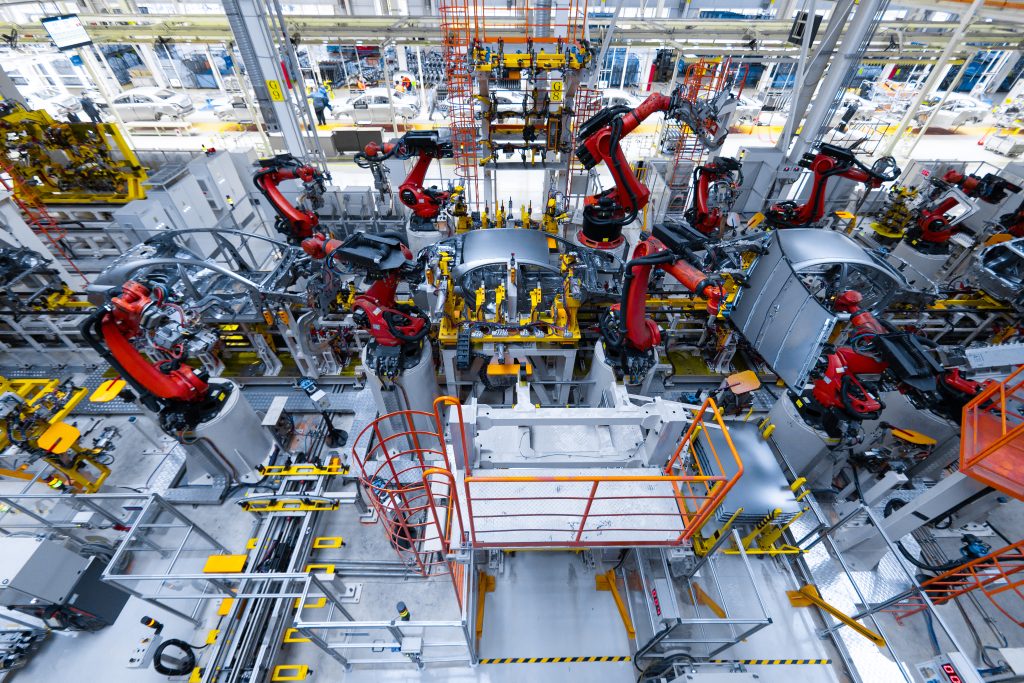
Modern manufacturing factory with automated machines
Manufacturing

The Future of Manufacturing: Innovation, Automation, and Growth

Introduction Manufacturing has always been the backbone of economic development. From handcrafting tools in ancient times to modern automated factories, manufacturing defines progress. Today, this sector is undergoing a massive transformation powered by technology, sustainability, and global connectivity. The Evolution of Manufacturing The manufacturing industry has come a long way since the Industrial Revolution. 1st Industrial Revolution (18th century): Introduction of steam engines and mechanization. 2nd Industrial Revolution: Rise of electricity, mass production, and assembly lines. 3rd Industrial Revolution: Use of computers and automation. 4th Industrial Revolution (Industry 4.0): Smart factories powered by AI, IoT, robotics, and data analytics. Each stage brought efficiency, innovation, and new opportunities for industries and workers alike. Modern Manufacturing: Technology at Work Today’s factories are smarter and faster than ever before.Here are some key technologies driving change: Automation and Robotics: Machines now handle repetitive tasks with precision and speed. 3D Printing: Enables custom, small-batch production at low cost. Artificial Intelligence (AI): Predicts demand, reduces waste, and optimizes processes. Internet of Things (IoT): Connects machines and sensors for real-time monitoring. Big Data & Analytics: Improves quality control and decision-making. Sustainability in Manufacturing Modern manufacturing focuses not just on profit but also on the planet.Companies are adopting eco-friendly materials, recycling systems, and energy-efficient technologies. Green manufacturing aims to minimize waste and reduce carbon footprints while maintaining high productivity. Challenges in the Manufacturing Industry Despite the progress, the sector faces several challenges: Shortage of skilled labor High initial investment for automation Supply chain disruptions (e.g., global pandemics) Adapting to environmental regulations Overcoming these challenges requires innovation, upskilling workers, and government support for technology-driven initiatives. The Future of Manufacturing The future lies in smart manufacturing — a combination of human creativity and digital intelligence.We can expect: Fully connected “smart factories” Increased use of renewable energy AI-driven predictive maintenance Global collaboration between machines and humans This future will be faster, cleaner, and more efficient, driving growth across economies. Conclusion Manufacturing is entering a new era of intelligence and sustainability. With advancements in automation, AI, and green innovation, the industry will continue to shape the way we live, work, and build. The future of manufacturing is not just about making products — it’s about making progress.

A gamer wearing headphones playing on a PC setup with colorful RGB lights, representing the modern gaming world and digital innovation.
Gaming

The Evolution of Gaming: From Pixels to Virtual Worlds

Introduction Gaming has transformed from a fun pastime into a global phenomenon that influences art, technology, and communication. What started with pixelated screens in the 1970s has now evolved into lifelike virtual realities and competitive eSports arenas. The gaming industry today is not just entertainment — it’s a culture, a community, and a career path. The Early Days of Gaming The first video games were simple yet revolutionary. Games like Pong and Space Invaders introduced people to the joy of digital play. These early arcade and console games laid the foundation for what would become one of the most powerful industries in the world. The Rise of Console and PC Gaming With the introduction of consoles like the Nintendo Entertainment System (NES), PlayStation, and Xbox, gaming became a household experience. At the same time, PC gaming brought higher graphics, open worlds, and the rise of online multiplayer experiences — changing the way people connected across the globe. The Era of Mobile Gaming Smartphones made gaming accessible to everyone, everywhere. Games like Candy Crush, PUBG Mobile, and Among Us proved that entertainment could fit in your pocket. Mobile gaming now represents one of the largest segments of the gaming industry. eSports: Gaming as a Career What was once a hobby has become a professional career. eSports tournaments fill entire stadiums, with players competing for millions in prize money. Streamers and content creators have built global fanbases through platforms like Twitch and YouTube Gaming — turning passion into profession. The Future of Gaming The future of gaming is driven by cutting-edge technologies: Virtual Reality (VR): Immersive experiences that make players feel part of the game world. Augmented Reality (AR): Blending real and digital worlds through smartphones and headsets. Artificial Intelligence (AI): Smarter NPCs and adaptive gameplay. Cloud Gaming: Services like NVIDIA GeForce NOW and Xbox Cloud Gaming let players stream high-quality games without expensive hardware. Why Gaming Matters Creativity and Problem Solving: Games encourage strategic thinking and decision-making. Social Connection: Multiplayer and co-op games help build friendships worldwide. Career Opportunities: From game design to eSports, the industry offers diverse paths. Mental Stimulation: Gaming can enhance focus, reflexes, and learning skills when done in moderation. Conclusion Gaming has come a long way — from blocky graphics to breathtaking virtual worlds. It’s not just about playing; it’s about storytelling, technology, and human imagination. As we move into the future, gaming will continue to blur the line between reality and fantasy — one pixel at a time.

A group of students studying together in a library with books and laptops, representing modern education and lifelong learning.
Education & Learning

The Power of Education and Lifelong Learning

The Evolution of Education and Learning in the Digital Age Published on October 30, 2025 | Category: Education & Learning | Reading time: 6 minutes Education has always been the cornerstone of human progress, but the way we learn and teach has undergone remarkable transformations in recent years. As we navigate through the digital age, the traditional classroom model is being challenged, expanded, and reimagined in ways that would have seemed impossible just a generation ago. The Shifting Landscape of Modern Education Gone are the days when education was confined to four walls and a chalkboard. Today’s learners have access to an unprecedented wealth of knowledge at their fingertips. Online courses, interactive platforms, virtual reality experiences, and artificial intelligence tutors are revolutionizing how we acquire and retain information. This democratization of education has opened doors for millions of people worldwide who previously lacked access to quality learning resources. The COVID-19 pandemic accelerated this digital transformation, forcing educational institutions to adapt rapidly. What started as an emergency response has evolved into a hybrid model that combines the best of both traditional and digital learning environments. Students can now attend lectures from world-renowned professors without leaving their homes, collaborate with peers across continents, and learn at their own pace. Personalized Learning: The Future is Individual One of the most exciting developments in modern education is the shift toward personalized learning. Traditional education often followed a one-size-fits-all approach, but we now understand that each learner has unique strengths, weaknesses, interests, and learning styles. Advanced algorithms and adaptive learning technologies can now tailor educational content to individual needs, adjusting difficulty levels, pacing, and teaching methods in real time. Key Benefits of Personalized Learning: Students progress at their own pace, ensuring mastery before moving forward. Learning materials adapt to individual strengths and address specific weaknesses. Engagement increases when content aligns with personal interests and goals. Immediate feedback helps learners understand mistakes and correct them quickly. Lifelong Learning: Education Beyond the Classroom The concept of education as something that ends with graduation is becoming obsolete. In today’s rapidly changing world, continuous learning is not just beneficial but essential. The skills that are relevant today may become outdated tomorrow, making lifelong learning a necessity rather than a luxury. Professionals are increasingly returning to education throughout their careers, whether through micro-credentials, online certifications, or short courses that help them stay competitive. This shift has led to the rise of bite-sized learning modules, podcasts, webinars, and other flexible formats that fit into busy schedules. “Education is not preparation for life; education is life itself.” – John Dewey The Role of Technology in Learning Technology has become an integral part of the educational ecosystem, but it’s important to remember that it’s a tool, not a replacement for quality teaching. The most effective educational approaches combine technological innovation with human connection and guidance. Teachers remain essential, but their roles are evolving from information dispensers to facilitators, mentors, and guides who help students navigate the vast ocean of available knowledge. Artificial intelligence, virtual reality, gamification, and collaborative online platforms are enhancing the learning experience in meaningful ways. Virtual reality can transport students to ancient Rome or inside a human cell. Gamification makes learning engaging and fun. AI-powered tools provide instant feedback and personalized recommendations. These technologies don’t replace traditional learning but enhance and expand it. Challenges and Considerations Despite the tremendous opportunities, the digital transformation of education also presents challenges. The digital divide remains a significant concern, with many students lacking access to reliable internet connections or devices. Screen fatigue, reduced social interaction, and the need for self-discipline in online learning environments are real issues that need addressing. Additionally, the abundance of information available online makes critical thinking and media literacy more important than ever. Students need to learn not just facts but how to evaluate sources, distinguish reliable information from misinformation, and think analytically about what they encounter. Looking Ahead The future of education is bright, diverse, and dynamic. As we continue to innovate and adapt, the focus must remain on creating inclusive, effective, and engaging learning experiences that prepare students not just for jobs, but for life. Education should foster creativity, critical thinking, emotional intelligence, and adaptability alongside traditional academic knowledge. Whether through traditional classrooms, online platforms, hybrid models, or technologies we haven’t yet imagined, the fundamental goal remains the same: empowering individuals to reach their full potential and contribute meaningfully to society. As educators, learners, and stakeholders in the educational ecosystem, we all have a role to play in shaping this exciting future. Conclusion Education and learning are the keys to unlocking human potential. They empower us to build a world of innovation, equality, and hope. As Nelson Mandela once said, “Education is the most powerful weapon which you can use to change the world.”Keep learning, keep growing — because the journey of education never truly ends.

Startup team brainstorming ideas
startup

The Power of Startups: Turning Ideas Into Impact

Introduction In today’s fast-paced digital world, startups have become the heart of innovation. From redefining industries to creating entirely new markets, startups prove that with the right idea, team, and mindset, even small beginnings can lead to massive change. What is a Startup? A startup is more than just a new business — it’s an organization built to grow fast. Startups focus on innovation, solving real-world problems, and scaling quickly using technology, creativity, and strategic execution. Why Startups Matter Innovation: Startups bring new ideas to life — from fintech apps to AI-driven healthcare solutions. Job Creation: They generate employment and attract global talent. Economic Growth: Startups stimulate competition, productivity, and technological advancement. Empowerment: They give individuals a platform to turn passion into purpose. Key Traits of Successful Startups Visionary Leadership: Founders who dream big and inspire others. Adaptability: The ability to pivot quickly based on market needs. Strong Team: Collaboration and shared values are crucial. Customer Focus: Understanding and solving customer pain points. Smart Funding: Balancing innovation with financial discipline. Tips to Start Your Own Startup Identify a Problem: Every great startup starts with solving a real problem. Validate Your Idea: Talk to potential users, build an MVP (Minimum Viable Product). Build a Team: Choose people who complement your skills. Secure Funding: Look for angel investors, venture capital, or bootstrapping. Market Strategically: Leverage social media and digital marketing. Keep Learning: The startup world evolves rapidly — adaptability is key. Famous Startup Success Stories Airbnb: Started as a simple idea to rent air mattresses — now a global hospitality leader. Paytm: Revolutionized digital payments in India. SpaceX: Elon Musk’s mission to make space travel accessible and sustainable. Conclusion Startups are not just about making money — they’re about making change. Whether it’s a tech innovation or a social impact idea, every startup begins with courage, creativity, and a desire to make the world better. If you’ve ever dreamed of starting something new, now is the perfect time to begin.  

telecom

The Evolution of Telecommunications

How 5G and Beyond Are Transforming Our Connected World   The telecommunications industry stands at the forefront of technological innovation, continuously reshaping how we communicate, work, and live. From the early days of telegraph systems to today’s ultra-fast 5G networks, telecom has been the backbone of global connectivity. In this post, we’ll explore the current state of telecommunications and what the future holds for this dynamic industry.   The 5G Revolution: More Than Just Speed   Fifth-generation wireless technology (5G) represents a quantum leap in mobile connectivity. While most people associate 5G with faster download speeds, its impact extends far beyond streaming videos more quickly. Key Benefits of 5G Technology: Ultra-Low Latency: 5G networks can achieve latency as low as 1 millisecond, making real-time applications like remote surgery and autonomous vehicles possible. Massive Device Connectivity: 5G can support up to 1 million devices per square kilometer, essential for the expanding Internet of Things (IoT) ecosystem. Enhanced Reliability: Network slicing allows telecom operators to create virtual networks tailored to specific use cases, ensuring consistent performance for critical applications. Energy Efficiency: Despite higher speeds, 5G technology is designed to be more energy-efficient per bit of data transmitted compared to 4G. The Rise of Edge Computing in Telecom Edge computing is revolutionizing how telecom networks process data. By moving computation closer to data sources, edge computing reduces latency and bandwidth usage while improving response times. Telecom companies are deploying edge data centers at cell tower locations, enabling applications that require immediate processing, such as augmented reality, virtual reality, and real-time analytics. This distributed architecture is crucial for supporting the massive data flows generated by 5G networks and IoT devices. IoT and Smart Cities: Telecom’s Role in Urban Transformation Telecommunications infrastructure forms the nervous system of smart cities. As urban areas become more connected, telecom networks enable: Smart Traffic Management: Real-time traffic monitoring and adaptive signal control reduce congestion and emissions Public Safety Systems: Integrated surveillance and emergency response networks improve security Utility Management: Smart grids and water systems optimize resource consumption Environmental Monitoring: Sensor networks track air quality, noise levels, and weather conditions The deployment of 5G networks accelerates smart city development by providing the bandwidth and reliability needed for millions of connected devices to operate simultaneously. Cybersecurity Challenges in Modern Telecom As telecom networks become more complex and interconnected, cybersecurity has emerged as a critical concern. The industry faces several challenges: Network Vulnerabilities: The transition to software-defined networks and virtualized infrastructure creates new attack surfaces that must be protected. IoT Device Security: Billions of connected devices often lack robust security features, making them potential entry points for cyberattacks. Data Privacy: With networks carrying sensitive personal and business data, telecom companies must implement stringent privacy protections to comply with regulations like GDPR and maintain customer trust. Leading telecom operators are investing heavily in AI-powered security systems that can detect and respond to threats in real-time, ensuring network integrity and customer data protection. The Path to 6G: What’s Next? While 5G deployment continues worldwide, researchers are already developing sixth-generation (6G) wireless technology. Expected to launch commercially around 2030, 6G promises: Terahertz frequencies: Enabling speeds up to 100 times faster than 5G AI-native networks: Deep integration of artificial intelligence into network operations Holographic communications: Supporting truly immersive telepresence experiences Sensing capabilities: Networks that can detect environmental conditions and object locations 6G will likely integrate terrestrial and non-terrestrial networks, incorporating satellites and high-altitude platforms to ensure truly global coverage. Sustainability in Telecommunications The telecom industry is increasingly focused on environmental sustainability. Network infrastructure consumes significant energy, and companies are taking steps to reduce their carbon footprint: Transitioning to renewable energy sources for data centers and cell towers Implementing energy-efficient equipment and cooling systems Optimizing network traffic to reduce unnecessary energy consumption Promoting device recycling and circular economy initiatives Major telecom operators have committed to achieving net-zero carbon emissions by 2040 or earlier, recognizing their responsibility in addressing climate change. Conclusion: Staying Connected in an Evolving Landscape The telecommunications industry continues to evolve at a breathtaking pace, driven by technological innovation and changing consumer demands. From 5G networks enabling new applications to the promise of 6G on the horizon, telecom remains central to our increasingly digital lives. As we look to the future, the successful telecom companies will be those that balance innovation with security, performance with sustainability, and global reach with local relevance. The connected world of tomorrow is being built today, one cell tower, fiber optic cable, and software update at a time.  

DevOps process showing collaboration, automation, and CI/CD pipelines in modern software development.
DEVOPs

DevOps in 2025: Bridging Development and Operations for Smarter Software Delivery

Introduction In the fast-paced world of software, speed and reliability define success. That’s where DevOps comes in — a powerful approach that unites Development (Dev) and Operations (Ops) to deliver high-quality applications faster and more efficiently. By 2025, DevOps isn’t just a methodology; it’s a culture of collaboration, automation, and continuous improvement that drives digital transformation across industries. What Is DevOps? DevOps is a software engineering practice that integrates development and IT operations teams to shorten the software development lifecycle and ensure continuous delivery with high quality. It focuses on: Collaboration: Breaking silos between teams. Automation: Streamlining repetitive tasks. Continuous Integration/Continuous Deployment (CI/CD): Delivering updates frequently and reliably. Why DevOps Matters in 2025 As organizations scale digitally, agility and efficiency are more important than ever. Faster Releases: Frequent and automated deployments. Improved Quality: Automated testing reduces errors. Greater Collaboration: Developers and operations share responsibility. Business Agility: Quick adaptation to user feedback and market trends. Key Principles of DevOps Collaboration and Communication: Shared ownership between teams. Automation: From code integration to deployment. Continuous Testing: Detect bugs early with automated QA. Monitoring and Feedback: Real-time tracking of performance and issues. Security Integration (DevSecOps): Embedding security into every stage. Popular DevOps Tools in 2025 Category Tools Description Version Control Git, GitHub, GitLab Manage and track code versions CI/CD Jenkins, CircleCI, GitHub Actions Automate build, test, and deploy Containerization Docker, Kubernetes Deploy apps consistently across environments Monitoring Prometheus, Grafana Real-time tracking of app performance Infrastructure as Code (IaC) Terraform, Ansible Automate infrastructure management Cloud Integration AWS, Azure DevOps Host, scale, and manage pipelines The Future of DevOps The future of DevOps is powered by AI, automation, and cloud-native development. AI-Driven Monitoring: Predict system failures before they occur. Serverless Architecture: Deploy apps without managing servers. ChatOps: Real-time collaboration through chat platforms like Slack. Sustainable DevOps: Optimizing infrastructure for lower energy use. Conclusion DevOps represents the perfect balance between innovation and reliability. By combining collaboration, automation, and continuous feedback, it empowers teams to build, test, and deploy faster than ever before. In 2025 and beyond, DevOps will remain the foundation of agile, scalable, and secure software delivery — the key to digital success. “DevOps isn’t a tool or a team — it’s a mindset that builds better software, together.” FAQ Section Q1. What is DevOps in simple terms?It’s a collaboration between developers and operations teams to deliver software faster and more reliably. Q2. What tools are used in DevOps?Popular tools include Git, Jenkins, Docker, Kubernetes, and Terraform. Q3. How does DevOps differ from Agile?Agile focuses on development cycles; DevOps extends that to deployment and operations. Q4. What is CI/CD in DevOps?It’s a process of continuously integrating code and deploying updates automatically. Q5. Why is DevOps important?It enhances efficiency, reduces downtime, and improves product quality.

Healthcare & Fitness

Healthcare & Fitness in 2025: How Technology and Wellness Are Transforming Lives

Introduction Health is no longer just about treating illness — it’s about prevention, personalization, and technology-driven care. In 2025, Healthcare and Fitness are merging like never before, powered by artificial intelligence, wearable technology, and data analytics. From smartwatches that monitor heart rates to virtual fitness coaches powered by AI, the future of wellness is digital, personalized, and accessible to everyone. What Is Healthcare & Fitness in the Modern Age? Healthcare focuses on diagnosing, treating, and preventing illnesses.Fitness emphasizes physical well-being through exercise, nutrition, and active lifestyles. In 2025, the two have merged into one unified concept: Digital Health — where technology, medicine, and fitness data work together to promote holistic wellness. How Technology Is Transforming Healthcare Technology is redefining medical care and patient experience: AI Diagnostics: Early detection of diseases using algorithms. Telemedicine: Virtual doctor consultations from home. Electronic Health Records (EHR): Simplified data management for hospitals. Robotic Surgery: Precision-based treatment with minimal recovery time. Wearable Devices: Track heart rate, oxygen, and sleep patterns in real-time. The Role of Fitness in Modern Life Fitness has evolved beyond gyms. People now combine technology and mindfulness to maintain health. Smartwatches and Fitness Bands: Track steps, calories, and workouts. Virtual Workouts: Online platforms like FitOn and Peloton make exercise accessible. Mental Wellness Apps: Meditation and stress management tools like Calm and Headspace. Nutrition Tracking: Apps helping users maintain balanced diets. Healthcare & Fitness Trends in 2025 AI-Driven Health Insights – Personalized fitness and treatment plans. Genetic Testing – DNA-based diet and fitness recommendations. Virtual Reality Therapy – Pain management and mental relaxation through VR. Remote Monitoring – Doctors track patients’ vitals from anywhere. Preventive Healthcare – Early alerts through smart devices. Benefits of Healthcare and Fitness Integration Personalized Wellness: Data-driven recommendations based on individual needs. Accessibility: Healthcare services reach even remote locations. Cost Efficiency: Reduced hospital visits through preventive care. Empowered Patients: People actively manage their own health. Better Outcomes: Continuous tracking leads to early detection and intervention. Challenges in Healthcare & Fitness Despite progress, challenges remain: Data Privacy: Securing sensitive health information. Healthcare Inequality: Ensuring access in rural areas. Tech Dependency: Balancing digital tools with human expertise. Rising Lifestyle Diseases: Due to stress and sedentary work culture. Conclusion Healthcare and Fitness in 2025 are driven by technology, data, and proactive wellness. As AI, wearables, and telemedicine continue to grow, they’re helping people lead healthier, longer, and more balanced lives. The message is clear: “The future of health isn’t in hospitals — it’s in our hands.” FAQ Section Q1. How is technology changing healthcare?Through AI, telemedicine, and wearable devices that make care faster and more accurate. Q2. Why is fitness important for overall health?It improves strength, immunity, mental health, and longevity. Q3. What are examples of fitness technology?Smartwatches, health apps, and virtual workout platforms. Q4. What is preventive healthcare?Detecting and preventing diseases before they develop using screenings and data insights. Q5. How can AI improve health?AI helps predict illnesses, personalize treatments, and improve diagnosis accuracy.

How would you like me to respond?

Select a personality for your AI assistant

Normal
Happy
Sad
Angry

Your selection will affect how the AI assistant responds to your messages

Chat Assistant

Let's discuss your project!

Hear from our clients and why 3000+ businesses trust TechOTD

Tell us what you need, and we'll get back with a cost and timeline estimate

Scroll to Top