
Blockchain & Technology

Blockchain & Technology, Digital Transformation, Educational Technology, enterprise

Blockchain Beyond Cryptocurrency: Real-World Enterprise Applications

Introduction When most people hear the word blockchain, their minds immediately jump to cryptocurrencies like Bitcoin. While digital currencies played a significant role in introducing blockchain to the world, the technology has evolved far beyond its original purpose. Today, organizations across industries are leveraging blockchain to improve transparency, security, efficiency, and trust in business operations. From managing global supply chains to securing healthcare records and streamlining financial transactions, blockchain is emerging as a powerful tool for enterprise transformation. As businesses continue their digital transformation journeys, blockchain is increasingly becoming a strategic technology rather than merely a foundation for cryptocurrencies. This article explores how blockchain is being applied in real-world enterprise environments, the benefits it offers, the challenges organizations face, and what the future holds for this revolutionary technology. Understanding Blockchain Technology At its core, blockchain is a distributed digital ledger that records transactions across multiple computers. Unlike traditional databases controlled by a central authority, blockchain stores information in a decentralized manner. Each transaction is grouped into a block, and once verified, it becomes linked to the previous block, forming a chain of records. This structure creates an immutable and transparent history of transactions that cannot be altered without consensus from the network. Several characteristics make blockchain particularly valuable for enterprises: Transparency and auditability Enhanced security through cryptography Decentralized data management Reduced risk of fraud Improved trust among stakeholders Automation through smart contracts These capabilities have encouraged organizations to explore blockchain applications beyond digital currencies. Why Enterprises Are Investing in Blockchain Modern businesses operate in increasingly complex ecosystems involving suppliers, customers, partners, regulators, and service providers. Managing information across these networks often creates inefficiencies, duplication, and security risks. Blockchain addresses many of these challenges by providing a shared source of truth that all authorized participants can trust. Organizations are investing in blockchain because it can: Reduce operational costs Improve transaction speed Enhance transparency Strengthen cybersecurity Increase regulatory compliance Eliminate unnecessary intermediaries Improve customer trust As a result, blockchain adoption is growing across various sectors, including finance, healthcare, manufacturing, logistics, retail, and government services. Supply Chain Management and Traceability One of the most successful enterprise applications of blockchain is supply chain management. Traditional supply chains involve multiple parties, including manufacturers, distributors, suppliers, transportation providers, and retailers. Tracking products throughout this journey can be difficult, especially when data is stored in separate systems. Blockchain creates a shared ledger where every participant can record and verify information in real time. Product Traceability Companies can track products from raw material sourcing to final delivery. This visibility helps organizations verify authenticity, prevent counterfeiting, and ensure compliance with industry standards. For example, food producers can trace agricultural products back to their source within seconds. If contamination occurs, affected products can be identified and removed quickly, reducing risks and costs. Improved Transparency Customers increasingly demand information about where products originate and how they are manufactured. Blockchain enables businesses to provide transparent records regarding: Product origins Manufacturing processes Transportation history Sustainability practices Ethical sourcing standards This transparency strengthens consumer confidence and brand reputation. Reduced Fraud Counterfeit goods cost businesses billions of dollars annually. Blockchain records make it significantly more difficult for fraudulent products to enter legitimate supply chains. Smart Contracts and Business Automation Smart contracts are self-executing digital agreements stored on a blockchain. These contracts automatically perform actions when predefined conditions are met, reducing the need for manual intervention. Automating Payments Businesses can automate supplier payments when goods are delivered and verified. This eliminates delays and minimizes administrative overhead. Streamlining Procurement Procurement processes often involve extensive paperwork and approvals. Smart contracts can automatically: Verify purchase orders Confirm deliveries Trigger payments Update inventory systems This automation reduces processing time and human error. Insurance Claims Processing Insurance companies can use smart contracts to automatically process claims when specific conditions are verified. For example, travel insurance policies can issue compensation immediately when a flight delay is confirmed through trusted data sources. Blockchain in Financial Services Although blockchain originated within the financial sector, enterprise applications extend far beyond cryptocurrency trading. Cross-Border Payments Traditional international payments often involve multiple intermediaries and lengthy processing times. Blockchain networks can facilitate faster and more cost-effective cross-border transactions by reducing dependency on intermediary institutions. Trade Finance Trade finance processes frequently rely on paper-based documentation and manual verification. Blockchain helps digitize: Letters of credit Shipping documents Trade agreements Payment records This improves efficiency while reducing fraud and administrative costs. Fraud Prevention Financial institutions are adopting blockchain to strengthen transaction security and reduce fraudulent activities. The technology’s immutable records create reliable audit trails that make unauthorized alterations extremely difficult. Digital Identity Verification Banks and financial organizations can use blockchain-based identity systems to streamline customer verification procedures while enhancing privacy and security. Healthcare and Medical Records Management Healthcare organizations generate massive amounts of sensitive data. Managing patient records securely while ensuring accessibility remains a major challenge. Secure Patient Records Blockchain allows healthcare providers to store and share patient information securely. Authorized medical professionals can access accurate records while maintaining strict privacy controls. Improved Interoperability Medical records are often fragmented across multiple systems and providers. Blockchain can create unified patient histories accessible across healthcare networks, improving care coordination. Drug Supply Chain Verification Counterfeit medications represent a serious global concern. Blockchain enables pharmaceutical companies to track medications throughout the supply chain, ensuring authenticity and patient safety. Clinical Research Researchers can use blockchain to maintain transparent and tamper-proof records of clinical trial data, enhancing trust and regulatory compliance. Digital Identity and Access Management Identity verification is becoming increasingly important in the digital economy. Traditional identity systems often expose users to data breaches and identity theft. Blockchain-based identity solutions allow individuals to maintain greater control over their personal information. Self-Sovereign Identity Users can manage and share verified credentials without relying entirely on centralized databases. Benefits include: Enhanced privacy Reduced identity fraud Simplified verification processes Better user control Enterprise Access Control Organizations can use blockchain to manage employee credentials, system access permissions, and authentication processes more securely. Blockchain in Real Estate Real estate transactions typically
Automobile, Blockchain & Technology

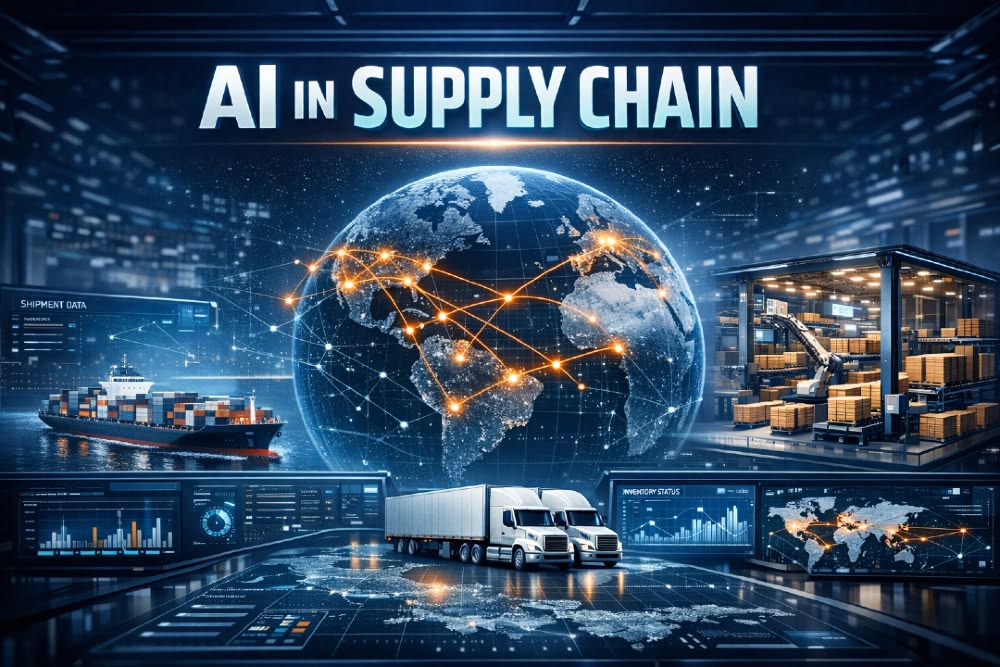
AI in Supply Chain Management

Logistics Automation Software Trends: Driving Efficiency in an Unpredictable World The global logistics landscape is undergoing a profound paradigm shift. For years, supply chain management focused on a singular, relentless pursuit: cost minimization through just-in-time efficiency. However, a relentless wave of global volatility—spanning geopolitical tensions, extreme climate events, localized labor shortages, and shifting trade policies—has exposed the fragile fault lines of traditional, rigid infrastructure. Today, survival and profitability require a foundational operational overhaul. The goal has shifted from building a reactive supply chain to engineering an intelligent, self-healing, and proactive network. At the heart of this radical transformation is software. Logistics automation is no longer just about deploying massive, fixed hardware or static conveyors. Instead, modern logistics is defined by software intelligence, interconnected ecosystems, and automated adaptability. As organizations strive to bridge the gap between real-time insights and immediate operational execution, let’s explore the core logistics automation software trends defining the industry. 1. The Rise of Agentic AI and Self-Healing Supply Chains Artificial Intelligence has officially graduated from a passive analytics tool into an active operational partner. Historically, AI in logistics was predictive—it analyzed historical datasets, identified patterns, and generated dashboards for human operators to interpret and act upon. While valuable, this traditional approach still left a costly gap of latency between identifying a disruption and executing a remedy. The current frontier belongs to Agentic AI and self-healing supply chains. Autonomous AI agents are integrated directly into core execution software, such as Transportation Management Systems (TMS) and Enterprise Resource Planning (ERP) engines. Instead of waiting for human intervention, these intelligent software agents possess the decision-making capabilities to autonomously execute solutions within predefined operational guardrails. [Disruption Detected: Port Closure] │ ▼ ┌──────────────────────────────┐ │ Agentic AI Evaluates Data │ └──────────────┬───────────────┘ │ ▼ ┌──────────────────────────────┐ │ Autonomously Reroutes Fleet │ └──────────────┬───────────────┘ │ ▼ ┌──────────────────────────────┐ │ Updates WMS & Notifies Crew │ └──────────────────────────────┘ For instance, if an ocean cargo liner faces an unexpected port closure due to severe weather, an agentic AI system doesn’t just trigger an alert flag on a dashboard. It actively evaluates real-time alternative routes, calculates the financial cost-to-serve implications, renegotiates dynamic freight spot rates with backup carriers, alters the digital customs paperwork, and re-sequences the downstream warehouse receiving schedule—all in a matter of seconds without human prompting. This shift to continuous, automated planning reduces latency to near zero, transforming unexpected bottlenecks from multi-day crises into seamlessly managed, minor operational adjustments. 2. Next-Generation WMS and Smart Warehousing As e-commerce demands continue to pressure fulfillment timelines, distribution centers can no longer operate using legacy, paper-reliant Warehouse Management Systems (WMS). Inbound and outbound logistics are converging under next-generation, cloud-native WMS platforms powered by generative AI and real-time edge processing. Modern WMS platforms are focusing heavily on dynamic optimization. Instead of relying on static zoning patterns, AI algorithms continuously monitor the physical flow of the warehouse floor. They dynamically re-slot fast-moving SKUs based on real-time order surges, balance picking labor across aisles to prevent congestion, and adjust picking strategies on the fly. Furthermore, a significant sub-trend is the rapid modernization of inbound automation software. Historically, outbound fulfillment took priority for automation investments. Today, the focus is equalizing. Advanced WMS platforms leverage machine vision software equipped with Neural Processing Units (NPUs) to handle complex inbound processes: Robotic De-palletization: Software guides robotic arms to identify, visually inspect, and de-stack highly irregular, mixed-SKU pallets. Instant Verification: Real-time AI vision scans barcodes and cross-references them against digital bills of lading in milliseconds, entirely bypassing manual clipboard validation. Predictive Workload Scheduling: By processing upstream transport delays, the WMS automatically adjusts warehouse staffing shifts before a delayed fleet arrives at the yard bay doors. 3. Orchestration Layers and Multi-Fleet Management Systems (FMS) Go into a modern fulfillment hub, and you will see an incredibly diverse ecosystem of automated hardware. You might see Autonomous Mobile Robots (AMRs) moving cases, Automated Guided Vehicles (AGVs) transporting heavy pallets, automated storage and retrieval systems (AS/RS) soaring up vertical racks, and human workers operating traditional forklifts. The primary challenge isn’t the individual performance of these machines; it is their coordination. Without a unifying brain, a warehouse becomes a multi-million-dollar digital traffic jam. This friction has driven the massive growth of Warehouse Execution Systems (WES) and comprehensive Software Orchestration Layers. These advanced software platforms act as a vendor-agnostic nervous system, sit cleanly above individual proprietary hardware controllers, and unify all automation subsystems into a singular, synchronized operational workflow. ┌──────────────────────────────────────┐ │ Software Orchestration Layer │ └────┬──────────────┬──────────────┬───┘ │ │ │ ▼ ▼ ▼ ┌───────┐ ┌───────┐ ┌───────┐ │ AMRs │ │ AS/RS │ │ AGVs │ └───────┘ └───────┘ └───────┘ Concurrently, Fleet Management Systems (FMS) have evolved far beyond basic dispatch scripting rules. Driven by live spatial data, modern FMS platforms control real-time traffic across the facility floor. They dynamically reroute AMRs away from congested corridors, prioritize charging schedules for robotic units based on upcoming order volumes, and coordinate seamless intersections where human workers and robotic fleets cross paths safely. The software ensures that predictable throughput and steady physical flow are maintained around the clock. 4. Robotics-as-a-Service (RaaS) Democratizing Automation For decades, the benefits of advanced warehouse robotics were reserved exclusively for enterprise giants with massive capital expenditure (CapEx) budgets. Smaller third-party logistics (3PL) providers and mid-sized e-commerce merchants were left locked out by the staggering upfront costs of automated infrastructure. Robotics-as-a-Service (RaaS) has completely flipped this model by shifting automation from a rigid capital expense to a flexible, scalable operational expense (OpEx). Under the RaaS software model, companies subscribe to cloud-hosted robotic management platforms while leasing physical robot fleets (like AMRs or autonomous sorting units) on a predictable monthly or volume-based payment structure. This trend has triggered the rise of what industry experts call “brownfield automation.” Rather than abandoning existing brick-and-mortar setups to build expensive, highly customized “greenfield” automated facilities, businesses are deploying RaaS software into their legacy, existing structures. Because modern AMRs rely on lidar, onboard edge processing, and computer vision software for navigation rather than fixed magnetic tracking tape embedded in floors, they can be deployed into

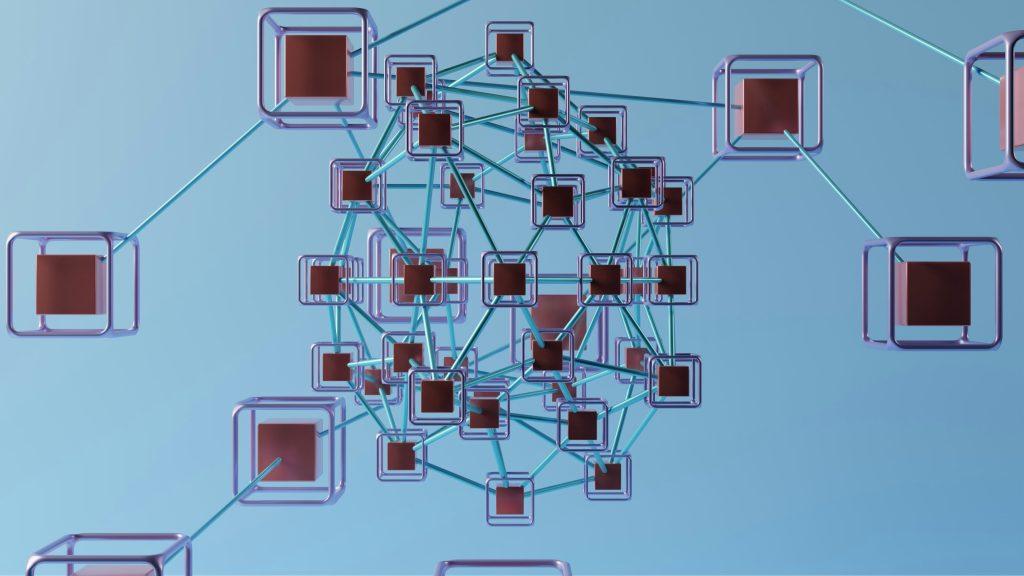
Connected blockchain network nodes with glowing chains linking distributed ledger blocks
Blockchain & Technology

Blockchain Beyond Cryptocurrency: Real-World Applications Transforming Industries

Introduction When most people hear “blockchain,” they immediately think of Bitcoin, Ethereum, and cryptocurrency speculation. While digital currencies introduced blockchain to the world, they represent merely the first application of a revolutionary technology with far-reaching implications across virtually every industry. Blockchain’s core characteristics—decentralization, immutability, transparency, and security—solve fundamental problems in trust, verification, and record-keeping that have plagued organizations for centuries. As we move beyond cryptocurrency hype cycles, blockchain is quietly transforming supply chains, healthcare systems, financial services, government operations, and creative industries. Understanding Blockchain Technology At its core, blockchain is a distributed ledger technology that records transactions across multiple computers in a way that makes records virtually impossible to alter retroactively. Unlike traditional databases controlled by single entities, blockchain distributes identical copies of the ledger across a network of participants, creating a shared source of truth that no single party controls. Each “block” in the blockchain contains a batch of transactions, a timestamp, and a cryptographic hash linking it to the previous block, creating an unbroken chain extending back to the first block. This structure ensures that altering any historical transaction would require changing every subsequent block across the majority of network copies—a practically impossible task in well-designed systems. Blockchain networks can be public (permissionless), where anyone can participate, read data, and submit transactions, or private (permissioned), where access is restricted to authorized participants. Public blockchains like Bitcoin prioritize decentralization and censorship resistance, while private blockchains trade some decentralization for privacy, speed, and regulatory compliance. Smart contracts—self-executing programs that run on blockchain networks—extend blockchain beyond simple record-keeping. These programs automatically enforce agreements when predefined conditions are met, eliminating intermediaries and reducing the potential for disputes. Smart contracts enable complex multi-party workflows, automated compliance, and programmable money. Consensus mechanisms determine how blockchain networks agree on the current state of the ledger. Bitcoin uses proof-of-work, where participants compete to solve computational puzzles. Ethereum has transitioned to proof-of-stake, where participants lock up cryptocurrency to validate transactions. Other mechanisms like practical Byzantine fault tolerance or proof-of-authority offer different trade-offs between decentralization, speed, and energy efficiency. Supply Chain Revolution Supply chain management represents one of blockchain’s most compelling real-world applications. Modern supply chains span continents, involve dozens of parties, and handle products passing through many hands before reaching consumers. Tracking products, verifying authenticity, ensuring quality standards, and managing documentation create enormous complexity and opportunities for fraud or error. Blockchain creates transparent, immutable records of product journeys from origin to consumer. When a farmer harvests coffee beans, that transaction records on the blockchain. As beans move through processors, shippers, roasters, distributors, and retailers, each transfer adds a new block. Consumers can scan product codes to view complete histories, verifying origin claims and ethical sourcing. Walmart has implemented blockchain for food safety, tracking produce from farms to stores. When contamination occurs, identifying affected products previously took days or weeks, requiring recalls of entire product categories. With blockchain tracking, Walmart can identify exact batches affected in seconds, reducing waste and protecting consumers more effectively. The diamond industry uses blockchain to combat conflict diamonds and verify authenticity. Each diamond receives a unique identifier recorded on the blockchain along with characteristics, ownership history, and provenance documentation. This system helps ensure diamonds are ethically sourced and not synthetic imposters, protecting both consumers and legitimate miners. Pharmaceutical companies are implementing blockchain to combat counterfeit drugs, a massive problem killing hundreds of thousands annually. By tracking medications from manufacturing through distribution to pharmacy, blockchain systems verify authenticity and detect diversion or counterfeiting. This transparency also helps manage recalls and expiration dates more effectively. Automotive manufacturers use blockchain to track parts and components, ensuring quality and facilitating recalls. When defects are discovered, manufacturers can quickly identify which vehicles contain affected parts. The technology also helps prove maintenance history and verify odometer readings in used vehicle sales. Healthcare Transformation Healthcare systems struggle with fragmented medical records, privacy concerns, interoperability issues, and difficulty verifying credentials. Blockchain addresses these challenges while giving patients greater control over their health information. Medical records stored on blockchain can be shared securely between providers while giving patients control over access permissions. When you visit a new doctor, they can request access to your medical history. You approve access through a secure interface, and the doctor retrieves encrypted records that only they can decrypt. This eliminates redundant tests, prevents dangerous drug interactions, and improves care quality. Clinical trial data integrity represents another significant application. Pharmaceutical companies and researchers can timestamp and record trial protocols, data collection procedures, and results on blockchain, creating immutable audit trails. This transparency helps prevent data manipulation, builds trust in published results, and facilitates regulatory review. Drug development and approval processes involve extensive documentation and multi-party coordination between researchers, manufacturers, regulators, and trial sites. Blockchain platforms can coordinate these workflows, ensure document authenticity, and create clear audit trails satisfying regulatory requirements. Medical credential verification uses blockchain to combat fraudulent healthcare provider credentials. Professional licenses, educational degrees, board certifications, and training records recorded on blockchain can be instantly verified by hospitals, clinics, and patients. This reduces administrative burden and prevents unqualified individuals from practicing medicine. Medical device tracking and maintenance leverages blockchain to record device histories, maintenance schedules, and safety alerts. This proves particularly valuable for implantable devices, where tracking individual units through manufacture, implantation, and patient monitoring ensures quality and facilitates recalls when necessary. Financial Services Innovation While cryptocurrency dominates blockchain headlines, financial institutions are implementing blockchain for traditional banking operations. The technology promises faster settlements, reduced costs, improved transparency, and new financial products. Cross-border payments using blockchain can settle in minutes rather than days, with lower fees than traditional wire transfers or remittance services. Banks and payment processors are developing blockchain-based systems enabling real-time international payments, particularly valuable for remittances to developing countries where traditional services charge exorbitant fees. Securities trading and settlement traditionally involves multiple intermediaries and takes days to finalize. Blockchain-based systems can settle trades instantly while maintaining regulatory compliance and audit trails. The Australian Securities Exchange is replacing its clearing and settlement system

Digital blockchain network connecting global data systems beyond cryptocurrency.
Blockchain & Technology

Blockchain Beyond Cryptocurrency: Transforming the Digital World

Introduction When people hear the word “blockchain,” the first thing that often comes to mind is Bitcoin or cryptocurrency. However, blockchain is much more than a platform for digital money. It’s a revolutionary technology that’s transforming industries by offering security, transparency, and decentralization. From supply chain tracking and smart contracts to voting systems and healthcare data security, blockchain is redefining the digital landscape. As businesses seek more trust and accountability in their digital systems, blockchain has emerged as one of the most powerful technologies shaping the future of digital transformation. Let’s dive into how blockchain is being used beyond cryptocurrency, and why it’s becoming the backbone of tomorrow’s economy. What Is Blockchain? At its core, blockchain is a distributed digital ledger that records transactions securely and transparently across multiple computers (nodes). Unlike traditional databases managed by a central authority, blockchain operates on decentralization, meaning no single entity controls the data. Key Features: Transparency: Every transaction is visible to participants. Immutability: Once added, data cannot be changed or deleted. Security: Cryptographic algorithms protect all data. Decentralization: Eliminates the need for intermediaries. This makes blockchain ideal for industries that require trust, accountability, and fraud resistance. Blockchain’s Origins: Cryptocurrency and Beyond Blockchain first gained fame as the technology behind Bitcoin (introduced in 2009). Its decentralized nature made it perfect for creating a peer-to-peer digital currency without banks or governments. However, as developers explored its potential, they realized blockchain could revolutionize far more than finance — it could reshape how we exchange, verify, and protect information across any industry. 1. Blockchain in Supply Chain Management Supply chains are complex networks involving manufacturers, suppliers, distributors, and retailers. Traditionally, tracking products through this chain has been inefficient and prone to fraud. Blockchain solves these issues by providing end-to-end visibility. Benefits: Real-time product tracking Verification of authenticity Reduced fraud and counterfeiting Streamlined documentation For instance, Walmart uses blockchain to track food products from farm to shelf, ensuring food safety and faster recall management. 2. Blockchain in Healthcare Healthcare systems handle vast amounts of sensitive data — patient histories, prescriptions, insurance records — making data security critical. Blockchain offers a secure, tamper-proof way to store and share medical records across hospitals, labs, and patients. Key Benefits: Enhanced data privacy and security Interoperability between healthcare providers Reduced administrative overhead Better patient control over data access Example: The MediLedger project uses blockchain to prevent counterfeit drugs from entering pharmaceutical supply chains. 3. Blockchain in Banking and Finance Even though blockchain began in finance, its use is rapidly expanding. Banks now use it for more than cryptocurrency — from speeding up transactions to improving compliance and reducing fraud. Applications: Cross-border Payments: Faster and cheaper international transfers. Smart Contracts: Automated and transparent financial agreements. KYC & AML Compliance: Secure and decentralized identity verification. Example: J.P. Morgan’s Quorum blockchain enables efficient and private financial transactions for global clients. 4. Smart Contracts: Automation with Trust Smart contracts are self-executing digital agreements stored on a blockchain. Once predefined conditions are met, they automatically execute actions — no intermediaries needed. Benefits: Eliminates third parties Reduces disputes and errors Saves time and cost For example, in real estate, a smart contract can automatically transfer ownership once payment is confirmed, reducing paperwork and fraud. 5. Blockchain in Government and Voting Blockchain’s transparency makes it ideal for governance and electoral systems. Use Cases: E-Voting Systems: Secure, verifiable, and tamper-proof voting processes. Public Record Management: Secure storage for property, birth, and marriage certificates. Tax and Budget Transparency: Prevents corruption and improves accountability. Estonia, a global leader in digital governance, uses blockchain for citizen ID systems, healthcare, and judicial records. 6. Blockchain in Digital Identity In today’s digital world, identity theft is a growing concern. Blockchain enables self-sovereign identity (SSI) — giving individuals control over their own digital identity. Advantages: Users own and control their data Reduced identity theft and fraud Simplified verification for banks, employers, and governments For instance, Microsoft’s “ION” project builds decentralized digital IDs on the Bitcoin blockchain for secure online authentication. 7. Blockchain in Art and Entertainment The rise of NFTs (Non-Fungible Tokens) showcases how blockchain empowers artists and creators. NFTs represent ownership of digital assets such as artwork, music, or videos stored on the blockchain. Benefits for Creators: Proven digital ownership Direct monetization (no middlemen) Royalty tracking on resales Platforms like OpenSea and Rarible have revolutionized how digital art is bought and sold, giving creators global exposure. 8. Blockchain in Energy and Sustainability Energy systems are evolving to include renewable sources and decentralized grids. Blockchain supports this transition by enabling peer-to-peer energy trading and transparent carbon tracking. Example: In Germany, companies use blockchain to allow citizens to buy and sell solar energy directly within their community. This fosters cleaner energy systems and encourages sustainability through real-time energy accounting. 9. Blockchain Security and Privacy While blockchain ensures transparency, it also offers strong encryption to protect data. However, challenges like scalability, energy consumption, and regulatory uncertainty remain. Emerging solutions like Proof-of-Stake (PoS), Layer-2 scaling, and Quantum-resistant encryption are helping overcome these hurdles. The Future of Blockchain As we move beyond cryptocurrencies, blockchain’s real potential lies in building trust in a trustless world. By 2030, blockchain is expected to become a core technology in: Digital governance Cross-border supply networks Healthcare interoperability Sustainable energy systems Education and credential verification In essence, blockchain will underpin the next digital revolution, creating a world that’s secure, transparent, and decentralized. Conclusion Blockchain is far more than just the foundation of cryptocurrency — it’s a transformational technology with the power to redefine trust and transparency in the digital age. Whether it’s tracking food origins, protecting medical records, or enabling secure voting, blockchain is solving real-world challenges across industries. As adoption grows, blockchain will continue to blur the lines between technology, economy, and society, laying the groundwork for a more connected and accountable world. FAQs 1. What is blockchain used for besides cryptocurrency?Blockchain is used in supply chain management, healthcare, digital identity, voting systems, and data security. 2. How does blockchain increase transparency?All transactions are

A futuristic infographic titled 'BLOCKCHAIN & TECHNOLOGY,' showing a central blockchain icon connected to other technologies like AI, IoT, Cybersecurity, DeFi, NFTs, and Web3.
Blockchain & Technology

Blockchain’s Role in Building Tomorrow’s Tech

Introduction What do AI, cybersecurity, and the future of the internet (Web3) have in common? They all have critical problems with trust, security, and centralization. Blockchain technology is emerging as the key solution to all three. It’s the invisible architecture that provides the security for our data, the transparency for our transactions, and the ownership of our digital assets. Let’s dive into the technology ecosystem that blockchain is building right now. What is Blockchain? At its simplest, a blockchain is a secure, digital ledger that is shared among many computers in a network. Once a piece of information (a “block”) is added to the ledger, it is linked to the previous block using cryptography, creating a “chain.” This structure makes it immutable, meaning once data is recorded, it is extremely difficult to change or remove. Core Components Decentralization: Instead of one person or company controlling the ledger (like a single bank), the ledger is copied and spread across many computers. This means no single entity has control, and there is no single point of failure. Cryptography: Every transaction is secured and verified using advanced math. This ensures that only the rightful owner can access their assets and that all records are authentic. Blocks: These are the “pages” of the ledger. Each block contains a batch of recent, verified transactions. Consensus Mechanism: This is the “rulebook” that the network follows to agree on which transactions are valid and can be added to the chain (e.g., Proof-of-Work or Proof-of-Stake). The Big Trends: Web3, DeFi, and NFTs Blockchain is the foundational technology for several major trends: Web3: This is the idea of a new, decentralized internet. Web1 was the “read-only” internet (static websites). Web2 is the “read-write” internet we use today (social media, user-generated content), but it’s controlled by large tech companies. Web3 aims to be a “read-write-own” internet, where users control their own data and identity using blockchain. DeFi (Decentralized Finance): This is an entire ecosystem of financial applications built on blockchain. It aims to recreate traditional financial systems (like lending, borrowing, and trading) without the need for intermediaries like banks. Users interact directly with smart contracts. NFTs (Non-Fungible Tokens): An NFT is a unique digital certificate of ownership for an asset (like a piece of digital art, a collectible, or even a real-world item). “Non-fungible” means it’s one-of-a-kind and cannot be replaced by another, unlike a dollar bill, which is fungible. This ownership is recorded and verifiable on the blockchain. Blockchain’s Integration with Other Technologies Blockchain doesn’t exist in a bubble. Its real power is unlocked when combined with other technologies. 1. Artificial Intelligence (AI) Data Integrity: AI models are only as good as the data they’re trained on. Blockchain can provide an immutable, verifiable audit trail for AI training data, ensuring it hasn’t been tampered with and proving its origin. Decentralized AI: It enables “Federated Learning,” where an AI model can be trained across multiple devices without the users’ private data ever leaving their device. The blockchain is used to log and verify the model’s updates, protecting user privacy. 2. Internet of Things (IoT) Security: IoT networks often have thousands of simple devices (like sensors) that are vulnerable to hacking. Blockchain can create a secure, decentralized network for these devices to communicate directly and verifiably, preventing a central server from being hacked. Traceability: For supply chains, an IoT sensor can log a package’s temperature and location to a blockchain at every step. This creates a tamper-proof record that all parties (the producer, the shipper, the customer) can trust. 3. Cybersecurity Decentralized Identity: Instead of relying on Google or Facebook to log in to websites, blockchain allows for Self-Sovereign Identity (SSI). You would control your own digital identity, stored securely, and grant specific, temporary access to services that need to verify it. Mitigating Attacks: By decentralizing data storage, blockchain can help prevent large-scale data breaches. It also makes systems more resilient to Distributed Denial of Service (DDoS) attacks, as there is no single central server to overwhelm Conclusion In conclusion, blockchain has evolved far beyond its origins in cryptocurrency. It is now the essential “trust layer” for the next generation of technology. By providing a decentralized, immutable, and transparent ledger, it solves the critical vulnerabilities in our current systems. It’s the thread that securely connects AI models to verifiable data, enables IoT devices to communicate without a central point of failure, and provides the very foundation for a user-owned internet in Web3, DeFi, and NFTs. As we move forward, it’s clear that blockchain isn’t just another technology in the stack; it’s the fundamental architecture the future is being built on. FAQ Q1: What is blockchain in the simplest terms? Blockchain is a digital ledger, like a shared notebook, that is duplicated and spread across many computers. Once a transaction (a “block”) is added to this notebook, it’s cryptographically linked to the one before it, creating a “chain.” This structure makes the data immutable, meaning it’s nearly impossible to change or tamper with. Q2: Isn’t blockchain just for Bitcoin and cryptocurrency? No. While Bitcoin was the first major application, it’s just one use case. Blockchain is the underlying technology that enables cryptocurrencies, but its core value is in providing a secure and decentralized way to record any kind of data. It’s now being used in supply chains, healthcare, voting systems, cybersecurity, and more. Q3: What’s the difference between Blockchain and Web3? Think of blockchain as the tool and Web3 as the movement. Blockchain is the specific technology (a decentralized ledger). Web3 is the broader vision for a new, decentralized internet built using tools like blockchain, crypto, and decentralized networks. Web3’s goal is to shift control from large tech companies to individual users. Q4: How does blockchain work with Artificial Intelligence (AI)? Blockchain can be seen as the “source of truth” for AI. Data Integrity: It provides a tamper-proof log of the data used to train an AI model, so you can verify its origin and quality. Privacy: It enables federated learning,

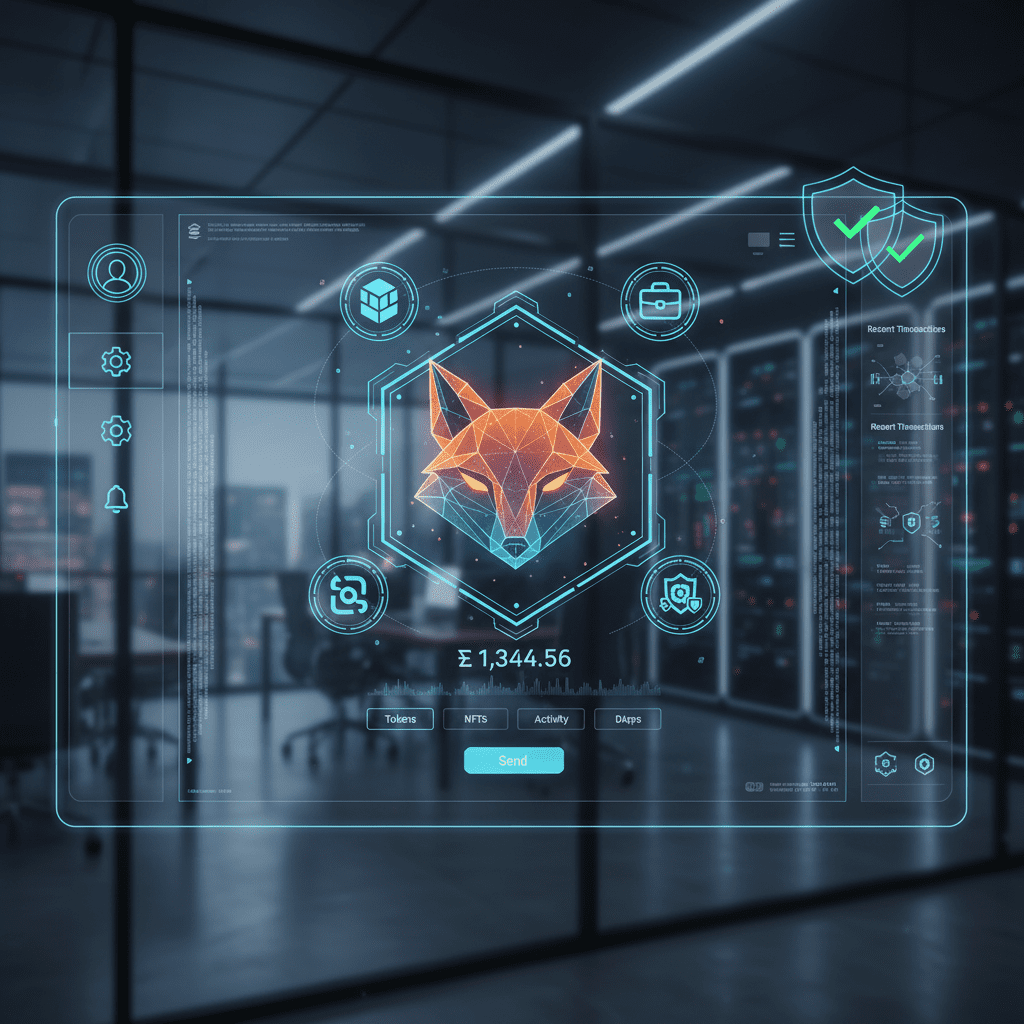
How Much Does It Cost to Develop a Crypto Wallet App Like MetaMask?
Blockchain & Technology

how much does it cost to devlop a crypto wallet app like metamask ?

Introduction Building a crypto wallet app like MetaMask requires careful financial planning, smart tech decisions, and a clear understanding of user needs. On average, the development cost ranges from $30,000 for a basic wallet to $250,000 or more for an advanced, feature-rich, and enterprise-grade solution. Here’s a detailed, SEO-optimized blog explaining what drives these costs—and how businesses can get the best return on investment. How Much Does It Cost to Develop a Crypto Wallet App Like MetaMask? Creating a crypto wallet app modeled after MetaMask might appear daunting, but it’s increasingly essential for startups and businesses aiming to enter the Web3 world. In this guide, uncover what impacts costs, how the budget breaks down, and the smartest strategies for building a secure, scalable, and future-ready crypto wallet app. What Drives Crypto Wallet Development Costs? App Complexity: A simple wallet (send/receive tokens, basic UI, single blockchain) costs $30,000–$60,000. Medium-complexity builds (multi-chain, DEX, DeFi support, enhanced UI) hit $60,000–$150,000. Enterprise-grade wallets with full DeFi/NFT, advanced analytics, compliance, and custom security start at $150,000–$250,000+. Key Features Impacting Price: User authentication (biometrics, seed phrase) Multi-wallet and multi-chain support DeFi and NFT integration DApp browser, token swaps, analytics Cold/hot wallet integration and backup Push notifications Development Team Location: North America/Western Europe: $80–$200/hour Asia/Eastern Europe: $30–$100/hour Regional rates directly influence cost. Security & Compliance: Security audits, encryption, cold storage, KYC/AML systems can be 20–30% of the total budget. Design & UX: Intuitive, on-brand, and regulatory-compliant designs cost $10,000–$50,000. Blockchain Infrastructure: Node integration, cross-chain APIs, and smart contracts add $20,000–$150,000 depending on complexity. Crypto Wallet App Cost Breakdown Example Feature/Phase Cost Range User Authentication $4,000 – $12,000 Wallet Creation/Management $5,000 – $15,000 Multi-Chain Support $7,500 – $25,000 DeFi/NFT/DApp Browser $10,000 – $50,000 Security (Audit, Cold Storage) $30,000 – $100,000 UI/UX Design $10,000 – $50,000 Backend, API, Smart Contracts $35,000 – $150,000 Maintenance (annual) $20,000 – $50,000 Total: $30,000–$250,000+ based on feature set and depth. Timeline Simple MVP: 3–6 months Advanced wallet: 6–9+ months ROI: What Can Your Business Gain? Monetization Opportunities: Earn fees from token swaps, staking, and premium features. Brand Differentiation: Offer unique features such as NFT support or DeFi integration. Long-term Growth: Scalable architecture supports fast user acquisition and usage spikes. Best Practices to Reduce App Development Costs Start with MVP: Build essential features first—add more later based on feedback. Leverage Open-Source Frameworks: Reduces development time and boosts reliability. Outsource Wisely: Offshore teams can lower costs but require strong project management. Invest in Security: Skimping on security costs more in the long run. Conclusion Building a crypto wallet app like MetaMask is a significant investment—but one with powerful growth and revenue potential for businesses in Web3 and fintech. Understanding costs, planning for scale, and choosing experienced partners will set a project up for long-term success. For a project estimate or detailed consultation, connect with a specialized crypto wallet app development firm today! Ready to launch your secure, feature-rich crypto wallet? Let expert blockchain developers show you how to maximize ROI and stand out in the crypto world! FAQ How much does it cost to build a wallet like MetaMask? Costs range from $30,000 for a basic version to $250,000+ for an advanced, enterprise-ready wallet, depending on the features and security needed. How long does development take? A basic wallet takes 3–6 months to build, while complex solutions can require 6–9+ months. What’s the most expensive part? Security protocols, smart contract integration, and compliance are typically the largest contributors to the total budget. Can DeFi and NFT be integrated from the start? Yes, but it will increase both the development time and upfront cost. What team is required for a MetaMask-style wallet? A typical team includes project managers, blockchain developers, frontend/backend engineers, UI/UX designers, and security auditors

Blockchain & Technology, Uncategorized

Blockchain in Gaming: Potential, Limitations, and Real-World Examples

Introduction Blockchain technology is reshaping multiple industries, and gaming is one of its most promising frontiers. Leveraging decentralization, immutability, and tokenization, blockchain offers gamers and developers new opportunities for asset ownership, monetization, and security. However, as transformative as blockchain is, the gaming sector also faces challenges in scalability, adoption, and regulation. This blog explores the potential of blockchain in gaming, the key limitations developers and players encounter, and highlights notable real-world blockchain gaming examples. For more on how blockchain and AI technologies optimize business processes, check out TechOTD’s insights. The Potential of Blockchain in Gaming 1. True Ownership of In-Game Assets Blockchain enables players to own digital assets as NFTs (Non-Fungible Tokens), proving uniqueness and enabling transfer or sale outside game ecosystems. This shifts control from gaming companies to players themselves, increasing asset value and player investment. 2. Play-to-Earn Models Games built on blockchain incorporate play-to-earn (P2E) mechanics, allowing players to earn cryptocurrency or tokens through gameplay, enhancing engagement and opening new revenue streams. 3. Enhanced Security and Fraud Prevention Blockchain’s immutable ledgers prevent hacking, duplication, and fraud in asset ownership and transactions, safeguarding both players and developers from exploitative practices. 4. Interoperability and Portability Players can utilize digital assets across multiple games and platforms due to the interoperability offered by blockchain standards, enhancing user experience and expanding markets for developers. 5. Smart Contracts for Automation Self-executing smart contracts automate in-game transactions, rewards, and agreements, reducing developer workload and improving transparency and fairness. Limitations of Blockchain in Gaming 1. Scalability and Performance Issues Blockchain networks face speed limitations and high transaction fees, which may cause lags or costly operations unsuitable for real-time gaming experiences. 2. Regulatory and Legal Uncertainties Evolving legal frameworks create uncertainty around token classifications, player earnings, and digital asset rights, complicating compliance for game developers and players alike. 3. Steep Learning Curve and Adoption Barriers Many gamers and developers remain unfamiliar with setting up wallets or interacting with blockchain, limiting player base and market reach. 4. Player Retention Concerns Some blockchain games prioritize financial rewards over gameplay quality, which can lead to poor long-term player engagement. Real-World Examples of Blockchain Gaming 1. Axie Infinity A leader in the blockchain gaming space, Axie Infinity features collectible fantasy creatures (Axies) as NFTs, offering a compelling play-to-earn experience with millions of active users worldwide. Despite a major security breach in 2022, it remains a benchmark for P2E success. 2. The Sandbox A virtual metaverse where users own digital land and assets, The Sandbox empowers players to create and monetize content, integrating brand partnerships and decentralized governance with its native token, SAND. 3. Gods Unchained This free-to-play trading card game offers players true ownership of digital cards as NFTs, enabling secondary market trading and strategic gameplay similar to physical collectibles. 4. Splinterlands A blockchain-based card game emphasizing strategic deck-building and NFTs, it awards players with native tokens and supports cross-blockchain compatibility, fostering broad player access. 5. Illuvium An open-world RPG with high-quality graphics and NFT-based creatures, Illuvium integrates play-to-earn models and immersive gameplay, marking a premium blockchain gaming experience. Conclusion Blockchain technology holds transformative potential for gaming by introducing real ownership, new monetization models, improved security, and cross-platform interoperability. Yet challenges around scalability, legal regulations, and adoption remain critical hurdles. By learning from existing blockchain games and addressing these limitations, developers can innovate compelling, player-centric experiences that redefine digital gaming economies. Stay ahead with blockchain trends and AI-powered digital innovation insights on TechOTD’s blog. FAQs Q1: What is unique about blockchain gaming? True digital asset ownership, play-to-earn economics, and decentralized control set blockchain games apart. Q2: What are the biggest challenges? Scalability issues, legal uncertainties, and ensuring engaging gameplay beyond financial incentives. Q3: Can players trade assets outside the game? Yes, NFT ownership allows trading on decentralized marketplaces beyond the native game ecosystem. Q4: How do smart contracts improve blockchain gaming? They automate transactions and rewards transparently, reducing bugs and developer intervention. Q5: Are blockchain games mainstream yet? While growing fast, blockchain gaming is still emerging with big players like Sony investing but mass adoption remains in progress

Blockchain & Technology

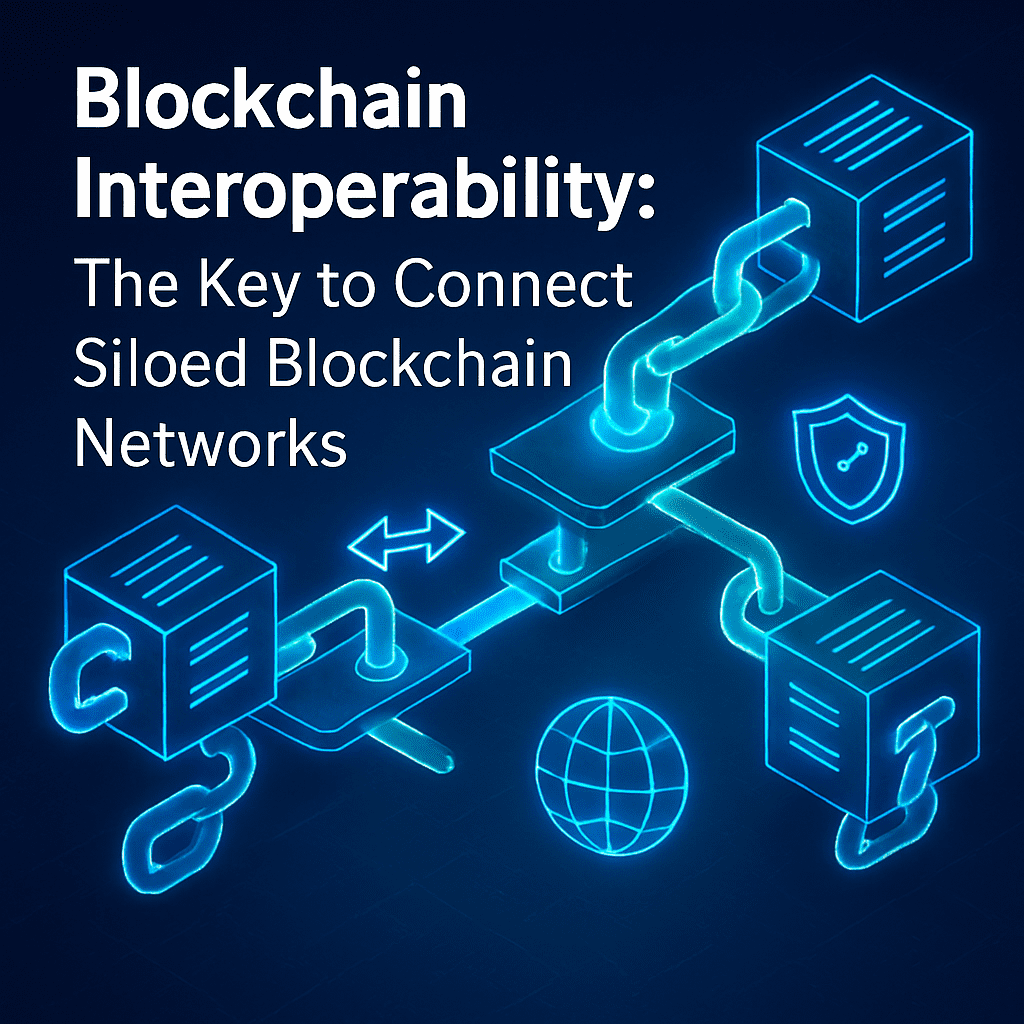
Blockchain Interoperability: The Key to Connect Siloed Blockchain Networks

Introduction As blockchain technology matures, its widespread adoption faces a persistent obstacle: interoperability. Most blockchains today are siloed “islands”—unable to seamlessly communicate, share data, or transfer assets across networks. This lack of interoperability restricts innovation and limits the blockchain ecosystem’s full potential.Blockchain Interoperability: The Key to Connect Siloed Blockchain Networks This blog explores the critical role of blockchain interoperability, current challenges, leading solutions, and real-world use cases. It also integrates insights and expert guidance from TechOTD AI Services, the TechOTD Blog, in-depth blockchain integration best practices at TechOTD Blockchain Integration, and more. What is Blockchain Interoperability? Blockchain interoperability is the ability of different blockchain networks to exchange data, value, and instructions—directly and efficiently. Rather than being limited to their own ecosystem, interoperable blockchains can connect, communicate, and even execute cross-chain smart contracts or asset transfers without intermediaries. Why Is Interoperability Important? Unlocks Ecosystem Synergy: Different blockchains have unique advantages (e.g., Bitcoin’s security, Ethereum’s smart contracts, Solana’s speed). Interoperability enables combining these strengths. Prevents Fragmentation: Interoperability breaks down the siloed nature of blockchains, accelerating mainstream adoption and seamless user experiences. Enables Cross-Chain DeFi & NFTs: Users can swap assets or move NFTs across chains, bringing liquidity and flexibility to decentralized applications. Drives Innovation: Developers can leverage multiple networks for complex, real-world solutions versus being locked into a single architecture. Improves Compliance & Regulation: Organizations can streamline compliance by allowing controlled data sharing between permissioned and public blockchains. Main Challenges to Interoperability Technical Barriers Differing consensus mechanisms, data structures, and smart contract languages make seamless communication difficult. Security Risks Bridges and oracles, vital for interoperability, can be attack vectors if not properly secured. Scalability Tradeoffs Cross-chain protocols can introduce latency, reduce throughput, or require additional trust assumptions. Governance and Standards Network upgrades, tokenomic designs, and regulatory requirements complicate universal protocols. Leading Approaches and Protocols Atomic Swaps Enables two parties to swap assets on different blockchains without intermediaries—crucial for decentralized trading. Sidechains and Pegged Chains Independent chains that “peg” assets by locking them on one chain and releasing them on another, e.g., Polygon (Ethereum). Bridges Specialized dApps and protocols that enable movement of assets/data between blockchains. Examples: Wormhole, Polygon Bridge, Binance Bridge. Cross-Chain Messaging Protocols like Polkadot’s XCMP or Cosmos’s IBC enable networks to send messages, transfer tokens, and orchestrate smart contracts across chains. Oracles Trusted data feeds (like Chainlink) facilitate relaying information from external sources or between chains. Notable Interoperability Projects Protocol Core Function Key Features Polkadot Multi-chain interconnectivity Parachains, XCMP Cosmos Inter-Blockchain Communication (IBC) Zones, Hubs Chainlink Cross-chain data and smart contract execution CCIP, oracles Avalanche Customizable, interoperable blockchains Subnets, bridges Wanchain Universal bridges for diverse blockchains Direct cross-chain Real-World Use Cases Cross-Chain DeFi (Decentralized Finance): Users deposit collateral on one chain to borrow on another—unlocking efficiency and liquidity. NFT Portability: Move NFTs between marketplaces (e.g., Ethereum and Flow), expanding reach and creativity. Supply Chain Transparency: Integrate permissioned ledgers (for compliance) with public chains (for auditability), ensuring privacy and public trust. Stablecoins and Payments: Interoperable stablecoins (e.g., USDC) work across multiple blockchains for frictionless global payments. Enterprise Collaboration: Organizations streamline multi-blockchain operations, connecting siloed enterprise and public ledgers, as described in TechOTD Blockchain Integration. Benefits of Blockchain Interoperability Enhanced Utility: Asset and data flows across networks amplify the value and use cases for blockchain users. Increased Liquidity: Capital and tokens move freely, unlocking new DeFi and trading opportunities. Innovation Acceleration: Developers build richer, more sophisticated dApps leveraging features from multiple blockchains. Cost and Efficiency Gains: Interoperable blockchains minimize redundant infrastructure and lower operational friction. Security and Redundancy: Transfer data or assets to more secure chains or distribute risk. Future Trends & Innovations Generalized Cross-Chain Smart Contracts: Write apps that execute logic and asset transfers across multiple blockchains seamlessly. Automated Compliance Solutions: Smart contracts manage regulatory obligations across jurisdictions. AI-Powered Routing and Analytics: AI helps optimize which chains to use for specific transactions based on real-time costs, latency, or compliance. Read more about AI-powered blockchain advancements at TechOTD AI Services. Standardization and Protocol Upgrades: Open-source and industry-wide standards will further streamline interoperability, as seen in the ongoing work of major protocol teams. Implementing Interoperability: Best Practices Conduct system audits for secure bridge and oracle design. Embrace modular blockchain architectures leveraging established cross-chain protocols. Prioritize regulatory compliance and robust off-chain governance. Work with technology partners that offer proven blockchain integration and AI-driven optimization, such as TechOTD AI Services. For stepwise approaches and expert insights, review processes on How We Work. Conclusion Blockchain interoperability is essential for transitioning from siloed platforms to a thriving, interconnected Web3 economy. It unlocks new use cases, accelerates growth, enhances user experience, and drives cost efficiencies. As standards and technology advance, seamlessly connected blockchains will be the backbone of global decentralized systems. For hands-on support, tools, and the latest innovations in multi-chain integration, explore the TechOTD Blog, AI Services, and in-depth Blockchain Integration Case Studies.

Blockchain & Technology, Uncategorized

An Entrepreneur’s Guide on Blockchain Technology and Its Uses

Introduction Blockchain technology is rapidly transforming the way businesses operate and engage with customers worldwide. For entrepreneurs, understanding blockchain’s fundamentals and practical applications is crucial to leveraging its potential for innovation, security, and efficiency. Blockchain’s decentralized, transparent, and tamper-proof nature brings new possibilities in finance, supply chain, healthcare, real estate, and beyond. This guide dives deep into what blockchain is, how it works, entrepreneurial opportunities it offers, and strategies for deploying blockchain solutions successfully. What is Blockchain Technology? Blockchain is a decentralized digital ledger that records transactions across multiple computers in a way that prevents alterations retroactively. Unlike traditional centralized databases, blockchain distributes data to enhance security, transparency, and trust. Key Features of Blockchain Decentralization: No single entity controls the database. Immutability: Once recorded, data cannot be changed or deleted. Transparency: Transactions are visible to all network participants. Security: Cryptographic techniques ensure data integrity and authentication. Smart Contracts: Automated agreements that execute when predefined conditions are met. Blockchain’s revolutionary architecture enables trustless transactions and collaborates with other technologies such as AI and IoT for smarter business processes (TechOTD AI). How Blockchain Works: A Simplified Explanation At its core, a blockchain consists of a chain of blocks, each containing batches of verified transactions. When a new transaction occurs: It is broadcast to a peer-to-peer network of nodes. These nodes validate the transaction using consensus mechanisms such as Proof of Work or Proof of Stake. Validated transactions are grouped into a block and added to the chain chronologically. The distributed ledger is updated across all nodes simultaneously, ensuring synchronization. This process prevents fraud and establishes a permanent, auditable record. Entrepreneurial Applications of Blockchain Entrepreneurs stand to gain from blockchain in various sectors by solving traditional business challenges like fraud, inefficiency, and lack of transparency. Finance and Payments Cryptocurrencies: Decentralized digital currencies enable borderless payments and lower transaction fees. Decentralized Finance (DeFi): Offers lending, borrowing, and investment platforms without intermediaries. Fraud Prevention: Immutable ledgers combat identity theft and financial fraud. Supply Chain Management Provenance Tracking: Blockchain verifies product origin and handling through transparent records. Counterfeit Mitigation: Assures authenticity across complex supply chains. Efficiency: Automates reconciliation and reduces paperwork with smart contracts (blockchain integration Dubai). Healthcare Patient Records: Secure sharing of medical data with privacy compliance assurance. Drug Traceability: Track and verify pharmaceuticals to prevent counterfeit drugs. Research Collaboration: Trusted platforms for clinical trials data sharing. Real Estate Property Transactions: Streamlines title transfers and notarization via smart contracts. Fractional Ownership: Enables micro-investments and liquidity in real estate markets. Digital Identity Allows self-sovereign identity management where users control access to personal data securely. Benefits of Blockchain for Entrepreneurs Entrepreneurs leveraging blockchain technologies enjoy multiple advantages: Increased Transparency and Trust: Builds credibility with customers and partners. Improved Security and Reduced Fraud: Mitigates cyber risks effectively. Operational Efficiency: Automates workflows, reducing manual errors and delays. Cost Savings: Cuts intermediaries and transaction costs. Access to New Markets: Cryptocurrencies and DeFi open global customer bases. Innovative Business Models: Enables tokenization, decentralization, and new monetization avenues (TechOTD Services). How to Implement Blockchain in Your Business Implementing blockchain requires a strategic approach blending technology assessment, product design, and ongoing support: Analyze Business Needs: Determine pain points suited for blockchain solutions (How We Work). Evaluate Data and Infrastructure: Ensure necessary data quality and system compatibility. Design the Blockchain Product: Define architecture, blockchain type (public/private/consortium), and select the right tech stack (Ethereum, Hyperledger, etc.). Develop and Test: Collaborate with experienced developers for prototyping, testing, and refinement. Deployment and Integration: Integrate with existing systems securely, possibly using cloud platforms. Ongoing Support and Optimization: Monitor, update, and optimize blockchain solutions continuously (TechOTD AI Deployment). Challenges and Considerations for Entrepreneurs While blockchain offers powerful benefits, entrepreneurs must be aware of common challenges: Regulatory and Compliance Risks: Stay updated with evolving laws in different regions. Scalability Issues: Public blockchains sometimes face throughput and latency constraints. Energy Consumption: Proof of Work blockchains consume significant energy; prefer sustainable protocols. Technical Complexity: Expertise needed to develop and manage blockchain infrastructure. Integration with Legacy Systems: Can be complex and costly. User Adoption: Requires educating stakeholders on new processes and trust models. Address these issues with expert consultation and phased implementation. Future Trends: Blockchain Plus AI and Beyond The future of entrepreneurship lies in combining blockchain with emerging technologies: AI-Driven Smart Contracts: More autonomous, adaptive contracts with predictive functions (seamless AI customer journeys). Decentralized Autonomous Organizations (DAOs): Innovating business governance without centralized control. Interoperability Protocols: Connecting multiple blockchains for seamless data and asset transfers. Blockchain for IoT Security: Enhancing device trustworthiness and data integrity. Predictive Analytics on Blockchain Data: Unique insights via secure, decentralized data pools (predictive analytics guide). Conclusion Blockchain technology is more than a buzzword; it is a foundational innovation enabling entrepreneurs to create more secure, transparent, and efficient businesses. By understanding blockchain’s core principles, entrepreneurial opportunities, benefits, and challenges, business leaders can chart a clear course for digital transformation. Embracing blockchain alongside AI, IoT, and predictive analytics unlocks unprecedented potential for innovation and competitive advantage in a rapidly evolving marketplace. For entrepreneurs ready to embark on their blockchain journey, partnering with experts like TechOTD ensures access to premium AI, blockchain, and custom software development services tailored to specific business needs and scaling goals. Book a consultation today to harness blockchain’s power for your enterprise: TechOTD AI Services.

Blockchain & Technology

How Much Does It Cost to Build a Blockchain App in the UAE?

Introduction With the UAE fast becoming a blockchain innovation hub, businesses and startups increasingly ask: How much does it cost to build a blockchain app in the UAE? The answer isn’t simple, as costs vary widely depending on complexity, features, security, and compliance. From Dubai’s vision to be a blockchain-powered city to tax incentives and a pro-tech regulatory environment, the Emirates offers fertile ground for blockchain solutions. In this blog, we break down the pricing ranges, key cost drivers, and proven strategies to help you plan and budget for a successful blockchain app project in the UAE. Cost Breakdown: Blockchain App Development in the UAE Simple blockchain apps: AED 55,000–185,000 ($15,000–$50,000) Features: Basic wallets, simple smart contracts, document verification Timeline: 2–4 months Moderate apps: AED 185,000–555,000 ($50,000–$150,000) Features: DApps, supply chain tracking, healthcare records Timeline: 4–8 months Enterprise-level apps: AED 555,000–1,850,000+ ($150,000–$500,000+) Features: CBDC integration, cross-border payments, government or financial platforms Timeline: 8–18 months Maintenance costs: 15–25% of the initial budget per year for updates, security, and performance optimization Cost by Development Stage Planning & Discovery (5–10%): Market research, feasibility, compliance checks. AED 2,750–18,500 Design (15–20%): UI/UX, smart contract architecture. AED 8,250–37,000 Development (60–70%): Coding, integrations, security. AED 33,000–1,295,000 Deployment & Go-live (10–15%): Audits, training, launch. AED 5,500–27,750 Time and Effort Estimates Simple wallet app: 800–1,200 development hours, 3–4 developers, 2–4 months DeFi platform: 2,000–3,500 hours, 6–8 developers, 4–8 months Enterprise solution: 4,000–8,000+ hours, 10–15+ specialists, 8–18 months Key Factors Affecting Blockchain App Costs Complexity of features and UI/UX: More user roles, custom flows, or high-end dashboards increase costs Backend complexity: API integrations, cloud scalability, and real-time processing drive costs higher Third-party integrations: Payment gateways, KYC/AML, banking APIs, and IoT/AI services each add significant cost Security and compliance: Advanced encryption, regulatory measures (e.g. VARA, CBUAE licensing), and enterprise security have major cost impact Blockchain platform: Public blockchains are cheaper upfront; private/enterprise chains offer more control but cost 30–50% more Technology add-ons: AI can add 25–40% to base cost; IoT, analytics, or cross-chain features add 15–50% Hidden Costs Post-launch maintenance (15–20% yearly) Hosting: AED 1,500–18,500+ monthly depending on scale Marketing: AED 18,500–74,000+ monthly for competitive markets Legal & licensing: AED 18,500–74,000+ yearly Tips To Optimize Development Budget Start with a Minimum Viable Product (MVP) to enter the market faster—save 30–40% vs. building a full-featured solution Prioritize features that matter most now; add advanced modules as your business grows Use cross-platform development for broader reach and lower cost (40–60% savings over native apps) Automate repetitive processes and testing to cut labor costs Choose blockchain architecture (public, private, hybrid) that fits the business need and regulatory landscape Conclusion The cost to build a blockchain app in the UAE ranges from AED 55,000 to 1.85 million+ depending on the app’s complexity, features, and compliance factors. With careful planning, the right technology choices, and a strategic rollout, businesses can optimize their investment and harness the UAE’s dynamic blockchain ecosystem. Consider starting with an MVP, focus on essential features, and partner with experienced local developers to ensure smooth delivery and long-term success. Thinking of launching your blockchain app in the UAE? Consult with blockchain experts today to get a tailored estimate and take the first step in joining the country’s digital transformation. FAQ What is the average cost to build a blockchain app in the UAE? Costs typically range from AED 55,000–185,000 for simple apps and up to AED 1.85 million or more for complex, enterprise-grade solutions. What affects the cost of blockchain app development the most? The biggest cost drivers are app complexity, security requirements, compliance, third-party integrations, and the chosen blockchain platform. How long does it take to build a blockchain app? A simple app can be built in 2–4 months, while enterprise-level projects may take 8–18 months or longer. Should I choose Ethereum, Polygon, or a private chain for UAE apps? Ethereum is best for public apps, Polygon offers lower fees and better speed, and private blockchains suit regulated business needs. Are there hidden costs in blockchain app projects? Yes. Maintenance, hosting, marketing, and legal/licensing fees are recurring expenses that should be factored into your budget.

How would you like me to respond?

Select a personality for your AI assistant

Normal
Happy
Sad
Angry

Your selection will affect how the AI assistant responds to your messages

Chat Assistant

Let's discuss your project!

Hear from our clients and why 3000+ businesses trust TechOTD

Tell us what you need, and we'll get back with a cost and timeline estimate

Scroll to Top