telecom

Digital Transformation, Technology & Innovation, telecom

The Business Impact of 5G and the Road to 6G Connectivity

The Business Impact of 5G and the Road to 6G Connectivity The world is becoming increasingly connected, and the technologies that power this connectivity are evolving at an unprecedented pace. Over the past few years, 5G has emerged as one of the most transformative technological advancements, promising faster speeds, lower latency, and the ability to connect billions of devices simultaneously. While many businesses are still exploring the full potential of 5G, discussions about 6G are already gaining momentum. Connectivity has become the foundation of modern business operations. From cloud computing and remote work to artificial intelligence and the Internet of Things (IoT), organizations depend on reliable, high-speed networks to remain competitive. As industries continue their digital transformation journeys, both 5G and the future transition to 6G are expected to redefine how businesses operate, innovate, and serve customers. Understanding the impact of these technologies is essential for organizations that want to stay ahead in a rapidly evolving digital landscape. Understanding 5G Technology 5G, or fifth-generation wireless technology, represents a significant upgrade from previous mobile network generations. Unlike 4G, which primarily focused on improving mobile internet speeds, 5G is designed to support a wide range of advanced applications and connected ecosystems. One of the most notable features of 5G is its ability to deliver extremely high data transfer speeds. Businesses can transmit large volumes of information in real time, enabling smoother communication, faster cloud access, and improved operational efficiency. Another critical advantage is ultra-low latency, which reduces the delay between sending and receiving information. This capability is particularly important for applications that require real-time responsiveness, such as autonomous vehicles, remote surgery, and industrial automation. Additionally, 5G can support a significantly larger number of connected devices compared to previous generations. This makes it ideal for environments where thousands or even millions of sensors, machines, and smart devices need to communicate simultaneously. How 5G Is Transforming Businesses The impact of 5G extends far beyond faster smartphone internet. Businesses across various sectors are leveraging this technology to create new opportunities and improve existing operations. Enhanced Remote Work and Collaboration The shift toward hybrid and remote work has increased the demand for reliable connectivity. 5G enables seamless video conferencing, faster file sharing, and real-time collaboration regardless of location. Employees can access cloud-based applications more efficiently, reducing delays and improving productivity. As organizations continue to embrace flexible work models, 5G provides the infrastructure needed to support distributed teams and digital workplaces. Accelerating the Internet of Things (IoT) The Internet of Things is one of the biggest beneficiaries of 5G technology. Smart devices generate enormous amounts of data, and 5G networks provide the bandwidth and reliability required to manage these connections effectively. Businesses can deploy large-scale IoT ecosystems for applications such as: Smart manufacturing Asset tracking Supply chain monitoring Smart agriculture Energy management Connected healthcare devices The ability to process and transmit data in real time enables organizations to make faster and more informed decisions. Revolutionizing Manufacturing Manufacturing is undergoing a major transformation through Industry 4.0 initiatives, and 5G plays a central role in this evolution. Factories equipped with connected sensors, autonomous robots, and intelligent monitoring systems can achieve greater efficiency and productivity. Real-time communication between machines allows manufacturers to optimize production processes, reduce downtime, and improve quality control. Predictive maintenance powered by IoT sensors helps identify potential equipment failures before they occur, minimizing disruptions and reducing maintenance costs. Improving Customer Experiences Customer expectations continue to rise, and businesses are seeking innovative ways to deliver personalized and engaging experiences. Retailers can use 5G-powered technologies such as augmented reality (AR) and virtual reality (VR) to create immersive shopping experiences. Customers can virtually try products, explore digital showrooms, and receive personalized recommendations in real time. Similarly, entertainment companies can deliver high-quality streaming services with minimal buffering, enhancing user satisfaction and engagement. Driving Innovation in Healthcare Healthcare organizations are leveraging 5G to improve patient care and operational efficiency. Real-time data sharing enables healthcare providers to access patient information instantly, facilitating faster diagnosis and treatment decisions. Telemedicine services become more reliable and effective, allowing doctors to consult with patients remotely without connectivity limitations. Advanced applications such as remote robotic surgery and AI-assisted diagnostics also benefit from the low latency and high reliability offered by 5G networks. Supporting Smart Cities Cities around the world are investing in smart infrastructure to improve transportation, energy management, public safety, and environmental monitoring. 5G provides the connectivity foundation for smart city initiatives by enabling real-time communication between sensors, cameras, vehicles, and public services. This results in more efficient resource utilization and improved quality of life for residents. Economic Benefits of 5G Adoption The adoption of 5G is generating significant economic opportunities for businesses and governments alike. Organizations that invest in 5G-enabled solutions can experience: Increased operational efficiency Reduced infrastructure costs Faster innovation cycles Enhanced customer engagement Improved workforce productivity New revenue streams Many businesses are also developing entirely new products and services that were not feasible under previous network limitations. As 5G ecosystems continue to mature, the economic impact is expected to expand across virtually every industry. Challenges in 5G Implementation Despite its advantages, implementing 5G is not without challenges. One of the primary concerns is infrastructure investment. Deploying 5G networks requires significant upgrades to existing telecommunications infrastructure, including additional base stations and advanced networking equipment. Cybersecurity is another important consideration. As more devices become connected, the potential attack surface for cyber threats increases. Businesses must implement robust security measures to protect sensitive data and critical systems. There are also concerns related to spectrum availability, regulatory compliance, and interoperability between different technologies and vendors. Organizations must carefully plan their adoption strategies to maximize benefits while managing risks. Looking Beyond 5G: The Emergence of 6G While 5G is still being rolled out globally, researchers and technology companies are already exploring the possibilities of 6G. 6G is expected to represent the next major leap in wireless communication. Although commercial deployment may still be years away, early research suggests that 6G could deliver speeds up to 100 times faster
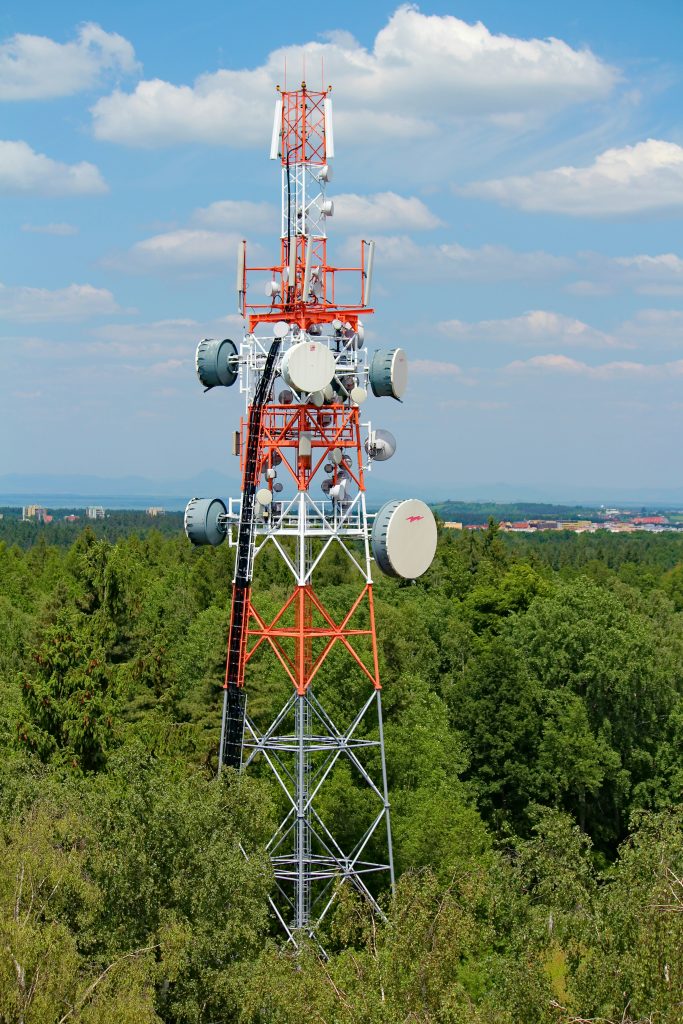
5G network tower with digital signal visualization representing next-generation wireless technology.
telecom

The Future of 5G and Connectivity

Introduction The world is becoming increasingly connected, and 5G technology stands at the center of this transformation. As the fifth generation of wireless communication, 5G promises to revolutionize the way people and devices interact. It offers lightning-fast speeds, ultra-low latency, and the capacity to support billions of connected devices simultaneously. From smart cities and autonomous vehicles to remote surgeries and immersive AR/VR experiences, the potential of 5G extends far beyond mobile networks. This blog explores the future of 5G and connectivity, how it differs from previous generations, its applications across industries, the challenges ahead, and how it will shape the digital world in the coming decade. What is 5G and How Does It Work? 5G is the fifth generation of cellular network technology, succeeding 4G LTE. It is designed to deliver: Higher data speeds (up to 100x faster than 4G) Lower latency (as low as 1 millisecond) Greater network reliability Increased capacity to connect multiple devices simultaneously 5G networks operate on three frequency bands: Low-band: Wide coverage but lower speed (similar to 4G). Mid-band: Balanced speed and coverage, ideal for cities. High-band (mmWave): Extremely fast but limited coverage — perfect for high-density areas like stadiums or urban centers. This combination ensures a flexible, scalable network that can adapt to different environments and user demands. Key Features of 5G Technology Ultra-Low Latency: Enables real-time communication, crucial for remote surgeries or autonomous vehicles. Massive Device Connectivity: Supports the Internet of Things (IoT) ecosystem, connecting sensors, wearables, and smart home devices seamlessly. Enhanced Speed and Bandwidth: Delivers gigabit-level download and upload speeds. Energy Efficiency: Uses advanced network slicing and intelligent routing to reduce power consumption. Network Slicing: Allows telecom providers to create customized virtual networks for specific industries — e.g., healthcare, logistics, or gaming. How 5G Will Transform Industries 1. Healthcare 5G will redefine telemedicine, remote patient monitoring, and robotic surgeries. Doctors can perform procedures remotely with near-zero latency. Real-time data sharing between medical devices will improve diagnostics and treatment accuracy. 2. Manufacturing Through smart factories, 5G enables machine-to-machine communication, real-time analytics, and predictive maintenance. This leads to reduced downtime, increased productivity, and improved worker safety. 3. Transportation 5G supports autonomous vehicles by enabling real-time communication between cars, infrastructure, and cloud systems. It ensures faster decision-making and enhances traffic management, making roads safer and more efficient. 4. Entertainment and Gaming Ultra-fast speeds and minimal lag will revolutionize online gaming, virtual reality (VR), and augmented reality (AR) experiences. Cloud gaming platforms like NVIDIA GeForce NOW and Xbox Cloud Gaming will perform seamlessly on 5G networks. 5. Smart Cities From intelligent traffic control to real-time surveillance and energy management, 5G will power smart city infrastructures, improving the quality of life for citizens and reducing environmental impact. 6. Agriculture 5G-powered drones and IoT sensors can monitor soil, crops, and livestock health. Real-time data analysis helps farmers optimize irrigation, reduce waste, and boost yield efficiency. The Role of 5G in Global Connectivity 5G is not just about speed — it’s about empowering connectivity across regions that were previously underserved. Rural areas will gain better internet access, enabling remote learning, telehealth, and small business growth. Moreover, 5G will pave the way for global IoT networks, connecting billions of smart devices — from wearables to industrial robots — enabling a fully digital ecosystem. Challenges in 5G Implementation Despite its potential, 5G faces several challenges: High Infrastructure Costs: Setting up 5G networks requires new base stations and fiber optics, which are expensive. Limited Coverage: High-frequency bands have shorter ranges, demanding dense network deployment. Security Concerns: With increased connectivity, the risk of cyber threats and data breaches rises. Energy Consumption: While efficient, the initial rollout phase requires more power to support dense network nodes. Regulatory and Spectrum Issues: Allocation of 5G spectrum bands varies across countries, slowing global adoption. Future Trends and Innovations in 5G 6G on the Horizon: Expected around 2030, 6G will build on 5G with speeds up to 1 Tbps and integration of AI-driven communication. AI and Edge Computing Integration: 5G will combine with edge computing to process data closer to the source, minimizing latency further. Extended Reality (XR): 5G will enable ultra-realistic AR/VR experiences in education, design, and remote collaboration. Autonomous Ecosystems: Smart logistics, drone deliveries, and automated vehicles will flourish under reliable 5G networks. Sustainable Networks: Energy-efficient 5G infrastructure and renewable-powered data centers will help reduce carbon footprints. Conclusion The future of 5G and connectivity promises a hyperconnected world where speed, intelligence, and reliability converge. As industries adopt this next-gen technology, we’ll witness new innovations that reshape how we live, work, and communicate. While challenges like cost and infrastructure remain, the benefits of 5G will far outweigh them — ushering in an era of digital transformation, real-time interaction, and limitless possibilities. FAQs 1. What makes 5G different from 4G? 5G offers much faster speeds, lower latency, and higher connection density than 4G, enabling real-time communication and smart device integration. 2. How will 5G affect everyday users? Consumers will experience faster downloads, smoother streaming, and improved mobile gaming, along with better connectivity for IoT devices. 3. Which industries will benefit the most from 5G? Healthcare, manufacturing, transportation, entertainment, and smart city infrastructure will see the most transformative effects from 5G. 4. What are the security concerns in 5G networks? Since 5G connects more devices, it increases the attack surface for hackers, making data encryption and network monitoring critical. 5. When will 5G become mainstream globally? By 2027–2030, 5G is expected to become widely available worldwide as infrastructure expands and device compatibility improves.

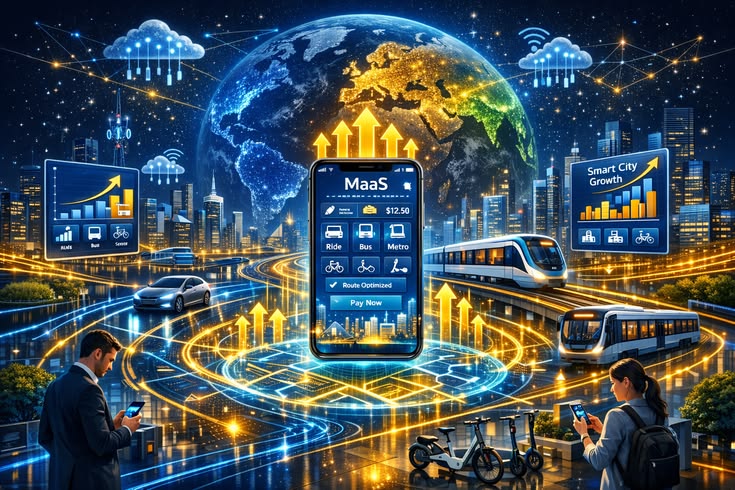
5G network connections visualized over a futuristic cityscape
telecom

The Future of 5G and Connectivity: Powering the Next Digital Revolution

Introduction The world is on the brink of a new digital era — one driven by speed, intelligence, and seamless connectivity. At the center of this transformation lies 5G, the fifth generation of wireless technology. Far more than just an upgrade from 4G, 5G represents a paradigm shift that will redefine how we communicate, work, and experience the world. From autonomous cars to smart cities, remote surgeries, and immersive virtual realities, 5G promises to connect everything — and everyone — with ultra-fast speed, low latency, and massive capacity. It’s not just about faster downloads; it’s about enabling a smarter, interconnected planet. In this blog, we’ll explore what 5G is, how it works, its real-world applications, challenges, and what the future holds for this groundbreaking technology. What is 5G Technology? 5G stands for the fifth generation of mobile network technology, succeeding 4G LTE. It offers significantly higher data transfer rates, improved reliability, and the ability to connect billions of devices simultaneously. Key Features of 5G: Ultra-High Speed:Data speeds up to 10 Gbps, nearly 100 times faster than 4G. Ultra-Low Latency:Latency reduced to 1 millisecond, allowing real-time responsiveness. Massive Device Connectivity:Can support over 1 million devices per square kilometer, essential for IoT. Improved Reliability and Energy Efficiency:Designed for continuous, dependable connections with optimized power usage. Enhanced Bandwidth:Uses wider frequency bands, including millimeter waves, to handle large volumes of data. How 5G Works 5G networks operate across three spectrum bands: Low-band spectrum: Offers broad coverage but slower speeds — suitable for rural areas. Mid-band spectrum: Balances speed and coverage — ideal for suburban and urban environments. High-band (millimeter wave) spectrum: Delivers lightning-fast speeds but has limited range — perfect for dense city centers or stadiums. Unlike 4G, which relied on centralized cell towers, 5G uses small cell networks — clusters of mini antennas installed on lampposts, buildings, and towers. This creates a dense, efficient, and reliable web of connectivity capable of supporting real-time communication. The Evolution: From 1G to 5G Generation Launched Main Feature Speed 1G 1980s Analog voice calls 2.4 Kbps 2G 1990s Digital voice & SMS 64 Kbps 3G 2000s Mobile Internet 2 Mbps 4G 2010s HD streaming, faster mobile data 100 Mbps – 1 Gbps 5G 2020s Ultra-fast, low latency, IoT & AI integration Up to 10 Gbps Each generation of connectivity has changed how we live — but 5G is poised to reshape society itself, bridging the gap between humans and intelligent machines. Real-World Applications of 5G 1. Smart Cities 5G will enable real-time management of traffic, energy, and waste through connected IoT sensors. Imagine a city where streetlights adjust automatically, emergency services respond instantly, and traffic congestion is managed proactively. 2. Autonomous Vehicles Self-driving cars depend on instant communication between vehicles and infrastructure. 5G’s low latency allows vehicles to share real-time data — preventing accidents and optimizing routes. 3. Healthcare Revolution Remote surgeries, AI-driven diagnostics, and connected medical devices are becoming a reality. A doctor in New York could operate on a patient in Tokyo, thanks to 5G’s precision and speed. 4. Industrial Automation Factories using Industrial IoT (IIoT) can monitor equipment, detect issues, and perform predictive maintenance in real time — increasing productivity and reducing downtime. 5. Immersive Entertainment 5G will redefine entertainment through augmented reality (AR) and virtual reality (VR). From gaming to live sports and concerts, users will enjoy fully immersive experiences without lag. 6. Smart Homes 5G enables faster communication among home devices — from smart speakers and security systems to refrigerators that can restock themselves automatically. 7. Remote Work and Education Ultra-fast, stable connections will enhance virtual collaboration and online learning, making high-quality education and work accessible anywhere. 8. Agriculture and Environment Smart sensors powered by 5G can monitor soil health, irrigation, and weather patterns, leading to sustainable farming and better resource management. Benefits of 5G Technology 1. Speed and Efficiency 5G’s unprecedented speed allows for faster downloads, real-time streaming, and seamless communication between devices. 2. Low Latency With almost zero delay, applications like robotic surgeries, drone delivery, and autonomous driving become practical realities. 3. Increased Connectivity Supports billions of devices simultaneously, making it ideal for the Internet of Things (IoT) revolution. 4. Enhanced Productivity Industries benefit from instant data insights, enabling smarter decision-making and reducing operational costs. 5. Energy Efficiency 5G networks are designed to consume less energy per bit of data transferred, reducing the environmental impact. Challenges in 5G Implementation Despite its advantages, 5G deployment faces several challenges: Infrastructure Costs:Installing small cell networks and upgrading towers requires massive investment. Spectrum Availability:High-frequency bands are limited and subject to government regulation. Device Compatibility:Only newer devices are 5G-enabled, limiting accessibility initially. Security Concerns:More connected devices increase the potential for cyberattacks. Health & Environmental Concerns:Although unproven, there’s public concern about exposure to radio waves and the environmental impact of mass infrastructure. 5G and IoT: The Perfect Partnership The Internet of Things (IoT) — a vast ecosystem of connected devices — will thrive on 5G. Sensors, wearables, vehicles, and industrial equipment can communicate instantly, enabling smarter ecosystems. Examples: Smart factories analyzing performance in real time. Wearable health trackers alerting doctors instantly. Smart grids balancing energy supply dynamically. Connected farms optimizing irrigation and yields. 5G acts as the backbone of IoT, making it faster, more reliable, and more efficient than ever before. 5G and Artificial Intelligence (AI) 5G and AI are a powerful duo. While 5G provides the infrastructure for high-speed data transfer, AI analyzes that data to drive automation and intelligence. For instance: AI systems on 5G networks can analyze industrial sensor data instantly. Edge AI devices can process data locally with minimal delay. Smart assistants become faster and more context-aware. This synergy between 5G and AI will accelerate innovations in autonomous systems, healthcare, logistics, and personalized experiences. Global 5G Adoption and Progress Countries like South Korea, China, the United States, and Japan are leading 5G adoption, while many nations in Europe and Asia are rapidly expanding their networks. According to GSMA, by 2030, over 1.8 billion people will be connected via 5G. Industries such

telecom

The Evolution of Telecommunications

How 5G and Beyond Are Transforming Our Connected World   The telecommunications industry stands at the forefront of technological innovation, continuously reshaping how we communicate, work, and live. From the early days of telegraph systems to today’s ultra-fast 5G networks, telecom has been the backbone of global connectivity. In this post, we’ll explore the current state of telecommunications and what the future holds for this dynamic industry.   The 5G Revolution: More Than Just Speed   Fifth-generation wireless technology (5G) represents a quantum leap in mobile connectivity. While most people associate 5G with faster download speeds, its impact extends far beyond streaming videos more quickly. Key Benefits of 5G Technology: Ultra-Low Latency: 5G networks can achieve latency as low as 1 millisecond, making real-time applications like remote surgery and autonomous vehicles possible. Massive Device Connectivity: 5G can support up to 1 million devices per square kilometer, essential for the expanding Internet of Things (IoT) ecosystem. Enhanced Reliability: Network slicing allows telecom operators to create virtual networks tailored to specific use cases, ensuring consistent performance for critical applications. Energy Efficiency: Despite higher speeds, 5G technology is designed to be more energy-efficient per bit of data transmitted compared to 4G. The Rise of Edge Computing in Telecom Edge computing is revolutionizing how telecom networks process data. By moving computation closer to data sources, edge computing reduces latency and bandwidth usage while improving response times. Telecom companies are deploying edge data centers at cell tower locations, enabling applications that require immediate processing, such as augmented reality, virtual reality, and real-time analytics. This distributed architecture is crucial for supporting the massive data flows generated by 5G networks and IoT devices. IoT and Smart Cities: Telecom’s Role in Urban Transformation Telecommunications infrastructure forms the nervous system of smart cities. As urban areas become more connected, telecom networks enable: Smart Traffic Management: Real-time traffic monitoring and adaptive signal control reduce congestion and emissions Public Safety Systems: Integrated surveillance and emergency response networks improve security Utility Management: Smart grids and water systems optimize resource consumption Environmental Monitoring: Sensor networks track air quality, noise levels, and weather conditions The deployment of 5G networks accelerates smart city development by providing the bandwidth and reliability needed for millions of connected devices to operate simultaneously. Cybersecurity Challenges in Modern Telecom As telecom networks become more complex and interconnected, cybersecurity has emerged as a critical concern. The industry faces several challenges: Network Vulnerabilities: The transition to software-defined networks and virtualized infrastructure creates new attack surfaces that must be protected. IoT Device Security: Billions of connected devices often lack robust security features, making them potential entry points for cyberattacks. Data Privacy: With networks carrying sensitive personal and business data, telecom companies must implement stringent privacy protections to comply with regulations like GDPR and maintain customer trust. Leading telecom operators are investing heavily in AI-powered security systems that can detect and respond to threats in real-time, ensuring network integrity and customer data protection. The Path to 6G: What’s Next? While 5G deployment continues worldwide, researchers are already developing sixth-generation (6G) wireless technology. Expected to launch commercially around 2030, 6G promises: Terahertz frequencies: Enabling speeds up to 100 times faster than 5G AI-native networks: Deep integration of artificial intelligence into network operations Holographic communications: Supporting truly immersive telepresence experiences Sensing capabilities: Networks that can detect environmental conditions and object locations 6G will likely integrate terrestrial and non-terrestrial networks, incorporating satellites and high-altitude platforms to ensure truly global coverage. Sustainability in Telecommunications The telecom industry is increasingly focused on environmental sustainability. Network infrastructure consumes significant energy, and companies are taking steps to reduce their carbon footprint: Transitioning to renewable energy sources for data centers and cell towers Implementing energy-efficient equipment and cooling systems Optimizing network traffic to reduce unnecessary energy consumption Promoting device recycling and circular economy initiatives Major telecom operators have committed to achieving net-zero carbon emissions by 2040 or earlier, recognizing their responsibility in addressing climate change. Conclusion: Staying Connected in an Evolving Landscape The telecommunications industry continues to evolve at a breathtaking pace, driven by technological innovation and changing consumer demands. From 5G networks enabling new applications to the promise of 6G on the horizon, telecom remains central to our increasingly digital lives. As we look to the future, the successful telecom companies will be those that balance innovation with security, performance with sustainability, and global reach with local relevance. The connected world of tomorrow is being built today, one cell tower, fiber optic cable, and software update at a time.  

telecom

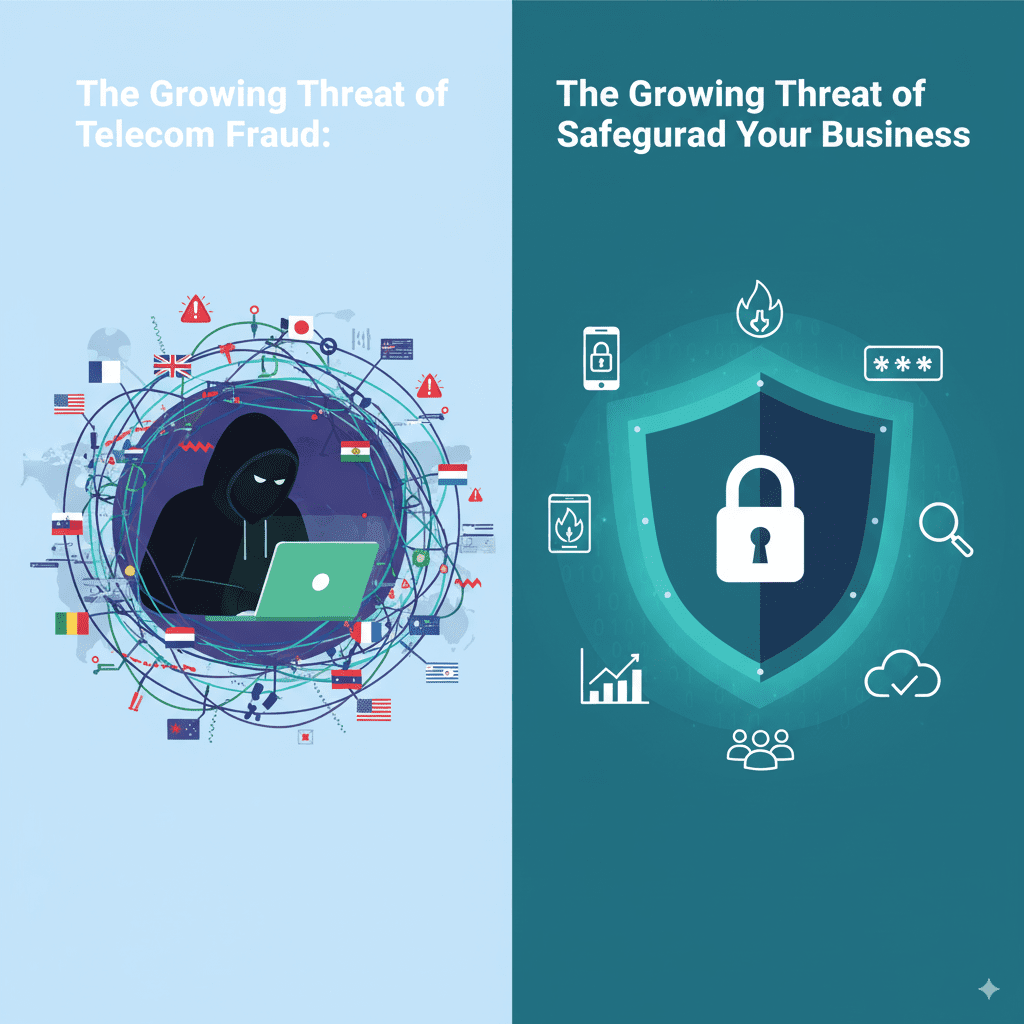
The Growing Threat of Telecom Fraud and How to Safeguard Your Business

Introduction As telecom networks become increasingly vital to global communications and business operations, the threat of telecom fraud has escalated into a pressing concern. Fraudsters exploit vulnerabilities within telecom infrastructures to commit crimes ranging from unauthorized access and identity theft to call and subscription fraud. For businesses relying heavily on telecom services, these fraudulent activities can result in significant financial losses, reputational damage, and regulatory penalties. This blog explores the evolving nature of telecom fraud, common fraud schemes targeting businesses, and robust strategies to safeguard your telecom assets. Leveraging AI-driven security solutions and advanced analytics is becoming indispensable to stay ahead of increasingly sophisticated attacks. For businesses seeking intelligent risk assessment and security planning, TechOTD’s AI services offer transformative solutions tailored to telecom and other industries. Understanding Telecom Fraud: Types and Tactics Telecom fraud continues to evolve with the advent of new technologies like VoIP, 5G, and mobile networks. Common types include: Subscription Fraud: Fraudsters obtain services under false identities, leaving businesses with unpaid bills. Call Forwarding Fraud: Unauthorized redirection of calls to premium rate numbers to exploit call charges. PBX Hacking: Unauthorized access to private branch exchanges, generating fraudulent calls. Refiling and Phishing: Illegitimate use of telecom resources to conduct phishing or refile previous calls to mask origins. SIM Swap Fraud: Hijacking mobile numbers to bypass authentication controls. International Revenue Share Fraud (IRSF): Exploiting international call setups to generate revenue for fraudsters at the operators’ expense. Each scheme targets vulnerabilities in telecom infrastructure, emphasizing the need for proactive defense mechanisms. Business Impacts of Telecom Fraud Financial Losses: Millions lost annually through fraudulent call charges, service theft, and identity compromise. Operational Disruption: Network overloads and compromised services degrade customer experience. Regulatory and Compliance Risks: Failure to protect telecom assets can lead to penalties under data protection laws and industry regulations. Brand Reputation Damage: Customer trust erodes when fraud incidents are publicized. How to Safeguard Your Business Against Telecom Fraud 1. Implement AI-Powered Fraud Detection and Analytics AI systems monitor traffic patterns in real time to detect anomalies that indicate potential fraud. Machine learning models adapt to new fraud behaviors, minimizing false positives and enabling quick action. Learn about predictive analytics enhancing telecom security here: Predictive Analytics Features and Use Cases. 2. Strengthen Identity and Access Management Multi-factor authentication (MFA) for network access, strict user identity verification, and SIM swap detection mechanisms decrease unauthorized entry risk. 3. Secure Network Architecture and Protocols Deploy firewalls, encryption, and secure routing protocols. Regularly update PBX and VoIP systems to patch vulnerabilities. 4. Continuous Monitoring and Incident Response Establish 24/7 network surveillance, combining automated alerts and expert reviews. Develop a clear fraud response plan and staff training. 5. Collaborate with Telecom Partners Work closely with carriers and technology providers to share threat intelligence and integrate security operations. Explore how blockchain enhances telecom security and trust: Blockchain Integration in Dubai Business Processes. Leveraging TechOTD’s Expertise in Telecom Security TechOTD provides tailored AI and machine learning solutions focused on telecom fraud detection, risk assessment, and workflow automation. Their expert consulting services help businesses evaluate vulnerabilities, implement advanced fraud controls, and comply with industry standards. Discover their approach to securing telecom through intelligent automation: How TechOTD Works. Future Trends in Combating Telecom Fraud AI and Deep Learning: Enhanced detection capabilities with evolving fraud patterns. Cloud-Based Security: Scalable, centralized fraud monitoring platforms. 5G Security Innovations: Addressing unique vulnerabilities in emerging networks. Integration of Big Data Analytics: Deeper insights into complex fraud schemes. The synergy of AI with telecom infrastructure will be key to staying ahead in this security arms race. Conclusion Telecom fraud is a pervasive and growing threat to business continuity and profitability. Safeguarding telecom assets requires a blend of cutting-edge AI technologies, robust protocols, and collaborative efforts across the ecosystem. Businesses investing in these defenses, with expert partners like TechOTD, can not only mitigate losses but also build trust and resilience in an increasingly connected world. For comprehensive AI-powered security solutions and insights, visit TechOTD AI Services and explore their extensive technology blog. FAQs Q1: What is the most common telecom fraud for businesses? Subscription fraud and PBX hacking are among the most prevalent and costly. Q2: How does AI help prevent telecom fraud? AI detects unusual traffic patterns and adapts to new fraud techniques in real time. Q3: Can blockchain improve telecom security? Yes, blockchain provides immutable and transparent transaction records that reduce fraud risks. Q4: What role does continuous monitoring play? It enables early fraud detection and rapid incident response, minimizing damage. Q5: Why is collaboration important in telecom fraud prevention? Sharing threat intelligence and best practices enhances the overall ecosystem security.

How would you like me to respond?

Select a personality for your AI assistant

Normal
Happy
Sad
Angry

Your selection will affect how the AI assistant responds to your messages

Chat Assistant

Let's discuss your project!

Hear from our clients and why 3000+ businesses trust TechOTD

Tell us what you need, and we'll get back with a cost and timeline estimate

Scroll to Top