
Environment & Sustainability

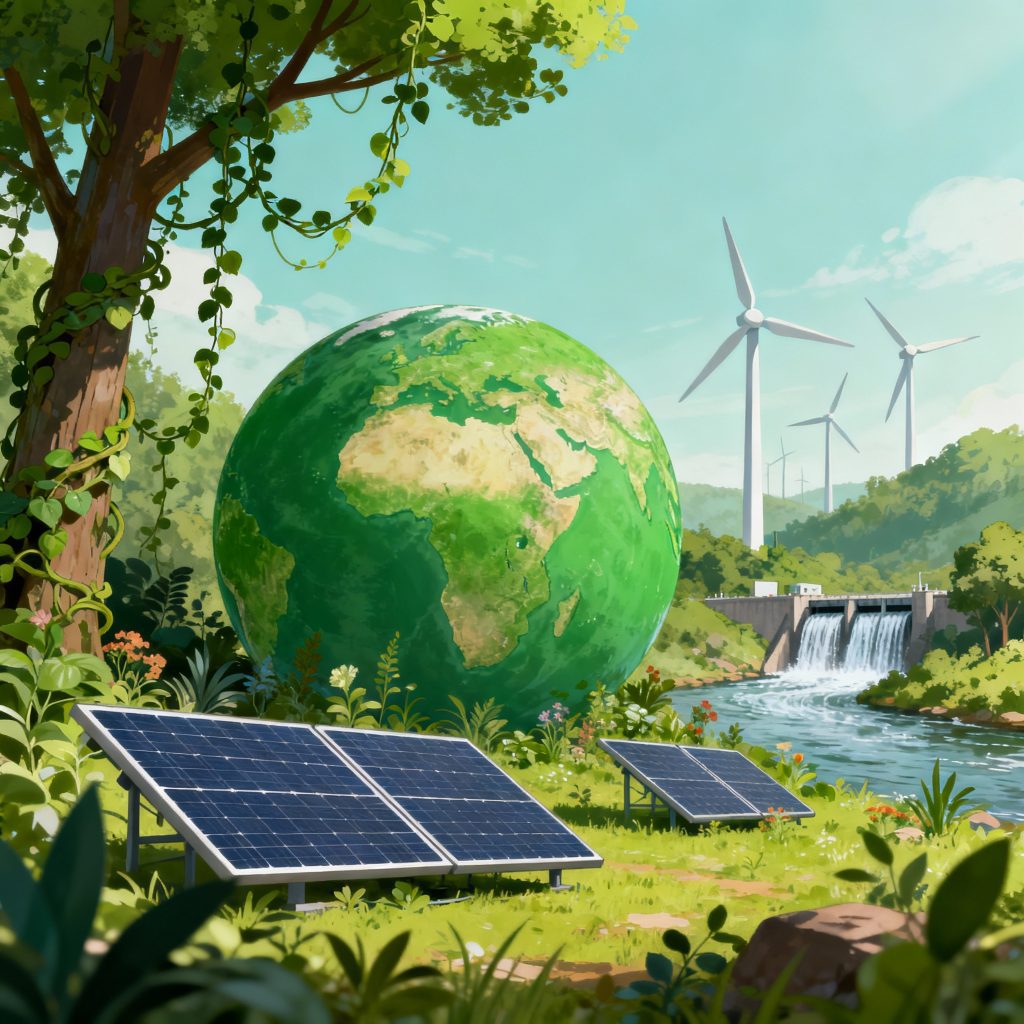
Earth surrounded by solar panels, wind turbines, and greenery representing sustainability and renewable energy.
Environment & Sustainability

Environment & Sustainability in 2025: Building a Greener and Smarter Planet

Introduction The planet is changing faster than ever. From melting glaciers to polluted air, environmental issues are no longer distant threats — they’re today’s reality. To secure our future, the world is turning toward sustainability — the balance between human progress and environmental preservation. In 2025, environmental sustainability isn’t just a trend; it’s a necessity. Governments, businesses, and individuals are embracing green innovation to fight climate change, conserve resources, and ensure a cleaner, healthier Earth. What Is Environment & Sustainability? Environment refers to everything around us — air, water, land, plants, and animals — that supports life on Earth.Sustainability means using these resources responsibly so that future generations can meet their needs too. It’s about creating harmony between economic growth, social well-being, and environmental protection — known as the three pillars of sustainability. The Role of Technology in Environmental Protection Modern technology plays a key role in solving environmental problems: Renewable Energy: Solar, wind, and hydro power reduce carbon footprints. AI & IoT: Smart sensors track pollution, waste, and energy use. Green Architecture: Eco-friendly buildings conserve water and energy. Electric Vehicles (EVs): Reduce dependency on fossil fuels and lower emissions. Major Environmental Challenges in 2025 Despite progress, several challenges persist: Climate Change: Global temperature rise causing extreme weather. Deforestation: Forest loss leading to habitat destruction. Plastic Pollution: Oceans filled with non-biodegradable waste. Air & Water Pollution: Affecting millions of lives every year. Overpopulation: Increasing pressure on limited natural resources. Green Living: What Individuals Can Do Every small action counts toward a sustainable future. Reduce, Reuse, and Recycle materials. Use energy-efficient appliances and LED lights. Avoid plastic bags and choose biodegradable products. Conserve water and plant trees. Support local and eco-friendly brands. The Future of Environmental Sustainability The future lies in green innovation and global cooperation. Circular Economy: Reusing waste as raw material for new products. Smart Cities: Using AI and IoT for cleaner, energy-efficient urban living. Climate Education: Teaching youth about sustainability from an early age. Conclusion Environment and Sustainability are no longer optional — they’re essential for the survival of humanity and our planet. Every decision we make today impacts tomorrow’s world. As we move through 2025, embracing green practices, renewable energy, and responsible lifestyles can create a cleaner, safer, and more sustainable Earth for generations to come. “There is no Planet B — protect what we have.” FAQ Section Q1. What is the main goal of sustainability?To meet present needs without compromising the ability of future generations to meet theirs. Q2. Why is environmental protection important?It maintains ecological balance and supports all life forms. Q3. How can technology help sustainability?Through renewable energy, AI-driven monitoring, and green innovation. Q4. What are examples of sustainable practices?Recycling, reducing waste, using clean energy, and eco-friendly transportation. Q5. What role can individuals play?Conserve resources, reduce pollution, and promote awareness in their communities.
Environment & Sustainability

Green Revolution 2.0: Top Climate Innovations to Watch in 2025

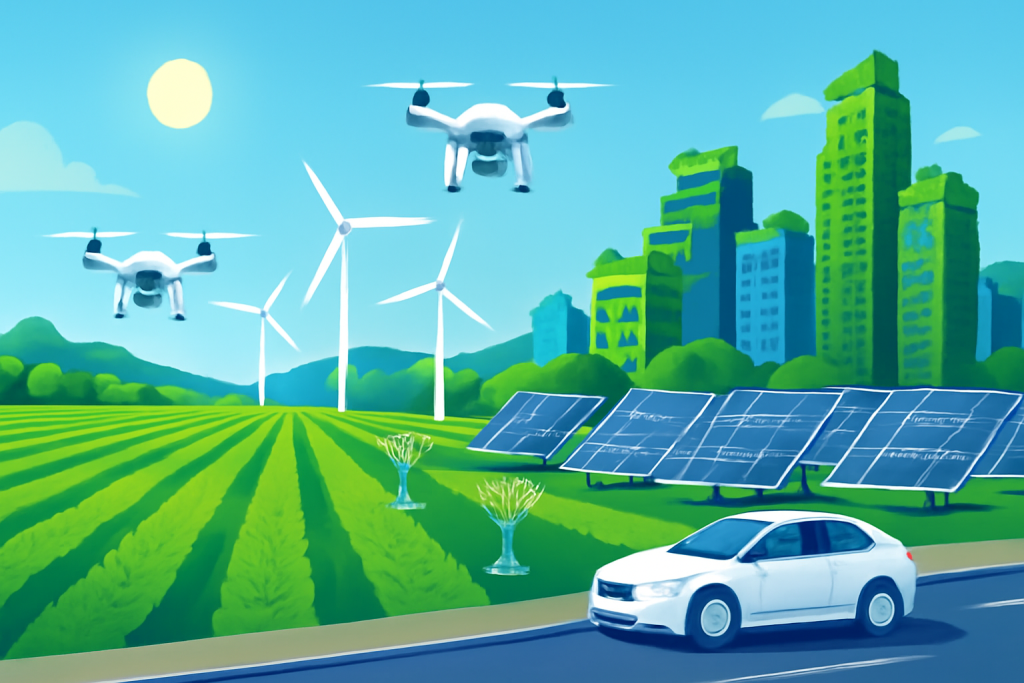
Introduction As climate concerns intensify, 2025 marks the dawn of Green Revolution 2.0—an era where breakthrough climate innovations are not just trends, but necessities for a sustainable tomorrow. From air-scrubbing machines to AI-driven agriculture and clean energy, these technologies are rapidly shaping a future where humanity and nature thrive together. Key Climate Innovations Shaping 2025 1. Advanced Carbon Capture and Utilization Direct Air Capture (DAC): Next-gen systems pull CO₂ straight from the air for permanent storage or transformation into building materials and fuel. Carbon Mineralization: Technologies are locking away captured carbon as stone, ensuring lasting impact. Negative Emissions: BECCS (Bioenergy with Carbon Capture and Storage) plants combine renewable energy with CO₂ removal for net-negative emissions. 2. AI and Data-Driven Sustainability Resource Optimization: AI controls energy flow in grids, predicts equipment failures, and boosts renewable use. Climate Risk Analytics: Platforms analyze weather and sensor data for forecasting, disaster prediction, and environmental monitoring. Precision Farming: Advanced AI helps farmers optimize input, reduce waste, and increase resilience against climate risks. 3. Revolution in Renewable Energy and Storage Floating Solar Farms & Offshore Wind: Clean power expansion without occupying valuable land. Solid-State & Grid-Scale Batteries: Ensure renewable energy is available around the clock. Green Hydrogen: Renewable-powered hydrogen replaces fossil fuels in heavy industry and shipping. 4. Regenerative and Precision Agriculture Gene-Edited, Climate-Resilient Crops: New crop varieties tolerant to drought and heat secure food supplies. Regenerative Practices: Adoption of cover crops and crop rotations balances soil, water, and carbon cycles. Digital Transformation: Drones, IoT sensors, and real-time data maximize yield while conserving resources. 5. Circular Economy & Green Materials Circular Marketplaces: Platforms for trading and reusing materials encourage a zero-waste culture. Bioplastics & Sustainable Packaging: Startups are replacing petroleum plastics with biodegradable alternatives. Battery Recycling: New processes reclaim critical materials from used EV and grid batteries. 6. Smart Water Management IoT-Based Water Conservation: Sensors monitor usage, helping maximize efficiency and minimize waste even during droughts. Innovative Water Technologies: Energy-efficient desalination and advanced filtration provide clean water in arid zones. 7. Clean Mobility & Electrification Electric Vehicles (EVs): Widespread e-bus, e-bike, and delivery vehicle adoption is transforming urban air quality. Smart Charging Networks: AI-managed systems predict demand, optimize routes, and power greener transportation. Alternative Fuels: Green hydrogen and advanced biofuels are decarbonizing heavy transport sectors. 8. Blockchain for Transparency Carbon Credit Markets: Blockchain technology secures carbon trading and supply chain sustainability with transparent records. Table: Top Climate Innovations & Examples for 2025 Innovation Example/Application in 2025 Impact Direct Air Capture Climeworks DAC plants Achieving negative emissions AI for Climate Action Smart energy grid management (AutoGrid) Lowered energy waste, higher reliability Solid-State/Grid-Scale Batteries Tesla Megapack, next-gen storage Reliable renewable energy, grid stability Precision & Regenerative Farming CRISPR drought-resistant crops, soil carbon tech Higher yields, resilient agriculture Circular Economy & Battery Recycling Green packaging, EV battery repurposing Waste reduction, resource reuse Green Hydrogen Hybrit zero-emission steel Decarbonizing heavy industry Green Mobility/Smart Transport Electric fleets & battery swap stations Cleaner cities, decarbonized logistics Blockchain for Climate Markets Carbon credit platforms Transparency and efficiency in trade Conclusion Green Revolution 2.0 in 2025 is unleashing a powerful wave of innovations, reshaping energy, food, transport, and industry. From carbon-negative machines to AI-managed smart grids and sustainable materials, these solutions are leading the charge for a cleaner, fairer, and more resilient planet. The revolution is here—building a sustainable future has never been more possible or more urgent. FAQ: Green Revolution 2.0 and Climate Innovation Q1: What is Green Revolution 2.0? A: It refers to the latest wave of technology-driven transformations to address climate change, focusing on sustainability, clean energy, smart agriculture, and resource efficiency. Q2: What role does AI play in climate innovation? A: AI optimizes grid management, resource use, weather predictions, agriculture, and monitoring of environmental impacts. Q3: How do circular economies help the environment? A: They promote reducing, reusing, and recycling materials, thereby minimizing waste, conserving resources, and lowering emissions. Q4: Are these innovations already being used? A: Yes, many are already deployed globally, with expanding adoption expected through 2025 and beyond. Q5: What’s the main focus keyword for this blog? A: Green Revolution 2.0

How would you like me to respond?

Select a personality for your AI assistant

Normal
Happy
Sad
Angry

Your selection will affect how the AI assistant responds to your messages

Chat Assistant

Let's discuss your project!

Hear from our clients and why 3000+ businesses trust TechOTD

Tell us what you need, and we'll get back with a cost and timeline estimate

Scroll to Top