Education & Learning

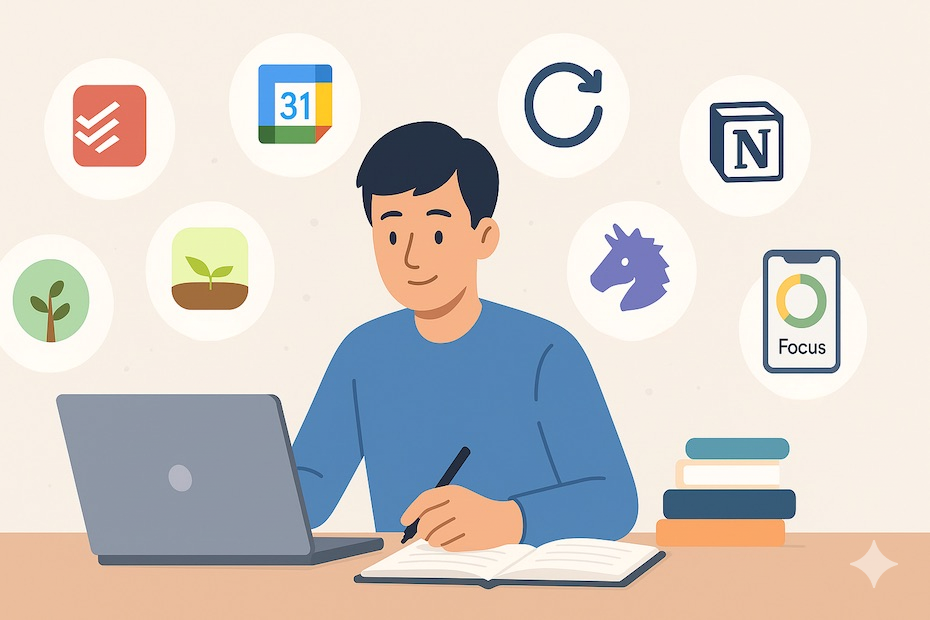
Student comparing different learning apps on a laptop and phone to choose the best one for study goals, usability, and features.
App Development, Education & Learning

How to Choose the Right Learning App

Introduction Choosing the right learning app starts with understanding your goal. Whether you want to improve grades, learn a new skill, practice a language, or stay organized, the best app is the one that matches your needs, learning style, and daily routine. A learning app should not just give you content; it should help you learn in a way that feels simple, useful, and easy to maintain over time. When the app fits your purpose, studying becomes less stressful and more effective. With so many learning apps available today, it is easy to feel overwhelmed by choices. Some apps focus on video lessons, others on flashcards, quizzes, note-taking, progress tracking, or AI-based personalization, so the right one depends on what you want to learn and how you learn best. This is why it is important to look beyond popularity and focus on actual value. An app that works well for one person may not be the right choice for someone else, especially if their learning goals are different. A good learning app should do more than look attractive. It should support your actual learning goals, offer a simple interface, provide useful feedback, and make it easier to stay consistent over time. The best apps save time instead of wasting it, help you stay focused, and make difficult topics easier to understand. Features like reminders, progress reports, offline access, and interactive practice can make a big difference in how effective your study sessions are. Before choosing an app, think about your purpose. Are you preparing for exams, learning a language, building a professional skill, or helping a child learn? Different goals call for different features, such as offline access, curriculum alignment, accessibility, or adaptive practice. It also helps to test apps before committing. Free trials, demo versions, and small pilot use can reveal whether an app is easy to use, engaging, safe, and worth the cost. In the end, the right learning app is the one that helps you stay motivated and make real progress. It should fit into your routine naturally, support the way you learn, and give you confidence that your time is being used well. When chosen carefully, a learning app can become more than just a tool it can become a smart partner in your learning journey. How to Choose Match the app to your goal, such as exam prep, language learning, or subject practice. Check usability, because a clean and simple interface makes learning easier. Look for feedback features like quizzes, progress reports, and spaced repetition. Consider privacy and data security, especially for children or school use. Test the app on your device and compare free and paid versions before deciding. Conclusion The right learning app should make studying simpler, not more confusing. When an app fits your goals, learning style, and schedule, it becomes a helpful tool instead of a distraction. The best choice is usually the one that is easy to use, safe, engaging, and actually helps you make progress. A little testing upfront can save a lot of frustration later. FAQ What is the most important thing to look for in a learning app? The most important thing is alignment with your learning goal, because an app only helps if it supports what you are trying to achieve.digitallearninginstitute+1 Should I choose a free or paid learning app? Start with a free version or trial if possible, then upgrade only if the app offers features you truly need. How do I know if a learning app is effective? An effective app gives clear feedback, keeps you engaged, tracks progress, and helps you retain information better over time. Is privacy important when choosing a learning app? Yes, especially for children and school use, because apps may collect personal or learning data. Can one learning app work for everyone? Not usually, because learners have different goals, ages, and styles, so the best app depends on the user. What should I test before choosing an app? Test ease of use, content quality, feedback tools, device compatibility, and whether the app keeps you motivated.
App Development, Education & Learning, Educational Technology, Software development, Technology

Learning Management System Development Guide

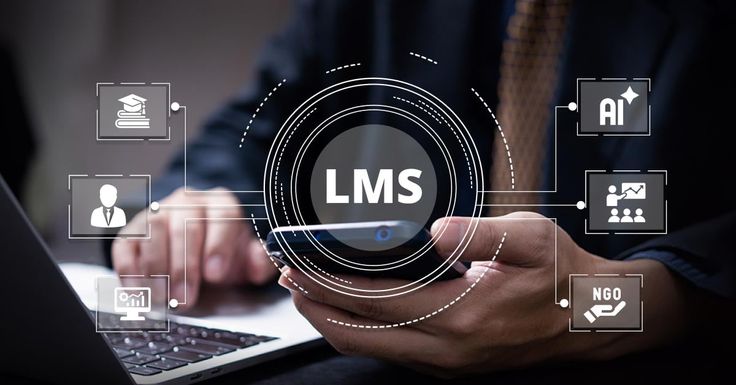
The Ultimate Learning Management System Development Guide: Building Scalable E-Learning Platforms The global education market has permanently transcended the physical classroom. From corporate compliance programs and university degrees to niche online academies, digital learning is the new baseline. At the core of this movement lies the Learning Management System (LMS). However, building an LMS today means going far beyond basic video hosting or static PDF uploads. Modern e-learning systems must be highly interactive, data-driven, securely integrated, and incredibly responsive under massive user spikes. Whether you are an enterprise software architect, an EdTech startup founder, or a full-stack engineer, this step-by-step Learning Management System development guide provides the technical roadmap, architecture insights, and compliance standards required to build a world-class educational application. 1. Defining the Core LMS Ecosystem: Who Uses the Platform? A production-ready LMS isn’t a singular application; it is a multi-sided ecosystem that coordinates workflows across three distinct user roles. When designing your system architecture, you must build optimized portals for each group:  The Learner Portal The student experience must focus entirely on reducing cognitive load and maximizing engagement. Key Workflows: Seamless onboarding, intuitive course progression tracking, interactive quizzes, downloadable certificates, and persistent discussion boards.  The Instructor / Content Creator Portal Educators need powerful, frictionless tools to build curricula and evaluate performance without administrative exhaustion. Key Workflows: Drag-and-drop course builders, media upload managers (video, audio, text), question bank generators, and centralized grading dashboards.  The Admin Dashboard The operational hub for managers overseeing the platform’s business rules and data health. Key Workflows: Comprehensive user management (roles and permissionsMatrix), financial reporting for subscription models, security log audits, and platform-wide analytics. 2. Core Technical Architecture of a Modern LMS To handle heavy concurrent video streaming, instant quiz evaluations, and massive global telemetry data, an LMS requires a decoupled, secure microservices architecture. The Standard Technical Stack for an Enterprise LMS Layer Recommended Technologies Purpose Frontend Framework React.js, Next.js, Flutter (for mobile) Delivering a fast, responsive, and cross-platform user experience. Backend & APIs Node.js (NestJS), Python (Django/FastAPI) Handling business logic, user auth, and rapid server computation. Database Tier PostgreSQL (Relational), MongoDB (Course Docs) Storing relational progress logs alongside flexible, nested lesson data templates. Caching Layer Redis Caching active user sessions and temporary quiz states to reduce database strain. Media Delivery AWS CloudFront CDN, AWS S3, Vimeo Enterprise Encoding, protecting, and streaming global high-definition course videos seamlessly. 3. Crucial EdTech Interoperability Standards (SCORM vs. xAPI vs. LTI) You should never build an LMS that completely isolates its data. To gain enterprise or institutional adoption, your platform must natively “speak” the universal languages of educational technology. A. SCORM (Sharable Content Object Reference Model) What it is: The legacy industry standard for packaging e-learning content. Why use it: It ensures that third-party training courses (built in tools like Articulate Storyline or Adobe Captivate) can be uploaded into your LMS and instantly track basic completion scores. B. xAPI (Experience API / Tin Can) What it is: The modern successor to SCORM. Why use it: SCORM only tracks if a user clicked “Next” and finished a course. xAPI records any experience using simple statement formats (Actor + Verb + Object). For example: “Pushkar completed the SQL Advanced coding sandbox on a mobile device.” C. LTI (Learning Tools Interoperability) What it is: A standard developed by 1EdTech that securely connects web-based learning tools with your platform. Why use it: If a university using Canvas or Moodle wants to use your specialized learning tool, LTI allows them to launch your application inside their native platform securely without requiring separate login credentials. 4. Step-by-Step Software Development Lifecycle for an LMS Developing an LMS requires a highly structured execution strategy. Because a single bug in progress-tracking can wipe out a user’s entire certification history, rigorous development stages are mandatory. [Discovery & UX Wireframing] ➔ [Database Schema Mapping] ➔ [Core Engine Coding] ➔ [SCORM/xAPI Integration Testing] ➔ [Deployment & CDN Tuning] Step 1: Secure Content Delivery & Video Infrastructure Video streaming is usually the most expensive and resource-intensive component of an LMS. Video Transcoding: Implement automated transcoding pipelines (such as AWS Elemental MediaConvert). When an instructor uploads a raw 4K video, the system must automatically slice it into multiple resolutions (1080p, 720p, 480p) to support low-bandwidth users. Digital Rights Management (DRM): Prevent users from illegally downloading premium course content by implementing secure streaming technologies like HLS (HTTP Live Streaming) paired with encrypted AES keys. Step 2: Designing the Progress Tracking Engine The database schema for tracking student progress must be highly optimized for heavy write operations. Every time a user completes a video milestone or moves to a new page, a status write occurs. Leverage background workers or message queues (like RabbitMQ) to handle non-critical progress logging asynchronously, preventing frontend interface lag. Step 3: Game-Changing UI/UX Implementations An LMS lives or dies by its retention rates. Implement smart UI patterns to keep learners motivated: Progress Visualization: Clear, encouraging visual checklists and progress bars at the top of every dashboard. Contextual Notifications: Triggering automated in-app pushes or targeted emails when a student has stepped away from a course for more than 48 hours. 5. Security, Accessibility, and Compliance Standards When building software that handles user profiles, academic achievements, and enterprise employee data, safety and inclusivity must be hardcoded into your system properties. Data Privacy & Compliance FERPA (USA): If your LMS is deployed in US schools or colleges, you must restrict and audit all access to individual student academic files strictly. GDPR (Europe): Mandates explicit user consent for tracking behaviors, data minimization, and the absolute “right to be forgotten” (wiping user histories completely upon request). Accessibility (WCAG 2.2 Compliance) Education must be inclusive. If your platform is funded or used by public institutions, adherence to the Web Content Accessibility Guidelines (WCAG) is a legal requirement. Ensure full screen-reader compatibility and complete keyboard-only navigation workflows. Enforce optimal color contrast ratios for text visibility and mandate closed-captioning capabilities within your primary video playback modules. 6. Strategic Pre-Launch Technical Checklist Are you gearing up to transition your

Artificial Intelligence, Education & Learning, Educational Technology, Software development

AI in EdTech Platforms

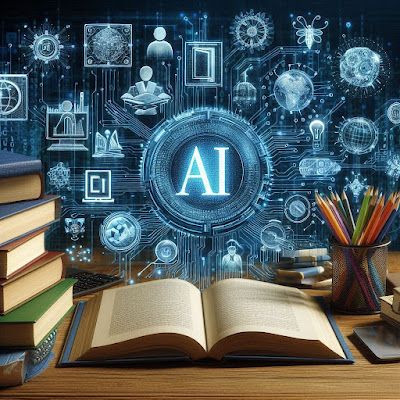
The Definitive Guide to AI in EdTech Platforms: Transforming the Future of Education The global educational landscape is undergoing a massive paradigm shift. Traditional, one-size-fits-all classrooms are rapidly giving way to dynamic, digital environments. At the heart of this transformation is the integration of AI in EdTech platforms—a technical evolution that is turning passive learning management systems (LMS) into highly intuitive, adaptive ecosystems. For software engineers, product managers, and educational innovators, building an AI-driven EdTech platform is no longer about simply embedding video players or digital quizzes. It requires designing complex architectures capable of handling massive student datasets, processing real-time telemetry, and delivering hyper-personalized learning pathways. This comprehensive guide breaks down how artificial intelligence is rewriting the code behind modern education platforms, exploring core use cases, engineering architectures, and strategic implementation checklists. 1. The Macro Shift: Moving from Static LMS to Adaptive Learning Traditional EdTech tools served primarily as digital filing cabinets—places to store syllabi, upload PDFs, and record grades. While efficient, these systems failed to address the core challenge of pedagogy: every student learns at a different pace. By embedding AI directly into educational software, developers can build platforms that observe, adapt, and respond to individual user behavior in real time. Core Benefits of Intelligent EdTech Ecosystems Hyper-Personalization: Dynamically adjusting course difficulty and content delivery based on a student’s unique cognitive gaps. Operational Efficiency: Offloading administrative burdens—like grading, scheduling, and basic student support—from educators. Predictive Student Analytics: Identifying at-risk students weeks before they fail an exam, allowing for proactive, human-led intervention. 2. Core Technical Use Cases of AI in Educational Software To build a competitive EdTech product, development teams must focus on practical, high-ROI machine learning implementations. Here are the primary domains where AI is actively delivering value: A. Intelligent Adaptive Learning Engines Adaptive learning systems act as an automated, digital tutor for every individual user. By continuously assessing a student’s input, the platform alters the curriculum path dynamically. Knowledge Graph Mapping: The software maps out subjects into granular nodes (e.g., in algebra: single-variable equations $\rightarrow$ quadratic formulas). Deep learning models analyze precisely which nodes a student struggles with and modify future lessons accordingly. Dynamic Spaced Repetition: Algorithms calculate the optimal psychological intervals for reviewing complex concepts, serving up tailored refresher exercises just as a student is about to forget them. B. Generative AI and Natural Language Processing (NLP) Generative AI has fundamentally changed how students interact with software. LLMs (Large Language Models) act as 24/7 personal study companions. Socratic AI Tutors: Instead of giving away homework answers instantly, fine-tuned educational LLMs act as conversational guides, asking probing questions to help students solve complex engineering, math, or coding problems on their own. Automated Content Generation: Instructors can instantly transform a raw textbook chapter or lecture transcript into structured flashcards, summaries, and interactive quizzes at the press of a button. C. Automated Assessment and Grading Infrastructure Grading subjective assignments at scale has historically been a massive bottleneck for massive open online courses (MOOCs) and universities alike. Essay and Code Scoring: Advanced NLP models parse the semantic structure of essays to grade coherence, grammar, and stylistic depth against a defined rubric. For computer science platforms, AI engines analyze code architecture and efficiency, providing instant feedback on syntax and logic errors. AI-Powered Proctoring: Computer vision models analyze webcam feeds during high-stakes exams to flag anomalous behaviors—such as frequent head movements away from the screen, unauthorized background voices, or multiple faces in the frame. 3. The Architecture of an AI-Driven EdTech Platform Building an enterprise-ready EdTech platform requires a highly decoupled, scalable, and secure microservices architecture capable of handling intensive data streams without introducing latency into the user interface. [Real-Time Clickstream / Event Ingestion] │ ▼ [Data Processing & Feature Stores] │ ▼ [AI Inference Engine (LLMs / Recommendations)] │ ▼ [Secure Backend APIs & Modern Frontend UI] The Standard Technical Stack for Modern EdTech Platforms Layer Recommended Technologies Purpose Data Ingestion Apache Kafka, AWS Kinesis Capturing millions of real-time student interaction events (clicks, pauses, quiz responses). Data Processing Apache Spark, Python (Pandas) Aggregating raw telemetry data into clean, structured user activity history. AI/ML Engine PyTorch, Hugging Face, OpenAI API Running adaptive recommendation loops and hosting Socratic tutoring agents. Database & Cache PostgreSQL, MongoDB, Redis Managing relational student profiles, course metadata, and instant session caching. Interoperability LTI (Learning Tools Interoperability) Ensuring the platform seamlessly embeds inside school ecosystems like Canvas, Moodle, or Blackboard. 4. Step-by-Step Software Development Lifecycle for EdTech AI Developing AI software for schools and universities requires a careful, deliberate approach. Product teams must balance innovative engineering with the unique user requirements of younger demographics and educational administrators. Step 1: Defining the Pedagogy First An AI model is only as useful as the educational methodology behind it. Engineering teams must avoid building tech for tech’s sake. Collaborate with instructional designers early to ensure your machine learning loops reinforce proven cognitive learning strategies. Step 2: Data Collection and Cold-Start Strategies AI models need historical training data to make accurate content recommendations. When launching a brand-new platform, you face a “cold-start” problem where you have zero user history. Solution: Design comprehensive onboarding diagnostic assessments that quickly gauge a user’s initial skill level within the first 5 minutes of account creation, immediately establishing a baseline for the AI engine. Step 3: Prioritizing UI/UX for Reduced Cognitive Load Students are easily distracted, and teachers are chronically overworked. If your AI features require complex configurations or present cluttered data dashboards, adoption rates will plummet. Explainable Analytics: Don’t just show a teacher an arbitrary score stating a student is “at 40% risk of dropping out.” Your dashboard must explain why (e.g., “Missed 3 consecutive homework deadlines; average video watch time dropped by 60%”). 5. Overcoming Data Privacy, Bias, and Compliance Hurdles When building educational software, handling data responsibly isn’t an afterthought—it is a strict legal and ethical mandate. A. Strict Student Privacy Frameworks Depending on your target market, your platform’s backend infrastructure must comply with rigorous legal standards: FERPA (USA): Protects the privacy of student educational

Student using an online education app on a laptop to study smarter with flashcards, quizzes, and digital learning tools
Education & Learning, Uncategorized

How to Study Smarter, Not Harder, Using Online Education Apps

Introduction Studying smarter, not harder, is all about using your time, energy, and attention in the most effective way possible. Instead of spending long hours rereading notes or cramming the night before an exam, you can use online education apps to make learning more organized, interactive, and efficient. These apps help you stay focused, track progress, revise faster, and understand concepts in a way that feels less stressful and more productive. The biggest advantage of online education apps is flexibility. You can study anytime, anywhere, whether you are at home, on the bus, or taking a short break between classes. Many apps offer flashcards, quizzes, video lessons, reminders, progress tracking, and AI-based learning support. This means you can turn even a few spare minutes into useful study time. Instead of relying only on traditional methods, you get access to tools that adapt to your learning style and help you concentrate on what matters most. Another important benefit is better retention. When you study through apps that use repetition, testing, and interactive practice, your brain remembers information more effectively. For example, flashcards help with quick recall, practice tests show weak areas, and structured learning plans keep you consistent. This makes studying feel less overwhelming because you are not trying to memorize everything at once. You are breaking lessons into smaller, manageable parts that are easier to understand and remember. Online education apps also reduce distraction when used properly. Many students struggle because their study process is unstructured, but digital tools can help create a routine. You can set study goals, follow daily reminders, and use timers or focus modes to stay on track. Some apps even personalize learning by recommending topics based on your progress. This gives you a smarter system instead of random effort, which is exactly what studying smarter is meant to be. The best part is that these apps are useful for different kinds of learners. Whether you prefer videos, notes, quizzes, or visual learning, there is usually an app that fits your style. A student preparing for exams, a professional learning a new skill, or a beginner trying to understand a subject can all benefit from the same approach: study with intention, use the right tools, and avoid wasting time on methods that do not work. When you combine smart habits with online education apps, learning becomes faster, easier, and far more effective. Conclusion Studying smarter means using your time wisely, staying organized, and choosing tools that improve learning efficiency. Online education apps make this possible by offering structure, practice, personalization, and convenience. When you use the right apps consistently, studying becomes less stressful and more effective. You do not need to study longer than everyone else—you just need to study in a better way. FAQ What does it mean to study smarter, not harder? It means using efficient learning methods and tools so you can understand and remember more in less time. How do online education apps help with studying? They offer flashcards, quizzes, lessons, reminders, progress tracking, and personalized learning support. Which apps are useful for smarter studying? Flashcard apps, note-taking apps, focus timers, quiz apps, and video learning platforms are all helpful. Can these apps improve exam performance? Yes, because they help you revise regularly, identify weak areas, and practice more effectively. Are online education apps good for beginners? Yes, they are easy to use and can help beginners build a simple and consistent study routine. How many hours should I study with apps? There is no fixed number, but short focused sessions are often more effective than long unfocused ones.

Diverse adults of all ages engaged in lifelong learning using laptops, VR headsets, books, and workshops representing continuous education benefits in the AI era, 2026
Education & Learning

Why Learning Never Ends: The Power of Lifelong Education

Introduction Lifelong learning means pursuing knowledge and skills throughout your entire life, not just during school or early career years. In April 2026, with AI reshaping jobs every 18 months and global data volumes exploding, continuous education has become essential for personal growth, career security, and adapting to rapid change. This approach builds resilience, boosts earning potential by 20-30% on average, and enhances well-being through cognitive sharpness and new opportunities. Whether through online courses, workshops, or self-study, embracing lifelong education equips you to thrive in an unpredictable world where yesterday’s skills quickly become obsolete. Imagine finishing school or university, landing your dream job, and thinking, “That’s it—I’ve learned everything I need.” In today’s world, that mindset leads to stagnation. Lifelong learning—the ongoing pursuit of knowledge and skills beyond formal education—has never been more vital. It’s the quiet force driving personal fulfillment, career longevity, and societal progress in an era of relentless change. As of April 2026, AI tools automate routine tasks, jobs evolve every 18-24 months, and the global lifelong education market surges at 8-10% CAGR, projected to unlock trillions in economic value. Yet participation lags: only 45% of adults engage in any education, with just 8% in formal programs and 40% in non-formal courses or training. Higher earners and urban dwellers lead, but everyone benefits—lifelong learners report 25% higher life satisfaction, 20-30% better earnings, and 40% lower dementia risk. This isn’t abstract—consider a 50-year-old marketer mastering prompt engineering in weeks, landing a high-demand AI role, or a retiree diving into languages, staving off isolation. Barriers like time scarcity or motivation fade with modern tools: 15-minute micro-lessons, AI-personalized paths, gamified apps, and free resources democratize access. Lifelong learning means pursuing knowledge and skills throughout your entire life, not just during school or early career years. In April 2026, with AI reshaping jobs every 18 months and global data volumes exploding, continuous education has become essential for personal growth, career security, and adapting to rapid change. Why does learning never end? Rapid tech shifts like generative AI demand constant upskilling, while economic pressures favor adaptable workers who pivot seamlessly. This isn’t about cramming degrees; it’s embracing curiosity through micro-courses, podcasts, workshops, or hands-on projects. Lifelong education builds resilience, sharpens cognition, and opens doors—turning uncertainty into opportunity. In a world creating 181 zettabytes of data yearly, those who stop learning risk obsolescence; those who persist unlock endless potential. Cognitive and Health Benefits Ongoing learning keeps your brain active, reducing dementia risk by up to 40% and sharpening problem-solving as you age. It fosters neuroplasticity—the brain’s ability to form new connections—leading to better memory, focus, and mental agility even into your 70s and beyond. Studies show lifelong learners report 25% higher life satisfaction and lower stress levels. Regular skill-building combats cognitive decline, similar to physical exercise for muscles. In the AI era, human creativity and adaptability remain irreplaceable advantages. Career and Economic Advantages Continuous education correlates with 10-15% higher salaries and faster promotions, as employers prioritize adaptable workers over static expertise. With 85 million jobs shifting due to automation by 2025, upskilling in AI, data analysis, or soft skills like emotional intelligence ensures job security and new opportunities. Professionals engaging in lifelong learning switch careers successfully 2.5 times more often, turning disruptions into growth. OECD data reveals adults in formal learning programs earn 16% more on average. Personal Growth and Adaptability Lifelong learning expands worldviews, builds confidence, and sparks curiosity that enriches relationships and hobbies. It encourages a growth mindset, where challenges become exciting puzzles rather than threats. In 2026, digital platforms make this accessible: micro-credentials, AI tutors, and VR simulations let anyone learn coding, languages, or leadership at their pace, anytime. Challenges and Solutions While time constraints and motivation dips pose barriers, low participation rates—only 8% of OECD adults in formal programs—highlight the gap. Solutions include bite-sized courses (15 minutes daily), accountability partners, and gamified apps that make learning addictive. Conclusion Lifelong education isn’t optional—it’s the key to fulfillment, resilience, and success in a world of constant flux. Commit to one new skill quarterly, explore free resources like Coursera or Khan Academy, and watch your potential unfold endlessly. Start today: Enroll in a short course and unlock doors you didn’t know existed. FAQ What exactly is lifelong learning? Pursuing education and skill development beyond formal schooling, through self-directed or structured activities at any age. Why is lifelong learning crucial in 2026? AI and tech changes demand constant upskilling for job security, with learners earning 10-30% more and adapting 2x faster. How does lifelong learning improve health? It boosts brain plasticity, cuts dementia risk by 40%, and raises life satisfaction by 25%. What are easy ways to start lifelong learning? Micro-courses, podcasts, apps like Duolingo, or 15-minute daily habits on platforms like edX. Does lifelong learning guarantee career success? It greatly increases chances—lifelong learners promote faster and switch jobs successfully more often

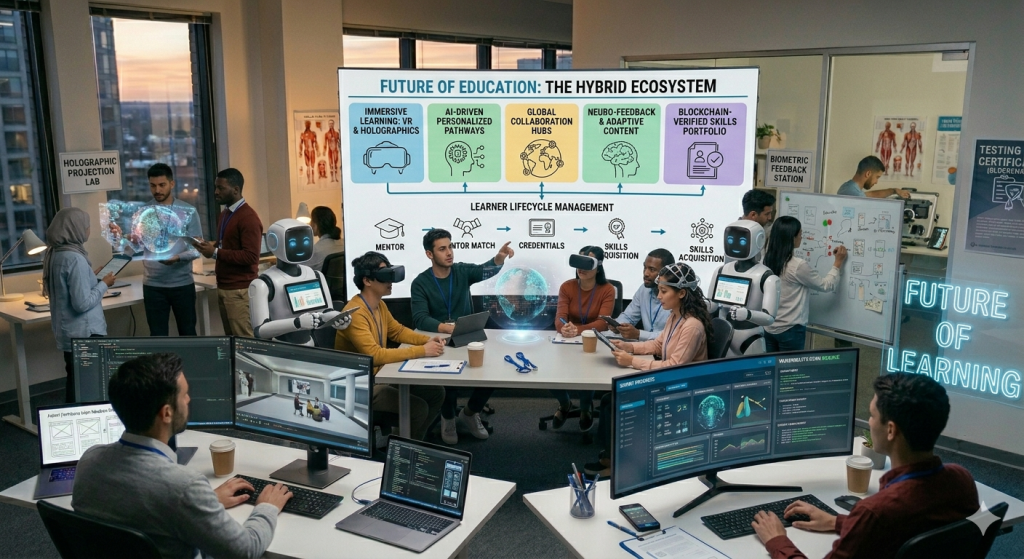
Diverse students in futuristic classroom using VR headsets, AR tablets, and AI holograms for immersive digital learning, with engagement metrics overlay
Education & Learning

Future of Education in Digital Age

Introduction The future of education in the digital age promises personalized, immersive, and globally connected learning that adapts to individual needs while leveraging AI, VR/AR, and mobile platforms. Traditional classrooms are evolving into hybrid ecosystems where students access interactive content anytime, anywhere, breaking geographical and socioeconomic barriers. This transformation is crucial as digital natives demand engaging experiences—studies show EdTech market growth exceeding $400 billion by 2025, driven by AI personalization and remote tools that boost retention by up to 75% over lectures. AI-Powered Personalization AI analyzes student data to create custom learning paths, adjusting pace, content, and style for better outcomes. Tools like adaptive platforms identify weaknesses and deliver targeted lessons, supporting diverse learners including those with special needs. Key benefits include: Real-time feedback and progress tracking. Automated grading freeing teachers for mentorship. Multilingual support for global access. Immersive Technologies (VR/AR) VR/AR turns abstract concepts into hands-on experiences—students explore ancient Rome or molecular structures without leaving class. These tools enhance engagement, with VR yielding 75% retention rates versus 10% for reading. Practical applications: Virtual labs for safe science experiments. AR overlays on textbooks for 3D models. Global field trips via shared virtual spaces. Hybrid Learning Models Blending online and in-person education offers flexibility, accelerated by the pandemic. Platforms like Google Classroom enable live sessions, collaboration, and cloud-based resources accessible on mobiles. Advantages: 5G-enabled seamless remote classes. Blockchain for secure certifications. IoT smart classrooms linked to apps. The future of education in the digital age promises personalized, immersive, and globally connected learning that adapts to individual needs while leveraging AI, VR/AR, and mobile platforms. Traditional classrooms are evolving into hybrid ecosystems where students access interactive content anytime, anywhere, breaking geographical and socioeconomic barriers. This transformation is crucial as digital natives demand engaging experiences—studies show EdTech market growth exceeding $400 billion by 2025, driven by AI personalization and remote tools that boost retention by up to 75% over lectures. AI-Powered Personalization AI analyzes student data to create custom learning paths, adjusting pace, content, and style for better outcomes. Tools like adaptive platforms identify weaknesses and deliver targeted lessons, supporting diverse learners including those with special needs. Key benefits include: Real-time feedback and progress tracking. Automated grading freeing teachers for mentorship. Multilingual support for global access. Immersive Technologies (VR/AR) VR/AR turns abstract concepts into hands-on experiences—students explore ancient Rome or molecular structures without leaving class. These tools enhance engagement, with VR yielding 75% retention rates versus 10% for reading. Practical applications: Virtual labs for safe science experiments. AR overlays on textbooks for 3D models. Global field trips via shared virtual spaces. Blending online and in-person education offers flexibility, accelerated by the pandemic. Platforms like Google Classroom enable live sessions, collaboration, and cloud-based resources accessible on mobiles Challenges and Equity Digital divides persist, with risks of isolation, privacy issues, and unequal access. Policymakers must prioritize teacher training, affordable devices, and inclusive design to ensure technology enhances rather than replaces human connection. Solutions include: Subsidized devices for low-income areas. Ethical AI guidelines. Blended models preserving teacher roles. Conclusion The future of education in the digital age lies in balanced integration of AI, VR/AR, and hybrid models that make learning immersive, equitable, and lifelong. Start exploring EdTech tools today to prepare students for tomorrow’s workforce—your first step could transform a classroom. FAQ (5 Questions) What role does AI play in the future of education in the digital age? AI personalizes learning, automates assessments, and provides virtual tutors for adaptive experiences. How will VR/AR change classrooms? They create immersive simulations for safe, engaging practice in subjects like science and history. What are hybrid learning benefits? Flexibility, global collaboration, and anytime access without losing in-person interaction. Will digital education widen inequality? Potentially, but equitable policies and affordable tech can bridge gaps. What’s next for EdTech? 5G, voice assistants, and AI mentors for hyper-personalized global learning.

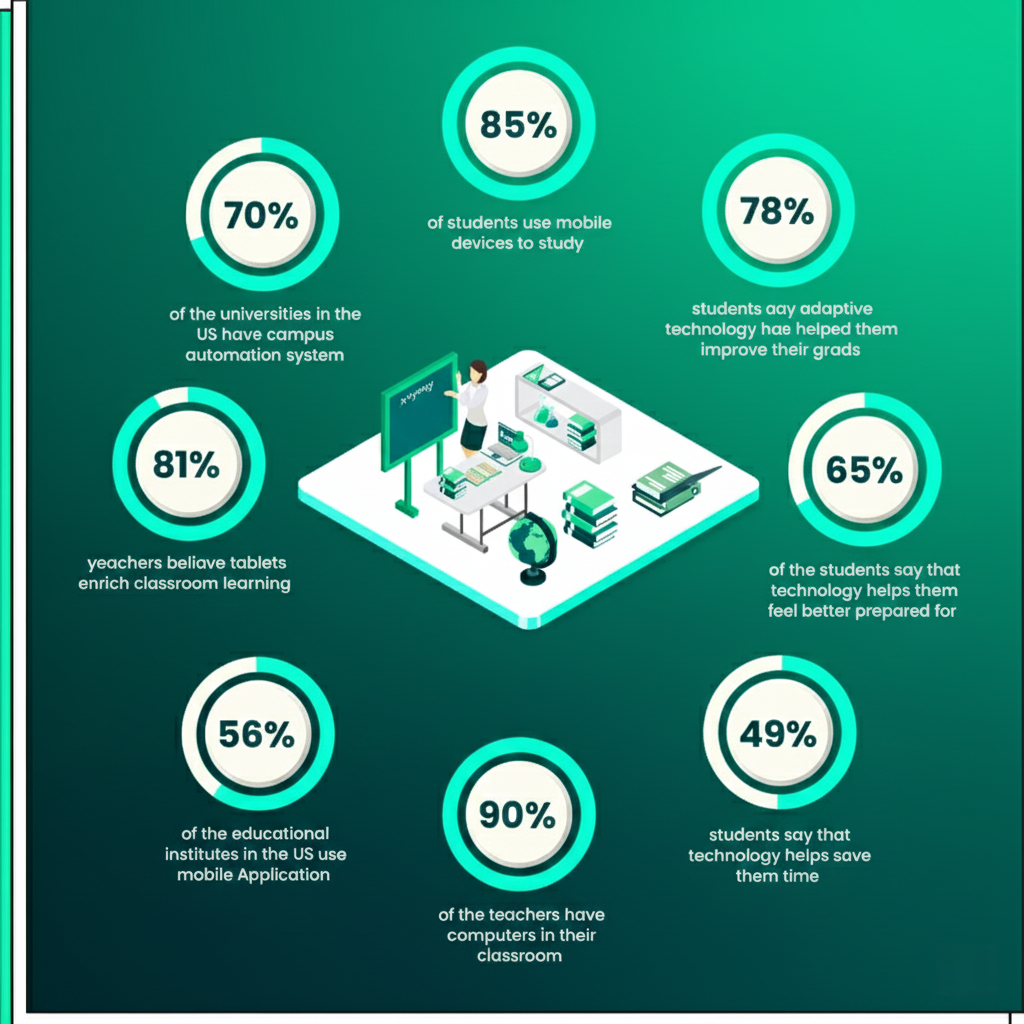
Technology transforming modern education and learning
Education & Learning

The Role of Technology in Modern Education and Learning

Introduction Technology has revolutionized nearly every aspect of modern life, and education is no exception. From digital classrooms to online learning platforms, technology has transformed how knowledge is delivered, accessed, and consumed. The integration of technology into education has expanded learning opportunities and enhanced teaching effectiveness. This blog explores the role of technology in education, its benefits, challenges, applications, and future potential. Evolution of Technology in Education Education has evolved from chalkboards to smartboards, from textbooks to digital content. This transformation has been driven by advancements in computing, internet connectivity, and mobile devices. Key Technologies Used in Education 1. Online Learning Platforms Platforms provide virtual classrooms, assessments, and collaboration tools. 2. Learning Management Systems (LMS) LMS platforms help manage courses, track progress, and deliver content. 3. Mobile Learning Smartphones and tablets enable learning anytime, anywhere. 4. Artificial Intelligence AI personalizes learning experiences and automates assessments. Benefits of Technology in Education Improved Accessibility Learners from remote areas can access quality education. Personalized Learning Technology adapts content to individual learning needs. Enhanced Engagement Interactive multimedia improves student engagement. Efficient Administration Automation reduces administrative workload. Challenges of Technology in Education Digital divide Data privacy concerns Teacher training requirements Addressing these challenges is essential for effective implementation. Technology in Classroom Learning Smart classrooms integrate: Interactive boards Digital resources Collaborative tools This enhances student participation and understanding. Impact on Teachers and Educators Technology empowers teachers by: Providing analytics Enhancing lesson delivery Supporting remote instruction Future Trends in Educational Technology AI-powered tutoring Virtual and augmented reality Gamified learning Role of Technology in Skill-Based Education Technology supports practical skill development through simulations, virtual labs, and project-based learning. Conclusion Technology plays a vital role in modern education by improving accessibility, engagement, and personalization. When implemented thoughtfully, it can significantly enhance learning outcomes. Frequently Asked Questions (FAQs) 1. How does technology improve education? It enhances accessibility, personalization, and engagement. 2. What are examples of educational technology? LMS, online platforms, AI tools, and smart classrooms. 3. Does technology replace teachers? No, it supports and enhances teaching. 4. What challenges does EdTech face? Digital divide and data privacy concerns. 5. Is technology suitable for all learners? Yes, when designed inclusively. 6. What is the future of EdTech? AI, VR, and immersive learning experiences. Connect with us: https://www.facebook.com/profile.php?id=61555452386126  

Lifelong learning for personal and professional growth
Education & Learning

The Importance of Lifelong Learning for Personal and Professional Growth

Introduction Learning does not end with formal education. In today’s fast-changing world, knowledge becomes outdated quickly, and skills must evolve continuously. This reality has made lifelong learning an essential component of both personal and professional success. Lifelong learning refers to the ongoing process of acquiring new knowledge, skills, and competencies throughout life. It helps individuals stay relevant in their careers, adapt to change, and achieve personal fulfillment. In this blog, we explore the importance of lifelong learning, its benefits, types, challenges, and strategies for cultivating a lifelong learning mindset. What Is Lifelong Learning? Lifelong learning is the continuous pursuit of knowledge beyond traditional schooling. It includes formal education, self-directed learning, workplace training, and experiential learning. Forms of Lifelong Learning Formal education (degrees, certifications) Informal learning (reading, podcasts) Non-formal learning (workshops, online courses) Lifelong learning occurs at every stage of life. Why Lifelong Learning Is Important 1. Adapting to Change Technology and industries evolve rapidly. Continuous learning helps individuals adapt to new tools and practices. 2. Career Growth Lifelong learners are more likely to advance professionally. 3. Personal Fulfillment Learning enhances creativity, confidence, and curiosity. 4. Cognitive Health Continuous learning improves memory and mental agility. Lifelong Learning and Career Development Employers value professionals who continuously update their skills. Benefits for Professionals Increased employability Better job security Higher earning potential Lifelong learning supports career transitions and leadership development. Types of Lifelong Learning Self-Directed Learning Independent learning through books, videos, and online resources. Professional Development Training programs and certifications. Experiential Learning Learning through real-world experiences. Challenges in Lifelong Learning Time constraints Lack of motivation Financial barriers Overcoming these challenges requires planning and commitment. How to Develop a Lifelong Learning Mindset Set learning goals Stay curious Use digital learning platforms Reflect on learning experiences Role of Technology in Lifelong Learning Technology enables: Online courses Mobile learning AI-driven recommendations Digital tools make learning accessible and personalized. Lifelong Learning in Education Systems Modern education systems emphasize lifelong learning skills such as critical thinking, adaptability, and digital literacy. Conclusion Lifelong learning is essential for personal fulfillment and professional success. By embracing continuous learning, individuals can adapt to change, enhance their skills, and achieve long-term growth. Frequently Asked Questions (FAQs) 1. What is lifelong learning? It is the continuous pursuit of knowledge throughout life. 2. Why is lifelong learning important? It helps individuals stay relevant and adaptable. 3. Can lifelong learning improve career prospects? Yes, it enhances employability and growth. 4. Is lifelong learning only for professionals? No, it benefits individuals of all ages. 5. How can I start lifelong learning? Start with small goals and use online resources. 6. What role does technology play? Technology makes learning accessible and flexible. Connect With Us: https://www.facebook.com/profile.php?id=61555452386126

Online learning vs traditional classroom education comparison
Education & Learning

Online Learning vs Traditional Education: A Complete Comparison

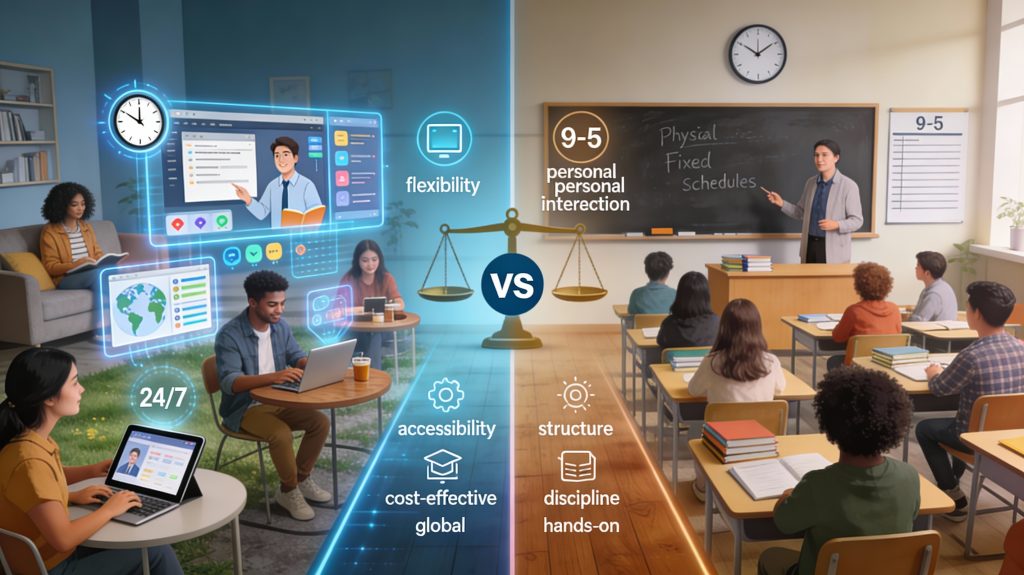
Introduction Education has evolved significantly over the past few decades. While traditional classroom education has been the standard for centuries, online learning has rapidly emerged as a powerful alternative. The advancement of digital technology, widespread internet access, and the demand for flexible learning have driven this shift. Both online learning and traditional education aim to provide knowledge and skills, but they differ in delivery methods, learning experiences, and accessibility. Understanding these differences helps students, parents, educators, and professionals make informed decisions. In this blog, we will explore online learning vs traditional education, comparing their advantages, limitations, costs, and effectiveness. What Is Online Learning? Online learning, also known as e-learning or distance education, involves delivering educational content through digital platforms. Students can attend virtual classes, watch recorded lectures, complete assignments, and interact with instructors online. Key Features of Online Learning Internet-based access Flexible schedules Self-paced learning Digital resources Online learning is widely used in academic education, professional training, and skill development. What Is Traditional Education? Traditional education takes place in physical classrooms where students and teachers interact face-to-face. It follows a structured schedule and curriculum set by educational institutions. Key Features of Traditional Education In-person instruction Fixed schedules Classroom-based interaction Physical learning materials Traditional education remains a preferred choice for many learners, especially at the early education level. Online Learning vs Traditional Education: Key Differences Aspect Online Learning Traditional Education Flexibility High Low Accessibility Global Location-based Cost Often lower Higher Interaction Virtual Face-to-face Learning Pace Self-paced Fixed Advantages of Online Learning 1. Flexibility and Convenience Students can learn anytime and anywhere. 2. Cost-Effective Online courses reduce travel and accommodation costs. 3. Wide Course Availability Access to global courses and instructors. 4. Personalized Learning Learners can progress at their own pace. Disadvantages of Online Learning Requires self-discipline Limited face-to-face interaction Dependence on technology Advantages of Traditional Education 1. Structured Learning Environment Provides routine and discipline. 2. Social Interaction Encourages teamwork and communication skills. 3. Immediate Feedback Students can interact directly with teachers. Disadvantages of Traditional Education Less flexible Higher costs Limited accessibility Which Learning Method Is More Effective? Effectiveness depends on: Learning style Age group Subject matter Personal goals Many learners benefit from a hybrid approach combining both methods. Role of Hybrid Learning Hybrid learning blends online and traditional education, offering flexibility while maintaining personal interaction. It is becoming increasingly popular in schools and universities. Impact on Career and Skill Development Online learning supports: Skill-based education Career transitions Lifelong learning Traditional education provides: Foundational knowledge Networking opportunities Future of Learning Methods The future will focus on: Hybrid education models AI-driven personalization Skill-based learning Conclusion Online learning and traditional education both have unique advantages and limitations. The right choice depends on individual learning needs, goals, and circumstances. As education continues to evolve, flexible and blended learning models will play a crucial role. Frequently Asked Questions (FAQs) 1. Is online learning better than traditional education? It depends on individual learning preferences and goals. 2. Can online learning replace traditional education? Online learning complements but does not fully replace traditional education. 3. Are online degrees recognized? Many online degrees are recognized if offered by accredited institutions. 4. What is hybrid learning? Hybrid learning combines online and in-person education. 5. Is online learning suitable for children? Yes, with proper guidance and supervision. 6. Which is more cost-effective? Online learning is generally more affordable. Connect With Us: https://www.facebook.com/profile.php?id=61555452386126  

Education and learning through digital platforms and online tools
Education & Learning

Education and Learning in the Digital Age: Transforming How We Gain Knowledge

Introduction Education and learning are the foundations of personal growth, social development, and economic progress. For centuries, education followed a traditional classroom-based approach, relying on physical schools, textbooks, and face-to-face instruction. However, the digital revolution has transformed how people learn, access knowledge, and develop skills. Today, education extends far beyond classrooms. Online courses, digital libraries, virtual classrooms, and learning apps have made education more flexible, inclusive, and accessible. This transformation has reshaped teaching methodologies and learning experiences across the globe. In this blog, we explore education and learning in the digital age, examining how technology has changed learning methods, the benefits of modern education, challenges, and what the future holds. What Is Education and Learning? Education is a structured process of acquiring knowledge, skills, values, and attitudes through teaching, training, or research. Learning is a lifelong process that occurs formally through institutions and informally through experiences. Types of Learning Formal learning (schools, colleges, universities) Informal learning (self-study, experiences) Non-formal learning (workshops, online courses) Modern education blends all these approaches to create holistic learning experiences. The Evolution of Education Traditional Education Traditional education focused on: Teacher-centered instruction Memorization Fixed curricula While effective in many ways, it often lacked flexibility and personalization. Digital and Modern Education Modern education emphasizes: Student-centered learning Skill development Critical thinking Technology integration Digital tools have revolutionized how students learn and interact with information. Role of Technology in Education and Learning Technology plays a vital role in modern education. Key Technologies in Education Learning Management Systems (LMS) Video conferencing tools Artificial Intelligence Virtual and Augmented Reality These tools enhance engagement and improve learning outcomes. Online Learning and E-Learning Platforms Online learning platforms have become a cornerstone of modern education. Benefits of Online Learning Learn anytime, anywhere Cost-effective education Access to global resources Personalized learning paths Popular e-learning platforms offer courses in academics, professional skills, and personal development. Benefits of Modern Education and Learning 1. Accessibility Education is no longer limited by geography. 2. Flexibility Learners can study at their own pace. 3. Skill-Oriented Learning Modern education focuses on real-world skills. 4. Lifelong Learning Continuous learning supports career growth. Challenges in Modern Education Despite its advantages, modern education faces challenges: Digital divide Lack of infrastructure Quality assurance Screen fatigue Addressing these challenges is crucial for inclusive education. Importance of Education in Personal and Professional Growth Education empowers individuals by: Enhancing critical thinking Improving career opportunities Promoting social equality Learning is essential for adapting to a rapidly changing world. Future of Education and Learning The future of education will focus on: AI-driven personalization Hybrid learning models Skills-based education Lifelong learning ecosystems Education systems will continue to evolve with technological advancements. Conclusion Education and learning are undergoing a significant transformation in the digital age. Technology has expanded access to knowledge, personalized learning experiences, and made education more inclusive. By embracing modern learning methods, individuals and institutions can unlock new opportunities and build a knowledge-driven future. Frequently Asked Questions (FAQs) 1. What is modern education? Modern education integrates technology, flexibility, and skill-based learning methods. 2. How has technology changed learning? Technology enables online learning, personalization, and global access to education. 3. Is online learning effective? Yes, when structured properly, online learning can be highly effective. 4. What is lifelong learning? Lifelong learning is the continuous pursuit of knowledge throughout life. 5. What skills are important in modern education? Critical thinking, digital literacy, communication, and adaptability. 6. What is the future of education? The future includes AI-powered learning, hybrid education, and personalized learning paths. Connect With Us: https://www.facebook.com/profile.php?id=61555452386126  

How would you like me to respond?

Select a personality for your AI assistant

Normal
Happy
Sad
Angry

Your selection will affect how the AI assistant responds to your messages

Chat Assistant

Let's discuss your project!

Hear from our clients and why 3000+ businesses trust TechOTD

Tell us what you need, and we'll get back with a cost and timeline estimate

Scroll to Top