
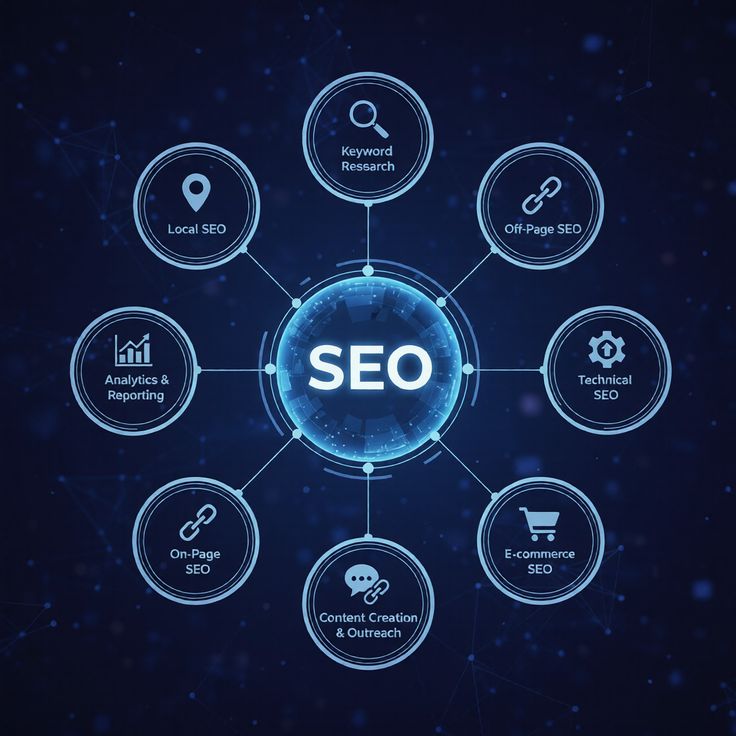
Digital Marketing

app technology comparison, Digital Marketing

Entity SEO Explained

Entity SEO Explained: The Definitve Guide to Concept-Based Optimization For decades, the foundational logic of Search Engine Optimization revolved around a simple premise: matching strings of text. If a user searched for “best cloud storage data security,” search engines scanned their index for pages that repeated that exact phrase, calculating relevance based on keyword density, metadata placement, and inbound backlink anchors. That deterministic, text-matching era is completely over. With the introduction of machine learning algorithms like Hummingbird, RankBrain, and modern transformer-based LLM retrieval layers, search engines no longer see words as isolated text strings. Instead, they look at them as Entities. If you want your content to survive and rank in an ecosystem increasingly dominated by synthesized answers, AI overviews, and semantic knowledge bases, you must stop optimizing for keywords and start optimizing for concepts. This guide breaks down exactly what Entity SEO is, how the search infrastructure interprets it, and how to structure your domain to align with modern semantic search pipelines. 1. What is an Entity? Deconstructing the Semantic Core To understand Entity SEO, you must first understand how Google formally defines an entity. According to Google’s official patent data: An entity is a thing or concept that is singular, unique, well-defined, and distinguishable. It does not need to be a physical object. It can be a person, a place, an organization, a website, a digital tool, a historical event, or an abstract concept. To put this in perspective, think of keywords as the words in a dictionary, while entities are the actual real-world nodes mapped inside an interconnected web. [Entity: Pushkar Pandey] ──(StudentAt)──► [Entity: Amity University] │ ▲ (AuthorOf) │ │ (PublishedOn) ▼ │ [Entity: Entity SEO Explained] ──────────────────┘ In the diagram above, the entities are not merely strings of letters; they are specific data nodes connected by explicit contextual relationships (known as predicates or edges). Traditional SEO view: Sees “Entity SEO Explained” as a 3-word keyword string with a specific monthly search volume. Entity SEO view: Sees a unique content asset, authored by a verified individual writer, associated with a distinct publication domain, covering a core sub-topic of technical digital marketing. 2. The Engine Mechanics: Knowledge Graphs and Vector Embeddings Search engines process entities through two primary technological frameworks: Knowledge Graphs and Vector Spaces. The Knowledge Graph The Knowledge Graph is a massive database that stores semantic data about billions of entities and their relationships. When you execute a search for a prominent figure or organization and see a dedicated informational box on the right side of the SERP, you are looking at a direct visual rendering of Google’s internal Knowledge Graph. The graph allows search engines to understand context instantly without needing explicit keyword repetition. For example, if a page mentions “The Dark Knight,” “Gotham,” and “Christopher Nolan,” the engine automatically resolves the core subject node as Batman, even if the word “Batman” never appears in the body prose. Vector Embeddings and Semantic Distance Modern machine learning algorithms translate web pages and user queries into high-dimensional mathematical coordinates called vector embeddings. Attribute / Metric Keyword-Based Optimization Entity-Based Optimization (GEO) Primary Identifier Text strings and exact character matches Unique machine IDs (e.g., Wikidata URIs) Contextual Analysis Based on keyword density metrics Based on semantic proximity and vector clusters Search Intent Mapping Rigid query-to-document tracking Multi-layered intent and conceptual resolution Algorithmic Focus PageRank and anchor text distributions Topical authority and verification signals In a vector space, concepts that are topically or contextually related are plotted close to one another. The engine determines how thoroughly a page answers a query by measuring the mathematical distance between your content’s vector profile and the target entity cluster. 3. Why Entity SEO is Crucial for AI Search and Overviews The rise of generative AI search has turned Entity SEO from an advanced technical strategy into a mandatory requirement for organic survival. When engines pull data for AI boxes, they rely heavily on Retrieval-Augmented Generation (RAG). The retrieval engine scans the index specifically looking for verified factual units and entity nodes that it can cleanly extract and combine into a summary statement. If your content is built as a disorganized wall of text rather than a structured framework of clearly defined concepts, the AI parsing bots will pass over your domain. They will choose to cite an asset that outlines entity relationships clearly, uses clean data architectures, and supports its claims with strong contextual signals. 4. The Step-by-Step Blueprint to Optimize for Entity SEO Transitioning your domain to an entity-first framework requires adjusting how you write, format, and tag your digital assets. Step 1: Execute Semantic Entity Mapping Before writing a single paragraph, map out the entity ecosystem surrounding your primary subject matter. Identify the top-ranking competitor pages for your target topic. Use natural language processing (NLP) applications to extract the underlying named entities, tools, organizations, and methodologies they mention. Ensure your draft naturally incorporates this broader circle of related concepts to demonstrate complete topical ownership. Step 2: Adopt the “Atomic Definition” Style AI search crawlers favor content layers that can be parsed instantly. Place a highly direct, objective definition block at the immediate start of your core subsections: The Rule: Write a 40-to-60-word declarative summary sentence directly below your primary H2 or H3 heading tags. The Formula: Use a direct copula layout (e.g., “Entity SEO is an advanced optimization methodology that…”). Avoid conversational preambles or marketing fluff. Step 3: Implement Deep Schema Markup (JSON-LD) Structured data schema acts as a clear machine map for search bots, stripping away any potential semantic ambiguity. Use explicit about, mentions, and sameAs tags within your JSON-LD payloads to connect your text directly to recognized global knowledge nodes: JSON { “@context”: “https://schema.org”, “@type”: “TechArticle”, “headline”: “Entity SEO Explained”, “author”: { “@type”: “Person”, “name”: “Pushkar Pandey” }, “about”: [ { “@type”: “Thing”, “name”: “Semantic Search”, “sameAs”: “https://en.wikipedia.org/wiki/Semantic_search” }, { “@type”: “Thing”, “name”: “Knowledge Graph”, “sameAs”: “https://en.wikipedia.org/wiki/Knowledge_Graph” } ] } Step 4: Build Comprehensive Topical Hubs Avoid treating your blog posts as isolated, standalone elements. Group your
Digital Marketing, Software development

How AI Is Changing Digital Marketing

Technical SEO Checklist for SaaS Websites: The Definitive Architecture Guide Software as a Service (SaaS) websites possess a unique architectural footprint that distinguishes them from standard content sites or traditional e-commerce platforms. A typical SaaS digital presence is split into three distinct ecosystems: public-facing marketing pages, resource hubs (blogs, glossaries, whitepapers), and the actual software application interface hidden behind user login walls. This infrastructure introduces complex technical challenges: massive programmatic URL generation, thin or duplicate content issues caused by automated feature pages, and critical rendering bottlenecks driven by heavy JavaScript execution. If your technical foundation fails, search engine crawlers will waste your crawl budget on low-value pages while ignoring your primary conversion assets. This comprehensive technical SEO checklist for SaaS websites provides the exact blueprint needed to ensure your application and marketing funnels are completely optimized for maximum search visibility. 1. Core Architecture and Domain Stratification Before optimizing individual code strings, you must establish an optimal structural framework for your application and marketing content. Choosing where your software platform lives in relation to your marketing content directly dictates your indexation health. Subdomain vs. Subdirectory Alignment The age-old debate of subdomains (app.yourbrand.com) versus subdirectories (yourbrand.com/app) carries significant technical weight in a SaaS environment: The Marketing & Content Stack: Keep all public acquisition assets—such as your blog, product feature matrices, and integrations directories—within a single subfolder infrastructure (e.g., yourbrand.com/blog/). This consolidates your domain authority, allowing backlink signals to flow naturally across your transactional and informational landing pages. The Software Application Stack: Secure your actual software platform inside a designated subdomain (e.g., app.yourbrand.com or dashboard.yourbrand.com). This completely isolates your heavy production databases, customer dashboards, and user authentication nodes from Google’s standard public web crawlers. Protocol and Security Layer Management SaaS websites handle sensitive corporate and user information. Ensuring absolute security across your domain endpoints is non-negotiable for maintaining algorithmic trust: Enforce strict global HTTPS protocols across all variations of your root domains and active subdomains. Deploy HTTP Strict Transport Security (HSTS) headers to force secure browser connections globally. Implement a robust Content Security Policy (CSP) to mitigate cross-site scripting (XSS) risks and prevent unauthorized tracking script injections. 2. JavaScript Rendering and Core Web Vitals Optimization Modern SaaS frontends heavily rely on JavaScript libraries like React, Angular, Vue, or Next.js. While these frameworks deliver fluid, interactive user experiences, they present major indexing risks if search bots encounter unrendered or empty client-side code blocks. [Client-Side Rendering (CSR):] Google Bot ➔ Reads Empty HTML ➔ Queues JavaScript ➔ Renders Late (Risk of Delay) [Server-Side/Hydrated:] Google Bot ➔ Reads Pre-Rendered HTML ➔ Immediate Indexing ➔ JavaScript Hydrates Later Server-Side Rendering (SSR) vs. Static Site Generation (SSG) Avoid pure Client-Side Rendering (CSR) for any page meant to rank on search engine results pages. If the browser relies entirely on execution scripts to display text, Googlebot will relegate your page to a secondary rendering queue, often causing indexation delays of days or weeks. Deploy Server-Side Rendering (SSR) or Static Site Generation (SSG) via frameworks like Next.js or Nuxt.js for marketing segments, feature hubs, and landing pages. This guarantees that web crawlers instantly receive a fully hydrated, semantic HTML page on their first request. Crucial Web Vitals Checklist for Fast Interactions A slow-loading software site directly hurts conversion rates and drops overall search performance. Aim for these specific metrics to maintain top-tier performance: Core Web Vital Metric Definition Target Optimization Threshold LCP (Largest Contentful Paint) Measures perceived loading speed by marking when the main content loads. $\le$ 2.5 Seconds INP (Interaction to Next Paint) Evaluates overall page responsiveness to user clicks and inputs. $\le$ 200 Milliseconds CLS (Cumulative Layout Shift) Quantifies unexpected visual page layout shifts during loading phases. $\le$ 0.1 Execution Strategies to Maximize Loading Performance Code Splitting & Tree Shaking: Configure your build pipelines to split heavy JavaScript files into smaller, page-specific bundles. Strip out unused code blocks from third-party packages. Prioritize Resource Hints: Embed explicit dns-prefetch, preconnect, and preload tags within your page headers to prioritize critical CSS sheets and primary font files. Optimize Visual Elements: Deliver all interface diagrams and screenshots in lightweight modern formats like WebP or AVIF. Explicitly define height and width attributes within your image tags to completely eliminate layout shifts. 3. Crawl Budget Management and Deep Indexation Logic SaaS domains can quickly swell to tens of thousands of URLs due to dynamic filtering tools, internationalization matrices, and historical product updates. Managing your limited crawl budget ensures search bots prioritize your highest-value URLs. Robots.txt Configuration Keep your robots.txt file lean and explicit. Block search crawlers from accessing internal administrative systems, testing environments, and dynamic user query paths that provide zero search value: Plaintext User-agent: * Disallow: /app/ Disallow: /api/ Disallow: /search/ Disallow: /staging/ Disallow: /*?lightbox= Disallow: /*?sort= Sitemap: https://yourbrand.com/sitemap_index.xml Self-Referential and Cross-Domain Canonicalization Dynamic search parameter URLs (e.g., tracking tags, layout adjustments, sorting states) can lead to severe internal cannibalization issues. Implement a programmatic, self-referential <link rel=”canonical” href=”https://yourbrand.com/current-page/” /> tag across every public marketing asset. For multi-tenant environments where customer content is dynamically hosted on your platform, ensure their pages feature cross-domain canonical tags pointing back to their primary web domains. Managing Logins and Interactive Paywalls Securely block your application dashboards from public access by requiring user authorization. If you run a premium template repository or private resource library, use the noindex robots tag on internal account pages while leveraging structural schema configurations to help search crawlers safely navigate your premium content paywalls. 4. Scalable Internal Link Architecture and Taxonomy As a SaaS platform grows, its content can easily get buried deep within the site structure. A clear, deliberate hierarchy passes authority downward and guarantees that search crawlers discover new pages efficiently. [Root Homepage] │ ┌────────────┴────────────┐ ▼ ▼ [Product Features] [Resource Pillar] │ │ ┌─────┴─────┐ ┌─────┴─────┐ ▼ ▼ ▼ ▼ [FeatureA] [FeatureB] [Guide 1] [Guide 2] Hierarchical URL Formatting Maintain a clear folder structure that naturally reflects your content groupings. Avoid flat, unorganized URL naming patterns: Feature Path: yourbrand.com/features/automated-reporting/ Integration Path: yourbrand.com/integrations/salesforce/ Industry Vertical Path: yourbrand.com/solutions/enterprise-healthcare/ Automated Integration and Glossary Directories SaaS

Koishu Digital web development and digital marketing services banner
Digital Marketing

Koishu Digital – Building Smart Digital Solutions for Modern Businesses

Introduction In today’s competitive digital landscape, businesses require more than just an online presence. They need modern websites, effective branding, strong SEO strategies, and scalable digital platforms to stay ahead in the market. Koishu Digital focuses on helping businesses establish a strong digital identity through innovative web development and digital marketing solutions. Whether it is website design, e-commerce development, or online branding, Koishu Digital aims to create user-friendly and performance-driven digital experiences that help businesses grow successfully. Why Businesses Need Digital Transformation Digital transformation is no longer optional for businesses. Customers now search online before purchasing products or services. A professionally developed website and strategic digital marketing plan help businesses improve visibility and attract potential customers. Benefits of digital transformation include: Increased online visibility Better customer engagement Stronger brand reputation Higher conversion rates Improved business scalability Businesses that invest in modern digital solutions gain a competitive advantage in today’s fast-changing online market. Web Development Services by Koishu Digital Responsive Website Development A responsive website is essential for providing a smooth user experience across all devices. Koishu Digital develops websites that are optimized for desktops, tablets, and smartphones. Key features include: Mobile-friendly layouts Fast-loading web pages Modern user interface design SEO-friendly structure Secure browsing experience Responsive websites improve customer engagement and reduce bounce rates, helping businesses achieve better online performance. E-Commerce Development Solutions The e-commerce industry continues to expand rapidly. Businesses need secure and scalable online stores that provide seamless shopping experiences for customers. Koishu Digital offers e-commerce solutions with features such as: Secure payment integration Inventory management systems Product management tools Fast checkout process Smart product recommendations These features help businesses improve customer satisfaction and streamline operations. Digital Marketing Services Search Engine Optimization (SEO) SEO is one of the most effective ways to improve online visibility. Proper SEO strategies help websites rank higher on search engines and attract targeted traffic. SEO benefits include: Higher search engine rankings Increased website traffic Better lead generation Improved brand authority Long-term online growth Koishu Digital focuses on building SEO-friendly digital platforms that help businesses strengthen their online presence. Social Media Marketing Social media platforms play a major role in brand promotion and customer engagement. Effective social media marketing helps businesses connect directly with their audience. Social media marketing strategies may include: Brand awareness campaigns Content promotion Audience engagement Lead generation campaigns Paid advertising strategies Strong social media presence improves customer trust and business credibility. Google Search Central SEO Guide Schema.org Official Website Importance of Branding and User Experience Professional Branding A strong brand identity helps businesses stand out from competitors. Professional branding creates trust and leaves a lasting impression on customers. Branding services may include: Logo design Creative visual identity Website UI/UX design Brand consistency Digital graphics creation Strong branding supports long-term business growth and recognition. User Experience and Performance User experience is one of the most important factors for online success. Customers prefer websites that are easy to navigate, fast, and visually appealing. Important elements of good user experience include: Clean design layout Easy navigation Mobile responsiveness Fast page speed Secure browsing Websites with better user experience often achieve higher engagement and conversion rates. Future of Digital Business Growth Technology is continuously evolving, and businesses must adapt to changing digital trends. Artificial intelligence, automation, analytics, and modern marketing strategies are shaping the future of online business growth. Koishu Digital focuses on providing scalable and innovative digital solutions that help businesses stay competitive in the digital era. Businesses that embrace digital transformation today are more likely to succeed in the future. Koishu Digital Home TechOTD Portfolio Page Conclusion A professional website and effective digital strategy are essential for modern business success. Koishu Digital helps businesses grow through web development, e-commerce solutions, SEO, branding, and digital marketing services. By combining technology, creativity, and business-focused strategies, the company supports brands in building strong digital identities and achieving long-term online growth. Frequently Asked Questions What is Koishu Digital? Koishu Digital is a digital solutions company that provides web development, e-commerce development, branding, SEO, and digital marketing services. Why is SEO important for websites? SEO improves search engine rankings, increases website traffic, and helps businesses reach more customers online. Does Koishu Digital provide responsive website development? Yes, the company develops responsive websites optimized for desktops, tablets, and mobile devices. What are the benefits of digital marketing? Digital marketing helps businesses increase visibility, improve engagement, generate leads, and grow their online presence. Why is branding important for businesses? Branding creates trust, improves recognition, and helps businesses establish a strong identity in competitive markets.

How would you like me to respond?

Select a personality for your AI assistant

Normal
Happy
Sad
Angry

Your selection will affect how the AI assistant responds to your messages

Chat Assistant

Let's discuss your project!

Hear from our clients and why 3000+ businesses trust TechOTD

Tell us what you need, and we'll get back with a cost and timeline estimate

Scroll to Top