Healthcare & Fitness

Healthcare & Fitness, Uncategorized

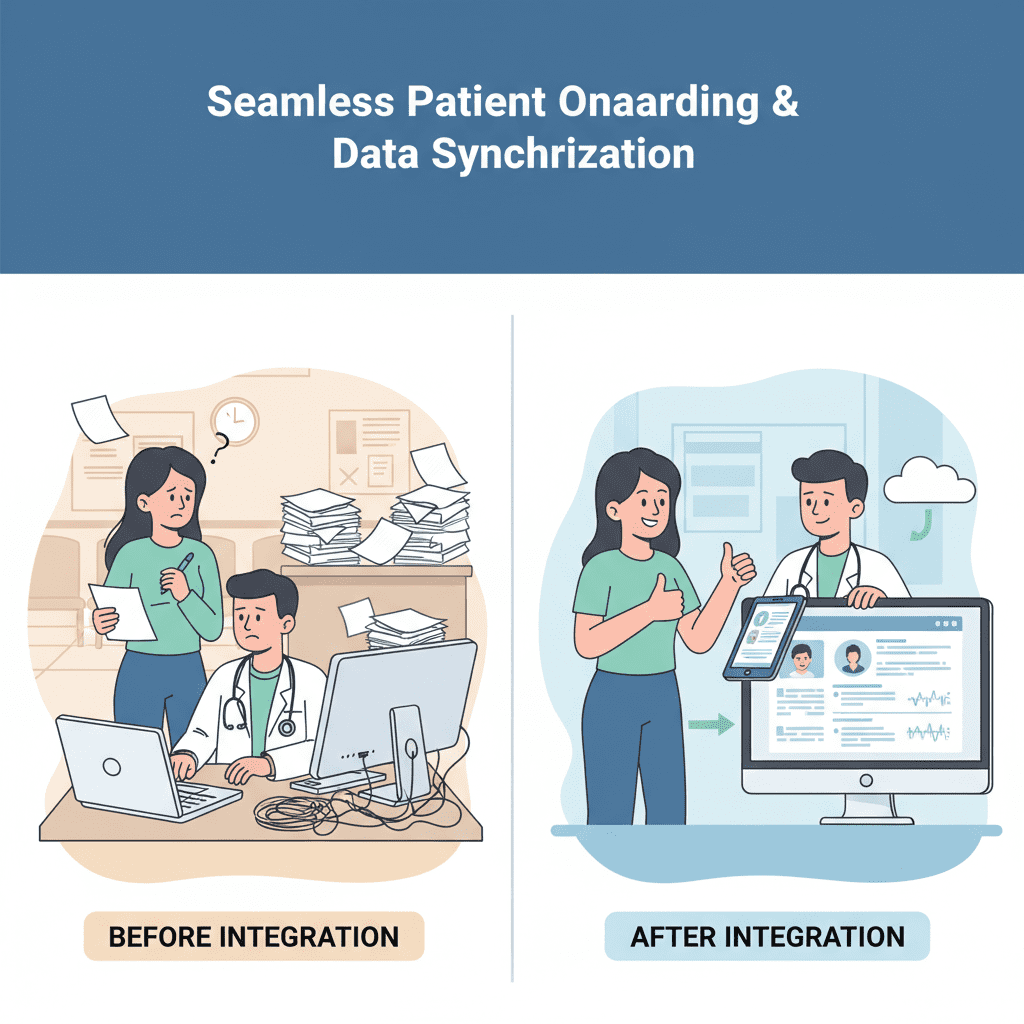
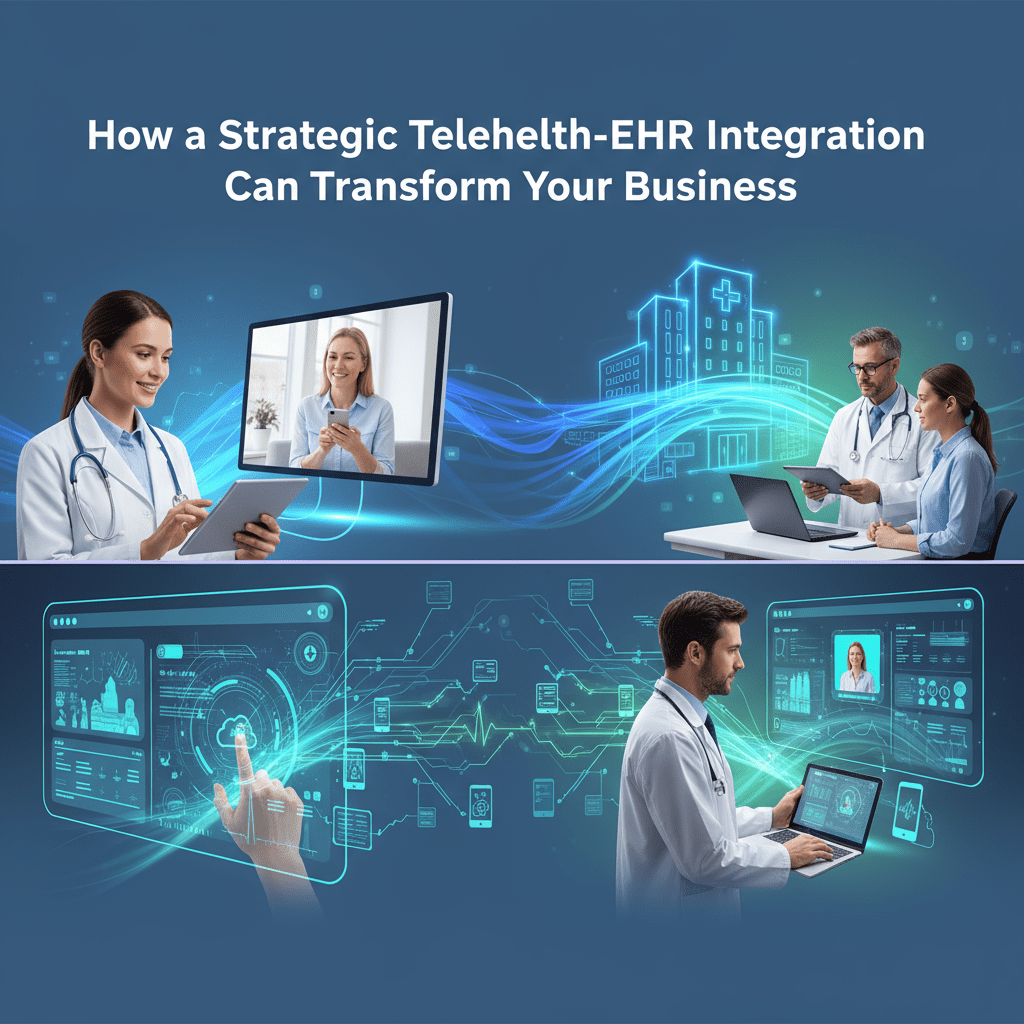
How a Strategic Telehealth-EHR Integration Can Transform Your Business: Use Cases, Process, Costs

Introduction The integration of telehealth systems with Electronic Health Records (EHR) is revolutionizing healthcare delivery by creating seamless, real-time access to patient data during virtual visits. This strategic alignment enhances care quality, streamlines operations, and opens new avenues for growth in healthcare organizations. Use Cases of Telehealth-EHR Integration Post-Surgical Follow-Ups Clinics use integrated systems to conduct virtual check-ins post-surgery, automatically updating patient records to ensure continuity and reduce unnecessary office visits. Remote Patient Monitoring Providers track chronic conditions via connected devices, with vitals and alerts seamlessly synced to the EHR, enabling proactive and timely interventions. Tele-specialty Consultations Specialists access comprehensive patient histories during remote consultations, reducing transcription errors and improving care coordination. Chronic Disease Management Integrated platforms allow centralized teams to monitor and respond to patient health remotely, reducing admissions and supporting underserved populations. Rural Telehealth Access Integration helps overcome barriers for rural facilities by enabling consistent remote care and efficient patient data exchange. Integration Process Overview Assessment & Planning: Evaluate existing telehealth and EHR systems for compatibility and establish integration goals. Choosing Integration Methods: Use APIs, HL7, or FHIR standards for data exchange. Data Mapping & Migration: Align telehealth data fields with EHR structures. Development & Testing: Build integration components and conduct rigorous testing. User Training: Train staff on new workflows and interfaces. Deployment & Monitoring: Rollout integration with ongoing support and optimization. Cost Considerations Small to mid-sized providers may expect initial setup costs between $20,000 to $200,000 depending on complexity. Data migration can range from $5,000 to $150,000+. Larger health systems investing in enterprise integration may face $400,000 to $600,000+ expenses. Annual maintenance, licensing, and staff training costs add to the ongoing investment. The right vendor partnership maximizes ROI while minimizing unforeseen expenses. Benefits of Integration Enhanced Clinical Workflow: Reduced manual entry, less duplication, and faster documentation. Improved Patient Experience: Seamless virtual visits with full access to medical history. Operational Efficiency: Streamlined billing, scheduling, and reporting. Scalability & Flexibility: Supports growth and new telehealth services with unified data infrastructure. Data Security & Compliance: Centralized policies reduce risk and simplify audits. Conclusion Strategic telehealth-EHR integration is a catalyst for healthcare innovation and improved business outcomes. By bridging virtual care with comprehensive patient records, organizations boost quality, efficiency, and patient satisfaction while controlling costs. For expert telehealth integration services and tailored healthcare technology solutions, visit TechOTD AI Services and stay informed via the TechOTD Blog.

Healthcare & Fitness

How Strategic Telehealth – EHR Integration Can Transform Your Business: Use Cases, Process, and Costs

Introduction In today’s rapidly evolving healthcare landscape, the integration of telehealth technologies with Electronic Health Records (EHR) is driving a transformative impact on how care is delivered and managed. Strategic telehealth-EHR integration not only enhances patient access and satisfaction but also streamlines operations, ensures regulatory compliance, and optimizes clinical outcomes. For healthcare providers and organizations seeking to remain competitive, improving care quality and operational efficiency through this integration has become essential. This comprehensive blog explores the significant benefits of integrating telehealth with EHR systems, real-world use cases, the integration process, cost considerations, and how innovative solutions from tech leaders like TechOTD are accelerating this healthcare transformation. Explore more about AI-driven healthcare innovations at TechOTD AI Services and browse through optimized technologies on the TechOTD blog. Understanding Telehealth – EHR Integration Telehealth-EHR integration enables seamless exchange of patient data between remote care platforms and centralized electronic health records. This unification supports efficient patient management, coordinated care, and real-time access to medical histories during virtual consultations. Integrated systems reduce manual data entry errors and optimize billing and documentation processes. Key features include: Real-time data synchronization for remote and in-person care interactions. Unified platform for patient scheduling, documentation, and follow-up. Streamlined workflows aligned with compliance requirements such as HIPAA. For detailed AI-driven health solutions empowering such integrations, see: Seamless Customer Journeys with AI. Use Cases: How Telehealth-EHR Integration Transforms Healthcare Business 1. Enhanced Remote Patient Monitoring (RPM) Integrated platforms facilitate continuous monitoring of chronic patients by syncing telehealth visits and IoT device data into EHRs. Clinicians gain comprehensive insights, enabling timely intervention and reducing hospital readmissions. 2. Virtual Consultations with Complete Medical History Physicians access patient history instantly during video consultations, improving diagnosis accuracy and personalizing care plans without delays or fragmented data. 3. Automated Clinical Workflows Integration automates documentation, e-prescriptions, and lab orders, reducing administrative burden and minimizing errors. This leads to faster patient throughput and billing cycles. 4. Improved Patient Engagement and Satisfaction Patients receive consistent communication, appointment reminders, and educational resources through integrated telehealth-EHR apps, fostering adherence and trust. 5. Data-Driven Population Health Management Aggregated data from remote visits enhances analytics, enabling preventive care strategies and outcome-based reimbursements. The Integration Process: Step-by-Step Implementing telehealth-EHR integration involves several structured phases: 1. Needs Assessment & Strategy Planning Analyze existing workflows, telehealth capabilities, and EHR architecture to define integration goals. Collaborate with clinical, IT, and compliance teams. 2. Technology Selection & Architecture Design Choose interoperable platforms and APIs, ensuring standards adherence (HL7, FHIR). Design secure data flows with encrypted channels. 3. Development & Customization Develop connectors or middlewares, customize UI/UX for providers and patients, and incorporate AI-driven tools for analytics and automation. Visit TechOTD’s how we work to learn about their tailored development approach. 4. Testing & Validation Conduct rigorous integration testing, data security audits, and user acceptance testing to ensure seamless data accuracy and system reliability. 5. Deployment & Training Roll out integrated systems gradually with stakeholder training to maximize adoption and minimize disruptions. 6. Ongoing Support & Optimization Maintain and update the system continuously, leveraging predictive analytics to proactively address system or clinical inefficiencies. Explore predictive analytics benefits here: Predictive Analytics Software Development: Features, Benefits & Use Cases. Estimated Costs of Telehealth – EHR Integration Costs vary depending on scale, existing systems, and customization needs: Cost Aspect Estimated Range (USD) Strategy & Consulting $10,000–$30,000 Software Development $50,000–$150,000 (API creation, middleware, UI/UX) Security & Compliance $10,000–$40,000 (Data encryption, audit frameworks) Testing & Deployment $15,000–$40,000 Training & Change Management $10,000–$25,000 Maintenance & Updates 15–25% of initial development cost annually Optimizing costs through AI and agile methodologies can reduce timelines and resource consumption. TechOTD specializes in delivering cost-efficient, scalable digital health solutions: Explore Mobile Apps & AI Services. Transforming Outcomes with AI and Emerging Technologies Integrating AI with telehealth and EHR unlocks powerful capabilities: Natural Language Processing (NLP) for automated clinical notes and coding. Sentiment Analysis to gauge patient feedback and improve service quality. Predictive Models for patient risk assessment and readmission forecasting. Computer Vision for remote diagnostics and image analysis. Read more about AI trends shaping healthcare innovation: AI Trends & Solutions – TechOTD. Real-World Impact and Industry Insights Leading healthcare organizations using telehealth-EHR integration report: 30–50% reduction in hospital readmissions. Up to 40% improvement in clinical workflow efficiency. Enhanced patient satisfaction scores and engagement. Additionally, blockchain technology integration enhances data security and patient privacy, as exemplified in Dubai’s business sector transformations: How Blockchain Integration Is Optimizing Business Processes in Dubai. Future Directions: Telehealth, EHR, and Beyond The healthcare sector is rapidly evolving with IoT, AI, and cloud-powered telehealth transforming patient care. Key future trends include: Interoperability advancements using standardized APIs for even smoother integrations. Personalized medicine driven by AI insights from comprehensive data ecosystems. Augmented reality (AR)/Virtual reality (VR) supported telehealth services. Influence of emerging large language models for healthcare insight generation: Large Language Models in Finance and Healthcare. Conclusion Strategic telehealth-EHR integration is a game-changer for healthcare businesses aiming to improve care quality, patient experience, and operational efficiency. By leveraging modern software practices, AI enhancements, and secure data management, organizations can not only meet regulatory demands but also gain a competitive edge. Consulting with expert technology partners like TechOTD ensures a smooth, scalable, and cost-effective integration that fuels innovation and growth. Start your transformation journey today: Book a Free Consultation with TechOTD and explore a wealth of knowledge in their Tech Blog. FAQ Q1: What are the primary benefits of telehealth-EHR integration? Better data access, efficient workflows, regulatory compliance, and improved patient care coordination. Q2: How complex is the integration process? It involves multiple phases—planning, development, testing, and training—usually spanning several months depending on the system scale. Q3: Can AI improve telehealth and EHR system efficiency? Yes, AI automates documentation, predicts patient risk, and enhances decision-making. Q4: What are typical costs involved in telehealth-EHR integration? Costs range depending on scale but typically are between $100,000 to $300,000 for comprehensive setups. Q5: How does blockchain relate to telehealth and EHR? Blockchain enhances data security, interoperability, and trustworthiness between providers and patients.

Healthcare & Fitness

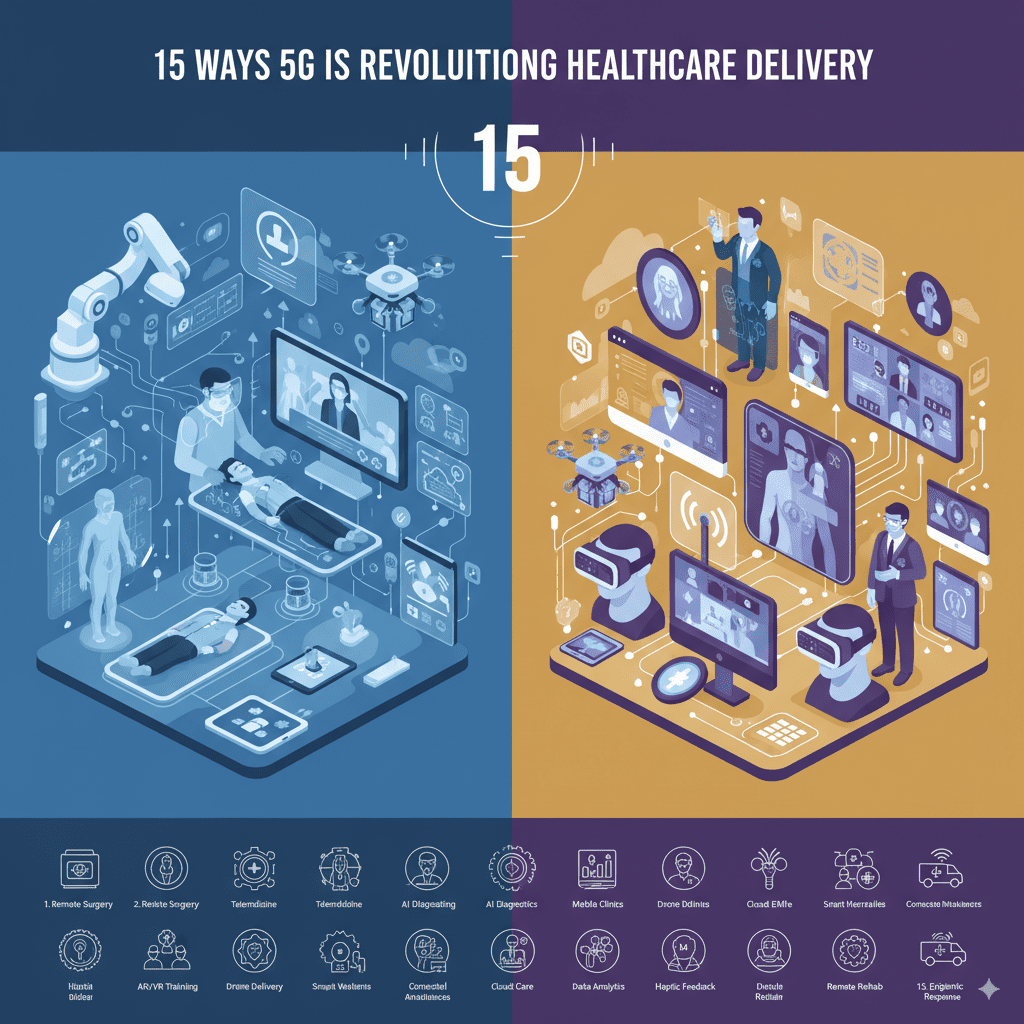
15 Ways 5G is Revolutionizing Healthcare Delivery

Introduction The healthcare industry is undergoing a seismic transformation powered by the emergence of 5G connectivity. The fifth generation of wireless networks offers blazing speeds, ultra-low latency, and the ability to connect unprecedented numbers of devices—all of which unlock new efficiencies and innovations in patient care. With a rapidly expanding global 5G healthcare market projected to surge from $70.94 billion in 2025 to nearly $390 billion by 2034, forward-looking providers are reimagining everything from diagnostics and surgery to patient monitoring and data management. This blog explores 15 practical ways 5G is revolutionizing healthcare delivery, empowering professionals and patients, and creating a smarter, more connected medical ecosystem. Real-Time Remote Patient Monitoring 5G networks support continuous remote patient monitoring (RPM) by seamlessly connecting wearables and IoT devices. Real-time transmission of vitals allows care teams to detect issues early and intervene before complications arise. Example: Heart monitors send instant readings via connected medical platforms, enabling faster doctor responses. High-Fidelity Telemedicine and Virtual Consultations Ultra-clear 4K+ video with almost zero lag dramatically enhances virtual medical visits. Doctors can visually inspect skin, wounds, or rashes in detail, building trust and accuracy in remote diagnosis. Example: Leading telehealth providers use 5G to connect diagnostic equipment during video consults. Connected Ambulances and Next-Gen Emergency Services 5G-equipped ambulances serve as “mobile ERs,” sharing live HD video and critical patient data with hospitals in real time. Paramedics receive expert guidance from remote clinicians during transport, improving life-saving outcomes. Example: University Hospitals in Birmingham piloted remote ultrasound guidance in 5G ambulances. Instantaneous Access to Electronic Health Records (EHR) 5G enables clinicians to access full EHRs—including large medical images—on tablets or devices anywhere in the hospital within seconds. Faster access means faster, more informed clinical decisions and workflow efficiency. Example: Rush University Medical Center’s private 5G boosts Epic system accessibility. The Rise of the Internet of Medical Things (IoMT) 5G enables thousands of connected IoMT devices in smart hospitals, powering smart beds, infusion pumps, and environmental sensors. Real-time data aggregation creates a digital twin of entire operations, driving clinical and operational optimization. Example: Philips HealthSuite manages data from millions of devices over robust 5G networks. Democratizing Expertise with Remote and Robotic Surgery Ultra-low 5G latency makes remote robotic surgery a reality. Surgeons in one location can perform delicate procedures on patients hundreds of miles away. Example: In China, remote thyroid surgeries have been performed thanks to 5G. Advanced Predictive Analytics for Patient Care Real-time sensor and medical record data flow enables AI-powered predictive models for sepsis risk, patient deterioration, and resource allocation. Enhanced clinician decision-making leads to proactive, personalized interventions. Example: The U.S. Veterans Affairs living lab uses 5G to power predictive analytics in chronic care. Immersive Medical Training with AR and VR Medical education evolves with 5G-fueled AR/VR, enabling virtual dissection, simulated surgeries, and lag-free team training. Complex procedures can be practiced in virtual operating rooms globally. Example: Multi-user platforms like GE HealthCare’s OmnifyXR allow remote collaborative training. Automated Hospital Kiosks and Self-Serve Stations 5G keeps smart kiosks and check-in stations fast and responsive, even during peak times. Automating patient intake, co-payment, and navigation streamlines operations and frees up staff. Example: Boston Children’s Hospital uses a hybrid 5G network for real-time registration and payments. Digital Twins for Personalized Treatment Planning Virtual patient “digital twins” simulate organs or systems for personalized planning and risk-free surgery rehearsal. High-throughput 5G transfers large imaging and modeling data seamlessly between systems and clinicians. Resilient Supply Chain and Smart Inventory Management 5G-powered sensors and tags track medical equipment, medications, and PPE in real time, reducing waste and shortages. Automated stock alerts and predictive maintenance lower costs and improve readiness. Enhanced Medical Imaging and Faster Diagnostics 5G dramatically reduces the time to transfer massive imaging files, accelerating diagnosis and treatment. Enables seamless collaboration among radiologists and AI-driven image analysis. Seamless Collaboration Between Healthcare Professionals Real-time, high-definition video and data sharing accelerate collaborative diagnosis, second opinions, and multidisciplinary decision-making. Teams work seamlessly—even across continents—improving complex case outcomes. Improved Patient Data Security and Privacy 5G’s network slicing and advanced encryption ensure that critical patient data is isolated from general traffic. Hospitals can deploy Zero Trust frameworks to verify every app, user, and device before access. Example: Advanced hospital networks use hardware-level isolation and separate encryption keys for security. Supporting Rural and Underserved Communities Fixed wireless access (FWA) over 5G delivers high-speed Internet to remote clinics, enabling telemedicine, specialist consults, and remote diagnostics. Rural patients gain access to advanced care previously only available in major cities. Example: T-Mobile’s Project 10Million brings 5G health services and virtual appointments to rural schools and clinics. Conclusion 5G is redefining the healthcare playbook, transforming both the patient and provider experiences with speed, scale, and intelligence never before possible. From telemedicine and robotic surgery to predictive analytics, immersive training, and robust supply chain management, the applications are far-reaching and evidence-based. Forward-thinking organizations are already moving quickly to integrate 5G, gaining efficiency, resilience, and a decisive edge in the pursuit of delivering better, more accessible care. Now is the time for healthcare leaders to prioritize bold adoption—and to build a digital health future where connectivity, compassion, and innovation go hand in hand. Ready to future-proof healthcare operations or deliver next-gen patient experiences? Contact a digital healthcare transformation expert for an in-depth 5G strategy assessment today. FAQ Q1: What is the biggest impact of 5G in healthcare? A: Remote patient monitoring and telemedicine provide continuous, real-time care and expand access to specialists for rural and urban populations alike. Q2: Is 5G safe and secure for patient information? A: Yes, 5G offers advanced security features such as network slicing and end-to-end encryption, helping protect sensitive medical data against cyber threats. Q3: How does 5G benefit hospital operations? A: 5G streamlines data flows, enhances collaboration, enables instant access to EHRs, and supports smart logistics—resulting in faster patient throughput, fewer errors, and reduced administrative burden. Q4: Can 5G enable surgeries performed from remote locations? A: Absolutely. 5G’s ultra-low latency allows surgeons to operate on patients miles away, democratizing access to cutting-edge specialized

Healthcare & Fitness

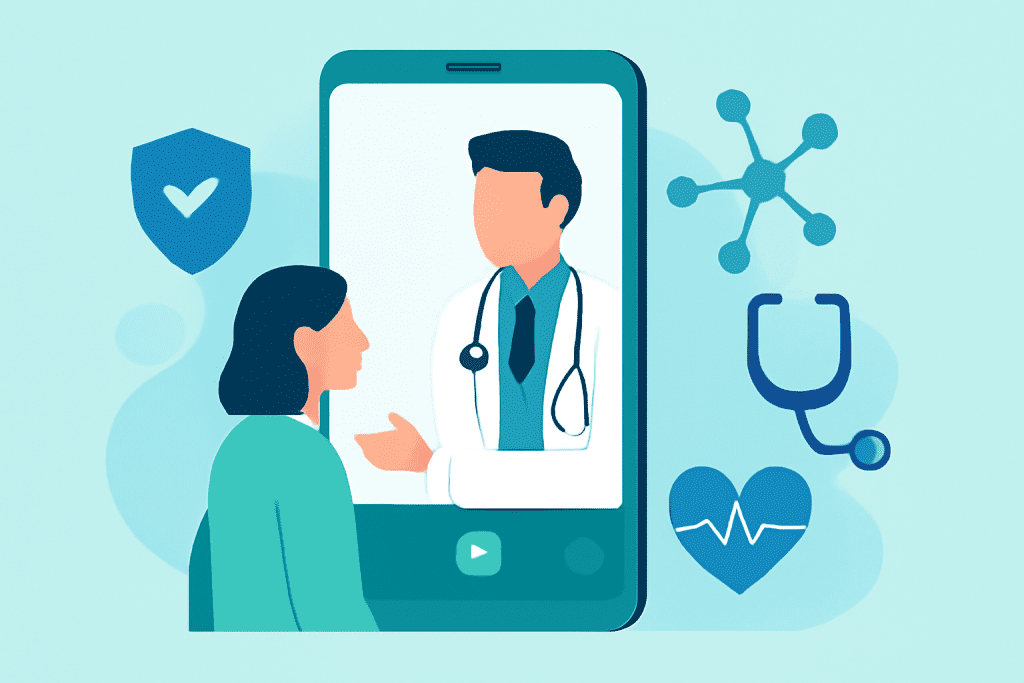
Telemedicine App Development: Build a Secure & Scalable Telehealth Platform

Introduction As healthcare rapidly digitizes, telemedicine has evolved from a niche offering to an indispensable service connecting patients and providers anywhere, anytime. An effective telemedicine app solves challenges of accessibility, convenience, and real-time care—while navigating complex regulations and security concerns. Building a secure and scalable telehealth platform demands technical innovation, rigorous compliance, and a patient-centered design approach. This blog provides a comprehensive guide for building modern telemedicine apps, packed with insights, feature checklists, technology recommendations, and best practices—plus direct backlinks to TechOTD AI Services, the TechOTD Blog, and other expert resources. 1. Market Research and Defining Your Telemedicine Use Case Successful telemedicine projects start with a clear understanding of real user needs and market gaps. Analyze providers’ workflows and patients’ pain points, leveraging competitor reviews for actionable feedback. Address both acute and chronic care while considering unique regulatory requirements for different specialties and geographies. Plan for compliance early—HIPAA, GDPR, and regional regulations can dramatically affect architecture and timeline. 2. Choose the Right Technology Stack A future-ready telemedicine platform balances security, flexibility, and scale: Layer Examples (2025) Purpose Frontend React Native, Flutter, Swift, Kotlin Cross-platform UI, responsive on all devices Backend Node.js, Python, Java, .NET Fast, scalable API server, handles business logic Database PostgreSQL, MongoDB Secure, reliable storage of health records Cloud AWS, Azure, Google Cloud HIPAA-ready hosting, scalable infrastructure APIs Twilio (video), Stripe/PayPal (payments), Redox/FHIR (EHR) Real-time features, payments, interoperability Security OAuth 2.0, SSL/TLS, JWT Auth, encrypted data, safe transactions AI and predictive analytics integration increase platform value—see TechOTD AI Services and the Predictive Analytics Blog. 3. Design for Security & Compliance Protecting sensitive PHI is paramount. Best practices include: End-to-end encryption for data in transit and at rest Multi-factor authentication Secure role-based access and audit logging Consent management and clear data privacy policies Alignment with HIPAA, GDPR, and local healthcare regulations Blockchain solutions can further secure records and patient consents—explore this in TechOTD Blockchain Integration. 4. Build Core Features for Patients and Providers Modern telehealth platforms deliver an engaging clinical experience: User authentication & onboarding (AI-driven KYC for security) Appointment scheduling & reminders HD video consultations with low-latency streaming Secure chat and document sharing E-prescriptions & digital consents Integrated e-payments & billing, insurance processing EMR/EHR integration for provider continuity AI symptom checkers and post-visit care bots (learn more in AI & LLMs in Healthcare) Accessible UX (voice, large fonts, multi-language) Push notifications and patient engagement tools 5. Ensure Scalability and High Availability App performance should seamlessly support spikes in demand, regional expansion, and new services. Embrace cloud-native, microservices architectures. Implement autoscaling, load balancing, and robust CI/CD pipelines. Plan for future integrations using open APIs and modular software principles. Agile delivery and regular user feedback keep deployment efficient—see how TechOTD’s process optimizes outcomes at How We Work. 6. Testing, Launch, and Post-Launch Strategies Conduct comprehensive unit, integration, UAT, and security tests (HIPAA-aware/penetration testing) Validate cross-platform device and browser compatibility Deploy to app stores/enterprise distribution with rollback and monitoring tools Offer continuous technical support, updates, and user education Monitor app health, collect analytics, and release features iteratively Find guides on process and optimization at the TechOTD Blog. 7. Advanced Innovations: AI, Analytics, and Automation Embed AI to drive smarter care and better outcomes: AI chatbots for triage and 24/7 support (Service Excellence) Predictive risk assessment, personalized content NLP-powered automated documentation and speech-to-text Real-time data dashboards for providers and patients Integration with wearables and IoT for remote monitoring 8. Illustrative Budget and Timeline Telemedicine app costs in 2025 range widely: MVP: $30,000–$75,000 (core video/scheduling/chat) Full scale: $150,000–$250,000+ (AI, cloud, EHR integration, security, automation) Timeline: MVPs in 3–6 months; enterprise solutions 9–18+ months Offshore, onshore, and hybrid teams have different benefits—choose according to compliance needs and project complexity. For more, see: Mobile Apps Services. 9. Key Challenges (and Solutions) Complex multi-jurisdictional compliance—Plan regulatory alignment early User trust and adoption—Transparent privacy, simple UI/UX, clear support Technical integration—Robust APIs and partnerships with labs, pharmacies, and billing platforms Continuous quality—Agile feedback loops, analytics monitoring, rapid update cycles Conclusion Secure, scalable telemedicine platforms are at the heart of digital healthcare’s next decade. With thoughtful planning, a robust technical foundation, airtight security, and user-centric design, organizations can deliver outstanding digital health services at scale. Integrate AI, analytics, and blockchain to future-proof your product, and work with trusted partners for best results. For consulting, custom solutions, and end-to-end app development, partner with TechOTD AI Services, explore real-world results on the TechOTD Blog, and discover streamlined development at How We Work.

Healthcare & Fitness

Cloud Infrastructure and DevOps in Healthcare Apps

Introduction The intersection of cloud infrastructure and DevOps is revolutionizing how healthcare applications are built, deployed, and maintained, making healthcare systems more agile, compliant, and patient-centered. These advances empower providers to store vast amounts of sensitive data securely, deliver real-time services to patients worldwide, and quickly innovate in response to emerging needs and regulatory guidelines. Explore how AI-powered healthcare applications are transforming patient experiences and operations—see more on cloud-based AI services and their integration journey. The Role of Cloud Infrastructure in Healthcare Apps Scalability and Flexibility Cloud platforms such as AWS, Azure, and Google Cloud enable healthcare organizations to scale resources up or down dynamically, adapting to fluctuating workloads, seasonal spikes, or pandemic-driven surges in demand. This elasticity is essential for electronic health records (EHR), big data analytics, telemedicine, and remote monitoring applications. Multicloud and hybrid architectures are gaining traction, allowing seamless integration to meet stringent compliance needs and local storage guidelines. Private clouds cater to high-security environments such as large hospitals and research institutions, while public clouds efficiently handle analytics, appointments, and remote care. For a detailed breakdown of cloud-driven innovation in healthcare, visit TechOTD’s main blog. Secure Data Storage and Compliance Sensitive medical data demands the highest levels of security and compliance. Cloud vendors offer HIPAA- and GDPR-compliant solutions that maintain data privacy, encryption, and integrity. End-to-end encryption, auditing, and identity management are embedded in modern cloud services. Automated backups and disaster recovery protocols minimize downtime and data loss. To understand how TechOTD addresses privacy and compliance in healthcare, see the Privacy & Cookies policy. Accelerating Digital Health with AI and Analytics Cloud infrastructure empowers healthcare organizations to leverage advanced AI, machine learning, and predictive analytics. Key applications include: Standardizing precision diagnostics with massive image datasets, Predicting patient risks using trend analysis and real-time telemetry, Automating administrative documentation with NLP engines. Discover feature-rich use cases in predictive analytics on TechOTD’s dedicated analytics page. Enabling Telehealth and Remote Patient Monitoring The adoption of telemedicine surged during the COVID-19 pandemic, with cloud platforms facilitating: Real-time video consultations, Remote patient monitoring using IoT wearables, Synchronous data sharing among care teams. Integration details for mobile healthcare solutions are documented in TechOTD’s mobile app services section. DevOps: The Engine of Continuous Healthcare Innovation What Is DevOps in Healthcare? DevOps combines software development (Dev) and IT operations (Ops) to foster automation, collaboration, and rapid deployments. In healthcare, this approach: Shortens application release cycles, Ensures continuous integration and delivery (CI/CD), Facilitates ongoing feedback and quality improvements. Explore practical examples of workflow optimization on the TechOTD blog. Key Benefits of DevOps for Healthcare Faster Time to Market Automates deployments, enabling rapid roll-out of new features and critical patches. Provides a competitive edge in launching telehealth and AI-driven apps. Improved Patient Outcomes Supports continuous monitoring and rapid issue resolution, which enhances clinical reliability and patient trust. Real-time data analytics drive timely decisions at the point of care. Security and Compliance Implements DevSecOps to integrate security into every phase of the application lifecycle. Ensures adherence to sector-specific regulations (HIPAA, GDPR, etc.) using automated compliance checks. See TechOTD’s structured approach to secure software on their How We Work page. Cost and Resource Efficiency Applies Infrastructure as Code (IaC) principles, minimizing manual tasks and human error. Optimizes cloud spend by enabling demand-driven resource allocation. Case studies on cost savings and operational improvements can be found in TechOTD’s blog industry section. AI and Predictive Analytics Support Maintains stable environments for AI/ML-powered healthcare applications. Accelerates the development of smart diagnostics, triaging, and personalized medicine. For examples of large language models in regulated sectors, see LLMs in Finance. Implementing Cloud and DevOps for Healthcare Apps: A Step-by-Step Roadmap 1. Assess Business Needs and Regulatory Requirements Conduct a deep analysis of the existing tech ecosystem and compliance landscape. Evaluate suitability for cloud migration and DevOps adoption. Explore a real-world blueprint on TechOTD’s services overview. 2. Data Strategy and Cloud Architecture Selection Identify sensitive and non-sensitive datasets. Choose optimal cloud deployment models: public, private, hybrid, or multicloud. 3. Develop Secure, Scalable Applications Using DevOps Practices Implement CI/CD pipelines for all healthcare modules: EHRs, billing, telemedicine, and connected health IoT solutions. Automate testing, code reviews, and compliance checks to guarantee quality and security. 4. Integrate AI, Analytics, and Automation Leverage cloud APIs and frameworks for real-time analytics, predictive insights, and automated workflows. Explore how AI supports preventive care and operational efficiency in TechOTD’s AI service models. 5. Continuous Monitoring, Maintenance, and Support Use cloud-based monitoring tools (e.g., Grafana, Azure Monitor) for uptime, performance, and security event tracking. Establish mechanisms for ongoing maintenance, data retraining, and customer support. For workflow strategies, check out customer journey mapping with AI. Emerging Trends and Future Directions AI-Powered Healthcare and Predictive Care Increasing adoption of generative AI, chatbots for patient triage, and risk stratification tools. Integration of real-time wearable IoT data with cloud-hosted analytics engines. Get a comprehensive review of technology trends in healthcare and beyond at TechOTD’s blog. Blockchain Integration for Secure Health Data Blockchain ensures transparent, immutable transaction logging, critical for audit trails in clinical trials, medication administration, and consent management. Find an in-depth analysis at TechOTD’s blockchain blog post. Regulatory Evolution and Interoperability Ongoing standards development for seamless data exchange (HL7 FHIR, DICOM) and international interoperability. Enhanced focus on privacy-preserving machine learning and federated learning architectures. Challenges in Cloud and DevOps Adoption Legacy systems and data silos limiting seamless migration. Addressing complex multi-region compliance and data residency requirements. Upfront investments in talent, training, and DevOps/Cloud tooling. Best practices, pitfalls, and CRM integration insights can be found at TechOTD’s mobile app frameworks guide. Conclusion: Cloud and DevOps as Healthcare’s Innovation Backbone The synergy of cloud infrastructure and DevOps is shaping a future where healthcare is more agile, resilient, and patient-focused than ever before. With ongoing advancements in AI, predictive analytics, and compliance automation, healthcare providers are set to deliver faster, more effective, and more personalized care. For more guidance, industry news, and in-depth resources, visit: Privacy & AI Solutions TechOTD Blog Home How We Work at TechOTD Predictive Analytics Features Mobile Application Services Advanced Industry Insights Customer-Centric AI Journeys LLMs in Finance Use Cases Technology for Modern Education Gadgets for

Healthcare & Fitness

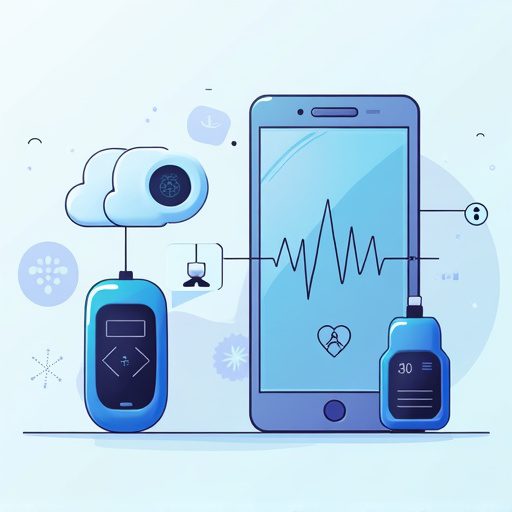
IoT-Based Wearable Integration: ECG Patches & Glucose Monitors

Introduction The convergence of the Internet of Things (IoT) and wearable technologies is redefining healthcare accessibility, monitoring, and personalization. Among these innovations, wearable ECG patches and continuous glucose monitors (CGMs) stand out as life-changing tools for patients managing cardiovascular and metabolic conditions. These IoT-enabled wearables continuously collect real-time physiological data, transmitting vital insights to caregivers, cloud platforms, and AI-powered healthcare analytics systems. Whether you’re a clinician, health-tech entrepreneur, or a patient eager to understand modern medical tools, learning about these integrations is critical. This comprehensive blog dives into IoT-based wearable integration, exploring use cases, technological breakthroughs, industry applications, challenges, and future trends. Along the way, we’ll highlight how tools like TechOTD’s AI services, predictive analytics, and mobile applications are shaping the broader digital transformation in healthcare. 1. Understanding Wearable IoT for Healthcare What Defines IoT Wearables? IoT-based wearables are sensor-embedded devices that collect health data—such as heart rhythms or glucose levels—and transmit it wirelessly via BLE, Wi-Fi, or cellular networks to apps or cloud platforms. These systems enable real-time, remote patient monitoring and advanced analytics. For a deeper dive into how digital ecosystems are structured, check out TechOTD’s detailed framework: How We Work. Continuous Glucose Monitoring (CGM) CGMs revolutionize diabetes care by providing continuous glucose data. Devices like FreeStyle Libre and Eversense are FDA-approved and deliver real-time blood sugar insights directly to mobile apps. Injectable and Patch-Based Glucose Sensors Newer non-invasive solutions such as lab-on-a-patch and optical glucose sensors are emerging, minimizing or eliminating the need for finger-stick tests. Wearable ECG Patches   Modern ambulatory ECG patches are: Compact & lightweight for patient comfort. Water-resistant for daily activities. Multi-lead capable, giving cardiologists richer data. Cloud-integrated for real-time analytics. 2. Use Cases & Benefits of ECG Patches and CGMs Real-Time Cardiac Monitoring ECG patches continuously record cardiac activity, detect arrhythmias, and enable early intervention. Their integration with predictive AI algorithms enhances risk detection. Accurate Glucose Management CGMs reduce reliance on finger pricks and allow patients to track and adjust lifestyles in real time. Alerts warn about hypo/hyperglycemia, preventing hospitalizations. Preventive Healthcare & Predictive Insights When paired with predictive analytics tools (see TechOTD’s blog), wearables anticipate health risks, giving doctors the chance to act before an emergency arises. ICU & Critical Care Applications Advanced skin patches can now monitor multiple biomarkers—helping ICU teams optimize drug dosages and monitor sepsis patients in real time. Edge & 5G-Enabled Monitoring Integration with 5G and edge computing ensures ultra-low-latency alerts, critical for conditions like cardiac arrest or sudden diabetic events. 3. Technical Infrastructure & Integration Connectivity & Gateways BLE, Wi-Fi, and IoT-enabled modules connect devices to smartphones. Gateways push data into cloud platforms where analytics engines run. For companies planning mobile-first healthcare platforms, explore TechOTD’s Mobile App Services. Security & Privacy Data encryption and blockchain-powered infrastructures (see here) are crucial for compliance with HIPAA, GDPR, and FDA regulations. Analytics with AI & Predictive Tools AI detects anomalies like arrhythmias or abnormal glucose trends. More advanced systems integrate Large Language Models (LLMs) for contextual alerts (LLMs in Finance blog). Personalized Health Insights Integration with AI-driven analytics dashboards transforms wearables into tools for personalized, preventive healthcare. 4. Industry Applications & Broader Trends Consumer Health → Smartwatches integrating ECG and glucose monitoring for wellness. Diabetes Management → CGMs helping reduce ER visits by real-time alerts. Cardiology → ECG patches used for remote diagnostics. Remote Patient Monitoring (RPM) → Patients monitored outside hospitals, reducing strain on facilities. For additional insights into digital health strategies, check out TechOTD’s Technology Impact on Education for CEOs—many lessons also apply to healthcare leadership. 5. Challenges & Mitigation Strategies Sensor Accuracy & Reliability → Adopt medical-grade calibration. Connectivity Constraints → Use offline caching with low-power BLE. Regulatory Compliance → Ensure HIPAA, GDPR, and FDA approvals. Data Overload → Implement AI and edge computing filters. User Adoption → Prioritize comfort and usability in design. For businesses designing these solutions, TechOTD’s blog hub has resources across AI, IoT, and app development. 6. Future Trends in Wearable IoT Health Multi-marker Smart Patches: Monitoring lactate, troponin, and more. Edge AI Detection: Running anomaly detection directly on-device. Spectroscopy-based Non-Invasive Sensors: Pain-free glucose tracking. Preventive Health Tools: Predicting disease before symptoms. 5G-Driven Wearable Ecosystems: Near-instant alerts for emergencies. For real-world parallels, see TechOTD’s Best Gadgets for Programmers 2025—showing how wearables and smart devices intersect across industries. 7. Leveraging TechOTD’s Ecosystem To harness the full potential of wearable IoT integration, businesses need a robust digital backbone. TechOTD provides: AI Analytics & Predictive Tools → AI Page. Mobile Application Development → Mobile Apps Services. IoT & Blockchain Strategy → Blockchain Blog. Proven Delivery Models → How We Work. Knowledge Leadership → Industry Insights. 8. Summary Table: Benefits & Use Cases Use Case / Feature Benefit / Impact ECG Patches Arrhythmia detection & continuous monitoring Continuous Glucose Monitors Real-time diabetes management & alerts Multi-marker Biosensor Patches ICU biomarker monitoring for critical care AI Analytics Integration Predictive alerts & anomaly detection Edge Computing + 5G Near-instant emergency detection Non-invasive CGM Pain-free, patient-friendly glucose tracking 9. FAQs Q1: How do ECG patches differ from Holter monitors?ECG patches are smaller, multi-lead, water-resistant, and integrate with smartphones—making them more comfortable and efficient. Q2: Can CGMs replace finger-prick tests?Yes, FDA-approved CGMs provide highly accurate real-time glucose monitoring, minimizing traditional tests. Q3: Is wearable data secure?Yes, provided end-to-end encryption and blockchain-based protections are applied. Q4: What’s next for wearable health technology?Expect multi-biomarker smart patches, edge AI, spectroscopy sensors, and fully integrated IoT health ecosystems. Conclusion IoT-based wearables—especially ECG patches and continuous glucose monitors—are transforming healthcare by enabling real-time, personalized, and predictive care. With the power of AI analytics, blockchain security, mobile apps, and 5G integration, healthcare providers can scale remote patient monitoring, improve outcomes, and reduce costs. As digital health ecosystems mature, organizations that embrace IoT-enabled wearable integration will be leaders in preventive care and chronic disease management. By partnering with innovation leaders like TechOTD, healthcare providers and businesses can build next-gen platforms that connect patients, caregivers, and data into a seamless, life-saving ecosystem.

Healthcare & Fitness

4 Things You Should Know About Healthcare App Development

Introduction In the last few years, healthcare app development has rapidly gained momentum, revolutionizing how patients, doctors, and healthcare providers interact. From telemedicine platforms to AI-powered diagnostics, healthcare apps today have become an integral part of ensuring efficient care delivery and personalized experiences. The healthcare industry is projected to surpass $660 billion in digital health spending by 2025, with mobile apps leading the wave.   If you’re a healthcare entrepreneur, CTO, or digital transformation leader, understanding the essential factors in healthcare app development is critical. Whether it’s compliance, security, adopting AI, or ensuring seamless user experiences, the right approach can determine your app’s success. 👉 In this blog, we’ll cover the 4 most important things you should know about developing a healthcare app, along with strategies, technologies, and industry best practices. 1. Regulatory Compliance and Data Security in Healthcare Apps Healthcare apps aren’t like normal mobile applications—they deal with highly sensitive patient data. Ensuring compliance with industry regulations is vital to protect user trust and avoid legal issues. Key Compliance Standards: HIPAA (USA) – Protects patient data and privacy. GDPR (Europe) – Ensures secure handling of personal data. ISO 27001 & HL7 Standards – Define best practices for data exchange and information security. Indian PDP Bill (India) – Aligns with data privacy rules. Why Data Security Matters: Over 81% of healthcare organizations have experienced cyberattacks. Breaches cost the healthcare industry $10.93 million per incident (IBM, 2024). Best Practices for Security: Data Encryption – Protect data in transit and at rest. Multi-Factor Authentication (MFA) – Prevent unauthorized access. Cloud Security – Use trusted cloud providers like AWS and Azure (see TechOTD AI services). Compliance-First Development – Integrate compliance rules early in the design (see how we work). 💡 Pro Tip: Always include compliance audits during app development milestones. 2. AI and Emerging Technologies Transforming Healthcare Apps AI is changing the face of healthcare mobile app development. From predictive analytics to computer vision in radiology, AI ensures better outcomes while reducing costs. Examples of AI in Healthcare Apps: Predictive Analytics: For early disease detection (learn more in predictive analytics software guide). Natural Language Processing (NLP): Enables medical chatbots and intelligent diagnosis tools. Generative AI: Assists doctors in generating reports and analyzing patient histories. IoT & Wearables: Collect real-time health data to integrate with hospital systems (IoT in telecom blog). Blockchain: Used in healthcare to secure patient data (see blockchain in Dubai business processes blog). Benefits of AI in Healthcare Apps: ✔️ Faster diagnosis and treatment ✔️ Enhanced patient engagement through personalized care ✔️ Reduced operational costs ✔️ Data-driven insights for doctors and providers 3. User-Centric Design and Seamless Experience No matter how advanced your healthcare app is, if it’s not easy to use, adoption rates will remain low. Both patients and doctors need a frictionless experience. Key Aspects of User Experience (UX) in Healthcare Apps: Intuitive Design: Clear navigation, easy access to reports, and minimal clicks. Accessibility: Voice commands, large fonts, and screen readers for differently-abled users. Telemedicine Integration: Smooth video conferencing with stable connectivity. Data Visualization: Simple dashboards for patients and analytics (powered by tools like Tableau and Grafana—as highlighted in AI services). 📌 Fun Fact: 77% of users uninstall an app within three days if UX is poor. 💡 Pro Tip: Conduct usability testing with real doctors and patients before full-scale deployment. 4. Cost, Scalability, and Long-Term Maintenance Building a healthcare app is not just about the initial launch—it’s a long-term journey. Factors Affecting Healthcare App Development Cost: App Type (patient app, doctor app, telemedicine, pharmacy solutions, etc.) Tech Stack (native apps in Swift vs React Native) AI Features Integration (predictive models, chatbots, computer vision). Security & Compliance Measures. Average Development Cost in 2025: Basic healthcare app: $40K – $60K Mid-level with AI: $80K – $150K Enterprise-grade with full features: $200K+ Scalability Considerations: Support cloud migration with Kubernetes & DevOps integration (TechOTD platforms). Ensure modular architecture for feature upgrades. Invest in ongoing support & maintenance (see service page). Key Points Summary Table Factor Why It’s Important Best Practices / Solutions Regulatory Compliance Legal + patient trust HIPAA, GDPR compliance, audit trails, secure cloud integration AI & Emerging Tech Efficiency + innovation Predictive analytics, NLP chatbots, IoT devices, blockchain for secure records User Experience Adoption & retention Simple UI, telemedicine features, accessibility, dashboard visualization Cost & Scalability Long-term ROI Proper budgeting, modular app design, DevOps + cloud for scalability, maintenance contracts Conclusion Healthcare app development is reshaping global health delivery systems. But success lies in balancing compliance, innovation, patient experience, and scalability. By embracing AI, predictive analytics, robust cloud systems, and secure data handling, businesses can unlock innovative healthcare solutions. If you are planning to develop a healthcare app, partnering with experts like TechOTD can help ensure compliance, efficiency, and future-ready features. 📢 Call-to-Action (CTA): Ready to build a secure, AI-powered healthcare app? Book a free consultation with our experts today to kickstart your journey. Frequently Asked Questions (FAQ) 1. How long does it take to develop a healthcare app? It usually takes 4–8 months depending on app complexity, integrations, and compliance requirements. 2. Which technologies are best for healthcare app development? Popular frameworks include Swift, React Native, Python, TensorFlow, and Kubernetes. AI and IoT integrations are also widely used. 3. How can AI improve healthcare apps? AI improves diagnosis, patient engagement, and predictive healthcare insights while lowering costs. 4. Do healthcare apps need to comply with HIPAA or GDPR? Yes. Compliance is essential to ensure data security, avoid penalties, and maintain patient trust. 5. What is the average cost of developing a healthcare app in 2025? Between $60K and $200K+, depending on complexity, features, and compliance level.

Digital Transformation, Healthcare & Fitness

Digital Transformation in Construction: Shaping the Next Era

Introduction The construction industry in 2025 stands at the cusp of a revolution powered by digital transformation. With increasing project complexity, rising costs, and growing demands for sustainability and safety, traditional practices are rapidly evolving to embrace technology-driven solutions. From artificial intelligence to IoT, robotics to digital twins, these innovations are reshaping how construction projects are planned, managed, and delivered. For construction firms, understanding these advancements is no longer optional but essential to remain competitive in a dynamic market. Digital transformation is no longer a future concept but a present-day reality. By integrating cutting-edge technologies, construction companies can streamline operations, minimize errors, increase safety, and boost profitability. This blog explores the technologies driving change, key benefits, real-world use cases, emerging trends, and the challenges construction leaders must address. Key Technologies Driving Digital Transformation in Construction Artificial Intelligence (AI) & Generative AI Automates design generation, compliance checks, and risk assessments. Enhances project scheduling, resource allocation, and predictive maintenance. Generative AI can explore multiple design alternatives, reducing design cycle times and optimizing project outcomes. Internet of Things (IoT) Enables real-time tracking of equipment, materials, and environmental conditions. Connected wearables and smart helmets improve worker safety by detecting hazards instantly. Sensors embedded in infrastructure provide continuous monitoring, predicting maintenance needs. Building Information Modeling (BIM) Provides a collaborative 3D digital model that integrates design, planning, and execution. Reduces errors and rework by ensuring all stakeholders work on a shared platform. Supports sustainability by simulating energy efficiency and material optimization. Robotics and Automation Performs repetitive, labor-intensive, and dangerous tasks such as bricklaying, welding, and concrete pouring. Enhances efficiency, reduces project timelines, and minimizes risks of human error. Construction Drones and Digital Twins Drones enable accurate site mapping, real-time aerial monitoring, and faster inspections. Digital twins create virtual replicas of construction projects, enabling predictive analysis and operational simulations. Modular and Additive Manufacturing Prefabrication and 3D printing accelerate project delivery, reduce material waste, and improve quality. Encourages sustainability by enabling eco-friendly materials and reducing on-site disruptions. Cloud Computing and Mobile-First Tools Cloud platforms facilitate real-time data sharing across teams, improving collaboration. Mobile apps allow on-site teams to access blueprints, update progress, and capture data—even in remote areas. Major Benefits of Digital Transformation in Construction Increased Productivity: Automation and connected workflows reduce redundancy and streamline project execution. Enhanced Safety: AI-powered monitoring and IoT-enabled wearables minimize on-site hazards. Cost Reduction: Efficient scheduling, reduced waste, and optimized resources lower overall project costs. Improved Collaboration: BIM and cloud tools foster transparent communication across stakeholders. Sustainability: Digital solutions support eco-friendly practices, energy-efficient designs, and waste reduction. Better Decision-Making: Data-driven insights enable proactive adjustments to minimize risks and delays. Real-World Examples and Use Cases Morgan Construction: Streamlined employee onboarding and administration by replacing spreadsheets with automated digital workflows, saving time and reducing errors. Sullivan Engineering: Adopted no-code digital tools, saving 700+ hours annually on repetitive tasks. John Holland: Leveraged generative AI to optimize project designs, cut costs, and increase productivity. Drone-enabled projects: Boosted safety and inspection efficiency with aerial mapping and real-time site data. AI + Digital Twins: Enabled predictive maintenance, reduced delays, and provided immersive project visualization. Emerging Trends and Challenges in 2025 Emerging Trends Sustainable Construction: Net Zero Energy Buildings, recycled materials, and energy-efficient technologies. Labor Shortages: Accelerated adoption of automation, robotics, and employee upskilling programs. Supply Chain Resilience: Digital supply chain management and modular construction mitigate disruptions. Connected and Remote Work: Cloud and mobile-first tools enable seamless collaboration across distributed teams. Safety Innovations: VR training, AI hazard detection, and IoT wearables for compliance and worker protection. Challenges High upfront investment in digital tools. Cybersecurity risks with increasing data dependency. Workforce resistance to change and lack of digital skills. Integration complexities across multiple platforms and legacy systems. Conclusion Digital transformation is fundamentally reshaping the construction industry, enabling companies to build faster, safer, greener, and smarter. By adopting AI, IoT, BIM, robotics, drones, and cloud solutions, firms can boost efficiency, improve collaboration, and remain sustainable in a rapidly evolving market. The companies that embrace these innovations today will future-proof their operations and secure a competitive edge for tomorrow. Call to Action: Explore cutting-edge digital construction solutions and partner with technology leaders like TechOTD to implement AI-driven platforms, mobile apps, and automation tools tailored for construction excellence. FAQ Q1: What is digital transformation in construction? It is the integration of digital technologies such as AI, IoT, BIM, and cloud computing to improve construction processes, safety, collaboration, and profitability. Q2: How does AI benefit construction projects? AI optimizes scheduling, predicts risks, automates compliance, and improves design accuracy, reducing delays and costs. Q3: What is BIM and why is it important? BIM is a 3D collaborative digital model that integrates all aspects of a project, reducing design conflicts and improving project quality. Q4: How are drones used in construction? Drones support aerial inspections, site mapping, and real-time monitoring, enhancing safety and efficiency. Q5: What challenges does digital transformation address in construction? It addresses labor shortages, safety risks, supply chain disruptions, and sustainability challenges while enhancing efficiency. Key Points Table Aspect Details Core Technologies AI, IoT, BIM, Robotics, Drones, Cloud, Modular Construction Benefits Productivity, Safety, Cost Savings, Collaboration, Sustainability Emerging Trends Generative AI, Digital Twins, Modular & Additive Manufacturing Challenges Labor shortages, Cybersecurity, Supply chain disruptions   Digitalization Priority Automation, Mobile-first tools, Data visibility Impact Faster projects, fewer errors, improved resource management SEO-Friendly Keywords construction digital transformation, AI in construction, IoT construction technology, BIM building information modeling, construction project management, cloud computing construction, generative AI construction, construction technology 2025, smart construction, construction industry innovation Backlinks Incorporated Naturally Learn more about advanced AI solutions from TechOTD AI Services. For detailed insights on technology trends, visit TechOTD Blog. Discover how blockchain integration optimizes business processes in Dubai. Understand workflow optimization from How TechOTD Works. Explore the future of service excellence at Seamless Customer Journeys with AI. Find top tools in Best Gadgets for Programmers 2025. Get insights on predictive analytics at Predictive Analytics Software Development. Learn about technology impacts in education at Technology Impact on Education. Compare

Healthcare & Fitness

The Role of AI, IoT, and Big Data in Building Smarter Hospitals

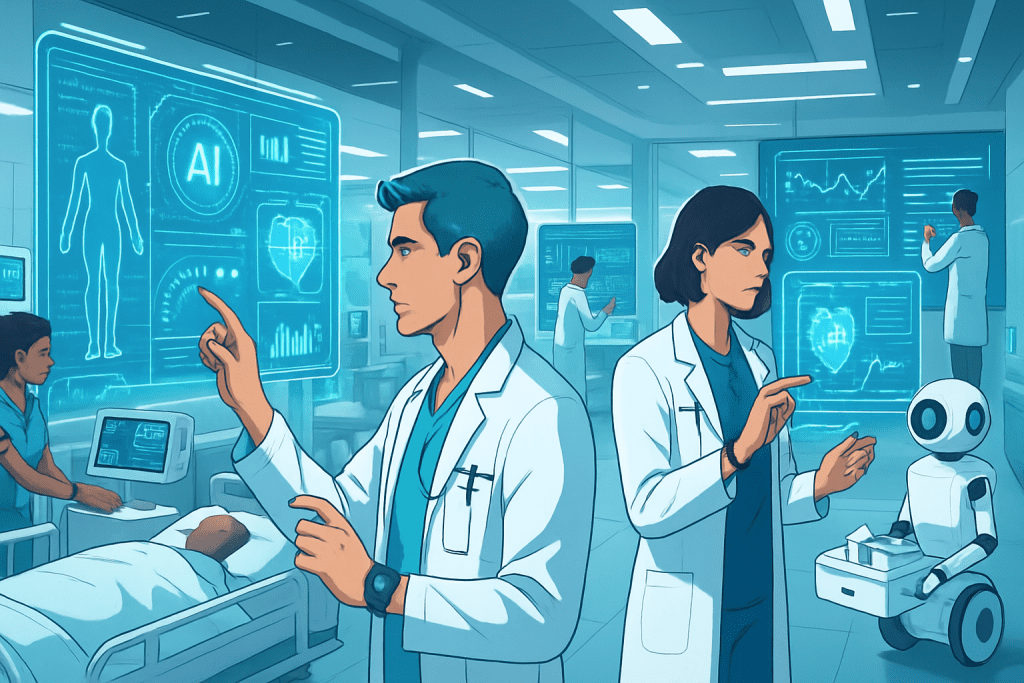
Introduction In today’s fast-paced healthcare ecosystem, technology has become the backbone of smarter hospitals. With rising patient expectations, increasing demand for quality healthcare, and the need for efficient operations, hospitals are embracing Artificial Intelligence (AI), the Internet of Things (IoT), and Big Data. These three pillars are revolutionizing the way hospitals deliver care, improve patient outcomes, and optimize resource management. In this blog, we will explore how AI, IoT, and Big Data are shaping smarter hospitals, their key applications, benefits, and the future roadmap of intelligent healthcare systems. Why Smarter Hospitals are the Future of Healthcare Smarter hospitals are not just about advanced medical equipment — they are about data-driven decision-making, predictive analytics, connected devices, and AI-powered tools that ensure better diagnosis, treatment, and patient experience. By integrating AI, IoT, and Big Data, hospitals can: Deliver personalized treatment plans. Enhance patient monitoring and safety. Improve operational efficiency and resource allocation. Enable predictive maintenance of medical devices. Lower healthcare costs while improving quality. The convergence of these technologies is creating a patient-centric healthcare system that focuses not only on curing but also on prevention, wellness, and long-term care. Role of AI in Smarter Hospitals Artificial Intelligence has become a game-changer in healthcare. From diagnostics to patient engagement, AI enables hospitals to enhance care delivery in multiple ways. 1. AI in Medical Imaging & Diagnosis AI algorithms can analyze X-rays, MRIs, and CT scans with high accuracy, often detecting anomalies that human eyes may miss. This reduces diagnostic errors and ensures early detection of diseases like cancer and cardiovascular conditions. 2. AI-Powered Virtual Assistants Hospitals use AI-driven chatbots and voice assistants to handle patient queries, schedule appointments, and provide medical guidance. This reduces administrative workload and improves patient satisfaction. 3. Predictive Analytics for Patient Care By analyzing medical histories and real-time data, AI can predict disease risks, patient deterioration, and even recommend preventive measures. This proactive approach saves lives and reduces emergency cases. 4. Robotic Surgery AI-powered surgical robots assist doctors with precision and control during operations. These systems minimize complications and shorten recovery times. Role of IoT in Smarter Hospitals The Internet of Things (IoT) connects medical devices, patients, and healthcare staff through smart sensors and wearables. IoT plays a vital role in building connected hospitals. 1. Remote Patient Monitoring (RPM) IoT devices such as heart rate monitors, glucose trackers, and wearable ECGs allow doctors to monitor patients remotely. This is especially beneficial for chronic disease management. 2. Smart Beds & Equipment IoT-enabled hospital beds can monitor patient movements, prevent bed sores, and alert staff in case of falls. Smart medical devices also ensure better inventory management and reduce equipment downtime. 3. Asset Tracking & Management Hospitals can use IoT-based RFID tags and sensors to track critical equipment like ventilators, wheelchairs, and infusion pumps, reducing delays and improving resource utilization. 4. Emergency Response Systems IoT helps connect ambulances with hospital emergency rooms in real time, sharing patient vitals before arrival, which ensures immediate preparedness. Role of Big Data in Smarter Hospitals Hospitals generate terabytes of patient records, medical histories, imaging data, and administrative information every day. Big Data analytics transforms this raw data into actionable insights. 1. Enhanced Clinical Decision-Making Doctors can leverage Big Data to access evidence-based treatment plans, compare patient histories, and prescribe the most effective treatments. 2. Population Health Management By analyzing large datasets, hospitals can identify trends, track disease outbreaks, and implement preventive healthcare strategies. 3. Operational Efficiency Big Data helps hospitals optimize staff schedules, predict patient admissions, and manage supply chains effectively. 4. Fraud Detection & Security Hospitals can detect anomalies in billing, insurance claims, and data breaches using Big Data tools, ensuring financial and data security. Benefits of AI, IoT, and Big Data Integration in Hospitals Improved Patient Outcomes: Early diagnosis and personalized treatment plans. Cost Reduction: Optimized use of resources and preventive care reduces expenses. Enhanced Patient Engagement: AI chatbots, IoT devices, and mobile apps keep patients informed and engaged. Data-Driven Decisions: Big Data analytics empowers hospitals to make better, evidence-based decisions. Operational Efficiency: Automation and predictive tools reduce administrative burden. Challenges in Building Smarter Hospitals Despite the benefits, there are several challenges: Data Privacy Concerns: Patient data must be protected with strict cybersecurity measures. High Initial Investment: Advanced AI, IoT, and Big Data systems require significant investment. Integration Issues: Legacy systems may not seamlessly integrate with new technologies. Skilled Workforce Shortage: Hospitals need trained professionals in AI and data analytics. The Future of Smarter Hospitals The future of smarter hospitals will focus on AI-driven automation, precision medicine, and predictive healthcare models. Hospitals will increasingly adopt cloud-based solutions, 5G-powered IoT devices, and blockchain for secure data sharing. This digital transformation will redefine healthcare delivery by making it smarter, faster, and more patient-centric. Related Resources & Backlinks AI in Healthcare Page TechOTD Blog Blockchain in Business Processes – Dubai How We Work LLMs in Finance AI & Service Excellence Best Gadgets for Programmers in 2025 Predictive Analytics in Software Development Impact of Technology on Education React Native vs Swift TechOTD Blog Industries Mobile App Services FAQs 1. How does AI improve patient care in hospitals? AI improves patient care through faster diagnosis, personalized treatment recommendations, and predictive analytics that help prevent health complications. 2. What are the benefits of IoT in hospitals? IoT enables real-time patient monitoring, better equipment management, and improved emergency response, making hospitals more efficient and patient-friendly. 3. How does Big Data support smarter hospitals? Big Data helps hospitals analyze patient records, predict disease outbreaks, and improve decision-making, leading to better outcomes and optimized resources. 4. Are there security risks in using AI, IoT, and Big Data in hospitals? Yes, data privacy and cybersecurity remain major concerns. Hospitals must implement strict security protocols to protect patient data. 5. What is the future of smarter hospitals? The future lies in precision medicine, AI-driven automation, blockchain-enabled secure data sharing, and cloud-based hospital systems that provide seamless healthcare services. Conclusion The integration of AI, IoT, and Big Data is revolutionizing modern healthcare and shaping

Healthcare & Fitness

Smart Hospitals: Revolutionizing Healthcare Operations with Modern Technology

Introduction Healthcare is undergoing a digital revolution, and at the center of this transformation are Smart Hospitals. With the integration of technologies like IoT (Internet of Things), AI, Big Data, Cloud Computing, and Blockchain, hospitals are no longer just physical spaces for treatment — they are evolving into intelligent ecosystems that provide seamless care, improved efficiency, and enhanced patient outcomes. In this blog, we’ll explore how smart hospitals are redefining healthcare operations, their key technologies, benefits, challenges, and future opportunities. What Are Smart Hospitals? A Smart Hospital uses modern digital technologies to optimize operations, enhance patient care, and improve decision-making. Unlike traditional hospitals, which rely heavily on manual processes, smart hospitals employ connected devices, automated systems, predictive analytics, and AI-driven decision-making to deliver data-powered healthcare solutions. These hospitals are not only focused on clinical improvements but also on operational efficiency, patient experience, and cost reduction. Key Technologies Powering Smart Hospitals The smart hospital ecosystem is built upon several transformative technologies: 1. IoT (Internet of Things) IoT connects medical devices, wearables, and hospital equipment, enabling real-time patient monitoring and automated data collection. For example, wearable devices can track patient vitals and immediately alert doctors in case of anomalies. Learn how IoT is reshaping industries in this blog. 2. Artificial Intelligence (AI) AI assists in diagnostics, personalized treatment recommendations, and predictive analytics. From detecting diseases in early stages to streamlining hospital workflows, AI is the backbone of smart hospitals. Explore how AI enhances service excellence in this article. 3. Electronic Health Records (EHRs) and Cloud Computing Cloud-based EHR systems ensure seamless data sharing among healthcare professionals, allowing for collaborative care and better treatment decisions. For more insights into AI and data applications, check AI in Finance use cases. 4. Robotics and Automation Robotic surgical systems, automated medication dispensers, and AI-powered diagnostic assistants reduce human error and increase accuracy. 5. Predictive Analytics & Big Data By analyzing historical health data, predictive analytics can anticipate patient needs, optimize staffing schedules, and improve resource allocation. See how predictive analytics is applied in this detailed guide. 6. Blockchain Technology Blockchain ensures secure, tamper-proof medical data sharing across systems, reducing fraud and enhancing patient trust. Benefits of Smart Hospitals Enhanced Patient Care – Real-time monitoring and AI-driven diagnostics improve treatment accuracy. Operational Efficiency – Automation reduces waiting times and optimizes staff workload. Data-Driven Decision Making – Analytics empower healthcare providers to make better choices. Cost Reduction – Preventive care and predictive maintenance reduce unnecessary expenses. Patient Experience – Virtual assistants, telehealth, and mobile health apps provide personalized and convenient care. For example, mobile app solutions for healthcare are already transforming the industry. Learn more about custom development in mobile app services. Challenges in Implementing Smart Hospitals Despite their promise, smart hospitals face several challenges: High Initial Investment – Implementing advanced technologies requires significant funding. Cybersecurity Risks – With massive data flow, hospitals become vulnerable to cyberattacks. Integration Issues – Legacy systems often cannot integrate seamlessly with modern solutions. Staff Training – Healthcare workers need training to adapt to new digital workflows. Regulatory Compliance – Hospitals must follow strict data privacy and healthcare regulations. Use Cases of Smart Hospitals Remote Patient Monitoring – Wearables and connected devices monitor patients beyond hospital walls. Smart Beds – Beds equipped with sensors track patient movement and vitals. AI-Powered Imaging – AI improves the speed and accuracy of CT, MRI, and X-ray scans. Telemedicine Platforms – Virtual consultations allow patients to access specialists remotely. Mobile Health Apps – Patients manage appointments, prescriptions, and records via smartphones. Explore app development strategies in this React Native vs Swift comparison. Future of Smart Hospitals Smart hospitals are expected to evolve further with: 5G-enabled healthcare solutions AI-driven predictive healthcare models Digital twins for personalized treatment Advanced robotics in surgeries Sustainable and green hospital infrastructure The convergence of healthcare with AI, IoT, and mobile apps is creating a new era of precision medicine and patient-centric care. SEO Backlinks Integration Throughout this blog, we have naturally integrated useful links from TechOTD to enhance user experience and provide additional resources: AI-driven insights TechOTD Blog Hub Blockchain in Business Processes How We Work Large Language Models in Finance AI for Customer Journeys Best Gadgets for Programmers Predictive Analytics in Software Development Technology in Education React Native vs Swift Industries Blog Page Mobile App Development Services FAQs About Smart Hospitals 1. What is the meaning of a smart hospital? A smart hospital leverages AI, IoT, cloud computing, and automation to improve patient care and hospital operations. 2. How do smart hospitals improve patient care? By using real-time monitoring, predictive analytics, and AI-based diagnostics, smart hospitals ensure faster and more accurate treatments. 3. Are smart hospitals expensive to build? Yes, the initial setup requires a high investment, but long-term benefits include reduced costs, better efficiency, and improved outcomes. 4. What technologies are most important for smart hospitals? Key technologies include IoT, AI, robotics, blockchain, and cloud-based EHR systems. 5. What is the future of smart hospitals? The future involves 5G, AI-driven personalized medicine, robotic surgeries, and eco-friendly hospital designs. Conclusion Smart hospitals are not just a vision of the future—they are already becoming a reality today. By integrating technologies like AI, IoT, robotics, blockchain, and predictive analytics, they are transforming the way healthcare is delivered. For patients, smart hospitals promise personalized and efficient care. For doctors and staff, they reduce administrative burdens and improve treatment accuracy. And for healthcare providers, they ensure long-term sustainability with reduced costs and optimized resources. As we move forward, hospitals that embrace these technologies will lead the way in providing next-generation healthcare services. The journey towards smart hospitals is challenging, but the rewards in terms of patient outcomes, cost efficiency, and innovation are unparalleled.

Scroll to Top