Author name: sarthak

Technology improving student learning and engagement
Education

How Technology Is Improving Student Learning and Engagement

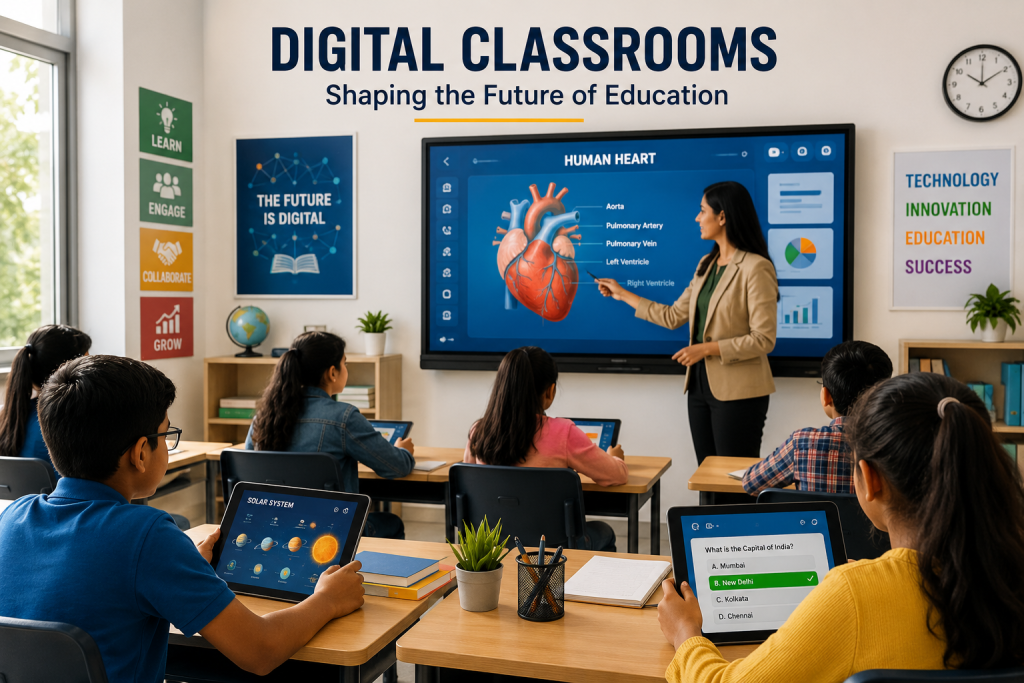
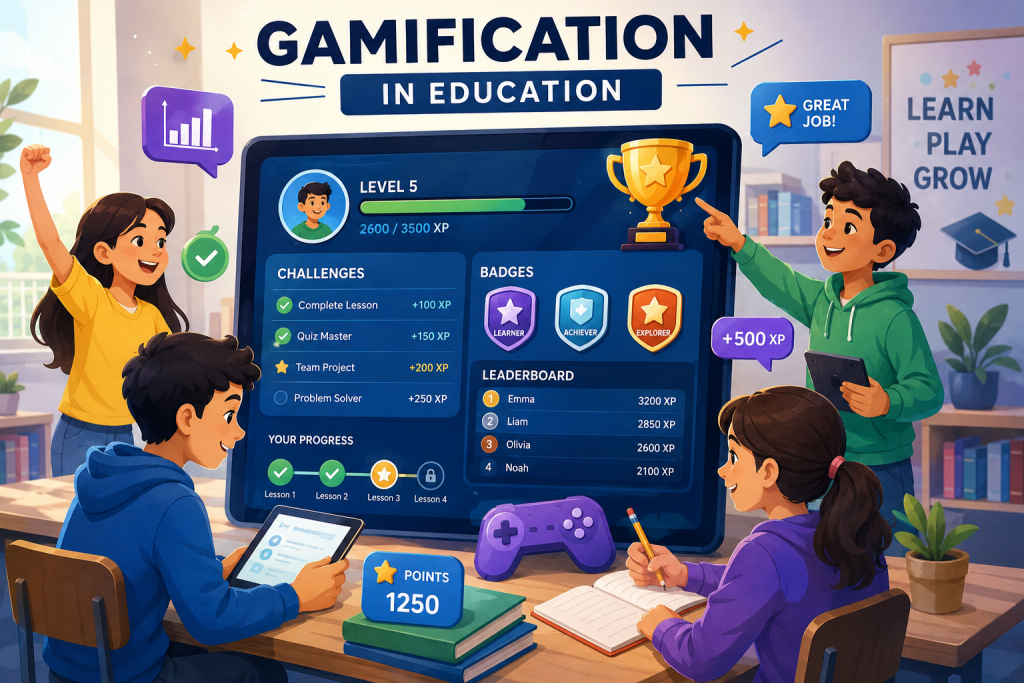
Introduction Technology has become an important part of modern education, changing how students access information, communicate with teachers, and participate in learning activities. Digital classrooms, educational applications, online resources, and interactive tools are making learning more accessible and engaging. Today, students can learn through videos, simulations, virtual classrooms, digital assignments, and collaborative platforms. These technologies can support different learning styles and give students more opportunities to explore subjects beyond the traditional classroom. However, technology is most effective when it is used with a clear educational purpose. The goal should not simply be to add more devices or applications, but to use technology to improve understanding, participation, collaboration, and overall learning outcomes. What Is Technology-Enhanced Learning? Technology-enhanced learning refers to the use of digital tools and technologies to support and improve the learning process. It can include online learning platforms, educational applications, digital textbooks, interactive simulations, virtual classrooms, multimedia resources, and collaboration tools. These technologies can give students access to educational content from different locations and allow them to learn through multiple formats. Instead of relying only on printed materials and traditional lectures, students can combine videos, interactive activities, digital resources, and practical exercises to develop a deeper understanding of different subjects. Examples of Technology in Learning Common examples include learning management systems, online courses, educational videos, virtual laboratories, digital quizzes, collaborative documents, and interactive learning applications. The right combination of these tools can make lessons more engaging while supporting different learning needs. How Technology Improves Student Learning Technology can improve student learning by making educational content easier to access, more interactive, and better suited to different learning needs. Digital tools can help students explore concepts through visual demonstrations, practical activities, simulations, and immediate feedback. 1. Easy Access to Learning Resources Students can access digital textbooks, videos, research materials, online courses, and educational websites from different locations. This gives learners more opportunities to review lessons, explore additional resources, and study outside traditional classroom hours. 2. Interactive Learning Experiences Interactive applications, simulations, quizzes, and multimedia content can make lessons more engaging. Instead of only reading or listening, students can interact with concepts and receive feedback while learning. 3. Personalized Learning Support Digital learning platforms can provide resources based on student progress, interests, and learning needs. Personalized recommendations can help students spend more time on difficult topics and move forward when they are ready. 4. Instant Feedback Online quizzes and digital assessment tools can provide immediate feedback on student performance. Quick feedback helps learners identify mistakes, review difficult concepts, and understand where they need additional practice. How Technology Improves Student Engagement Student engagement is an important part of effective learning. Technology can make lessons more interactive by giving students opportunities to participate, explore ideas, solve problems, and receive immediate responses to their activities. Interactive and Multimedia Content Videos, animations, presentations, simulations, and interactive graphics can present information in different ways. These formats can help students visualize complex concepts and maintain interest during lessons. Gamification in Learning Educational games, challenges, points, badges, and progress systems can introduce game-like elements into learning activities. When used appropriately, gamification can encourage participation and make practice activities more engaging. Collaborative Learning Digital collaboration tools allow students to work together on projects, share ideas, communicate with classmates, and create content. These activities can help develop teamwork, communication, and problem-solving skills. Learning Beyond the Classroom Technology allows students to continue learning outside traditional classroom hours. Online courses, educational videos, digital libraries, and learning applications can provide additional opportunities for exploration and practice. Benefits of Technology in Education When used effectively, technology can provide several benefits for students, teachers, and educational institutions. It can make learning more flexible, accessible, interactive, and connected while giving educators additional tools to support student progress. Greater Accessibility Digital resources can make educational content available to students who may not always be able to attend traditional classroom sessions. Online materials can also support learners in different locations and with different learning requirements. Flexible Learning Technology allows students to access lessons and resources according to their schedules and learning pace. Recorded lectures, online courses, and digital materials give learners greater flexibility in deciding when and how they study. Improved Collaboration Digital communication and collaboration platforms make it easier for students and teachers to share information and work together. Students can collaborate on projects even when they are not physically in the same classroom. Development of Digital Skills Regular use of technology can help students develop digital literacy, communication, research, collaboration, and problem-solving skills. These skills can be valuable for higher education and future workplaces. Support for Teachers Technology can help teachers organize learning materials, create assessments, communicate with students, and track progress. These tools can reduce repetitive work and give educators more time to focus on teaching and student support. Challenges of Using Technology in Education Although technology can improve learning and engagement, its use in education also creates certain challenges. Schools and educational institutions need to consider access, privacy, security, screen time, costs, and teacher training when introducing digital tools. Digital Divide Not every student has equal access to reliable internet, computers, smartphones, or other digital devices. Differences in access can create unequal learning opportunities, particularly when important educational resources are available mainly online. Privacy and Security Educational platforms may collect student information and learning data. Schools and technology providers need appropriate privacy and security practices to protect this information and ensure that digital resources are used responsibly. Excessive Screen Time Excessive use of digital devices can affect concentration and reduce opportunities for physical activity and face-to-face interaction. Technology should be balanced with discussions, practical activities, reading, and other forms of learning. Technology Costs Implementing digital learning systems may require investment in devices, software, internet infrastructure, maintenance, and training. Educational institutions need to consider these costs when planning technology adoption. Teacher Training Teachers need appropriate training to use educational technologies effectively. Without sufficient support, even useful digital tools may not deliver their intended educational benefits. The Future of Technology in Education The role of technology

AI-powered personalized learning for students
Education

How AI-Powered Learning Is Personalizing Education

Introduction Every student learns differently. Some understand concepts quickly through visual content, while others need more practice, examples, or additional explanations. Traditional education often follows a common learning path, but artificial intelligence is making it possible to create more personalized learning experiences. AI-powered learning platforms can analyze student interactions, learning progress, and performance to recommend content and activities that match individual needs. This approach can help students learn at their own pace while giving educators better insights into where additional support may be required. As educational technology continues to evolve, personalized learning is becoming an important part of modern education. AI is not simply changing what students learn; it is also changing how learning content is delivered, practiced, and evaluated. What Is Personalized Learning? Personalized learning is an educational approach in which learning experiences are adapted to the individual needs, abilities, interests, and progress of each student. Instead of providing exactly the same content and activities to every learner, personalized learning aims to provide appropriate resources and support based on how each student learns. AI can make personalized learning more effective by analyzing information such as quiz results, learning activity, completed lessons, and areas where a student may be struggling. Based on these patterns, an AI-powered system can recommend suitable content, practice exercises, or additional explanations. Traditional Learning vs. Personalized Learning In a traditional learning environment, students often follow the same syllabus, lessons, and assessment schedule. Personalized learning allows the learning experience to become more flexible by adjusting content, difficulty, and pace according to individual progress. How AI-Powered Learning Personalizes Education AI-powered learning systems can use data and intelligent algorithms to understand how students interact with educational content. This allows learning platforms to make recommendations and adjust learning experiences based on individual progress. 1. Adaptive Learning Paths AI can adjust the difficulty and sequence of learning materials based on a student’s performance. If a learner understands a concept quickly, the system can provide more advanced material. If a learner struggles, it can recommend additional explanations and practice. 2. Personalized Content Recommendations AI can recommend videos, articles, exercises, quizzes, and other educational resources based on a student’s learning history and interests. This can help learners find relevant material without having to search through large amounts of content. 3. Individualized Feedback AI-powered systems can provide immediate feedback on quizzes, assignments, and practice activities. Quick feedback can help students identify mistakes, understand concepts, and make improvements while they are still actively learning. 4. Learning at an Individual Pace Students do not always need the same amount of time to understand a concept. Personalized learning allows students to spend more time on difficult topics and move ahead when they are ready, creating a more flexible learning experience. Benefits of AI-Powered Personalized Learning AI-powered personalized learning can provide benefits for students, teachers, and educational institutions. By adapting learning experiences to individual needs, it can make education more flexible, engaging, and focused on student progress. Better Learning Engagement When students receive content that matches their interests and learning levels, they may find lessons more relevant and engaging. Personalized recommendations can also help students discover learning resources that are appropriate for their current level. Improved Learning Outcomes Personalized learning can help students spend more time on topics they find difficult while moving faster through concepts they already understand. This targeted approach can support better understanding and continuous progress. Early Identification of Learning Gaps AI can analyze learning patterns and performance to identify areas where students may need additional support. Teachers can use these insights to provide targeted assistance before learning gaps become larger. More Efficient Teaching AI-powered platforms can provide teachers with information about student progress and learning needs. These insights can help educators plan additional activities and provide more focused support to individual learners. Greater Learning Flexibility Personalized learning allows students to access educational content at different times and progress at a pace that suits their needs. This flexibility can make learning more convenient for students with different schedules and learning preferences. Challenges of AI-Powered Personalized Learning Although AI-powered personalized learning offers many advantages, it also comes with challenges. Educational institutions need to consider data privacy, accuracy, accessibility, technology costs, and the importance of maintaining human involvement in education. Data Privacy and Security Personalized learning systems may collect information about student performance, learning behavior, preferences, and progress. Educational institutions need strong privacy and security practices to protect this information and ensure that student data is used responsibly. Accuracy of Recommendations AI recommendations depend on the quality of the data and algorithms being used. If a system incorrectly understands a student’s needs, it may recommend unsuitable content or learning activities. Human oversight can help identify and correct such issues. Digital Access and Inequality Not every student has access to reliable internet connections, modern devices, or advanced learning platforms. Differences in access can make it difficult to provide personalized technology-based learning equally to all students. Teacher Training Teachers need appropriate training to understand how AI-powered learning systems work and how to use their recommendations effectively. Technology should support teachers’ expertise rather than replace their judgment. Technology Costs Implementing AI-powered learning platforms may require investment in software, infrastructure, devices, training, and maintenance. Educational institutions need to consider these costs carefully when adopting personalized learning technologies. The Role of Teachers in Personalized Learning AI can provide useful information and recommendations, but teachers remain an essential part of personalized education. Teachers can use AI-generated insights to understand student needs, provide guidance, and make informed decisions about learning activities. AI as a Support Tool for Teachers AI should be viewed as a support tool rather than a replacement for teachers. It can help identify learning gaps, organize information, and suggest resources, while teachers provide context, judgment, encouragement, and personal support. Human Interaction Still Matters Learning is not only about receiving information. Communication, collaboration, creativity, emotional support, and classroom relationships are also important parts of education. Teachers play a central role in creating these human learning experiences. Combining AI With Human Expertise

Artificial intelligence transforming modern education with AI-powered learning
Education

The Role of Artificial Intelligence in Modern Education

Introduction Artificial intelligence is becoming an important part of modern education. From personalized learning platforms to AI-powered educational tools, artificial intelligence is changing how students learn and how teachers plan, deliver, and support education. In 2026, AI is moving beyond simple automation. Educational institutions are exploring AI to provide more personalized learning experiences, support teachers, improve accessibility, and help students develop skills for a rapidly changing digital world. However, successful AI adoption requires responsible use, human oversight, and a clear focus on educational outcomes. What Is AI in Education? AI in education refers to the use of artificial intelligence technologies to support teaching and learning. These technologies can analyze information, recognize patterns, generate content, provide recommendations, and assist users with educational tasks. AI can be integrated into learning platforms, educational applications, assessment systems, virtual tutors, and other digital tools. Unlike traditional digital tools that mainly provide fixed content, AI-powered systems can adapt their responses based on user interactions and available data. This makes AI useful for creating more responsive and personalized learning experiences. How AI Is Transforming Education AI is transforming education by helping students learn more effectively and giving teachers new ways to support their learners. From personalized learning and AI tutoring to automated assessment and content creation, AI can support different stages of the educational process. 1. Personalized Learning Students have different learning styles, abilities, and levels of understanding. AI-powered learning platforms can analyze student performance and recommend appropriate content, exercises, and learning activities. This can help students receive support based on their individual learning needs and progress at their own pace. 2. AI-Powered Virtual Tutors AI-powered virtual tutors can provide students with explanations, examples, practice questions, and instant feedback. These tools can be available at any time, allowing students to review concepts and ask questions outside traditional classroom hours. 3. AI Is Supporting Teachers AI can also support teachers by helping with lesson planning, creating learning materials, generating practice questions, and organizing educational content. By reducing time spent on repetitive tasks, AI can allow teachers to focus more on classroom interaction, mentoring, and supporting individual students. 4. Faster Feedback and Assessment AI-powered assessment tools can help analyze student responses and provide faster feedback. Teachers can use these insights to identify areas where students may need additional support and adjust their teaching strategies accordingly. 5. Improved Accessibility AI can help make education more accessible by supporting tools such as speech recognition, text-to-speech, translation, and adaptive learning systems. These technologies can help learners with different abilities and language needs access educational content more effectively. Benefits of AI in Education When used responsibly and with clear educational goals, artificial intelligence can provide several benefits for students, teachers, and educational institutions. AI can make learning more personalized, efficient, accessible, and interactive. Personalized Learning Experiences AI can analyze learning patterns and recommend content based on individual student needs. This can help learners focus on areas where they need additional practice and progress at a suitable pace. Time-Saving for Teachers AI can assist teachers with repetitive tasks such as preparing learning materials, generating practice questions, and organizing information. This can give educators more time to focus on teaching and student interaction. Instant Support and Feedback AI-powered educational tools can provide students with immediate responses, explanations, and feedback. This can help learners identify mistakes and understand concepts without always having to wait for a formal classroom session. Better Accessibility AI-based tools can support translation, speech recognition, text-to-speech, and other accessibility features. These capabilities can make educational content easier to access for learners with different needs. Data-Driven Insights AI can help educational platforms analyze learning data and identify patterns in student performance. Teachers and institutions can use these insights to understand learning gaps and make more informed educational decisions. Challenges and Risks of AI in Education Although AI offers significant opportunities in education, its use also comes with challenges. Educational institutions need to consider privacy, accuracy, bias, academic integrity, digital access, and the importance of maintaining human involvement in the learning process. Data Privacy and Security AI-powered educational systems may process student information and learning data. Schools and technology providers need appropriate security and privacy practices to protect sensitive information and use data responsibly. Accuracy and Reliability AI systems can sometimes generate incorrect, incomplete, or misleading information. Students and teachers should verify important information and use human judgment rather than relying on AI responses without evaluation. Academic Integrity Easy access to AI tools can create challenges related to plagiarism, cheating, and excessive dependence on generated content. Educational institutions need clear guidelines that encourage students to use AI as a learning aid while continuing to develop their own knowledge and critical thinking. Digital Inequality Not every student or institution has equal access to AI-powered tools, reliable internet, or suitable devices. Unequal access can create differences in learning opportunities and needs to be considered when introducing AI into education. Human Oversight AI should support teachers rather than replace human judgment. Teachers play an important role in understanding students, providing guidance, encouraging creativity, and creating meaningful learning environments. The Future of AI in Education The role of artificial intelligence in education is expected to grow as AI technologies become more capable and accessible. Future learning environments may include AI-powered tutors, adaptive learning systems, intelligent assessment tools, and personalized educational platforms that respond to individual student needs. However, the future of AI in education should focus on collaboration between technology and people rather than replacing teachers. Effective use of AI will require responsible implementation, teacher training, strong data protection, clear policies, and continued emphasis on creativity, critical thinking, and human interaction. AI and the Changing Role of Teachers As AI takes on more repetitive and administrative tasks, teachers may have more opportunities to focus on mentoring, discussion, creativity, problem-solving, and personalized support. The teacher’s role can evolve from simply delivering information to guiding students in how to understand, evaluate, and apply knowledge. Conclusion Artificial intelligence is changing modern education by creating new ways for students to learn and

Technology in education with students using digital learning tools
Education

How Technology Is Transforming Education in 2026

Introduction Technology in education has become an important part of modern learning. From digital classrooms and online learning platforms to artificial intelligence and personalized learning tools, technology is changing how students access information, interact with teachers, and develop new skills. In 2026, the focus is no longer simply on putting more devices into classrooms. The bigger goal is to use technology in ways that improve learning, support teachers, increase accessibility, and help students develop the skills they need for the future. What Is Educational Technology? Educational technology, often called EdTech, refers to the use of digital tools and technologies to support teaching and learning. It includes online learning platforms, educational applications, learning management systems, digital classrooms, interactive tools, artificial intelligence, and digital assessment solutions. Educational technology can include: Online learning platforms Educational applications Learning management systems Digital classrooms Interactive whiteboards Video-based learning Artificial intelligence tools Learning analytics Virtual and augmented reality Digital assessment tools How Technology Is Transforming Education Technology is changing education in many ways, from making learning more accessible to helping teachers create more engaging and personalized learning experiences. Some of the most important changes can be seen in digital learning, artificial intelligence, personalized education, interactive learning, smart classrooms, and online collaboration. 1. Digital Learning Has Made Education More Accessible One of the biggest changes brought by technology is the growth of digital learning. Students can now access educational content through computers, tablets, and smartphones. Online courses, recorded lectures, digital textbooks, educational videos, and interactive learning platforms allow learners to study from different locations and at different times. 2. Artificial Intelligence Is Supporting Teaching and Learning Artificial intelligence is becoming one of the most significant developments in education. AI-powered tools can help generate learning materials, provide explanations, support research, assist teachers with lesson planning, and offer personalized learning experiences. 3. Personalized Learning Is Becoming More Practical Every student learns differently. Some students understand concepts quickly, while others may need additional explanations and practice. Technology can help create more personalized learning experiences by analyzing student progress and recommending appropriate resources, exercises, or learning paths. 4. Interactive Learning Makes Education More Engaging Traditional textbooks remain valuable, but digital tools can add more interactive elements to the learning experience. Students can learn through educational videos, simulations, interactive quizzes, digital presentations, virtual experiments, and gamified learning activities. These methods can make difficult concepts easier to understand by allowing students to see, explore, and practice concepts rather than only reading about them. 5. Smart Classrooms Are Changing the Learning Environment Smart classrooms combine traditional teaching methods with digital technologies. Teachers can use interactive displays, multimedia content, online resources, digital assessments, and collaborative platforms to make lessons more engaging. Technology can support teachers in explaining complex concepts and creating a more interactive learning environment for students. 6. Online Collaboration Is Connecting Learners Technology has made collaboration easier for students and teachers. Students can work together on projects using online documents, communication platforms, virtual classrooms, and shared digital workspaces. This allows learners to collaborate from different locations while developing important skills such as communication, teamwork, problem-solving, and digital literacy. 7. Technology Is Helping Teachers Too The impact of educational technology is not limited to students. Teachers can use digital tools to organize course materials, create assessments, track student progress, communicate with learners, and prepare lessons. Technology can support teachers with preparation and administrative tasks while allowing them to focus more on teaching and student interaction. Benefits of Technology in Education When implemented thoughtfully, technology in education can provide several benefits for students, teachers, and educational institutions. Greater Accessibility Digital resources can make educational content available to learners beyond traditional classrooms. Students can access lessons, study materials, and educational resources from different locations. Flexible Learning Technology allows students to access lessons and learning resources according to their schedules and individual learning needs. This flexibility can be especially useful for students who prefer learning at their own pace. Personalized Education Digital learning platforms can use student progress and performance information to recommend suitable resources and activities. This can help create learning experiences that better match individual needs. Better Engagement Interactive videos, quizzes, simulations, digital presentations, and other learning tools can make lessons more engaging and help students understand difficult concepts more effectively. Improved Collaboration Digital platforms make it easier for students and teachers to communicate, share resources, and work together on projects, even when they are in different locations. Development of Digital Skills Regular use of educational technology can help students develop digital skills that are increasingly important for higher education, employment, and everyday life. Challenges of Using Technology in Education While technology offers many benefits, its use in education also comes with certain challenges. Schools and educational institutions need to address these challenges to ensure that technology improves learning rather than creating new problems. Digital Divide Not every student has equal access to smartphones, computers, reliable internet connections, or other digital resources. This digital divide can create differences in learning opportunities between students. Screen Time Excessive screen time can affect students’ attention and overall learning experience. Technology should therefore be used purposefully, with a healthy balance between digital activities and other forms of learning. Privacy and Security Educational platforms may handle student information and other sensitive data. Schools and technology providers need to follow appropriate privacy and security practices to protect this information. Overdependence on Technology Students should not become completely dependent on digital tools for learning and problem-solving. Developing independent thinking, creativity, and critical thinking skills remains essential. Teacher Training Teachers need appropriate training and support to use new technologies effectively. Providing training can help educators understand how to integrate digital tools into their teaching without allowing technology to distract from learning objectives. The Future of Technology in Education The future of education is likely to involve a combination of human teaching and carefully selected technologies. Artificial intelligence, adaptive learning platforms, digital classrooms, learning analytics, and immersive learning experiences may become increasingly common. However, technology alone cannot solve every educational challenge. The most effective

Scroll to Top