Technology

Technology

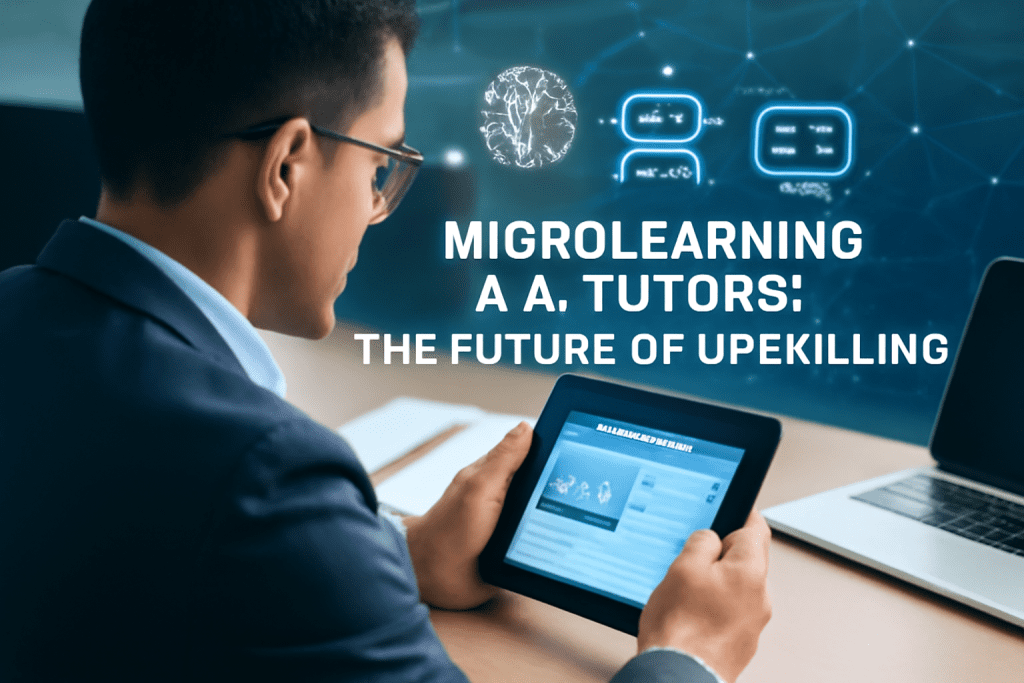
Microlearning & AI Tutors: The Future of Upskilling

Introduction In today’s fast-changing work environment, traditional corporate training often struggles to keep pace with the need for continuous learning and rapid upskilling. Enter microlearning and AI tutors—two transformative forces that are redefining how employees, students, and professionals acquire skills. Microlearning breaks complex topics into short, focused modules that are easy to fit into even the busiest schedules. With the integration of AI tutors, training becomes personalized, adaptive, and remarkably efficient. This blog explores how combining these innovations is empowering learners to close skill gaps, improve retention, and future-proof their careers—why it matters for organizations and individuals aiming to remain competitive in a digital-first world. The Power of Microlearning in Upskilling Bite-Sized, Targeted Learning: Microlearning delivers content in short modules, making it highly accessible and easy to digest, minimizing disruptions to daily work. Enhanced Knowledge Retention: Studies show microlearning can boost long-term retention by up to 80% compared to traditional methods. Real-Time Application: Training can be directly related to current job tasks or upcoming projects, ensuring immediate applicability. Flexibility for Modern Learners: Employees and students can access training on-demand and at their own pace—whether at work, at home, or on the go. Cost and Time Efficiency: Organizations reduce classroom time, travel costs, and printed materials while maximizing engagement. Supports Continuous Upskilling: Microlearning fits seamlessly into daily routines, enabling ongoing skill development without overwhelming learners. Use Cases Onboarding new employees with short, interactive lessons. Continuous professional development and compliance training. Soft skill enhancement—leadership, time management, communication. Role-specific technical skills for rapid workplace adaptation. How AI Tutors Supercharge Microlearning Personalized Learning Paths: AI tutors analyze learner performance and preferences, adapting content recommendations in real time for optimal challenge and engagement. Instant, Intelligent Feedback: Learners get immediate answers, personalized tips, and reinforcement exactly when needed, increasing motivation and clarity. Scalable and Adaptive: AI systems can scale training across entire organizations while tailoring the experience for each individual—bridging skill gaps efficiently. Automated Content Creation: AI-driven tools can quickly turn documentation or new policies into microlearning modules, quizzes, or infographics—cutting development time drastically. Popular Examples: Platforms like Khanmigo (Khan Academy), Duolingo, Quizlet, and TutorMe are already enhancing learning through AI-driven adaptation and support. Impactful Results AI-driven training programs have been shown to boost learning efficiency by up to 57%. Real-world implementations report higher engagement, improved completion rates, and measurable skill improvements. In academic settings, microlearning combined with AI intervention has produced significant gains in soft skill development and job readiness, particularly in business and technical fields. Conclusion Microlearning and AI tutors are not just passing trends—they’re strategic assets for the workforce of the future. By combining short, focused learning moments with adaptive, AI-powered support, organizations and individuals can accelerate reskilling, boost engagement, and unlock ongoing career growth. If you’re ready to future-proof your learning strategy, it’s time to embrace microlearning and AI tutors. Call to Action: Share this article with your network, comment below with your upskilling experiences, or reach out to learn how microlearning and AI tutors can empower your organization. FAQ Section Q1: What is the primary benefit of microlearning for busy professionals? A1: Microlearning enables professionals to learn new skills in short, targeted bursts, fitting easily into their daily schedules and minimizing disruption to their workflow. Q2: How do AI tutors personalize the learning experience? A2: AI tutors track learner progress, analyze performance, and adapt the difficulty and content in real time, creating a custom learning path for each user. Q3: Can microlearning be used for soft skill development? A3: Yes. Microlearning is highly effective for developing soft skills like communication, leadership, and time management, especially when modules are scenario-based and interactive. Q4: Are there proven results from using AI-powered microlearning in the workplace? A4: Yes. Studies report boosts in learning efficiency, improved skill retention, and higher engagement rates when organizations deploy AI-powered microlearning solutions. Q5: What are some top platforms combining microlearning and AI tutors? A5: Popular platforms include Khanmigo (Khan Academy), Duolingo, Quizlet, TutorMe, and Elsa Speak, which offer adaptive, AI-driven learning experiences across various skills and subjects

Technology

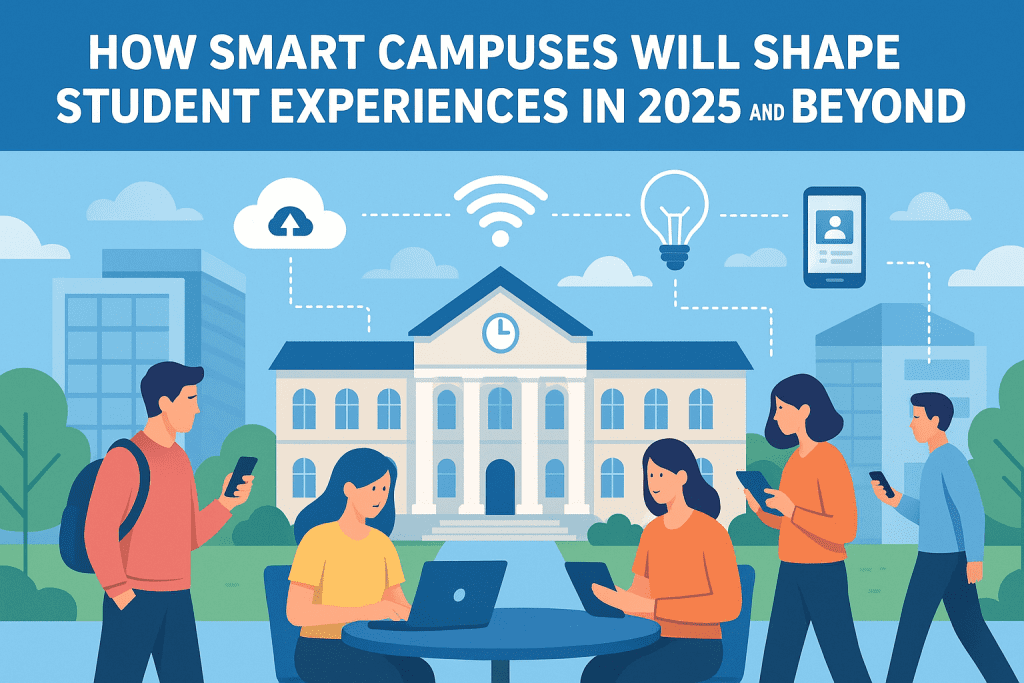
How Smart Campuses Will Shape Student Experiences in 2025 and Beyond

Introduction In 2025, the age of the smart campus is in full swing. Universities are embracing digital transformation far beyond online classes—integrating the Internet of Things (IoT), artificial intelligence (AI), and advanced data analytics to redefine every aspect of the student journey. From daily convenience to new ways of learning, smart campuses are setting new standards for engagement, support, and innovation in higher education. What Is a Smart Campus? A smart campus blends physical and digital environments, connecting infrastructure, people, and systems through technologies like IoT sensors, AI assistants, big data platforms, and cloud services. The result: environments that are not just connected, but adaptive, sustainable, and deeply personalized to each student’s needs. Core Pillars: How Smart Campuses Transform Student Life 1. Personalized & Immersive Learning IoT-enabled classrooms: Sensors track engagement and personalize learning materials in real time, while smartboards and AR/VR experiences turn lectures into interactive journeys. AI tutors: Virtual assistants guide students, answer questions instantly, and support self-paced, adaptive learning far beyond the classroom. Seamless hybrid experiences: Whether on-campus or remote, students enjoy the same resources, collaboration tools, and educator access. 2. Enhanced Campus Services & Daily Convenience Smart apps: Students use unified mobile apps to book study rooms, access resources, navigate facilities, and even find open parking spaces—all powered by real-time data. Automated amenities: Dorm climate adjusts automatically; face or voice recognition provides secure access; digital kiosks update schedules and announcements instantly. Flow management: IoT integrates crowd movement analytics for less congestion and optimized use of shared spaces. 3. Well-Being, Safety, and Inclusivity Smart housing and health: Digital health services, wellness trackers, and smart housing improve student well-being. Safety systems: AI-powered video, smart lighting, and emergency apps provide instant alerts and rapid response, while digital platforms enable anonymous feedback and support. Universal access: Speech recognition, accessible content, and remote tech ensure inclusivity for students with diverse needs. 4. Sustainability and Campus Efficiency Green technology: Smart buildings monitor and minimize energy, water, and waste; real-time data enables universities to meet ambitious sustainability goals. Resource optimization: Automated scheduling and predictive maintenance save universities money, allowing more funding for student initiatives. Living labs: Students can work on real-world sustainability and technology projects enabled by smart campus infrastructure. 5. Community, Engagement, and Belonging Data-driven engagement: Digital platforms connect students with clubs, events, and mental health resources, fostering a greater sense of belonging. Collaborative environments: Cloud-based tools and connected spaces make teamwork, research, and networking seamless—across campus or worldwide. Real-World Example Arizona State University: Apps provide services from finding open parking to tracking event satisfaction, while IoT sensors help optimize facilities for energy use and student comfort. UC San Diego: IoT smart meters have cut energy use by 20%, making the campus greener and budgets more student-focused. Key Trends to Watch in 2025 and Beyond Trend Impact on Students AI & Analytics Everywhere Hyper-personalized experiences and support AR/VR-Driven Classrooms Immersive, experiential learning on demand Touchless & Frictionless Convenience, seamless access, and heightened security Data-Driven Well-Being Proactive health, safety, and engagement interventions Campus-as-a-Service Models Flexible, subscription-like access to services/amenities Frequently Asked Questions How does a smart campus benefit students daily? Better safety, faster access to resources, personalized learning, lower costs, and more confidence in navigating campus life. Will smart campuses make learning more inclusive? Yes! Universal design features and tech for accessibility ensure every student can thrive, regardless of ability. What about privacy and data? Institutions are prioritizing privacy, transparency, and security as foundational to every smart campus initiative. Conclusion Smart campuses represent a bold leap toward student-centered, future-ready education. By combining intelligent infrastructure with data-driven insight and seamless digital integration, these campuses help students learn, live, and succeed like never before. The impacts: stronger engagement, greater well-being, more sustainable communities—and lifelong value for every graduate.

Technology

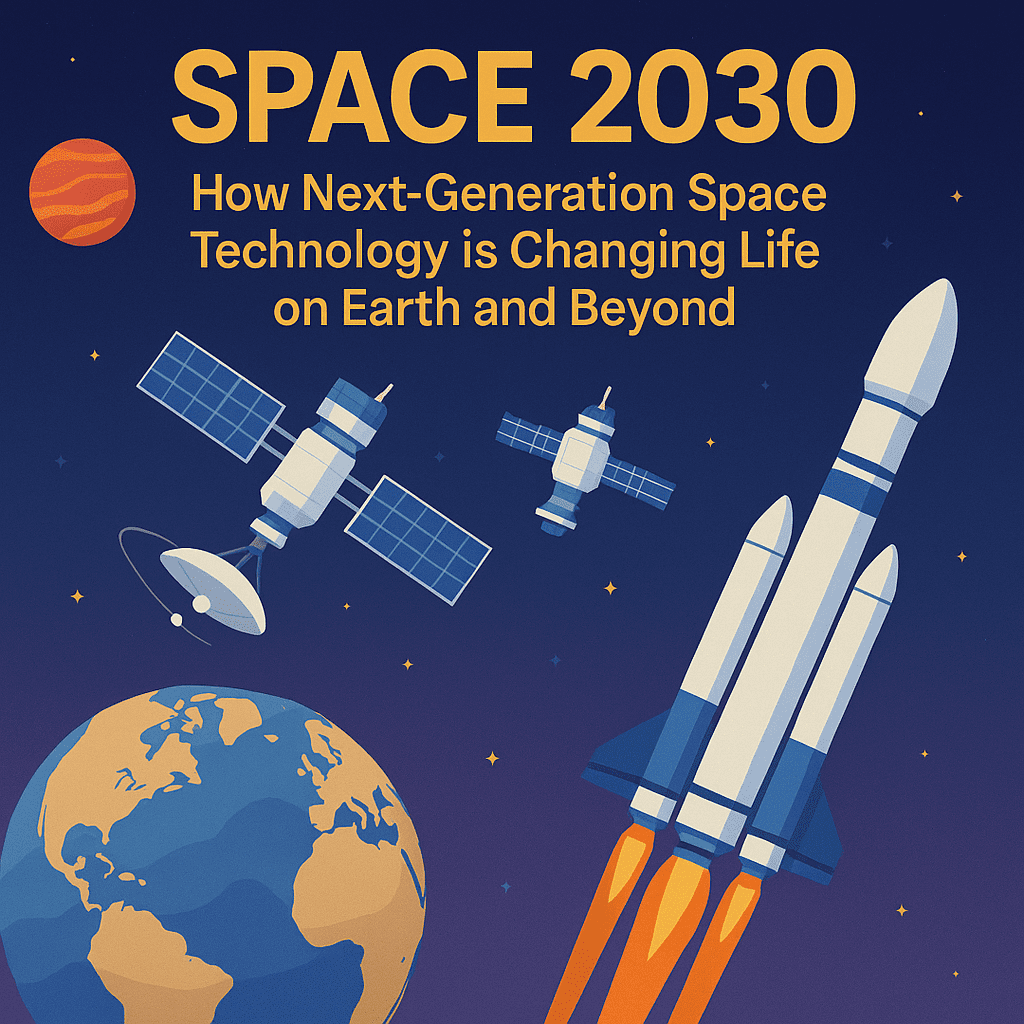
Space 2030: How Next-Generation Space Technology is Changing Life on Earth and Beyond

Introduction The space frontier is rapidly evolving—and by 2030, transformative space technology will reshape life on Earth and propel humanity further into the cosmos. From hyper-efficient satellites to in-space manufacturing and interplanetary ambitions, next-generation tools are already impacting not just science, but our daily lives, economies, and the future of sustainability. Here’s how these innovations are taking us to a new era. The New Space Race: What’s Driving Change? Explosion of Private Sector Involvement: Companies like SpaceX, Blue Origin, and a new generation of global startups are making launches, space data, and travel more accessible than ever before. Miniaturization & Mass Production: Tiny satellites (CubeSats, nano-satellites) lower launch costs and democratize Earth observation, telecom, and scientific research. Reusable Rockets & Advanced Propulsion: Dramatic cost reductions and renewed interest in deep-space missions, the Moon, and Mars. AI & Edge Computing in Orbit: On-board intelligence allows spacecraft to analyze data, make decisions, and respond to events instantly—even on missions to deep space. International Collaboration: Emerging space nations, universities, and corporations are contributing, fueling a global wave of discovery and competition. How Space Technology Is Already Impacting Life on Earth 1. Planetary Monitoring and Sustainability Advanced Earth Observation: Modern satellites track climate change, natural disasters, and agricultural trends in real-time. As much as 50% of all climate data now comes from space-based platforms. Environmental Protection: Satellite imaging helps predict wildfires, assess resource use, and manage global water and food supplies. Disaster Response: Early warning systems powered by space data enable better preparedness for hurricanes, earthquakes, and other crises. 2. Global Connectivity and Communication Satellite Mega-Constellations: Projects like Starlink and Kuiper deliver high-speed internet to even the world’s remotest regions, bridging the digital divide. Quantum-Encrypted Networks: Next-gen satellites are testing ultra-secure communications for banking, government, and privacy-centric industries. Smarter Navigation: Enhanced GNSS systems will power more precise transport, logistics, and autonomous vehicles across the globe. 3. Revolutionizing Industries on Earth Healthcare: Space-developed tech has spawned advanced water purification, remote medical imaging, and telemedicine, enabling healthcare access in even the most isolated corners of Earth. New Energy Solutions: Technologies for space missions—like high-efficiency solar panels and batteries—drive advances in renewable energy and electric vehicles. Manufacturing: Zero gravity enables the production of materials—like fiber optics and pharmaceuticals—with properties impossible to achieve on Earth. Life Beyond Earth: Big Leaps by 2030 Space Stations, Habitats, and Tourism Commercial Space Habitats: Companies and agencies plan for modules in orbit and Moon bases, supporting research and even tourism. Space Tourism: Routine orbital trips for science, recreation, and industry—once science fiction—are entering early real-world adoption. Moon, Mars, and Deep Space Ambitions Artemis, Starship, and International Missions: Lunar settlements, Mars flybys, and robotic asteroid explorations are on track for the early 2030s, setting the stage for a multi-planetary human presence. In-Space Manufacturing & Resource Extraction 3D Printing & Autonomous Robotic Assembly: Large-scale structures, satellites, and supporting hardware will be built in space, not just launched from Earth, reducing costs and enabling new designs. Resource Mining: Asteroid and lunar mining could provide water, metals, and fuel critical for extended space operations. The Big Picture: Space Tech’s Societal Impact Application Example Technology Earthly Impact Climate & Sustainability Hyperspectral satellites Combat environmental crises, improve agriculture Healthcare Remote monitoring, imaging Broaden access, boost emergency response Education & Equality Global internet constellations Connect remote regions, spread knowledge National Security Quantum/AI-driven surveillance Enhance safety, aid disaster management Smart Cities Satellite navigation/data Power IoT, enable resilient urban infrastructure Manufacturing In-space factories Advance materials, drive industry innovation Key Trends to Watch by 2030 AI-Driven Spacecraft: Smarter probes making decisions independently in deep space. Sustainable Lunar Bases: Test beds for resource recycling, energy production, and self-sufficient habitats. Democratization of Space: Universities, small nations, and even citizen groups gaining space access. Cross-Border Collaboration: More nations and sectors joining forces for peace, science, and commerce in orbit. Frequently Asked Questions (FAQ) How does all this benefit non-space industries? Spinoff technologies from space research routinely improve healthcare, environmental management, disaster response, communication, and even the food we eat. Will costs of space access continue to drop? Yes. Continued breakthroughs in reusable launch vehicles, ridesharing launches, and in-space manufacturing are making space more affordable and routine. Is space tech helping sustainability goals? Absolutely. From climate data to efficient energy and resource management, space tech is critical for tracking—and fighting—environmental challenges. Could new discoveries in space impact daily life on Earth? Yes—space has given us GPS, weather forecasts, clean water systems, and breakthrough medical imaging. With new tools, future impacts will be even broader and deeper. Conclusion By 2030, next-generation space technologies are more than missions to the stars—they’re a driving force for sustainability, equity, and innovation right here at home. As public and private collaboration intensifies, expect future breakthroughs to connect, inspire, and elevate people everywhere—on Earth and beyond.

Technology

Top 10 Big Data Analytics Use Cases Revolutionizing the Telecom Industry

Introduction The telecom sector sits at the crossroads of massive data generation and technological disruption. In 2025, big data analytics is not just a buzzword—it’s the backbone of competitive advantage. Advanced analytics enables telecoms to boost operational efficiency, personalize the customer journey, reduce fraud, and unlock new revenue streams. Let’s explore the top 10 real-world use cases of big data analytics that are transforming the telecom industry. Top 10 Use Cases 1. Predictive Churn Analysis Telecoms analyze customer behavior patterns, usage, complaints, and service logs to forecast which customers are likely to leave. Machine learning models deliver real-time churn risk scoring, enabling operators to launch targeted retention campaigns and reduce customer loss. 2. Network Optimization & Traffic Management By processing big data from sensors, network logs, and devices, companies can proactively manage congestion, predict peak traffic, and optimize bandwidth allocation. Real-time analytics ensure smooth connectivity and improved Quality of Service—especially crucial for 5G and IoT deployments. 3. Fraud Detection and Prevention Big data platforms combine call records, transaction logs, and geolocation to detect anomalies such as SIM card cloning, fake billing, subscription abuse, and identity theft. AI/ML-based fraud detection protects both revenue and customer trust. 4. Targeted Marketing and Personalization Telecoms use data-driven segmentation to craft hyper-targeted offers, dynamic pricing, and personalized content. Analytics power recommendations and marketing campaigns that boost customer engagement and average revenue per user (ARPU). 5. Predictive Maintenance Telecom companies process signals from network equipment, sensors, and maintenance logs to predict hardware failures before they occur. Proactive repairs minimize downtime, improve reliability, reduce costs, and enhance user experiences. 6. Enhancing Customer Experience Aggregating data from touchpoints—calls, messages, app usage—enables telecoms to map the customer journey, discover pain points, and provide personalized support. This data-driven approach leads to higher satisfaction and loyalty. 7. Real-Time Analytics for Service Improvement Analyzing real-time data streams empowers on-the-fly recommendations, proactive incident responses, and dynamic load balancing across networks. Companies like Nokia use this approach for agile network management and superior service delivery. 8. Price Optimization and Revenue Assurance By modeling subscriber behavior, competitors’ offers, and willingness to pay, telecoms use big data to dynamically adjust plans, maximize revenue, and reduce price wars, while identifying revenue leaks. 9. Capacity Planning and Resource Allocation Predictive analytics assess historic and real-time data to forecast future network demand, guiding investment in infrastructure, preventing congestion, and ensuring robust coverage. Leaders like Verizon rely on such models for effective expansion. 10. Product Innovation and Monetization Big data analytics uncover hidden trends, power new product development, and even create new data-driven services (e.g., Vodafone Analytics). Monetizing insights as a service opens lucrative business-to-business (B2B) opportunities for operators. Table: Big Data Analytics Use Cases in Telecom Use Case Business Impact Example Implementation Predictive Churn Analysis Reduces customer loss, increases retention Machine learning churn scoring Network Optimization Boosts service quality, cuts costs Proactive congestion management Fraud Detection Minimizes revenue leakage, builds trust AI-driven anomaly detection Targeted Marketing Increases ARPU, campaign ROI Personalized offers, micro-segmentation Predictive Maintenance Cuts downtime, saves costs Equipment failure prediction Customer Experience Raises satisfaction/loyalty Personalized support, journey mapping Real-Time Analytics Immediate service improvement Dynamic load balancing Price Optimization Maximizes revenue, reduces churn Dynamic plan adjustments Capacity Planning Prevents congestion, guides investment Demand forecasting models Product Innovation Grows revenue, new markets Data monetization services Real-World Leaders AT&T: Predictive fault detection and auto-remediation. China Mobile: Dynamic resource allocation in 5G using AI analytics. Vodafone: Vodafone Analytics—a platform for B2B insights. Deutsche Telekom: Micro-segmented offers, adaptive streaming. Key Takeaways Big data analytics is revolutionizing telecom by turning every interaction into actionable insight. The most forward-thinking operators treat data as a core asset, not an afterthought—securing competitive advantage in retention, monetization, and future-readiness. From customer churn prevention to product innovation and fraud prevention, the business case for big data in telecom has never been clearer or more urgent.

Technology

Why Learning Too Many Frameworks Can Hurt Your Career

Introduction In the fast-moving tech world, learning every new framework that trends on social media can seem necessary. But rapidly jumping from one tool to another may actually harm your long-term career growth. Instead of giving you an edge, chasing too many frameworks can stand in the way of deep expertise, lead to burnout, and leave you unprepared for real-world challenges. What Is a Framework? A framework is a set of pre-built components and structures that helps developers build applications faster and more efficiently. Frameworks save time by providing reusable building blocks and conventions, so you don’t need to start every project from scratch. The Downsides of Learning Too Many Frameworks 1. Superficial Knowledge, Not Expertise Surface-level learning leads to a limited grasp of each framework. Shallow skills make it difficult to troubleshoot or build complex solutions. Employers value depth—someone with mastery in a key tool or stack—over breadth. 2. Weak Grasp of Programming Fundamentals Frameworks often hide essential language features, algorithms, and patterns. Over-reliance leaves many unable to code solutions without that specific framework. You risk building knowledge like a house on shaky foundations, struggling when frameworks change or become obsolete. 3. Poor Job Market Positioning Most companies focus their hiring around a few major, well-supported frameworks. Shallow experience across many frameworks rarely stands out. Instead, confident expertise in one or two can open more doors. In interviews, deep knowledge enables you to answer complex questions and solve actual problems, where checklists of frameworks do not. 4. Framework Fatigue and Burnout Constant learning replaces actually building and shipping real projects. Chasing the “next big thing” in frameworks can prompt stress, self-doubt, and eventually professional burnout. Many developers report feeling overwhelmed by endless new technologies—leading to frustration and even thoughts of leaving the industry. 5. Limited Problem-Solving and Adaptability Developers who know only frameworks find it hard to work “without the training wheels.” Real-world challenges often demand creative solutions that extend beyond what any tool offers. Without strong fundamentals, it’s hard to pivot or innovate when requirements evolve or tech stacks shift. Real-World Scenarios Scenario A: “Framework Hopper” vs. Specialist Framework Hopper Specialist Project Output Many partial demos; few completed apps Fewer, deeper, real-world ready projects Interviews Recites many tools, little depth Explains solutions in detail, uses strong fundamentals Career Path Stagnates in junior roles Moves into senior/lead positions Scenario B: Recruiter Preferences Preferred: “Contributed to production apps using a few main frameworks, understands the underlying language and ecosystem.” Less Preferred: “Lists many frameworks but can’t explain how or why something works, or adapt beyond the tool.” Are You Spreading Yourself Too Thin? Spending more time on tutorials than building real projects Quickly forgetting syntax or features after moving to the next framework Struggling with the basics of your language (e.g. JavaScript, Python) Feeling “framework fatigue” or dreading each new tech trend How To Avoid the Framework Trap Master Fundamentals: Focus on your main language, algorithms, and patterns first. Go Deep, Not Wide: Dive into one or two widely-used frameworks, understand them end-to-end. Build Real Projects: Apply your skills in practical, production-ready apps. Upgrade Tools with Purpose: Only add a new framework if your project requires it, not just because it’s trending. Learn How to Learn: Understanding core concepts makes adapting to new frameworks much easier later on. Frequently Asked Questions (FAQ) Should I ignore all frameworks? No. Frameworks save time and enable productivity, but only after you have a solid base and understand why you’re using them. Can knowing many frameworks help me get jobs? Not unless you have in-depth, real-world experience in each one. Employers prioritize demonstrable expertise over brief, surface-level familiarity. How do I choose frameworks to focus on? Look at industry trends in your field, ask local employers, and research which tools appear in actual job listings. Will frameworks become obsolete? All tools evolve or fall out of favor. Strong fundamentals ensure you can always retool and adapt. What happens if I need to learn a new framework for work? If you’ve mastered the foundations, you’ll learn any new framework much faster and with less stress. Conclusion Don’t let the endless parade of new frameworks distract from what matters most—building rock-solid fundamentals and applying your skills to real-world challenges. Prioritizing depth in a few key tools, combined with a strong core knowledge of programming, will foster long-term growth, resilience, and career satisfaction in tech.

Technology

How We Use N8N to Automate Repetitive Tasks (Real Scenarios)

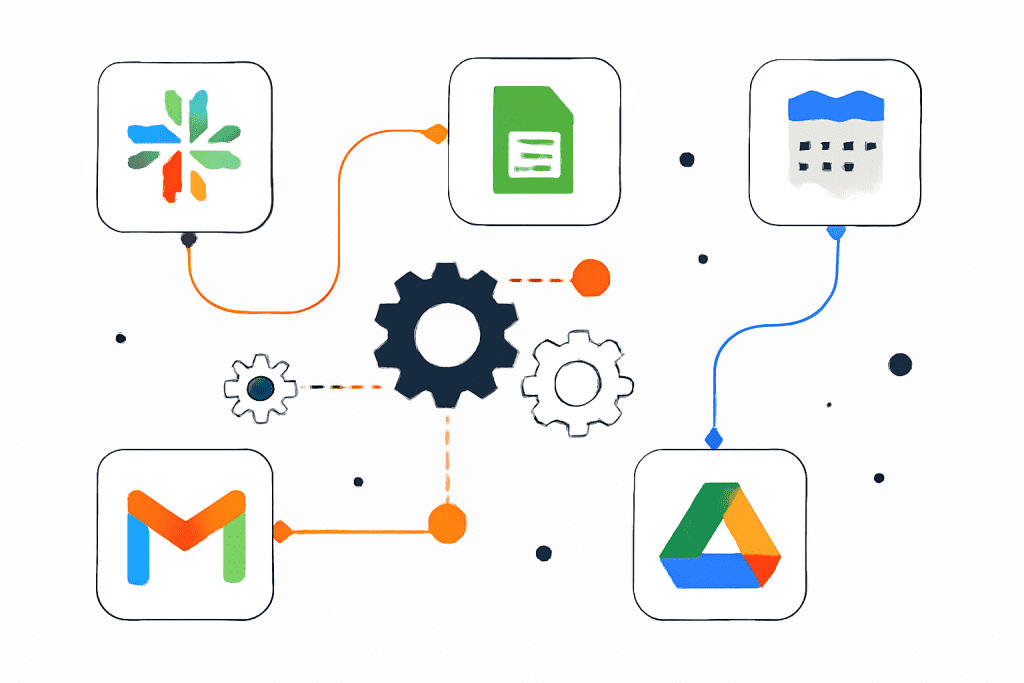
Introduction Automation is transforming how teams handle routine tasks—letting you focus on strategic work instead of tedious manual chores. n8n, an open-source automation tool, offers incredible flexibility for building custom, no-code workflows that tie together your favorite apps and services. Here’s how we use n8n to save time every day, with real, practical examples. Why n8n for Automation? Open Source & Self-Hostable: Full control over your data and integrations. Visual Workflow Builder: Drag-and-drop interface for building automations—no heavy coding required. Endless Integrations: Connects with Gmail, Slack, Google Sheets, Notion, APIs, webhooks, and more. Customization: Add code nodes for advanced logic using JavaScript or Python. Scalability: Great for startups and growing businesses; runs on your infrastructure or in the cloud. Real n8n Automation Scenarios 1. Real-Time Slack Alerts for Google Sheet Updates Problem: Teams often miss important updates buried in complex Google Sheets. Solution: We set up n8n to monitor changes in a specific Google Sheet. When data is updated (e.g., a new row is added), n8n sends a formatted notification to our Slack team. This workflow keeps everyone instantly informed—no need for constant manual checks. How it looks: Trigger: Google Sheets update Action: Post message to Slack with update info Optional: Filter or Switch nodes to limit which changes trigger alerts. 2. Auto-Save Email Attachments to Google Drive Problem: Downloading and organizing email attachments is error-prone and time-consuming. Solution: We use n8n to watch our inbox for new emails with attachments. When one arrives, n8n saves the attachments to pre-set Google Drive folders. Filters direct documents based on sender, subject, or file type—keeping everything tidy and minimizing lost files. How it looks: Trigger: New email with attachment Action: Save attachments to designated Google Drive folder. 3. Two-Way Calendar Sync Problem: Juggling multiple calendars leads to double booking and missed meetings. Solution: n8n helps us synchronize between Google Calendar and Outlook. Any new event on one platform gets mirrored on the other. Rules (like syncing only during work hours) make it flexible to our needs. 4. Website & Service Uptime Monitoring Problem: We don’t want to hear from customers when the website goes down! Solution: A scheduled n8n workflow pings our sites every few minutes. If a site isn’t responding, n8n instantly alerts our team by email or Slack and logs the downtime to a shared database—enabling rapid response. How it looks: Trigger: Cron node schedules regular checks Action: HTTP request to website Conditional: If response ≠ 200, send alert and log incident. 5. Automated Lead Capture and CRM Integration Problem: Manual lead entry from web forms into our CRM wastes time and risks errors. Solution: n8n listens for new submissions on our website’s contact forms. When a lead arrives, it’s automatically enriched (e.g., pulling company data via API), added to our CRM, and the sales team notified. No more copy-pasting, and leads are acted on instantly. 6. Social Media Content Scheduling Problem: Posting content across platforms is repetitive and often forgotten. Solution: We built a workflow that collects new social media content from our Google Sheets editorial calendar, formats posts for each platform, and publishes them—hands-off and on schedule. Plus, engagement stats are gathered for reporting. Example Table: n8n Automation Use Cases Scenario n8n Trigger Main Action Apps Connected Slack Alerts on Sheet Update Sheet change Post to Slack Google Sheets, Slack Auto-Save Email Attachments New email Save to Drive with filters Gmail/Outlook, Google Drive Two-Way Calendar Sync Event added/changed Mirror event Google Calendar, Outlook Website Uptime Monitoring Scheduled (Cron) Send HTTP request, alert on fail HTTP, Slack/Email Lead Capture to CRM New form submission Enrich & add lead, notify sales Webhook/API, CRM, Slack Scheduled Content Posting Cron/Sheet update Format & post Google Sheets, APIs Lessons Learned & Tips Start Small: Automate one or two high-impact tasks first to build confidence. Iterate: Use n8n’s visual builder to tweak workflows as requirements change. Fail Safes: Always add error notifications so issues are caught early. Documentation: Clearly label nodes/steps for easy handover and maintenance. Frequently Asked Questions (FAQ) What is n8n automation? n8n (“node-to-node”) is an open-source workflow automation tool for connecting apps, moving data, and automating everyday processes. How does n8n work? It uses a visual, drag-and-drop builder where each “node” handles a specific task—reading emails, sending messages, updating records—linked together for full automation. How many integrations does n8n provide? n8n comes with over 400 native integrations for popular tools and also provides HTTP nodes for custom APIs. Can I create and activate workflows via API? Yes. n8n offers programmatic workflow activation via API. Is n8n self-hostable? Absolutely—deploy on your own server or use n8n Cloud for managed hosting. Can I add custom code to workflows? Yes. Code nodes let you script advanced logic in JavaScript or Python. Does n8n offer error handling and notifications? Yes, workflows can include error triggers and customizable notifications. Are workflow templates available? Thousands of pre-built templates are shared by the official community and in documentation. Where can I find more tutorials? Check the official n8n documentation and community forums for how-to guides, templates, and real-world examples Conclusion n8n is a powerful ally in the fight against repetitive work. By automating tedious tasks, our team unlocks productivity and can focus on meaningful projects. Whether it’s saving email attachments, syncing calendars, or handling leads—n8n’s flexibility and ease-of-use make it our go-to automation platform. For more detailed workflow templates and practical tutorials, check out the n8n official documentation and community resources—they’re packed with real examples you can implement right away

Technology, Uncategorized

Brisbane 2025: Future Tech Business Ideas You Can Launch Today

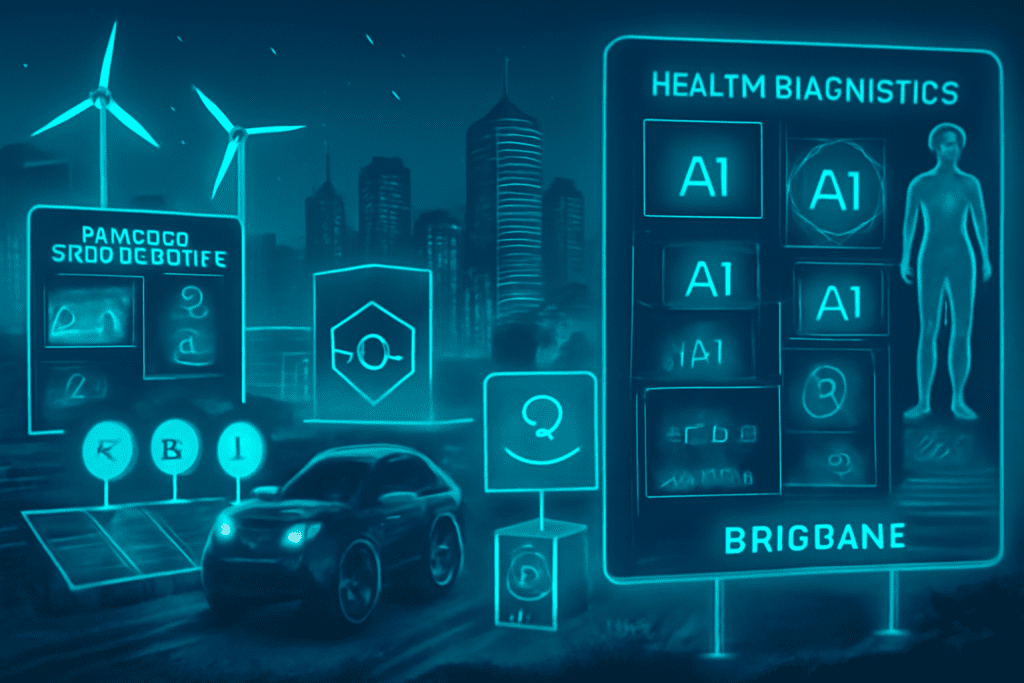
Introduction Brisbane is rapidly emerging as a dynamic technology hub with robust government support, a thriving talent pool, and a focus on sustainability and innovation. Here are some future-focused tech business ideas you can launch in Brisbane today, designed to meet local needs and tap into global trends: Top Future Tech Business Ideas AI-Powered Healthcare Diagnostics Develop platforms that use artificial intelligence to analyze medical images and data, offering faster, more accurate diagnostics tailored to Australia’s unique health demographics. Climate-Smart AgTech Solutions Leverage IoT sensors, machine learning, and analytics to optimize water usage, soil health, and crop yields. Solutions can support local farmers in climate adaptation and sustainable agriculture. Renewable Energy Management Platforms Build smart platforms for managing solar and battery storage, peer-to-peer energy trading, or smart microgrids, in line with Queensland’s ambitious renewable energy targets. EdTech for Lifelong Professional Upskilling Launch e-learning platforms that use AI-driven personalization, gamified content, and partnerships with Brisbane universities. Focus on industries in need of upskilling like tech, health, and sustainability. Cybersecurity for SMEs Offer affordable, scalable cybersecurity services tailored for small and mid-sized businesses, addressing compliance and ransomware threats with managed detection and response. Circular Economy Digital Platforms Create marketplaces that enable Brisbane businesses to share, reuse, or recycle resources, with AI-powered logistics optimization and traceability. Mental Health & Wellbeing Apps Develop comprehensive wellness apps with AI-powered mood tracking, secure telehealth features, and culturally relevant interventions for Australia’s workforce and remote communities. Supply Chain Transparency with Blockchain Use blockchain tech to ensure traceability for local products (such as food, resources, or medical supplies), building consumer trust and supporting ethical sourcing. Smart City IoT Solutions Launch smart city products for traffic management, waste monitoring, or energy consumption, using sensor networks and real-time analytics to optimize urban life. Fintech for Sustainable Investing Build platforms allowing users to invest in green assets, monitor ESG factors, or directly fund sustainable local projects. Visual representation of future tech business ideas to launch in Brisbane in 2025 Why Brisbane? Growing Innovation Ecosystem: Backed by programs like Advance Queensland and support for R&D and startup funding. Talent Pipelines: Strong local universities and research institutions. Market Readiness: Rapid adoption of digital services, renewable energy, and sustainability-focused initiatives. Launch Tips Start with a focused MVP tailored to a Brisbane-specific need. Leverage local accelerator programs, government grants, and university partnerships. Prioritize user experience, regulatory compliance, and scalable solutions from day one. Brisbane’s combination of emerging tech, supportive local policies, and market needs makes it an ideal place to launch and scale future-focused tech businesses in 2025 and beyond

Technology

The Future of Cybersecurity in the Age of AI

Introduction Artificial Intelligence (AI) is changing cybersecurity faster than ever before. It’s helping us create powerful tools to protect our digital world, but at the same time, it’s also giving cybercriminals smarter ways to attack. This is the new reality—AI can be our strongest defense and also one of our biggest threats. The Rise of AI-Powered Cyber Threats Smarter Malware: Hackers now use AI to create malware that can change itself, hide from security tools, and find weaknesses on its own. Deepfake Attacks: AI can create fake videos, photos, and voices that look and sound real, which are then used for scams, spreading fake news, or stealing someone’s identity. Advanced Phishing Scams: AI can write personalized scam emails and messages that look so real, it’s hard to tell they’re fake. Automated Attacks: Cybercriminals now use multiple AI programs working together to target, hack, and steal data quickly and with little human effort. How AI Helps in Cybersecurity Detecting Threats Faster Spotting Unusual Activity: AI monitors network traffic and user behavior to catch anything suspicious that humans might miss. Predicting Future Threats: Machine learning can guess what type of cyberattacks might come next, so we can prepare in advance. Quick Incident Response: When an attack happens, AI can immediately react, block it, and reduce damage. Smarter Security Systems Continuous Authentication: AI checks your typing pattern, how you use your phone, and even your movement to make sure it’s really you and not a hacker. Catching Insider Threats: It can also detect employees or hacked accounts behaving strangely before real damage happens. Managing Security at Large Scale Cloud and Smart Devices Security: AI protects big cloud systems and Internet of Things (IoT) devices that humans can’t manually monitor all the time. Fixing Vulnerabilities: It constantly looks for weaknesses in apps, websites, and systems and helps fix them before hackers take advantage. Challenges with AI in Cybersecurity AI vs AI: Hackers are also using AI, which has created a constant battle between good AI and bad AI. Tricking AI: Hackers can confuse AI systems or feed them wrong information to reduce their effectiveness. Too Many Alerts: Sometimes AI gives too many warnings or misses real threats, making life tough for security teams. Lack of Skills & Ethics: Using AI in cybersecurity requires trained people and strong rules to make sure it’s used responsibly and fairly. The Future of AI in Cybersecurity More advanced attacks → Hackers will create smarter and harder-to-detect malware. Faster detection and response → AI will make cyber defense quick and efficient. Better insider protection → Behavioral AI will help catch account misuse. 24/7 AI security → Automated AI systems will defend round the clock. Predictive security → Instead of reacting, cybersecurity will start preventing attacks before they happen. Cloud and IoT security → AI will handle huge connected networks easily. AI-driven threat intelligence → Security teams will get better, faster insights to stop threats. How to Prepare for AI-Driven Cybersecurity Use AI tools: Invest in AI-based security systems for detection and automated response. Keep learning: Continuously train both your AI tools and your human teams to stay ahead. Work together: Combine human expertise with AI for the best defense. Follow cyber hygiene: Keep your software updated, patch systems regularly, and follow good security habits. Use AI ethically: Ensure fairness, transparency, and privacy when using AI for security. Conclusion AI is already changing the way we protect our digital world. It’s not here to replace cybersecurity professionals but to make them faster and smarter. The future belongs to security teams where humans and AI work together to stay ahead of evolving threats. The question is: Are you ready for the future of cybersecurity in the age of AI?

Technology

Revolution in Technology in the Last 15 Years

Introduction The past 15 years have witnessed an unprecedented revolution in technology, impacting nearly every aspect of modern life. From communication and transportation to healthcare and entertainment, developments in digital tools and systems have reshaped our daily experiences and transformed industries around the globe. Key Technological Advancements (2010–2025) 1. Rise of Smartphones and 5G Networks Smartphones have become faster, smarter, and more integral to our lives, serving as cameras, computers, and entertainment systems in our pockets. The rollout of 4G, followed by 5G, enabled lightning-fast internet connectivity, seamless video streaming, and real-time gaming experiences on mobile devices. 2. Artificial Intelligence (AI) and Machine Learning AI-powered tools permeate everything from virtual assistants (Siri, Alexa) to image recognition, language translation, and autonomous robots. AI’s influence expanded in areas such as healthcare diagnostics, self-driving cars, and smart home technology. 3. Electric and Autonomous Vehicles Electric vehicles (EVs) went mainstream, with increasing sales and wider adoption in many countries. The development and testing of autonomous (self-driving) cars are transforming the future of personal and public transport. 4. Cloud Computing & Remote Collaboration Cloud technology allowed businesses and individuals to access, store, and share data from anywhere, fueling the rise of remote work and collaboration. Platforms like Office 365, Google Drive, and Zoom became essential, especially during the pandemic years. 5. Social Media & Digital Transformation Social networks (Facebook, Instagram, X, TikTok) fundamentally changed personal connection, business marketing, and news consumption. Digital payments and e-commerce experienced explosive growth, digitizing transactions and consumer habits. 6. Wearables, AR/VR, and IoT Smartwatches, fitness trackers, and wearables transformed personal health and productivity. Augmented reality (AR) and virtual reality (VR) evolved, offering new dimensions in gaming, design, and education. The Internet of Things (IoT) interconnected devices, appliances, and infrastructure, enabling smart homes and cities. 7. Blockchain and Cryptocurrencies Blockchain technology, initially associated with cryptocurrencies, began to revolutionize finance, supply chains, and digital identity management. Secure, decentralized records brought new possibilities for transparency, trust, and innovation. 8. 3D Printing and Manufacturing Innovations 3D printing moved from prototyping to mainstream manufacturing, enabling custom products, medical devices, implants, and more. Rapid design iterations and on-demand production became possible in industries such as healthcare and automotive. 9. Advances in Healthcare Technology Telemedicine, wearable health monitors, and digital health records improved care accessibility and patient outcomes. AI-powered diagnostics and personalized medicine are driving breakthroughs in disease prevention and treatment. 10. Sustainability and Green Tech Renewable energy technologies, especially solar panels and wind turbines, have made significant progress. Smart grids, energy storage solutions, and green transportation are helping address climate change and promote sustainability. Societal and Economic Impact Productivity: Technology enhanced business efficiency, enabling rapid innovation across sectors. Workforce: Automation and AI shifted job roles, making digital skills and adaptability more valuable. Society: Digital access expanded globally, but also highlighted challenges like the digital divide and data privacy concerns. Looking Ahead: What’s Next? Quantum computing is emerging as a frontier that could solve previously impossible problems in science and logistics. Convergence of technologies (AI, IoT, edge computing) promises smarter, more connected environments. Conclusion The past 15 years represent a defining chapter in the history of technology, marked by rapid change and continuous innovation. These breakthroughs have extended human capabilities, improved quality of life, and will continue to shape our future in ways we are only beginning to imagine.

Technology

How AI Has Transformed Company Work Culture

Introduction The AI revolution is driving one of the most significant shifts in company work culture in decades. Beyond automating tasks and boosting productivity, AI is transforming collaboration, management, learning, and the overall employee experience. Key Changes in Work Culture After AI 1. Shift Toward Continuous Learning and Adaptability Learning-centric Culture: As AI tools rapidly evolve, employees must constantly upskill and adapt. Organizations are encouraging ongoing education, fostering curiosity, and supporting innovation. Employees now view learning not as a one-time event, but as a continuous journey alongside AI. 2. Enhanced Collaboration and Inclusion Breaking Down Silos: AI-powered platforms facilitate cross-functional teamwork and easier information sharing, regardless of location or hierarchy. Inclusion: AI-driven insights help tailor communication and benefits to diverse employee needs, supporting a more inclusive and multigenerational workforce. 3. Automation Frees Up Strategic and Creative Energy Less Routine, More Impact: AI takes on repetitive, low-value tasks. This frees employees to focus on creative, complex, and people-centered activities, increasing job satisfaction. Workers are shifting from task-doers to creators, curators, and strategists—roles demanding judgment, empathy, and innovation. 4. Personalized Employee Experience Hyper-personalization: Like how streaming services recommend content, AI offers personalized career paths, learning programs, and benefits. Employees expect tailored experiences and growth opportunities aligned with their unique needs and preferences. 5. Transparency, Trust, and Ethics Clearer Roles and Accountability: Automated processes and transparent data use bring more clarity to job roles and expectations. Ethical Leadership Required: Concerns about bias, privacy, and algorithmic decision-making are front and center. Leaders are called to set clear, ethical guidelines to ensure widespread trust in AI adoption. 6. Data-Driven Decision Making and Leadership HR and Management: Company leaders use AI analytics to measure engagement, detect burnout, and guide real-time cultural improvements. Evidence Over Intuition: Company culture is now shaped through data-backed approaches, not just gut instincts. Challenges on the Path Job Security Concerns: Fear of automation and shifting skill requirements can create anxiety and resistance among employees. Cultural Misalignment: If AI is implemented without clear communication, engagement, or ethical standards, it can erode trust and intensify tensions within teams. Leadership Gaps: Organizations lacking a clear AI adoption strategy see more conflict and less engagement compared to those with intentional leadership involvement. Best Practices: Building a Positive AI-Driven Culture Strategy Impact on Culture Involve employees early Fosters trust and eases transition Promote transparency Reduces fear, builds ethical standards Focus on reskilling Ensures no one is left behind Measure and improve Data-driven adjustments to culture Lead with empathy Aligns AI use with company values The Future: From Disruption to Empowerment Organizations that embrace the AI revolution as a cultural, not just technical, change—prioritizing adaptability, ethics, and people—are more likely to thrive. The most successful companies will be those that use AI to enhance humanity at work, making jobs more engaging, workplaces more inclusive, and teams more innovative. By understanding these changes, companies and employees alike can shape a future workplace where AI and human talent work hand-in-hand for shared growth and purpose.

How would you like me to respond?

Select a personality for your AI assistant

Normal
Happy
Sad
Angry

Your selection will affect how the AI assistant responds to your messages

Chat Assistant

Let's discuss your project!

Hear from our clients and why 3000+ businesses trust TechOTD

Tell us what you need, and we'll get back with a cost and timeline estimate

Scroll to Top