Author name: Kirti Sharma

Restaurent

3 Top Reasons to Invest in a Mobile App for Your Restaurant

Introduction The restaurant industry is one of the most competitive markets in the world. From small cafés and food trucks to fine-dining restaurants and international chains, the battle for customer attention is constant. In such a fast-paced environment, technology is no longer a luxury—it’s a necessity. One of the most powerful tools a restaurant can use today is a mobile app. A custom-built app gives restaurants the power to connect directly with customers, streamline operations, boost sales, and build loyalty. According to Statista, the global online food delivery market is expected to surpass $466 billion by 2027, and a large share of this growth is driven by mobile applications. Customers now expect restaurants to offer the convenience of browsing menus, placing orders, and even earning rewards—all from their smartphones. But here’s the key question: Why should you invest in a mobile app for your restaurant?While there are countless benefits, this blog will focus on the 3 top reasons: Enhanced Customer Convenience and Experience Boosted Revenue Through Online Ordering & Delivery Improved Customer Loyalty and Brand Engagement Let’s dive deep into each reason and explore why a mobile app could be the smartest investment your restaurant can make. Reason 1: Enhanced Customer Convenience and Experience The Rise of “On-Demand” Dining Customers today value convenience above everything else. Whether they’re ordering from home, booking a table in advance, or customizing a dish, they expect restaurants to cater to their preferences seamlessly. A mobile app makes this possible by offering features like: Digital Menus with pictures, prices, and descriptions Table Reservations without phone calls One-Click Reordering for regular customers Contactless Payments via UPI, credit/debit cards, and wallets Imagine this: A customer is on their way home from work. Instead of calling your restaurant and waiting on hold, they open your app, reorder their favorite meal with one tap, and it’s ready by the time they arrive. That level of convenience builds loyalty. Case Study: Starbucks Mobile App Starbucks has one of the most successful restaurant apps in the world. Their app allows users to order ahead, pay digitally, and skip the line. In 2022, 26% of Starbucks’ transactions in the U.S. came through their mobile app. That’s the power of customer convenience. Key Benefits for Restaurants Reduced Wait Times: Faster ordering means higher table turnover. Error-Free Orders: Customers input their own preferences, reducing mistakes. Accessibility: Customers can place orders anytime, anywhere. When your app makes life easier for customers, they’ll naturally choose you over competitors who don’t offer such convenience. Reason 2: Boosted Revenue Through Online Ordering & Delivery Food Delivery is Exploding Food delivery apps like Swiggy, Zomato, Uber Eats, and DoorDash have changed how people order food. But relying solely on third-party apps comes with high commission fees (15–30%). A restaurant’s own mobile app eliminates this problem. With your own app, you: Keep 100% of the profit (no commission fees). Gain direct control over customer data. Offer special discounts to drive repeat sales. Example: Domino’s Pizza Domino’s invested heavily in mobile ordering early on. Today, over 70% of Domino’s sales come from digital platforms, with mobile being the primary channel. By cutting reliance on third-party platforms, Domino’s boosted both profits and customer loyalty. Upselling and Cross-Selling Opportunities Mobile apps can be designed to recommend add-ons and combo meals. For example: If a customer orders a burger, the app suggests fries and a drink. If they order a pizza, the app offers extra cheese or dessert. This digital upselling strategy significantly increases average order value (AOV). Improved Delivery Management Apps also allow restaurants to: Integrate real-time delivery tracking. Assign delivery staff more efficiently. Send push notifications when food is ready. All of this improves customer satisfaction while ensuring smooth business operations. Reason 3: Improved Customer Loyalty and Brand Engagement Why Loyalty Matters in the Restaurant Industry In a market where customers are spoiled with options, retaining a customer is cheaper than acquiring a new one. Studies show that: Acquiring a new customer can cost 5–7 times more than retaining an existing one. Loyal customers spend 67% more than new customers. A mobile app provides the perfect platform to build loyalty. Features That Build Loyalty Reward Programs: Points for every purchase, redeemable for discounts/free meals. Personalized Offers: Based on customer history (e.g., “50% off on your favorite pizza”). Push Notifications: Keep customers engaged with daily specials and limited-time offers. Gamification: Customers can unlock badges, levels, or freebies for frequent purchases. Case Study: McDonald’s App McDonald’s app has become a global success, largely due to its loyalty rewards system. Customers regularly use the app to claim personalized offers and discounts, making it one of the most downloaded food apps worldwide. Social Media & Branding Your app also doubles as a branding tool. Every time customers open it, they’re reminded of your restaurant’s name, logo, and unique offerings. Unlike third-party apps, your app builds your brand, not someone else’s. Additional Benefits of a Mobile App for Restaurants While the three main reasons above are the most powerful, here are some bonus benefits that come with having a mobile app: Direct Marketing Channel – Push notifications and in-app messages reach customers instantly. Customer Data Insights – Track order frequency, popular dishes, and customer preferences. Reduced Operational Costs – Automated ordering reduces staff workload. Competitive Advantage – Stand out from restaurants that still rely only on offline or third-party services. Addressing Common Concerns “Isn’t it expensive to build a restaurant app?” Not necessarily. With today’s development tools, even small restaurants can build cost-effective apps. The ROI (Return on Investment) often outweighs the initial cost within months due to increased sales and customer loyalty. “What if my customers prefer Zomato/Swiggy?” You don’t have to abandon third-party apps. Instead, use them to attract new customers while encouraging repeat customers to use your own app for better discounts and loyalty rewards. “What if I don’t have delivery services?” Even without delivery, an app can handle reservations, pre-orders, takeaways, and loyalty programs. FAQs About Restaurant Mobile Apps Q1. Do small/local

Healthcare & Fitness

4 Things You Should Know About Healthcare App Development

Introduction In the last few years, healthcare app development has rapidly gained momentum, revolutionizing how patients, doctors, and healthcare providers interact. From telemedicine platforms to AI-powered diagnostics, healthcare apps today have become an integral part of ensuring efficient care delivery and personalized experiences. The healthcare industry is projected to surpass $660 billion in digital health spending by 2025, with mobile apps leading the wave.   If you’re a healthcare entrepreneur, CTO, or digital transformation leader, understanding the essential factors in healthcare app development is critical. Whether it’s compliance, security, adopting AI, or ensuring seamless user experiences, the right approach can determine your app’s success. 👉 In this blog, we’ll cover the 4 most important things you should know about developing a healthcare app, along with strategies, technologies, and industry best practices. 1. Regulatory Compliance and Data Security in Healthcare Apps Healthcare apps aren’t like normal mobile applications—they deal with highly sensitive patient data. Ensuring compliance with industry regulations is vital to protect user trust and avoid legal issues. Key Compliance Standards: HIPAA (USA) – Protects patient data and privacy. GDPR (Europe) – Ensures secure handling of personal data. ISO 27001 & HL7 Standards – Define best practices for data exchange and information security. Indian PDP Bill (India) – Aligns with data privacy rules. Why Data Security Matters: Over 81% of healthcare organizations have experienced cyberattacks. Breaches cost the healthcare industry $10.93 million per incident (IBM, 2024). Best Practices for Security: Data Encryption – Protect data in transit and at rest. Multi-Factor Authentication (MFA) – Prevent unauthorized access. Cloud Security – Use trusted cloud providers like AWS and Azure (see TechOTD AI services). Compliance-First Development – Integrate compliance rules early in the design (see how we work). 💡 Pro Tip: Always include compliance audits during app development milestones. 2. AI and Emerging Technologies Transforming Healthcare Apps AI is changing the face of healthcare mobile app development. From predictive analytics to computer vision in radiology, AI ensures better outcomes while reducing costs. Examples of AI in Healthcare Apps: Predictive Analytics: For early disease detection (learn more in predictive analytics software guide). Natural Language Processing (NLP): Enables medical chatbots and intelligent diagnosis tools. Generative AI: Assists doctors in generating reports and analyzing patient histories. IoT & Wearables: Collect real-time health data to integrate with hospital systems (IoT in telecom blog). Blockchain: Used in healthcare to secure patient data (see blockchain in Dubai business processes blog). Benefits of AI in Healthcare Apps: ✔️ Faster diagnosis and treatment ✔️ Enhanced patient engagement through personalized care ✔️ Reduced operational costs ✔️ Data-driven insights for doctors and providers 3. User-Centric Design and Seamless Experience No matter how advanced your healthcare app is, if it’s not easy to use, adoption rates will remain low. Both patients and doctors need a frictionless experience. Key Aspects of User Experience (UX) in Healthcare Apps: Intuitive Design: Clear navigation, easy access to reports, and minimal clicks. Accessibility: Voice commands, large fonts, and screen readers for differently-abled users. Telemedicine Integration: Smooth video conferencing with stable connectivity. Data Visualization: Simple dashboards for patients and analytics (powered by tools like Tableau and Grafana—as highlighted in AI services). 📌 Fun Fact: 77% of users uninstall an app within three days if UX is poor. 💡 Pro Tip: Conduct usability testing with real doctors and patients before full-scale deployment. 4. Cost, Scalability, and Long-Term Maintenance Building a healthcare app is not just about the initial launch—it’s a long-term journey. Factors Affecting Healthcare App Development Cost: App Type (patient app, doctor app, telemedicine, pharmacy solutions, etc.) Tech Stack (native apps in Swift vs React Native) AI Features Integration (predictive models, chatbots, computer vision). Security & Compliance Measures. Average Development Cost in 2025: Basic healthcare app: $40K – $60K Mid-level with AI: $80K – $150K Enterprise-grade with full features: $200K+ Scalability Considerations: Support cloud migration with Kubernetes & DevOps integration (TechOTD platforms). Ensure modular architecture for feature upgrades. Invest in ongoing support & maintenance (see service page). Key Points Summary Table Factor Why It’s Important Best Practices / Solutions Regulatory Compliance Legal + patient trust HIPAA, GDPR compliance, audit trails, secure cloud integration AI & Emerging Tech Efficiency + innovation Predictive analytics, NLP chatbots, IoT devices, blockchain for secure records User Experience Adoption & retention Simple UI, telemedicine features, accessibility, dashboard visualization Cost & Scalability Long-term ROI Proper budgeting, modular app design, DevOps + cloud for scalability, maintenance contracts Conclusion Healthcare app development is reshaping global health delivery systems. But success lies in balancing compliance, innovation, patient experience, and scalability. By embracing AI, predictive analytics, robust cloud systems, and secure data handling, businesses can unlock innovative healthcare solutions. If you are planning to develop a healthcare app, partnering with experts like TechOTD can help ensure compliance, efficiency, and future-ready features. 📢 Call-to-Action (CTA): Ready to build a secure, AI-powered healthcare app? Book a free consultation with our experts today to kickstart your journey. Frequently Asked Questions (FAQ) 1. How long does it take to develop a healthcare app? It usually takes 4–8 months depending on app complexity, integrations, and compliance requirements. 2. Which technologies are best for healthcare app development? Popular frameworks include Swift, React Native, Python, TensorFlow, and Kubernetes. AI and IoT integrations are also widely used. 3. How can AI improve healthcare apps? AI improves diagnosis, patient engagement, and predictive healthcare insights while lowering costs. 4. Do healthcare apps need to comply with HIPAA or GDPR? Yes. Compliance is essential to ensure data security, avoid penalties, and maintain patient trust. 5. What is the average cost of developing a healthcare app in 2025? Between $60K and $200K+, depending on complexity, features, and compliance level.

Digital Transformation, Healthcare & Fitness

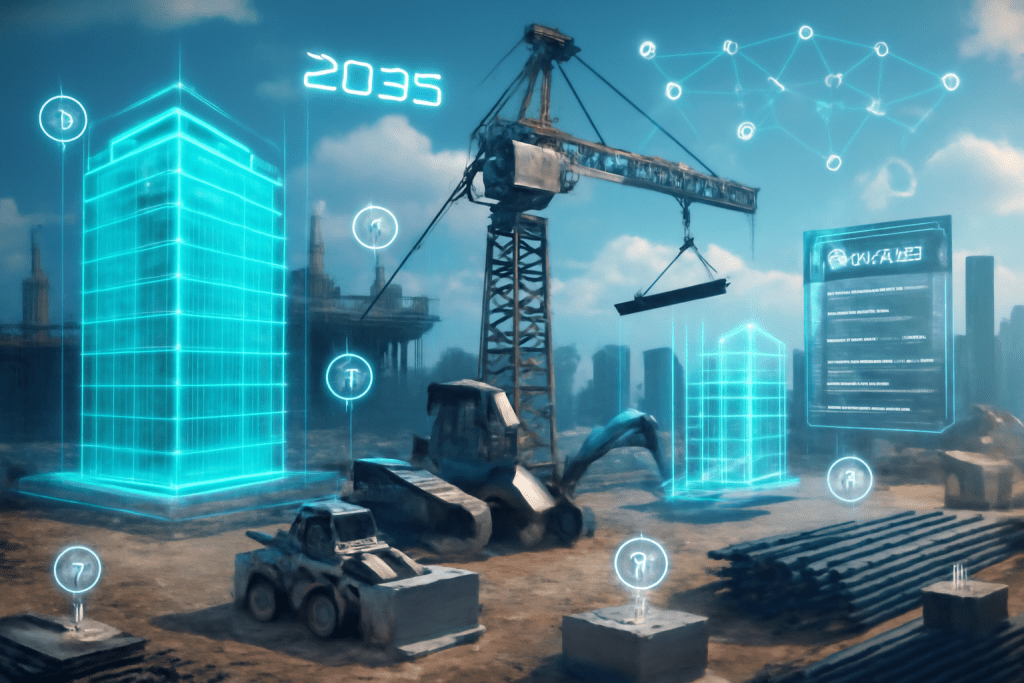
Digital Transformation in Construction: Shaping the Next Era

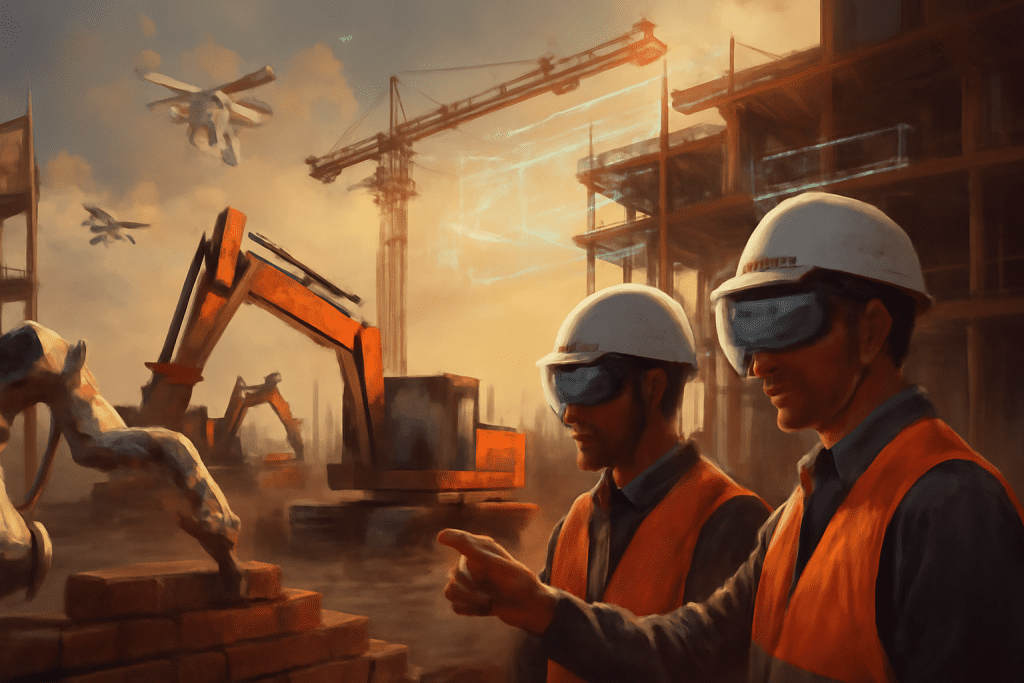
Introduction The construction industry in 2025 stands at the cusp of a revolution powered by digital transformation. With increasing project complexity, rising costs, and growing demands for sustainability and safety, traditional practices are rapidly evolving to embrace technology-driven solutions. From artificial intelligence to IoT, robotics to digital twins, these innovations are reshaping how construction projects are planned, managed, and delivered. For construction firms, understanding these advancements is no longer optional but essential to remain competitive in a dynamic market. Digital transformation is no longer a future concept but a present-day reality. By integrating cutting-edge technologies, construction companies can streamline operations, minimize errors, increase safety, and boost profitability. This blog explores the technologies driving change, key benefits, real-world use cases, emerging trends, and the challenges construction leaders must address. Key Technologies Driving Digital Transformation in Construction Artificial Intelligence (AI) & Generative AI Automates design generation, compliance checks, and risk assessments. Enhances project scheduling, resource allocation, and predictive maintenance. Generative AI can explore multiple design alternatives, reducing design cycle times and optimizing project outcomes. Internet of Things (IoT) Enables real-time tracking of equipment, materials, and environmental conditions. Connected wearables and smart helmets improve worker safety by detecting hazards instantly. Sensors embedded in infrastructure provide continuous monitoring, predicting maintenance needs. Building Information Modeling (BIM) Provides a collaborative 3D digital model that integrates design, planning, and execution. Reduces errors and rework by ensuring all stakeholders work on a shared platform. Supports sustainability by simulating energy efficiency and material optimization. Robotics and Automation Performs repetitive, labor-intensive, and dangerous tasks such as bricklaying, welding, and concrete pouring. Enhances efficiency, reduces project timelines, and minimizes risks of human error. Construction Drones and Digital Twins Drones enable accurate site mapping, real-time aerial monitoring, and faster inspections. Digital twins create virtual replicas of construction projects, enabling predictive analysis and operational simulations. Modular and Additive Manufacturing Prefabrication and 3D printing accelerate project delivery, reduce material waste, and improve quality. Encourages sustainability by enabling eco-friendly materials and reducing on-site disruptions. Cloud Computing and Mobile-First Tools Cloud platforms facilitate real-time data sharing across teams, improving collaboration. Mobile apps allow on-site teams to access blueprints, update progress, and capture data—even in remote areas. Major Benefits of Digital Transformation in Construction Increased Productivity: Automation and connected workflows reduce redundancy and streamline project execution. Enhanced Safety: AI-powered monitoring and IoT-enabled wearables minimize on-site hazards. Cost Reduction: Efficient scheduling, reduced waste, and optimized resources lower overall project costs. Improved Collaboration: BIM and cloud tools foster transparent communication across stakeholders. Sustainability: Digital solutions support eco-friendly practices, energy-efficient designs, and waste reduction. Better Decision-Making: Data-driven insights enable proactive adjustments to minimize risks and delays. Real-World Examples and Use Cases Morgan Construction: Streamlined employee onboarding and administration by replacing spreadsheets with automated digital workflows, saving time and reducing errors. Sullivan Engineering: Adopted no-code digital tools, saving 700+ hours annually on repetitive tasks. John Holland: Leveraged generative AI to optimize project designs, cut costs, and increase productivity. Drone-enabled projects: Boosted safety and inspection efficiency with aerial mapping and real-time site data. AI + Digital Twins: Enabled predictive maintenance, reduced delays, and provided immersive project visualization. Emerging Trends and Challenges in 2025 Emerging Trends Sustainable Construction: Net Zero Energy Buildings, recycled materials, and energy-efficient technologies. Labor Shortages: Accelerated adoption of automation, robotics, and employee upskilling programs. Supply Chain Resilience: Digital supply chain management and modular construction mitigate disruptions. Connected and Remote Work: Cloud and mobile-first tools enable seamless collaboration across distributed teams. Safety Innovations: VR training, AI hazard detection, and IoT wearables for compliance and worker protection. Challenges High upfront investment in digital tools. Cybersecurity risks with increasing data dependency. Workforce resistance to change and lack of digital skills. Integration complexities across multiple platforms and legacy systems. Conclusion Digital transformation is fundamentally reshaping the construction industry, enabling companies to build faster, safer, greener, and smarter. By adopting AI, IoT, BIM, robotics, drones, and cloud solutions, firms can boost efficiency, improve collaboration, and remain sustainable in a rapidly evolving market. The companies that embrace these innovations today will future-proof their operations and secure a competitive edge for tomorrow. Call to Action: Explore cutting-edge digital construction solutions and partner with technology leaders like TechOTD to implement AI-driven platforms, mobile apps, and automation tools tailored for construction excellence. FAQ Q1: What is digital transformation in construction? It is the integration of digital technologies such as AI, IoT, BIM, and cloud computing to improve construction processes, safety, collaboration, and profitability. Q2: How does AI benefit construction projects? AI optimizes scheduling, predicts risks, automates compliance, and improves design accuracy, reducing delays and costs. Q3: What is BIM and why is it important? BIM is a 3D collaborative digital model that integrates all aspects of a project, reducing design conflicts and improving project quality. Q4: How are drones used in construction? Drones support aerial inspections, site mapping, and real-time monitoring, enhancing safety and efficiency. Q5: What challenges does digital transformation address in construction? It addresses labor shortages, safety risks, supply chain disruptions, and sustainability challenges while enhancing efficiency. Key Points Table Aspect Details Core Technologies AI, IoT, BIM, Robotics, Drones, Cloud, Modular Construction Benefits Productivity, Safety, Cost Savings, Collaboration, Sustainability Emerging Trends Generative AI, Digital Twins, Modular & Additive Manufacturing Challenges Labor shortages, Cybersecurity, Supply chain disruptions   Digitalization Priority Automation, Mobile-first tools, Data visibility Impact Faster projects, fewer errors, improved resource management SEO-Friendly Keywords construction digital transformation, AI in construction, IoT construction technology, BIM building information modeling, construction project management, cloud computing construction, generative AI construction, construction technology 2025, smart construction, construction industry innovation Backlinks Incorporated Naturally Learn more about advanced AI solutions from TechOTD AI Services. For detailed insights on technology trends, visit TechOTD Blog. Discover how blockchain integration optimizes business processes in Dubai. Understand workflow optimization from How TechOTD Works. Explore the future of service excellence at Seamless Customer Journeys with AI. Find top tools in Best Gadgets for Programmers 2025. Get insights on predictive analytics at Predictive Analytics Software Development. Learn about technology impacts in education at Technology Impact on Education. Compare

Digital Transformation

Construction Industry 2025: How Digital Transformation is Paving the Way Forward

Introduction The construction sector stands at the threshold of a monumental shift in 2025, as digital transformation reshapes every phase of the building lifecycle. Once considered an industry slow to adopt innovation, construction is now leveraging smart technologies, artificial intelligence, IoT, blockchain, and advanced analytics to solve persistent pain points—improving productivity, profitability, and sustainability. This transformation is not just an upgrade, but a profound reimagining of how projects are planned, managed, and delivered in the modern era. The Evolution of Digital Construction Traditionally, construction projects relied on manual processes, fragmented communication, and paper-based plans. In 2025, however, cloud computing, AI-powered platforms, real-time data sharing, mobile apps, and digital twins are becoming the industry’s backbone, helping project managers foresee risks, coordinate distributed teams, and complete projects ahead of schedule and under budget. From Blueprints to Digital Twins Digital twins—virtual replicas of physical assets—allow teams to visualize, simulate, and optimize construction projects before a single brick is laid. With robust data integration, companies identify issues early and ensure sustainable, cost-effective, and compliant outcomes. Why Digital Transformation Matters in 2025 1. Rising Project Complexity and Urbanization With rapid urban growth and more complex infrastructure requirements globally, only data-driven decision making can meet the demand for faster, safer, and greener construction. 2. Efficiency, Transparency, and Sustainability Gains Digitalization means: Fewer cost overruns and delays (projects can see up to 15% shorter timelines) Increased transparency with real-time dashboards and data logs Lower environmental impact through energy tracking and smart materials usage 3. Enhanced Collaboration Cloud-based construction management platforms break down silos, connect architects, engineers, clients, and field teams—ensuring seamless project delivery. Key Technologies Fueling Transformation Artificial Intelligence & Predictive Analytics AI models aid in cost estimation, project scheduling, risk assessment, and resource allocation. Predictive analytics spot potential delays or budget overruns, enabling proactive corrections and smarter project planning. Read about TechOTD’s expertise in AI solutions: Explore AI Services See predictive analytics use cases: Predictive Analytics Blog IoT and Smart Construction Sites IoT sensors track equipment health, monitor worker safety, and stream environmental conditions live. Wearables and smart helmets protect workers and enhance on-site efficiency. Blockchain for Supply Chain and Contracts Blockchain creates transparent, tamper-proof ledgers for procurement, payments, and smart contracts. This ensures accountability and reduces fraud or delays. Dive deeper: Blockchain Integration in Dubai Mobile Applications From daily reporting to project visualization via AR/VR, mobile apps keep every stakeholder informed, wherever they are. Build a custom app: TechOTD Mobile Apps Building Information Modeling (BIM) BIM allows detailed 3D planning and management of projects, improving communication and reducing errors during construction. Large Language Models & Automation LLMs like ChatGPT accelerate document management, data extraction, reporting, and compliance checks, freeing up valuable time. Learn more about LLMs: LLMs in Finance Blog Case Study: Digital Transformation Driving Results A major construction company deployed cloud-based project management and AI-powered scheduling tools—resulting in: 20% reduction in administrative overhead 25% faster project completion rates Zero critical safety incidents over 2 years via IoT wearables Learn from more success stories: TechOTD Blog and How We Work 2025’s Most Influential Digital Trends in Construction Trend Impact Generative AI Automated design, compliance, and optimization Digital Twins Real-time simulation, remote monitoring Blockchain Trusted procurement and automated payments Green & Smart Buildings Energy tracking and sustainable materials Drones and Robotics Site surveys, deliveries, automated machinery Cloud Project Management Unified collaboration and data access For more innovations, check: TechOTD Blog – Industry Trends Benefits of Digital Transformation in Construction Higher Productivity – Automation reduces manual errors, repetitive tasks disappear, and skilled professionals focus on value-added work. Greater Accuracy – 3D modeling and data analytics improve estimates, cut down on rework, and prevent costly mistakes. Improved Safety – IoT-based wearables detect hazards and unhealthy worker conditions in real time. Scalability & Flexibility – Cloud tools let firms scale operations on-demand, adapt quickly, and stay resilient during disruptions. Environmental Sustainability – Data-driven decisions drive efficient use of materials, minimize waste, and support regulatory compliance. Boosted Customer Satisfaction – Clients can visualize results before ground is broken, aligning expectations and reducing late-stage changes. Challenges in Construction’s Digital Journey While digital transformation brings massive benefits, the industry faces hurdles: High upfront investment for advanced tech, requiring change management and ROI analysis. Workforce upskilling needs—teams must learn to use new tools. Data security becomes critical as sensitive project and client data moves online. Integration struggles—legacy systems may not “talk” to new digital platforms. Cultural adoption—resistance to change is strong in a traditionally hands-on industry. Key Points Table Key Point Summary Digital transformation is essential Boosts efficiency, quality, and sustainability Cloud, AI, BIM, IoT lead innovation Optimize projects from start to finish ROI includes faster timelines, cost savings Firms report shorter projects, higher profits New challenges must be managed Upskilling, cultural change, and cybersecurity are critical TechOTD helps roadmap success End-to-end digital solutions for the construction industry Frequently Asked Questions (FAQ) Q1: Is digital transformation only for large construction firms? No. Cloud tools, mobile applications, and modular digital solutions scale to fit businesses of all sizes. Even small firms can automate processes, collaborate online, and unlock new efficiencies with the right technology strategy. Q2: What digital tools should a firm adopt first? Start with cloud project management, mobile apps for reporting, and gradually integrate predictive analytics, IoT monitoring, and BIM based on project needs. Q3: How does blockchain improve construction operations? Blockchain transparently records transactions and automates contracts, reducing fraud, disputes, and administrative time—especially in complex supply chains. Q4: What ROI can a construction business expect from digital transformation? Industry data and case studies show 10–25% cost reductions, 15% shorter timelines, and major improvements in project quality and safety. Q5: What about data privacy and cybersecurity in digital construction? Partner with solution providers that prioritize compliance, data encryption, and cybersecurity. TechOTD follows strict privacy and security standards: Explore AI & Compliance. Q6: How does digital transformation impact sustainability? Data-driven insights reduce energy waste, facilitate eco-friendly materials usage, and help firms comply with green building standards, directly addressing environmental concerns. Conclusion The dawn of 2025 marks an era where digital transformation is a necessity, not a luxury, for the construction industry. Technologies like AI, IoT, blockchain, and digital twins

Digital Transformation, Uncategorized

The Future of Construction: How Digital Transformation is Redefining the Industry

Introduction The construction industry, long seen as one of the least digitized sectors, is undergoing an extraordinary transformation. Driven by advances in artificial intelligence (AI), Internet of Things (IoT), blockchain, predictive analytics, and smart technologies, construction companies are moving beyond traditional methods to embrace next-generation digital tools that redefine efficiency, safety, sustainability, and profitability. Digital transformation is more than just technology—it’s about reshaping processes, improving resource management, and enabling data-driven decisions. From smart construction sites and predictive project planning to AI-powered risk management and blockchain supply chain visibility, the future of construction is evolving at unprecedented speed. In this blog, we’ll explore how digital transformation is redefining the construction sector, discuss emerging technologies, provide real-world applications, and analyze how businesses can adopt these innovations to accelerate growth. 1. Why Digital Transformation Matters for the Construction Industry Traditionally, construction relied on manual planning, fragmented communication, and reactive project monitoring. This often led to cost overruns, labor inefficiencies, and safety hazards. Now, with cloud platforms, IoT-enabled sensors, mobile apps, and AI-driven tools, companies can predict outcomes, optimize workflows, and reduce risks before they occur. According to McKinsey, digital transformation can improve productivity in construction by 14-15% while lowering costs by up to 6%. Digital transformation brings: Predictive insights → Better forecasting of demand, costs, and risks. Enhanced collaboration → Cloud-based platforms connect architects, engineers, and contractors in real time. Automation → Drones, robotics, and smart machinery reduce human error. Sustainability → AI and IoT help monitor energy efficiency and eco-friendly practices. 👉 See how AI services from TechOTD are helping businesses in every sector adopt smarter, data-driven approaches. 2. Emerging Technologies Driving Construction 4.0 a) Artificial Intelligence & Machine Learning AI is transforming construction by: Predictive analytics for cost & timeline forecasting Computer vision for site monitoring and safety compliance AI-based project design automation For example, machine learning can predict weather-related delays while AI vision tools can detect hazards on site. This ensures construction projects remain on schedule and within budget. 👉 Explore how TechOTD uses AI-powered predictive analytics in different industries: Predictive Analytics for Software Development. b) IoT & Smart Construction Sites IoT sensors integrated into construction equipment and infrastructure provide real-time data on materials, environmental factors, and worker safety. Benefits include: Monitoring structural stability in real time Smart helmets that check worker health conditions IoT-enabled equipment reducing downtime 👉 Learn how IoT is already reshaping industries in this TechOTD blog: IoT in Telecom. c) Blockchain in Supply Chain & Smart Contracts Blockchain enables secure transactions, transparent procurement chains, and contract automation. From verifying building materials to ensuring payments, blockchain reduces fraud and delays. 👉 Read more: How Blockchain Integration is Optimizing Business Processes in Dubai. d) Digital Twins & Virtual Simulation Digital twins—virtual replicas of physical structures—allow companies to simulate building performance before actual construction starts. This minimizes risks, reduces waste, and ensures sustainable choices. e) Mobile Apps in Construction Management Mobile applications improve site-to-office communication, allow contractors to track tasks, and enable remote approvals. Modern apps provide dashboards for real-time data visualization. 👉 See TechOTD’s next-gen mobile app development services. f) Large Language Models (LLMs) & Knowledge Automation LLMs help construction teams access instant answers from project documentation, automate reporting, and even assist in contract drafting. 👉 Learn more about LLM applications: Large Language Models in Finance. 3. Key Applications of Digital Transformation in Construction Smart Project Planning – Predictive analytics forecasts labor, time, and cost requirements accurately. Automated Risk Assessment – AI tools detect hazards before accidents occur. Transparent Procurement – Blockchain logs transactions to ensure supplier credibility. Smart Materials Management – IoT sensors prevent material overuse and wastage. Remote Collaboration – Digital platforms ensure all stakeholders stay aligned in real time. Smart Maintenance – Predictive models forecast equipment breakdowns before they happen. 4. Benefits of Digital Transformation for the Construction Industry Benefit Impact on Construction Cost Efficiency Reduces delays & overruns by predictive planning Enhanced Safety AI & IoT create safer work environments Sustainability Eco-friendly practices with smart energy tracking Transparency Blockchain contracts ensure fair dealings Faster Delivery Automation reduces construction timelines Smarter Decisions Data-driven insights improve execution 👉 Discover how TechOTD helps industries adopt these technologies: How We Work. 5. Case Studies & Inspiration from Other Industries Digital transformation in other industries offers blueprints for construction. Healthcare → Smart hospitals use AI and IoT for seamless care (see: Smart Hospitals Blog). Customer Service → AI-powered engagement enhances user experience (AI Seamless Customer Journeys). Education & Workforce Training → Upskilling construction staff with AR/VR simulation (Impact of Technology on Education). By learning from transformations in these sectors, construction can adopt cross-industry best practices to stay competitive. 6. Challenges of Digital Transformation in Construction Despite its promise, construction digitalization faces challenges: High initial costs (IoT sensors, robotics, blockchain systems). Data security and compliance concerns (requiring strong AI-powered cybersecurity measures, as discussed in TechOTD’s Cybersecurity Blogs). Skill gaps – Construction workers need training in digital tools. Resistance to change – Traditional firms may hesitate to invest in tech. 7. The Road Ahead – Future Outlook The future of construction will be dominated by AI, automation, blockchain, and robotics working together. Expect growth in: Autonomous Construction Machinery 5G-enabled smart sites Virtual reality training modules Sustainable green construction powered by real-time analytics By 2030, the global smart construction market is projected to exceed $32 billion, showing just how integral digital technologies will be to the industry’s foundation. FAQs Q1: How is AI impacting the construction industry? AI is used for predictive planning, budget forecasting, safety surveillance, and automating repetitive site tasks. Q2: What role does blockchain play in construction? Blockchain ensures transparency in procurement, enables automated smart contracts, and prevents supply chain fraud. Q3: Is digital transformation cost-effective for small construction firms? Yes. Cloud tools and mobile apps reduce upfront investment, allowing smaller firms to embrace scalable solutions. Q4: How does IoT improve construction site safety? IoT-enabled helmets, wearables, and machinery sensors detect hazards in real time, preventing accidents. Q5: Which digital tools should construction companies adopt first? Start with mobile apps, AI-powered analytics, and cloud platforms, then scale toward blockchain and digital twins. Conclusion The construction industry is evolving fast, and digital transformation is not optional—it’s essential. With AI, blockchain, IoT, predictive analytics, and mobile apps, construction companies can achieve faster project delivery, improved worker safety, sustainable operations, and greater customer trust. Just as we’ve seen how other industries—finance, education, healthcare, and

Cloud

Cloud Computing – An Ultimate Guide for Businesses

Cloud Computing – An Ultimate Guide for Businesses In today’s digital era, cloud computing has become an essential pillar for businesses aspiring to achieve agility, scalability, and operational excellence. It empowers organizations to leverage computing resources on demand, enabling them to innovate rapidly, reduce costs, and enhance customer experiences. This comprehensive guide explores cloud computing’s core concepts, business benefits, types, deployment models, and best practices. It is enriched with insights and backlinks from authoritative TechOTD resources, ensuring SEO optimization and practical value for business leaders, CTOs, and IT professionals. Introduction to Cloud Computing Cloud computing refers to the on-demand delivery of computing services—including servers, storage, databases, networking, software, analytics, and intelligence—over the internet (“the cloud”). Instead of owning physical data centers or servers, businesses rent access to these resources from cloud providers, facilitating flexible and efficient IT management. At TechOTD AI Page, cloud computing forms a backbone technology enabling advanced AI and Big Data deployments that drive business transformation. Types of Cloud Computing Services Cloud computing can be broadly categorized into three service models: Infrastructure as a Service (IaaS): Provides virtualized computing infrastructure like servers and storage. Businesses control operating systems and applications but avoid maintaining physical hardware. Platform as a Service (PaaS): Offers a development platform allowing developers to build and deploy applications without worrying about underlying infrastructure. Software as a Service (SaaS): Delivers software applications over the internet on a subscription basis, eliminating installation and maintenance hassles. Choosing the right service model depends on business needs, development capabilities, and cost considerations. Cloud Deployment Models Businesses can opt for different cloud deployment models tailored to their operational preferences: Public Cloud: Cloud services offered over the public internet and shared across multiple organizations. Highly scalable and cost-effective. Private Cloud: Exclusive cloud environment dedicated to a single organization, offering enhanced security and control. Hybrid Cloud: Combining public and private clouds, hybrid models provide flexibility by allowing workloads to move between environments. Multicloud: Use of multiple cloud services from various providers to avoid vendor lock-in and optimize performance. TechOTD emphasizes custom solutions crafted around these models to align with client-specific security, compliance, and scalability requirements. Business Benefits of Cloud Computing Cloud computing offers multiple advantages to modern businesses: Cost Efficiency: Pay-as-you-go pricing eliminates hefty upfront infrastructure investments. Scalability: Seamlessly scale resources up or down based on demand and growth. Flexibility & Mobility: Access applications and data from anywhere, supporting remote teams and global operations. Security & Compliance: Leading providers invest heavily in security measures and compliance certifications. Business Continuity: Disaster recovery and backup capabilities ensure information and applications are safeguarded. Faster Time to Market: Cloud accelerates innovation, enabling rapid development and deployment of new products and services. Key Cloud Computing Use Cases for Businesses Data Storage and Backup: Securely store enormous data with easy recovery options. Big Data and Analytics: Power AI and machine learning models with scalable cloud infrastructure. Application Development & Testing: Agile and cost-efficient environments support faster software releases. Collaboration Tools: Cloud-based suites enhance team productivity and communication. Disaster Recovery: Cloud ensures quick recovery from data loss or cyberattacks, minimizing downtime. TechOTD’s Approach to Cloud and AI Integration TechOTD seamlessly integrates cloud computing with AI, Big Data, and automation to deliver scalable, secure, and performance-driven solutions. Our process emphasizes analyzing business requirements, evaluating data sources, designing robust architecture, and ongoing support to guarantee measurable outcomes. Learn more about our agile methodologies and client success stories at How We Work. FAQ: Cloud Computing for Businesses Q1: How does cloud computing reduce IT costs? Cloud offers a pay-as-you-go pricing model, eliminating upfront hardware investments and lowering maintenance costs. Q2: Which cloud deployment model is best for security-sensitive businesses? Private and hybrid clouds provide enhanced security and control suited for sensitive data environments. Q3: How can cloud computing accelerate digital transformation? It provides scalable infrastructure and agile platforms for rapid development, testing, and deployment of new services. Q4: What role does cloud computing play in AI and Big Data? Cloud environments support massive data processing and machine learning workloads critical for AI innovation. Q5: Is cloud computing suitable for small businesses? Yes, its scalability and affordable pricing make cloud solutions accessible for businesses of all sizes. Q6: How does TechOTD assist businesses in cloud adoption? TechOTD offers consulting, custom solution design, AI integration, and ongoing support ensuring reliable cloud journeys. Conclusion Cloud computing is no longer optional; it is a strategic imperative for businesses seeking growth, innovation, and resilience. With the right cloud strategy, companies can harness the power of AI, Big Data, and automation to outpace competition and delight customers. Partnering with pioneers like TechOTD ensures seamless cloud adoption tailored for your unique business needs, combining technology expertise with agile delivery frameworks. Explore more detailed insights and actionable resources on TechOTD’s platform to drive your cloud journey forward.

data science

The Future of Telecom Powered by Big Data Analytics: 10 Key Applications

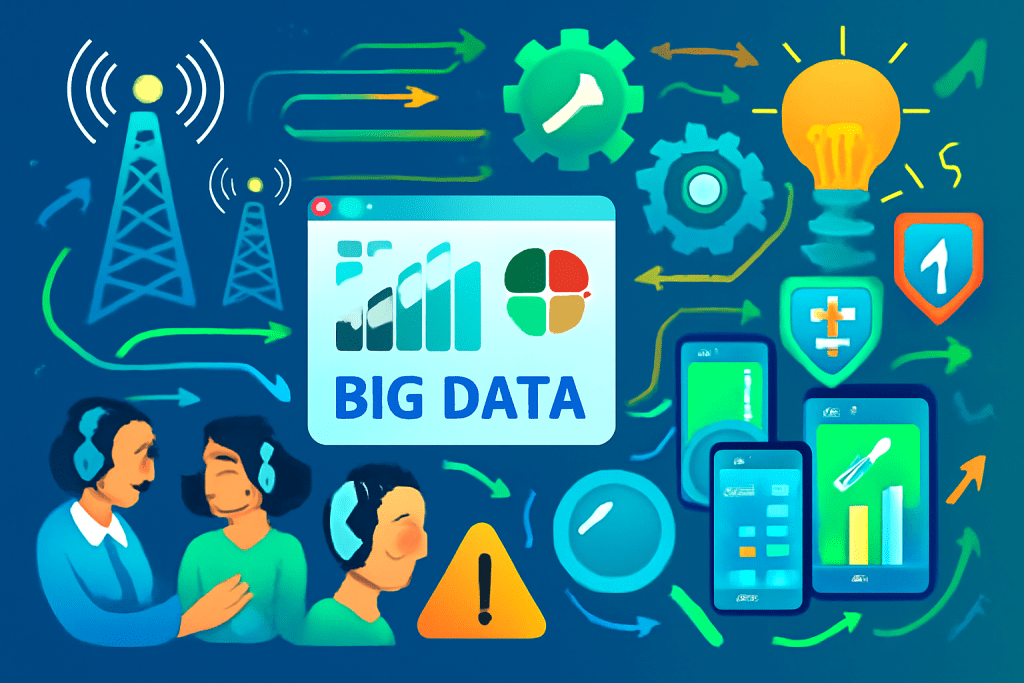
The Future of Telecom Powered by Big Data Analytics: 10 Key Applications In the ever-evolving landscape of telecommunications, Big Data analytics stands as a formidable force reshaping the industry. From network optimization to personalized customer experiences, Big Data is unlocking unprecedented value for telecom operators. As the telecom sector embraces digital transformation, harnessing the power of data analytics becomes essential to staying competitive and innovative. This comprehensive blog explores the top 10 applications where Big Data analytics is revolutionizing telecom, supported by real-world insights and integrated with authoritative resources from TechOTD. Introduction Telecom networks generate massive volumes of data daily—calls, messages, internet traffic, device signals, and more. The capability to analyze this Big Data not only enhances operational efficiency but fuels innovation with predictive insights and customer-centric services. At TechOTD AI Services, we specialize in delivering advanced AI and Big Data solutions designed for telecom businesses to unlock powerful outcomes at scale, strengthened by cutting-edge machine learning, automation, and predictive analytics. 10 Key Applications of Big Data Analytics in Telecom 1. Network Optimization and Capacity Planning Big Data analytics enables telecoms to monitor real-time network performance metrics and user demand patterns. This facilitates smart allocation of resources and predictive capacity planning that mitigates congestion and improves service quality. 2. Predictive Maintenance and Fault Management Using sensor data and historical records, predictive models anticipate potential failures in telecom equipment—allowing operators to perform maintenance proactively and reduce downtime. 3. Customer Churn Prediction and Retention Strategies Analyzing user behavior, billing data, and service interactions, Big Data helps identify customers likely to churn. Targeted retention offers and personalized campaigns are then deployed to improve customer loyalty(see the generated image above). 4. Personalized Marketing and Service Bundling Leveraging customer demographics, consumption habits, and location data, telecoms tailor marketing offers and recommend optimal service bundles—enhancing user engagement and revenue. 5. Fraud Detection and Risk Mitigation Anomalies in call records, payments, or account activity are quickly detected through Big Data analytics, enabling telecoms to swiftly counter fraud and secure revenue streams. 6. Quality of Service Monitoring and Enhancement Through device-level data and network performance feedback, telecom providers enforce strict QoS measures, proactively resolving issues such as dropped calls and slow data speeds. 7. Revenue Assurance and Billing Accuracy Big Data ensures revenue integrity by analyzing billing processes, detecting leakage points, and automating error corrections, thus optimizing financial performance. 8. Real-time Customer Experience Management Using AI-powered analytics and sentiment analysis, customer interactions across channels are monitored in real-time, enabling instant responses to issues and improving satisfaction scores(see the generated image above). 9. Location-based Services and Contextual Advertising Telecoms use geospatial data analytics for providing tailored local services, emergency alerts, and behavior-based advertising, enriching the subscriber experience. 10. Enabling IoT and 5G Innovations Big Data analytics forms the foundation for managing connected IoT ecosystems and leveraging 5G potential, from smart cities to autonomous vehicles, driving the next wave of digital transformation. Business Benefits of Big Data in Telecom Enhanced Customer Retention and Acquisition: By predicting churn and personalizing offers, telecoms increase loyalty and attract new users. Operational Efficiency Gains: Predictive maintenance and resource optimization lower costs and improve reliability. Revenue Growth: Tailored marketing and dynamic pricing unlock higher ARPU. Improved Security: Rapid fraud detection safeguards telecom assets and customer trust. Accelerated Innovation: Agile use of data supports rapid service launches and digital product innovation. Success Stories of Big Data Transformation in Telecom Global Predictive Maintenance Leaders Companies like Vodafone use Big Data to anticipate network issues, reporting over 30% reduction in outages and maintenance costs, with measurable ROI. Advanced Customer Analytics An Asian telecom operator improved campaign conversion by 25% using data-driven personalized offers while reducing churn by 15% through predictive insights. Fraud Prevention Excellence Real-time transactional analysis deployed by US-based carriers detected and prevented fraud incidents 80% faster, thereby protecting revenue and customers. TechOTD’s Role in Driving Telecom Innovation with Big Data TechOTD delivers comprehensive AI and Big Data services tailored to telecom operators, including: Custom AI model development and deployment Predictive analytics for network and customer management Workflow automation and data visualization Compliance and security-focused implementations Expert consulting and ongoing system support Explore our offerings in detail at TechOTD AI Services and learn about our agile process through How We Work. FAQ: Big Data in Telecom Q1: How does Big Data improve telecom network reliability? Big Data enables real-time monitoring and predictive maintenance, helping telecoms reduce outages and optimize capacity planning. Q2: What role does Big Data play in preventing telecom fraud? By detecting anomalies across call and transaction records, Big Data supports faster fraud detection and mitigation, protecting operator revenues. Q3: Can Big Data help telecom companies reduce customer churn? Yes, by analyzing multiple data points, operators identify churn risks early and engage customers with tailored retention strategies(see the generated image above). Q4: How is Big Data used for personalized marketing in telecom? Telecom providers use customer profiles and usage data to deliver relevant offers and service bundles, increasing conversion rates. Q5: What innovations are enabled by Big Data and telecom integration? Big Data fuels IoT management, 5G rollout, smart city services, and digital products, accelerating telecom innovation. Q6: How does TechOTD support telecom companies in Big Data adoption? TechOTD delivers tailored AI and Big Data solutions from consulting and development to integration and ongoing support, ensuring seamless operations. Conclusion The future of telecom is intricately linked to Big Data analytics. Operators who embrace data-driven strategies are poised to gain competitive advantages in customer satisfaction, operational excellence, and innovation. Partnering with solution experts like TechOTD ensures that telecom companies not only keep pace with technological advancements but lead in shaping the connected world of tomorrow.

data science

Big Data in Telecom: Top 10 Use Cases, Benefits, and Success Stories

Introduction Telecommunications operators face enormous data challenges in 2025, managing petabytes of voice, data, and media traffic from millions of users daily. Big Data analytics has emerged as the backbone of modern telecom, enabling carriers to unlock deeper operational efficiencies, improve customer experience, and drive new revenue streams. Leveraging platforms and services like those offered at TechOTD AI Services, telecom firms now transform raw data into strategic advantage. Top 10 Use Cases of Big Data in Telecom 1. Network Optimization and Predictive Maintenance Big Data enables real-time monitoring of cellular networks, identifying and resolving bottlenecks before they cause outages. Predictive maintenance uses machine learning to analyze equipment degradation, preventing costly failures. Intelligent sensors and analytics help forecast hardware needs. Proactive interventions minimize downtime and improve service continuity. 2. Churn Prediction and Reduction Telecom companies use Big Data to isolate churn risk factors, combining usage patterns, billing data, and service complaints. Advanced models generate real-time “churn scores” so proactive retention offers can be triggered. AI-driven sentiment analysis improves targeting of at-risk users. Data-driven campaigns enhance customer engagement. 3. Personalized Marketing and Product Recommendations By mining subscriber data (location, interests, device type), operators create hyper-personalized marketing offers. Recommendation engines can upsell the latest devices or targeted service bundles. 4. Fraud Detection and Revenue Assurance Big Data tools rapidly identify anomalous behavior across millions of transactions. This enables swift fraud detection (SIM swapping, account takeover) and robust revenue assurance across billing and payments. 5. Smart Pricing and Dynamic Tariffs Real-time data on network usage and customer value allows telecoms to implement smart, dynamic pricing strategies. Peak/off-peak tariffs are optimized using AI. Personalized plans increase ARPU (average revenue per user). 6. Quality of Service (QoS) Improvement Data from user devices and network elements is analyzed to address QoS issues instantly, ensuring superior voice and data experiences. 7. Customer Experience Management (CEM) Big Data powers automated customer support (AI chatbots) and sentiment analysis across digital channels, driving better NPS (net promoter scores). 8. Location-Based Services and Targeted Campaigns Telecoms analyze real-time mobility and location data for customized local offers, tourism promotion, and public safety alerts. 9. New Service Innovation Leveraging predictive analytics, telecoms develop innovative services like mobile wallets, IoT platforms, cloud storage, or content partnerships based on recent trends and consumer needs. 10. Enhanced Security and Compliance Big Data analytics secures critical infrastructure using advanced threat detection and anomaly pattern recognition, crucial for regulatory compliance in telecom. Business Benefits of Big Data in Telecom Revenue Growth: New services and targeted upselling boost ARPU. Operational Efficiency: Predictive maintenance and smart automation cut costs. Customer Retention: Early risk detection and personalized responses reduce churn. Improved Security: Fast anomaly detection lowers fraud and attacks. Agility and Innovation: Real-time insights support rapid deployment of new services. Success Stories: Big Data Transforming Telecom Predictive Network Analytics at Leading Telcos Global carriers like Vodafone and AT&T deploy AI-based predictive maintenance, reporting reductions in service outages and millions saved annually. Personalized Campaigns at Scale A major Asian operator leveraged user analytics for location-based campaigns, increasing response rates by 30% and reducing churn with targeted loyalty programs. Fraud Prevention for Secure Operations Operators using real-time analytics report up to 80% faster fraud detection and significant reductions in revenue leakage. TechOTD: AI and Big Data Services for Telecom TechOTD delivers multi-domain AI and predictive analytics solutions for telecom, covering: Machine Learning and AI model deployment Workflow automation and process monitoring Natural language processing for customer support Compliance, privacy, and security-first frameworks Custom solutions integrating cloud, computer vision, and DevOps tools See the full range at: AI Services | How We Work. Backlinks for Enhanced Authority AI Services Blogs Blockchain Integration in Dubai How We Work LLMs in Finance AI for Seamless Customer Journeys Gadgets for Programmers 2025 Predictive Analytics Software Technology Impact on Education React Native vs Swift Industry Blogs Mobile App Services Real-World Example Table Use Case Description Example Impact Predictive Maintenance AI detects hardware failures before outage 32% drop in unplanned downtime Churn Management Data analytics isolate high-risk customers 17% decrease in churn rate Fraud Detection Real-time anomaly monitoring −80% fraud losses Personalized Offers Data-driven marketing to individuals 25% increase in campaign CTR Network Optimization Automated resource allocation Less network congestion FAQ: Big Data in Telecom 1. How does Big Data improve network reliability for telecom operators? Big Data enables predictive maintenance and real-time health monitoring, allowing proactive repairs—thus minimizing outages and improving network uptime. 2. What are the security benefits of Big Data analytics in telecom? Advanced analytics quickly flag unusual activity and fraud/risk patterns, strengthening critical infrastructure security and regulatory compliance. 3. How can Big Data reduce customer churn? By analyzing multiple customer touchpoints (usage, support, payment), telecoms can predict churn and deploy personalized retention offers, thus retaining more users. 4. In what ways does Big Data enable business innovation? Operators develop new services (IoT, digital wallets, smart city apps) driven by analysis of emerging customer trends and demands. 5. How is Big Data used for personalized marketing? By integrating customer behavior, demographic, and geolocation data, telecoms deliver tailored offers and experiences, boosting customer engagement. 6. Is Big Data analytics affordable for mid-tier telecoms? Yes, especially with modular cloud-based solutions and phased adoption; TechOTD provides scalable offerings for all business sizes. 7. What role does TechOTD play in telecom digital transformation? TechOTD provides consulting, custom development, integration, and ongoing support for AI, Big Data, and predictive analytics platforms tailored to telecom. Conclusion Telecom companies unlocking the potential of Big Data achieve higher efficiency, stronger security, superior customer experience, and innovation at scale. With leading-edge AI transformation partners such as TechOTD, the journey from data to insight is both streamlined and future-proof. For more insights, case studies, and technology guides, visit the TechOTD

Artificial Intelligence

Physical AI in 2025: 10 Innovative Use Cases Reshaping Our World

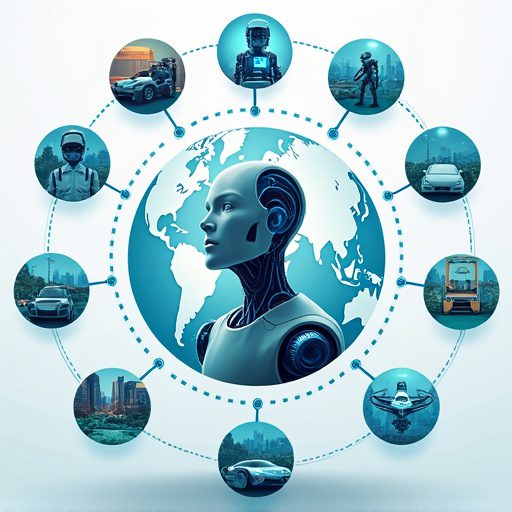
Introduction As artificial intelligence continues its rapid evolution, Physical AI emerges as the transformative force that bridges the digital and physical worlds. Unlike traditional AI, which processes data and makes decisions in virtual environments, Physical AI endows robots, smart machines, and autonomous systems with the ability to perceive, learn, and act in the real world. Powered by breakthroughs in machine learning, computer vision, and sensor technology, Physical AI is reshaping industries and daily life in profound ways. This blog explores 10 innovative use cases of Physical AI in 2025 that are revolutionizing sectors such as healthcare, manufacturing, logistics, agriculture, and more. It also highlights how TechOTD’s AI-driven solutions enable businesses to leverage these advancements for operational excellence (AI services). What Is Physical AI? Physical AI integrates intelligent algorithms with robotic hardware and sensory systems to create autonomous agents capable of real-world interaction. These systems combine perception, cognition, and action capabilities, enabling machines to navigate complex environments, adapt to changing conditions, and perform tasks with minimal human intervention. Physical AI’s core advantage lies in embodied intelligence—where AI is not confined to digital computations but woven into the physical fabric of machinery and devices. This intelligence fuels autonomous vehicles, robotic surgery systems, drones, automated warehouses, and more. Top 10 Game-Changing Use Cases of Physical AI in 2025 1. Autonomous Delivery and Logistics Robots Physical AI enables autonomous robots to handle last-mile deliveries, warehouse sorting, and inventory management. These robots navigate congested urban environments and complex warehouses efficiently, reducing human labor costs and improving delivery speed. Amazon’s Scout or Starship Technologies’ delivery bots illustrate how this technology revolutionizes logistics, supporting e-commerce growth and sustainability (Mobile apps services). 2. Robotic Surgical Systems Advanced robotic surgery platforms powered by Physical AI provide remarkable precision and control, minimizing invasiveness and improving patient outcomes. Robots assist in complex procedures such as neurosurgery, cardiology, and orthopedics, supporting surgeons in delivering high-precision care (Medical AI use cases). 3. Intelligent Manufacturing Automation Physical AI drives smart factories where robotic arms adapt to variable parts, perform quality inspections using AI vision, and optimize assembly lines autonomously. This flexibility boosts productivity, reduces errors, and shortens product cycles (How We Work). 4. Autonomous Vehicles and Fleet Robotics Self-driving cars, trucks, and delivery vans utilize Physical AI to navigate, avoid obstacles, and manage dynamic road scenarios. Logistics companies optimize fuel usage and route planning while enhancing safety, aided by AI-driven predictive maintenance systems (Blockchain in business). 5. Drones for Environmental and Infrastructure Monitoring AI-enabled drones conduct wildlife tracking, crop analysis, and inspecting infrastructure like power lines or pipelines. Their ability to gather high-resolution sensor data digitally transforms environmental monitoring and maintenance tasks (Predictive analytics). 6. Autonomous Agricultural Equipment From planting to harvesting, smart agricultural machines use sensor data and AI to optimize crop yields, efficient water use, and reduce labor dependency. Physical AI enables real-time decision-making for sustainable farming practices (Agricultural AI use). 7. Smart Warehouse Robotics Physical AI-powered robots automate picking, packing, and inventory control, seamlessly collaborating with human workers. These systems improve accuracy, speed, and scalability in supply chain operations, vital for modern retail (E-commerce AI). 8. Construction and Heavy Machinery Automation AI-augmented construction vehicles and equipment analyze terrain, optimize loads, and work autonomously in hazardous or complex environments. This innovation boosts safety and project efficiency (Best gadgets for programmers). 9. Physical AI in Smart Cities Integrating Physical AI with urban infrastructure enables adaptive traffic control, enhanced public safety through AI surveillance, and energy efficiency in building management. These applications support smarter, safer, and more sustainable cities globally (Seamless AI customer journeys). 10. Physical AI-Powered Exoskeletons and Prosthetics AI-driven exoskeletons assist mobility-impaired individuals, rehabilitation patients, and industrial workers to augment strength and endurance. Incorporating Physical AI ensures adaptive support tailored to individual movements and needs (AI-powered innovations). The Role of TechOTD in Physical AI Innovation As industries adopt Physical AI, partnering with technology experts is paramount. TechOTD specializes in building AI-driven solutions from custom model development to system integration. By combining AI, machine learning, and sensor fusion technologies, TechOTD enables businesses to deploy scalable and secure Physical AI applications, unlocking new value and operational agility (How We Work). TechOTD’s expertise extends to blockchain integration (Blockchain in business) and AI-powered analytics (Predictive analytics), enabling comprehensive digital transformations across sectors. Frequently Asked Questions (FAQ) Q1: What distinguishes Physical AI from traditional AI? Physical AI couples intelligent algorithms with real-world sensing and actuation, enabling machines to autonomously interact with and adapt to their physical environments. Q2: How will Physical AI impact jobs? While Physical AI automates repetitive or dangerous tasks, it also creates opportunities in AI system development, maintenance, and supervision, augmenting human capabilities. Q3: What industries benefit most from Physical AI? Healthcare, manufacturing, logistics, agriculture, construction, and smart city infrastructure are key sectors driving Physical AI adoption. Q4: Can small enterprises leverage Physical AI? Yes, cloud-based AI tools and scalable robotic platforms make adoption feasible for businesses of various sizes. Q5: How does TechOTD support Physical AI projects? TechOTD offers end-to-end AI consulting, model development, integration, and ongoing support to tailor Physical AI solutions for business needs (TechOTD AI services). Conclusion Physical AI represents the next wave of AI evolution, blending intelligent computation with physical autonomy to solve complex challenges across multiple industries. By 2025, its applications—from autonomous robots to smart urban systems—are set to redefine efficiency, safety, and human-machine collaboration. Forward-thinking enterprises must embrace Physical AI technologies integrated with AI-driven analytic platforms. With partners like TechOTD, businesses can confidently navigate this revolution to unlock innovation, resilience, and competitive advantage.

Artificial Intelligence

From Robots to Smart Machines: 10 Game-Changing Use Cases of Physical AI

Introduction Artificial Intelligence (AI) has transformed the digital realm with advanced data analytics, natural language processing, and automation. Yet, the next frontier is the realm of Physical AI—where smart machines and autonomous robots interact with the physical world intelligently, dynamically adapting to their environments and tasks. Physical AI combines sensing, computation, and actuation to power smart robotics, autonomous vehicles, intelligent drones, and other machines able to think and act autonomously in real space. This blog reveals 10 game-changing use cases of Physical AI fundamentally reshaping industries and everyday life. It also explores how innovations fueled by AI-driven tools from companies like TechOTD drive this transformation further (TechOTD AI services). What Is Physical AI? Physical AI integrates algorithms with sensors and actuators to enable machines to perceive, understand, and perform complex physical actions autonomously. Unlike software-only AI focused on data or decision-making in virtual spaces, Physical AI endows machines with physical autonomy—allowing them to sense their environment, learn continuously, and dynamically act without human intervention. This technology underpins autonomous vehicles, robotic arms in manufacturing, surgical robots, and smart drones, blending AI models with real-time feedback control systems. Such machines optimize efficiency, safety, and productivity by reacting adaptively to unpredictable real-world scenarios. 1. Autonomous Delivery Robots Autonomous delivery robots have transformed last-mile logistics by navigating urban and suburban environments to deliver parcels efficiently. These robots avoid obstacles, handle diverse weather conditions, and solve traditional delivery challenges such as parking limit and package theft. For example, Amazon Scout, deployed in select neighborhoods, reliably carries packages up to 30 pounds and operates seamlessly in pedestrian zones. This represents a major cost-effective disruption in delivery services—reducing dependency on human drivers and enabling 24/7 delivery capabilities. 2. Surgical Robots in Healthcare Physical AI-powered surgical systems enhance procedural precision and reduce patient recovery times. These robots stabilize surgical implements eliminating hand tremors and allow minimally invasive procedures through keyhole-sized openings. Johnson & Johnson’s Ottava system, for instance, enables complex operations with accelerated recovery and reduced hospital stays. Such AI-driven robotic surgery revolutionizes healthcare delivery, improving outcomes in specialties like urology, gynecology, and cardiothoracic surgery (Learn more about AI in healthcare). 3. Intelligent Robotic Assembly in Manufacturing Factories benefit immensely from Physical AI through intelligent robotic assembly lines. Robots equipped with AI learn continuously to adjust to variations in parts and production specifications, optimizing efficiency and minimizing human error. This flexibility means factories rapidly adapt product designs or volumes without expensive retooling, exemplifying the future of smart manufacturing and digital twins—where virtual models simulate and optimize physical processes (How We Work at TechOTD). 4. Autonomous Vehicles and Fleet Management From self-driving cars to autonomous trucks, Physical AI drives the future of transportation. Autonomous vehicles use extensive sensor arrays combined with AI to perceive surroundings, make split-second navigation decisions, and control driving actions. Fleet operators leverage these technologies to reduce accidents, optimize fuel consumption, and enable predictive maintenance. This paradigm shift in logistics helps streamline supply chains and decrease operational costs while reducing carbon footprints (Blockchain integration in business). 5. Smart Agricultural Equipment AI-powered farming machinery deploys drones, robotic harvesters, and smart irrigation systems to maximize crop yield and resource use. These machines analyze soil quality, monitor crop health with imaging sensors, and perform precision planting and harvesting autonomously. Physical AI in agriculture reduces labor demands, minimizes waste, and helps meet growing food production needs sustainably. This transformation supports efficient food supply chains crucial for global populations (Predictive analytics software). 6. Autonomous Cleaning and Maintenance Robots Commercial cleaning and maintenance robots maintain hospital hygiene, airport sanitation, and office cleanliness with minimal human supervision. They map facilities, optimize their cleaning paths, and adjust intensity based on usage patterns. These robots help reduce hospital-acquired infections and maintain consistent standards across large, complex environments—ultimately improving safety and operational efficiency. 7. Intelligent Security and Surveillance Robots Physical AI-driven surveillance robots continuously patrol facilities, using facial recognition and behavioral analysis to detect potential threats proactively. These machines operate in risky or inaccessible areas, coordinating with human security teams for comprehensive coverage. Organizations deploying these robotic guards benefit from extended coverage, faster threat identification, and reduced manpower fatigue (Seamless customer journeys with AI). 8. Autonomous Drones for Wildlife and Environmental Monitoring Mounted with non-invasive sensors, AI drones monitor wildlife movement, habitat health, and environmental changes without disturbing natural ecosystems. They collect data critical for conservation efforts, resource management, and climate science. This use case highlights Physical AI’s capacity to merge humanitarian and environmental benefits with advanced technology (Technology impact on education). 9. Smart Warehouse Robots and Inventory Management Robotic systems in warehouses automate picking, packing, and sorting—ensuring faster fulfillment cycles and higher accuracy. Physical AI enables these robots to navigate cluttered spaces, collaborate with human workers, and adapt to changing inventory needs. This technology enhances eCommerce capabilities and supports scalable, efficient supply chains (Mobile app services). 10. AI-Enabled Construction Equipment Heavy machinery empowered by Physical AI analyzes terrain in real-time and optimizes operations autonomously. Smart bulldozers, cranes, and excavators reduce fuel consumption and improve safety through predictive obstacle detection and automated project coordination. Companies like Caterpillar are leaders in smart construction tech, boosting productivity on large-scale infrastructure projects (Best gadgets for programmers). Conclusion: Embracing the Physical AI Revolution Physical AI is redefining how industries operate—enabling machines to perform with autonomy, intelligence, and adaptability never seen before. From healthcare to logistics to agriculture, these smart machines transform operations, reduce costs, and improve safety and quality. Businesses seeking to future-proof their operations must explore innovative Physical AI applications integrated with AI-driven analytics and automation solutions. TechOTD offers cutting-edge AI services to help organizations harness these powerful technologies and achieve new levels of operational excellence (Explore TechOTD AI solutions). FAQs Q1: How is Physical AI different from traditional robotics? Traditional robots operate on pre-defined rules and programming. Physical AI robots continuously learn and adapt from sensor inputs and environments, enabling greater autonomy and flexibility. Q2: What industries benefit most from Physical AI? Healthcare, manufacturing, logistics, agriculture, construction, retail, and security are rapidly adopting Physical AI to optimize processes

How would you like me to respond?

Select a personality for your AI assistant

Normal
Happy
Sad
Angry

Your selection will affect how the AI assistant responds to your messages

Chat Assistant

Let's discuss your project!

Hear from our clients and why 3000+ businesses trust TechOTD

Tell us what you need, and we'll get back with a cost and timeline estimate

Scroll to Top