Author name: Kirti Sharma

cybersecurity

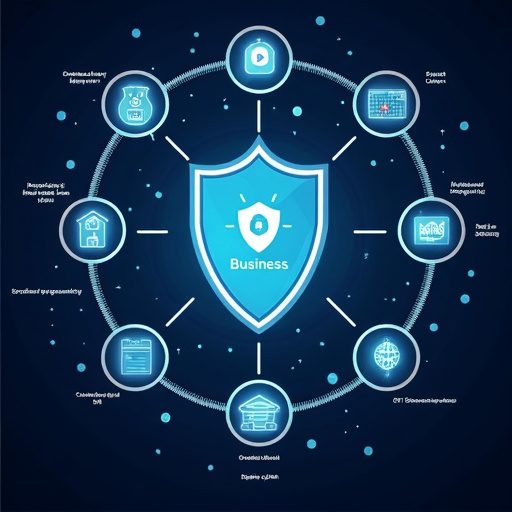
Digital Immune System: How It Shields Your Business Against Cyberattacks

Introduction In today’s hyper-connected digital era, businesses face a relentless wave of cyber threats that can disrupt operations, damage reputation, and erode customer trust. Traditional cybersecurity practices are increasingly insufficient to keep pace with the rapid evolution of these cyberattacks. Enter the Digital Immune System (DIS), a revolutionary approach that mimics the human immune system to protect, detect, and respond to cyber threats proactively and intelligently. This blog will explore how a Digital Immune System works, the critical benefits it brings, and why modern businesses must adopt this next-generation cybersecurity framework to safeguard their digital ecosystems effectively. What Is a Digital Immune System? A Digital Immune System is an integrated set of automated cyber defense mechanisms and analytical tools designed to detect anomalies, neutralize threats, and ensure operational continuity with minimal manual intervention. Like the biological immune system that protects organisms from diseases, DIS protects digital assets—from software applications to network infrastructure—against a broad spectrum of cyberattacks. It combines advanced cybersecurity components such as firewalls, intrusion detection and prevention systems (IDPS), antivirus software, multi-factor authentication (MFA), AI-driven monitoring, and automated incident response in a continuous protective feedback loop. By leveraging AI, machine learning, and predictive analytics, the system actively learns from evolving threats and adapts, providing a dynamic and resilient cybersecurity posture that traditional static defenses cannot match. Why Your Business Needs a Digital Immune System Evolving Cyber Threats Demand Proactive Defense The cyber threat landscape is becoming more sophisticated with ransomware, phishing, supply chain attacks, and advanced persistent threats (APTs) aiming to penetrate networks undetected. According to Cisco’s 2024 Cyber Threat Trends report, malware such as Trojans and ransomware continue to rise exponentially. Traditional reactive cybersecurity, which waits for threats to emerge before responding, often results in costly downtimes and data breaches. A Digital Immune System helps businesses stay ahead by continuously monitoring and neutralizing risks in real-time. Enhanced Protection with AI and Automation DIS uses AI to automate threat detection and response, minimizing human error and reaction time. It can identify unusual user behavior or anomalous data flows instantly and trigger automated containment procedures. This proactive approach reduces potential damage and ensures business continuity. Improved User Experience and Operational Resilience With observability and auto-remediation functionalities, Digital Immune Systems maintain smooth and uninterrupted digital operations, significantly improving user experience. It identifies vulnerabilities before exploitation and rapidly recovers systems in case of disruptions. Regulatory Compliance and Data Security Adopting a Digital Immune System helps businesses ensure compliance with stringent data protection laws and cybersecurity standards. Continuous monitoring and detailed analytics generate reports required for audits and regulatory assessments. Core Components of a Digital Immune System Firewalls Act as the first defense line, filtering inbound and outbound traffic based on security policies to block unauthorized access. Intrusion Detection and Prevention Systems (IDPS) Monitor network activity for suspicious behavior and known attack signatures, blocking threats before they spread. Antivirus and Anti-Malware Software Scan, identify, and eliminate malicious software including viruses, spyware, and ransomware. Multi-Factor Authentication (MFA) Strengthens access controls by requiring multiple authentication methods, reducing the risk of compromised credentials. AI-driven Threat Monitoring and Analytics Continuously analyze system and user behaviors using machine learning algorithms to detect anomalies and evolving attack patterns. Automated Incident Response and Recovery Integrates with orchestration tools to quickly isolate affected components, mitigate attack impact, and restore normal operations. Chaos Engineering and Vulnerability Testing Proactively stress-test systems by simulating failures, helping identify and repair weaknesses before attackers exploit them. How a Digital Immune System Works to Shield Your Business A Digital Immune System continuously observes network and application environments to detect deviations from normal activity that could signal cyberattacks. When an anomaly or threat is detected, it quickly initiates containment measures, such as isolating infected systems, blocking attack vectors, or prompting additional authentication measures. The system utilizes threat intelligence feeds to stay abreast of newly emerging threats globally and incorporates this knowledge proactively to shield the business. With continuous learning, the immune system improves its detection accuracy, reducing false positives and focusing security efforts efficiently. Benefits of Implementing a Digital Immune System Benefit Description Robust Security Provides comprehensive defense against an evolving range of cyber threats, dramatically reducing vulnerabilities. Reduced Downtime Automated detection and remediation minimize system downtime, helping maintain business continuity and customer satisfaction. Enhanced Compliance Supports adherence to data privacy regulations and cybersecurity standards with detailed monitoring and reporting capabilities. Scalability and Adaptability Adapts to changing IT environments, including cloud, IoT, and hybrid infrastructure, scaling security measures accordingly. Cost Efficiency Reduces the need for constant manual monitoring and intervention, cutting operational security costs. Implementing a Digital Immune System: Best Practices Assess Your Current Security Posture Conduct a thorough risk and vulnerability assessment to identify gaps in your cybersecurity defenses. Integrate Advanced Technologies Invest in AI, machine learning, and automation platforms that support continuous threat detection and response. Embed Security Early in Development (DevSecOps) Incorporate security processes throughout the software lifecycle to minimize vulnerabilities. Focus on Observability and Monitoring Implement real-time monitoring tools that provide visibility into system health and user behavior. Adopt a Layered Security Model Combine traditional security elements with proactive immune system components for a defense-in-depth strategy. Train Your Team Educate employees about cybersecurity risks and their role in maintaining a strong digital immune system. Partner with Experts Work with cybersecurity providers to design, deploy, and continuously improve your digital immune capabilities. Real-World Applications and TechOTD Solutions Leading businesses worldwide leverage Digital Immune Systems to ensure resilience and agility in cybersecurity. At TechOTD, we specialize in developing AI-driven cybersecurity solutions tailored for your business needs. Our services from AI-powered analytics and automation to seamless integration of blockchain for secure business processes (blockchain use cases) provide cutting-edge protection frameworks. Discover how our strategic approach and collaboration model (How We Work) can transform your cybersecurity posture and business operations. Explore our insights on related technology trends and tools through TechOTD blogs, including deep dives into AI, blockchain, mobile app security, and predictive analytics. Frequently Asked Questions (FAQ) Q1: What distinguishes a Digital Immune System from traditional cybersecurity? A Digital Immune System combines automation,


cybersecurity

How to Build a Robust Cybersecurity Strategy for Your Business in Australia

Introduction A comprehensive and robust cybersecurity strategy for a business in Australia requires a structured approach that aligns with national cyber security frameworks, legal compliance, and modern security best practices. The 2023-2030 Australian Cyber Security Strategy provides a government roadmap focusing on building strong defenses through layered “cyber shields” that businesses can adopt to secure their digital assets effectively. Here’s a detailed blog outline and content draft of about 1700 words addressing how to build such a strategy tailored for Australian businesses, including SEO-optimized backlinks to the requested TechOTD URLs: How to Build a Robust Cybersecurity Strategy for Your Business in Australia In today’s digital landscape, Australian businesses face increasing cyber threats from ransomware, data breaches, and sophisticated attacks. Cybersecurity is not just an IT issue; it’s a critical business imperative crucial for protecting customer data, ensuring operational continuity, and maintaining trust. The Australian government’s 2023-2030 Australian Cyber Security Strategy sets the tone for strengthening cyber resilience across the nation. Businesses need to align with these national efforts while adopting practical, defendable, and future-proof cybersecurity measures. This blog explores how Australian businesses can build a robust cybersecurity strategy tailored to their specific risks, leveraging national guidelines and emerging technologies, including AI and blockchain, for better security outcomes. Understanding the Cybersecurity Threat Landscape in Australia Australian businesses today are prime targets for cyber attacks. From small and medium enterprises (SMBs) to large corporations and critical infrastructure providers, cyber actors exploit vulnerabilities for financial gain, espionage, or disruption. Key Australian business threats include: Ransomware attacks disabling operations and extorting ransom payments Data breaches exposing sensitive customer, employee, and intellectual property data Phishing and social engineering tactics compromising credentials Risks due to third-party vendors and supply chains Expanding attack surfaces with cloud, IoT, and remote work The 2023-2030 strategy highlights the urgency for comprehensive approaches to address these evolving threats with six layers of cyber defense or “cyber shields” focusing on prevention, detection, response, and recovery. Key Steps to Build Your Cybersecurity Strategy in Australia 1. Start with a Comprehensive Risk Assessment The foundation of any cybersecurity strategy is a thorough risk assessment. This involves evaluating all information assets, technologies, vendor relationships, and operations to identify weaknesses and potential impact areas. Australian law and best practice encourage businesses, especially those critical to infrastructure like healthcare and energy, to conduct risk assessments aligned with the Security of Critical Infrastructure Act (SOCI Act) and related regulations. Understanding your risk profile helps prioritize resources, choose controls, and plan for incident response. It also guides compliance with obligations such as mandatory incident reporting under SOCI. 2. Create a Cyber Resilience Plan Cyber resilience focuses on the ability to anticipate, withstand, respond to, and recover rapidly from cyber incidents. Businesses should develop actionable plans that include: Policies for data protection, access controls, and acceptable use Incident detection and response procedures Backup and recovery solutions Communication and escalation plans This plan must be dynamic and tested regularly through simulations and exercises. 3. Use Secure-by-Design Technologies and Architectures Implement security principles from the ground up by adopting: Zero Trust Architecture: Verify everything trying to connect before granting access Encryption: Protect data at rest and in transit based on assessed risks Multi-factor authentication (MFA): Add additional verification layers for sensitive access Secure coding practices and regular software patching to minimize vulnerabilities 4. Develop an Incident Response Plan Swift and effective response to cyber incidents can drastically reduce damage. Draft a detailed response plan defining roles, communication flows, and containment steps. Integrate threat intelligence for faster detection and response. 5. Build a Culture of Security Awareness Humans are often the weakest link in cybersecurity. Invest in ongoing security training programs that cover phishing awareness, password hygiene, and policies to empower employees as the first line of defense. 6. Manage Third-Party and Supply Chain Risks Vendor and supply chain vulnerabilities are a major source of breaches. Assess cybersecurity practices of suppliers, require compliance with security standards, and implement controls to monitor third-party access. 7. Continuous Improvement and Compliance Monitoring Cyber threats evolve rapidly; so must defenses. Regularly review and update security policies, conduct audits, and use compliance automation tools to ensure adherence to Australian privacy laws like the Privacy Act 1988 and mandated cybersecurity standards. Core Cybersecurity Capabilities Australian Businesses Should Adopt To operationalize the strategy, businesses should focus on these critical capabilities: Advanced Threat Detection & Response: Use Security Information and Event Management (SIEM) tools and continuous monitoring for real-time alerts. Identity and Access Management (IAM): Control user permissions tightly with role-based access. Data Protection & Encryption: Safeguard sensitive business and customer data. Ransomware Defense and Recovery: Backup data regularly and deploy specialized anti-ransomware tools. Cloud and IoT Security: Secure cloud infrastructures and Internet of Things devices with tailored policies. Zero Trust Security Model: Validate all accesses continuously without assuming trust inside the network. Compliance Automation: Tools to automate monitoring of SOCI, Privacy Act, and industry-specific mandates. Vendor and Supply Chain Risk Management: Monitor and control risks posed via external partners. Leveraging AI and Blockchain for Enhanced Cybersecurity Innovative technologies provide Australian businesses with powerful tools for cybersecurity: AI and Machine Learning: For predictive analytics, anomaly detection, automated threat hunting, and faster incident responses. TechOTD’s AI services page outlines how AI enhances operational efficiency through intelligent automation and security models (AI services). Blockchain technology: Secure data integrity, transparent audit trails, and decentralized identity management reduce centralized vulnerabilities, optimizing business processes securely (Blockchain in Dubai business). Use these technologies within your cybersecurity framework to strengthen defense mechanisms and compliance readiness. Legal and Regulatory Compliance Requirements in Australia Australian businesses must navigate several critical regulations and frameworks: Security of Critical Infrastructure Act 2018 (SOCI Act): Mandates risk management, incident reporting, and government information sharing for critical sectors. Privacy Act 1988: Enforces data protection, including the Notifiable Data Breaches scheme that requires notifying breaches promptly. 2023-2030 Australian Cyber Security Strategy: Sets national priorities and compliance expectations. Australian Cyber Security Centre (ACSC) frameworks: Widely adopted maturity models like the Essential Eight guide practical controls. Compliance not only avoids penalties but builds customer trust and resilience. Building the Right Cybersecurity Team and Partner Ecosystem   Develop internal capabilities by hiring or training

Healthcare & Fitness

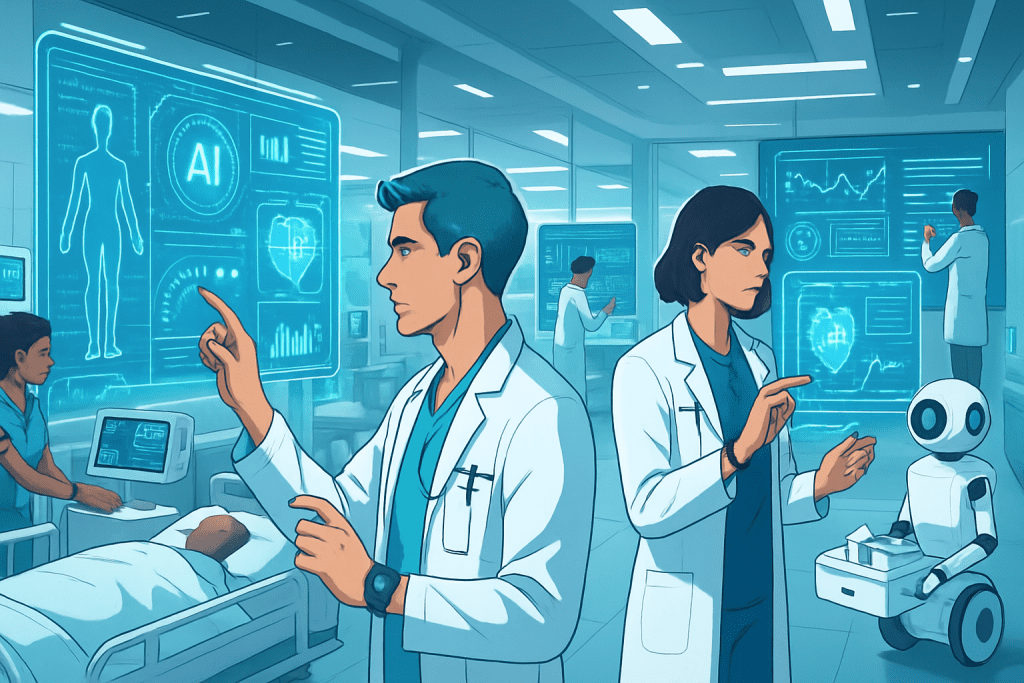
The Role of AI, IoT, and Big Data in Building Smarter Hospitals

Introduction In today’s fast-paced healthcare ecosystem, technology has become the backbone of smarter hospitals. With rising patient expectations, increasing demand for quality healthcare, and the need for efficient operations, hospitals are embracing Artificial Intelligence (AI), the Internet of Things (IoT), and Big Data. These three pillars are revolutionizing the way hospitals deliver care, improve patient outcomes, and optimize resource management. In this blog, we will explore how AI, IoT, and Big Data are shaping smarter hospitals, their key applications, benefits, and the future roadmap of intelligent healthcare systems. Why Smarter Hospitals are the Future of Healthcare Smarter hospitals are not just about advanced medical equipment — they are about data-driven decision-making, predictive analytics, connected devices, and AI-powered tools that ensure better diagnosis, treatment, and patient experience. By integrating AI, IoT, and Big Data, hospitals can: Deliver personalized treatment plans. Enhance patient monitoring and safety. Improve operational efficiency and resource allocation. Enable predictive maintenance of medical devices. Lower healthcare costs while improving quality. The convergence of these technologies is creating a patient-centric healthcare system that focuses not only on curing but also on prevention, wellness, and long-term care. Role of AI in Smarter Hospitals Artificial Intelligence has become a game-changer in healthcare. From diagnostics to patient engagement, AI enables hospitals to enhance care delivery in multiple ways. 1. AI in Medical Imaging & Diagnosis AI algorithms can analyze X-rays, MRIs, and CT scans with high accuracy, often detecting anomalies that human eyes may miss. This reduces diagnostic errors and ensures early detection of diseases like cancer and cardiovascular conditions. 2. AI-Powered Virtual Assistants Hospitals use AI-driven chatbots and voice assistants to handle patient queries, schedule appointments, and provide medical guidance. This reduces administrative workload and improves patient satisfaction. 3. Predictive Analytics for Patient Care By analyzing medical histories and real-time data, AI can predict disease risks, patient deterioration, and even recommend preventive measures. This proactive approach saves lives and reduces emergency cases. 4. Robotic Surgery AI-powered surgical robots assist doctors with precision and control during operations. These systems minimize complications and shorten recovery times. Role of IoT in Smarter Hospitals The Internet of Things (IoT) connects medical devices, patients, and healthcare staff through smart sensors and wearables. IoT plays a vital role in building connected hospitals. 1. Remote Patient Monitoring (RPM) IoT devices such as heart rate monitors, glucose trackers, and wearable ECGs allow doctors to monitor patients remotely. This is especially beneficial for chronic disease management. 2. Smart Beds & Equipment IoT-enabled hospital beds can monitor patient movements, prevent bed sores, and alert staff in case of falls. Smart medical devices also ensure better inventory management and reduce equipment downtime. 3. Asset Tracking & Management Hospitals can use IoT-based RFID tags and sensors to track critical equipment like ventilators, wheelchairs, and infusion pumps, reducing delays and improving resource utilization. 4. Emergency Response Systems IoT helps connect ambulances with hospital emergency rooms in real time, sharing patient vitals before arrival, which ensures immediate preparedness. Role of Big Data in Smarter Hospitals Hospitals generate terabytes of patient records, medical histories, imaging data, and administrative information every day. Big Data analytics transforms this raw data into actionable insights. 1. Enhanced Clinical Decision-Making Doctors can leverage Big Data to access evidence-based treatment plans, compare patient histories, and prescribe the most effective treatments. 2. Population Health Management By analyzing large datasets, hospitals can identify trends, track disease outbreaks, and implement preventive healthcare strategies. 3. Operational Efficiency Big Data helps hospitals optimize staff schedules, predict patient admissions, and manage supply chains effectively. 4. Fraud Detection & Security Hospitals can detect anomalies in billing, insurance claims, and data breaches using Big Data tools, ensuring financial and data security. Benefits of AI, IoT, and Big Data Integration in Hospitals Improved Patient Outcomes: Early diagnosis and personalized treatment plans. Cost Reduction: Optimized use of resources and preventive care reduces expenses. Enhanced Patient Engagement: AI chatbots, IoT devices, and mobile apps keep patients informed and engaged. Data-Driven Decisions: Big Data analytics empowers hospitals to make better, evidence-based decisions. Operational Efficiency: Automation and predictive tools reduce administrative burden. Challenges in Building Smarter Hospitals Despite the benefits, there are several challenges: Data Privacy Concerns: Patient data must be protected with strict cybersecurity measures. High Initial Investment: Advanced AI, IoT, and Big Data systems require significant investment. Integration Issues: Legacy systems may not seamlessly integrate with new technologies. Skilled Workforce Shortage: Hospitals need trained professionals in AI and data analytics. The Future of Smarter Hospitals The future of smarter hospitals will focus on AI-driven automation, precision medicine, and predictive healthcare models. Hospitals will increasingly adopt cloud-based solutions, 5G-powered IoT devices, and blockchain for secure data sharing. This digital transformation will redefine healthcare delivery by making it smarter, faster, and more patient-centric. Related Resources & Backlinks AI in Healthcare Page TechOTD Blog Blockchain in Business Processes – Dubai How We Work LLMs in Finance AI & Service Excellence Best Gadgets for Programmers in 2025 Predictive Analytics in Software Development Impact of Technology on Education React Native vs Swift TechOTD Blog Industries Mobile App Services FAQs 1. How does AI improve patient care in hospitals? AI improves patient care through faster diagnosis, personalized treatment recommendations, and predictive analytics that help prevent health complications. 2. What are the benefits of IoT in hospitals? IoT enables real-time patient monitoring, better equipment management, and improved emergency response, making hospitals more efficient and patient-friendly. 3. How does Big Data support smarter hospitals? Big Data helps hospitals analyze patient records, predict disease outbreaks, and improve decision-making, leading to better outcomes and optimized resources. 4. Are there security risks in using AI, IoT, and Big Data in hospitals? Yes, data privacy and cybersecurity remain major concerns. Hospitals must implement strict security protocols to protect patient data. 5. What is the future of smarter hospitals? The future lies in precision medicine, AI-driven automation, blockchain-enabled secure data sharing, and cloud-based hospital systems that provide seamless healthcare services. Conclusion The integration of AI, IoT, and Big Data is revolutionizing modern healthcare and shaping

Healthcare & Fitness

Smart Hospitals: Revolutionizing Healthcare Operations with Modern Technology

Introduction Healthcare is undergoing a digital revolution, and at the center of this transformation are Smart Hospitals. With the integration of technologies like IoT (Internet of Things), AI, Big Data, Cloud Computing, and Blockchain, hospitals are no longer just physical spaces for treatment — they are evolving into intelligent ecosystems that provide seamless care, improved efficiency, and enhanced patient outcomes. In this blog, we’ll explore how smart hospitals are redefining healthcare operations, their key technologies, benefits, challenges, and future opportunities. What Are Smart Hospitals? A Smart Hospital uses modern digital technologies to optimize operations, enhance patient care, and improve decision-making. Unlike traditional hospitals, which rely heavily on manual processes, smart hospitals employ connected devices, automated systems, predictive analytics, and AI-driven decision-making to deliver data-powered healthcare solutions. These hospitals are not only focused on clinical improvements but also on operational efficiency, patient experience, and cost reduction. Key Technologies Powering Smart Hospitals The smart hospital ecosystem is built upon several transformative technologies: 1. IoT (Internet of Things) IoT connects medical devices, wearables, and hospital equipment, enabling real-time patient monitoring and automated data collection. For example, wearable devices can track patient vitals and immediately alert doctors in case of anomalies. Learn how IoT is reshaping industries in this blog. 2. Artificial Intelligence (AI) AI assists in diagnostics, personalized treatment recommendations, and predictive analytics. From detecting diseases in early stages to streamlining hospital workflows, AI is the backbone of smart hospitals. Explore how AI enhances service excellence in this article. 3. Electronic Health Records (EHRs) and Cloud Computing Cloud-based EHR systems ensure seamless data sharing among healthcare professionals, allowing for collaborative care and better treatment decisions. For more insights into AI and data applications, check AI in Finance use cases. 4. Robotics and Automation Robotic surgical systems, automated medication dispensers, and AI-powered diagnostic assistants reduce human error and increase accuracy. 5. Predictive Analytics & Big Data By analyzing historical health data, predictive analytics can anticipate patient needs, optimize staffing schedules, and improve resource allocation. See how predictive analytics is applied in this detailed guide. 6. Blockchain Technology Blockchain ensures secure, tamper-proof medical data sharing across systems, reducing fraud and enhancing patient trust. Benefits of Smart Hospitals Enhanced Patient Care – Real-time monitoring and AI-driven diagnostics improve treatment accuracy. Operational Efficiency – Automation reduces waiting times and optimizes staff workload. Data-Driven Decision Making – Analytics empower healthcare providers to make better choices. Cost Reduction – Preventive care and predictive maintenance reduce unnecessary expenses. Patient Experience – Virtual assistants, telehealth, and mobile health apps provide personalized and convenient care. For example, mobile app solutions for healthcare are already transforming the industry. Learn more about custom development in mobile app services. Challenges in Implementing Smart Hospitals Despite their promise, smart hospitals face several challenges: High Initial Investment – Implementing advanced technologies requires significant funding. Cybersecurity Risks – With massive data flow, hospitals become vulnerable to cyberattacks. Integration Issues – Legacy systems often cannot integrate seamlessly with modern solutions. Staff Training – Healthcare workers need training to adapt to new digital workflows. Regulatory Compliance – Hospitals must follow strict data privacy and healthcare regulations. Use Cases of Smart Hospitals Remote Patient Monitoring – Wearables and connected devices monitor patients beyond hospital walls. Smart Beds – Beds equipped with sensors track patient movement and vitals. AI-Powered Imaging – AI improves the speed and accuracy of CT, MRI, and X-ray scans. Telemedicine Platforms – Virtual consultations allow patients to access specialists remotely. Mobile Health Apps – Patients manage appointments, prescriptions, and records via smartphones. Explore app development strategies in this React Native vs Swift comparison. Future of Smart Hospitals Smart hospitals are expected to evolve further with: 5G-enabled healthcare solutions AI-driven predictive healthcare models Digital twins for personalized treatment Advanced robotics in surgeries Sustainable and green hospital infrastructure The convergence of healthcare with AI, IoT, and mobile apps is creating a new era of precision medicine and patient-centric care. SEO Backlinks Integration Throughout this blog, we have naturally integrated useful links from TechOTD to enhance user experience and provide additional resources: AI-driven insights TechOTD Blog Hub Blockchain in Business Processes How We Work Large Language Models in Finance AI for Customer Journeys Best Gadgets for Programmers Predictive Analytics in Software Development Technology in Education React Native vs Swift Industries Blog Page Mobile App Development Services FAQs About Smart Hospitals 1. What is the meaning of a smart hospital? A smart hospital leverages AI, IoT, cloud computing, and automation to improve patient care and hospital operations. 2. How do smart hospitals improve patient care? By using real-time monitoring, predictive analytics, and AI-based diagnostics, smart hospitals ensure faster and more accurate treatments. 3. Are smart hospitals expensive to build? Yes, the initial setup requires a high investment, but long-term benefits include reduced costs, better efficiency, and improved outcomes. 4. What technologies are most important for smart hospitals? Key technologies include IoT, AI, robotics, blockchain, and cloud-based EHR systems. 5. What is the future of smart hospitals? The future involves 5G, AI-driven personalized medicine, robotic surgeries, and eco-friendly hospital designs. Conclusion Smart hospitals are not just a vision of the future—they are already becoming a reality today. By integrating technologies like AI, IoT, robotics, blockchain, and predictive analytics, they are transforming the way healthcare is delivered. For patients, smart hospitals promise personalized and efficient care. For doctors and staff, they reduce administrative burdens and improve treatment accuracy. And for healthcare providers, they ensure long-term sustainability with reduced costs and optimized resources. As we move forward, hospitals that embrace these technologies will lead the way in providing next-generation healthcare services. The journey towards smart hospitals is challenging, but the rewards in terms of patient outcomes, cost efficiency, and innovation are unparalleled.

Internet of Things

How IoT is Powering the Future of Telecommunications: Opportunities and Challenges

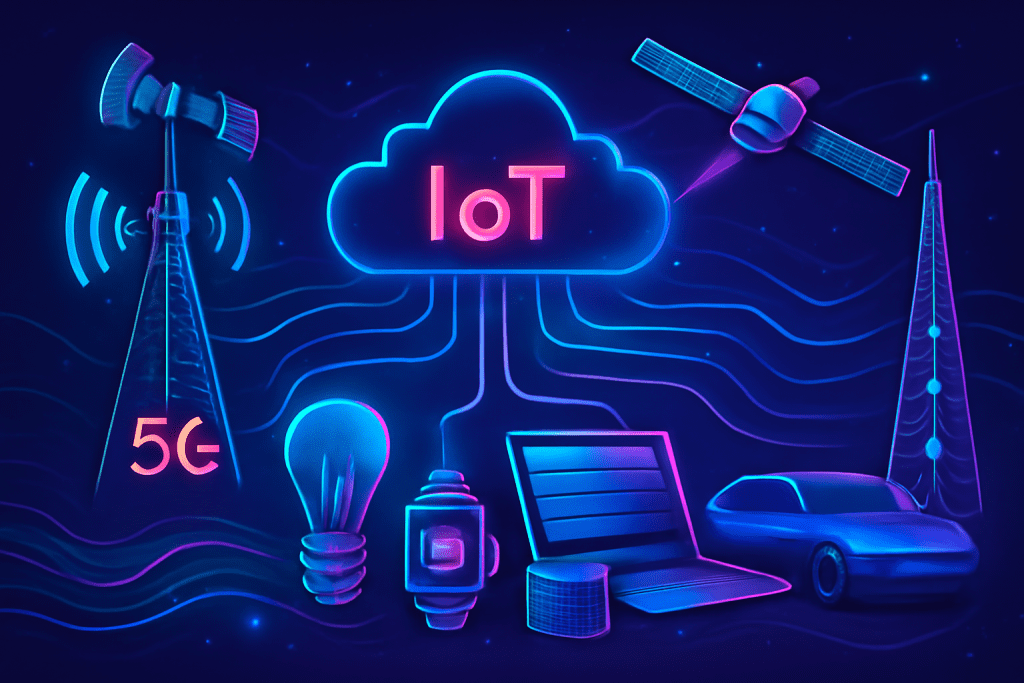
How IoT is Powering the Future of Telecommunications: Opportunities and Challenges The telecommunications industry has always been at the forefront of technological innovation. From the days of landline telephones to the rise of mobile networks, telecom has continuously evolved to meet the growing demands of consumers and enterprises. Today, the Internet of Things (IoT) is driving the next big transformation. By connecting billions of devices, IoT is reshaping how telecom companies deliver services, optimize operations, and create new revenue models. In this article, we will explore how IoT is revolutionizing the telecommunications sector, the opportunities it presents, the challenges to overcome, and what the future holds. Understanding IoT in Telecommunications The Internet of Things (IoT) refers to a vast ecosystem of interconnected devices that communicate and exchange data over the internet. In telecommunications, IoT extends beyond smartphones to include smart home devices, industrial sensors, healthcare monitors, autonomous vehicles, and more. Telecom companies serve as the backbone of this ecosystem, providing the connectivity that allows IoT devices to function seamlessly. With the rollout of 5G networks, telecom operators can now deliver ultra-low latency, high bandwidth, and massive device connectivity — all of which are crucial for IoT adoption. This makes telecom not just a service provider but also a key enabler of smart ecosystems across industries. Opportunities for Telecommunications through IoT 1. New Revenue Streams IoT opens up multiple monetization opportunities for telecom providers: IoT Data Plans: Similar to mobile plans, telecoms can provide subscription-based IoT connectivity packages for enterprises. Managed IoT Services: Offering end-to-end solutions like device management, analytics, and security. Vertical-Specific Solutions: From smart cities to healthcare and logistics, telecom companies can tailor IoT services to industry needs. 2. Enhanced Network Efficiency IoT helps telecom companies monitor and optimize their own infrastructure. For example: Sensors can detect network congestion in real time. Predictive maintenance reduces downtime of critical network equipment. Automated traffic management improves service quality. 3. Smart Cities and Infrastructure Telecom providers can partner with governments to implement smart city projects powered by IoT: Smart lighting and waste management systems. Intelligent traffic management. Energy-efficient utilities. 4. Enterprise Solutions IoT-enabled telecom services offer businesses the ability to: Track assets in logistics. Monitor industrial equipment remotely. Enhance customer service with connected products. 5. 5G and IoT Synergy 5G networks amplify IoT’s potential by providing faster connectivity and supporting millions of devices simultaneously. This opens opportunities for: Autonomous vehicles. Remote surgeries in healthcare. Real-time industrial automation. Challenges of IoT in Telecommunications Despite the opportunities, telecom operators face significant hurdles in implementing IoT effectively: 1. Security Risks IoT devices often have weak security protocols, making them vulnerable to cyberattacks. Telecom providers must ensure robust network and data security to protect consumers and enterprises. 2. Scalability As billions of devices connect to networks, scalability becomes a challenge. Telecoms need to ensure their infrastructure can handle massive amounts of data without service degradation. 3. Interoperability With numerous device manufacturers, ensuring seamless communication between different IoT devices and platforms remains a challenge. 4. High Implementation Costs Deploying IoT infrastructure, upgrading networks, and managing devices require significant investment, which can be a barrier for smaller telecom operators. 5. Regulatory and Compliance Issues Different regions have varied rules about data privacy, security, and network management. Telecom providers must navigate this complex regulatory environment. Real-World Applications of IoT in Telecom Smart Homes: Telecom operators provide IoT-powered home automation solutions, including connected cameras, thermostats, and energy management systems. Healthcare: IoT enables remote patient monitoring and telemedicine, supported by telecom infrastructure. Automotive: Connected vehicles rely on telecom networks for real-time navigation, safety alerts, and predictive maintenance. Industrial IoT (IIoT): Telecom companies support factories with connected machinery, reducing downtime and improving efficiency. The Future of IoT in Telecommunications Looking ahead, IoT will continue to redefine telecom. Key trends include: Edge Computing: Moving data processing closer to devices to reduce latency. AI Integration: Leveraging artificial intelligence to analyze IoT data and automate decisions. Blockchain for IoT Security: Securing IoT networks through decentralized technology (see our article on Blockchain Integration in Business). Industry-Specific IoT Platforms: Telecom companies may develop dedicated platforms for industries like healthcare, finance, and logistics. FAQs on IoT in Telecommunications Q1. What role does 5G play in IoT adoption? 5G provides ultra-fast connectivity, low latency, and massive device support, which are critical for IoT applications like autonomous driving, smart cities, and remote healthcare. Q2. Is IoT secure enough for telecom use? IoT security is a concern, but with advanced encryption, blockchain integration, and continuous monitoring, telecom companies can significantly reduce risks. Q3. How can telecom companies monetize IoT? They can introduce IoT-specific data plans, offer managed services, and create tailored solutions for industries like logistics, healthcare, and retail. Q4. What industries benefit most from IoT-powered telecom? Healthcare, automotive, smart cities, manufacturing, and logistics are among the industries seeing the most significant benefits. Q5. What is the biggest challenge for IoT in telecom? Scalability and security remain the biggest hurdles, especially as billions of devices connect simultaneously. Conclusion The Internet of Things is more than just a technological buzzword; it is the driving force behind the future of telecommunications. While challenges such as security, scalability, and interoperability remain, the opportunities far outweigh the risks. Telecom operators that strategically embrace IoT will not only enhance their infrastructure but also unlock new revenue streams and play a central role in shaping a smarter, more connected world. To explore more about how emerging technologies are reshaping industries, visit our blogs on AI in Customer Journeys, Predictive Analytics, Technology in Education, and React Native vs Swift. You can also learn more about our approach at How We Work, explore Mobile App Services, or read our latest updates on the TechOTD Blog. For more tech insights, check our second page here and explore the article on Best Gadgets for Programmers in 2025. By strategically leveraging IoT, the telecom industry will not just power connections but also shape the digital future.

Internet of Things

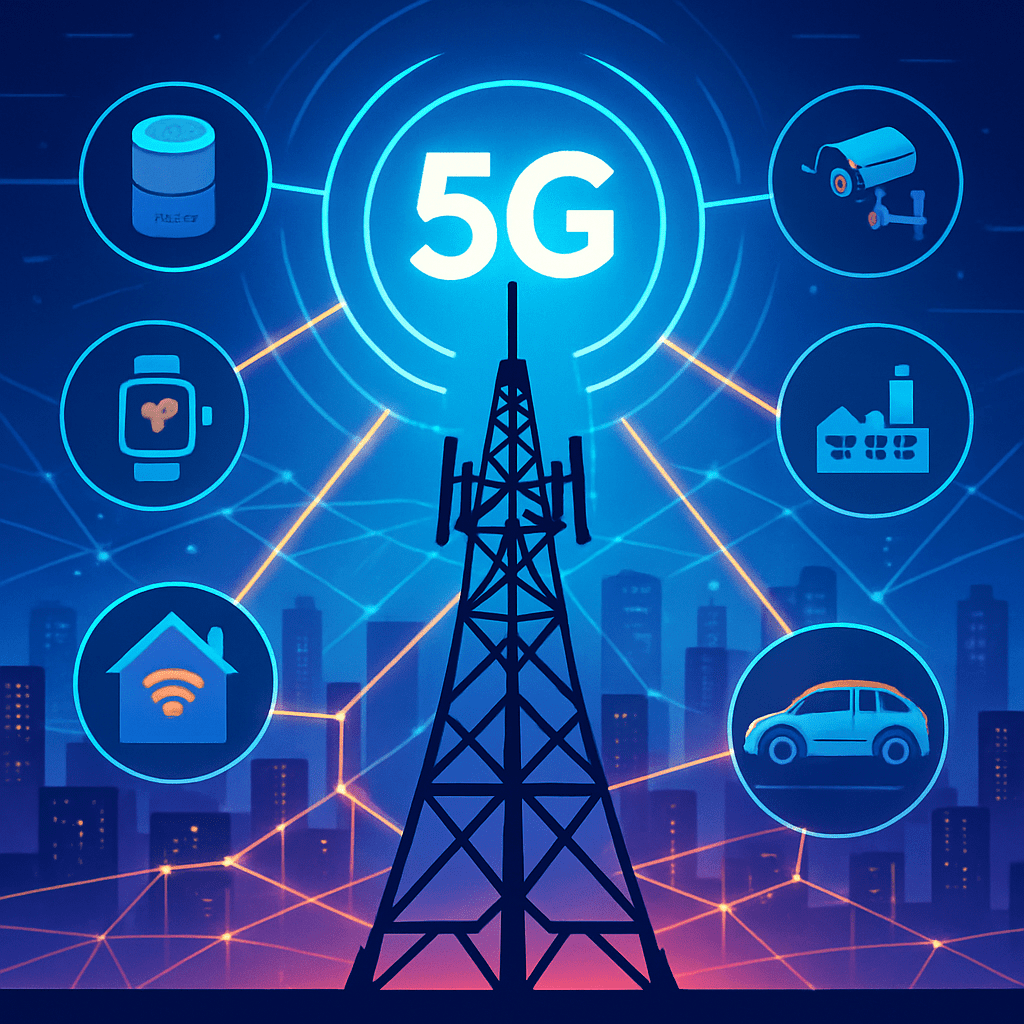
IoT in Telecom: From Smart Networks to 5G-Powered Innovation

Introduction The convergence of Internet of Things (IoT) with telecom infrastructure is transforming communication networks into intelligent, responsive ecosystems. As billions of connected devices rise worldwide, telecom providers are evolving to support smart networks empowered by 5G technology. This fusion is ushering in an era of real-time data exchange, ultra-low latency, and unprecedented connectivity that fuels innovations across industries. This blog explores how IoT reshapes telecom from traditional connectivity to intelligent, automated networks, the role of 5G in powering this evolution, and emerging opportunities for businesses adapting to this technology wave. This discussion reflects insights from leading AI and telecom research, drawing on resources like TechOTD’s AI services and industry trends from their tech blog. What is IoT in Telecom? IoT in telecom refers to the vast network of connected devices communicating over telecom infrastructure to exchange data and automate processes. This goes beyond traditional smartphones to include sensors, wearables, smart meters, connected vehicles, and more. Telecom operators provide the backbone connectivity ensuring these devices remain online with reliable bandwidth, security, and management. Key features include: Massive device connectivity: Efficiently connecting billions of IoT endpoints. Low latency communication: Supporting real-time applications like autonomous vehicles and remote surgery. Network slicing: Custom virtual networks tailored to specific IoT use cases. IoT transforms telecom from a simple communication provider to a platform operator enabling intelligent services. The Role of Smart Networks Smart networks integrate AI, machine learning, and automation into telecom infrastructure, optimizing performance and enabling new intelligent applications. Some important capabilities include: Dynamic network management: AI algorithms monitor network health to predict failures and optimize routing. Automated provisioning: Devices and connections are configured on-demand without manual intervention. Enhanced security: AI-driven threat detection protects IoT endpoints against increasingly complex cyber-attacks. Smart networks elevate the telecom role, powering innovations like smart cities, Industrial IoT (IIoT), and connected healthcare. Explore AI’s role in telecom innovations at Seamless Customer Journeys with AI. 5G: The Catalyst for IoT Growth in Telecom 5G technology revolutionizes telecom’s capacity to support and scale IoT applications by offering: Higher bandwidth: Up to 100x faster data speeds enable rich media streaming and instantaneous data exchange. Ultra-low latency: End-to-end latency as low as 1 ms supports mission-critical applications. Massive IoT connections: Network efficiency accommodates 1 million+ devices per square kilometer. Improved energy efficiency: Prolongs battery life for IoT devices enhancing deployment feasibility. With 5G, telecom networks become an engine for smart industries, cities, and daily life integration. Discover 5G-powered software insights in TechOTD’s mobile solutions here: Mobile Apps Services. Use Cases: How IoT and 5G Transform Telecom Solutions 1. Smart Cities and Infrastructure IoT sensors integrated with 5G networks deliver real-time monitoring and automation for public services such as traffic management, waste disposal, and environmental sensing. Cities benefit from optimized resource usage and reduced operational costs. 2. Connected Healthcare Remote patient monitoring devices continuously send health data over secure, low-latency 5G telecom networks to hospitals, enabling early interventions and ongoing care without hospital visits. 3. Industrial Automation (IIoT) Factories deploy IoT-enabled machines connected through 5G, allowing predictive maintenance, enhanced safety, and streamlined supply chains powered by real-time data analytics and AI. 4. Autonomous Vehicles and Transport 5G’s ultra-low latency supports vehicle-to-everything (V2X) communication, enabling autonomous cars to interact safely with surrounding traffic, infrastructure, and pedestrians. Challenges and Opportunities in Implementing IoT in Telecom Challenges Security: IoT devices increase the attack surface, necessitating robust AI-powered security measures. Interoperability: Diverse device standards require unified telecom protocols and advanced integration frameworks. Data Management: Massive data flows demand scalable analytics platforms with edge computing. Opportunities Telecom providers can expand beyond voice/data services into managed IoT solutions and AI-powered analytics offerings. AI consulting and custom models help optimize IoT network deployment and predictive maintenance. Telecom’s integration with blockchain enhances IoT data transparency and security, as seen in Dubai’s pioneering projects. Learn more about this integration: How Blockchain Integration Is Optimizing Business Processes in Dubai Integrating AI and Analytics in IoT Telecom Networks AI technologies embedded within telecom IoT frameworks enable predictive analytics, anomaly detection, and operational automation that deliver superior network performance. Examples include: Trend analysis to predict network congestion before it happens. Risk assessment for IoT endpoint security vulnerabilities. Sentiment analysis based on user data to customize telecom service offerings. TechOTD’s AI consulting and custom solution development empower telecom businesses to fully leverage IoT insights: TechOTD AI Services. How Telecom Businesses Can Prepare for IoT and 5G Evolution Invest in AI-powered workflow automation and process monitoring to manage complex IoT ecosystems. Design custom AI models for network optimization and customer experience enhancement. Collaborate with technology partners skilled in AI, cloud, and telecom integration—such as TechOTD’s expert teams. Develop secure, compliant IoT solutions with real-time analytics capabilities. Learn about the structured approach TechOTD follows for AI and IoT integration here: How We Work at TechOTD. The Future: IoT, Telecom, AI, and Beyond The future is bright for IoT-enabled telecom, with innovations accelerating thanks to AI advancements, scalable cloud computing, and increasing 5G adoption. Areas to watch include: Integration of Large Language Models (LLMs) for enhanced telecom customer support and predictive maintenance. See examples in this domain: Large Language Models in Finance: Benefits and Applications IoT empowerment for education technology, blending AR and immersive learning via 5G networks. Learn more about tech impact on education: Technology Impact on Education: An Ultimate Guide Adoption of smart gadgets designed for telecom programmers and IoT developers to streamline innovation. Check out the latest tools: Best Gadgets for Programmers in 2025. Conclusion IoT’s integration in telecom networks, supercharged by 5G and AI, is not just futuristic—it is already revolutionizing connectivity paradigms across industries. Smart networks enable new service models, cost efficiencies, and personalized experiences, while AI and blockchain ensure security and scalability. Telecom operators embracing this transformation will lead in the next digital wave. To explore practical AI, cloud, and IoT solutions tailored for telecom, connect with TechOTD’s experts today for a free consultation: TechOTD Mobile Apps & AI Services For deeper insights across related domains, visit TechOTD’s extensive blog library: TechOTD Tech and Innovation Blog. FAQs Q1: What role does 5G play in IoT telecom innovation? 5G provides ultra-fast speeds, massive connectivity, and low latency essential for supporting

App Development

How Much Does It Cost to Develop an App in 2025?

Introduction Budgeting for app development is one of the most critical decisions a business leader will make in 2025. With digital transformation reshaping every industry, a well-planned mobile or web app is a gateway to new customers and better efficiency—but how much does it really cost to turn your idea into a fully functioning app? Costs depend on app complexity, required features, choice of tech, and team expertise. Understanding these factors will help every founder, manager, or enterprise leader plan smarter and build with confidence. In this detailed guide, we’ll break down app development costs phase-by-phase, compare budgets for different industries, highlight influencing factors, and show how leveraging AI and modern tech (like TechOTD’s solutions) can optimize investments. Explore TechOTD’s AI services, how we work, and mobile app solutions as you plan your journey. Phases of App Development and Associated Costs Building an app involves several distinct steps, each with budget requirements. Let’s break down each stage, using recent industry cost data: 1. Strategy & Planning ($4,000–$10,000) Business analysis, market research, competitor benchmarking. Defining user personas, app objectives, and feature lists. See TechOTD strategy examples. 2. Design (UX/UI) ($6,000–$30,000) Wireframing, prototyping, visual branding, user journey mapping. Interactive mockups and usability testing. Learn more about UX/UI trends. 3. Core Development ($25,000–$75,000+) Frontend and backend coding (iOS, Android, web, cross-platform). Third-party integrations (payment, GPS, social login). Custom features: e.g., predictive analytics, chatbots, real-time feeds. Framework insights: React Native vs Swift. 4. Third-Party Integrations ($5,000–$15,000) APIs for CRM, analytics, cloud storage, payment gateways. Blockchain or AI integrations for security and personalization. More on blockchain-powered apps. 5. Quality Assurance & Testing ($8,000–$18,000) Device, OS, and usability tests, bug fixing, security audits. Compliance with GDPR, PCI DSS, and industry standards. Predictive analytics in QA. 6. Deployment & Launch ($2,000–$7,000) App store submission (Apple, Google Play), launch marketing. Backend optimization, analytics setup. See TechOTD’s launch support. 7. Maintenance & Support (15–20% per year) Updates, bug fixes, feature enhancements, security patches. Hosting and server monitoring. Typical App Development Budgets by Complexity App Type Budget Range Examples Timeline Simple/MVP $20,000–$60,000 To-do, news, calculators 2–4 months Medium $60,000–$120,000 Loyalty, booking, fintech 4–7 months Complex $120,000–$250,000+ E-commerce, social media, healthcare, AR/AI 6–12 months Explore detailed cost analysis for loyalty apps: How much does it cost to build a customer loyalty app? Key Factors Influencing App Development Cost 1. App Complexity Number of user roles, features (e.g., chat, push notifications, payment). Custom UI, animation, and security. Advanced integrations (AI, ML, blockchain). TechOTD leverages latest innovations. 2. Platform Choice Native (Swift/Java/Kotlin) costs more than cross-platform (Flutter, React Native). Multi-platform apps increase cost by 30–40%. Cross-platform vs native advice. 3. Design and Branding High-fidelity UI/UX, custom illustrations, AR/VR increase cost. TechOTD’s design approach. 4. Data Security & Compliance Apps in finance, healthcare, and education need strict compliance (HIPAA, GDPR, PCI DSS). Cost increases for advanced encryption and regulatory audits. TechOTD’s security-first methodology. 5. AI, Analytics, and Next-Gen Technology Adding AI/ML for personalization, recommendation engines increases budget. Predictive analytics, chatbots, speech/image processing. AI-powered app solutions. 6. Team Location & Experience US/Europe rates: $60–$200/hr; Asia/Eastern Europe: $20–$60/hr. Experienced agencies deliver better quality and ongoing support. See TechOTD’s multi-regional expertise. Cost Examples by Industry Industry Typical Budget Unique Features Explore Fintech $80,000–$200,000+ Secure payments, AI analytics, blockchain LLMs in Finance Education $50,000–$150,000 LMS, AR/VR, remote learning, analytics Tech & Education E-Commerce $100,000–$250,000 Product catalog, cart, payment, push notifications Industry Blogs Loyalty/App $60,000–$120,000 CRM, rewards, gamification, partner systems Customer Loyalty App Guide On-Demand $75,000–$180,000 Real-time tracking, chat, payments, reviews Explore TechOTD’s solutions How TechOTD Optimizes Costs with Emerging Technologies AI & Machine Learning: Saves time, automates personalization, improves retention. Cloud & Edge Computing: Scalable infrastructure and performance. Blockchain Integration: High security and transparency for finance and supply chain apps. Agile & DevOps: Quicker cycles, better quality, ongoing support. Learn more from TechOTD’s blog and how we work. Tips to Budget Effectively for App Development Start with an MVP and validate user needs. Choose cross-platform tools if budget is limited. Use proven frameworks for speed and reliability. Invest in robust QA and post-launch support. Allocate budget for ongoing marketing and analytics. Partner with experienced agencies (like TechOTD) for guidance and best practices. Conclusion The cost to develop an app in 2025 depends on its complexity, features, chosen technology, and vendor expertise. Typical budgets range from $20,000 for a simple app to $250,000+ for enterprise-level solutions, with maintenance usually about 15–20% of initial yearly cost. Careful planning, partner selection, and leveraging advanced tech are key to maximizing ROI. Take the next step: Book a free consultation with TechOTD Explore best practices on TechOTD’s blog Discover AI-driven solutions FAQ Q1: What is the lowest possible budget for a simple app in 2025? A: MVPs with minimal features start at $20,000–$40,000 in most regions. Q2: Why do maintenance costs matter? A: Post-launch updates, bug fixes, and performance improvements are critical; expect 15–20% of original build cost per year. Q3: Can I reduce expenses by using cross-platform tools? A: Yes, React Native and Flutter typically lower costs by up to 30% compared to fully native solutions. Q4: Is security a major cost factor? A: Apps in finance or healthcare need greater compliance and security testing, which increases costs but protects your business. Q5: What kind of costs do loyalty and e-commerce apps involve? A: Loyalty apps range $60,000–$120,000 and e-commerce apps from $100,000–$250,000+, depending on features and integrations.

App Development

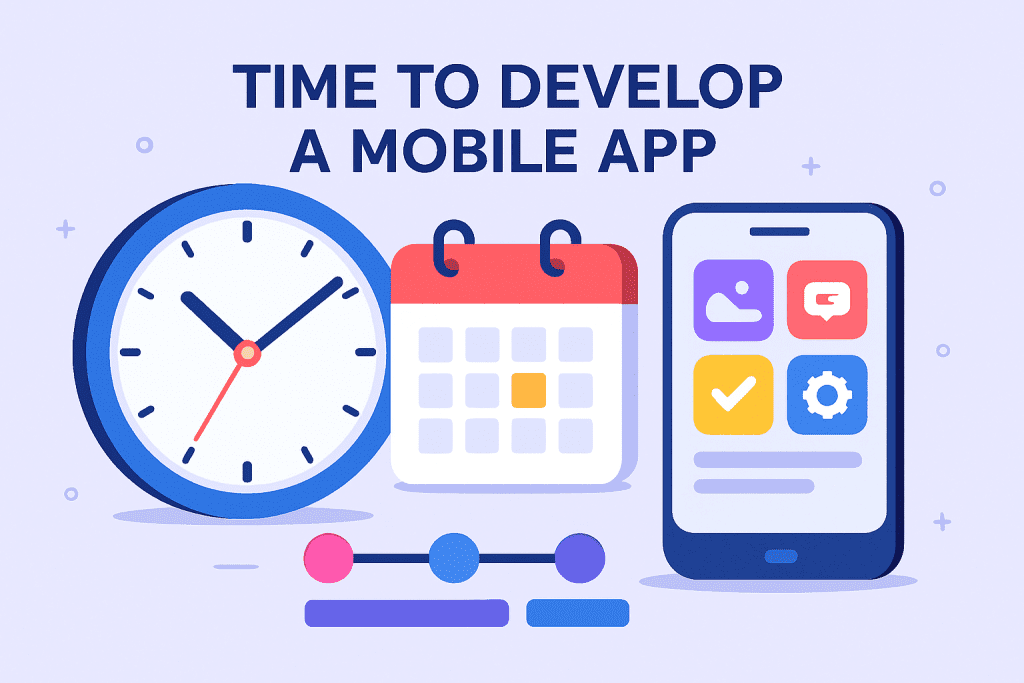
How Long Does It Take to Develop a Mobile App?

Introduction In today’s digital-first world, mobile apps have become the backbone of customer engagement and business innovation. Whether it’s a food delivery app, a fintech platform, or an AI-powered productivity tool, businesses are investing heavily in mobile applications to capture new market opportunities. But one of the most common questions that arises during the planning phase is: how long does it take to develop a mobile app? The answer depends on factors such as app complexity, features, target platform (iOS, Android, or both), technology stack, and development methodology. In this blog, we will break down the step-by-step mobile app development timeline, explain different stages, and highlight how businesses can reduce time-to-market while still delivering a high-quality product. If you’re considering building an app in 2025, this guide will give you a realistic timeline and insights based on best practices. Factors Influencing Mobile App Development Timeline The time it takes to develop an app is rarely the same for every project. Each app idea and feature set comes with different timelines. Below are the key factors that directly impact development duration. 1. App Complexity Simple apps (basic features like login, profile, and information display): 2–4 months Medium-complexity apps (real-time updates, payment systems, API integration, push notifications): 4–8 months High-complexity apps (social media, AI-powered personalization, video streaming, enterprise-level apps): 9–15 months 2. Platforms and Technology Stack iOS only: Faster development due to fewer device variations. Android only: Slightly longer due to device fragmentation. Cross-platform development with frameworks like React Native or Flutter reduces time and cost. (Learn more about frameworks like React Native vs Swift). 3. Team Structure A dedicated development team of UI/UX designers, front-end developers, back-end developers, QA testers, and project managers accelerates timelines. Outsourcing to an experienced mobile app development company (TechOTD Mobile App Services) ensures faster delivery with expert resources. 4. Features & Functionality Some features add significant time to development: Artificial Intelligence (AI) & Machine Learning integration Cloud storage & synchronization In-app chat & video calling Blockchain-based security features (See Blockchain integration use cases in business) Predictive analytics (Explore Predictive Analytics Development) 5. Testing and Security Security compliance, bug fixing, and testing on multiple devices are crucial yet time-intensive stages. For industries like finance and healthcare, additional testing for compliance adds weeks to timelines. Typical Mobile App Development Timeline (Step-by-Step) Let’s break down the average timeline of 1700 words worth detailing into phases followed by realistic time estimates: Phase 1: Research & Planning (2–4 Weeks) Analyzing business requirements. Competitor research and feature set prioritization. Technical feasibility study. Choosing the right technology stack (AI, blockchain, cloud, etc.). ➡️ Example: TechOTD follows structured “How We Work” guidelines to first assess business needs (Details here). Phase 2: UI/UX Design (3–6 Weeks) Wireframes and mockups development. User journey mapping to ensure simplicity. Style guides and interactive prototypes. ➡️ Example: In modern apps, customer journey mapping has become crucial (Future of Customer Journey with AI). Phase 3: Development (4–12 Weeks or More) Frontend Development: Building the user interface (navigation, forms, dashboards). Backend Development: APIs, databases, servers, integration with AI/ML, NLP, or cloud solutions (Explore TechOTD AI services). Cross-platform support: React Native, Flutter, or native development. ➡️ Example: Flutter development teams speed up app creation significantly (Why hire Flutter teams?). Phase 4: Testing & QA (2–6 Weeks) Unit testing, integration testing, UI testing, and stress testing. Ensuring compliance with cloud security measures (CNAPP explained here). Fixing errors to guarantee seamless performance across devices. Phase 5: Deployment (2 Weeks) Publishing on Google Play Store and Apple App Store. Preparing app store optimization (ASO). Submitting for approval (usually takes 7–10 days per platform). Phase 6: Post-Launch Support (Ongoing) Bug fixes, user feedback improvements. Regular security patches and scalability improvements. Adding AI-driven updates like predictive recommendations or LLM integrations (LLMs in Finance explained). How Long Does It Really Take? (Overview) Basic App (MVP): 4–6 months Mid-level App: 6–9 months Enterprise/Feature-rich App: 9–15 months However, innovative approaches such as AI-driven automation (TechOTD AI-powered automation solutions) and agile iterative cycles can help cut down development times without compromising quality. Real-World Examples Food Delivery Apps Development timeline: 7–12 months Features: GPS tracking, real-time order updates, in-app payments Learn more: Food App Development Costs & Timelines Education Apps Development timeline: 6–10 months Features: Video content, gamification, progress tracking Related: Technology in Education for CEOs E-commerce Loyalty Apps Development timeline: 6–9 months Features: Rewards, discounts integration, customer analytics Explore in detail: Loyalty App Costs Conclusion The time it takes to develop a mobile app varies significantly depending on complexity, features, and the technologies involved. On average: Simple apps can take 3–6 months. End-to-end feature-rich apps can take 9–15 months. Working with a trusted partner like TechOTD ensures a structured, efficient process from planning to deployment with continuous post-launch support. If you are planning an app for 2025 and beyond, the right strategy is to balance speed with quality—leveraging AI, cross-platform frameworks, and expert development teams. 👉 Ready to bring your app idea to life? Contact TechOTD for a free consultation today and accelerate your mobile app development journey. FAQs 1. What is the fastest way to develop a mobile app? Using cross-platform frameworks like Flutter or React Native and adopting Agile methodology speeds up development. 2. How do I reduce time-to-market for my app? Start with a Minimum Viable Product (MVP) focusing on core features, then add advanced features later. 3. Can AI speed up mobile app development? Yes. AI-powered automation, predictive analytics, and machine learning reduce testing and coding efforts. 4. What makes enterprise apps take longer to build? Enterprise apps often include advanced features like integrations, compliance, AI/ML, and blockchain, which extend timelines. 5. How much does app development cost? On average, costs vary between $15,000 and $250,000, depending on feature scope and complexity.

Business, Business Analytics

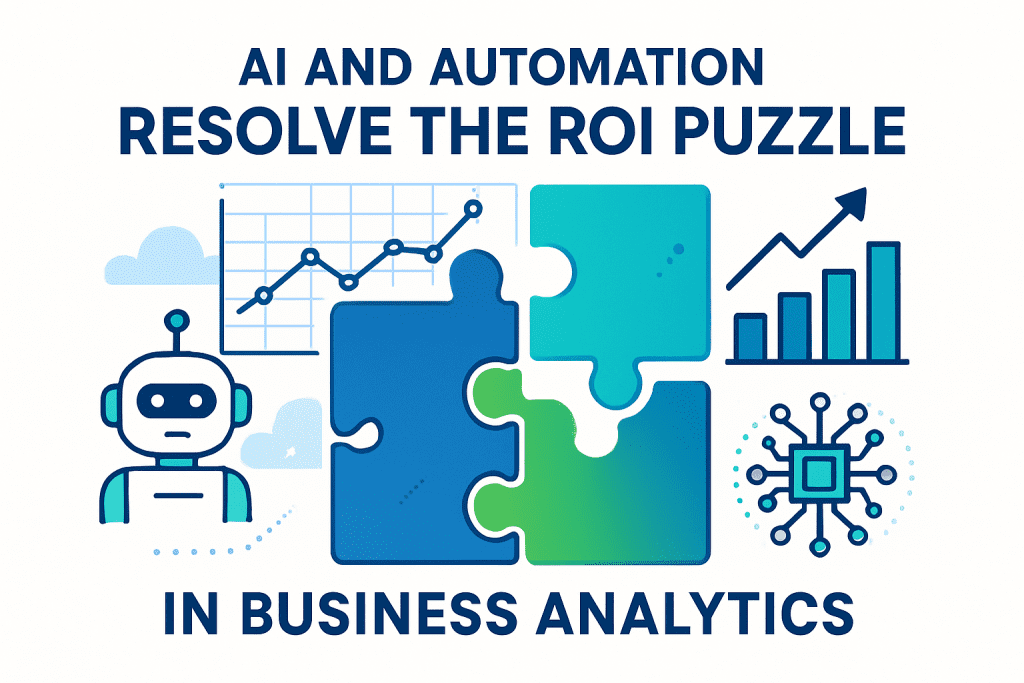
How AI & Automation Are Resolving the ROI Puzzle in Business Analytics

Introduction In today’s hyper-competitive business landscape, data has become the backbone of decision-making. But here’s the problem: while organizations collect tons of data daily, only a small fraction gets translated into measurable business value. The key challenge? ROI (Return on Investment) from analytics initiatives often remains unclear. This is where Artificial Intelligence (AI) and Automation step in. By accelerating data preparation, enhancing accuracy, and powering predictive insights, AI-driven automation is helping organizations connect the dots between analytics and real profit outcomes. This blog explores how AI and automation are revolutionizing business analytics ROI, along with use cases, benefits, challenges, trends, and frameworks to maximize returns. How AI and Automation Drive ROI in Business Analytics 1. Faster Data Processing and Insights Manual data cleaning and integration is time-consuming. Automation tools (ETL pipelines, Robotic Process Automation) cut data prep time by 60–80%. AI models instantly process structured + unstructured data, producing real-time insights. 2. Improved Accuracy and Reduced Errors Human-driven analytics can introduce bias or errors. Automated anomaly detection ensures clean, accurate datasets. AI reduces false positives in fraud detection or risk analysis. 3. Advanced Predictive Analytics AI models predict customer churn, sales demand, pricing trends, and risks. Predictive maintenance in manufacturing → reduces downtime & costs. Proactive strategies → higher ROI through smarter resource allocation. 4. Personalization and Customer Insights AI-powered segmentation → micro-level targeting (age, behavior, location). Sentiment analysis from social media & reviews. Personalized marketing → boosts conversions up to 20–25%. 5. Optimized Operational Efficiency Automated reporting = 70% less analyst time wasted on repetitive tasks. AI chatbots for analytics queries. Freeing analysts to focus on high-value decision-making. Key Benefits of AI & Automation for Business Leaders Benefit Business Impact Scalability Handles growing datasets without proportional cost increase Speed Real-time insights improve response to market changes Accuracy Reduces errors, ensuring reliable decision-making Efficiency Frees staff from repetitive tasks → focus on innovation ROI Tracking Easier attribution of revenue growth to data initiatives Continuous Learning ML models improve accuracy over time Use Cases Demonstrating ROI Success 1. E-commerce Growth AI-powered product recommendations increase AOV (Average Order Value). Real-time inventory analytics prevent stockouts. Example: Amazon’s recommendation engine generates 35% of total sales. 2. Risk Management in Finance AI fraud detection → monitors transactions in milliseconds. Predictive credit scoring → reduces loan default risk. Case: A global bank reduced fraud losses by 30% using AI automation. 3. Manufacturing Process Optimization Predictive maintenance reduces equipment downtime. AI-driven quality checks improve defect detection. Case: A leading automaker saved $50M annually using AI-enabled predictive analytics. 4. Healthcare & Life Sciences Automated diagnostics from medical images. Predictive patient care → reduced hospital readmission rates. AI-powered drug discovery accelerates R&D. Challenges in Measuring ROI from Business Analytics Data Silos: Scattered data across multiple systems. High Initial Costs: AI models, infrastructure, and skilled talent. Resistance to Change: Employees reluctant to adopt new workflows. Unclear Metrics: Organizations don’t define what ROI means for them (cost savings vs revenue growth). Skill Gaps: Need for data engineers, scientists, and AI experts. How to Measure ROI in Business Analytics ROI Metric Definition Example Cost Savings Reduction in manual effort, errors, or downtime 30% less time in report generation Revenue Growth Additional income from AI-driven strategies 20% higher sales via personalization Operational Efficiency Faster workflows, automation replacing manual work 70% less analyst effort in data cleaning Risk Reduction Lower financial & compliance risks 30% drop in fraud losses Customer Retention Enhanced loyalty via insights 25% higher retention with AI recommendations Future Trends in AI & Automation for Analytics   Natural Language Analytics (NLP) → Ask data questions in plain English. Generative AI in Analytics → AI-generated forecasts, insights, and reports. Cloud-based AI Platforms → Cost-effective, scalable solutions. Edge Analytics with AI → Real-time insights closer to data sources (IoT). Explainable AI (XAI) → Transparent decision-making for trust & compliance. Why Partner with Experts in AI & Automation? Implementing AI for analytics is not plug-and-play. It requires: Domain expertise. Integration with existing BI/BA tools. Continuous monitoring and model updates. 👉 Partnering with TechOTD Solutions ensures: Custom AI models tailored to your industry. Seamless integration with BI platforms. Scalable, cloud-ready architectures. 24/7 support for optimization. Conclusion AI and automation are no longer optional—they are essential to solving the ROI puzzle in business analytics. BI tells you what happened. BA tells you why it happened. AI + Automation tells you what will happen—and acts on it instantly. Organizations that embrace this shift will gain a sustainable competitive advantage in their industries. 👉 Call to Action: Ready to maximize ROI? Contact TechOTD today to explore customized AI and automation strategies tailored to your business.  FAQ Q1: How does AI improve business analytics ROI?AI speeds up analysis, predicts future outcomes, and eliminates costly errors. Q2: Can automation reduce analytics costs?Yes, automation minimizes manual work and errors, reducing long-term costs. Q3: What industries benefit most from AI analytics?E-commerce, finance, manufacturing, healthcare, logistics, and education. Q4: How do I measure ROI from AI projects?Track metrics like cost savings, revenue growth, efficiency gains, and retention. Q5: What’s the difference between AI-driven analytics and traditional BI?BI focuses on historical reporting, while AI-driven analytics predict and optimize future outcomes.

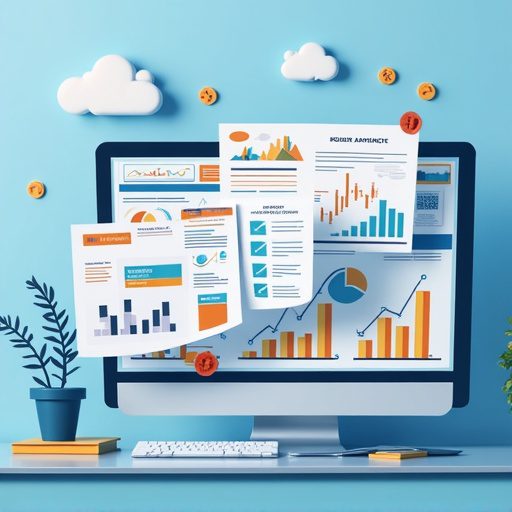
A suitable alt text for a feature image comparing Business Intelligence and Business Analytics could be: "Illustration highlighting the difference between Business Intelligence, focused on reporting and historical data analysis, and Business Analytics, emphasizing predictive modeling and future trend forecasting
Business Analytics

Business Intelligence vs Business Analytics

  Introduction In the digital age, data is often referred to as the “new oil.” Organizations generate massive amounts of information every second—from customer interactions and financial transactions to supply chain processes and social media engagements. Harnessing this data is no longer optional; it is a necessity for survival and growth. Two of the most powerful approaches to data-driven decision-making are Business Intelligence (BI) and Business Analytics (BA). While both aim to improve decision-making, they differ in purpose, methodology, and outcomes. Data Analytics in Banking: Transforming Finance in 2025 This blog explores the differences between Business Intelligence and Business Analytics, compares their strengths, highlights use-cases across industries, and helps you decide which approach—or combination—is the best fit for your organization. What is Business Intelligence (BI)? Business Intelligence refers to a set of processes, architectures, and technologies that transform raw data into meaningful insights. It is largely descriptive in nature, focusing on understanding what has happened and what is happening now. BI enables organizations to track KPIs, visualize performance, and monitor trends in real time. Instead of predicting the future, BI provides visibility into the present and past to improve operational efficiency. Key Features of Business Intelligence Data Warehousing & ETL (Extract, Transform, Load) → Ensures accurate, cleansed, and integrated data. Real-time dashboards → Easy-to-understand visualizations for quick insights. Standardized reporting → Ensures consistent reporting across departments. KPI monitoring → Tracks revenue, sales performance, employee productivity, etc. Alerts & anomaly detection → Flags unusual changes in data trends.  Example: Retailers use BI dashboards to monitor daily sales, store performance, and inventory levels in real time. What is Business Analytics (BA)? Business Analytics goes a step beyond BI. Instead of just describing “what happened,” BA seeks to answer why it happened and what might happen in the future. It relies on advanced techniques like statistical modeling, predictive analytics, machine learning, and AI. Business Analytics is diagnostic, predictive, and prescriptive, helping organizations make strategic and tactical decisions. Key Features of Business Analytics Predictive Analytics & Forecasting → Estimate sales trends, demand, or customer churn. Data Mining & Pattern Recognition → Discover hidden trends in customer behavior. Machine Learning & AI Integration → Automate decision-making through intelligent systems. What-if Scenario Analysis → Simulate multiple strategies before implementation. Root Cause Analysis → Understand the “why” behind business challenges.  Example: Banks use BA models to detect fraudulent transactions and predict loan defaults. Business Intelligence vs Business Analytics: Side-by-Side Comparison Aspect Business Intelligence (BI) Business Analytics (BA) Focus Descriptive (What happened?) Predictive & Prescriptive (Why & What Next?) Data Historical & current operational data Historical, current, and external datasets Questions Addressed “What is happening?” “Why is it happening? What will happen?” Tools Dashboards, Data Warehouses, Reporting Tools Statistical Models, ML Frameworks, AI Platforms Users Business users, Managers, Analysts Data Scientists, Advanced Analysts Purpose Monitoring & Reporting Forecasting, Optimization & Strategy When to Choose Business Intelligence Choose BI if: You need real-time operational visibility. You want standardized reports and KPIs for decision-making. Your goal is to improve daily operations and efficiency. You need user-friendly dashboards accessible by all employees. Example: A logistics company monitoring daily shipment tracking. When to Choose Business Analytics Choose BA if: You need predictive insights into market trends and customer behavior. You want to simulate business scenarios before investing resources. You are ready to invest in data science talent and advanced tools. You aim for long-term strategy and competitive advantage.  Example: An eCommerce business predicting which products will trend next season. Industry Applications of BI and BA  Retail → BI for sales dashboards, BA for demand forecasting. Healthcare → BI for patient records monitoring, BA for predicting disease outbreaks. Finance → BI for compliance reports, BA for fraud detection. Manufacturing → BI for production tracking, BA for predictive maintenance. E-Commerce → BI for order fulfillment tracking, BA for personalized recommendations. Challenges in BI and BA Implementation  Data Silos: Information scattered across departments. High Costs: Investment in infrastructure, talent, and tools. Change Management: Employees may resist adopting new systems. Data Privacy & Compliance: GDPR, HIPAA, etc. Skill Gaps: BI requires analysts; BA requires data scientists. Future Trends in BI and BA  AI-Driven Automation → BI dashboards enhanced with automated recommendations. Natural Language Processing (NLP) → Ask data questions in plain English. Cloud BI/BA → Cost-effective, scalable solutions. Blockchain in Analytics → Data authenticity and secure sharing. Embedded Analytics → Integrating BI/BA directly into business apps (CRM, ERP). ROI Analysis: BI vs BA BI ROI → Immediate efficiency gains, reduced reporting time, faster decisions. BA ROI → Long-term revenue growth, reduced risks, improved strategic planning. How TechOTD Supports BI & BA Needs BI Solutions: Data warehousing, dashboards, KPI tracking. BA Solutions: Predictive analytics, ML models, AI integration. Cloud Infrastructure: Secure, scalable, and cost-effective. Industry Expertise: eCommerce, finance, healthcare, and more. Conclusion  The choice between Business Intelligence and Business Analytics depends on your organization’s maturity, goals, and resources. If your focus is operational reporting and monitoring, BI is the way to go. If you want to predict future outcomes and drive innovation, BA is essential. The most successful organizations combine both BI and BA to build a full-fledged data-driven culture. Partnering with an expert like TechOTD ensures you have the right mix of strategy, technology, and execution. Ready to take your business forward? Connect with TechOTD today to implement a tailored BI & BA solution for competitive advantage. FAQ Q1. Can a company use both BI and BA?Yes. BI ensures operational efficiency while BA drives strategic foresight. Together they provide a 360° view. Q2. Do small businesses also need BI/BA?Absolutely. Even startups benefit from simple BI dashboards or predictive sales analytics. Q3. What skills are needed for BA?Statistical analysis, programming (Python/R), data visualization, and ML frameworks. Q4. How long does BI or BA implementation take?3–12 months depending on scale, data quality, and tools used. Q5. What are the most popular BI tools?Power BI, Tableau, QlikView, Looker. Q6. What are the most popular BA tools?R, Python, SAS, Apache Spark, TensorFlow. Q7. How secure is data in BI

How would you like me to respond?

Select a personality for your AI assistant

Normal
Happy
Sad
Angry

Your selection will affect how the AI assistant responds to your messages

Chat Assistant

Let's discuss your project!

Hear from our clients and why 3000+ businesses trust TechOTD

Tell us what you need, and we'll get back with a cost and timeline estimate

Scroll to Top