Author name: Kirti Sharma

Software development

The Future of Connectivity: Exploring the Explosive Growth of APIs

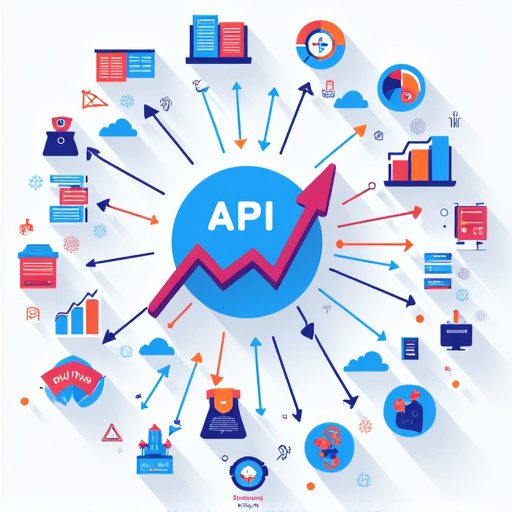
Introduction In today’s hyper-connected digital economy, Application Programming Interfaces (APIs) have become the cornerstone of seamless communication between applications, services, and platforms. APIs enable businesses to unlock innovation, streamline operations, and create new revenue streams by facilitating efficient data exchange and integration. With industries rapidly adopting cloud services, AI, IoT, and blockchain technologies, the demand for robust APIs is growing explosively. For businesses aiming to thrive in the evolving digital landscape, understanding the future of connectivity powered by APIs is crucial. This blog explores the transformative role of APIs, the trends driving their growth, key benefits, and practical use cases shaping industries worldwide. It also provides insights for CTOs, developers, and business leaders to leverage APIs effectively for competitive advantage. What Are APIs and Why Do They Matter? APIs are sets of rules and protocols that allow different software applications to communicate with each other. They act as intermediaries enabling services, platforms, or devices to request and exchange data securely and efficiently. Key Functions of APIs: Enable Integration: Connect diverse systems and technologies across the cloud, on-premises, and edge environments. Enhance Modularity: Allow developers to reuse components and build scalable applications faster. Drive Automation: Facilitate workflow automation by linking disparate services seamlessly. Allow Innovation: Power new digital experiences like AI-driven personalization, real-time analytics, and IoT device communication. APIs empower businesses to deliver services faster while ensuring agility and reliability in complex environments (TechOTD AI services). The Explosive Growth of APIs: Market Trends and Drivers The API economy is surging with no signs of slowing down. According to industry reports, the global API management market is projected to reach $6 billion by 2027, driven by digital transformation initiatives across sectors. Key Drivers Fueling API Growth: Cloud Adoption and Microservices: Cloud-native applications rely heavily on APIs to enable microservices architectures that support scalability and resilience (TechOTD cloud solutions). AI and Big Data: Increasing AI and analytics use require APIs to access machine learning models, datasets, and real-time processing (LLMs in finance). IoT Proliferation: APIs facilitate secure data exchange between billions of connected IoT devices and backend systems (TechOTD industries). Blockchain Integration: Blockchain networks expose APIs enabling interoperability and automation with existing IT architectures (Blockchain in Dubai). Mobile and Web Apps Demand: APIs support diverse platforms and devices, fueling demand for seamless third-party integrations (Mobile apps services). Emerging API Trends API-First Development: Prioritizing APIs in product development for extensibility and faster iterations (React Native vs Swift). GraphQL Adoption: Allowing flexible and efficient queries over traditional REST APIs. API Security Enhancements: Zero trust, OAuth, API gateways, and rate limiting to secure the growing API attack surface. Event-Driven APIs: Supporting real-time data streaming for responsive user experiences. Benefits of APIs for Modern Businesses APIs reshape how businesses build and deliver value in many ways: Accelerate Innovation: By reusing existing APIs, companies can rapidly develop new features and integrations. Improve Customer Experiences: Facilitate personalized, omnichannel experiences in retail, finance, healthcare, and more (Seamless customer journeys with AI). Operational Efficiency: APIs automate workflows, reduce manual interventions, and improve data accuracy. Expand Market Reach: APIs enable ecosystem partnerships and third-party developers to extend product offerings globally. Enhance Agility and Scalability: Cloud APIs and microservices accelerate scaling without sacrificing stability. Real-World Use Cases of API Connectivity 1. Finance and Banking Banks use APIs for secure transactions, open banking, KYC verification, and integrating AI-driven credit risk models (Predictive analytics in finance). 2. Retail and E-commerce APIs connect payment gateways, inventory systems, CRMs, and marketing platforms to create frictionless shopping experiences. 3. Healthcare Interoperable healthcare systems share patient data securely via APIs improving diagnostics, remote monitoring, and personalized treatment plans (Healthcare app development). 4. Telecommunications Telecom providers leverage APIs for network management, customer billing, and IoT device connectivity (Big Data in Telecom). 5. Education Technology APIs power digital learning platforms by integrating content, workflows, and analytics to enhance remote and hybrid education systems (Technology impact on education). Challenges and Best Practices in API Management While APIs unlock substantial benefits, businesses must navigate challenges thoughtfully: Security Risks: APIs create new exposure points. Secure design, authentication, and monitoring are crucial. Complexity Management: Handling API versioning, documentation, and governance requires robust tools and processes (How We Work). Performance Optimization: Ensuring reliability and low latency is critical for distributed APIs. Scalability and support for rapid growth. Developer Experience: Comprehensive documentation and sandbox environments accelerate adoption. Best practices include using API gateways, implementing rate limiting, and adopting continuous integration/continuous deployment (CI/CD) pipelines for updates. The Future of APIs: What to Expect APIs will continue to evolve as foundational components of digital transformation: AI-Powered APIs: Intelligent APIs capable of adaptive learning and recommendations. Decentralized APIs: Leveraging blockchain for secure, trustless API interactions. API Marketplaces: Platforms offering discoverable, monetizable APIs supporting developer ecosystems. Enhanced API Automation: Automated testing, deployment, and security assessments. Cross-Platform Interoperability: APIs supporting multi-cloud and edge computing environments. Conclusion APIs are central to the future of digital connectivity, fueling innovation and business growth in every sector. Organizations embracing API-first strategies enjoy enhanced agility, operational efficiency, and ecosystem opportunities. With the rapid adoption of cloud, AI, IoT, and blockchain, APIs have never been more critical in shaping seamless, personalized, and secure user experiences. As new trends emerge, mastering API management and security will be vital to stay competitive in the evolving digital ecosystem. For businesses seeking expert guidance and cutting-edge AI and API integration solutions, TechOTD offers bespoke services to transform your technology roadmap seamlessly. Explore their offerings today: TechOTD AI services. FAQ 1. What is an API and why is it important for businesses? An API is a set of protocols enabling software applications to communicate, facilitating integration, automation, and innovation critical for modern businesses. 2. How do APIs impact customer experience? APIs enable seamless data exchange across channels and platforms, supporting personalized, efficient, and consistent customer interactions. 3. What are the main security concerns with APIs? APIs can expose vulnerabilities if improperly secured. Key concerns include authentication flaws, data leaks, and denial-of-service attacks. 4. How can a business get started with API-first development? Start by identifying core services for API exposure, adopt an API management platform, and involve developers early in designing reusable API endpoints. 5. What role do APIs play in AI and blockchain integration? APIs connect AI


Artificial Intelligence

10 Use Cases, Benefits, and Examples of How cobots are Transforming the Manufacturing Industry

Introduction The manufacturing industry has always been at the forefront of adopting new technologies. From the industrial revolution to automation and now artificial intelligence (AI), innovation is continuously shaping how goods are produced. One of the most revolutionary advancements of the 21st century is the rise of collaborative robots (cobots). Unlike traditional industrial robots that work in isolation, cobots are designed to work alongside humans, augmenting their skills and enhancing efficiency. In this comprehensive blog, we’ll explore 10 real-world use cases of cobots in manufacturing, the key benefits they offer, and practical examples of their adoption worldwide. (For more AI-driven business insights, explore AI solutions and check out our latest blogs on transformative technologies.) What Are Cobots? Cobots, or collaborative robots, are advanced robotic systems designed to share workspace with humans. Unlike traditional robots that require safety cages, cobots integrate safety features such as force sensors, vision systems, and smart programming, making them safe to work alongside people. They are cost-effective, flexible, and highly scalable, making them ideal for small and medium-sized enterprises (SMEs) that previously could not afford robotics. 10 Use Cases of Cobots in Manufacturing 1. Assembly Line Automation Cobots can handle repetitive tasks such as screwing, fitting, and component assembly. Benefit: Reduces human error and increases consistency. Example: BMW uses cobots on their assembly line to assist workers in fitting car doors, ensuring accuracy without replacing human jobs. 2. Quality Inspection & Testing Cobots equipped with vision systems can inspect products for defects with high accuracy. Benefit: Improves product quality and reduces wastage. Example: A food packaging plant in Japan uses cobots to scan for damaged packaging before distribution. 3. Machine Tending Cobots can load and unload CNC machines, injection molding machines, or 3D printers. Benefit: Increases machine uptime and reduces operator fatigue. Example: A US-based plastics manufacturer deployed cobots for injection molding machine tending, boosting output by 25%. 4. Material Handling & Logistics Cobots move raw materials, tools, and products across the factory floor. Benefit: Enhances worker safety by reducing manual lifting. Example: DHL uses cobots in warehouses for picking and transporting items alongside human workers. 5. Packaging & Palletizing Cobots are ideal for repetitive tasks like placing items into boxes or stacking pallets. Benefit: Reduces packaging time and increases efficiency. Example: Universal Robots’ cobots are widely used in FMCG companies for automated palletizing. 6. Welding & Soldering Cobots can perform precision welding tasks with minimal supervision. Benefit: Improves welding quality while protecting humans from hazardous fumes. Example: Ford Motor Company uses cobots for welding, reducing error rates in vehicle production. 7. Painting & Coating Cobots apply paint or coatings with high precision and uniformity. Benefit: Reduces wastage of materials and ensures consistent surface finish. Example: A furniture manufacturer in Italy uses cobots for automated spray painting, cutting down coating costs by 30%. 8. Electronics Manufacturing Cobots handle delicate components like circuit boards and microchips. Benefit: Increases accuracy and reduces product defects. Example: Samsung uses cobots in semiconductor manufacturing for handling fragile wafers. 9. Healthcare & Pharmaceutical Manufacturing Cobots assist in pill packaging, sterile lab work, and chemical handling. Benefit: Reduces contamination risk and ensures compliance with safety standards. Example: A pharma lab in Germany deployed cobots for filling vials during the COVID-19 vaccine production process. 10. 3D Printing & Additive Manufacturing Cobots assist in preparing materials, cleaning, and post-processing printed items. Benefit: Streamlines the additive manufacturing workflow. Example: Aerospace manufacturers use cobots to handle large-scale printed parts requiring precision finishing. Key Benefits of Cobots in Manufacturing Enhanced Productivity – Cobots reduce downtime and keep machines running longer. Improved Worker Safety – Cobots take on hazardous and physically demanding tasks. Flexibility & Scalability – Easily programmable for different processes. Cost-Effectiveness – Lower investment compared to traditional industrial robots. Higher Quality Products – Consistency in repetitive processes ensures fewer defects. Faster ROI – Most cobot investments pay for themselves within 12-18 months. Seamless Human-Robot Collaboration – Workers focus on creative/problem-solving tasks. Future-Readiness – Prepares factories for Industry 4.0 and smart manufacturing. (To learn more about tech-driven efficiency, check our guide on predictive analytics software. Real-World Examples of Cobots in Action   Automotive: BMW & Ford use cobots for assembly and welding. Electronics: Samsung & Sony deploy cobots for micro-component handling. Food & Beverages: Nestlé uses cobots for packaging chocolates. Pharmaceuticals: Pfizer and Moderna deployed cobots during COVID-19 vaccine production. SMEs: Thousands of small businesses now integrate cobots to remain competitive. The Future of Cobots in Manufacturing With the rise of AI, IoT, and machine learning, cobots will become smarter, more autonomous, and capable of predictive maintenance. Future cobots will not just assist but learn and optimize processes on their own. (For more insights, see how AI is shaping customer service). Final Thoughts Cobots are no longer a futuristic concept—they are already reshaping manufacturing by enabling smarter, safer, and more efficient factories. Businesses that embrace cobots today will gain a competitive edge in productivity, cost savings, and innovation. Whether you are a small manufacturer or a global enterprise, cobots represent the future of human-machine collaboration.

Artificial Intelligence

How to Choose the Best AI Agent Development Company for Businesses

Introduction Artificial Intelligence (AI) has moved far beyond being a buzzword – it is now one of the most crucial technologies shaping the future of business. From automating workflows to delivering personalized customer experiences and enabling predictive decision-making, AI agents are transforming industries across the globe. Businesses looking to stay competitive are increasingly turning to AI agent development companies for customized solutions. However, choosing the right AI agent development company can be overwhelming, especially with the rapid growth of the AI service provider ecosystem. This blog serves as a comprehensive 5000-word guide to help businesses identify, evaluate, and partner with the best AI agent development companies. It will also reference relevant resources from TechOTD and related blogs to provide deeper insights into AI, blockchain, predictive analytics, and other cutting-edge technologies. Table of Contents Introduction to AI Agent Development for Businesses Why AI Agents Are Critical for Modern Enterprises Key Services Provided by AI Agent Development Companies Factors to Consider Before Choosing an AI Partner Evaluating Company Expertise and Technical Proficiency Industry-Specific Experience: Why It Matters Comparing Global vs. Local AI Development Companies Assessing Scalability and Long-Term Value Questions to Ask a Potential AI Agent Development Partner Red Flags to Avoid When Hiring AI Development Firms Case Studies: AI Success Stories in Businesses How TechOTD and Similar Firms are Leading AI Innovation Future Trends in AI Agent Development Final Checklist for Selecting the Best AI Development Company Conclusion 1. Introduction to AI Agent Development for Businesses AI agents are intelligent systems capable of perceiving their environment, making decisions, and taking actions to achieve specific goals. These agents are widely used in: Customer service automation (chatbots, voice assistants) Predictive analytics and business intelligence Fraud detection in finance Personalized marketing campaigns Workflow automation With demand skyrocketing, organizations need expert AI development companies that understand their industry, challenges, and goals. For a more detailed introduction to AI applications in modern business, visit TechOTD AI Page. 2. Why AI Agents Are Critical for Modern Enterprises Businesses today are data-driven. AI agents provide: 24/7 customer engagement (chatbots and virtual assistants) Cost reduction through automation Revenue growth by enabling hyper-personalization Improved decision-making with predictive insights Relevant read: Seamless Customer Journeys with AI – The Future of Service Excellence. 3. Key Services Provided by AI Agent Development Companies Custom AI Agent Development Tailor-made AI chatbots, virtual assistants, and workflow bots. Integration Services Connecting AI agents with CRM, ERP, or third-party systems. Data Analytics and Machine Learning Predictive modeling, data processing, and insights. Read: Predictive Analytics in Software Development. Natural Language Processing (NLP) Enabling agents to understand and respond in human-like language. AI in Finance Fraud detection, investment advisory, and compliance automation. Resource: Large Language Models in Finance. 4. Factors to Consider Before Choosing an AI Partner Business Needs Alignment – Does the company understand your domain? Technology Stack – Do they specialize in NLP, ML, computer vision, or multi-agent systems? Proven Track Record – Verified success stories and references. Security Standards – Ensuring compliance with data privacy laws. Cost & ROI – Transparent pricing with long-term value. Related resource: Blockchain Integration in Business Processes. 5. Evaluating Company Expertise and Technical Proficiency A good AI development company must: Employ certified AI/ML engineers. Have experience with frameworks such as TensorFlow, PyTorch, Rasa. Demonstrate expertise in cloud platforms like AWS, Azure, GCP. Show past projects in similar industries. Check How We Work – TechOTD Process to understand the structured approach followed by leading firms. 6. Industry-Specific Experience: Why It Matters AI applications vary across industries: Healthcare – Diagnostics, patient engagement. Retail & E-commerce – Product recommendations. Finance – Fraud detection. Education – Adaptive learning platforms. Further insights: Technology Impact on Education. 7. Comparing Global vs. Local AI Development Companies Global Firms – Offer broader experience, advanced capabilities, and scalability. Local Firms – Provide personalized support, cultural context, and faster communication. Your choice depends on your project scope and long-term expansion plans. 8. Assessing Scalability and Long-Term Value The right AI development company should: Offer flexible solutions that grow with your business. Provide ongoing maintenance and optimization. Stay updated with emerging AI trends. Relevant guide: React Native vs. Swift – Choosing the Right Development Framework. 9. Questions to Ask a Potential AI Agent Development Partner What industries have you delivered AI solutions for? What is your process for AI project implementation? How do you ensure data security and compliance? Can you provide real case studies? What post-deployment support do you offer? 10. Red Flags to Avoid When Hiring AI Development Firms Lack of clear methodology. Overpromising unrealistic outcomes. No portfolio of successful AI projects. Poor communication and transparency. Weak data security measures. 11. Case Studies: AI Success Stories in Businesses   E-commerce: Personalized shopping experiences increased sales by 25%. Finance: Fraud detection reduced transaction losses by 40%. Healthcare: AI chatbots reduced patient query response times by 60%. 12. How TechOTD and Similar Firms are Leading AI Innovation TechOTD has been consistently delivering advanced AI and digital transformation services. Explore: AI Services Mobile App Development Services Best Gadgets for Programmers in 2025 for insights on emerging tech. 13. Future Trends in AI Agent Development Autonomous multi-agent systems AI-driven hyper-automation Voice-first AI assistants Generative AI for business operations AI in sustainable and green technologies 14. Final Checklist for Selecting the Best AI Development Company ✅ Define your AI goals clearly. ✅ Evaluate company expertise & industry experience. ✅ Check client testimonials and case studies. ✅ Ensure security and compliance. ✅ Discuss long-term scalability and support. 15. Conclusion Choosing the best AI agent development company is not just about technical capabilities – it’s about finding a partner who understands your business needs, industry challenges, and long-term vision. Companies like TechOTD are leading the way in delivering customized AI solutions that empower businesses to innovate, optimize processes, and stay competitive. For more AI-related insights and services, explore: AI Services by TechOTD TechOTD Blog How We Work

Blockchain & Technology, Uncategorized

An Entrepreneur’s Guide on Blockchain Technology and Its Uses

Introduction Blockchain technology is rapidly transforming the way businesses operate and engage with customers worldwide. For entrepreneurs, understanding blockchain’s fundamentals and practical applications is crucial to leveraging its potential for innovation, security, and efficiency. Blockchain’s decentralized, transparent, and tamper-proof nature brings new possibilities in finance, supply chain, healthcare, real estate, and beyond. This guide dives deep into what blockchain is, how it works, entrepreneurial opportunities it offers, and strategies for deploying blockchain solutions successfully. What is Blockchain Technology? Blockchain is a decentralized digital ledger that records transactions across multiple computers in a way that prevents alterations retroactively. Unlike traditional centralized databases, blockchain distributes data to enhance security, transparency, and trust. Key Features of Blockchain Decentralization: No single entity controls the database. Immutability: Once recorded, data cannot be changed or deleted. Transparency: Transactions are visible to all network participants. Security: Cryptographic techniques ensure data integrity and authentication. Smart Contracts: Automated agreements that execute when predefined conditions are met. Blockchain’s revolutionary architecture enables trustless transactions and collaborates with other technologies such as AI and IoT for smarter business processes (TechOTD AI). How Blockchain Works: A Simplified Explanation At its core, a blockchain consists of a chain of blocks, each containing batches of verified transactions. When a new transaction occurs: It is broadcast to a peer-to-peer network of nodes. These nodes validate the transaction using consensus mechanisms such as Proof of Work or Proof of Stake. Validated transactions are grouped into a block and added to the chain chronologically. The distributed ledger is updated across all nodes simultaneously, ensuring synchronization. This process prevents fraud and establishes a permanent, auditable record. Entrepreneurial Applications of Blockchain Entrepreneurs stand to gain from blockchain in various sectors by solving traditional business challenges like fraud, inefficiency, and lack of transparency. Finance and Payments Cryptocurrencies: Decentralized digital currencies enable borderless payments and lower transaction fees. Decentralized Finance (DeFi): Offers lending, borrowing, and investment platforms without intermediaries. Fraud Prevention: Immutable ledgers combat identity theft and financial fraud. Supply Chain Management Provenance Tracking: Blockchain verifies product origin and handling through transparent records. Counterfeit Mitigation: Assures authenticity across complex supply chains. Efficiency: Automates reconciliation and reduces paperwork with smart contracts (blockchain integration Dubai). Healthcare Patient Records: Secure sharing of medical data with privacy compliance assurance. Drug Traceability: Track and verify pharmaceuticals to prevent counterfeit drugs. Research Collaboration: Trusted platforms for clinical trials data sharing. Real Estate Property Transactions: Streamlines title transfers and notarization via smart contracts. Fractional Ownership: Enables micro-investments and liquidity in real estate markets. Digital Identity Allows self-sovereign identity management where users control access to personal data securely. Benefits of Blockchain for Entrepreneurs Entrepreneurs leveraging blockchain technologies enjoy multiple advantages: Increased Transparency and Trust: Builds credibility with customers and partners. Improved Security and Reduced Fraud: Mitigates cyber risks effectively. Operational Efficiency: Automates workflows, reducing manual errors and delays. Cost Savings: Cuts intermediaries and transaction costs. Access to New Markets: Cryptocurrencies and DeFi open global customer bases. Innovative Business Models: Enables tokenization, decentralization, and new monetization avenues (TechOTD Services). How to Implement Blockchain in Your Business Implementing blockchain requires a strategic approach blending technology assessment, product design, and ongoing support: Analyze Business Needs: Determine pain points suited for blockchain solutions (How We Work). Evaluate Data and Infrastructure: Ensure necessary data quality and system compatibility. Design the Blockchain Product: Define architecture, blockchain type (public/private/consortium), and select the right tech stack (Ethereum, Hyperledger, etc.). Develop and Test: Collaborate with experienced developers for prototyping, testing, and refinement. Deployment and Integration: Integrate with existing systems securely, possibly using cloud platforms. Ongoing Support and Optimization: Monitor, update, and optimize blockchain solutions continuously (TechOTD AI Deployment). Challenges and Considerations for Entrepreneurs While blockchain offers powerful benefits, entrepreneurs must be aware of common challenges: Regulatory and Compliance Risks: Stay updated with evolving laws in different regions. Scalability Issues: Public blockchains sometimes face throughput and latency constraints. Energy Consumption: Proof of Work blockchains consume significant energy; prefer sustainable protocols. Technical Complexity: Expertise needed to develop and manage blockchain infrastructure. Integration with Legacy Systems: Can be complex and costly. User Adoption: Requires educating stakeholders on new processes and trust models. Address these issues with expert consultation and phased implementation. Future Trends: Blockchain Plus AI and Beyond The future of entrepreneurship lies in combining blockchain with emerging technologies: AI-Driven Smart Contracts: More autonomous, adaptive contracts with predictive functions (seamless AI customer journeys). Decentralized Autonomous Organizations (DAOs): Innovating business governance without centralized control. Interoperability Protocols: Connecting multiple blockchains for seamless data and asset transfers. Blockchain for IoT Security: Enhancing device trustworthiness and data integrity. Predictive Analytics on Blockchain Data: Unique insights via secure, decentralized data pools (predictive analytics guide). Conclusion Blockchain technology is more than a buzzword; it is a foundational innovation enabling entrepreneurs to create more secure, transparent, and efficient businesses. By understanding blockchain’s core principles, entrepreneurial opportunities, benefits, and challenges, business leaders can chart a clear course for digital transformation. Embracing blockchain alongside AI, IoT, and predictive analytics unlocks unprecedented potential for innovation and competitive advantage in a rapidly evolving marketplace. For entrepreneurs ready to embark on their blockchain journey, partnering with experts like TechOTD ensures access to premium AI, blockchain, and custom software development services tailored to specific business needs and scaling goals. Book a consultation today to harness blockchain’s power for your enterprise: TechOTD AI Services.

data science

Top 7 Myths About Predictive Analytics That Are Holding Businesses Back

Introduction Predictive analytics has emerged as a transformative technology for businesses across industries today. Leveraging data, algorithms, and machine learning, predictive analytics helps organizations forecast trends, optimize operations, reduce risk, and deliver personalized experiences. However, despite its proven benefits, many business leaders and decision-makers hesitate to fully embrace predictive analytics due to prevalent myths and misconceptions. These myths introduce fear, uncertainty, and resistance that hold businesses back from unlocking the full potential of their data and AI investments. Understanding and debunking these misconceptions is essential to harness predictive analytics genuinely. This extensive blog will cover the top 7 myths about predictive analytics that stall business growth, explain why they are false, and provide actionable insights to overcome them. By demystifying these barriers, businesses can accelerate innovation, improve ROI, and stay competitive in an AI-driven world. Myth 1: Predictive Analytics Requires Massive Data Sets to Be Effective A common myth is that predictive analytics only works if an organization has an enormous volume of data. Many companies, especially small and medium businesses, assume they cannot benefit from predictive models because they do not operate at “big data” scale. Why This Myth is False Predictive analytics models can work effectively even on small to medium-sized, high-quality data sets. Advanced techniques like transfer learning and synthetic data generation help create accurate models with less data. Data preprocessing, feature engineering, and domain expertise significantly influence model performance more than raw data volume. Tools and platforms today (including those with backend support from providers like TechOTD AI solutions) enable democratized access to predictive analytics for businesses of all sizes. Overcoming the Myth Focus on data quality, relevance, and proper feature selection rather than merely increasing quantity. Start small with pilot projects and scale as you validate results. Myth 2: Predictive Analytics Replaces Human Decision-Making Many fear that predictive models will diminish the role or importance of human judgment in business decisions. This myth creates resistance, especially among executives and operational teams. Why This Myth is False Predictive analytics is a decision-support tool designed to augment human intuition, not replace it. Models provide data-driven insights and risk assessments, but final decisions require human oversight considering context and ethics. Collaborative intelligence combining AI and human expertise leads to better accuracy, accountability, and trust. Case studies from industries like finance and healthcare, detailed in this article on LLM applications in finance, show human-in-the-loop systems outperform fully automated decisions. Embrace the Tool Use predictive analytics to enhance decision speed and quality but maintain transparent human review for critical judgments. Myth 3: Predictive Analytics Is Too Expensive and Complex for Most Businesses Another misconception is that predictive analytics implementation demands prohibitively high costs, complex infrastructure, and specialized AI talent—making it inaccessible to all but the largest enterprises. Why This Myth is False The rise of cloud-based AI platforms, APIs, and pre-built models has drastically reduced the cost and complexity barriers. Businesses can leverage low-code and no-code predictive analytics solutions that require minimal technical expertise. Cloud providers like AWS, Azure, and Google Cloud enable pay-as-you-go services to optimize investments. Consulting experts, such as those offered by TechOTD’s AI consulting and development, help companies plan feasible roadmaps tailored for budgets and scale. Open-source tools and online communities foster skills development and shared resources. Making it Cost-Effective Start with targeted use cases offering clear ROI, then expand capabilities over time. Adopt incremental build-test-learn cycles. Myth 4: Predictive Analytics Can Guarantee 100% Accurate Predictions Some organizations expect predictive analytics to replace uncertainty with certainty, promising flawless forecasts. This unrealistic expectation leads to disappointment and mistrust when models inevitably have errors. Why This Myth is False Predictions are probabilistic, not deterministic. Models provide likelihoods and risk assessments, not certainties. Accuracy depends on data quality, model choice, and constantly updated inputs. The business value often lies in improved risk management and informed decision-making, not perfect outcomes. Prediction intervals, confidence scores, and scenario simulations reflect inherent uncertainty effectively. Real-world cases reviewed in predictive analytics software development guide underline setting practical expectations. Manage Expectations Educate teams on probabilities and uncertainties, and use models as one input among many to support decisions. Myth 5: Predictive Analytics Is Only for Large Enterprises and Specific Industries A common belief is that only large companies or specific sectors like finance or retail gain benefits from predictive analytics. Why This Myth is False Predictive analytics benefits businesses of every size and sector, including healthcare, education, manufacturing, and beyond. Use cases include demand forecasting, customer churn prediction, equipment maintenance, fraud detection, and personalized marketing. SMEs readily adopt predictive tools to optimize supply chain, improve customer experience, and reduce operational costs. Resources such as TechOTD’s blog industry insights showcase diverse industry use cases. Explore Your Industry Use Cases Identify pain points where predictive analytics applies to your context and explore affordable tools. Myth 6: Predictive Analytics Tools Are Plug-and-Play – No Expertise Needed There is a misconception that predictive analytics tools are simple plug-and-play solutions that instantly generate valuable insights without domain knowledge or expertise. Why This Myth is False While tools increasingly automate workflows, building reliable models requires domain expertise, data science skills, and continuous refinement. Understanding business context, data nuances, and model limitations is critical. Collaborative teams of business analysts, data scientists, and IT specialists ensure relevant and ethical application. Partnership with experienced solution providers like TechOTD’s custom AI model development guarantees expertise-backed deployments. Invest in Skills and Process Develop in-house capabilities or engage trusted experts to translate analytics outputs into strategic business actions. Myth 7: Predictive Analytics Does Not Need Continuous Monitoring or Updating Some businesses deploy predictive models once and expect them to work indefinitely without ongoing maintenance or improvement efforts. Why This Myth is False Predictive models degrade over time as data patterns, customer behavior, and external factors evolve. Continuous monitoring, retraining, and validation ensure models stay accurate and relevant. Dynamic updating supports adaptation to new market conditions, regulations, or operational changes. Robust governance frameworks covering data privacy, compliance, and ethical AI maintain trust and legal adherence (see AI ethical considerations). Ongoing support services, such as those offered by TechOTD, cover continuous improvement and risk mitigation. Plan for Lifecycle Management Integrate monitoring and governance into predictive analytics strategy from the start for sustainable

data science, Uncategorized

Predictive Analytics Explained: Myths vs Reality in 2025

Introduction Predictive analytics has rapidly become one of the most transformative technologies reshaping industries in 2025. Businesses across sectors — from healthcare and finance to manufacturing and retail — are leveraging predictive insights to stay competitive. Yet, despite its immense potential, many misconceptions cloud the true value of predictive analytics. Some assume it’s only for tech giants; others believe it’s just about forecasting numbers. The reality is far more nuanced. In this blog, we’ll break down the myths vs. reality of predictive analytics in 2025, explore its benefits, and highlight how organizations can adopt it for sustainable growth. . 🔗 For a deeper dive into how predictive models work with AI, check out AI Page at TechOTD. What is Predictive Analytics? Predictive analytics refers to the use of historical data, statistical models, AI, and machine learning to forecast future outcomes. In 2025, predictive analytics is not only about predicting consumer behavior but also about optimizing operations, identifying risks, and enabling smarter decision-making. For example, predictive analytics now plays a key role in finance (fraud detection), healthcare (disease prediction), and manufacturing (machine maintenance). With advancements in AI and large language models, predictive analytics has become more accurate and accessible. Common Myths About Predictive Analytics Myth: Predictive Analytics is only for large enterprises.Many small businesses think predictive analytics is out of reach. Myth: It replaces human decision-making.The reality: It enhances decision-making by providing insights. Myth: Predictive models are always 100% accurate.Predictive analytics gives probabilities, not certainties. Myth: Predictive analytics is only about sales forecasting.It’s widely used in healthcare, manufacturing, finance, and education. Myth: It requires highly advanced coding knowledge.Thanks to modern tools, even non-technical professionals can leverage it. The Growing Importance of Predictive Analytics in 2025 In 2025, predictive analytics is no longer optional—it’s becoming a strategic differentiator. 📈 Businesses are leveraging it for real-time decision-making. ⚡ AI-powered predictive analytics models are improving accuracy and efficiency. 🌍 Adoption is spreading across every industry, from education to e-commerce. 🔗 Learn more about its impact across industries on TechOTD Industry Insights. Myths vs Reality in Predictive Analytics Myth 1: Predictive Analytics Can 100% Accurately Predict the Future Reality: Predictive analytics is not fortune-telling. It provides probabilistic forecasts based on data patterns—not guaranteed results. Models evolve with new data and must be continuously updated. Myth 2: Only Big Enterprises Can Use Predictive Analytics Reality: With the rise of cloud-based tools and affordable platforms, even small and medium businesses can implement predictive analytics today. Startups and SMEs use it for marketing campaigns, sales forecasting, and customer behavior analysis. Myth 3: Predictive Analytics Replaces Human Decision-Making Reality: Predictive analytics supports decision-making, but it doesn’t replace human intuition and expertise. Leaders still need to interpret results in the context of strategy and ethics. Myth 4: Predictive Analytics Requires Only AI & ML Experts Reality: While technical knowledge is valuable, modern platforms offer user-friendly dashboards and low-code/no-code solutions, making predictive analytics accessible to non-technical professionals. Myth 5: Predictive Analytics is Only About Sales Forecasting Reality: It goes far beyond sales—it improves supply chains, healthcare treatments, fraud detection, customer loyalty, education outcomes, and operational efficiency. Myth 6: Data Quantity Matters More Than Data Quality Reality: Poor-quality data produces misleading insights. In predictive analytics, data quality > data volume. Clean, reliable datasets are essential. Real-World Applications in 2025   Retail: Personalized recommendations, inventory optimization. Finance: Fraud detection, investment risk assessment. Healthcare: Predicting patient risks, treatment plans. Education: Improving student performance using data. 🔗 Read TechOTD on Tech’s Impact on Education. Logistics: Predicting delivery delays and optimizing routes. Hospitality: Guest personalization, loyalty programs. Manufacturing: Predictive maintenance and demand forecasting. Customer Service: AI-powered predictive assistance. 🔗 Learn more about this in Seamless Customer Journeys with AI. Benefits of Predictive Analytics in 2025   Benefit Impact in Business Improved Forecast Accuracy Better demand planning Cost Reduction Reduced operational inefficiencies Risk Management Fraud prevention & compliance Customer Personalization Enhanced customer experience Competitive Advantage Faster, data-driven decisions Operational Efficiency Streamlined processes Innovation Enablement New product and service design Predictive Analytics & AI in 2025 Predictive analytics is closely tied to AI and ML models. Large Language Models (LLMs), for example, are being applied in finance to predict risks and automate insights. 🔗 Check out this detailed blog: LLMs in Finance. Predictive Analytics Myths That Still Persist Even in 2025, businesses are held back by: Fear of high costs (though cloud tools make it affordable). Concerns about data privacy (solved with stricter regulations and security frameworks). Belief that it’s a one-time setup (in reality, models need continuous learning). 🔗 Learn how businesses integrate it with emerging technologies like blockchain: Blockchain in Business. Predictive Analytics & Mobile App Development Today, predictive analytics isn’t limited to enterprise dashboards. It’s embedded in mobile applications to deliver real-time insights directly to users. 🔗 Explore how apps are transforming industries at Mobile Apps Development Services. Key Points Summary Predictive analytics is about probabilities, not certainties. Businesses of all sizes can implement predictive analytics in 2025. Clean, reliable data is more important than large amounts of data. Predictive analytics complements human decision-making—it doesn’t replace it. It has wide applications: healthcare, finance, education, manufacturing, retail, and more. FAQs Q1. Is predictive analytics expensive for small businesses?Not anymore. With cloud-based solutions and SaaS tools, even startups can access predictive analytics affordably. Q2. Can predictive analytics ensure 100% accurate predictions?No—it provides probabilistic forecasts. Accuracy improves with high-quality data and refined models. Q3. What skills are required to use predictive analytics?While technical skills help, modern no-code platforms allow non-technical users to access predictive insights. Q4. How is predictive analytics different from AI?Predictive analytics is a subset of AI focused on forecasts. AI covers a wider scope including decision-making, automation, and generative models. Q5. Where can I learn more about predictive analytics software and its features? 🔗 Visit Predictive Analytics Software Development Guide. Conclusion In 2025, predictive analytics is no longer futuristic—it’s an essential business capability. However, separating myths from reality is crucial for businesses to unlock its real potential. By focusing on quality data, continuous model

React native doveploment

A Comprehensive Guide on React Native for Mobile App Development

Introduction In today’s digital-first world, mobile applications are no longer a luxury—they’re a necessity for businesses to connect with their customers. Choosing the right framework for mobile app development can determine the success of your app in terms of performance, scalability, and user experience. Among the many frameworks available, React Native has emerged as one of the most popular and powerful tools for building cross-platform apps with native-like performance. This guide will take you through everything you need to know about React Native, from what it is and why it’s popular, to its benefits, use cases, challenges, and the future of the framework. What is React Native? React Native is an open-source mobile app development framework created by Meta (Facebook) in 2015. It allows developers to build cross-platform mobile apps using JavaScript and React, while rendering user interfaces with native components. This means that a single codebase can be used to build apps for both iOS and Android, significantly reducing development time and cost. Why React Native is Popular Cross-Platform Development – Write once, run on both iOS and Android. Native Performance – Uses native components for smooth performance. Strong Community Support – Backed by Meta and an active developer community. Faster Time-to-Market – Saves time with reusable components and pre-built libraries. Hot Reloading – Developers can instantly see the impact of code changes. Key Features of React Native Cross-Platform Compatibility Hot Reloading and Fast Refresh Third-Party Plugin Support Large Ecosystem of Libraries Reusable UI Components Integration with Native Code (Java, Swift, Objective-C, Kotlin) Benefits of Using React Native for Mobile App Development Benefit Description Cost Efficiency One codebase for two platforms saves resources. Faster Development Shared code reduces development time. Strong Community Large developer community ensures constant updates and support. Native Performance Uses real native components for high performance. Scalability Suitable for small startups and large enterprises. Easy Maintenance Updates and bug fixes are easier with a shared codebase. Use Cases of React Native React Native is versatile and is used by both startups and global enterprises. Some popular companies that use React Native include: Facebook (Marketplace, Ads Manager) Instagram Uber Eats Airbnb (initially) Tesla Walmart Discord Real-World Use Cases E-Commerce Apps – Faster shopping experiences with cross-platform functionality. On-Demand Delivery Apps – Food delivery, taxi booking apps benefit from native-like performance. Social Media Apps – High responsiveness and seamless integration with device features. Business Apps – Helps companies manage users and clients across platforms. Educational Apps – Gamified learning platforms and video-based e-learning solutions. React Native vs Other Frameworks Feature React Native Flutter Xamarin Language JavaScript + React Dart C# Performance Near-native High (Skia engine) Moderate Community Very large Growing fast Limited UI Flexibility High Very High Moderate Learning Curve Easy for React devs Moderate Higher Challenges of React Native Performance Gaps in highly complex apps. Dependency on Third-Party Libraries (sometimes outdated). Native Modules Required for advanced functionalities. UI Consistency Issues between iOS and Android. Best Practices for React Native Development Use TypeScript for type safety. Optimize Images and Assets for performance. Break Components into Smaller Units for reusability. Follow Modular Architecture to manage large projects. Keep Dependencies Updated to avoid security risks. Future of React Native React Native continues to evolve with regular updates from Meta and the community. Upcoming improvements include: Better performance with Hermes Engine (lightweight JavaScript engine). New Architecture (Fabric, TurboModules, JSI) for faster rendering. Integration with AI and Machine Learning SDKs. Stronger community-driven ecosystem. FAQs on React Native Q1: Is React Native good for startups?Yes, it reduces cost and time-to-market, making it ideal for startups. Q2: Can React Native handle large-scale apps?Yes, companies like Walmart and Tesla use it for enterprise-scale apps. Q3: Does React Native support offline apps?Yes, with the help of libraries like Redux-Persist and SQLite. Q4: What skills do developers need?JavaScript, React, and some native development knowledge (Swift, Java, Kotlin). Q5: Is React Native better than Flutter?Both have pros and cons—React Native is easier for React/JS developers, while Flutter offers better UI flexibility. Key Takeaways React Native allows businesses to develop cost-effective, cross-platform mobile apps. It provides near-native performance, faster development cycles, and a strong ecosystem. Best suited for startups, SMEs, and enterprises across industries. Despite minor limitations, its future looks strong with ongoing improvements. Conclusion React Native has established itself as a powerful framework for building modern, cross-platform mobile applications. By combining the ease of JavaScript with native component rendering, it offers the perfect balance between cost efficiency, scalability, and performance. Whether you’re a startup aiming for faster market entry or an enterprise looking to streamline development, React Native is an investment worth considering.

React native doveploment

8 Reasons Developing Native Mobile Apps is Worth It!

Introduction In today’s fast-paced digital ecosystem, mobile applications have transformed from a competitive advantage into a business necessity. While hybrid and cross-platform apps promise cost savings, native mobile apps continue to dominate in terms of performance, security, scalability, and user experience. For startups, enterprises, and even small businesses, choosing native app development can be the defining factor between mediocre user engagement and long-term digital success. This article explores eight compelling reasons why developing native mobile apps is worth the investment—supported with use cases, benefits, FAQs, key takeaways, and a comparison table to help you decide wisely.  Quick Navigation What are Native Mobile Apps? Difference Between Native, Hybrid, and Cross-Platform Apps 8 Reasons Developing Native Mobile Apps is Worth It Benefits of Native Apps for Businesses Industry-Wise Use Cases Key Points Summary Table FAQs Final Thoughts 1. What are Native Mobile Apps? Native mobile apps are applications developed specifically for a single platform using that platform’s official programming language and tools: Android: Java, Kotlin with Android Studio iOS: Swift, Objective-C with Xcode Because they are built for one ecosystem, native apps leverage the full power of the operating system (OS), ensuring smoother performance, better UI/UX, and deeper access to device features.  Example: WhatsApp, Spotify, and Instagram are native apps. 2. Difference Between Native, Hybrid, and Cross-Platform Apps Feature / Factor Native Apps Hybrid Apps Cross-Platform Apps Performance High (optimized for OS) Low to Medium Medium User Experience Excellent (OS-specific design) Limited Good but not as polished Device Features Access Full access Restricted Partial access Development Cost Higher Lower Moderate Maintenance Separate per platform Easier (single code) Easier Best For Enterprises, High-performance apps MVPs, small budget Mid-size businesses  While hybrid and cross-platform apps have their place, native apps clearly provide superior results for businesses looking at long-term growth. 3. 8 Reasons Developing Native Mobile Apps is Worth It  Superior Performance and Speed Native apps are built and optimized for a specific OS, allowing them to run faster, respond quicker, and deliver seamless performance. Unlike hybrid apps, they don’t rely on middleware or web technologies.  Example: Banking apps prioritize native development to ensure high-speed transactions.  Exceptional User Experience (UX/UI) Since native apps follow platform-specific design guidelines (Google’s Material Design, Apple’s Human Interface Guidelines), they deliver a familiar and smooth experience for users.  Example: Instagram leverages native animations to create fluid transitions and intuitive navigation.  Full Access to Device Features Native apps can directly interact with device hardware such as: GPS Camera Bluetooth Sensors Push notifications This allows businesses to deliver feature-rich, innovative applications.  Enhanced Security and Reliability Security is built into native apps at multiple levels (OS, API, hardware). For industries like finance, healthcare, and government, this reliability is crucial. Read how large language models are transforming finance.  Better Scalability and Flexibility With native apps, businesses can easily add new features, integrate APIs, and scale as demand grows without facing performance issues.  Learn about how AI ensures seamless customer journeys. Higher App Store Visibility and Trust Native apps tend to get better rankings on app stores due to performance and user ratings. Moreover, users often perceive native apps as more trustworthy.  Future-Proof with OS Updates Whenever Android or iOS releases new updates, native apps can adopt new features immediately. This ensures long-term support and future-proofing.  Long-Term ROI (Return on Investment) Although native development has higher upfront costs, businesses often see better ROI due to: Increased engagement Higher retention rates Superior customer loyalty  Explore the cost of predictive analytics software development. 4. Benefits of Native Apps for Businesses  Faster load times → better customer satisfaction  Secure transactions → essential for fintech & e-commerce  Seamless offline functionality  Reduced crash rates compared to hybrid apps  Ability to handle complex workflows (gaming, AR/VR, IoT apps) 5. Industry-Wise Use Cases of Native Apps E-commerce: Amazon, Flipkart – personalized shopping & smooth checkout Healthcare: Telemedicine apps with secure video consultations Finance: Mobile banking, stock trading platforms Education: Technology in education impact guide On-Demand Services: Food delivery (Zomato, UberEats) with GPS integration 6. Key Points Summary Table Reason Why It’s Worth It Performance Fast, responsive, optimized UX/UI Platform-specific design, smooth navigation Device Features Full access to hardware Security High protection for sensitive data Scalability Easy to expand features App Store Trust Higher ranking and credibility Future-Proof Adapt quickly to OS updates ROI Long-term engagement & retention 7. Frequently Asked Questions (FAQs) Q1. Why are native apps more expensive to build?Because they require separate codebases for iOS and Android, needing skilled developers for each. Q2. Do startups really need native apps?If performance, scalability, and customer trust are priorities—yes. For MVPs, cross-platform might work, but scaling requires native. Q3. How long does native app development take?On average, 3–9 months, depending on features and complexity. Q4. Which industries benefit most from native apps?E-commerce, banking, healthcare, gaming, and on-demand services. Q5. Is native app development future-proof?Absolutely—because it adapts directly to OS-level innovations (like biometric authentication, ARKit, AI integrations). 8. Final Thoughts While cross-platform solutions seem attractive for cost-saving, native apps remain the gold standard for businesses aiming for performance, security, scalability, and long-term ROI. If you’re a CEO, CTO, or entrepreneur considering app development, investing in a native mobile app is one of the smartest decisions you can make for your digital future.

data science

10 Use Cases and Benefits of Predictive Analytics in Manufacturing

Introduction The manufacturing industry is undergoing a massive transformation, thanks to digital technologies such as Artificial Intelligence (AI), Machine Learning (ML), Internet of Things (IoT), and Predictive Analytics. In the past, factories relied heavily on reactive maintenance, manual monitoring, and limited visibility across operations. But today, manufacturers are leveraging data-driven insights to improve efficiency, reduce downtime, and boost profitability. At the center of this revolution lies Predictive Analytics—a powerful technique that uses historical and real-time data to forecast future outcomes. According to MarketsandMarkets, the predictive analytics market is expected to reach $28.1 billion by 2026, growing at a CAGR of 21.7%. Much of this growth is fueled by the manufacturing sector, where predictive analytics helps companies anticipate problems, optimize production, and stay competitive in a global marketplace. This blog explores the 10 key use cases of predictive analytics in manufacturing—and the benefits each brings to the table. What is Predictive Analytics in Manufacturing? Predictive analytics involves analyzing historical data, real-time data, and external factors to identify patterns and predict future outcomes. In manufacturing, it combines IoT sensors, machine learning algorithms, and advanced statistical models to forecast: Equipment failures Demand fluctuations Quality issues Supply chain risks Instead of reacting to issues after they occur, manufacturers can now prevent problems before they happen. Benefits of Predictive Analytics in Manufacturing Before diving into the use cases, let’s highlight some universal benefits: Reduced Downtime: By predicting equipment failures, factories minimize unplanned shutdowns. Lower Maintenance Costs: Shifting from reactive to predictive maintenance saves money. Improved Product Quality: Detecting defects early prevents large-scale waste. Optimized Supply Chain: Data-driven demand forecasting reduces inventory issues. Increased Productivity: Efficient operations ensure maximum output with fewer resources. Enhanced Customer Satisfaction: Delivering on time with consistent quality builds trust. Data-Driven Decision Making: Real-time analytics empowers management to act proactively. Now, let’s explore 10 powerful use cases. 10 Use Cases of Predictive Analytics in Manufacturing 1. Predictive Maintenance Problem: Traditional maintenance schedules are either too frequent (wasting resources) or too late (leading to breakdowns).Solution: Predictive analytics uses IoT sensor data (temperature, vibration, sound) to detect anomalies in equipment performance.Benefit: Manufacturers can service machines only when needed, reducing downtime and extending asset lifespan.Example: General Motors uses predictive analytics to monitor assembly line robots, preventing costly shutdowns. 2. Demand Forecasting Problem: Overstocking ties up capital, while understocking leads to missed sales.Solution: Predictive models analyze past sales, seasonal trends, and market conditions.Benefit: Accurate forecasts align production with demand, reducing waste and storage costs.Example: Coca-Cola uses predictive analytics to forecast demand for different beverage categories across global markets. 3. Quality Control and Defect Detection Problem: Manual quality checks are time-consuming and prone to errors.Solution: Predictive analytics processes real-time production data to spot deviations that may cause defects.Benefit: Early detection prevents defective products from reaching customers.Example: BMW uses predictive analytics to monitor welding processes and reduce defects in vehicle assembly. 4. Supply Chain Optimization Problem: Supply chains face disruptions due to delays, shortages, or global crises.Solution: Predictive analytics monitors supplier performance, transport delays, and raw material availability.Benefit: Manufacturers gain resilience, reducing risks of bottlenecks.Example: Toyota uses predictive analytics to optimize its just-in-time supply chain model. 5. Energy Management Problem: Energy consumption is one of the largest expenses in manufacturing.Solution: Predictive models analyze energy use patterns and suggest optimizations.Benefit: Reduced energy costs and improved sustainability.Example: Siemens uses predictive analytics to optimize energy usage across smart factories. 6. Inventory Management Problem: Overstocking and stockouts disrupt production.Solution: Predictive models ensure optimal stock levels by analyzing demand and lead times.Benefit: Reduced holding costs, improved cash flow, and uninterrupted production.Example: Unilever uses predictive analytics to balance inventory across global warehouses. 7. Workforce Optimization Problem: Labor shortages and high turnover affect productivity.Solution: Predictive analytics forecasts staffing needs based on demand and machine usage.Benefit: Right number of workers at the right time improves efficiency.Example: Foxconn uses predictive models to optimize workforce schedules in its electronics factories. 8. Equipment Lifecycle Management Problem: Manufacturers struggle with knowing when to replace vs. repair machinery.Solution: Predictive analytics provides lifecycle predictions based on usage patterns.Benefit: Helps plan capital expenditures and reduce unexpected failures.Example: Aerospace manufacturers use predictive analytics to monitor jet engine lifecycle performance. 9. Safety and Risk Management Problem: Industrial accidents lead to costly downtime and legal consequences.Solution: Predictive analytics analyzes workplace data (incidents, sensor readings, environmental factors).Benefit: Prevents accidents by alerting managers to unsafe conditions.Example: Oil & gas companies use predictive analytics to prevent equipment-related hazards. 10. Product Innovation and R&D Problem: Developing new products is costly and time-consuming.Solution: Predictive models analyze customer preferences, competitor trends, and material performance.Benefit: Faster innovation with higher chances of market success.Example: 3M uses predictive analytics in material science research to design new products. Challenges of Implementing Predictive Analytics in Manufacturing High Initial Investment: IoT sensors, data platforms, and analytics tools can be expensive. Data Integration Issues: Many factories still use legacy systems. Skill Gaps: Lack of data science expertise in manufacturing teams. Cybersecurity Risks: Increased data collection requires stronger security protocols. The Future of Predictive Analytics in Manufacturing Looking ahead, predictive analytics will continue to evolve, supported by: AI & Machine Learning: Smarter models for accurate predictions. Edge Computing: Faster real-time analytics closer to machines. Digital Twins: Simulating production processes to test improvements. Sustainability Goals: Optimizing energy and reducing carbon footprint. Manufacturers that embrace predictive analytics will gain a strong competitive edge in efficiency, innovation, and profitability. Conclusion Predictive analytics is no longer just a buzzword—it’s a game-changer for manufacturing. From predictive maintenance to product innovation, its use cases span across every stage of the production cycle. By adopting predictive analytics, manufacturers can: Reduce downtime Improve quality Optimize supply chains Manage costs Enhance customer satisfaction The 10 use cases and benefits we explored show why predictive analytics is becoming the backbone of smart manufacturing. As Industry 4.0 advances, manufacturers that ignore predictive analytics risk falling behind. Those who embrace it will lead the future of data-driven, efficient, and sustainable manufacturing.

Restaurent

From Orders to Loyalty: Why Restaurants Can’t Ignore Mobile Apps Anymore

Introduction The restaurant industry has always been about more than just food. It’s about the experience, the connection, and the convenience customers feel when engaging with a brand. But in the digital-first world we live in, experiences are increasingly shaped by technology—especially by the mobile phone in every customer’s hand. In the last decade, mobile apps have transformed industries across the globe, and the restaurant business is no exception. From ordering meals in just a few taps to building long-term loyalty through digital rewards, apps are no longer optional; they’re essential tools for growth, profitability, and customer satisfaction. According to Statista, the global online food delivery market is expected to surpass $466 billion by 2027, with mobile applications being the primary driver. Customers today expect their favorite restaurants to not just serve good food but also provide digital convenience, personalization, and engagement. This is why restaurants—from small cafés and food trucks to large chains like McDonald’s and Domino’s—are turning to mobile apps. They know that apps are no longer just about orders; they’re about loyalty, branding, and customer retention. In this blog, we’ll take a deep dive into why restaurants can’t afford to ignore mobile apps anymore, exploring the journey from orders to loyalty. The Evolution of Customer Expectations in Dining Old vs. New Dining Experience Not too long ago, the restaurant experience revolved around: Walking into a restaurant and browsing a paper menu. Calling on the phone to book reservations. Waiting in long queues during peak hours. But today, things have changed. Customers demand: Digital menus available online. App-based reservations that save time. Instant ordering & contactless payments. Personalized recommendations based on their preferences. This shift is largely driven by mobile technology. Apps like Zomato, Swiggy, Uber Eats, and DoorDash have set the standard, and customers now expect the same level of digital ease from individual restaurants too. Why Mobile Apps Are a Game-Changer for Restaurants Mobile apps impact restaurants on multiple levels—operations, customer experience, marketing, and revenue. Let’s break down the biggest advantages. 1. Convenience and Seamless Ordering A restaurant app eliminates friction from the ordering process: Customers browse the menu at their own pace. They can customize meals (extra cheese, less spice, gluten-free, etc.). One-click reordering makes regular customers happy. Digital payment options ensure smooth checkouts. Example: Starbucks’ app allows customers to order ahead and skip the line. This feature alone transformed their customer experience and now accounts for a huge chunk of their revenue. 2. Direct Revenue Growth Third-party delivery platforms charge 15–30% commission per order. Restaurants with their own app: Keep more profit. Control their pricing strategies. Run exclusive in-app promotions. Case in Point: Domino’s Pizza focused heavily on its own app. Today, 70% of its U.S. sales come through digital channels, making it a leader in the space. 3. Building Customer Loyalty This is where apps truly shine. A restaurant’s own app allows for: Loyalty rewards programs (points, discounts, freebies). Push notifications to keep customers engaged. Personalized deals based on customer history. Gamification (e.g., earn a free drink after 5 visits). McDonald’s App Success: The McDonald’s app became globally popular due to personalized offers and digital loyalty points, which kept customers coming back. 4. Data-Driven Decision Making Mobile apps provide valuable insights into: Most popular dishes. Peak ordering times. Customer demographics. Spending patterns. Restaurants can then use predictive analytics (read more on Predictive Analytics Software Development) to create personalized marketing strategies and improve menu offerings. 5. Brand Presence and Marketing Unlike third-party apps where your brand is hidden among competitors, your own mobile app is a dedicated space for your restaurant. Benefits: Stronger brand recall (every time a customer sees your app icon). Push notifications for promotions. Integrated social sharing features. In a way, a mobile app becomes your direct marketing channel. Must-Have Features of a Restaurant Mobile App If you’re considering investing in a mobile app, here are the essential features: User-Friendly Interface Digital Menu with Images & Descriptions Table Reservations Online Ordering & Payments Loyalty & Rewards System Push Notifications Real-Time Order Tracking Customer Feedback & Ratings Multi-language & Multi-currency Support Integration with POS & CRM systems For development choices, restaurants often debate React Native vs Swift—you can explore more here: React Native vs Swift Guide. Challenges in Restaurant App Adoption (and Solutions) High Development Costs Solution: Use cross-platform frameworks or partner with affordable service providers (Mobile App Development Services). Customer Reluctance to Download Yet Another App Solution: Offer exclusive deals only available via the app. Operational Integration Issues Solution: Ensure POS, CRM, and delivery systems are smoothly integrated. The Future of Restaurant Mobile Apps Restaurant apps are not stopping at just ordering and loyalty. The future includes: AI-driven recommendations (based on order history). AR menus (customers can see 3D food previews). Voice ordering via AI chatbots. Predictive demand analytics for better inventory management. Digital transformation is happening across industries (check out this Technology Impact on Education Guide), and restaurants are at the forefront too. Beyond Restaurants: Industry-Wide Impact Mobile apps aren’t just revolutionizing restaurants. They’re impacting multiple sectors—healthcare, education, retail, logistics, and more. You can explore other industry insights here. Conclusion The journey from orders to loyalty highlights one undeniable fact:Restaurants can no longer ignore mobile apps. Whether you want to increase convenience, grow your revenue, or build lasting loyalty, a mobile app is one of the smartest investments you can make. Big brands like Domino’s, Starbucks, and McDonald’s have already proven this. Now, even local cafés and mid-sized restaurants are joining the digital revolution. If you’re ready to future-proof your restaurant business, investing in a mobile app is the first step toward long-term success in the digital age.

How would you like me to respond?

Select a personality for your AI assistant

Normal
Happy
Sad
Angry

Your selection will affect how the AI assistant responds to your messages

Chat Assistant

Let's discuss your project!

Hear from our clients and why 3000+ businesses trust TechOTD

Tell us what you need, and we'll get back with a cost and timeline estimate

Scroll to Top