Author name: Kirti Sharma

Mobile App Development

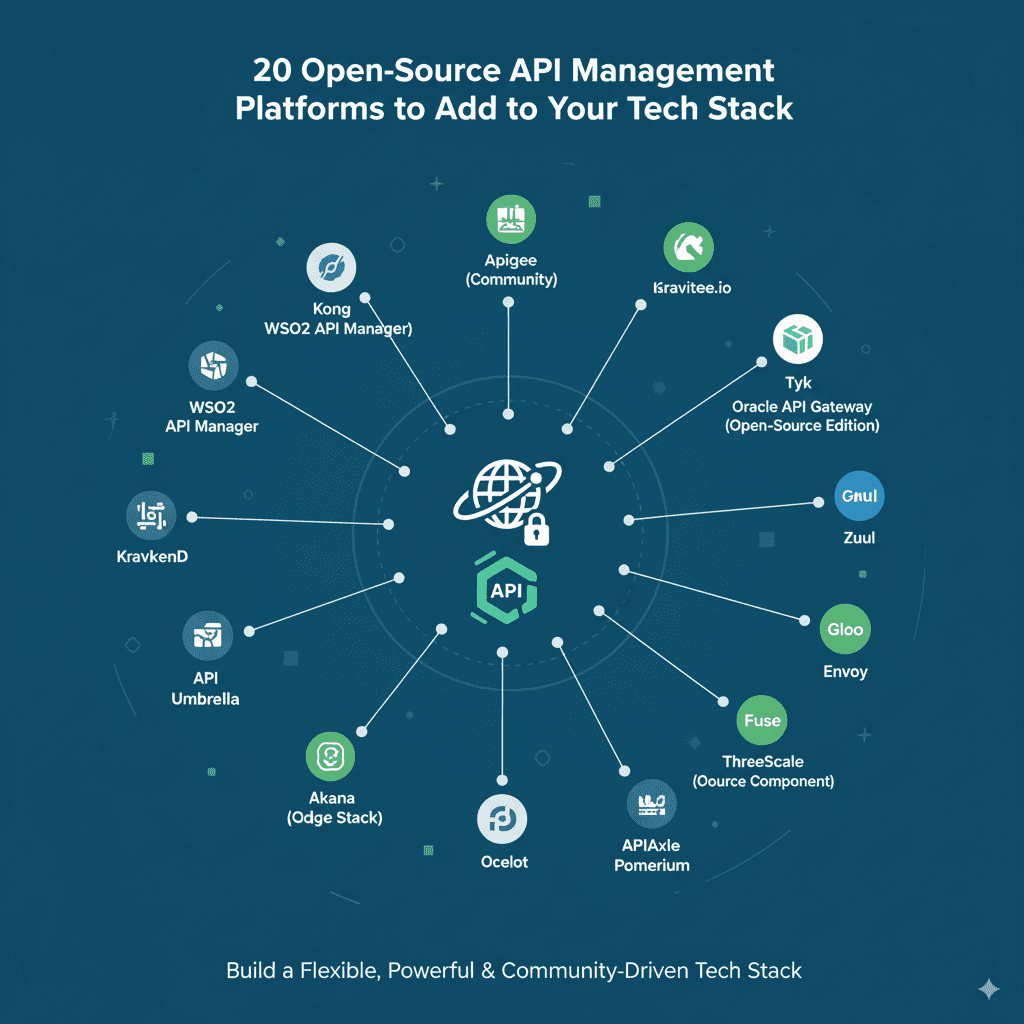
20 Open-Source API Management Platforms to Add to Your Tech Stack

Introduction In today’s fast-evolving digital landscape, APIs (Application Programming Interfaces) play a pivotal role in enabling seamless communication between software systems, driving innovation, and accelerating time-to-market. Efficiently managing APIs across development, deployment, security, and monitoring stages is critical for business agility. This is where API management platforms come into play—empowering organizations to publish, secure, monitor, and scale APIs effectively. Open-source API management platforms provide the flexibility, cost-efficiency, and community-driven innovations that many organizations seek. Whether you are a startup building your technology stack or an enterprise looking to optimize API lifecycle management, integrating the right open-source solutions is key. This blog explores 20 powerful open-source API management platforms to consider adding to your tech stack, describing their key features and use cases. For digital transformation insights and related technology trends, explore TechOTD’s AI and tech blog and their extensive AI service offerings. Top 20 Open-Source API Management Platforms 1. Kong A scalable, cloud-native API gateway with features like traffic control, authentication, and analytics. Kong supports plugins for flexibility and is widely adopted for microservices architectures. 2. Tyk Full lifecycle API management with a powerful gateway, analytics, developer portal, and dashboard. Tyk supports hybrid deployments and advanced security protocols. 3. Apiman Red Hat’s open-source API manager offering governance, rate limiting, and security. It integrates well with Java-based environments and supports customizable policies. 4. WSO2 API Manager An open-source enterprise-grade API management solution providing API publishing, lifecycle management, security, and analytics. Supports on-premises and cloud deployment. 5. Gravitee.io Lightweight and modular, Gravitee.io offers an API gateway, developer portal, and management tools with a user-friendly interface. 6. KrakenD An ultra-high-performance API gateway focused on aggregating multiple backend services into a single API endpoint. It simplifies API transformation and scaling. 7. Express Gateway An open-source API gateway built on Node.js, ideal for teams looking for lightweight, customizable API management with policy-driven security. 8. Zuul Netflix’s highly scalable gateway solution designed for routing and filtering requests in microservices environments. Features dynamic routing and resiliency. 9. Ambassador A Kubernetes-native API gateway built on Envoy proxy, offering fast API routing, authentication, and observability for cloud-native apps. 10. Ocelot A .NET API Gateway designed for simple, rapid deployment with support for routing, rate limiting, and authentication. 11. API Umbrella Open-source API management platform providing unified authentication, rate limiting, caching, and analytics. 12. Wrench Designed for simplified API running and monitoring with built-in support for health checks, rate limiting, and logging. 13. Janus A high-performance API gateway written in Golang that supports plugin-based extensions and dynamic routing. 14. Fusio API management platform focusing on API automation, analytics, and auto-documentation, suitable for PHP environments. 15. Kong Mesh Built on top of Kong Gateway, offers service mesh capabilities for microservices environments emphasizing security and observability. 16. KrakenD Enterprise Edition (CE available) Enables complex API composition with robust caching, rate limiting, and middleware support. 17. Apisix A dynamic, real-time, cloud-native API gateway based on Nginx and OpenResty, providing flexible routing and plugin systems. 18. Tyk Hybrid Open-source core with options for hosted cloud dashboard services; focuses on high-scale API operations and developer experience. 19. WSO2 Microgateway Modular API gateway optimized for microservices, integrating with Kubernetes and service mesh environments. 20. Spring Cloud Gateway Designed for Spring Boot applications, offering a simple yet effective way to route API requests with integrated security mechanisms. Benefits of Using Open-Source API Management Platforms Cost Efficiency: Eliminate expensive licensing fees with open-source solutions. Flexibility: Customize and extend platforms to meet unique business requirements. Community Support: Benefit from active communities and rapid innovation cycles. Transparency and Control: Full access to code for auditing and compliance. Seamless Integration: Easily integrate with existing frameworks and cloud environments. Choosing the Right API Management Platform Factors to consider: Deployment model compatibility (on-premises, cloud, hybrid). Scalability and performance needs. Security and compliance features. Developer experience and ecosystem. Integration with analytics and monitoring tools. For expert guidance and custom API solutions development leveraging AI and cloud, consult with TechOTD’s services. Conclusion API management platforms are indispensable tools in the digital ecosystem, enabling businesses to securely expose and monetize their services. The open-source options listed above provide robust, scalable, and flexible capabilities suitable for a vast range of use cases from startups to enterprises. Selecting the right platform aligned with your technology landscape and strategic goals will empower accelerated innovation and superior API performance. Explore more on APIs and digital transformation trends with TechOTD here: TechOTD Blog. FAQs Q1: What is an API management platform? It’s a tool that helps design, secure, publish, monitor, and analyze APIs across their lifecycle. Q2: Are open-source API platforms reliable for enterprises? Many leading companies use open-source solutions for their flexibility, cost-effectiveness, and community support. Q3: What features should I prioritize when selecting an API management platform? Security, scalability, ease of integration, and developer tools are key priorities. Q4: Can API management platforms improve developer productivity? Yes, they offer tools like developer portals, documentation, and analytics that simplify API consumption and support. Q5: How does AI enhance API management? AI can optimize traffic routing, detect anomalies, and automate policy enforcement for smarter API governance.
Restaurent

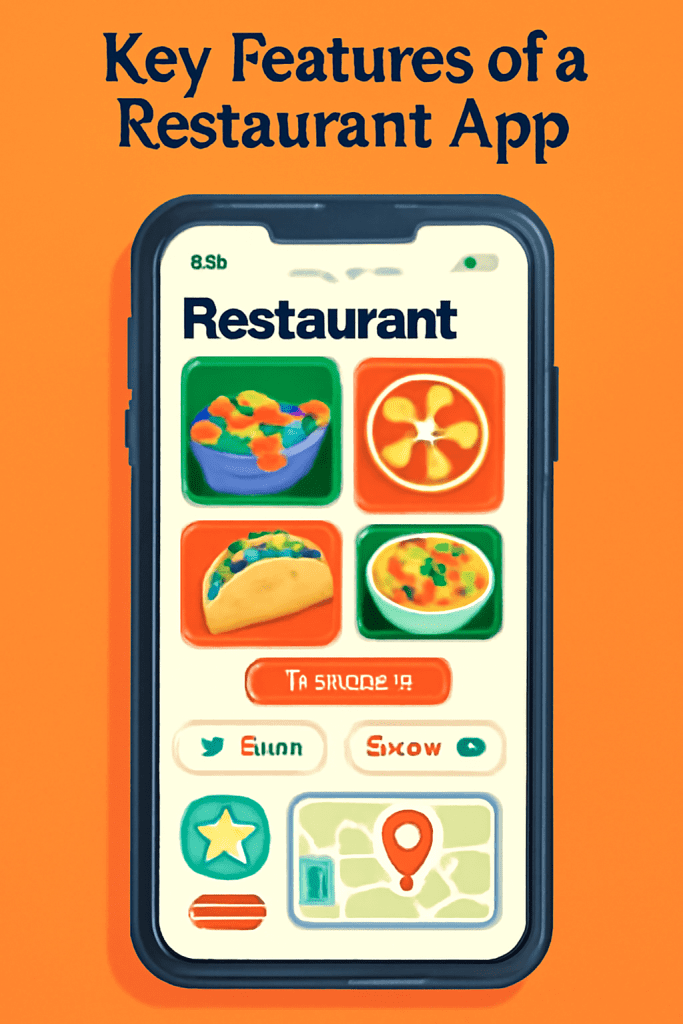
Factors for Choosing Restaurant App Development for Your Business

Introduction In a digital-first world, having a dedicated restaurant app can significantly boost your business by enhancing customer engagement, streamlining orders, and expanding reach. However, choosing the right restaurant app development approach requires careful consideration of various factors to ensure the app aligns with your business goals, target audience, and operational requirements. This blog explores the crucial factors businesses should evaluate before embarking on restaurant app development. It also highlights the role of AI and advanced technology solutions in creating powerful, user-friendly apps for the foodservice industry. For insights into modern app development and technology trends, explore TechOTD’s AI services at TechOTD AI Services and their comprehensive technology blog. Key Factors to Consider When Choosing Restaurant App Development 1. Understanding Your Business Model and Objectives Define what you want the app to achieve—whether it’s increasing dine-in footfall, boosting delivery orders, loyalty programs, or brand awareness. Your objectives will shape the app’s feature set and design approach. 2. Target Audience and User Experience Analyze your customer demographics and preferences. Mobile-savvy younger customers may demand seamless ordering and social sharing, while older customers might prioritize ease of use and reliability. A superior UI/UX design tailored to users’ needs is essential. 3. Platform Selection: Native vs Cross-Platform Choose between native apps (iOS and Android separately) that offer the best performance or cross-platform frameworks like React Native or Flutter that speed up development and reduce costs. Learn more here: React Native vs Swift. 4. Must-Have Features Incorporate key functionalities like menu browsing, order customization, real-time order tracking, push notifications, integrated payments, feedback systems, and loyalty programs. AI-powered personalized recommendations can further elevate user engagement. 5. Integration Capabilities Ensure the app can seamlessly integrate with existing POS systems, kitchen management software, delivery platforms, and CRM tools for unified operations. 6. Security and Compliance Secure customer data through encryption, secure payment gateways, and compliance with data protection regulations such as GDPR and PCI DSS. 7. Scalability and Performance Design the app architecture to handle growing users and orders smoothly without downtime or slowdowns. Scalable cloud-based solutions often provide this flexibility. 8. Budget and Time-to-Market Balance your investment against the desired time to launch. Cross-platform development can reduce time and costs, but complex customizations may require more resources and time. 9. Post-Launch Support and Maintenance Consider the availability of ongoing technical support, updates, feature enhancements, and scalability options for evolving business needs. Leveraging AI and Advanced Technologies The integration of AI capabilities such as predictive analytics, chatbots, and automated customer support enables restaurants to offer personalized experiences, optimize inventory, and forecast demand, driving operational efficiency. Read more on AI-powered features for apps here: Predictive Analytics Software Development. Partnering with the Right Development Team Choosing a reliable technology partner with experience in restaurant app development, AI, and mobile platforms is critical to success. Companies like TechOTD provide end-to-end solutions — from ideation and design to development, deployment, and maintenance tailored to your business. Explore their workflow here: How We Work – TechOTD. Conclusion Choosing the right restaurant app development strategy is vital for creating a seamless digital experience that delights customers and drives business growth. By considering your objectives, audience, technology preferences, budget, and partnering with expert developers, you can build a competitive app that stands out in the bustling foodservice market. Start your journey today by exploring advanced app solutions and trends at TechOTD Blog. FAQs Q1: Should I develop a native or cross-platform restaurant app? It depends on your budget and desired features. Cross-platform apps are cost-efficient, while native apps offer superior performance. Q2: What essential features must a restaurant app have? Menu browsing, online ordering, payment, order tracking, reviews, and loyalty programs. Q3: How important is AI integration in restaurant apps? AI significantly enhances personalization, forecasting, and customer engagement. Q4: How to ensure app security? Use encrypted data transmission, secure payment gateways, and comply with regulations like GDPR. Q5: Can I integrate with existing restaurant systems? Yes, integration with POS, CRM, and delivery platforms is crucial for smooth operations.

Cloud

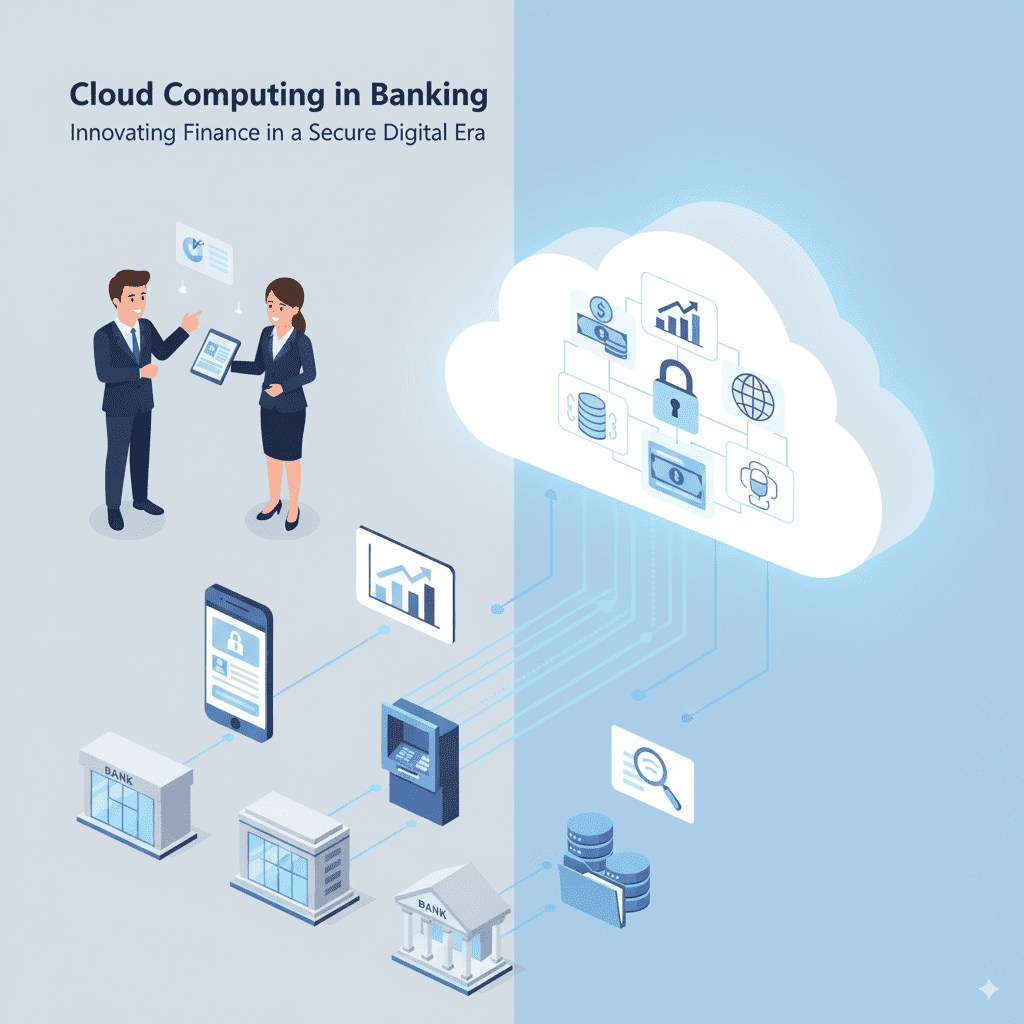
Cloud Computing in Banking: All You Need to Know Before Moving to the Cloud

Introduction The banking industry is undergoing a profound digital transformation, with cloud computing emerging as a critical enabler of innovation, agility, and operational efficiency. Banks worldwide are rapidly adopting cloud technologies to modernize legacy systems, enhance customer experience, and accelerate product delivery. However, migrating to the cloud also presents unique challenges around data security, regulatory compliance, and integration complexity. This blog covers everything banks need to know before moving to the cloud—benefits, risks, migration strategies, and key considerations for a successful cloud journey. It also highlights how AI-driven cloud solutions and predictive analytics are shaping the future of banking technology, drawing on insights from leading experts like TechOTD. Why Cloud Computing Matters for Banks Scalability: Cloud platforms enable banks to scale computing resources on demand during peak loads or new product launches. Cost Efficiency: Moving from capital expenditure to operational expenditure reduces upfront IT investments and optimizes resource usage. Innovation Enablement: Cloud supports rapid development of digital banking products, AI-powered services, and personalized customer experiences. Improved Collaboration: Cloud platforms enhance data sharing across departments and partner ecosystems securely. Disaster Recovery & Business Continuity: Cloud’s resilient infrastructure safeguards critical banking operations against data loss and outages. Explore how AI and analytics complement cloud capabilities to drive smarter, data-driven banking: Predictive Analytics in Banking. Key Considerations Before Moving to the Cloud 1. Regulatory Compliance and Data Privacy Banks must comply with strict regulations like GDPR, PCI DSS, and regional data protection laws. Understanding cloud providers’ compliance certifications and data residency options is vital. 2. Security and Risk Management Implementing end-to-end encryption, identity and access management (IAM), and continuous threat monitoring is mandatory to protect sensitive financial data. 3. Legacy System Integration Seamless integration between existing on-premises systems and cloud platforms is crucial to avoid business disruptions. 4. Selecting the Right Cloud Model Public Cloud: Cost-effective and scalable but requires strict security controls. Private Cloud: Offers better control and security but at higher costs. Hybrid Cloud: Combines benefits of both, allowing sensitive workloads on private clouds and less critical ones on public clouds. 5. Vendor Lock-in and Multi-cloud Strategy Banks should evaluate risks associated with dependence on a single cloud provider and consider multi-cloud approaches for flexibility and resilience. Migration Strategies for Banking Cloud Adoption Lift and Shift: Moving applications without changes; fastest but may not optimize cloud benefits. Re-platforming: Modifying existing apps for cloud compatibility and efficiency. Refactoring: Redesigning applications entirely to be cloud-native, maximizing scalability and functionality. TechOTD’s expert teams design and execute tailored cloud migration strategies ensuring minimal disruption: How We Work – TechOTD. Benefits of AI and Cloud in Modern Banking Enhanced Fraud Detection: AI algorithms analyze transactions in real-time to flag suspicious activities. Personalized Customer Experiences: AI models predict customer needs and tailor financial products. Operational Efficiency: Automation reduces manual workflows and error rates. Discover AI’s role in banking innovation and see real-world examples: Large Language Models in Finance. Challenges Banks Face in Cloud Adoption Managing cultural and organizational change Ensuring interoperability across hybrid environments Handling complex data migration and synchronization Meeting constantly evolving compliance and security requirements Conclusion Cloud computing offers transformative potential for banks looking to innovate, scale, and compete in the digital economy. However, it requires careful planning, strategic decision-making, and trusted technology partnerships to effectively manage risks and unlock benefits. Leveraging AI and predictive analytics atop cloud infrastructure further accelerates banking digital maturity by enabling smarter operations and customer-first models. Embark on your cloud journey with experienced partners like TechOTD, who specialize in AI-driven cloud solutions for finance and beyond. Explore more banking technology insights and trends at TechOTD Blog. FAQs Q1: Is public cloud safe for banks? With strong encryption and compliance controls, public cloud can be secure, though sensitive data may benefit from private or hybrid clouds. Q2: How long does cloud migration usually take? Depending on scale and complexity, it ranges from a few months to over a year. Q3: What are key benefits of hybrid cloud in banking? It balances security, flexibility, and cost efficiency by allocating workloads appropriately. Q4: Can AI operate effectively in cloud environments? Yes, cloud provides the computational power and scalability AI applications demand. Q5: How to avoid vendor lock-in? Adopt open standards, multi-cloud strategies, and platform-agnostic architectures.

telecom

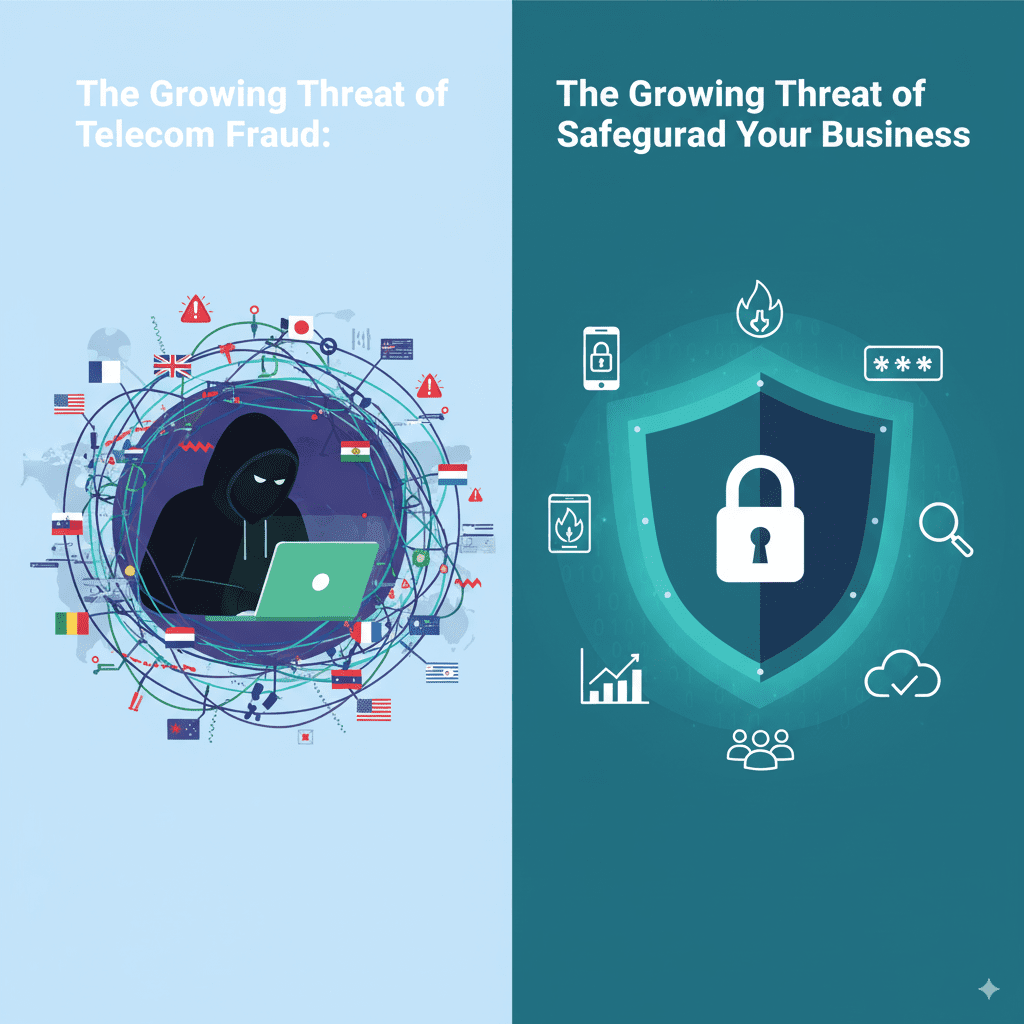
The Growing Threat of Telecom Fraud and How to Safeguard Your Business

Introduction As telecom networks become increasingly vital to global communications and business operations, the threat of telecom fraud has escalated into a pressing concern. Fraudsters exploit vulnerabilities within telecom infrastructures to commit crimes ranging from unauthorized access and identity theft to call and subscription fraud. For businesses relying heavily on telecom services, these fraudulent activities can result in significant financial losses, reputational damage, and regulatory penalties. This blog explores the evolving nature of telecom fraud, common fraud schemes targeting businesses, and robust strategies to safeguard your telecom assets. Leveraging AI-driven security solutions and advanced analytics is becoming indispensable to stay ahead of increasingly sophisticated attacks. For businesses seeking intelligent risk assessment and security planning, TechOTD’s AI services offer transformative solutions tailored to telecom and other industries. Understanding Telecom Fraud: Types and Tactics Telecom fraud continues to evolve with the advent of new technologies like VoIP, 5G, and mobile networks. Common types include: Subscription Fraud: Fraudsters obtain services under false identities, leaving businesses with unpaid bills. Call Forwarding Fraud: Unauthorized redirection of calls to premium rate numbers to exploit call charges. PBX Hacking: Unauthorized access to private branch exchanges, generating fraudulent calls. Refiling and Phishing: Illegitimate use of telecom resources to conduct phishing or refile previous calls to mask origins. SIM Swap Fraud: Hijacking mobile numbers to bypass authentication controls. International Revenue Share Fraud (IRSF): Exploiting international call setups to generate revenue for fraudsters at the operators’ expense. Each scheme targets vulnerabilities in telecom infrastructure, emphasizing the need for proactive defense mechanisms. Business Impacts of Telecom Fraud Financial Losses: Millions lost annually through fraudulent call charges, service theft, and identity compromise. Operational Disruption: Network overloads and compromised services degrade customer experience. Regulatory and Compliance Risks: Failure to protect telecom assets can lead to penalties under data protection laws and industry regulations. Brand Reputation Damage: Customer trust erodes when fraud incidents are publicized. How to Safeguard Your Business Against Telecom Fraud 1. Implement AI-Powered Fraud Detection and Analytics AI systems monitor traffic patterns in real time to detect anomalies that indicate potential fraud. Machine learning models adapt to new fraud behaviors, minimizing false positives and enabling quick action. Learn about predictive analytics enhancing telecom security here: Predictive Analytics Features and Use Cases. 2. Strengthen Identity and Access Management Multi-factor authentication (MFA) for network access, strict user identity verification, and SIM swap detection mechanisms decrease unauthorized entry risk. 3. Secure Network Architecture and Protocols Deploy firewalls, encryption, and secure routing protocols. Regularly update PBX and VoIP systems to patch vulnerabilities. 4. Continuous Monitoring and Incident Response Establish 24/7 network surveillance, combining automated alerts and expert reviews. Develop a clear fraud response plan and staff training. 5. Collaborate with Telecom Partners Work closely with carriers and technology providers to share threat intelligence and integrate security operations. Explore how blockchain enhances telecom security and trust: Blockchain Integration in Dubai Business Processes. Leveraging TechOTD’s Expertise in Telecom Security TechOTD provides tailored AI and machine learning solutions focused on telecom fraud detection, risk assessment, and workflow automation. Their expert consulting services help businesses evaluate vulnerabilities, implement advanced fraud controls, and comply with industry standards. Discover their approach to securing telecom through intelligent automation: How TechOTD Works. Future Trends in Combating Telecom Fraud AI and Deep Learning: Enhanced detection capabilities with evolving fraud patterns. Cloud-Based Security: Scalable, centralized fraud monitoring platforms. 5G Security Innovations: Addressing unique vulnerabilities in emerging networks. Integration of Big Data Analytics: Deeper insights into complex fraud schemes. The synergy of AI with telecom infrastructure will be key to staying ahead in this security arms race. Conclusion Telecom fraud is a pervasive and growing threat to business continuity and profitability. Safeguarding telecom assets requires a blend of cutting-edge AI technologies, robust protocols, and collaborative efforts across the ecosystem. Businesses investing in these defenses, with expert partners like TechOTD, can not only mitigate losses but also build trust and resilience in an increasingly connected world. For comprehensive AI-powered security solutions and insights, visit TechOTD AI Services and explore their extensive technology blog. FAQs Q1: What is the most common telecom fraud for businesses? Subscription fraud and PBX hacking are among the most prevalent and costly. Q2: How does AI help prevent telecom fraud? AI detects unusual traffic patterns and adapts to new fraud techniques in real time. Q3: Can blockchain improve telecom security? Yes, blockchain provides immutable and transparent transaction records that reduce fraud risks. Q4: What role does continuous monitoring play? It enables early fraud detection and rapid incident response, minimizing damage. Q5: Why is collaboration important in telecom fraud prevention? Sharing threat intelligence and best practices enhances the overall ecosystem security.

Restaurent

Essential Features to Consider When Building a Restaurant Search App

Introduction In an era where convenience and instant gratification drive customer choices, a restaurant search app can be a game-changer for food lovers and businesses alike. These apps help users discover the best dining options nearby or in a specific location, review menus, make reservations, and place orders—all at their fingertips. However, creating a restaurant search app that stands out and provides exceptional user experience requires thoughtful planning and inclusion of critical features tailored to user needs. This blog outlines the essential features to consider when building a restaurant search app, from intuitive search functionality to personalized user experiences. Leveraging advanced technologies like AI and predictive analytics can enhance these features, making the app smarter and more engaging. For insights on how AI and modern technologies transform app development and business processes, explore TechOTD’s AI solutions and their extensive tech blog. Key Features to Build a Successful Restaurant Search App 1. Accurate and Intuitive Search and Filters Location-based search: Use GPS to find nearby restaurants instantly. Category filters: Allow filtering by cuisine, price range, ratings, dietary preferences, or opening hours. Advanced keyword search: Enable users to find restaurants by dish names, ambiance, or specific attributes. 2. Detailed Restaurant Profiles Menus with pricing and pictures Opening hours and contact information User reviews and ratings Special offers or events 3. User Reviews and Ratings System Allow users to post feedback, rate their dining experience, and share photos. Incorporate machine learning models to detect fake or spam reviews, enhancing trustworthiness. Explore more on AI in sentiment analysis in customer reviews: Seamless Customer Journeys with AI. 4. Real-Time Table Availability and Reservation System Integration with restaurant booking systems Instant confirmation and reminders Cancellation and modification options 5. Integration with Food Delivery and Takeout Options Direct users to place orders for delivery or pickup instantly within the app or via partner apps. 6. Interactive Maps and Directions Visual maps showing restaurant locations with step-by-step navigation and estimated travel times. 7. Personalized Recommendations Leverage AI to analyze user preferences, location history, and dining behavior to offer tailored restaurant suggestions. 8. Social Sharing and Loyalty Programs Allow users to share their favorite spots on social media and participate in loyalty schemes or rewards. 9. Secure Payment Gateway Include multiple payment methods with encryption and fraud protection to facilitate smooth in-app purchases or deposits for reservations. 10. Multi-Platform Support and Offline Mode Develop apps compatible with iOS, Android, and web browsers and enable offline viewing of saved restaurants and previous searches. Leveraging Predictive Analytics in Restaurant Search Apps Incorporating predictive analytics can optimize user experience by: Forecasting peak dining times and suggesting less crowded slots Anticipating user cravings or preferred cuisines based on past behavior Preemptively managing restaurant capacity and promotions Learn about predictive analytics and its business benefits here: Predictive Analytics Software Development. The Role of Technology Partners in Building Your App Partnering with technology and AI solution experts like TechOTD ensures your restaurant search app is designed with scalable architecture, real-time features, secure integrations, and ongoing maintenance. Their agile development and AI-driven insights can accelerate your product launch and market fit. Get insights on choosing the right development framework: React Native vs Swift. Conclusion A restaurant search app offers immense value in today’s fast-paced lifestyle but demands careful inclusion of user-centric features to succeed. From accurate search tools to personalized recommendations, each feature must be seamlessly integrated and well-optimized for performance and security. Incorporating AI and predictive analytics enhances the app’s competitive edge. To start building your restaurant search app with cutting-edge features and robust technology, consider consulting with expert developers like TechOTD for a tailored approach and agile delivery. Explore their innovative digital services and latest industry insights at TechOTD Blog. FAQs Q1: What is the most important feature in a restaurant search app? Intuitive and accurate location-based search with rich filter options is essential for user satisfaction. Q2: How can personalization improve the app? Personalized restaurant suggestions based on user behavior increase engagement and conversion. Q3: Is it necessary to integrate delivery options? Yes, integration with delivery or takeout services adds convenience and increases user retention. Q4: How does AI help in restaurant search apps? AI enables sentiment analysis, personalized recommendations, and efficient data management. Q5: Should the app support offline mode? Offline support is valuable for users with limited connectivity, allowing access to saved data and favorites.

Restaurent

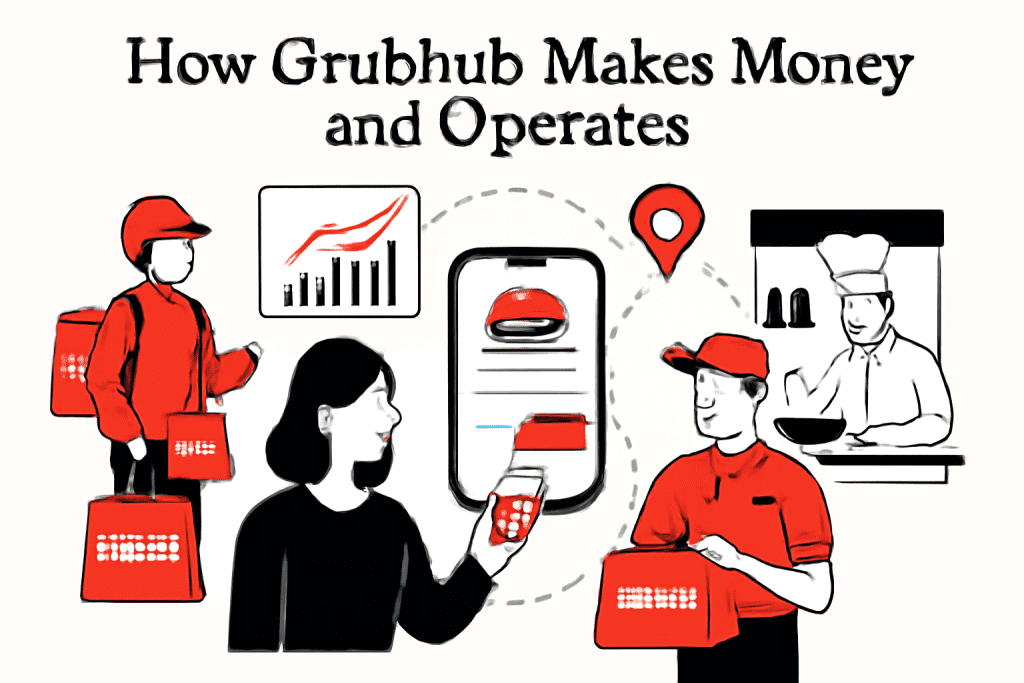
How Does Grubhub Make Money and Operate?

Introduction Grubhub has emerged as one of the leading platforms in the booming online food delivery market, connecting millions of hungry customers with their favorite local restaurants. With seamless access to menus, easy ordering, and quick delivery, Grubhub has redefined the convenience of dining. But what powers this expansive ecosystem, and more importantly, how does Grubhub make money while keeping operations smooth and efficient? This blog sheds light on the business model and operational framework of Grubhub, detailing its revenue streams, logistics, and technologies that keep this food delivery giant thriving. It also explores the challenges it faces and innovative strategies shaping its future. For complementary insights on AI-driven business transformation and predictive analytics sustaining such platforms, check out TechOTD’s innovative solutions at TechOTD AI Services and the latest trends in their blog section. How Grubhub Makes Money: Revenue Streams Explained Grubhub’s monetization is built around a diversified revenue model suited to its role as a marketplace linking customers, restaurants, and delivery drivers. 1. Commission Fees from Restaurants Restaurants pay Grubhub a commission, which typically ranges from 10% to 30% of each transaction processed on the platform. This fee offsets Grubhub’s costs related to user acquisition, marketing, technology infrastructure, and customer support. 2. Delivery Fees Charged to Customers Customers pay a delivery fee based on distance, demand, and order size. This fee covers driver compensation and delivery logistics. Sometimes, promotions or subscription memberships waive or reduce these fees. 3. Service and Processing Fees Additional service fees applied at checkout include payment processing and platform maintenance costs. These fees can be fixed or percentage-based, transparently disclosed during purchase. 4. Subscription Revenue via Grubhub+ With its subscription service, Grubhub+ members gain benefits such as free delivery and exclusive deals for a monthly fee, providing Grubhub with a steady, recurring revenue stream. 5. Advertising and Promotional Placements Grubhub offers advertising slots and promotional placements to restaurants looking to boost their visibility on the app and website. These marketing tools generate incremental revenue while helping restaurants acquire more customers. How Grubhub Operates: The Logistics Behind the Platform Grubhub connects three critical stakeholders: customers, restaurants, and delivery drivers, optimally coordinating their interactions through advanced technology. 1. Customer Interface Customers use Grubhub’s mobile apps or website to browse local restaurant options, customize orders, pay online, and track deliveries in real time. The platform offers personalized recommendations leveraging machine learning. 2. Restaurant Partnerships Restaurants upload their menus and manage orders through a dedicated portal. Grubhub handles the payment process and customer service inquiries, enabling restaurants to focus on food preparation and quality. 3. Delivery Network Independent contractor drivers, called Grubhub Delivery Experts, receive delivery requests via the app. Intelligent routing algorithms optimize delivery routes, minimizing wait times and enhancing customer satisfaction. The Technology Powering Grubhub Grubhub uses a blend of cutting-edge technologies to stay competitive and efficient. Mobile and Web Apps: Intuitive and fast interfaces for seamless placement and management of orders. Real-time Geospatial Ordering: Live GPS tracking ensures efficient and visible delivery processes. Machine Learning & Predictive Analytics: Personalizes customer experiences and optimizes logistic decisions. Secure Payment Systems: Enable safe, smooth financial transactions backed by fraud detection. For how AI and predictive analytics are transforming business models, see TechOTD’s comprehensive guide: Predictive Analytics Software Development: Features & Benefits. Challenges Faced by Grubhub Operating in the highly competitive and fast-evolving food delivery sphere, Grubhub navigates: Maintaining favorable commission rates while supporting partner restaurants. Managing delivery driver satisfaction and costs amid regulatory pressures. Ensuring on-time, error-free deliveries to meet customer expectations. Competing with other major players like DoorDash and Uber Eats for market share. Innovation and Future Outlook Grubhub is investing strategically in: Growing virtual kitchens and branded food concepts. Leveraging AI for better demand forecasting and customer targeting. Enhancing sustainability practices in logistics. Integrating contactless delivery and new payment methods. Explore more about seamless digital customer experiences enabled by AI: Seamless Customer Journeys with AI. Conclusion Grubhub’s revenue model capitalizes on diverse streams that economically connect restaurants, delivery experts, and consumers. Its technological backbone, combined with an efficient operational framework, supports its position as a leader in food delivery innovation. Navigating challenges while continuously evolving via AI and sustainability initiatives, Grubhub exemplifies the new digital marketplace in the food industry. To understand how businesses in various domains leverage AI and tech for growth, visit TechOTD’s blog and explore their end-to-end technology services: TechOTD Services. FAQs Q1: What are the main revenue streams for Grubhub? Grubhub makes money through restaurant commissions, delivery fees, service fees, subscriptions, and advertising. Q2: Who delivers food for Grubhub? Independent contractors, called Grubhub Delivery Experts, carry out deliveries coordinated by the platform’s algorithms. Q3: Does Grubhub offer any subscription plans? Yes, Grubhub+ offers customers perks like free deliveries for a monthly fee. Q4: How does Grubhub use AI? AI personalizes customer recommendations, optimizes driver routing, and predicts order demand. Q5: What challenges does Grubhub face? Maintaining competitive commissions, managing drivers, ensuring timely deliveries, and competing in a crowded market.

Healthcare & Fitness

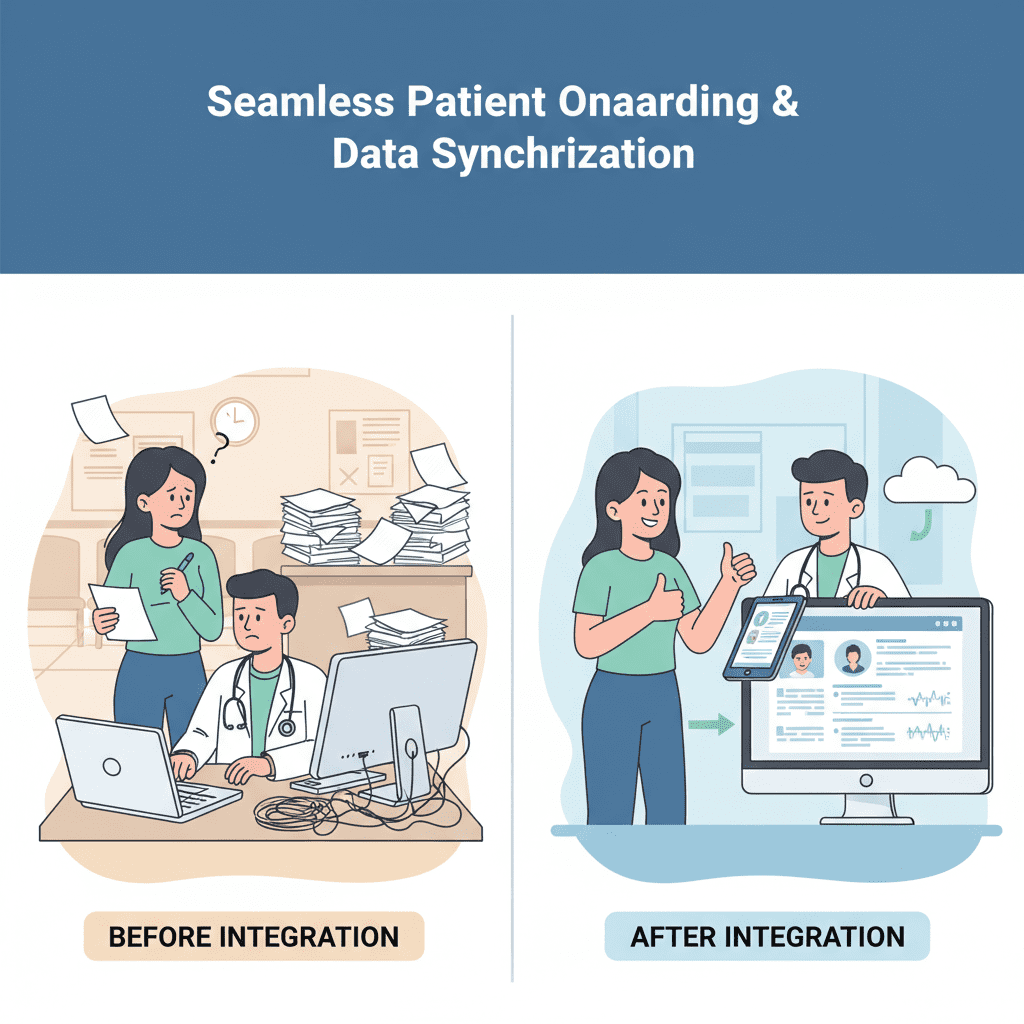
How Strategic Telehealth – EHR Integration Can Transform Your Business: Use Cases, Process, and Costs

Introduction In today’s rapidly evolving healthcare landscape, the integration of telehealth technologies with Electronic Health Records (EHR) is driving a transformative impact on how care is delivered and managed. Strategic telehealth-EHR integration not only enhances patient access and satisfaction but also streamlines operations, ensures regulatory compliance, and optimizes clinical outcomes. For healthcare providers and organizations seeking to remain competitive, improving care quality and operational efficiency through this integration has become essential. This comprehensive blog explores the significant benefits of integrating telehealth with EHR systems, real-world use cases, the integration process, cost considerations, and how innovative solutions from tech leaders like TechOTD are accelerating this healthcare transformation. Explore more about AI-driven healthcare innovations at TechOTD AI Services and browse through optimized technologies on the TechOTD blog. Understanding Telehealth – EHR Integration Telehealth-EHR integration enables seamless exchange of patient data between remote care platforms and centralized electronic health records. This unification supports efficient patient management, coordinated care, and real-time access to medical histories during virtual consultations. Integrated systems reduce manual data entry errors and optimize billing and documentation processes. Key features include: Real-time data synchronization for remote and in-person care interactions. Unified platform for patient scheduling, documentation, and follow-up. Streamlined workflows aligned with compliance requirements such as HIPAA. For detailed AI-driven health solutions empowering such integrations, see: Seamless Customer Journeys with AI. Use Cases: How Telehealth-EHR Integration Transforms Healthcare Business 1. Enhanced Remote Patient Monitoring (RPM) Integrated platforms facilitate continuous monitoring of chronic patients by syncing telehealth visits and IoT device data into EHRs. Clinicians gain comprehensive insights, enabling timely intervention and reducing hospital readmissions. 2. Virtual Consultations with Complete Medical History Physicians access patient history instantly during video consultations, improving diagnosis accuracy and personalizing care plans without delays or fragmented data. 3. Automated Clinical Workflows Integration automates documentation, e-prescriptions, and lab orders, reducing administrative burden and minimizing errors. This leads to faster patient throughput and billing cycles. 4. Improved Patient Engagement and Satisfaction Patients receive consistent communication, appointment reminders, and educational resources through integrated telehealth-EHR apps, fostering adherence and trust. 5. Data-Driven Population Health Management Aggregated data from remote visits enhances analytics, enabling preventive care strategies and outcome-based reimbursements. The Integration Process: Step-by-Step Implementing telehealth-EHR integration involves several structured phases: 1. Needs Assessment & Strategy Planning Analyze existing workflows, telehealth capabilities, and EHR architecture to define integration goals. Collaborate with clinical, IT, and compliance teams. 2. Technology Selection & Architecture Design Choose interoperable platforms and APIs, ensuring standards adherence (HL7, FHIR). Design secure data flows with encrypted channels. 3. Development & Customization Develop connectors or middlewares, customize UI/UX for providers and patients, and incorporate AI-driven tools for analytics and automation. Visit TechOTD’s how we work to learn about their tailored development approach. 4. Testing & Validation Conduct rigorous integration testing, data security audits, and user acceptance testing to ensure seamless data accuracy and system reliability. 5. Deployment & Training Roll out integrated systems gradually with stakeholder training to maximize adoption and minimize disruptions. 6. Ongoing Support & Optimization Maintain and update the system continuously, leveraging predictive analytics to proactively address system or clinical inefficiencies. Explore predictive analytics benefits here: Predictive Analytics Software Development: Features, Benefits & Use Cases. Estimated Costs of Telehealth – EHR Integration Costs vary depending on scale, existing systems, and customization needs: Cost Aspect Estimated Range (USD) Strategy & Consulting $10,000–$30,000 Software Development $50,000–$150,000 (API creation, middleware, UI/UX) Security & Compliance $10,000–$40,000 (Data encryption, audit frameworks) Testing & Deployment $15,000–$40,000 Training & Change Management $10,000–$25,000 Maintenance & Updates 15–25% of initial development cost annually Optimizing costs through AI and agile methodologies can reduce timelines and resource consumption. TechOTD specializes in delivering cost-efficient, scalable digital health solutions: Explore Mobile Apps & AI Services. Transforming Outcomes with AI and Emerging Technologies Integrating AI with telehealth and EHR unlocks powerful capabilities: Natural Language Processing (NLP) for automated clinical notes and coding. Sentiment Analysis to gauge patient feedback and improve service quality. Predictive Models for patient risk assessment and readmission forecasting. Computer Vision for remote diagnostics and image analysis. Read more about AI trends shaping healthcare innovation: AI Trends & Solutions – TechOTD. Real-World Impact and Industry Insights Leading healthcare organizations using telehealth-EHR integration report: 30–50% reduction in hospital readmissions. Up to 40% improvement in clinical workflow efficiency. Enhanced patient satisfaction scores and engagement. Additionally, blockchain technology integration enhances data security and patient privacy, as exemplified in Dubai’s business sector transformations: How Blockchain Integration Is Optimizing Business Processes in Dubai. Future Directions: Telehealth, EHR, and Beyond The healthcare sector is rapidly evolving with IoT, AI, and cloud-powered telehealth transforming patient care. Key future trends include: Interoperability advancements using standardized APIs for even smoother integrations. Personalized medicine driven by AI insights from comprehensive data ecosystems. Augmented reality (AR)/Virtual reality (VR) supported telehealth services. Influence of emerging large language models for healthcare insight generation: Large Language Models in Finance and Healthcare. Conclusion Strategic telehealth-EHR integration is a game-changer for healthcare businesses aiming to improve care quality, patient experience, and operational efficiency. By leveraging modern software practices, AI enhancements, and secure data management, organizations can not only meet regulatory demands but also gain a competitive edge. Consulting with expert technology partners like TechOTD ensures a smooth, scalable, and cost-effective integration that fuels innovation and growth. Start your transformation journey today: Book a Free Consultation with TechOTD and explore a wealth of knowledge in their Tech Blog. FAQ Q1: What are the primary benefits of telehealth-EHR integration? Better data access, efficient workflows, regulatory compliance, and improved patient care coordination. Q2: How complex is the integration process? It involves multiple phases—planning, development, testing, and training—usually spanning several months depending on the system scale. Q3: Can AI improve telehealth and EHR system efficiency? Yes, AI automates documentation, predicts patient risk, and enhances decision-making. Q4: What are typical costs involved in telehealth-EHR integration? Costs range depending on scale but typically are between $100,000 to $300,000 for comprehensive setups. Q5: How does blockchain relate to telehealth and EHR? Blockchain enhances data security, interoperability, and trustworthiness between providers and patients.

Healthcare & Fitness

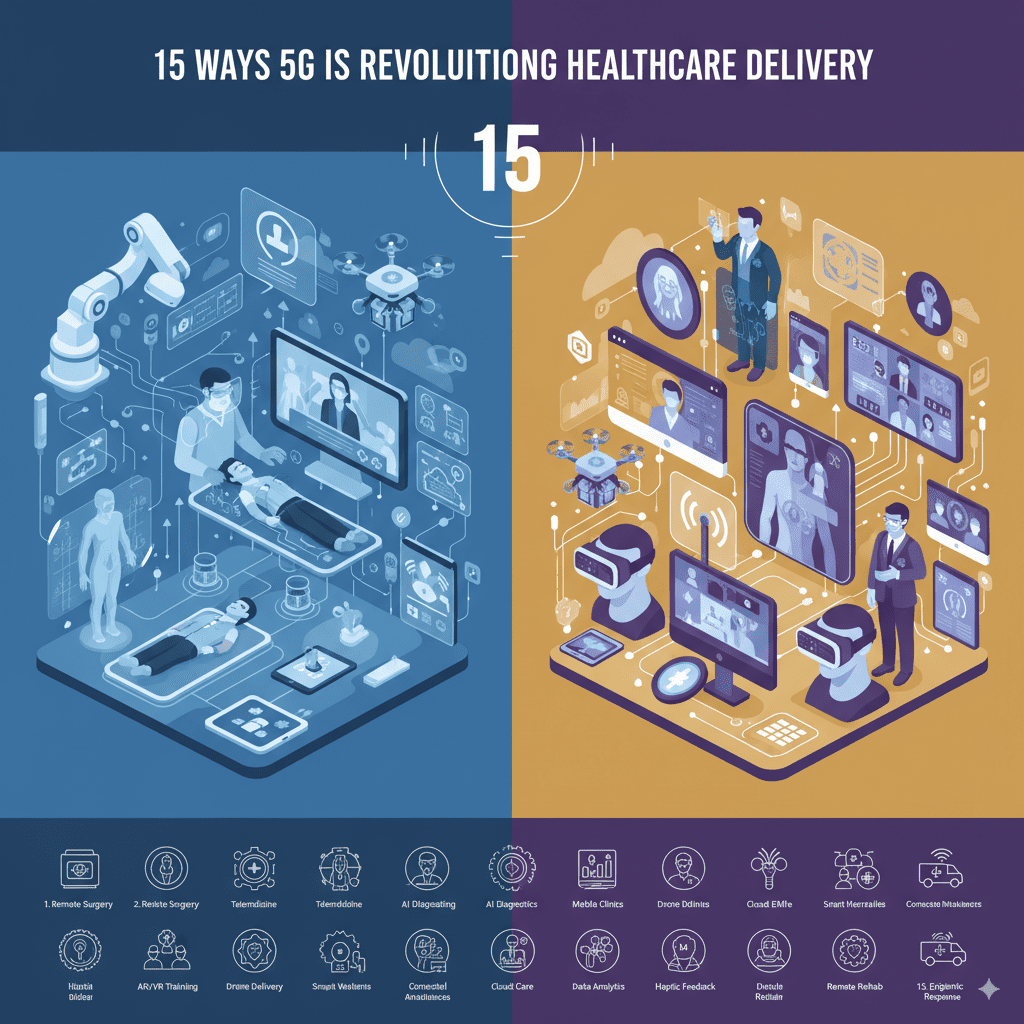
15 Ways 5G is Revolutionizing Healthcare Delivery

Introduction The healthcare industry is undergoing a seismic transformation powered by the emergence of 5G connectivity. The fifth generation of wireless networks offers blazing speeds, ultra-low latency, and the ability to connect unprecedented numbers of devices—all of which unlock new efficiencies and innovations in patient care. With a rapidly expanding global 5G healthcare market projected to surge from $70.94 billion in 2025 to nearly $390 billion by 2034, forward-looking providers are reimagining everything from diagnostics and surgery to patient monitoring and data management. This blog explores 15 practical ways 5G is revolutionizing healthcare delivery, empowering professionals and patients, and creating a smarter, more connected medical ecosystem. Real-Time Remote Patient Monitoring 5G networks support continuous remote patient monitoring (RPM) by seamlessly connecting wearables and IoT devices. Real-time transmission of vitals allows care teams to detect issues early and intervene before complications arise. Example: Heart monitors send instant readings via connected medical platforms, enabling faster doctor responses. High-Fidelity Telemedicine and Virtual Consultations Ultra-clear 4K+ video with almost zero lag dramatically enhances virtual medical visits. Doctors can visually inspect skin, wounds, or rashes in detail, building trust and accuracy in remote diagnosis. Example: Leading telehealth providers use 5G to connect diagnostic equipment during video consults. Connected Ambulances and Next-Gen Emergency Services 5G-equipped ambulances serve as “mobile ERs,” sharing live HD video and critical patient data with hospitals in real time. Paramedics receive expert guidance from remote clinicians during transport, improving life-saving outcomes. Example: University Hospitals in Birmingham piloted remote ultrasound guidance in 5G ambulances. Instantaneous Access to Electronic Health Records (EHR) 5G enables clinicians to access full EHRs—including large medical images—on tablets or devices anywhere in the hospital within seconds. Faster access means faster, more informed clinical decisions and workflow efficiency. Example: Rush University Medical Center’s private 5G boosts Epic system accessibility. The Rise of the Internet of Medical Things (IoMT) 5G enables thousands of connected IoMT devices in smart hospitals, powering smart beds, infusion pumps, and environmental sensors. Real-time data aggregation creates a digital twin of entire operations, driving clinical and operational optimization. Example: Philips HealthSuite manages data from millions of devices over robust 5G networks. Democratizing Expertise with Remote and Robotic Surgery Ultra-low 5G latency makes remote robotic surgery a reality. Surgeons in one location can perform delicate procedures on patients hundreds of miles away. Example: In China, remote thyroid surgeries have been performed thanks to 5G. Advanced Predictive Analytics for Patient Care Real-time sensor and medical record data flow enables AI-powered predictive models for sepsis risk, patient deterioration, and resource allocation. Enhanced clinician decision-making leads to proactive, personalized interventions. Example: The U.S. Veterans Affairs living lab uses 5G to power predictive analytics in chronic care. Immersive Medical Training with AR and VR Medical education evolves with 5G-fueled AR/VR, enabling virtual dissection, simulated surgeries, and lag-free team training. Complex procedures can be practiced in virtual operating rooms globally. Example: Multi-user platforms like GE HealthCare’s OmnifyXR allow remote collaborative training. Automated Hospital Kiosks and Self-Serve Stations 5G keeps smart kiosks and check-in stations fast and responsive, even during peak times. Automating patient intake, co-payment, and navigation streamlines operations and frees up staff. Example: Boston Children’s Hospital uses a hybrid 5G network for real-time registration and payments. Digital Twins for Personalized Treatment Planning Virtual patient “digital twins” simulate organs or systems for personalized planning and risk-free surgery rehearsal. High-throughput 5G transfers large imaging and modeling data seamlessly between systems and clinicians. Resilient Supply Chain and Smart Inventory Management 5G-powered sensors and tags track medical equipment, medications, and PPE in real time, reducing waste and shortages. Automated stock alerts and predictive maintenance lower costs and improve readiness. Enhanced Medical Imaging and Faster Diagnostics 5G dramatically reduces the time to transfer massive imaging files, accelerating diagnosis and treatment. Enables seamless collaboration among radiologists and AI-driven image analysis. Seamless Collaboration Between Healthcare Professionals Real-time, high-definition video and data sharing accelerate collaborative diagnosis, second opinions, and multidisciplinary decision-making. Teams work seamlessly—even across continents—improving complex case outcomes. Improved Patient Data Security and Privacy 5G’s network slicing and advanced encryption ensure that critical patient data is isolated from general traffic. Hospitals can deploy Zero Trust frameworks to verify every app, user, and device before access. Example: Advanced hospital networks use hardware-level isolation and separate encryption keys for security. Supporting Rural and Underserved Communities Fixed wireless access (FWA) over 5G delivers high-speed Internet to remote clinics, enabling telemedicine, specialist consults, and remote diagnostics. Rural patients gain access to advanced care previously only available in major cities. Example: T-Mobile’s Project 10Million brings 5G health services and virtual appointments to rural schools and clinics. Conclusion 5G is redefining the healthcare playbook, transforming both the patient and provider experiences with speed, scale, and intelligence never before possible. From telemedicine and robotic surgery to predictive analytics, immersive training, and robust supply chain management, the applications are far-reaching and evidence-based. Forward-thinking organizations are already moving quickly to integrate 5G, gaining efficiency, resilience, and a decisive edge in the pursuit of delivering better, more accessible care. Now is the time for healthcare leaders to prioritize bold adoption—and to build a digital health future where connectivity, compassion, and innovation go hand in hand. Ready to future-proof healthcare operations or deliver next-gen patient experiences? Contact a digital healthcare transformation expert for an in-depth 5G strategy assessment today. FAQ Q1: What is the biggest impact of 5G in healthcare? A: Remote patient monitoring and telemedicine provide continuous, real-time care and expand access to specialists for rural and urban populations alike. Q2: Is 5G safe and secure for patient information? A: Yes, 5G offers advanced security features such as network slicing and end-to-end encryption, helping protect sensitive medical data against cyber threats. Q3: How does 5G benefit hospital operations? A: 5G streamlines data flows, enhances collaboration, enables instant access to EHRs, and supports smart logistics—resulting in faster patient throughput, fewer errors, and reduced administrative burden. Q4: Can 5G enable surgeries performed from remote locations? A: Absolutely. 5G’s ultra-low latency allows surgeons to operate on patients miles away, democratizing access to cutting-edge specialized

cybersecurity

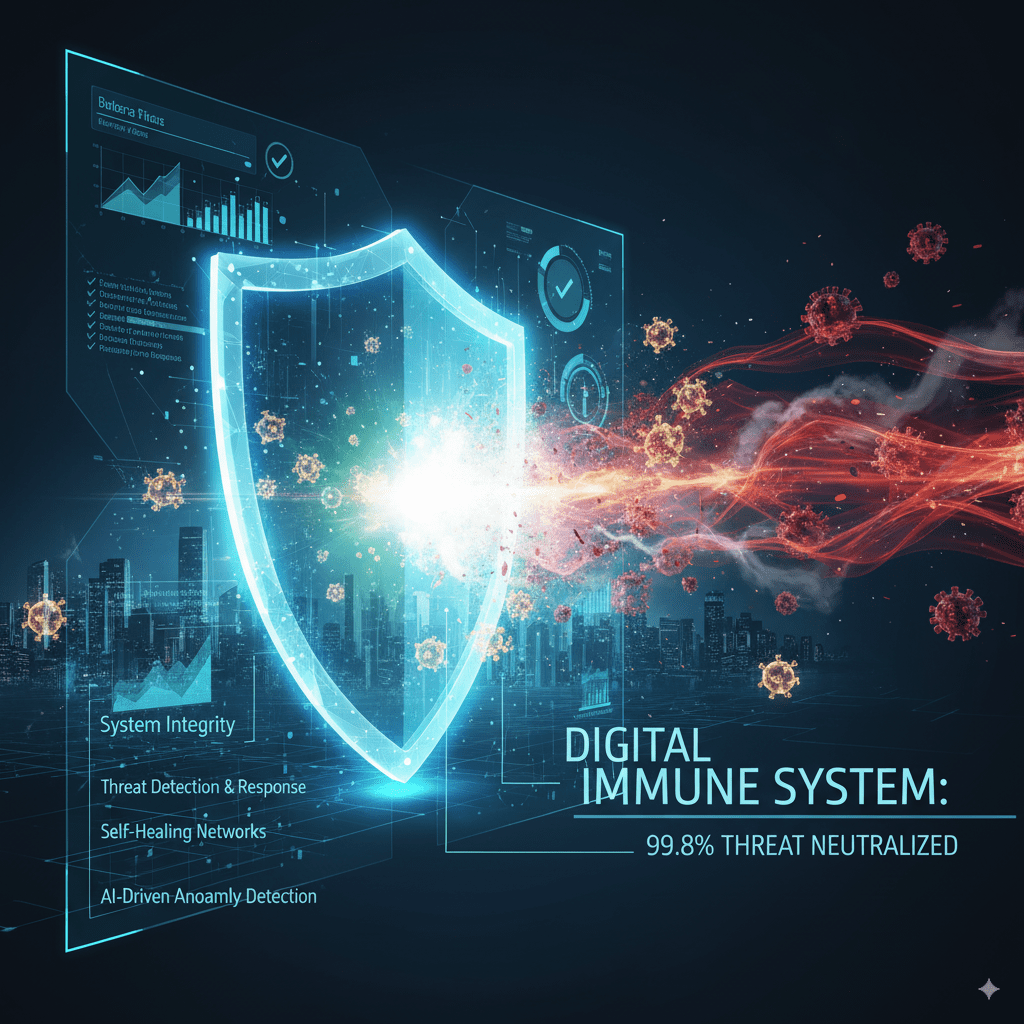
Digital Immune System: How It Shields Your Business Against Cyberattacks

Introduction As cyber threats become increasingly sophisticated, businesses require security systems that go beyond traditional defenses. Inspired by the human immune system, the Digital Immune System (DIS) is an advanced cybersecurity concept designed to detect, respond to, and recover from cyberattacks in real time. This dynamic approach integrates multiple technologies, processes, and strategies to protect digital assets and maintain operational resilience. This blog explores how a Digital Immune System functions, its core components, benefits, real-world applications, and essential steps to build a strong defense—drawing on expert insights and AI-driven innovations similar to those provided by TechOTD AI Services. What is a Digital Immune System? A Digital Immune System is a comprehensive cybersecurity architecture combining software engineering, monitoring, automation, and analytics to mimic the biological immune system’s protective and adaptive qualities. It anticipates threats, isolates anomalies, and self-heals without constant manual intervention. Key goals include: Continuous threat detection via observability tools analyzing logs, metrics, and traces Threat intelligence integration using external datasets for emerging vulnerabilities Automated incident response workflows for rapid containment and recovery Persistent system resilience and adaptation with feedback loops and learning Unlike static measures, DIS is proactive and adaptive, essential in today’s dynamic threat landscape. Core Components of a Digital Immune System 1. Perimeter Security Includes firewalls, intrusion detection, and prevention systems (IDPS), and virtual private networks (VPNs) that form the first line of defense, monitoring and filtering incoming and outgoing traffic. 2. Endpoint Security Protects devices like laptops, smartphones, and servers using antivirus and anti-malware tools, ensuring malicious code is detected and quarantined quickly. 3. Identity and Access Management (IAM) Controls user access via multi-factor authentication, single sign-on, and privileged access management, ensuring only authorized identities interact with critical systems. 4. Security Information and Event Management (SIEM) Aggregates security events across systems and networks, using advanced analytics to identify suspicious behavior and enable swift investigation. 5. Threat Intelligence and Analytics Combines internal and external data to inform defense strategies, helping security teams stay ahead of emerging threats. 6. Automation and Orchestration Uses AI and machine learning to automate detection, alerting, and mitigation workflows—enabling rapid response without human delay. 7. Observability and Monitoring Continually tracks system performance, uptime, and security posture, enabling early anomaly detection before escalation. How a Digital Immune System Protects Your Business Prevents Unauthorized Access: By enforcing stringent access controls and real-time behavior analysis. Detects Threats Proactively: Continuous monitoring and AI-powered analytics spot unusual activity indicative of cyberattacks. Mitigates Damage Quickly: Automated incident response isolates and neutralizes threats, minimizing operational impact. Adapts to New Threats: Learning from past incidents to strengthen defenses dynamically. Ensures Business Continuity: Self-healing capabilities prevent system downtime or failures. Supports Compliance: Maintains audit trails and enforces policies required by regulatory standards. Real-World Applications of Digital Immune Systems Financial Services: Detecting fraudulent transactions and insider threats swiftly. Healthcare: Protecting sensitive patient data and ensuring continuity of care IT systems. Manufacturing: Securing Industrial IoT devices and preventing operational disruptions. Cloud Services: Proactively defending multi-cloud environments against broad attack vectors. Building a Strong Digital Immune System Prerequisites: Comprehensive Threat Intelligence: Stay updated on evolving threats via diverse data sources. Robust Security Controls: Firewalls, IDPS, anti-malware, encryption, and more. Access Management: Implement MFA, role-based permissions, and identity verification. Incident Response Planning: Develop and regularly test response workflows and escalation paths. Continuous Monitoring & Improvement: Regularly audit, test (penetration testing), and update security measures. Partnering with technology leaders like TechOTD AI Services can accelerate digital immunity via AI-powered threat detection, automation, and strategic consultation. Conclusion In a rapidly evolving cyber threat landscape, static defenses no longer suffice. A Digital Immune System offers businesses a robust, intelligent, and adaptive shield—detecting, responding to, and recovering from cyberattacks efficiently, ensuring data security and operational resilience. To stay ahead, organizations must embrace multi-layered security architectures leveraging AI, automation, continuous observability, and proactive incident management. Explore TechOTD AI Services for advanced cybersecurity solutions and keep pace with innovation through the TechOTD Blog.

Internet of Things

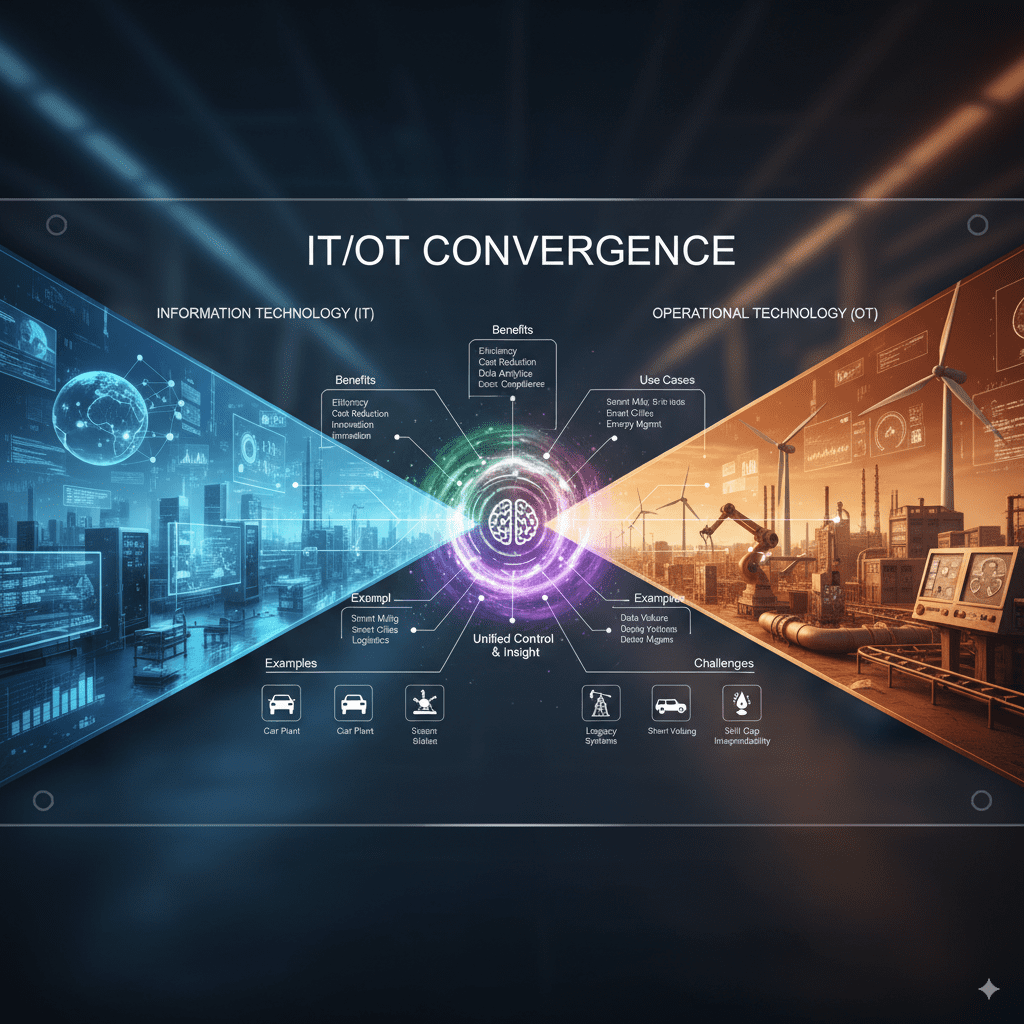
IT/OT Convergence: Benefits, Use Cases, Examples, and Challenges

Introduction The digital transformation wave has brought about the critical integration of Information Technology (IT) and Operational Technology (OT), commonly referred to as IT/OT Convergence. IT encompasses enterprise systems, software applications, and data centers, focusing on business and information processing. OT, on the other hand, involves hardware and software that monitor or control physical devices in industries such as manufacturing, energy, utilities, and transportation. Bringing IT and OT together unlocks tremendous value, yet requires overcoming unique challenges linked to security, culture, interoperability, and operational continuity. This blog provides an in-depth exploration of IT/OT convergence, outlining its benefits, key use cases across industries, real-life examples, and challenges to anticipate. Understanding IT and OT: The Basics Information Technology (IT): Includes systems like ERP, CRM, cybersecurity, cloud computing, and data analytics platforms that manage organizational information assets. Operational Technology (OT): Encompasses devices and systems such as PLCs (Programmable Logic Controllers), SCADA (Supervisory Control and Data Acquisition), sensors, and industrial control systems that manage physical processes. Historically, IT and OT operated in isolation with distinct goals and technologies, but the rising demand for real-time insights, automation, and efficiency drives their integration. Benefits of IT/OT Convergence 1. Enhanced Operational Efficiency Integrating IT data analytics with real-time OT sensor data provides end-to-end visibility of operations, enabling smarter decision-making and process optimization. 2. Improved Asset Management Unified IT/OT data facilitates predictive maintenance, reducing downtime and extending equipment lifespan. Real-time monitoring coupled with AI-powered analytics from TechOTD AI Services enhances asset performance. 3. Increased Agility and Innovation Converged infrastructures support rapid prototyping, automation, and deployment of innovative services that boost competitiveness. 4. Strengthened Security Posture Coordinated IT and OT cybersecurity strategies bolster defense against evolving cyber threats targeting critical infrastructure. 5. Cost Reduction Automation and data-driven optimizations lead to reduced energy consumption, minimized waste, and workforce efficiencies. 6. Better Compliance and Reporting Unified data streams simplify adherence to regulatory standards and enable accurate, timely compliance reporting. Use Cases of IT/OT Convergence Across Industries Manufacturing Smart factories leverage IT/OT convergence for connected supply chains, real-time quality control, and adaptive production lines. AI-driven defect detection and robotic process automation (RPA) improve throughput. Energy & Utilities Grid digital twins combine OT sensor data with IT analytics for real-time monitoring and predictive grid maintenance. Renewable energy integration benefits from converged data to optimize resources and demand response. Transportation & Logistics Fleet management and intelligent transport systems blend IT and OT to optimize routing, vehicle health monitoring, and safety systems. Healthcare Medical device monitoring and hospital IT systems converge to enable continuous patient monitoring and asset tracking. Smart Cities Integrated control of utilities, traffic, and public safety managed through IT/OT networks improves citizen services and sustainability. Real-Life Examples of IT/OT Convergence Siemens Smart Factory: Siemens integrates IT ERP systems with OT manufacturing execution systems for improved productivity and transparency. Duke Energy Smart Grid: Utilizes IT-OT integration for real-time power management and outage prediction. Shell Digital Oilfields: Combines geological sensor OT data with IT analytics to optimize extraction and predictive maintenance. TechOTD AI Solutions: Employ advanced AI models that leverage IT/OT data convergence to enhance operational efficiency, predictive analytics, and blockchain-enabled security (TechOTD Blockchain Integration). Challenges in IT/OT Convergence Cultural Differences: IT and OT departments often have different mindsets and priorities, complicating collaboration. Security Risks: OT devices may lack robust security, making integration a potential vulnerability. Legacy Systems: Older OT equipment can be difficult to integrate with modern IT architectures. Data Silos: Disparate data formats and systems hinder seamless data sharing. Compliance Complexity: Multiple regulatory frameworks require unified strategies. Skill Gaps: Bridging skills between IT and OT domains demands investment in training and recruitment. Strategies for Successful IT/OT Convergence Foster a unified governance structure involving cross-functional teams. Invest in scalable, interoperable technology platforms. Prioritize cybersecurity frameworks addressing both IT and OT risks. Implement advanced AI and predictive analytics tools, such as those featured at TechOTD AI Services. Employ blockchain for secure, auditable data sharing (TechOTD Blockchain Integration). Train employees and promote a culture of collaboration. Partner with experienced technology consultancies focused on IT/OT synergy (How We Work). The Future of IT/OT Convergence Technologies like 5G, edge computing, digital twins, and large language models (LLMs in Finance) will accelerate IT/OT integration. The fusion of AI-powered customer journey analytics (Seamless Customer Journeys) and IoT with blockchain-backed security and transparency will shape the next phase of digital enterprise and industrial innovation. Conclusion IT/OT convergence is no longer optional but essential for organizations aiming to compete, innovate, and operate efficiently in the digital age. Despite inherent challenges, its benefits—from improved efficiency to enhanced security—are driving adoption globally. For best practices, AI-enabled optimization, blockchain integration, and expert guidance, partner with TechOTD AI Services and stay updated with the latest in digital innovation on the TechOTD Blog.

How would you like me to respond?

Select a personality for your AI assistant

Normal
Happy
Sad
Angry

Your selection will affect how the AI assistant responds to your messages

Chat Assistant

Let's discuss your project!

Hear from our clients and why 3000+ businesses trust TechOTD

Tell us what you need, and we'll get back with a cost and timeline estimate

Scroll to Top