Author name: Kirti Sharma

How Much Does It Cost to Develop a Crypto Wallet App Like MetaMask?
Blockchain & Technology

how much does it cost to devlop a crypto wallet app like metamask ?

Introduction Building a crypto wallet app like MetaMask requires careful financial planning, smart tech decisions, and a clear understanding of user needs. On average, the development cost ranges from $30,000 for a basic wallet to $250,000 or more for an advanced, feature-rich, and enterprise-grade solution. Here’s a detailed, SEO-optimized blog explaining what drives these costs—and how businesses can get the best return on investment. How Much Does It Cost to Develop a Crypto Wallet App Like MetaMask? Creating a crypto wallet app modeled after MetaMask might appear daunting, but it’s increasingly essential for startups and businesses aiming to enter the Web3 world. In this guide, uncover what impacts costs, how the budget breaks down, and the smartest strategies for building a secure, scalable, and future-ready crypto wallet app. What Drives Crypto Wallet Development Costs? App Complexity: A simple wallet (send/receive tokens, basic UI, single blockchain) costs $30,000–$60,000. Medium-complexity builds (multi-chain, DEX, DeFi support, enhanced UI) hit $60,000–$150,000. Enterprise-grade wallets with full DeFi/NFT, advanced analytics, compliance, and custom security start at $150,000–$250,000+. Key Features Impacting Price: User authentication (biometrics, seed phrase) Multi-wallet and multi-chain support DeFi and NFT integration DApp browser, token swaps, analytics Cold/hot wallet integration and backup Push notifications Development Team Location: North America/Western Europe: $80–$200/hour Asia/Eastern Europe: $30–$100/hour Regional rates directly influence cost. Security & Compliance: Security audits, encryption, cold storage, KYC/AML systems can be 20–30% of the total budget. Design & UX: Intuitive, on-brand, and regulatory-compliant designs cost $10,000–$50,000. Blockchain Infrastructure: Node integration, cross-chain APIs, and smart contracts add $20,000–$150,000 depending on complexity. Crypto Wallet App Cost Breakdown Example Feature/Phase Cost Range User Authentication $4,000 – $12,000 Wallet Creation/Management $5,000 – $15,000 Multi-Chain Support $7,500 – $25,000 DeFi/NFT/DApp Browser $10,000 – $50,000 Security (Audit, Cold Storage) $30,000 – $100,000 UI/UX Design $10,000 – $50,000 Backend, API, Smart Contracts $35,000 – $150,000 Maintenance (annual) $20,000 – $50,000 Total: $30,000–$250,000+ based on feature set and depth. Timeline Simple MVP: 3–6 months Advanced wallet: 6–9+ months ROI: What Can Your Business Gain? Monetization Opportunities: Earn fees from token swaps, staking, and premium features. Brand Differentiation: Offer unique features such as NFT support or DeFi integration. Long-term Growth: Scalable architecture supports fast user acquisition and usage spikes. Best Practices to Reduce App Development Costs Start with MVP: Build essential features first—add more later based on feedback. Leverage Open-Source Frameworks: Reduces development time and boosts reliability. Outsource Wisely: Offshore teams can lower costs but require strong project management. Invest in Security: Skimping on security costs more in the long run. Conclusion Building a crypto wallet app like MetaMask is a significant investment—but one with powerful growth and revenue potential for businesses in Web3 and fintech. Understanding costs, planning for scale, and choosing experienced partners will set a project up for long-term success. For a project estimate or detailed consultation, connect with a specialized crypto wallet app development firm today! Ready to launch your secure, feature-rich crypto wallet? Let expert blockchain developers show you how to maximize ROI and stand out in the crypto world! FAQ How much does it cost to build a wallet like MetaMask? Costs range from $30,000 for a basic version to $250,000+ for an advanced, enterprise-ready wallet, depending on the features and security needed. How long does development take? A basic wallet takes 3–6 months to build, while complex solutions can require 6–9+ months. What’s the most expensive part? Security protocols, smart contract integration, and compliance are typically the largest contributors to the total budget. Can DeFi and NFT be integrated from the start? Yes, but it will increase both the development time and upfront cost. What team is required for a MetaMask-style wallet? A typical team includes project managers, blockchain developers, frontend/backend engineers, UI/UX designers, and security auditors
how will android 16 feature impact your mobile application
android devlopment

How Will Android 16 Feature Impact Your Mobile Application

Introduction Android 16 marks a significant transformation in the mobile ecosystem, introducing advanced performance tools, privacy enhancements, and seamless cross-device experiences for developers and businesses alike. Businesses looking to build competitive digital products must understand how these changes will affect their apps, user experience, and long-term growth. 10 Reasons You Need a CDP for Your Retail Business Key Features of Android 16 for Mobile Applications AI-Powered App Experiences: On-device machine learning lets apps deliver smarter recommendations, predictive shortcuts, and natural language features without sacrificing privacy. Built-in AI APIs make tasks like image recognition, voice processing, and content prediction easier for developers to implement. Performance and Battery Optimization: Apps launch faster, run smoother, and use less power thanks to system-level improvements and advanced profiling tools. Features like adaptive refresh rates and better background job handling ensure an enhanced experience for heavy app users. Privacy and Security Upgrades: Granular background location permissions allow users more control over data sharing, aligning with regulations globally. The new Advanced Protection Mode includes safeguards against scam calls, unsafe websites, and risky mobile networks. Notification and Multitasking Enhancements: Dynamic notification trays prioritize messages using AI, reducing clutter and improving engagement. Live progress notifications, grouped alerts, and predictive back navigation provide a more user-friendly interface. Multi-Device and Large Screen Support: The multi-device SDK syncs user activity across phones, tablets, wearables, and even desktop-mode displays. Adaptive apps are mandatory for large screens, meaning responsive layouts and orientation changes are essential for future-proofing. Developer Impacts: Best Practices and Opportunities Adopt Adaptive Design: Responsive UIs, constraint layouts, and Jetpack Compose guidelines are now essential for compatibility with tablets, foldables, and desktop windowing modes. Apps must support orientation changes and flexible multi-window behavior. Leverage New APIs: Use Notification.ProgressStyle for live updates, camera scene-detection for media-rich apps, and Health Connect FHIR APIs for healthcare products. Take advantage of system-triggered profiling and job introspection to monitor app performance and minimize startup latency. Enhance User Privacy: Update permission dialogues to reflect Android 16’s background location and network access requirements. Test media access and device-pairing flows with new privacy defaults before releasing updates. Optimize for Cross-Device and Multi-Window: Implement seamless handoff, session continuity, and state sharing for connected device experiences. Audit legacy apps to replace deprecated orientation locks and opt-outs for edge-to-edge layouts. Real-World Examples & Benefits E-commerce Apps: Smarter recommendations and predictive actions boost conversion rates and in-app engagement. Health & Fitness: Adaptive layouts ensure consistent experience across smartphones, tablets, and wearables. Productivity Tools: Desktop mode, window resizing, and custom keyboard shortcuts turn tablets into full-fledged workstations for power users. Travel & Navigation: Granular background location makes user journeys safer and more transparent. Conclusion Android 16 presents significant opportunities for businesses and developers to deliver faster, safer, and smarter mobile experiences. By embracing adaptive design, AI integration, new privacy standards, and robust multi-device features, organizations can ensure their applications remain competitive and future-ready in an evolving digital landscape. Prepare your apps for Android 16 today: audit, update, and innovate—your users will thank you for the thoughtful upgrade. FAQ Q1: Do I need to update my app to support Android 16? Yes, targeting Android 16 becomes mandatory for app updates and new releases on the Play Store. Q2: Will Android 16 affect my app’s privacy settings? Absolutely. Expect to update permission request flows—especially for location and local network access. Q3: How does Android 16 improve performance? App launches are faster; background work and resource management see major optimizations. Q4: What happens to legacy apps with fixed layouts? Apps that restrict screen orientation or do not support adaptive layouts must be reworked for compatibility, especially on tablets and foldables. Q5: Are there new tools for developers? Yes, Android Studio Hedgehog, new APIs, and advanced profiling features support modern development and app performance tuning.

Healthcare & Fitness

How AI is Revolutionizing Healthcare in 2025

Introduction Artificial Intelligence is ushering in a new era of healthcare in 2025—boosting patient outcomes, accelerating innovation, and making care more precise and accessible than ever before. Here’s how AI is shaping the future of medicine across the globe. Smarter, Faster Diagnostics AI-Powered Medical Imaging: AI now analyzes X-rays, MRIs, and CT scans to detect anomalies like tumors, fractures, and infections faster and more accurately than ever. Early cancer and rare disease detection have been dramatically improved, with error rates and costs dropping significantly. Predictive Diagnostics: AI uses data from patient histories, genetics, and wearables to anticipate the risk of diseases before symptoms occur, allowing for preventative care strategies—especially effective for chronic conditions like heart disease and diabetes. Next-Gen Treatment: Personalized Medicine Precision Treatments: AI integrates genetic, lifestyle, and clinical data to tailor therapies for individuals, especially in oncology and rare diseases, optimizing outcomes and reducing side effects. Genomics and Profiling: Advanced AI systems rapidly interpret genomic data, enabling real-time profiling during surgeries and predicting individual responses to therapies, revolutionizing cancer and rare disease management. Remote Care & Virtual Health Assistants Wearable Monitoring: AI-powered devices track real-time vital signs, alerting both patients and clinicians to potential health issues before they escalate. Hospital-at-home models reduce readmissions and improve quality of life. 24/7 Virtual Support: Chatbots and AI-driven apps now answer medical questions, schedule appointments, provide medication reminders, and triage patients, all while reducing the workload of clinicians. AI in Clinical Decision-Making Real-time Decision Support: AI gives doctors evidence-based recommendations at the point of care by synthesizing global research, treatment guidelines, and patient information. This augments physician expertise, increases diagnostic accuracy, and improves confidence in treatment decisions. Automating Admin Tasks: Intelligent agents automate medical documentation, billing, and coding. This lightens the administrative load and allows clinicians to spend more time with patients. Accelerating Medical Research & Drug Discovery Drug Development: AI can sift through millions of molecules, predict interactions, and simulate clinical trials—speeding up drug discovery, lowering development costs, and quickly identifying optimal candidates for new treatments. Clinical Trials Optimization: By analyzing records and finding ideal trial participants, AI makes trials safer and more effective, accelerating new therapies to market. Enhancing Equity and Population Health Addressing Social Determinants: AI analyzes socioeconomic data alongside health records to identify at-risk populations, close care gaps, and optimize resource allocation—paving the way for fairer, more accessible healthcare. Global Reach: AI extends expertise to remote areas, bridging geographic gaps and allowing global collaboration in tackling public health challenges. Robotic Surgery and Assisted Procedures Greater Precision: Robotic systems powered by AI help surgeons perform complex operations with greater dexterity and accuracy, resulting in fewer complications and quicker recovery times for patients. Impact at a Glance Area AI-Driven Transformation Example/Impact Diagnostics More accurate, earlier detection AI finds tumors in scans invisible to the eye Personalized Care Tailored therapies, reduced side effects Precision oncology; rare disease management Patient Monitoring Continuous data analysis, proactive alerts Wearables detect heart issues before symptoms Administration Automated records and workflows Less clinician burnout, more patient care Research Faster drug discovery, smarter trials Shortened time to new treatments Access & Equity AI bridges gaps for rural or vulnerable groups Virtual care reaches more patients Challenges and the Road Ahead Ethics & Trust: Ensuring privacy, reducing bias, and building transparent, explainable AI remain priorities as adoption expands. Human-AI Partnership: AI isn’t replacing medical professionals but empowering them—successful healthcare systems will be those that blend human empathy with machine intelligence. Scalability: With 90% of hospitals expected to use AI by 2025, broad access and workforce training are key for sustaining progress. AI’s transformative role in healthcare is just beginning. As these technologies advance, expect faster diagnoses, more personalized care, and a health system that’s smarter, fairer, and more responsive to the needs of all. The revolution is well underway—and in 2025, AI is making healthcare better, one patient at a time.

Artificial Intelligence

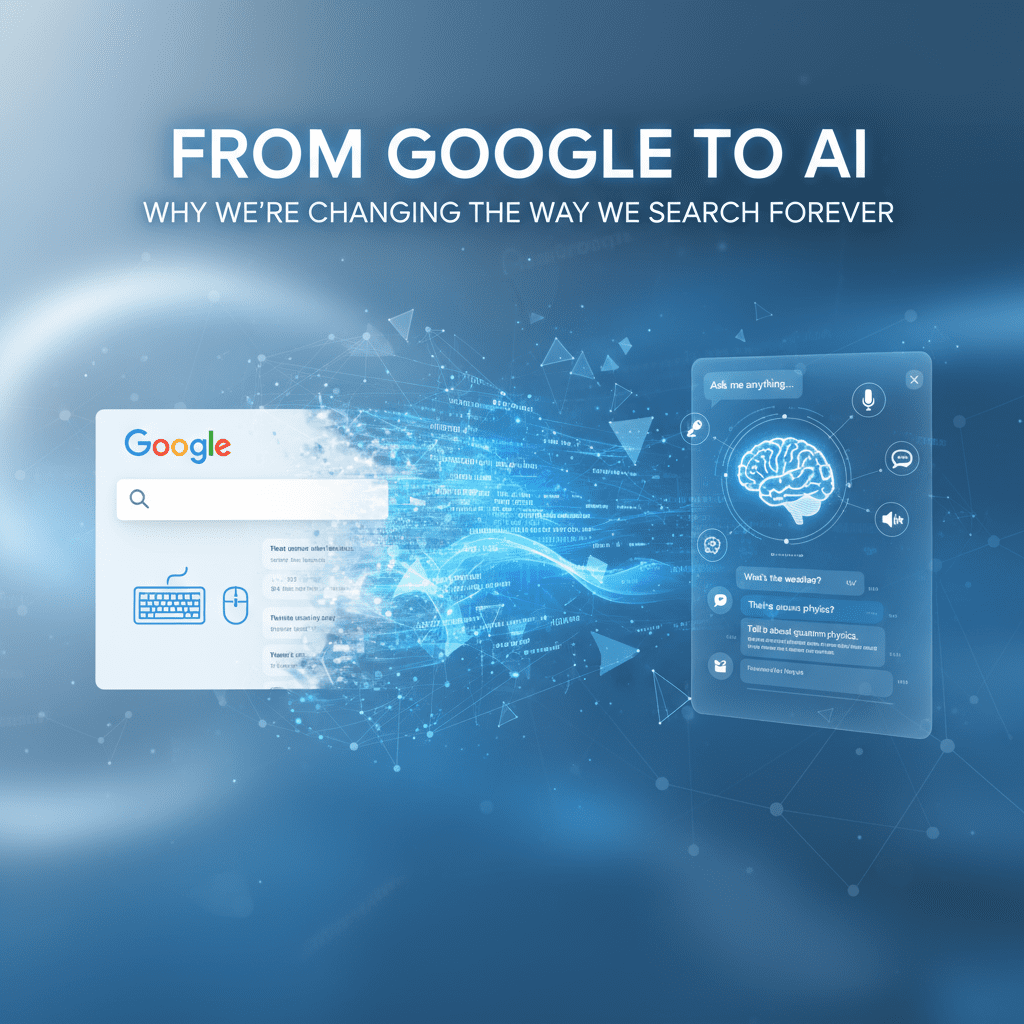
From Google to AI: Why We’re Changing the Way We Search Forever

Introduction The way we search for information online is undergoing a groundbreaking transformation. What began as keyword-based queries on Google is rapidly evolving into an AI-powered, conversational, and context-aware experience. This shift is not just a technological trend, but a fundamental change in how humans interact with information on the internet. The Evolution from Traditional Search to AI Search Traditional search engines like Google use keyword matching and ranking algorithms to serve web pages related to user queries. While effective, this method requires users to refine their searches and sift through links to find answers. AI Search changes this paradigm by understanding natural language, user intent, and context at a far deeper level. Powered by advanced models like Google’s Gemini 2.5, AI Search can generate comprehensive, nuanced responses that summarize and analyze information from across the web—often eliminating the need to browse multiple sites. Why AI is Changing Search Forever 1. Conversational Interaction Users can interact with AI search as if talking to a knowledgeable assistant. This makes searches more intuitive, including follow-up questions without repeating context. 2. Multimodal Capabilities AI Search supports text, voice, and image queries, enhancing accessibility and flexibility. 3. Comprehensive Answers AI compiles information from multiple sources and produces detailed overviews, reducing the time and effort users spend searching. 4. Personalized and Contextual Results AI tailors responses based on user preferences, search history, and current context, delivering highly relevant answers. 5. Impact on SEO and Content Content strategies need to adapt, focusing on authority, relevance, experience, and clarity since AI ranks content differently than traditional algorithms. Use Cases of AI Search Healthcare: Immediate, reliable medical information without navigating complex sites. Education: Rich, synthesized answers for learners and researchers. E-commerce: Personalized shopping assistance and product discovery. Business Research: Rapid market insights and competitor analysis. Future Trends in AI Search Tight integration with virtual assistants and IoT devices for hands-free queries. Enhanced AI models understanding complex visual and audio content. Growth in localized and multilingual AI search to serve global users better. Continuous improvement in content quality evaluation to reduce misinformation. Conclusion The transition from traditional Google Search to AI-driven experiences represents a new chapter in digital information discovery. Embracing AI Search opens vast possibilities for users and businesses alike, offering faster, richer, and more intuitive access to knowledge. For insights and service offerings on AI-powered search technologies, visit TechOTD AI Services and explore emerging trends on the TechOTD Blog.

Digital Transformation

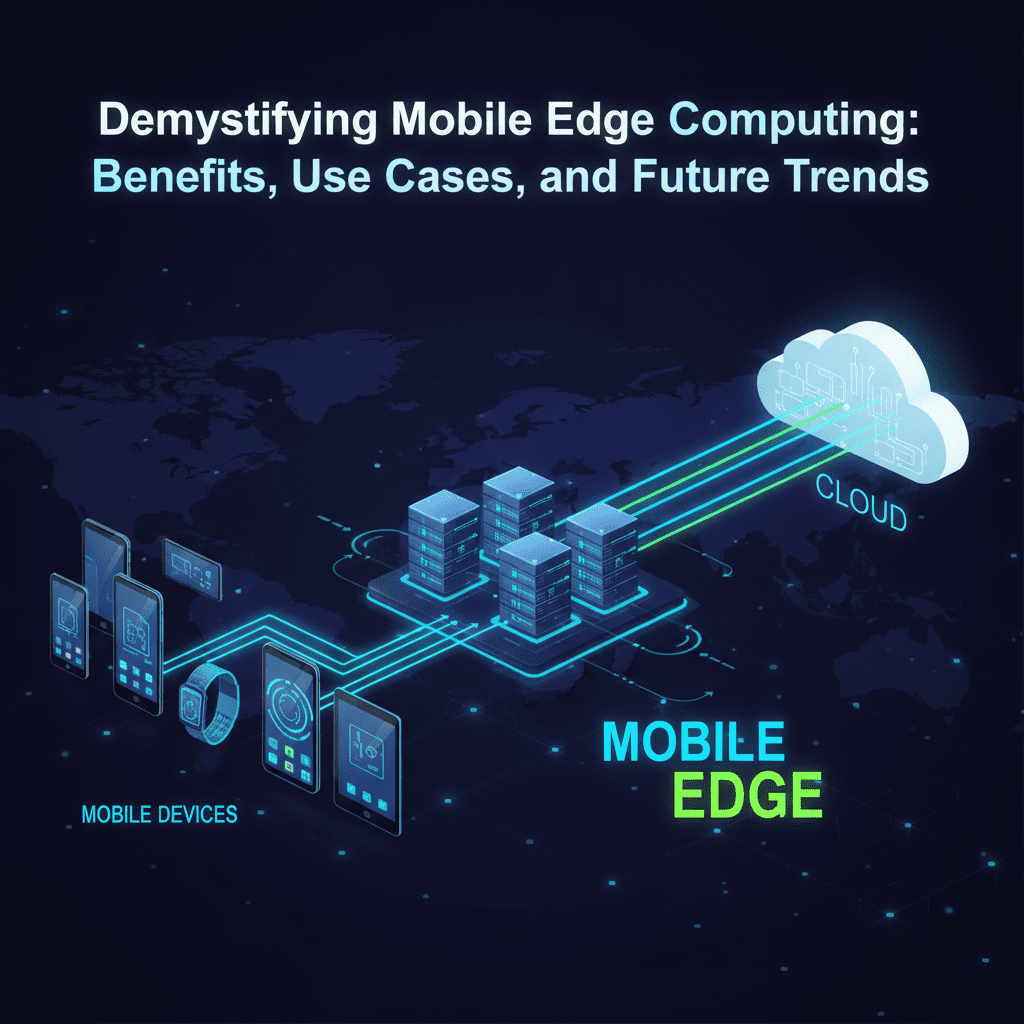
Demystifying Mobile Edge Computing: Benefits, Use Cases, and Future Trends

Introduction In the rapidly evolving digital landscape, Mobile Edge Computing (MEC) has become a critical technology, ushering in new capabilities beyond traditional cloud computing paradigms. By processing data closer to the source—at the edge of the network—MEC dramatically improves data processing speed, reduces latency, enhances security, and fuels innovation across industries. This comprehensive blog demystifies MEC with a deep dive into its benefits, practical use cases, and future trends shaping enterprise strategies. It also highlights key technological integrators such as AI, blockchain, and predictive analytics explored extensively by TechOTD and its related resources. What is Mobile Edge Computing? Mobile Edge Computing (MEC) pushes computing power and data storage closer to end users and connected devices, typically at or near cellular base stations, IoT gateways, or local data centers. Unlike central cloud data centers that might be geographically distant, MEC provides ultra-low latency and real-time processing capabilities. This proximity is a game changer for applications requiring speed, reliability, and privacy. MEC works symbiotically with 5G, AI, and IoT to enable seamless, intelligent experiences across multiple sectors. Benefits of Mobile Edge Computing 1. Ultra-Low Latency and Real-Time Processing By processing data at the edge, MEC reduces the time needed to transmit data to distant cloud servers and back. This latency reduction is essential for use cases like autonomous driving, remote surgery, and live video analytics. 2. Enhanced Data Privacy and Security MEC minimizes data traveling over public networks, reducing exposure risks. Enterprises can enforce data residency and compliance directly on edge nodes, critical for healthcare, finance, and government. 3. Bandwidth Optimization and Cost Savings Edge processing filters and aggregates data locally, reducing network congestion and lowering bandwidth costs—a vital benefit as IoT devices and data volumes surge. 4. Improved Reliability and Resilience MEC enables critical systems to function locally even if the central cloud or wide-area network connectivity is disrupted, offering business continuity and superior service quality. 5. Scalability and Flexibility Modular edge deployments allow enterprises to add or upgrade capacity closer to users and devices, supporting dynamic workloads and new services faster than traditional cloud-only models. Key Use Cases of MEC Across Industries Manufacturing: Smart Factories and Predictive Maintenance MEC combined with IoT sensors enables immediate processing of operational data, facilitating real-time monitoring, predictive maintenance, and automation in factories — minimizing downtime and maximizing productivity. Retail: Personalized In-Store Experiences Retailers use MEC for instant data analytics supporting personalized promotions, inventory management, and frictionless payment processing at the store edge, enhancing customer experience. Healthcare: Remote Monitoring and Diagnostics In healthcare, MEC allows processing of medical imaging and patient data locally for faster, secure diagnostics and telehealth services while ensuring compliance with privacy regulations. Transportation and Logistics: Autonomous and Connected Fleets Edge computing enables rapid data analysis for connected vehicles and fleets, supporting route optimization, safety monitoring, and compliance in real-time. Smart Cities: Responsive Public Infrastructure Citywide IoT systems use MEC to process environmental data, traffic flows, and public safety signals locally, enabling fast responses and efficient resource management. Integration with AI and Blockchain Technologies Artificial Intelligence at the Edge Integrating AI with MEC allows for real-time, context-aware decision making on devices or local nodes without sending data back to the cloud. This accelerates innovation in predictive analytics, image recognition, and anomaly detection. Explore advanced AI applications in enterprises at TechOTD AI Services and TechOTD AI Blog. Blockchain for Enhanced Security and Transparency Blockchain technology complements MEC by providing decentralized, tamper-proof transaction records and supply chain transparency, ideal for secure edge operations. Learn more about blockchain’s transformative business role at TechOTD Blockchain Integration. Best Practices for MEC Implementation Evaluate Business Needs and Edge Readiness: Identify workloads that gain most from edge processing to ensure efficient deployment and ROI. Prioritize Security: Implement comprehensive security protocols including data encryption, authentication, and zero-trust models at all edge points. Adopt Hybrid Cloud-Edge Architecture: Combine centralized cloud resources with edge nodes for balance between scalability and low latency. Use Automation and AI for Resource Optimization: Employ AI-driven management tools for predictive maintenance, load balancing, and anomaly detection. Partner with Experienced Vendors: Collaborate with technology providers skilled in edge deployments to ensure seamless integration and ongoing support and TechOTD How We Work. Future Trends in Mobile Edge Computing Advances in On-Device AI: Smaller, more capable AI models running independently on edge devices for privacy and speed. Industry-Specific MEC Solutions: Vertical customization for health, manufacturing, retail, and other sectors. Edge Orchestration and Automation: Automated deployment, scaling, and self-healing edge systems reducing OPEX. Integration with 6G and Beyond: As next-gen networks evolve, MEC will expand with wider network slices and higher bandwidths. Expansion of Smart Cities and IoT: Growing urban infrastructure and IoT devices will increase MEC demand exponentially. Stay current on technology impact with TechOTD Blog and explore mobile and AI app development strategies at TechOTD Mobile Apps. Key Takeaways: MEC drastically reduces latency by processing data near the source. Security and data privacy improve through decentralized processing. Reduces network load and operational costs for enterprises. Industry use cases span manufacturing, retail, healthcare, transport, and smart cities. AI and blockchain technologies amplify MEC capabilities. Hybrid cloud-edge architectures offer flexible, scalable designs. Automation and orchestration will drive future MEC innovations Conclusion Mobile Edge Computing is no longer a futuristic concept but a necessary foundation for enterprises embracing digital transformation in the 5G era. By bringing compute power and intelligence closer to data sources, MEC accelerates innovation, enhances security, optimizes networks, and delivers real-time insights that fuel competitive advantage. Enterprises equipped with strategic MEC integration, supported by AI, blockchain, and predictive analytics, will unlock new business models and efficiencies—leading the charge into a connected, intelligent future.

Healthcare & Fitness

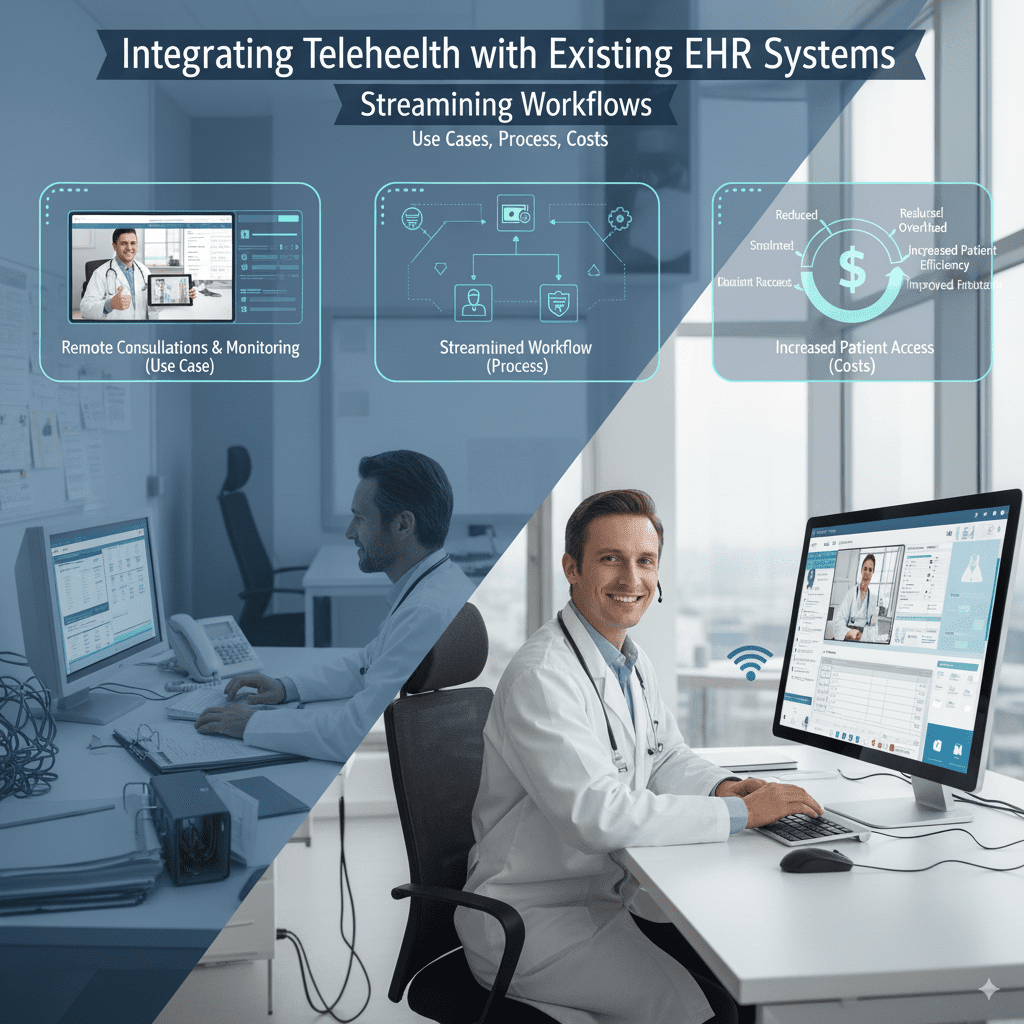
Integrating Telehealth with Existing EHR Systems: Streamlining Workflows

A rapid growth in the adoption of Electronic Health Records (EHRs) and telehealth software systems have been reported all across the world. For instance, almost 74% of healthcare physicians are actively offering telehealth services to their patients. However, one interesting finding in these studies is that it is causing a new strain of problems for healthcare providers, especially for healthcare IT teams. Since most healthcare providers use different healthcare software systems for different purposes, the creation of data silos has affected not only the interoperability of the desperate healthcare systems but also the clinical workflows of these practices. The disconnection between telehealth and Electronic Health Records (EHR) is creating a gap that is widening with every passing day. That is the reason a new trend is now taking shape and becoming a norm in the modern-day healthcare landscape. Yes, telehealth integration with EHR systems and EHR integration with telehealth systems for better data integration practices is what we’re talking about. But is this really the solution to bridge the gap between patient data leading to fragmented care? Well, explore exactly that along with the telehealth EHR integration benefits and the challenges of telehealth integration as well. So, without further ado, let’s get started! Unlocking the Power of Data Integration As healthcare practices are moving towards a digital landscape, the role of data in care delivery and also in the day-to-day affairs of healthcare practices is becoming the epicenter. That is why healthcare practices offering telemedicine should have EHR integration with their systems. Here are some of the telehealth EHR integration benefits that you must know: 1. Holistic Patient View: EHR integration with telemedicine systems enables healthcare providers to have a unified and holistic view of patient data. This patient data usually includes medical history, previous notes, telehealth encounters, and even medication and treatment plans. This will enable the provider to provide better patient care with a personalized approach. 2. Improved Care Coordination: Telehealth integration with healthcare systems, especially electronic health records systems, gives the provider direct access to all the relevant patient information, that too, in one place. This way, the entire care team can coordinate care in a much better way and make informed clinical decisions that can contribute to improving patient outcomes. 3. Streamlined Workflows and Reduced Errors: One of the major benefits of telehealth EHR integration is that it completely eliminates the chances of data duplication and manual entry. This way, clinical workflow is streamlined, significant time for both healthcare providers is saved, and errors are minimized, which will lead to better care practices. Apart from that, with EHR integration, the entire workflow can be streamlined, leading to better care practices. The Key to Interoperability: Standards and Technologies If you have even a slight idea about workflow optimization and telehealth integration with electronic health records, then you must know that interoperability is the key to data integration. Furthermore, to create a well-connected digital healthcare ecosystem, you must achieve interoperability. Here are some ways in which you can achieve that: 1. Breaking Down Silos with HL7 FHIR: HL7, also known as Health Level 7 and FHIR, are the interoperability standards that allow secure and standardized data exchange between telehealth platforms and EHR systems. Following these standards for data, integration enables healthcare providers to seamlessly exchange data and achieve EHR interoperability and telehealth. 2. Beyond Telehealth: While telehealth enables real-time virtual consultations with the use of telecommunication technologies, its integration with electronic health records and remote patient monitoring systems by achieving interoperability will make it an ecosystem where information can flow seamlessly and efficiently across different healthcare IT systems. This way, the telehealth integration will take the system beyond just virtual health consultations. 3. Future Proofing Your Infrastructure: As healthcare systems are becoming a part of the mainstream healthcare landscape, sooner or later, there will be a need to standardize the pattern in which data will be exchanged. This is in the foresight of the future of healthcare systems. So, actually following this as a best practice during your healthcare development will help you make your software future-proof and your practice one step ahead of the competitors, giving your practice more efficiency and efficacy. Challenges to Consider During Integration Since there are a lot of systems involved, the integration of so many systems is bound to be a challenging process for many. Here are some things that you can consider to avoid such challenges during the integration to help you achieve easy and smooth EHR and telehealth integration. 1. Data Standardization and Mapping: Data consistency across different systems is almost near impossible. The data stored in one healthcare IT system would be completely different from the data stored in your physicians’ healthcare systems. For instance, if the data standardization formats followed are different, then it becomes hard for the healthcare system to understand, interpret, and make sense of the data. However, with data mapping tools and industry-standard practices, you can actually ensure the quality of the data, which will automatically enhance the entire process, making the integration process much easier for the systems. 2. Cybersecurity and Data Privacy: Being one of those industries that is highly prone to cyber threats, there is a need to take robust security measures to protect sensitive patient data during the integration process. But how to ensure that? Following necessary compliances and regulatory regulations such as HIPAA, HITECH Act, GDPR, etc., can go a long way. Along with that, you ensure security measures are taken and also build trust in patients that their data is safe and private from the rest of the world. 3. Change Management and Staff Training: It cannot be ignored that the technology is constantly changing, and with that, everything needs to change. And the advancements in the medical field are proof of that. Being in the fastest changing industries, any change in the workflow or procedure will need a change in the system as well. Prepare for that in advance, train your staff well, and always address the technological changes that will help in the smooth adoption of the integrated system. Strategies for A Successful

Healthcare & Fitness, Uncategorized

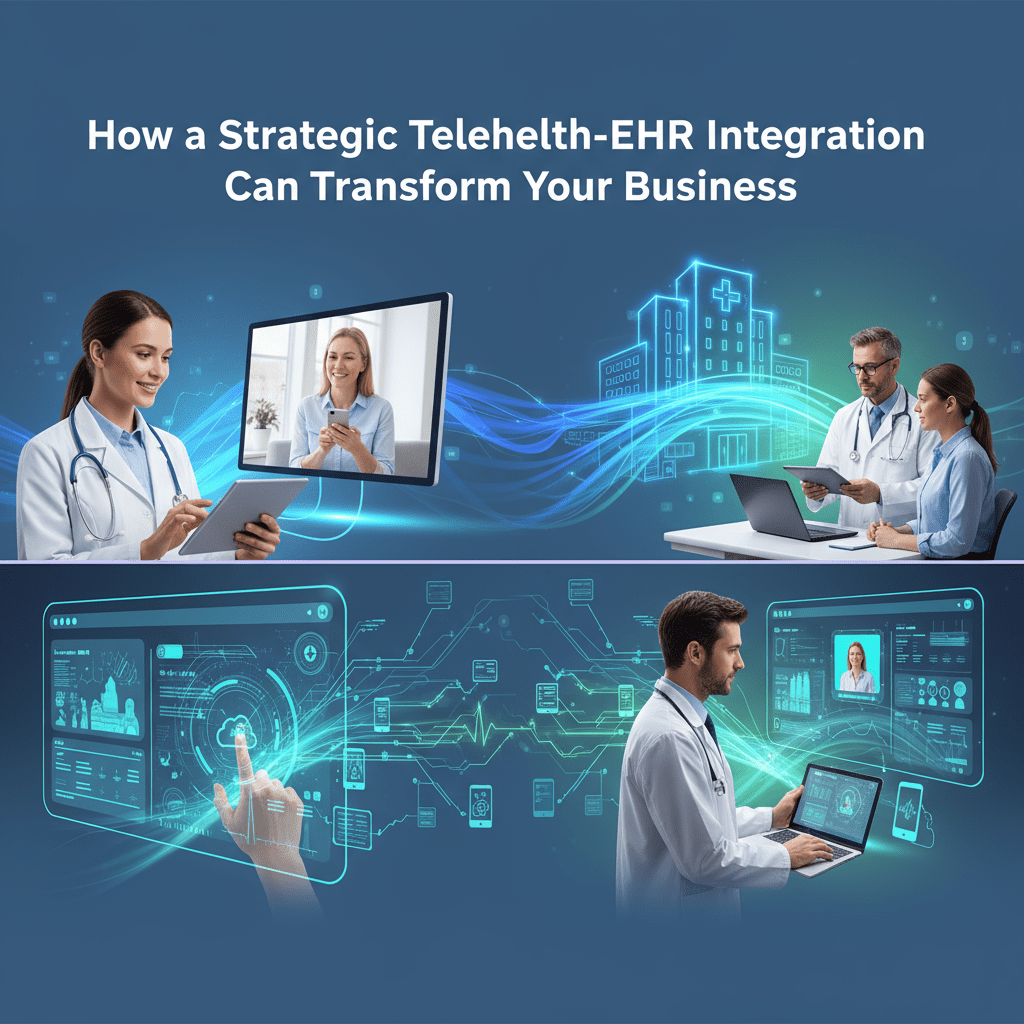
How a Strategic Telehealth-EHR Integration Can Transform Your Business: Use Cases, Process, Costs

Introduction The integration of telehealth systems with Electronic Health Records (EHR) is revolutionizing healthcare delivery by creating seamless, real-time access to patient data during virtual visits. This strategic alignment enhances care quality, streamlines operations, and opens new avenues for growth in healthcare organizations. Use Cases of Telehealth-EHR Integration Post-Surgical Follow-Ups Clinics use integrated systems to conduct virtual check-ins post-surgery, automatically updating patient records to ensure continuity and reduce unnecessary office visits. Remote Patient Monitoring Providers track chronic conditions via connected devices, with vitals and alerts seamlessly synced to the EHR, enabling proactive and timely interventions. Tele-specialty Consultations Specialists access comprehensive patient histories during remote consultations, reducing transcription errors and improving care coordination. Chronic Disease Management Integrated platforms allow centralized teams to monitor and respond to patient health remotely, reducing admissions and supporting underserved populations. Rural Telehealth Access Integration helps overcome barriers for rural facilities by enabling consistent remote care and efficient patient data exchange. Integration Process Overview Assessment & Planning: Evaluate existing telehealth and EHR systems for compatibility and establish integration goals. Choosing Integration Methods: Use APIs, HL7, or FHIR standards for data exchange. Data Mapping & Migration: Align telehealth data fields with EHR structures. Development & Testing: Build integration components and conduct rigorous testing. User Training: Train staff on new workflows and interfaces. Deployment & Monitoring: Rollout integration with ongoing support and optimization. Cost Considerations Small to mid-sized providers may expect initial setup costs between $20,000 to $200,000 depending on complexity. Data migration can range from $5,000 to $150,000+. Larger health systems investing in enterprise integration may face $400,000 to $600,000+ expenses. Annual maintenance, licensing, and staff training costs add to the ongoing investment. The right vendor partnership maximizes ROI while minimizing unforeseen expenses. Benefits of Integration Enhanced Clinical Workflow: Reduced manual entry, less duplication, and faster documentation. Improved Patient Experience: Seamless virtual visits with full access to medical history. Operational Efficiency: Streamlined billing, scheduling, and reporting. Scalability & Flexibility: Supports growth and new telehealth services with unified data infrastructure. Data Security & Compliance: Centralized policies reduce risk and simplify audits. Conclusion Strategic telehealth-EHR integration is a catalyst for healthcare innovation and improved business outcomes. By bridging virtual care with comprehensive patient records, organizations boost quality, efficiency, and patient satisfaction while controlling costs. For expert telehealth integration services and tailored healthcare technology solutions, visit TechOTD AI Services and stay informed via the TechOTD Blog.

App Development

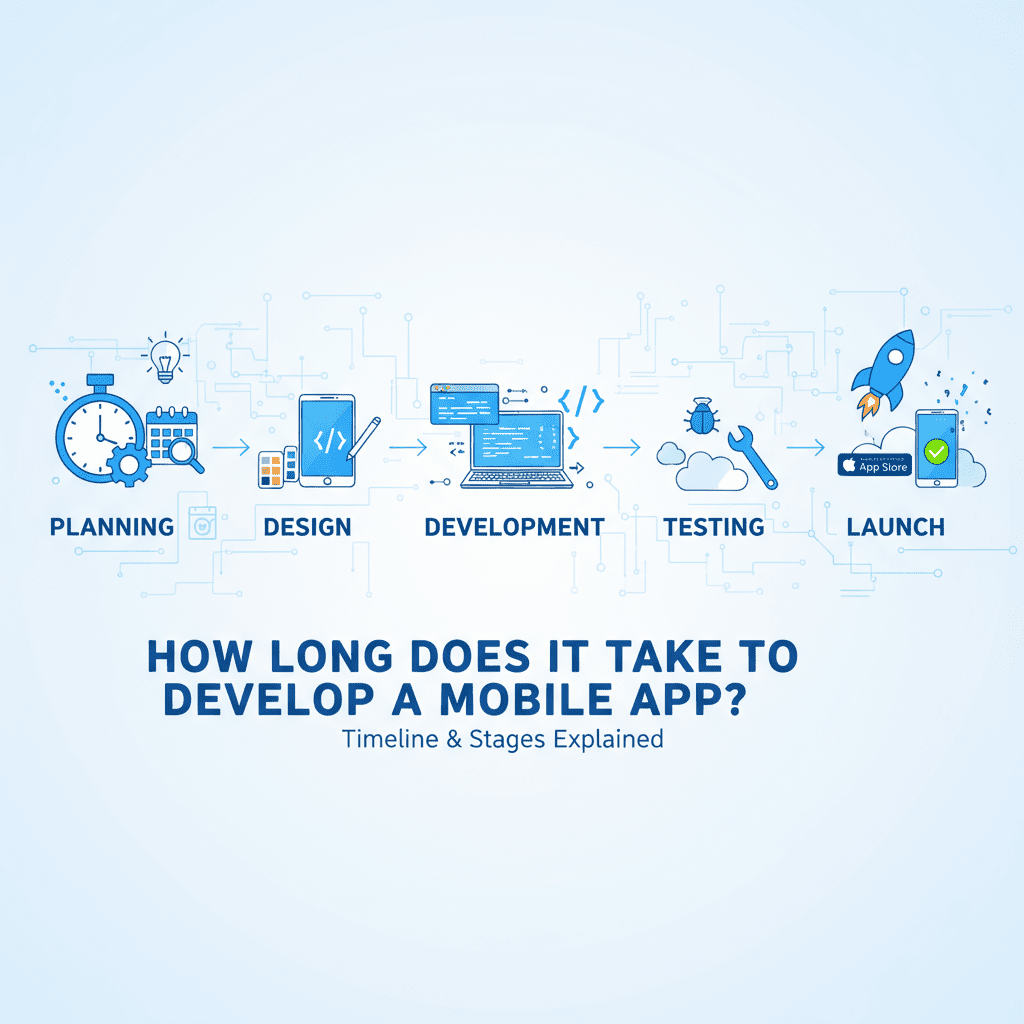
How Long Does It Take to Develop a Mobile App?

Introduction A common question for businesses and entrepreneurs planning mobile apps is: “How long will the development take?” The answer depends on many factors including app complexity, features, platforms, and team expertise. Understanding typical timeframes helps set the right expectations and plan budgets efficiently. App Development Timelines Based on Complexity Simple Apps (2 to 4 Months) Basic functionality with limited features Minimal backend or database integration Examples: Calculator, basic informational app, simple utilities Simple apps focus on core features with straightforward UI/UX and are ideal as MVPs or proof of concepts. Medium Complexity Apps (4 to 8 Months) Moderate feature set like user authentication, payment gateways Some backend integration and APIs Examples: Fitness trackers, food delivery apps, messaging platforms These apps require more testing, UI design, and cross-platform compatibility, extending development time. Complex Apps (8 to 12+ Months) Advanced features such as real-time data sync, AI, AR, video streaming Multiple user roles and third-party integrations Examples: E-commerce marketplaces, social networks, fintech solutions Complex apps often require scalable backend architecture, security compliance, and extensive QA cycles. Factors Influencing Development Time Feature Scope: More features mean longer development and testing periods. Platform Choice: Native apps for iOS and Android may take longer than cross-platform development. Design Complexity: Custom UI/UX design adds to project time. Third-Party Integrations: Payments, social media, maps, or AI APIs affect timelines. Team Size and Expertise: Larger or specialized teams can accelerate or delay schedules. Testing and Revisions: Time allocated for QA and feedback cycles can vary. Tips to Speed Up Development Start with an MVP to validate core features quickly. Use cross-platform frameworks like Flutter or React Native. Prioritize features using MoSCoW method (Must-have, Should-have, Could-have, Won’t-have). Automate testing and use CI/CD pipelines for faster releases. Work with experienced developers or agencies to avoid rework. Conclusion Typically, app development ranges from 2 months for simple projects to over a year for complex applications. Planning, clear requirements, and choosing the right technology are key to hitting your timeline. Setting realistic expectations helps businesses launch products faster and adapt to market feedback effectively. For expert mobile app development services and timeline consultation, explore TechOTD AI Services and follow industry trends on the TechOTD Blog.

Optimizing Operations with Digital Twin in Oil and Gas
Digital Transformation

Optimizing Operations with Digital Twin in Oil and Gas

Introduction The oil and gas industry operates in a complex, high-risk environment where operational efficiency, safety, and cost management are critical. Digital twin technology—virtual replicas of physical assets or processes—is transforming how this sector monitors, manages, and optimizes its operations. By integrating real-time data with advanced simulations, digital twins enable companies to predict issues, enhance safety, and drive operational excellence. This blog explores practical use cases, benefits, common challenges, and solutions related to digital twins in oil and gas. What is a Digital Twin in Oil and Gas? A digital twin is a dynamic, virtual model mirroring the behavior of physical oil and gas assets like pipelines, refineries, or drilling rigs. Using IoT sensor data, AI, machine learning, and cloud computing, it provides continuous insights into performance, condition, and potential risks. Use Cases of Digital Twins in Oil and Gas 1. Predictive Maintenance Digital twins monitor equipment health to forecast failures before they happen, minimizing unplanned downtime and repair costs. 2. Asset Lifecycle Management Virtual replicas track assets from design and construction through operation to decommissioning, optimizing utilization and ROI. 3. Remote Monitoring and Control Operators can manage offshore platforms and remote sites through digital twins, making real-time data-driven decisions. 4. Process Optimization Simulations help refine production workflows, reduce energy consumption, and enhance output quality. 5. Workforce Training & Safety Simulations Virtual environments enable safe training for hazardous scenarios, improving preparedness and reducing accidents. Benefits of Digital Twin Technology Increased Operational Efficiency by providing real-time monitoring and data-driven insights. Enhanced Safety and Risk Management through virtual testing of scenarios and predictive alerts. Cost Reduction from optimized maintenance, less downtime, and efficient resource allocation. Sustainability Improvements by reducing emissions and aligning with environmental regulations. Improved Decision-Making leveraging AI and analytics integrated with digital twins. Challenges in Digital Twin Adoption Data Integration Complexity from heterogeneous sources and formats. High Initial Investment and Implementation Costs. Cybersecurity Risks associated with connected assets. Skills Gap in digital technologies and change management. Data Privacy and Ownership Concerns. Solutions and Best Practices Use cloud-based digital twins to reduce upfront costs and improve scalability. Integrate AI, IoT, and blockchain to enhance analytics, security, and data integrity. Invest in digital upskilling and training for workforce readiness. Develop comprehensive data governance policies to address privacy and compliance. Pilot projects with clear KPIs to demonstrate ROI and gradually scale adoption. Conclusion Digital twin technology offers transformative potential for the oil and gas industry by enabling smarter, safer, and more efficient operations. Despite challenges, the integration of digital twins with AI, IoT, and cloud computing will redefine future energy production and asset management. For tailored digital twin solutions and AI consulting in oil and gas, explore TechOTD AI Services and continue learning through the TechOTD Blog.

enterprise

How Can Enterprise Mobile App Development Accelerate Your Business Growth?

Introduction Enterprise mobile app development is transforming the way businesses operate by providing powerful tools that streamline workflows, improve communication, and drive productivity. In 2025, organizations that invest in custom mobile solutions are better positioned to compete, innovate, and grow faster than their peers. Top Ways Enterprise Mobile Apps Accelerate Growth 1. Enhanced Employee Productivity Enterprise mobile apps empower employees to work efficiently on the go, access resources in real-time, and complete tasks with fewer barriers. Field teams use dedicated apps for inventory checks, reporting, and seamless task updates—making daily operations faster and more reliable. 2. Streamlined Operations and Workflow Automation Mobile apps automate repetitive processes like scheduling, approvals, and reporting, reducing administrative overhead and human error. This streamlines workflows across departments, enabling teams to focus on strategic work. 3. Real-Time Data and Decision-Making Mobile apps unify enterprise data sources and enable instant access to dashboards, analytics, and KPIs. Leaders can make data-driven decisions quickly, respond to changing conditions, and gain valuable business insights at any time. 4. Improved Communication and Collaboration Custom mobile apps offer secure, centralized channels for messaging, file sharing, and field communication, keeping teams aligned. Employees across locations coordinate instantly—boosting engagement and reducing internal delays. 5. Greater Customer Experience and Loyalty Enterprise apps give support and sales staff immediate access to customer data, enabling faster responses and more personalized service. This increases customer satisfaction, retention, and repeat business. 6. Integration with Existing Systems Mobile solutions integrate seamlessly with ERP, CRM, HRMS, and other enterprise software, ensuring data consistency and unified user experiences across all platforms. 7. Flexibility and Scalability Enterprise apps scale as the business grows—accommodating more users, teams, and new functionalities without major overhauls. Mobile-first strategies keep companies agile and responsive in a rapidly changing market. 8. Cost Savings and ROI Mobile app automation reduces process costs, cuts errors, and strengthens productivity—delivering long-term savings and measurable business value. Faster project execution and better resource allocation drive growth and profitability. Sectors Benefiting Most Manufacturing: Real-time production monitoring and supply chain optimization Retail: Inventory management, sales analytics, and loyalty programs Healthcare: Patient record accessibility and remote care coordination Logistics: Delivery tracking, route planning, and fleet management Construction: Equipment reporting, project tracking, and time logging Conclusion Enterprise mobile app development is a growth accelerator—enhancing processes, boosting productivity, and improving customer outcomes. In the fast-evolving digital landscape of 2025, investing in tailored mobile solutions is essential for organizations committed to innovation and competitive edge. Explore expert mobile app development and enterprise integration services at TechOTD AI Services and stay informed on the latest digital trends at the TechOTD Blog. Would you like step-by-step guidance on choosing the right enterprise mobile architecture?

How would you like me to respond?

Select a personality for your AI assistant

Normal
Happy
Sad
Angry

Your selection will affect how the AI assistant responds to your messages

Chat Assistant

Let's discuss your project!

Hear from our clients and why 3000+ businesses trust TechOTD

Tell us what you need, and we'll get back with a cost and timeline estimate

Scroll to Top