
business transformation

Futuristic business-themed illustration showing interconnected DevOps icons, cloud symbols, and automation gears around a central laptop dashboard, with the title text 'How to Choose the Right DevOps Automation Tools for Your Business' displayed prominently on a clean, dark-blue 16:9 background
DEVOPs

Choosing the Right DevOps Tools

Introduction Selecting the right DevOps automation tools can make or break your organization’s digital transformation journey. With the proliferation of options, each designed for specific use cases—ranging from cloud management to deployment pipelines and monitoring—choosing tools that align with your business size, infrastructure, and goals is crucial. The right choices help businesses accelerate delivery, drive efficiency, and scale operations without losing reliability or security. Below is a practical guide to identifying, evaluating, and implementing the best-fit DevOps automation tools for your company.​ Top 10 Graphic Design Tools Every Designer Should Master in 2025 Key Considerations When Choosing DevOps Automation Tools Define your business goals and DevOps maturity level. Assess the current tech stack: Identify cloud providers, operating systems, and existing DevOps practices. List the core areas to automate (e.g., CI/CD, infrastructure, monitoring, configuration management). Evaluate integration requirements: Prefer tools that work seamlessly with your other platforms and workflows. Prioritize scalability: Opt for solutions that grow with your team and adapt to multi-cloud or hybrid environments. Check ease of use and learning curve to shorten onboarding for new team members. Consider total cost of ownership: Factor in licensing, support, customization, and training. Analyze vendor support, community backing, and regular updates for long-term dependability.​ Benefits and Examples of Essential DevOps Automation Tools DevOps automation tools streamline every stage of software delivery, offering benefits such as: Faster time to market and frequent, reliable deployments. Reduced errors and increased consistency through automation. Greater team collaboration via real-time feedback and centralized dashboards. Scalability across cloud and hybrid infrastructures, supporting rapid business growth. Lower operational costs and simplified resource management. Common tool categories and top options include: CI/CD Automation: Jenkins, GitHub Actions, CircleCI, GitLab CI/CD. Infrastructure as Code: Terraform, Ansible, AWS CloudFormation, Pulumi. Monitoring and Alerting: Prometheus, Grafana, Datadog, Dynatrace. Containerization & Orchestration: Docker, Kubernetes, Portainer. Collaboration & Visibility: Slack, Jira, Confluence, Bamboo.​ Conclusion Choosing the right DevOps automation tools is about more than simply following trends—it requires a thoughtful alignment between your business needs, technical environment, budget, and long-term strategy. Prioritize tools that promote automation, collaboration, and flexibility to maximize efficiency and keep your organization agile in the face of rapid change. Start by auditing your current workflows and invest in scalable, well-supported solutions that future-proof your DevOps pipeline.​ Ready to elevate your DevOps practice? Review your goals, map your tool requirements, and start your automation journey today!   FAQ Q1: What is the first step in choosing a DevOps automation tool? A1: Begin by defining your business objectives and understanding your team’s current capabilities and processes.​ Q2: Why is integration important in DevOps tool selection? A2: Integration minimizes context-switching and workflow disruptions, resulting in smoother and more efficient operations.​ Q3: Are open-source tools better than commercial ones? A3: It depends on your support needs, budget, and control preferences—open-source tools offer flexibility, while commercial tools may provide stronger support and easier adoption.​ Q4: How do DevOps automation tools reduce operational costs? A4: By automating repetitive tasks and optimizing resource use, these tools help organizations save time and minimize manual errors.​ Q5: What features are essential in a DevOps automation tool? A5: Look for scalability, integration options, security, ease of use, automation capabilities, and strong community or vendor support
Futuristic business setting showing a diverse team collaborating around digital devices, surrounded by AI icons, smart data graphs, and a city skyline with the blog title “AI Readiness” prominently displayed(see the generated image above).
Artificial Intelligence

AI Readiness: The Foundation for Successful AI Integration

Introduction AI readiness is quickly becoming essential for businesses navigating the future of digital transformation. Organizations in every sector want to harness artificial intelligence (AI) to streamline processes, unlock strategic insights, and stay ahead of competitors. Yet, success is determined not by enthusiasm alone, but by how thoroughly an organization prepares for effective AI adoption. This blog explores what AI readiness means, why it matters, and how to chart a clear path toward responsible, scalable, and profitable AI initiatives.​   What Is AI Readiness? AI readiness measures an organization’s preparedness to implement and scale AI technologies effectively across its operations.​ It goes beyond having advanced technology—encompassing data management, infrastructure, workforce skills, ethical governance, and change management.​ Achieving readiness means developing a strategic vision, clarifying objectives, and building a roadmap that aligns AI projects with core business goals.​ Key Components of AI Readiness Strategy and Objectives Define clear business challenges and goals for AI initiatives. Align AI projects with overall corporate strategy and measurable KPIs.​ Secure leadership buy-in for long-term success.​ Data and Infrastructure Ensure high-quality, accessible data with strong governance and security.​ Upgrade technical infrastructure to support AI workloads (processing power, storage, network capabilities).​ Talent and Culture Invest in workforce training—AI skills, change management, and digital literacy.​ Foster a culture that welcomes innovation and adapts to new technologies.​ Governance and Risk Management Create policies for ethical, legal, and regulatory compliance in AI usage.​ Embed monitoring and feedback mechanisms to manage risks and ensure responsible AI deployment.​ How AI Readiness Drives Business Value Enhanced Efficiency: Automating repetitive tasks and leveraging AI for data analysis improves productivity and decision-making.​ Smarter Investments: Readiness assessments help businesses target high-impact projects and avoid costly missteps.​ Reduced Risks: Careful planning and training minimize failures and ensure robust, secure implementations.​ Competitive Advantage: Organizations ready for AI gain insights faster and innovate more effectively than competitors.​ Practical Steps For Building AI Readiness Conduct an AI readiness assessment to identify strengths and gaps.​ Implement the 11-step AI readiness checklist: Establish clear objectives Map current capabilities Develop an AI strategy and roadmap Improve data foundations Upgrade infrastructure Set governance policies Invest in talent and culture Pilot targeted projects Measure and iterate Engage leadership and stakeholders Ensure continuous learning and adaptation.​ Leverage real-world examples: Shell uses AI-driven predictive analytics for drilling optimization. IBM Watson analyzes healthcare data to guide treatment decisions.​ Retailers optimize inventory and supply chains with AI-powered demand forecasting.​ Conclusion AI readiness is the cornerstone of successful and sustainable AI transformation. By preparing across strategy, infrastructure, people, and governance, businesses unleash AI’s full potential—while mitigating risks and maximizing returns. Start by assessing your organization’s readiness, implementing targeted improvements, and fostering a future-ready culture. Ready to future-proof your business through AI? Begin your AI readiness assessment today and accelerate your journey to digital leadership! Flutter vs React Native — Which Framework Should You Choose in 2025? FAQ 1. What is an AI readiness assessment? An AI readiness assessment evaluates your organization’s strength across strategy, data, infrastructure, talent, culture, and governance to identify areas for improvement before adopting AI technologies.​ 2. Why should businesses focus on AI readiness? AI readiness prevents costly failures, boosts ROI, and enables responsible, scalable adoption—helping businesses realize the full value of AI investments.​ 3. What’s the most common barrier to AI readiness? Weak data infrastructure and insufficient workforce skills are frequent obstacles. Addressing these challenges is critical for smooth and effective AI integration.​ 4. Can small and medium businesses benefit from AI readiness? Yes. Clear objectives, practical assessments, and phased implementation plans help businesses of any size capitalize on AI opportunities.​ 5. How does AI readiness impact compliance and ethical use? Robust governance ensures AI systems are deployed responsibly, minimizing regulatory risk and building stakeholder trust.  

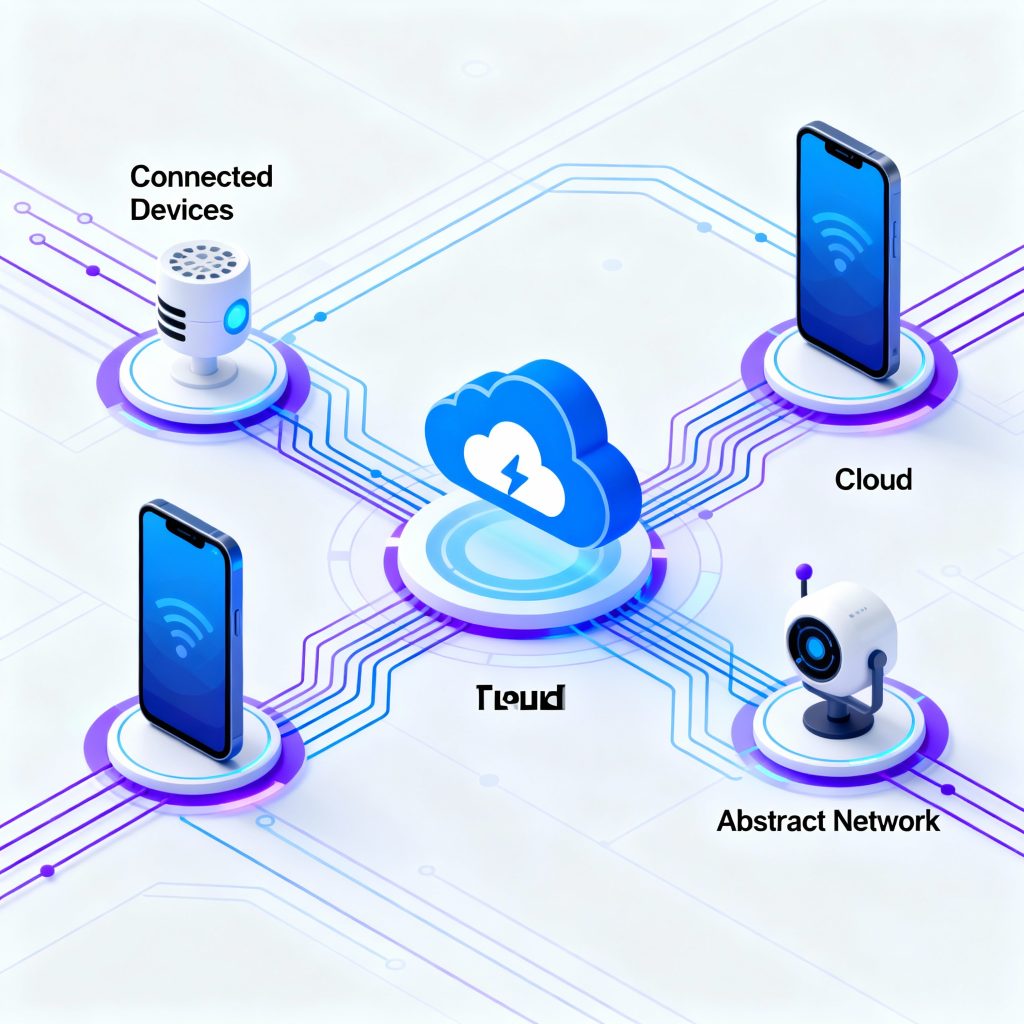
Digital transformation concept with business technology, AI data flow, and cloud computing network.
Uncategorized

Digital Transformation in 2025: How Technology Is Redefining Business and Innovation

Introduction The world is changing — and it’s happening at digital speed. Digital transformation has evolved from being a buzzword to a fundamental necessity for every business. It’s not just about adopting new technologies but about reimagining how organizations operate, deliver value, and connect with customers. In 2025, companies that embrace digital transformation are leading markets, while those that resist it risk falling behind. From cloud computing to AI-driven automation, digital innovation is redefining the global economy. What Is Digital Transformation? Digital transformation is the integration of digital technologies into all areas of business, changing how companies operate and deliver value. It involves adopting new tools, automating processes, and building a culture that embraces continuous innovation. Key aspects include: Technology Adoption: Using AI, cloud, and analytics. Process Optimization: Automating workflows and operations. Cultural Change: Encouraging adaptability and innovation. Core Technologies Powering Digital Transformation Artificial Intelligence (AI): Enables automation, predictions, and personalization. Cloud Computing: Offers scalability and remote accessibility. Internet of Things (IoT): Connects devices for real-time data exchange. Big Data Analytics: Transforms raw data into actionable insights. Blockchain: Adds transparency and security to transactions. 5G Networks: Enables faster, more reliable digital experiences. Benefits of Digital Transformation Speed & Agility: Faster decision-making and innovation. Customer Satisfaction: Real-time personalization and engagement. Cost Efficiency: Automation reduces operational expenses. Business Continuity: Cloud services ensure resilience and scalability. Sustainability: Digital solutions minimize resource waste and paper usage. Challenges in Digital Transformation While transformation offers benefits, it also brings challenges: Cybersecurity Risks: Increased digital exposure demands stronger protection. Legacy Systems: Outdated technology slows innovation. Cultural Resistance: Employees may fear change or automation. High Initial Costs: Digital tools require upfront investment. The Future of Digital Transformation The next phase of transformation focuses on AI-first ecosystems, automation, and sustainability. Hyper-Automation: Everything that can be automated will be. Green IT: Businesses are adopting eco-friendly digital solutions. AI-Driven Decision Making: Predictive insights guide leadership. Metaverse Integration: Blending digital and physical experiences. Conclusion Digital transformation is not just a technological upgrade — it’s a mindset shift. In 2025, success depends on how quickly businesses adapt to change, leverage data, and deliver value through innovation. As AI, cloud computing, and automation continue to evolve, one thing is clear: “Digital transformation is the bridge between today’s challenges and tomorrow’s possibilities.” FAQ Section Q1. What is digital transformation in simple terms?It’s the process of using technology to improve how businesses operate and serve customers. Q2. Which technologies drive digital transformation?AI, cloud computing, IoT, big data, and automation. Q3. Why is digital transformation important?It enhances efficiency, innovation, and customer satisfaction while reducing costs. Q4. What are common challenges?Cybersecurity, cost, and cultural resistance to change. Q5. Is digital transformation only for big companies?No — small and medium businesses also benefit from automation and cloud tools.

Scroll to Top