Asset Lifecycle Management

Optimizing Operations with Digital Twin in Oil and Gas
Digital Transformation

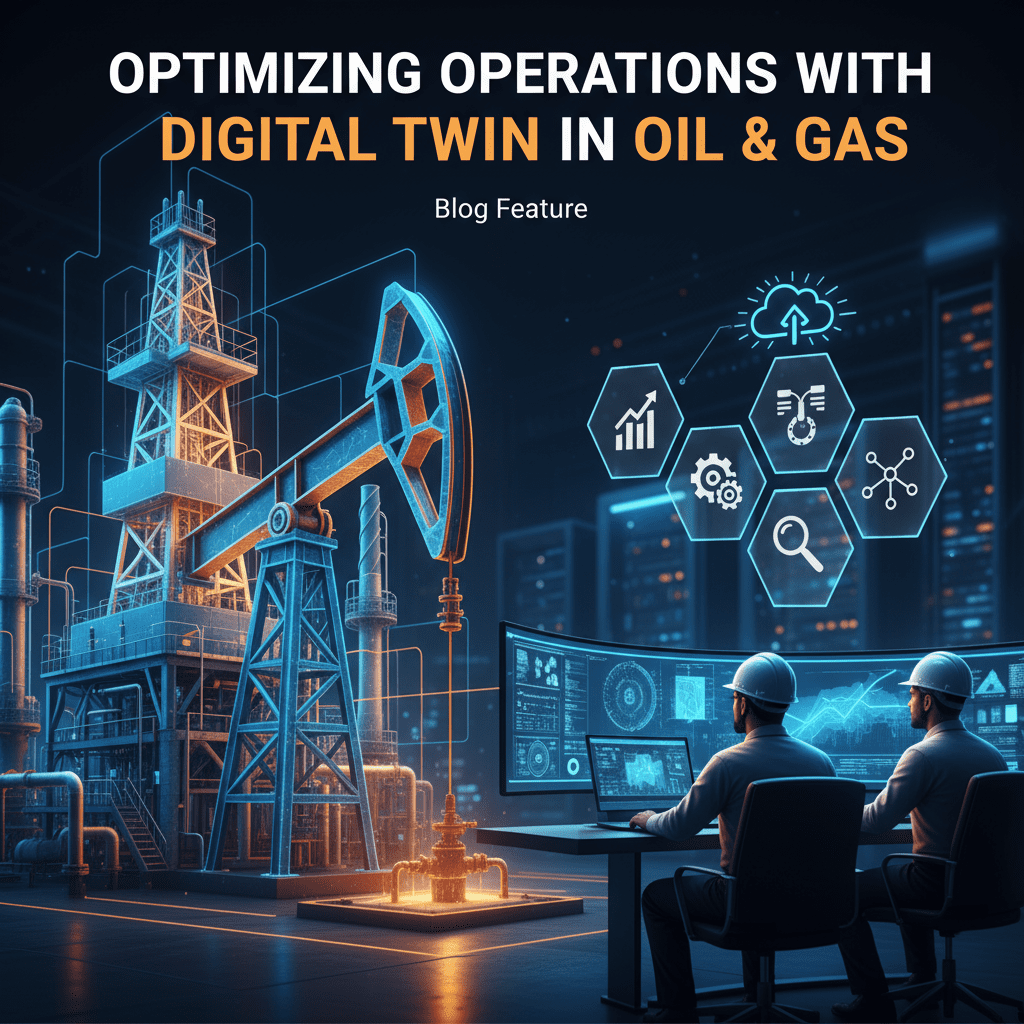
Optimizing Operations with Digital Twin in Oil and Gas

Introduction The oil and gas industry operates in a complex, high-risk environment where operational efficiency, safety, and cost management are critical. Digital twin technology—virtual replicas of physical assets or processes—is transforming how this sector monitors, manages, and optimizes its operations. By integrating real-time data with advanced simulations, digital twins enable companies to predict issues, enhance safety, and drive operational excellence. This blog explores practical use cases, benefits, common challenges, and solutions related to digital twins in oil and gas. What is a Digital Twin in Oil and Gas? A digital twin is a dynamic, virtual model mirroring the behavior of physical oil and gas assets like pipelines, refineries, or drilling rigs. Using IoT sensor data, AI, machine learning, and cloud computing, it provides continuous insights into performance, condition, and potential risks. Use Cases of Digital Twins in Oil and Gas 1. Predictive Maintenance Digital twins monitor equipment health to forecast failures before they happen, minimizing unplanned downtime and repair costs. 2. Asset Lifecycle Management Virtual replicas track assets from design and construction through operation to decommissioning, optimizing utilization and ROI. 3. Remote Monitoring and Control Operators can manage offshore platforms and remote sites through digital twins, making real-time data-driven decisions. 4. Process Optimization Simulations help refine production workflows, reduce energy consumption, and enhance output quality. 5. Workforce Training & Safety Simulations Virtual environments enable safe training for hazardous scenarios, improving preparedness and reducing accidents. Benefits of Digital Twin Technology Increased Operational Efficiency by providing real-time monitoring and data-driven insights. Enhanced Safety and Risk Management through virtual testing of scenarios and predictive alerts. Cost Reduction from optimized maintenance, less downtime, and efficient resource allocation. Sustainability Improvements by reducing emissions and aligning with environmental regulations. Improved Decision-Making leveraging AI and analytics integrated with digital twins. Challenges in Digital Twin Adoption Data Integration Complexity from heterogeneous sources and formats. High Initial Investment and Implementation Costs. Cybersecurity Risks associated with connected assets. Skills Gap in digital technologies and change management. Data Privacy and Ownership Concerns. Solutions and Best Practices Use cloud-based digital twins to reduce upfront costs and improve scalability. Integrate AI, IoT, and blockchain to enhance analytics, security, and data integrity. Invest in digital upskilling and training for workforce readiness. Develop comprehensive data governance policies to address privacy and compliance. Pilot projects with clear KPIs to demonstrate ROI and gradually scale adoption. Conclusion Digital twin technology offers transformative potential for the oil and gas industry by enabling smarter, safer, and more efficient operations. Despite challenges, the integration of digital twins with AI, IoT, and cloud computing will redefine future energy production and asset management. For tailored digital twin solutions and AI consulting in oil and gas, explore TechOTD AI Services and continue learning through the TechOTD Blog.

Internet of Things

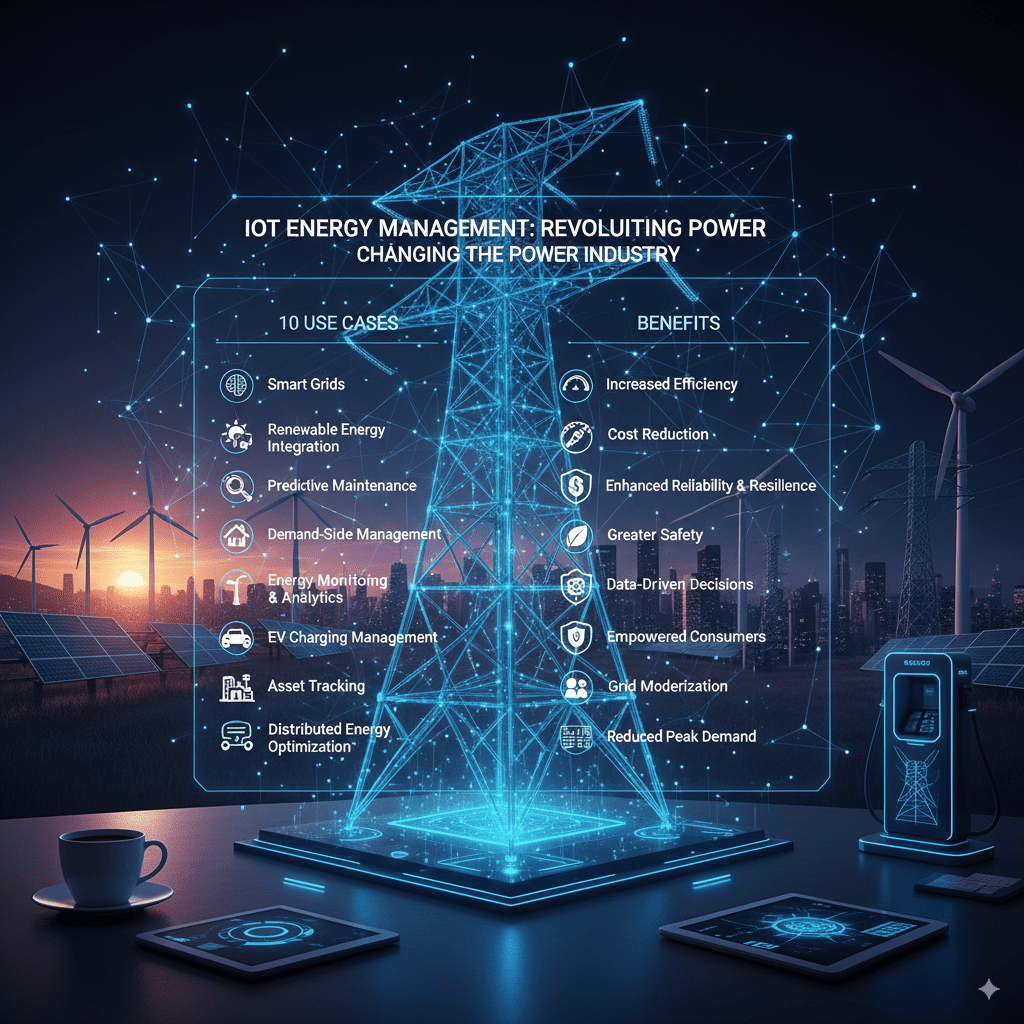
10 Use Cases and Benefits of IoT Energy Management Changing the Power Industry

Introduction The adoption of Internet of Things (IoT) technology is revolutionizing energy management across industries. By enabling real-time monitoring, automation, and data-driven optimization, IoT solutions help reduce costs, increase efficiency, and support sustainability goals. In the dynamically evolving power industry, IoT is a game-changer, transforming how energy is generated, distributed, and consumed. Here are 10 impactful IoT use cases in energy management and the benefits that are reshaping the power landscape in 2025. 1. Smart Commercial Buildings IoT devices optimize lighting, HVAC systems, and energy consumption based on occupancy and time of day. Automated control reduces unnecessary energy use and cuts costs in offices, warehouses, and retail spaces. 2. Smart Metering and Real-Time Energy Monitoring IoT-enabled smart meters provide granular usage data for consumers and utilities. This helps track energy consumption patterns, detect inefficiencies, and optimize demand response strategies. 3. Predictive Maintenance for Energy Assets IoT sensors monitor equipment health indicators such as temperature and vibration to anticipate failures before they occur, reducing downtime and maintenance costs. 4. Automated Energy Optimization By analyzing real-time data on environmental conditions and usage, IoT systems can dynamically adjust energy consumption, such as dimming lights or modulating HVAC, resulting in efficient resource use. 5. Integration of Renewable Energy Sources IoT manages and monitors solar panels, wind turbines, and other green energy assets. It enables smarter distribution, load balancing, and storage, supporting grid stability and sustainability. 6. Demand Response Management Utilities leverage IoT data to adjust supply dynamically in response to consumer demand spikes, minimizing blackouts and optimizing grid performance. 7. Energy Theft and Fault Detection IoT sensors detect anomalies indicating theft or faults in the grid infrastructure, improving security and reducing revenue losses. 8. Grid Automation and Remote Control IoT-enabled automation allows utilities to remotely monitor and manage substations, transformers, and distribution networks, improving reliability and reducing operating costs. 9. Asset Lifecycle Management IoT tracks energy infrastructure usage metrics and conditions to optimize replacements, upgrades, and budgeting, extending asset life and enhancing ROI. 10. Enhanced Consumer Engagement Consumers receive actionable insights through IoT-powered apps and devices, promoting energy-saving behaviors and enabling participation in energy markets (e.g., trading surplus solar energy). Benefits Cost Savings: Reduced energy waste cuts operational expenses. Energy Efficiency: Optimized consumption and supply balancing enhance system performance. Sustainability: Supports green energy adoption and reduces carbon footprint. Operational Transparency: Real-time data improves decision-making and regulatory compliance. Improved Reliability: Predictive maintenance and fault detection minimize outages. User Empowerment: Engages consumers in managing their energy usage actively. Conclusion IoT energy management is a cornerstone of the future power industry—creating smarter, cleaner, and more resilient energy ecosystems. Businesses, utilities, and consumers alike stand to benefit from adopting connected energy solutions and leveraging data-driven insights. For expert guidance on integrating IoT and AI into energy management, explore TechOTD AI Services and stay updated with innovations on the TechOTD Blog. Would you like a detailed technical overview or case studies illustrating IoT impact in energy?# 10 Use Cases and Benefits of IoT Energy Management Changing the Power Industry Introduction The adoption of Internet of Things (IoT) technology is revolutionizing energy management across industries. By enabling real-time monitoring, automation, and data-driven optimization, IoT solutions help reduce costs, increase efficiency, and support sustainability goals. In the dynamically evolving power industry, IoT is a game-changer, transforming how energy is generated, distributed, and consumed. Here are 10 impactful IoT use cases in energy management and the benefits that are reshaping the power landscape in 2025. 1. Smart Commercial Buildings IoT devices optimize lighting, HVAC systems, and energy consumption based on occupancy and time of day. Automated control reduces unnecessary energy use and cuts costs in offices, warehouses, and retail spaces. 2. Smart Metering and Real-Time Energy Monitoring IoT-enabled smart meters provide granular usage data for consumers and utilities. This helps track energy consumption patterns, detect inefficiencies, and optimize demand response strategies. 3. Predictive Maintenance for Energy Assets IoT sensors monitor equipment health indicators such as temperature and vibration to anticipate failures before they occur, reducing downtime and maintenance costs. 4. Automated Energy Optimization By analyzing real-time data on environmental conditions and usage, IoT systems can dynamically adjust energy consumption, such as dimming lights or modulating HVAC, resulting in efficient resource use. 5. Integration of Renewable Energy Sources IoT manages and monitors solar panels, wind turbines, and other green energy assets. It enables smarter distribution, load balancing, and storage, supporting grid stability and sustainability. 6. Demand Response Management Utilities leverage IoT data to adjust supply dynamically in response to consumer demand spikes, minimizing blackouts and optimizing grid performance. 7. Energy Theft and Fault Detection IoT sensors detect anomalies indicating theft or faults in the grid infrastructure, improving security and reducing revenue losses. 8. Grid Automation and Remote Control IoT-enabled automation allows utilities to remotely monitor and manage substations, transformers, and distribution networks, improving reliability and reducing operating costs. 9. Asset Lifecycle Management IoT tracks energy infrastructure usage metrics and conditions to optimize replacements, upgrades, and budgeting, extending asset life and enhancing ROI. 10. Enhanced Consumer Engagement Consumers receive actionable insights through IoT-powered apps and devices, promoting energy-saving behaviors and enabling participation in energy markets (e.g., trading surplus solar energy). Benefits Cost Savings: Reduced energy waste cuts operational expenses. Energy Efficiency: Optimized consumption and supply balancing enhance system performance. Sustainability: Supports green energy adoption and reduces carbon footprint. Operational Transparency: Real-time data improves decision-making and regulatory compliance. Improved Reliability: Predictive maintenance and fault detection minimize outages. User Empowerment: Engages consumers in managing their energy usage actively. > Conclusion IoT energy management is a cornerstone of the future power industry—creating smarter, cleaner, and more resilient energy ecosystems. Businesses, utilities, and consumers alike stand to benefit from adopting connected energy solutions and leveraging data-driven insights. For expert guidance on integrating IoT and AI into energy management, explore TechOTD AI Services and stay updated with innovations on the TechOTD Blog.

Digital Transformation, Uncategorized

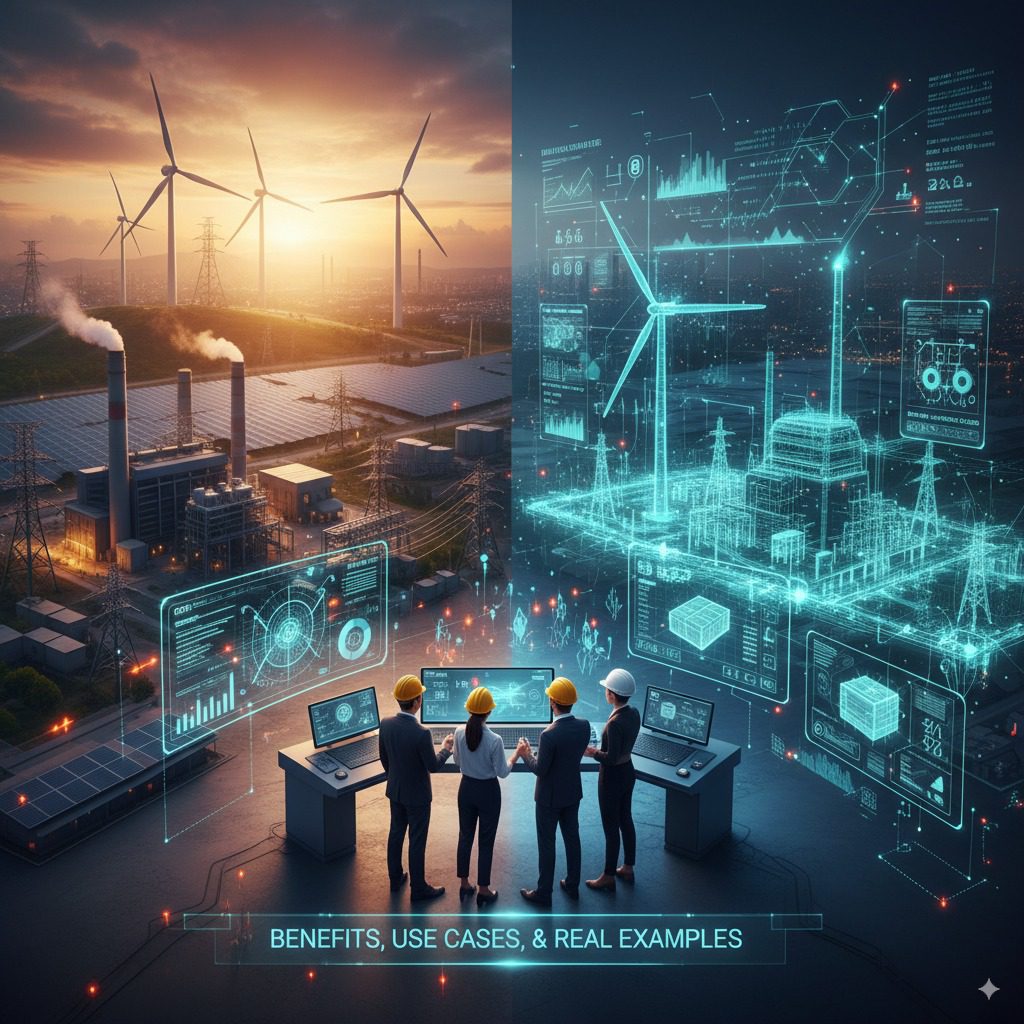
Digital Twins Driving Innovation in the Energy Sector: Benefits, Use Cases, and Real Examples

Introduction The energy sector is undergoing a digital revolution⁠—and digital twin technology sits at its core. By creating virtual replicas of physical assets, processes, or systems, digital twins enable real-time monitoring, simulation, and predictive analysis. This innovation helps energy companies optimize performance, reduce costs, and achieve sustainability goals, marking a fundamental shift in how energy is produced, managed, and consumed. Benefits of Digital Twins in the Energy Sector Revolutionized Predictive Maintenance Digital twins let energy companies move from reactive to predictive maintenance. Sensor-driven data and real-time analytics identify equipment issues before failures occur⁠—minimizing downtime, reducing maintenance costs, and extending asset lifespans. Unparalleled Energy Efficiency Virtual models allow operators to simulate and optimize energy production and consumption. This results in greater efficiency, lower operational costs, and reduced environmental impact. Enhanced Data-Driven Decision Making Digital twins provide rich, real-time insights. Companies can test operational strategies in a “risk-free” virtual environment before implementation, improving system reliability and reducing operational risk. Accelerated Innovation This technology enables rapid prototyping of new solutions. Energy companies can experiment and iterate virtually, fast-tracking development cycles and driving the adoption of next-gen technologies. Increased Safety and Reliability Continuous, real-time monitoring makes it easier to spot risks and vulnerabilities. This proactive stance improves system integrity, worker safety, and reliability of supply. Supporting Sustainability By simulating and analyzing resource use and environmental impacts, digital twins help energy operators align with strict sustainability goals, reduce waste, and comply with global environmental standards. Key Use Cases in the Energy Sector Wind Farm Optimization: Virtual models predict wear, simulate conditions, and optimize turbine placement/performance, increasing energy yield and minimizing boilerplate. Smart Grid Management: Digital twins of grids enable real-time monitoring, outage prediction, and optimal load distribution, making power systems more resilient. Refinery and Power Plant Operations: Digital twins simulate production processes, optimize workflows, minimize energy consumption, and reduce emissions. Energy Storage Systems: Operators use digital twin models to optimize battery and hydro-storage, resulting in smarter grid-balancing and resource allocation. Asset Lifecycle Management: In nuclear or large-scale power installations, digital twins track aging, predict failures, and optimize replacement schedules. Distributed Renewable Integration: Twins help assess real-time performance of solar and distributed renewables, streamlining grid integration. Real-World Examples Siemens Gas Turbines: Digital twins track turbine operations in real-time, enabling predictive maintenance and improved performance, significantly cutting costs. Shell Refineries: Shell uses refinery digital twins for operational simulations, enabling optimization, emission reduction, and proactive maintenance. Duke Energy: Digital twins help manage Duke’s distributed power grid, improving fault prediction and grid reliability. General Electric Wind Farms: GE leverages digital twins to maximize wind farm yield and reduce unplanned outages by continuously analyzing turbine data. Smart Cities (Singapore, Shanghai): Entire cities are modeled with digital twins for energy optimization, traffic flow, and urban planning. Future Trends AI/ML Integration: Combining artificial intelligence and digital twins unlocks deeper analytics and autonomous optimization. Edge Computing: Processes data closer to assets for faster response and increased autonomy. Cross-Domain Models: Integrating energy twins with supply chain, production, and environmental data for holistic management. Sustainability Modeling: Enhanced environmental simulations for compliance and carbon management. Conclusion Digital twins are transforming the energy industry, driving operational efficiency, cost reduction, innovation, and sustainability. Energy sector leaders embracing this technology are poised to achieve new benchmarks in reliability, competitiveness, and environmental stewardship. For more on the intersection of digital innovation and energy management—or support integrating AI, blockchain, and analytics with your operations—explore TechOTD AI Services and insights on TechOTD Blog.

Scroll to Top