
AI Search

Artificial Intelligence, Digital Transformation, Technology

AI-Powered Search vs Traditional Search Engines: What’s Changing?

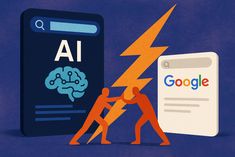
AI-Powered Search vs Traditional Search Engines: What’s Changing? The way we search for information online is undergoing one of the biggest transformations since the birth of the internet. For more than two decades, traditional search engines have been our gateway to the digital world. Whether we wanted to find a nearby restaurant, learn a new skill, research a topic, or compare products, search engines have always been the first stop. However, the rise of Artificial Intelligence has started a new chapter in the evolution of search technology. AI-powered search is changing how users interact with information, moving beyond simply displaying links and providing direct, conversational answers. From AI assistants and chatbots to intelligent search platforms integrated into browsers and applications, the search experience is becoming faster, smarter, and more personalized than ever before. But what exactly is changing? How does AI-powered search differ from traditional search engines? And what does this shift mean for businesses, content creators, and everyday users? Let’s explore. Understanding Traditional Search Engines Traditional search engines have dominated the internet for years. Their primary purpose is to help users discover relevant web pages based on keywords entered into a search box. When a user searches for something like “best laptops for students,” the search engine scans its index of billions of web pages and returns a list of links ranked according to relevance and authority. This process generally involves: Crawling websites Indexing content Ranking pages Displaying search results The user then clicks through multiple links to find the information they need. Traditional search has been highly effective because it provides access to a vast amount of information. However, it often requires users to visit several websites before finding a complete answer. For simple questions, this process may feel inefficient in today’s fast-paced digital environment. What Is AI-Powered Search? AI-powered search represents a significant evolution in information retrieval. Instead of simply presenting a list of links, AI search systems understand user intent, analyze context, and generate direct answers in natural language. These systems use advanced technologies such as: Natural Language Processing (NLP) Machine Learning Large Language Models (LLMs) Contextual Understanding Generative AI When users ask a question, AI-powered search can provide a summarized response, explain concepts, compare options, and even engage in follow-up conversations. For example, instead of searching: “Best smartphones under ₹30,000” Users can ask: “Which smartphone under ₹30,000 has the best camera and battery life for daily use?” An AI-powered system can analyze the query, understand the requirements, and provide a tailored recommendation instantly. This conversational approach makes information discovery significantly more intuitive. The Biggest Differences Between AI Search and Traditional Search Although both approaches aim to help users find information, they operate very differently. 1. Links vs Direct Answers Traditional search engines primarily provide lists of relevant links. Users must browse multiple websites to gather information and form conclusions. AI-powered search, on the other hand, often delivers a complete answer directly within the search interface. This reduces the need to open multiple tabs and saves valuable time. 2. Keyword Matching vs Intent Understanding Traditional search heavily relies on keywords. While modern search engines have become better at understanding language, keyword relevance remains a major factor. AI-powered search focuses more on understanding intent. It analyzes the meaning behind the query rather than just matching keywords. This allows users to ask questions naturally without worrying about specific search terms. 3. Static Results vs Conversational Interaction Traditional search results are generally static. If users need clarification, they must perform additional searches. AI-powered search creates an interactive experience. Users can ask follow-up questions, request explanations, or refine their search without starting over. This makes information gathering more efficient and user-friendly. 4. Information Gathering vs Information Synthesis Traditional search presents information from multiple sources. Users are responsible for reading and synthesizing the content. AI search performs much of this work automatically by combining information from various sources and presenting it in a summarized format. This significantly reduces research time. 5. One-Size-Fits-All vs Personalized Experiences AI systems can adapt responses based on context, previous interactions, and user preferences. This creates a more personalized experience compared to traditional search methods that often display similar results for everyone. Why AI-Powered Search Is Gaining Popularity The rapid adoption of AI search is not happening by accident. Several factors are driving this shift. Faster Access to Information Modern users expect instant answers. AI-powered search reduces the number of steps needed to find information, improving efficiency. Instead of reading multiple articles, users receive concise responses immediately. Better Understanding of Complex Queries People often struggle to find the right keywords when using traditional search. AI-powered systems understand natural language, making searches more intuitive. Users can communicate as if they were speaking to another person. Enhanced Productivity Professionals, students, researchers, and businesses are increasingly using AI search tools to accelerate workflows. Tasks that once required hours of research can now be completed in minutes. Improved User Experience The conversational nature of AI search creates a more engaging experience. Rather than searching repeatedly, users can refine questions naturally and receive increasingly relevant responses. How AI Search Is Impacting Businesses The shift toward AI-powered search is creating both opportunities and challenges for businesses. Changing SEO Strategies For years, businesses have optimized content to rank highly on search engine results pages. As AI search becomes more common, SEO strategies are evolving. Content creators now need to focus on: Answering user questions clearly Providing valuable insights Demonstrating expertise Creating trustworthy content Structuring information effectively High-quality content is becoming more important than ever. Increased Importance of Authority AI systems prioritize reliable and authoritative information. Businesses that consistently publish accurate, informative, and credible content are more likely to gain visibility. Building trust is becoming a competitive advantage. New Opportunities for Brand Visibility Although AI-generated answers may reduce clicks to websites in some cases, they also create opportunities for brands to be cited as trusted sources. Businesses that produce valuable content can strengthen their authority and reach broader audiences. Challenges Facing AI-Powered Search Despite
Artificial Intelligence, Digital Transformation, Technology & Innovation

What Is GEO (Generative Engine Optimization)?

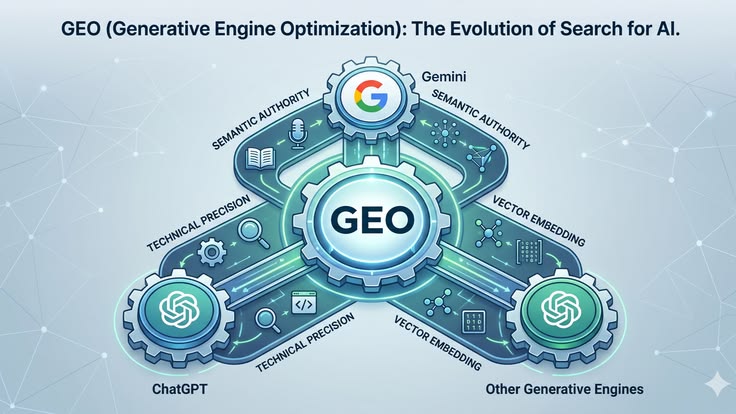
What Is GEO (Generative Engine Optimization)? The Complete Guide to AI-First Search The digital marketing landscape is facing its most disruptive shift since the inception of the commercial internet. For decades, search engine optimization (SEO) has been the undisputed king of organic visibility. Businesses mastered the art of appealing to Google’s PageRank and crawler bots to land a spot on the coveted first page of “10 blue links.” However, user behavior is fundamentally changing. With the massive integration of Artificial Intelligence into our daily search habits—via Google’s AI Overviews, OpenAI’s SearchGPT, and conversational answer engines like Perplexity AI—users no longer want a list of websites to click through. They want direct, synthesized, and immediate answers to complex questions. To survive this transition, brands must pivot from traditional SEO to GEO (Generative Engine Optimization). GEO is the strategic practice of optimizing digital content so that Large Language Models (LLMs) and generative search systems pick your brand, cite your website, and recommend your products when answering a user’s conversational prompt. 1. How Generative Search Works: Under the Hood To optimize for an AI engine, you must understand how it retrieves information. Traditional engines map keywords to a massive database index. Generative engines use an architecture called Retrieval-Augmented Generation (RAG). [ User Complex Prompt ] │ ▼ [ RAG Search Layer ] ──> Scrapes & Aggregates Authoritative Web Sources │ ▼ [ LLM Context Window ] ──> Synthesizes & Formulates Cohesive Response │ ▼ [ Output: Conversational Answer + In-Text Citations ] When a user submits a complex prompt, the AI search engine doesn’t just guess an answer. It uses a RAG system to perform a lightning-fast web search for high-quality, relevant articles. It pulls the text from those top-performing pages and feeds them into the LLM’s context window. The LLM reads that aggregated data, synthesizes it, and formats a humanlike response, complete with in-text citations linking back to the source material. Your entire goal with GEO is to ensure your content is structured so perfectly that the RAG system extracts it, and the LLM trusts it enough to cite it. 2. Core Pillars of Generative Engine Optimization (GEO) According to empirical research on AI search visibility, standard keyword stuffing will actively hurt your performance in generative results. Instead, AI engines favor specific content characteristics: A. Authoritative and Statistical Inclusion LLMs are designed to minimize hallucinations (making things up). Because of this, their retrieval layers actively hunt for concrete facts, verified statistics, and primary research data. The Blueprint: Instead of writing vague statements like “Many companies use remote work software,” write with precision: “According to a 2026 Stanford study, 42% of the US labor force now works from home full-time.” B. Structural Fluency & Information Density AI models read text exponentially faster when it is organized logically. Messy walls of text make it difficult for the retrieval system to pull key facts cleanly. The Blueprint: Use explicit markdown formatting. Break down data into clear comparison tables, use highly descriptive H2 and H3 headings, and present actionable takeaways in bulleted lists. C. Direct Answer Architecture (The TL;DR Block) Generative engines want to answer the user as quickly as possible. If your article hides the main answer at the very bottom of a 2,000-word post, an AI bot will pass it over for a site that delivers immediate value. The Blueprint: Implement a “Direct Answer Block” or a summary box right beneath your main article title. Give the AI the exact definition or solution it needs to scrape instantly, then provide the deep-dive context below. 3. SEO vs. GEO: A Deep Comparison Matrix Feature / Metric Traditional SEO Generative Engine Optimization (GEO) User Search Style Short, fragmented phrases (e.g., “best wireless headphones”) Long, contextual prompts (e.g., “what are the best noise-canceling headphones for a small head on a 6-hour flight?”) Primary Goal Rank #1 in the organic search results list Become the primary cited source or product recommendation inside the AI response Content Focus Target keyword volume, search intent, and comprehensive topic coverage High information density, first-party data, and expert quotes Technical Driver XML sitemaps, clean URLs, and basic meta tags Advanced Schema Markup (Product, FAQ, Organization) and unblocked AI bots Primary Metric Search engine ranking positions (SERP) and raw organic clicks Share of Voice (SoV) in AI answers and referral traffic from AI subdomains 4. How to Optimize Your Website for the Big Three AI Engines Each major player in the AI search race handles data extraction slightly differently. A robust GEO strategy accounts for these unique preferences. 1. Google AI Overviews (Gemini) Google’s AI capabilities are native extensions of its core web index. Leverage EEAT: Experience, Expertise, Authoritativeness, and Trustworthiness are non-negotiable. Ensure your content features clear author biographies, links to verified social profiles, and expert credentials. Keep Core Web Vitals Flawless: If your page takes too long to load or render, Google’s real-time RAG engine will skip past your site to maintain its conversational speed. 2. OpenAI SearchGPT / ChatGPT Search OpenAI heavily weights real-time web discovery alongside its deeply integrated premium publisher partnerships. Digital PR and Third-Party Reviews: SearchGPT often pulls brand recommendations by looking at web sentiment. To show up as a recommended product, ensure your brand has consistent, positive mentions on third-party review platforms (like G2, Trustpilot, or industry forums). Verify Robot Permissions: Check your robots.txt file and make sure you haven’t blocked search crawlers like OAI-SearchBot. 3. Perplexity AI Perplexity operates as an aggressive real-time citation machine, aiming to act as the internet’s definitive bibliography. Be the Original Source: Perplexity prioritizes primary data over secondary aggregators. Focus on publishing original research, proprietary data sets, or case studies. Participate in Community Hubs: Perplexity frequently looks at Reddit and niche forums to gather real-world human consensus. Maintaining an active brand presence on these channels can pull your business directly into Perplexity’s citation loop. 5. Critical Mistakes to Avoid Relying on Generic AI Content Swarms: Mass-producing basic AI-generated text to build a massive blog footprint backfires in GEO. If your

Artificial Intelligence

From Google to AI: Why We’re Changing the Way We Search Forever

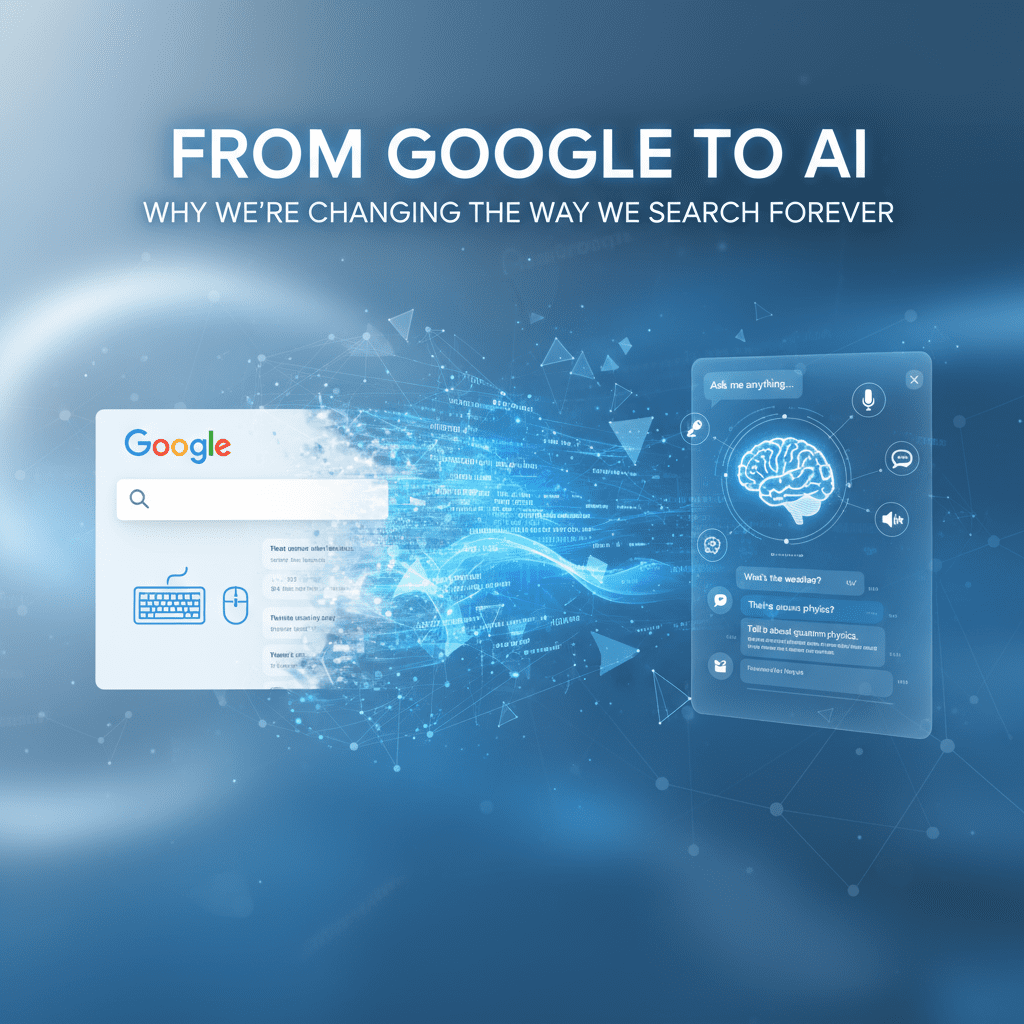
Introduction The way we search for information online is undergoing a groundbreaking transformation. What began as keyword-based queries on Google is rapidly evolving into an AI-powered, conversational, and context-aware experience. This shift is not just a technological trend, but a fundamental change in how humans interact with information on the internet. The Evolution from Traditional Search to AI Search Traditional search engines like Google use keyword matching and ranking algorithms to serve web pages related to user queries. While effective, this method requires users to refine their searches and sift through links to find answers. AI Search changes this paradigm by understanding natural language, user intent, and context at a far deeper level. Powered by advanced models like Google’s Gemini 2.5, AI Search can generate comprehensive, nuanced responses that summarize and analyze information from across the web—often eliminating the need to browse multiple sites. Why AI is Changing Search Forever 1. Conversational Interaction Users can interact with AI search as if talking to a knowledgeable assistant. This makes searches more intuitive, including follow-up questions without repeating context. 2. Multimodal Capabilities AI Search supports text, voice, and image queries, enhancing accessibility and flexibility. 3. Comprehensive Answers AI compiles information from multiple sources and produces detailed overviews, reducing the time and effort users spend searching. 4. Personalized and Contextual Results AI tailors responses based on user preferences, search history, and current context, delivering highly relevant answers. 5. Impact on SEO and Content Content strategies need to adapt, focusing on authority, relevance, experience, and clarity since AI ranks content differently than traditional algorithms. Use Cases of AI Search Healthcare: Immediate, reliable medical information without navigating complex sites. Education: Rich, synthesized answers for learners and researchers. E-commerce: Personalized shopping assistance and product discovery. Business Research: Rapid market insights and competitor analysis. Future Trends in AI Search Tight integration with virtual assistants and IoT devices for hands-free queries. Enhanced AI models understanding complex visual and audio content. Growth in localized and multilingual AI search to serve global users better. Continuous improvement in content quality evaluation to reduce misinformation. Conclusion The transition from traditional Google Search to AI-driven experiences represents a new chapter in digital information discovery. Embracing AI Search opens vast possibilities for users and businesses alike, offering faster, richer, and more intuitive access to knowledge. For insights and service offerings on AI-powered search technologies, visit TechOTD AI Services and explore emerging trends on the TechOTD Blog.

Scroll to Top