
AI in Telemedicine

Healthcare & Fitness

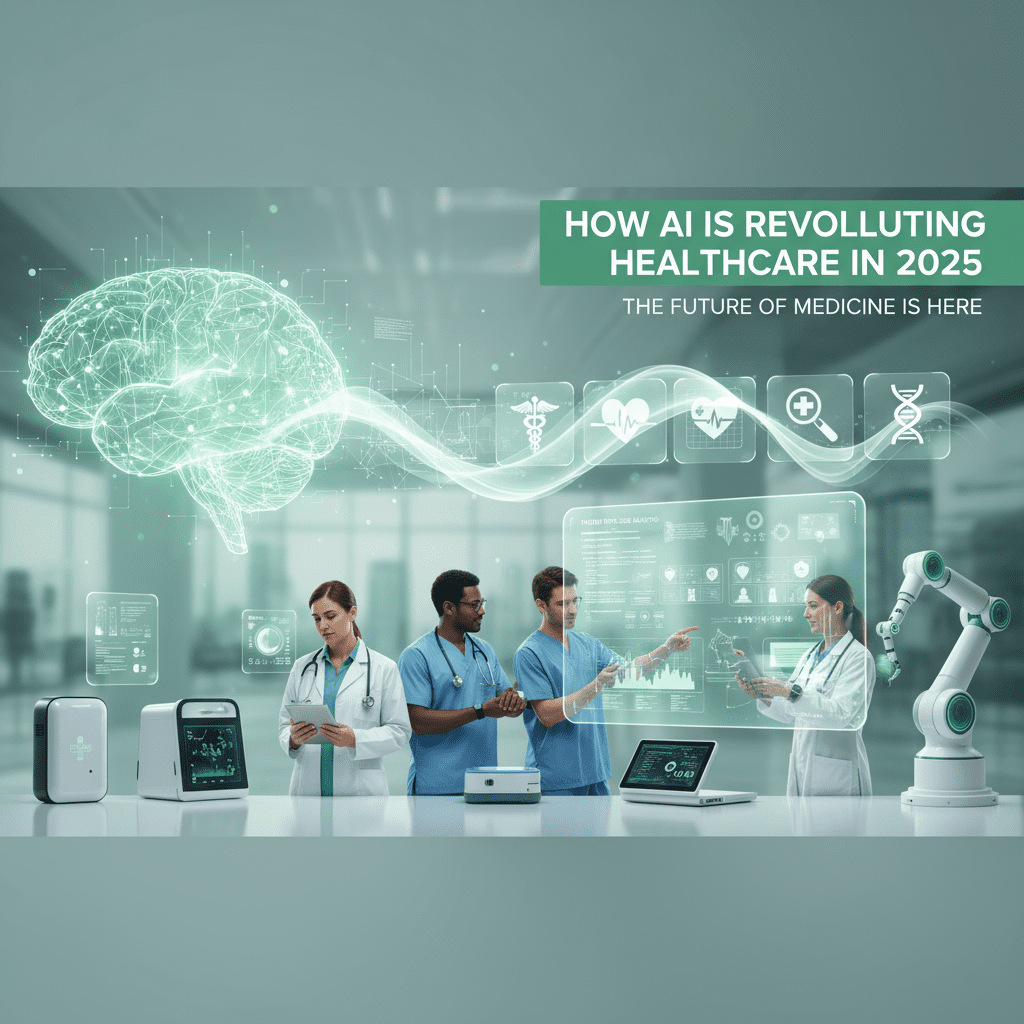
How AI is Revolutionizing Healthcare in 2025

Introduction Artificial Intelligence is ushering in a new era of healthcare in 2025—boosting patient outcomes, accelerating innovation, and making care more precise and accessible than ever before. Here’s how AI is shaping the future of medicine across the globe. Smarter, Faster Diagnostics AI-Powered Medical Imaging: AI now analyzes X-rays, MRIs, and CT scans to detect anomalies like tumors, fractures, and infections faster and more accurately than ever. Early cancer and rare disease detection have been dramatically improved, with error rates and costs dropping significantly. Predictive Diagnostics: AI uses data from patient histories, genetics, and wearables to anticipate the risk of diseases before symptoms occur, allowing for preventative care strategies—especially effective for chronic conditions like heart disease and diabetes. Next-Gen Treatment: Personalized Medicine Precision Treatments: AI integrates genetic, lifestyle, and clinical data to tailor therapies for individuals, especially in oncology and rare diseases, optimizing outcomes and reducing side effects. Genomics and Profiling: Advanced AI systems rapidly interpret genomic data, enabling real-time profiling during surgeries and predicting individual responses to therapies, revolutionizing cancer and rare disease management. Remote Care & Virtual Health Assistants Wearable Monitoring: AI-powered devices track real-time vital signs, alerting both patients and clinicians to potential health issues before they escalate. Hospital-at-home models reduce readmissions and improve quality of life. 24/7 Virtual Support: Chatbots and AI-driven apps now answer medical questions, schedule appointments, provide medication reminders, and triage patients, all while reducing the workload of clinicians. AI in Clinical Decision-Making Real-time Decision Support: AI gives doctors evidence-based recommendations at the point of care by synthesizing global research, treatment guidelines, and patient information. This augments physician expertise, increases diagnostic accuracy, and improves confidence in treatment decisions. Automating Admin Tasks: Intelligent agents automate medical documentation, billing, and coding. This lightens the administrative load and allows clinicians to spend more time with patients. Accelerating Medical Research & Drug Discovery Drug Development: AI can sift through millions of molecules, predict interactions, and simulate clinical trials—speeding up drug discovery, lowering development costs, and quickly identifying optimal candidates for new treatments. Clinical Trials Optimization: By analyzing records and finding ideal trial participants, AI makes trials safer and more effective, accelerating new therapies to market. Enhancing Equity and Population Health Addressing Social Determinants: AI analyzes socioeconomic data alongside health records to identify at-risk populations, close care gaps, and optimize resource allocation—paving the way for fairer, more accessible healthcare. Global Reach: AI extends expertise to remote areas, bridging geographic gaps and allowing global collaboration in tackling public health challenges. Robotic Surgery and Assisted Procedures Greater Precision: Robotic systems powered by AI help surgeons perform complex operations with greater dexterity and accuracy, resulting in fewer complications and quicker recovery times for patients. Impact at a Glance Area AI-Driven Transformation Example/Impact Diagnostics More accurate, earlier detection AI finds tumors in scans invisible to the eye Personalized Care Tailored therapies, reduced side effects Precision oncology; rare disease management Patient Monitoring Continuous data analysis, proactive alerts Wearables detect heart issues before symptoms Administration Automated records and workflows Less clinician burnout, more patient care Research Faster drug discovery, smarter trials Shortened time to new treatments Access & Equity AI bridges gaps for rural or vulnerable groups Virtual care reaches more patients Challenges and the Road Ahead Ethics & Trust: Ensuring privacy, reducing bias, and building transparent, explainable AI remain priorities as adoption expands. Human-AI Partnership: AI isn’t replacing medical professionals but empowering them—successful healthcare systems will be those that blend human empathy with machine intelligence. Scalability: With 90% of hospitals expected to use AI by 2025, broad access and workforce training are key for sustaining progress. AI’s transformative role in healthcare is just beginning. As these technologies advance, expect faster diagnoses, more personalized care, and a health system that’s smarter, fairer, and more responsive to the needs of all. The revolution is well underway—and in 2025, AI is making healthcare better, one patient at a time.
Healthcare & Fitness, Uncategorized

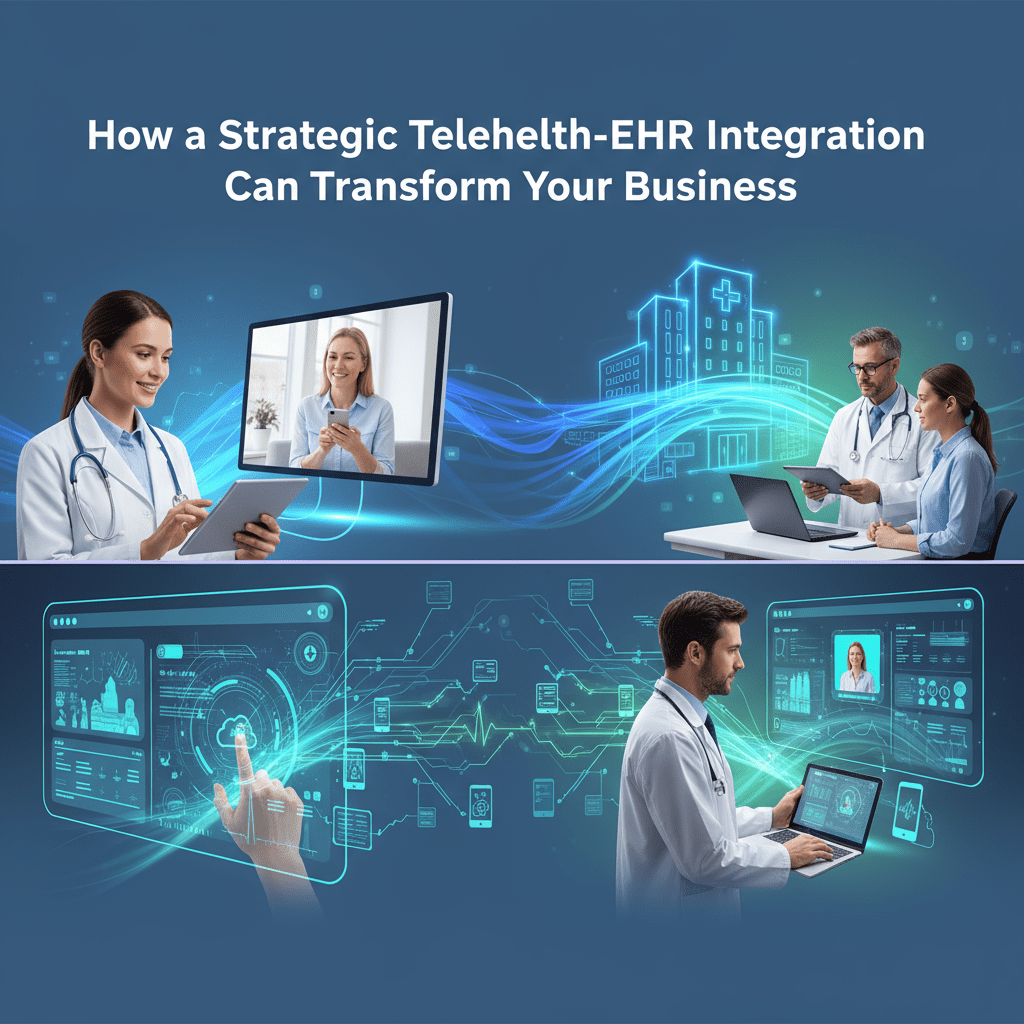
How a Strategic Telehealth-EHR Integration Can Transform Your Business: Use Cases, Process, Costs

Introduction The integration of telehealth systems with Electronic Health Records (EHR) is revolutionizing healthcare delivery by creating seamless, real-time access to patient data during virtual visits. This strategic alignment enhances care quality, streamlines operations, and opens new avenues for growth in healthcare organizations. Use Cases of Telehealth-EHR Integration Post-Surgical Follow-Ups Clinics use integrated systems to conduct virtual check-ins post-surgery, automatically updating patient records to ensure continuity and reduce unnecessary office visits. Remote Patient Monitoring Providers track chronic conditions via connected devices, with vitals and alerts seamlessly synced to the EHR, enabling proactive and timely interventions. Tele-specialty Consultations Specialists access comprehensive patient histories during remote consultations, reducing transcription errors and improving care coordination. Chronic Disease Management Integrated platforms allow centralized teams to monitor and respond to patient health remotely, reducing admissions and supporting underserved populations. Rural Telehealth Access Integration helps overcome barriers for rural facilities by enabling consistent remote care and efficient patient data exchange. Integration Process Overview Assessment & Planning: Evaluate existing telehealth and EHR systems for compatibility and establish integration goals. Choosing Integration Methods: Use APIs, HL7, or FHIR standards for data exchange. Data Mapping & Migration: Align telehealth data fields with EHR structures. Development & Testing: Build integration components and conduct rigorous testing. User Training: Train staff on new workflows and interfaces. Deployment & Monitoring: Rollout integration with ongoing support and optimization. Cost Considerations Small to mid-sized providers may expect initial setup costs between $20,000 to $200,000 depending on complexity. Data migration can range from $5,000 to $150,000+. Larger health systems investing in enterprise integration may face $400,000 to $600,000+ expenses. Annual maintenance, licensing, and staff training costs add to the ongoing investment. The right vendor partnership maximizes ROI while minimizing unforeseen expenses. Benefits of Integration Enhanced Clinical Workflow: Reduced manual entry, less duplication, and faster documentation. Improved Patient Experience: Seamless virtual visits with full access to medical history. Operational Efficiency: Streamlined billing, scheduling, and reporting. Scalability & Flexibility: Supports growth and new telehealth services with unified data infrastructure. Data Security & Compliance: Centralized policies reduce risk and simplify audits. Conclusion Strategic telehealth-EHR integration is a catalyst for healthcare innovation and improved business outcomes. By bridging virtual care with comprehensive patient records, organizations boost quality, efficiency, and patient satisfaction while controlling costs. For expert telehealth integration services and tailored healthcare technology solutions, visit TechOTD AI Services and stay informed via the TechOTD Blog.

Healthcare & Fitness

Telemedicine App Development: Build a Secure & Scalable Telehealth Platform

Introduction As healthcare rapidly digitizes, telemedicine has evolved from a niche offering to an indispensable service connecting patients and providers anywhere, anytime. An effective telemedicine app solves challenges of accessibility, convenience, and real-time care—while navigating complex regulations and security concerns. Building a secure and scalable telehealth platform demands technical innovation, rigorous compliance, and a patient-centered design approach. This blog provides a comprehensive guide for building modern telemedicine apps, packed with insights, feature checklists, technology recommendations, and best practices—plus direct backlinks to TechOTD AI Services, the TechOTD Blog, and other expert resources. 1. Market Research and Defining Your Telemedicine Use Case Successful telemedicine projects start with a clear understanding of real user needs and market gaps. Analyze providers’ workflows and patients’ pain points, leveraging competitor reviews for actionable feedback. Address both acute and chronic care while considering unique regulatory requirements for different specialties and geographies. Plan for compliance early—HIPAA, GDPR, and regional regulations can dramatically affect architecture and timeline. 2. Choose the Right Technology Stack A future-ready telemedicine platform balances security, flexibility, and scale: Layer Examples (2025) Purpose Frontend React Native, Flutter, Swift, Kotlin Cross-platform UI, responsive on all devices Backend Node.js, Python, Java, .NET Fast, scalable API server, handles business logic Database PostgreSQL, MongoDB Secure, reliable storage of health records Cloud AWS, Azure, Google Cloud HIPAA-ready hosting, scalable infrastructure APIs Twilio (video), Stripe/PayPal (payments), Redox/FHIR (EHR) Real-time features, payments, interoperability Security OAuth 2.0, SSL/TLS, JWT Auth, encrypted data, safe transactions AI and predictive analytics integration increase platform value—see TechOTD AI Services and the Predictive Analytics Blog. 3. Design for Security & Compliance Protecting sensitive PHI is paramount. Best practices include: End-to-end encryption for data in transit and at rest Multi-factor authentication Secure role-based access and audit logging Consent management and clear data privacy policies Alignment with HIPAA, GDPR, and local healthcare regulations Blockchain solutions can further secure records and patient consents—explore this in TechOTD Blockchain Integration. 4. Build Core Features for Patients and Providers Modern telehealth platforms deliver an engaging clinical experience: User authentication & onboarding (AI-driven KYC for security) Appointment scheduling & reminders HD video consultations with low-latency streaming Secure chat and document sharing E-prescriptions & digital consents Integrated e-payments & billing, insurance processing EMR/EHR integration for provider continuity AI symptom checkers and post-visit care bots (learn more in AI & LLMs in Healthcare) Accessible UX (voice, large fonts, multi-language) Push notifications and patient engagement tools 5. Ensure Scalability and High Availability App performance should seamlessly support spikes in demand, regional expansion, and new services. Embrace cloud-native, microservices architectures. Implement autoscaling, load balancing, and robust CI/CD pipelines. Plan for future integrations using open APIs and modular software principles. Agile delivery and regular user feedback keep deployment efficient—see how TechOTD’s process optimizes outcomes at How We Work. 6. Testing, Launch, and Post-Launch Strategies Conduct comprehensive unit, integration, UAT, and security tests (HIPAA-aware/penetration testing) Validate cross-platform device and browser compatibility Deploy to app stores/enterprise distribution with rollback and monitoring tools Offer continuous technical support, updates, and user education Monitor app health, collect analytics, and release features iteratively Find guides on process and optimization at the TechOTD Blog. 7. Advanced Innovations: AI, Analytics, and Automation Embed AI to drive smarter care and better outcomes: AI chatbots for triage and 24/7 support (Service Excellence) Predictive risk assessment, personalized content NLP-powered automated documentation and speech-to-text Real-time data dashboards for providers and patients Integration with wearables and IoT for remote monitoring 8. Illustrative Budget and Timeline Telemedicine app costs in 2025 range widely: MVP: $30,000–$75,000 (core video/scheduling/chat) Full scale: $150,000–$250,000+ (AI, cloud, EHR integration, security, automation) Timeline: MVPs in 3–6 months; enterprise solutions 9–18+ months Offshore, onshore, and hybrid teams have different benefits—choose according to compliance needs and project complexity. For more, see: Mobile Apps Services. 9. Key Challenges (and Solutions) Complex multi-jurisdictional compliance—Plan regulatory alignment early User trust and adoption—Transparent privacy, simple UI/UX, clear support Technical integration—Robust APIs and partnerships with labs, pharmacies, and billing platforms Continuous quality—Agile feedback loops, analytics monitoring, rapid update cycles Conclusion Secure, scalable telemedicine platforms are at the heart of digital healthcare’s next decade. With thoughtful planning, a robust technical foundation, airtight security, and user-centric design, organizations can deliver outstanding digital health services at scale. Integrate AI, analytics, and blockchain to future-proof your product, and work with trusted partners for best results. For consulting, custom solutions, and end-to-end app development, partner with TechOTD AI Services, explore real-world results on the TechOTD Blog, and discover streamlined development at How We Work.

How would you like me to respond?

Select a personality for your AI assistant

Normal
Happy
Sad
Angry

Your selection will affect how the AI assistant responds to your messages

Chat Assistant

Let's discuss your project!

Hear from our clients and why 3000+ businesses trust TechOTD

Tell us what you need, and we'll get back with a cost and timeline estimate

Scroll to Top