
AI in telecom

telecom

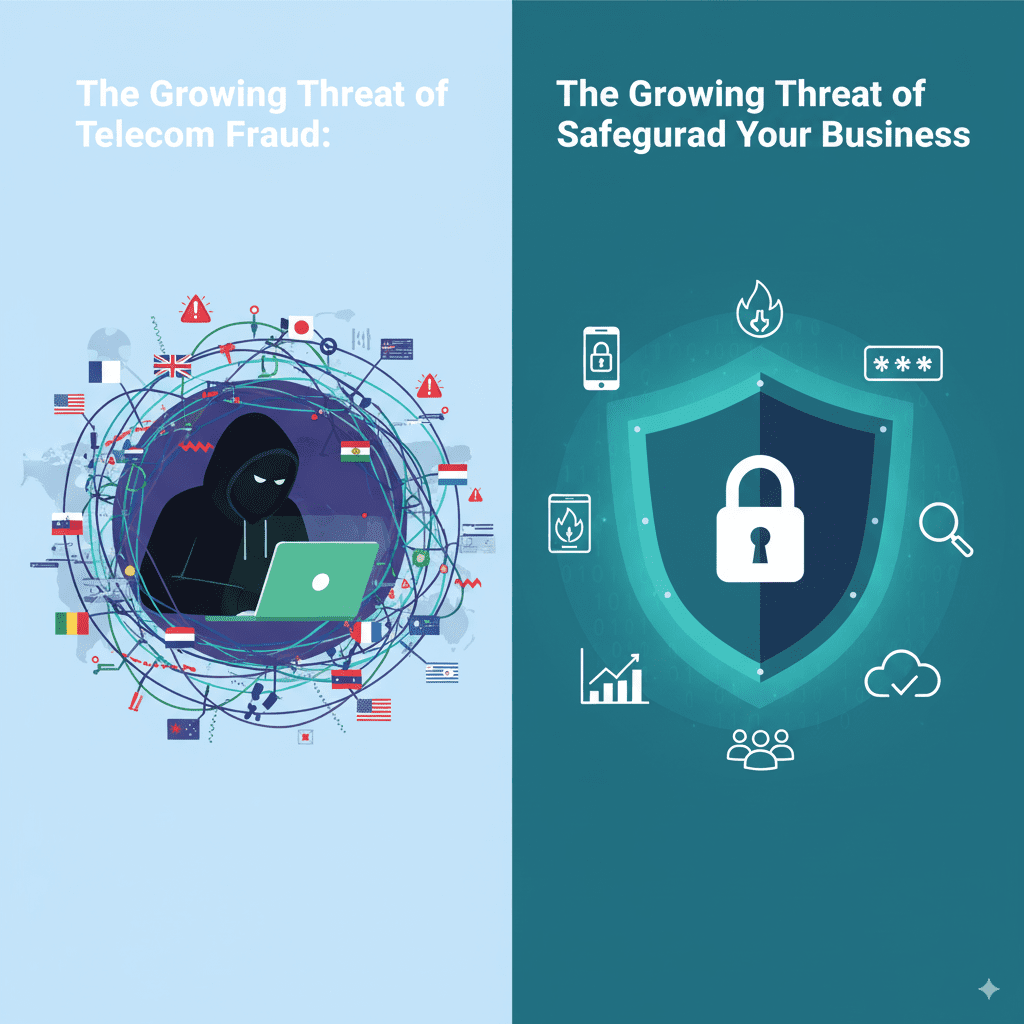
The Growing Threat of Telecom Fraud and How to Safeguard Your Business

Introduction As telecom networks become increasingly vital to global communications and business operations, the threat of telecom fraud has escalated into a pressing concern. Fraudsters exploit vulnerabilities within telecom infrastructures to commit crimes ranging from unauthorized access and identity theft to call and subscription fraud. For businesses relying heavily on telecom services, these fraudulent activities can result in significant financial losses, reputational damage, and regulatory penalties. This blog explores the evolving nature of telecom fraud, common fraud schemes targeting businesses, and robust strategies to safeguard your telecom assets. Leveraging AI-driven security solutions and advanced analytics is becoming indispensable to stay ahead of increasingly sophisticated attacks. For businesses seeking intelligent risk assessment and security planning, TechOTD’s AI services offer transformative solutions tailored to telecom and other industries. Understanding Telecom Fraud: Types and Tactics Telecom fraud continues to evolve with the advent of new technologies like VoIP, 5G, and mobile networks. Common types include: Subscription Fraud: Fraudsters obtain services under false identities, leaving businesses with unpaid bills. Call Forwarding Fraud: Unauthorized redirection of calls to premium rate numbers to exploit call charges. PBX Hacking: Unauthorized access to private branch exchanges, generating fraudulent calls. Refiling and Phishing: Illegitimate use of telecom resources to conduct phishing or refile previous calls to mask origins. SIM Swap Fraud: Hijacking mobile numbers to bypass authentication controls. International Revenue Share Fraud (IRSF): Exploiting international call setups to generate revenue for fraudsters at the operators’ expense. Each scheme targets vulnerabilities in telecom infrastructure, emphasizing the need for proactive defense mechanisms. Business Impacts of Telecom Fraud Financial Losses: Millions lost annually through fraudulent call charges, service theft, and identity compromise. Operational Disruption: Network overloads and compromised services degrade customer experience. Regulatory and Compliance Risks: Failure to protect telecom assets can lead to penalties under data protection laws and industry regulations. Brand Reputation Damage: Customer trust erodes when fraud incidents are publicized. How to Safeguard Your Business Against Telecom Fraud 1. Implement AI-Powered Fraud Detection and Analytics AI systems monitor traffic patterns in real time to detect anomalies that indicate potential fraud. Machine learning models adapt to new fraud behaviors, minimizing false positives and enabling quick action. Learn about predictive analytics enhancing telecom security here: Predictive Analytics Features and Use Cases. 2. Strengthen Identity and Access Management Multi-factor authentication (MFA) for network access, strict user identity verification, and SIM swap detection mechanisms decrease unauthorized entry risk. 3. Secure Network Architecture and Protocols Deploy firewalls, encryption, and secure routing protocols. Regularly update PBX and VoIP systems to patch vulnerabilities. 4. Continuous Monitoring and Incident Response Establish 24/7 network surveillance, combining automated alerts and expert reviews. Develop a clear fraud response plan and staff training. 5. Collaborate with Telecom Partners Work closely with carriers and technology providers to share threat intelligence and integrate security operations. Explore how blockchain enhances telecom security and trust: Blockchain Integration in Dubai Business Processes. Leveraging TechOTD’s Expertise in Telecom Security TechOTD provides tailored AI and machine learning solutions focused on telecom fraud detection, risk assessment, and workflow automation. Their expert consulting services help businesses evaluate vulnerabilities, implement advanced fraud controls, and comply with industry standards. Discover their approach to securing telecom through intelligent automation: How TechOTD Works. Future Trends in Combating Telecom Fraud AI and Deep Learning: Enhanced detection capabilities with evolving fraud patterns. Cloud-Based Security: Scalable, centralized fraud monitoring platforms. 5G Security Innovations: Addressing unique vulnerabilities in emerging networks. Integration of Big Data Analytics: Deeper insights into complex fraud schemes. The synergy of AI with telecom infrastructure will be key to staying ahead in this security arms race. Conclusion Telecom fraud is a pervasive and growing threat to business continuity and profitability. Safeguarding telecom assets requires a blend of cutting-edge AI technologies, robust protocols, and collaborative efforts across the ecosystem. Businesses investing in these defenses, with expert partners like TechOTD, can not only mitigate losses but also build trust and resilience in an increasingly connected world. For comprehensive AI-powered security solutions and insights, visit TechOTD AI Services and explore their extensive technology blog. FAQs Q1: What is the most common telecom fraud for businesses? Subscription fraud and PBX hacking are among the most prevalent and costly. Q2: How does AI help prevent telecom fraud? AI detects unusual traffic patterns and adapts to new fraud techniques in real time. Q3: Can blockchain improve telecom security? Yes, blockchain provides immutable and transparent transaction records that reduce fraud risks. Q4: What role does continuous monitoring play? It enables early fraud detection and rapid incident response, minimizing damage. Q5: Why is collaboration important in telecom fraud prevention? Sharing threat intelligence and best practices enhances the overall ecosystem security.
Internet of Things

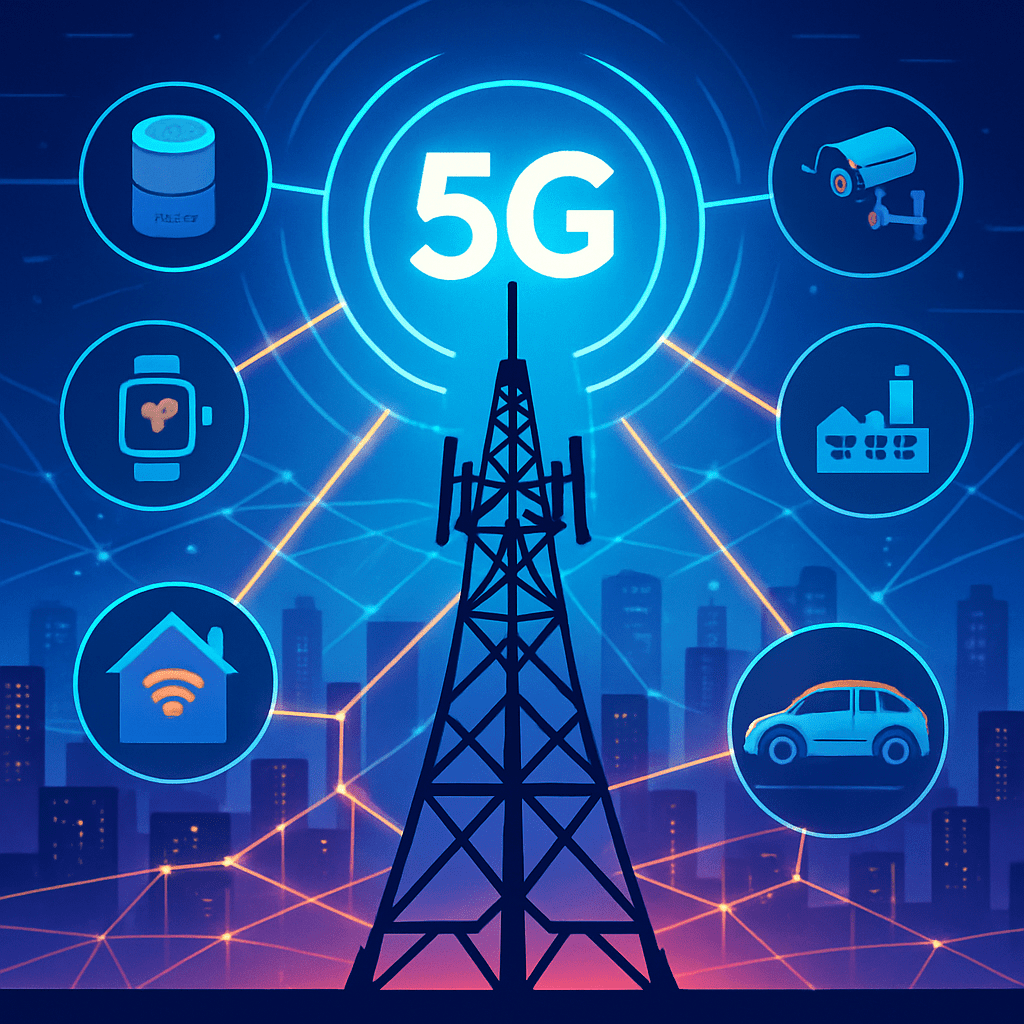
IoT in Telecom: From Smart Networks to 5G-Powered Innovation

Introduction The convergence of Internet of Things (IoT) with telecom infrastructure is transforming communication networks into intelligent, responsive ecosystems. As billions of connected devices rise worldwide, telecom providers are evolving to support smart networks empowered by 5G technology. This fusion is ushering in an era of real-time data exchange, ultra-low latency, and unprecedented connectivity that fuels innovations across industries. This blog explores how IoT reshapes telecom from traditional connectivity to intelligent, automated networks, the role of 5G in powering this evolution, and emerging opportunities for businesses adapting to this technology wave. This discussion reflects insights from leading AI and telecom research, drawing on resources like TechOTD’s AI services and industry trends from their tech blog. What is IoT in Telecom? IoT in telecom refers to the vast network of connected devices communicating over telecom infrastructure to exchange data and automate processes. This goes beyond traditional smartphones to include sensors, wearables, smart meters, connected vehicles, and more. Telecom operators provide the backbone connectivity ensuring these devices remain online with reliable bandwidth, security, and management. Key features include: Massive device connectivity: Efficiently connecting billions of IoT endpoints. Low latency communication: Supporting real-time applications like autonomous vehicles and remote surgery. Network slicing: Custom virtual networks tailored to specific IoT use cases. IoT transforms telecom from a simple communication provider to a platform operator enabling intelligent services. The Role of Smart Networks Smart networks integrate AI, machine learning, and automation into telecom infrastructure, optimizing performance and enabling new intelligent applications. Some important capabilities include: Dynamic network management: AI algorithms monitor network health to predict failures and optimize routing. Automated provisioning: Devices and connections are configured on-demand without manual intervention. Enhanced security: AI-driven threat detection protects IoT endpoints against increasingly complex cyber-attacks. Smart networks elevate the telecom role, powering innovations like smart cities, Industrial IoT (IIoT), and connected healthcare. Explore AI’s role in telecom innovations at Seamless Customer Journeys with AI. 5G: The Catalyst for IoT Growth in Telecom 5G technology revolutionizes telecom’s capacity to support and scale IoT applications by offering: Higher bandwidth: Up to 100x faster data speeds enable rich media streaming and instantaneous data exchange. Ultra-low latency: End-to-end latency as low as 1 ms supports mission-critical applications. Massive IoT connections: Network efficiency accommodates 1 million+ devices per square kilometer. Improved energy efficiency: Prolongs battery life for IoT devices enhancing deployment feasibility. With 5G, telecom networks become an engine for smart industries, cities, and daily life integration. Discover 5G-powered software insights in TechOTD’s mobile solutions here: Mobile Apps Services. Use Cases: How IoT and 5G Transform Telecom Solutions 1. Smart Cities and Infrastructure IoT sensors integrated with 5G networks deliver real-time monitoring and automation for public services such as traffic management, waste disposal, and environmental sensing. Cities benefit from optimized resource usage and reduced operational costs. 2. Connected Healthcare Remote patient monitoring devices continuously send health data over secure, low-latency 5G telecom networks to hospitals, enabling early interventions and ongoing care without hospital visits. 3. Industrial Automation (IIoT) Factories deploy IoT-enabled machines connected through 5G, allowing predictive maintenance, enhanced safety, and streamlined supply chains powered by real-time data analytics and AI. 4. Autonomous Vehicles and Transport 5G’s ultra-low latency supports vehicle-to-everything (V2X) communication, enabling autonomous cars to interact safely with surrounding traffic, infrastructure, and pedestrians. Challenges and Opportunities in Implementing IoT in Telecom Challenges Security: IoT devices increase the attack surface, necessitating robust AI-powered security measures. Interoperability: Diverse device standards require unified telecom protocols and advanced integration frameworks. Data Management: Massive data flows demand scalable analytics platforms with edge computing. Opportunities Telecom providers can expand beyond voice/data services into managed IoT solutions and AI-powered analytics offerings. AI consulting and custom models help optimize IoT network deployment and predictive maintenance. Telecom’s integration with blockchain enhances IoT data transparency and security, as seen in Dubai’s pioneering projects. Learn more about this integration: How Blockchain Integration Is Optimizing Business Processes in Dubai Integrating AI and Analytics in IoT Telecom Networks AI technologies embedded within telecom IoT frameworks enable predictive analytics, anomaly detection, and operational automation that deliver superior network performance. Examples include: Trend analysis to predict network congestion before it happens. Risk assessment for IoT endpoint security vulnerabilities. Sentiment analysis based on user data to customize telecom service offerings. TechOTD’s AI consulting and custom solution development empower telecom businesses to fully leverage IoT insights: TechOTD AI Services. How Telecom Businesses Can Prepare for IoT and 5G Evolution Invest in AI-powered workflow automation and process monitoring to manage complex IoT ecosystems. Design custom AI models for network optimization and customer experience enhancement. Collaborate with technology partners skilled in AI, cloud, and telecom integration—such as TechOTD’s expert teams. Develop secure, compliant IoT solutions with real-time analytics capabilities. Learn about the structured approach TechOTD follows for AI and IoT integration here: How We Work at TechOTD. The Future: IoT, Telecom, AI, and Beyond The future is bright for IoT-enabled telecom, with innovations accelerating thanks to AI advancements, scalable cloud computing, and increasing 5G adoption. Areas to watch include: Integration of Large Language Models (LLMs) for enhanced telecom customer support and predictive maintenance. See examples in this domain: Large Language Models in Finance: Benefits and Applications IoT empowerment for education technology, blending AR and immersive learning via 5G networks. Learn more about tech impact on education: Technology Impact on Education: An Ultimate Guide Adoption of smart gadgets designed for telecom programmers and IoT developers to streamline innovation. Check out the latest tools: Best Gadgets for Programmers in 2025. Conclusion IoT’s integration in telecom networks, supercharged by 5G and AI, is not just futuristic—it is already revolutionizing connectivity paradigms across industries. Smart networks enable new service models, cost efficiencies, and personalized experiences, while AI and blockchain ensure security and scalability. Telecom operators embracing this transformation will lead in the next digital wave. To explore practical AI, cloud, and IoT solutions tailored for telecom, connect with TechOTD’s experts today for a free consultation: TechOTD Mobile Apps & AI Services For deeper insights across related domains, visit TechOTD’s extensive blog library: TechOTD Tech and Innovation Blog. FAQs Q1: What role does 5G play in IoT telecom innovation? 5G provides ultra-fast speeds, massive connectivity, and low latency essential for supporting

How would you like me to respond?

Select a personality for your AI assistant

Normal
Happy
Sad
Angry

Your selection will affect how the AI assistant responds to your messages

Chat Assistant

Let's discuss your project!

Hear from our clients and why 3000+ businesses trust TechOTD

Tell us what you need, and we'll get back with a cost and timeline estimate

Scroll to Top