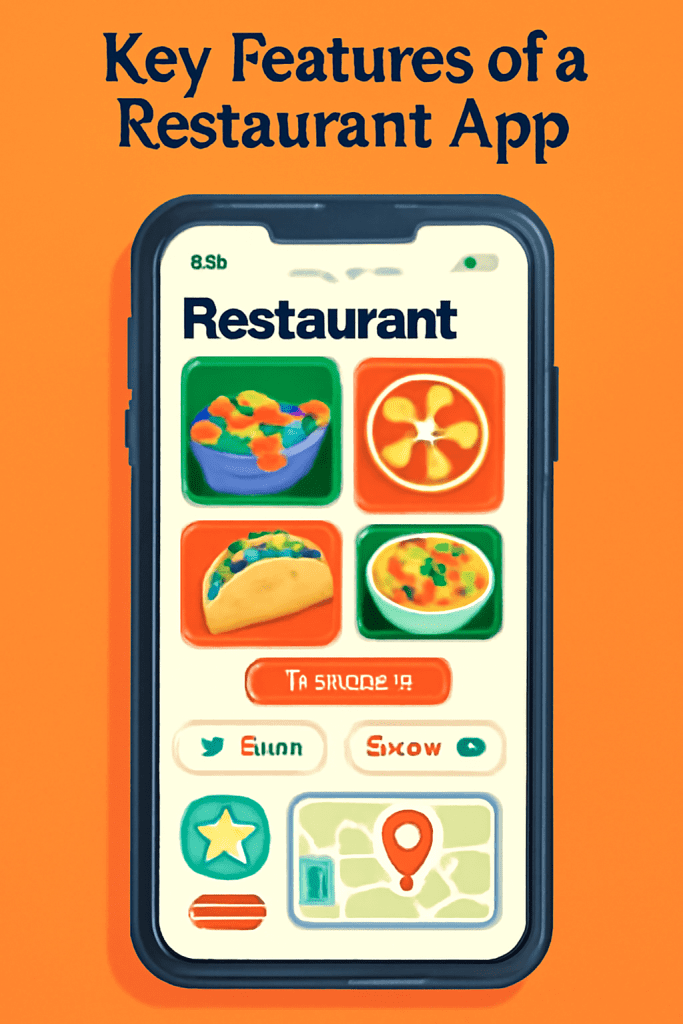
AI in Restaurant Apps

Restaurent

Factors for Choosing Restaurant App Development for Your Business

Introduction In a digital-first world, having a dedicated restaurant app can significantly boost your business by enhancing customer engagement, streamlining orders, and expanding reach. However, choosing the right restaurant app development approach requires careful consideration of various factors to ensure the app aligns with your business goals, target audience, and operational requirements. This blog explores the crucial factors businesses should evaluate before embarking on restaurant app development. It also highlights the role of AI and advanced technology solutions in creating powerful, user-friendly apps for the foodservice industry. For insights into modern app development and technology trends, explore TechOTD’s AI services at TechOTD AI Services and their comprehensive technology blog. Key Factors to Consider When Choosing Restaurant App Development 1. Understanding Your Business Model and Objectives Define what you want the app to achieve—whether it’s increasing dine-in footfall, boosting delivery orders, loyalty programs, or brand awareness. Your objectives will shape the app’s feature set and design approach. 2. Target Audience and User Experience Analyze your customer demographics and preferences. Mobile-savvy younger customers may demand seamless ordering and social sharing, while older customers might prioritize ease of use and reliability. A superior UI/UX design tailored to users’ needs is essential. 3. Platform Selection: Native vs Cross-Platform Choose between native apps (iOS and Android separately) that offer the best performance or cross-platform frameworks like React Native or Flutter that speed up development and reduce costs. Learn more here: React Native vs Swift. 4. Must-Have Features Incorporate key functionalities like menu browsing, order customization, real-time order tracking, push notifications, integrated payments, feedback systems, and loyalty programs. AI-powered personalized recommendations can further elevate user engagement. 5. Integration Capabilities Ensure the app can seamlessly integrate with existing POS systems, kitchen management software, delivery platforms, and CRM tools for unified operations. 6. Security and Compliance Secure customer data through encryption, secure payment gateways, and compliance with data protection regulations such as GDPR and PCI DSS. 7. Scalability and Performance Design the app architecture to handle growing users and orders smoothly without downtime or slowdowns. Scalable cloud-based solutions often provide this flexibility. 8. Budget and Time-to-Market Balance your investment against the desired time to launch. Cross-platform development can reduce time and costs, but complex customizations may require more resources and time. 9. Post-Launch Support and Maintenance Consider the availability of ongoing technical support, updates, feature enhancements, and scalability options for evolving business needs. Leveraging AI and Advanced Technologies The integration of AI capabilities such as predictive analytics, chatbots, and automated customer support enables restaurants to offer personalized experiences, optimize inventory, and forecast demand, driving operational efficiency. Read more on AI-powered features for apps here: Predictive Analytics Software Development. Partnering with the Right Development Team Choosing a reliable technology partner with experience in restaurant app development, AI, and mobile platforms is critical to success. Companies like TechOTD provide end-to-end solutions — from ideation and design to development, deployment, and maintenance tailored to your business. Explore their workflow here: How We Work – TechOTD. Conclusion Choosing the right restaurant app development strategy is vital for creating a seamless digital experience that delights customers and drives business growth. By considering your objectives, audience, technology preferences, budget, and partnering with expert developers, you can build a competitive app that stands out in the bustling foodservice market. Start your journey today by exploring advanced app solutions and trends at TechOTD Blog. FAQs Q1: Should I develop a native or cross-platform restaurant app? It depends on your budget and desired features. Cross-platform apps are cost-efficient, while native apps offer superior performance. Q2: What essential features must a restaurant app have? Menu browsing, online ordering, payment, order tracking, reviews, and loyalty programs. Q3: How important is AI integration in restaurant apps? AI significantly enhances personalization, forecasting, and customer engagement. Q4: How to ensure app security? Use encrypted data transmission, secure payment gateways, and comply with regulations like GDPR. Q5: Can I integrate with existing restaurant systems? Yes, integration with POS, CRM, and delivery platforms is crucial for smooth operations.

Restaurent

Essential Features to Consider When Building a Restaurant Search App

Introduction In an era where convenience and instant gratification drive customer choices, a restaurant search app can be a game-changer for food lovers and businesses alike. These apps help users discover the best dining options nearby or in a specific location, review menus, make reservations, and place orders—all at their fingertips. However, creating a restaurant search app that stands out and provides exceptional user experience requires thoughtful planning and inclusion of critical features tailored to user needs. This blog outlines the essential features to consider when building a restaurant search app, from intuitive search functionality to personalized user experiences. Leveraging advanced technologies like AI and predictive analytics can enhance these features, making the app smarter and more engaging. For insights on how AI and modern technologies transform app development and business processes, explore TechOTD’s AI solutions and their extensive tech blog. Key Features to Build a Successful Restaurant Search App 1. Accurate and Intuitive Search and Filters Location-based search: Use GPS to find nearby restaurants instantly. Category filters: Allow filtering by cuisine, price range, ratings, dietary preferences, or opening hours. Advanced keyword search: Enable users to find restaurants by dish names, ambiance, or specific attributes. 2. Detailed Restaurant Profiles Menus with pricing and pictures Opening hours and contact information User reviews and ratings Special offers or events 3. User Reviews and Ratings System Allow users to post feedback, rate their dining experience, and share photos. Incorporate machine learning models to detect fake or spam reviews, enhancing trustworthiness. Explore more on AI in sentiment analysis in customer reviews: Seamless Customer Journeys with AI. 4. Real-Time Table Availability and Reservation System Integration with restaurant booking systems Instant confirmation and reminders Cancellation and modification options 5. Integration with Food Delivery and Takeout Options Direct users to place orders for delivery or pickup instantly within the app or via partner apps. 6. Interactive Maps and Directions Visual maps showing restaurant locations with step-by-step navigation and estimated travel times. 7. Personalized Recommendations Leverage AI to analyze user preferences, location history, and dining behavior to offer tailored restaurant suggestions. 8. Social Sharing and Loyalty Programs Allow users to share their favorite spots on social media and participate in loyalty schemes or rewards. 9. Secure Payment Gateway Include multiple payment methods with encryption and fraud protection to facilitate smooth in-app purchases or deposits for reservations. 10. Multi-Platform Support and Offline Mode Develop apps compatible with iOS, Android, and web browsers and enable offline viewing of saved restaurants and previous searches. Leveraging Predictive Analytics in Restaurant Search Apps Incorporating predictive analytics can optimize user experience by: Forecasting peak dining times and suggesting less crowded slots Anticipating user cravings or preferred cuisines based on past behavior Preemptively managing restaurant capacity and promotions Learn about predictive analytics and its business benefits here: Predictive Analytics Software Development. The Role of Technology Partners in Building Your App Partnering with technology and AI solution experts like TechOTD ensures your restaurant search app is designed with scalable architecture, real-time features, secure integrations, and ongoing maintenance. Their agile development and AI-driven insights can accelerate your product launch and market fit. Get insights on choosing the right development framework: React Native vs Swift. Conclusion A restaurant search app offers immense value in today’s fast-paced lifestyle but demands careful inclusion of user-centric features to succeed. From accurate search tools to personalized recommendations, each feature must be seamlessly integrated and well-optimized for performance and security. Incorporating AI and predictive analytics enhances the app’s competitive edge. To start building your restaurant search app with cutting-edge features and robust technology, consider consulting with expert developers like TechOTD for a tailored approach and agile delivery. Explore their innovative digital services and latest industry insights at TechOTD Blog. FAQs Q1: What is the most important feature in a restaurant search app? Intuitive and accurate location-based search with rich filter options is essential for user satisfaction. Q2: How can personalization improve the app? Personalized restaurant suggestions based on user behavior increase engagement and conversion. Q3: Is it necessary to integrate delivery options? Yes, integration with delivery or takeout services adds convenience and increases user retention. Q4: How does AI help in restaurant search apps? AI enables sentiment analysis, personalized recommendations, and efficient data management. Q5: Should the app support offline mode? Offline support is valuable for users with limited connectivity, allowing access to saved data and favorites.

Restaurent

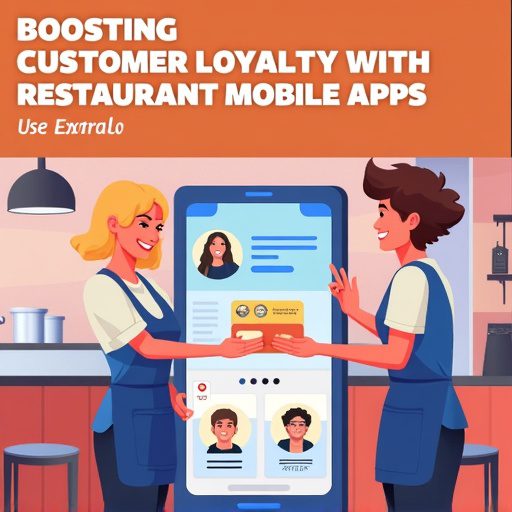
Boosting Customer Loyalty with Restaurant Mobile Apps: A Complete Guide

Introduction In today’s competitive restaurant landscape, customer loyalty is a critical driver of sustained success. Loyal customers return more frequently, spend more per visit, and become brand advocates. One of the most effective ways for restaurants—whether small neighborhood eateries or large chains—to boost customer loyalty is by investing in mobile apps. These apps provide convenient, personalized, and engaging experiences that keep customers coming back. This comprehensive guide explores how restaurant mobile apps elevate loyalty programs, enhance customer engagement, and deliver measurable business outcomes. It covers strategic app features, technology integrations, real-world best practices, and future trends. For innovative AI-powered personalization strategies, explore TechOTD AI Services. The Importance of Customer Loyalty in Restaurants Loyal customers drive a significant portion of revenue for restaurants; studies show that acquiring new customers costs five times more than retaining existing ones. Mobile apps enable direct communication with customers, personalized rewards, and seamless ordering—cornerstones of modern loyalty initiatives. Explore how AI enhances customer journeys and loyalty at TechOTD Seamless AI Customer Journeys. Core Benefits of Mobile Apps for Loyalty Building Direct Control Over Customer Engagement By owning their mobile app, restaurants can bypass third-party platforms, reducing fees and controlling branding and messaging. Personalized Rewards and Offers Apps enable tailored loyalty programs using AI-driven insights to offer rewards aligned to customer preferences and behavior. Learn about AI predictive analytics aiding such personalization at TechOTD Predictive Analytics. Convenience and Frictionless Experience Mobile ordering, payment, and delivery integration reduce friction and increase repeat visits. Data-Driven Marketing and Optimization Apps collect valuable data for analytics, enabling data-backed decision-making in menu, promotions, and operations. Essential Loyalty Features for Restaurant Mobile Apps Reward Points and Tiered Programs Customers earn points on every purchase, with higher tiers unlocking exclusive perks. Personalized Notifications and Offers Push notifications tailored through behavioral data increase app engagement and repeat orders. Seamless Mobile Ordering and Payments Integrated secure payment gateways and easy reordering streamline the customer journey. Referral Programs Encourage users to invite friends with incentives, expanding customer reach. Feedback and Reviews Allow customers to provide feedback directly to improve service and build trust. Social Media Integration Share rewards, special events, and user-generated content easily via social platforms. Technology Innovations Driving Loyalty Apps Artificial Intelligence AI enables hyper-personalized offerings, smarter chatbots, and predictive customer insights. Blockchain Blockchain technology assures transparent and tamper-proof loyalty points management and secure transactions, reducing fraud risks. Learn how blockchain optimizes business processes at TechOTD Blockchain Blog. Predictive Analytics Predict customer lifetime value, churn risk, and tailor retention campaigns for maximum effectiveness. Mobile Payment Innovations Integration with digital wallets and contactless payments accelerates checkout and improves user experience. Building a Successful Loyalty App: Best Practices Understand Your Customer Base Leverage data and surveys to design rewards that resonate. Simple and Transparent Rewards Ensure customers easily understand how to earn and redeem points. Engage Through Gamification Introduce levels, badges, challenges, and leaderboards for fun and motivation. Omnichannel Integration Seamlessly connect app loyalty with in-store and online experiences. Continuous Feedback and Improvement Use app analytics and customer feedback for ongoing enhancements. For expert strategies and implementation, explore TechOTD How We Work. Case Studies: Loyalty Success with Mobile Apps Chain Restaurant A increased repeat customer sales by 40% post app launch. Local Café B grew its user base by 60% using targeted push notifications and rewards. Delivery Service Provider C improved delivery retention rates through app-based incentives. Challenges and Solutions User Adoption Encourage downloads with sign-up incentives and integrate app promotion in every touchpoint. Technical Scalability Choose the right tech stack for seamless scaling and integration with POS systems. Read about selecting mobile development frameworks at TechOTD React Native vs Swift. Data Privacy and Security Implement rigorous security measures and transparent privacy policies to build trust. Balancing Cost and ROI Begin with a Minimum Viable Product (MVP) focused on core loyalty features and iterate. Future Trends in Restaurant Loyalty Apps Voice-activated ordering and loyalty management Augmented reality experiences for in-store engagement AI-driven dynamic pricing and personalized menus Integration with smart home devices and IoT Discover emerging AI trends impacting industries at TechOTD AI Blog. Key Takeaways: Loyalty drives revenue and reduces customer acquisition costs. Mobile apps enable robust, data-driven loyalty programs. AI and blockchain enhance personalization and security. Strategic app development and marketing maximize adoption. Continuous innovation is vital for sustained success. For tailored mobile app development services and AI-powered solutions, visit TechOTD Mobile Apps. Conclusion Mobile apps are indispensable tools for boosting customer loyalty in today’s restaurant market. They empower restaurants with direct customer relationships, personalized engagement, and operational efficiencies needed to thrive.

Restaurent

Why Small Restaurants Should Invest in Mobile Apps – Not Just Big Chains

Introduction In the digital age, the restaurant industry has experienced a paradigm shift. While big chains have long embraced mobile apps for ordering, loyalty programs, and personalized marketing, small restaurants often overlook this powerful tool due to misconceptions about cost, complexity, or necessity. However, investing in a mobile app is no longer a luxury reserved for large brands—it is a strategic imperative that can level the playing field and catalyze growth for small eateries. This blog explores why mobile apps are crucial for small restaurants, the benefits they unlock, how mobile technology drives customer engagement and operational efficiency, and best practices for building apps tailored to small business needs. For cutting-edge technological integrations, explore TechOTD AI Services. Why Mobile Apps Matter for Small Restaurants Changing Consumer Behavior Today’s customers increasingly prefer mobile ordering and digital engagement. According to studies, over 60% of food orders are now made through mobile devices, with consumers valuing convenience, speed, and personalized experiences. Small restaurants that fail to capitalize on this shift risk losing market share to competitors with digital tools. Explore how personalized customer journeys powered by AI improve retention: seamless AI customer experiences. Direct Customer Engagement and Loyalty Mobile apps enable small restaurants to engage customers directly, bypassing third-party aggregators who charge high fees. Apps facilitate loyalty programs, push notifications for promotions, and personalized recommendations, encouraging repeat business and brand affinity. Businesses leveraging AI and predictive analytics for targeted marketing see significant ROI gains—learn more at TechOTD Predictive Analytics. Competitive Differentiation Mobile apps give small eateries a professional edge, enabling seamless ordering, real-time updates, and engaging user experiences that rivals large chains. A custom app reflects a commitment to customer satisfaction and modern convenience. TechOTD’s mobile app services specialize in tailored solutions for SMBs. Core Benefits of Mobile Apps for Small Restaurants Increased Convenience and Order Accuracy Apps streamline the ordering process, minimizing errors common in phone orders, and letting customers customize their meals easily. Operational Efficiency Automating orders through an app reduces staff workload, allowing teams to focus on food preparation and service quality. Enhanced Marketing Capabilities Restaurants can target customers based on preferences, order history, and location, executing high ROI campaigns with push notifications and special offers. Data-Driven Insights Mobile apps capture valuable customer data, enabling analytics that drive menu optimization, sales forecasting, and personalized experiences. Features Essential for Small Restaurant Apps Easy Ordering System with customizable menus Loyalty and Rewards Programs Multiple Payment Gateways including digital wallets Real-time Order Tracking Push Notifications and Offers Table Reservations and Waitlist Management User Reviews and Feedback Social Media Integration Offline Mode for Areas with Poor Connectivity Overcoming Concerns and Challenges Cost and Development Concerns With platforms leveraging React Native and Flutter, and scalable cloud services like Azure and AWS, the cost and complexity of app development for small businesses have drastically reduced. For detailed insights on choosing mobile frameworks, see React Native vs Swift guide. User Adoption Effective marketing, seamless UX, and incentives drive app downloads and engagement. Small restaurants should combine their app strategy with in-store promotions and digital marketing. Maintenance and Scaling Partnering with expert service providers, like those featured on TechOTD How We Work, ensures apps remain performant and up to date. Case Studies: Small Restaurant Success Stories with Apps Small eateries worldwide have reported increased revenue, customer satisfaction, and operational improvements after launching apps. A local café increased repeat orders by 35% through an app-based loyalty program. A family-owned pizzeria streamlined delivery and pickup orders, reducing wait times by 25%. The Future: AI and Blockchain in Restaurant Apps AI-driven personalized menus, chatbots for customer service, and dynamic pricing models improve customer engagement. Blockchain technologies optimize supply chains and payment security. Discover how blockchain is revolutionizing business processes at TechOTD Blockchain Integration. Explore AI innovations powering business transformation at TechOTD AI Blog. Key Points: Mobile ordering trends increasingly favor app usage. Mobile apps foster direct engagement and loyalty. Cost-effective technologies reduce app development barriers. Data analytics unlock growth opportunities. AI and blockchain will further transform the restaurant experience. For expert help in building and scaling your restaurant’s mobile app, explore TechOTD mobile app solutions. Conclusion Mobile apps offer small restaurants far-reaching benefits: enhanced customer engagement, operational efficiency, and competitive advantage. Today’s technology ecosystem makes building and maintaining apps accessible and affordable for SMBs looking to embrace digitalization. Key Points: Mobile ordering trends increasingly favor app usage. Mobile apps foster direct engagement and loyalty. Cost-effective technologies reduce app development barriers. Data analytics unlock growth opportunities. AI and blockchain will further transform the restaurant experience. For expert help in building and scaling your restaurant’s mobile app, explore TechOTD mobile app solutions.

How would you like me to respond?

Select a personality for your AI assistant

Normal
Happy
Sad
Angry

Your selection will affect how the AI assistant responds to your messages

Chat Assistant

Let's discuss your project!

Hear from our clients and why 3000+ businesses trust TechOTD

Tell us what you need, and we'll get back with a cost and timeline estimate

Scroll to Top