
AI in logistics

Digital Transformation, Software development, Technology & Business

Logistics Automation Software Trends

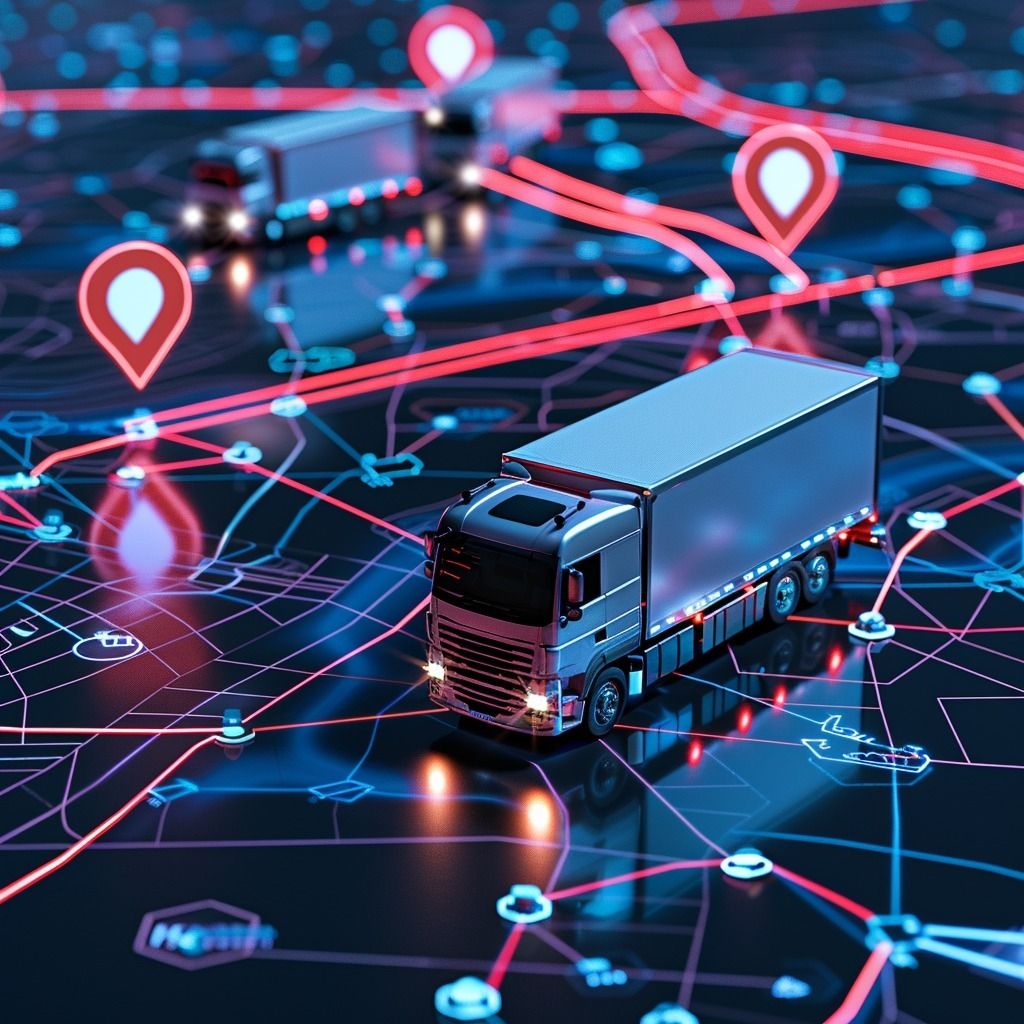
Logistics Automation Software Trends: Driving Efficiency in an Unpredictable World The global logistics landscape is undergoing a profound paradigm shift. For years, supply chain management focused on a singular, relentless pursuit: cost minimization through just-in-time efficiency. However, a relentless wave of global volatility—spanning geopolitical tensions, extreme climate events, localized labor shortages, and shifting trade policies—has exposed the fragile fault lines of traditional, rigid infrastructure. Today, survival and profitability require a foundational operational overhaul. The goal has shifted from building a reactive supply chain to engineering an intelligent, self-healing, and proactive network. At the heart of this radical transformation is software. Logistics automation is no longer just about deploying massive, fixed hardware or static conveyors. Instead, modern logistics is defined by software intelligence, interconnected ecosystems, and automated adaptability. As organizations strive to bridge the gap between real-time insights and immediate operational execution, let’s explore the core logistics automation software trends defining the industry. 1. The Rise of Agentic AI and Self-Healing Supply Chains Artificial Intelligence has officially graduated from a passive analytics tool into an active operational partner. Historically, AI in logistics was predictive—it analyzed historical datasets, identified patterns, and generated dashboards for human operators to interpret and act upon. While valuable, this traditional approach still left a costly gap of latency between identifying a disruption and executing a remedy. The current frontier belongs to Agentic AI and self-healing supply chains. Autonomous AI agents are integrated directly into core execution software, such as Transportation Management Systems (TMS) and Enterprise Resource Planning (ERP) engines. Instead of waiting for human intervention, these intelligent software agents possess the decision-making capabilities to autonomously execute solutions within predefined operational guardrails. [Disruption Detected: Port Closure] │ ▼ ┌──────────────────────────────┐ │ Agentic AI Evaluates Data │ └──────────────┬───────────────┘ │ ▼ ┌──────────────────────────────┐ │ Autonomously Reroutes Fleet │ └──────────────┬───────────────┘ │ ▼ ┌──────────────────────────────┐ │ Updates WMS & Notifies Crew │ └──────────────────────────────┘ For instance, if an ocean cargo liner faces an unexpected port closure due to severe weather, an agentic AI system doesn’t just trigger an alert flag on a dashboard. It actively evaluates real-time alternative routes, calculates the financial cost-to-serve implications, renegotiates dynamic freight spot rates with backup carriers, alters the digital customs paperwork, and re-sequences the downstream warehouse receiving schedule—all in a matter of seconds without human prompt. This shift to continuous, automated planning reduces latency to near zero, transforming unexpected bottlenecks from multi-day crises into seamlessly managed, minor operational adjustments. 2. Next-Generation WMS and Smart Warehousing As e-commerce demands continue to pressure fulfillment timelines, distribution centers can no longer operate using legacy, paper-reliant Warehouse Management Systems (WMS). Inbound and outbound logistics are converging under next-generation, cloud-native WMS platforms powered by generative AI and real-time edge processing. Modern WMS platforms are focusing heavily on dynamic optimization. Instead of relying on static zoning patterns, AI algorithms continuously monitor the physical flow of the warehouse floor. They dynamically re-slot fast-moving SKUs based on real-time order surges, balance picking labor across aisles to prevent congestion, and adjust picking strategies on the fly. Furthermore, a significant sub-trend is the rapid modernization of inbound automation software. Historically, outbound fulfillment took priority for automation investments. Today, the focus is equalizing. Advanced WMS platforms leverage machine vision software equipped with Neural Processing Units (NPUs) to handle complex inbound processes: Robotic De-palletization: Software guides robotic arms to identify, visually inspect, and de-stack highly irregular, mixed-SKU pallets. Instant Verification: Real-time AI vision scans barcodes and cross-references them against digital bills of lading in milliseconds, entirely bypassing manual clipboard validation. Predictive Workload Scheduling: By processing upstream transport delays, the WMS automatically adjusts warehouse staffing shifts before a delayed fleet arrived at the yard bay doors. 3. Orchestration Layers and Multi-Fleet Fleet Management Systems (FMS) Go into a modern fulfillment hub, and you will see an incredibly diverse ecosystem of automated hardware. You might see Autonomous Mobile Robots (AMRs) moving cases, Automated Guided Vehicles (AGVs) transporting heavy pallets, automated storage and retrieval systems (AS/RS) soaring up vertical racks, and human workers operating traditional forklifts. The primary challenge isn’t the individual performance of these machines; it is their coordination. Without a unifying brain, a warehouse becomes a multi-million-dollar digital traffic jam. This friction has driven the massive growth of Warehouse Execution Systems (WES) and comprehensive Software Orchestration Layers. These advanced software platforms act as a vendor-agnostic nervous system, sit cleanly above individual proprietary hardware controllers, and unify all automation subsystems into a singular, synchronized operational workflow. ┌──────────────────────────────────────┐ │ Software Orchestration Layer │ └────┬──────────────┬──────────────┬───┘ │ │ │ ▼ ▼ ▼ ┌───────┐ ┌───────┐ ┌───────┐ │ AMRs │ │ AS/RS │ │ AGVs │ └───────┘ └───────┘ └───────┘ Concurrently, Fleet Management Systems (FMS) have evolved far beyond basic dispatch scripting rules. Driven by live spatial data, modern FMS platforms control real-time traffic across the facility floor. They dynamically reroute AMRs away from congested corridors, prioritize charging schedules for robotic units based on upcoming order volumes, and coordinate seamless intersections where human workers and robotic fleets cross paths safely. The software ensures that predictable throughput and steady physical flow are maintained around the clock. 4. Robotics-as-a-Service (RaaS) Democratizing Automation For decades, the benefits of advanced warehouse robotics were reserved exclusively for enterprise giants with massive capital expenditure (CapEx) budgets. Smaller third-party logistics (3PL) providers and mid-sized e-commerce merchants were left locked out by the staggering upfront costs of automated infrastructure. Robotics-as-a-Service (RaaS) has completely flipped this model by shifting automation from a rigid capital expense to a flexible, scalable operational expense (OpEx). Under the RaaS software model, companies subscribe to cloud-hosted robotic management platforms while leasing physical robot fleets (like AMRs or autonomous sorting units) on a predictable monthly or volume-based payment structure. This trend has triggered the rise of what industry experts call “brownfield automation.” Rather than abandoning existing brick-and-mortar setups to build expensive, highly customized “greenfield” automated facilities, businesses are deploying RaaS software into their legacy, existing structures. Because modern AMRs rely on lidar, onboard edge processing, and computer vision software for navigation rather than fixed magnetic tracking tape embedded in floors, they can be deployed

Artificial Intelligence

From Robots to Smart Machines: 10 Game-Changing Use Cases of Physical AI

Introduction Artificial Intelligence (AI) has transformed the digital realm with advanced data analytics, natural language processing, and automation. Yet, the next frontier is the realm of Physical AI—where smart machines and autonomous robots interact with the physical world intelligently, dynamically adapting to their environments and tasks. Physical AI combines sensing, computation, and actuation to power smart robotics, autonomous vehicles, intelligent drones, and other machines able to think and act autonomously in real space. This blog reveals 10 game-changing use cases of Physical AI fundamentally reshaping industries and everyday life. It also explores how innovations fueled by AI-driven tools from companies like TechOTD drive this transformation further (TechOTD AI services). What Is Physical AI? Physical AI integrates algorithms with sensors and actuators to enable machines to perceive, understand, and perform complex physical actions autonomously. Unlike software-only AI focused on data or decision-making in virtual spaces, Physical AI endows machines with physical autonomy—allowing them to sense their environment, learn continuously, and dynamically act without human intervention. This technology underpins autonomous vehicles, robotic arms in manufacturing, surgical robots, and smart drones, blending AI models with real-time feedback control systems. Such machines optimize efficiency, safety, and productivity by reacting adaptively to unpredictable real-world scenarios. 1. Autonomous Delivery Robots Autonomous delivery robots have transformed last-mile logistics by navigating urban and suburban environments to deliver parcels efficiently. These robots avoid obstacles, handle diverse weather conditions, and solve traditional delivery challenges such as parking limit and package theft. For example, Amazon Scout, deployed in select neighborhoods, reliably carries packages up to 30 pounds and operates seamlessly in pedestrian zones. This represents a major cost-effective disruption in delivery services—reducing dependency on human drivers and enabling 24/7 delivery capabilities. 2. Surgical Robots in Healthcare Physical AI-powered surgical systems enhance procedural precision and reduce patient recovery times. These robots stabilize surgical implements eliminating hand tremors and allow minimally invasive procedures through keyhole-sized openings. Johnson & Johnson’s Ottava system, for instance, enables complex operations with accelerated recovery and reduced hospital stays. Such AI-driven robotic surgery revolutionizes healthcare delivery, improving outcomes in specialties like urology, gynecology, and cardiothoracic surgery (Learn more about AI in healthcare). 3. Intelligent Robotic Assembly in Manufacturing Factories benefit immensely from Physical AI through intelligent robotic assembly lines. Robots equipped with AI learn continuously to adjust to variations in parts and production specifications, optimizing efficiency and minimizing human error. This flexibility means factories rapidly adapt product designs or volumes without expensive retooling, exemplifying the future of smart manufacturing and digital twins—where virtual models simulate and optimize physical processes (How We Work at TechOTD). 4. Autonomous Vehicles and Fleet Management From self-driving cars to autonomous trucks, Physical AI drives the future of transportation. Autonomous vehicles use extensive sensor arrays combined with AI to perceive surroundings, make split-second navigation decisions, and control driving actions. Fleet operators leverage these technologies to reduce accidents, optimize fuel consumption, and enable predictive maintenance. This paradigm shift in logistics helps streamline supply chains and decrease operational costs while reducing carbon footprints (Blockchain integration in business). 5. Smart Agricultural Equipment AI-powered farming machinery deploys drones, robotic harvesters, and smart irrigation systems to maximize crop yield and resource use. These machines analyze soil quality, monitor crop health with imaging sensors, and perform precision planting and harvesting autonomously. Physical AI in agriculture reduces labor demands, minimizes waste, and helps meet growing food production needs sustainably. This transformation supports efficient food supply chains crucial for global populations (Predictive analytics software). 6. Autonomous Cleaning and Maintenance Robots Commercial cleaning and maintenance robots maintain hospital hygiene, airport sanitation, and office cleanliness with minimal human supervision. They map facilities, optimize their cleaning paths, and adjust intensity based on usage patterns. These robots help reduce hospital-acquired infections and maintain consistent standards across large, complex environments—ultimately improving safety and operational efficiency. 7. Intelligent Security and Surveillance Robots Physical AI-driven surveillance robots continuously patrol facilities, using facial recognition and behavioral analysis to detect potential threats proactively. These machines operate in risky or inaccessible areas, coordinating with human security teams for comprehensive coverage. Organizations deploying these robotic guards benefit from extended coverage, faster threat identification, and reduced manpower fatigue (Seamless customer journeys with AI). 8. Autonomous Drones for Wildlife and Environmental Monitoring Mounted with non-invasive sensors, AI drones monitor wildlife movement, habitat health, and environmental changes without disturbing natural ecosystems. They collect data critical for conservation efforts, resource management, and climate science. This use case highlights Physical AI’s capacity to merge humanitarian and environmental benefits with advanced technology (Technology impact on education). 9. Smart Warehouse Robots and Inventory Management Robotic systems in warehouses automate picking, packing, and sorting—ensuring faster fulfillment cycles and higher accuracy. Physical AI enables these robots to navigate cluttered spaces, collaborate with human workers, and adapt to changing inventory needs. This technology enhances eCommerce capabilities and supports scalable, efficient supply chains (Mobile app services). 10. AI-Enabled Construction Equipment Heavy machinery empowered by Physical AI analyzes terrain in real-time and optimizes operations autonomously. Smart bulldozers, cranes, and excavators reduce fuel consumption and improve safety through predictive obstacle detection and automated project coordination. Companies like Caterpillar are leaders in smart construction tech, boosting productivity on large-scale infrastructure projects (Best gadgets for programmers). Conclusion: Embracing the Physical AI Revolution Physical AI is redefining how industries operate—enabling machines to perform with autonomy, intelligence, and adaptability never seen before. From healthcare to logistics to agriculture, these smart machines transform operations, reduce costs, and improve safety and quality. Businesses seeking to future-proof their operations must explore innovative Physical AI applications integrated with AI-driven analytics and automation solutions. TechOTD offers cutting-edge AI services to help organizations harness these powerful technologies and achieve new levels of operational excellence (Explore TechOTD AI solutions). FAQs Q1: How is Physical AI different from traditional robotics? Traditional robots operate on pre-defined rules and programming. Physical AI robots continuously learn and adapt from sensor inputs and environments, enabling greater autonomy and flexibility. Q2: What industries benefit most from Physical AI? Healthcare, manufacturing, logistics, agriculture, construction, retail, and security are rapidly adopting Physical AI to optimize processes

Real-Time Visibility

Solving the Transportation Data Breakdown Before It Hurts Performance

Introduction Transportation systems run on data—real-time routing, shipment tracking, fleet maintenance, and customer service all depend on seamless digital information flow. But when data breaks down—due to silos, outdated systems, or poor integrations—the impact is immediate: missed deliveries, increased costs, frustrated customers, and lost revenue. This blog reveals how to proactively solve the transportation data breakdown before it disrupts your logistics, showing you key strategies, actionable steps, and the critical role of future-proof technology in powering performance. Solving the Transportation Data Breakdown Before It Hurts Performance Transportation networks—covering logistics, fleet management, supply chain operations, and delivery services—depend heavily on accurate and timely data. When data breakdowns happen (due to silos, poor data quality, or system integration issues), it leads to: Delayed shipments Higher operational costs Inefficient route planning Reduced customer satisfaction Common Causes and Warning Signs of Data Breakdown Data Silos: Information trapped in separate TMS, ERP, or telematics platforms with no cross-communication. Manual Processes: Reliance on spreadsheets, faxes, or phone calls for load assignment and tracking. Inconsistent Data Formats: Discrepancies between systems, leading to errors in route planning, billing, or compliance. Lack of Real-Time Visibility: Delays in data flow mean you don’t know where trucks, inventory, or drivers are—until it’s too late. Integration Gaps: Outdated APIs or incompatible software prevent smooth hand-offs between shipper, carrier, and customer portals. Spot the warning signs: Frequent shipment delays or rerouting. Customer service teams “chasing” information across departments. High rates of billing errors and dispute resolution. Drivers or staff entering the same data into multiple systems. Why Fixing Data Breakdown is Critical Performance Impact: Broken data pipelines lead to missed ETAs, inventory shortfalls, and lost business. Cost Escalation: Every manual workaround or error correction increases operational costs. Customer Experience: Today’s clients expect real-time tracking and transparent updates—data breakdown derails trust. Compliance Risks: Regulatory requirements around safety, hours of service, and freight documentation demand accurate, up-to-date data.   Strategies to Solve Transportation Data Breakdowns Transportation systems rely heavily on data for smooth operations—covering everything from vehicle tracking and route optimization to shipment visibility and predictive maintenance. When data is incomplete, siloed, or inaccurate, it leads to operational delays, cost overruns, and reduced customer satisfaction.Here are key strategies to prevent and solve transportation data breakdowns:   1. Centralize and Synchronize Data Implement a unified transportation management system (TMS) that connects with ERPs, GPS, telematics, and customer portals. Use cloud-based solutions to enable seamless access and sharing, supporting distributed workforces and partners. Regularly audit your data schema—fix inconsistencies before they multiply. 2. Automate Data Collection and Sharing Replace manual logs and spreadsheets with IoT sensors, RFID tags, and direct software integrations. Automate notifications for load status, delays, or re-routing, giving customers and staff real-time alerts. 3. Modernize Integrations Use open APIs and EDI standards for easy communication between shippers, carriers, and partners. Invest in modular platforms that support easy integration with new tools (AI analytics, route optimization, billing). 4. Drive Data Quality and Governance Set up validation rules and “single source of truth” principles. Regularly inspect and cleanse historical data to ensure accuracy for reporting and decision-making. 5. Empower Data-Driven Performance Use real-time dashboards for tracking assets, shipments, and performance metrics. Leverage predictive analytics to spot issues before they occur—such as maintenance needs, at-risk deliveries, or bottlenecks. TechOTD offers expert solutions for cloud-based TMS, AI-powered route optimization, and seamless system integration. Discover modern logistics tech at TechOTD, or explore AI & Automation, Web Development, and Industry eCommerce Solutions for customized support. Conclusion Don’t let data breakdown silently undermine your transportation performance. By centralizing information, automating workflows, and modernizing integrations, your business can deliver faster, cheaper, and smarter than ever before. Act now—future-proof your logistics with digital solutions that keep your data, drivers, and customers in sync. Take the lead in transportation innovation. Connect with TechOTD for a free audit or explore end-to-end logistics technology built for tomorrow’s challenges. FAQ 1. What is transportation data breakdown? It’s when digital information flow (orders, routes, shipment status) is disrupted—causing delays, errors, and customer/operational issues. 2. How do I spot data breakdown early? Frequent shipment delays, manual data entry across platforms, and missing/inconsistent shipment info are key red flags. 3. What’s the fastest way to automate my transport data? Adopt cloud-based TMS, leverage open APIs, and integrate IoT/telematics for real-time data capture. 4. Can AI help prevent breakdown? Yes—AI predicts bottlenecks, optimizes routes, and automates alerts, making data-driven performance possible. 5. Is a single vendor or platform best for solving breakdown? A modular approach lets you integrate best-of-breed solutions—just ensure strong API and data governance for seamless operation.

Scroll to Top