
AI agent development company

Healthcare & Fitness

IoT-Based Wearable Integration: ECG Patches & Glucose Monitors

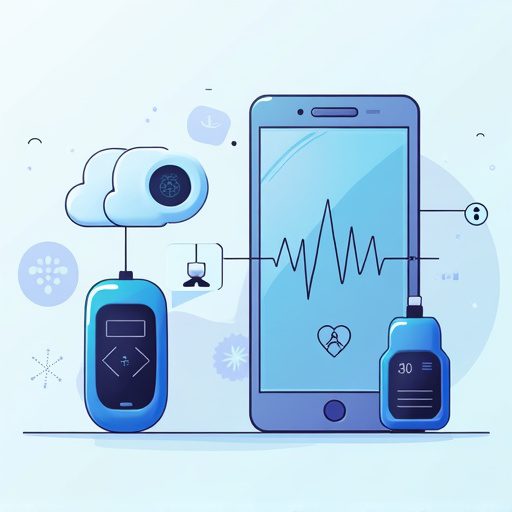
Introduction The convergence of the Internet of Things (IoT) and wearable technologies is redefining healthcare accessibility, monitoring, and personalization. Among these innovations, wearable ECG patches and continuous glucose monitors (CGMs) stand out as life-changing tools for patients managing cardiovascular and metabolic conditions. These IoT-enabled wearables continuously collect real-time physiological data, transmitting vital insights to caregivers, cloud platforms, and AI-powered healthcare analytics systems. Whether you’re a clinician, health-tech entrepreneur, or a patient eager to understand modern medical tools, learning about these integrations is critical. This comprehensive blog dives into IoT-based wearable integration, exploring use cases, technological breakthroughs, industry applications, challenges, and future trends. Along the way, we’ll highlight how tools like TechOTD’s AI services, predictive analytics, and mobile applications are shaping the broader digital transformation in healthcare. 1. Understanding Wearable IoT for Healthcare What Defines IoT Wearables? IoT-based wearables are sensor-embedded devices that collect health data—such as heart rhythms or glucose levels—and transmit it wirelessly via BLE, Wi-Fi, or cellular networks to apps or cloud platforms. These systems enable real-time, remote patient monitoring and advanced analytics. For a deeper dive into how digital ecosystems are structured, check out TechOTD’s detailed framework: How We Work. Continuous Glucose Monitoring (CGM) CGMs revolutionize diabetes care by providing continuous glucose data. Devices like FreeStyle Libre and Eversense are FDA-approved and deliver real-time blood sugar insights directly to mobile apps. Injectable and Patch-Based Glucose Sensors Newer non-invasive solutions such as lab-on-a-patch and optical glucose sensors are emerging, minimizing or eliminating the need for finger-stick tests. Wearable ECG Patches   Modern ambulatory ECG patches are: Compact & lightweight for patient comfort. Water-resistant for daily activities. Multi-lead capable, giving cardiologists richer data. Cloud-integrated for real-time analytics. 2. Use Cases & Benefits of ECG Patches and CGMs Real-Time Cardiac Monitoring ECG patches continuously record cardiac activity, detect arrhythmias, and enable early intervention. Their integration with predictive AI algorithms enhances risk detection. Accurate Glucose Management CGMs reduce reliance on finger pricks and allow patients to track and adjust lifestyles in real time. Alerts warn about hypo/hyperglycemia, preventing hospitalizations. Preventive Healthcare & Predictive Insights When paired with predictive analytics tools (see TechOTD’s blog), wearables anticipate health risks, giving doctors the chance to act before an emergency arises. ICU & Critical Care Applications Advanced skin patches can now monitor multiple biomarkers—helping ICU teams optimize drug dosages and monitor sepsis patients in real time. Edge & 5G-Enabled Monitoring Integration with 5G and edge computing ensures ultra-low-latency alerts, critical for conditions like cardiac arrest or sudden diabetic events. 3. Technical Infrastructure & Integration Connectivity & Gateways BLE, Wi-Fi, and IoT-enabled modules connect devices to smartphones. Gateways push data into cloud platforms where analytics engines run. For companies planning mobile-first healthcare platforms, explore TechOTD’s Mobile App Services. Security & Privacy Data encryption and blockchain-powered infrastructures (see here) are crucial for compliance with HIPAA, GDPR, and FDA regulations. Analytics with AI & Predictive Tools AI detects anomalies like arrhythmias or abnormal glucose trends. More advanced systems integrate Large Language Models (LLMs) for contextual alerts (LLMs in Finance blog). Personalized Health Insights Integration with AI-driven analytics dashboards transforms wearables into tools for personalized, preventive healthcare. 4. Industry Applications & Broader Trends Consumer Health → Smartwatches integrating ECG and glucose monitoring for wellness. Diabetes Management → CGMs helping reduce ER visits by real-time alerts. Cardiology → ECG patches used for remote diagnostics. Remote Patient Monitoring (RPM) → Patients monitored outside hospitals, reducing strain on facilities. For additional insights into digital health strategies, check out TechOTD’s Technology Impact on Education for CEOs—many lessons also apply to healthcare leadership. 5. Challenges & Mitigation Strategies Sensor Accuracy & Reliability → Adopt medical-grade calibration. Connectivity Constraints → Use offline caching with low-power BLE. Regulatory Compliance → Ensure HIPAA, GDPR, and FDA approvals. Data Overload → Implement AI and edge computing filters. User Adoption → Prioritize comfort and usability in design. For businesses designing these solutions, TechOTD’s blog hub has resources across AI, IoT, and app development. 6. Future Trends in Wearable IoT Health Multi-marker Smart Patches: Monitoring lactate, troponin, and more. Edge AI Detection: Running anomaly detection directly on-device. Spectroscopy-based Non-Invasive Sensors: Pain-free glucose tracking. Preventive Health Tools: Predicting disease before symptoms. 5G-Driven Wearable Ecosystems: Near-instant alerts for emergencies. For real-world parallels, see TechOTD’s Best Gadgets for Programmers 2025—showing how wearables and smart devices intersect across industries. 7. Leveraging TechOTD’s Ecosystem To harness the full potential of wearable IoT integration, businesses need a robust digital backbone. TechOTD provides: AI Analytics & Predictive Tools → AI Page. Mobile Application Development → Mobile Apps Services. IoT & Blockchain Strategy → Blockchain Blog. Proven Delivery Models → How We Work. Knowledge Leadership → Industry Insights. 8. Summary Table: Benefits & Use Cases Use Case / Feature Benefit / Impact ECG Patches Arrhythmia detection & continuous monitoring Continuous Glucose Monitors Real-time diabetes management & alerts Multi-marker Biosensor Patches ICU biomarker monitoring for critical care AI Analytics Integration Predictive alerts & anomaly detection Edge Computing + 5G Near-instant emergency detection Non-invasive CGM Pain-free, patient-friendly glucose tracking 9. FAQs Q1: How do ECG patches differ from Holter monitors?ECG patches are smaller, multi-lead, water-resistant, and integrate with smartphones—making them more comfortable and efficient. Q2: Can CGMs replace finger-prick tests?Yes, FDA-approved CGMs provide highly accurate real-time glucose monitoring, minimizing traditional tests. Q3: Is wearable data secure?Yes, provided end-to-end encryption and blockchain-based protections are applied. Q4: What’s next for wearable health technology?Expect multi-biomarker smart patches, edge AI, spectroscopy sensors, and fully integrated IoT health ecosystems. Conclusion IoT-based wearables—especially ECG patches and continuous glucose monitors—are transforming healthcare by enabling real-time, personalized, and predictive care. With the power of AI analytics, blockchain security, mobile apps, and 5G integration, healthcare providers can scale remote patient monitoring, improve outcomes, and reduce costs. As digital health ecosystems mature, organizations that embrace IoT-enabled wearable integration will be leaders in preventive care and chronic disease management. By partnering with innovation leaders like TechOTD, healthcare providers and businesses can build next-gen platforms that connect patients, caregivers, and data into a seamless, life-saving ecosystem.

Education app developement

Next-Gen LMS: Features That Will Shape the Future of Distance Education

Introduction Distance education is no longer a temporary solution—it is becoming a core pillar of modern education systems. From schools to universities, corporate training to professional development, Learning Management Systems (LMS) have evolved into the foundation of remote and hybrid learning models. But the future of LMS is not just about digitizing classrooms—it is about building intelligent, adaptive, and scalable platforms that can meet the diverse needs of learners across the world. In this blog, we’ll explore how Next-Gen LMS platforms are transforming distance education, the must-have features that will shape their future, and how businesses, educators, and institutions can leverage them for sustainable impact. Why Next-Gen LMS Matters in Distance Education The pandemic accelerated the adoption of LMS platforms, but their limitations also became evident—lack of personalization, low engagement, weak analytics, and scalability issues. Next-Gen LMS solves these pain points by integrating AI, predictive analytics, blockchain, and mobile-first design into the ecosystem. For businesses and educational institutions, this shift means: Smarter learning experiences with AI-driven personalization. Seamless integration with cloud, mobile, and IoT ecosystems. Secure, transparent management using blockchain (Blockchain Integration in Dubai). Predictive analytics that enables data-driven decision-making (Predictive Analytics in Software Development). 👉 LMS is no longer just a tool—it is a digital ecosystem. Key Features of Next-Gen LMS 1. AI-Driven Personalization Artificial Intelligence ensures learning is tailored to each student. Adaptive algorithms recommend content, quizzes, and learning paths. Example: Large Language Models in Finance show how AI can analyze user behavior—similar methods are being used in LMS to predict learning gaps and provide personalized interventions. 2. Gamification and Engagement Tools Future LMS platforms will prioritize engagement over completion rates. Features like badges, leaderboards, interactive simulations, and AR/VR classrooms make distance learning immersive. 3. Seamless Mobile Learning Mobile-first designs are no longer optional. Next-Gen LMS will have dedicated mobile app services (TechOTD Mobile Apps) ensuring access across devices and platforms. 4. Blockchain-Based Certification & Credentialing Blockchain ensures secure, verifiable digital certificates. This not only reduces fraud but also makes credentials universally portable across industries. 5. Advanced Predictive Analytics Predictive analytics helps identify at-risk learners, improve curriculum design, and optimize delivery (Predictive Analytics Features). 6. Integration with EdTech Ecosystem Next-Gen LMS platforms won’t operate in silos—they’ll integrate with IoT classroom devices, AI tutors, cloud-based collaboration tools, and AR/VR simulations. 7. Multi-Language and Cultural Adaptability Global distance learning requires support for multi-language content, localization, and culturally adaptive learning paths. 8. Security and Compliance With sensitive data at stake, compliance with GDPR, FERPA, and HIPAA will be non-negotiable. Blockchain and Zero-Trust security will play key roles. Benefits of Next-Gen LMS Improved learning outcomes through personalized experiences. Cost-effectiveness compared to traditional models. Scalable and flexible infrastructure for institutions of all sizes. Data-driven insights to improve learner performance. Enhanced student engagement via gamification, AR/VR, and interactive tools. Seamless hybrid learning—equally effective online and offline. Use Cases Across Industries Higher Education – Virtual universities with personalized learning. Corporate Training – Upskilling employees with AI-driven microlearning. Healthcare – Training doctors with VR simulations. Finance – Compliance training with blockchain verification (LLMs in Finance). Retail & Service Industries – Customer service training using interactive AI tutors (Seamless Customer Journeys with AI). Challenges in Implementing Next-Gen LMS High development costs—but partnerships with experts like TechOTD reduce risks. Data security concerns—solved by blockchain and Zero Trust models. Resistance to adoption from educators who need proper training. Complexity in integration with legacy systems. The Future of LMS in Remote Education The next decade will witness LMS platforms evolving into AI-powered, blockchain-secured, mobile-first ecosystems that support lifelong learning. With emerging technologies like AR, VR, and LLMs, LMS will redefine the learning experience beyond traditional boundaries. Businesses, startups, and educational institutions investing early in Next-Gen LMS will gain a competitive advantage by offering smarter, secure, and immersive remote education. FAQ 1. What makes Next-Gen LMS different from traditional LMS?Next-Gen LMS integrates AI, blockchain, mobile-first design, and predictive analytics to deliver adaptive, secure, and scalable education experiences. 2. How can businesses benefit from Next-Gen LMS?Companies can use it for employee upskilling, compliance training, and knowledge retention through personalized microlearning. 3. Is blockchain important in LMS?Yes. Blockchain ensures secure certification, transparent records, and verifiable credentials. 4. What role does AI play in Next-Gen LMS?AI enables personalization, predictive analytics, chatbots, and adaptive learning paths, making education more engaging. 5. Can LMS replace traditional classrooms?Not entirely. Instead, it enhances hybrid models by complementing face-to-face learning with digital flexibility. Key Points Summary Table Feature Impact on Distance Education AI Personalization Tailored learning paths Gamification & AR/VR Boosts student engagement Blockchain Certification Secure, verifiable degrees Predictive Analytics Early detection of at-risk learners Mobile-First LMS Anytime, anywhere access Security & Compliance Data protection & trust Conclusion The future of distance education lies in Next-Gen LMS platforms that are intelligent, secure, and deeply integrated with emerging technologies. By adopting AI personalization, blockchain-based credentials, predictive analytics, and mobile-first designs, educational institutions and businesses can offer flexible, scalable, and impactful learning experiences. As industries move towards digital-first education ecosystems, investing in Next-Gen LMS will no longer be optional—it will be a necessity for survival and success. Partnering with forward-thinking tech providers like TechOTD ensures that you build future-ready LMS solutions that empower learners, drive engagement, and transform education for the digital age.

Artificial Intelligence

How to Choose the Best AI Agent Development Company for Businesses

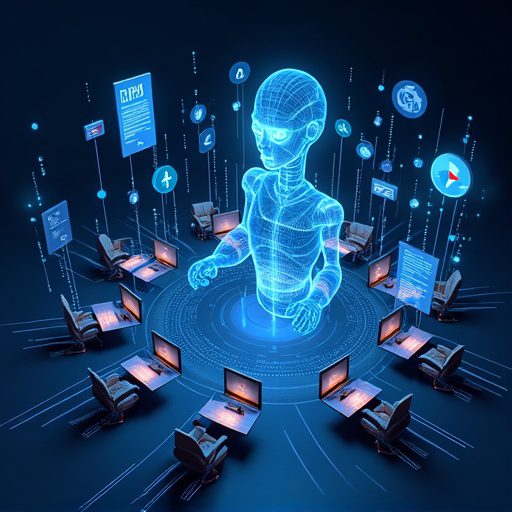
Introduction Artificial Intelligence (AI) has moved far beyond being a buzzword – it is now one of the most crucial technologies shaping the future of business. From automating workflows to delivering personalized customer experiences and enabling predictive decision-making, AI agents are transforming industries across the globe. Businesses looking to stay competitive are increasingly turning to AI agent development companies for customized solutions. However, choosing the right AI agent development company can be overwhelming, especially with the rapid growth of the AI service provider ecosystem. This blog serves as a comprehensive 5000-word guide to help businesses identify, evaluate, and partner with the best AI agent development companies. It will also reference relevant resources from TechOTD and related blogs to provide deeper insights into AI, blockchain, predictive analytics, and other cutting-edge technologies. Table of Contents Introduction to AI Agent Development for Businesses Why AI Agents Are Critical for Modern Enterprises Key Services Provided by AI Agent Development Companies Factors to Consider Before Choosing an AI Partner Evaluating Company Expertise and Technical Proficiency Industry-Specific Experience: Why It Matters Comparing Global vs. Local AI Development Companies Assessing Scalability and Long-Term Value Questions to Ask a Potential AI Agent Development Partner Red Flags to Avoid When Hiring AI Development Firms Case Studies: AI Success Stories in Businesses How TechOTD and Similar Firms are Leading AI Innovation Future Trends in AI Agent Development Final Checklist for Selecting the Best AI Development Company Conclusion 1. Introduction to AI Agent Development for Businesses AI agents are intelligent systems capable of perceiving their environment, making decisions, and taking actions to achieve specific goals. These agents are widely used in: Customer service automation (chatbots, voice assistants) Predictive analytics and business intelligence Fraud detection in finance Personalized marketing campaigns Workflow automation With demand skyrocketing, organizations need expert AI development companies that understand their industry, challenges, and goals. For a more detailed introduction to AI applications in modern business, visit TechOTD AI Page. 2. Why AI Agents Are Critical for Modern Enterprises Businesses today are data-driven. AI agents provide: 24/7 customer engagement (chatbots and virtual assistants) Cost reduction through automation Revenue growth by enabling hyper-personalization Improved decision-making with predictive insights Relevant read: Seamless Customer Journeys with AI – The Future of Service Excellence. 3. Key Services Provided by AI Agent Development Companies Custom AI Agent Development Tailor-made AI chatbots, virtual assistants, and workflow bots. Integration Services Connecting AI agents with CRM, ERP, or third-party systems. Data Analytics and Machine Learning Predictive modeling, data processing, and insights. Read: Predictive Analytics in Software Development. Natural Language Processing (NLP) Enabling agents to understand and respond in human-like language. AI in Finance Fraud detection, investment advisory, and compliance automation. Resource: Large Language Models in Finance. 4. Factors to Consider Before Choosing an AI Partner Business Needs Alignment – Does the company understand your domain? Technology Stack – Do they specialize in NLP, ML, computer vision, or multi-agent systems? Proven Track Record – Verified success stories and references. Security Standards – Ensuring compliance with data privacy laws. Cost & ROI – Transparent pricing with long-term value. Related resource: Blockchain Integration in Business Processes. 5. Evaluating Company Expertise and Technical Proficiency A good AI development company must: Employ certified AI/ML engineers. Have experience with frameworks such as TensorFlow, PyTorch, Rasa. Demonstrate expertise in cloud platforms like AWS, Azure, GCP. Show past projects in similar industries. Check How We Work – TechOTD Process to understand the structured approach followed by leading firms. 6. Industry-Specific Experience: Why It Matters AI applications vary across industries: Healthcare – Diagnostics, patient engagement. Retail & E-commerce – Product recommendations. Finance – Fraud detection. Education – Adaptive learning platforms. Further insights: Technology Impact on Education. 7. Comparing Global vs. Local AI Development Companies Global Firms – Offer broader experience, advanced capabilities, and scalability. Local Firms – Provide personalized support, cultural context, and faster communication. Your choice depends on your project scope and long-term expansion plans. 8. Assessing Scalability and Long-Term Value The right AI development company should: Offer flexible solutions that grow with your business. Provide ongoing maintenance and optimization. Stay updated with emerging AI trends. Relevant guide: React Native vs. Swift – Choosing the Right Development Framework. 9. Questions to Ask a Potential AI Agent Development Partner What industries have you delivered AI solutions for? What is your process for AI project implementation? How do you ensure data security and compliance? Can you provide real case studies? What post-deployment support do you offer? 10. Red Flags to Avoid When Hiring AI Development Firms Lack of clear methodology. Overpromising unrealistic outcomes. No portfolio of successful AI projects. Poor communication and transparency. Weak data security measures. 11. Case Studies: AI Success Stories in Businesses   E-commerce: Personalized shopping experiences increased sales by 25%. Finance: Fraud detection reduced transaction losses by 40%. Healthcare: AI chatbots reduced patient query response times by 60%. 12. How TechOTD and Similar Firms are Leading AI Innovation TechOTD has been consistently delivering advanced AI and digital transformation services. Explore: AI Services Mobile App Development Services Best Gadgets for Programmers in 2025 for insights on emerging tech. 13. Future Trends in AI Agent Development Autonomous multi-agent systems AI-driven hyper-automation Voice-first AI assistants Generative AI for business operations AI in sustainable and green technologies 14. Final Checklist for Selecting the Best AI Development Company ✅ Define your AI goals clearly. ✅ Evaluate company expertise & industry experience. ✅ Check client testimonials and case studies. ✅ Ensure security and compliance. ✅ Discuss long-term scalability and support. 15. Conclusion Choosing the best AI agent development company is not just about technical capabilities – it’s about finding a partner who understands your business needs, industry challenges, and long-term vision. Companies like TechOTD are leading the way in delivering customized AI solutions that empower businesses to innovate, optimize processes, and stay competitive. For more AI-related insights and services, explore: AI Services by TechOTD TechOTD Blog How We Work

How would you like me to respond?

Select a personality for your AI assistant

Normal
Happy
Sad
Angry

Your selection will affect how the AI assistant responds to your messages

Chat Assistant

Let's discuss your project!

Hear from our clients and why 3000+ businesses trust TechOTD

Tell us what you need, and we'll get back with a cost and timeline estimate

Scroll to Top