
5G

Digital Transformation, Technology & Innovation, telecom

The Business Impact of 5G and the Road to 6G Connectivity

The Business Impact of 5G and the Road to 6G Connectivity The world is becoming increasingly connected, and the technologies that power this connectivity are evolving at an unprecedented pace. Over the past few years, 5G has emerged as one of the most transformative technological advancements, promising faster speeds, lower latency, and the ability to connect billions of devices simultaneously. While many businesses are still exploring the full potential of 5G, discussions about 6G are already gaining momentum. Connectivity has become the foundation of modern business operations. From cloud computing and remote work to artificial intelligence and the Internet of Things (IoT), organizations depend on reliable, high-speed networks to remain competitive. As industries continue their digital transformation journeys, both 5G and the future transition to 6G are expected to redefine how businesses operate, innovate, and serve customers. Understanding the impact of these technologies is essential for organizations that want to stay ahead in a rapidly evolving digital landscape. Understanding 5G Technology 5G, or fifth-generation wireless technology, represents a significant upgrade from previous mobile network generations. Unlike 4G, which primarily focused on improving mobile internet speeds, 5G is designed to support a wide range of advanced applications and connected ecosystems. One of the most notable features of 5G is its ability to deliver extremely high data transfer speeds. Businesses can transmit large volumes of information in real time, enabling smoother communication, faster cloud access, and improved operational efficiency. Another critical advantage is ultra-low latency, which reduces the delay between sending and receiving information. This capability is particularly important for applications that require real-time responsiveness, such as autonomous vehicles, remote surgery, and industrial automation. Additionally, 5G can support a significantly larger number of connected devices compared to previous generations. This makes it ideal for environments where thousands or even millions of sensors, machines, and smart devices need to communicate simultaneously. How 5G Is Transforming Businesses The impact of 5G extends far beyond faster smartphone internet. Businesses across various sectors are leveraging this technology to create new opportunities and improve existing operations. Enhanced Remote Work and Collaboration The shift toward hybrid and remote work has increased the demand for reliable connectivity. 5G enables seamless video conferencing, faster file sharing, and real-time collaboration regardless of location. Employees can access cloud-based applications more efficiently, reducing delays and improving productivity. As organizations continue to embrace flexible work models, 5G provides the infrastructure needed to support distributed teams and digital workplaces. Accelerating the Internet of Things (IoT) The Internet of Things is one of the biggest beneficiaries of 5G technology. Smart devices generate enormous amounts of data, and 5G networks provide the bandwidth and reliability required to manage these connections effectively. Businesses can deploy large-scale IoT ecosystems for applications such as: Smart manufacturing Asset tracking Supply chain monitoring Smart agriculture Energy management Connected healthcare devices The ability to process and transmit data in real time enables organizations to make faster and more informed decisions. Revolutionizing Manufacturing Manufacturing is undergoing a major transformation through Industry 4.0 initiatives, and 5G plays a central role in this evolution. Factories equipped with connected sensors, autonomous robots, and intelligent monitoring systems can achieve greater efficiency and productivity. Real-time communication between machines allows manufacturers to optimize production processes, reduce downtime, and improve quality control. Predictive maintenance powered by IoT sensors helps identify potential equipment failures before they occur, minimizing disruptions and reducing maintenance costs. Improving Customer Experiences Customer expectations continue to rise, and businesses are seeking innovative ways to deliver personalized and engaging experiences. Retailers can use 5G-powered technologies such as augmented reality (AR) and virtual reality (VR) to create immersive shopping experiences. Customers can virtually try products, explore digital showrooms, and receive personalized recommendations in real time. Similarly, entertainment companies can deliver high-quality streaming services with minimal buffering, enhancing user satisfaction and engagement. Driving Innovation in Healthcare Healthcare organizations are leveraging 5G to improve patient care and operational efficiency. Real-time data sharing enables healthcare providers to access patient information instantly, facilitating faster diagnosis and treatment decisions. Telemedicine services become more reliable and effective, allowing doctors to consult with patients remotely without connectivity limitations. Advanced applications such as remote robotic surgery and AI-assisted diagnostics also benefit from the low latency and high reliability offered by 5G networks. Supporting Smart Cities Cities around the world are investing in smart infrastructure to improve transportation, energy management, public safety, and environmental monitoring. 5G provides the connectivity foundation for smart city initiatives by enabling real-time communication between sensors, cameras, vehicles, and public services. This results in more efficient resource utilization and improved quality of life for residents. Economic Benefits of 5G Adoption The adoption of 5G is generating significant economic opportunities for businesses and governments alike. Organizations that invest in 5G-enabled solutions can experience: Increased operational efficiency Reduced infrastructure costs Faster innovation cycles Enhanced customer engagement Improved workforce productivity New revenue streams Many businesses are also developing entirely new products and services that were not feasible under previous network limitations. As 5G ecosystems continue to mature, the economic impact is expected to expand across virtually every industry. Challenges in 5G Implementation Despite its advantages, implementing 5G is not without challenges. One of the primary concerns is infrastructure investment. Deploying 5G networks requires significant upgrades to existing telecommunications infrastructure, including additional base stations and advanced networking equipment. Cybersecurity is another important consideration. As more devices become connected, the potential attack surface for cyber threats increases. Businesses must implement robust security measures to protect sensitive data and critical systems. There are also concerns related to spectrum availability, regulatory compliance, and interoperability between different technologies and vendors. Organizations must carefully plan their adoption strategies to maximize benefits while managing risks. Looking Beyond 5G: The Emergence of 6G While 5G is still being rolled out globally, researchers and technology companies are already exploring the possibilities of 6G. 6G is expected to represent the next major leap in wireless communication. Although commercial deployment may still be years away, early research suggests that 6G could deliver speeds up to 100 times faster
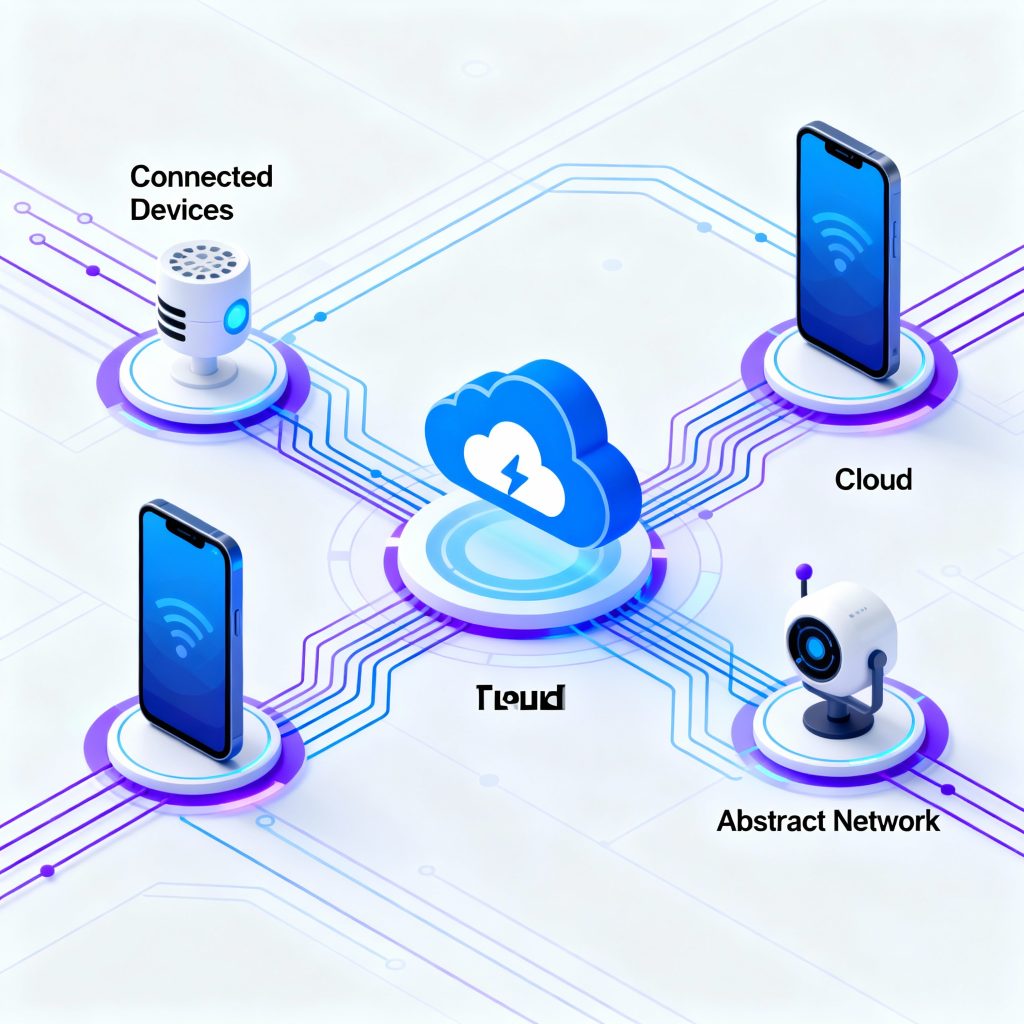
Digital transformation concept with business technology, AI data flow, and cloud computing network.
Uncategorized

Digital Transformation in 2025: How Technology Is Redefining Business and Innovation

Introduction The world is changing — and it’s happening at digital speed. Digital transformation has evolved from being a buzzword to a fundamental necessity for every business. It’s not just about adopting new technologies but about reimagining how organizations operate, deliver value, and connect with customers. In 2025, companies that embrace digital transformation are leading markets, while those that resist it risk falling behind. From cloud computing to AI-driven automation, digital innovation is redefining the global economy. What Is Digital Transformation? Digital transformation is the integration of digital technologies into all areas of business, changing how companies operate and deliver value. It involves adopting new tools, automating processes, and building a culture that embraces continuous innovation. Key aspects include: Technology Adoption: Using AI, cloud, and analytics. Process Optimization: Automating workflows and operations. Cultural Change: Encouraging adaptability and innovation. Core Technologies Powering Digital Transformation Artificial Intelligence (AI): Enables automation, predictions, and personalization. Cloud Computing: Offers scalability and remote accessibility. Internet of Things (IoT): Connects devices for real-time data exchange. Big Data Analytics: Transforms raw data into actionable insights. Blockchain: Adds transparency and security to transactions. 5G Networks: Enables faster, more reliable digital experiences. Benefits of Digital Transformation Speed & Agility: Faster decision-making and innovation. Customer Satisfaction: Real-time personalization and engagement. Cost Efficiency: Automation reduces operational expenses. Business Continuity: Cloud services ensure resilience and scalability. Sustainability: Digital solutions minimize resource waste and paper usage. Challenges in Digital Transformation While transformation offers benefits, it also brings challenges: Cybersecurity Risks: Increased digital exposure demands stronger protection. Legacy Systems: Outdated technology slows innovation. Cultural Resistance: Employees may fear change or automation. High Initial Costs: Digital tools require upfront investment. The Future of Digital Transformation The next phase of transformation focuses on AI-first ecosystems, automation, and sustainability. Hyper-Automation: Everything that can be automated will be. Green IT: Businesses are adopting eco-friendly digital solutions. AI-Driven Decision Making: Predictive insights guide leadership. Metaverse Integration: Blending digital and physical experiences. Conclusion Digital transformation is not just a technological upgrade — it’s a mindset shift. In 2025, success depends on how quickly businesses adapt to change, leverage data, and deliver value through innovation. As AI, cloud computing, and automation continue to evolve, one thing is clear: “Digital transformation is the bridge between today’s challenges and tomorrow’s possibilities.” FAQ Section Q1. What is digital transformation in simple terms?It’s the process of using technology to improve how businesses operate and serve customers. Q2. Which technologies drive digital transformation?AI, cloud computing, IoT, big data, and automation. Q3. Why is digital transformation important?It enhances efficiency, innovation, and customer satisfaction while reducing costs. Q4. What are common challenges?Cybersecurity, cost, and cultural resistance to change. Q5. Is digital transformation only for big companies?No — small and medium businesses also benefit from automation and cloud tools.

Technology

Revolution in Technology in the Last 15 Years

Introduction The past 15 years have witnessed an unprecedented revolution in technology, impacting nearly every aspect of modern life. From communication and transportation to healthcare and entertainment, developments in digital tools and systems have reshaped our daily experiences and transformed industries around the globe. Key Technological Advancements (2010–2025) 1. Rise of Smartphones and 5G Networks Smartphones have become faster, smarter, and more integral to our lives, serving as cameras, computers, and entertainment systems in our pockets. The rollout of 4G, followed by 5G, enabled lightning-fast internet connectivity, seamless video streaming, and real-time gaming experiences on mobile devices. 2. Artificial Intelligence (AI) and Machine Learning AI-powered tools permeate everything from virtual assistants (Siri, Alexa) to image recognition, language translation, and autonomous robots. AI’s influence expanded in areas such as healthcare diagnostics, self-driving cars, and smart home technology. 3. Electric and Autonomous Vehicles Electric vehicles (EVs) went mainstream, with increasing sales and wider adoption in many countries. The development and testing of autonomous (self-driving) cars are transforming the future of personal and public transport. 4. Cloud Computing & Remote Collaboration Cloud technology allowed businesses and individuals to access, store, and share data from anywhere, fueling the rise of remote work and collaboration. Platforms like Office 365, Google Drive, and Zoom became essential, especially during the pandemic years. 5. Social Media & Digital Transformation Social networks (Facebook, Instagram, X, TikTok) fundamentally changed personal connection, business marketing, and news consumption. Digital payments and e-commerce experienced explosive growth, digitizing transactions and consumer habits. 6. Wearables, AR/VR, and IoT Smartwatches, fitness trackers, and wearables transformed personal health and productivity. Augmented reality (AR) and virtual reality (VR) evolved, offering new dimensions in gaming, design, and education. The Internet of Things (IoT) interconnected devices, appliances, and infrastructure, enabling smart homes and cities. 7. Blockchain and Cryptocurrencies Blockchain technology, initially associated with cryptocurrencies, began to revolutionize finance, supply chains, and digital identity management. Secure, decentralized records brought new possibilities for transparency, trust, and innovation. 8. 3D Printing and Manufacturing Innovations 3D printing moved from prototyping to mainstream manufacturing, enabling custom products, medical devices, implants, and more. Rapid design iterations and on-demand production became possible in industries such as healthcare and automotive. 9. Advances in Healthcare Technology Telemedicine, wearable health monitors, and digital health records improved care accessibility and patient outcomes. AI-powered diagnostics and personalized medicine are driving breakthroughs in disease prevention and treatment. 10. Sustainability and Green Tech Renewable energy technologies, especially solar panels and wind turbines, have made significant progress. Smart grids, energy storage solutions, and green transportation are helping address climate change and promote sustainability. Societal and Economic Impact Productivity: Technology enhanced business efficiency, enabling rapid innovation across sectors. Workforce: Automation and AI shifted job roles, making digital skills and adaptability more valuable. Society: Digital access expanded globally, but also highlighted challenges like the digital divide and data privacy concerns. Looking Ahead: What’s Next? Quantum computing is emerging as a frontier that could solve previously impossible problems in science and logistics. Convergence of technologies (AI, IoT, edge computing) promises smarter, more connected environments. Conclusion The past 15 years represent a defining chapter in the history of technology, marked by rapid change and continuous innovation. These breakthroughs have extended human capabilities, improved quality of life, and will continue to shape our future in ways we are only beginning to imagine.

Scroll to Top