Artificial Intelligence

Artificial Intelligence

How to Develop a RAG-Powered Application: Process and Costs

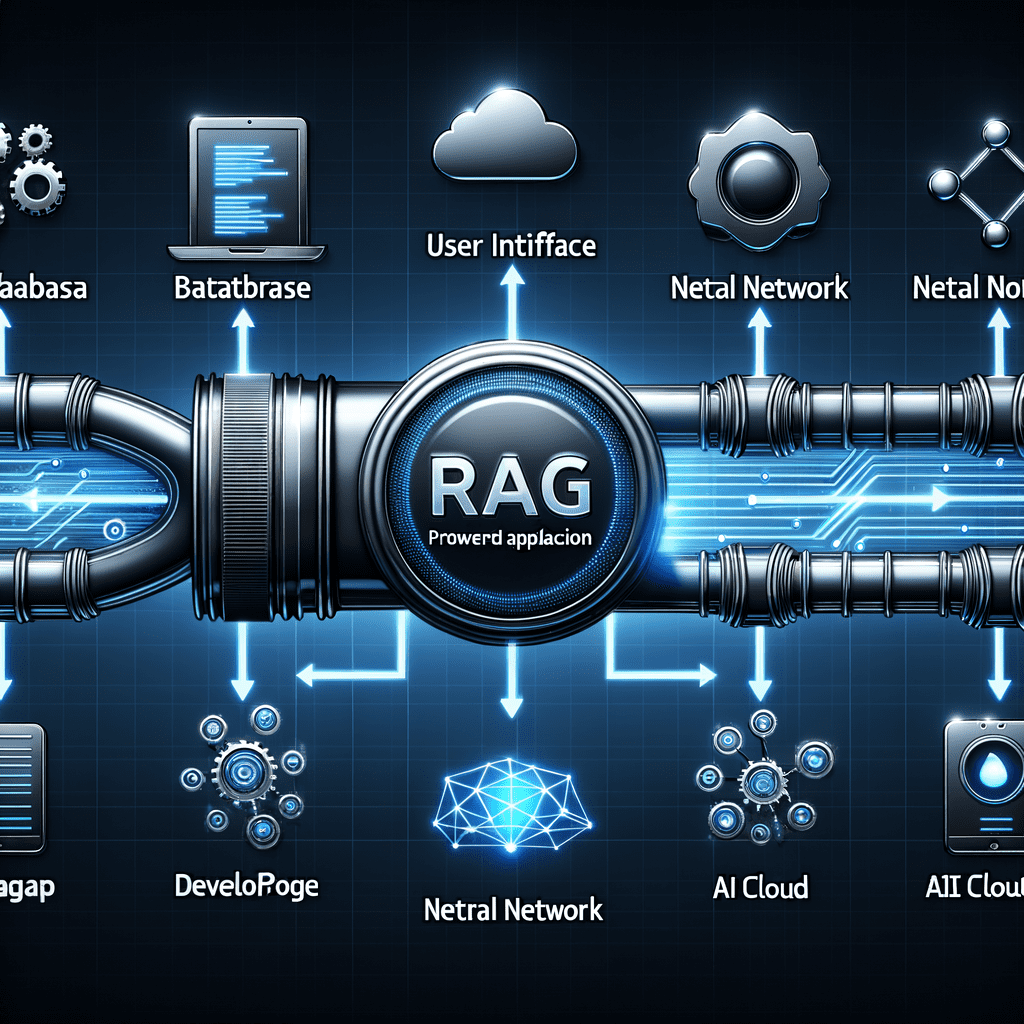
Introduction Retrieval-Augmented Generation (RAG) is transforming how enterprises leverage artificial intelligence for accurate, dynamic, and context-aware applications. By blending the strengths of large language models (LLMs) with external, up-to-date data sources, RAG-powered apps solve the limitations of static, “hallucinating” AI and open doors to use cases like advanced chatbots, personalized search, and enterprise knowledge mining. But what’s involved in building such a solution—and what might it cost? This guide explores the full development process and provides a transparent cost breakdown to help you plan your journey into RAG-powered innovation. Understanding the RAG Workflow RAG apps operate at the intersection of AI-powered generation and real-time information retrieval. The core process involves: Data Preparation Collect raw, unstructured, or structured datasets (PDFs, docs, web data, databases). Clean, deduplicate, and segment this data into manageable “chunks” for easier indexing and retrieval. Indexing and Embedding Transform these chunks into semantic vector representations using embedding models. Store vectors in a vector database optimized for similarity search (like Pinecone, Weaviate, or Milvus). Retrieval and Generation At runtime, a user query triggers vector retrieval of relevant document chunks. The context from these chunks is paired with the user’s question, then provided as a prompt to an LLM to generate an accurate, grounded response. Application Layer Build a user-facing interface (chatbot, search, Q&A) and backend API to facilitate interactions, chain the workflow, and orchestrate the RAG pipeline with tools like LangChain or LlamaIndex. Deployment and Monitoring Deploy your solution, set up monitoring for quality, latency, and performance, and continuously improve through data updates and model tuning. Key Steps in Building a RAG-Powered Application Collect and Clean Data Use libraries/tools (BeautifulSoup, PyPDF2, PDFplumber) for document parsing. Ensure high-quality input data—“garbage in, garbage out” rings especially true for RAG pipelines. Embed and Index Choose or train a suitable embedding model. Store embeddings in a scalable vector database that fits your use case size. Orchestrate the Pipeline Connect data ingestion, retrieval, and generation components with orchestration tools. Implement retrieval strategies (hybrid search, query rewriting, reranking) for search accuracy. Develop User Interface & API Design intuitive UIs and robust APIs to let users interact with the system seamlessly. Test and Deploy Rigorous QA to assess retrieval accuracy, response quality, latency. Deploy in your preferred environment (cloud, on-prem, hybrid). Monitor and Optimize Track user queries, feedback, and model performance for ongoing refinement. Development and Operational Costs One-Time Develoment costs Basic RAG App: $40,000–$200,000 Small knowledge base, simple pipeline, limited interface, minimal prompt engineering. Small team (1–2 developers) over a few months. Medium Complexity: $300,000–$500,000 Robust production features, hybrid search, advanced pipelines, integrations with enterprise tools, more data types, and larger datasets. Team of AI/ML and backend engineers. Advanced/Enterprise-Grade: $600,000–$1,000,000+ Custom models, multi-hop reasoning, agent workflows, streaming data, massive scale. Large, senior team, several months of dev, dedicated GPU infrastructure, security compliance, comprehensive testing. Ongoing (Operational) Costs Vector Database: Examples: Pinecone starts ~$70/month (beyond free tier); Weaviate from $25/month plus $0.095 per million vector dimensions. Costs scale with data size and query volume. Compute Resources: Embedding computation, retrieval, LLM inference—price depends on size and speed requirements. High-performance GPUs, high-memory CPUs, and cloud fees for scalable deployment. Software Maintenance: Continuous data updates, monitoring, bug fixes, compliance. Cloud Services & Support: Storage, bandwidth, uptime SLAs, security protocols. Cost drivers include dataset scale, desired app complexity, user load, integration depth, compliance needs, and response speed. Conclusion Developing a RAG-powered application is a strategic investment for businesses aiming to provide accurate, current, and reliable AI-driven experiences. The core process—data prepping, embedding, retrieval, generation, and user-facing delivery—is supported by a diverse tech ecosystem. While basic solutions are increasingly accessible, costs grow swiftly as data size, complexity, and enterprise requirements increase. For best results, start with a clear understanding of your use case, dataset, and performance needs, and partner with experienced AI specialists to optimize value for every dollar spent. Ready to explore a tailored RAG solution? Assess your data, define your requirements, and seek expert guidance to build a future-ready application that scales with your business. FAQ 1. What is a RAG-powered application? A RAG-powered app combines retrieval of relevant data from external/internal sources with text generation using large language models to provide accurate, factual outputs. 2. How long does it take to build a RAG solution? Simple prototypes can be built within a few months; advanced, production-grade apps may require 6–12+ months, depending on requirements. 3. What are the biggest cost drivers? Team expertise, dataset size, interface complexity, required performance (speed/accuracy), and recurring infrastructure (cloud/vector DB). 4. What skills are needed to develop a RAG app? Data engineering, AI/ML modeling, API/backend development, cloud deployment, UI/UX design, and ongoing monitoring/QA. 5. Can I use open-source tools for RAG development? Absolutely—frameworks like LangChain, LlamaIndex, and vector databases (e.g., Milvus, Qdrant) can lower costs and speed up development.

Artificial Intelligence

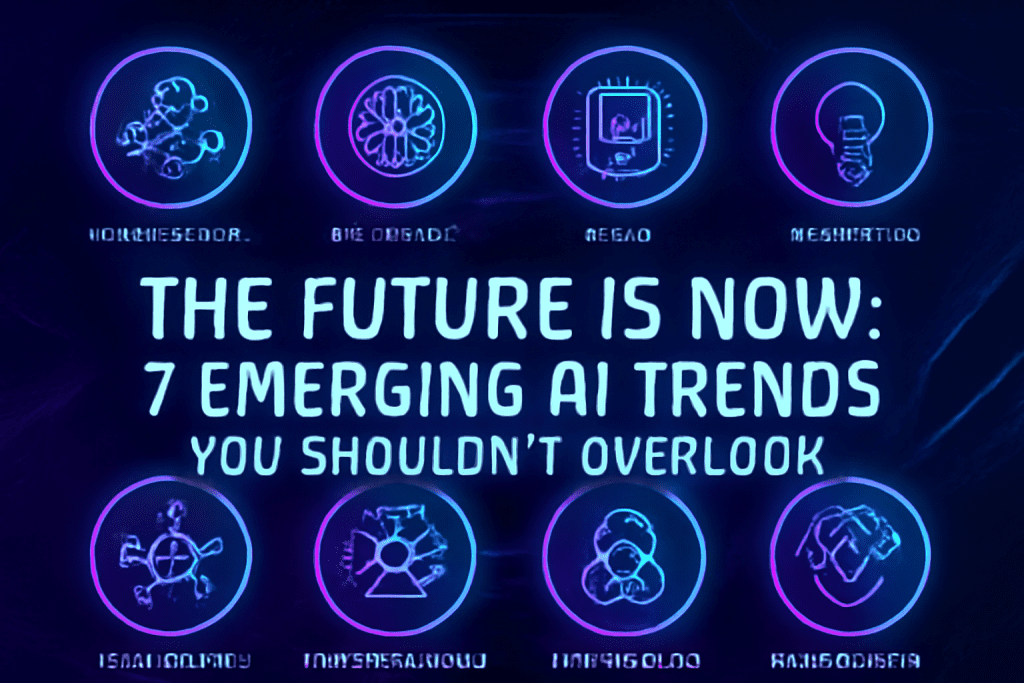
The Future Is Now: 7 Emerging AI Trends You Shouldn’t Overlook

Introduction Artificial Intelligence is moving at lightning speed, redefining the way we live, work, and innovate. As we navigate through 2025 and beyond, keeping up with emerging AI trends is crucial for businesses, students, and tech enthusiasts alike.   These trends are shaping the future of everything from customer service and healthcare to creative industries and global security. If you want to harness cutting-edge AI for your business, check out the resources and services at TechOTD, learn more about their AI solutions, explore their industry expertise, and view the company’s story and partnerships. 1. Explainable AI (XAI) AI systems are increasingly complex, prompting a demand for transparency in how decisions are made. Explainable AI ensures that machine learning models provide clear, auditable reasoning behind their outputs. This is particularly critical in finance, healthcare, and regulated industries, fostering trust among users and stakeholders. 2. Multimodal AI Gone are the days when AI could only analyze one type of data. Multimodal AI systems now process diverse data sources—like text, images, video, and audio—simultaneously. This enables smarter assistants, highly interactive customer interfaces, and more natural human-computer interactions. 3. Edge AI Instead of processing all data in distant data centers, Edge AI moves intelligence closer to where data is generated—such as smartphones, cameras, or IoT devices. This drastically reduces latency, enhances privacy, and enables real-time decision-making for applications like manufacturing automation and wearable health analytics. 4. AI Democratization Low-code and no-code AI platforms empower non-technical users to create and deploy powerful AI systems. This democratization accelerates business innovation, promotes accessibility, and shrinks the gap between ideas and execution—especially for startups and SMBs. 5. Generative AI AI is no longer just for analyzing data—it now creates. Generative AI models (like ChatGPT and DALL-E) can produce content, design products, write code, and generate simulations, revolutionizing creative industries, marketing, gaming, and education. 6. AI-Blockchain Convergence The synergy of blockchain and AI unlocks robust, decentralized, and secure data sharing. In sensitive sectors like healthcare and finance, this convergence brings new trust mechanisms, improved security, and transparent record-keeping for data-driven services. 7. Agentic & Autonomous AI The rise of Agentic AI means intelligent systems can now reason, plan, and execute tasks autonomously. Imagine digital employees handling workflows, diagnostics, or complex customer support—freeing humans for more strategic initiatives. Conclusion The AI landscape is evolving faster than ever, and these 7 emerging trends are paving the way for the next wave of digital transformation. Whether you’re a business leader, developer, or tech enthusiast, now is the time to embrace these advances—or risk falling behind. To stay ahead and unlock AI-driven innovation, connect with the experts at TechOTD and explore collaboration, industry solutions, and partnership opportunities. FAQ 1. What is Explainable AI, and why is it important? Explainable AI provides clear, human-readable explanations for AI decisions, which is crucial for trust, especially in highly regulated industries. 2. How does Edge AI affect user privacy? Edge AI processes data locally, reducing exposure and boosting privacy by keeping sensitive information on the device. 3. Will Generative AI replace human creativity? No—it enhances creativity by allowing humans to prototype, iterate, and explore ideas more quickly. 4. Can non-programmers leverage AI in their business? Absolutely! With no-code and low-code AI tools, anyone can build and deploy AI-powered solutions. 5. How does TechOTD help organizations adopt new AI trends? TechOTD offers AI strategy consulting, development, and industry-focused implementation—learn more at their AI services page.

Artificial Intelligence

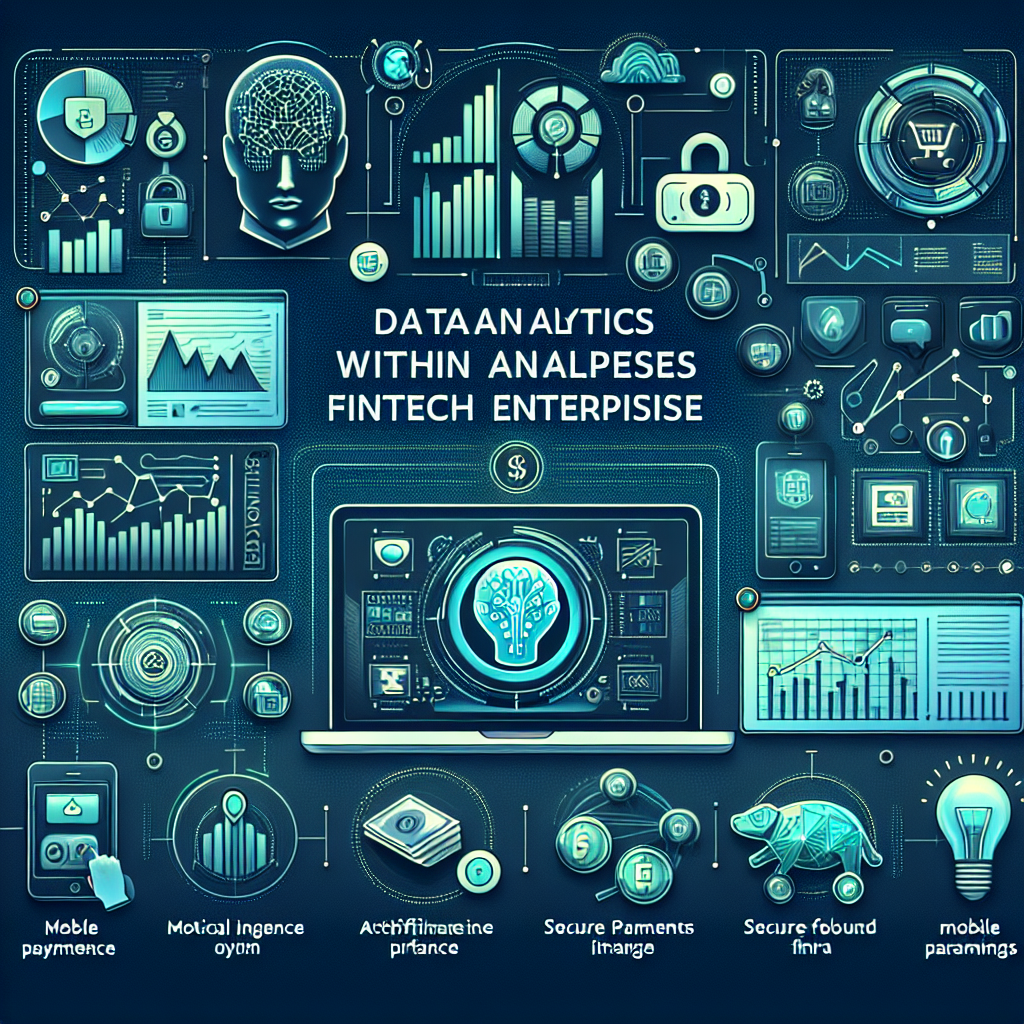
How Data Analytics Works in Fintech Enterprises

Introduction In 2025, data analytics has become the backbone of innovation and efficiency in fintech enterprises. Whether it’s for risk assessment, real-time fraud detection, customer personalization, or regulatory compliance, the strategic use of big data is redefining how fintech firms operate and scale. In this blog, we’ll explore how data analytics functions in the fintech sector, covering everything from data collection and processing to predictive modeling and business impact. Plus, discover why working with a future-ready partner like TechOTD is key to accelerating your fintech transformation journey. The Role of Data Analytics in Fintech 1. Data Collection & Integration Fintech companies ingest massive volumes of structured and unstructured data from banking transactions, payment gateways, customer interactions, IoT devices, and open banking APIs. The data stack typically involves cloud-native data lakes, robust ETL pipelines, and seamless integrations—often built by expert partners like TechOTD Web Development Services. 2. Preprocessing & Cleaning Before analysis, raw data undergoes cleaning, transformation, and normalization. This ensures that only accurate, relevant, and consistent information is carried forward. Automated workflows powered by AI-driven process monitoring and automation can catch anomalies and flag low-quality data early. 3. Real-Time Analysis & Decisioning Modern fintech relies on real-time analytics. Platforms stream data through tools like Apache Kafka or cloud-native systems, enabling instantaneous fraud detection, payment authorization, and compliance monitoring. For high-volume actions such as microtransactions or trading, milliseconds matter. 4. Predictive Modeling & Machine Learning At the core of fintech analytics are advanced AI and machine learning models that power: Credit scoring & risk assessment Fraud pattern recognition Customer segmentation & personalization Predictive portfolio management Dynamic pricing for loans and insurance AI models are developed, trained, and deployed by specialists using platforms and stacks like those offered by TechOTD’s AI Solutions, which also include model retraining and ongoing performance refinement. 5. Visualization & Business Insights Clear data visualization—think dashboards, interactive charts, automated reports—makes complex analytics understandable, actionable, and auditable for decision-makers, regulators, and partners. 6. Compliance & Data Security Regulations in finance are strict (GDPR, PSD2, local compliance). Data analytics platforms in fintech must be secure, transparent, and auditable, using encrypted flows, monitored access, and traceable changes. TechOTD’s consulting and development services include robust compliance planning baked into every solution. Key Benefits of Data Analytics in Fintech Faster and smarter decision-making Reduced fraud and operational risk Improved loan and product personalization Better regulatory reporting and auditability Higher user retention and growth rates Practical Example: AI-Powered Credit Scoring A leading fintech lender integrates open banking data and transaction histories through a secure cloud pipeline. ML models analyze applicant financial footprints in real time, generating nuanced credit ratings that outperform legacy techniques—reducing default rates and improving financial inclusion. Why Choose TechOTD for Fintech Data Analytics? Deep expertise in cloud, AI, and secure web development for finance Experience across banking, insurance, trading, and eCommerce verticals End-to-end project delivery from strategy to support Backed by glowing client testimonials—discover our services at TechOTD, About TechOTD, and Partner with Us. Conclusion Data analytics is the competitive edge that defines modern fintech. From collecting transaction data to deploying AI-driven models and visualizing actionable insights, each step unlocks new value and opportunity. If you’re looking to transform your fintech enterprise with next-level analytics, expert development, or custom AI, connect with TechOTD—and start building the future today. FAQ 1. What is the primary value of data analytics in fintech? It powers smarter decisions, reduces risk, and drives customer personalization and growth. 2. How do fintechs ensure data quality? Through automated cleaning, transformation, real-time monitoring, and specialist support from partners like TechOTD. 3. What role does AI play in fintech analytics? AI enables advanced use cases: predictive credit scoring, smart fraud detection, automated process optimization, and customer experience tailoring. 4. Is data analytics essential for compliance? Absolutely. Analytics platforms facilitate real-time compliance checks, automated reporting, and full audit trails. 5. How can TechOTD help my fintech business? By delivering secure, scalable, and innovative web, AI, and analytics solutions tailored for the financial services ecosystem—see our AI services and industry expertise

Artificial Intelligence

How Data Analytics is Powering the Future of FinTech Enterprises

Introduction The financial technology (FinTech) sector is transforming at an unprecedented pace. From mobile payments and robo-advisors to digital lending and blockchain, FinTech companies are redefining how consumers and businesses interact with financial services. At the heart of this transformation lies data analytics. By leveraging big data, AI, and predictive analytics, FinTech enterprises are making smarter decisions, improving customer experiences, reducing risks, and driving innovation. 1. The Role of Data Analytics in FinTech FinTech enterprises generate and process massive amounts of data daily, including transaction records, customer behavior, risk profiles, and market trends. Data analytics helps organizations: Identify customer needs with precision. Personalize financial products based on behavioral insights. Mitigate financial fraud and cybersecurity risks. Streamline operations and improve efficiency. 2. Key Applications of Data Analytics in FinTech a. Personalized Financial Services By analyzing spending habits, investment preferences, and credit histories, FinTech platforms can offer tailored services such as personalized investment portfolios, custom loan offers, and budgeting recommendations. b. Fraud Detection and Risk Management Advanced analytics, combined with AI algorithms, can quickly detect unusual transaction patterns or suspicious activities, minimizing fraud risks and ensuring compliance with regulatory frameworks. c. Credit Scoring and Lending Traditional credit scoring models are being replaced with advanced analytics that assess creditworthiness based on a broader set of data points, such as social behavior, digital footprints, and alternative credit indicators. d. Predictive Analytics for Investments FinTech firms use predictive models to forecast stock trends, cryptocurrency movements, and portfolio performance, empowering users to make informed investment decisions. e. Customer Retention and Experience Data-driven insights help organizations improve customer engagement through targeted marketing campaigns, loyalty programs, and 24/7 personalized financial advice. 3. Benefits of Data Analytics for FinTech Enterprises Enhanced Decision Making: Real-time insights help businesses respond quickly to market changes. Operational Efficiency: Automation and advanced analytics reduce costs and human error. Improved Security: Detecting fraudulent activity before it impacts customers builds trust. Competitive Edge: Firms leveraging analytics can outpace competitors with faster, smarter services. 4. Future Trends in FinTech Data Analytics AI-Driven Automation: Integration of AI for faster data analysis and decision-making. Blockchain Analytics: Ensuring secure and transparent financial transactions. Advanced Predictive Modeling: Better risk management and investment strategies. RegTech Solutions: Compliance analytics to handle evolving financial regulations effortlessly. Conclusion Data analytics is not just a supporting tool; it’s the driving force shaping the future of FinTech enterprises. From improving customer experiences to mitigating financial risks, its applications are limitless. Companies that embrace data analytics now will be well-positioned to lead the next wave of FinTech innovation.

Artificial Intelligence

From Google to AI

Introduction The way we search for information is undergoing a dramatic transformation. For over two decades, Google has been our go-to tool for finding answers online. But now, with the rise of Artificial Intelligence (AI), we’re witnessing a seismic shift—from keyword searches to intelligent conversations, from scrolling through links to getting instant, personalized answers. Welcome to the AI-powered search era—a future where we don’t just search; we ask, converse, and learn in real time. The Evolution: From Search Engines to Smart Assistants  Google: The Reign of Keywords Keyword-Based Results: Traditional search relies on matching typed keywords with indexed content from across the web. Links Over Answers: Users are provided with a list of websites, and it’s up to them to sift through for helpful information. Dominance: With over 5 trillion searches per year as of 2025, Google remains a global digital staple.  AI: The Rise of Conversational Search Meaning Over Keywords: AI understands your search intent, not just exact words. Conversational Interface: Instead of typing fragmented keywords, you can ask full natural language questions like you’re speaking to a person. Smarter, Faster Responses: AI tools use context and history to deliver accurate and relevant information instantly—often without needing external links. How AI Is Changing the Way We Search 1. Direct Answers Instead of Clicks AI-powered search systems can summarize, analyze, and synthesize information from multiple sources, giving you a precise answer without needing to click through pages of results.  Before: “Best way to learn digital marketing” → 10 websites listed. Now: A concise learning plan with links, tools, and timelines in one answer. 2. Contextual and Personalized Results AI doesn’t treat every search in isolation. It can remember what you’ve asked before, understand the context, and adapt its answers accordingly. Personalized suggestions Region-specific results Language adaptation Tailored tone and complexity 3. Search Becomes a Conversation Instead of starting from scratch every time, you can follow up with clarifying questions, making information retrieval more like a back-and-forth conversation than a static query. You: What’s the best time to post on Instagram? AI: Based on most industries, between 9 AM and 11 AM on weekdays. You: What about for a small fashion brand in India? AI: For fashion brands in India, peak engagement is often around 7–9 PM on weekdays, due to after-work scroll time. 4. Faster Learning and Research AI can compress long articles, compare different opinions, translate languages, and even analyze sentiment—streamlining how we consume and understand information. One query = 10 research hours saved. What’s Changing in the Search Landscape? Feature/Aspect Traditional Google Search AI-Powered Search Assistant Query Format Keyword-based Natural language conversation Response Type List of links Direct answers or summaries Personalization Generic Contextual and personalized Follow-up Questions Start new search Seamless dialogue Time to Information Slower (manual filtering) Faster (instant delivery) Learning Curve High (for complex queries) Low (beginner-friendly interaction) Opportunities and Challenges  Opportunities: Smarter search for everyone, regardless of technical skill. More inclusive access to global knowledge. Enhanced productivity for students, professionals, and researchers.  Challenges: Over-reliance: Less exploration, more spoon-fed answers. Bias Risks: AI models may reflect data biases or misinformation. Content Ecosystem Disruption: Websites may see traffic drops as AI provides direct content. Conclusion The way we search is no longer just about browsing—it’s about interacting, learning, and co-creating knowledge. AI is changing the digital landscape by transforming search from a reactive task into an active conversation with intelligent systems. While traditional search engines like Google are still essential, AI is redefining what it means to “search” by making it faster, deeper, and more human-like than ever before.

Scroll to Top