Big data analytics

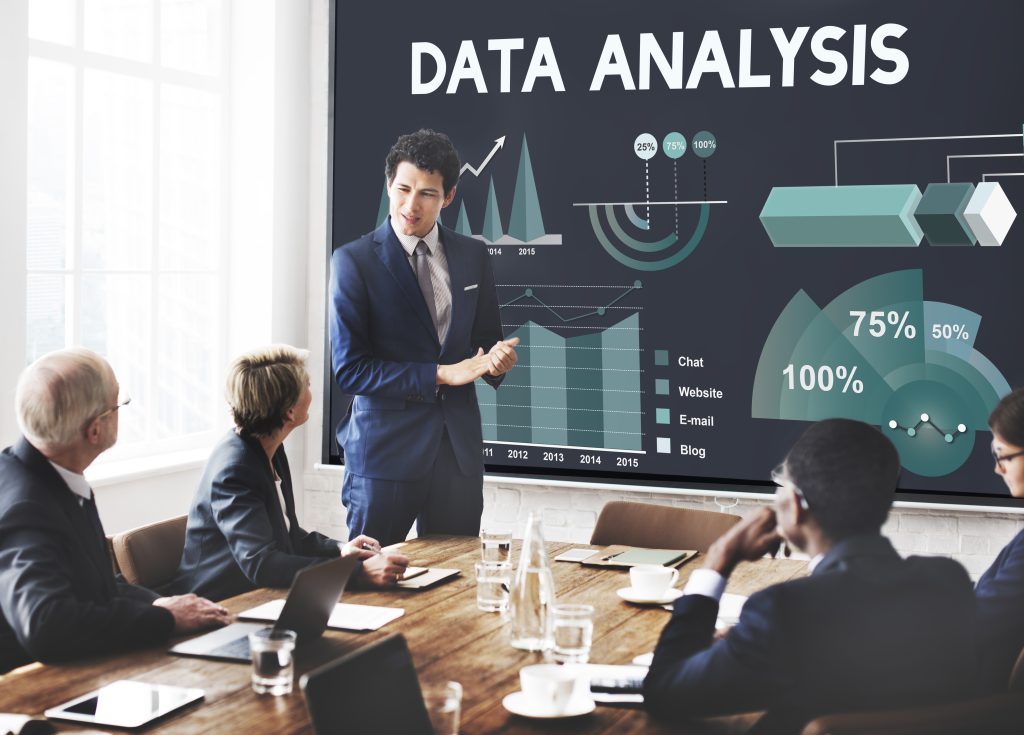
Business Intelligence dashboard visualizing big data analytics trends
Business Intelligence

Big Data Analytics and Business Intelligence: Turning Information into Insight

Introduction In today’s hyper-connected digital world, data is the new oil — a powerful asset that drives innovation, strategy, and growth. Every second, billions of data points are generated from online transactions, social media, IoT devices, and business operations. But raw data is meaningless unless it’s analyzed, interpreted, and used to make informed decisions. That’s where Big Data Analytics and Business Intelligence (BI) come into play. Together, they empower organizations to uncover hidden trends, improve efficiency, and gain a competitive edge in the marketplace. What Is Big Data Analytics? Big Data Analytics is the process of examining large, complex datasets to discover hidden patterns, correlations, market trends, and customer preferences. Unlike traditional data analysis, Big Data Analytics can handle massive volumes (terabytes or petabytes) of structured and unstructured data at lightning speed.  The 5 Vs of Big Data: Volume – Massive amount of data generated daily Velocity – Speed at which data is created and processed Variety – Different formats (text, images, videos, logs, etc.) Veracity – Accuracy and reliability of data Value – Insights gained from analysis By leveraging technologies like Hadoop, Spark, and NoSQL databases, businesses can process and analyze enormous data efficiently. What Is Business Intelligence (BI)? Business Intelligence is a technology-driven process for analyzing data and presenting actionable insights to help executives, managers, and employees make informed business decisions. BI systems typically use dashboards, reports, and visualization tools like: Power BI Tableau QlikView Google Data Studio BI tools collect data from multiple sources, integrate it, and display results through interactive visual dashboards, making insights accessible to everyone. Big Data Analytics vs. Business Intelligence Aspect Big Data Analytics Business Intelligence (BI) Purpose Predict future outcomes Analyze past & present performance Data Type Structured + Unstructured Mostly structured data Tech Used Hadoop, Spark, Machine Learning Power BI, Tableau, SQL Output Predictive & prescriptive insights Descriptive & diagnostic insights Focus Exploration & forecasting Reporting & visualization In short, Big Data Analytics predicts what’s coming next, while Business Intelligence explains what’s happening now. Together, they create a 360° view of the organization, enhancing data-driven strategies. How Big Data and BI Work Together When integrated, Big Data and BI enable organizations to: Collect vast amounts of real-time data Process and store it efficiently Visualize complex patterns Support strategic business decisions Example:A retail company can use Big Data Analytics to predict customer purchase trends and then use BI dashboards to visualize which products are performing best in real-time. Key Components of Big Data and BI Ecosystem 1. Data Collection Data is gathered from multiple sources — sensors, CRM systems, web logs, transactions, and social media. 2. Data Storage Tools like Hadoop Distributed File System (HDFS), Amazon S3, or Google Cloud Storage store massive data volumes securely. 3. Data Processing Frameworks such as Apache Spark and Flink process the data for analysis. 4. Data Analysis Machine learning algorithms and statistical models identify patterns and trends. 5. Data Visualization BI tools like Power BI or Tableau present the results in interactive dashboards and graphs. Applications of Big Data and BI in Industries  1. Retail & E-Commerce Personalized product recommendations Dynamic pricing based on demand Customer behavior tracking Example:Amazon uses predictive analytics to recommend products, improving sales and customer engagement.  2. Healthcare Predictive diagnosis and treatment plans Disease outbreak tracking Patient data management Example:Hospitals use BI tools to monitor patient recovery and resource allocation. 3. Finance Fraud detection using real-time analytics Credit risk assessment Algorithmic trading Example:Banks use Big Data to identify suspicious transactions within seconds. 4. Manufacturing Predictive maintenance of equipment Supply chain optimization Quality control automation 5. Education Performance analytics for students Personalized learning paths Data-driven decision-making in administration Emerging Trends in Big Data and BI Artificial Intelligence Integration:Machine learning models now automate insights generation. Real-Time Analytics:Instant decision-making with live data streaming. Data Democratization:BI tools make analytics accessible to non-technical users. Augmented Analytics:Combines AI and natural language processing (NLP) for smarter reports. Edge Analytics:Data processing closer to the source for faster outcomes. Data Governance and Privacy:Ensuring compliance with regulations like GDPR and HIPAA. Benefits of Big Data Analytics and BI Benefit Impact Informed Decision-Making Data-backed strategic planning Cost Optimization Identify inefficiencies Customer Insights Understand preferences & behaviors Predictive Capabilities Anticipate future trends Competitive Advantage Gain market leadership Operational Efficiency Automate and streamline workflows Challenges in Big Data and BI Implementation Data quality and integration issues High storage and processing costs Security and privacy risks Shortage of skilled data professionals Over-dependence on tools without clear strategy However, with cloud-based solutions and AI-powered platforms, these challenges are becoming easier to overcome. Conclusion In the digital era, data is the foundation of success — but only when it’s analyzed effectively. Big Data Analytics gives organizations predictive power, while Business Intelligence delivers clarity and visibility. Together, they transform information into strategic insight, fueling smarter, faster, and data-driven decision-making. Companies embracing this synergy are not just surviving — they’re leading the future of business innovation. FAQs 1. What is the main difference between Big Data Analytics and Business Intelligence?Big Data focuses on analyzing large datasets for predictive insights, while BI focuses on reporting and visualizing historical data. 2. Why are Big Data and BI important?They help businesses make informed decisions, improve efficiency, and predict market trends. 3. What tools are used in Big Data Analytics?Hadoop, Spark, Hive, and Flink are commonly used tools. 4. What are popular BI tools?Power BI, Tableau, QlikView, and Google Data Studio are top BI tools. 5. What skills are needed for Big Data and BI?Data analysis, SQL, Python, visualization tools, and knowledge of databases.

Data analytics dashboard displaying visual graphs and metrics for business performance.
Big Data

Big Data Analytics: Powering Smarter Decisions in the Digital Age

Introduction In the modern world, data is often referred to as the “new oil” — a resource that drives innovation, business growth, and strategic decision-making. However, unlike oil, data’s value depends on how effectively it is analyzed and interpreted. This is where Big Data Analytics comes into play. From personalized recommendations on Netflix to predictive maintenance in manufacturing, Big Data has transformed the way organizations operate. By turning massive volumes of raw data into actionable insights, companies can make faster, smarter, and more confident decisions. In this blog, we’ll explore what Big Data Analytics is, its key components, real-world applications, benefits, challenges, and the future trends shaping this powerful field. What is Big Data Analytics? Big Data Analytics is the process of examining large and complex data sets — often too vast for traditional processing systems — to uncover hidden patterns, correlations, trends, and insights. It involves using advanced technologies like machine learning, artificial intelligence (AI), cloud computing, and data visualization to make sense of massive data generated every second. The 5Vs of Big Data: Volume: The huge amount of data generated from sources like social media, IoT devices, and transactions. Velocity: The speed at which new data is created and needs to be processed. Variety: The different formats of data — structured, semi-structured, and unstructured. Veracity: The reliability and accuracy of data. Value: The insights and business impact derived from analyzing the data. Types of Big Data Analytics Descriptive Analytics: Answers “What happened?” by summarizing historical data (e.g., monthly sales reports). Diagnostic Analytics: Answers “Why did it happen?” by identifying causes and relationships. Predictive Analytics: Answers “What might happen?” using statistical models and forecasting. Prescriptive Analytics: Answers “What should we do next?” by recommending actions based on predictive insights. Together, these analytics types empower organizations to move from hindsight to foresight, enabling smarter business strategies. How Big Data Analytics Works The process involves several key steps: Data Collection: Gathering data from sources such as IoT devices, social media, transactions, and sensors. Data Storage: Using platforms like Hadoop, Apache Spark, or cloud databases to store massive datasets. Data Processing: Cleaning and transforming raw data into usable formats. Data Analysis: Applying algorithms and tools like Python, R, or Power BI to extract insights. Visualization: Presenting data through dashboards and reports to support decision-making. Real-World Applications of Big Data Analytics 1. Healthcare Hospitals and research institutions use Big Data to predict disease outbreaks, personalize treatment plans, and improve patient care.Example: Analyzing patient histories and genetics helps doctors prescribe customized medicines for better outcomes. 2. Retail Retail giants like Amazon and Walmart use analytics to track customer preferences, optimize inventory, and personalize shopping experiences.Example: Big Data predicts buying behavior, allowing targeted ads and product recommendations. 3. Finance Banks and financial institutions use Big Data to detect fraud, assess credit risk, and enhance customer engagement.Example: Real-time fraud detection systems analyze thousands of transactions per second to flag anomalies. 4. Manufacturing Predictive analytics helps manufacturers forecast equipment failures and perform maintenance before breakdowns occur.Example: GE uses Big Data in its “Industrial Internet” to monitor and optimize production equipment globally. 5. Transportation Public and private transport companies analyze data from GPS, sensors, and ticketing systems to improve route efficiency and reduce congestion.Example: Uber uses real-time analytics to match drivers with passengers and set dynamic pricing. 6. Education Educational institutions use data analytics to track student performance, improve learning outcomes, and design adaptive learning programs. Benefits of Big Data Analytics Better Decision-Making: Real-time insights support quick and accurate strategic choices. Operational Efficiency: Identifies inefficiencies and optimizes workflows. Enhanced Customer Experience: Personalizes services based on data-driven behavior analysis. Fraud Detection: Monitors unusual activities and reduces financial risks. Innovation and Competitive Edge: Uncovers new opportunities and emerging market trends. Challenges in Big Data Analytics Data Privacy and Security: Managing sensitive information securely is a major concern. Data Quality Issues: Incomplete or inaccurate data leads to misleading insights. Integration Difficulties: Combining data from multiple systems and formats can be complex. Skill Gaps: There’s a shortage of skilled data analysts and data scientists. Infrastructure Costs: Building and maintaining large-scale data systems can be expensive. Emerging Technologies Shaping the Future of Big Data 1. Artificial Intelligence (AI) and Machine Learning AI automates data processing and enables predictive modeling with higher accuracy. 2. Edge Computing Brings data processing closer to the data source, reducing latency and bandwidth usage. 3. Cloud Analytics Cloud-based solutions make Big Data Analytics more scalable and accessible for businesses of all sizes. 4. Real-Time Analytics Organizations can now act instantly on insights — from fraud detection to dynamic pricing. 5. Data Fabric and Integration Platforms These unify disparate data sources, enabling seamless data sharing across departments. Big Data and Ethics As organizations handle massive amounts of user data, ethical considerations become essential. Businesses must ensure transparency, consent, and fairness in how they collect and analyze data. Implementing strong data governance frameworks and adhering to privacy laws like GDPR and CCPA are vital to maintaining public trust. Conclusion Big Data Analytics is revolutionizing industries, empowering organizations to make data-driven decisions that lead to innovation, efficiency, and growth. As AI, machine learning, and cloud technologies evolve, data analytics will become even more intelligent and accessible. However, success lies in balancing technology with ethical responsibility, ensuring that the power of data serves humanity positively. In the coming years, companies that embrace Big Data Analytics will not just predict the future — they’ll help create it. FAQs 1. What is Big Data Analytics used for? It’s used to analyze large datasets to uncover insights, trends, and patterns that help organizations make better decisions. 2. Which industries use Big Data Analytics the most? Healthcare, finance, retail, manufacturing, and transportation are leading sectors using Big Data for innovation and optimization. 3. How does Big Data improve business performance? It helps companies understand customer behavior, reduce costs, detect fraud, and predict future trends for better strategic planning. 4. What are the main tools for Big Data Analytics? Popular tools include Apache Hadoop, Spark, Tableau, Power

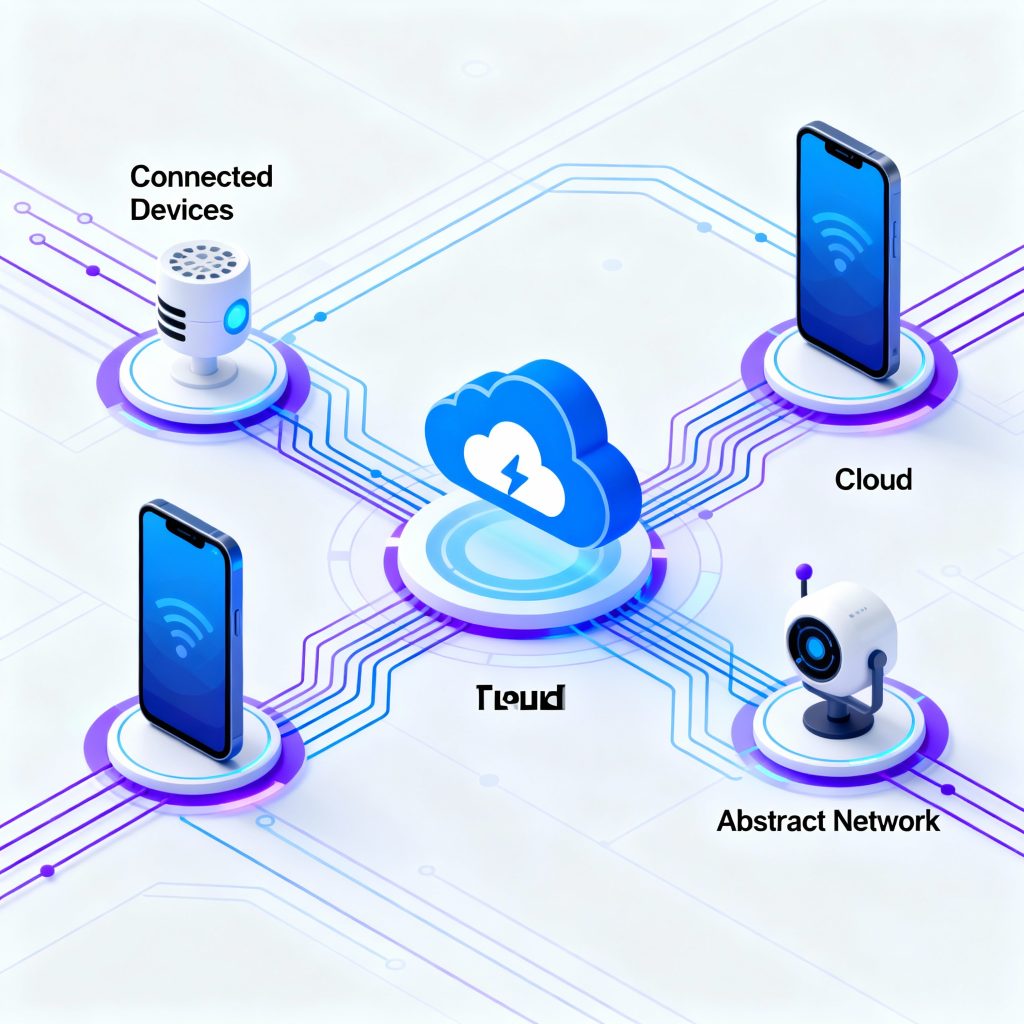
Digital transformation concept with business technology, AI data flow, and cloud computing network.
Uncategorized

Digital Transformation in 2025: How Technology Is Redefining Business and Innovation

Introduction The world is changing — and it’s happening at digital speed. Digital transformation has evolved from being a buzzword to a fundamental necessity for every business. It’s not just about adopting new technologies but about reimagining how organizations operate, deliver value, and connect with customers. In 2025, companies that embrace digital transformation are leading markets, while those that resist it risk falling behind. From cloud computing to AI-driven automation, digital innovation is redefining the global economy. What Is Digital Transformation? Digital transformation is the integration of digital technologies into all areas of business, changing how companies operate and deliver value. It involves adopting new tools, automating processes, and building a culture that embraces continuous innovation. Key aspects include: Technology Adoption: Using AI, cloud, and analytics. Process Optimization: Automating workflows and operations. Cultural Change: Encouraging adaptability and innovation. Core Technologies Powering Digital Transformation Artificial Intelligence (AI): Enables automation, predictions, and personalization. Cloud Computing: Offers scalability and remote accessibility. Internet of Things (IoT): Connects devices for real-time data exchange. Big Data Analytics: Transforms raw data into actionable insights. Blockchain: Adds transparency and security to transactions. 5G Networks: Enables faster, more reliable digital experiences. Benefits of Digital Transformation Speed & Agility: Faster decision-making and innovation. Customer Satisfaction: Real-time personalization and engagement. Cost Efficiency: Automation reduces operational expenses. Business Continuity: Cloud services ensure resilience and scalability. Sustainability: Digital solutions minimize resource waste and paper usage. Challenges in Digital Transformation While transformation offers benefits, it also brings challenges: Cybersecurity Risks: Increased digital exposure demands stronger protection. Legacy Systems: Outdated technology slows innovation. Cultural Resistance: Employees may fear change or automation. High Initial Costs: Digital tools require upfront investment. The Future of Digital Transformation The next phase of transformation focuses on AI-first ecosystems, automation, and sustainability. Hyper-Automation: Everything that can be automated will be. Green IT: Businesses are adopting eco-friendly digital solutions. AI-Driven Decision Making: Predictive insights guide leadership. Metaverse Integration: Blending digital and physical experiences. Conclusion Digital transformation is not just a technological upgrade — it’s a mindset shift. In 2025, success depends on how quickly businesses adapt to change, leverage data, and deliver value through innovation. As AI, cloud computing, and automation continue to evolve, one thing is clear: “Digital transformation is the bridge between today’s challenges and tomorrow’s possibilities.” FAQ Section Q1. What is digital transformation in simple terms?It’s the process of using technology to improve how businesses operate and serve customers. Q2. Which technologies drive digital transformation?AI, cloud computing, IoT, big data, and automation. Q3. Why is digital transformation important?It enhances efficiency, innovation, and customer satisfaction while reducing costs. Q4. What are common challenges?Cybersecurity, cost, and cultural resistance to change. Q5. Is digital transformation only for big companies?No — small and medium businesses also benefit from automation and cloud tools.

Mobile App Development

The Business Benefits of Choosing Aerospike Database

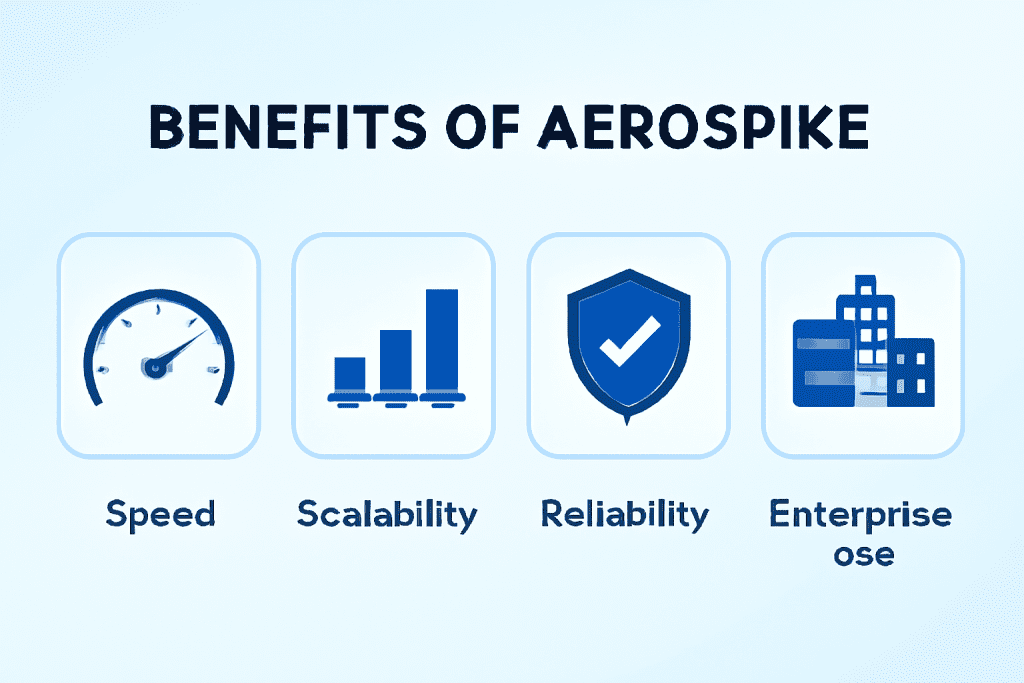
Introduction In today’s data-driven business landscape, organizations demand databases that deliver high performance, scalability, and reliability while processing vast volumes of real-time data. Aerospike, a modern NoSQL distributed database, excels in these areas, providing enterprises the foundation they need to innovate, optimize operations, and enhance customer experiences. This comprehensive blog explores the multifaceted business benefits of choosing Aerospike Database. It discusses key technical advantages, diverse industry use cases, and how Aerospike integrates with emerging technologies like AI, blockchain, and predictive analytics. Strategic backlinks to TechOTD AI Services and other relevant TechOTD content enrich the discussion for readers seeking to elevate their technology strategies. Why Aerospike? Key Business Advantages 1. Ultra-High Performance and Low Latency Aerospike is engineered for real-time, high-speed transactions at scale. Its Hybrid Memory Architecture leverages both RAM and persistent flash storage, dramatically reducing latency and enabling billions of transactions per day. Businesses can deliver instant personalization, fraud detection, and dynamic pricing, critical in sectors like retail, ad tech, and finance. Explore AI-driven real-time personalization and fraud prevention strategies at TechOTD AI Services. 2. Extreme Scalability and Reliability Aerospike’s distributed architecture supports automatic sharding and replication across multiple nodes and data centers, ensuring horizontal scalability and high availability without performance degradation. This reliability is vital for applications requiring 99.999% uptime such as telecom, gaming, and banking. Real-world case studies are available via TechOTD Blog. 3. Simplified Data Architecture By combining key-value and document store capabilities, Aerospike simplifies data models and reduces infrastructure complexity. This simplification accelerates development cycles and reduces operational costs and risks. Learn about lean and agile development in mobile apps at TechOTD Mobile Apps. 4. Enterprise-Grade Security and Compliance Aerospike includes multi-layer security features such as encryption at rest/in transit, access control, and audit logging, supporting regulatory requirements like GDPR and HIPAA. Enhanced data security integrates seamlessly with blockchain technologies to ensure immutable, secure transactions TechOTD Blockchain Integration. 5. Native Cloud and Hybrid Deployment Flexibility Aerospike supports deployment across public clouds, private clouds, and on-premises environments, providing flexibility aligned with IT strategy and regulatory mandates. Hybrid cloud architectures enable the best of scalability and control, a focus area covered extensively by TechOTD Cloud Blogs. Industry Use Cases Empowered by Aerospike   Retail & E-Commerce: Real-Time Personalization and Inventory Management Aerospike powers instant personalization at scale by managing user sessions and product catalogs with minimal latency. Faster inventory updates and order processing improve customer satisfaction and operational efficiency. Financial Services: Fraud Detection and Risk Analytics Aerospike enables ultra-fast transaction processing and real-time anomaly detection, reducing fraud and credit risks. AI-driven analytics running on Aerospike data accelerate decision-making TechOTD Large Language Models in Finance. Ad Tech: Real-Time Bidding and Audience Segmentation Aerospike’s capability to handle massive read/write loads supports real-time bidding platforms and audience analytics, increasing ad revenue and precision. Telecommunications: Session Management and Network Optimization High-availability and low-latency session data management improve call quality and subscriber experience. Gaming & Entertainment: Leaderboards and In-Game Analytics Real-time game state updates and analytics tracking enable responsive multiplayer experiences and personalized gameplay. Integration with AI, Blockchain, and Predictive Analytics Aerospike integrates seamlessly with AI and machine learning pipelines, enabling fast data ingestion and retrieval critical for training and inference at scale. For comprehensive AI integration strategies, see TechOTD AI Services. Blockchain enhances Aerospike’s secure data framework for use cases requiring transparency and trust TechOTD Blockchain Integration. Predictive analytics leverage Aerospike’s performance to deliver timely insights, enhancing operational decision-making TechOTD Predictive Analytics. Operational Excellence and Developer Productivity Aerospike comes with advanced management tools, monitoring, and automation features that reduce downtime and manual effort. Its powerful query language and APIs accelerate developer productivity, supporting agile methodologies TechOTD Mobile App Development. Challenges and Mitigation Learning Curve: Adopting new database technologies requires training, but developer-friendly resources and consulting can ease transition TechOTD How We Work. Integration Complexity: Aerospike integrates with popular data platforms and analytics tools to ease ecosystem compatibility. Future Outlook As edge computing and 5G expand, Aerospike’s low latency and edge adaptability position it for emerging workloads. Continued AI and blockchain feature integration will boost Aerospike’s role in next-gen applications. Stay updated with TechOTD insights on evolving technology at TechOTD Blog. Conclusion Choosing Aerospike Database offers enterprises a high-performance, scalable, and reliable platform crucial for modern data-intensive applications. Its unique architecture supports business agility, innovation, and operational excellence across sectors. Key Benefits Summary: Real-time, low-latency data processing Unmatched scalability and availability Simplified data models and reduced complexity Robust security compliance and blockchain synergy Hybrid and cloud deployment flexibility Proven multi-industry use cases and AI integration

data science, Uncategorized

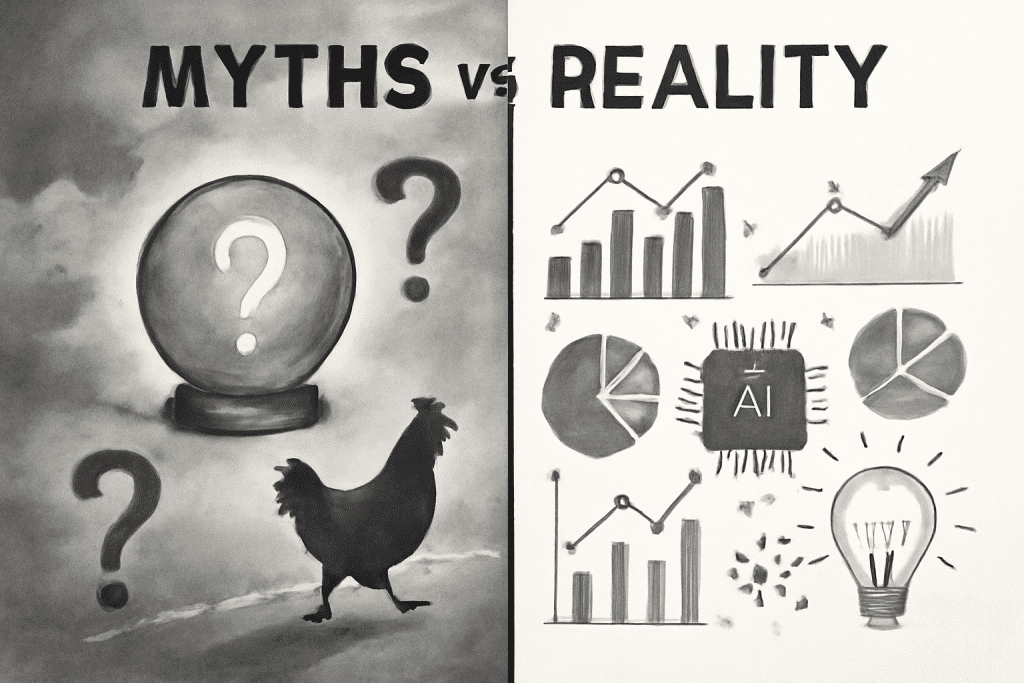
Predictive Analytics Explained: Myths vs Reality in 2025

Introduction Predictive analytics has rapidly become one of the most transformative technologies reshaping industries in 2025. Businesses across sectors — from healthcare and finance to manufacturing and retail — are leveraging predictive insights to stay competitive. Yet, despite its immense potential, many misconceptions cloud the true value of predictive analytics. Some assume it’s only for tech giants; others believe it’s just about forecasting numbers. The reality is far more nuanced. In this blog, we’ll break down the myths vs. reality of predictive analytics in 2025, explore its benefits, and highlight how organizations can adopt it for sustainable growth. . 🔗 For a deeper dive into how predictive models work with AI, check out AI Page at TechOTD. What is Predictive Analytics? Predictive analytics refers to the use of historical data, statistical models, AI, and machine learning to forecast future outcomes. In 2025, predictive analytics is not only about predicting consumer behavior but also about optimizing operations, identifying risks, and enabling smarter decision-making. For example, predictive analytics now plays a key role in finance (fraud detection), healthcare (disease prediction), and manufacturing (machine maintenance). With advancements in AI and large language models, predictive analytics has become more accurate and accessible. Common Myths About Predictive Analytics Myth: Predictive Analytics is only for large enterprises.Many small businesses think predictive analytics is out of reach. Myth: It replaces human decision-making.The reality: It enhances decision-making by providing insights. Myth: Predictive models are always 100% accurate.Predictive analytics gives probabilities, not certainties. Myth: Predictive analytics is only about sales forecasting.It’s widely used in healthcare, manufacturing, finance, and education. Myth: It requires highly advanced coding knowledge.Thanks to modern tools, even non-technical professionals can leverage it. The Growing Importance of Predictive Analytics in 2025 In 2025, predictive analytics is no longer optional—it’s becoming a strategic differentiator. 📈 Businesses are leveraging it for real-time decision-making. ⚡ AI-powered predictive analytics models are improving accuracy and efficiency. 🌍 Adoption is spreading across every industry, from education to e-commerce. 🔗 Learn more about its impact across industries on TechOTD Industry Insights. Myths vs Reality in Predictive Analytics Myth 1: Predictive Analytics Can 100% Accurately Predict the Future Reality: Predictive analytics is not fortune-telling. It provides probabilistic forecasts based on data patterns—not guaranteed results. Models evolve with new data and must be continuously updated. Myth 2: Only Big Enterprises Can Use Predictive Analytics Reality: With the rise of cloud-based tools and affordable platforms, even small and medium businesses can implement predictive analytics today. Startups and SMEs use it for marketing campaigns, sales forecasting, and customer behavior analysis. Myth 3: Predictive Analytics Replaces Human Decision-Making Reality: Predictive analytics supports decision-making, but it doesn’t replace human intuition and expertise. Leaders still need to interpret results in the context of strategy and ethics. Myth 4: Predictive Analytics Requires Only AI & ML Experts Reality: While technical knowledge is valuable, modern platforms offer user-friendly dashboards and low-code/no-code solutions, making predictive analytics accessible to non-technical professionals. Myth 5: Predictive Analytics is Only About Sales Forecasting Reality: It goes far beyond sales—it improves supply chains, healthcare treatments, fraud detection, customer loyalty, education outcomes, and operational efficiency. Myth 6: Data Quantity Matters More Than Data Quality Reality: Poor-quality data produces misleading insights. In predictive analytics, data quality > data volume. Clean, reliable datasets are essential. Real-World Applications in 2025   Retail: Personalized recommendations, inventory optimization. Finance: Fraud detection, investment risk assessment. Healthcare: Predicting patient risks, treatment plans. Education: Improving student performance using data. 🔗 Read TechOTD on Tech’s Impact on Education. Logistics: Predicting delivery delays and optimizing routes. Hospitality: Guest personalization, loyalty programs. Manufacturing: Predictive maintenance and demand forecasting. Customer Service: AI-powered predictive assistance. 🔗 Learn more about this in Seamless Customer Journeys with AI. Benefits of Predictive Analytics in 2025   Benefit Impact in Business Improved Forecast Accuracy Better demand planning Cost Reduction Reduced operational inefficiencies Risk Management Fraud prevention & compliance Customer Personalization Enhanced customer experience Competitive Advantage Faster, data-driven decisions Operational Efficiency Streamlined processes Innovation Enablement New product and service design Predictive Analytics & AI in 2025 Predictive analytics is closely tied to AI and ML models. Large Language Models (LLMs), for example, are being applied in finance to predict risks and automate insights. 🔗 Check out this detailed blog: LLMs in Finance. Predictive Analytics Myths That Still Persist Even in 2025, businesses are held back by: Fear of high costs (though cloud tools make it affordable). Concerns about data privacy (solved with stricter regulations and security frameworks). Belief that it’s a one-time setup (in reality, models need continuous learning). 🔗 Learn how businesses integrate it with emerging technologies like blockchain: Blockchain in Business. Predictive Analytics & Mobile App Development Today, predictive analytics isn’t limited to enterprise dashboards. It’s embedded in mobile applications to deliver real-time insights directly to users. 🔗 Explore how apps are transforming industries at Mobile Apps Development Services. Key Points Summary Predictive analytics is about probabilities, not certainties. Businesses of all sizes can implement predictive analytics in 2025. Clean, reliable data is more important than large amounts of data. Predictive analytics complements human decision-making—it doesn’t replace it. It has wide applications: healthcare, finance, education, manufacturing, retail, and more. FAQs Q1. Is predictive analytics expensive for small businesses?Not anymore. With cloud-based solutions and SaaS tools, even startups can access predictive analytics affordably. Q2. Can predictive analytics ensure 100% accurate predictions?No—it provides probabilistic forecasts. Accuracy improves with high-quality data and refined models. Q3. What skills are required to use predictive analytics?While technical skills help, modern no-code platforms allow non-technical users to access predictive insights. Q4. How is predictive analytics different from AI?Predictive analytics is a subset of AI focused on forecasts. AI covers a wider scope including decision-making, automation, and generative models. Q5. Where can I learn more about predictive analytics software and its features? 🔗 Visit Predictive Analytics Software Development Guide. Conclusion In 2025, predictive analytics is no longer futuristic—it’s an essential business capability. However, separating myths from reality is crucial for businesses to unlock its real potential. By focusing on quality data, continuous model

Scroll to Top