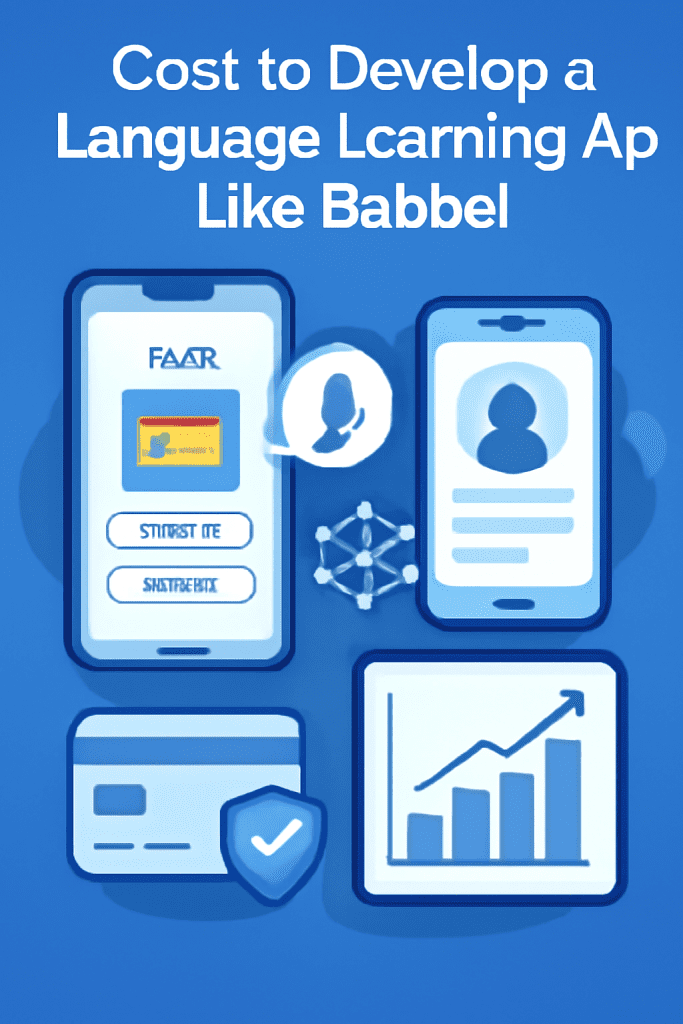
How Much Does It Cost to Develop a Language Learning App Like Babbel?
Introduction Language learning apps have become an indispensable tool for millions worldwide, and Babbel stands out as one of the top platforms, offering engaging, personalized lessons in over 14 languages. If you’re an entrepreneur or business looking to develop a language learning app with similar features and user experience, understanding the development costs, factors affecting them, and what goes into building such an app is crucial. This blog provides a detailed overview of the typical costs involved in building a language learning app like Babbel, the key features that influence pricing, and strategic insights to help plan your project effectively. For broader insights on AI-driven app development and technology trends, check out TechOTD’s AI services and visit their technology blog. What Makes Babbel Unique? Babbel offers a scientifically backed methodology focusing on conversational learning, bite-sized lessons (10–15 minutes), speech recognition, and personalized learning paths. Key features include: Real-life conversation practice with audio and interactive exercises Speech recognition for pronunciation feedback Review and spaced repetition systems for vocabulary retention Structured grammar lessons and cultural context materials Offline learning capability on multiple devices Subscription-based access with continuous content updates. Key Features Affecting Development Cost 1. Platform and Device Compatibility Deciding whether to launch on iOS, Android, or both affects development time and cost. Cross-platform frameworks like React Native may reduce costs but might affect performance. 2. User Registration and Profiles Basic signup, social media integration, and personalized learning dashboards add complexity. 3. Course Content Management Ability to manage a vast database of multimedia lessons, quizzes, and real-time updates. 4. Speech Recognition and AI Integration Implementing AI-powered speech recognition for real-time feedback adds significantly to development costs. 5. Gamification Elements Features like badges, leaderboards, and rewards enhance engagement but increase design and coding demands. 6. Payment Systems Subscription management with secure payment gateways integration is critical for monetization. 7. Offline Mode Allowing users to download lessons and access them without internet adds storage and syncing complexities. Estimated Cost Breakdown Basic Language Learning App: Includes core functionalities such as user registration, lesson viewing, and standard quizzes. Estimated cost: $30,000 – $50,000 Development Time: 3-6 months Mid-Level App with Advanced Features: Incorporates speech recognition, gamification, and personalized learning paths. Estimated cost: $50,000 – $100,000 Development Time: 6-9 months Advanced App with AI and Live Tutoring: Features live classes, real-time AI interactions, and extensive content management. Estimated cost: $100,000 – $300,000+ Development Time: 9-12+ months. Other Factors Influencing Cost Design Complexity: Custom UI/UX can increase costs depending on polish and responsiveness. Development Team Location: Offshore teams can lower costs but may require robust management frameworks. Maintenance and Updates: Ongoing costs including content upgrades, bug fixes, and feature additions. Marketing and Launch: Budget separately for app store optimization, user acquisition, and branding efforts. How AI Enhances Language Learning Apps AI and machine learning enable hyper-personalization, better speech analysis, and more engaging content delivery. Investing in AI-driven components may raise initial costs but improves user retention and satisfaction significantly. Explore AI app development possibilities in TechOTD’s AI services. Conclusion Building a language learning app like Babbel is a substantial investment that balances feature richness, platform choice, and user experience. Starting with an MVP focusing on core features can control costs and validate market demand. As the app scales, adding AI and interactive elements enhances appeal and competitive edge. Consulting experienced development partners such as TechOTD can ensure a smooth project journey from concept to launch. Stay informed on app development trends via TechOTD’s blog. FAQs Q1: What is the average cost to develop a language learning app? Between $30,000 and $300,000 depending on features, platform, and AI integration. Q2: How long does it take to build an app like Babbel? Typically 3 to 12 months depending on complexity. Q3: Can AI improve language learning apps? Yes, AI enhances personalization, speech recognition, and learner engagement. Q4: What monetization strategies do apps like Babbel use? Subscription models, freemium access, and in-app purchases. Q5: Should startups build native or cross-platform apps? Both have pros and cons; cross-platform reduces costs, native apps offer better performance.