AI in healthcare

Healthcare & Fitness

Healthcare & Fitness in 2025: How Technology and Wellness Are Transforming Lives

Introduction Health is no longer just about treating illness — it’s about prevention, personalization, and technology-driven care. In 2025, Healthcare and Fitness are merging like never before, powered by artificial intelligence, wearable technology, and data analytics. From smartwatches that monitor heart rates to virtual fitness coaches powered by AI, the future of wellness is digital, personalized, and accessible to everyone. What Is Healthcare & Fitness in the Modern Age? Healthcare focuses on diagnosing, treating, and preventing illnesses.Fitness emphasizes physical well-being through exercise, nutrition, and active lifestyles. In 2025, the two have merged into one unified concept: Digital Health — where technology, medicine, and fitness data work together to promote holistic wellness. How Technology Is Transforming Healthcare Technology is redefining medical care and patient experience: AI Diagnostics: Early detection of diseases using algorithms. Telemedicine: Virtual doctor consultations from home. Electronic Health Records (EHR): Simplified data management for hospitals. Robotic Surgery: Precision-based treatment with minimal recovery time. Wearable Devices: Track heart rate, oxygen, and sleep patterns in real-time. The Role of Fitness in Modern Life Fitness has evolved beyond gyms. People now combine technology and mindfulness to maintain health. Smartwatches and Fitness Bands: Track steps, calories, and workouts. Virtual Workouts: Online platforms like FitOn and Peloton make exercise accessible. Mental Wellness Apps: Meditation and stress management tools like Calm and Headspace. Nutrition Tracking: Apps helping users maintain balanced diets. Healthcare & Fitness Trends in 2025 AI-Driven Health Insights – Personalized fitness and treatment plans. Genetic Testing – DNA-based diet and fitness recommendations. Virtual Reality Therapy – Pain management and mental relaxation through VR. Remote Monitoring – Doctors track patients’ vitals from anywhere. Preventive Healthcare – Early alerts through smart devices. Benefits of Healthcare and Fitness Integration Personalized Wellness: Data-driven recommendations based on individual needs. Accessibility: Healthcare services reach even remote locations. Cost Efficiency: Reduced hospital visits through preventive care. Empowered Patients: People actively manage their own health. Better Outcomes: Continuous tracking leads to early detection and intervention. Challenges in Healthcare & Fitness Despite progress, challenges remain: Data Privacy: Securing sensitive health information. Healthcare Inequality: Ensuring access in rural areas. Tech Dependency: Balancing digital tools with human expertise. Rising Lifestyle Diseases: Due to stress and sedentary work culture. Conclusion Healthcare and Fitness in 2025 are driven by technology, data, and proactive wellness. As AI, wearables, and telemedicine continue to grow, they’re helping people lead healthier, longer, and more balanced lives. The message is clear: “The future of health isn’t in hospitals — it’s in our hands.” FAQ Section Q1. How is technology changing healthcare?Through AI, telemedicine, and wearable devices that make care faster and more accurate. Q2. Why is fitness important for overall health?It improves strength, immunity, mental health, and longevity. Q3. What are examples of fitness technology?Smartwatches, health apps, and virtual workout platforms. Q4. What is preventive healthcare?Detecting and preventing diseases before they develop using screenings and data insights. Q5. How can AI improve health?AI helps predict illnesses, personalize treatments, and improve diagnosis accuracy.

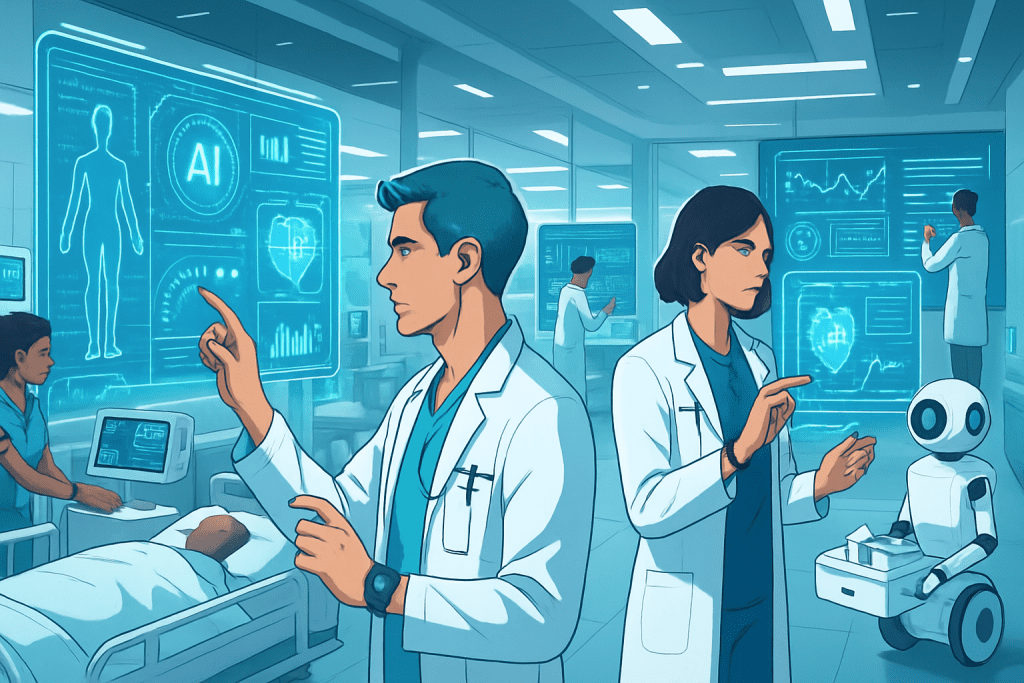
Illustration showing doctors, nurses, and digital AI interfaces analyzing patient data, medical images, and health charts—depicting how machine learning is transforming healthcare
machine learning

Machine Learning in Healthcare

Introduction Machine learning (ML) is redefining the healthcare sector worldwide, enabling medical professionals to deliver smarter, faster, and more personalized care than ever before. By analyzing vast amounts of medical data, ML algorithms are transforming how diseases are diagnosed, how treatments are personalized, and how hospitals operate. With predictions indicating the global healthcare AI market will exceed $600 billion by 2034, there’s no better time to explore how machine learning is reshaping the entire industry. Transformative Applications of Machine Learning in Healthcare Early Disease Detection and Accurate Diagnosis Machine learning’s pattern recognition strength allows it to analyze genetic data, medical images, and electronic health records to detect diseases at earlier stages. Advanced ML models interpret X-rays, MRIs, and CT scans for abnormalities that might escape the human eye, boosting detection rates for cancers, cardiovascular diseases, and neurological disorders. Example: AI-enabled breast cancer risk assessment models can predict malignancy up to 10% more accurately than traditional methods. Impact: Earlier intervention, higher survival rates, and improved patient outcomes. Predictive Analytics for Personalized Treatment By processing a patient’s entire health history, ML identifies patterns that correlate with optimal treatments. This accelerates precision medicine, where therapies are selected based on an individual’s genetic, lifestyle, and environmental factors. Example: Oncora Medical uses ML to tailor cancer treatment regimens, dramatically improving effectiveness. Drug Discovery and Development Acceleration Traditional drug discovery is slow and expensive. ML streamlines the development process by predicting how drugs interact with biological systems, identifying promising compounds, and reducing time to market. This advances new treatments for diseases like cancer, diabetes, and rare disorders. Streamlining Hospital Operations Hospitals are using ML to forecast patient admissions, optimize staff scheduling, manage inventory, and automate billing—improving overall operational efficiency and patient experience. Example: Historical data and ML models help hospitals anticipate patient influx, minimizing wait times and resource shortages. Improving Prescription Accuracy ML-based systems alert clinicians to potential drug interactions, allergies, or risky dosages, reducing adverse drug events and ensuring safer care. Real-Time Patient Monitoring With wearable devices, ML analyzes vital signs and behavioral data, flagging complications and enabling proactive interventions for chronic conditions. Benefits of ML in Healthcare Benefit Description Early Disease Detection Faster, more accurate diagnosis leveraging big data and imaging analytics. Personalized Care Custom treatment plans based on individual patient profiles and predictive modeling. Improved Efficiency Automates repetitive tasks, streamlines hospital ops, reduces costs. Drug Discovery Identifies effective compounds, speeds time to market, lowers R&D expenses. Better Patient Outcomes Enables timely, precise interventions, reducing hospitalizations and improving recovery. Enhanced Data Security ML models anonymize and protect sensitive health data, complying with regulations. Real-World Use Cases Risk Assessment Models: Predict cancer, heart disease, and diabetes risk from diverse health data sources. Optimizing Chemotherapy: AI models recommend optimal cancer treatments, boosting precision and reducing trial-and-error. Wearable Health Tech: Devices monitor patients in real time, alerting caregivers to emergencies or medication needs. Emergency Room (ER) Triage: ML automates prioritization, ensuring the most critical cases are addressed immediately. Virtual Health Assistants: Chatbots collect patient information, provide education, and offer 24/7 support, saving staff time. Predictive Hospital Resource Management: ML tools forecast peak periods, staff needs, and supply demands. Challenges to Adoption Data Privacy & Security: Sensitive medical data requires strict compliance with privacy regulations. Integration: Legacy systems can make incorporating AI and ML difficult for care providers. Bias and Explainability: Ensuring fairness and transparency in predictions remains a developing priority. Skill Gaps: Many providers require new skills and resources to realize ML’s full potential. Conclusion Machine learning is truly shaping the future of healthcare. From detecting diseases earlier to engineering revolutionary drugs and tailoring patient care at the individual level, ML brings innovation and efficiency across the sector. Adoption challenges remain, but its capacity to improve patient outcomes and operational excellence means ML will soon be omnipresent in every healthcare journey. Embracing these digital tools transforms healthcare into a smarter, safer, and more connected industry. FAQ How does ML improve healthcare diagnosis? ML analyzes vast medical datasets and images for patterns, enabling earlier and often more accurate detection of diseases than traditional methods. Can ML help in drug discovery? Yes. ML predicts promising compounds and streamlines R&D, making drug development faster and more cost-effective. What are the benefits of ML for hospitals? It improves efficiency by automating scheduling, billing, and inventory, forecasts patient flow, and enhances resource use. Does ML in healthcare protect patient data? Advanced ML models help anonymize and secure personal data, supporting compliance with HIPAA and GDPR. What is the outlook for ML in healthcare? With ongoing advances, ML will soon underpin everything from diagnostics and operations to personalized medicine—benefitting providers and patients alike.

Healthcare & Fitness

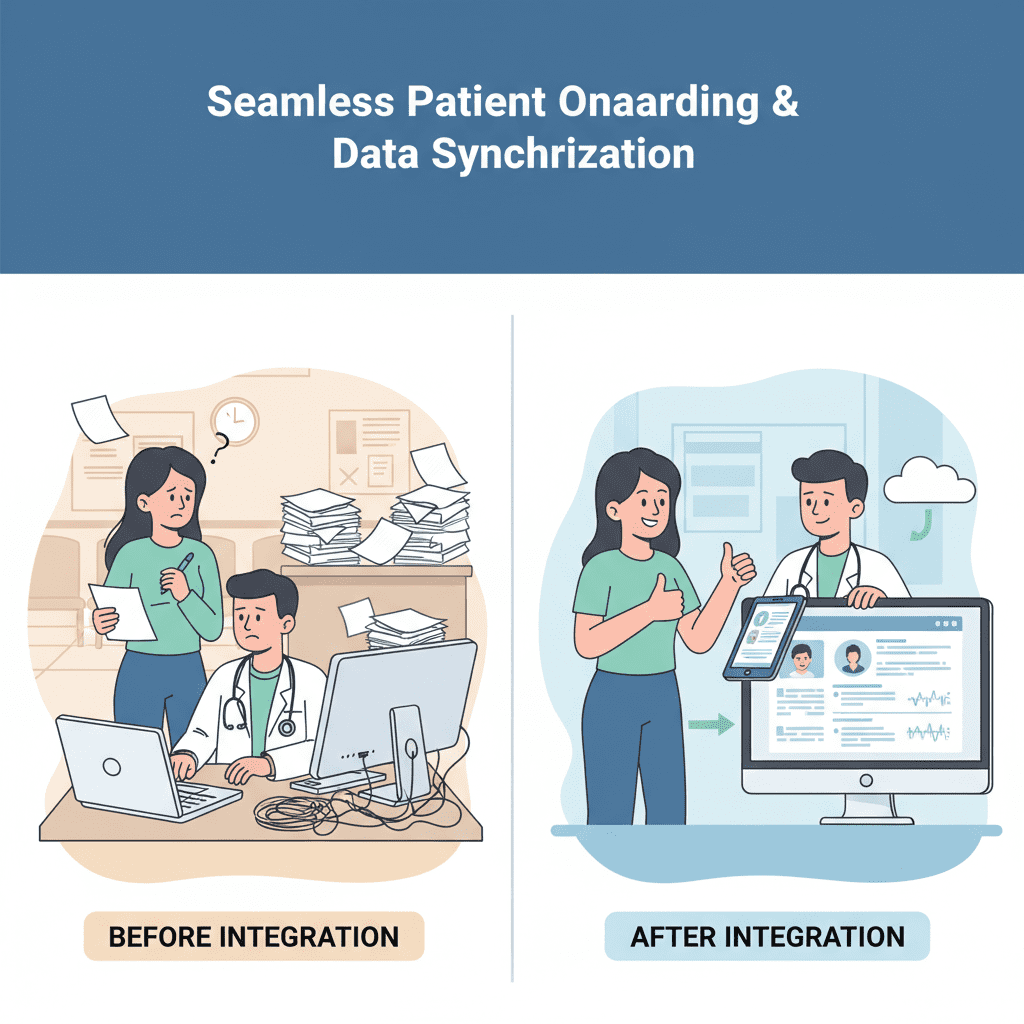
How Strategic Telehealth – EHR Integration Can Transform Your Business: Use Cases, Process, and Costs

Introduction In today’s rapidly evolving healthcare landscape, the integration of telehealth technologies with Electronic Health Records (EHR) is driving a transformative impact on how care is delivered and managed. Strategic telehealth-EHR integration not only enhances patient access and satisfaction but also streamlines operations, ensures regulatory compliance, and optimizes clinical outcomes. For healthcare providers and organizations seeking to remain competitive, improving care quality and operational efficiency through this integration has become essential. This comprehensive blog explores the significant benefits of integrating telehealth with EHR systems, real-world use cases, the integration process, cost considerations, and how innovative solutions from tech leaders like TechOTD are accelerating this healthcare transformation. Explore more about AI-driven healthcare innovations at TechOTD AI Services and browse through optimized technologies on the TechOTD blog. Understanding Telehealth – EHR Integration Telehealth-EHR integration enables seamless exchange of patient data between remote care platforms and centralized electronic health records. This unification supports efficient patient management, coordinated care, and real-time access to medical histories during virtual consultations. Integrated systems reduce manual data entry errors and optimize billing and documentation processes. Key features include: Real-time data synchronization for remote and in-person care interactions. Unified platform for patient scheduling, documentation, and follow-up. Streamlined workflows aligned with compliance requirements such as HIPAA. For detailed AI-driven health solutions empowering such integrations, see: Seamless Customer Journeys with AI. Use Cases: How Telehealth-EHR Integration Transforms Healthcare Business 1. Enhanced Remote Patient Monitoring (RPM) Integrated platforms facilitate continuous monitoring of chronic patients by syncing telehealth visits and IoT device data into EHRs. Clinicians gain comprehensive insights, enabling timely intervention and reducing hospital readmissions. 2. Virtual Consultations with Complete Medical History Physicians access patient history instantly during video consultations, improving diagnosis accuracy and personalizing care plans without delays or fragmented data. 3. Automated Clinical Workflows Integration automates documentation, e-prescriptions, and lab orders, reducing administrative burden and minimizing errors. This leads to faster patient throughput and billing cycles. 4. Improved Patient Engagement and Satisfaction Patients receive consistent communication, appointment reminders, and educational resources through integrated telehealth-EHR apps, fostering adherence and trust. 5. Data-Driven Population Health Management Aggregated data from remote visits enhances analytics, enabling preventive care strategies and outcome-based reimbursements. The Integration Process: Step-by-Step Implementing telehealth-EHR integration involves several structured phases: 1. Needs Assessment & Strategy Planning Analyze existing workflows, telehealth capabilities, and EHR architecture to define integration goals. Collaborate with clinical, IT, and compliance teams. 2. Technology Selection & Architecture Design Choose interoperable platforms and APIs, ensuring standards adherence (HL7, FHIR). Design secure data flows with encrypted channels. 3. Development & Customization Develop connectors or middlewares, customize UI/UX for providers and patients, and incorporate AI-driven tools for analytics and automation. Visit TechOTD’s how we work to learn about their tailored development approach. 4. Testing & Validation Conduct rigorous integration testing, data security audits, and user acceptance testing to ensure seamless data accuracy and system reliability. 5. Deployment & Training Roll out integrated systems gradually with stakeholder training to maximize adoption and minimize disruptions. 6. Ongoing Support & Optimization Maintain and update the system continuously, leveraging predictive analytics to proactively address system or clinical inefficiencies. Explore predictive analytics benefits here: Predictive Analytics Software Development: Features, Benefits & Use Cases. Estimated Costs of Telehealth – EHR Integration Costs vary depending on scale, existing systems, and customization needs: Cost Aspect Estimated Range (USD) Strategy & Consulting $10,000–$30,000 Software Development $50,000–$150,000 (API creation, middleware, UI/UX) Security & Compliance $10,000–$40,000 (Data encryption, audit frameworks) Testing & Deployment $15,000–$40,000 Training & Change Management $10,000–$25,000 Maintenance & Updates 15–25% of initial development cost annually Optimizing costs through AI and agile methodologies can reduce timelines and resource consumption. TechOTD specializes in delivering cost-efficient, scalable digital health solutions: Explore Mobile Apps & AI Services. Transforming Outcomes with AI and Emerging Technologies Integrating AI with telehealth and EHR unlocks powerful capabilities: Natural Language Processing (NLP) for automated clinical notes and coding. Sentiment Analysis to gauge patient feedback and improve service quality. Predictive Models for patient risk assessment and readmission forecasting. Computer Vision for remote diagnostics and image analysis. Read more about AI trends shaping healthcare innovation: AI Trends & Solutions – TechOTD. Real-World Impact and Industry Insights Leading healthcare organizations using telehealth-EHR integration report: 30–50% reduction in hospital readmissions. Up to 40% improvement in clinical workflow efficiency. Enhanced patient satisfaction scores and engagement. Additionally, blockchain technology integration enhances data security and patient privacy, as exemplified in Dubai’s business sector transformations: How Blockchain Integration Is Optimizing Business Processes in Dubai. Future Directions: Telehealth, EHR, and Beyond The healthcare sector is rapidly evolving with IoT, AI, and cloud-powered telehealth transforming patient care. Key future trends include: Interoperability advancements using standardized APIs for even smoother integrations. Personalized medicine driven by AI insights from comprehensive data ecosystems. Augmented reality (AR)/Virtual reality (VR) supported telehealth services. Influence of emerging large language models for healthcare insight generation: Large Language Models in Finance and Healthcare. Conclusion Strategic telehealth-EHR integration is a game-changer for healthcare businesses aiming to improve care quality, patient experience, and operational efficiency. By leveraging modern software practices, AI enhancements, and secure data management, organizations can not only meet regulatory demands but also gain a competitive edge. Consulting with expert technology partners like TechOTD ensures a smooth, scalable, and cost-effective integration that fuels innovation and growth. Start your transformation journey today: Book a Free Consultation with TechOTD and explore a wealth of knowledge in their Tech Blog. FAQ Q1: What are the primary benefits of telehealth-EHR integration? Better data access, efficient workflows, regulatory compliance, and improved patient care coordination. Q2: How complex is the integration process? It involves multiple phases—planning, development, testing, and training—usually spanning several months depending on the system scale. Q3: Can AI improve telehealth and EHR system efficiency? Yes, AI automates documentation, predicts patient risk, and enhances decision-making. Q4: What are typical costs involved in telehealth-EHR integration? Costs range depending on scale but typically are between $100,000 to $300,000 for comprehensive setups. Q5: How does blockchain relate to telehealth and EHR? Blockchain enhances data security, interoperability, and trustworthiness between providers and patients.

Healthcare & Fitness

Cloud Infrastructure and DevOps in Healthcare Apps

Introduction The intersection of cloud infrastructure and DevOps is revolutionizing how healthcare applications are built, deployed, and maintained, making healthcare systems more agile, compliant, and patient-centered. These advances empower providers to store vast amounts of sensitive data securely, deliver real-time services to patients worldwide, and quickly innovate in response to emerging needs and regulatory guidelines. Explore how AI-powered healthcare applications are transforming patient experiences and operations—see more on cloud-based AI services and their integration journey. The Role of Cloud Infrastructure in Healthcare Apps Scalability and Flexibility Cloud platforms such as AWS, Azure, and Google Cloud enable healthcare organizations to scale resources up or down dynamically, adapting to fluctuating workloads, seasonal spikes, or pandemic-driven surges in demand. This elasticity is essential for electronic health records (EHR), big data analytics, telemedicine, and remote monitoring applications. Multicloud and hybrid architectures are gaining traction, allowing seamless integration to meet stringent compliance needs and local storage guidelines. Private clouds cater to high-security environments such as large hospitals and research institutions, while public clouds efficiently handle analytics, appointments, and remote care. For a detailed breakdown of cloud-driven innovation in healthcare, visit TechOTD’s main blog. Secure Data Storage and Compliance Sensitive medical data demands the highest levels of security and compliance. Cloud vendors offer HIPAA- and GDPR-compliant solutions that maintain data privacy, encryption, and integrity. End-to-end encryption, auditing, and identity management are embedded in modern cloud services. Automated backups and disaster recovery protocols minimize downtime and data loss. To understand how TechOTD addresses privacy and compliance in healthcare, see the Privacy & Cookies policy. Accelerating Digital Health with AI and Analytics Cloud infrastructure empowers healthcare organizations to leverage advanced AI, machine learning, and predictive analytics. Key applications include: Standardizing precision diagnostics with massive image datasets, Predicting patient risks using trend analysis and real-time telemetry, Automating administrative documentation with NLP engines. Discover feature-rich use cases in predictive analytics on TechOTD’s dedicated analytics page. Enabling Telehealth and Remote Patient Monitoring The adoption of telemedicine surged during the COVID-19 pandemic, with cloud platforms facilitating: Real-time video consultations, Remote patient monitoring using IoT wearables, Synchronous data sharing among care teams. Integration details for mobile healthcare solutions are documented in TechOTD’s mobile app services section. DevOps: The Engine of Continuous Healthcare Innovation What Is DevOps in Healthcare? DevOps combines software development (Dev) and IT operations (Ops) to foster automation, collaboration, and rapid deployments. In healthcare, this approach: Shortens application release cycles, Ensures continuous integration and delivery (CI/CD), Facilitates ongoing feedback and quality improvements. Explore practical examples of workflow optimization on the TechOTD blog. Key Benefits of DevOps for Healthcare Faster Time to Market Automates deployments, enabling rapid roll-out of new features and critical patches. Provides a competitive edge in launching telehealth and AI-driven apps. Improved Patient Outcomes Supports continuous monitoring and rapid issue resolution, which enhances clinical reliability and patient trust. Real-time data analytics drive timely decisions at the point of care. Security and Compliance Implements DevSecOps to integrate security into every phase of the application lifecycle. Ensures adherence to sector-specific regulations (HIPAA, GDPR, etc.) using automated compliance checks. See TechOTD’s structured approach to secure software on their How We Work page. Cost and Resource Efficiency Applies Infrastructure as Code (IaC) principles, minimizing manual tasks and human error. Optimizes cloud spend by enabling demand-driven resource allocation. Case studies on cost savings and operational improvements can be found in TechOTD’s blog industry section. AI and Predictive Analytics Support Maintains stable environments for AI/ML-powered healthcare applications. Accelerates the development of smart diagnostics, triaging, and personalized medicine. For examples of large language models in regulated sectors, see LLMs in Finance. Implementing Cloud and DevOps for Healthcare Apps: A Step-by-Step Roadmap 1. Assess Business Needs and Regulatory Requirements Conduct a deep analysis of the existing tech ecosystem and compliance landscape. Evaluate suitability for cloud migration and DevOps adoption. Explore a real-world blueprint on TechOTD’s services overview. 2. Data Strategy and Cloud Architecture Selection Identify sensitive and non-sensitive datasets. Choose optimal cloud deployment models: public, private, hybrid, or multicloud. 3. Develop Secure, Scalable Applications Using DevOps Practices Implement CI/CD pipelines for all healthcare modules: EHRs, billing, telemedicine, and connected health IoT solutions. Automate testing, code reviews, and compliance checks to guarantee quality and security. 4. Integrate AI, Analytics, and Automation Leverage cloud APIs and frameworks for real-time analytics, predictive insights, and automated workflows. Explore how AI supports preventive care and operational efficiency in TechOTD’s AI service models. 5. Continuous Monitoring, Maintenance, and Support Use cloud-based monitoring tools (e.g., Grafana, Azure Monitor) for uptime, performance, and security event tracking. Establish mechanisms for ongoing maintenance, data retraining, and customer support. For workflow strategies, check out customer journey mapping with AI. Emerging Trends and Future Directions AI-Powered Healthcare and Predictive Care Increasing adoption of generative AI, chatbots for patient triage, and risk stratification tools. Integration of real-time wearable IoT data with cloud-hosted analytics engines. Get a comprehensive review of technology trends in healthcare and beyond at TechOTD’s blog. Blockchain Integration for Secure Health Data Blockchain ensures transparent, immutable transaction logging, critical for audit trails in clinical trials, medication administration, and consent management. Find an in-depth analysis at TechOTD’s blockchain blog post. Regulatory Evolution and Interoperability Ongoing standards development for seamless data exchange (HL7 FHIR, DICOM) and international interoperability. Enhanced focus on privacy-preserving machine learning and federated learning architectures. Challenges in Cloud and DevOps Adoption Legacy systems and data silos limiting seamless migration. Addressing complex multi-region compliance and data residency requirements. Upfront investments in talent, training, and DevOps/Cloud tooling. Best practices, pitfalls, and CRM integration insights can be found at TechOTD’s mobile app frameworks guide. Conclusion: Cloud and DevOps as Healthcare’s Innovation Backbone The synergy of cloud infrastructure and DevOps is shaping a future where healthcare is more agile, resilient, and patient-focused than ever before. With ongoing advancements in AI, predictive analytics, and compliance automation, healthcare providers are set to deliver faster, more effective, and more personalized care. For more guidance, industry news, and in-depth resources, visit: Privacy & AI Solutions TechOTD Blog Home How We Work at TechOTD Predictive Analytics Features Mobile Application Services Advanced Industry Insights Customer-Centric AI Journeys LLMs in Finance Use Cases Technology for Modern Education Gadgets for

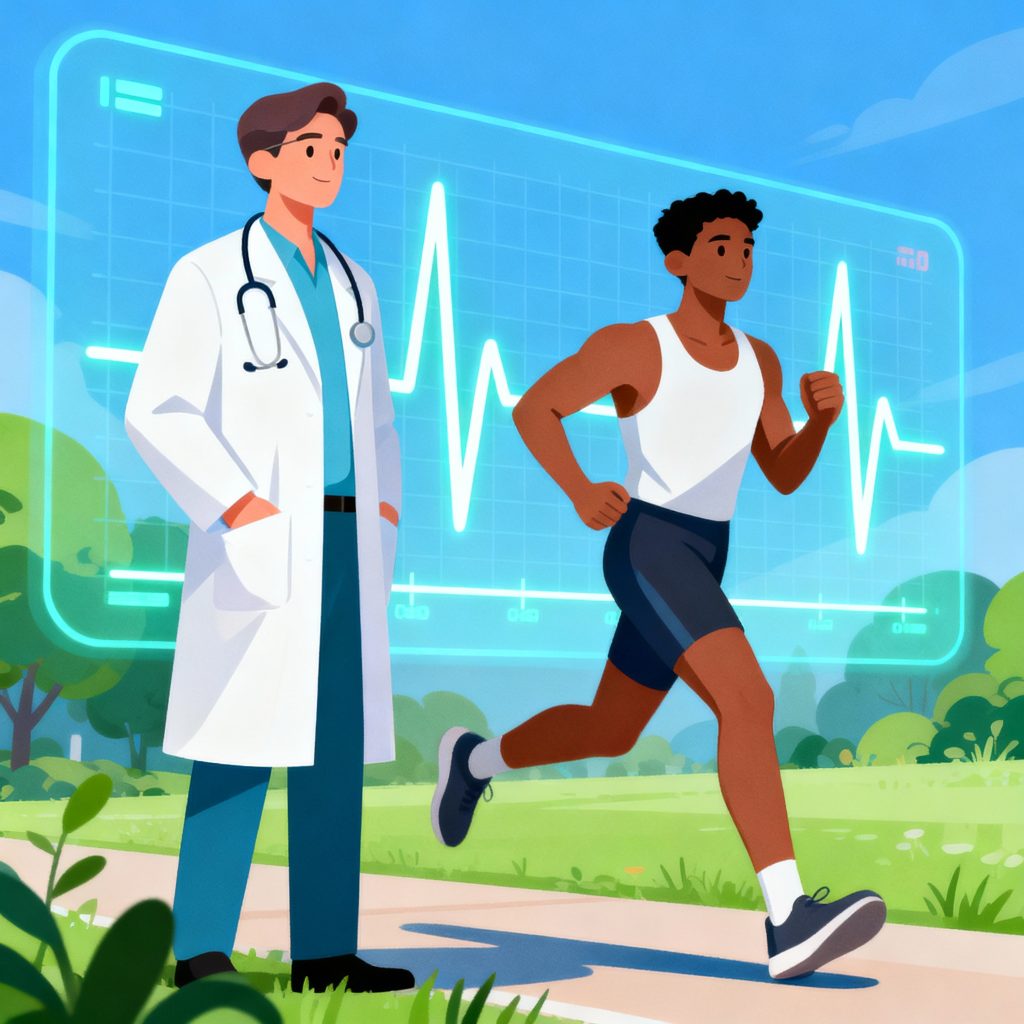
Healthcare & Fitness

The Role of AI, IoT, and Big Data in Building Smarter Hospitals

Introduction In today’s fast-paced healthcare ecosystem, technology has become the backbone of smarter hospitals. With rising patient expectations, increasing demand for quality healthcare, and the need for efficient operations, hospitals are embracing Artificial Intelligence (AI), the Internet of Things (IoT), and Big Data. These three pillars are revolutionizing the way hospitals deliver care, improve patient outcomes, and optimize resource management. In this blog, we will explore how AI, IoT, and Big Data are shaping smarter hospitals, their key applications, benefits, and the future roadmap of intelligent healthcare systems. Why Smarter Hospitals are the Future of Healthcare Smarter hospitals are not just about advanced medical equipment — they are about data-driven decision-making, predictive analytics, connected devices, and AI-powered tools that ensure better diagnosis, treatment, and patient experience. By integrating AI, IoT, and Big Data, hospitals can: Deliver personalized treatment plans. Enhance patient monitoring and safety. Improve operational efficiency and resource allocation. Enable predictive maintenance of medical devices. Lower healthcare costs while improving quality. The convergence of these technologies is creating a patient-centric healthcare system that focuses not only on curing but also on prevention, wellness, and long-term care. Role of AI in Smarter Hospitals Artificial Intelligence has become a game-changer in healthcare. From diagnostics to patient engagement, AI enables hospitals to enhance care delivery in multiple ways. 1. AI in Medical Imaging & Diagnosis AI algorithms can analyze X-rays, MRIs, and CT scans with high accuracy, often detecting anomalies that human eyes may miss. This reduces diagnostic errors and ensures early detection of diseases like cancer and cardiovascular conditions. 2. AI-Powered Virtual Assistants Hospitals use AI-driven chatbots and voice assistants to handle patient queries, schedule appointments, and provide medical guidance. This reduces administrative workload and improves patient satisfaction. 3. Predictive Analytics for Patient Care By analyzing medical histories and real-time data, AI can predict disease risks, patient deterioration, and even recommend preventive measures. This proactive approach saves lives and reduces emergency cases. 4. Robotic Surgery AI-powered surgical robots assist doctors with precision and control during operations. These systems minimize complications and shorten recovery times. Role of IoT in Smarter Hospitals The Internet of Things (IoT) connects medical devices, patients, and healthcare staff through smart sensors and wearables. IoT plays a vital role in building connected hospitals. 1. Remote Patient Monitoring (RPM) IoT devices such as heart rate monitors, glucose trackers, and wearable ECGs allow doctors to monitor patients remotely. This is especially beneficial for chronic disease management. 2. Smart Beds & Equipment IoT-enabled hospital beds can monitor patient movements, prevent bed sores, and alert staff in case of falls. Smart medical devices also ensure better inventory management and reduce equipment downtime. 3. Asset Tracking & Management Hospitals can use IoT-based RFID tags and sensors to track critical equipment like ventilators, wheelchairs, and infusion pumps, reducing delays and improving resource utilization. 4. Emergency Response Systems IoT helps connect ambulances with hospital emergency rooms in real time, sharing patient vitals before arrival, which ensures immediate preparedness. Role of Big Data in Smarter Hospitals Hospitals generate terabytes of patient records, medical histories, imaging data, and administrative information every day. Big Data analytics transforms this raw data into actionable insights. 1. Enhanced Clinical Decision-Making Doctors can leverage Big Data to access evidence-based treatment plans, compare patient histories, and prescribe the most effective treatments. 2. Population Health Management By analyzing large datasets, hospitals can identify trends, track disease outbreaks, and implement preventive healthcare strategies. 3. Operational Efficiency Big Data helps hospitals optimize staff schedules, predict patient admissions, and manage supply chains effectively. 4. Fraud Detection & Security Hospitals can detect anomalies in billing, insurance claims, and data breaches using Big Data tools, ensuring financial and data security. Benefits of AI, IoT, and Big Data Integration in Hospitals Improved Patient Outcomes: Early diagnosis and personalized treatment plans. Cost Reduction: Optimized use of resources and preventive care reduces expenses. Enhanced Patient Engagement: AI chatbots, IoT devices, and mobile apps keep patients informed and engaged. Data-Driven Decisions: Big Data analytics empowers hospitals to make better, evidence-based decisions. Operational Efficiency: Automation and predictive tools reduce administrative burden. Challenges in Building Smarter Hospitals Despite the benefits, there are several challenges: Data Privacy Concerns: Patient data must be protected with strict cybersecurity measures. High Initial Investment: Advanced AI, IoT, and Big Data systems require significant investment. Integration Issues: Legacy systems may not seamlessly integrate with new technologies. Skilled Workforce Shortage: Hospitals need trained professionals in AI and data analytics. The Future of Smarter Hospitals The future of smarter hospitals will focus on AI-driven automation, precision medicine, and predictive healthcare models. Hospitals will increasingly adopt cloud-based solutions, 5G-powered IoT devices, and blockchain for secure data sharing. This digital transformation will redefine healthcare delivery by making it smarter, faster, and more patient-centric. Related Resources & Backlinks AI in Healthcare Page TechOTD Blog Blockchain in Business Processes – Dubai How We Work LLMs in Finance AI & Service Excellence Best Gadgets for Programmers in 2025 Predictive Analytics in Software Development Impact of Technology on Education React Native vs Swift TechOTD Blog Industries Mobile App Services FAQs 1. How does AI improve patient care in hospitals? AI improves patient care through faster diagnosis, personalized treatment recommendations, and predictive analytics that help prevent health complications. 2. What are the benefits of IoT in hospitals? IoT enables real-time patient monitoring, better equipment management, and improved emergency response, making hospitals more efficient and patient-friendly. 3. How does Big Data support smarter hospitals? Big Data helps hospitals analyze patient records, predict disease outbreaks, and improve decision-making, leading to better outcomes and optimized resources. 4. Are there security risks in using AI, IoT, and Big Data in hospitals? Yes, data privacy and cybersecurity remain major concerns. Hospitals must implement strict security protocols to protect patient data. 5. What is the future of smarter hospitals? The future lies in precision medicine, AI-driven automation, blockchain-enabled secure data sharing, and cloud-based hospital systems that provide seamless healthcare services. Conclusion The integration of AI, IoT, and Big Data is revolutionizing modern healthcare and shaping

Healthcare & Fitness

Smart Hospitals: Revolutionizing Healthcare Operations with Modern Technology

Introduction Healthcare is undergoing a digital revolution, and at the center of this transformation are Smart Hospitals. With the integration of technologies like IoT (Internet of Things), AI, Big Data, Cloud Computing, and Blockchain, hospitals are no longer just physical spaces for treatment — they are evolving into intelligent ecosystems that provide seamless care, improved efficiency, and enhanced patient outcomes. In this blog, we’ll explore how smart hospitals are redefining healthcare operations, their key technologies, benefits, challenges, and future opportunities. What Are Smart Hospitals? A Smart Hospital uses modern digital technologies to optimize operations, enhance patient care, and improve decision-making. Unlike traditional hospitals, which rely heavily on manual processes, smart hospitals employ connected devices, automated systems, predictive analytics, and AI-driven decision-making to deliver data-powered healthcare solutions. These hospitals are not only focused on clinical improvements but also on operational efficiency, patient experience, and cost reduction. Key Technologies Powering Smart Hospitals The smart hospital ecosystem is built upon several transformative technologies: 1. IoT (Internet of Things) IoT connects medical devices, wearables, and hospital equipment, enabling real-time patient monitoring and automated data collection. For example, wearable devices can track patient vitals and immediately alert doctors in case of anomalies. Learn how IoT is reshaping industries in this blog. 2. Artificial Intelligence (AI) AI assists in diagnostics, personalized treatment recommendations, and predictive analytics. From detecting diseases in early stages to streamlining hospital workflows, AI is the backbone of smart hospitals. Explore how AI enhances service excellence in this article. 3. Electronic Health Records (EHRs) and Cloud Computing Cloud-based EHR systems ensure seamless data sharing among healthcare professionals, allowing for collaborative care and better treatment decisions. For more insights into AI and data applications, check AI in Finance use cases. 4. Robotics and Automation Robotic surgical systems, automated medication dispensers, and AI-powered diagnostic assistants reduce human error and increase accuracy. 5. Predictive Analytics & Big Data By analyzing historical health data, predictive analytics can anticipate patient needs, optimize staffing schedules, and improve resource allocation. See how predictive analytics is applied in this detailed guide. 6. Blockchain Technology Blockchain ensures secure, tamper-proof medical data sharing across systems, reducing fraud and enhancing patient trust. Benefits of Smart Hospitals Enhanced Patient Care – Real-time monitoring and AI-driven diagnostics improve treatment accuracy. Operational Efficiency – Automation reduces waiting times and optimizes staff workload. Data-Driven Decision Making – Analytics empower healthcare providers to make better choices. Cost Reduction – Preventive care and predictive maintenance reduce unnecessary expenses. Patient Experience – Virtual assistants, telehealth, and mobile health apps provide personalized and convenient care. For example, mobile app solutions for healthcare are already transforming the industry. Learn more about custom development in mobile app services. Challenges in Implementing Smart Hospitals Despite their promise, smart hospitals face several challenges: High Initial Investment – Implementing advanced technologies requires significant funding. Cybersecurity Risks – With massive data flow, hospitals become vulnerable to cyberattacks. Integration Issues – Legacy systems often cannot integrate seamlessly with modern solutions. Staff Training – Healthcare workers need training to adapt to new digital workflows. Regulatory Compliance – Hospitals must follow strict data privacy and healthcare regulations. Use Cases of Smart Hospitals Remote Patient Monitoring – Wearables and connected devices monitor patients beyond hospital walls. Smart Beds – Beds equipped with sensors track patient movement and vitals. AI-Powered Imaging – AI improves the speed and accuracy of CT, MRI, and X-ray scans. Telemedicine Platforms – Virtual consultations allow patients to access specialists remotely. Mobile Health Apps – Patients manage appointments, prescriptions, and records via smartphones. Explore app development strategies in this React Native vs Swift comparison. Future of Smart Hospitals Smart hospitals are expected to evolve further with: 5G-enabled healthcare solutions AI-driven predictive healthcare models Digital twins for personalized treatment Advanced robotics in surgeries Sustainable and green hospital infrastructure The convergence of healthcare with AI, IoT, and mobile apps is creating a new era of precision medicine and patient-centric care. SEO Backlinks Integration Throughout this blog, we have naturally integrated useful links from TechOTD to enhance user experience and provide additional resources: AI-driven insights TechOTD Blog Hub Blockchain in Business Processes How We Work Large Language Models in Finance AI for Customer Journeys Best Gadgets for Programmers Predictive Analytics in Software Development Technology in Education React Native vs Swift Industries Blog Page Mobile App Development Services FAQs About Smart Hospitals 1. What is the meaning of a smart hospital? A smart hospital leverages AI, IoT, cloud computing, and automation to improve patient care and hospital operations. 2. How do smart hospitals improve patient care? By using real-time monitoring, predictive analytics, and AI-based diagnostics, smart hospitals ensure faster and more accurate treatments. 3. Are smart hospitals expensive to build? Yes, the initial setup requires a high investment, but long-term benefits include reduced costs, better efficiency, and improved outcomes. 4. What technologies are most important for smart hospitals? Key technologies include IoT, AI, robotics, blockchain, and cloud-based EHR systems. 5. What is the future of smart hospitals? The future involves 5G, AI-driven personalized medicine, robotic surgeries, and eco-friendly hospital designs. Conclusion Smart hospitals are not just a vision of the future—they are already becoming a reality today. By integrating technologies like AI, IoT, robotics, blockchain, and predictive analytics, they are transforming the way healthcare is delivered. For patients, smart hospitals promise personalized and efficient care. For doctors and staff, they reduce administrative burdens and improve treatment accuracy. And for healthcare providers, they ensure long-term sustainability with reduced costs and optimized resources. As we move forward, hospitals that embrace these technologies will lead the way in providing next-generation healthcare services. The journey towards smart hospitals is challenging, but the rewards in terms of patient outcomes, cost efficiency, and innovation are unparalleled.

Data Privacy & Security

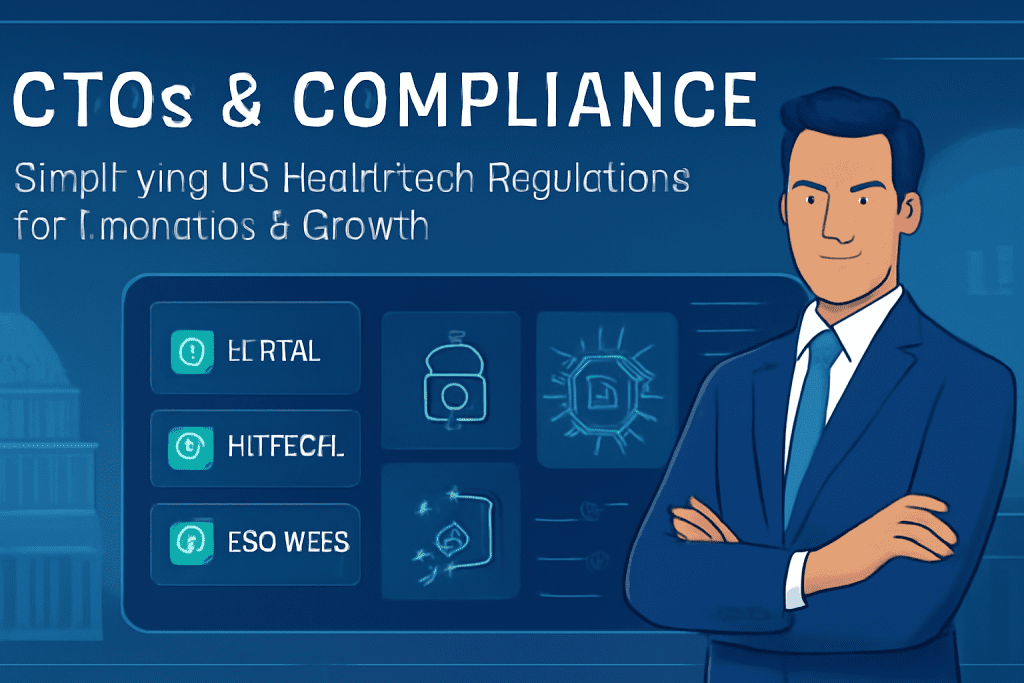
CTOs & Compliance: Simplifying US HealthTech Regulations for Innovation & Growth

Introduction Navigating the complex world of US Health Tech regulations is one of the biggest challenges facing today’s CTOs. The rapid pace of technological advancement, increased focus on data privacy, and evolving legislative frameworks have transformed compliance from a “checkbox” exercise into a critical pillar for innovation and growth. In this blog, we’ll break down what every CTO needs to know about simplifying and embracing Health Tech compliance—not just to stay legal, but to accelerate innovation, build market trust, and drive scalable success in the US Health Tech ecosystem. Understanding the Regulatory Terrain: What CTOs Must Know HIPAA & HITECH Foundation HIPAA (Health Insurance Portability and Accountability Act) is the cornerstone of US Health Tech regulation, requiring robust safeguards for Protected Health Information (PHI) including data encryption, access controls, audit logs, and disaster recovery. HITECH (Health Information Technology for Economic and Clinical Health Act) amplifies HIPAA: penalties for violations are tougher and requirements for breach transparency are stricter. Emerging Standards & Trends The FDA alignment with ISO 13485 for device quality management is raising the bar for digital health platforms and connected devices, especially by February 2026. Interoperability mandates driven by FHIR APIs and Electronic Health Record (EHR) standards mean CTOs must consider not only their own infrastructure but also integrations with external systems and partners. New regulatory scrutiny around AI in HealthTech, cybersecurity, and diagnostics introduces dedicated compliance frameworks and audit trails for advanced Health Tech products. Key Considerations for CTOs Compliance isn’t just a legal formality—it must influence technical architecture from the first line of code. Regular risk assessments, comprehensive documentation, and up-to-date staff training are essential for continuous compliance. Practical Steps to Streamline Compliance and Enable Innovation Make Compliance a Business Strategy Proactive Planning: Integrate regulatory considerations (HIPAA, HITECH, FDA/ISO, HITRUST) into early product roadmaps instead of post-development fixes. Cross-Functional Teams: Include legal, compliance, and security experts in all major tech decisions, particularly during MVP and scaling phases. Leverage Modern Compliance Tools Use digital compliance platforms to track regulations, manage documentation, and quickly adapt to new standards—reducing risk and operational costs. Choose cloud vendors and technology stacks with proven compliance certifications (e.g., HITRUST CSF), which streamline audits and boost partner trust. Continuous Monitoring & Documentation Conduct regular risk audits and vulnerability assessments. Maintain precise documentation of development and user feedback—improving both audit success rates and team accountability. Balance Innovation and Safety Pilot AI, IoT, and healthcare innovation within legal frameworks, using synthetic data or controlled environments to validate concepts before exposure to real patient data. Ensure any use of third-party APIs and integrations doesn’t introduce unexamined regulatory risks—every touchpoint matters in audits. Conclusion CTOs hold the keys to transforming Health Tech compliance from a barrier to an engine for growth and innovation. By architecting compliance into every aspect of product development and leveraging the right processes and tools, leaders can not only meet today’s regulatory requirements but confidently innovate for the future. Ready to future-proof your Health Tech innovation? Make compliance your launchpad—not your roadblock—grow boldly! FAQ Q1: What is the biggest compliance challenge for Health Tech CTOs today?Staying updated and building scalable systems as HIPAA, HITECH, and FDA/ISO evolve, especially with the rise of AI and interoperability mandates. Q2: Can compliance slow down Health Tech innovation?Not if approached proactively; integrating compliance early can actually accelerate product launches and unlock new partnerships by building stakeholder trust. Q3: How can startups streamline compliance efforts?Use digital compliance tools, choose compliant vendors, and integrate cross-functional teams from day one for a structured, scalable approach. Q4: What happens if Health Tech companies fail to comply?Financial penalties, delayed launches, reputational damage, and even loss of business opportunities—compliance is critical for sustainable growth. Q5: Are there frameworks that help simplify multi-standard compliance?Yes, frameworks like HITRUST CSF and automation-led compliance platforms help unify requirements for HIPAA, HITECH, and ISO, making multi-standard compliance more manageable.

How would you like me to respond?

Select a personality for your AI assistant

Normal
Happy
Sad
Angry

Your selection will affect how the AI assistant responds to your messages

Chat Assistant

Let's discuss your project!

Hear from our clients and why 3000+ businesses trust TechOTD

Tell us what you need, and we'll get back with a cost and timeline estimate

Scroll to Top