AI in education

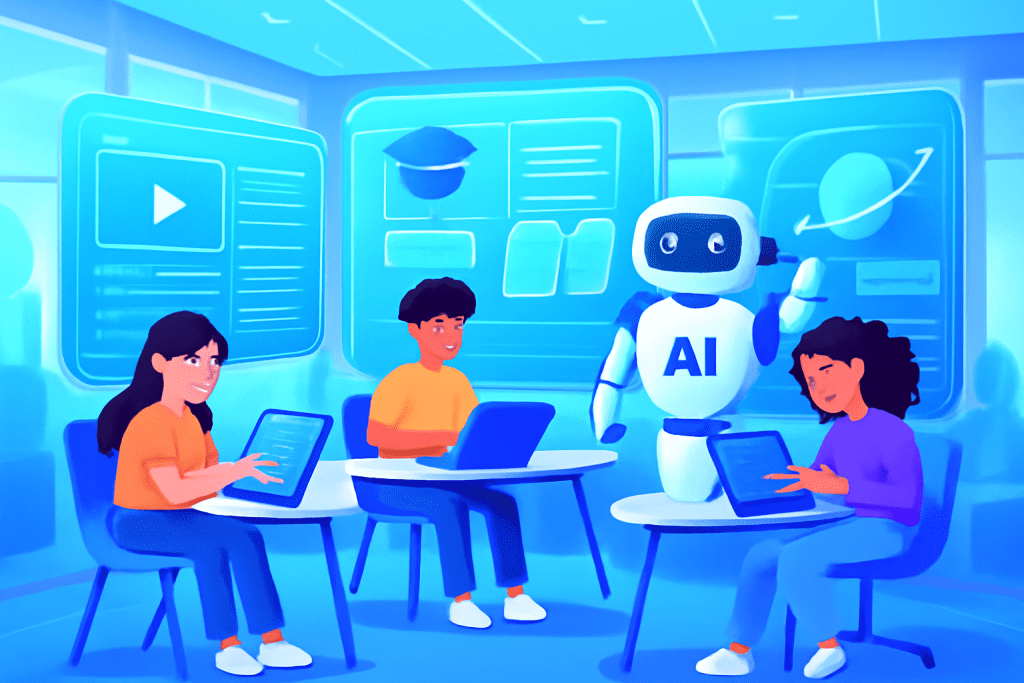
Students and teachers using AI-powered education technology to personalize learning, track progress, and improve classroom experiences.
Artificial Intelligence

AI in Education: How Technology Is Changing the Way We Learn

Introduction Artificial intelligence is quickly reshaping education by making learning more personal, flexible, and efficient. What used to depend only on textbooks, classroom lectures, and one-size-fits-all lessons is now being enhanced by smart systems that can adapt to each learner’s pace and needs. AI in education is changing not only how students study, but also how teachers teach, assess, and support learning. This shift is creating a more connected and responsive learning experience for everyone involved. One of the biggest changes AI brings to education is personalization. Every student learns differently, and traditional classrooms often struggle to meet those differences at scale. AI-powered learning platforms can analyze student progress, identify weak areas, and suggest lessons or practice activities that match individual needs. This means students can spend more time on topics they find difficult and move faster through the ones they already understand. As a result, learning becomes more efficient and less frustrating. AI is also improving access to education. Students can now use intelligent tutoring systems, chatbots, and learning apps to get help outside the classroom at any time. This is especially useful for learners who need extra support, want to revise independently, or study at their own pace. Instead of waiting for the next class or a teacher’s availability, they can receive instant feedback and guidance. That level of support makes learning more continuous and convenient. Another major benefit of AI in education is smarter assessment. Teachers no longer have to rely only on manual evaluation for every learning activity. AI tools can grade quizzes, track performance trends, and highlight areas where students are struggling. This saves time for educators and allows them to focus more on teaching and mentorship. It also helps schools make better decisions because they can see learning patterns more clearly and respond faster when students need help. At the same time, AI is changing the kind of content students interact with. Learning is becoming more dynamic through video summaries, adaptive quizzes, interactive lessons, and intelligent recommendations. Instead of passively reading long lessons, students can engage with material in formats that hold attention better and improve retention. This makes education feel less rigid and more practical for modern learners. Of course, the growth of AI in education also comes with important questions. People want to know how much technology should be used, how student data should be protected, and how teachers’ roles may change in the future. Even with these concerns, one thing is clear: AI is not replacing education, but transforming it. It is helping create a system where learning can be more personalized, more accessible, and more effective than before. Conclusion AI in education is changing the way we learn by making lessons more personal, feedback faster, and learning tools more accessible. It helps students learn at their own pace while giving teachers better ways to track progress and support growth. As technology continues to improve, AI will likely become an even bigger part of classrooms and self-learning platforms. The future of education will depend on using AI wisely so that it supports human teaching instead of replacing it. FAQ What is AI in education? AI in education refers to the use of artificial intelligence tools and systems to improve teaching, learning, assessment, and student support. How does AI help students learn better? AI helps students by personalizing lessons, giving instant feedback, identifying weak areas, and recommending useful study resources. Can AI replace teachers? No, AI cannot replace teachers. It can support teaching, but human guidance, mentorship, and emotional understanding remain essential. What are examples of AI in education? Examples include chatbots, adaptive learning platforms, smart tutors, automated grading tools, and personalized study apps. Is AI useful for online learning? Yes, AI is especially useful for online learning because it helps students study independently, track progress, and get support anytime. What is the biggest advantage of AI in education? The biggest advantage is personalization, since AI can adapt learning experiences to each student’s needs and pace.

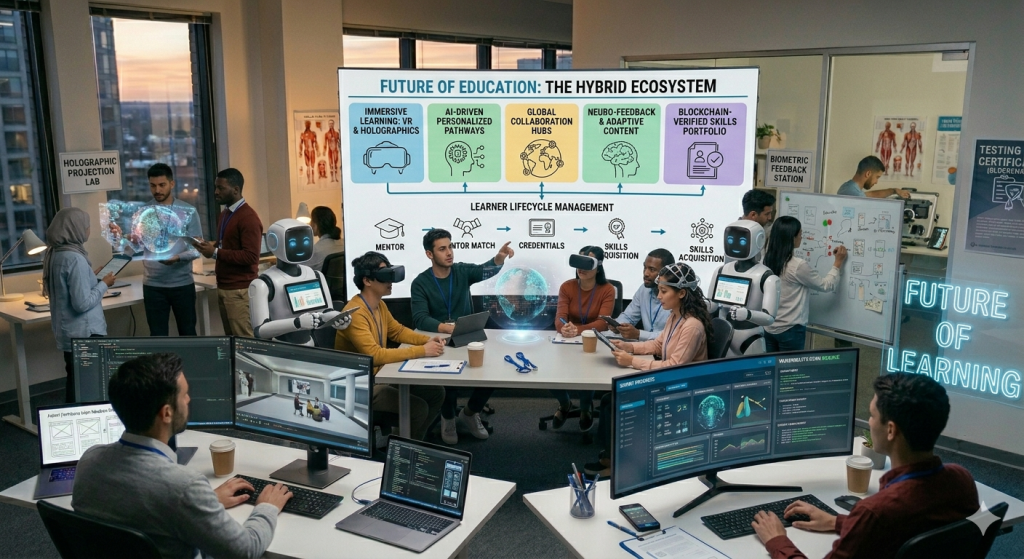
Diverse students using AI-powered tablets in modern classroom with holographic learning interfaces and teacher providing personalized guidance
Educational Technology

How AI is Transforming Education Systems

Introduction Imagine classrooms where every student learns at their perfect pace, teachers focus on inspiration rather than paperwork, and education adapts instantly to individual needs. This isn’t science fiction it’s AI transforming education systems right now. From personalized learning algorithms that boost retention by 30% to intelligent tutoring systems providing 24/7 support, artificial intelligence is rewriting the rules of education. In 2026, AI handles grading, predicts student success, and creates custom curricula freeing educators for what matters most: human connection. Yet this transformation brings challenges too data privacy concerns, digital divides, and ethical questions about AI replacing teachers. This comprehensive guide explores how AI is transforming education systems, revealing practical applications, real-world results, and actionable insights for schools embracing tomorrow’s learning revolution today. Conclusion AI is transforming education systems from rigid one-size-fits-all models into dynamic, personalized learning ecosystems that prepare students for 21st-century challenges. By automating administrative burdens, enabling adaptive learning, and providing unprecedented insights, AI empowers educators to focus on mentorship while students master skills at their optimal pace. The global AI education market, projected to exceed $20B by 2027, signals this revolution’s unstoppable momentum. Forward-thinking institutions embracing AI-driven education today will shape tomorrow’s innovators. Ready to lead educational transformation? Start with pilot programs, teacher training, and ethical AI frameworks. The future of learning belongs to those who act now your students deserve nothing less. FAQ Q1: How does AI personalize learning experiences? A: AI analyzes student performance data to create custom learning paths, adjusting content difficulty and pace in real-time. Platforms like Khan Academy report 30% better outcomes. Q2: Will AI replace human teachers? A: No AI handles repetitive tasks (grading, admin) while teachers focus on mentorship, creativity, and emotional support. AI enhances, never replaces, human connection. Q3: What are AI education implementation challenges? A: Data privacy, digital divides, teacher training gaps, and ethical bias concerns. Success requires robust policies and equitable access strategies. Q4: Which AI tools improve student engagement most? A: Intelligent tutors, gamified learning apps, and VR simulations boost engagement 75% by making abstract concepts interactive and fun. Q5: How does AI help special needs students? A: AI provides tailored content for diverse learning styles, real-time feedback, and accessibility tools reducing dropout risk by 18%.

Diverse students in futuristic classroom using VR headsets, AR tablets, and AI holograms for immersive digital learning, with engagement metrics overlay
Education & Learning

Future of Education in Digital Age

Introduction The future of education in the digital age promises personalized, immersive, and globally connected learning that adapts to individual needs while leveraging AI, VR/AR, and mobile platforms. Traditional classrooms are evolving into hybrid ecosystems where students access interactive content anytime, anywhere, breaking geographical and socioeconomic barriers. This transformation is crucial as digital natives demand engaging experiences—studies show EdTech market growth exceeding $400 billion by 2025, driven by AI personalization and remote tools that boost retention by up to 75% over lectures. AI-Powered Personalization AI analyzes student data to create custom learning paths, adjusting pace, content, and style for better outcomes. Tools like adaptive platforms identify weaknesses and deliver targeted lessons, supporting diverse learners including those with special needs. Key benefits include: Real-time feedback and progress tracking. Automated grading freeing teachers for mentorship. Multilingual support for global access. Immersive Technologies (VR/AR) VR/AR turns abstract concepts into hands-on experiences—students explore ancient Rome or molecular structures without leaving class. These tools enhance engagement, with VR yielding 75% retention rates versus 10% for reading. Practical applications: Virtual labs for safe science experiments. AR overlays on textbooks for 3D models. Global field trips via shared virtual spaces. Hybrid Learning Models Blending online and in-person education offers flexibility, accelerated by the pandemic. Platforms like Google Classroom enable live sessions, collaboration, and cloud-based resources accessible on mobiles. Advantages: 5G-enabled seamless remote classes. Blockchain for secure certifications. IoT smart classrooms linked to apps. The future of education in the digital age promises personalized, immersive, and globally connected learning that adapts to individual needs while leveraging AI, VR/AR, and mobile platforms. Traditional classrooms are evolving into hybrid ecosystems where students access interactive content anytime, anywhere, breaking geographical and socioeconomic barriers. This transformation is crucial as digital natives demand engaging experiences—studies show EdTech market growth exceeding $400 billion by 2025, driven by AI personalization and remote tools that boost retention by up to 75% over lectures. AI-Powered Personalization AI analyzes student data to create custom learning paths, adjusting pace, content, and style for better outcomes. Tools like adaptive platforms identify weaknesses and deliver targeted lessons, supporting diverse learners including those with special needs. Key benefits include: Real-time feedback and progress tracking. Automated grading freeing teachers for mentorship. Multilingual support for global access. Immersive Technologies (VR/AR) VR/AR turns abstract concepts into hands-on experiences—students explore ancient Rome or molecular structures without leaving class. These tools enhance engagement, with VR yielding 75% retention rates versus 10% for reading. Practical applications: Virtual labs for safe science experiments. AR overlays on textbooks for 3D models. Global field trips via shared virtual spaces. Blending online and in-person education offers flexibility, accelerated by the pandemic. Platforms like Google Classroom enable live sessions, collaboration, and cloud-based resources accessible on mobiles Challenges and Equity Digital divides persist, with risks of isolation, privacy issues, and unequal access. Policymakers must prioritize teacher training, affordable devices, and inclusive design to ensure technology enhances rather than replaces human connection. Solutions include: Subsidized devices for low-income areas. Ethical AI guidelines. Blended models preserving teacher roles. Conclusion The future of education in the digital age lies in balanced integration of AI, VR/AR, and hybrid models that make learning immersive, equitable, and lifelong. Start exploring EdTech tools today to prepare students for tomorrow’s workforce—your first step could transform a classroom. FAQ (5 Questions) What role does AI play in the future of education in the digital age? AI personalizes learning, automates assessments, and provides virtual tutors for adaptive experiences. How will VR/AR change classrooms? They create immersive simulations for safe, engaging practice in subjects like science and history. What are hybrid learning benefits? Flexibility, global collaboration, and anytime access without losing in-person interaction. Will digital education widen inequality? Potentially, but equitable policies and affordable tech can bridge gaps. What’s next for EdTech? 5G, voice assistants, and AI mentors for hyper-personalized global learning.

Education app developement

How Much Does It Cost to Develop a Language Learning App Like Babbel?

Introduction Language learning apps have become an indispensable tool for millions worldwide, and Babbel stands out as one of the top platforms, offering engaging, personalized lessons in over 14 languages. If you’re an entrepreneur or business looking to develop a language learning app with similar features and user experience, understanding the development costs, factors affecting them, and what goes into building such an app is crucial. This blog provides a detailed overview of the typical costs involved in building a language learning app like Babbel, the key features that influence pricing, and strategic insights to help plan your project effectively. For broader insights on AI-driven app development and technology trends, check out TechOTD’s AI services and visit their technology blog. What Makes Babbel Unique? Babbel offers a scientifically backed methodology focusing on conversational learning, bite-sized lessons (10–15 minutes), speech recognition, and personalized learning paths. Key features include: Real-life conversation practice with audio and interactive exercises Speech recognition for pronunciation feedback Review and spaced repetition systems for vocabulary retention Structured grammar lessons and cultural context materials Offline learning capability on multiple devices Subscription-based access with continuous content updates. Key Features Affecting Development Cost 1. Platform and Device Compatibility Deciding whether to launch on iOS, Android, or both affects development time and cost. Cross-platform frameworks like React Native may reduce costs but might affect performance. 2. User Registration and Profiles Basic signup, social media integration, and personalized learning dashboards add complexity. 3. Course Content Management Ability to manage a vast database of multimedia lessons, quizzes, and real-time updates. 4. Speech Recognition and AI Integration Implementing AI-powered speech recognition for real-time feedback adds significantly to development costs. 5. Gamification Elements Features like badges, leaderboards, and rewards enhance engagement but increase design and coding demands. 6. Payment Systems Subscription management with secure payment gateways integration is critical for monetization. 7. Offline Mode Allowing users to download lessons and access them without internet adds storage and syncing complexities.   Estimated Cost Breakdown Basic Language Learning App: Includes core functionalities such as user registration, lesson viewing, and standard quizzes. Estimated cost: $30,000 – $50,000 Development Time: 3-6 months Mid-Level App with Advanced Features: Incorporates speech recognition, gamification, and personalized learning paths. Estimated cost: $50,000 – $100,000 Development Time: 6-9 months Advanced App with AI and Live Tutoring: Features live classes, real-time AI interactions, and extensive content management. Estimated cost: $100,000 – $300,000+ Development Time: 9-12+ months. Other Factors Influencing Cost Design Complexity: Custom UI/UX can increase costs depending on polish and responsiveness. Development Team Location: Offshore teams can lower costs but may require robust management frameworks. Maintenance and Updates: Ongoing costs including content upgrades, bug fixes, and feature additions. Marketing and Launch: Budget separately for app store optimization, user acquisition, and branding efforts. How AI Enhances Language Learning Apps AI and machine learning enable hyper-personalization, better speech analysis, and more engaging content delivery. Investing in AI-driven components may raise initial costs but improves user retention and satisfaction significantly. Explore AI app development possibilities in TechOTD’s AI services. Conclusion Building a language learning app like Babbel is a substantial investment that balances feature richness, platform choice, and user experience. Starting with an MVP focusing on core features can control costs and validate market demand. As the app scales, adding AI and interactive elements enhances appeal and competitive edge. Consulting experienced development partners such as TechOTD can ensure a smooth project journey from concept to launch. Stay informed on app development trends via TechOTD’s blog. FAQs Q1: What is the average cost to develop a language learning app? Between $30,000 and $300,000 depending on features, platform, and AI integration. Q2: How long does it take to build an app like Babbel? Typically 3 to 12 months depending on complexity. Q3: Can AI improve language learning apps? Yes, AI enhances personalization, speech recognition, and learner engagement. Q4: What monetization strategies do apps like Babbel use? Subscription models, freemium access, and in-app purchases. Q5: Should startups build native or cross-platform apps? Both have pros and cons; cross-platform reduces costs, native apps offer better performance.

Educational Technology

7 Reasons Why Education Startups Fail & Ways to Avoid Them

Introduction The EdTech industry promises to transform education through technology, offering innovative learning experiences and scalable solutions. However, despite rapid growth and significant investment inflows, many education startups fail within the first few years. Understanding the common reasons for failure and how to overcome them is crucial for entrepreneurs aiming for long-term success and impact. This blog explores 7 key reasons why education startups often struggle, supported by market insights, and offers actionable strategies for thriving in this competitive sector. For deeper understanding of AI-powered education technology and digital transformation, explore TechOTD’s AI Services and their technology blog. 1. Poor Market Research Many education startups jump into product development without a solid grasp of the market dynamics, user needs, and ecosystem realities. They often mistake excitement for demand, leading to products that don’t solve real educational challenges or fit into school environments. How to avoid: Conduct thorough market and competitor analysis. Engage educators, learners, and administrators early for feedback. Validate product ideas with pilot studies or MVPs to ensure real-world applicability. 2. Lack of Patience Education adoption cycles are significantly slower than in other industries. Schools and institutions require time to trial, accept, and integrate new tools into rigid curriculums and budgets. Many startups fail because they expect rapid growth and give up prematurely. How to avoid: Set realistic expectations about timelines (often 5-10 years for widespread adoption). Focus on steady user engagement milestones rather than quick scaling. 3. Unclear Distinction Between Users and Buyers Confusing the end-users (students, teachers) with paying customers (schools, parents, districts) often leads to misaligned marketing, pricing, and product design strategies. Solutions must cater to the needs of all stakeholder groups in education. How to avoid: Map out all stakeholders and their specific requirements. Design your product and outreach strategies accordingly. 4. Overuse of Technology Without Educational Value EdTech startups sometimes focus on trendy technologies—AR, VR, AI—without ensuring these add tangible learning benefits. This increases costs and complexity, alienating users if technology does not improve outcomes. How to avoid: Prioritize pedagogical effectiveness over novelty. Pilot technology features to prove value before wide release. 5. Lack of Transparency and Collaboration with Educators Failing to involve teachers and educational institutions in development leads to lack of buy-in and resistance. Attempts to replace educators or disregard classroom realities often doom products. How to avoid: Collaborate with educators throughout development cycles. Create transparent, teacher-friendly products that complement teaching. 6. Too Many Features Leading to Complexity Feature overload makes platforms confusing and hampers usability. Startups with cluttered apps or platforms struggle with adoption and retention. How to avoid: Develop a minimal viable product (MVP) focusing on a core problem. Use data analytics to guide gradual feature expansion based on user needs. 7. Insufficient User Training and Support Lack of onboarding, training, and responsive support leads users to abandon even the best platforms. Many EdTech startups underestimate the training needs of educators and learners. How to avoid: Invest in comprehensive training resources and support systems. Continuously collect user feedback to improve usability and support. Conclusion Success in education technology requires more than innovative ideas or strong funding. It demands deep market knowledge, collaboration with educators, simple yet powerful product design, and long-term commitment. By avoiding these common pitfalls and leveraging strategic partnerships, EdTech startups can create impactful and sustainable solutions that transform learning. For expert guidance, explore how TechOTD combines AI, product development, and education insights to support startups in the education sector. Discover more tips and digital trends on the TechOTD Blog. FAQs Q1: Why do many EdTech startups fail within the first 5 years? Lack of proper market research and misunderstanding the slow adoption cycles in education are major reasons. Q2: How important is teacher collaboration? Critical. Products must align with educators’ needs and workflows to gain acceptance. Q3: Should startups always use the latest technology? No. Technology should be adopted only when it adds educational value. Q4: How can startups sustain long-term growth? By focusing on core user needs, iterative development, and investing in user training. Q5: What initial steps should EdTech startups take for product development? Conduct thorough market validation, develop an MVP, and engage educators from the start

Education app developement

how much does duolingo like app development cost?

Introduction Developing a language learning app like Duolingo involves various factors that impact the overall cost, ranging on average from around $25,000 to over $300,000 depending on complexity, features, platforms, and technologies used. This blog provides a detailed exploration of the estimated development cost, key features, stages of development, and strategic considerations to help businesses plan effectively for a Duolingo-like app.   In the growing edtech landscape, language learning apps have become immensely popular, with Duolingo leading the pack backed by advanced gamification, AI, and personalized user experiences. Building a similar app requires careful planning and investment in technology, design, and quality assurance. Learn about leveraging AI for educational apps and digital transformation at TechOTD AI Solutions. Factors Influencing Development Cost Platform Choice Single platform (Android or iOS): $25,000 – $100,000 Cross-platform/hybrid development: $80,000 – $150,000+ Web version (optional): Additional $10,000 – $20,000 App Complexity and Feature Set Basic: User registration, simple lessons, progress tracking — $50,000 – $100,000 Average: Gamification, AI-driven content suggestions, community features — $100,000 – $200,000 Advanced: Offline mode, live tutoring, advanced AI (speech recognition, personalization) — $200,000 – $300,000+ Explore AI-driven personalization and automation technologies at TechOTD Predictive Analytics. Key Features of a Duolingo-like App User Features Interactive lessons tailored to different skill levels Gamification elements: badges, points, leaderboards Multimedia content: audio, video, images for immersive learning Progress tracking, daily goals, and reminders AI-based adaptive learning paths and pronunciation feedback Admin and Backend Course management and content updates User analytics and performance dashboards AI/ML integration for personalization and scalability Secure authentication and data privacy compliance Development Stages and Cost Breakdown Stage Estimated Cost Range (USD) Description Market Research & Planning $5,000 – $10,000 Define goals, target audience, competitive analysis UI/UX Design $10,000 – $20,000 Design intuitive, engaging user experiences Frontend Development $20,000 – $40,000 Building the user interface on chosen platform(s) Backend Development $20,000 – $40,000 Server-side logic, database, APIs AI & Machine Learning $15,000 – $30,000 Custom algorithms for adaptive learning and feedback Testing & QA $5,000 – $10,000 Functional and performance testing Launch & Marketing $10,000 – $20,000 Deployment, user acquisition, promotion Technology and Tools Used Employing the right tech stack ensures scalability, performance, and maintainability. Frontend: Swift, Kotlin, React Native or Flutter Backend: Node.js, Python, Django, Ruby on Rails Database: PostgreSQL, MongoDB AI & ML Libraries: TensorFlow, OpenCV, Scikit-learn Cloud Platforms: AWS, Azure, Google Cloud Analytics and Monitoring: Grafana, Tableau Learn more about tech adoption and AI in education at TechOTD Education Impact Guide. Cost Optimization Strategies Start with a Minimum Viable Product (MVP) to test market response and reduce upfront costs Outsource development to cost-effective regions while maintaining quality Use open-source AI libraries and existing frameworks Implement phased feature rollouts based on user feedback Monetization and Growth Potential Language learning apps typically use a freemium model: Free access to basic content Premium subscriptions for advanced lessons, live tutoring, and ad-free experiences In-app purchases for certificates or special courses For strategic growth and customer journey optimization, visit TechOTD Customer Journey with AI. Closing Thoughts Building a Duolingo-like app is a significant but rewarding investment that combines technology, education expertise, and user-centric design. With AI and advanced analytics, such an app can deliver customized, engaging, and effective language learning experiences globally. For tailored development services and consulting, explore TechOTD Development Services and browse expert insights on the TechOTD Blog. Conclusion Developing a Duolingo-like language learning app is a significant investment, typically ranging from $80,000 to $300,000+, depending on features, platform, AI integration, and complexity. A phased approach starting with MVP ensures risk mitigation and better budget control.

App Development

Technology Impact on Education: An Ultimate Guide for CEO

Introduction In the last decade, technology has reshaped education in ways we could have never imagined. From AI-driven learning platforms to immersive virtual classrooms, the shift is not just about digitization—it’s about redefining how knowledge is delivered, accessed, and experienced. For CEOs in the education sector, understanding this transformation is more than a competitive advantage—it’s a necessity. In this guide, we’ll explore how technology is impacting education, the opportunities it creates, and how leadership can leverage it for long-term success. 1. The Evolution of Education Technology The journey from chalkboards to smartboards and from physical libraries to cloud-based learning has been rapid. Platforms now integrate AI, data analytics, and interactive tools to create personalized learning experiences. For a deep dive into AI’s role in modern industries, check out this AI insights page which outlines how artificial intelligence is driving smarter decision-making. 2. The CEO’s Role in EdTech Transformation CEOs must do more than approve tech budgets—they must champion innovation. This includes: Encouraging data-driven decision-making for student success. Partnering with technology service providers to build scalable solutions. Ensuring accessibility and inclusivity in all learning platforms. If you’re looking to collaborate with experts in technology services, visit the partner page to explore strategic alliances. 3. Core Technologies Shaping Education Here are the key technologies making waves in education today: a) Artificial Intelligence (AI) From grading automation to personalized learning recommendations, AI is making classrooms more adaptive. Learn more about AI’s broader applications here. b) Web Development & Interactive Learning Platforms Modern education relies on engaging, responsive web platforms. CEOs can leverage services like web development solutions to create seamless online learning experiences. c) E-commerce for Education Selling courses, eBooks, and digital training materials online is now easier than ever. The eCommerce industry page shows how digital sales platforms can be integrated with education systems. 4. Strategic Benefits of Technology in Education Global Reach: Students from any part of the world can access your programs. Personalized Learning: Adaptive content tailored to each learner. Operational Efficiency: Reduced administrative costs through automation. Data Insights: Better tracking of student performance and engagement. For more about our vision and mission in transforming industries through technology, visit our about page. 5. Preparing for the Future of Education The future is AI-powered, mobile-first, and highly interactive. CEOs should focus on: Investing in scalable tech infrastructure. Partnering with innovative service providers (explore services). Fostering a culture of continuous learning in their organizations. Final Thoughts The impact of technology on education is undeniable. For CEOs, it’s not just about keeping up—it’s about leading the change. By embracing AI, web technologies, and innovative business models, leaders can ensure their institutions remain relevant, competitive, and impactful. To explore more about how technology can transform your business, visit TechOTD’s main website and discover solutions tailored for your needs.

Education

16 Features That Can Make Your On-Demand Tutor App Stand Out in the Post-COVID Era

Introduction As the educational landscape continues to adapt post-pandemic, on-demand tutor apps have emerged as game-changers, providing flexible, accessible learning opportunities to students worldwide. With rapid advancements in technology and a sharp focus on user experience, tutors and edtech businesses need feature-rich apps that go beyond basic video calls and chat sessions. Here are 16 must-have features that will set your on-demand tutor app apart and ensure long-term engagement and growth in the post-COVID era. Essential Features for On-Demand Tutor App Success Single Step Sign-In Simplifies onboarding with social logins or OTP-based sign-ins, reducing friction for new users. Smart Search & Filtering Enables students to quickly find tutors based on subject, expertise, language, location, or availability. Personalized Course Recommendations Uses AI to suggest courses and tutors matched to students’ learning history and preferences. Detailed User Profiles Rich profiles for tutors and students with credentials, teaching styles, and achievements foster trust and transparency. Personal Dashboards Both students and tutors access dashboards to monitor sessions, progress, feedback, and schedules. Real-Time Video Conferencing Seamless, high-quality sessions (one-on-one or group) with digital whiteboards and screen sharing. In-App Chat & Messaging Secure real-time chat to resolve doubts before, during, or after sessions; enhances engagement. Session Transcripts & Notes Automatic session recordings, chat logs, downloadable notes, and resource sharing for better retention. Interactive Assessments & Assignments Built-in quizzes, homework, and assignments with instant grading and automatic feedback loops. Progress Tracking & Analytics Visual dashboards with learning stats, milestone badges, and customized learning paths. Scheduling and Calendar Integration Smart scheduling, rescheduling, and reminder notifications; integrates with mobile calendars for convenience. Multi-Device Compatibility Support for iOS, Android, web browsers, and even streaming to smart TVs or tablets. Flexible Payment Gateways Secure payment integration with multiple options (cards, wallets, UPI), promo codes, and subscription models. Ratings, Reviews & Tutor Verification Transparent rating systems and verified tutor credentials ensure quality and safety. Offline Access Access to session recordings, resources, and homework even without an internet connection. Scalable Cloud Integration & Data Security Powered by robust cloud infrastructure for reliability, encryption, and compliance—essential for protecting user data. How These Features Boost Value Flexibility & Accessibility: Students can learn anywhere, anytime, on any device—no longer tied to physical locations or strict schedules. Personalization: AI-driven recommendations, adaptive content, and feedback foster individualized learning pathways, improving outcomes. Transparency & Trust: Verified profiles, reviews, and detailed analytics promote credibility and informed decisions. Engagement & Retention: Gamified progress, timely notifications, and interactive tools keep users coming back. Conclusion To stay ahead in the thriving edtech space post-COVID, your on-demand tutor app needs more than just online lessons. Integrating these 16 advanced features will position your platform as trusted, engaging, and future-proof for diverse learners and educators. Collaborate with expert development teams—TechOTD’s Web & Mobile Services and AI Solutions can help you build scalable, secure, and innovative edtech solutions customized to your business needs. FAQ 1. How do cloud and AI integration benefit on-demand tutor apps? They provide scalability, secure data storage, personalized recommendations, and performance analytics—ensuring smooth experiences for users. 2. What monetization options exist for tutor apps? Options include pay-per-session, monthly subscriptions, freemium upgrades, promo codes, or premium features like 24/7 availability. 3. How can tutor apps ensure student safety? By implementing tutor verification, secure payment systems, encrypted messaging, and transparent reviews/rating ethics. 4. Are offline features necessary? Yes—they allow learners to review sessions or materials without constant internet access, increasing overall engagement.

How would you like me to respond?

Select a personality for your AI assistant

Normal
Happy
Sad
Angry

Your selection will affect how the AI assistant responds to your messages

Chat Assistant

Let's discuss your project!

Hear from our clients and why 3000+ businesses trust TechOTD

Tell us what you need, and we'll get back with a cost and timeline estimate

Scroll to Top