AI in business

Business team using AI tools to improve productivity, automate tasks, analyze data, and support faster company growth.
Business Intelligence

How AI Can Help Companies Grow Faster

Introduction Artificial intelligence has moved from being a future-facing concept to a practical growth tool for businesses of all sizes. Companies are using AI to automate repetitive work, analyze large volumes of data, personalize customer experiences, and uncover opportunities that would be difficult to spot manually. This makes AI valuable not only for tech companies, but also for retail, finance, healthcare, service businesses, and startups that want to scale more efficiently. AI can help companies grow faster by improving efficiency, boosting customer engagement, and supporting better decisions. When used strategically, it can increase revenue, reduce costs, and shorten the time it takes to move from idea to execution. One of the biggest ways AI helps companies grow faster is by saving time. Tasks like sorting leads, generating reports, responding to common customer questions, and analyzing trends can be handled much more quickly with AI-powered tools. That gives teams more time to focus on strategy, creativity, and high-value work instead of routine operations. AI also improves decision-making by turning raw data into useful insights. Businesses can use predictive analytics to forecast demand, identify customer behavior patterns, and make more informed decisions about pricing, marketing, hiring, and product planning. Instead of relying only on intuition, leaders can act with greater confidence because they have better information at the right time. Another major advantage is customer growth. AI can help companies deliver more relevant recommendations, targeted marketing, faster support, and more personalized communication. When customers feel understood and get faster service, they are more likely to buy again, stay loyal, and recommend the brand to others. AI also supports faster scaling. As companies grow, it becomes harder to manage more customers, more data, and more operations without adding extra strain to the team. AI helps businesses expand without increasing headcount at the same pace by improving productivity and making processes more efficient. At the same time, companies need to use AI carefully. It works best when it supports people rather than replacing judgment, and when leaders pay attention to accuracy, privacy, and ethical use. Businesses that start with clear goals and measurable outcomes are more likely to see real growth from AI. Key benefits Faster automation of repetitive tasks. Better customer targeting and personalization. Smarter forecasting and planning. Improved productivity across teams. More efficient scaling with lower operational strain. Conclusion AI can help companies grow faster by making work more efficient, decisions more accurate, and customer experiences more personalized. The businesses that benefit most are the ones that use AI with a clear purpose and track the results carefully. In the long run, AI is not just a tool for saving time. It is a growth engine that can help companies compete better, respond faster, and scale smarter. FAQ How does AI help a company grow? AI helps companies grow by automating tasks, improving decisions, increasing productivity, and creating better customer experiences. Which business areas benefit most from AI? Marketing, sales, customer service, operations, hiring, and forecasting often see strong benefits from AI. Can small businesses use AI for growth? Yes, small businesses can use AI for content creation, customer support, marketing analytics, and workflow automation. Does AI replace employees? Usually no. AI is more effective when it supports employees and removes repetitive work so they can focus on higher-value tasks. What is the biggest advantage of AI for growth? The biggest advantage is that AI helps companies do more with less time, less waste, and better data. Should businesses start with one AI use case? Yes, starting with one clear business problem is the best way to measure value and reduce risk.
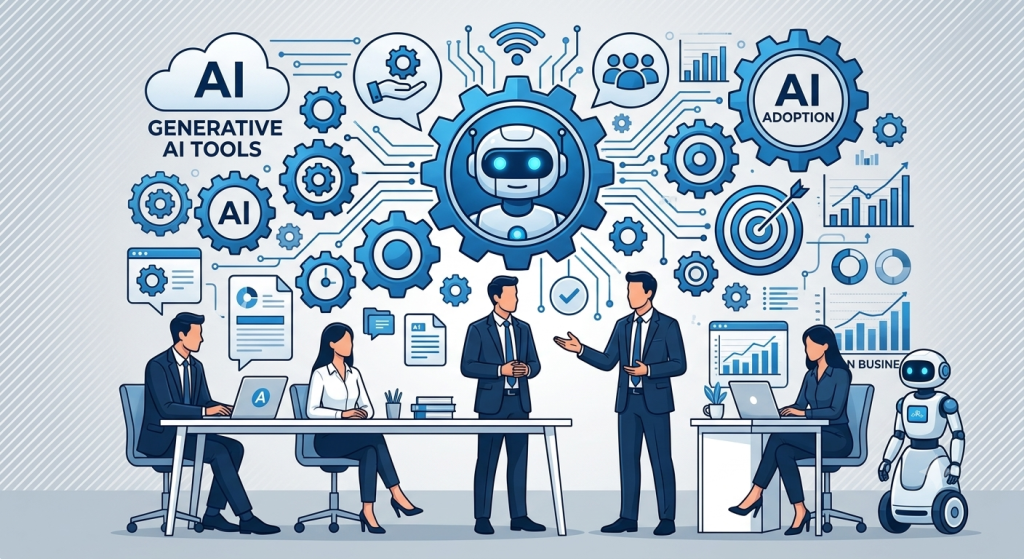

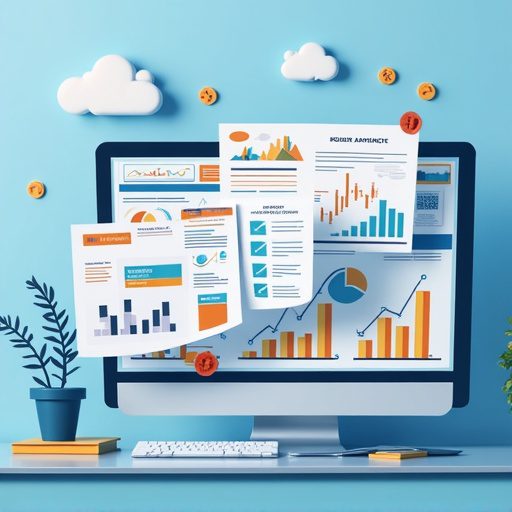
Business team using artificial intelligence tools to improve productivity, automate tasks, and analyze data for better decision-making.
Artificial Intelligence

What Businesses Need to Know About AI

Introduction Businesses today are operating in a world where data is growing faster than teams can manually process it. AI helps bridge that gap by automating repetitive tasks, analyzing large volumes of information, and surfacing patterns that are difficult to spot by hand. This makes AI valuable across departments such as customer service, marketing, operations, finance, and product development. Artificial intelligence is no longer just a tech trend; it is a practical business tool that can improve efficiency, support decision-making, and create new growth opportunities. For most companies, the real question is not whether to use AI, but how to use it responsibly and effectively. One of the biggest reasons businesses are adopting AI is speed. Tasks that once took hours, like sorting customer requests, summarizing reports, or identifying trends, can now be handled much faster with AI-assisted systems. That speed can lead to lower costs, better productivity, and quicker responses to market changes. AI also helps companies make better decisions. Predictive analytics, machine learning, and natural language tools can turn raw data into insights that guide planning and strategy. For example, businesses can use AI to forecast demand, detect unusual patterns, improve customer targeting, or personalize services. At the same time, businesses need to understand that AI is not a magic solution. It works best when people supervise it, review its output, and apply judgment where needed. If a company uses AI without clear policies, it can run into issues involving privacy, security, bias, misinformation, or over-automation. That is why business leaders should think about AI in a balanced way. The companies that benefit most will be the ones that choose the right use cases, train their teams, protect sensitive data, and treat AI as a support system rather than a replacement for human expertise. In practice, this means starting small, measuring results, and building trust as adoption grows. What to know AI can automate repetitive work and save time. AI is most useful when it helps people make faster, better decisions. Human oversight is still essential for accuracy and trust. Data privacy, security, and compliance must be planned from the start. The best AI projects begin with a clear business problem, not just the desire to use AI. Conclusion Businesses need to know that AI can create real value, but only when it is used thoughtfully. The strongest results come from using AI to support people, improve processes, and make data more useful. Companies that invest in training, governance, and the right use cases will be better prepared for the future. In simple terms, AI is not just about technology; it is about building a smarter, more adaptable business. FAQ What is AI in business? AI in business means using artificial intelligence tools to automate tasks, improve operations, analyze data, and support decision-making. Why should businesses care about AI? Businesses should care because AI can reduce costs, improve efficiency, and help teams work with data more effectively. Does AI replace employees? Not usually. AI is best used to support employees by handling repetitive work so people can focus on higher-value tasks. What are the biggest risks of AI for businesses? The main risks include poor data security, privacy issues, biased outputs, over-reliance on automation, and inaccurate results. Where should a business start with AI? Start with one clear problem, such as customer support, reporting, scheduling, or data analysis, and test AI in a controlled way. Is AI only useful for large companies? No, small businesses can also benefit from AI tools for marketing, productivity, customer service, and analysis.

Artificial Intelligence, Business Intelligence

The Rise of AI Employees: Will Digital Workers Become Mainstream?

The Rise of AI Employees: Will Digital Workers Become Mainstream? Artificial Intelligence has already transformed the way businesses operate, from automating repetitive tasks to enhancing customer experiences. However, a new evolution in AI technology is beginning to reshape workplaces on a much larger scale: AI employees. Unlike traditional software tools that assist workers with specific tasks, AI employees are designed to function more like digital coworkers. They can manage workflows, communicate with customers, analyze data, make recommendations, and even execute complex business processes with minimal human intervention. As organizations continue to seek greater efficiency, lower operational costs, and improved productivity, AI employees are rapidly moving from experimental projects to practical business solutions. Technology leaders, startups, and enterprise organizations are investing heavily in AI-powered agents that can perform roles traditionally handled by humans. This shift raises important questions. Will digital workers become a standard part of every organization? How will they impact jobs and workplace dynamics? What benefits and challenges do they bring? Understanding the rise of AI employees provides valuable insight into the future of work and the next phase of digital transformation. Understanding AI Employees The term “AI employee” refers to an artificial intelligence system capable of performing work-related tasks autonomously or semi-autonomously. These systems go beyond simple automation tools because they can understand context, learn from interactions, make decisions, and adapt to changing business requirements. AI employees often leverage advanced technologies such as machine learning, natural language processing, large language models, and workflow automation platforms. They can interact with humans through chat interfaces, email, voice communication, and enterprise software systems. Unlike traditional automation software, AI employees can handle more dynamic responsibilities, including: Responding to customer inquiries Scheduling meetings Managing project workflows Conducting research Generating reports Processing business documents Supporting sales operations Assisting human resources teams Monitoring cybersecurity threats Managing inventory and supply chains The growing capabilities of AI systems are enabling businesses to treat them as active contributors rather than passive tools. Why Businesses Are Adopting AI Employees Organizations face increasing pressure to remain competitive while controlling costs and improving operational efficiency. AI employees offer several advantages that make them attractive to businesses of all sizes. Increased Productivity One of the primary reasons companies adopt AI employees is productivity improvement. Digital workers can operate continuously without breaks, allowing organizations to complete tasks faster and maintain around-the-clock operations. Routine administrative activities that once consumed significant employee time can now be handled automatically, enabling human workers to focus on strategic and creative responsibilities. Cost Efficiency Hiring, training, and retaining employees involves substantial expenses. While AI systems require investment, they can significantly reduce operational costs over time by automating repetitive processes and minimizing manual workloads. For businesses managing large volumes of customer interactions, transactions, or documentation, AI employees can provide substantial financial benefits. Faster Decision-Making AI employees can process vast amounts of data within seconds. This capability enables organizations to make informed decisions more quickly than traditional methods. From analyzing market trends to identifying operational bottlenecks, AI-powered systems can generate insights that help leaders respond to opportunities and challenges in real time. Improved Customer Service Modern consumers expect instant responses and personalized experiences. AI employees can deliver both. Digital customer service agents can answer questions, resolve common issues, and guide customers through processes at any time of day. This enhances customer satisfaction while reducing the workload on support teams. Scalability Human teams often require significant resources to expand operations. AI employees can scale much more efficiently. Whether a company experiences seasonal demand spikes or rapid business growth, AI-powered systems can often adapt without requiring large increases in staffing. The Evolution from Chatbots to Digital Workers Many people associate AI in business with chatbots, but AI employees represent a major advancement beyond traditional conversational systems. Early chatbots followed scripted workflows and could only answer predefined questions. Their capabilities were limited and often frustrating for users. Today’s AI employees can: Understand complex requests Maintain conversational context Access multiple business systems Complete multi-step tasks Generate original content Learn from interactions Collaborate with human employees This evolution has transformed AI from a customer support tool into a versatile workforce solution capable of contributing across entire organizations. Industries Leading the Adoption of AI Employees Several industries are already embracing AI employees and demonstrating how digital workers can create measurable value. Customer Service Customer support remains one of the largest areas for AI adoption. AI employees can manage inquiries, process requests, provide technical assistance, and resolve common issues without human intervention. This reduces response times and improves service availability. Healthcare Healthcare organizations use AI employees to support administrative operations, appointment scheduling, patient communication, and medical documentation. These systems help reduce administrative burdens and allow healthcare professionals to focus more on patient care. Financial Services Banks and financial institutions increasingly rely on AI employees for fraud detection, risk analysis, compliance monitoring, and customer assistance. The ability to analyze large datasets quickly makes AI particularly valuable in the financial sector. Human Resources Recruitment and employee management involve many repetitive tasks that AI employees can handle efficiently. Digital workers assist with resume screening, candidate communication, interview scheduling, onboarding, and employee support. Marketing Marketing teams are leveraging AI employees to create content, analyze campaign performance, conduct audience research, and personalize customer engagement strategies. These capabilities help organizations improve marketing effectiveness while reducing manual effort. Manufacturing Manufacturers use AI employees to monitor equipment performance, optimize production schedules, predict maintenance needs, and improve supply chain operations. The result is greater operational efficiency and reduced downtime. How AI Employees Are Changing Workplace Roles The introduction of AI employees does not necessarily mean the elimination of human workers. Instead, it often changes how work is performed. Employees increasingly spend less time on repetitive administrative tasks and more time on activities that require creativity, critical thinking, emotional intelligence, and strategic planning. Many organizations are adopting a collaborative model where humans and AI employees work together. For example: Sales representatives use AI to analyze customer data. Marketers use AI to generate campaign ideas. Project managers use

Artificial Intelligence, Business Intelligence

AI Agents in the Workplace: From Assistants to Autonomous Decision Makers

AI Agents in the Workplace: From Assistants to Autonomous Decision Makers Artificial Intelligence has already transformed the way businesses operate, but a new generation of AI technology is pushing workplace innovation even further. While most people are familiar with AI assistants that answer questions, schedule meetings, or help draft emails, today’s AI agents are becoming capable of much more. They can analyze information, make decisions, execute tasks, and continuously learn from outcomes with minimal human intervention. The shift from AI assistants to autonomous AI agents represents one of the most significant technological developments of the decade. Organizations across industries are exploring how these intelligent systems can streamline operations, improve customer experiences, and increase efficiency while reducing operational costs. As businesses continue their digital transformation journeys, AI agents are quickly becoming valuable team members rather than just software tools. Understanding how AI agents work, what benefits they offer, and the challenges they present is essential for organizations looking to remain competitive in an increasingly AI-driven world. Understanding AI Agents Traditional AI assistants are designed to respond to user requests. They wait for instructions, process queries, and provide outputs based on predefined interactions. Examples include virtual assistants that answer customer questions, generate content, or help employees find information. AI agents, however, take things a step further. Instead of simply responding to commands, they can independently plan, execute, monitor, and optimize tasks to achieve specific objectives. These systems are goal-oriented and capable of making decisions based on real-time data and changing circumstances. An AI agent typically combines several capabilities: Natural language understanding Data analysis and interpretation Decision-making logic Task execution Continuous learning and adaptation Integration with business systems and applications This combination allows AI agents to function more like digital coworkers than traditional software applications. The Evolution of Workplace AI The journey of workplace AI has evolved through several distinct phases. Initially, businesses used rule-based automation systems to handle repetitive tasks. These systems followed fixed instructions and could not adapt to unexpected situations. The next phase introduced AI-powered assistants capable of understanding human language and providing intelligent responses. These tools improved productivity by helping employees access information more efficiently. Today, AI agents represent the latest stage of this evolution. Rather than simply assisting users, they can independently complete complex workflows that previously required human involvement. This transition is changing how organizations think about productivity, workforce management, and operational efficiency. Businesses are moving from asking, “How can AI help employees?” to asking, “Which tasks can AI complete on its own?” How AI Agents Are Transforming the Workplace AI agents are being deployed across various departments and business functions. Their ability to operate autonomously enables organizations to automate increasingly sophisticated processes. Customer Service and Support Customer service is one of the areas experiencing the greatest impact from AI agents. Traditional chatbots could answer basic questions, but modern AI agents can handle entire customer interactions from start to finish. They can: Understand customer intent Access customer records Resolve issues automatically Process refunds Escalate complex cases when necessary Follow up after resolution This reduces response times while improving customer satisfaction and lowering operational costs. Human Resources HR departments are increasingly using AI agents to manage administrative tasks and improve employee experiences. AI agents can: Screen resumes Schedule interviews Answer employee questions Assist with onboarding Track compliance requirements Generate HR reports By automating routine activities, HR professionals can focus on strategic initiatives such as talent development and employee engagement. Sales and Marketing Sales and marketing teams generate large amounts of data daily. AI agents help transform this data into actionable insights. These systems can: Identify sales opportunities Qualify leads Personalize marketing campaigns Monitor customer behavior Predict purchasing trends Optimize advertising strategies As a result, businesses can improve conversion rates and create more targeted customer experiences. Finance and Accounting Financial operations require accuracy, speed, and compliance. AI agents are becoming valuable assets in managing these responsibilities. Applications include: Invoice processing Expense management Financial forecasting Fraud detection Budget analysis Regulatory compliance monitoring By automating these tasks, organizations reduce errors and improve financial decision-making. IT Operations and Cybersecurity Modern IT environments are highly complex, making them ideal candidates for AI-driven automation. AI agents can: Monitor networks continuously Detect anomalies Respond to security threats Troubleshoot system issues Manage software updates Optimize infrastructure performance This proactive approach helps organizations strengthen security and minimize downtime. The Rise of Autonomous Decision-Making One of the most transformative aspects of AI agents is their growing ability to make decisions independently. Autonomous decision-making does not mean replacing human judgment entirely. Instead, AI agents handle routine and data-intensive decisions while humans maintain oversight of strategic and high-risk choices. For example, an AI agent managing inventory can automatically reorder products when stock levels fall below predefined thresholds. It can analyze sales trends, supplier performance, and seasonal demand to determine the optimal purchasing strategy without requiring constant human intervention. Similarly, in customer service environments, AI agents can decide the best course of action for resolving common issues based on historical outcomes and customer preferences. As AI systems become more sophisticated, their decision-making capabilities will continue expanding across industries. Benefits of AI Agents in the Workplace Organizations adopting AI agents are experiencing a wide range of benefits that extend beyond simple automation. Increased Productivity AI agents work around the clock without breaks, allowing businesses to complete tasks faster and more consistently. Employees spend less time on repetitive work and more time on high-value activities. Improved Accuracy Human errors can lead to costly mistakes, especially in areas such as finance, compliance, and data management. AI agents help reduce errors by following standardized processes and analyzing data systematically. Faster Decision-Making Businesses generate enormous volumes of data every day. AI agents can process this information in real time, enabling quicker and more informed decisions. Cost Reduction Automating routine tasks reduces labor costs and improves operational efficiency. Organizations can achieve more with existing resources while maintaining service quality. Enhanced Customer Experiences Customers increasingly expect instant responses and personalized interactions. AI agents can deliver consistent, high-quality

Artificial Intelligence, Business Intelligence, Digital Transformation, enterprise

Agentic AI: How Autonomous AI Agents Are Changing Business Workflows

Agentic AI: How Autonomous AI Agents Are Changing Business Workflows Artificial Intelligence has rapidly evolved from being a futuristic concept to becoming a critical component of modern business operations. Over the past few years, organizations have adopted AI-powered tools to automate repetitive tasks, improve customer experiences, and enhance decision-making. However, the latest advancement in this technological journey is Agentic AI—a new generation of AI systems capable of acting autonomously, making decisions, and completing complex workflows with minimal human intervention. Unlike traditional AI systems that require continuous prompts and instructions, Agentic AI can independently analyze situations, plan actions, execute tasks, and adapt based on outcomes. This shift represents one of the most significant developments in business technology, offering organizations unprecedented levels of efficiency, productivity, and scalability. As businesses face increasing competition and growing operational complexity, Agentic AI is emerging as a powerful solution capable of transforming how work gets done. From customer service and sales to software development and project management, autonomous AI agents are redefining business workflows across industries. In this article, we’ll explore what Agentic AI is, how it works, its business applications, benefits, challenges, and why it is poised to become a cornerstone of future enterprise operations. Understanding Agentic AI Agentic AI refers to artificial intelligence systems designed to operate as autonomous agents. These agents can perceive their environment, understand goals, create plans, make decisions, and take actions without requiring constant human supervision. Traditional AI tools generally perform specific tasks based on direct user input. For example, a chatbot may answer questions, or an AI image generator may create images based on prompts. Agentic AI goes several steps further. Instead of merely responding to commands, autonomous AI agents can: Understand objectives Break down complex tasks into smaller actions Gather necessary information Make decisions based on available data Execute workflows independently Learn from outcomes and adjust strategies This capability transforms AI from a passive assistant into an active digital worker capable of managing entire business processes. The Evolution from Traditional AI to Agentic AI The development of Agentic AI represents the next stage in the evolution of artificial intelligence. Traditional Automation Early automation systems followed predefined rules. They could execute repetitive tasks but lacked flexibility and intelligence. Examples include: Email automation Data entry automation Scheduled reporting systems Machine Learning Systems Machine learning introduced predictive capabilities. These systems could identify patterns and make recommendations based on data. Examples include: Recommendation engines Fraud detection systems Predictive analytics tools Generative AI Generative AI expanded AI capabilities by creating content such as text, images, code, and videos. Examples include: AI writing assistants Image generation platforms Coding assistants Agentic AI Agentic AI combines reasoning, planning, memory, and action capabilities. Instead of assisting users with individual tasks, autonomous agents can complete entire workflows from start to finish. This progression marks a fundamental shift from AI tools that simply respond to requests toward AI systems that actively pursue objectives. How Agentic AI Works To understand its business value, it’s important to know how Agentic AI functions. 1. Goal Understanding An AI agent begins by understanding the objective provided by the user or organization. For example: “Generate a market research report for the healthcare industry.” The agent interprets the request and identifies the required steps. 2. Planning The system creates a strategic plan to accomplish the objective. This may involve: Researching industry data Gathering competitor information Analyzing trends Creating visual reports Drafting conclusions 3. Execution The AI agent performs tasks independently using available tools and resources. It may: Search databases Access internal documents Analyze spreadsheets Generate reports Send notifications 4. Monitoring Throughout execution, the agent evaluates progress and adjusts actions when necessary. 5. Learning Advanced agents continuously improve performance by learning from previous experiences and outcomes. This combination of reasoning, planning, execution, and adaptation enables Agentic AI to handle increasingly sophisticated business processes. Why Businesses Are Embracing Agentic AI Organizations worldwide are investing heavily in Agentic AI because of its ability to improve operational efficiency while reducing costs. Several factors are driving adoption: Growing Data Volumes Businesses generate enormous amounts of data daily. Human teams often struggle to process and analyze this information efficiently. Agentic AI can monitor, analyze, and extract insights from large datasets in real time. Need for Faster Decision-Making Competitive markets require rapid responses. Autonomous agents can process information and make recommendations significantly faster than traditional workflows. Workforce Productivity Employees spend substantial time on repetitive administrative tasks. AI agents can automate these activities, allowing workers to focus on strategic and creative responsibilities. Cost Optimization Reducing manual effort leads to lower operational expenses while maintaining high levels of productivity. Business Applications of Agentic AI Agentic AI is transforming numerous departments across organizations. Customer Support Customer service is one of the most impactful areas for AI adoption. Autonomous agents can: Handle customer inquiries Resolve common issues Process refunds Escalate complex cases Provide 24/7 support This improves customer satisfaction while reducing support costs. Sales and Lead Generation Sales teams spend considerable time identifying prospects and nurturing leads. AI agents can: Research potential customers Qualify leads Schedule meetings Send follow-up emails Generate sales insights As a result, sales professionals can focus on closing deals rather than administrative work. Marketing Automation Marketing departments can leverage Agentic AI for: Content creation Campaign optimization Audience segmentation Competitor analysis Social media management AI agents continuously monitor performance and make adjustments to improve results. Human Resources HR teams are increasingly using AI agents to streamline recruitment and employee management. Applications include: Resume screening Candidate ranking Interview scheduling Employee onboarding Performance tracking This reduces hiring time and improves recruitment efficiency. Software Development Agentic AI is making a major impact in software engineering. AI agents can: Write code Detect bugs Conduct testing Generate documentation Monitor system performance Development teams benefit from faster release cycles and improved software quality. Finance and Accounting Financial departments use autonomous AI agents for: Invoice processing Expense tracking Financial forecasting Fraud detection Compliance monitoring These capabilities reduce errors and improve financial accuracy. Benefits of Agentic AI for Businesses Increased Productivity

Artificial intelligence network scanning for cyber threats and data protection.
Artificial Intelligence, cybersecurity

The Role of Artificial Intelligence in Cybersecurity

Introduction In a world where cyberattacks are growing more sophisticated by the day, traditional defense systems are no longer enough. Businesses, governments, and individuals face threats ranging from phishing scams to ransomware and identity theft. To combat this, Artificial Intelligence (AI) has emerged as a game-changing weapon in the field of cybersecurity. By combining machine learning (ML), predictive analytics, and automation, AI helps security teams identify, prevent, and respond to attacks — often before they occur. As per IBM’s Cost of a Data Breach Report 2025, organizations using AI-driven cybersecurity tools save an average of $3 million per breach compared to those without it. Clearly, the future of cybersecurity is AI-powered. What Is AI in Cybersecurity? Artificial Intelligence in Cybersecurity involves using algorithms and machine learning models to analyze data, detect anomalies, and automatically respond to threats. Unlike traditional security systems that rely on pre-defined rules, AI systems learn and adapt to new threats dynamically — making them ideal for handling today’s complex digital environments.     Core Functions: Real-time threat detection Automated response and mitigation Behavioral analysis Network monitoring Predictive analytics Why AI Is Essential in Cybersecurity Traditional cybersecurity relies on human experts and static rule-based systems. However, with billions of daily data points and evolving attack patterns, humans alone can’t keep up. AI brings: Speed: Instantly processes large datasets to identify threats. Accuracy: Reduces false positives compared to manual analysis. Scalability: Monitors thousands of endpoints simultaneously. Adaptability: Learns from new data and evolving attacks. AI acts as a force multiplier — enhancing human intelligence rather than replacing it. Key Applications of AI in Cybersecurity 1. Threat Detection and Prediction AI systems analyze historical attack data to predict potential threats. By learning patterns, AI can detect zero-day vulnerabilities that traditional systems might miss. Example: Darktrace uses AI to continuously learn an organization’s network behavior and identify anomalies in real-time. 2. Behavioral Analytics AI monitors user and system behavior to detect suspicious activities such as unauthorized access or data transfers. Example: If an employee’s account suddenly downloads huge amounts of data at odd hours, AI can flag and isolate that activity. 3. Automated Incident Response AI can automate the initial response to threats — such as isolating infected devices or blocking suspicious IP addresses — reducing the time between detection and action. Example: SOAR (Security Orchestration, Automation, and Response) platforms use AI to streamline security workflows. 4. Phishing and Email Security Machine learning models analyze email content, sender patterns, and URLs to detect phishing attacks before they reach users’ inboxes. Example: Google’s Gmail AI blocks over 100 million phishing emails daily using ML filters. 5. Malware Detection AI-powered systems can detect new malware strains by studying code structure and execution patterns — even if the malware hasn’t been seen before. Example: Cylance uses AI models trained on millions of malicious files to predict threats in real-time. 6. Network Security and Monitoring AI helps track massive network traffic volumes, identifying abnormalities that might signal cyberattacks like DDoS (Distributed Denial of Service). Example: AI tools detect unusual spikes in network activity and alert administrators instantly. 7. Fraud Detection Banks and e-commerce companies use AI to analyze user transactions and detect fraudulent behavior. Example: Mastercard’s Decision Intelligence uses AI to evaluate transaction risks within milliseconds.  Advantages of Using AI in Cybersecurity Advantage Impact Speed & Efficiency Real-time threat detection and mitigation Improved Accuracy Fewer false alarms and better prioritization Cost Reduction Reduced operational costs and data breach impact Predictive Capabilities Prevents attacks before they occur 24/7 Monitoring Continuous protection without downtime Adaptive Learning Evolves with emerging cyber threats Challenges and Limitations While AI offers immense potential, it’s not without challenges. 1. Adversarial AI Attacks Hackers use AI to create smarter malware or bypass security systems by mimicking legitimate behavior. 2. High Implementation Costs Building and training AI models require significant investment in infrastructure and expertise. 3. False Positives Poorly trained AI systems may still misclassify safe activities as threats, leading to unnecessary alerts. 4. Data Privacy Concerns AI models need large datasets to train — which sometimes include sensitive user data. 5. Skill Gap The shortage of AI and cybersecurity professionals makes it difficult for many organizations to deploy AI effectively. The Future of AI in Cybersecurity The next era of cybersecurity will be autonomous, predictive, and intelligent. Key Trends to Watch: AI + Blockchain Integration: For tamper-proof data verification. Quantum AI Security: Defending against quantum computing-based attacks. Self-Healing Systems: Networks that can automatically detect, isolate, and repair vulnerabilities. Edge AI: Real-time protection for IoT and edge devices. AI-driven Cyber Threat Intelligence (CTI): Collaborative global databases for predictive defense. By 2030, AI will be the central pillar of all major cybersecurity infrastructures — empowering organizations to respond to threats faster than hackers can act. Real-World Case Studies IBM Watson for Cybersecurity Uses natural language processing and machine learning to analyze millions of security reports, helping security teams make faster decisions. Capital One Implements AI to monitor billions of transactions in real time, protecting customers from credit card fraud and identity theft. Healthcare Networks Hospitals use AI-based security tools to protect sensitive patient records and detect ransomware attacks. Conclusion The rise of Artificial Intelligence has redefined the battle against cybercrime. From predictive threat detection to automated defense mechanisms, AI enables businesses to stay one step ahead of hackers. As digital transformation accelerates, the fusion of AI and cybersecurity will become the cornerstone of trust and resilience in the online world. However, with great power comes responsibility — ensuring AI is used ethically, transparently, and securely will be crucial for a safer digital future. In short, AI is not just defending the digital world — it’s redefining it. FAQs 1. How is AI used in cybersecurity?AI analyzes patterns, detects anomalies, and automates responses to identify and mitigate cyber threats in real time. 2. Can AI prevent cyberattacks completely?AI reduces risks and improves detection, but human oversight remains essential for complex decision-making. 3. What are the main benefits of AI in cybersecurity?Faster detection, improved accuracy,

Restaurent

How Does Grubhub Make Money and Operate?

Introduction Grubhub has emerged as one of the leading platforms in the booming online food delivery market, connecting millions of hungry customers with their favorite local restaurants. With seamless access to menus, easy ordering, and quick delivery, Grubhub has redefined the convenience of dining. But what powers this expansive ecosystem, and more importantly, how does Grubhub make money while keeping operations smooth and efficient? This blog sheds light on the business model and operational framework of Grubhub, detailing its revenue streams, logistics, and technologies that keep this food delivery giant thriving. It also explores the challenges it faces and innovative strategies shaping its future. For complementary insights on AI-driven business transformation and predictive analytics sustaining such platforms, check out TechOTD’s innovative solutions at TechOTD AI Services and the latest trends in their blog section. How Grubhub Makes Money: Revenue Streams Explained Grubhub’s monetization is built around a diversified revenue model suited to its role as a marketplace linking customers, restaurants, and delivery drivers. 1. Commission Fees from Restaurants Restaurants pay Grubhub a commission, which typically ranges from 10% to 30% of each transaction processed on the platform. This fee offsets Grubhub’s costs related to user acquisition, marketing, technology infrastructure, and customer support. 2. Delivery Fees Charged to Customers Customers pay a delivery fee based on distance, demand, and order size. This fee covers driver compensation and delivery logistics. Sometimes, promotions or subscription memberships waive or reduce these fees. 3. Service and Processing Fees Additional service fees applied at checkout include payment processing and platform maintenance costs. These fees can be fixed or percentage-based, transparently disclosed during purchase. 4. Subscription Revenue via Grubhub+ With its subscription service, Grubhub+ members gain benefits such as free delivery and exclusive deals for a monthly fee, providing Grubhub with a steady, recurring revenue stream. 5. Advertising and Promotional Placements Grubhub offers advertising slots and promotional placements to restaurants looking to boost their visibility on the app and website. These marketing tools generate incremental revenue while helping restaurants acquire more customers. How Grubhub Operates: The Logistics Behind the Platform Grubhub connects three critical stakeholders: customers, restaurants, and delivery drivers, optimally coordinating their interactions through advanced technology. 1. Customer Interface Customers use Grubhub’s mobile apps or website to browse local restaurant options, customize orders, pay online, and track deliveries in real time. The platform offers personalized recommendations leveraging machine learning. 2. Restaurant Partnerships Restaurants upload their menus and manage orders through a dedicated portal. Grubhub handles the payment process and customer service inquiries, enabling restaurants to focus on food preparation and quality. 3. Delivery Network Independent contractor drivers, called Grubhub Delivery Experts, receive delivery requests via the app. Intelligent routing algorithms optimize delivery routes, minimizing wait times and enhancing customer satisfaction. The Technology Powering Grubhub Grubhub uses a blend of cutting-edge technologies to stay competitive and efficient. Mobile and Web Apps: Intuitive and fast interfaces for seamless placement and management of orders. Real-time Geospatial Ordering: Live GPS tracking ensures efficient and visible delivery processes. Machine Learning & Predictive Analytics: Personalizes customer experiences and optimizes logistic decisions. Secure Payment Systems: Enable safe, smooth financial transactions backed by fraud detection. For how AI and predictive analytics are transforming business models, see TechOTD’s comprehensive guide: Predictive Analytics Software Development: Features & Benefits. Challenges Faced by Grubhub Operating in the highly competitive and fast-evolving food delivery sphere, Grubhub navigates: Maintaining favorable commission rates while supporting partner restaurants. Managing delivery driver satisfaction and costs amid regulatory pressures. Ensuring on-time, error-free deliveries to meet customer expectations. Competing with other major players like DoorDash and Uber Eats for market share. Innovation and Future Outlook Grubhub is investing strategically in: Growing virtual kitchens and branded food concepts. Leveraging AI for better demand forecasting and customer targeting. Enhancing sustainability practices in logistics. Integrating contactless delivery and new payment methods. Explore more about seamless digital customer experiences enabled by AI: Seamless Customer Journeys with AI. Conclusion Grubhub’s revenue model capitalizes on diverse streams that economically connect restaurants, delivery experts, and consumers. Its technological backbone, combined with an efficient operational framework, supports its position as a leader in food delivery innovation. Navigating challenges while continuously evolving via AI and sustainability initiatives, Grubhub exemplifies the new digital marketplace in the food industry. To understand how businesses in various domains leverage AI and tech for growth, visit TechOTD’s blog and explore their end-to-end technology services: TechOTD Services. FAQs Q1: What are the main revenue streams for Grubhub? Grubhub makes money through restaurant commissions, delivery fees, service fees, subscriptions, and advertising. Q2: Who delivers food for Grubhub? Independent contractors, called Grubhub Delivery Experts, carry out deliveries coordinated by the platform’s algorithms. Q3: Does Grubhub offer any subscription plans? Yes, Grubhub+ offers customers perks like free deliveries for a monthly fee. Q4: How does Grubhub use AI? AI personalizes customer recommendations, optimizes driver routing, and predicts order demand. Q5: What challenges does Grubhub face? Maintaining competitive commissions, managing drivers, ensuring timely deliveries, and competing in a crowded market.

data science

Top 7 Myths About Predictive Analytics That Are Holding Businesses Back

Introduction Predictive analytics has emerged as a transformative technology for businesses across industries today. Leveraging data, algorithms, and machine learning, predictive analytics helps organizations forecast trends, optimize operations, reduce risk, and deliver personalized experiences. However, despite its proven benefits, many business leaders and decision-makers hesitate to fully embrace predictive analytics due to prevalent myths and misconceptions. These myths introduce fear, uncertainty, and resistance that hold businesses back from unlocking the full potential of their data and AI investments. Understanding and debunking these misconceptions is essential to harness predictive analytics genuinely. This extensive blog will cover the top 7 myths about predictive analytics that stall business growth, explain why they are false, and provide actionable insights to overcome them. By demystifying these barriers, businesses can accelerate innovation, improve ROI, and stay competitive in an AI-driven world. Myth 1: Predictive Analytics Requires Massive Data Sets to Be Effective A common myth is that predictive analytics only works if an organization has an enormous volume of data. Many companies, especially small and medium businesses, assume they cannot benefit from predictive models because they do not operate at “big data” scale. Why This Myth is False Predictive analytics models can work effectively even on small to medium-sized, high-quality data sets. Advanced techniques like transfer learning and synthetic data generation help create accurate models with less data. Data preprocessing, feature engineering, and domain expertise significantly influence model performance more than raw data volume. Tools and platforms today (including those with backend support from providers like TechOTD AI solutions) enable democratized access to predictive analytics for businesses of all sizes. Overcoming the Myth Focus on data quality, relevance, and proper feature selection rather than merely increasing quantity. Start small with pilot projects and scale as you validate results. Myth 2: Predictive Analytics Replaces Human Decision-Making Many fear that predictive models will diminish the role or importance of human judgment in business decisions. This myth creates resistance, especially among executives and operational teams. Why This Myth is False Predictive analytics is a decision-support tool designed to augment human intuition, not replace it. Models provide data-driven insights and risk assessments, but final decisions require human oversight considering context and ethics. Collaborative intelligence combining AI and human expertise leads to better accuracy, accountability, and trust. Case studies from industries like finance and healthcare, detailed in this article on LLM applications in finance, show human-in-the-loop systems outperform fully automated decisions. Embrace the Tool Use predictive analytics to enhance decision speed and quality but maintain transparent human review for critical judgments. Myth 3: Predictive Analytics Is Too Expensive and Complex for Most Businesses Another misconception is that predictive analytics implementation demands prohibitively high costs, complex infrastructure, and specialized AI talent—making it inaccessible to all but the largest enterprises. Why This Myth is False The rise of cloud-based AI platforms, APIs, and pre-built models has drastically reduced the cost and complexity barriers. Businesses can leverage low-code and no-code predictive analytics solutions that require minimal technical expertise. Cloud providers like AWS, Azure, and Google Cloud enable pay-as-you-go services to optimize investments. Consulting experts, such as those offered by TechOTD’s AI consulting and development, help companies plan feasible roadmaps tailored for budgets and scale. Open-source tools and online communities foster skills development and shared resources. Making it Cost-Effective Start with targeted use cases offering clear ROI, then expand capabilities over time. Adopt incremental build-test-learn cycles. Myth 4: Predictive Analytics Can Guarantee 100% Accurate Predictions Some organizations expect predictive analytics to replace uncertainty with certainty, promising flawless forecasts. This unrealistic expectation leads to disappointment and mistrust when models inevitably have errors. Why This Myth is False Predictions are probabilistic, not deterministic. Models provide likelihoods and risk assessments, not certainties. Accuracy depends on data quality, model choice, and constantly updated inputs. The business value often lies in improved risk management and informed decision-making, not perfect outcomes. Prediction intervals, confidence scores, and scenario simulations reflect inherent uncertainty effectively. Real-world cases reviewed in predictive analytics software development guide underline setting practical expectations. Manage Expectations Educate teams on probabilities and uncertainties, and use models as one input among many to support decisions. Myth 5: Predictive Analytics Is Only for Large Enterprises and Specific Industries A common belief is that only large companies or specific sectors like finance or retail gain benefits from predictive analytics. Why This Myth is False Predictive analytics benefits businesses of every size and sector, including healthcare, education, manufacturing, and beyond. Use cases include demand forecasting, customer churn prediction, equipment maintenance, fraud detection, and personalized marketing. SMEs readily adopt predictive tools to optimize supply chain, improve customer experience, and reduce operational costs. Resources such as TechOTD’s blog industry insights showcase diverse industry use cases. Explore Your Industry Use Cases Identify pain points where predictive analytics applies to your context and explore affordable tools. Myth 6: Predictive Analytics Tools Are Plug-and-Play – No Expertise Needed There is a misconception that predictive analytics tools are simple plug-and-play solutions that instantly generate valuable insights without domain knowledge or expertise. Why This Myth is False While tools increasingly automate workflows, building reliable models requires domain expertise, data science skills, and continuous refinement. Understanding business context, data nuances, and model limitations is critical. Collaborative teams of business analysts, data scientists, and IT specialists ensure relevant and ethical application. Partnership with experienced solution providers like TechOTD’s custom AI model development guarantees expertise-backed deployments. Invest in Skills and Process Develop in-house capabilities or engage trusted experts to translate analytics outputs into strategic business actions. Myth 7: Predictive Analytics Does Not Need Continuous Monitoring or Updating Some businesses deploy predictive models once and expect them to work indefinitely without ongoing maintenance or improvement efforts. Why This Myth is False Predictive models degrade over time as data patterns, customer behavior, and external factors evolve. Continuous monitoring, retraining, and validation ensure models stay accurate and relevant. Dynamic updating supports adaptation to new market conditions, regulations, or operational changes. Robust governance frameworks covering data privacy, compliance, and ethical AI maintain trust and legal adherence (see AI ethical considerations). Ongoing support services, such as those offered by TechOTD, cover continuous improvement and risk mitigation. Plan for Lifecycle Management Integrate monitoring and governance into predictive analytics strategy from the start for sustainable

A suitable alt text for a feature image comparing Business Intelligence and Business Analytics could be: "Illustration highlighting the difference between Business Intelligence, focused on reporting and historical data analysis, and Business Analytics, emphasizing predictive modeling and future trend forecasting
Business Analytics

Business Intelligence vs Business Analytics

  Introduction In the digital age, data is often referred to as the “new oil.” Organizations generate massive amounts of information every second—from customer interactions and financial transactions to supply chain processes and social media engagements. Harnessing this data is no longer optional; it is a necessity for survival and growth. Two of the most powerful approaches to data-driven decision-making are Business Intelligence (BI) and Business Analytics (BA). While both aim to improve decision-making, they differ in purpose, methodology, and outcomes. Data Analytics in Banking: Transforming Finance in 2025 This blog explores the differences between Business Intelligence and Business Analytics, compares their strengths, highlights use-cases across industries, and helps you decide which approach—or combination—is the best fit for your organization. What is Business Intelligence (BI)? Business Intelligence refers to a set of processes, architectures, and technologies that transform raw data into meaningful insights. It is largely descriptive in nature, focusing on understanding what has happened and what is happening now. BI enables organizations to track KPIs, visualize performance, and monitor trends in real time. Instead of predicting the future, BI provides visibility into the present and past to improve operational efficiency. Key Features of Business Intelligence Data Warehousing & ETL (Extract, Transform, Load) → Ensures accurate, cleansed, and integrated data. Real-time dashboards → Easy-to-understand visualizations for quick insights. Standardized reporting → Ensures consistent reporting across departments. KPI monitoring → Tracks revenue, sales performance, employee productivity, etc. Alerts & anomaly detection → Flags unusual changes in data trends.  Example: Retailers use BI dashboards to monitor daily sales, store performance, and inventory levels in real time. What is Business Analytics (BA)? Business Analytics goes a step beyond BI. Instead of just describing “what happened,” BA seeks to answer why it happened and what might happen in the future. It relies on advanced techniques like statistical modeling, predictive analytics, machine learning, and AI. Business Analytics is diagnostic, predictive, and prescriptive, helping organizations make strategic and tactical decisions. Key Features of Business Analytics Predictive Analytics & Forecasting → Estimate sales trends, demand, or customer churn. Data Mining & Pattern Recognition → Discover hidden trends in customer behavior. Machine Learning & AI Integration → Automate decision-making through intelligent systems. What-if Scenario Analysis → Simulate multiple strategies before implementation. Root Cause Analysis → Understand the “why” behind business challenges.  Example: Banks use BA models to detect fraudulent transactions and predict loan defaults. Business Intelligence vs Business Analytics: Side-by-Side Comparison Aspect Business Intelligence (BI) Business Analytics (BA) Focus Descriptive (What happened?) Predictive & Prescriptive (Why & What Next?) Data Historical & current operational data Historical, current, and external datasets Questions Addressed “What is happening?” “Why is it happening? What will happen?” Tools Dashboards, Data Warehouses, Reporting Tools Statistical Models, ML Frameworks, AI Platforms Users Business users, Managers, Analysts Data Scientists, Advanced Analysts Purpose Monitoring & Reporting Forecasting, Optimization & Strategy When to Choose Business Intelligence Choose BI if: You need real-time operational visibility. You want standardized reports and KPIs for decision-making. Your goal is to improve daily operations and efficiency. You need user-friendly dashboards accessible by all employees. Example: A logistics company monitoring daily shipment tracking. When to Choose Business Analytics Choose BA if: You need predictive insights into market trends and customer behavior. You want to simulate business scenarios before investing resources. You are ready to invest in data science talent and advanced tools. You aim for long-term strategy and competitive advantage.  Example: An eCommerce business predicting which products will trend next season. Industry Applications of BI and BA  Retail → BI for sales dashboards, BA for demand forecasting. Healthcare → BI for patient records monitoring, BA for predicting disease outbreaks. Finance → BI for compliance reports, BA for fraud detection. Manufacturing → BI for production tracking, BA for predictive maintenance. E-Commerce → BI for order fulfillment tracking, BA for personalized recommendations. Challenges in BI and BA Implementation  Data Silos: Information scattered across departments. High Costs: Investment in infrastructure, talent, and tools. Change Management: Employees may resist adopting new systems. Data Privacy & Compliance: GDPR, HIPAA, etc. Skill Gaps: BI requires analysts; BA requires data scientists. Future Trends in BI and BA  AI-Driven Automation → BI dashboards enhanced with automated recommendations. Natural Language Processing (NLP) → Ask data questions in plain English. Cloud BI/BA → Cost-effective, scalable solutions. Blockchain in Analytics → Data authenticity and secure sharing. Embedded Analytics → Integrating BI/BA directly into business apps (CRM, ERP). ROI Analysis: BI vs BA BI ROI → Immediate efficiency gains, reduced reporting time, faster decisions. BA ROI → Long-term revenue growth, reduced risks, improved strategic planning. How TechOTD Supports BI & BA Needs BI Solutions: Data warehousing, dashboards, KPI tracking. BA Solutions: Predictive analytics, ML models, AI integration. Cloud Infrastructure: Secure, scalable, and cost-effective. Industry Expertise: eCommerce, finance, healthcare, and more. Conclusion  The choice between Business Intelligence and Business Analytics depends on your organization’s maturity, goals, and resources. If your focus is operational reporting and monitoring, BI is the way to go. If you want to predict future outcomes and drive innovation, BA is essential. The most successful organizations combine both BI and BA to build a full-fledged data-driven culture. Partnering with an expert like TechOTD ensures you have the right mix of strategy, technology, and execution. Ready to take your business forward? Connect with TechOTD today to implement a tailored BI & BA solution for competitive advantage. FAQ Q1. Can a company use both BI and BA?Yes. BI ensures operational efficiency while BA drives strategic foresight. Together they provide a 360° view. Q2. Do small businesses also need BI/BA?Absolutely. Even startups benefit from simple BI dashboards or predictive sales analytics. Q3. What skills are needed for BA?Statistical analysis, programming (Python/R), data visualization, and ML frameworks. Q4. How long does BI or BA implementation take?3–12 months depending on scale, data quality, and tools used. Q5. What are the most popular BI tools?Power BI, Tableau, QlikView, Looker. Q6. What are the most popular BA tools?R, Python, SAS, Apache Spark, TensorFlow. Q7. How secure is data in BI

Scroll to Top