
AI-blockchain

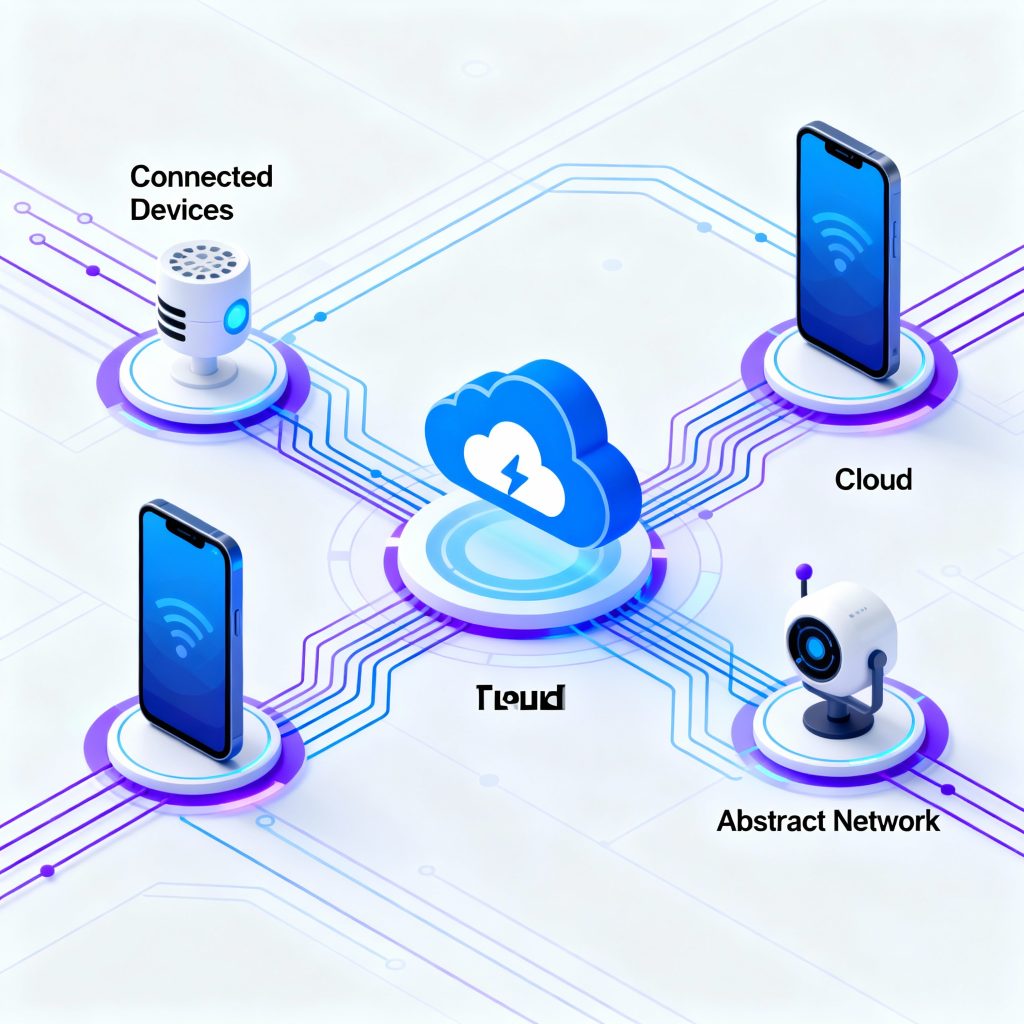
Digital transformation concept with business technology, AI data flow, and cloud computing network.
Uncategorized

Digital Transformation in 2025: How Technology Is Redefining Business and Innovation

Introduction The world is changing — and it’s happening at digital speed. Digital transformation has evolved from being a buzzword to a fundamental necessity for every business. It’s not just about adopting new technologies but about reimagining how organizations operate, deliver value, and connect with customers. In 2025, companies that embrace digital transformation are leading markets, while those that resist it risk falling behind. From cloud computing to AI-driven automation, digital innovation is redefining the global economy. What Is Digital Transformation? Digital transformation is the integration of digital technologies into all areas of business, changing how companies operate and deliver value. It involves adopting new tools, automating processes, and building a culture that embraces continuous innovation. Key aspects include: Technology Adoption: Using AI, cloud, and analytics. Process Optimization: Automating workflows and operations. Cultural Change: Encouraging adaptability and innovation. Core Technologies Powering Digital Transformation Artificial Intelligence (AI): Enables automation, predictions, and personalization. Cloud Computing: Offers scalability and remote accessibility. Internet of Things (IoT): Connects devices for real-time data exchange. Big Data Analytics: Transforms raw data into actionable insights. Blockchain: Adds transparency and security to transactions. 5G Networks: Enables faster, more reliable digital experiences. Benefits of Digital Transformation Speed & Agility: Faster decision-making and innovation. Customer Satisfaction: Real-time personalization and engagement. Cost Efficiency: Automation reduces operational expenses. Business Continuity: Cloud services ensure resilience and scalability. Sustainability: Digital solutions minimize resource waste and paper usage. Challenges in Digital Transformation While transformation offers benefits, it also brings challenges: Cybersecurity Risks: Increased digital exposure demands stronger protection. Legacy Systems: Outdated technology slows innovation. Cultural Resistance: Employees may fear change or automation. High Initial Costs: Digital tools require upfront investment. The Future of Digital Transformation The next phase of transformation focuses on AI-first ecosystems, automation, and sustainability. Hyper-Automation: Everything that can be automated will be. Green IT: Businesses are adopting eco-friendly digital solutions. AI-Driven Decision Making: Predictive insights guide leadership. Metaverse Integration: Blending digital and physical experiences. Conclusion Digital transformation is not just a technological upgrade — it’s a mindset shift. In 2025, success depends on how quickly businesses adapt to change, leverage data, and deliver value through innovation. As AI, cloud computing, and automation continue to evolve, one thing is clear: “Digital transformation is the bridge between today’s challenges and tomorrow’s possibilities.” FAQ Section Q1. What is digital transformation in simple terms?It’s the process of using technology to improve how businesses operate and serve customers. Q2. Which technologies drive digital transformation?AI, cloud computing, IoT, big data, and automation. Q3. Why is digital transformation important?It enhances efficiency, innovation, and customer satisfaction while reducing costs. Q4. What are common challenges?Cybersecurity, cost, and cultural resistance to change. Q5. Is digital transformation only for big companies?No — small and medium businesses also benefit from automation and cloud tools.
Artificial Intelligence

The Future Is Now: 7 Emerging AI Trends You Shouldn’t Overlook

Introduction Artificial Intelligence is moving at lightning speed, redefining the way we live, work, and innovate. As we navigate through 2025 and beyond, keeping up with emerging AI trends is crucial for businesses, students, and tech enthusiasts alike.   These trends are shaping the future of everything from customer service and healthcare to creative industries and global security. If you want to harness cutting-edge AI for your business, check out the resources and services at TechOTD, learn more about their AI solutions, explore their industry expertise, and view the company’s story and partnerships. 1. Explainable AI (XAI) AI systems are increasingly complex, prompting a demand for transparency in how decisions are made. Explainable AI ensures that machine learning models provide clear, auditable reasoning behind their outputs. This is particularly critical in finance, healthcare, and regulated industries, fostering trust among users and stakeholders. 2. Multimodal AI Gone are the days when AI could only analyze one type of data. Multimodal AI systems now process diverse data sources—like text, images, video, and audio—simultaneously. This enables smarter assistants, highly interactive customer interfaces, and more natural human-computer interactions. 3. Edge AI Instead of processing all data in distant data centers, Edge AI moves intelligence closer to where data is generated—such as smartphones, cameras, or IoT devices. This drastically reduces latency, enhances privacy, and enables real-time decision-making for applications like manufacturing automation and wearable health analytics. 4. AI Democratization Low-code and no-code AI platforms empower non-technical users to create and deploy powerful AI systems. This democratization accelerates business innovation, promotes accessibility, and shrinks the gap between ideas and execution—especially for startups and SMBs. 5. Generative AI AI is no longer just for analyzing data—it now creates. Generative AI models (like ChatGPT and DALL-E) can produce content, design products, write code, and generate simulations, revolutionizing creative industries, marketing, gaming, and education. 6. AI-Blockchain Convergence The synergy of blockchain and AI unlocks robust, decentralized, and secure data sharing. In sensitive sectors like healthcare and finance, this convergence brings new trust mechanisms, improved security, and transparent record-keeping for data-driven services. 7. Agentic & Autonomous AI The rise of Agentic AI means intelligent systems can now reason, plan, and execute tasks autonomously. Imagine digital employees handling workflows, diagnostics, or complex customer support—freeing humans for more strategic initiatives. Conclusion The AI landscape is evolving faster than ever, and these 7 emerging trends are paving the way for the next wave of digital transformation. Whether you’re a business leader, developer, or tech enthusiast, now is the time to embrace these advances—or risk falling behind. To stay ahead and unlock AI-driven innovation, connect with the experts at TechOTD and explore collaboration, industry solutions, and partnership opportunities. FAQ 1. What is Explainable AI, and why is it important? Explainable AI provides clear, human-readable explanations for AI decisions, which is crucial for trust, especially in highly regulated industries. 2. How does Edge AI affect user privacy? Edge AI processes data locally, reducing exposure and boosting privacy by keeping sensitive information on the device. 3. Will Generative AI replace human creativity? No—it enhances creativity by allowing humans to prototype, iterate, and explore ideas more quickly. 4. Can non-programmers leverage AI in their business? Absolutely! With no-code and low-code AI tools, anyone can build and deploy AI-powered solutions. 5. How does TechOTD help organizations adopt new AI trends? TechOTD offers AI strategy consulting, development, and industry-focused implementation—learn more at their AI services page.

How would you like me to respond?

Select a personality for your AI assistant

Normal
Happy
Sad
Angry

Your selection will affect how the AI assistant responds to your messages

Chat Assistant

Let's discuss your project!

Hear from our clients and why 3000+ businesses trust TechOTD

Tell us what you need, and we'll get back with a cost and timeline estimate

Scroll to Top