
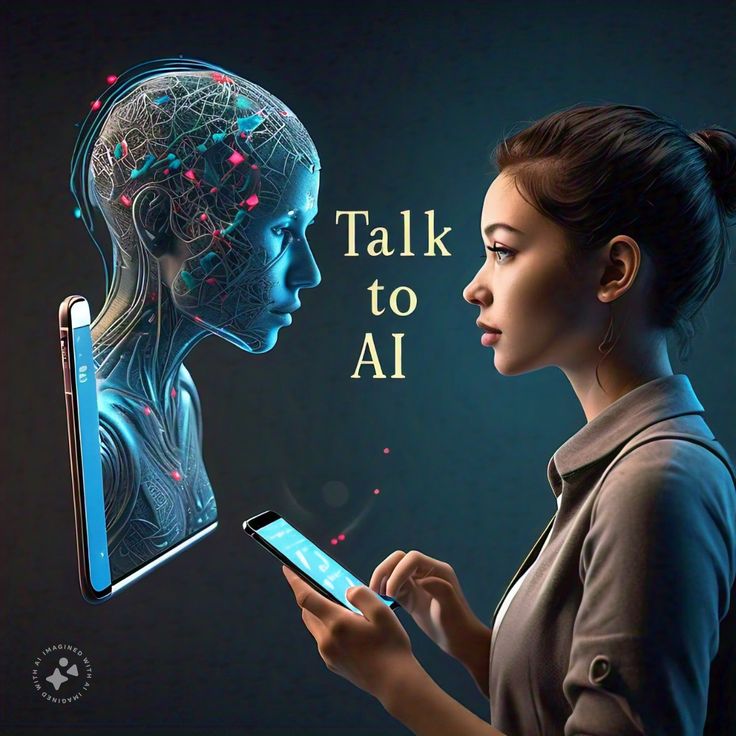
The Rise of Personal AI Assistants: Beyond Chatbots
The Rise of Personal AI Assistants: Beyond Chatbots Artificial Intelligence has rapidly evolved over the last few years, moving far beyond simple chatbots that could only answer basic questions or follow scripted commands. In 2026, personal AI assistants are becoming smarter, more personalized, and significantly more capable than ever before. They are no longer limited to responding to text prompts; instead, they are transforming into intelligent digital companions that can understand user preferences, manage tasks, automate workflows, and even make recommendations based on individual needs. From helping professionals manage their schedules to assisting students with learning and supporting businesses with daily operations, personal AI assistants are becoming an integral part of modern life. As advancements in machine learning, natural language processing, and generative AI continue to accelerate, these assistants are reshaping the way people interact with technology. Understanding the Evolution of AI Assistants The first generation of AI assistants focused primarily on basic voice commands and simple information retrieval. Users could ask for weather updates, set reminders, or search the internet. While these features were useful, the assistants often struggled with context, personalization, and complex requests. Today’s AI assistants are vastly different. They can understand conversations, remember preferences, learn from user interactions, and provide more meaningful responses. Modern AI systems are capable of handling multiple tasks simultaneously, analyzing data, generating content, and assisting with decision-making. This evolution has transformed AI assistants from reactive tools into proactive digital partners that can anticipate user needs and provide relevant support before being asked. What Makes Modern AI Assistants Different? The biggest difference between traditional chatbots and modern AI assistants is personalization. Instead of treating every interaction as a separate conversation, advanced AI assistants build contextual understanding over time. They can remember preferred writing styles, frequently used applications, work schedules, and personal interests. This enables them to deliver responses and recommendations that feel more relevant and tailored to individual users. For example, an AI assistant helping a marketing professional might automatically suggest content ideas based on industry trends, schedule social media posts, and summarize important emails. Meanwhile, a student using the same assistant may receive personalized study plans, learning resources, and exam preparation support. The ability to adapt to individual needs is making AI assistants significantly more valuable across different use cases. The Shift from Chat to Action One of the most important developments in personal AI technology is the transition from conversation-based assistance to action-based assistance. Modern AI assistants are increasingly capable of performing tasks instead of merely providing instructions. Rather than explaining how to complete a process, they can often execute portions of the workflow directly. Examples include: Scheduling meetings automatically Managing emails Organizing files and documents Generating reports Creating presentations Drafting content Tracking project deadlines Managing customer interactions This shift allows users to focus on higher-value work while routine tasks are handled by AI systems. As integration with software platforms continues to improve, AI assistants are becoming capable of interacting with multiple applications simultaneously, creating seamless digital workflows. Personalized Productivity and Time Management Productivity is one of the areas where personal AI assistants are creating the greatest impact. Modern professionals often deal with information overload, endless notifications, and growing workloads. AI assistants help reduce this burden by organizing information and prioritizing tasks. Instead of manually reviewing hundreds of emails, users can receive AI-generated summaries highlighting only the most important messages. Meeting transcripts can be automatically generated and converted into actionable tasks. Calendar management can be optimized based on priorities and availability. These capabilities allow individuals to spend less time managing work and more time focusing on meaningful activities. As AI becomes more context-aware, productivity assistance will become increasingly proactive, helping users identify opportunities, risks, and deadlines before they become problems. AI Assistants in Education Education is another sector experiencing significant transformation through personal AI assistants. Students can now access personalized tutoring experiences that adapt to their learning pace and knowledge level. AI assistants can explain difficult concepts, generate practice questions, create study schedules, and provide instant feedback. Unlike traditional learning resources, AI-powered educational tools can adjust their teaching methods based on student performance. If a learner struggles with a specific topic, the assistant can provide additional explanations and targeted exercises. Teachers are also benefiting from AI technology. Administrative tasks such as grading, lesson planning, and content creation can be streamlined, allowing educators to spend more time supporting students. As educational AI systems continue to improve, personalized learning experiences are expected to become more accessible worldwide. The Role of AI Assistants in Business Businesses are increasingly deploying AI assistants to improve efficiency and reduce operational costs. Customer support teams use AI assistants to handle routine inquiries, allowing human agents to focus on more complex issues. Sales teams leverage AI to analyze customer behavior, generate leads, and personalize communication. Project managers benefit from AI-generated status reports, automated documentation, and workflow tracking. Human resources departments use AI assistants for recruitment support, employee onboarding, and internal communication. The growing ability of AI systems to interact with enterprise software platforms is enabling organizations to automate processes that previously required significant human effort. As a result, businesses can improve productivity while maintaining a high level of service quality. The Emergence of AI Agents A major trend driving the future of personal AI assistants is the rise of AI agents. Unlike traditional assistants that respond only when prompted, AI agents can independently perform tasks, monitor objectives, and take action within defined boundaries. For example, an AI agent might: Monitor market trends Track project progress Analyze customer feedback Generate reports automatically Schedule follow-up actions Coordinate multiple software tools These capabilities represent a significant step toward autonomous digital assistants capable of managing entire workflows. While human oversight remains essential, AI agents are increasingly functioning as virtual team members rather than simple software tools. Privacy and Data Security Challenges As AI assistants become more personalized, concerns regarding privacy and data security are becoming increasingly important. Personalized experiences require access to user information, including schedules, preferences, communication history, and behavioral patterns.