

AI trends

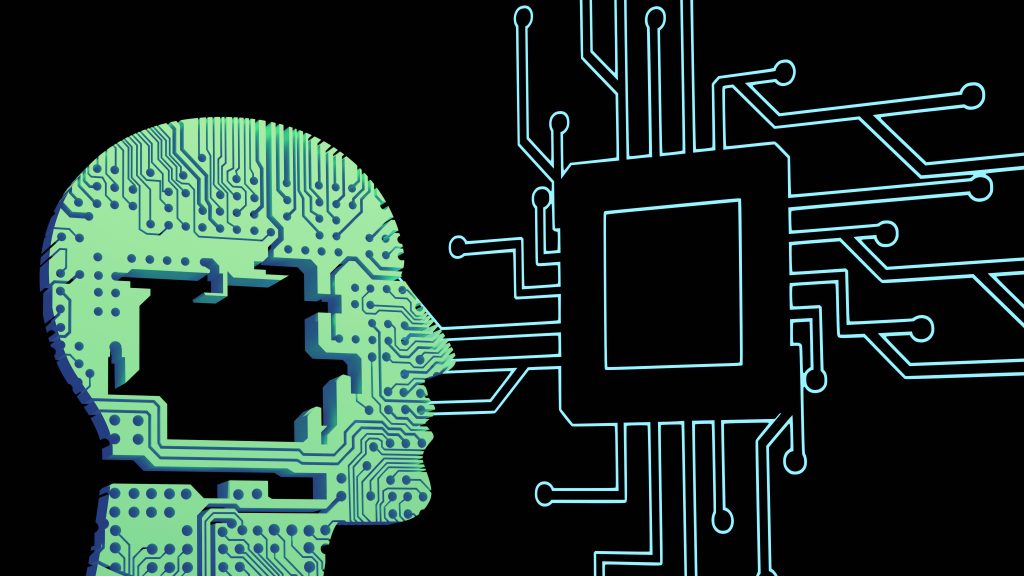
Abstract visualization of artificial intelligence and machine learning networks.
Artificial Intelligence, machine learning

Artificial Intelligence and Machine Learning in Everyday Life

Introduction Artificial Intelligence (AI) and Machine Learning (ML) are no longer futuristic concepts — they’re part of our daily reality. Whether it’s unlocking your phone with facial recognition, getting directions from Google Maps, or streaming personalized shows on Netflix, AI and ML are silently working behind the scenes. These technologies have become the backbone of modern innovation, revolutionizing industries, improving decision-making, and enhancing user experiences everywhere. In this article, we’ll explore how AI and ML are reshaping the way we live, work, and interact with technology. Understanding AI and ML Artificial Intelligence (AI) AI refers to the simulation of human intelligence in machines. It enables computers to perform tasks like thinking, learning, problem-solving, and decision-making. Machine Learning (ML) ML is a subset of AI that allows systems to learn from data and improve automatically without being explicitly programmed. In simple words:AI = The brain that makes decisions.ML = The process that helps the brain learn from experience. How AI and ML Work Together AI uses algorithms and models developed through ML to process vast amounts of data and identify patterns. The more data they process, the smarter they become. For instance, when you shop online and see product recommendations, that’s ML analyzing your behavior, and AI deciding what to show you next. AI and ML in Everyday Life Here are some real-world examples of how these technologies impact our daily routines: 1. Smartphones and Personal Assistants Voice assistants like Siri, Google Assistant, and Alexa use AI for voice recognition, natural language processing (NLP), and smart decision-making. AI helps understand your voice commands. ML learns your preferences over time. Combined, they make your device more intuitive and efficient. Example: Predictive text suggestions, camera scene detection, and smart replies in messaging apps. Social Media Platforms AI powers everything from your feed recommendations to face tagging. Facebook/Instagram: Recognize faces in photos using ML models. Twitter/X: Filters spam and offensive content automatically. TikTok/YouTube: Recommend videos based on user behavior patterns. AI learns what you enjoy, keeping your feed relevant and engaging. Healthcare and Medicine AI is saving lives by improving diagnostics and personalizing treatments. Early Disease Detection: ML models detect cancer or heart disease earlier than humans. Drug Discovery: AI accelerates the process of finding new medicines. Virtual Nurses: Chatbots assist patients with reminders and consultations. Example: IBM Watson assists doctors by analyzing patient data for accurate diagnoses. 4. Transportation and Navigation From Google Maps to self-driving cars, AI and ML make transportation smarter. Navigation apps use ML to analyze traffic patterns and suggest the fastest routes. Autonomous vehicles like Tesla’s Autopilot use sensors and AI to drive safely. Impact: Reduced traffic congestion, fewer accidents, and improved travel efficiency. 5. Banking and Finance AI enhances fraud detection, risk management, and personalized banking. Detects unusual transactions in real time. Analyzes spending behavior to prevent fraud. Provides AI-based financial advice and budgeting tools. Example: Chatbots like HDFC’s “EVA” or SBI’s “SIA” answer customer queries instantly. 6. Education and E-Learning AI personalizes learning for students based on strengths and weaknesses. Adaptive learning platforms adjust content difficulty automatically. Virtual tutors provide 24/7 assistance. ML helps educators predict student performance. Example: Duolingo uses ML to personalize language lessons for every learner. 7. Entertainment and Streaming Platforms AI decides what you watch next! Netflix, Spotify, and YouTube use ML algorithms to study your history and recommend similar content. AI improves sound and video quality using enhancement algorithms. Example: Netflix’s recommendation engine reportedly saves the company over $1 billion per year by retaining users through personalized suggestions. 8. Smart Homes and IoT Devices AI-powered home devices such as Nest Thermostats, Smart Lights, and Security Cameras learn your habits to optimize comfort and energy use. Adjusts lighting and temperature automatically. Detects intrusions using ML-based image recognition. Saves energy with predictive scheduling. 9. Customer Service Chatbots Businesses now use AI chatbots to handle thousands of customer queries efficiently. Provides 24/7 instant support. Understands natural language queries. Reduces wait time and operational costs. Example: ChatGPT-powered bots are now integrated into customer service systems globally. 10. Retail and E-Commerce AI and ML personalize your shopping journey. Product recommendations Dynamic pricing (adjusts prices based on demand) Predictive inventory management Example: Amazon’s “Just Walk Out” technology uses AI to automatically bill customers as they leave the store. Behind the Scenes: Technologies That Power AI and ML Technology Function Neural Networks Mimic the human brain to identify complex patterns. Natural Language Processing (NLP) Enables machines to understand human speech/text. Deep Learning Learns from massive data sets with minimal human supervision. Computer Vision Allows systems to interpret visual data (images, videos). Reinforcement Learning Systems learn by trial and error through rewards and penalties. These technologies together enable machines to see, understand, and respond intelligently — shaping our digital world. Advantages and Challenges of AI in Daily Life Advantages Saves time and increases efficiency Reduces human error Enables predictive analytics Improves personalization and user experience Enhances safety and convenience Challenges Data privacy concerns Job automation and workforce displacement Algorithmic bias High implementation cost for small businesses The Future of AI and ML The next decade will witness AI becoming even more integrated into our personal and professional lives. Future Trends: AI-powered healthcare diagnostics Fully autonomous transportation systems Emotion-recognizing AI for human-machine interaction AI-driven education personalization Smarter robotics for home and industry AI is moving from automation to augmentation — not replacing humans, but empowering them to achieve more. Conclusion AI and ML have become invisible assistants guiding our daily decisions — what we buy, how we travel, what we learn, and even how we stay healthy. Their true magic lies not in replacing humans, but in enhancing human potential — making life smarter, faster, and more connected than ever before. The era of intelligent machines has begun — and it’s already in your pocket. FAQs 1. What is the difference between AI and ML?AI is the broader concept of intelligent machines; ML is a subset that allows machines to learn from data. 2. How is AI used in daily

Artificial intelligence network scanning for cyber threats and data protection.
Artificial Intelligence, cybersecurity

The Role of Artificial Intelligence in Cybersecurity

Introduction In a world where cyberattacks are growing more sophisticated by the day, traditional defense systems are no longer enough. Businesses, governments, and individuals face threats ranging from phishing scams to ransomware and identity theft. To combat this, Artificial Intelligence (AI) has emerged as a game-changing weapon in the field of cybersecurity. By combining machine learning (ML), predictive analytics, and automation, AI helps security teams identify, prevent, and respond to attacks — often before they occur. As per IBM’s Cost of a Data Breach Report 2025, organizations using AI-driven cybersecurity tools save an average of $3 million per breach compared to those without it. Clearly, the future of cybersecurity is AI-powered. What Is AI in Cybersecurity? Artificial Intelligence in Cybersecurity involves using algorithms and machine learning models to analyze data, detect anomalies, and automatically respond to threats. Unlike traditional security systems that rely on pre-defined rules, AI systems learn and adapt to new threats dynamically — making them ideal for handling today’s complex digital environments.     Core Functions: Real-time threat detection Automated response and mitigation Behavioral analysis Network monitoring Predictive analytics Why AI Is Essential in Cybersecurity Traditional cybersecurity relies on human experts and static rule-based systems. However, with billions of daily data points and evolving attack patterns, humans alone can’t keep up. AI brings: Speed: Instantly processes large datasets to identify threats. Accuracy: Reduces false positives compared to manual analysis. Scalability: Monitors thousands of endpoints simultaneously. Adaptability: Learns from new data and evolving attacks. AI acts as a force multiplier — enhancing human intelligence rather than replacing it. Key Applications of AI in Cybersecurity 1. Threat Detection and Prediction AI systems analyze historical attack data to predict potential threats. By learning patterns, AI can detect zero-day vulnerabilities that traditional systems might miss. Example: Darktrace uses AI to continuously learn an organization’s network behavior and identify anomalies in real-time. 2. Behavioral Analytics AI monitors user and system behavior to detect suspicious activities such as unauthorized access or data transfers. Example: If an employee’s account suddenly downloads huge amounts of data at odd hours, AI can flag and isolate that activity. 3. Automated Incident Response AI can automate the initial response to threats — such as isolating infected devices or blocking suspicious IP addresses — reducing the time between detection and action. Example: SOAR (Security Orchestration, Automation, and Response) platforms use AI to streamline security workflows. 4. Phishing and Email Security Machine learning models analyze email content, sender patterns, and URLs to detect phishing attacks before they reach users’ inboxes. Example: Google’s Gmail AI blocks over 100 million phishing emails daily using ML filters. 5. Malware Detection AI-powered systems can detect new malware strains by studying code structure and execution patterns — even if the malware hasn’t been seen before. Example: Cylance uses AI models trained on millions of malicious files to predict threats in real-time. 6. Network Security and Monitoring AI helps track massive network traffic volumes, identifying abnormalities that might signal cyberattacks like DDoS (Distributed Denial of Service). Example: AI tools detect unusual spikes in network activity and alert administrators instantly. 7. Fraud Detection Banks and e-commerce companies use AI to analyze user transactions and detect fraudulent behavior. Example: Mastercard’s Decision Intelligence uses AI to evaluate transaction risks within milliseconds.  Advantages of Using AI in Cybersecurity Advantage Impact Speed & Efficiency Real-time threat detection and mitigation Improved Accuracy Fewer false alarms and better prioritization Cost Reduction Reduced operational costs and data breach impact Predictive Capabilities Prevents attacks before they occur 24/7 Monitoring Continuous protection without downtime Adaptive Learning Evolves with emerging cyber threats Challenges and Limitations While AI offers immense potential, it’s not without challenges. 1. Adversarial AI Attacks Hackers use AI to create smarter malware or bypass security systems by mimicking legitimate behavior. 2. High Implementation Costs Building and training AI models require significant investment in infrastructure and expertise. 3. False Positives Poorly trained AI systems may still misclassify safe activities as threats, leading to unnecessary alerts. 4. Data Privacy Concerns AI models need large datasets to train — which sometimes include sensitive user data. 5. Skill Gap The shortage of AI and cybersecurity professionals makes it difficult for many organizations to deploy AI effectively. The Future of AI in Cybersecurity The next era of cybersecurity will be autonomous, predictive, and intelligent. Key Trends to Watch: AI + Blockchain Integration: For tamper-proof data verification. Quantum AI Security: Defending against quantum computing-based attacks. Self-Healing Systems: Networks that can automatically detect, isolate, and repair vulnerabilities. Edge AI: Real-time protection for IoT and edge devices. AI-driven Cyber Threat Intelligence (CTI): Collaborative global databases for predictive defense. By 2030, AI will be the central pillar of all major cybersecurity infrastructures — empowering organizations to respond to threats faster than hackers can act. Real-World Case Studies IBM Watson for Cybersecurity Uses natural language processing and machine learning to analyze millions of security reports, helping security teams make faster decisions. Capital One Implements AI to monitor billions of transactions in real time, protecting customers from credit card fraud and identity theft. Healthcare Networks Hospitals use AI-based security tools to protect sensitive patient records and detect ransomware attacks. Conclusion The rise of Artificial Intelligence has redefined the battle against cybercrime. From predictive threat detection to automated defense mechanisms, AI enables businesses to stay one step ahead of hackers. As digital transformation accelerates, the fusion of AI and cybersecurity will become the cornerstone of trust and resilience in the online world. However, with great power comes responsibility — ensuring AI is used ethically, transparently, and securely will be crucial for a safer digital future. In short, AI is not just defending the digital world — it’s redefining it. FAQs 1. How is AI used in cybersecurity?AI analyzes patterns, detects anomalies, and automates responses to identify and mitigate cyber threats in real time. 2. Can AI prevent cyberattacks completely?AI reduces risks and improves detection, but human oversight remains essential for complex decision-making. 3. What are the main benefits of AI in cybersecurity?Faster detection, improved accuracy,

Business professionals collaborating with digital technology, holographic displays, and innovative workspace
Technology & Innovation

The Future of Technology & Innovation: Transforming Tomorrow’s World

Introduction Technology and innovation have become the twin engines driving humanity forward in the 21st century. As we navigate through 2025, the pace of technological advancement shows no signs of slowing down. From artificial intelligence reshaping how we work to quantum computing promising to solve previously unsolvable problems, innovation continues to redefine what’s possible. In this comprehensive guide, we’ll explore the most significant technology trends, understand how innovation is transforming industries, and look ahead at what the future holds for our increasingly digital world. Artificial Intelligence: Beyond the Hype Artificial intelligence has evolved from a buzzword to an essential business tool. In 2025, AI is no longer just about automation—it’s about augmentation, enabling humans to make better decisions and achieve outcomes that were previously impossible. Generative AI’s Maturation Generative AI has moved beyond novelty to become a productivity powerhouse. Organizations are integrating AI assistants into workflows, automating complex tasks, and creating personalized customer experiences at scale. The technology has matured to handle multimodal inputs—text, images, audio, and video—opening new creative and analytical possibilities. AI in Healthcare Medical diagnostics powered by AI are detecting diseases earlier and more accurately than ever before. Machine learning algorithms analyze medical imaging, predict patient outcomes, and even assist in drug discovery, potentially saving millions of lives and billions in healthcare costs. Quantum Computing: The Next Frontier Quantum computing is transitioning from theoretical promise to practical application. While still in its early stages, quantum computers are beginning to tackle problems in cryptography, materials science, and complex optimization that would take classical computers millennia to solve. Major tech companies and research institutions are racing to achieve “quantum advantage”—the point where quantum computers can solve real-world problems faster than traditional computers. This breakthrough could revolutionize fields from climate modeling to financial forecasting. Sustainable Technology: Innovation with Purpose Climate change has made sustainable technology not just desirable but essential. Innovation is increasingly focused on reducing environmental impact while maintaining or improving functionality. Green Energy Solutions Solar and wind technology continues to become more efficient and affordable. Battery storage solutions are solving the intermittency problem, making renewable energy viable for baseload power. Innovations in hydrogen fuel cells and carbon capture technology are addressing hard-to-decarbonize sectors. Circular Economy Tech Technology is enabling circular economy models where waste becomes a resource. IoT sensors track product lifecycles, AI optimizes recycling processes, and blockchain ensures transparency in supply chains, all working together to minimize environmental impact. The Internet of Things (IoT) and Edge Computing The IoT ecosystem has exploded, with billions of connected devices generating unprecedented amounts of data. Edge computing processes this data closer to its source, reducing latency and enabling real-time responses crucial for applications like autonomous vehicles and smart cities. Smart homes, wearable health monitors, industrial sensors, and connected infrastructure are creating a world where physical and digital realms seamlessly integrate. This connectivity is optimizing everything from energy consumption to traffic flow. Blockchain Beyond Cryptocurrency While cryptocurrencies grabbed headlines, blockchain’s real innovation lies in its ability to create trust in trustless environments. In 2025, blockchain is being applied to supply chain transparency, digital identity verification, smart contracts, and decentralized finance (DeFi). Organizations are using blockchain to ensure product authenticity, streamline cross-border transactions, and create tamper-proof records for everything from medical histories to property deeds. Augmented and Virtual Reality: Merging Worlds AR and VR technologies have matured beyond gaming into practical applications across industries. Virtual training environments allow professionals to practice high-risk procedures safely. AR assists technicians with complex repairs by overlaying digital instructions onto physical equipment. The metaverse concept continues evolving, with virtual spaces hosting business meetings, educational experiences, and social interactions that feel increasingly natural and immersive. Biotechnology and Human Enhancement The convergence of technology and biology is opening extraordinary possibilities. CRISPR gene editing, brain-computer interfaces, and personalized medicine are moving from research labs to real-world applications. Wearable technology monitors health metrics in real-time, while implantable devices can restore sight, hearing, and mobility. The ethical implications are profound, but the potential to eliminate diseases and extend healthy lifespans is transforming healthcare. The Innovation Ecosystem True innovation rarely happens in isolation. It emerges from ecosystems where startups, established companies, research institutions, and governments collaborate. Open-source communities, accelerator programs, and venture capital all play crucial roles in bringing innovative ideas to market. The Role of Startups Startups continue to be innovation catalysts, unburdened by legacy systems and willing to take risks. They’re disrupting established industries and creating entirely new markets, from fintech to foodtech. Corporate Innovation Labs Large corporations are establishing innovation labs and partnering with startups to stay competitive. This collaboration combines startup agility with corporate resources and market access, accelerating technology adoption. Challenges and Considerations Innovation brings challenges alongside opportunities. Cybersecurity threats evolve as quickly as the technologies they target. Privacy concerns grow as data collection becomes ubiquitous. The digital divide risks leaving behind those without access to technology or digital literacy. Ethical considerations around AI bias, autonomous weapons, and genetic modification require thoughtful regulation and public discourse. Society must balance innovation’s benefits against potential risks and unintended consequences. Preparing for the Future Organizations and individuals must embrace continuous learning to thrive in this rapidly evolving landscape. Technical skills remain important, but creativity, critical thinking, and adaptability are equally crucial. Investing in STEM education, supporting diverse voices in technology, and fostering cultures of experimentation will determine who leads and who follows in the innovation race. Conclusion Technology and innovation are reshaping every aspect of human existence. From how we work and communicate to how we address global challenges like climate change and healthcare, technological advancement offers unprecedented opportunities. The future belongs to those who embrace change, think creatively, and use technology purposefully. As we stand at the intersection of multiple technological revolutions, the question isn’t whether innovation will transform our world—it’s how we’ll shape that transformation to benefit all of humanity. The most exciting innovations may not yet be invented. The next breakthrough could come from a garage startup, a university lab, or a global corporation. What’s certain is

Scroll to Top