Digital Transformation

Artificial Intelligence, Business Analytics, Digital Transformation

AI in Digital Analysis: Moving from Data to Human Insight

Beyond the Dashboard: How AI is Finally Humanizing Digital Analysis For years, digital analysis felt like staring at a cold, gray wall of numbers. We spent our days obsessing over bounce rates, click-through percentages, and session durations, desperately trying to guess what our users actually wanted. We were “data-rich” but “insight-poor”—swimming in information but starving for a real connection. Fast forward to 2026, and the script has finally flipped. The integration of Artificial Intelligence into our analytical toolkits hasn’t just made us faster; it has made our data feel remarkably “human.” We’re moving past the era of simply tracking clicks and into an era of understanding genuine human intent. 1. The Shift from Reactive to Predictive Analysis In the old days, digital analysis was essentially a post-mortem exercise. You’d look at last month’s data to figure out why a campaign flopped, but by the time you had the answer, the market had already moved on. You were always playing catch-up. AI has turned this reactive model on its head. Today, we use Predictive Analytics to see around corners. Modern models don’t just look at what happened; they analyze historical patterns and real-time social signals to forecast what a user is likely to do next. Instead of asking “What went wrong?”, we’re now asking “What’s about to happen?”, allowing us to be proactive partners to our users rather than defensive record-keepers. 2. Sentiment Analysis: Reading Between the Pixels A “click” is just a data point; it doesn’t tell you if a user is happy, frustrated, or just bored out of their mind. Traditional analysis treated every interaction with the same weight, but AI-driven Sentiment Analysis has changed the game. By leveraging Natural Language Processing (NLP), our tools can now “read” the room. They scan customer reviews, social mentions, and even those frantic “rage-clicks” on a landing page to gauge the audience’s emotional state. If an AI detects a spike in frustration on a checkout page, it doesn’t just sit there—it alerts the team immediately. This “emotional intelligence” allows brands to fix friction points before they turn into full-blown PR crises. 3. Hyper-Personalization at Scale We’ve all heard the buzzword “personalization,” but in 2026, AI has taken it to a “segment of one.” We used to group people into broad, clumsy boxes like “Males, 25-34, interested in tech.” Modern AI-powered analysis ignores these boxes entirely. It looks at the individual. It understands that a user might be a hardcore tech enthusiast on Monday morning but spends their Sunday afternoons researching sustainable gardening. AI allows digital platforms to pivot content, pricing, and layouts in real-time to match the specific “digital vibe” of the user in that moment. This isn’t just clever marketing; it’s a higher standard of service. 4. The Death of the “Average User” If there’s one thing AI has taught us, it’s that the “average user” is a myth. Data averages often hide the most important truths. For example, if half your users love a new feature and half absolutely hate it, your “average” score looks mediocre. Without deeper insight, you might kill a feature that 50% of your audience found essential. AI-driven clustering identifies these hidden polarities. It pulls out the “outliers” and shows us exactly who they are and why they see the world differently. This leads to Niche Optimization, where we can cater to specific sub-groups with surgical precision without alienating everyone else. 5. The Human-AI Synergy There’s a common fear that AI will eventually replace the digital analyst. In my experience, the reality is the exact opposite: AI has liberated us. Before this shift, analysts spent 80% of their time cleaning messy spreadsheets and only 20% actually thinking. Now, the AI handles the data scrubbing, the pattern recognition, and the grunt work of reporting. This leaves the human analyst free to do what machines cannot: Strategy and Empathy. The AI can tell you what is happening with incredible accuracy, but it still takes a human heart to decide how to respond in a way that aligns with a brand’s soul. Conclusion: Data with a Heartbeat The future of digital analysis isn’t found in a colder, more robotic world. It’s found in a world where data finally helps us understand each other. By using AI to cut through the noise, we can get back to what really matters—building meaningful, authentic connections between brands and people. AI in Digital Analysis: Moving from Data to Human Insight

App Development, Digital Transformation, Software development, Technology & Innovation

Next-Gen Web & Mobile Development

Next-Gen Web & Mobile Development: Trends Shaping 2026 The landscape of development is no longer just about choosing between “Web” or “Mobile.” In 2026, the lines have blurred, giving rise to a unified ecosystem where intelligence, speed, and spatial awareness are the new standards. Whether you are a seasoned developer or a tech enthusiast, understanding these shifts is crucial for staying ahead of the curve. 1. AI-Native Development: Beyond the Chatbot We have moved past simple API integrations. Today, Next-Gen apps are built with “Agentic Workflows.” Predictive User Interfaces: Apps now use local machine learning to predict what a user wants next, dynamically reordering menus and content. Edge AI: By processing data directly on the device using frameworks like CoreML, developers are ensuring faster response times and absolute data privacy. 2. The Rise of Spatial UI With the mass adoption of AR and VR headsets, the web is no longer flat. WebAssembly (Wasm): This has become the backbone for bringing desktop-level 3D performance to the browser. Spatial Navigation: We are seeing a shift from “clicking” to “gazing and gesturing.” Designing for these inputs requires a complete rethink of traditional UI/UX principles. 3. High-Performance Frameworks in 2026 Choosing the right stack is more important than ever. Here is the current hierarchy: Next.js & SvelteKit: Dominating the web with near-zero runtime overhead. Kotlin Multiplatform (KMP): The preferred choice for enterprises wanting to share logic across iOS and Android without sacrificing native performance. Flutter: Still the king of rapid prototyping and beautiful, consistent UI across every screen size. 4. Sustainability: Green Engineering “GreenOps” is the new DevOps. Modern developers are now tasked with optimizing code not just for speed, but for energy efficiency. Carbon-Aware SDKs: Applications that delay heavy background tasks until the local power grid is using renewable energy. Efficient Data Transfer: Reducing the carbon footprint of data centers by minimizing unnecessary API calls and optimizing asset delivery. The Future of Development: A Deep Dive into Next-Gen Web & Mobile (2026) The landscape of development is no longer just about choosing between “Web” or “Mobile.” In 2026, the lines have blurred, giving rise to a unified ecosystem where intelligence, speed, and spatial awareness are the new standards. 1. AI-Native Development: Moving Beyond Chatbots In 2026, AI is the foundation, not an afterthought. We’ve moved from simple API integrations to Agentic Workflows. Predictive User Interfaces (PUI): Modern apps use local machine learning to analyze user behavior in real-time. Instead of static menus, the UI “morphs” to present the tools a user is most likely to need next. Edge AI & Privacy: With the rise of specialized chips in mobile devices, heavy AI processing now happens on-device via frameworks like CoreML and TensorFlow Lite. This reduces latency to near-zero and ensures user data never leaves the device. Self-Healing Code: Next-gen development environments now use AI to monitor production logs and automatically suggest (or even deploy) patches for minor bugs before a human developer even sees the ticket. 2. Spatial Computing: Designing for the 3D Web With the maturity of AR/VR hardware, the “flat” web is evolving. If your app isn’t spatial-ready, it’s already behind. WebAssembly (Wasm) for 3D: Wasm has become the backbone for bringing desktop-level performance to the browser. Developers are using it to run complex physics engines and high-fidelity 3D environments directly in Chrome or Safari. Spatial UI/UX Principles: We are moving away from “clicks” and “taps” toward gaze-tracking and gestures. This requires a complete rethink of button sizes, depth perception, and auditory feedback in web design. Interoperable Assets: The move toward USDZ and glTF file formats allows 3D assets to be shared seamlessly between a website, a mobile app, and a virtual reality headset. 3. The 2026 Tech Stack: Efficiency at Scale Choosing the right stack in 2026 is about balancing developer velocity with “Hydration” costs and performance. The SvelteKit & Next.js Dominance: These frameworks have won the “speed war” by moving as much logic as possible to the server or build-time, delivering almost pure HTML to the client. Kotlin Multiplatform (KMP): For mobile, KMP has overtaken traditional cross-platform tools for enterprise apps. It allows teams to share “business logic” (the math and data) while keeping the UI 100% native for both iOS and Android. The Death of Plain CSS: We’ve moved almost entirely to component-based styling (like advanced versions of Tailwind or CSS-in-JS) that automatically prunes unused code to save every possible kilobyte. 4. Green Engineering: The “Carbon-Aware” Developer As global regulations tighten, “GreenOps” has joined DevOps as a mandatory practice. Energy-Efficient Algorithms: Developers are now being audited on the “carbon cost” of their code. High-energy background tasks are now scheduled to run only when the local power grid is using renewable energy. Dark Mode by Default: Beyond aesthetics, modern OLED-optimized UIs are designed to save battery life and reduce the energy consumption of mobile devices on a massive scale. Conclusion: Embracing the Next Frontier   As we look toward the remainder of 2026, it is clear that Next-Gen Web & Mobile Development is no longer about just writing code—it’s about orchestrating intelligence. From the rise of AI-native workflows to the immersive possibilities of Spatial Computing, the tools we use are becoming as smart as the applications we build. For developers, the challenge lies in staying adaptable. By focusing on performance, sustainability (GreenOps), and cross-platform efficiency with tools like Kotlin Multiplatform, you can build products that are not only technologically advanced but also globally responsible. Next-Gen Web & Mobile Development

cybersecurity, Data Privacy & Security, Digital Transformation, enterprise, Software development, Technology

Beyond the Firewall: Securing the Software Supply Chain in 2026

Beyond the Firewall: Securing the Software Supply Chain in 2026 For decades, cybersecurity was defined by the “castle and moat” analogy. If you built a strong enough firewall, your data was safe. However, as we move through 2026, the perimeter has completely dissolved. Modern software is no longer a monolithic block of custom code; it is a sprawling web of open-source dependencies, third-party APIs, and AI-generated snippets. The greatest threat to the tech sector today isn’t a hacker “breaking in” through your front door—it’s a vulnerability “walking in” through your supplier’s back door. Welcome to the era of Software Supply Chain Integrity. The New Attack Vector: Upstream Compromise In 2026, attackers have pivoted their focus “upstream.” Instead of targeting a single enterprise, they target the libraries and tools that thousands of enterprises use. By compromising a popular open-source package or a widely used CI/CD tool, a single exploit can cascade through the global tech ecosystem. The data is clear: supply chain attacks have quadrupled over the last few years. Whether it is a malicious “dependency confusion” attack or a compromised GitHub Action, the goal is the same: to inject malicious code into a trusted environment before it ever reaches production. The Three Pillars of Modern Supply Chain Security At TechOTD, we’ve identified three critical strategies that every development team must adopt in 2026 to remain resilient. 1. The SBOM Mandate (Software Bill of Materials) Think of an SBOM as the “nutrition label” for your software. It is a formal, machine-readable record of every library, module, and dependency used to build an application. In 2026, providing an SBOM is no longer a “nice-to-have”; it is a regulatory requirement for many enterprise contracts. By maintaining a real-time SBOM, security teams can respond to new vulnerabilities (CVEs) in seconds rather than days. If a critical flaw is found in a minor utility library, an SBOM tells you exactly which of your products are affected and where they are deployed. 2. Guarding AI-Generated Code The rise of “Vibe Coding” and AI agents has introduced a new type of risk: AI-generated security debt. AI models are designed to be helpful, but they lack context and judgment. They may suggest code that is functional but uses outdated, insecure encryption or references deprecated libraries. Securing the supply chain in 2026 means implementing Automated AI Guardrails. Every line of code suggested by an AI must pass through an automated “security lens”—AI-powered SAST (Static Application Security Testing) tools that scan for logic flaws and insecure patterns in real-time within the developer’s IDE. 3. Identity-First Security and Non-Human Identities (NHIs) The “login” is the new break-in point. As we move toward Agentic AI and automated microservices, the number of “Non-Human Identities”—API keys, service accounts, and tokens—has exploded. Attackers in 2026 are increasingly targeting these machine identities because they are often over-privileged and rarely rotated. A robust security posture now requires Continuous Adaptive Authentication, where every request—whether from a human or an AI agent—is verified based on real-time risk signals like geolocation, device health, and behavioral patterns. From Prevention to “Durable Resilience” The hard truth of 2026 is that 100% prevention is impossible. The focus has shifted from “How do we stop every attack?” to “How quickly can we recover when a dependency is compromised?” This is the concept of Durable Resilience. It involves: Chaos Engineering for Security: Purposely “breaking” a dependency in a sandbox to see how the system fails. Crypto-Agility: Building architecture that allows you to swap out compromised encryption algorithms without rebuilding the entire app. Rapid Patching Protocols: Mandating that high-severity vulnerabilities in third-party code must be patched within 24 hours of discovery. Conclusion: The Developer’s New Mandate Cybersecurity is no longer a “department”—it is a core feature of high-quality software development. In the tech sector of 2026, the most successful companies will be those that treat their software supply chain with the same scrutiny they apply to their own internal code. AI-Native Architecture

cybersecurity, Digital Transformation, Software development

The Shift to Continuous Background Screening in 2026

Beyond the Initial Hire: The Shift to Continuous Background Screening in 2026 For years, the “background check” was a box to be checked once during the onboarding process. Once an employee was hired, the company essentially stopped looking. But in the fast-paced, high-security environment of 2026, a “one-and-done” approach is a massive vulnerability. Enter Continuous Background Screening—a dynamic, real-time approach to workforce risk management. 1. What is Continuous Background Screening? Continuous screening is the process of monitoring employee records—criminal, financial, and professional—on an ongoing basis. Instead of waiting for a re-check every five years, companies receive automated alerts the moment a record is updated. In 2026, this technology is powered by API-driven integration with global legal and financial databases. If an employee in a sensitive role (like a DevOps engineer with access to production servers) incurs a significant legal or financial red flag, the system notifies the cybersecurity team immediately, allowing for proactive risk assessment. 2. Why the “One-and-Done” Model Failed The traditional model relied on a snapshot in time. However, an individual’s circumstances can change overnight. The Insider Threat: Most data breaches are not caused by external hackers but by disgruntled or compromised insiders. Regulatory Compliance: In industries like healthcare and finance, having an unlicensed or sanctioned employee on the payroll for even a week can result in millions of dollars in fines. 3. The Tech Behind the Monitor: AI and Data Streams Modern screening doesn’t mean a human is manually searching names every day. It relies on Machine Learning (ML) to filter noise from actual risks. Semantic Analysis: The system distinguishes between a minor traffic ticket and a serious offense. Privacy-First Alerts: To stay compliant with 2026 privacy laws, these systems often use Zero-Knowledge Proofs, notifying HR that a risk has emerged without revealing sensitive details until a formal review is triggered. 4. The Human Element: Balancing Security and Privacy The biggest challenge of continuous screening is the “Big Brother” perception. For this to work in a humanized workplace, transparency is key. Consent-Based Monitoring: Employees must be informed that their public records are being monitored as part of their security clearance. The “Right to Rectify”: If an automated alert is triggered by a clerical error in a public database, the employee needs a clear, fast path to correct the record before it affects their employment. 5. Implementation for techotd.com Readers If you are managing a DEVOPs team or a software firm, your roadmap should look like this: Audit Your Access Levels: Who has the keys to the kingdom? These are your first candidates for continuous monitoring. Integrate with Your PMS: Link your screening tool directly into your Product Lifecycle Management software to ensure that only “clear” individuals can push code to production. Establish an Ethics Committee: Ensure that the data is used to protect the company, not to micro-manage the private lives of your staff. Conclusion: A Living Security Strategy Continuous background screening is the final piece of the Zero Trust puzzle. By treating background checks as a living, breathing data stream rather than a static document, companies can build a culture of trust that is verified in real-time. Identifying the Need for Software Integration

Digital Transformation

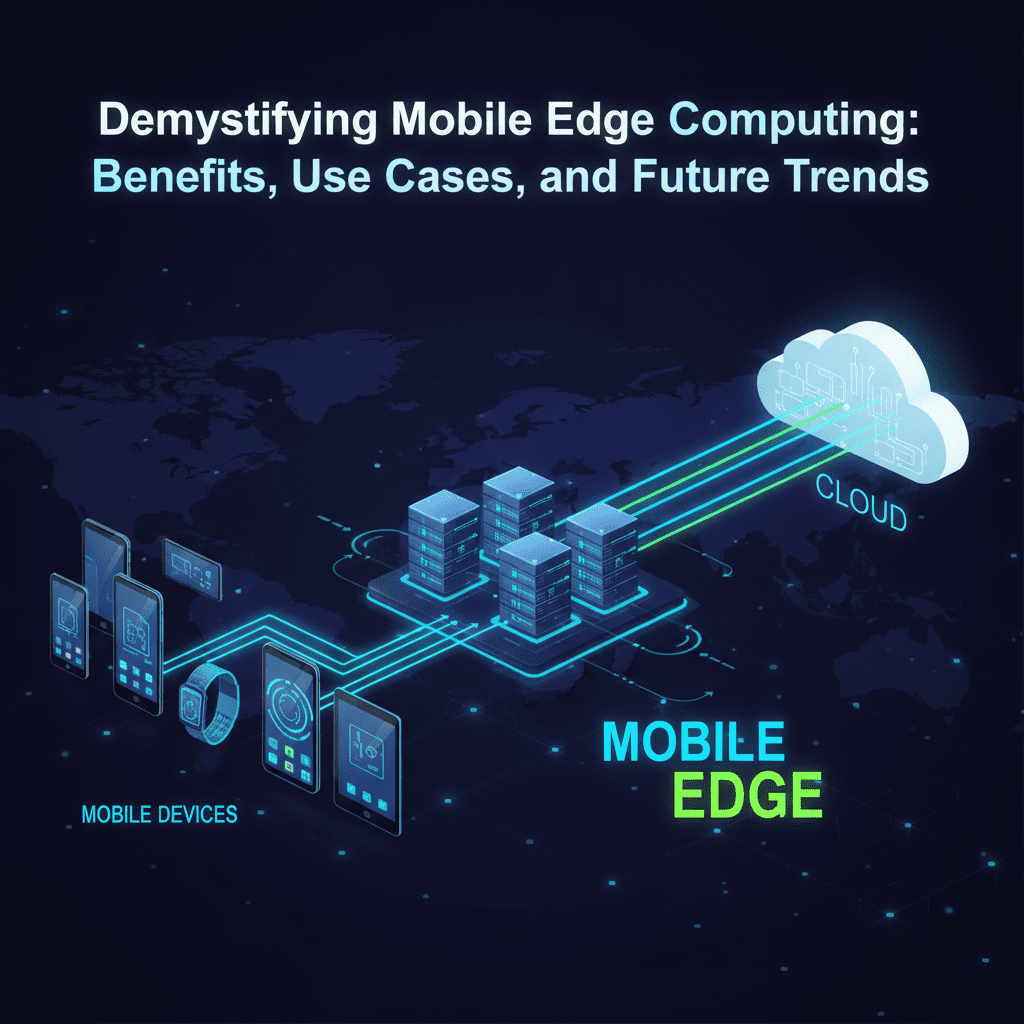
Demystifying Mobile Edge Computing: Benefits, Use Cases, and Future Trends

Introduction In the rapidly evolving digital landscape, Mobile Edge Computing (MEC) has become a critical technology, ushering in new capabilities beyond traditional cloud computing paradigms. By processing data closer to the source—at the edge of the network—MEC dramatically improves data processing speed, reduces latency, enhances security, and fuels innovation across industries. This comprehensive blog demystifies MEC with a deep dive into its benefits, practical use cases, and future trends shaping enterprise strategies. It also highlights key technological integrators such as AI, blockchain, and predictive analytics explored extensively by TechOTD and its related resources. What is Mobile Edge Computing? Mobile Edge Computing (MEC) pushes computing power and data storage closer to end users and connected devices, typically at or near cellular base stations, IoT gateways, or local data centers. Unlike central cloud data centers that might be geographically distant, MEC provides ultra-low latency and real-time processing capabilities. This proximity is a game changer for applications requiring speed, reliability, and privacy. MEC works symbiotically with 5G, AI, and IoT to enable seamless, intelligent experiences across multiple sectors. Benefits of Mobile Edge Computing 1. Ultra-Low Latency and Real-Time Processing By processing data at the edge, MEC reduces the time needed to transmit data to distant cloud servers and back. This latency reduction is essential for use cases like autonomous driving, remote surgery, and live video analytics. 2. Enhanced Data Privacy and Security MEC minimizes data traveling over public networks, reducing exposure risks. Enterprises can enforce data residency and compliance directly on edge nodes, critical for healthcare, finance, and government. 3. Bandwidth Optimization and Cost Savings Edge processing filters and aggregates data locally, reducing network congestion and lowering bandwidth costs—a vital benefit as IoT devices and data volumes surge. 4. Improved Reliability and Resilience MEC enables critical systems to function locally even if the central cloud or wide-area network connectivity is disrupted, offering business continuity and superior service quality. 5. Scalability and Flexibility Modular edge deployments allow enterprises to add or upgrade capacity closer to users and devices, supporting dynamic workloads and new services faster than traditional cloud-only models. Key Use Cases of MEC Across Industries Manufacturing: Smart Factories and Predictive Maintenance MEC combined with IoT sensors enables immediate processing of operational data, facilitating real-time monitoring, predictive maintenance, and automation in factories — minimizing downtime and maximizing productivity. Retail: Personalized In-Store Experiences Retailers use MEC for instant data analytics supporting personalized promotions, inventory management, and frictionless payment processing at the store edge, enhancing customer experience. Healthcare: Remote Monitoring and Diagnostics In healthcare, MEC allows processing of medical imaging and patient data locally for faster, secure diagnostics and telehealth services while ensuring compliance with privacy regulations. Transportation and Logistics: Autonomous and Connected Fleets Edge computing enables rapid data analysis for connected vehicles and fleets, supporting route optimization, safety monitoring, and compliance in real-time. Smart Cities: Responsive Public Infrastructure Citywide IoT systems use MEC to process environmental data, traffic flows, and public safety signals locally, enabling fast responses and efficient resource management. Integration with AI and Blockchain Technologies Artificial Intelligence at the Edge Integrating AI with MEC allows for real-time, context-aware decision making on devices or local nodes without sending data back to the cloud. This accelerates innovation in predictive analytics, image recognition, and anomaly detection. Explore advanced AI applications in enterprises at TechOTD AI Services and TechOTD AI Blog. Blockchain for Enhanced Security and Transparency Blockchain technology complements MEC by providing decentralized, tamper-proof transaction records and supply chain transparency, ideal for secure edge operations. Learn more about blockchain’s transformative business role at TechOTD Blockchain Integration. Best Practices for MEC Implementation Evaluate Business Needs and Edge Readiness: Identify workloads that gain most from edge processing to ensure efficient deployment and ROI. Prioritize Security: Implement comprehensive security protocols including data encryption, authentication, and zero-trust models at all edge points. Adopt Hybrid Cloud-Edge Architecture: Combine centralized cloud resources with edge nodes for balance between scalability and low latency. Use Automation and AI for Resource Optimization: Employ AI-driven management tools for predictive maintenance, load balancing, and anomaly detection. Partner with Experienced Vendors: Collaborate with technology providers skilled in edge deployments to ensure seamless integration and ongoing support and TechOTD How We Work. Future Trends in Mobile Edge Computing Advances in On-Device AI: Smaller, more capable AI models running independently on edge devices for privacy and speed. Industry-Specific MEC Solutions: Vertical customization for health, manufacturing, retail, and other sectors. Edge Orchestration and Automation: Automated deployment, scaling, and self-healing edge systems reducing OPEX. Integration with 6G and Beyond: As next-gen networks evolve, MEC will expand with wider network slices and higher bandwidths. Expansion of Smart Cities and IoT: Growing urban infrastructure and IoT devices will increase MEC demand exponentially. Stay current on technology impact with TechOTD Blog and explore mobile and AI app development strategies at TechOTD Mobile Apps. Key Takeaways: MEC drastically reduces latency by processing data near the source. Security and data privacy improve through decentralized processing. Reduces network load and operational costs for enterprises. Industry use cases span manufacturing, retail, healthcare, transport, and smart cities. AI and blockchain technologies amplify MEC capabilities. Hybrid cloud-edge architectures offer flexible, scalable designs. Automation and orchestration will drive future MEC innovations Conclusion Mobile Edge Computing is no longer a futuristic concept but a necessary foundation for enterprises embracing digital transformation in the 5G era. By bringing compute power and intelligence closer to data sources, MEC accelerates innovation, enhances security, optimizes networks, and delivers real-time insights that fuel competitive advantage. Enterprises equipped with strategic MEC integration, supported by AI, blockchain, and predictive analytics, will unlock new business models and efficiencies—leading the charge into a connected, intelligent future.

Optimizing Operations with Digital Twin in Oil and Gas
Digital Transformation

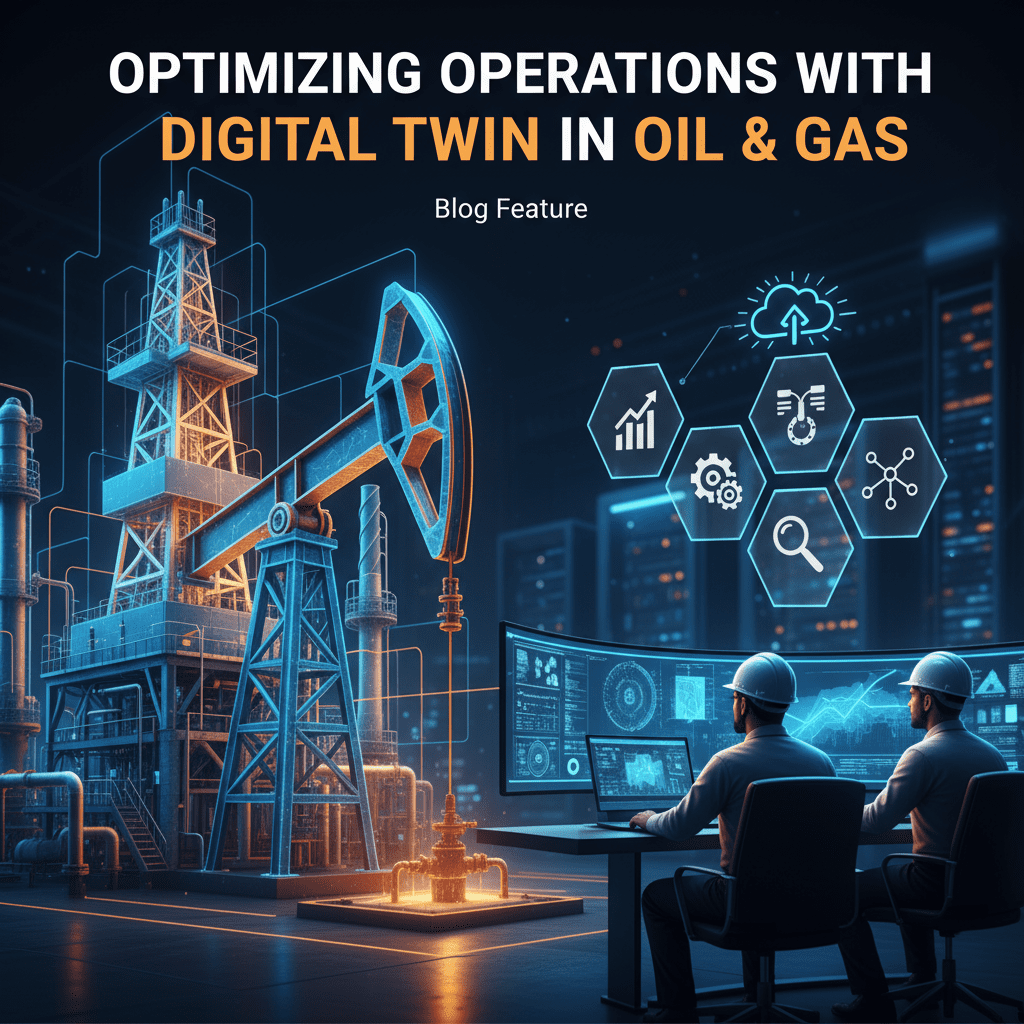
Optimizing Operations with Digital Twin in Oil and Gas

Introduction The oil and gas industry operates in a complex, high-risk environment where operational efficiency, safety, and cost management are critical. Digital twin technology—virtual replicas of physical assets or processes—is transforming how this sector monitors, manages, and optimizes its operations. By integrating real-time data with advanced simulations, digital twins enable companies to predict issues, enhance safety, and drive operational excellence. This blog explores practical use cases, benefits, common challenges, and solutions related to digital twins in oil and gas. What is a Digital Twin in Oil and Gas? A digital twin is a dynamic, virtual model mirroring the behavior of physical oil and gas assets like pipelines, refineries, or drilling rigs. Using IoT sensor data, AI, machine learning, and cloud computing, it provides continuous insights into performance, condition, and potential risks. Use Cases of Digital Twins in Oil and Gas 1. Predictive Maintenance Digital twins monitor equipment health to forecast failures before they happen, minimizing unplanned downtime and repair costs. 2. Asset Lifecycle Management Virtual replicas track assets from design and construction through operation to decommissioning, optimizing utilization and ROI. 3. Remote Monitoring and Control Operators can manage offshore platforms and remote sites through digital twins, making real-time data-driven decisions. 4. Process Optimization Simulations help refine production workflows, reduce energy consumption, and enhance output quality. 5. Workforce Training & Safety Simulations Virtual environments enable safe training for hazardous scenarios, improving preparedness and reducing accidents. Benefits of Digital Twin Technology Increased Operational Efficiency by providing real-time monitoring and data-driven insights. Enhanced Safety and Risk Management through virtual testing of scenarios and predictive alerts. Cost Reduction from optimized maintenance, less downtime, and efficient resource allocation. Sustainability Improvements by reducing emissions and aligning with environmental regulations. Improved Decision-Making leveraging AI and analytics integrated with digital twins. Challenges in Digital Twin Adoption Data Integration Complexity from heterogeneous sources and formats. High Initial Investment and Implementation Costs. Cybersecurity Risks associated with connected assets. Skills Gap in digital technologies and change management. Data Privacy and Ownership Concerns. Solutions and Best Practices Use cloud-based digital twins to reduce upfront costs and improve scalability. Integrate AI, IoT, and blockchain to enhance analytics, security, and data integrity. Invest in digital upskilling and training for workforce readiness. Develop comprehensive data governance policies to address privacy and compliance. Pilot projects with clear KPIs to demonstrate ROI and gradually scale adoption. Conclusion Digital twin technology offers transformative potential for the oil and gas industry by enabling smarter, safer, and more efficient operations. Despite challenges, the integration of digital twins with AI, IoT, and cloud computing will redefine future energy production and asset management. For tailored digital twin solutions and AI consulting in oil and gas, explore TechOTD AI Services and continue learning through the TechOTD Blog.

Digital Transformation

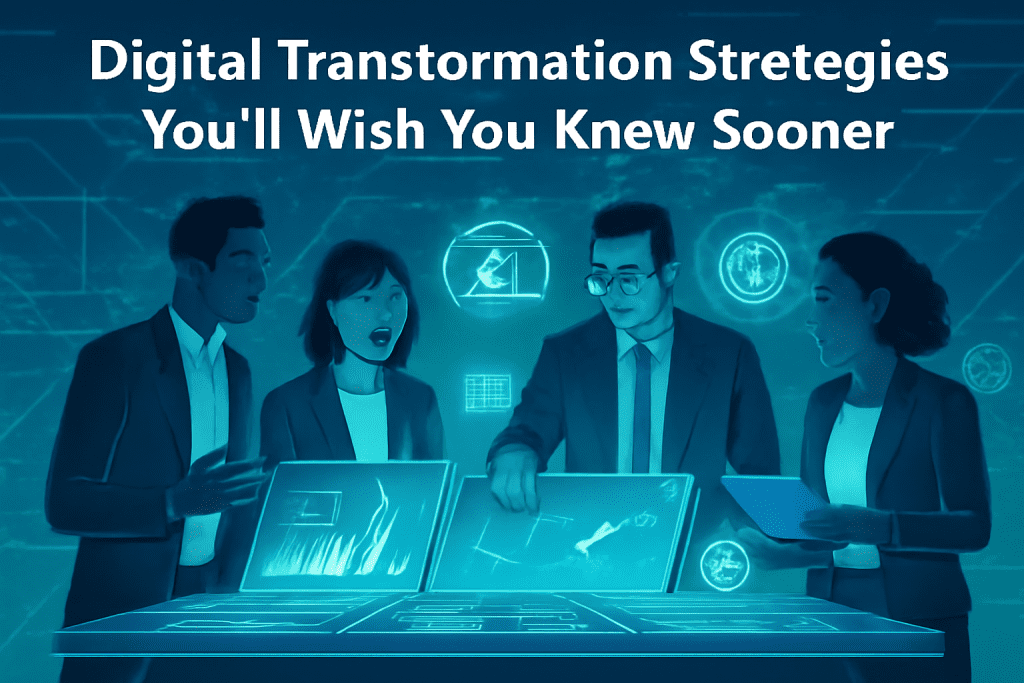
Digital Transformation Strategies You’ll Wish You Knew Sooner

Introduction Digital transformation is no longer a buzzword—it’s a fundamental push shaping how organizations deliver value, innovate, and stay competitive in rapidly evolving markets. Yet, most businesses face unexpected hurdles, costly investments, and missed opportunities simply because they overlook key strategies that drive real results. This blog reveals the digital transformation strategies that lead to lasting impact—and that you’ll wish you applied earlier. 1. Prioritize Integration, Not Just Implementation Many organizations make the mistake of deploying digital tools in silos. Instead, develop integrative solutions that easily connect systems, streamline workflows, and enable cross-functional collaboration. A well-connected digital ecosystem powers automation and improves operational efficiency. 2. Embrace User-Centric Innovation Digital platforms must be user-friendly—whether for customers or employees. Intuitive design and robust usability testing result in higher adoption and satisfaction. Focus innovations on real needs, ensuring technology enhances daily work and customer experiences. 3. Run Parallel Systems During Transition Avoid downtime by maintaining legacy systems while experimenting with new digital solutions. This reduces operational risks and enables safe, staged modernization, such as piloting AI-powered processes alongside manual workflows before full migration. 4. Move Away from Legacy Technologies—Smartly Don’t let outdated infrastructure slow growth. Upgrade and automate with cloud platforms, scalable data analytics, and AI-powered tools. This move strengthens flexibility and helps future-proof the business without the pain of abrupt change. 5. Invest in R&D and Continuous Learning Allocate resources for digital R&D and organizational upskilling. Businesses that foster ongoing learning and innovation outperform their peers, especially when embracing technologies like AI, IoT, and predictive analytics to gain actionable insights. 6. Use Data Analytics for Real-Time Optimization Integrate real-time data analytics platforms to monitor KPIs, optimize workflows, and enable informed, proactive decision-making. Data-driven transformation leads to better forecasting and agile business development. 7. Build a Digital-First Culture Digital success depends on people as much as technology. Encourage a culture of experimentation, resilience, and collaboration. Cross-functional teams and digital champions accelerate transformation and break down silos. 8. Strengthen Ecosystem Partnerships Collaborate with tech, data, and value chain partners to address complexity and deliver superior customer outcomes. Ecosystem strategies enable differentiated service offerings and unlock additional value. 9. Automate Where It Matters Most Automate core processes—customer support, supply chain, and operations—with AI and digital solutions. Automation reduces manual workloads, minimizes errors, and frees up resources for value-driven initiatives. Conclusion The most effective digital transformation strategies are not about implementing more technology, but about creating integrated, user-focused, data-driven, and agile organizations. By putting these proven strategies into practice sooner, leaders can unlock new business opportunities, drive innovation, and avoid the pitfalls that stall progress. For actionable guidance, explore AI-driven transformation and continuous improvement resources with TechOTD AI Services and stay updated via the TechOTD Blog.

Digital Transformation, Uncategorized

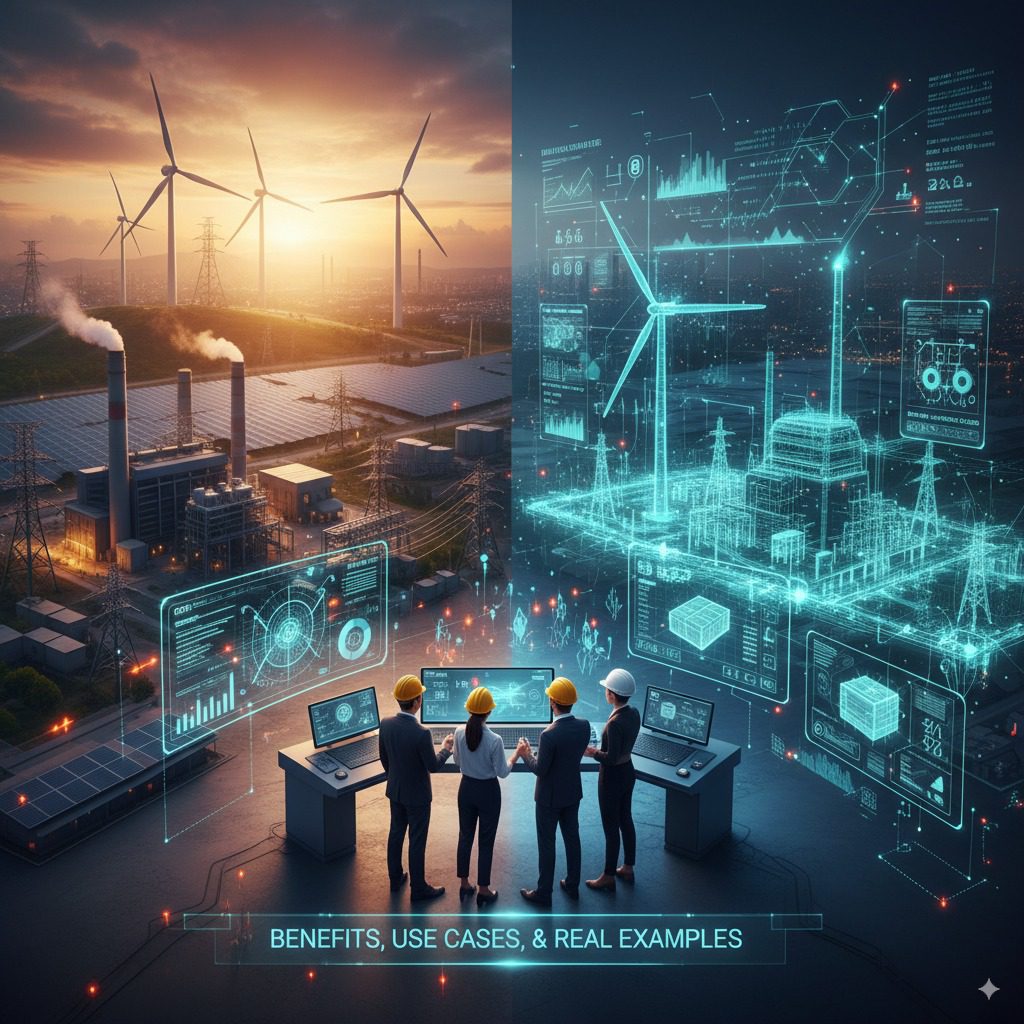
Digital Twins Driving Innovation in the Energy Sector: Benefits, Use Cases, and Real Examples

Introduction The energy sector is undergoing a digital revolution⁠—and digital twin technology sits at its core. By creating virtual replicas of physical assets, processes, or systems, digital twins enable real-time monitoring, simulation, and predictive analysis. This innovation helps energy companies optimize performance, reduce costs, and achieve sustainability goals, marking a fundamental shift in how energy is produced, managed, and consumed. Benefits of Digital Twins in the Energy Sector Revolutionized Predictive Maintenance Digital twins let energy companies move from reactive to predictive maintenance. Sensor-driven data and real-time analytics identify equipment issues before failures occur⁠—minimizing downtime, reducing maintenance costs, and extending asset lifespans. Unparalleled Energy Efficiency Virtual models allow operators to simulate and optimize energy production and consumption. This results in greater efficiency, lower operational costs, and reduced environmental impact. Enhanced Data-Driven Decision Making Digital twins provide rich, real-time insights. Companies can test operational strategies in a “risk-free” virtual environment before implementation, improving system reliability and reducing operational risk. Accelerated Innovation This technology enables rapid prototyping of new solutions. Energy companies can experiment and iterate virtually, fast-tracking development cycles and driving the adoption of next-gen technologies. Increased Safety and Reliability Continuous, real-time monitoring makes it easier to spot risks and vulnerabilities. This proactive stance improves system integrity, worker safety, and reliability of supply. Supporting Sustainability By simulating and analyzing resource use and environmental impacts, digital twins help energy operators align with strict sustainability goals, reduce waste, and comply with global environmental standards. Key Use Cases in the Energy Sector Wind Farm Optimization: Virtual models predict wear, simulate conditions, and optimize turbine placement/performance, increasing energy yield and minimizing boilerplate. Smart Grid Management: Digital twins of grids enable real-time monitoring, outage prediction, and optimal load distribution, making power systems more resilient. Refinery and Power Plant Operations: Digital twins simulate production processes, optimize workflows, minimize energy consumption, and reduce emissions. Energy Storage Systems: Operators use digital twin models to optimize battery and hydro-storage, resulting in smarter grid-balancing and resource allocation. Asset Lifecycle Management: In nuclear or large-scale power installations, digital twins track aging, predict failures, and optimize replacement schedules. Distributed Renewable Integration: Twins help assess real-time performance of solar and distributed renewables, streamlining grid integration. Real-World Examples Siemens Gas Turbines: Digital twins track turbine operations in real-time, enabling predictive maintenance and improved performance, significantly cutting costs. Shell Refineries: Shell uses refinery digital twins for operational simulations, enabling optimization, emission reduction, and proactive maintenance. Duke Energy: Digital twins help manage Duke’s distributed power grid, improving fault prediction and grid reliability. General Electric Wind Farms: GE leverages digital twins to maximize wind farm yield and reduce unplanned outages by continuously analyzing turbine data. Smart Cities (Singapore, Shanghai): Entire cities are modeled with digital twins for energy optimization, traffic flow, and urban planning. Future Trends AI/ML Integration: Combining artificial intelligence and digital twins unlocks deeper analytics and autonomous optimization. Edge Computing: Processes data closer to assets for faster response and increased autonomy. Cross-Domain Models: Integrating energy twins with supply chain, production, and environmental data for holistic management. Sustainability Modeling: Enhanced environmental simulations for compliance and carbon management. Conclusion Digital twins are transforming the energy industry, driving operational efficiency, cost reduction, innovation, and sustainability. Energy sector leaders embracing this technology are poised to achieve new benchmarks in reliability, competitiveness, and environmental stewardship. For more on the intersection of digital innovation and energy management—or support integrating AI, blockchain, and analytics with your operations—explore TechOTD AI Services and insights on TechOTD Blog.

Digital Transformation

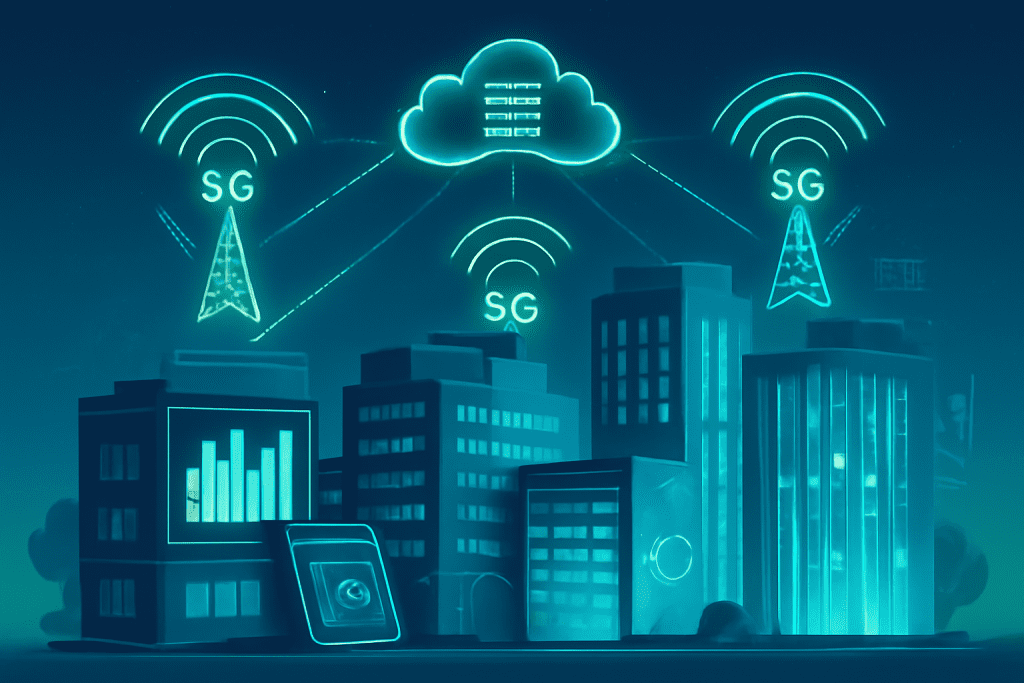
Why Mobile Edge Computing is Critical for Enterprises in the 5G Era

Introduction The arrival of 5G wireless technology is revolutionizing enterprise connectivity, promising multi-gigabit speeds, ultra-low latency, and support for billions of connected devices. However, to truly unlock the transformative potential of 5G, enterprises must integrate Mobile Edge Computing (MEC) into their digital infrastructure. 5G edge computing moves computation and data processing closer to where data is generated—at the “edge” of the network—enabling faster response times, greater security, and empowering real-time business innovation. Explore how AI-powered Mobile Edge Computing solutions can transform business processes at TechOTD AI Services. What is Mobile Edge Computing (MEC)? Mobile Edge Computing (MEC) is a network architecture that brings computing, storage, and analytics capabilities out of centralized data centers and closer to the physical location of devices and users. This proximity accelerates data processing and decision-making—critical in the 5G edge computing era where speed, responsiveness, and high-bandwidth are no longer optional but foundational to enterprise competitiveness. The Symbiosis of 5G and Mobile Edge Computing Ultra-low Latency: 5G networks promise sub-millisecond latency. Mobile Edge Computing (MEC) is essential for achieving these targets since only local processing can deliver true real-time responses for autonomous vehicles, telemedicine, and AR/VR solutions. High Bandwidth Utilization: With 5G’s massive data throughput, 5G edge computing prevents bottlenecks and network congestion. Reliability & Resilience: MEC in 5G networks reduces reliance on continual cloud connectivity, making operations more robust against outages and delivering superior quality of service. Key Benefits of Mobile Edge Computing for Enterprises Real-Time Data ProcessingProcessing data locally enables ultra-fast analytics required for applications like predictive maintenance, intelligent video surveillance, and automated supply chains. ✅ Example: A smart factory uses 5G edge computing with MEC to process IoT sensor data, optimizing equipment performance and reducing downtime—without sending all data to the cloud. Enhanced Security & PrivacyBy handling sensitive data close to its source, Mobile Edge Computing minimizes interception risks. Industries like healthcare and finance benefit from localized compliance and data residency. Reduced Network Congestion & CostsOffloading computation from central servers to the edge decreases backhaul requirements, making MEC in 5G both cost-efficient and scalable. Greater Scalability & FlexibilityMobile Edge Computing enables modular deployment of enterprise apps, scaling easily across retail, logistics, and smart cities. Industry Use Cases of Mobile Edge Computing Manufacturing: Smart factories rely on 5G edge computing for predictive analytics, digital twins, and real-time equipment monitoring. Retail: Edge-enabled personalization, AR shopping, and real-time customer engagement enhance user experience. Healthcare: Secure telemedicine, real-time imaging, and patient monitoring with Mobile Edge Computing in healthcare. Logistics & Transportation: Smart fleet management and navigation powered by MEC and 5G. Smart Cities: IoT-driven traffic management, safety, and environmental monitoring with edge computing in 5G networks. Conclusion Mobile Edge Computing (MEC) is critical for enterprises in the 5G era because it enables: Ultra-low latency, reliable, and scalable real-time applications Enhanced data security, privacy, and compliance Cost-effective handling of massive, distributed data flows Seamless integration with AI, IoT, and blockchain technologies Robust digital transformation strategies powering growth and innovation

Digital Transformation, Healthcare & Fitness

Digital Transformation in Construction: Shaping the Next Era

Introduction The construction industry in 2025 stands at the cusp of a revolution powered by digital transformation. With increasing project complexity, rising costs, and growing demands for sustainability and safety, traditional practices are rapidly evolving to embrace technology-driven solutions. From artificial intelligence to IoT, robotics to digital twins, these innovations are reshaping how construction projects are planned, managed, and delivered. For construction firms, understanding these advancements is no longer optional but essential to remain competitive in a dynamic market. Digital transformation is no longer a future concept but a present-day reality. By integrating cutting-edge technologies, construction companies can streamline operations, minimize errors, increase safety, and boost profitability. This blog explores the technologies driving change, key benefits, real-world use cases, emerging trends, and the challenges construction leaders must address. Key Technologies Driving Digital Transformation in Construction Artificial Intelligence (AI) & Generative AI Automates design generation, compliance checks, and risk assessments. Enhances project scheduling, resource allocation, and predictive maintenance. Generative AI can explore multiple design alternatives, reducing design cycle times and optimizing project outcomes. Internet of Things (IoT) Enables real-time tracking of equipment, materials, and environmental conditions. Connected wearables and smart helmets improve worker safety by detecting hazards instantly. Sensors embedded in infrastructure provide continuous monitoring, predicting maintenance needs. Building Information Modeling (BIM) Provides a collaborative 3D digital model that integrates design, planning, and execution. Reduces errors and rework by ensuring all stakeholders work on a shared platform. Supports sustainability by simulating energy efficiency and material optimization. Robotics and Automation Performs repetitive, labor-intensive, and dangerous tasks such as bricklaying, welding, and concrete pouring. Enhances efficiency, reduces project timelines, and minimizes risks of human error. Construction Drones and Digital Twins Drones enable accurate site mapping, real-time aerial monitoring, and faster inspections. Digital twins create virtual replicas of construction projects, enabling predictive analysis and operational simulations. Modular and Additive Manufacturing Prefabrication and 3D printing accelerate project delivery, reduce material waste, and improve quality. Encourages sustainability by enabling eco-friendly materials and reducing on-site disruptions. Cloud Computing and Mobile-First Tools Cloud platforms facilitate real-time data sharing across teams, improving collaboration. Mobile apps allow on-site teams to access blueprints, update progress, and capture data—even in remote areas. Major Benefits of Digital Transformation in Construction Increased Productivity: Automation and connected workflows reduce redundancy and streamline project execution. Enhanced Safety: AI-powered monitoring and IoT-enabled wearables minimize on-site hazards. Cost Reduction: Efficient scheduling, reduced waste, and optimized resources lower overall project costs. Improved Collaboration: BIM and cloud tools foster transparent communication across stakeholders. Sustainability: Digital solutions support eco-friendly practices, energy-efficient designs, and waste reduction. Better Decision-Making: Data-driven insights enable proactive adjustments to minimize risks and delays. Real-World Examples and Use Cases Morgan Construction: Streamlined employee onboarding and administration by replacing spreadsheets with automated digital workflows, saving time and reducing errors. Sullivan Engineering: Adopted no-code digital tools, saving 700+ hours annually on repetitive tasks. John Holland: Leveraged generative AI to optimize project designs, cut costs, and increase productivity. Drone-enabled projects: Boosted safety and inspection efficiency with aerial mapping and real-time site data. AI + Digital Twins: Enabled predictive maintenance, reduced delays, and provided immersive project visualization. Emerging Trends and Challenges in 2025 Emerging Trends Sustainable Construction: Net Zero Energy Buildings, recycled materials, and energy-efficient technologies. Labor Shortages: Accelerated adoption of automation, robotics, and employee upskilling programs. Supply Chain Resilience: Digital supply chain management and modular construction mitigate disruptions. Connected and Remote Work: Cloud and mobile-first tools enable seamless collaboration across distributed teams. Safety Innovations: VR training, AI hazard detection, and IoT wearables for compliance and worker protection. Challenges High upfront investment in digital tools. Cybersecurity risks with increasing data dependency. Workforce resistance to change and lack of digital skills. Integration complexities across multiple platforms and legacy systems. Conclusion Digital transformation is fundamentally reshaping the construction industry, enabling companies to build faster, safer, greener, and smarter. By adopting AI, IoT, BIM, robotics, drones, and cloud solutions, firms can boost efficiency, improve collaboration, and remain sustainable in a rapidly evolving market. The companies that embrace these innovations today will future-proof their operations and secure a competitive edge for tomorrow. Call to Action: Explore cutting-edge digital construction solutions and partner with technology leaders like TechOTD to implement AI-driven platforms, mobile apps, and automation tools tailored for construction excellence. FAQ Q1: What is digital transformation in construction? It is the integration of digital technologies such as AI, IoT, BIM, and cloud computing to improve construction processes, safety, collaboration, and profitability. Q2: How does AI benefit construction projects? AI optimizes scheduling, predicts risks, automates compliance, and improves design accuracy, reducing delays and costs. Q3: What is BIM and why is it important? BIM is a 3D collaborative digital model that integrates all aspects of a project, reducing design conflicts and improving project quality. Q4: How are drones used in construction? Drones support aerial inspections, site mapping, and real-time monitoring, enhancing safety and efficiency. Q5: What challenges does digital transformation address in construction? It addresses labor shortages, safety risks, supply chain disruptions, and sustainability challenges while enhancing efficiency. Key Points Table Aspect Details Core Technologies AI, IoT, BIM, Robotics, Drones, Cloud, Modular Construction Benefits Productivity, Safety, Cost Savings, Collaboration, Sustainability Emerging Trends Generative AI, Digital Twins, Modular & Additive Manufacturing Challenges Labor shortages, Cybersecurity, Supply chain disruptions   Digitalization Priority Automation, Mobile-first tools, Data visibility Impact Faster projects, fewer errors, improved resource management SEO-Friendly Keywords construction digital transformation, AI in construction, IoT construction technology, BIM building information modeling, construction project management, cloud computing construction, generative AI construction, construction technology 2025, smart construction, construction industry innovation Backlinks Incorporated Naturally Learn more about advanced AI solutions from TechOTD AI Services. For detailed insights on technology trends, visit TechOTD Blog. Discover how blockchain integration optimizes business processes in Dubai. Understand workflow optimization from How TechOTD Works. Explore the future of service excellence at Seamless Customer Journeys with AI. Find top tools in Best Gadgets for Programmers 2025. Get insights on predictive analytics at Predictive Analytics Software Development. Learn about technology impacts in education at Technology Impact on Education. Compare

How would you like me to respond?

Select a personality for your AI assistant

Normal
Happy
Sad
Angry

Your selection will affect how the AI assistant responds to your messages

Chat Assistant

Let's discuss your project!

Hear from our clients and why 3000+ businesses trust TechOTD

Tell us what you need, and we'll get back with a cost and timeline estimate

Scroll to Top