Artificial Intelligence

Artificial Intelligence, Technology & Product Development

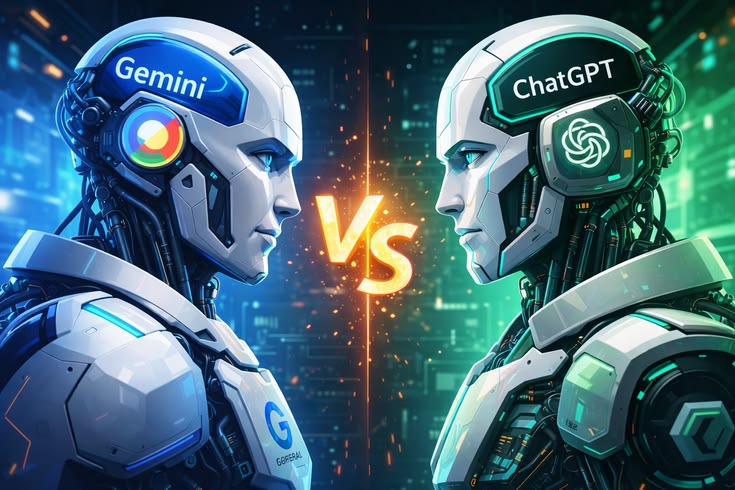
OpenAI vs Gemini

OpenAI vs Gemini: The Ultimate Architectural and Enterprise Comparison The landscape of generative artificial intelligence is no longer driven by raw novelty. For enterprise architects, product managers, and software engineers, selecting an AI foundation model provider is a high-stakes infrastructure decision. The choice influences application latency, contextual reasoning capabilities, operational costs, and data privacy frameworks for years to come. While many consumer-facing reviews focus on which chatbot writes better poetry, the real engineering battle takes place at the API and model architecture layers. The dominant titans in this space—OpenAI and Google’s Gemini—have engineered fundamentally divergent paths toward achieving Artificial General Intelligence (AGI). This comprehensive technical blueprint delivers an exhaustive, production-grade comparison between OpenAI and Gemini, evaluating their internal architectures, multimodal processing capabilities, API performance, developer ecosystems, and enterprise readiness. 1. Underlying Philosophy and Architectural Layout To choose the right model for your application stack, it is essential to understand how both engineering teams approach model training and processing. OpenAI Approach (Composite / Mixture of Experts) [Input Prompt] —> [Router System] —> [Expert Model A] —> [Expert Model B] -> [Output] Google Gemini Approach (Native Multimodal Matrix) [Text / Audio / Video] —> [Unified Core Neural Network] -> [Multimodal Output] OpenAI: The Evolution of Text-First Transformers OpenAI’s flagships (such as the GPT-4 and GPT-o series) evolved out of advanced text-based Large Language Models (LLMs). To handle vision, audio, and code, OpenAI pioneered a highly sophisticated, interlocking ecosystem of specialized neural networks. Mixture of Experts (MoE): Modern OpenAI models route incoming prompts dynamically through an intelligent routing layer to smaller, hyper-specialized sub-networks (“experts”). This maximizes processing efficiency for distinct tasks like mathematics, creative writing, or logical coding. The Omni Integration: With the introduction of native omni-style models, OpenAI has increasingly moved toward processing audio, vision, and text end-to-end within a single neural network, dramatically lowering latency for real-time applications. Gemini: Built from the Ground Up as Natively Multimodal Google engineered the Gemini series with a completely different starting premise. Instead of training a master text model and stitching secondary vision or audio networks onto it, Gemini was designed as a native multimodal model from day one. Unified Tokenization: Gemini translates text pixels, audio frequencies, video frames, and code syntax into a unified token stream at the foundational layer. This allows the model to seamlessly interleave and cross-reference entirely different mediums of data without losing context or requiring intermediate translations. Infrastructure Synergy: Because Gemini is built by Google, its underlying neural network is tightly co-designed with Google’s proprietary Tensor Processing Units (TPUs). This direct hardware-software integration allows for massive parallel computing efficiencies that are unique to Google’s cloud ecosystem. 2. Context Window Warfare and Memory Retention The size of a model’s context window dictates how much data it can analyze, remember, and reason over during a single API request cycle. This is where the divergence between OpenAI and Gemini is most apparent. The Gemini Context Advantage Google completely shifted the industry paradigm by introducing a massive 2-million token context window in its Gemini 1.5 Pro architecture. What 2M Tokens Means in Production: You can upload an entire codebase (tens of thousands of lines of code), 2 hours of raw high-definition video, or up to 60 full-length books directly into a single prompt window. The “Needle in a Haystack” Metric: Having a massive context window is useless if the model forgets data hidden in the middle. Gemini maintains a near-perfect 99%+ retrieval rate across its entire 2-million token spectrum, making it the undisputed champion for deep log analysis, comprehensive legal auditing, and large-scale asset cross-referencing. The OpenAI Philosophy: Focused and Fast OpenAI relies on a standard baseline of a 128K token context window across its dominant enterprise models. While significantly smaller than Gemini’s maximum limits, OpenAI operates under a different design priority: The RAG Paradigm: OpenAI relies on the premise that feeding millions of raw tokens into an LLM for every single prompt is computationally inefficient and introduces unnecessary latency. Instead, OpenAI advocates for Retrieval-Augmented Generation (RAG). Vector Embeddings Execution: By indexing massive datasets into external vector databases and injecting only the most relevant snippets into the tight 128K window, developers can keep API interactions lightning-fast, highly targeted, and cost-effective. 3. Multimodal Execution: Video, Audio, and Code Processing multiple input streams efficiently determines how capable your application tier will be when managing real-world media workloads. Feature / Modality OpenAI Enterprise Stack Google Gemini Enterprise Stack Native Video Processing Treats video as a sequence of isolated, extracted image frames. Natively streams raw video, tracking timestamps and audio cues in sync. Audio Processing Extremely low-latency voice synthesis via advanced speech-to-speech tokens. Deep voice analytics, capable of discerning ambient noises and vocal emotional shifts. Code Generation Elite logical reasoning, clean structural execution, and advanced debugging. Masterful multi-file structural codebase refactoring due to massive context. Video and Spatial Analysis When processing video, OpenAI’s API requires splitting the file into distinct static image snapshots (e.g., extracting 1 frame per second) and feeding them sequentially to the vision model. Gemini accepts raw video file formats natively. It reads the continuous data stream directly, allowing developers to ask complex temporal questions, such as: “At exactly what timestamp in this 1-hour security footage does the delivery truck leave the frame?” Code Synthesis and Logical Execution Both providers exhibit exceptional software engineering capabilities. OpenAI remains incredibly popular among developers due to its sharp code logic, accurate code generation patterns, and highly structured JSON outputs via native Structured Outputs modes. However, when it comes to refactoring entire software repositories at once, Gemini’s capacity to swallow the whole codebase into memory gives it a distinct operational advantage for enterprise system overhauls. 4. API Performance, Developer Experience, and Tooling Building production-grade software requires evaluating rate limits, response times, and the developer tools provided by each platform. Developer Tooling and SDK Environments OpenAI Developer Experience: OpenAI sets the industry benchmark for developer onboarding. Its SDKs (Python, Node.js) are exceptionally clean, documentation is exhaustive, and the developer portal features intuitive playgrounds for real-time testing. Features like Function

Artificial Intelligence, Digital Transformation

Future of Search After AI

The Future of Search After AI: Navigating the Era of Generative Discovery For nearly three decades, the foundational mechanics of the internet relied on a simple, predictable contract: a user typed a sequence of keywords into a blank text box, an engine matched those strings against an index of web pages, and the user clicked a blue link to find their answer. This “rank-and-click” paradigm built empires, funded global digital media economies, and formed the bedrock of Search Engine Optimization (SEO). That contract has officially expired. We are living through the most volatile paradigm shift in the history of digital information architecture. The emergence of advanced Large Language Models (LLMs), conversational engines, and multi-modal assistants has transformed search engines from mere finding tools into synthesis tools. Instead of guiding users to a destination where an answer lives, search engines now read the destinations, extract the data, and build the answer themselves. Understanding the future of search after AI requires looking beyond simple keyword lists to understand Generative Engine Optimization (GEO), AI-native user behaviors, and the tactical steps required to keep your brand visible in a synthesized digital world. 1. The Anatomy of Modern AI Search Engines To understand where search is going, we must first look at how the dominant players are evolving their interfaces to merge traditional information retrieval with generative synthesis. [User Dynamic Intent] │ ▼ [Multi-Modal Vector Analysis] ──► [Real-Time Context Tuning] │ ▼ [Retrieval-Augmented Generation (RAG)] ──► [Vector DB & Core Index] │ ▼ [Synthesized Output Layer] ──► [Conversational Interface + Deep Citations] Google AI Overviews (formerly SGE) Google’s approach does not entirely discard the traditional web index; instead, it superimposes a generative summary layer above it. Using a sophisticated pipeline rooted in Retrieval-Augmented Generation (RAG), Google pulls a localized cluster of highly authoritative pages, processes their semantic contents in real-time, and generates an objective answer complete with dynamic link cards and inline citations. OpenAI Search & Conversational Disruptors Alternative models strip away the remnants of legacy SERPs entirely. They favor a natural, fluid conversational interface. Rather than treating each search as an isolated event, these engines retain memory, understand deep pronouns, and allow users to iteratively narrow down a complex task (e.g., “Find a hotel in Tokyo, narrow it down to options with gym access, and build a three-day itinerary around them”). Perplexity AI and the Answer Engine Revolution Perplexity pioneered the concept of the “Answer Engine.” It treats the web as a live vector database, summarizing diverse viewpoints and providing numbered citations for every factual claim. This setup shifts the user’s focus from evaluating website designs to evaluating the factual integrity of the synthesized information block. 2. From Keywords to Entities: The Semantic Shift In the pre-AI era, search engines were largely deterministic systems matching keywords. If your page contained the phrase “best enterprise data security software” a specific number of times alongside strong backlink signals, you ranked. In the post-AI ecosystem, search engines operate via vector embeddings and entity graphs. Vector Spaces: Mathematical representations where words, sentences, and entire concepts are plotted as coordinates based on their semantic proximity. Intent Resolution: AI engines understand the hidden intent behind a phrase, even if the user lacks the technical vocabulary to express it perfectly. Entity Relationships: The engine looks at your brand as a node within a massive knowledge network, assessing how it connects to defined industries, founders, products, and competitor nodes. Attribute / Metric Traditional Search Era Post-AI Search Era Interface Style Static Page Links Dynamic Synthesized Text & Media Optimization Focus Latent Semantic Indexing (LSI) Entity Realism & Information Gain User Interaction Query ➔ Fragmented Clicks Dialogue ➔ Final Resolution Primary Value Metric Raw Organic Traffic / CTR Share of Model (SoM) & Citations 3. The Death of Commodity Content and the Rise of Information Gain For years, the standard playbook for content marketing was to look at what already ranked on page one, combine the points into a longer article, and optimize the metadata. AI search engines have made this strategy completely obsolete. Because LLMs already possess a compressed model of all public information, they don’t need another blog post that restates standard industry definitions. If your content reads like a paraphrase of Wikipedia, the AI will absorb it into its training or retrieval data but will have zero incentive to link out to you. The new currency of digital visibility is Information Gain. Information Gain = Your Unique Insights – Publicly Available Training Data To achieve high information gain scores, content must feature: First-Party Data Matrices: Proprietary benchmarks, survey metrics, or internal operational statistics. Deep Case Studies: Verifiable narratives detailing an exact issue, the step-by-step execution taken, and the quantified results. Counter-Intuitive Frameworks: Expert perspectives that challenge common industry assumptions with logical, well-reasoned evidence. 4. The 6 Strategic Pillars of Generative Engine Optimization (GEO) To adapt to the future of search, digital strategies must pivot from classic SEO to Generative Engine Optimization (GEO). Here are the six pillars required to make your digital properties highly indexable for AI search bots. Pillar 1: The “Atomic Answer” Architecture AI agents search for information blocks that can be easily extracted and integrated into summaries. To optimize for this, build your pages using an atomic layout: The Definition Anchor: Directly under an H2 or H3 heading, write a 40-to-60-word declarative sentence defining the concept clearly. Avoid preamble or filler text. The Structural Breakdown: Immediately follow that definition with a bulleted list, an ordered sequence, or an HTML data table to make the information easy for machines to read. The Explanatory Context: Follow the structured data block with your deep-dive narrative, analysis, and supporting case examples. Pillar 2: Radical E-E-A-T and Digital Identity Mapping Because AI engines risk spreading hallucinations, their retrieval layers use strict quality filtering based on Experience, Expertise, Authoritativeness, and Trustworthiness (E-E-A-T). Author Identity Resolution: Every piece of informational content must be tied to a real person with a verifiable digital footprint. Use explicit schema to connect your author profiles to their

IT consultants analyzing future technology trends using data analytics dashboard
IT consulting

Top IT Consulting Trends Shaping the Future of Business

Top IT Consulting Trends Shaping the Future of Business In today’s rapidly evolving digital world, IT consulting plays a crucial role in helping organizations stay ahead of the competition. From automation to sustainability, consultants are guiding businesses through technological innovation and transformation. Let’s explore the key IT consulting trends shaping the future of business in 2025 and beyond. Artificial Intelligence and Automation Artificial Intelligence (AI) and automation are revolutionizing the IT consulting landscape. Consultants are helping businesses leverage AI to optimize operations, reduce manual workload, and enhance decision-making accuracy. AI-powered automation tools are being deployed in data management, cybersecurity, and customer service. Chatbots now handle 24/7 customer queries, predictive algorithms forecast sales trends, and AI-based analytics provide deep insights into consumer behavior. Moreover, automation in IT processes such as system updates, bug detection, and maintenance reduces downtime and improves reliability. By adopting AI, organizations can achieve smarter workflows, boost productivity, and make better business decisions in real time. Cloud-First Strategies The cloud-first approach has become a fundamental trend in IT consulting. With the rise of remote work and digital collaboration, businesses are migrating to cloud platforms for scalability, flexibility, and cost-effectiveness. IT consultants assist in designing and executing seamless cloud migration strategies while ensuring minimal disruption to daily operations. They evaluate whether a public, private, or hybrid cloud solution fits the company’s needs and security policies. Cloud computing also empowers global collaboration—employees can access data and applications anytime, anywhere. As cybersecurity risks increase, consultants play a crucial role in implementing encryption, identity management, and compliance standards across cloud infrastructures. Cybersecurity as a Priority As businesses embrace digital transformation, cybersecurity has become a top concern. With cyberattacks growing more sophisticated, IT consultants are focusing on proactive security planning and defense strategies. Modern IT consulting emphasizes risk management, real-time monitoring, and multi-layered security frameworks. Consultants perform penetration testing, vulnerability assessments, and employee security training to strengthen defenses. They also recommend Zero Trust Architecture (ZTA), ensuring that every device and user is verified before accessing any data. This trend demonstrates a significant shift from reactive security to preventive protection, where cybersecurity is embedded in every layer of the business ecosystem. Data-Driven Decision Making Data has become the new oil in today’s economy. Businesses that effectively utilize data can unlock insights to drive smarter decisions. IT consultants are helping organizations design data-driven frameworks that transform raw data into actionable strategies. Through advanced analytics and business intelligence tools like Power BI and Tableau, companies can measure performance, track customer preferences, and predict future trends. Consultants help establish data governance models, ensuring data integrity and compliance with privacy regulations like GDPR and CCPA. Predictive analytics, powered by AI, is enabling organizations to anticipate market shifts, optimize inventory, and personalize customer experiences. The ability to make data-backed decisions gives companies a competitive edge and improves overall operational efficiency. Sustainable IT Consulting Sustainability is no longer just a corporate buzzword—it’s a necessity. IT consulting is now embracing eco-friendly technologies to reduce environmental impact while maintaining performance. Consultants advise on optimizing energy consumption in data centers, implementing virtual infrastructure, and adopting cloud solutions that cut down hardware waste. They also perform Green IT audits to assess an organization’s carbon footprint and recommend eco-conscious practices. Sustainable IT consulting not only benefits the planet but also reduces operational costs and strengthens brand reputation. By investing in green technology, businesses appeal to environmentally conscious customers and investors alike. Emergence of Remote IT Consulting The global shift toward hybrid and remote work has opened new opportunities for remote IT consulting. Businesses can now access expertise from consultants across the world through virtual collaboration tools. This trend has reduced operational costs while increasing access to a broader talent pool. IT consultants can remotely perform tasks such as system audits, security analysis, and software deployment. As digital communication tools become more advanced, remote consulting will remain a key trend in the years ahead. Conclusion The IT consulting industry is at the forefront of technological change, helping businesses navigate complex challenges and embrace innovation. From artificial intelligence and cloud-first strategies to cybersecurity and sustainability, consultants are shaping the future of digital transformation. Organizations that stay informed about these trends and work with experienced IT consultants will not only enhance efficiency but also build long-term resilience in an ever-changing digital economy. By aligning technology with business goals, IT consulting ensures that companies remain agile, secure, and future-ready in 2025 and beyond. FAQs 1. What are the biggest IT consulting trends in 2025?The major trends include AI automation, cloud-first strategies, cybersecurity enhancement, data-driven insights, and sustainable IT solutions. 2. How does IT consulting help in business growth?IT consultants identify technology opportunities, streamline processes, and implement strategies that increase efficiency and reduce costs. 3. What role does cloud computing play in IT consulting?Cloud computing enables flexibility, scalability, and remote collaboration, making it a central component of IT consulting services. 4. Why is data-driven decision-making important?It allows organizations to make strategic choices based on real insights rather than assumptions, improving performance and customer satisfaction. 5. How does sustainability impact IT consulting?Sustainable IT consulting promotes eco-friendly technologies that lower energy consumption, reduce costs, and improve corporate responsibility. Connect with us

A family traveling in an autonomous car on a futuristic smart highway surrounded by green skyscrapers and drones
Automobile

Future of Autonomous Vehicles

The Future of Autonomous Vehicles: Understanding Self-Driving Car Technology The automotive industry stands at the threshold of its most revolutionary transformation. Autonomous vehicles promise to reshape transportation, urban planning, and daily life in ways we’re only beginning to understand. Self-driving technology combines artificial intelligence, sensor systems, and connectivity to create vehicles capable of navigating without human intervention. Understanding Autonomous Vehicle Levels The Society of Automotive Engineers defines six levels of driving automation, ranging from zero automation to full autonomy. Understanding these levels clarifies the current state and future potential of self-driving technology. Level 0 represents no automation, where drivers perform all tasks. Most older vehicles fall into this category, though they may include warning systems. Level 1 automation includes single automated features like adaptive cruise control or lane-keeping assistance. The driver remains fully engaged and monitors the environment constantly. Level 2 systems combine multiple automated functions, allowing the vehicle to control steering and acceleration simultaneously under specific conditions. The driver must remain attentive and ready to intervene immediately. Many modern vehicles offer Level 2 capabilities through advanced driver assistance systems. Level 3 automation allows the vehicle to handle all driving tasks under certain conditions, but requires drivers to be ready to take control when requested. This level remains rare in consumer vehicles due to regulatory and liability complexities. Level 4 vehicles operate autonomously in specific geographic areas or conditions without requiring human intervention. These systems include robust safety mechanisms to handle situations when autonomous operation becomes impossible. Level 5 represents full automation under all conditions, eliminating the need for human drivers entirely. True Level 5 vehicles remain in development, with significant technical and regulatory hurdles to overcome. Core Technologies Enabling Autonomy Self-driving vehicles rely on sophisticated sensor arrays to perceive their environment. LiDAR systems use laser pulses to create detailed three-dimensional maps of surroundings, detecting objects, pedestrians, and road features with precision. Radar sensors complement LiDAR by providing reliable detection in adverse weather conditions. Multiple radar units monitor different zones around the vehicle, tracking movement and measuring distances. Camera systems provide visual information that machine learning algorithms interpret to recognize traffic signs, signals, lane markings, and road users. Multiple cameras create a comprehensive view around the vehicle. Ultrasonic sensors handle close-range detection for parking and low-speed maneuvering. These sensors detect nearby obstacles and assist with precise vehicle positioning. GPS and mapping systems provide location data and route information. High-definition maps include detailed information about road geometry, traffic patterns, and regulatory requirements. Artificial Intelligence and Machine Learning The brain of autonomous vehicles consists of powerful AI systems processing massive amounts of sensor data in real-time. Machine learning algorithms trained on millions of miles of driving data enable vehicles to recognize patterns, predict behavior, and make appropriate decisions. Neural networks analyze sensor inputs to classify objects, predict movements, and plan safe paths through complex environments. These systems continuously learn from new situations, improving performance over time. Decision-making algorithms evaluate multiple factors simultaneously, considering safety, efficiency, and legal requirements. The challenge involves programming vehicles to handle edge cases and unexpected situations that human drivers navigate intuitively. Current State of Autonomous Technology Today’s autonomous vehicles operate primarily in testing environments and limited deployment scenarios. Several companies run autonomous taxi services in specific cities with safety drivers or remote monitoring. Advanced driver assistance systems available in consumer vehicles provide significant autonomy for highway driving, parking, and traffic jam situations. These systems reduce driver workload and improve safety but require constant human supervision. Commercial applications like autonomous trucking for specific routes and delivery robots for last-mile logistics are progressing rapidly. These controlled environments with defined routes suit current technological capabilities better than general-purpose urban driving. Safety Considerations and Benefits Safety represents both the primary promise and challenge of autonomous vehicles. Proponents argue that eliminating human error could prevent the vast majority of accidents caused by distraction, impairment, or poor judgment. Autonomous systems never tire, get distracted, or drive impaired. They maintain constant vigilance and react faster than human drivers to emerging hazards. Comprehensive sensor coverage eliminates blind spots and provides awareness in all directions simultaneously. However, autonomous systems must prove they can handle rare but critical scenarios that human drivers navigate through experience and intuition. Establishing reliability standards and building public trust requires extensive real-world testing and transparent safety reporting. Regulatory and Legal Challenges Governments worldwide grapple with creating frameworks to regulate autonomous vehicles while encouraging innovation. Key questions include liability in accidents, safety standards, data privacy, and cybersecurity requirements. Insurance models must adapt to scenarios where vehicles, not drivers, make operational decisions. Determining fault in accidents involving autonomous vehicles requires new legal frameworks and investigation procedures. Infrastructure and Connectivity Fully realizing autonomous vehicle benefits requires infrastructure upgrades. Smart traffic signals communicating with vehicles optimize flow and reduce delays. Road markings and signage must meet standards that autonomous sensors can reliably detect. Vehicle-to-vehicle and vehicle-to-infrastructure communication creates cooperative systems where cars share information about conditions, hazards, and intentions. This connectivity multiplies the effectiveness of individual vehicle sensors. Social and Economic Impacts Autonomous vehicles promise transformative social benefits. Elderly individuals and people with disabilities gain independent mobility. Urban areas could reduce parking infrastructure as shared autonomous vehicles remain in constant use. Professional drivers face uncertainty as automation threatens jobs in trucking, taxi services, and delivery sectors. Society must address these workforce transitions through retraining programs and economic policies. The Road Ahead The path to widespread autonomous vehicle adoption extends across decades rather than years. Technology continues advancing, but achieving the reliability and safety required for true driverless operation remains challenging. Near-term developments focus on expanding Level 2 and Level 3 capabilities in consumer vehicles and deploying Level 4 systems in controlled environments. These incremental advances build the foundation for eventual Level 5 autonomy. Public acceptance will grow as people experience the benefits of increasing automation. Education about capabilities and limitations helps set realistic expectations while building trust in the technology. The autonomous vehicle revolution will unfold gradually, driven by technological progress, regulatory evolution, and market acceptance.

Futuristic business setting showing a diverse team collaborating around digital devices, surrounded by AI icons, smart data graphs, and a city skyline with the blog title “AI Readiness” prominently displayed(see the generated image above).
Artificial Intelligence

AI Readiness: The Foundation for Successful AI Integration

Introduction AI readiness is quickly becoming essential for businesses navigating the future of digital transformation. Organizations in every sector want to harness artificial intelligence (AI) to streamline processes, unlock strategic insights, and stay ahead of competitors. Yet, success is determined not by enthusiasm alone, but by how thoroughly an organization prepares for effective AI adoption. This blog explores what AI readiness means, why it matters, and how to chart a clear path toward responsible, scalable, and profitable AI initiatives.​   What Is AI Readiness? AI readiness measures an organization’s preparedness to implement and scale AI technologies effectively across its operations.​ It goes beyond having advanced technology—encompassing data management, infrastructure, workforce skills, ethical governance, and change management.​ Achieving readiness means developing a strategic vision, clarifying objectives, and building a roadmap that aligns AI projects with core business goals.​ Key Components of AI Readiness Strategy and Objectives Define clear business challenges and goals for AI initiatives. Align AI projects with overall corporate strategy and measurable KPIs.​ Secure leadership buy-in for long-term success.​ Data and Infrastructure Ensure high-quality, accessible data with strong governance and security.​ Upgrade technical infrastructure to support AI workloads (processing power, storage, network capabilities).​ Talent and Culture Invest in workforce training—AI skills, change management, and digital literacy.​ Foster a culture that welcomes innovation and adapts to new technologies.​ Governance and Risk Management Create policies for ethical, legal, and regulatory compliance in AI usage.​ Embed monitoring and feedback mechanisms to manage risks and ensure responsible AI deployment.​ How AI Readiness Drives Business Value Enhanced Efficiency: Automating repetitive tasks and leveraging AI for data analysis improves productivity and decision-making.​ Smarter Investments: Readiness assessments help businesses target high-impact projects and avoid costly missteps.​ Reduced Risks: Careful planning and training minimize failures and ensure robust, secure implementations.​ Competitive Advantage: Organizations ready for AI gain insights faster and innovate more effectively than competitors.​ Practical Steps For Building AI Readiness Conduct an AI readiness assessment to identify strengths and gaps.​ Implement the 11-step AI readiness checklist: Establish clear objectives Map current capabilities Develop an AI strategy and roadmap Improve data foundations Upgrade infrastructure Set governance policies Invest in talent and culture Pilot targeted projects Measure and iterate Engage leadership and stakeholders Ensure continuous learning and adaptation.​ Leverage real-world examples: Shell uses AI-driven predictive analytics for drilling optimization. IBM Watson analyzes healthcare data to guide treatment decisions.​ Retailers optimize inventory and supply chains with AI-powered demand forecasting.​ Conclusion AI readiness is the cornerstone of successful and sustainable AI transformation. By preparing across strategy, infrastructure, people, and governance, businesses unleash AI’s full potential—while mitigating risks and maximizing returns. Start by assessing your organization’s readiness, implementing targeted improvements, and fostering a future-ready culture. Ready to future-proof your business through AI? Begin your AI readiness assessment today and accelerate your journey to digital leadership! Flutter vs React Native — Which Framework Should You Choose in 2025? FAQ 1. What is an AI readiness assessment? An AI readiness assessment evaluates your organization’s strength across strategy, data, infrastructure, talent, culture, and governance to identify areas for improvement before adopting AI technologies.​ 2. Why should businesses focus on AI readiness? AI readiness prevents costly failures, boosts ROI, and enables responsible, scalable adoption—helping businesses realize the full value of AI investments.​ 3. What’s the most common barrier to AI readiness? Weak data infrastructure and insufficient workforce skills are frequent obstacles. Addressing these challenges is critical for smooth and effective AI integration.​ 4. Can small and medium businesses benefit from AI readiness? Yes. Clear objectives, practical assessments, and phased implementation plans help businesses of any size capitalize on AI opportunities.​ 5. How does AI readiness impact compliance and ethical use? Robust governance ensures AI systems are deployed responsibly, minimizing regulatory risk and building stakeholder trust.  

Machines that mimic human gestures and expressions
Uncategorized

The Future of Automation and Robotics: Transforming Industries and Everyday Life

Introduction Automation and robotics are no longer futuristic ideas—they’re a living, breathing reality that’s reshaping industries, transforming workplaces, and redefining how humans interact with machines. From self-driving cars to automated manufacturing lines, robots and intelligent systems are now embedded in nearly every sector. As we enter a new era of Industry 5.0, the collaboration between humans and robots is becoming the cornerstone of innovation. Automation is not just about replacing human labor but about enhancing efficiency, safety, and precision while freeing people for more creative and strategic work. What is Automation and Robotics? Automation refers to the use of technology to perform tasks with minimal human intervention. It involves systems or machines that follow predefined instructions or adapt based on data input.Example: Automated billing systems, robotic assembly lines, and smart home devices. Robotics is a specialized branch of engineering that deals with designing, constructing, and operating robots — machines capable of carrying out complex actions autonomously or semi-autonomously.Example: Industrial robots assembling cars, surgical robots in hospitals, and drones for logistics. When combined, automation and robotics create a powerful synergy that drives speed, accuracy, and cost-effectiveness across industries. Applications Across Industries 1. Manufacturing and Industry 4.0 Robotics in manufacturing has been a game-changer. Automated robotic arms, precision sensors, and AI-powered quality checks ensure products are made faster, safer, and with fewer defects. Example: Car manufacturers like Tesla and Toyota use fully automated production lines with minimal human supervision. Impact: Reduced labor costs, enhanced production rates, and consistent quality. 2. Healthcare and Surgery In healthcare, robotic automation enables precision and minimal invasiveness. Example: The Da Vinci Surgical System assists surgeons with high-precision movements. Impact: Shorter recovery times, smaller incisions, and greater surgical accuracy. 3. Agriculture Robotics is revolutionizing agriculture with smart drones and automated harvesters. Example: Drones monitor crop health, soil quality, and irrigation. Impact: Higher yields, reduced waste, and optimized resource usage. 4. Logistics and Warehousing Automated guided vehicles (AGVs), conveyor systems, and robotic sorters manage large warehouses like those of Amazon or Flipkart. Impact: Improved delivery speed, error reduction, and 24/7 operations. 5. Retail and Customer Service From robotic baristas to self-checkout counters and chatbots, automation is enhancing customer experience and operational efficiency. Example: Walmart uses robots to scan shelves and track inventory. 6. Defense and Security Autonomous drones and surveillance robots are improving national security and battlefield safety. Impact: Risk reduction for soldiers and enhanced decision-making through real-time data analysis. AI and Machine Learning in Robotics Modern robotics heavily relies on Artificial Intelligence (AI) and Machine Learning (ML) to learn from data and make decisions. Robots can now adapt to changing environments and perform complex cognitive tasks like facial recognition or navigation. Collaborative robots (cobots) work safely alongside humans, learning through continuous feedback loops. This integration of AI allows robots to go beyond repetitive tasks and step into roles that demand problem-solving and adaptability. Benefits of Automation and Robotics ✅ Increased productivity and operational efficiency ✅ Reduced human error ✅ Enhanced workplace safety ✅ Lower operational costs ✅ 24/7 operation capability ✅ Consistent quality and output Challenges and Concerns Job Displacement:Automation can replace certain repetitive or manual jobs, leading to workforce restructuring. High Initial Costs:Robotics systems require significant capital investment for setup and maintenance. Cybersecurity Risks:Connected robots can be vulnerable to hacking and data theft. Ethical Dilemmas:The growing autonomy of robots raises questions about accountability, privacy, and human control. The Future of Automation and Robotics The next decade will see humans and robots working together in harmony. Robots will become more intelligent, intuitive, and emotionally aware through AI-driven empathy and neural interfaces. Key Emerging Trends: Humanoid Robots: Machines that mimic human gestures and expressions (e.g., Sophia the Robot). Soft Robotics: Robots made with flexible materials for delicate tasks like food handling. Autonomous Vehicles: Self-driving logistics fleets reducing delivery times and accidents. Industry 5.0: Human-centric automation, where technology empowers—not replaces—humans. The goal is no longer full automation but collaboration, enabling people to focus on creativity, innovation, and decision-making while robots handle the repetitive groundwork. Conclusion Automation and robotics represent the backbone of future innovation. While challenges remain—like cost, ethics, and employment shifts—the benefits are undeniable.Industries that embrace this transformation will thrive in speed, safety, and scale, while those resisting it risk falling behind. The ultimate vision?A world where robots and humans work side-by-side, leveraging each other’s strengths to achieve unprecedented progress. FAQs Q1. How is automation different from robotics?Automation refers to using technology to perform tasks with minimal human input, while robotics specifically involves machines that can execute those tasks physically or intelligently. Q2. Will automation lead to job loss?While some repetitive roles may be automated, new opportunities are emerging in robot maintenance, programming, and AI management. Q3. What are the main industries using robotics today?Manufacturing, logistics, healthcare, agriculture, and defense are leading adopters of robotics technology. Q4. What is the role of AI in modern robotics?AI enables robots to learn from data, adapt to environments, and make intelligent decisions — making them more autonomous and useful across diverse tasks. Q5. What does Industry 5.0 mean?Industry 5.0 focuses on collaboration between humans and robots, emphasizing creativity, personalization, and sustainability rather than full automation.

Industrial robotic arms assembling components in a smart factory.
Artificial Intelligence, machine learning

Automation and Robotics: Powering the Future of Work and Industry

Introduction Imagine a world where machines can think, learn, and perform tasks faster, safer, and more accurately than humans. That world isn’t science fiction — it’s happening right now, thanks to automation and robotics. From factory floors to hospitals, logistics hubs to your kitchen, robots and automation systems are revolutionizing how we live and work. They don’t just improve productivity — they redefine what’s possible. This blog explores how automation and robotics are driving innovation, reshaping industries, and creating a future where humans and machines collaborate seamlessly. What Is Automation? Automation refers to the use of technology to perform tasks without human intervention. It’s about replacing repetitive, rule-based processes with smart systems that can work independently — reducing errors and improving speed.  Types of Automation Fixed Automation:Used in mass production lines (e.g., car manufacturing). High volume, low flexibility. Programmable Automation:Machines can be reprogrammed for different tasks. Used in batch production industries. Flexible Automation:Systems quickly adapt to new products or processes. Ideal for industries with frequent design changes. Cognitive Automation (AI-driven):Integrates machine learning and AI for decision-making and self-improvement. Used in customer service bots, predictive maintenance, and data analysis. What Is Robotics? Robotics is a branch of engineering that designs, builds, and operates robots — programmable machines that perform tasks automatically or semi-automatically. Robots combine mechanical components, sensors, actuators, and AI to perform physical actions and make intelligent decisions.  Types of Robots Industrial Robots: Perform assembly, welding, or packaging in factories. Service Robots: Used in healthcare, hospitality, or home cleaning. Autonomous Robots: Navigate environments independently (e.g., drones, self-driving vehicles). Collaborative Robots (Cobots): Work safely alongside humans. Humanoid Robots: Mimic human gestures and expressions. Automation and Robotics in Industry Automation and robotics are the cornerstone of Industry 5.0, the new era of intelligent manufacturing focused on human-machine collaboration.  Manufacturing Robots handle repetitive tasks like assembly, painting, and quality inspection. AI-driven automation predicts equipment failures before they happen. Cobots work side by side with human operators, enhancing safety and precision. Example:Companies like Tesla and BMW use robotic arms for car assembly, improving speed and accuracy. Healthcare Robots assist doctors in surgeries and automate hospital logistics. Surgical robots perform precise operations with minimal invasion. Delivery robots transport medicines and supplies. AI automation manages patient data and diagnostics. Example: The da Vinci Surgical System enables surgeons to perform complex procedures remotely with robotic precision. Logistics and Supply Chain Automation powers warehouse management and delivery systems. Automated Guided Vehicles (AGVs) move materials. Drones deliver goods efficiently. AI systems optimize inventory and routes. Example:Amazon’s fulfillment centers use robots to pick, pack, and ship millions of products daily. Finance and Business Robotic Process Automation (RPA) automates repetitive office tasks like data entry, report generation, and compliance checks. Saves time and reduces human error. Frees employees for higher-value work. Example:Banks use RPA to process loan approvals, detect fraud, and manage accounts. Home and Daily Life From vacuuming robots like Roomba to voice-controlled assistants like Alexa, automation is making homes smarter and lives easier. Smart appliances can learn user habits and operate efficiently, saving energy and effort. The Fusion of AI and Robotics When Artificial Intelligence (AI) meets robotics, machines gain the ability to learn, adapt, and make decisions. Computer vision enables robots to “see” and analyze surroundings. Machine learning helps them improve performance over time. Natural language processing allows them to interact with humans conversationally. Example:Boston Dynamics’ robots like “Atlas” and “Spot” combine AI and robotics to perform complex tasks like running, climbing, and opening doors. Benefits of Automation and Robotics Benefit Description Increased Efficiency Machines can operate 24/7 without fatigue. Precision & Consistency Reduced errors and high-quality output. Safety Robots perform dangerous tasks, reducing workplace injuries. Cost Savings Long-term operational savings after initial setup. Innovation Enables new forms of production and services. Challenges in Automation and Robotics Despite the advantages, challenges exist: Job Displacement: Automation can replace routine tasks. High Initial Investment: Robots and automation systems are costly to deploy. Complex Integration: Requires skilled professionals and system compatibility. Cybersecurity Risks: Connected robots can be vulnerable to hacking. Ethical Dilemmas: Balancing human employment and machine efficiency. However, the Industry 5.0 model focuses on collaboration, not replacement — using robots to assist humans, not eliminate them. The Future of Automation and Robotics The next decade will see automation evolve from mechanical efficiency to intelligent collaboration. Key Future Trends: Cobots in every industry AI-driven autonomous systems Robotics-as-a-Service (RaaS) business models Sustainable automation for green manufacturing Emotional and social robots for healthcare and education Automation and robotics will become integral to every aspect of life — not just replacing humans but enhancing human potential. Conclusion Automation and robotics represent the next leap in human innovation — merging intelligence, precision, and reliability to reshape the future of work. As we enter the Industry 5.0 era, the goal isn’t to remove humans from the equation but to empower them with intelligent machines that amplify creativity, safety, and productivity. The future is not man versus machine — it’s man with machine, building a smarter, more efficient world together. FAQs 1. What is the main difference between automation and robotics?Automation refers to using systems for automatic operations, while robotics involves machines physically performing tasks. 2. What industries use robotics the most?Manufacturing, logistics, healthcare, agriculture, and defense are leading sectors. 3. Will robots take over human jobs?They’ll replace repetitive tasks but also create new roles in programming, maintenance, and AI system design. 4. What are collaborative robots (cobots)?Cobots are robots designed to work safely alongside humans without barriers. 5. How is AI used in robotics?AI helps robots learn, make decisions, and interact naturally with humans and their environment.

Abstract visualization of artificial intelligence and machine learning networks.
Artificial Intelligence, machine learning

Artificial Intelligence and Machine Learning in Everyday Life

Introduction Artificial Intelligence (AI) and Machine Learning (ML) are no longer futuristic concepts — they’re part of our daily reality. Whether it’s unlocking your phone with facial recognition, getting directions from Google Maps, or streaming personalized shows on Netflix, AI and ML are silently working behind the scenes. These technologies have become the backbone of modern innovation, revolutionizing industries, improving decision-making, and enhancing user experiences everywhere. In this article, we’ll explore how AI and ML are reshaping the way we live, work, and interact with technology. Understanding AI and ML Artificial Intelligence (AI) AI refers to the simulation of human intelligence in machines. It enables computers to perform tasks like thinking, learning, problem-solving, and decision-making. Machine Learning (ML) ML is a subset of AI that allows systems to learn from data and improve automatically without being explicitly programmed. In simple words:AI = The brain that makes decisions.ML = The process that helps the brain learn from experience. How AI and ML Work Together AI uses algorithms and models developed through ML to process vast amounts of data and identify patterns. The more data they process, the smarter they become. For instance, when you shop online and see product recommendations, that’s ML analyzing your behavior, and AI deciding what to show you next. AI and ML in Everyday Life Here are some real-world examples of how these technologies impact our daily routines: 1. Smartphones and Personal Assistants Voice assistants like Siri, Google Assistant, and Alexa use AI for voice recognition, natural language processing (NLP), and smart decision-making. AI helps understand your voice commands. ML learns your preferences over time. Combined, they make your device more intuitive and efficient. Example: Predictive text suggestions, camera scene detection, and smart replies in messaging apps. Social Media Platforms AI powers everything from your feed recommendations to face tagging. Facebook/Instagram: Recognize faces in photos using ML models. Twitter/X: Filters spam and offensive content automatically. TikTok/YouTube: Recommend videos based on user behavior patterns. AI learns what you enjoy, keeping your feed relevant and engaging. Healthcare and Medicine AI is saving lives by improving diagnostics and personalizing treatments. Early Disease Detection: ML models detect cancer or heart disease earlier than humans. Drug Discovery: AI accelerates the process of finding new medicines. Virtual Nurses: Chatbots assist patients with reminders and consultations. Example: IBM Watson assists doctors by analyzing patient data for accurate diagnoses. 4. Transportation and Navigation From Google Maps to self-driving cars, AI and ML make transportation smarter. Navigation apps use ML to analyze traffic patterns and suggest the fastest routes. Autonomous vehicles like Tesla’s Autopilot use sensors and AI to drive safely. Impact: Reduced traffic congestion, fewer accidents, and improved travel efficiency. 5. Banking and Finance AI enhances fraud detection, risk management, and personalized banking. Detects unusual transactions in real time. Analyzes spending behavior to prevent fraud. Provides AI-based financial advice and budgeting tools. Example: Chatbots like HDFC’s “EVA” or SBI’s “SIA” answer customer queries instantly. 6. Education and E-Learning AI personalizes learning for students based on strengths and weaknesses. Adaptive learning platforms adjust content difficulty automatically. Virtual tutors provide 24/7 assistance. ML helps educators predict student performance. Example: Duolingo uses ML to personalize language lessons for every learner. 7. Entertainment and Streaming Platforms AI decides what you watch next! Netflix, Spotify, and YouTube use ML algorithms to study your history and recommend similar content. AI improves sound and video quality using enhancement algorithms. Example: Netflix’s recommendation engine reportedly saves the company over $1 billion per year by retaining users through personalized suggestions. 8. Smart Homes and IoT Devices AI-powered home devices such as Nest Thermostats, Smart Lights, and Security Cameras learn your habits to optimize comfort and energy use. Adjusts lighting and temperature automatically. Detects intrusions using ML-based image recognition. Saves energy with predictive scheduling. 9. Customer Service Chatbots Businesses now use AI chatbots to handle thousands of customer queries efficiently. Provides 24/7 instant support. Understands natural language queries. Reduces wait time and operational costs. Example: ChatGPT-powered bots are now integrated into customer service systems globally. 10. Retail and E-Commerce AI and ML personalize your shopping journey. Product recommendations Dynamic pricing (adjusts prices based on demand) Predictive inventory management Example: Amazon’s “Just Walk Out” technology uses AI to automatically bill customers as they leave the store. Behind the Scenes: Technologies That Power AI and ML Technology Function Neural Networks Mimic the human brain to identify complex patterns. Natural Language Processing (NLP) Enables machines to understand human speech/text. Deep Learning Learns from massive data sets with minimal human supervision. Computer Vision Allows systems to interpret visual data (images, videos). Reinforcement Learning Systems learn by trial and error through rewards and penalties. These technologies together enable machines to see, understand, and respond intelligently — shaping our digital world. Advantages and Challenges of AI in Daily Life Advantages Saves time and increases efficiency Reduces human error Enables predictive analytics Improves personalization and user experience Enhances safety and convenience Challenges Data privacy concerns Job automation and workforce displacement Algorithmic bias High implementation cost for small businesses The Future of AI and ML The next decade will witness AI becoming even more integrated into our personal and professional lives. Future Trends: AI-powered healthcare diagnostics Fully autonomous transportation systems Emotion-recognizing AI for human-machine interaction AI-driven education personalization Smarter robotics for home and industry AI is moving from automation to augmentation — not replacing humans, but empowering them to achieve more. Conclusion AI and ML have become invisible assistants guiding our daily decisions — what we buy, how we travel, what we learn, and even how we stay healthy. Their true magic lies not in replacing humans, but in enhancing human potential — making life smarter, faster, and more connected than ever before. The era of intelligent machines has begun — and it’s already in your pocket. FAQs 1. What is the difference between AI and ML?AI is the broader concept of intelligent machines; ML is a subset that allows machines to learn from data. 2. How is AI used in daily

Business Intelligence dashboard visualizing big data analytics trends
Business Intelligence

Big Data Analytics and Business Intelligence: Turning Information into Insight

Introduction In today’s hyper-connected digital world, data is the new oil — a powerful asset that drives innovation, strategy, and growth. Every second, billions of data points are generated from online transactions, social media, IoT devices, and business operations. But raw data is meaningless unless it’s analyzed, interpreted, and used to make informed decisions. That’s where Big Data Analytics and Business Intelligence (BI) come into play. Together, they empower organizations to uncover hidden trends, improve efficiency, and gain a competitive edge in the marketplace. What Is Big Data Analytics? Big Data Analytics is the process of examining large, complex datasets to discover hidden patterns, correlations, market trends, and customer preferences. Unlike traditional data analysis, Big Data Analytics can handle massive volumes (terabytes or petabytes) of structured and unstructured data at lightning speed.  The 5 Vs of Big Data: Volume – Massive amount of data generated daily Velocity – Speed at which data is created and processed Variety – Different formats (text, images, videos, logs, etc.) Veracity – Accuracy and reliability of data Value – Insights gained from analysis By leveraging technologies like Hadoop, Spark, and NoSQL databases, businesses can process and analyze enormous data efficiently. What Is Business Intelligence (BI)? Business Intelligence is a technology-driven process for analyzing data and presenting actionable insights to help executives, managers, and employees make informed business decisions. BI systems typically use dashboards, reports, and visualization tools like: Power BI Tableau QlikView Google Data Studio BI tools collect data from multiple sources, integrate it, and display results through interactive visual dashboards, making insights accessible to everyone. Big Data Analytics vs. Business Intelligence Aspect Big Data Analytics Business Intelligence (BI) Purpose Predict future outcomes Analyze past & present performance Data Type Structured + Unstructured Mostly structured data Tech Used Hadoop, Spark, Machine Learning Power BI, Tableau, SQL Output Predictive & prescriptive insights Descriptive & diagnostic insights Focus Exploration & forecasting Reporting & visualization In short, Big Data Analytics predicts what’s coming next, while Business Intelligence explains what’s happening now. Together, they create a 360° view of the organization, enhancing data-driven strategies. How Big Data and BI Work Together When integrated, Big Data and BI enable organizations to: Collect vast amounts of real-time data Process and store it efficiently Visualize complex patterns Support strategic business decisions Example:A retail company can use Big Data Analytics to predict customer purchase trends and then use BI dashboards to visualize which products are performing best in real-time. Key Components of Big Data and BI Ecosystem 1. Data Collection Data is gathered from multiple sources — sensors, CRM systems, web logs, transactions, and social media. 2. Data Storage Tools like Hadoop Distributed File System (HDFS), Amazon S3, or Google Cloud Storage store massive data volumes securely. 3. Data Processing Frameworks such as Apache Spark and Flink process the data for analysis. 4. Data Analysis Machine learning algorithms and statistical models identify patterns and trends. 5. Data Visualization BI tools like Power BI or Tableau present the results in interactive dashboards and graphs. Applications of Big Data and BI in Industries  1. Retail & E-Commerce Personalized product recommendations Dynamic pricing based on demand Customer behavior tracking Example:Amazon uses predictive analytics to recommend products, improving sales and customer engagement.  2. Healthcare Predictive diagnosis and treatment plans Disease outbreak tracking Patient data management Example:Hospitals use BI tools to monitor patient recovery and resource allocation. 3. Finance Fraud detection using real-time analytics Credit risk assessment Algorithmic trading Example:Banks use Big Data to identify suspicious transactions within seconds. 4. Manufacturing Predictive maintenance of equipment Supply chain optimization Quality control automation 5. Education Performance analytics for students Personalized learning paths Data-driven decision-making in administration Emerging Trends in Big Data and BI Artificial Intelligence Integration:Machine learning models now automate insights generation. Real-Time Analytics:Instant decision-making with live data streaming. Data Democratization:BI tools make analytics accessible to non-technical users. Augmented Analytics:Combines AI and natural language processing (NLP) for smarter reports. Edge Analytics:Data processing closer to the source for faster outcomes. Data Governance and Privacy:Ensuring compliance with regulations like GDPR and HIPAA. Benefits of Big Data Analytics and BI Benefit Impact Informed Decision-Making Data-backed strategic planning Cost Optimization Identify inefficiencies Customer Insights Understand preferences & behaviors Predictive Capabilities Anticipate future trends Competitive Advantage Gain market leadership Operational Efficiency Automate and streamline workflows Challenges in Big Data and BI Implementation Data quality and integration issues High storage and processing costs Security and privacy risks Shortage of skilled data professionals Over-dependence on tools without clear strategy However, with cloud-based solutions and AI-powered platforms, these challenges are becoming easier to overcome. Conclusion In the digital era, data is the foundation of success — but only when it’s analyzed effectively. Big Data Analytics gives organizations predictive power, while Business Intelligence delivers clarity and visibility. Together, they transform information into strategic insight, fueling smarter, faster, and data-driven decision-making. Companies embracing this synergy are not just surviving — they’re leading the future of business innovation. FAQs 1. What is the main difference between Big Data Analytics and Business Intelligence?Big Data focuses on analyzing large datasets for predictive insights, while BI focuses on reporting and visualizing historical data. 2. Why are Big Data and BI important?They help businesses make informed decisions, improve efficiency, and predict market trends. 3. What tools are used in Big Data Analytics?Hadoop, Spark, Hive, and Flink are commonly used tools. 4. What are popular BI tools?Power BI, Tableau, QlikView, and Google Data Studio are top BI tools. 5. What skills are needed for Big Data and BI?Data analysis, SQL, Python, visualization tools, and knowledge of databases.

Artificial intelligence network scanning for cyber threats and data protection.
Artificial Intelligence, cybersecurity

The Role of Artificial Intelligence in Cybersecurity

Introduction In a world where cyberattacks are growing more sophisticated by the day, traditional defense systems are no longer enough. Businesses, governments, and individuals face threats ranging from phishing scams to ransomware and identity theft. To combat this, Artificial Intelligence (AI) has emerged as a game-changing weapon in the field of cybersecurity. By combining machine learning (ML), predictive analytics, and automation, AI helps security teams identify, prevent, and respond to attacks — often before they occur. As per IBM’s Cost of a Data Breach Report 2025, organizations using AI-driven cybersecurity tools save an average of $3 million per breach compared to those without it. Clearly, the future of cybersecurity is AI-powered. What Is AI in Cybersecurity? Artificial Intelligence in Cybersecurity involves using algorithms and machine learning models to analyze data, detect anomalies, and automatically respond to threats. Unlike traditional security systems that rely on pre-defined rules, AI systems learn and adapt to new threats dynamically — making them ideal for handling today’s complex digital environments.     Core Functions: Real-time threat detection Automated response and mitigation Behavioral analysis Network monitoring Predictive analytics Why AI Is Essential in Cybersecurity Traditional cybersecurity relies on human experts and static rule-based systems. However, with billions of daily data points and evolving attack patterns, humans alone can’t keep up. AI brings: Speed: Instantly processes large datasets to identify threats. Accuracy: Reduces false positives compared to manual analysis. Scalability: Monitors thousands of endpoints simultaneously. Adaptability: Learns from new data and evolving attacks. AI acts as a force multiplier — enhancing human intelligence rather than replacing it. Key Applications of AI in Cybersecurity 1. Threat Detection and Prediction AI systems analyze historical attack data to predict potential threats. By learning patterns, AI can detect zero-day vulnerabilities that traditional systems might miss. Example: Darktrace uses AI to continuously learn an organization’s network behavior and identify anomalies in real-time. 2. Behavioral Analytics AI monitors user and system behavior to detect suspicious activities such as unauthorized access or data transfers. Example: If an employee’s account suddenly downloads huge amounts of data at odd hours, AI can flag and isolate that activity. 3. Automated Incident Response AI can automate the initial response to threats — such as isolating infected devices or blocking suspicious IP addresses — reducing the time between detection and action. Example: SOAR (Security Orchestration, Automation, and Response) platforms use AI to streamline security workflows. 4. Phishing and Email Security Machine learning models analyze email content, sender patterns, and URLs to detect phishing attacks before they reach users’ inboxes. Example: Google’s Gmail AI blocks over 100 million phishing emails daily using ML filters. 5. Malware Detection AI-powered systems can detect new malware strains by studying code structure and execution patterns — even if the malware hasn’t been seen before. Example: Cylance uses AI models trained on millions of malicious files to predict threats in real-time. 6. Network Security and Monitoring AI helps track massive network traffic volumes, identifying abnormalities that might signal cyberattacks like DDoS (Distributed Denial of Service). Example: AI tools detect unusual spikes in network activity and alert administrators instantly. 7. Fraud Detection Banks and e-commerce companies use AI to analyze user transactions and detect fraudulent behavior. Example: Mastercard’s Decision Intelligence uses AI to evaluate transaction risks within milliseconds.  Advantages of Using AI in Cybersecurity Advantage Impact Speed & Efficiency Real-time threat detection and mitigation Improved Accuracy Fewer false alarms and better prioritization Cost Reduction Reduced operational costs and data breach impact Predictive Capabilities Prevents attacks before they occur 24/7 Monitoring Continuous protection without downtime Adaptive Learning Evolves with emerging cyber threats Challenges and Limitations While AI offers immense potential, it’s not without challenges. 1. Adversarial AI Attacks Hackers use AI to create smarter malware or bypass security systems by mimicking legitimate behavior. 2. High Implementation Costs Building and training AI models require significant investment in infrastructure and expertise. 3. False Positives Poorly trained AI systems may still misclassify safe activities as threats, leading to unnecessary alerts. 4. Data Privacy Concerns AI models need large datasets to train — which sometimes include sensitive user data. 5. Skill Gap The shortage of AI and cybersecurity professionals makes it difficult for many organizations to deploy AI effectively. The Future of AI in Cybersecurity The next era of cybersecurity will be autonomous, predictive, and intelligent. Key Trends to Watch: AI + Blockchain Integration: For tamper-proof data verification. Quantum AI Security: Defending against quantum computing-based attacks. Self-Healing Systems: Networks that can automatically detect, isolate, and repair vulnerabilities. Edge AI: Real-time protection for IoT and edge devices. AI-driven Cyber Threat Intelligence (CTI): Collaborative global databases for predictive defense. By 2030, AI will be the central pillar of all major cybersecurity infrastructures — empowering organizations to respond to threats faster than hackers can act. Real-World Case Studies IBM Watson for Cybersecurity Uses natural language processing and machine learning to analyze millions of security reports, helping security teams make faster decisions. Capital One Implements AI to monitor billions of transactions in real time, protecting customers from credit card fraud and identity theft. Healthcare Networks Hospitals use AI-based security tools to protect sensitive patient records and detect ransomware attacks. Conclusion The rise of Artificial Intelligence has redefined the battle against cybercrime. From predictive threat detection to automated defense mechanisms, AI enables businesses to stay one step ahead of hackers. As digital transformation accelerates, the fusion of AI and cybersecurity will become the cornerstone of trust and resilience in the online world. However, with great power comes responsibility — ensuring AI is used ethically, transparently, and securely will be crucial for a safer digital future. In short, AI is not just defending the digital world — it’s redefining it. FAQs 1. How is AI used in cybersecurity?AI analyzes patterns, detects anomalies, and automates responses to identify and mitigate cyber threats in real time. 2. Can AI prevent cyberattacks completely?AI reduces risks and improves detection, but human oversight remains essential for complex decision-making. 3. What are the main benefits of AI in cybersecurity?Faster detection, improved accuracy,

How would you like me to respond?

Select a personality for your AI assistant

Normal
Happy
Sad
Angry

Your selection will affect how the AI assistant responds to your messages

Chat Assistant

Let's discuss your project!

Hear from our clients and why 3000+ businesses trust TechOTD

Tell us what you need, and we'll get back with a cost and timeline estimate

Scroll to Top