AI security

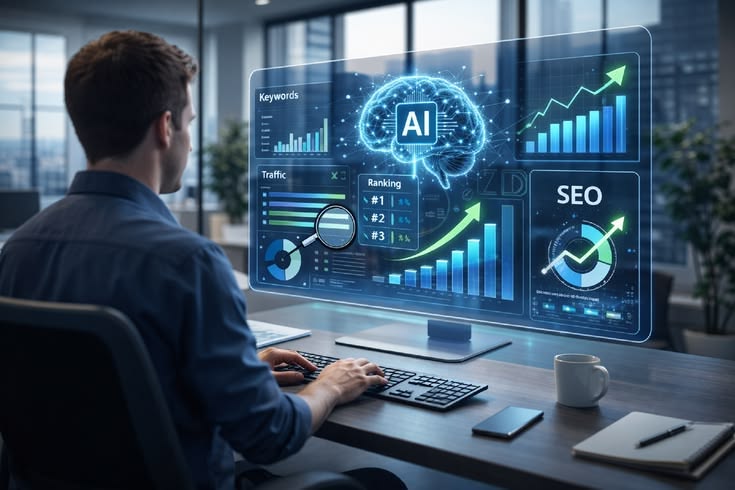
Cybersecurity team analyzing AI-driven cyber attack patterns, phishing threats, deepfakes, and adaptive malware risks on a digital dashboard.
cybersecurity

How Cyber Attacks Are Changing in the Age of AI

Introduction Cyber attacks have always evolved alongside technology, but AI has changed the pace and scale of that evolution. What once required skilled attackers, long preparation, and manual effort can now be partially or fully automated, allowing criminals to launch more attacks in less time. This means organizations are no longer dealing with isolated threats; they are facing industrialized cybercrime that can adapt quickly and target more victims at once. One of the biggest shifts is in social engineering. AI makes phishing messages sound more natural, personalized, and believable, which increases the chances that people will click, reply, or share sensitive information. Attackers are also using deepfake audio and video to impersonate executives, coworkers, or trusted contacts, turning identity fraud into a much more serious threat. AI is also improving the speed and precision of technical attacks. Criminals can use it to scan for vulnerabilities, optimize exploit attempts, and adjust malware behavior in real time. This makes attacks harder to stop because they can change their method as defenders respond. Another major change is that cyberattacks are becoming multi-channel. Instead of relying only on email, attackers now combine messaging apps, phone calls, collaboration tools, social platforms, and even legitimate authentication flows to reach targets. This creates a more realistic and coordinated attack path that is harder for users and security teams to recognize quickly. AI is also affecting the defensive side of security, because the same technology used by attackers can help defenders detect unusual behavior, analyze threats, and respond faster. But the overall risk is rising because attackers often move faster than organizations can adapt. As a result, cybersecurity teams are being pushed to focus more on prevention, identity verification, and resilience than on detection alone. Key changes Phishing is becoming more personalized and convincing. Deepfakes are making impersonation attacks more dangerous. Malware is becoming more adaptive and difficult to detect. Attacks are happening across more channels than email alone. Attackers are using AI to move faster than traditional defense teams. Conclusion Cyber attacks in the age of AI are faster, smarter, and more scalable than before. That means companies and individuals must become more careful about identity verification, suspicious messages, and security habits. The future of cyber defense will depend on using AI wisely, improving awareness, and building systems that can stop attacks before they spread. In this new environment, speed matters on both sides, but defense must become more proactive and resilient.extension. FAQ How is AI changing cyber attacks? AI is making attacks more automated, personalized, and difficult to detect by helping attackers create better phishing, deepfakes, malware, and multi-channel campaigns. What is the most common AI-powered attack? Phishing is one of the most common because AI can make messages sound more believable and targeted. Are deepfakes really a cybersecurity threat? Yes, deepfakes can be used to impersonate leaders, employees, or trusted contacts and trick people into sharing money or information. Can AI help defenders too? Yes, AI can help security teams detect threats, analyze patterns, and respond faster, but attackers are also using it aggressively. Why are AI attacks harder to stop? They are harder to stop because they can adapt in real time, operate across many channels, and move at machine speed. What should businesses do now? Businesses should improve employee awareness, verify identities carefully, strengthen security controls, and prepare for more advanced AI-driven threats.

Artificial Intelligence, cybersecurity, Technology

The Future of Cybersecurity in the Age of Generative AI

The Future of Cybersecurity in the Age of Generative AI The cybersecurity landscape is undergoing a dramatic transformation. As organizations continue to embrace digital technologies, cloud computing, remote work, and interconnected systems, cyber threats are becoming increasingly sophisticated. At the same time, a new technological revolution is reshaping how businesses defend themselves against these threats: Generative Artificial Intelligence (Generative AI). Generative AI has rapidly evolved from a fascinating innovation into a powerful business tool capable of creating content, analyzing data, automating processes, and assisting with complex decision-making. While much of the public attention has focused on AI-generated text, images, and videos, one of its most significant impacts is emerging in the field of cybersecurity. Generative AI is creating both opportunities and challenges. On one hand, it enables organizations to detect threats faster, automate security operations, and strengthen defenses against cybercriminals. On the other hand, malicious actors are leveraging the same technology to launch more convincing phishing attacks, develop advanced malware, and exploit vulnerabilities at unprecedented speeds. As businesses prepare for the future, understanding the relationship between generative AI and cybersecurity has become essential. The future of digital security will be defined by how effectively organizations can harness AI while managing the risks it introduces. Understanding Generative AI in Cybersecurity Generative AI refers to artificial intelligence systems capable of creating new content, generating responses, producing code, and learning patterns from massive datasets. Unlike traditional AI systems that primarily analyze information, generative AI can actively create solutions, recommendations, and predictions based on its training. In cybersecurity, this capability opens new possibilities for threat detection, incident response, vulnerability management, and security automation. AI systems can analyze vast amounts of security data, identify suspicious activities, and provide actionable insights in real time. Security teams are increasingly overwhelmed by the volume of alerts generated by modern networks. Generative AI helps reduce this burden by filtering irrelevant alerts, prioritizing threats, and assisting analysts in understanding complex attack patterns. This shift allows security professionals to focus on strategic decision-making rather than spending valuable time on repetitive tasks. The Growing Complexity of Cyber Threats Cybercriminals continue to evolve their methods as organizations strengthen their defenses. Traditional cybersecurity approaches often struggle to keep pace with the scale and speed of modern attacks. Attack surfaces have expanded significantly due to cloud adoption, Internet of Things (IoT) devices, remote work environments, and digital transformation initiatives. Every connected device and application introduces potential vulnerabilities that attackers can exploit. Modern threats include: Advanced phishing campaigns Ransomware attacks Supply chain compromises Zero-day vulnerabilities Insider threats Credential theft Social engineering attacks The increasing sophistication of these threats requires equally advanced defense mechanisms. Generative AI provides organizations with the ability to analyze complex environments continuously and identify emerging risks before they become major incidents. AI-Powered Threat Detection and Prevention One of the most promising applications of generative AI in cybersecurity is threat detection. Traditional security systems often rely on predefined rules and known attack signatures. While effective against familiar threats, these systems may struggle to identify new or evolving attack techniques. Generative AI can analyze patterns across networks, endpoints, user behavior, and application activity to detect anomalies that may indicate malicious activity. For example, if an employee suddenly accesses sensitive data from an unusual location or begins transferring large volumes of information, AI systems can recognize the abnormal behavior and trigger alerts. The benefits include: Faster threat identification Reduced false positives Improved accuracy Real-time monitoring Continuous learning capabilities By identifying threats earlier in the attack lifecycle, organizations can minimize damage and reduce recovery costs. Automating Security Operations Security operations centers (SOCs) face significant challenges due to staffing shortages and increasing workloads. Many organizations struggle to hire enough cybersecurity professionals to manage growing security demands. Generative AI can help bridge this gap by automating routine tasks and supporting security teams. AI-driven automation can assist with: Log analysis Incident classification Threat intelligence gathering Vulnerability assessment Security reporting Compliance monitoring Instead of manually reviewing thousands of alerts each day, analysts can rely on AI-powered systems to summarize incidents, recommend actions, and prioritize critical threats. This automation improves efficiency while enabling security teams to respond more quickly to potential attacks. The Role of Generative AI in Incident Response When a cyberattack occurs, rapid response is critical. Every minute of delay can increase financial losses, operational disruptions, and reputational damage. Generative AI can significantly accelerate incident response processes. AI systems can analyze attack data, identify affected systems, determine the likely attack path, and generate recommended remediation steps. Security teams can use AI-generated insights to: Investigate incidents faster Contain threats more effectively Reduce downtime Improve recovery processes Document incidents automatically As AI technologies continue to mature, organizations may increasingly rely on autonomous response systems capable of taking immediate defensive actions without human intervention. Predictive Cybersecurity and Risk Assessment One of the most exciting developments in AI-driven security is predictive threat analysis. Rather than simply reacting to attacks after they occur, organizations can use generative AI to anticipate future threats. By analyzing historical attack data, vulnerability trends, industry intelligence, and global threat activity, AI systems can identify potential risks before they are exploited. Predictive cybersecurity enables businesses to: Prioritize security investments Patch vulnerabilities proactively Strengthen high-risk systems Improve risk management strategies Reduce attack exposure This proactive approach represents a significant shift from traditional reactive security models. How Cybercriminals Are Using Generative AI While generative AI offers powerful defensive capabilities, it also provides new tools for cybercriminals. Attackers are increasingly using AI technologies to enhance their operations and improve attack success rates. Some malicious applications include: AI-Generated Phishing Attacks Traditional phishing emails often contain grammatical errors and suspicious language. Generative AI can produce highly convincing messages that closely resemble legitimate communications. These personalized attacks can be tailored to specific individuals, making them significantly harder to detect. Advanced Social Engineering AI can generate realistic conversations, fake identities, and persuasive messages designed to manipulate victims into revealing sensitive information. Automated Malware Development Cybercriminals may use AI-assisted coding tools to create malware variants more quickly and

Artificial Intelligence, Data Privacy & Security

The Rise of Private AI: Why Businesses Want More Control Over Their Data

The Rise of Private AI: Why Businesses Want More Control Over Their Data Artificial Intelligence has become one of the most transformative technologies of the modern business era. From automating routine processes and generating content to analyzing massive datasets and enhancing customer experiences, AI is helping organizations operate more efficiently than ever before. However, as AI adoption accelerates, a new concern has emerged alongside the excitement: data privacy. Businesses today generate and store enormous volumes of sensitive information. Customer records, financial data, intellectual property, strategic plans, employee information, and proprietary research are among the most valuable assets an organization possesses. While public AI platforms offer impressive capabilities, many companies are becoming increasingly cautious about how their data is processed, stored, and used. This growing concern has led to the rise of Private AI, an approach that allows organizations to harness the power of artificial intelligence while maintaining greater control over their data. Rather than sending sensitive information to public AI services, businesses are exploring private AI environments that prioritize security, compliance, and ownership. As digital transformation continues to reshape industries, Private AI is quickly becoming a critical component of enterprise technology strategies. Understanding Private AI Private AI refers to artificial intelligence systems that operate within a controlled environment owned or managed by an organization. These systems can be deployed on-premises, within private cloud infrastructure, or through dedicated environments that ensure data remains isolated from public systems. Unlike public AI platforms that often rely on shared infrastructure and external data processing, Private AI enables businesses to retain control over where their information resides, who can access it, and how it is used. The objective is simple: gain the benefits of advanced AI capabilities without exposing sensitive business data to unnecessary risks. Private AI solutions can include: Self-hosted large language models Private generative AI assistants Secure machine learning environments Enterprise AI platforms with dedicated infrastructure Industry-specific AI systems designed for regulated sectors This model is becoming increasingly attractive as organizations seek to balance innovation with security and regulatory compliance. Why Businesses Are Prioritizing Data Control Data has become one of the most valuable assets in the modern economy. As AI systems require access to large datasets for analysis and decision-making, organizations want assurance that their information remains protected. Several factors are driving the shift toward Private AI. Protecting Sensitive Information Many businesses handle confidential data that cannot be shared outside approved environments. Financial institutions manage customer transactions, healthcare providers process medical records, and technology companies store proprietary intellectual property. Using public AI systems may raise concerns about data exposure, accidental leaks, or unauthorized access. Private AI allows organizations to keep critical information within secure boundaries. For industries where trust is essential, maintaining complete control over sensitive data is often non-negotiable. Meeting Regulatory Requirements Governments and regulatory bodies worldwide are introducing stricter data protection laws. Regulations such as GDPR, industry-specific compliance frameworks, and national privacy laws require organizations to demonstrate responsible data handling practices. Businesses operating across multiple regions face increasing pressure to comply with diverse regulatory requirements. Private AI environments provide greater transparency and control, helping organizations meet compliance obligations more effectively. By knowing exactly where data is stored and processed, businesses can reduce regulatory risks and avoid costly penalties. Safeguarding Intellectual Property For many organizations, proprietary information represents a significant competitive advantage. Product designs, research findings, source code, business strategies, and internal documentation are assets that businesses cannot afford to expose. As generative AI tools become more integrated into daily workflows, concerns have emerged about how submitted data may be used by external systems. Private AI offers a solution by ensuring sensitive business knowledge remains within the organization’s own ecosystem. This level of protection is particularly important for industries driven by innovation and intellectual property. The Growing Trust Challenge in AI Despite the remarkable capabilities of AI, trust remains one of the biggest barriers to adoption. Business leaders often ask critical questions: Who owns the data used by the AI system? Where is the information stored? Can external parties access company data? How is the data protected? What happens if a security breach occurs? These concerns become even more significant when AI systems are used for mission-critical operations. Private AI helps address these trust issues by providing greater visibility and governance over AI operations. Organizations can establish clear policies regarding data access, model training, monitoring, and security controls. When employees and customers trust how AI is being implemented, adoption tends to increase significantly. How Private AI Improves Security Cybersecurity threats continue to evolve at an alarming pace. Data breaches can lead to financial losses, reputational damage, legal consequences, and operational disruptions. Private AI strengthens security through several mechanisms. Controlled Access Organizations can define who has access to AI systems and what information can be processed. Role-based permissions reduce the risk of unauthorized access and internal misuse. Enhanced Monitoring Private environments enable businesses to monitor AI activity more closely. Security teams can track interactions, detect anomalies, and respond quickly to potential threats. Reduced Data Exposure Keeping data within private infrastructure minimizes the need to transmit sensitive information across external networks, reducing potential attack surfaces. Custom Security Policies Businesses can implement security measures aligned with their specific needs, including encryption, authentication, network isolation, and auditing capabilities. These controls provide a level of protection that many organizations consider essential for enterprise-scale AI adoption. The Role of Private AI in Highly Regulated Industries Certain industries face particularly strict requirements regarding privacy and data protection. Healthcare Healthcare organizations manage highly sensitive patient information. AI can assist with diagnostics, patient engagement, medical research, and operational efficiency, but privacy concerns remain paramount. Private AI allows healthcare providers to leverage AI while maintaining compliance with healthcare regulations and safeguarding patient trust. Financial Services Banks and financial institutions process vast amounts of confidential customer data. Fraud detection, risk analysis, and customer support increasingly rely on AI technologies. Private AI helps financial organizations maintain strict security standards while improving operational performance. Government and Public Sector Government agencies often handle classified

Artificial Intelligence, cybersecurity, Technology

The Future of Cybersecurity in an AI-Driven World

The Future of Cybersecurity in an AI-Driven World Introduction The digital world is evolving faster than ever, and with every technological advancement comes a new set of security challenges. Artificial Intelligence (AI) has become one of the most transformative technologies of our time, helping businesses automate processes, improve decision-making, and unlock new levels of efficiency. However, as AI continues to reshape industries, it is also changing the cybersecurity landscape in profound ways. Cybersecurity has traditionally been a constant battle between defenders and attackers. Security teams work to protect systems and data, while cybercriminals continuously search for new vulnerabilities to exploit. The introduction of AI has accelerated this battle. Organizations are now using AI-powered security tools to detect threats faster and respond more effectively, while attackers are leveraging the same technology to launch increasingly sophisticated cyberattacks. As we move deeper into an AI-driven era, cybersecurity is no longer just an IT concern. It has become a strategic business priority. Companies that fail to adapt to emerging security threats risk financial losses, reputational damage, regulatory penalties, and operational disruptions. How AI Is Transforming Cybersecurity Artificial intelligence is transforming cybersecurity by enabling systems to analyze massive amounts of data in real time. Traditional security tools often rely on predefined rules and signatures to identify threats. While effective against known attacks, these systems can struggle to detect new or evolving threats. AI-powered cybersecurity solutions use machine learning algorithms to identify unusual patterns, recognize anomalies, and detect suspicious behavior that may indicate a cyberattack. This allows organizations to identify and respond to threats more quickly than ever before. Faster Threat Detection and Response One of the biggest advantages of AI in cybersecurity is speed. Modern organizations generate enormous volumes of data every second. AI systems can monitor network traffic, user behavior, applications, and endpoint devices simultaneously, identifying threats within seconds rather than hours or days. This rapid detection capability helps businesses minimize damage, reduce downtime, and improve overall security resilience. Smarter Threat Intelligence Threat intelligence is essential for understanding emerging attack techniques, malware variants, and vulnerabilities. AI can analyze information from security reports, threat databases, dark web forums, and network logs to identify potential risks before they become major incidents. This proactive approach allows organizations to strengthen defenses and stay one step ahead of attackers. The Rise of AI-Powered Cyber Threats While AI strengthens defenses, it is also giving cybercriminals new tools and capabilities. Advanced Phishing Attacks Traditional phishing emails often contain spelling mistakes or suspicious wording. AI-generated phishing messages are much more convincing. They can be personalized, professionally written, and tailored to specific individuals or organizations. As a result, employees may find it increasingly difficult to distinguish between legitimate communications and fraudulent attempts. Deepfakes and Identity Fraud Deepfake technology uses AI to create highly realistic audio, video, and images. Criminals can use deepfakes to impersonate executives, employees, or trusted individuals. These fake identities can be used to authorize fraudulent payments, gain unauthorized access, or manipulate employees into revealing confidential information. AI-Enhanced Ransomware Ransomware attacks continue to evolve. AI can help attackers identify valuable targets, automate attack strategies, and evade traditional security systems. This increased sophistication means businesses need more intelligent security solutions capable of detecting suspicious activity before ransomware can spread. The Growing Importance of Cloud Security Cloud computing has become essential for modern organizations, but it also introduces new security challenges. AI-powered cloud security platforms can continuously monitor cloud environments, identify misconfigurations, detect unusual activities, and recommend corrective actions. This automated protection helps organizations maintain stronger security while reducing operational complexity. As businesses continue migrating applications and data to cloud platforms, AI-driven cloud security will become even more important. Securing the Internet of Things (IoT) The number of connected devices is growing rapidly. From smart sensors and industrial machinery to wearable devices and connected appliances, IoT is transforming how businesses operate. However, many IoT devices lack strong security controls. AI can help by monitoring device behavior, detecting anomalies, and identifying compromised devices before they become entry points for cyberattacks. As IoT ecosystems expand, AI-powered monitoring will be critical for maintaining security. Zero Trust and AI: A Powerful Combination The traditional concept of trusting users and devices inside a network perimeter is becoming outdated. Modern organizations are increasingly adopting Zero Trust security models based on the principle of “Never Trust, Always Verify.” Continuous Verification AI enhances Zero Trust architectures by continuously evaluating user behavior, device health, access requests, and contextual information. Instead of relying on a single login event, AI can continuously assess risk levels and adjust access permissions in real time. Reducing Insider Threats Insider threats remain one of the most challenging security risks. AI can identify unusual user behavior that may indicate compromised accounts or malicious activity from within the organization. This capability helps security teams detect and address threats before significant damage occurs. The Future of Identity and Access Management Passwords alone are no longer enough to protect sensitive systems and information. AI-powered authentication solutions are introducing more advanced methods of identity verification through behavioral biometrics. Behavioral Biometrics Behavioral biometrics analyze patterns such as: Typing speed Mouse movements Device usage habits Login locations Navigation behavior These unique behavioral characteristics help verify identities without creating friction for users. Addressing the Cybersecurity Skills Gap The global shortage of cybersecurity professionals continues to challenge organizations worldwide. AI can help bridge this gap by automating repetitive security tasks such as: Log analysis Threat detection Vulnerability scanning Incident response Security monitoring By handling routine tasks, AI allows cybersecurity experts to focus on strategic planning and complex investigations. The Risks and Challenges of AI in Cybersecurity Despite its benefits, AI is not a perfect solution. Adversarial AI Attacks Cybercriminals are developing techniques to manipulate AI systems themselves. These attacks may involve: Poisoning training data Manipulating machine learning models Exploiting algorithm weaknesses Bypassing AI-powered defenses Organizations must secure not only their networks but also the AI systems protecting them. Privacy and Compliance Concerns AI systems often require access to large amounts of data. Businesses must ensure that

Symbolic image of digital data protection and cybersecurity.
Data Privacy & Security

Data Privacy & Security: Protecting Your Digital Footprint in the Age of AI

Introduction In today’s hyper-connected world, data is the new currency. Every click, login, and online purchase leaves behind a trail of information — your digital footprint. But as technology evolves, so do cyber threats. From phishing scams to ransomware, the fight for data privacy and security has become one of the biggest challenges of our digital age. This blog explores the importance of data privacy and security in 2025, the growing influence of AI in cybersecurity, and practical steps you can take to protect personal and business data. 1. What is Data Privacy and Security? Data Privacy refers to controlling who can access your personal information and how it’s used. Data Security focuses on protecting that data from unauthorized access, corruption, or theft. Together, they ensure that your personal, financial, and organizational information remains safe and confidential. 2. Why Data Privacy Matters More Than Ever With billions of people online, sensitive data — like bank details, passwords, and health records — can be easily exploited.Key reasons why privacy matters: Identity Protection: Prevents identity theft and fraud. Trust & Compliance: Businesses must comply with GDPR, CCPA, and India’s DPDP Act. Control Over Information: Gives individuals power over how their data is used. Did you know? Over 80% of consumers are more likely to trust brands that prioritize data transparency. 3. AI’s Role in Modern Cybersecurity Artificial Intelligence (AI) has become both a shield and a sword in the cybersecurity landscape. How AI Strengthens Security Threat Detection: AI can analyze millions of data points in real time to detect suspicious activity. Automated Response: Reduces human error by instantly isolating infected systems. Predictive Analysis: Identifies vulnerabilities before hackers exploit them. But Beware — AI Can Be Misused Hackers are also using AI to create deepfakes, phishing bots, and malware that can bypass traditional defenses. 4. Top Data Security Challenges in 2025 Cloud Vulnerabilities: As more businesses move to the cloud, weak configurations lead to data leaks. Ransomware Attacks: Criminals lock systems and demand payment in cryptocurrency. IoT Device Risks: Smart home devices can become entry points for hackers. Insider Threats: Employees can unintentionally or maliciously leak information. AI-Driven Cybercrime: Automated attacks powered by generative AI tools. 5. Best Practices to Protect Your Data Here are proven steps to strengthen your personal and organizational data security: Use Strong Passwords: Combine uppercase, lowercase, symbols, and numbers. Enable Multi-Factor Authentication (MFA): Adds an extra security layer. Encrypt Sensitive Files: Ensure data is unreadable without authorization. Regular Software Updates: Patch vulnerabilities frequently. Educate Employees: Conduct cybersecurity awareness training. Backup Regularly: Keep offline and cloud backups of crucial data. Limit Data Sharing: Share only what’s necessary and with trusted sources. 6. The Future of Data Privacy: Regulation & Ethics Governments across the globe are tightening data protection laws. Europe: GDPR continues to evolve with stricter AI governance. India: The Digital Personal Data Protection (DPDP) Act 2023 emphasizes user consent and accountability. Global Trend: Companies now appoint Data Protection Officers (DPOs) to ensure compliance. As we step into an AI-driven decade, ethical handling of data will determine brand reputation and customer loyalty. 7. Pro Tips for Individuals & Businesses Regularly review app permissions. Avoid connecting to public Wi-Fi for financial transactions. Use VPNs to secure browsing. For businesses — adopt Zero Trust Architecture, ensuring “never trust, always verify.” Remember: Data privacy isn’t a one-time effort — it’s a continuous process. Conclusion Data privacy and security aren’t just IT concerns — they’re human rights and business essentials. As AI and digital technologies evolve, protecting your digital footprint is no longer optional. It’s your strongest defense against cyber threats. Whether you’re an individual user or a global enterprise, the message is clear:                                             “Stay private. Stay secure. Stay aware.” FAQ Section Q1. Why is data privacy important in 2025?Because the amount of personal data collected by companies and AI systems is higher than ever, increasing the risk of misuse. Q2. What’s the difference between data privacy and data security?Privacy is about control and consent; security is about protection and prevention. Q3. How does AI help improve cybersecurity?AI helps detect threats faster, automates responses, and predicts future attacks. Q4. What are common threats to data security?Phishing, ransomware, insider leaks, and cloud misconfigurations. Q5. What’s the best way to secure personal data?Use strong passwords, enable MFA, encrypt files, and stay alert online.

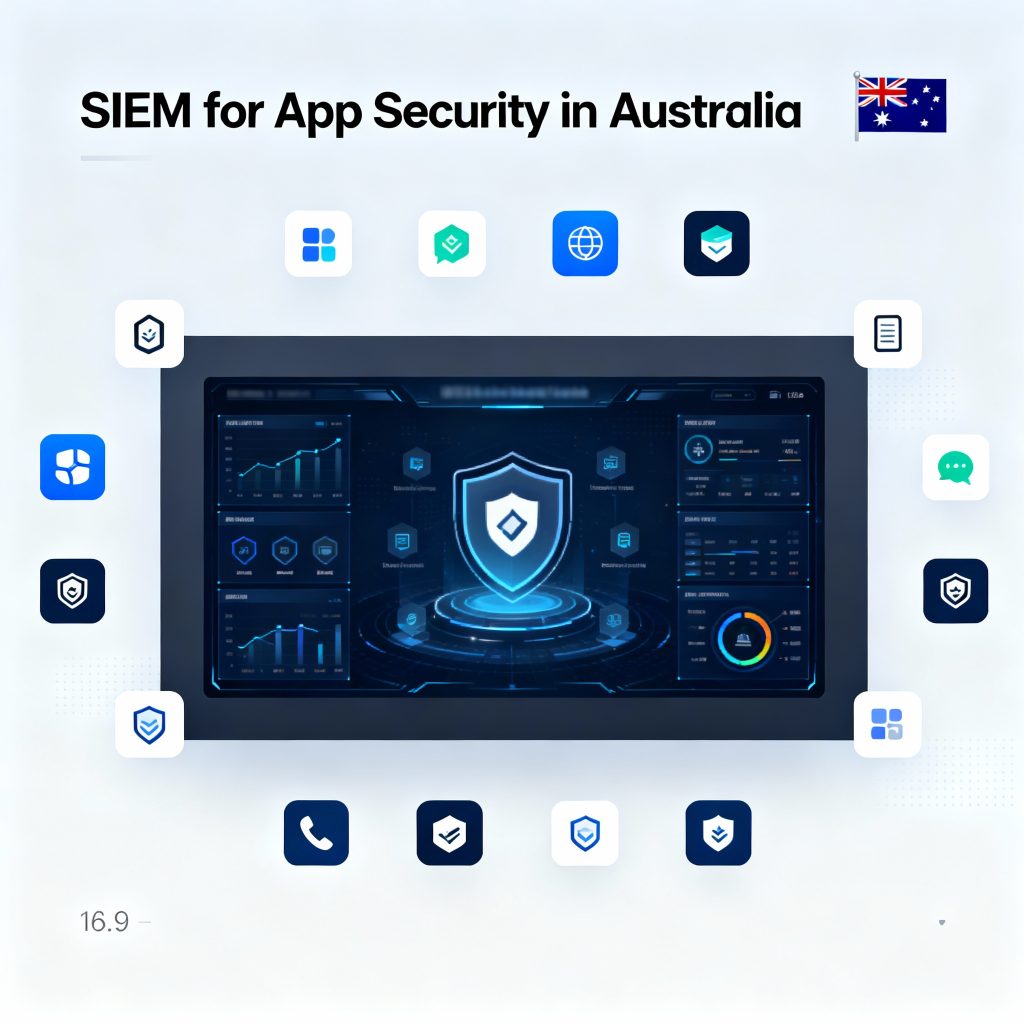
Futuristic SIEM dashboard interface overlayed with application security icons and the Australian flag, representing application security solutions for Australia
Artificial Intelligence

SIEM for App Security in Australia

Introduction Organisations in Australia are grappling with a rapidly evolving cyber threat landscape where application-layer attacks are more frequent and far-reaching than ever before. As digital infrastructures grow more complex and interconnected, security teams need efficient solutions to detect, investigate, and respond to threats targeting their applications. Security Information and Event Management (SIEM) platforms have emerged as a vital line of defense, providing both real-time visibility and advanced analytics to help businesses stay ahead of attackers. This blog explores why SIEM has become indispensable for Australian organisations seeking robust application security—and how it serves as a strategic weapon against the next generation of threats.​ SIEM for App Security in Australia How SIEM Protects Modern Applications Centralised Log Management: SIEM consolidates logs from across your entire stack—web apps, APIs, databases, and cloud services—transforming fragmented data into one coherent intelligence stream.​ Real-Time Threat Detection: Automated monitoring and correlation engines analyse events at scale, detecting suspicious behaviours and potential breaches before they escalate.​ Incident Response Enablement: SIEM alerts analysts to actionable threats, allowing them to prioritise and respond quickly, preventing damage and downtime.​ Compliance Support: With Australia’s data privacy regulations and the Security of Critical Infrastructure Act, SIEM helps organisations maintain auditable records and meet regulatory requirements efficiently.​ Key Benefits Early Breach Identification: By connecting seemingly minor events, SIEM unmasks coordinated attacks—like credential-stuffing or API abuse—that could remain undetected in siloed systems.​ Streamlined Security Operations: Automating event triage and investigation reduces the manual workload for security professionals and accelerates incident remediation.​ Integration with SOAR: Many SIEM platforms now work alongside Security Orchestration, Automation, and Response (SOAR) tools, further improving response times and consistency.​ SIEM in the Australian Security Landscape Australian businesses face increasingly complex and sophisticated attacks, prompting widespread adoption of SIEM solutions. According to recent market analysis:​ Growth Driven by Compliance and Threats: Demand for SIEM is surging as organisations strive to comply with the Australia Cyber Security Strategy and protect critical infrastructure, especially in sectors like BFSI, IT, and government.​ Rise of AI and Automation: Modern SIEM systems leverage artificial intelligence and machine learning to detect threats and automate responses, addressing the skills shortage and increasing detection accuracy.​ Operational Challenges: Integrating SIEM with legacy infrastructures, managing the volume of security data, and controlling costs remain significant hurdles for Australian businesses.​ Use Cases & Statistics Essential Eight Maturity: SIEM is a cornerstone for achieving the Australian Signals Directorate’s Essential Eight maturity model, translating to better preparedness and faster detection.​ Incident Response Uptake: 86% of Australian entities had an active incident response plan in 2024, showing a maturing industry that sees SIEM as critical to readiness.​ Market Outlook: The SIEM market in Australia is set for robust growth, fueled by both enterprise and SME adoption, as real-time detection and actionable security analytics become business imperatives.​ Conclusion SIEM has become a non-negotiable pillar for application security in Australia’s cyber threat environment. By centralising log data, delivering advanced analytics, and supporting compliance, SIEM empowers organisations to defend against evolving threats efficiently and confidently. Investing in SIEM today means not just meeting regulatory demands, but enabling your team to spot sophisticated attacks much earlier—and respond faster. As cyber risks grow, the question is not if, but how soon your organisation will face them. Make SIEM the cornerstone of your cyber strategy and stay a step ahead. Ready to take your application security to the next level? Explore advanced SIEM platforms or consult with a cybersecurity expert to start protecting your business today! FAQ 1. What is SIEM and why is it important for Australian businesses? SIEM stands for Security Information and Event Management—a platform to collect, analyse, and correlate security data in real-time, crucial for early threat detection and regulatory compliance.​ 2. How does SIEM help meet Australian compliance standards? SIEM provides auditable logs, automated reporting, and breach detection, helping organisations comply with regulations like the Privacy Act and Security of Critical Infrastructure Act.​ 3. What kinds of threats can SIEM detect in applications? SIEM detects credential stuffing, API abuse, insider threats, and targeted cyber-attacks by correlating anomalous events across application layers.​ 4. Are SIEM platforms suitable for both large enterprises and SMEs? Yes, both large enterprises and small-to-medium businesses are increasingly adopting SIEM to strengthen their security posture and compliance readiness.​ 5. What trends are shaping SIEM adoption in Australia? AI-powered analytics, automation, and integration with SOAR are top trends, addressing complexity and improving response speeds in the face of rising threats.

How would you like me to respond?

Select a personality for your AI assistant

Normal
Happy
Sad
Angry

Your selection will affect how the AI assistant responds to your messages

Chat Assistant

Let's discuss your project!

Hear from our clients and why 3000+ businesses trust TechOTD

Tell us what you need, and we'll get back with a cost and timeline estimate

Scroll to Top