May 2026

Artificial Intelligence, Software development, Technology & Innovation

Future of AI in Software Engineering

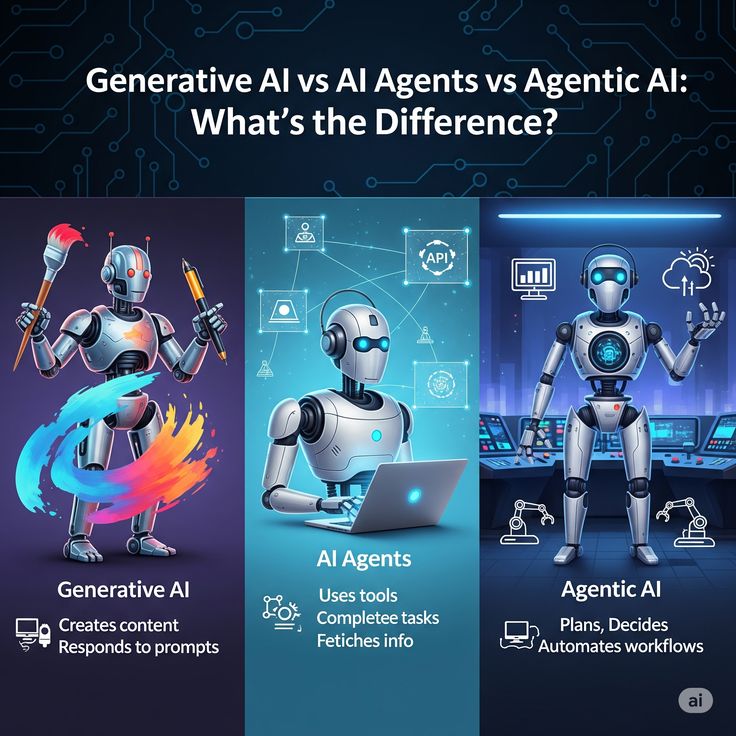
The Future of AI in Software Engineering: From Copilots to Autonomous Agents (2026) The software development lifecycle (SDLC) is undergoing its most radical architectural shift since the invention of high-level programming languages. We have firmly moved past the era of simple code-autocompletion. Today, the conversation has shifted from “Will AI write code?” to “How will autonomous AI agents orchestrate entire software architectures?” In this new paradigm, software engineers are transitioning from manual syntax writers to high-level system architects and code supervisors. The future of software engineering isn’t about typing code faster; it’s about steering autonomous AI pipelines, managing complex system integrations, and governing algorithmic logic safely at scale. This comprehensive guide explores the structural innovations, multi-agent frameworks, and emerging engineering methodologies defining the future of AI-driven software development. 1. The Paradigm Shift: From Copilots to Autonomous Software Agents For the last few years, AI in software engineering was primarily represented by Inline Copilots—predictive engines that sat inside the Integrated Development Environment (IDE) to suggest the next line of code or generate basic unit tests based on a human developer’s explicit prompt. +———————————————————————–+ | THE CODING AGENT EVOLUTION | +———————————————————————–+ | LEGACY COPILOTS | AUTONOMOUS AGENTS | | “Reactive Autocomplete” | “Proactive Orchestration” | | • Single-file context awareness | • Whole-repository understanding | | • Requires constant human prompts | • Spawns sub-agents to fix bugs | | • Writes isolated functions | • Executes, tests, and deploys code| +———————————————————————–+ Modern software development relies heavily on Autonomous Software Agents. These systems don’t just wait for isolated text prompts. When assigned a feature request or a complex bug ticket directly from project management tools like Jira or GitHub, an autonomous agent can look at an entire, multi-million-line code repository, map out a cross-file execution strategy, write the required logic, run local test suites, debug its own compiler errors, and submit a fully verified Pull Request (PR) for human review.  2. Structural Impact Across the Software Development Lifecycle AI workflow automation isn’t just accelerating code generation; it is actively restructuring every individual phase of the traditional SDLC. A. Requirements Synthesis and System Architecture Designing The Friction Point: Translating ambiguous human business requirements into structured technical specification documents and database schemas can take weeks of cross-departmental alignment meetings. The AI Engineering Solution: Advanced LLM orchestration layers ingest unstructured product specification documents and automatically output optimized database schemas, system architecture diagrams, and RESTful API definitions. By analyzing historical traffic patterns, the AI can even recommend specific cloud infrastructure layouts (e.g., microservices vs. serverless edge functions) tailored to the project’s scaling goals. B. Autonomous Feature Development and Code Refactoring The Friction Point: Legacy codebases accumulate massive amounts of technical debt, making code refactoring an expensive, high-risk operational burden. The AI Engineering Solution: Specialized software agents can read an entire legacy repository, flag deprecated dependencies, and completely refactor outdated structures (such as converting legacy monolithic functions into clean, modern asynchronous modules) in minutes. The system automatically preserves runtime logic integrity while optimizing the codebase for execution speed and memory efficiency. C. Automated Continuous Integration and Smart Debugging (DevOps) The Friction Point: Developers waste valuable hours chasing down cryptic stack traces, configuration discrepancies, and CI/CD build pipeline failures. The AI Engineering Solution: Modern DevOps pipelines integrate AI observation loops directly into the build environment. [Failed CI/CD Pipeline Build] —> [AI Stack Trace Parser] —> [Autonomous Code Fix] —> [Successful Build Deploy] When a build fails, an AI diagnostic agent instantly reads the stack trace, identifies the line of code causing the memory leak or dependency conflict, applies a programmatic fix, verifies it against integration tests, and restarts the deployment sequence without human intervention. 3. The Multi-Agent Software Factory Building highly scalable, complex software products requires moving away from single-prompt generation and embracing modular, multi-agent architectures. Instead of asking one generalized AI model to build an entire app, modern software factories distribute tasks across an organized network of specialized sub-agents. [Inbound Jira Feature Ticket] | v +——————————+ | System Architect Agent | +——————————+ / | \ +————————+ | +————————-+ | v | +———————–+ +——————–+ +———————–+ | Lead Coder Agent | | Automated Testing | | Security Compliance | | | | Agent | | Agent | +———————–+ +——————–+ +———————–+ | | | +————————+ | +————————-+ \ | / v +——————————+ | Verified Pull Request (PR) | +——————————+ The System Architect Agent: Analyzes the inbound feature request, examines the existing codebase structure, and maps out a localized execution blueprint detailing which files need adjustment. The Lead Coder Agent: Takes the architectural blueprint and writes the precise code patches, conforming strictly to the repository’s established styling guides and naming conventions. The Automated Testing Agent: Independently writes comprehensive unit, integration, and end-to-end tests specifically tailored to stress-test the new code patches against unexpected edge cases. The Security Compliance Agent: Acts as an automated code auditor, scanning the final changes for potential vulnerabilities like SQL injection flaws, hardcoded API keys, or memory management leaks before the pull request can be merged. 4. Evaluating the Core AI Engine Ecosystem for Code Enterprises developing custom AI-driven software development tools must select an underlying model infrastructure that aligns with their code complexity, data security models, and latency tolerances. Capability / Metric OpenAI (o1 / GPT-4o Suite) Anthropic (Claude 3.5 Sonnet) Google (Gemini 1.5 Pro) Primary Code Strength Elite multi-step logical reasoning and advanced algorithm synthesis. The gold standard for contextual code design, syntax precision, and large-scale architectural refactoring. Unprecedented context windows capable of ingesting an entire codebase or repository at once. Infrastructure Alignment Microsoft Azure Native / GitHub Ecosystem AWS Bedrock / Independent Cloud Integration Google Cloud Platform (GCP) / Workspace Native Best Software Engineering Use Case Building autonomous, tool-using agents and complex algorithmic microservices. Complex multi-file refactoring, code formatting compliance, and architectural blueprinting. Legacy code migration, continuous integration log analysis, and massive repository synthesis. Export to Sheets 5. Security, Code Governance, and Intellectual Property Risk Deploying autonomous code generation systems within an enterprise engineering workflow introduces unique security compliance demands and intellectual property


Artificial Intelligence, Software development, Technology & Innovation

Common Mistakes in AI Product Development

Common Mistakes in AI Product Development: The Enterprise Guide to Avoiding Costly Failures (2026) The allure of artificial intelligence has driven a massive wave of corporate investment. Yet, a stark reality remains hidden behind the triumphant press releases: a vast majority of enterprise AI initiatives fail to reach production, or fail to deliver meaningful return on investment (ROI) once deployed. Building an AI-powered product is fundamentally different from traditional software engineering. In standard software development, logic is deterministic, code behavior is predictable, and codebases scale linearly. AI systems, however, are probabilistic, heavily dependent on volatile data dynamics, and prone to silent degradation. This comprehensive blueprint outlines the most critical, high-impact mistakes organizations make during AI product development and provides actionable, human-centered strategies to ensure your applications succeed. 1. Mistake #1: Falling in Love with the Tech, Not the Problem The single most common driver of AI product failure is “Technology-First Thinking.” This occurs when an executive team or engineering group becomes enamored with a cutting-edge model architecture—such as generative multi-agent systems or ultra-large vision transformers—and goes searching for a corporate problem to solve with it. +———————————————————————–+ | PRODUCT ALIGNMENT PARADIGM | +———————————————————————–+ | THE FLIPPED APPROACH | THE RIGHT APPROACH | | (High Risk of Failure) | (Engineered for ROI) | | “We have this incredible LLM, how | “Our users are losing 4 hours a day | | can we force it into our user flows?” | to manual document sorting. What’s | | | the simplest tech to fix this?” | +———————————————————————–+ The Operational Solution Successful AI products are built backwards. Start with a deep, qualitative analysis of user pain points or operational bottlenecks. If a simple, rule-based heuristic or a classic deterministic script can solve the issue with 95% efficiency, do not deploy a complex machine learning model. AI should only be introduced when the problem involves high-dimensional, unstructured data, or requires probabilistic prediction at a scale humans cannot match. 2. Mistake #2: Treating Data Quality as a Secondary Checkbox An AI model possesses no inherent magic; it is simply a reflection of the historical data it consumes. Many enterprise teams spend months fine-tuning complex model hyperparameters while feeding the system fragmented, unstructured, or deeply biased training data. The Traps of Poor Data Management The Garbage In, Garbage Out Cycle: If your customer sentiment model is trained on messy, uncurated support logs filled with duplicate entries, formatting errors, and conflicting labels, the model will output unpredictable, low-confidence predictions. Data Leakage: A critical technical error where information from the target testing dataset accidentally seeps into the training data. This causes the model to show flawless, deceptive accuracy scores during development, only to completely collapse the moment it encounters live, real-world user data. [Messy, Uncurated Training Data] —> [Complex Model Fine-Tuning] —> [Erratic, High-Hallucination Output] The Operational Solution Adopt a data-centric AI philosophy. Shift your engineering hours away from model tweaking and toward aggressive data engineering. Invest heavily in automated cleaning pipelines, strict labeling standards, data deduplication, and rigorous validation mechanisms before your data touches a model. 3. Mistake #3: Underestimating the “Hidden Costs” of the AI Lifecycle Traditional software applications are relatively inexpensive to maintain once the initial code is deployed. AI products, conversely, incur substantial, continuous operational overhead that can quickly drain project budgets if not forecasted accurately. Cost Element Traditional Software AI-Powered Product Initial Prototyping Moderate development costs. Low-cost API access, high initial data curation costs. Compute Infrastructure Predictable, static cloud hosting. High-compute GPU clusters and variable token transaction costs. System Maintenance Occasional bug fixes and security updates. Continuous model monitoring, logging infrastructure, and regular retraining cycles. Performance Over Time Highly stable code behavior. Data Drift: Performance degrades silently as real-world user behavior shifts. The Silent Threat of Data Drift The moment an AI model is deployed to production, it begins to age. Consumer trends change, new industry jargon emerges, and macroeconomic realities shift. If an e-commerce recommendation model trained on 2024 data encounters the purchasing patterns of 2026, its predictive power drops sharply. This is data drift, and countering it requires continuous monitoring, prompt logging, and programmatic retraining infrastructure. 4. Mistake #4: Designing Abstract User Experiences Without Guardrails Many AI products fail not because the underlying machine learning logic is flawed, but because the user interface (UI) forces users into frustrating interactions. If an AI writing tool or automated workflow agent presents a massive, blank chat box with zero context, users face prompt fatigue and a steep learning curve. The Danger of Hidden Errors Because AI models output information probabilistically, they will occasionally make mistakes with absolute confidence. If your UI outputs these answers directly to an end-user or customer without clear confidence metrics or validation filters, it erodes user trust instantly. The Operational Solution Design your product layouts around an assisted user experience. Instead of forcing users to invent complex prompts from scratch, provide intuitive contextual UI elements—such as auto-suggested next steps, smart formatting chips, and explicit swipe-to-approve cards. Always design visible interfaces that clearly signal when the AI is processing low-confidence calculations, giving users a seamless mechanism to step in and override the system manually. 5. Mistake #5: Skipping Ironclad Security and Data Governance In the rush to capture market share, development teams often treat security, compliance, and governance as compliance burdens to handle right before launch. In the AI era, this oversight introduces massive legal and operational vulnerabilities. Critical Security Blind Spots in AI Development Proprietary Data Exposure: Accidentally routing sensitive corporate data, employee records, or consumer PII into external APIs that use those data inputs to train public models. Prompt Injection Vulnerabilities: Bad actors passing hidden instructions inside user-facing text boxes to bypass system safety walls, exposing underlying system architectures or stealing proprietary data. Regulatory Violations: Deploying black-box algorithms in highly regulated sectors (like banking, insurance, or healthcare) without a trace mechanism to explain exactly how the AI reached a specific financial or clinical decision. The Operational Solution Establish an airtight, multi-layered security framework at day one of your development

App Development, Artificial Intelligence, Software development

AI-Powered Mobile Applications

AI-Powered Mobile Applications: The Ultimate Blueprint for Next-Gen Enterprise Mobility (2026) The mobile app landscape has undergone a profound shift. For years, mobile applications were built as sleek, deterministic user interfaces—gateways that wrapped around backend databases to let users manually input data, scroll through static feeds, and toggle basic settings. Today, the paradigm has completely flipped. Enterprises are no longer building apps that wait for user instructions. Instead, they are deploying AI-Powered Mobile Applications: context-aware, hyper-personalized, intelligent ecosystems that run complex neural networks locally on device hardware, process multimodal real-time streams, and predict user intent before a single button is tapped. This comprehensive guide serves as an enterprise-grade blueprint for product leaders, mobile architects, and digital transformation executives aiming to design, secure, and scale the next generation of mobile experiences. 1. The Architectural Shift: Cloud AI vs. On-Device Edge AI When engineering an AI-powered mobile application, the foundational architectural decision revolves around where the cognitive processing occurs: in the cloud via remote APIs, or natively on the device using specialized silicon. +———————————————————————–+ | MOBILE AI COMPUTE ARCHITECTURE | +———————————————————————–+ | CLOUD-BASED AI | ON-DEVICE EDGE AI | | “High Latency & Powerful” | “Zero Latency & Private” | | • Processes massive multi-billion | • Runs optimized, compressed models | | parameter models via remote APIs | directly on mobile NPUs | | • Dependent on constant connectivity | • Functions flawlessly offline | | • Variable token and network costs | • Maximum privacy for sensitive PII | +———————————–+———————————–+ The Cloud AI Model (Server-Side) Cloud-centric mobile apps rely on sending user inputs (text, images, audio) over network protocols to massive enterprise model APIs (like OpenAI, Claude, or Gemini Enterprise). While this grants the application access to immense computational reasoning, it introduces significant bottlenecks for mobile users: network latency, high cloud token costs, and a total dependency on cellular connectivity. The On-Device Edge AI Model (Client-Side) Modern mobile chipsets feature highly advanced, dedicated Neural Processing Units (NPUs). By utilizing model optimization techniques like quantization and pruning, developers can compress specialized Large Language Models (LLMs) and computer vision frameworks to run directly on the smartphone. This approach unlocks near-zero latency, operates entirely offline, and guarantees that sensitive user metrics never leave the local hardware. 2. High-Impact Use Cases for Enterprise Mobile AI Integrating intelligent capabilities natively into mobile apps fundamentally alters how workforce teams and consumers interact with software on the move. A. Real-Time Field Operations and Multimodal Augmented Reality The Friction Point: Field engineers and maintenance crews waste critical hours flipping through multi-hundred-page technical manuals on tiny screens while attempting to repair complex machinery. The AI Automation Solution: An AI-powered field application uses the device’s camera feed to analyze hardware configurations natively. By processing the video frames in real time, the mobile app identifies specific mechanical parts, diagnoses visible wear and tear, and overlays step-by-step augmented reality (AR) repair schematics directly onto the physical components. The technician can speak naturally to the app to log completed steps, completely hands-free. B. Hyper-Personalized Predictive User Interfaces (UI/UX) The Friction Point: Mobile layouts are traditionally static, forcing users to repeatedly navigate complex menus and tap through numerous screens to complete daily, repetitive workflows. The AI Automation Solution: On-device machine learning algorithms continuously analyze localized usage patterns, geographic locations, time-of-day variables, and biometric data. If the app recognizes that a logistics manager opens the app every weekday at 8:00 AM at a specific warehouse to review freight manifests, the interface automatically reconfigures itself. It elevates those specific data metrics and shortcuts directly to the home screen before the user searches for them. C. Offline Intelligent Data Ingestion and Document Auditing The Friction Point: Sales representatives, insurance adjusters, and medical couriers operating in remote environments with spotty internet connections are blocked from processing applications, forms, and receipts. The AI Automation Solution: Leveraging local vision models, the mobile application transforms the device camera into an intelligent parsing scanner. It extracts structured information from physical documents, translates multi-language text instantly, and runs client-side validation logic to check for compliance errors or missing signatures entirely offline—syncing securely back to corporate servers the moment a network connection is re-established. 3. Technical Stack for Intelligent Mobile Development Building a stable, scalable AI application requires choosing the right software frameworks to interface with native mobile operating systems. [Mobile App Codebase: Swift / Kotlin] —> [Hardware Acceleration Layer: CoreML / NNAPI] —> [Device NPU Silicon] The iOS Ecosystem: Apple CoreML and Apple Intelligence For applications targeting the Apple ecosystem, CoreML serves as the primary machine learning framework. It automatically optimizes models to run across the CPU, GPU, and Apple’s specialized Apple Neural Engine (ANE). This framework gives mobile developers the power to implement advanced on-device text generation, image segmentation, and voice recognition with minimal impact on device battery life. The Android Ecosystem: TensorFlow Lite and Android NNAPI The Android landscape is highly fragmented across multiple hardware manufacturers. To achieve consistent performance, developers rely on TensorFlow Lite (TFLite) or PyTorch Mobile, coupled with the Android Neural Network API (NNAPI). This abstraction layer directs the application to leverage whatever hardware acceleration is available on the specific device, ensuring efficient execution across diverse Android ecosystems. Cross-Platform Alternatives For teams building apps via cross-platform frameworks like React Native or Flutter, bridging to on-device AI requires wrapping native CoreML and TFLite modules or using unified web-assembly solutions. While highly effective for basic image classification or semantic text manipulation, high-performance real-time video processing still benefits greatly from native Swift or Kotlin execution. 4. Design Principles for AI Mobile User Experiences Designing user interfaces for intelligent, probabilistic mobile applications requires abandoning many traditional web-based assumptions. Designing for Non-Deterministic Outputs Traditional apps output predictable results. AI apps, however, operate on probability. Designers must implement micro-interactions that communicate system confidence. For instance, if an app automatically scans a barcode or transcribes a vocal note, it should visually highlight areas where the AI’s confidence score dipped below a specific threshold, allowing the user to tap and manually verify that specific data

Artificial Intelligence, Technology & Innovation

AI in CRM Systems

AI in CRM Systems: The Ultimate Enterprise Guide to Autonomous Customer Relationships (2026) Customer Relationship Management (CRM) has undergone a radical transformation. For decades, CRMs functioned as glorious digital filing cabinets—systems of record where sales reps begrudgingly typed in call notes, updated deal stages, and manually scheduled follow-up emails. It was a backward-looking repository of what had already happened. Today, the integration of Artificial Intelligence has turned the CRM into a predictive engine of action. Modern, AI-driven CRMs do not wait for human input. They actively listen to customer interactions, predict client churn before it happens, auto-draft hyper-personalized hyper-targeted pipeline sequences, and autonomously guide sales, marketing, and support teams toward the highest-value actions. This comprehensive guide serves as your enterprise blueprint for deploying, scaling, and optimizing AI within your CRM ecosystem to drive unprecedented revenue growth and customer retention. 1. The Paradigm Shift: From Data Entry to Autonomous Execution To understand the business value of AI in CRM systems, we must look at how it redefines the daily workflows of revenue-generating teams. Traditional CRMs suffer from a critical vulnerability: human compliance. If a sales representative forgets to log an email, miscalculates a deal’s closing probability, or neglects a follow-up, the integrity of the corporate data pipeline collapses. +———————————————————————–+ | THE CRM REVOLUTION | +———————————————————————–+ | LEGACY SYSTEMS | AI-POWERED SYSTEMS | | “Systems of Record” | “Systems of Intelligence” | | • Manual data logging | • Automated background ingestion | | • Reactive pipeline reviews | • Proactive, real-time deal scoring | | • Static customer segmenting | • Predictive, behavior-based triggers | +———————————————————————–+ AI-powered CRMs shift the burden from the human to the software. By deploying continuous background ingestion, the CRM natively captures emails, calendars, phone logs, and customer support tickets. It converts this raw, unstructured data into actionable intelligence—meaning your teams spend less time updating spreadsheets and more time closing deals. 2. High-Impact AI Use Cases Across the Customer Lifecycle An enterprise AI CRM strategy shouldn’t just target one department. It should optimize every touchpoint a customer has with your brand, from initial awareness to long-term account retention. A. Next-Generation Predictive Lead Scoring The Friction Point: Marketing teams flood the pipeline with thousands of leads, forcing sales reps to waste valuable hours calling low-intent prospects while high-value accounts go cold. The AI Automation Solution: Instead of relying on static, arbitrary point systems (e.g., assigning 10 points for a whitepaper download), AI models analyze historical patterns across thousands of variables. The engine evaluates firmographics, real-time website behavior, intent data signals, and even executive hiring trends to generate a dynamic win-probability score. This ensures sales professionals focus their attention strictly on deals most likely to convert. B. Generative Pipeline Orchestration and Contextual Outreach The Friction Point: Crafting personalized, relevant outreach emails to hundreds of enterprise accounts takes hours, leading reps to rely on generic, low-conversion templates. The AI Automation Solution: Generative AI engines embedded directly within the CRM analyze a prospect’s LinkedIn profile, recent company press releases, and past internal account interactions. The system automatically drafts a highly personalized, contextual email sequence tailored to the prospect’s specific pain points. The sales rep simply reviews, refines, and hits send—compressing the prospecting cycle from hours to seconds. C. Predictive Churn Mitigation and Account Health Monitoring The Friction Point: Customer success teams are frequently blindsided by sudden account cancellations because they lack real-time visibility into declining client engagement. The AI Automation Solution: Natural Language Processing (NLP) models continuously analyze incoming support tickets, email sentiments, and product usage data sheets. If an enterprise client’s communication tone shifts from collaborative to frustrated, or if their software adoption metrics drop past a specific statistical threshold, the CRM automatically flags the account as a “high churn risk.” It triggers an autonomous alert to the account executive alongside a tailored retention playbook. 3. Architecture of an AI-Enabled CRM Ecosystem An enterprise-grade AI CRM relies on a cohesive technical architecture designed to ensure data accuracy, scalability, and seamless processing. [Raw Customer Touchpoints] —> [Unified Customer Data Platform] —> [AI Analytics Core] —> [Automated Operational Output] The Customer Data Platform (CDP) Layer Before any AI model can run effectively, your underlying corporate data must be unified. A robust CDP layer breaks down internal silos, pooling data from your website analytics, billing systems, marketing automation platforms, and customer service desks into a clean, normalized repository that feeds the AI core. The Semantic Analysis and Intent Engine This layer uses advanced NLP to read between the lines of customer interactions. It tracks the sentiment of emails, transcribes and extracts commitments made during video sales calls, and maps out organizational hierarchies within target accounts by analyzing CC lists and email metadata. The Actuation and Workflow Gateway The final layer turns insights into actions. If the AI core decides a deal is stalling, this gateway triggers automated workflows: scheduling reminders on a representative’s calendar, updating the opportunity stage within the core database, or launching targeted, programmatic retargeting ads via your marketing tech stack. 4. Selecting the Core Tech Infrastructure Stack When evaluating how to deploy AI into your CRM strategy, organizations typically choose between native, all-in-one platforms or building custom multi-model architectures. Strategic Approach Enterprise Native (e.g., Salesforce Einstein, HubSpot AI) Custom Multi-Model Architecture (OpenAI / Claude via API) Primary Structural Advantage Out-of-the-box deployment, native data integration, zero custom development required. Total control over model parameters, significantly lower token costs at scale, zero vendor lock-in. Data & Infrastructure Fit Ideal for organizations heavily anchored within a single enterprise CRM ecosystem. Perfect for enterprises with complex, proprietary data pipelines and unique workflow requirements. Implementation Velocity Rapid. Features can be flipped on via administrative settings instantly. Moderate to Slow. Requires dedicated engineering teams, vector databases, and custom API connections. For many organizations, a hybrid approach yields the highest ROI: leveraging native CRM AI features for standard tasks like email drafting and lead summary generation, while building custom, cloud-hosted predictive models to handle highly proprietary pricing strategies and churn metrics. 5. Security, Data Governance, and

Artificial Intelligence, Healthcare & Fitness, Technology & Innovation

AI Use Cases in Healthcare

AI Use Cases in Healthcare: The Practical Blueprint for Clinical and Operational Excellence (2026) The healthcare sector has transcended basic digital record-keeping and entered the age of autonomous intelligence. Today, integrating Artificial Intelligence (AI) into healthcare systems is no longer a speculative technology play; it is a fundamental strategy for survival. Hospitals, clinics, and pharmaceutical enterprises face unprecedented challenges: severe clinician burnout, skyrocketing operational overhead, and a massive surge in unstructured patient data. When properly architected, AI workflow automation transforms this burden into an asset. By handing high-volume data parsing, clinical documentation, and predictive diagnostics over to specialized AI models, healthcare organizations can return clinicians to their primary calling—direct, high-quality patient care. This comprehensive guide details the highest-ROI use cases for AI in modern healthcare ecosystems, providing an implementation framework optimized for compliance, security, and clinical efficacy. 1. The Core Philosophy of Healthcare AI Automation Deploying AI in a medical context requires a fundamentally different philosophy than automating standard corporate workflows. In a traditional corporate setting, a 2% error rate from an AI model might mean minor data cleanup. In healthcare, a 2% error rate can result in catastrophic clinical outcomes. Therefore, modern healthcare AI systems are built on a framework of augmented intelligence. The goal is never to replace human medical judgment, but to eliminate the administrative and analytical friction that isolates clinicians from their patients. +———————————————————————–+ | THE HEALTHCARE AI PARADIGM | +———————————————————————–+ | RAW DATA INGESTION | HUMAN-IN-THE-LOOP (HITL) | | “Heavy Analytical Lifting” | “Ultimate Clinical Authority” | | • Ambient voice transcription | • Physician reviews drafted charts | | • Cross-referencing lab data | • Radiologist signs off on anomalies | | • Parsing historical patterns | • Care manager approves interventions | +———————————————————————–+ By enforcing a strict Human-in-the-Loop (HITL) protocol, medical enterprises can deploy probabilistic large language models (LLMs) and deterministic computer vision algorithms safely, ensuring that final diagnostic, therapeutic, and administrative actions are always validated by licensed professionals. 2. High-Impact Clinical Use Cases Clinical workflows are notoriously bottlenecked by manual administrative tasks and data fragmentation. Implementing targeted AI pipelines directly relieves these pain points across multiple clinical disciplines. A. Ambient Clinical Documentation and Charting The Friction Point: Physicians routinely spend up to two hours entering electronic health record (EHR) data for every single hour spent face-to-face with a patient, driving historic industry burnout. The AI Automation Solution: Ambient AI scribes utilize low-latency, medical-grade speech-to-text engines to listen natively to patient-doctor conversations. The system filters out casual small talk, structures the relevant clinical insights, and automatically populates a comprehensive SOAP (Subjective, Objective, Assessment, and Plan) note inside the EHR system. The physician simply reviews, edits, and signs off on the note, shrinking documentation time by over 60%. B. Intelligent Diagnostic Imaging Pipelines The Friction Point: Radiologists face an overwhelming volume of complex scans (CT, MRI, X-ray), leading to diagnostic delays and fatigue-induced oversight of minute anomalies. The AI Automation Solution: Specialized computer vision models act as an automated first-line triage system. As scans are completed, the AI automatically pre-screens the imagery to flag critical conditions like acute intracranial hemorrhages, pulmonary embolisms, or early-stage tumors. The pipeline automatically escalates high-risk cases to the top of the radiologist’s reading queue, appending bounding boxes and statistical heatmaps over anomalous tissues to accelerate diagnostic accuracy. C. Predictive Analytics for Patient Deterioration The Friction Point: Acute hospital wards must constantly monitor patients to catch sudden physiological declines before they escalate into cardiac arrest or septic shock. The AI Automation Solution: Predictive AI models continuously stream real-time data from ICU monitors, lab results, and nursing logs. By recognizing subtle, multi-variable patterns that human eyes might miss—such as a specific, concurrent fluctuation in heart rate, oxygen saturation, and white blood cell counts—the system calculates an automated “deterioration risk score.” It automatically triggers early-warning alerts to the floor nursing station hours before a code blue event occurs. 3. Operational and Administrative Transformation A hospital’s operational infrastructure is incredibly complex. Managing revenue cycles, scheduling resources, and matching staffing requirements directly impact an institution’s financial stability and capacity to deliver care. [Inbound Patient Intake] —> [AI Revenue Cycle Automation] —> [Optimized Payer Reimbursement] A. Automated Prior Authorization and Revenue Cycle Management (RCM) The Friction Point: The prior authorization process is manual, tedious, and prone to insurance company denials, delaying vital patient treatments. The AI Automation Solution: When a physician orders a complex procedure, an enterprise AI agent automatically extracts the patient’s historical chart notes, pairs them with the required medical coding, and cross-references them against the insurance payer’s specific medical necessity criteria. The AI automatically compiles, formats, and submits the prior authorization bundle via electronic clearinghouses, reducing approval cycles from weeks to minutes. B. Predictive Inpatient Capacity and Staffing Optimization The Friction Point: Managing emergency department (ED) surges and inpatient bed availability typically relies on historical guesswork, leading to understaffed shifts or costly over-scheduling. The AI Automation Solution: Machine learning models ingest historical admission data, regional epidemiological tracking, local weather forecasts, and community event schedules to predict emergency department inflow up to 72 hours in advance. The operational workflow automatically outputs recommended nurse-to-patient staffing configurations and projects bed clearance times, maximizing hospital throughput and minimizing patient wait times. 4. Selecting the Core AI Infrastructure Stack for Healthcare Building a medical AI pipeline requires selecting model ecosystems that provide elite reasoning capabilities, highly specialized training sets, and ironclad enterprise security arrangements. Capability / Requirement OpenAI Enterprise (via Azure) Anthropic (Claude via AWS Bedrock) Google Cloud (Gemini & MedLM via Vertex AI) Primary Healthcare Strength Fast conversational APIs for patient intake and ambient voice systems. Exceptionally detailed, nuanced parsing of complex, unstructured clinical charts. Specialized, medical-native model architectures (Med-PaLM 2 / MedLM) out of the box. Compliance Infrastructure SOC 2 / HIPAA BAA via Microsoft Azure environment. Enterprise data isolation and safety guardrails through AWS. Highly secure Google Cloud healthcare data engines with deep regional compliance. Best Analytical Use Case Interactive telehealth assistants and real-time transcription. Legal/Regulatory audit compliance and complex clinical research parsing.

Artificial Intelligence, Digital Transformation, Educational Technology

AI Workflow Automation for Enterprises

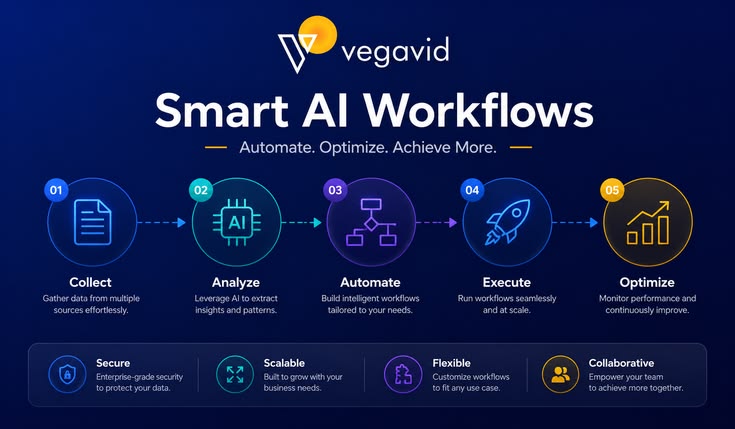
AI Workflow Automation for Enterprises: The Ultimate Blueprint for Scalable Digital Transformation (2026) The global corporate landscape has decisively moved past the experimental phase of artificial intelligence. Today, the core operational differentiator between market leaders and lagging firms isn’t just the adoption of AI—it’s orchestration. Enterprises are no longer looking for isolated AI chatbots to summarize emails. Instead, they are demanding end-to-end AI Workflow Automation: complex, self-healing, multi-agent systems that integrate with legacy infrastructure, automate decision-making pipelines, and fundamentally redefine human-machine collaboration. This comprehensive guide serves as an enterprise-grade blueprint for tech executives, operations leaders, and digital transformation architects looking to deploy scalable AI automation across their organizational fabric. 1. Defining Enterprise AI Workflow Automation To build an effective automation strategy, we must first distinguish modern AI workflow automation from legacy systems. For over a decade, Robotic Process Automation (RPA) served as the backbone of operational efficiency. RPA excels at deterministic, rule-based tasks: “If data arrives in Form A, copy it exactly into Field B.” However, the moment a user submits an unformatted invoice, an unexpected error code pops up, or an email contains nuanced human emotion, traditional RPA breaks down. +———————————————————————–+ | THE AUTOMATION EVOLUTION | +———————————————————————–+ | LEGACY RPA | MODERN AI | | “Deterministic & Rigid” | “Probabilistic & Adaptive” | | • Rule-bound execution | • Contextual understanding | | • Breaks on unstructured data| • Learns from edge cases | | • Requires static formats | • Handles text, voice, and video | +———————————————————————–+ Modern Enterprise AI Automation shifts the paradigm from deterministic to probabilistic. Backed by Large Language Models (LLMs), vision systems, and specialized embedding models, these workflows possess cognitive context. They don’t just move data; they comprehend data, make judgment calls based on corporate playbooks, learn from edge cases, and seamlessly pass control to human supervisors when structural thresholds are crossed. 2. The Architecture of an Automated AI Workflow An enterprise-grade AI workflow is rarely built on a single, isolated prompt. It is a layered, multi-component architecture engineered to maximize accuracy, data security, and execution speed. Layer 1: Data Ingestion and Semantic Parsing Every automated pipeline begins with data. The ingestion layer utilizes advanced optical character recognition (OCR), speech-to-text engines, and computer vision to ingest unstructured assets—such as raw PDFs, audio recordings of client calls, complex internal spreadsheets, or customer emails—and normalize them into structured JSON schemas. Layer 2: Vector Infrastructure and Corporate Memory To prevent the underlying models from hallucinating or losing track of corporate standards, workflows use Retrieval-Augmented Generation (RAG) systems tied to low-latency vector databases. When a new transaction or support ticket enters the pipeline, the system extracts semantic embeddings, queries the vector infrastructure for relevant corporate historical data, and constructs a highly contextual prompt. Layer 3: The Multi-Agent Orchestration Core Instead of relying on one massive, generalized AI model to handle an entire process, modern architectures break workflows down into discrete, specialized AI Agents. [Ingested Customer Ticket] | v +——————————+ | Orchestrator Agent | +——————————+ / | \ +————————+ | +————————-+ | v | +———————–+ +——————–+ +———————–+ | Data Extraction Agent | | Legal Compliance | | Quality Assurance | | | | Agent | | Agent | +———————–+ +——————–+ +———————–+ | | | +————————+ | +————————-+ \ | / v +——————————+ | Final Response / Action | +——————————+ The Orchestrator Agent: Receives the inbound payload, analyzes intent, and maps out an execution plan. The Specialist Agents: Micro-tuned models dedicated to singular tasks. For example, in an insurance claims pipeline, one agent extracts medical billing codes, a second agent cross-references the claim against policy terms, and a third agent checks for historical patterns of fraud. The Critic/Validator Agent: A separate model designed specifically to stress-test the output of the specialist agents against strict regulatory constraints before any action is committed. Layer 4: System Integration and Actuation (Tool Use) An AI that can only output text is a passive advisor. True automation requires action. Through unified API gateways, enterprise AI frameworks interact directly with core business software: writing data directly into SAP ERP systems, updating customer records in Salesforce, or pushing alerts to Microsoft Teams and Slack. 3. High-Impact Enterprise Use Cases While AI automation can be applied universally, organizations see the fastest, highest-margin returns on investment (ROI) by targeting data-heavy, communication-intensive friction points. A. Supply Chain Logistics and Vendor Management The Friction Point: Managing thousands of global vendor invoices, bills of lading, customs declarations, and shifting spot-market price quotes. The AI Automation Solution: An autonomous agent continually monitors shared procurement inboxes. When an invoice arrives, the agent automatically extracts line items, matches them against existing purchase orders (POs) within Oracle or NetSuite, verifies customs compliance documentation via RAG, flags discrepancies to a human logistics manager, and pre-approves flawless entries for payment execution. B. Legal and Financial Compliance Auditing The Friction Point: Reviewing multi-hundred-page commercial contracts, loan applications, or regulatory fillings for subtle non-compliance risks. The AI Automation Solution: Legal teams deploy specialized analysis pipelines where contracts are run through automated safety scripts. The workflow flags clauses that deviate from standard corporate positions, automatically generates alternative, compliant legal phrasing, and highlights potential financial liabilities—reducing initial contract review timelines by over 80%. C. Hyper-Personalized Global Customer Operations The Friction Point: Scaling localized customer care across multiple continents without ballooning headcounts or degrading response quality. The AI Automation Solution: Multimodal AI pipelines ingest inbound customer issues across voice, chat, and email. By recognizing user intent and tone natively, the system resolves routine technical support, processes exchanges inside the billing database, drafts highly localized, context-aware email resolutions, and seamlessly escalates frustrated or VIP accounts to human agents with a fully summarized case history. 4. Selecting the Core AI Infrastructure Stack Building an enterprise pipeline requires selecting an foundational model provider that aligns with your operational realities, technical constraints, and data security requirements. Capability / Metric OpenAI (GPT-4o / o1 Ecosystem) Anthropic (Claude 3.5 Suite) Google Cloud (Gemini Enterprise) Primary Structural Strength Elite tool usage, complex logic, massive developer market. Highly articulate prose,

Artificial Intelligence, Digital Transformation, Technology & Innovation

OpenAI vs Claude vs Gemini for Business Application

OpenAI vs. Claude vs. Gemini: The Ultimate Guide to Choosing the Best AI for Business (2026) The corporate landscape has completely moved past the “Should we use AI?” phase. Today, the defining question is: “Which AI ecosystem will power our business infrastructure?” Choosing an enterprise AI partner isn’t like picking a productivity app; it’s closer to selecting your cloud infrastructure or ERP system. The AI engine you integrate into your workflows will dictate how you process data, automate customer service, generate code, and scale operations. Three clear giants dominate the enterprise landscape: OpenAI, Anthropic (Claude), and Google (Gemini). Each has evolved distinct architectural strengths, compliance frameworks, and pricing models. This comprehensive guide cuts through the marketing hype to help you decide which model suite is the right fit for your business applications. 1. Executive Summary: The Core Philosophy of Each Giant To understand which AI fits your organization, you must first understand the core philosophical and architectural focus of the engineering teams behind them. +———————————————————————–+ | ENTERPRISE AI LANDSCAPE | +———————————–+———————————–+ | OPENAI | ANTHROPIC | | “The Raw Power & Agentic | “The Secure, Analytical | | Innovator” | Deep Thinker” | | Best for: Autonomous workflows, | Best for: Legal, compliance, | | raw reasoning, ecosystem size. | massive document analysis. | +———————————–+———————————–+ | v +——————————-+ | GOOGLE GEMINI | | “The Native Multimodal | | & Ecosystem Giant” | | Best for: Video processing, | | Workspace integration, scale.| +——————————-+ OpenAI: The Ecosystem Pioneer OpenAI remains the market benchmark. Its philosophy centers on raw cognitive power, agentic frameworks (models that can take action), and maintaining a massive developer ecosystem. If your business needs cutting-edge reasoning, complex tool usage, or a vast marketplace of pre-built integrations, OpenAI is the default starting point. Anthropic (Claude): The Safe Intellectual Founded by former OpenAI researchers concerned with safety, Anthropic treats AI alignment and data safety as a primary feature, not a secondary checkbox. Claude is designed to be highly articulate, resistant to jailbreaks, and exceptionally skilled at processing vast quantities of nuanced text without losing the plot. Google (Gemini): The Multimodal Infrastructure Giant Google took its time, but its Gemini ecosystem is a technical marvel built on a massive scale. Gemini’s core differentiators are native multimodality (trained on audio, video, code, and text simultaneously) and an unprecedented context window. If your business relies on Google Workspace, needs to process hours of video at once, or requires massive data throughput, Gemini is a formidable contender. 2. Technical Performance & Reasoning Capabilities When deploying AI into production, “reasoning” translates directly to accuracy, low hallucination rates, and the ability to follow complex logic (like financial auditing or code generation). Coding and Structural Logic OpenAI (GPT-4o / o1 series): Excel at complex logic and multi-step reasoning. OpenAI’s reasoning-focused models are built specifically to “think” before they respond, making them incredible for complex architecture planning and debugging. Claude (Claude 3.5 Sonnet): Claude 3.5 Sonnet has set a historic benchmark for software engineering tasks. It doesn’t just write code; it understands how code architectures interact, making it the preferred engine for enterprise software development and automated refactoring. Gemini (Gemini 1.5 Pro): Highly competent at coding, particularly when analyzing an entire, massive repository all at once due to its context window. However, for standalone, complex code logic, it occasionally falls just short of Claude’s precision. Nuance, Tone, and Content Generation Claude: The undisputed winner for human-like prose. It avoids the stereotypical, overly enthusiastic “AI voice” that OpenAI models often output. For marketing, complex PR drafts, legal briefs, and editorial work, Claude feels genuinely collaborative and highly professional. OpenAI: Fast and efficient, but tends to produce text that requires heavier human editing to strip out corporate buzzwords and artificial transitions. Gemini: Excellent for structured reports, translations, and summaries, leaning toward a clean, functional, and highly informative tone. 3. The Battle of the Context Window The context window dictates how much data an AI can hold in its working memory during a single conversation session. This is a crucial metric for business applications dealing with large data sheets, legal code, or long audio/video recordings. Model / Metric OpenAI (GPT-4o) Claude (3.5 Sonnet) Gemini (1.5 Pro) Context Window (Tokens) 128,000 200,000 2,000,000+ Approximate Equivalent ~96,000 words ~150,000 words ~1.5 million words Best Used For Dynamic chat, fast queries, tool switching Multi-chapter book analysis, legal contract bundles Hours of video, entire codebases, massive databases Why Gemini Dominates the Context Era Gemini’s 2-million-token context window is a paradigm shift for enterprise applications. Enterprise Example: A compliance department can upload an hour-long video of a board meeting, alongside a 500-page regulatory document, and ask Gemini: “At what timestamp did the discussion conflict with Section 4 of the uploaded regulations?” Gemini can parse this natively and instantly. Claude’s Strategic Middle Ground While Claude’s 200k window is smaller than Gemini’s, its “Needle in a Haystack” retrieval accuracy is nearly flawless. Claude excels at maintaining deep conceptual comprehension across an entire corporate knowledge base without hallucinating details. 4. Native Multimodality: Text, Audio, and Video Modern enterprise data isn’t just text stored in databases; it’s sales calls (audio), product demonstrations (video), and design blueprints (images). [Input Data: Text/Audio/Video] —> [Native Multimodal Engine] —> [Unified Business Insight] Google Gemini: Built from the ground up to process multiple mediums natively. It doesn’t transcribe audio to text before reading it; it hears the intonation. It reads video frame-by-frame, tracking movement, text-on-screen, and audio cues simultaneously. This makes it an elite tool for media companies, surveillance analytics, and customer call centers. OpenAI: Features highly impressive, ultra-low-latency voice capabilities (GPT-4o audio mode). It is ideal for building conversational voice agents, customer support hotlines, and real-time translation tools. Its image understanding is superb for OCR (Optical Character Recognition) and scanning data sheets. Claude: Possesses elite visual processing for charts, graphs, and technical schematics. If your business needs to turn financial PDF charts into clean Excel data, Claude handles it with extreme precision, though it lacks native audio/video processing. 5. Security, Compliance, and Data

App Development, Artificial Intelligence, Technology & Innovation

Generative AI vs Traditional AI: Key Differences

Generative AI vs Traditional AI: The Ultimate Shift from Analytical Logic to Digital Creativity Remember when computers were just exceptionally fast calculators? You’d give them a strict set of instructions, input some clean data, and they would spit out a mathematically perfect answer. If you stepped even an inch outside those instructions, the system would crash, delivering a cold, unhelpful error message. For decades, that was the boundary of artificial intelligence. It was smart, but it was rigid. It was analytical, but it lacked a soul. Fast forward to today, and the tech landscape looks entirely different. We are writing essays, composing symphonies, generating photorealistic artwork, and coding entire applications simply by chatting with a computer in plain English. This isn’t just a minor software update; it is a profound paradigm shift. We have officially crossed the threshold from Traditional AI—the master analyst—to Generative AI—the digital creator. But what actually happens beneath the hood of these two distinct technologies? Why does the shift from predicting data to creating data matter so much for businesses, creators, and everyday tech users? Let’s unpack the core differences, the underlying mechanics, and the philosophical divide between Traditional and Generative AI. 1. Defining the Contenders: What is Traditional AI? To understand the revolution, we first need to appreciate the foundation. Traditional AI, often referred to as Analytical, Discriminative, or Predictive AI, is built to analyze, categorize, predict, and optimize based on pre-existing data. Think of Traditional AI as the world’s most efficient detective. It looks at clues (historical data), identifies patterns, matches them against a set of rules or learned behaviors, and draws a highly logical conclusion. Core Characteristics of Traditional AI: Objective-Driven: It operates with a specific, narrow goal in mind (e.g., “Is this email spam or not?”). Pattern Recognition: It excels at finding anomalies, correlations, and trends across massive datasets that a human brain couldn’t possibly process in a lifetime. Deterministic or Discriminative: It classifies data into predefined buckets. It looks at an image of a cat and says, “Based on my training, there is a 98% probability that this object is a cat.” Everyday Examples of Traditional AI: Netflix and Spotify Recommendation Engines: They analyze your past behavior to predict what you might want to watch or listen to next. Fraud Detection Systems: Your bank uses Traditional AI to flag a transaction if you suddenly buy a high-end watch in a country you’ve never visited. Chess Engines (like Deep Blue): They calculate millions of possible moves ahead based on rigid rules and historical games to choose the optimal next step. Traditional AI is brilliant at answering questions like: What happened? Why did it happen? And what is likely to happen next? However, if you asked a traditional AI to write a poem about the loneliness of a broken chess piece, it would completely lose its mind. It simply doesn’t have the architecture to build something from nothing. 2. Enter the Disruptor: What is Generative AI? If Traditional AI is the analytical detective, Generative AI is the eccentric artist, writer, and engineer rolled into one. Generative AI (GenAI) is a branch of artificial intelligence capable of generating entirely new content. We aren’t talking about rearranging a few pre-written templates. GenAI takes a text prompt and synthesizes original text, imagery, audio, 3D models, or code that has never existed before in human history. Core Characteristics of Generative AI: Creation-Oriented: Instead of just labels or scores, its output is a complex, multi-dimensional artifact (a paragraph, an image, a video). Probabilistic and Fluid: It doesn’t rely on rigid logic gates. Instead, it predicts the next most logical and creative sequence of words, pixels, or notes based on a vast understanding of human culture and language. Contextual Understanding: It handles the messy, nuanced, and ambiguous nature of human communication, allowing for interactive, back-and-forth conversations. Everyday Examples of Generative AI: Large Language Models (LLMs): Tools like ChatGPT, Claude, and Gemini that write code, draft essays, and brainstorm ideas. AI Art Generators: Midjourney, Stable Diffusion, and DALL-E that turn wild textual descriptions into stunning visual masterpieces. Voice and Video Synthesizers: Platforms that generate realistic human speech or create high-quality video footage from simple text prompts. Generative AI doesn’t just look at a cat image and label it. It understands the abstract concept of “cat-ness”—the whiskers, the posture, the texture of fur, the playfulness—and uses that conceptual framework to paint an entirely unique digital kitten sitting on a neon-lit cyberpunk skyscraper. 3. Under the Hood: How the Architecture Differs The experiential difference between these two forms of AI comes down to a fundamental divergence in their underlying architecture and training methods. +—————————————————————–+ | THE CORE CONTRAST | +—————————————————————–+ | TRADITIONAL AI | | [Input Data] —> [Pattern Recognition & Rules] —> [Label] | | | | GENERATIVE AI | | [Text Prompt] —> [Transformer/Diffusion Model] —> [New Asset] | +—————————————————————–+ The Mechanism of Traditional AI Traditional AI relies heavily on classic machine learning and deep learning algorithms, such as Linear Regression, Decision Trees, Support Vector Machines (SVMs), and Convolutional Neural Networks (CNNs). The training process is typically highly supervised. If you want to train an AI to detect lung cancer in X-rays, you feed it thousands of images explicitly labeled “Cancerous” or “Healthy.” The AI learns the microscopic pixel variations that distinguish the two. Its output is binary or probabilistic: yes or no, category A or category B. The Mechanism of Generative AI Generative AI owes its massive boom to a breakthrough paper published by Google researchers in 2017 titled “Attention Is All You Need.” This paper introduced the Transformer Architecture, which completely replaced older, slower models like RNNs. Transformers utilize a concept called self-attention. When reading text, the model doesn’t just look at words one by one; it calculates how every single word in a sentence relates to every other word, capturing subtle context, sarcasm, tone, and intent. For visual media, GenAI often uses Diffusion Models. These models are trained by taking an image, deliberately adding digital static

Koishu Digital web development and digital marketing services banner
Digital Marketing

Koishu Digital – Building Smart Digital Solutions for Modern Businesses

Introduction In today’s competitive digital landscape, businesses require more than just an online presence. They need modern websites, effective branding, strong SEO strategies, and scalable digital platforms to stay ahead in the market. Koishu Digital focuses on helping businesses establish a strong digital identity through innovative web development and digital marketing solutions. Whether it is website design, e-commerce development, or online branding, Koishu Digital aims to create user-friendly and performance-driven digital experiences that help businesses grow successfully. Why Businesses Need Digital Transformation Digital transformation is no longer optional for businesses. Customers now search online before purchasing products or services. A professionally developed website and strategic digital marketing plan help businesses improve visibility and attract potential customers. Benefits of digital transformation include: Increased online visibility Better customer engagement Stronger brand reputation Higher conversion rates Improved business scalability Businesses that invest in modern digital solutions gain a competitive advantage in today’s fast-changing online market. Web Development Services by Koishu Digital Responsive Website Development A responsive website is essential for providing a smooth user experience across all devices. Koishu Digital develops websites that are optimized for desktops, tablets, and smartphones. Key features include: Mobile-friendly layouts Fast-loading web pages Modern user interface design SEO-friendly structure Secure browsing experience Responsive websites improve customer engagement and reduce bounce rates, helping businesses achieve better online performance. E-Commerce Development Solutions The e-commerce industry continues to expand rapidly. Businesses need secure and scalable online stores that provide seamless shopping experiences for customers. Koishu Digital offers e-commerce solutions with features such as: Secure payment integration Inventory management systems Product management tools Fast checkout process Smart product recommendations These features help businesses improve customer satisfaction and streamline operations. Digital Marketing Services Search Engine Optimization (SEO) SEO is one of the most effective ways to improve online visibility. Proper SEO strategies help websites rank higher on search engines and attract targeted traffic. SEO benefits include: Higher search engine rankings Increased website traffic Better lead generation Improved brand authority Long-term online growth Koishu Digital focuses on building SEO-friendly digital platforms that help businesses strengthen their online presence. Social Media Marketing Social media platforms play a major role in brand promotion and customer engagement. Effective social media marketing helps businesses connect directly with their audience. Social media marketing strategies may include: Brand awareness campaigns Content promotion Audience engagement Lead generation campaigns Paid advertising strategies Strong social media presence improves customer trust and business credibility. Google Search Central SEO Guide Schema.org Official Website Importance of Branding and User Experience Professional Branding A strong brand identity helps businesses stand out from competitors. Professional branding creates trust and leaves a lasting impression on customers. Branding services may include: Logo design Creative visual identity Website UI/UX design Brand consistency Digital graphics creation Strong branding supports long-term business growth and recognition. User Experience and Performance User experience is one of the most important factors for online success. Customers prefer websites that are easy to navigate, fast, and visually appealing. Important elements of good user experience include: Clean design layout Easy navigation Mobile responsiveness Fast page speed Secure browsing Websites with better user experience often achieve higher engagement and conversion rates. Future of Digital Business Growth Technology is continuously evolving, and businesses must adapt to changing digital trends. Artificial intelligence, automation, analytics, and modern marketing strategies are shaping the future of online business growth. Koishu Digital focuses on providing scalable and innovative digital solutions that help businesses stay competitive in the digital era. Businesses that embrace digital transformation today are more likely to succeed in the future. Koishu Digital Home TechOTD Portfolio Page Conclusion A professional website and effective digital strategy are essential for modern business success. Koishu Digital helps businesses grow through web development, e-commerce solutions, SEO, branding, and digital marketing services. By combining technology, creativity, and business-focused strategies, the company supports brands in building strong digital identities and achieving long-term online growth. Frequently Asked Questions What is Koishu Digital? Koishu Digital is a digital solutions company that provides web development, e-commerce development, branding, SEO, and digital marketing services. Why is SEO important for websites? SEO improves search engine rankings, increases website traffic, and helps businesses reach more customers online. Does Koishu Digital provide responsive website development? Yes, the company develops responsive websites optimized for desktops, tablets, and mobile devices. What are the benefits of digital marketing? Digital marketing helps businesses increase visibility, improve engagement, generate leads, and grow their online presence. Why is branding important for businesses? Branding creates trust, improves recognition, and helps businesses establish a strong identity in competitive markets.

Artificial Intelligence, Software development, Technology, Technology & Innovation

SEO for AI Companies

SEO for AI Companies: Why Human-Centric Content is the Secret to Ranking in the Age of Automation If you run an AI company, you are likely living in a state of paradox. Every single day, your team builds algorithms designed to automate, optimize, and streamline complex tasks. You understand the power of machines. Yet, when you turn your attention to growing your business, building a brand, and ranking on search engines, you run into a brick wall: the internet is suffering from automation fatigue. We have all seen it. The web is currently flooded with sterile, repetitive, and frankly boring content generated by the click of a button. Search engines like Google have noticed, too. They are shifting their algorithms to favor real, lived experience, unique perspectives, and undeniable human utility. For an AI company, this presents a unique challenge—and a massive opportunity. How do you market cutting-edge machine intelligence without sounding like a machine? The answer lies in humanized SEO. In this comprehensive guide, we are moving past the standard, robotic checklist of keywords and backlink building. Instead, we will explore how to build a human-first SEO strategy that captures hearts, wins clicks, and establishes your AI brand as a trusted leader in a crowded marketplace. The Paradox of AI Marketing: Why Machines Can’t Sell Themselves It is tempting to think that because your product is deeply technical, your marketing should be too. But the buyers of AI software—whether they are enterprise CTOs, small business owners, or everyday consumers—are humans. And humans do not buy features; they buy solutions to their frustrations. When AI companies lean too heavily on technical jargon and clinical prose, a few things happen: The Trust Gap Widens: AI is still a black box to many. If your content sounds cold, readers become skeptical. High Bounce Rates: If a visitor lands on your blog and is met with a dense wall of uninspiring text, they will leave immediately, signaling to Google that your page isn’t valuable. Loss of Brand Identity: If your content looks exactly like the generic outputs of the models you are building or using, you become a commodity rather than a brand. To stand out on social media and search engines, your content needs a heartbeat. It needs to tell stories, acknowledge real struggles, and speak the language of human emotion. Deconstructing “Humanized” Content: What Search Engines and Readers Actually Want What does it actually mean to “humanize” your SEO content? It isn’t just about avoiding passive voice or using casual slang. It requires a fundamental shift in how you approach topic research and writing. 1. Embracing the E-E-A-T Framework Google’s Search Quality Rater Guidelines emphasize E-E-A-T: Experience, Expertise, Authoritativeness, and Trustworthiness. The most critical letter here for AI companies is the first one: Experience. An AI model can synthesize existing data, but it cannot share a first-hand story. It has never stayed up until 3:00 AM troubleshooting a broken server, and it has never felt the relief of automating a workflow that used to take three days. To humanize your SEO, lean heavily into real-world scenarios. Share your development team’s struggles, include case studies of your early clients, and talk openly about what your AI cannot do yet. This transparency builds unshakeable trust. 2. Writing for the Ear, Not Just the Eye Humanized content feels conversational. When reading it, you should feel like you are sitting across a coffee table from an expert friend, not reading a textbook. Use short, punchy sentences mixed with longer, descriptive ones to create natural rhythm. Ask rhetorical questions to keep the reader engaged. Don’t be afraid to show personality, use subtle wit, or state a strong opinion. 3. Solving the “Unexpressed” Intent Standard SEO tools tell you what people are typing into a search box (e.g., “AI predictive analytics tools”). What they don’t tell you is the underlying emotion behind that search. Usually, it is fear of falling behind, frustration with manual data entry, or anxiety over making a bad software purchase. Address those underlying feelings directly in your copy. When a reader feels seen and understood, they stay on your page longer, subscribe to your newsletter, and share your content on LinkedIn or X (Twitter). Step-by-Step: Crafting a Human-First Keyword Strategy Keyword research for AI companies is notoriously tricky because the landscape changes every week. If you rely solely on historical search volume from standard SEO tools, you will always be a step behind. Here is how to approach it with a human lens: Focus on Conversational Queries (The “Why” and “How”) Instead of just targeting high-volume, generic short-tail keywords like “AI customer service,” target the specific ways humans voice their problems: How do I stop my customer service AI from hallucinating? Will integrating AI break my existing CRM workflow? Real cost of implementing AI in mid-sized logistics. These long-tail keywords have lower search volumes but incredibly high intent. The people searching for them are looking for deep, practical human insights—not a generic overview. Mine Social Spaces for Real Language To find out how your audience actually talks, step out of the SEO tools and spend time where your community hangs out: Reddit & Quora: Look at subreddits dedicated to your industry niche. What are people complaining about? What terms do they use? LinkedIn Comments: Look at trending posts in the AI space. The comments section is a goldmine for unpolished, authentic human frustrations. Your Sales/Support Logs: Ask your customer-facing teams what questions they get asked most frequently. Build content entirely around those answers. Structuring High-Utility Content: Breaking the Wall of Text No matter how great your writing is, no one will read a 3,000-word block of uninterrupted text. To keep human eyes moving down the page (and to help search engine crawlers understand your structure), use a highly scannable formatting toolkit: Clear, Descriptive Headings (H2s and H3s): Instead of boring headers like “Section 1: Overview,” use compelling ones like “Why Most AI Implementation Projects Fail in the First 90 Days.” Bullet Points

How would you like me to respond?

Select a personality for your AI assistant

Normal
Happy
Sad
Angry

Your selection will affect how the AI assistant responds to your messages

Chat Assistant

Let's discuss your project!

Hear from our clients and why 3000+ businesses trust TechOTD

Tell us what you need, and we'll get back with a cost and timeline estimate

Scroll to Top