AI in CRM Systems: The Ultimate Enterprise Guide to Autonomous Customer Relationships (2026)
Customer Relationship Management (CRM) has undergone a radical transformation. For decades, CRMs functioned as glorious digital filing cabinets—systems of record where sales reps begrudgingly typed in call notes, updated deal stages, and manually scheduled follow-up emails. It was a backward-looking repository of what had already happened.
Today, the integration of Artificial Intelligence has turned the CRM into a predictive engine of action. Modern, AI-driven CRMs do not wait for human input. They actively listen to customer interactions, predict client churn before it happens, auto-draft hyper-personalized hyper-targeted pipeline sequences, and autonomously guide sales, marketing, and support teams toward the highest-value actions.
This comprehensive guide serves as your enterprise blueprint for deploying, scaling, and optimizing AI within your CRM ecosystem to drive unprecedented revenue growth and customer retention.
1. The Paradigm Shift: From Data Entry to Autonomous Execution
To understand the business value of AI in CRM systems, we must look at how it redefines the daily workflows of revenue-generating teams.
Traditional CRMs suffer from a critical vulnerability: human compliance. If a sales representative forgets to log an email, miscalculates a deal’s closing probability, or neglects a follow-up, the integrity of the corporate data pipeline collapses.
+-----------------------------------------------------------------------+ | THE CRM REVOLUTION | +-----------------------------------------------------------------------+ | LEGACY SYSTEMS | AI-POWERED SYSTEMS | | "Systems of Record" | "Systems of Intelligence" | | • Manual data logging | • Automated background ingestion | | • Reactive pipeline reviews | • Proactive, real-time deal scoring | | • Static customer segmenting | • Predictive, behavior-based triggers | +-----------------------------------------------------------------------+AI-powered CRMs shift the burden from the human to the software. By deploying continuous background ingestion, the CRM natively captures emails, calendars, phone logs, and customer support tickets. It converts this raw, unstructured data into actionable intelligence—meaning your teams spend less time updating spreadsheets and more time closing deals.
2. High-Impact AI Use Cases Across the Customer Lifecycle
An enterprise AI CRM strategy shouldn’t just target one department. It should optimize every touchpoint a customer has with your brand, from initial awareness to long-term account retention.
A. Next-Generation Predictive Lead Scoring
-
The Friction Point: Marketing teams flood the pipeline with thousands of leads, forcing sales reps to waste valuable hours calling low-intent prospects while high-value accounts go cold.
-
The AI Automation Solution: Instead of relying on static, arbitrary point systems (e.g., assigning 10 points for a whitepaper download), AI models analyze historical patterns across thousands of variables. The engine evaluates firmographics, real-time website behavior, intent data signals, and even executive hiring trends to generate a dynamic win-probability score. This ensures sales professionals focus their attention strictly on deals most likely to convert.
B. Generative Pipeline Orchestration and Contextual Outreach
-
The Friction Point: Crafting personalized, relevant outreach emails to hundreds of enterprise accounts takes hours, leading reps to rely on generic, low-conversion templates.
-
The AI Automation Solution: Generative AI engines embedded directly within the CRM analyze a prospect’s LinkedIn profile, recent company press releases, and past internal account interactions.
The system automatically drafts a highly personalized, contextual email sequence tailored to the prospect’s specific pain points. The sales rep simply reviews, refines, and hits send—compressing the prospecting cycle from hours to seconds.
C. Predictive Churn Mitigation and Account Health Monitoring
-
The Friction Point: Customer success teams are frequently blindsided by sudden account cancellations because they lack real-time visibility into declining client engagement.
-
The AI Automation Solution: Natural Language Processing (NLP) models continuously analyze incoming support tickets, email sentiments, and product usage data sheets. If an enterprise client’s communication tone shifts from collaborative to frustrated, or if their software adoption metrics drop past a specific statistical threshold, the CRM automatically flags the account as a “high churn risk.” It triggers an autonomous alert to the account executive alongside a tailored retention playbook.
3. Architecture of an AI-Enabled CRM Ecosystem
An enterprise-grade AI CRM relies on a cohesive technical architecture designed to ensure data accuracy, scalability, and seamless processing.
[Raw Customer Touchpoints] ---> [Unified Customer Data Platform] ---> [AI Analytics Core] ---> [Automated Operational Output]The Customer Data Platform (CDP) Layer
Before any AI model can run effectively, your underlying corporate data must be unified. A robust CDP layer breaks down internal silos, pooling data from your website analytics, billing systems, marketing automation platforms, and customer service desks into a clean, normalized repository that feeds the AI core.
The Semantic Analysis and Intent Engine
This layer uses advanced NLP to read between the lines of customer interactions. It tracks the sentiment of emails, transcribes and extracts commitments made during video sales calls, and maps out organizational hierarchies within target accounts by analyzing CC lists and email metadata.
The Actuation and Workflow Gateway
The final layer turns insights into actions. If the AI core decides a deal is stalling, this gateway triggers automated workflows: scheduling reminders on a representative’s calendar, updating the opportunity stage within the core database, or launching targeted, programmatic retargeting ads via your marketing tech stack.
4. Selecting the Core Tech Infrastructure Stack
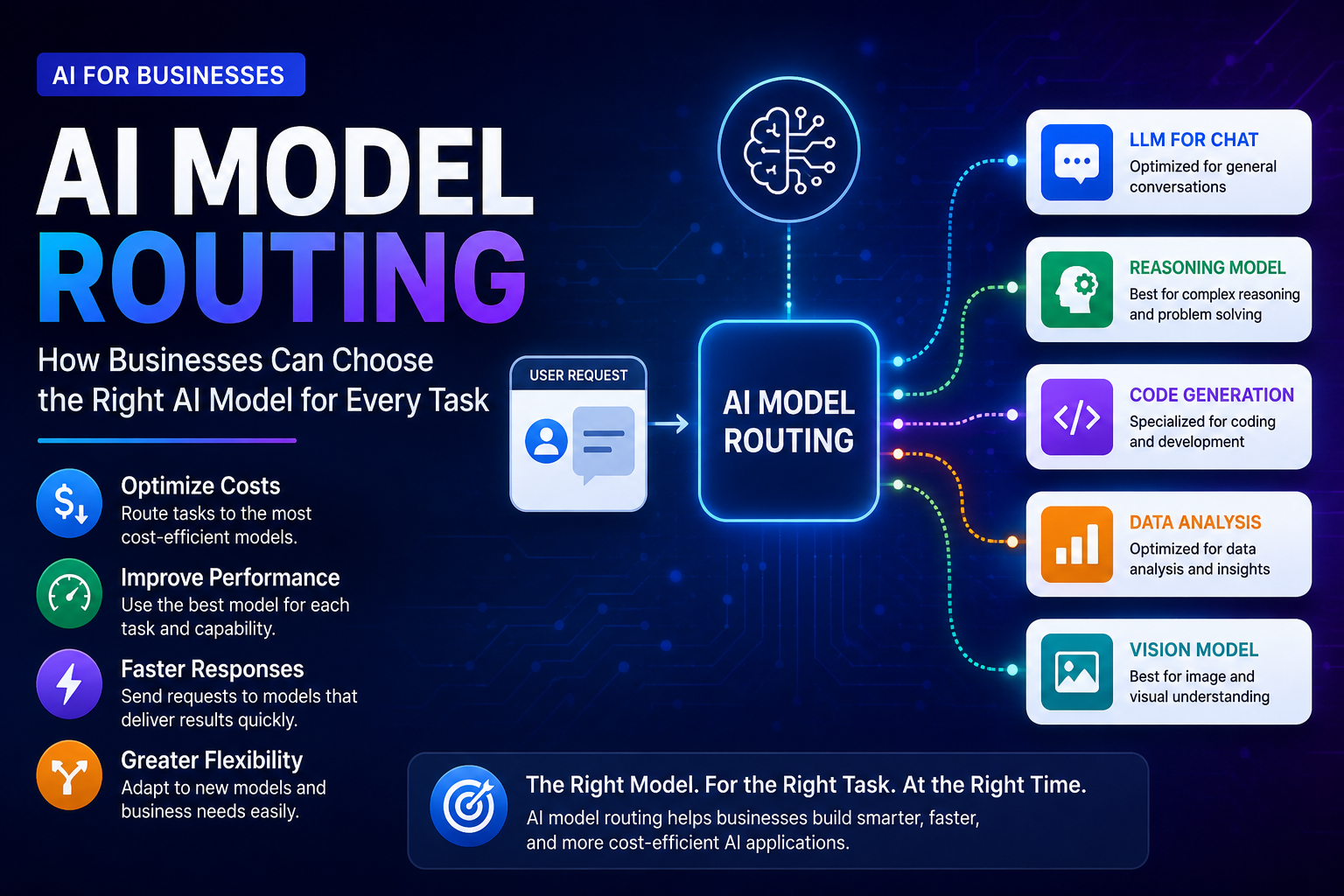
When evaluating how to deploy AI into your CRM strategy, organizations typically choose between native, all-in-one platforms or building custom multi-model architectures.
| Strategic Approach | Enterprise Native (e.g., Salesforce Einstein, HubSpot AI) | Custom Multi-Model Architecture (OpenAI / Claude via API) |
| Primary Structural Advantage | Out-of-the-box deployment, native data integration, zero custom development required. | Total control over model parameters, significantly lower token costs at scale, zero vendor lock-in. |
| Data & Infrastructure Fit | Ideal for organizations heavily anchored within a single enterprise CRM ecosystem. | Perfect for enterprises with complex, proprietary data pipelines and unique workflow requirements. |
| Implementation Velocity | Rapid. Features can be flipped on via administrative settings instantly. | Moderate to Slow. Requires dedicated engineering teams, vector databases, and custom API connections. |
For many organizations, a hybrid approach yields the highest ROI: leveraging native CRM AI features for standard tasks like email drafting and lead summary generation, while building custom, cloud-hosted predictive models to handle highly proprietary pricing strategies and churn metrics.
5. Security, Data Governance, and Compliance
Injecting AI into systems containing sensitive customer data, financial records, and proprietary sales strategies introduces strict regulatory and security mandates.
Ironclad PII Protection and Compliance
Enterprises operating globally must ensure their AI CRM architecture strictly complies with GDPR, CCPA, and industry-specific regulations like HIPAA. Any Large Language Model or machine learning algorithm processing customer data must operate under zero-data-retention parameters, ensuring that consumer data is never used to train public models or exposed outside your secure corporate perimeter.
Mitigating Algorithmic Bias in Sales and Lending
If an AI lead scoring model is trained on historical data that contains implicit human biases, it may systematically deprioritize specific demographic segments or geographical regions. Enterprises must continuously audit their predictive scoring models to ensure they evaluate prospects strictly on objective, value-driven engagement metrics.
Establishing the Execution Perimeter
To maintain absolute brand safety, automated CRM systems must enforce clear behavioral boundaries:
[AI Outbound Sales Draft] ---> [Automated Brand & Compliance Filter] ---> [Mandatory Representative Approval] ---> [Sent to Prospect]While AI should be highly empowered to analyze data, surface insights, and draft copy, any customer-facing communication or structural financial modification (such as altering a contract price quote) must be held in a pending state until a human professional explicitly verifies and authorizes the action.
6. Blueprint for Successful Implementation
Transitioning your sales and marketing organizations from a legacy CRM workflow to an AI-driven autonomous architecture requires a disciplined, step-by-step rollout plan.
Step 1: Clean and Consolidate Your Core Data
An AI model is only as good as the data it consumes. Before activating any automation features, execute a comprehensive CRM data audit. Deduplicate account records, standardize entry fields, and ensure your past sales history is cleanly categorized.
Step 2: Empower Teams with Internal Pilot Programs
Begin your rollout by targeting a specific, high-velocity team—such as your inbound Sales Development Representatives (SDRs). Equip them with generative email tools and automated lead summaries. Gather explicit telemetry on time saved, email open rates, and pipeline velocity to optimize your prompts before scaling.
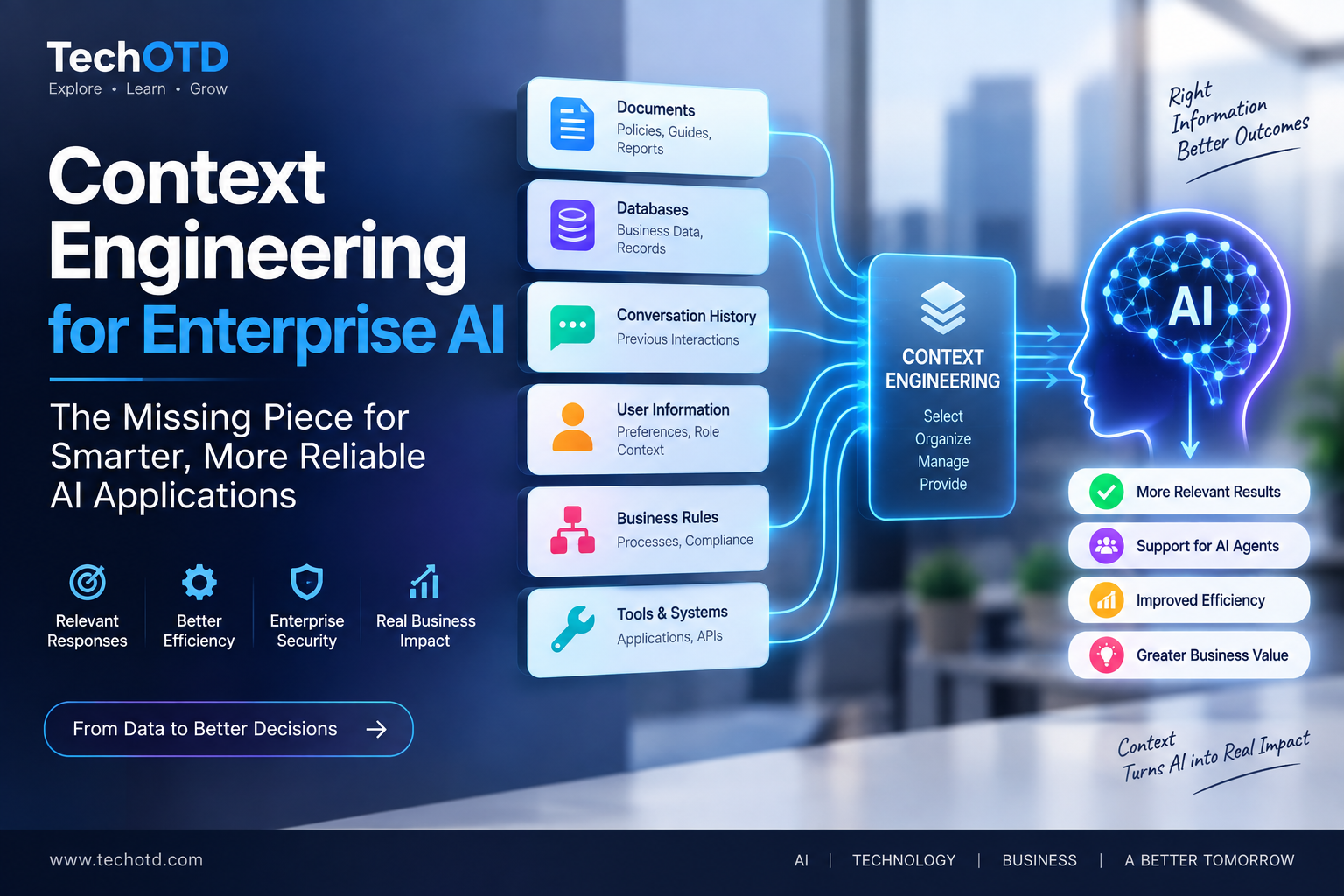
Step 3: Implement Strategic RAG Integrations
To ensure your generative CRM features communicate with absolute accuracy, deploy an advanced Retrieval-Augmented Generation (RAG) architecture. Connect your CRM’s generative writing assistants to your internal product wikis, official whitepapers, and pricing calculators, ensuring the AI drafts outbound collateral anchored strictly to current corporate facts.
Step 4: Scale Across the Enterprise Lifecycle
Once your sales pipelines are optimized, systematically roll out AI capabilities to your marketing and customer success teams. Connect your predictive churn models to your customer success workflows, allowing your organization to transition entirely from a reactive posture to a proactive, highly optimized revenue engine.
Final Thoughts: The Autonomous Future of Revenue
AI in CRM systems has crossed the line from an optional competitive advantage to an absolute operational baseline. Organizations that continue to treat their CRM as a passive data repository will find themselves outpaced by lean, AI-augmented competitors who can source, engage, close, and retain accounts at a fraction of the traditional overhead.
By systematically cleaning your data infrastructure, deploying targeted multi-agent pipelines, and enforcing strict data governance boundaries, your enterprise can unlock the full power of autonomous customer relationship management—driving sustainable, predictable revenue growth well into the future.