customer engagement

Artificial Intelligence, Business Intelligence, Cloud Computing and Technology

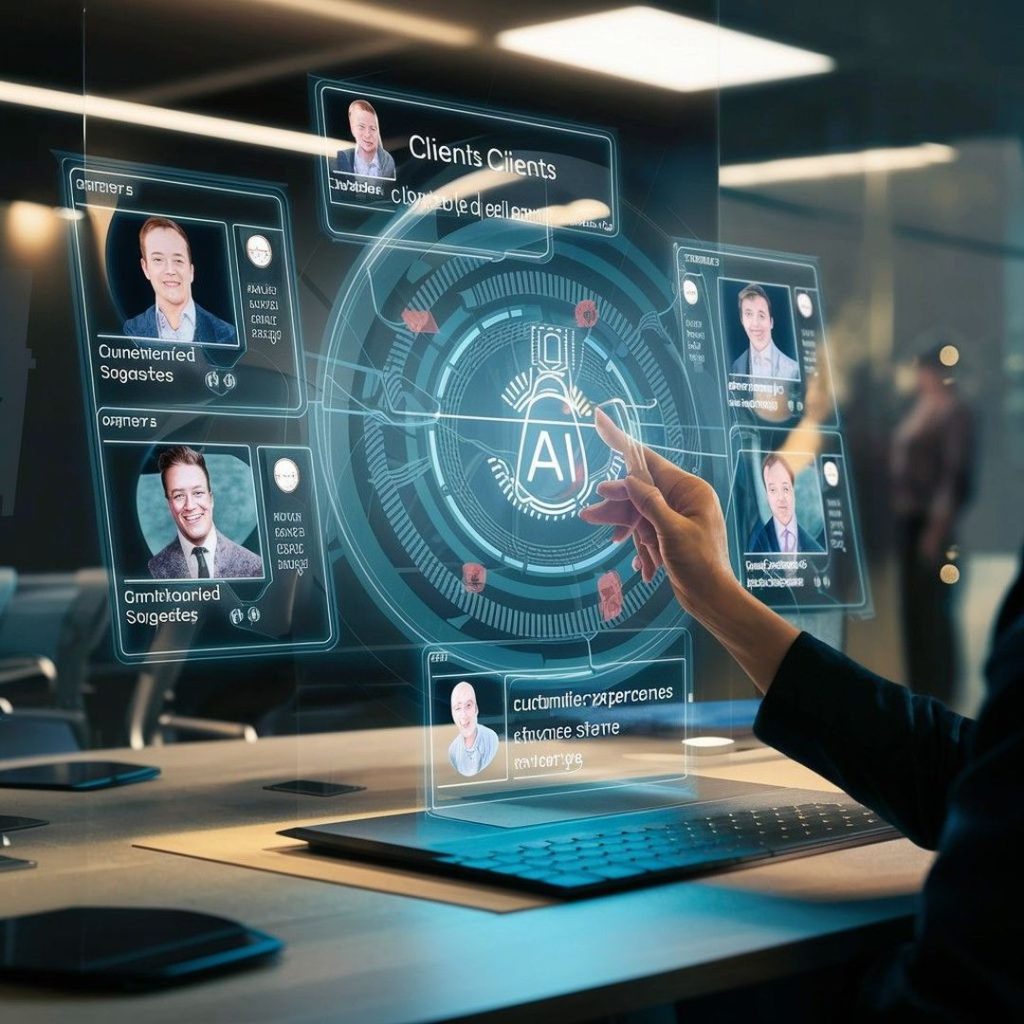
AI-Powered Customer Experience: The Next Evolution of Personalization

Introduction Customer expectations have changed dramatically over the past decade. Modern consumers no longer want generic interactions, mass marketing campaigns, or one-size-fits-all services. They expect businesses to understand their preferences, anticipate their needs, and deliver personalized experiences across every touchpoint. In an increasingly digital world, personalization has become a key factor that influences purchasing decisions, customer loyalty, and brand perception. This shift in expectations has created new opportunities and challenges for organizations. While traditional personalization methods relied on basic customer data and manual segmentation, they often struggled to keep pace with evolving customer behaviors. Today, Artificial Intelligence (AI) is revolutionizing how businesses interact with customers by enabling real-time, intelligent, and highly personalized experiences at scale. AI-powered customer experience is no longer a futuristic concept. It is already transforming industries such as retail, banking, healthcare, telecommunications, travel, and e-commerce. From personalized recommendations and intelligent chatbots to predictive analytics and sentiment analysis, AI is helping organizations create deeper customer relationships while improving operational efficiency. As businesses compete for customer attention in an increasingly crowded marketplace, AI-driven personalization is becoming one of the most important competitive advantages. Organizations that successfully leverage AI can deliver experiences that feel more human, relevant, and valuable than ever before. Understanding AI-Powered Customer Experience AI-powered customer experience refers to the use of artificial intelligence technologies to enhance interactions between businesses and customers. These technologies analyze vast amounts of customer data, identify patterns, learn from user behavior, and generate insights that help organizations provide more personalized services. Unlike traditional systems that rely on predefined rules, AI continuously learns and adapts based on customer interactions. This allows businesses to deliver recommendations, support, and communications that align with individual customer preferences. The foundation of AI-powered customer experience includes technologies such as: Machine Learning Natural Language Processing (NLP) Predictive Analytics Computer Vision Generative AI Conversational AI Sentiment Analysis Together, these technologies enable businesses to understand customers more accurately and respond more effectively. Why Personalization Matters More Than Ever Customers today interact with brands through multiple channels including websites, mobile applications, social media platforms, emails, and physical stores. They expect seamless experiences regardless of where and how they engage with a business. Research consistently shows that customers are more likely to purchase from brands that provide personalized experiences. Personalized interactions make customers feel valued, understood, and appreciated, leading to stronger emotional connections and long-term loyalty. Some key benefits of personalization include: Increased customer satisfaction Higher conversion rates Improved customer retention Stronger brand loyalty Better customer engagement Increased revenue opportunities However, delivering personalized experiences to millions of customers simultaneously would be nearly impossible without AI. How AI Is Revolutionizing Personalization Intelligent Product Recommendations One of the most visible applications of AI is personalized product recommendations. AI systems analyze customer browsing history, purchase behavior, preferences, and interactions to suggest products that align with individual interests. Instead of showing the same products to every visitor, AI creates unique experiences for each customer. This not only improves user satisfaction but also increases sales and average order value. Modern recommendation engines can consider hundreds of variables simultaneously, allowing businesses to provide highly accurate suggestions that feel relevant and timely. Predictive Customer Insights AI enables businesses to move from reactive customer service to proactive customer engagement. By analyzing historical and real-time data, AI can predict: Future purchasing behavior Customer churn risks Product preferences Service requirements Potential complaints Customer lifetime value These insights allow businesses to take preventive actions before issues arise, improving overall customer satisfaction. For example, a subscription-based company can identify customers likely to cancel their membership and offer personalized incentives to retain them. Conversational AI and Virtual Assistants Customer support has undergone significant transformation through AI-powered chatbots and virtual assistants. Modern conversational AI systems can: Answer customer questions instantly Provide product recommendations Process transactions Resolve common issues Guide users through complex processes Offer multilingual support Unlike traditional support systems that require customers to wait for human agents, AI assistants provide immediate responses around the clock. As Natural Language Processing continues to improve, these interactions are becoming increasingly natural and human-like. Hyper-Personalized Marketing Campaigns Traditional marketing often targets broad audience segments. AI takes personalization much further by enabling one-to-one marketing. AI analyzes customer behavior, demographics, interests, and engagement patterns to create highly targeted campaigns. Businesses can automatically personalize: Email content Website experiences Product recommendations Promotional offers Social media advertisements Mobile app notifications This level of personalization significantly increases engagement rates while reducing marketing waste. Sentiment Analysis and Emotional Intelligence Understanding customer emotions has always been challenging for businesses. AI is changing that through sentiment analysis. AI systems can analyze: Customer reviews Social media posts Survey responses Support conversations Online feedback By identifying positive, negative, or neutral sentiments, businesses gain valuable insights into customer perceptions and experiences. This helps organizations respond quickly to emerging issues, improve services, and strengthen customer relationships. The Rise of Generative AI in Customer Experience Generative AI has become one of the most transformative technologies in recent years. Unlike traditional AI systems that primarily analyze data, generative AI can create content, conversations, recommendations, and solutions. Businesses are increasingly using generative AI to: Generate personalized email responses Create customized product descriptions Provide intelligent customer support Develop personalized shopping experiences Produce tailored content recommendations Customers benefit from faster responses and more relevant interactions, while organizations achieve greater efficiency and scalability. Generative AI also helps customer service teams by summarizing conversations, suggesting responses, and providing real-time assistance during customer interactions. Omnichannel Personalization Powered by AI Modern customers expect consistent experiences across multiple channels. They do not want to repeat information every time they switch from a website to a mobile app or contact customer support. AI enables omnichannel personalization by creating a unified customer profile that integrates data from various sources. This allows businesses to: Recognize customers across channels Maintain conversation continuity Deliver consistent recommendations Provide context-aware support Improve customer journey management As a result, customers experience smoother and more personalized interactions regardless of where they engage with a brand. AI and Customer Journey Optimization Every customer

enterprise

How Can Enterprise Mobile App Development Accelerate Your Business Growth?

Introduction Enterprise mobile app development is transforming the way businesses operate by providing powerful tools that streamline workflows, improve communication, and drive productivity. In 2025, organizations that invest in custom mobile solutions are better positioned to compete, innovate, and grow faster than their peers. Top Ways Enterprise Mobile Apps Accelerate Growth 1. Enhanced Employee Productivity Enterprise mobile apps empower employees to work efficiently on the go, access resources in real-time, and complete tasks with fewer barriers. Field teams use dedicated apps for inventory checks, reporting, and seamless task updates—making daily operations faster and more reliable. 2. Streamlined Operations and Workflow Automation Mobile apps automate repetitive processes like scheduling, approvals, and reporting, reducing administrative overhead and human error. This streamlines workflows across departments, enabling teams to focus on strategic work. 3. Real-Time Data and Decision-Making Mobile apps unify enterprise data sources and enable instant access to dashboards, analytics, and KPIs. Leaders can make data-driven decisions quickly, respond to changing conditions, and gain valuable business insights at any time. 4. Improved Communication and Collaboration Custom mobile apps offer secure, centralized channels for messaging, file sharing, and field communication, keeping teams aligned. Employees across locations coordinate instantly—boosting engagement and reducing internal delays. 5. Greater Customer Experience and Loyalty Enterprise apps give support and sales staff immediate access to customer data, enabling faster responses and more personalized service. This increases customer satisfaction, retention, and repeat business. 6. Integration with Existing Systems Mobile solutions integrate seamlessly with ERP, CRM, HRMS, and other enterprise software, ensuring data consistency and unified user experiences across all platforms. 7. Flexibility and Scalability Enterprise apps scale as the business grows—accommodating more users, teams, and new functionalities without major overhauls. Mobile-first strategies keep companies agile and responsive in a rapidly changing market. 8. Cost Savings and ROI Mobile app automation reduces process costs, cuts errors, and strengthens productivity—delivering long-term savings and measurable business value. Faster project execution and better resource allocation drive growth and profitability. Sectors Benefiting Most Manufacturing: Real-time production monitoring and supply chain optimization Retail: Inventory management, sales analytics, and loyalty programs Healthcare: Patient record accessibility and remote care coordination Logistics: Delivery tracking, route planning, and fleet management Construction: Equipment reporting, project tracking, and time logging Conclusion Enterprise mobile app development is a growth accelerator—enhancing processes, boosting productivity, and improving customer outcomes. In the fast-evolving digital landscape of 2025, investing in tailored mobile solutions is essential for organizations committed to innovation and competitive edge. Explore expert mobile app development and enterprise integration services at TechOTD AI Services and stay informed on the latest digital trends at the TechOTD Blog. Would you like step-by-step guidance on choosing the right enterprise mobile architecture?

Restaurent

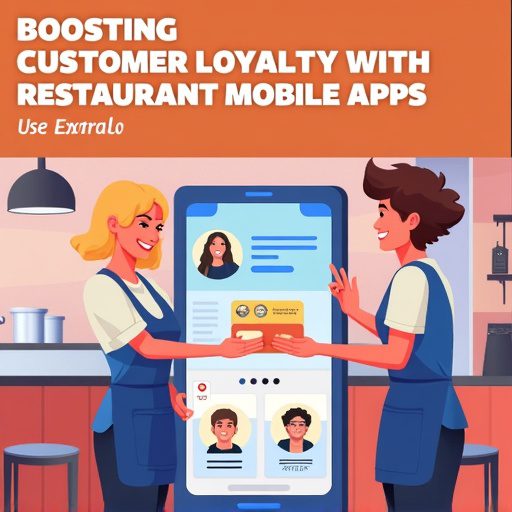
Boosting Customer Loyalty with Restaurant Mobile Apps: A Complete Guide

Introduction In today’s competitive restaurant landscape, customer loyalty is a critical driver of sustained success. Loyal customers return more frequently, spend more per visit, and become brand advocates. One of the most effective ways for restaurants—whether small neighborhood eateries or large chains—to boost customer loyalty is by investing in mobile apps. These apps provide convenient, personalized, and engaging experiences that keep customers coming back. This comprehensive guide explores how restaurant mobile apps elevate loyalty programs, enhance customer engagement, and deliver measurable business outcomes. It covers strategic app features, technology integrations, real-world best practices, and future trends. For innovative AI-powered personalization strategies, explore TechOTD AI Services. The Importance of Customer Loyalty in Restaurants Loyal customers drive a significant portion of revenue for restaurants; studies show that acquiring new customers costs five times more than retaining existing ones. Mobile apps enable direct communication with customers, personalized rewards, and seamless ordering—cornerstones of modern loyalty initiatives. Explore how AI enhances customer journeys and loyalty at TechOTD Seamless AI Customer Journeys. Core Benefits of Mobile Apps for Loyalty Building Direct Control Over Customer Engagement By owning their mobile app, restaurants can bypass third-party platforms, reducing fees and controlling branding and messaging. Personalized Rewards and Offers Apps enable tailored loyalty programs using AI-driven insights to offer rewards aligned to customer preferences and behavior. Learn about AI predictive analytics aiding such personalization at TechOTD Predictive Analytics. Convenience and Frictionless Experience Mobile ordering, payment, and delivery integration reduce friction and increase repeat visits. Data-Driven Marketing and Optimization Apps collect valuable data for analytics, enabling data-backed decision-making in menu, promotions, and operations. Essential Loyalty Features for Restaurant Mobile Apps Reward Points and Tiered Programs Customers earn points on every purchase, with higher tiers unlocking exclusive perks. Personalized Notifications and Offers Push notifications tailored through behavioral data increase app engagement and repeat orders. Seamless Mobile Ordering and Payments Integrated secure payment gateways and easy reordering streamline the customer journey. Referral Programs Encourage users to invite friends with incentives, expanding customer reach. Feedback and Reviews Allow customers to provide feedback directly to improve service and build trust. Social Media Integration Share rewards, special events, and user-generated content easily via social platforms. Technology Innovations Driving Loyalty Apps Artificial Intelligence AI enables hyper-personalized offerings, smarter chatbots, and predictive customer insights. Blockchain Blockchain technology assures transparent and tamper-proof loyalty points management and secure transactions, reducing fraud risks. Learn how blockchain optimizes business processes at TechOTD Blockchain Blog. Predictive Analytics Predict customer lifetime value, churn risk, and tailor retention campaigns for maximum effectiveness. Mobile Payment Innovations Integration with digital wallets and contactless payments accelerates checkout and improves user experience. Building a Successful Loyalty App: Best Practices Understand Your Customer Base Leverage data and surveys to design rewards that resonate. Simple and Transparent Rewards Ensure customers easily understand how to earn and redeem points. Engage Through Gamification Introduce levels, badges, challenges, and leaderboards for fun and motivation. Omnichannel Integration Seamlessly connect app loyalty with in-store and online experiences. Continuous Feedback and Improvement Use app analytics and customer feedback for ongoing enhancements. For expert strategies and implementation, explore TechOTD How We Work. Case Studies: Loyalty Success with Mobile Apps Chain Restaurant A increased repeat customer sales by 40% post app launch. Local Café B grew its user base by 60% using targeted push notifications and rewards. Delivery Service Provider C improved delivery retention rates through app-based incentives. Challenges and Solutions User Adoption Encourage downloads with sign-up incentives and integrate app promotion in every touchpoint. Technical Scalability Choose the right tech stack for seamless scaling and integration with POS systems. Read about selecting mobile development frameworks at TechOTD React Native vs Swift. Data Privacy and Security Implement rigorous security measures and transparent privacy policies to build trust. Balancing Cost and ROI Begin with a Minimum Viable Product (MVP) focused on core loyalty features and iterate. Future Trends in Restaurant Loyalty Apps Voice-activated ordering and loyalty management Augmented reality experiences for in-store engagement AI-driven dynamic pricing and personalized menus Integration with smart home devices and IoT Discover emerging AI trends impacting industries at TechOTD AI Blog. Key Takeaways: Loyalty drives revenue and reduces customer acquisition costs. Mobile apps enable robust, data-driven loyalty programs. AI and blockchain enhance personalization and security. Strategic app development and marketing maximize adoption. Continuous innovation is vital for sustained success. For tailored mobile app development services and AI-powered solutions, visit TechOTD Mobile Apps. Conclusion Mobile apps are indispensable tools for boosting customer loyalty in today’s restaurant market. They empower restaurants with direct customer relationships, personalized engagement, and operational efficiencies needed to thrive.

Restaurent

Why Small Restaurants Should Invest in Mobile Apps – Not Just Big Chains

Introduction In the digital age, the restaurant industry has experienced a paradigm shift. While big chains have long embraced mobile apps for ordering, loyalty programs, and personalized marketing, small restaurants often overlook this powerful tool due to misconceptions about cost, complexity, or necessity. However, investing in a mobile app is no longer a luxury reserved for large brands—it is a strategic imperative that can level the playing field and catalyze growth for small eateries. This blog explores why mobile apps are crucial for small restaurants, the benefits they unlock, how mobile technology drives customer engagement and operational efficiency, and best practices for building apps tailored to small business needs. For cutting-edge technological integrations, explore TechOTD AI Services. Why Mobile Apps Matter for Small Restaurants Changing Consumer Behavior Today’s customers increasingly prefer mobile ordering and digital engagement. According to studies, over 60% of food orders are now made through mobile devices, with consumers valuing convenience, speed, and personalized experiences. Small restaurants that fail to capitalize on this shift risk losing market share to competitors with digital tools. Explore how personalized customer journeys powered by AI improve retention: seamless AI customer experiences. Direct Customer Engagement and Loyalty Mobile apps enable small restaurants to engage customers directly, bypassing third-party aggregators who charge high fees. Apps facilitate loyalty programs, push notifications for promotions, and personalized recommendations, encouraging repeat business and brand affinity. Businesses leveraging AI and predictive analytics for targeted marketing see significant ROI gains—learn more at TechOTD Predictive Analytics. Competitive Differentiation Mobile apps give small eateries a professional edge, enabling seamless ordering, real-time updates, and engaging user experiences that rivals large chains. A custom app reflects a commitment to customer satisfaction and modern convenience. TechOTD’s mobile app services specialize in tailored solutions for SMBs. Core Benefits of Mobile Apps for Small Restaurants Increased Convenience and Order Accuracy Apps streamline the ordering process, minimizing errors common in phone orders, and letting customers customize their meals easily. Operational Efficiency Automating orders through an app reduces staff workload, allowing teams to focus on food preparation and service quality. Enhanced Marketing Capabilities Restaurants can target customers based on preferences, order history, and location, executing high ROI campaigns with push notifications and special offers. Data-Driven Insights Mobile apps capture valuable customer data, enabling analytics that drive menu optimization, sales forecasting, and personalized experiences. Features Essential for Small Restaurant Apps Easy Ordering System with customizable menus Loyalty and Rewards Programs Multiple Payment Gateways including digital wallets Real-time Order Tracking Push Notifications and Offers Table Reservations and Waitlist Management User Reviews and Feedback Social Media Integration Offline Mode for Areas with Poor Connectivity Overcoming Concerns and Challenges Cost and Development Concerns With platforms leveraging React Native and Flutter, and scalable cloud services like Azure and AWS, the cost and complexity of app development for small businesses have drastically reduced. For detailed insights on choosing mobile frameworks, see React Native vs Swift guide. User Adoption Effective marketing, seamless UX, and incentives drive app downloads and engagement. Small restaurants should combine their app strategy with in-store promotions and digital marketing. Maintenance and Scaling Partnering with expert service providers, like those featured on TechOTD How We Work, ensures apps remain performant and up to date. Case Studies: Small Restaurant Success Stories with Apps Small eateries worldwide have reported increased revenue, customer satisfaction, and operational improvements after launching apps. A local café increased repeat orders by 35% through an app-based loyalty program. A family-owned pizzeria streamlined delivery and pickup orders, reducing wait times by 25%. The Future: AI and Blockchain in Restaurant Apps AI-driven personalized menus, chatbots for customer service, and dynamic pricing models improve customer engagement. Blockchain technologies optimize supply chains and payment security. Discover how blockchain is revolutionizing business processes at TechOTD Blockchain Integration. Explore AI innovations powering business transformation at TechOTD AI Blog. Key Points: Mobile ordering trends increasingly favor app usage. Mobile apps foster direct engagement and loyalty. Cost-effective technologies reduce app development barriers. Data analytics unlock growth opportunities. AI and blockchain will further transform the restaurant experience. For expert help in building and scaling your restaurant’s mobile app, explore TechOTD mobile app solutions. Conclusion Mobile apps offer small restaurants far-reaching benefits: enhanced customer engagement, operational efficiency, and competitive advantage. Today’s technology ecosystem makes building and maintaining apps accessible and affordable for SMBs looking to embrace digitalization. Key Points: Mobile ordering trends increasingly favor app usage. Mobile apps foster direct engagement and loyalty. Cost-effective technologies reduce app development barriers. Data analytics unlock growth opportunities. AI and blockchain will further transform the restaurant experience. For expert help in building and scaling your restaurant’s mobile app, explore TechOTD mobile app solutions.

enterprise

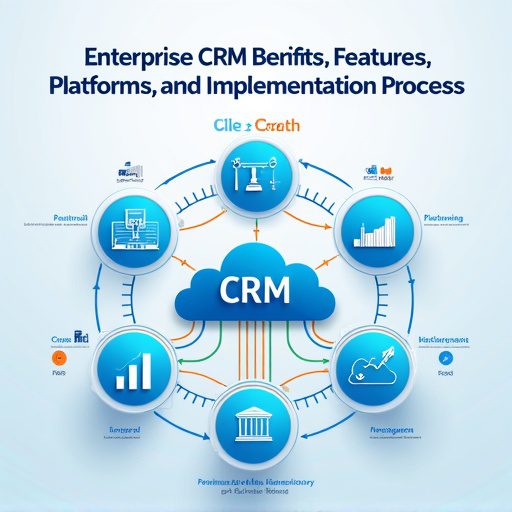
Enterprise CRM Benifits, Features, Platforms, And Implementation Process

Introduction Enterprise CRM (Customer Relationship Management) platforms are powerful tools that transform how large organizations manage customer data, improve engagement, and drive business growth. Below is a detailed blog-style guide, covering benefits, features, leading platforms, and the implementation process, with strategic backlinks to your TechOTD resources. In today’s hyper-competitive marketplace, Enterprise CRM is not merely a software—it’s an integrated approach that centralizes data, automates workflows, and fuels personalized customer journeys at scale. When implemented with advanced technologies like AI and predictive analytics, CRM becomes a strategic driver of efficiency, compliance, and business agility. Discover how AI and tech consulting can elevate CRM on TechOTD’s AI solutions page. Key Benefits of Enterprise CRM 360° View of Customers Enterprise CRM consolidates all customer data—interactions, preferences, support tickets—into a unified dashboard, providing a 360-degree customer profile. This empowers sales, marketing, and support teams to deliver informed, personalized service and anticipate customer needs. Learn how holistic data fuels AI-driven insights on TechOTD’s privacy and AI page. Improved Team Collaboration CRM platforms break down silos, enabling seamless information sharing across sales, marketing, and customer support departments. This unified communication boosts efficiency and ensures everyone works towards common goals. Data-Driven Decision Making Advanced analytics and reporting tools enable data-driven strategies, empowering management to spot trends, forecast sales, and make informed decisions. For a deeper dive into data analytics, visit TechOTD’s predictive analytics feature. Streamlined Sales and Marketing Processes Automation of repetitive tasks—lead tracking, appointment scheduling, follow-ups—lets teams focus on strategic initiatives, shortens sales cycles, and improves productivity. Enhanced Customer Experience CRM software personalizes every touchpoint—recommendations, promotional offers, and support—leading to higher customer satisfaction and loyalty. Explore more on TechOTD’s blog about seamless customer journeys. Compliance and Risk Management Modern platforms are designed to help businesses adhere to data privacy regulations and industry standards, crucial for finance, healthcare, and other regulated sectors. For more insights, read TechOTD’s how we work page. Essential Features of Enterprise CRM Holistic Customer View Provides a consolidated, real-time profile of each customer, tracking every email, call, transaction, and support request. Advanced Automation and AI Automation tools drive efficiency in sales, marketing, and workflows. AI features offer predictive analytics, intelligent recommendations, and chatbots—see TechOTD’s blog on LLMs and AI in customer journeys. Customizable Dashboards and Analytics Enterprises require deep analytics, granular segmentation, and real-time reporting to identify opportunities and mitigate risks. Multichannel Communication Integrated email, chat, phone, and social media support ensure consistent, timely engagement with customers wherever they interact. Security and Compliance Enterprise-grade CRMs offer robust security features: role-based access, encryption, audit trails, and compliance tools for GDPR, HIPAA, and more. Integration and Extensibility APIs and integrations connect CRM with ERP, marketing automation, e-commerce, and legacy systems for seamless data flow across the organization. Top Enterprise CRM Platforms Platform Best For Key Distinction Pricing/Notes [More Info] Salesforce Customization, large-scale deployments Deep modularity, AI, ecosystem From $165/user/mo, AI extra Leading Gartner MQ SAP CRM Integrated ERP-CRM for SAP users Native SAP integration, global Quote-based Oracle CX Large, complex organizations Flexibility, analytics, CX tools Quote-based Microsoft Dynamics 365 Microsoft-centric organizations ERP links, hybrid cloud options Flexible tiers HubSpot Enterprise Quick setup, remote teams User-friendly, marketing-heavy Competitive pricing Zoho CRM Growing enterprises, customization Automated workflows, scalability Lower overall TCO Zendesk Sell Sales and support integration Suited for Zendesk users Per-seat pricing Freshsales AI-driven engagement Fast, contextual interactions Modern UI, flexibility Discover more platforms and business app tips at TechOTD’s industry blogs. The Enterprise CRM Implementation Process 1. Define Strategy and Objectives Start by mapping out business objectives, key performance indicators, and a data strategy. Use TechOTD’s consulting framework to establish clear priorities. 2. Data Migration and Integration Cleanse existing data, de-duplicate records, and plan integrations with core systems (ERP, e-commerce, etc.). Blockchain integration—see blockchain in Dubai business—can add transparency to data migration. 3. Platform Selection and Customization Choose a CRM platform based on scale, industry, compliance, and integration requirements. Custom-build modules as needed, adjusting workflows, triggers, and dashboards for your enterprise’s unique processes. 4. User Adoption and Training Invest in staff training, change management, and cross-departmental workshops. Encourage power users and stakeholders to champion the CRM for maximum adoption. 5. Launch and Ongoing Support Roll out in phases—start with pilot departments, gather feedback, iterate, and expand. Leverage continuous analytics and support for long-term ROI. For best practices in tech project launches, visit TechOTD’s mobile services page. 6. Advanced Optimization Integrate AI-driven analytics, marketing automation, and predictive customer scoring. Review and refine workflows to drive ongoing efficiency. Explore predictive analytics solutions on TechOTD’s featured blog page. Real-World Use Cases Sales Acceleration: Automated lead scoring and next-best actions reduce time-to-close and increase sales. Customer Service Excellence: Omnichannel ticketing and AI-powered chatbots resolve issues faster, improving CSAT. Marketing ROI: Segmentation, journey mapping, and attribution modeling optimize spend and boost conversion rates. Risk & Compliance: Audit trails, consent management, and data protection features mitigate regulatory risk—critical for finance and healthcare. Mobile CRM: Field sales and service reps use mobile apps to access/updating customer data on the go; see TechOTD’s mobile frameworks guide. Conclusion Adopting an enterprise CRM is transformative for large organizations—it centralizes operations, unleashes team potential, personalizes every customer interaction, and future-proofs against changing regulations. For ongoing trends, strategies, and CRM case studies, explore: AI-Powered Enterprise Solutions TechOTD Blogs on Business Technology Customer Journey Mapping with AI Blockchain for Data Integrity How We Work at TechOTD Predictive Analytics for CRM Mobile Solutions and CRM Industry Insights & Platforms

Restaurent

From Orders to Loyalty: Why Restaurants Can’t Ignore Mobile Apps Anymore

Introduction The restaurant industry has always been about more than just food. It’s about the experience, the connection, and the convenience customers feel when engaging with a brand. But in the digital-first world we live in, experiences are increasingly shaped by technology—especially by the mobile phone in every customer’s hand. In the last decade, mobile apps have transformed industries across the globe, and the restaurant business is no exception. From ordering meals in just a few taps to building long-term loyalty through digital rewards, apps are no longer optional; they’re essential tools for growth, profitability, and customer satisfaction. According to Statista, the global online food delivery market is expected to surpass $466 billion by 2027, with mobile applications being the primary driver. Customers today expect their favorite restaurants to not just serve good food but also provide digital convenience, personalization, and engagement. This is why restaurants—from small cafés and food trucks to large chains like McDonald’s and Domino’s—are turning to mobile apps. They know that apps are no longer just about orders; they’re about loyalty, branding, and customer retention. In this blog, we’ll take a deep dive into why restaurants can’t afford to ignore mobile apps anymore, exploring the journey from orders to loyalty. The Evolution of Customer Expectations in Dining Old vs. New Dining Experience Not too long ago, the restaurant experience revolved around: Walking into a restaurant and browsing a paper menu. Calling on the phone to book reservations. Waiting in long queues during peak hours. But today, things have changed. Customers demand: Digital menus available online. App-based reservations that save time. Instant ordering & contactless payments. Personalized recommendations based on their preferences. This shift is largely driven by mobile technology. Apps like Zomato, Swiggy, Uber Eats, and DoorDash have set the standard, and customers now expect the same level of digital ease from individual restaurants too. Why Mobile Apps Are a Game-Changer for Restaurants Mobile apps impact restaurants on multiple levels—operations, customer experience, marketing, and revenue. Let’s break down the biggest advantages. 1. Convenience and Seamless Ordering A restaurant app eliminates friction from the ordering process: Customers browse the menu at their own pace. They can customize meals (extra cheese, less spice, gluten-free, etc.). One-click reordering makes regular customers happy. Digital payment options ensure smooth checkouts. Example: Starbucks’ app allows customers to order ahead and skip the line. This feature alone transformed their customer experience and now accounts for a huge chunk of their revenue. 2. Direct Revenue Growth Third-party delivery platforms charge 15–30% commission per order. Restaurants with their own app: Keep more profit. Control their pricing strategies. Run exclusive in-app promotions. Case in Point: Domino’s Pizza focused heavily on its own app. Today, 70% of its U.S. sales come through digital channels, making it a leader in the space. 3. Building Customer Loyalty This is where apps truly shine. A restaurant’s own app allows for: Loyalty rewards programs (points, discounts, freebies). Push notifications to keep customers engaged. Personalized deals based on customer history. Gamification (e.g., earn a free drink after 5 visits). McDonald’s App Success: The McDonald’s app became globally popular due to personalized offers and digital loyalty points, which kept customers coming back. 4. Data-Driven Decision Making Mobile apps provide valuable insights into: Most popular dishes. Peak ordering times. Customer demographics. Spending patterns. Restaurants can then use predictive analytics (read more on Predictive Analytics Software Development) to create personalized marketing strategies and improve menu offerings. 5. Brand Presence and Marketing Unlike third-party apps where your brand is hidden among competitors, your own mobile app is a dedicated space for your restaurant. Benefits: Stronger brand recall (every time a customer sees your app icon). Push notifications for promotions. Integrated social sharing features. In a way, a mobile app becomes your direct marketing channel. Must-Have Features of a Restaurant Mobile App If you’re considering investing in a mobile app, here are the essential features: User-Friendly Interface Digital Menu with Images & Descriptions Table Reservations Online Ordering & Payments Loyalty & Rewards System Push Notifications Real-Time Order Tracking Customer Feedback & Ratings Multi-language & Multi-currency Support Integration with POS & CRM systems For development choices, restaurants often debate React Native vs Swift—you can explore more here: React Native vs Swift Guide. Challenges in Restaurant App Adoption (and Solutions) High Development Costs Solution: Use cross-platform frameworks or partner with affordable service providers (Mobile App Development Services). Customer Reluctance to Download Yet Another App Solution: Offer exclusive deals only available via the app. Operational Integration Issues Solution: Ensure POS, CRM, and delivery systems are smoothly integrated. The Future of Restaurant Mobile Apps Restaurant apps are not stopping at just ordering and loyalty. The future includes: AI-driven recommendations (based on order history). AR menus (customers can see 3D food previews). Voice ordering via AI chatbots. Predictive demand analytics for better inventory management. Digital transformation is happening across industries (check out this Technology Impact on Education Guide), and restaurants are at the forefront too. Beyond Restaurants: Industry-Wide Impact Mobile apps aren’t just revolutionizing restaurants. They’re impacting multiple sectors—healthcare, education, retail, logistics, and more. You can explore other industry insights here. Conclusion The journey from orders to loyalty highlights one undeniable fact:Restaurants can no longer ignore mobile apps. Whether you want to increase convenience, grow your revenue, or build lasting loyalty, a mobile app is one of the smartest investments you can make. Big brands like Domino’s, Starbucks, and McDonald’s have already proven this. Now, even local cafés and mid-sized restaurants are joining the digital revolution. If you’re ready to future-proof your restaurant business, investing in a mobile app is the first step toward long-term success in the digital age.

How would you like me to respond?

Select a personality for your AI assistant

Normal
Happy
Sad
Angry

Your selection will affect how the AI assistant responds to your messages

Chat Assistant

Let's discuss your project!

Hear from our clients and why 3000+ businesses trust TechOTD

Tell us what you need, and we'll get back with a cost and timeline estimate

Scroll to Top