Uncategorized

Computer screen showing code and DevOps automation tools
DEVOPs, Uncategorized

Top 10 DevOps Tools Every Developer Should Know.

Introduction The DevOps revolution continues to transform the software industry in 2025. Businesses across the world are shifting from traditional development methods to agile, automated, and collaborative DevOps workflows. At the heart of this transformation lie DevOps tools — powerful solutions that automate tasks, enhance collaboration, and streamline software delivery. Whether you’re a developer, tester, or system administrator, mastering these tools can significantly improve your efficiency and project outcomes. Let’s explore the top 10 DevOps tools that are shaping the future of modern software development. Jenkins – The Automation Powerhouse Jenkins remains one of the most widely used open-source automation servers for building, testing, and deploying software. With over 1,800 plugins, Jenkins integrates seamlessly with various technologies, making it perfect for continuous integration (CI) and continuous delivery (CD). Developers can automate everything—from code compilation to deployment—without manual intervention. Why it’s essential: Jenkins provides flexibility, scalability, and complete pipeline automation for DevOps teams. Docker – Simplifying Containerization Docker revolutionized software development by introducing lightweight, portable containers that work across different environments. With Docker, developers can package applications and dependencies into containers that run consistently across development, testing, and production environments. This ensures reliability and faster deployment cycles. Why it’s essential: Docker minimizes compatibility issues, improves scalability, and simplifies deployment processes. Kubernetes – The Container Orchestrator While Docker manages containers, Kubernetes (K8s) orchestrates them. It automates deployment, scaling, and management of containerized applications. Kubernetes ensures high availability by distributing workloads across clusters and automatically recovering failed containers. Why it’s essential: Kubernetes helps businesses manage complex, large-scale applications effortlessly in cloud and hybrid environments. Git and GitHub – Version Control and Collaboration No DevOps workflow is complete without Git and GitHub. Git provides a version control system that tracks code changes, while GitHub offers a collaborative platform for developers to manage projects and pull requests. Why it’s essential: These tools improve teamwork, maintain code quality, and make collaboration across distributed teams seamless. Terraform – Infrastructure as Code (IaC) Terraform, developed by HashiCorp, is a popular Infrastructure as Code (IaC) tool that allows developers to define infrastructure using configuration files. It supports multiple cloud providers like AWS, Azure, and Google Cloud, enabling consistent infrastructure setup across environments. Why it’s essential: Terraform simplifies cloud resource management and automates infrastructure provisioning efficiently. Ansible – Configuration Management Simplified Ansible, an open-source automation tool by Red Hat, is used for configuration management, application deployment, and task automation. It’s agentless, meaning it doesn’t require software to be installed on target nodes, making it simple and secure to manage large environments. Why it’s essential: Ansible improves deployment speed and ensures consistent configurations across multiple servers. Prometheus – Monitoring and Alerting Prometheus is a leading open-source monitoring tool that collects metrics, stores time-series data, and generates alerts for performance issues. It integrates easily with Grafana to visualize metrics through interactive dashboards. Why it’s essential: Prometheus helps DevOps teams track application health, performance, and uptime in real time. Nagios – System Monitoring and Incident Detection Nagios is a robust tool for monitoring networks, servers, and applications. It provides detailed reports on uptime, response time, and security vulnerabilities. Why it’s essential: Nagios ensures proactive incident detection and quick issue resolution, minimizing downtime. ELK Stack (Elasticsearch, Logstash, Kibana) – Centralized Logging The ELK Stack is a powerful combination of tools for log management. Elasticsearch stores and searches large volumes of data. Logstash processes and collects logs from multiple sources. Kibana visualizes the data through dashboards. Why it’s essential: ELK helps organizations gain real-time insights and troubleshoot system issues efficiently. Chef – Automating Infrastructure Management Chef uses code to manage and automate infrastructure. It helps DevOps teams define server configurations and ensure consistent deployment across environments. Why it’s essential: Chef enables continuous delivery of infrastructure, reducing manual effort and configuration drift. Benefits of Using DevOps Tools Adopting the right DevOps tools provides immense benefits: Automation: Reduces repetitive tasks and increases productivity. Speed: Enables faster delivery through CI/CD pipelines. Reliability: Ensures consistent environments and fewer deployment failures. Scalability: Supports dynamic scaling in cloud environments. Collaboration: Enhances communication between developers and operations teams. These tools empower businesses to innovate quickly while maintaining stability and efficiency. Choosing the Right Tool for Your Business There’s no one-size-fits-all approach to DevOps tools. The best combination depends on your project’s complexity, infrastructure, and team expertise. Start with essential tools like Git, Jenkins, and Docker. Gradually integrate advanced solutions such as Kubernetes, Terraform, and Prometheus to optimize automation and scalability. Conclusion The DevOps ecosystem is vast, but mastering the top 10 tools listed above can drastically improve your team’s agility, speed, and collaboration. In 2025, automation, cloud-native development, and continuous delivery are no longer luxuries—they are business necessities. By adopting these DevOps tools, developers and organizations can stay ahead of the curve and deliver reliable, scalable, and high-performing applications faster than ever. DevOps isn’t just a methodology; it’s a mindset. And these tools are the engines that power it. FAQs 1. What are DevOps tools used for?They help automate, monitor, and streamline the software development and deployment process. 2. Which DevOps tool is best for automation?Jenkins and Ansible are top choices for automation in DevOps workflows. 3. What is the difference between Docker and Kubernetes?Docker creates containers, while Kubernetes manages and orchestrates them. 4. Can small companies use DevOps tools?Yes, most tools like Git, Jenkins, and Docker are open source and ideal for startups too. 5. What is Infrastructure as Code (IaC)?IaC tools like Terraform manage infrastructure using code, ensuring consistent and automated setup. 6. Are DevOps tools difficult to learn?Some have a learning curve, but extensive documentation and community support make them beginner-friendly. Connect with us.


Machines that mimic human gestures and expressions
Uncategorized

The Future of Automation and Robotics: Transforming Industries and Everyday Life

Introduction Automation and robotics are no longer futuristic ideas—they’re a living, breathing reality that’s reshaping industries, transforming workplaces, and redefining how humans interact with machines. From self-driving cars to automated manufacturing lines, robots and intelligent systems are now embedded in nearly every sector. As we enter a new era of Industry 5.0, the collaboration between humans and robots is becoming the cornerstone of innovation. Automation is not just about replacing human labor but about enhancing efficiency, safety, and precision while freeing people for more creative and strategic work. What is Automation and Robotics? Automation refers to the use of technology to perform tasks with minimal human intervention. It involves systems or machines that follow predefined instructions or adapt based on data input.Example: Automated billing systems, robotic assembly lines, and smart home devices. Robotics is a specialized branch of engineering that deals with designing, constructing, and operating robots — machines capable of carrying out complex actions autonomously or semi-autonomously.Example: Industrial robots assembling cars, surgical robots in hospitals, and drones for logistics. When combined, automation and robotics create a powerful synergy that drives speed, accuracy, and cost-effectiveness across industries. Applications Across Industries 1. Manufacturing and Industry 4.0 Robotics in manufacturing has been a game-changer. Automated robotic arms, precision sensors, and AI-powered quality checks ensure products are made faster, safer, and with fewer defects. Example: Car manufacturers like Tesla and Toyota use fully automated production lines with minimal human supervision. Impact: Reduced labor costs, enhanced production rates, and consistent quality. 2. Healthcare and Surgery In healthcare, robotic automation enables precision and minimal invasiveness. Example: The Da Vinci Surgical System assists surgeons with high-precision movements. Impact: Shorter recovery times, smaller incisions, and greater surgical accuracy. 3. Agriculture Robotics is revolutionizing agriculture with smart drones and automated harvesters. Example: Drones monitor crop health, soil quality, and irrigation. Impact: Higher yields, reduced waste, and optimized resource usage. 4. Logistics and Warehousing Automated guided vehicles (AGVs), conveyor systems, and robotic sorters manage large warehouses like those of Amazon or Flipkart. Impact: Improved delivery speed, error reduction, and 24/7 operations. 5. Retail and Customer Service From robotic baristas to self-checkout counters and chatbots, automation is enhancing customer experience and operational efficiency. Example: Walmart uses robots to scan shelves and track inventory. 6. Defense and Security Autonomous drones and surveillance robots are improving national security and battlefield safety. Impact: Risk reduction for soldiers and enhanced decision-making through real-time data analysis. AI and Machine Learning in Robotics Modern robotics heavily relies on Artificial Intelligence (AI) and Machine Learning (ML) to learn from data and make decisions. Robots can now adapt to changing environments and perform complex cognitive tasks like facial recognition or navigation. Collaborative robots (cobots) work safely alongside humans, learning through continuous feedback loops. This integration of AI allows robots to go beyond repetitive tasks and step into roles that demand problem-solving and adaptability. Benefits of Automation and Robotics ✅ Increased productivity and operational efficiency ✅ Reduced human error ✅ Enhanced workplace safety ✅ Lower operational costs ✅ 24/7 operation capability ✅ Consistent quality and output Challenges and Concerns Job Displacement:Automation can replace certain repetitive or manual jobs, leading to workforce restructuring. High Initial Costs:Robotics systems require significant capital investment for setup and maintenance. Cybersecurity Risks:Connected robots can be vulnerable to hacking and data theft. Ethical Dilemmas:The growing autonomy of robots raises questions about accountability, privacy, and human control. The Future of Automation and Robotics The next decade will see humans and robots working together in harmony. Robots will become more intelligent, intuitive, and emotionally aware through AI-driven empathy and neural interfaces. Key Emerging Trends: Humanoid Robots: Machines that mimic human gestures and expressions (e.g., Sophia the Robot). Soft Robotics: Robots made with flexible materials for delicate tasks like food handling. Autonomous Vehicles: Self-driving logistics fleets reducing delivery times and accidents. Industry 5.0: Human-centric automation, where technology empowers—not replaces—humans. The goal is no longer full automation but collaboration, enabling people to focus on creativity, innovation, and decision-making while robots handle the repetitive groundwork. Conclusion Automation and robotics represent the backbone of future innovation. While challenges remain—like cost, ethics, and employment shifts—the benefits are undeniable.Industries that embrace this transformation will thrive in speed, safety, and scale, while those resisting it risk falling behind. The ultimate vision?A world where robots and humans work side-by-side, leveraging each other’s strengths to achieve unprecedented progress. FAQs Q1. How is automation different from robotics?Automation refers to using technology to perform tasks with minimal human input, while robotics specifically involves machines that can execute those tasks physically or intelligently. Q2. Will automation lead to job loss?While some repetitive roles may be automated, new opportunities are emerging in robot maintenance, programming, and AI management. Q3. What are the main industries using robotics today?Manufacturing, logistics, healthcare, agriculture, and defense are leading adopters of robotics technology. Q4. What is the role of AI in modern robotics?AI enables robots to learn from data, adapt to environments, and make intelligent decisions — making them more autonomous and useful across diverse tasks. Q5. What does Industry 5.0 mean?Industry 5.0 focuses on collaboration between humans and robots, emphasizing creativity, personalization, and sustainability rather than full automation.

Team reviewing software architecture and discussing technical debt reduction strategies.
Uncategorized

Understanding Technical Debt: The Hidden Cost of Fast Software Development

Introduction In the fast-paced world of software development, speed often comes at a price. Teams race to meet deadlines, launch new features, or patch issues quickly. But behind every shortcut in code or skipped test lies something that can haunt projects later — technical debt. Like financial debt, technical debt builds interest over time, slowing down productivity, increasing bugs, and making future changes harder. Understanding and managing it early is key to maintaining healthy, scalable software. What is Technical Debt? Technical debt refers to the extra development work required when developers take shortcuts to deliver functionality faster instead of using a cleaner, more optimal solution. The term was coined by Ward Cunningham, one of the creators of Agile methodology. He compared quick-and-dirty code decisions to borrowing money — it might help you move faster now, but you’ll have to “repay” it later with added work. Example:A developer skips writing unit tests or reuses outdated code to meet a release deadline. The project ships on time, but future maintenance becomes harder — that’s technical debt in action. Types of Technical Debt Deliberate Debt (Strategic)When teams consciously make trade-offs for speed — for example, launching a minimum viable product (MVP) to meet a business opportunity. Unintentional DebtResults from poor coding practices, lack of experience, or unclear requirements. Bit Rot (Code Decay)Over time, as code evolves without refactoring, parts of the system become outdated or incompatible. Architectural DebtArises when system design or infrastructure doesn’t scale with business growth. Causes of Technical Debt Tight Deadlines: Developers cut corners to deliver faster. Lack of Documentation: Makes future maintenance difficult. Changing Requirements: Frequent updates without proper refactoring. Inexperienced Developers: Unaware of best practices or patterns. Insufficient Testing: Skipped tests create hidden problems. Outdated Technology: Using legacy tools or frameworks for too long. Impact of Technical Debt Area Effect of Technical Debt Development Speed Slower progress over time due to complex codebase Code Quality Increased bugs and vulnerabilities Maintenance Cost Higher cost to fix or extend existing systems Team Morale Frustration due to hard-to-maintain code Customer Satisfaction Delays and reduced product reliability How to Identify Technical Debt You can identify technical debt through: Frequent bugs or regressions Code smells (e.g., long methods, duplicate logic, poor naming) Slow feature delivery High code complexity (cyclomatic complexity) Low test coverage Complaints from developers about “fragile code” Strategies to Manage and Reduce Technical Debt 1. Acknowledge It The first step is recognizing technical debt exists. Track it like any other project issue. 2. Refactor Regularly Refactoring small sections frequently prevents major code rot. 3. Adopt Code Reviews Encourage peer reviews to maintain coding standards and detect issues early. 4. Automate Testing Continuous Integration (CI) and automated tests reduce human errors and prevent debt accumulation. 5. Prioritize High-Impact Areas Not all debt needs to be paid off immediately — focus on the code that affects performance or scalability most. 6. Document Decisions When you take intentional shortcuts, note them and plan when to fix them later. 7. Balance Speed and Quality Strive for a sustainable pace — fast delivery shouldn’t sacrifice future maintainability. Example: Real-World Scenario Imagine a startup racing to launch an e-commerce app before the holiday season. Developers skip writing tests and reuse old modules to meet the deadline. The app launches successfully — but after a few months, new updates cause major bugs. Fixing those issues takes weeks instead of days. The initial shortcut saved time but cost more later — that’s technical debt “interest” being paid. Tools to Measure Technical Debt SonarQube – Analyzes code quality and provides debt ratios. CodeClimate – Monitors maintainability and technical debt scores. Jira / Trello – Track technical debt tasks alongside feature development. GitHub Issues – Tag and prioritize code improvements. The Cost of Ignoring Technical Debt Ignoring technical debt is like ignoring credit card bills — the “interest” compounds. Teams spend more time fixing bugs than innovating. Eventually, rewriting the system from scratch may become inevitable. Conclusion Technical debt isn’t always bad — it can be a smart strategic choice when used consciously. The key is balance: move fast when needed, but always plan to clean up afterward. Managing technical debt effectively helps teams deliver high-quality, scalable, and future-proof software without sacrificing speed. 🔍 FAQs on Technical Debt 1. What is technical debt in simple terms? Answer:Technical debt is the extra work developers must do later because they took shortcuts during software development to deliver something faster. It’s like borrowing time now and paying it back later with more effort and cost. 2. Why is technical debt called “debt”? Answer:It’s called debt because, just like financial debt, it comes with “interest.” The longer you delay fixing poor code or outdated systems, the more time and effort you’ll need later to maintain or upgrade them. 3. Is all technical debt bad? Answer:No, not all technical debt is bad. Sometimes teams take intentional debt to release a product faster or test a new idea. The problem occurs when it’s ignored or unmanaged for too long, leading to slow performance and high maintenance costs. 4. What are common causes of technical debt? Answer:Common causes include: Tight deadlines and rushed development Lack of proper documentation Frequent changes in requirements Poor coding practices Skipping tests or refactoring Outdated frameworks or technology 5. How does technical debt affect software development? Answer:Technical debt slows down future development, increases bugs, and raises maintenance costs. Over time, developers spend more time fixing old issues than building new features, reducing innovation and productivity. 6. How can you identify technical debt in a project? Answer:You can identify technical debt by noticing: Slow feature delivery Frequent bugs or regressions Complex, messy code Low test coverage Complaints from developers about difficult-to-change systems Tools like SonarQube and CodeClimate can also help measure code quality and technical debt ratio. 7. How can teams manage or reduce technical debt? Answer: Refactor code regularly Adopt automated testing and CI/CD Conduct peer code reviews Document technical decisions Prioritize and schedule debt fixes in sprints Use static code analysis

Digital transformation concept with business technology, AI data flow, and cloud computing network.
Uncategorized

Digital Transformation in 2025: How Technology Is Redefining Business and Innovation

Introduction The world is changing — and it’s happening at digital speed. Digital transformation has evolved from being a buzzword to a fundamental necessity for every business. It’s not just about adopting new technologies but about reimagining how organizations operate, deliver value, and connect with customers. In 2025, companies that embrace digital transformation are leading markets, while those that resist it risk falling behind. From cloud computing to AI-driven automation, digital innovation is redefining the global economy. What Is Digital Transformation? Digital transformation is the integration of digital technologies into all areas of business, changing how companies operate and deliver value. It involves adopting new tools, automating processes, and building a culture that embraces continuous innovation. Key aspects include: Technology Adoption: Using AI, cloud, and analytics. Process Optimization: Automating workflows and operations. Cultural Change: Encouraging adaptability and innovation. Core Technologies Powering Digital Transformation Artificial Intelligence (AI): Enables automation, predictions, and personalization. Cloud Computing: Offers scalability and remote accessibility. Internet of Things (IoT): Connects devices for real-time data exchange. Big Data Analytics: Transforms raw data into actionable insights. Blockchain: Adds transparency and security to transactions. 5G Networks: Enables faster, more reliable digital experiences. Benefits of Digital Transformation Speed & Agility: Faster decision-making and innovation. Customer Satisfaction: Real-time personalization and engagement. Cost Efficiency: Automation reduces operational expenses. Business Continuity: Cloud services ensure resilience and scalability. Sustainability: Digital solutions minimize resource waste and paper usage. Challenges in Digital Transformation While transformation offers benefits, it also brings challenges: Cybersecurity Risks: Increased digital exposure demands stronger protection. Legacy Systems: Outdated technology slows innovation. Cultural Resistance: Employees may fear change or automation. High Initial Costs: Digital tools require upfront investment. The Future of Digital Transformation The next phase of transformation focuses on AI-first ecosystems, automation, and sustainability. Hyper-Automation: Everything that can be automated will be. Green IT: Businesses are adopting eco-friendly digital solutions. AI-Driven Decision Making: Predictive insights guide leadership. Metaverse Integration: Blending digital and physical experiences. Conclusion Digital transformation is not just a technological upgrade — it’s a mindset shift. In 2025, success depends on how quickly businesses adapt to change, leverage data, and deliver value through innovation. As AI, cloud computing, and automation continue to evolve, one thing is clear: “Digital transformation is the bridge between today’s challenges and tomorrow’s possibilities.” FAQ Section Q1. What is digital transformation in simple terms?It’s the process of using technology to improve how businesses operate and serve customers. Q2. Which technologies drive digital transformation?AI, cloud computing, IoT, big data, and automation. Q3. Why is digital transformation important?It enhances efficiency, innovation, and customer satisfaction while reducing costs. Q4. What are common challenges?Cybersecurity, cost, and cultural resistance to change. Q5. Is digital transformation only for big companies?No — small and medium businesses also benefit from automation and cloud tools.

Healthcare & Fitness, Uncategorized

How a Strategic Telehealth-EHR Integration Can Transform Your Business: Use Cases, Process, Costs

Introduction The integration of telehealth systems with Electronic Health Records (EHR) is revolutionizing healthcare delivery by creating seamless, real-time access to patient data during virtual visits. This strategic alignment enhances care quality, streamlines operations, and opens new avenues for growth in healthcare organizations. Use Cases of Telehealth-EHR Integration Post-Surgical Follow-Ups Clinics use integrated systems to conduct virtual check-ins post-surgery, automatically updating patient records to ensure continuity and reduce unnecessary office visits. Remote Patient Monitoring Providers track chronic conditions via connected devices, with vitals and alerts seamlessly synced to the EHR, enabling proactive and timely interventions. Tele-specialty Consultations Specialists access comprehensive patient histories during remote consultations, reducing transcription errors and improving care coordination. Chronic Disease Management Integrated platforms allow centralized teams to monitor and respond to patient health remotely, reducing admissions and supporting underserved populations. Rural Telehealth Access Integration helps overcome barriers for rural facilities by enabling consistent remote care and efficient patient data exchange. Integration Process Overview Assessment & Planning: Evaluate existing telehealth and EHR systems for compatibility and establish integration goals. Choosing Integration Methods: Use APIs, HL7, or FHIR standards for data exchange. Data Mapping & Migration: Align telehealth data fields with EHR structures. Development & Testing: Build integration components and conduct rigorous testing. User Training: Train staff on new workflows and interfaces. Deployment & Monitoring: Rollout integration with ongoing support and optimization. Cost Considerations Small to mid-sized providers may expect initial setup costs between $20,000 to $200,000 depending on complexity. Data migration can range from $5,000 to $150,000+. Larger health systems investing in enterprise integration may face $400,000 to $600,000+ expenses. Annual maintenance, licensing, and staff training costs add to the ongoing investment. The right vendor partnership maximizes ROI while minimizing unforeseen expenses. Benefits of Integration Enhanced Clinical Workflow: Reduced manual entry, less duplication, and faster documentation. Improved Patient Experience: Seamless virtual visits with full access to medical history. Operational Efficiency: Streamlined billing, scheduling, and reporting. Scalability & Flexibility: Supports growth and new telehealth services with unified data infrastructure. Data Security & Compliance: Centralized policies reduce risk and simplify audits. Conclusion Strategic telehealth-EHR integration is a catalyst for healthcare innovation and improved business outcomes. By bridging virtual care with comprehensive patient records, organizations boost quality, efficiency, and patient satisfaction while controlling costs. For expert telehealth integration services and tailored healthcare technology solutions, visit TechOTD AI Services and stay informed via the TechOTD Blog.

Internet of Things, Uncategorized

Exploring the Landscape of IoT Connectivity Technologies: Benefits, Use Cases, and Challenges

Introduction The Internet of Things (IoT) is no longer a future vision—it’s an essential driver of digital transformation in 2025, fueling everything from smart homes to smart cities, factories, healthcare, and more. At the heart of IoT’s growth lies connectivity—the bridge between billions of devices sensing, sharing, and acting on data. The choice of IoT connectivity technology profoundly shapes project costs, speed, coverage, scalability, and security. Let’s explore the main categories of IoT connectivity, their benefits, real-world use cases, and the critical challenges organizations face while deploying at scale. Types of IoT Connectivity Technologies Technology Range Power Usage Speed Typical Use Cases Wi-Fi Short-Medium High High Smart homes, offices, retail systems Bluetooth Short Low Moderate Wearables, medical sensors, asset tags Zigbee/Z-Wave Short Very low Low Smart homes, automation, lighting Cellular (2G-5G) High Moderate-High High Vehicles, public infrastructure LPWAN (LoRaWAN, NB-IoT) Long Ultra-low Low-Moderate Agriculture, utilities, remote assets Satellite Global High Moderate Remote monitoring, maritime, aviation Ethernet Local Low Very High Industrial, manufacturing plants RFID/NFC Ultra-short Low Low Inventory tracking, access control Benefits of IoT Connectivity Technologies Seamless Data Exchange: IoT connectivity enables always-on, real-time data transfer—powering automation and intelligent decisions. Interoperability: Modern standards like Wi-Fi, Bluetooth, and LPWAN protocols allow devices from various manufacturers to collaborate across industries. Scalability: Cellular and LPWAN technologies support millions of simultaneous device connections, vital for smart cities and industrial IoT. Remote Management: Satellite, LPWAN, and cellular make it possible to manage assets far from conventional networks, unlocking new remote and global applications. Energy Efficiency: Protocols like Zigbee, Bluetooth Low Energy, and LoRaWAN are optimized for low power, making battery-powered sensor networks practical. Practical Use Cases Across Industries Smart Cities: Traffic lights, surveillance cameras, air quality sensors, and public safety systems use cellular, LPWAN, and Wi-Fi to create intelligent, responsive cities—like Seoul’s AI-based traffic management. Manufacturing & Industry (IIoT): Predictive maintenance, robotics, and digital twins use Ethernet, Wi-Fi, and increasingly 5G for real-time machine status, cutting downtime and increasing efficiency. Healthcare: Wearable medical devices and patient monitoring rely on Bluetooth, Wi-Fi, and cellular for constant health updates and remote diagnostics. Agriculture: LoRaWAN and NB-IoT connect soil sensors, weather stations, and livestock trackers across wide expanses, enabling precision farming and livestock management. Automotive: Cellular and satellite enable fleet tracking, vehicle telemetry, and autonomous driving features, supporting safety and optimal logistics. Retail & Logistics: RFID, NFC, and Wi-Fi drive inventory management, cashless payments, and supply chain transparency. Key Challenges in IoT Connectivity Security & Privacy: With so many endpoints and constant data transfer, IoT is a high-value target for cyberattacks. Securing the pipeline, authenticating devices, and safeguarding sensitive data are top priorities. Interoperability: Diverse protocols, proprietary systems, and inconsistent standards can make large-scale integration complex and costly. Power Management: Many IoT devices are deployed in inaccessible locations. Ensuring sufficient battery life or energy harvesting is a technical hurdle. Scalability and Cost: Cellular and satellite offer global range but often with higher subscription and operational costs. Scaling networks without excessive costs requires careful planning. Network Congestion & Latency: As millions of devices transmit simultaneously, ensuring low-latency, reliable communication—especially in mission-critical scenarios—can be difficult. The rollout of 5G and AI-enhanced traffic management are addressing these challenges. Conclusion The evolving IoT landscape in 2025 is powered by a diverse suite of connectivity technologies—each with unique trade-offs. Organizations planning IoT deployments should assess their use case requirements for scale, range, energy, and cost, then select the right connectivity mix. Despite challenges, the benefits—greater efficiency, actionable insight, seamless automation, and new business models—are transforming industries and daily life. FAQs Q1: What’s the best IoT connectivity technology for smart agriculture? LPWAN technologies like LoRaWAN and NB-IoT offer long range and low energy use, ideal for fields and remote sites. Q2: Are 5G and IoT linked? Yes. 5G’s speed and low latency are unlocking real-time, large-scale IoT, such as connected vehicles and smart cities. Q3: What is the main security concern with IoT connectivity? The vast attack surface created by billions of endpoints, making robust network security essential. Q4: Can IoT devices work offline? Some do, but most applications require regular connectivity for updates, control, or analytics. Q5: Which technology is most energy-efficient for battery-powered IoT sensors? LoRaWAN, Zigbee, and Bluetooth LE are top choices due to their low-power protocols.

Blockchain & Technology, Uncategorized

Blockchain in Gaming: Potential, Limitations, and Real-World Examples

Introduction Blockchain technology is reshaping multiple industries, and gaming is one of its most promising frontiers. Leveraging decentralization, immutability, and tokenization, blockchain offers gamers and developers new opportunities for asset ownership, monetization, and security. However, as transformative as blockchain is, the gaming sector also faces challenges in scalability, adoption, and regulation. This blog explores the potential of blockchain in gaming, the key limitations developers and players encounter, and highlights notable real-world blockchain gaming examples. For more on how blockchain and AI technologies optimize business processes, check out TechOTD’s insights. The Potential of Blockchain in Gaming 1. True Ownership of In-Game Assets Blockchain enables players to own digital assets as NFTs (Non-Fungible Tokens), proving uniqueness and enabling transfer or sale outside game ecosystems. This shifts control from gaming companies to players themselves, increasing asset value and player investment. 2. Play-to-Earn Models Games built on blockchain incorporate play-to-earn (P2E) mechanics, allowing players to earn cryptocurrency or tokens through gameplay, enhancing engagement and opening new revenue streams. 3. Enhanced Security and Fraud Prevention Blockchain’s immutable ledgers prevent hacking, duplication, and fraud in asset ownership and transactions, safeguarding both players and developers from exploitative practices. 4. Interoperability and Portability Players can utilize digital assets across multiple games and platforms due to the interoperability offered by blockchain standards, enhancing user experience and expanding markets for developers. 5. Smart Contracts for Automation Self-executing smart contracts automate in-game transactions, rewards, and agreements, reducing developer workload and improving transparency and fairness. Limitations of Blockchain in Gaming 1. Scalability and Performance Issues Blockchain networks face speed limitations and high transaction fees, which may cause lags or costly operations unsuitable for real-time gaming experiences. 2. Regulatory and Legal Uncertainties Evolving legal frameworks create uncertainty around token classifications, player earnings, and digital asset rights, complicating compliance for game developers and players alike. 3. Steep Learning Curve and Adoption Barriers Many gamers and developers remain unfamiliar with setting up wallets or interacting with blockchain, limiting player base and market reach. 4. Player Retention Concerns Some blockchain games prioritize financial rewards over gameplay quality, which can lead to poor long-term player engagement. Real-World Examples of Blockchain Gaming 1. Axie Infinity A leader in the blockchain gaming space, Axie Infinity features collectible fantasy creatures (Axies) as NFTs, offering a compelling play-to-earn experience with millions of active users worldwide. Despite a major security breach in 2022, it remains a benchmark for P2E success. 2. The Sandbox A virtual metaverse where users own digital land and assets, The Sandbox empowers players to create and monetize content, integrating brand partnerships and decentralized governance with its native token, SAND. 3. Gods Unchained This free-to-play trading card game offers players true ownership of digital cards as NFTs, enabling secondary market trading and strategic gameplay similar to physical collectibles. 4. Splinterlands A blockchain-based card game emphasizing strategic deck-building and NFTs, it awards players with native tokens and supports cross-blockchain compatibility, fostering broad player access. 5. Illuvium An open-world RPG with high-quality graphics and NFT-based creatures, Illuvium integrates play-to-earn models and immersive gameplay, marking a premium blockchain gaming experience. Conclusion Blockchain technology holds transformative potential for gaming by introducing real ownership, new monetization models, improved security, and cross-platform interoperability. Yet challenges around scalability, legal regulations, and adoption remain critical hurdles. By learning from existing blockchain games and addressing these limitations, developers can innovate compelling, player-centric experiences that redefine digital gaming economies. Stay ahead with blockchain trends and AI-powered digital innovation insights on TechOTD’s blog. FAQs Q1: What is unique about blockchain gaming? True digital asset ownership, play-to-earn economics, and decentralized control set blockchain games apart. Q2: What are the biggest challenges? Scalability issues, legal uncertainties, and ensuring engaging gameplay beyond financial incentives. Q3: Can players trade assets outside the game? Yes, NFT ownership allows trading on decentralized marketplaces beyond the native game ecosystem. Q4: How do smart contracts improve blockchain gaming? They automate transactions and rewards transparently, reducing bugs and developer intervention. Q5: Are blockchain games mainstream yet? While growing fast, blockchain gaming is still emerging with big players like Sony investing but mass adoption remains in progress

Digital Transformation, Uncategorized

Digital Twins Driving Innovation in the Energy Sector: Benefits, Use Cases, and Real Examples

Introduction The energy sector is undergoing a digital revolution⁠—and digital twin technology sits at its core. By creating virtual replicas of physical assets, processes, or systems, digital twins enable real-time monitoring, simulation, and predictive analysis. This innovation helps energy companies optimize performance, reduce costs, and achieve sustainability goals, marking a fundamental shift in how energy is produced, managed, and consumed. Benefits of Digital Twins in the Energy Sector Revolutionized Predictive Maintenance Digital twins let energy companies move from reactive to predictive maintenance. Sensor-driven data and real-time analytics identify equipment issues before failures occur⁠—minimizing downtime, reducing maintenance costs, and extending asset lifespans. Unparalleled Energy Efficiency Virtual models allow operators to simulate and optimize energy production and consumption. This results in greater efficiency, lower operational costs, and reduced environmental impact. Enhanced Data-Driven Decision Making Digital twins provide rich, real-time insights. Companies can test operational strategies in a “risk-free” virtual environment before implementation, improving system reliability and reducing operational risk. Accelerated Innovation This technology enables rapid prototyping of new solutions. Energy companies can experiment and iterate virtually, fast-tracking development cycles and driving the adoption of next-gen technologies. Increased Safety and Reliability Continuous, real-time monitoring makes it easier to spot risks and vulnerabilities. This proactive stance improves system integrity, worker safety, and reliability of supply. Supporting Sustainability By simulating and analyzing resource use and environmental impacts, digital twins help energy operators align with strict sustainability goals, reduce waste, and comply with global environmental standards. Key Use Cases in the Energy Sector Wind Farm Optimization: Virtual models predict wear, simulate conditions, and optimize turbine placement/performance, increasing energy yield and minimizing boilerplate. Smart Grid Management: Digital twins of grids enable real-time monitoring, outage prediction, and optimal load distribution, making power systems more resilient. Refinery and Power Plant Operations: Digital twins simulate production processes, optimize workflows, minimize energy consumption, and reduce emissions. Energy Storage Systems: Operators use digital twin models to optimize battery and hydro-storage, resulting in smarter grid-balancing and resource allocation. Asset Lifecycle Management: In nuclear or large-scale power installations, digital twins track aging, predict failures, and optimize replacement schedules. Distributed Renewable Integration: Twins help assess real-time performance of solar and distributed renewables, streamlining grid integration. Real-World Examples Siemens Gas Turbines: Digital twins track turbine operations in real-time, enabling predictive maintenance and improved performance, significantly cutting costs. Shell Refineries: Shell uses refinery digital twins for operational simulations, enabling optimization, emission reduction, and proactive maintenance. Duke Energy: Digital twins help manage Duke’s distributed power grid, improving fault prediction and grid reliability. General Electric Wind Farms: GE leverages digital twins to maximize wind farm yield and reduce unplanned outages by continuously analyzing turbine data. Smart Cities (Singapore, Shanghai): Entire cities are modeled with digital twins for energy optimization, traffic flow, and urban planning. Future Trends AI/ML Integration: Combining artificial intelligence and digital twins unlocks deeper analytics and autonomous optimization. Edge Computing: Processes data closer to assets for faster response and increased autonomy. Cross-Domain Models: Integrating energy twins with supply chain, production, and environmental data for holistic management. Sustainability Modeling: Enhanced environmental simulations for compliance and carbon management. Conclusion Digital twins are transforming the energy industry, driving operational efficiency, cost reduction, innovation, and sustainability. Energy sector leaders embracing this technology are poised to achieve new benchmarks in reliability, competitiveness, and environmental stewardship. For more on the intersection of digital innovation and energy management—or support integrating AI, blockchain, and analytics with your operations—explore TechOTD AI Services and insights on TechOTD Blog.

Cloud, Uncategorized

Unleashing the Potential of Cloud for the Insurance Industry

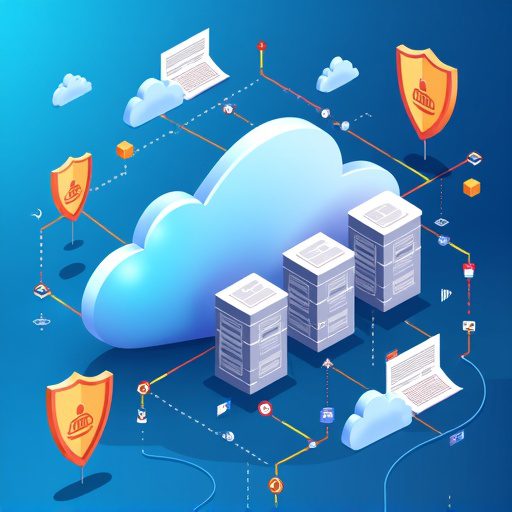
Introduction The insurance industry is undergoing a radical transformation fueled by digital technologies, with cloud computing playing a pivotal role. The cloud enables insurance companies to modernize IT infrastructure, enhance customer experience, boost operational efficiency, and accelerate innovation. As insurers strive to meet rising customer expectations, regulatory demands, and growing data complexities, embracing cloud solutions becomes crucial to stay competitive. This blog explores the profound impact of cloud computing on the insurance sector, detailing benefits, use cases, challenges, and future trends. Throughout the discussion, it integrates relevant insights on artificial intelligence, blockchain, predictive analytics, and digital transformation from the TechOTD AI Services and TechOTD Blog resources. The Digital Imperative in Insurance Traditional insurance models are heavily reliant on legacy systems that are costly to maintain and rigid in meeting new consumer and market demands. Digital disruption has dictated an urgent need to adopt scalable, flexible, and agile IT architectures — and cloud computing provides this foundation. Insurers face increasing pressures to: Deliver personalized, on-demand services Analyze vast amounts of customer and risk data Accelerate product development and go-to-market cycles Ensure compliance and data security Optimize costs Cloud computing answers these imperatives with on-demand computing power, storage, and access to advanced technologies such as AI and blockchain. Core Benefits of Cloud Computing for Insurance 1. Scalability and Flexibility Cloud platforms allow insurers to scale infrastructure dynamically based on demand, supporting fluctuating workloads like claims processing during disasters or new product launches without expensive over-provisioning. 2. Cost Efficiency By shifting to cloud models, insurance companies reduce capital expenditure and operations costs related to on-premises infrastructure, benefiting from pay-as-you-go pricing and reduced hardware investments. 3. Enhanced Data Analytics and AI Integration Cloud environments enable integration with AI-driven analytics tools that process big data for risk assessment, fraud detection, and customer insights—boosting predictive capabilities and personalized insurance offerings. Explore advanced AI solutions tailored for insurance at TechOTD AI Services. 4. Improved Customer Experience Cloud-powered customer portals, mobile apps, and chatbots offer real-time access to policy information, claims status, and personalized support, enhancing satisfaction and loyalty. Relevant AI-driven customer journey strategies can be found at TechOTD Seamless AI Customer Journeys. 5. Regulatory Compliance and Security Cloud service providers increasingly offer robust security, encryption, and compliance certifications that help insurers meet stringent data protection regulations in diverse markets. 6. Faster Innovation and Time to Market Cloud platforms enable rapid development and deployment pipelines that accelerate innovation, allowing insurers to stay ahead in competitive landscapes through agile product launches. Transformative Use Cases in Insurance Cloud-Based Claims Management Digitizing claims on the cloud facilitates automated workflows, real-time status updates, faster approvals, and fraud detection through integrated AI analytics. Risk Modeling and Underwriting Cloud-powered big data analytics enable insurers to better predict and price risk dynamically by ingesting multiple data sources across geographic and demographic segments. Customer Self-Service Portals and Mobile Apps Cloud-hosted portals provide centralized, secure access to insurance products and services, empowering customers digitally while reducing service costs. Insights on building effective mobile apps are detailed at TechOTD Mobile Apps. Blockchain for Policy Management and Fraud Prevention Combining blockchain with cloud infrastructure supports tamper-proof policy records, secure transactions, and enhanced transparency in claims processing. Detailed exploration at TechOTD Blockchain Integration. Predictive Analytics to Combat Fraud and Improve Retention Cloud data platforms integrated with predictive analytics software help proactively identify suspicious claims and optimize customer retention strategies. Challenges and Strategic Solutions Data Migration Complexity Moving legacy data to the cloud is complex but can be simplified through phased migration strategies and cloud-native redesigns (see the generated image above). Security Concerns Insurance companies need layered security approaches combining cloud vendor safeguards, encryption, access controls, and continuous monitoring. Regulatory Compliance Collaborating with cloud providers offering region-specific compliance certifications and conducting rigorous audits mitigates regulatory risks. Cultural and Organizational Change Driving cloud adoption requires cultural shifts towards agility, continuous learning, and DevOps practices supported by leadership (see the generated image above). For structured digital transformation, explore TechOTD How We Work. Future Trends in Cloud Computing for Insurance Increased Adoption of AI and Machine Learning: More cloud-based AI solutions will enhance automation and personalization. Expansion of Hybrid and Multi-Cloud Strategies: Insurers will balance private and public clouds for optimal performance and security. Greater Integration of Blockchain: Enhancing trust, transparency, and efficiency in insurance processes. Focus on Edge Computing: Combining cloud and edge to manage IoT-enabled insurance use cases such as telematics and connected home devices. Cloud-Native Application Development: Accelerating innovation cycles through microservices architecture and containerization. Stay updated on technology trends at TechOTD Blog. Key Takeaways: Cloud enables scalable, agile, and cost-effective IT modernization. AI and predictive analytics supercharge data-driven decisions. Blockchain enhances security, transparency, and trust. Multi-cloud and edge architectures balance innovation and regulation. Enterprise cultural adoption is critical for successful cloud transformation. Conclusion Cloud computing is dramatically reshaping the insurance industry by delivering scalable infrastructure, enhanced analytics capabilities, improved customer experiences, and cost efficiencies. Insurers who leverage the cloud alongside AI, blockchain, and edge technologies are best positioned to innovate, adapt, and lead in a digital-first market.

How would you like me to respond?

Select a personality for your AI assistant

Normal
Happy
Sad
Angry

Your selection will affect how the AI assistant responds to your messages

Chat Assistant

Let's discuss your project!

Hear from our clients and why 3000+ businesses trust TechOTD

Tell us what you need, and we'll get back with a cost and timeline estimate

Scroll to Top