September 2025

Education app developement

how much does duolingo like app development cost?

Introduction Developing a language learning app like Duolingo involves various factors that impact the overall cost, ranging on average from around $25,000 to over $300,000 depending on complexity, features, platforms, and technologies used. This blog provides a detailed exploration of the estimated development cost, key features, stages of development, and strategic considerations to help businesses plan effectively for a Duolingo-like app.   In the growing edtech landscape, language learning apps have become immensely popular, with Duolingo leading the pack backed by advanced gamification, AI, and personalized user experiences. Building a similar app requires careful planning and investment in technology, design, and quality assurance. Learn about leveraging AI for educational apps and digital transformation at TechOTD AI Solutions. Factors Influencing Development Cost Platform Choice Single platform (Android or iOS): $25,000 – $100,000 Cross-platform/hybrid development: $80,000 – $150,000+ Web version (optional): Additional $10,000 – $20,000 App Complexity and Feature Set Basic: User registration, simple lessons, progress tracking — $50,000 – $100,000 Average: Gamification, AI-driven content suggestions, community features — $100,000 – $200,000 Advanced: Offline mode, live tutoring, advanced AI (speech recognition, personalization) — $200,000 – $300,000+ Explore AI-driven personalization and automation technologies at TechOTD Predictive Analytics. Key Features of a Duolingo-like App User Features Interactive lessons tailored to different skill levels Gamification elements: badges, points, leaderboards Multimedia content: audio, video, images for immersive learning Progress tracking, daily goals, and reminders AI-based adaptive learning paths and pronunciation feedback Admin and Backend Course management and content updates User analytics and performance dashboards AI/ML integration for personalization and scalability Secure authentication and data privacy compliance Development Stages and Cost Breakdown Stage Estimated Cost Range (USD) Description Market Research & Planning $5,000 – $10,000 Define goals, target audience, competitive analysis UI/UX Design $10,000 – $20,000 Design intuitive, engaging user experiences Frontend Development $20,000 – $40,000 Building the user interface on chosen platform(s) Backend Development $20,000 – $40,000 Server-side logic, database, APIs AI & Machine Learning $15,000 – $30,000 Custom algorithms for adaptive learning and feedback Testing & QA $5,000 – $10,000 Functional and performance testing Launch & Marketing $10,000 – $20,000 Deployment, user acquisition, promotion Technology and Tools Used Employing the right tech stack ensures scalability, performance, and maintainability. Frontend: Swift, Kotlin, React Native or Flutter Backend: Node.js, Python, Django, Ruby on Rails Database: PostgreSQL, MongoDB AI & ML Libraries: TensorFlow, OpenCV, Scikit-learn Cloud Platforms: AWS, Azure, Google Cloud Analytics and Monitoring: Grafana, Tableau Learn more about tech adoption and AI in education at TechOTD Education Impact Guide. Cost Optimization Strategies Start with a Minimum Viable Product (MVP) to test market response and reduce upfront costs Outsource development to cost-effective regions while maintaining quality Use open-source AI libraries and existing frameworks Implement phased feature rollouts based on user feedback Monetization and Growth Potential Language learning apps typically use a freemium model: Free access to basic content Premium subscriptions for advanced lessons, live tutoring, and ad-free experiences In-app purchases for certificates or special courses For strategic growth and customer journey optimization, visit TechOTD Customer Journey with AI. Closing Thoughts Building a Duolingo-like app is a significant but rewarding investment that combines technology, education expertise, and user-centric design. With AI and advanced analytics, such an app can deliver customized, engaging, and effective language learning experiences globally. For tailored development services and consulting, explore TechOTD Development Services and browse expert insights on the TechOTD Blog. Conclusion Developing a Duolingo-like language learning app is a significant investment, typically ranging from $80,000 to $300,000+, depending on features, platform, AI integration, and complexity. A phased approach starting with MVP ensures risk mitigation and better budget control.

DEVOPs

DevOps at Scale: Strategies for Enterprise-Wide Modernization

Introduction In the fast-paced digital era, enterprises must evolve their software development and delivery models to remain competitive and responsive. DevOps at scale has emerged as an essential approach, enabling organizations to modernize their entire IT landscape, drive automation, foster collaboration, and accelerate innovation. This blog explores strategies and best practices for successfully implementing DevOps across large enterprises, tackling challenges while maximizing business value. Explore advanced AI-driven transformation capabilities at TechOTD AI Services. Understanding Enterprise DevOps at Scale What is DevOps at Scale? DevOps at scale refers to adopting and integrating DevOps principles—collaboration, automation, continuous integration, continuous delivery—across complex, distributed, and often global enterprise IT environments. Enterprises face unique challenges like legacy systems, multiple teams, regulatory demands, and extensive toolchains. Why Modernize with DevOps? Accelerated time to market for software products Improved software quality and reliability through automation Enhanced collaboration across development, operations, and security teams Scalable and repeatable deployment pipelines for global operations Better alignment between IT and business goals The TechOTD blog dives deeper into how organizations embrace such transformations. Core Strategies for Enterprise-Wide DevOps Modernization 1. Establish a Strong Foundation with Scalable CI/CD Pipelines Centralized, automated continuous integration and delivery pipelines are critical for managing complex software releases. Tools like Jenkins, Azure DevOps, and GitLab enable efficient build, test, and deployment workflows. Standardize coding, security, and compliance practices Automate pipeline monitoring and incident response Use pipeline-as-code for versioned and reproducible deployments 2. Cultivate a Collaborative and Transparent Culture Culture is the heart of DevOps success at scale. Break down silos to encourage communication and shared ownership Form cross-functional, self-service teams covering development, QA, operation, and security Adopt frameworks like CALMS (Culture, Automation, Lean, Measurement, Sharing) to assess maturity and guide improvements Use collaboration tools integrated with workflow management for transparency Learn more about AI’s role in enabling collaboration at TechOTD AI page. 3. Automate Infrastructure and Configuration Management In large enterprises, manual provisioning slows progress and introduces errors. Implement Infrastructure as Code (IaC) using Terraform, Ansible, or Puppet Use cloud-native services and container orchestration (Kubernetes) for scalable infrastructure Automate environment provisioning, configuration, and monitoring for consistency Explore DevOps automation tools at TechOTD’s resources. 4. Adopt Microservices and Modular Architectures Breaking monolithic applications into smaller, independently deployable services enables faster, parallel development and deployment, which fits well with scaled DevOps pipelines. Enables independent scaling and troubleshooting Facilitates incremental modernization of legacy apps Simplifies cross-team development and integration 5. Embed Security Using DevSecOps Principles Security is paramount in enterprise environments, especially with complex compliance requirements. Integrate continuous security testing into CI/CD pipelines Automate vulnerability scanning and compliance checks Establish governance frameworks for risk management Blockchain technology can enhance traceability and compliance auditing, as covered in TechOTD Blockchain blog. 6. Measure and Monitor Performance Continuously Continuous monitoring with tools like Grafana, Prometheus, and ELK stack helps detect anomalies, improve reliability, and optimize resource use. Implement logging, metrics collection, and alerting Use metrics like deployment frequency, mean time to recovery (MTTR), and error rates to measure success Leverage AI-powered analytics for predictive insights Further examples and best practices are detailed in TechOTD Predictive Analytics blog. 7. Invest in Skills Development and Change Management Train teams on new tools, practices, and cultural values regularly Foster a learning mindset encouraging experimentation and failure recovery Communicate benefits organization-wide to build buy-in and reduce resistance See TechOTD’s How We Work for insights on effective consulting and change management. Overcoming Common Challenges in Scaling DevOps Legacy Systems and Technical Debt Use incremental modernization and parallel DevOps adoption Containerize legacy apps selectively for easier integration Managing Complexity Across Distributed Teams Define clear roles and responsibilities Implement centralized DevOps management platforms Security and Compliance Across Regions Develop automated compliance pipeline checks Use policy-as-code and audit trails Discover more challenges and solutions in the detailed TechOTD Enterprise DevOps Guide. Real-World Examples and Use Cases Amazon Pioneered large-scale DevOps automation enabling multiple daily deployments, supporting rapid innovation and global scale. Netflix Uses advanced CI/CD, chaos engineering, and real-time monitoring to ensure high availability and rapid feature delivery. Future Trends: AI-Enabled DevOps at Scale AI and machine learning optimize automated testing, deployment decisions, and predictive maintenance, driving smarter, faster DevOps. Intelligent automation for environment provisioning AI-powered anomaly detection and incident management Natural language interfaces simplifying DevOps operations Discover the future of AI in DevOps at TechOTD AI and NLP. Conclusion Enterprise-wide DevOps modernization is a transformative journey that requires a balanced approach of strategy, culture, technology, and continuous improvement. By following the outlined strategies, enterprises can unlock agility, reliability, and innovation at scale. For detailed strategies, case studies, and consulting support, visit TechOTD and explore services like mobile app development.

DEVOPs

From Legacy to Agility: The Enterprise Roadmap to DevOps Transformation

Introduction In the rapidly evolving technology landscape, enterprises are compelled to shift from traditional legacy systems and processes to agile, efficient, and automated DevOps practices. This transformation is not merely a technological upgrade but a profound cultural and operational evolution, driving faster delivery, improved collaboration, and enhanced customer satisfaction. This blog explores a comprehensive roadmap for enterprises moving from legacy to agility through DevOps transformation, enriched with insights and best practices. Explore related AI-driven business transformation services at TechOTD AI Services. Legacy systems, often characterized by siloed teams, manual processes, and fragmented workflows, limit innovation and rapid delivery. Modern enterprises require integration, automation, and continuous feedback loops — hallmarks of DevOps. Challenges include: Rigid architectures Slow release cycles Understanding Legacy Systems and the Need for DevOps Transformation Risk of errors and downtime Communication gaps between development, operations, and security teams DevOps fosters agility by breaking down silos, automating workflows, and fostering a culture of collaboration and continuous improvement. For a deep dive into DevOps and digital transformation trends, visit the TechOTD Blog. The Enterprise DevOps Transformation Roadmap 1. Assess and Audit Current State Begin by thoroughly evaluating existing infrastructure, workflows, and organizational culture. Map current development and operations processes Identify bottlenecks, silos, and manual steps Understand team dynamics and toolchains This assessment provides a baseline for tailored transformation strategies. 2. Define Vision, Objectives, and KPIs Develop a clear vision and goals aligned with business outcomes. Establish measurable KPIs such as deployment frequency, lead time, and uptime Prioritize initiatives that deliver maximum value Build stakeholder consensus for change 3. Build the Right Team and Culture Culture and people are central to successful DevOps transformation. Form cross-functional DevOps teams including development, operations, QA, and security Promote collaboration, transparency, and shared ownership Invest in training and continuous learning Explore how AI can support team productivity and collaboration on TechOTD AI Integration. 4. Implement Automation and Toolchain Automation drives efficiency and quality. Automate testing, builds, deployments, and infrastructure provisioning Use CI/CD pipelines to enable rapid and reliable delivery Integrate security practices with DevSecOps for compliance and risk mitigation Discover advanced automation and predictive analytics at TechOTD Predictive Analytics. 5. Incremental Modernization and Migration Legacy systems can be modernized incrementally: Introduce containerization and microservices architecture Migrate applications and data gradually to cloud environments Use APIs and integrations to maintain interoperability Blockchain-based transparency and workflow optimization can complement DevOps processes; see insights at Blockchain Integration in Business. 6. Continuous Monitoring, Feedback, and Improvement Ongoing monitoring of performance and security metrics is essential. Deploy tools for logging, metrics, and alerting Enable rapid incident response and root cause analysis Foster continuous feedback loops for team and process improvement 7. Scale and Sustain Expand DevOps practices across teams and projects Refine workflows based on evolving needs and technology Maintain governance, compliance, and change management Learn about how TechOTD ensures smooth implementation through How We Work. Business Benefits of DevOps Transformation Cultural Shift: Enhanced collaboration and shared responsibility improve morale and productivity. Operational Efficiency: Automated pipelines reduce errors and accelerate releases. Agility: Rapid response to market demands and customer needs. Cost Savings: Reduced manual effort and optimized cloud resource usage. Improved Customer Experience: Faster delivery of features and improved uptime enhance satisfaction. Further advantages and implementation challenges are discussed in TechOTD’s Enterprise Technology Blogs. Overcoming Common Challenges Legacy inertia and resistance Use change management strategies to promote mindset shifts Foster open communication and leadership buy-in Tool and technology selection Evaluate scalability, integration capabilities, and team readiness Provide ongoing training and support Security and compliance concerns Adopt DevSecOps to embed security into pipelines Ensure adherence to regulations through automation and monitoring Learn more about navigating such challenges in the detailed TechOTD DevOps Guide and Seamless Customer Journeys with AI. Future Outlook: AI and Beyond in DevOps Artificial intelligence and machine learning play an increasing role in DevOps: Intelligent automation of testing and deployments Predictive analysis for system health and fault prediction Enhanced incident management through AI-driven insights Explore AI’s impact on IT and DevOps workflows in TechOTD’s comprehensive AI Solutions. Conclusion Shifting from legacy systems to an agile DevOps model is a strategic imperative for enterprises aiming to thrive in a digital-first world. By adopting a phased, measured, and culturally-aware approach, organizations unlock innovation, speed, and resilience. For more detailed resources and expert consulting, visit TechOTD and explore their offerings to support your DevOps transformation journey

enterprise

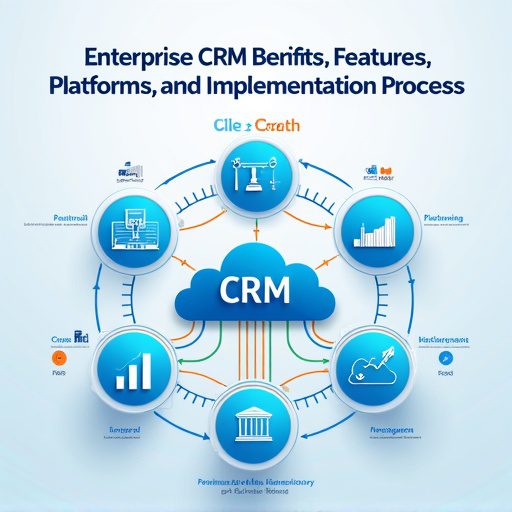
Enterprise CRM Benifits, Features, Platforms, And Implementation Process

Introduction Enterprise CRM (Customer Relationship Management) platforms are powerful tools that transform how large organizations manage customer data, improve engagement, and drive business growth. Below is a detailed blog-style guide, covering benefits, features, leading platforms, and the implementation process, with strategic backlinks to your TechOTD resources. In today’s hyper-competitive marketplace, Enterprise CRM is not merely a software—it’s an integrated approach that centralizes data, automates workflows, and fuels personalized customer journeys at scale. When implemented with advanced technologies like AI and predictive analytics, CRM becomes a strategic driver of efficiency, compliance, and business agility. Discover how AI and tech consulting can elevate CRM on TechOTD’s AI solutions page. Key Benefits of Enterprise CRM 360° View of Customers Enterprise CRM consolidates all customer data—interactions, preferences, support tickets—into a unified dashboard, providing a 360-degree customer profile. This empowers sales, marketing, and support teams to deliver informed, personalized service and anticipate customer needs. Learn how holistic data fuels AI-driven insights on TechOTD’s privacy and AI page. Improved Team Collaboration CRM platforms break down silos, enabling seamless information sharing across sales, marketing, and customer support departments. This unified communication boosts efficiency and ensures everyone works towards common goals. Data-Driven Decision Making Advanced analytics and reporting tools enable data-driven strategies, empowering management to spot trends, forecast sales, and make informed decisions. For a deeper dive into data analytics, visit TechOTD’s predictive analytics feature. Streamlined Sales and Marketing Processes Automation of repetitive tasks—lead tracking, appointment scheduling, follow-ups—lets teams focus on strategic initiatives, shortens sales cycles, and improves productivity. Enhanced Customer Experience CRM software personalizes every touchpoint—recommendations, promotional offers, and support—leading to higher customer satisfaction and loyalty. Explore more on TechOTD’s blog about seamless customer journeys. Compliance and Risk Management Modern platforms are designed to help businesses adhere to data privacy regulations and industry standards, crucial for finance, healthcare, and other regulated sectors. For more insights, read TechOTD’s how we work page. Essential Features of Enterprise CRM Holistic Customer View Provides a consolidated, real-time profile of each customer, tracking every email, call, transaction, and support request. Advanced Automation and AI Automation tools drive efficiency in sales, marketing, and workflows. AI features offer predictive analytics, intelligent recommendations, and chatbots—see TechOTD’s blog on LLMs and AI in customer journeys. Customizable Dashboards and Analytics Enterprises require deep analytics, granular segmentation, and real-time reporting to identify opportunities and mitigate risks. Multichannel Communication Integrated email, chat, phone, and social media support ensure consistent, timely engagement with customers wherever they interact. Security and Compliance Enterprise-grade CRMs offer robust security features: role-based access, encryption, audit trails, and compliance tools for GDPR, HIPAA, and more. Integration and Extensibility APIs and integrations connect CRM with ERP, marketing automation, e-commerce, and legacy systems for seamless data flow across the organization. Top Enterprise CRM Platforms Platform Best For Key Distinction Pricing/Notes [More Info] Salesforce Customization, large-scale deployments Deep modularity, AI, ecosystem From $165/user/mo, AI extra Leading Gartner MQ SAP CRM Integrated ERP-CRM for SAP users Native SAP integration, global Quote-based Oracle CX Large, complex organizations Flexibility, analytics, CX tools Quote-based Microsoft Dynamics 365 Microsoft-centric organizations ERP links, hybrid cloud options Flexible tiers HubSpot Enterprise Quick setup, remote teams User-friendly, marketing-heavy Competitive pricing Zoho CRM Growing enterprises, customization Automated workflows, scalability Lower overall TCO Zendesk Sell Sales and support integration Suited for Zendesk users Per-seat pricing Freshsales AI-driven engagement Fast, contextual interactions Modern UI, flexibility Discover more platforms and business app tips at TechOTD’s industry blogs. The Enterprise CRM Implementation Process 1. Define Strategy and Objectives Start by mapping out business objectives, key performance indicators, and a data strategy. Use TechOTD’s consulting framework to establish clear priorities. 2. Data Migration and Integration Cleanse existing data, de-duplicate records, and plan integrations with core systems (ERP, e-commerce, etc.). Blockchain integration—see blockchain in Dubai business—can add transparency to data migration. 3. Platform Selection and Customization Choose a CRM platform based on scale, industry, compliance, and integration requirements. Custom-build modules as needed, adjusting workflows, triggers, and dashboards for your enterprise’s unique processes. 4. User Adoption and Training Invest in staff training, change management, and cross-departmental workshops. Encourage power users and stakeholders to champion the CRM for maximum adoption. 5. Launch and Ongoing Support Roll out in phases—start with pilot departments, gather feedback, iterate, and expand. Leverage continuous analytics and support for long-term ROI. For best practices in tech project launches, visit TechOTD’s mobile services page. 6. Advanced Optimization Integrate AI-driven analytics, marketing automation, and predictive customer scoring. Review and refine workflows to drive ongoing efficiency. Explore predictive analytics solutions on TechOTD’s featured blog page. Real-World Use Cases Sales Acceleration: Automated lead scoring and next-best actions reduce time-to-close and increase sales. Customer Service Excellence: Omnichannel ticketing and AI-powered chatbots resolve issues faster, improving CSAT. Marketing ROI: Segmentation, journey mapping, and attribution modeling optimize spend and boost conversion rates. Risk & Compliance: Audit trails, consent management, and data protection features mitigate regulatory risk—critical for finance and healthcare. Mobile CRM: Field sales and service reps use mobile apps to access/updating customer data on the go; see TechOTD’s mobile frameworks guide. Conclusion Adopting an enterprise CRM is transformative for large organizations—it centralizes operations, unleashes team potential, personalizes every customer interaction, and future-proofs against changing regulations. For ongoing trends, strategies, and CRM case studies, explore: AI-Powered Enterprise Solutions TechOTD Blogs on Business Technology Customer Journey Mapping with AI Blockchain for Data Integrity How We Work at TechOTD Predictive Analytics for CRM Mobile Solutions and CRM Industry Insights & Platforms

Healthcare & Fitness

Cloud Infrastructure and DevOps in Healthcare Apps

Introduction The intersection of cloud infrastructure and DevOps is revolutionizing how healthcare applications are built, deployed, and maintained, making healthcare systems more agile, compliant, and patient-centered. These advances empower providers to store vast amounts of sensitive data securely, deliver real-time services to patients worldwide, and quickly innovate in response to emerging needs and regulatory guidelines. Explore how AI-powered healthcare applications are transforming patient experiences and operations—see more on cloud-based AI services and their integration journey. The Role of Cloud Infrastructure in Healthcare Apps Scalability and Flexibility Cloud platforms such as AWS, Azure, and Google Cloud enable healthcare organizations to scale resources up or down dynamically, adapting to fluctuating workloads, seasonal spikes, or pandemic-driven surges in demand. This elasticity is essential for electronic health records (EHR), big data analytics, telemedicine, and remote monitoring applications. Multicloud and hybrid architectures are gaining traction, allowing seamless integration to meet stringent compliance needs and local storage guidelines. Private clouds cater to high-security environments such as large hospitals and research institutions, while public clouds efficiently handle analytics, appointments, and remote care. For a detailed breakdown of cloud-driven innovation in healthcare, visit TechOTD’s main blog. Secure Data Storage and Compliance Sensitive medical data demands the highest levels of security and compliance. Cloud vendors offer HIPAA- and GDPR-compliant solutions that maintain data privacy, encryption, and integrity. End-to-end encryption, auditing, and identity management are embedded in modern cloud services. Automated backups and disaster recovery protocols minimize downtime and data loss. To understand how TechOTD addresses privacy and compliance in healthcare, see the Privacy & Cookies policy. Accelerating Digital Health with AI and Analytics Cloud infrastructure empowers healthcare organizations to leverage advanced AI, machine learning, and predictive analytics. Key applications include: Standardizing precision diagnostics with massive image datasets, Predicting patient risks using trend analysis and real-time telemetry, Automating administrative documentation with NLP engines. Discover feature-rich use cases in predictive analytics on TechOTD’s dedicated analytics page. Enabling Telehealth and Remote Patient Monitoring The adoption of telemedicine surged during the COVID-19 pandemic, with cloud platforms facilitating: Real-time video consultations, Remote patient monitoring using IoT wearables, Synchronous data sharing among care teams. Integration details for mobile healthcare solutions are documented in TechOTD’s mobile app services section. DevOps: The Engine of Continuous Healthcare Innovation What Is DevOps in Healthcare? DevOps combines software development (Dev) and IT operations (Ops) to foster automation, collaboration, and rapid deployments. In healthcare, this approach: Shortens application release cycles, Ensures continuous integration and delivery (CI/CD), Facilitates ongoing feedback and quality improvements. Explore practical examples of workflow optimization on the TechOTD blog. Key Benefits of DevOps for Healthcare Faster Time to Market Automates deployments, enabling rapid roll-out of new features and critical patches. Provides a competitive edge in launching telehealth and AI-driven apps. Improved Patient Outcomes Supports continuous monitoring and rapid issue resolution, which enhances clinical reliability and patient trust. Real-time data analytics drive timely decisions at the point of care. Security and Compliance Implements DevSecOps to integrate security into every phase of the application lifecycle. Ensures adherence to sector-specific regulations (HIPAA, GDPR, etc.) using automated compliance checks. See TechOTD’s structured approach to secure software on their How We Work page. Cost and Resource Efficiency Applies Infrastructure as Code (IaC) principles, minimizing manual tasks and human error. Optimizes cloud spend by enabling demand-driven resource allocation. Case studies on cost savings and operational improvements can be found in TechOTD’s blog industry section. AI and Predictive Analytics Support Maintains stable environments for AI/ML-powered healthcare applications. Accelerates the development of smart diagnostics, triaging, and personalized medicine. For examples of large language models in regulated sectors, see LLMs in Finance. Implementing Cloud and DevOps for Healthcare Apps: A Step-by-Step Roadmap 1. Assess Business Needs and Regulatory Requirements Conduct a deep analysis of the existing tech ecosystem and compliance landscape. Evaluate suitability for cloud migration and DevOps adoption. Explore a real-world blueprint on TechOTD’s services overview. 2. Data Strategy and Cloud Architecture Selection Identify sensitive and non-sensitive datasets. Choose optimal cloud deployment models: public, private, hybrid, or multicloud. 3. Develop Secure, Scalable Applications Using DevOps Practices Implement CI/CD pipelines for all healthcare modules: EHRs, billing, telemedicine, and connected health IoT solutions. Automate testing, code reviews, and compliance checks to guarantee quality and security. 4. Integrate AI, Analytics, and Automation Leverage cloud APIs and frameworks for real-time analytics, predictive insights, and automated workflows. Explore how AI supports preventive care and operational efficiency in TechOTD’s AI service models. 5. Continuous Monitoring, Maintenance, and Support Use cloud-based monitoring tools (e.g., Grafana, Azure Monitor) for uptime, performance, and security event tracking. Establish mechanisms for ongoing maintenance, data retraining, and customer support. For workflow strategies, check out customer journey mapping with AI. Emerging Trends and Future Directions AI-Powered Healthcare and Predictive Care Increasing adoption of generative AI, chatbots for patient triage, and risk stratification tools. Integration of real-time wearable IoT data with cloud-hosted analytics engines. Get a comprehensive review of technology trends in healthcare and beyond at TechOTD’s blog. Blockchain Integration for Secure Health Data Blockchain ensures transparent, immutable transaction logging, critical for audit trails in clinical trials, medication administration, and consent management. Find an in-depth analysis at TechOTD’s blockchain blog post. Regulatory Evolution and Interoperability Ongoing standards development for seamless data exchange (HL7 FHIR, DICOM) and international interoperability. Enhanced focus on privacy-preserving machine learning and federated learning architectures. Challenges in Cloud and DevOps Adoption Legacy systems and data silos limiting seamless migration. Addressing complex multi-region compliance and data residency requirements. Upfront investments in talent, training, and DevOps/Cloud tooling. Best practices, pitfalls, and CRM integration insights can be found at TechOTD’s mobile app frameworks guide. Conclusion: Cloud and DevOps as Healthcare’s Innovation Backbone The synergy of cloud infrastructure and DevOps is shaping a future where healthcare is more agile, resilient, and patient-focused than ever before. With ongoing advancements in AI, predictive analytics, and compliance automation, healthcare providers are set to deliver faster, more effective, and more personalized care. For more guidance, industry news, and in-depth resources, visit: Privacy & AI Solutions TechOTD Blog Home How We Work at TechOTD Predictive Analytics Features Mobile Application Services Advanced Industry Insights Customer-Centric AI Journeys LLMs in Finance Use Cases Technology for Modern Education Gadgets for

Healthcare & Fitness

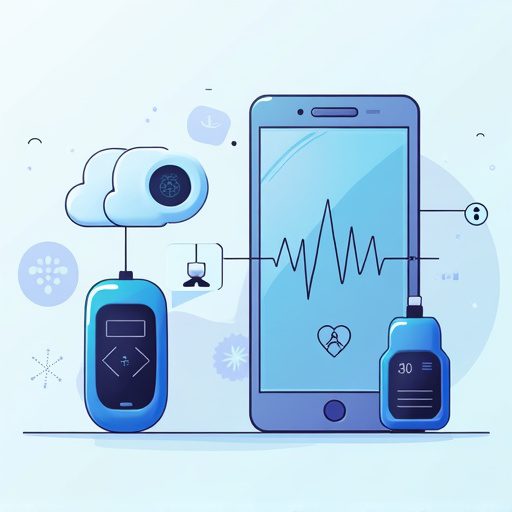
IoT-Based Wearable Integration: ECG Patches & Glucose Monitors

Introduction The convergence of the Internet of Things (IoT) and wearable technologies is redefining healthcare accessibility, monitoring, and personalization. Among these innovations, wearable ECG patches and continuous glucose monitors (CGMs) stand out as life-changing tools for patients managing cardiovascular and metabolic conditions. These IoT-enabled wearables continuously collect real-time physiological data, transmitting vital insights to caregivers, cloud platforms, and AI-powered healthcare analytics systems. Whether you’re a clinician, health-tech entrepreneur, or a patient eager to understand modern medical tools, learning about these integrations is critical. This comprehensive blog dives into IoT-based wearable integration, exploring use cases, technological breakthroughs, industry applications, challenges, and future trends. Along the way, we’ll highlight how tools like TechOTD’s AI services, predictive analytics, and mobile applications are shaping the broader digital transformation in healthcare. 1. Understanding Wearable IoT for Healthcare What Defines IoT Wearables? IoT-based wearables are sensor-embedded devices that collect health data—such as heart rhythms or glucose levels—and transmit it wirelessly via BLE, Wi-Fi, or cellular networks to apps or cloud platforms. These systems enable real-time, remote patient monitoring and advanced analytics. For a deeper dive into how digital ecosystems are structured, check out TechOTD’s detailed framework: How We Work. Continuous Glucose Monitoring (CGM) CGMs revolutionize diabetes care by providing continuous glucose data. Devices like FreeStyle Libre and Eversense are FDA-approved and deliver real-time blood sugar insights directly to mobile apps. Injectable and Patch-Based Glucose Sensors Newer non-invasive solutions such as lab-on-a-patch and optical glucose sensors are emerging, minimizing or eliminating the need for finger-stick tests. Wearable ECG Patches   Modern ambulatory ECG patches are: Compact & lightweight for patient comfort. Water-resistant for daily activities. Multi-lead capable, giving cardiologists richer data. Cloud-integrated for real-time analytics. 2. Use Cases & Benefits of ECG Patches and CGMs Real-Time Cardiac Monitoring ECG patches continuously record cardiac activity, detect arrhythmias, and enable early intervention. Their integration with predictive AI algorithms enhances risk detection. Accurate Glucose Management CGMs reduce reliance on finger pricks and allow patients to track and adjust lifestyles in real time. Alerts warn about hypo/hyperglycemia, preventing hospitalizations. Preventive Healthcare & Predictive Insights When paired with predictive analytics tools (see TechOTD’s blog), wearables anticipate health risks, giving doctors the chance to act before an emergency arises. ICU & Critical Care Applications Advanced skin patches can now monitor multiple biomarkers—helping ICU teams optimize drug dosages and monitor sepsis patients in real time. Edge & 5G-Enabled Monitoring Integration with 5G and edge computing ensures ultra-low-latency alerts, critical for conditions like cardiac arrest or sudden diabetic events. 3. Technical Infrastructure & Integration Connectivity & Gateways BLE, Wi-Fi, and IoT-enabled modules connect devices to smartphones. Gateways push data into cloud platforms where analytics engines run. For companies planning mobile-first healthcare platforms, explore TechOTD’s Mobile App Services. Security & Privacy Data encryption and blockchain-powered infrastructures (see here) are crucial for compliance with HIPAA, GDPR, and FDA regulations. Analytics with AI & Predictive Tools AI detects anomalies like arrhythmias or abnormal glucose trends. More advanced systems integrate Large Language Models (LLMs) for contextual alerts (LLMs in Finance blog). Personalized Health Insights Integration with AI-driven analytics dashboards transforms wearables into tools for personalized, preventive healthcare. 4. Industry Applications & Broader Trends Consumer Health → Smartwatches integrating ECG and glucose monitoring for wellness. Diabetes Management → CGMs helping reduce ER visits by real-time alerts. Cardiology → ECG patches used for remote diagnostics. Remote Patient Monitoring (RPM) → Patients monitored outside hospitals, reducing strain on facilities. For additional insights into digital health strategies, check out TechOTD’s Technology Impact on Education for CEOs—many lessons also apply to healthcare leadership. 5. Challenges & Mitigation Strategies Sensor Accuracy & Reliability → Adopt medical-grade calibration. Connectivity Constraints → Use offline caching with low-power BLE. Regulatory Compliance → Ensure HIPAA, GDPR, and FDA approvals. Data Overload → Implement AI and edge computing filters. User Adoption → Prioritize comfort and usability in design. For businesses designing these solutions, TechOTD’s blog hub has resources across AI, IoT, and app development. 6. Future Trends in Wearable IoT Health Multi-marker Smart Patches: Monitoring lactate, troponin, and more. Edge AI Detection: Running anomaly detection directly on-device. Spectroscopy-based Non-Invasive Sensors: Pain-free glucose tracking. Preventive Health Tools: Predicting disease before symptoms. 5G-Driven Wearable Ecosystems: Near-instant alerts for emergencies. For real-world parallels, see TechOTD’s Best Gadgets for Programmers 2025—showing how wearables and smart devices intersect across industries. 7. Leveraging TechOTD’s Ecosystem To harness the full potential of wearable IoT integration, businesses need a robust digital backbone. TechOTD provides: AI Analytics & Predictive Tools → AI Page. Mobile Application Development → Mobile Apps Services. IoT & Blockchain Strategy → Blockchain Blog. Proven Delivery Models → How We Work. Knowledge Leadership → Industry Insights. 8. Summary Table: Benefits & Use Cases Use Case / Feature Benefit / Impact ECG Patches Arrhythmia detection & continuous monitoring Continuous Glucose Monitors Real-time diabetes management & alerts Multi-marker Biosensor Patches ICU biomarker monitoring for critical care AI Analytics Integration Predictive alerts & anomaly detection Edge Computing + 5G Near-instant emergency detection Non-invasive CGM Pain-free, patient-friendly glucose tracking 9. FAQs Q1: How do ECG patches differ from Holter monitors?ECG patches are smaller, multi-lead, water-resistant, and integrate with smartphones—making them more comfortable and efficient. Q2: Can CGMs replace finger-prick tests?Yes, FDA-approved CGMs provide highly accurate real-time glucose monitoring, minimizing traditional tests. Q3: Is wearable data secure?Yes, provided end-to-end encryption and blockchain-based protections are applied. Q4: What’s next for wearable health technology?Expect multi-biomarker smart patches, edge AI, spectroscopy sensors, and fully integrated IoT health ecosystems. Conclusion IoT-based wearables—especially ECG patches and continuous glucose monitors—are transforming healthcare by enabling real-time, personalized, and predictive care. With the power of AI analytics, blockchain security, mobile apps, and 5G integration, healthcare providers can scale remote patient monitoring, improve outcomes, and reduce costs. As digital health ecosystems mature, organizations that embrace IoT-enabled wearable integration will be leaders in preventive care and chronic disease management. By partnering with innovation leaders like TechOTD, healthcare providers and businesses can build next-gen platforms that connect patients, caregivers, and data into a seamless, life-saving ecosystem.

Education app developement

Next-Gen LMS: Features That Will Shape the Future of Distance Education

Introduction Distance education is no longer a temporary solution—it is becoming a core pillar of modern education systems. From schools to universities, corporate training to professional development, Learning Management Systems (LMS) have evolved into the foundation of remote and hybrid learning models. But the future of LMS is not just about digitizing classrooms—it is about building intelligent, adaptive, and scalable platforms that can meet the diverse needs of learners across the world. In this blog, we’ll explore how Next-Gen LMS platforms are transforming distance education, the must-have features that will shape their future, and how businesses, educators, and institutions can leverage them for sustainable impact. Why Next-Gen LMS Matters in Distance Education The pandemic accelerated the adoption of LMS platforms, but their limitations also became evident—lack of personalization, low engagement, weak analytics, and scalability issues. Next-Gen LMS solves these pain points by integrating AI, predictive analytics, blockchain, and mobile-first design into the ecosystem. For businesses and educational institutions, this shift means: Smarter learning experiences with AI-driven personalization. Seamless integration with cloud, mobile, and IoT ecosystems. Secure, transparent management using blockchain (Blockchain Integration in Dubai). Predictive analytics that enables data-driven decision-making (Predictive Analytics in Software Development). 👉 LMS is no longer just a tool—it is a digital ecosystem. Key Features of Next-Gen LMS 1. AI-Driven Personalization Artificial Intelligence ensures learning is tailored to each student. Adaptive algorithms recommend content, quizzes, and learning paths. Example: Large Language Models in Finance show how AI can analyze user behavior—similar methods are being used in LMS to predict learning gaps and provide personalized interventions. 2. Gamification and Engagement Tools Future LMS platforms will prioritize engagement over completion rates. Features like badges, leaderboards, interactive simulations, and AR/VR classrooms make distance learning immersive. 3. Seamless Mobile Learning Mobile-first designs are no longer optional. Next-Gen LMS will have dedicated mobile app services (TechOTD Mobile Apps) ensuring access across devices and platforms. 4. Blockchain-Based Certification & Credentialing Blockchain ensures secure, verifiable digital certificates. This not only reduces fraud but also makes credentials universally portable across industries. 5. Advanced Predictive Analytics Predictive analytics helps identify at-risk learners, improve curriculum design, and optimize delivery (Predictive Analytics Features). 6. Integration with EdTech Ecosystem Next-Gen LMS platforms won’t operate in silos—they’ll integrate with IoT classroom devices, AI tutors, cloud-based collaboration tools, and AR/VR simulations. 7. Multi-Language and Cultural Adaptability Global distance learning requires support for multi-language content, localization, and culturally adaptive learning paths. 8. Security and Compliance With sensitive data at stake, compliance with GDPR, FERPA, and HIPAA will be non-negotiable. Blockchain and Zero-Trust security will play key roles. Benefits of Next-Gen LMS Improved learning outcomes through personalized experiences. Cost-effectiveness compared to traditional models. Scalable and flexible infrastructure for institutions of all sizes. Data-driven insights to improve learner performance. Enhanced student engagement via gamification, AR/VR, and interactive tools. Seamless hybrid learning—equally effective online and offline. Use Cases Across Industries Higher Education – Virtual universities with personalized learning. Corporate Training – Upskilling employees with AI-driven microlearning. Healthcare – Training doctors with VR simulations. Finance – Compliance training with blockchain verification (LLMs in Finance). Retail & Service Industries – Customer service training using interactive AI tutors (Seamless Customer Journeys with AI). Challenges in Implementing Next-Gen LMS High development costs—but partnerships with experts like TechOTD reduce risks. Data security concerns—solved by blockchain and Zero Trust models. Resistance to adoption from educators who need proper training. Complexity in integration with legacy systems. The Future of LMS in Remote Education The next decade will witness LMS platforms evolving into AI-powered, blockchain-secured, mobile-first ecosystems that support lifelong learning. With emerging technologies like AR, VR, and LLMs, LMS will redefine the learning experience beyond traditional boundaries. Businesses, startups, and educational institutions investing early in Next-Gen LMS will gain a competitive advantage by offering smarter, secure, and immersive remote education. FAQ 1. What makes Next-Gen LMS different from traditional LMS?Next-Gen LMS integrates AI, blockchain, mobile-first design, and predictive analytics to deliver adaptive, secure, and scalable education experiences. 2. How can businesses benefit from Next-Gen LMS?Companies can use it for employee upskilling, compliance training, and knowledge retention through personalized microlearning. 3. Is blockchain important in LMS?Yes. Blockchain ensures secure certification, transparent records, and verifiable credentials. 4. What role does AI play in Next-Gen LMS?AI enables personalization, predictive analytics, chatbots, and adaptive learning paths, making education more engaging. 5. Can LMS replace traditional classrooms?Not entirely. Instead, it enhances hybrid models by complementing face-to-face learning with digital flexibility. Key Points Summary Table Feature Impact on Distance Education AI Personalization Tailored learning paths Gamification & AR/VR Boosts student engagement Blockchain Certification Secure, verifiable degrees Predictive Analytics Early detection of at-risk learners Mobile-First LMS Anytime, anywhere access Security & Compliance Data protection & trust Conclusion The future of distance education lies in Next-Gen LMS platforms that are intelligent, secure, and deeply integrated with emerging technologies. By adopting AI personalization, blockchain-based credentials, predictive analytics, and mobile-first designs, educational institutions and businesses can offer flexible, scalable, and impactful learning experiences. As industries move towards digital-first education ecosystems, investing in Next-Gen LMS will no longer be optional—it will be a necessity for survival and success. Partnering with forward-thinking tech providers like TechOTD ensures that you build future-ready LMS solutions that empower learners, drive engagement, and transform education for the digital age.

Education app developement

Designing an LMS That Truly Supports Remote Education

  Introduction The rapid shift toward remote and hybrid education has transformed the way learners engage with knowledge, educators deliver lessons, and institutions provide resources. A Learning Management System (LMS) plays a central role in this transformation, serving as the backbone of online education. However, not all LMS platforms are designed with the complexities of remote education in mind. To build an LMS that truly supports remote education, one must focus not only on technical functionalities but also on usability, inclusivity, scalability, and long-term adaptability. This blog explores the key aspects of designing a remote education-ready LMS, examining critical features, challenges, best practices, and forward-looking trends. We will also integrate examples from global practices and link to insightful resources such as AI innovations, blockchain applications in business, and technology’s impact on education. 1. Understanding the Needs of Remote Learners Remote learners differ from traditional classroom students in several ways. They face challenges like reduced face-to-face interaction, distractions at home, and varying levels of digital literacy. A strong LMS should: Offer intuitive navigation to reduce the learning curve. Provide offline access to materials. Ensure compatibility with multiple devices, including smartphones, tablets, and laptops. Deliver personalized learning experiences using tools like AI recommendations (AI innovations page). By addressing these needs, the LMS becomes more than a digital repository—it becomes an ecosystem that supports continuous learning. 2. Core Features of a Remote-Friendly LMS When designing an LMS for remote education, certain features are non-negotiable: a. Seamless User Experience (UX) Simple dashboards with role-based views (students, teachers, admins). Easy access to assignments, deadlines, and grades. Clear pathways for navigation. b. Interactive Learning Tools Video conferencing integration. Discussion forums and chat options. Gamification features such as badges, leaderboards, and rewards. c. Assessment and Feedback Mechanisms Auto-graded quizzes. Peer-to-peer review systems. AI-driven feedback systems (customer journey with AI). d. Scalability and Reliability Cloud-based architecture to handle spikes in traffic. Data security using technologies like blockchain (blockchain in business). High uptime guarantees. e. Analytics and Reporting Tracking learner engagement. Predictive analytics for performance improvement (predictive analytics blog). Personalized dashboards for both learners and educators. 3. Inclusivity and Accessibility A well-designed LMS must cater to diverse learners, including those with disabilities or limited internet connectivity. Accessibility Features: Screen reader compatibility, closed captions, adjustable text sizes. Language Options: Multi-language support for global accessibility. Low Bandwidth Solutions: Optimized video formats, text-based alternatives. Remote learning is only successful if it bridges gaps, not creates them. Technology’s impact on education shows how inclusive systems create equitable learning environments. 4. Leveraging Emerging Technologies The future of LMS design lies in integrating advanced technologies: AI and Machine Learning: Personalized recommendations, automated grading, predictive analytics (AI in finance). Blockchain: Secure credentialing, verifiable certificates. AR/VR: Immersive learning experiences for subjects like science, history, or engineering. Mobile-first Approach: Leveraging mobile app development services ensures accessibility anywhere. 5. Addressing Challenges in Remote Education Despite its benefits, remote education faces challenges: Digital Divide: Not all learners have equal access to devices or internet. Engagement Issues: Remote settings may reduce participation. Assessment Integrity: Preventing cheating in online exams. Teacher Training: Instructors must adapt to digital teaching methods. Solutions include: Providing affordable gadgets (best gadgets for programmers 2025). Integrating AI-driven proctoring tools. Offering teacher workshops and support. 6. Design Best Practices for a Remote-Ready LMS To create an LMS that excels in remote education, follow these principles: User-Centric Design: Involve students and teachers in the design process. Modular Architecture: Add features gradually as needs evolve. Mobile Optimization: Prioritize smartphone usability. Security First: Incorporate multi-factor authentication and encrypted data. Continuous Improvement: Use analytics to upgrade features over time. 7. Case Studies and Global Practices Case 1: University-Based LMS A major university redesigned its LMS to include predictive analytics and AI recommendations. This led to a 30% improvement in student retention rates. Case 2: Corporate Training A multinational corporation built a blockchain-enabled LMS for employee training. This secured credential validation and reduced compliance issues by 40%. Both examples show how tailoring LMS features to unique contexts makes remote education stronger. 8. The Role of Continuous Innovation The tech industry is continuously evolving, and LMS platforms must adapt. By exploring framework comparisons like React Native vs Swift, organizations can ensure that their LMS apps remain future-proof.   Further, innovations in customer-centric AI (customer journeys with AI) can be replicated in education, enhancing personalization and learner satisfaction. 9. Future of LMS in Remote Education In the next decade, we can expect: AI-driven tutors that provide real-time assistance. Global collaborative classrooms connecting learners across countries. Integration with IoT devices for hands-on skill learning. Adaptive content delivery based on learning pace and style. These advancements align with the broader tech evolution in industries (TechOTD insights). Conclusion Designing an LMS that truly supports remote education requires a balance between technical innovation, learner-centric features, inclusivity, and adaptability. By integrating advanced tools such as AI, blockchain, and mobile-first designs, institutions can empower both educators and learners. Moreover, continuous improvement, guided by analytics and user feedback, ensures that the LMS evolves alongside educational needs. Ultimately, a well-designed LMS is not just software—it is a bridge that connects knowledge to learners worldwide, making education accessible, interactive, and future-ready. For organizations and institutions looking to build or upgrade their LMS, collaboration with forward-thinking partners like TechOTD ensures staying ahead of the curve. References and Backlinks AI Innovations TechOTD Blog Blockchain in Business Processes How We Work LLMs in Finance AI Customer Journeys Best Gadgets for Programmers 2025 Predictive Analytics in Software Development Technology’s Impact on Education React Native vs Swift Industry Insights Mobile App Development Services

Artificial Intelligence

APIs 2.0: The Backbone of Digital Products and Platforms

Introduction In today’s fast-evolving digital economy, Application Programming Interfaces (APIs) have become far more than integration points—they are the nervous system of modern digital products and platforms. The next wave, APIs 2.0, moves beyond simple data fluency to offer intelligence, real-time interaction, robust security, and lifecycle governance across AI, blockchain, IoT, and cloud ecosystems. For businesses committed to agility, scalability, and innovation, APIs 2.0 are no longer optional—they’re foundational. This comprehensive guide explores what powers APIs 2.0, how they empower industries, and best practices to successfully harness their transformative potential. Table of Contents What Defines APIs 2.0 Core Features of APIs 2.0 Why APIs 2.0 Matter for Digital Platforms Key Industry Use Cases Challenges and Strategic Solutions Best Practices for Adopting APIs 2.0 Future Trends: What Lies Ahead Key Points Summary Table FAQ Section Conclusion 1. What Defines APIs 2.0 APIs 2.0 represent a new generation of interfaces — smarter, more interactive, and secure. They go beyond REST or SOAP, incorporating: Intelligent Capabilities: AI/ML-powered responses, adaptive routing, and predictive insights (TechOTD AI page) Event-Driven Architecture: Real-time, asynchronous communication via streams or WebSockets, powered by standards like AsyncAPI asyncapi.comThe New Stack GraphQL & Async APIs: Precision querying, minimal data tunneling, and asynchronous updates for efficiency API7 Advanced Security: Zero Trust, OAuth, blockchain-based authentication for trusted operations API Mesh & Management: Unified orchestration, lifecycle control, governance, and observability across distributed systems DZoneNordic APIs Together, these capabilities transform APIs into dynamic, intelligent workflows rather than static connectors. 2. Core Features of APIs 2.0 Intelligent Routing & API Mesh API Mesh extends beyond gateways and service meshes, creating a unified orchestration layer across all API environments. It helps with dynamic routing, scalability, and lifecycle management DZone. Event-Driven & Real-Time Interaction Using AsyncAPI standards enables seamless handling of message-driven architectures with tooling and governance in place MuleSoftPatryk Bandurski. Protocol Flexibility: GraphQL, gRPC, WebSockets APIs 2.0 embrace multiple protocols—REST, GraphQL for custom data requests, gRPC for high-performance inter-service communication, and WebSockets/Kafka for real-time streaming API7. Unified Governance & Observability Modern API management integrates policy enforcement, observability, and governance across cloud, microservices, and multi-environment systems Nordic APIsMedium. Enhanced Security & Zero Trust These APIs incorporate multi-layered authentication, rate limiting, encryption, and threat monitoring to protect data and operations. 3. Why APIs 2.0 Matter for Digital Platforms Scalability & Microservices APIs 2.0 are ideal for scaling microservices, serverless functions, and containerized deployments. They align with modern DevOps pipelines and continuous delivery strategies (How We Work). Immersive & Real-Time Experience Event-driven APIs power use cases like live dashboards, push notifications, and dynamic personalization (Seamless customer journeys with AI). Ecosystem Expansion Open APIs and marketplaces foster developer communities, allowing third-party integrations and monetization models (Mobile Apps Services). AI & Blockchain Integration Advanced APIs connect enterprise systems to AI engines and blockchain smart contracts for autonomous workflows and secured transactions (Large Language Models in Finance; Blockchain Integration in Dubai). Real-Time Analytics & Decisioning Tight integration with predictive analytics and data pipelines enables real-time insights and automated decision-making (Predictive Analytics Software Guide). 4. Key Industry Use Cases Finance and FinTech Open banking, fraud monitoring, AI-powered insights — APIs 2.0 enable secure, intelligent financial services. Healthcare Real-time EHR exchange, diagnostics, and telehealth APIs improve patient care and compliance. Telecommunications Seamless IoT provisioning, dynamic network orchestration, and subscriber management rely on robust, lightweight APIs. Retail & E-Commerce Dynamic pricing, inventory sync, omnichannel cart updates, and personalization all hinge on modern API interfaces. EdTech & Hybrid Learning APIs 2.0 drive content delivery, student analytics, and virtual classroom integration (Technology Impact on Education). 5. Challenges and Strategic Solutions Challenge API 2.0 Solution Security & Exposure Implement zero-trust, OAuth, encryption, regular audits (How We Work) API Governance Complexity Use management platforms for versioning, developer portals, lifecycle control Performance & Scalability Enable caching, load balancing, autoscaling microservices Developer Friction Provide documentation, SDKs, and sandbox onboarding (Best Gadgets for Programmers) 6. Best Practices for Adopting APIs 2.0 Begin with an API-First Design mindset. Utilize an API Mesh for distributed governance (DZone API Mesh) DZone. Embrace AsyncAPI specifications for event-driven implementations MuleSoftPatryk Bandurski. Support multiple protocols—REST, GraphQL, gRPC, WebSockets—for varied performance needs API7. Deploy unified API Management—for observability, monetization, and lifecycle control Nordic APIs. Apply rigorous security practices, including zero-trust and encryption. Equip developers with documentation, SDKs, and sandbox environments. 7. Future Trends: What Lies Ahead AI-Powered APIs: Self-optimizing endpoints that predict traffic patterns and auto-adjust routing. Decentralized APIs: Blockchain-backed authentication for trusted peer-to-peer services. API Marketplaces: Platforms where APIs are packaged, monetized, and consumed like products. Edge Computing Integration: APIs powered at the edge to reduce latency and boost responsiveness. Unified API Management Suites: End-to-end governance across cloud, on-prem, and distributed systems. 8. Key Points Topic Insight Definition APIs 2.0 are intelligent, real-time, secure, and flexible interfaces. Role Backbone of scalable platforms and seamless omnichannel experiences. Leading Industries Finance, healthcare, telecom, retail, education. Challenges Security, governance, performance, developer experience. Best Practices API-first, mesh architecture, security-by-design, developer enablement. 9. FAQs Q1: How do APIs 2.0 differ from traditional APIs?APIs 2.0 include AI logic, event-driven capabilities, multiple protocols, and robust governance versus simple REST calls. Q2: Do I need an API Mesh for APIs 2.0?Yes—API Mesh enables unified routing, lifecycle, and governance—especially in complex architectures (DZone API Mesh) DZone. Q3: When should I use GraphQL vs gRPC vs WebSockets? GraphQL lets clients fetch curated data in a single query. gRPC is ideal for internal microservice calls with low latency. WebSockets/Kafka suit real-time streaming needs API7. Q4: What’s the role of AsyncAPI?AsyncAPI defines standards for event-driven APIs, improving documentation, governance, and team collaboration MuleSoftPatryk Bandurski. Q5: How do I secure APIs 2.0 effectively?Use zero-trust security, OAuth, gateways, encryption, threat monitoring, and regular audits. Image Alt Text “Visual illustration of modern APIs 2.0 connecting cloud, AI, IoT and blockchain in a digital infrastructure.” Conclusion APIs 2.0 are redefining what it means to build digital products and platforms, evolving from static interfaces to dynamic, intelligent systems that power scalability, security, and innovation. By embracing API-first design, multiple protocols, real-time architectures, robust governance, and

Software development

The Future of Connectivity: Exploring the Explosive Growth of APIs

Introduction In today’s hyper-connected digital economy, Application Programming Interfaces (APIs) have become the cornerstone of seamless communication between applications, services, and platforms. APIs enable businesses to unlock innovation, streamline operations, and create new revenue streams by facilitating efficient data exchange and integration. With industries rapidly adopting cloud services, AI, IoT, and blockchain technologies, the demand for robust APIs is growing explosively. For businesses aiming to thrive in the evolving digital landscape, understanding the future of connectivity powered by APIs is crucial. This blog explores the transformative role of APIs, the trends driving their growth, key benefits, and practical use cases shaping industries worldwide. It also provides insights for CTOs, developers, and business leaders to leverage APIs effectively for competitive advantage. What Are APIs and Why Do They Matter? APIs are sets of rules and protocols that allow different software applications to communicate with each other. They act as intermediaries enabling services, platforms, or devices to request and exchange data securely and efficiently. Key Functions of APIs: Enable Integration: Connect diverse systems and technologies across the cloud, on-premises, and edge environments. Enhance Modularity: Allow developers to reuse components and build scalable applications faster. Drive Automation: Facilitate workflow automation by linking disparate services seamlessly. Allow Innovation: Power new digital experiences like AI-driven personalization, real-time analytics, and IoT device communication. APIs empower businesses to deliver services faster while ensuring agility and reliability in complex environments (TechOTD AI services). The Explosive Growth of APIs: Market Trends and Drivers The API economy is surging with no signs of slowing down. According to industry reports, the global API management market is projected to reach $6 billion by 2027, driven by digital transformation initiatives across sectors. Key Drivers Fueling API Growth: Cloud Adoption and Microservices: Cloud-native applications rely heavily on APIs to enable microservices architectures that support scalability and resilience (TechOTD cloud solutions). AI and Big Data: Increasing AI and analytics use require APIs to access machine learning models, datasets, and real-time processing (LLMs in finance). IoT Proliferation: APIs facilitate secure data exchange between billions of connected IoT devices and backend systems (TechOTD industries). Blockchain Integration: Blockchain networks expose APIs enabling interoperability and automation with existing IT architectures (Blockchain in Dubai). Mobile and Web Apps Demand: APIs support diverse platforms and devices, fueling demand for seamless third-party integrations (Mobile apps services). Emerging API Trends API-First Development: Prioritizing APIs in product development for extensibility and faster iterations (React Native vs Swift). GraphQL Adoption: Allowing flexible and efficient queries over traditional REST APIs. API Security Enhancements: Zero trust, OAuth, API gateways, and rate limiting to secure the growing API attack surface. Event-Driven APIs: Supporting real-time data streaming for responsive user experiences. Benefits of APIs for Modern Businesses APIs reshape how businesses build and deliver value in many ways: Accelerate Innovation: By reusing existing APIs, companies can rapidly develop new features and integrations. Improve Customer Experiences: Facilitate personalized, omnichannel experiences in retail, finance, healthcare, and more (Seamless customer journeys with AI). Operational Efficiency: APIs automate workflows, reduce manual interventions, and improve data accuracy. Expand Market Reach: APIs enable ecosystem partnerships and third-party developers to extend product offerings globally. Enhance Agility and Scalability: Cloud APIs and microservices accelerate scaling without sacrificing stability. Real-World Use Cases of API Connectivity 1. Finance and Banking Banks use APIs for secure transactions, open banking, KYC verification, and integrating AI-driven credit risk models (Predictive analytics in finance). 2. Retail and E-commerce APIs connect payment gateways, inventory systems, CRMs, and marketing platforms to create frictionless shopping experiences. 3. Healthcare Interoperable healthcare systems share patient data securely via APIs improving diagnostics, remote monitoring, and personalized treatment plans (Healthcare app development). 4. Telecommunications Telecom providers leverage APIs for network management, customer billing, and IoT device connectivity (Big Data in Telecom). 5. Education Technology APIs power digital learning platforms by integrating content, workflows, and analytics to enhance remote and hybrid education systems (Technology impact on education). Challenges and Best Practices in API Management While APIs unlock substantial benefits, businesses must navigate challenges thoughtfully: Security Risks: APIs create new exposure points. Secure design, authentication, and monitoring are crucial. Complexity Management: Handling API versioning, documentation, and governance requires robust tools and processes (How We Work). Performance Optimization: Ensuring reliability and low latency is critical for distributed APIs. Scalability and support for rapid growth. Developer Experience: Comprehensive documentation and sandbox environments accelerate adoption. Best practices include using API gateways, implementing rate limiting, and adopting continuous integration/continuous deployment (CI/CD) pipelines for updates. The Future of APIs: What to Expect APIs will continue to evolve as foundational components of digital transformation: AI-Powered APIs: Intelligent APIs capable of adaptive learning and recommendations. Decentralized APIs: Leveraging blockchain for secure, trustless API interactions. API Marketplaces: Platforms offering discoverable, monetizable APIs supporting developer ecosystems. Enhanced API Automation: Automated testing, deployment, and security assessments. Cross-Platform Interoperability: APIs supporting multi-cloud and edge computing environments. Conclusion APIs are central to the future of digital connectivity, fueling innovation and business growth in every sector. Organizations embracing API-first strategies enjoy enhanced agility, operational efficiency, and ecosystem opportunities. With the rapid adoption of cloud, AI, IoT, and blockchain, APIs have never been more critical in shaping seamless, personalized, and secure user experiences. As new trends emerge, mastering API management and security will be vital to stay competitive in the evolving digital ecosystem. For businesses seeking expert guidance and cutting-edge AI and API integration solutions, TechOTD offers bespoke services to transform your technology roadmap seamlessly. Explore their offerings today: TechOTD AI services. FAQ 1. What is an API and why is it important for businesses? An API is a set of protocols enabling software applications to communicate, facilitating integration, automation, and innovation critical for modern businesses. 2. How do APIs impact customer experience? APIs enable seamless data exchange across channels and platforms, supporting personalized, efficient, and consistent customer interactions. 3. What are the main security concerns with APIs? APIs can expose vulnerabilities if improperly secured. Key concerns include authentication flaws, data leaks, and denial-of-service attacks. 4. How can a business get started with API-first development? Start by identifying core services for API exposure, adopt an API management platform, and involve developers early in designing reusable API endpoints. 5. What role do APIs play in AI and blockchain integration? APIs connect AI

How would you like me to respond?

Select a personality for your AI assistant

Normal
Happy
Sad
Angry

Your selection will affect how the AI assistant responds to your messages

Chat Assistant

Let's discuss your project!

Hear from our clients and why 3000+ businesses trust TechOTD

Tell us what you need, and we'll get back with a cost and timeline estimate

Scroll to Top