September 2025

Internet of Things

10 Use Cases and Benefits of IoT Energy Management Changing the Power Industry

Introduction The adoption of Internet of Things (IoT) technology is revolutionizing energy management across industries. By enabling real-time monitoring, automation, and data-driven optimization, IoT solutions help reduce costs, increase efficiency, and support sustainability goals. In the dynamically evolving power industry, IoT is a game-changer, transforming how energy is generated, distributed, and consumed. Here are 10 impactful IoT use cases in energy management and the benefits that are reshaping the power landscape in 2025. 1. Smart Commercial Buildings IoT devices optimize lighting, HVAC systems, and energy consumption based on occupancy and time of day. Automated control reduces unnecessary energy use and cuts costs in offices, warehouses, and retail spaces. 2. Smart Metering and Real-Time Energy Monitoring IoT-enabled smart meters provide granular usage data for consumers and utilities. This helps track energy consumption patterns, detect inefficiencies, and optimize demand response strategies. 3. Predictive Maintenance for Energy Assets IoT sensors monitor equipment health indicators such as temperature and vibration to anticipate failures before they occur, reducing downtime and maintenance costs. 4. Automated Energy Optimization By analyzing real-time data on environmental conditions and usage, IoT systems can dynamically adjust energy consumption, such as dimming lights or modulating HVAC, resulting in efficient resource use. 5. Integration of Renewable Energy Sources IoT manages and monitors solar panels, wind turbines, and other green energy assets. It enables smarter distribution, load balancing, and storage, supporting grid stability and sustainability. 6. Demand Response Management Utilities leverage IoT data to adjust supply dynamically in response to consumer demand spikes, minimizing blackouts and optimizing grid performance. 7. Energy Theft and Fault Detection IoT sensors detect anomalies indicating theft or faults in the grid infrastructure, improving security and reducing revenue losses. 8. Grid Automation and Remote Control IoT-enabled automation allows utilities to remotely monitor and manage substations, transformers, and distribution networks, improving reliability and reducing operating costs. 9. Asset Lifecycle Management IoT tracks energy infrastructure usage metrics and conditions to optimize replacements, upgrades, and budgeting, extending asset life and enhancing ROI. 10. Enhanced Consumer Engagement Consumers receive actionable insights through IoT-powered apps and devices, promoting energy-saving behaviors and enabling participation in energy markets (e.g., trading surplus solar energy). Benefits Cost Savings: Reduced energy waste cuts operational expenses. Energy Efficiency: Optimized consumption and supply balancing enhance system performance. Sustainability: Supports green energy adoption and reduces carbon footprint. Operational Transparency: Real-time data improves decision-making and regulatory compliance. Improved Reliability: Predictive maintenance and fault detection minimize outages. User Empowerment: Engages consumers in managing their energy usage actively. Conclusion IoT energy management is a cornerstone of the future power industry—creating smarter, cleaner, and more resilient energy ecosystems. Businesses, utilities, and consumers alike stand to benefit from adopting connected energy solutions and leveraging data-driven insights. For expert guidance on integrating IoT and AI into energy management, explore TechOTD AI Services and stay updated with innovations on the TechOTD Blog. Would you like a detailed technical overview or case studies illustrating IoT impact in energy?# 10 Use Cases and Benefits of IoT Energy Management Changing the Power Industry Introduction The adoption of Internet of Things (IoT) technology is revolutionizing energy management across industries. By enabling real-time monitoring, automation, and data-driven optimization, IoT solutions help reduce costs, increase efficiency, and support sustainability goals. In the dynamically evolving power industry, IoT is a game-changer, transforming how energy is generated, distributed, and consumed. Here are 10 impactful IoT use cases in energy management and the benefits that are reshaping the power landscape in 2025. 1. Smart Commercial Buildings IoT devices optimize lighting, HVAC systems, and energy consumption based on occupancy and time of day. Automated control reduces unnecessary energy use and cuts costs in offices, warehouses, and retail spaces. 2. Smart Metering and Real-Time Energy Monitoring IoT-enabled smart meters provide granular usage data for consumers and utilities. This helps track energy consumption patterns, detect inefficiencies, and optimize demand response strategies. 3. Predictive Maintenance for Energy Assets IoT sensors monitor equipment health indicators such as temperature and vibration to anticipate failures before they occur, reducing downtime and maintenance costs. 4. Automated Energy Optimization By analyzing real-time data on environmental conditions and usage, IoT systems can dynamically adjust energy consumption, such as dimming lights or modulating HVAC, resulting in efficient resource use. 5. Integration of Renewable Energy Sources IoT manages and monitors solar panels, wind turbines, and other green energy assets. It enables smarter distribution, load balancing, and storage, supporting grid stability and sustainability. 6. Demand Response Management Utilities leverage IoT data to adjust supply dynamically in response to consumer demand spikes, minimizing blackouts and optimizing grid performance. 7. Energy Theft and Fault Detection IoT sensors detect anomalies indicating theft or faults in the grid infrastructure, improving security and reducing revenue losses. 8. Grid Automation and Remote Control IoT-enabled automation allows utilities to remotely monitor and manage substations, transformers, and distribution networks, improving reliability and reducing operating costs. 9. Asset Lifecycle Management IoT tracks energy infrastructure usage metrics and conditions to optimize replacements, upgrades, and budgeting, extending asset life and enhancing ROI. 10. Enhanced Consumer Engagement Consumers receive actionable insights through IoT-powered apps and devices, promoting energy-saving behaviors and enabling participation in energy markets (e.g., trading surplus solar energy). Benefits Cost Savings: Reduced energy waste cuts operational expenses. Energy Efficiency: Optimized consumption and supply balancing enhance system performance. Sustainability: Supports green energy adoption and reduces carbon footprint. Operational Transparency: Real-time data improves decision-making and regulatory compliance. Improved Reliability: Predictive maintenance and fault detection minimize outages. User Empowerment: Engages consumers in managing their energy usage actively. > Conclusion IoT energy management is a cornerstone of the future power industry—creating smarter, cleaner, and more resilient energy ecosystems. Businesses, utilities, and consumers alike stand to benefit from adopting connected energy solutions and leveraging data-driven insights. For expert guidance on integrating IoT and AI into energy management, explore TechOTD AI Services and stay updated with innovations on the TechOTD Blog.
Artificial Intelligence

Why and How to Integrate Voice Commerce AI

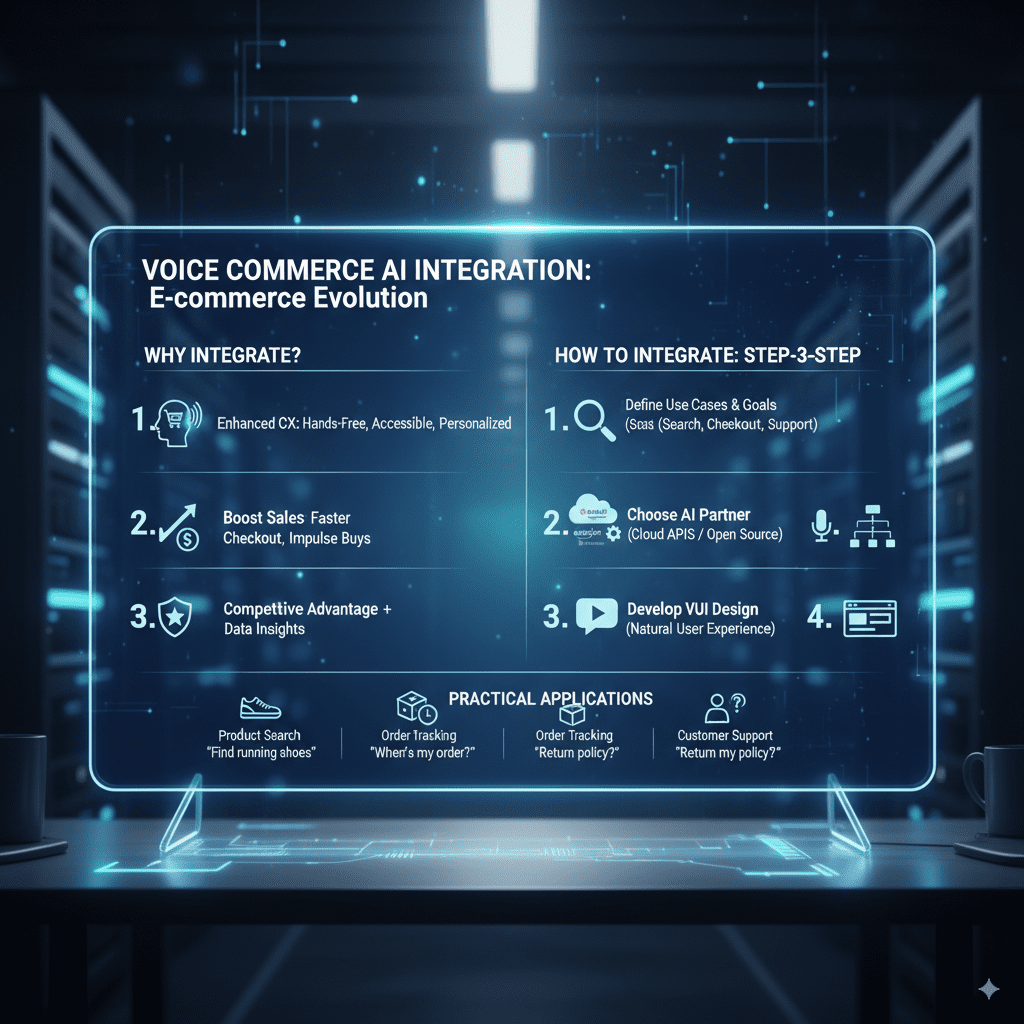
Introduction Voice commerce, powered by artificial intelligence (AI), is transforming how users interact with e-commerce platforms. By enabling hands-free, conversational, and personalized shopping experiences, voice commerce is rapidly becoming a crucial component for online retailers seeking to stay competitive and boost customer engagement. This blog explores the reasons why integrating voice commerce AI into your e-commerce platform is essential, practical applications across the buyer journey, and a step-by-step process for successful implementation. Why Integrate Voice Commerce AI? 1. Enhanced Customer Convenience Voice commands simplify the shopping experience by enabling users to search, browse, and purchase products using natural language without navigating complex menus. 2. Increased Engagement and Accessibility Voice interfaces cater to diverse customer preferences and support accessibility for users with disabilities, broadening your market reach. 3. Faster Conversions and Sales By reducing friction in product discovery and checkout, voice commerce accelerates purchase decisions and lifts conversion rates. 4. Harnessing AI for Personalization Voice AI understands customer preferences and behavior, providing personalized recommendations, offers, and support. 5. Staying Competitive and Innovative Adopting voice commerce positions your brand at the forefront of technology trends, delivering differentiated customer experiences. Practical Applications of Voice Commerce AI Voice Search and Product Discovery: Customers can ask for products by name, features, or categories. Personalized Voice Assistants: AI-driven assistants guide users through the buying process, suggest products, or answer queries. Shopping Cart and Checkout Voice Commands: Add, remove, or modify cart items and complete purchases securely via voice. Order Tracking and Customer Support: Customers can inquire about order status or request assistance vocally. Voice-Activated Promotions and Offers: Deliver targeted deals and flash sales announcements. Step-by-Step Process to Integrate Voice Commerce AI Step 1: Define Your Use Cases and Objectives Identify specific user scenarios where voice interactions can add value (e.g., product search, checkout) and set KPIs. Step 2: Choose the Right Voice AI Technology Select a voice AI provider or framework compatible with your platform — options include Google Dialogflow, Amazon Alexa Skills Kit, Microsoft Azure Speech Services, or custom-built NLP (Natural Language Processing) models. Step 3: Design Conversational Flows Map user intents, possible phrases, responses, and error handling to create seamless voice interactions. Step 4: Integrate with E-commerce Backend Connect voice AI with product databases, user profiles, shopping cart, and payment gateways through secure APIs. Step 5: Implement Voice User Interface (VUI) Add front-end voice input and output capabilities through microphones, speakers, and app or web integrations. Step 6: Test Extensively Perform functional, performance, and user acceptance testing across devices and environments. Step 7: Train and Optimize AI Models Use real-world interaction data to continuously improve AI understanding, personalization, and response accuracy. Step 8: Launch and Promote Publicize voice commerce capabilities and educate customers on usage to drive adoption. Conclusion Integrating voice commerce AI enriches your e-commerce platform with natural, convenient shopping experiences that increase accessibility, engagement, and sales. By following a structured implementation process and leveraging AI capabilities, retailers can capitalize on this rising trend to stand out in a competitive market. For advanced AI integration services, including voice commerce, explore offerings at TechOTD AI Services and gain further insights from the TechOTD Blog.

Digital Transformation

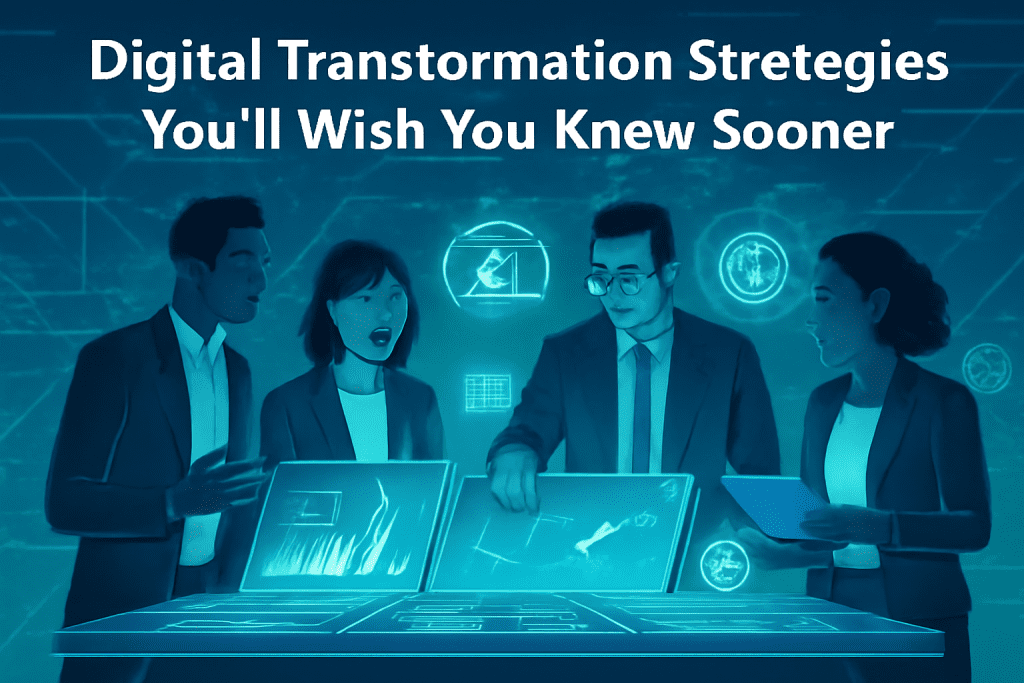
Digital Transformation Strategies You’ll Wish You Knew Sooner

Introduction Digital transformation is no longer a buzzword—it’s a fundamental push shaping how organizations deliver value, innovate, and stay competitive in rapidly evolving markets. Yet, most businesses face unexpected hurdles, costly investments, and missed opportunities simply because they overlook key strategies that drive real results. This blog reveals the digital transformation strategies that lead to lasting impact—and that you’ll wish you applied earlier. 1. Prioritize Integration, Not Just Implementation Many organizations make the mistake of deploying digital tools in silos. Instead, develop integrative solutions that easily connect systems, streamline workflows, and enable cross-functional collaboration. A well-connected digital ecosystem powers automation and improves operational efficiency. 2. Embrace User-Centric Innovation Digital platforms must be user-friendly—whether for customers or employees. Intuitive design and robust usability testing result in higher adoption and satisfaction. Focus innovations on real needs, ensuring technology enhances daily work and customer experiences. 3. Run Parallel Systems During Transition Avoid downtime by maintaining legacy systems while experimenting with new digital solutions. This reduces operational risks and enables safe, staged modernization, such as piloting AI-powered processes alongside manual workflows before full migration. 4. Move Away from Legacy Technologies—Smartly Don’t let outdated infrastructure slow growth. Upgrade and automate with cloud platforms, scalable data analytics, and AI-powered tools. This move strengthens flexibility and helps future-proof the business without the pain of abrupt change. 5. Invest in R&D and Continuous Learning Allocate resources for digital R&D and organizational upskilling. Businesses that foster ongoing learning and innovation outperform their peers, especially when embracing technologies like AI, IoT, and predictive analytics to gain actionable insights. 6. Use Data Analytics for Real-Time Optimization Integrate real-time data analytics platforms to monitor KPIs, optimize workflows, and enable informed, proactive decision-making. Data-driven transformation leads to better forecasting and agile business development. 7. Build a Digital-First Culture Digital success depends on people as much as technology. Encourage a culture of experimentation, resilience, and collaboration. Cross-functional teams and digital champions accelerate transformation and break down silos. 8. Strengthen Ecosystem Partnerships Collaborate with tech, data, and value chain partners to address complexity and deliver superior customer outcomes. Ecosystem strategies enable differentiated service offerings and unlock additional value. 9. Automate Where It Matters Most Automate core processes—customer support, supply chain, and operations—with AI and digital solutions. Automation reduces manual workloads, minimizes errors, and frees up resources for value-driven initiatives. Conclusion The most effective digital transformation strategies are not about implementing more technology, but about creating integrated, user-focused, data-driven, and agile organizations. By putting these proven strategies into practice sooner, leaders can unlock new business opportunities, drive innovation, and avoid the pitfalls that stall progress. For actionable guidance, explore AI-driven transformation and continuous improvement resources with TechOTD AI Services and stay updated via the TechOTD Blog.

Technology

Maximizing ROI with TechOTD IT Staffing Services

Introduction In today’s fast-paced digital landscape, the right IT talent is critical for business success. However, finding, hiring, and retaining skilled professionals is both resource-intensive and expensive. TechOTD IT Staffing Services offer a proven approach to building agile, high-performing tech teams while optimizing costs and maximizing return on investment (ROI). The Value of IT Staffing Services 1. Reduced Hiring Costs TechOTD streamlines the recruitment process, from sourcing and screening to onboarding, reducing internal HR overhead and associated expenses. Their expertise cuts down on recruitment advertising, lengthy interview processes, and credential checks—helping companies allocate resources toward growth initiatives instead. 2. Access to Specialized Talent Pools TechOTD has extensive networks of qualified IT professionals across various domains and technologies. Businesses benefit from rapid access to candidates in high-demand fields such as cloud computing, AI, cybersecurity, and software development, minimizing the time and cost of talent acquisition. 3. Faster Time-to-Hire Speed is vital for maintaining project momentum. TechOTD leverages experienced recruiters and smart technology to present pre-vetted candidates quickly, reducing time-to-hire and supporting business productivity and client delivery deadlines. 4. Enhanced Flexibility and Scalability TechOTD’s flexible staffing solutions—contract, temporary, contract-to-hire, and permanent—allow organizations to adapt workforce size as project requirements change, retaining budget control and operational agility. 5. Improved Quality of Hire Specialized IT recruitment teams use rigorous screening, technical assessments, and culture-fit evaluations to deliver high-caliber professionals primed for success. Quality hires drive project performance and reduce turnover rates, saving costs in the long run. 6. Cost Optimization Strategies TechOTD enables cost-effective solutions such as staff augmentation, remote talent integration, and contract-based assignments, which minimize long-term commitments and overhead while delivering project-specific expertise. 7. Focus on Core Business Functions By handing recruitment and staff management to TechOTD, internal teams focus on strategic business goals, innovation, and client delivery, further enhancing operational ROI. Strategies to Maximize ROI Define clear project goals and role requirements for targeted hires. Leverage data analytics to optimize recruitment and workforce management. Build lasting partnerships for rapid, reliable placements. Prioritize soft skills as well as technical abilities for long-term success. Use integrated staffing software to reduce admin time and enhance candidate engagement. Conclusion TechOTD IT Staffing Services deliver measurable ROI through reduced hiring costs, faster placements, higher quality hires, and flexible workforce solutions. With their deep expertise, scalable model, and commitment to client success, businesses can leverage TechOTD to accelerate digital transformation, drive innovation, and achieve superior growth. Would you like detailed ROI calculation examples, case studies, or info on emerging trends in IT staffing?

Mobile App Development

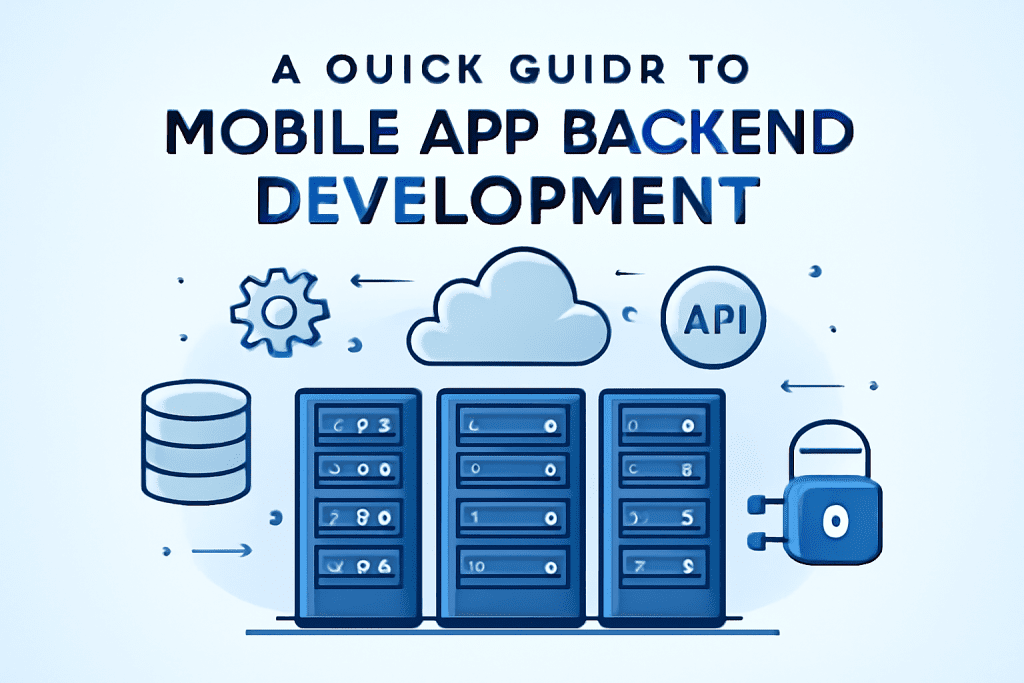
A Quick Guide to Mobile App Backend Development

Introduction In the world of mobile app development, the backend is the powerhouse that handles data storage, authentication, business logic, and integration with external services. While the frontend dazzles users with an intuitive interface, the backend ensures the app runs smoothly, securely, and scales as demand grows. This guide provides an overview of mobile app backend development in 2025, covering core components, technology choices, and best practices to build robust and scalable backends for modern mobile applications Mobile App Architecture Basics). What is Mobile App Backend? The backend is the hidden engine of an application. It handles communication between the frontend and the server. It includes databases, APIs, and cloud storage. (To understand how different database types impact your backend, check our article on SQL vs NoSQL Databases). Key Components of Mobile App Backend 1. Server The server processes requests from app users, runs the core business logic, communicates with databases, and manages third-party integrations. Developers may choose traditional dedicated servers, cloud-based virtual servers, or serverless architectures (like AWS Lambda) depending on scalability and budget needs. 2. Database Databases store user data, app content, and transactional records. Choices vary from relational databases (MySQL, PostgreSQL) for structured data to NoSQL (MongoDB, Cassandra) for unstructured or rapidly changing data. In-memory databases like Redis enhance performance through caching. 3. APIs (Application Programming Interfaces) APIs enable communication between the frontend and backend, as well as integration with external tools such as payment gateways, social logins, or third-party services. 4. Authentication and Security Robust backend security includes user authentication mechanisms (OAuth, JWT), data encryption, secure session management, and protection against common vulnerabilities to safeguard user data and comply with regulations. 5. Push Notifications Backend systems usually manage push notification services, sending timely alerts and updates to users to enhance engagement. 6. Scalability and Performance Management Backends must handle growing user loads efficiently using load balancers, auto-scaling groups, and performance monitoring tools. Popular Technology Stack Options Programming Languages & Frameworks: Node.js (Express), Python (Django, Flask), Ruby on Rails, Java Spring Boot, Go Databases: PostgreSQL, MySQL, MongoDB, Cassandra, Redis Cloud Providers: AWS, Google Cloud, Microsoft Azure, Firebase DevOps and Containerization: Docker, Kubernetes, Jenkins, GitHub Actions Backend Development Best Practices in 2025 Opt for cloud-native solutions to support flexibility and cost efficiency. Embrace serverless architecture where suitable for event-driven workloads. Prioritize security by design with encryption, secure APIs, and compliance. Implement CI/CD pipelines for faster and reliable deployment. Use monitoring and logging (e.g., Prometheus, New Relic) to debug and optimize performance. Design scalable data storage considering future growth and data types. Conclusion A strong backend architecture is fundamental to mobile app success. It manages everything from data integrity and security to real-time interactions and scalability. Choosing the right mix of technologies, frameworks, and cloud services, while adopting modern development and security best practices, sets your app up for long-term stability and growth. For expert guidance on backend development, cloud integration, AI-powered automation, and best practices, explore TechOTD AI Services and stay informed through the TechOTD Blog.

Cloud

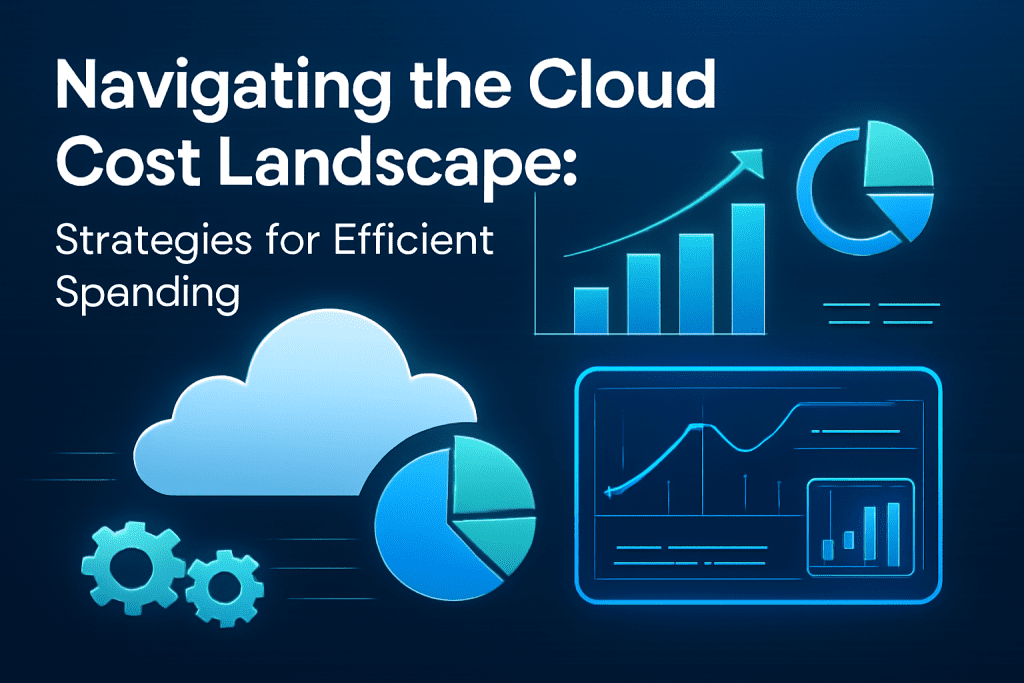
Navigating the Cloud Cost Landscape: Strategies for Efficient Spending

Introduction Cloud computing has become indispensable for businesses seeking scalability, agility, and innovation. However, while the cloud offers immense benefits, managing its costs effectively remains a significant challenge. Without a clear strategy, cloud expenses can quickly spiral out of control, leading to wasted resources and budget overruns. This blog explores the cloud cost landscape, common pitfalls, and practical strategies for businesses to optimize cloud spending without compromising performance or security. Leveraging smart management techniques and emerging AI-driven tools, organizations can make their cloud investments more efficient and aligned with business goals. Understanding the Cloud Cost Landscape Cloud costs vary widely depending on service models (IaaS, PaaS, SaaS), providers (AWS, Azure, Google Cloud), workloads, and usage patterns. Key areas influencing costs include: Compute Resources: Virtual machines, containers, serverless functions Storage: Block storage, object storage, backup solutions Data Transfer: Network egress and ingress charges Managed Services: Databases, AI/ML services, analytics platforms Support and Licensing: Premium support, third-party licenses Many organizations experience “cloud sprawl,” where unused or underutilized resources add unnecessary costs. Strategies for Efficient Cloud Spending 1. Adopt Cloud Cost Visibility and Monitoring Tools Real-time cost monitoring platforms and dashboards provide transparency across teams and projects. Tools like AWS Cost Explorer, Azure Cost Management, or third-party solutions enable cost attribution and anomaly detection. 2. Rightsize Resources Match service levels to actual workload demands. Continuously analyze compute and storage usage to downsize oversized instances or consolidate underused resources. 3. Leverage Reserved and Spot Instances For predictable workloads, reserved instances offer significant discounts over on-demand pricing. Spot instances provide cheaper compute capacity for flexible, fault-tolerant tasks. 4. Automate Resource Scheduling Use automation to shut down non-production resources during off-hours, reducing idle time charges. 5. Optimize Storage Costs Implement lifecycle policies to transition data to cheaper tiers (e.g., archive storage). Delete unused snapshots and backups. 6. Implement Governance and Budget Controls Define cloud spending budgets, policies, and approval workflows to prevent uncontrolled provisioning. Utilize tagging for cost allocation and accountability. 7. Utilize Multi-Cloud or Hybrid Strategies Wisely Choosing cost-effective services across providers can optimize spending but requires careful management to avoid complexity overhead. 8. Incorporate AI and Predictive Analytics Leverage AI-powered cloud management tools for forecasting, anomaly detection, and automated optimization (see AI-driven solutions). Benefits of Efficient Cloud Cost Management Significant cost savings and better budget predictability Improved operational efficiency and resource utilization Greater agility to innovate without financial constraints Enhanced security and compliance through structured resource governance Conclusion Navigating the complex cloud cost landscape requires proactive management, cross-functional collaboration, and smart technology adoption. Businesses embracing cost transparency, automation, and AI-driven insights are better positioned to maximize the value of their cloud investments while controlling expenses. For organizations seeking tailored cloud cost strategies, AI-driven optimization, and ongoing consultation, TechOTD AI Services offers expert guidance. Stay ahead with the latest tech insights on the TechOTD Blog.

Software development

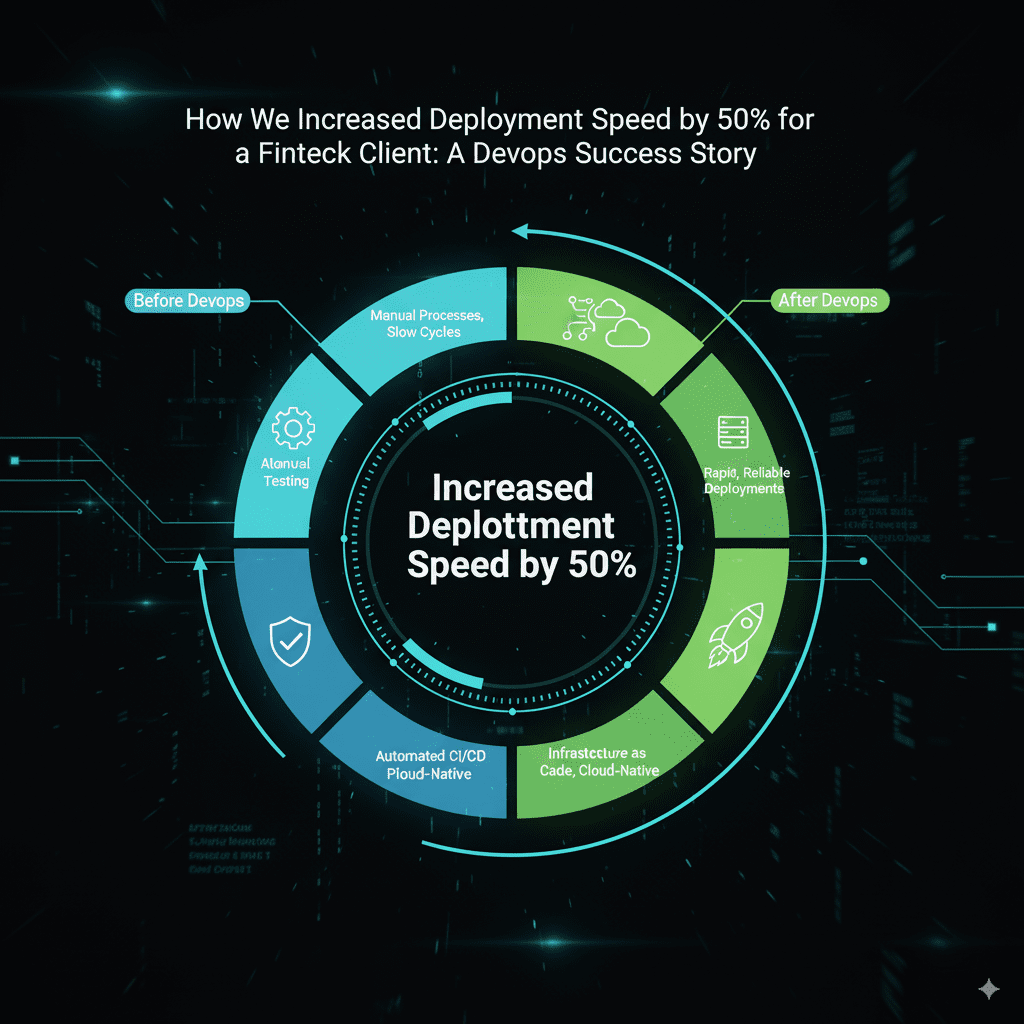
How We Increased Deployment Speed by 50% for a Fintech Client: A DevOps Success Story

Introduction Accelerating deployment velocity while maintaining software quality is the holy grail of modern fintech development. Our recent project achieved a 50% reduction in deployment time for a leading fintech client, enabling faster time-to-market and improved competitive advantage. This transformation streamlined their development pipeline and significantly enhanced their ability to respond to market changes and customer needs. The State of Fintech Development Speed in 2025 Fintech software development has become increasingly complex. According to industry research, projects typically take between one and nine months to complete, averaging about 4.5 months. More concerning is that software development projects often take about 30% more time than initially estimated. In today’s rapidly evolving financial technology landscape, this extended timeline can be the difference between market leadership and obsolescence. The pressure to accelerate deployment is enormous, but the stakes in fintech are equally high. Financial applications demand absolute reliability, security, and compliance, creating a challenging balancing act between speed and quality. Common Deployment Challenges in Fintech Before implementing our solution, our client faced numerous challenges that are common across the fintech industry: Manual Deployment Processes The client’s team spent excessive time manually deploying environments in their application pipeline while still trying to ensure uniform policies, governance, and compliance. This approach was time-consuming but also error-prone and difficult to scale across multiple environments. Tightly Coupled Components The application framework version and the Docker image creation process were tightly coupled, increasing component interdependence and impeding agility. This interdependence created bottlenecks in the deployment process and made it difficult to implement changes quickly. Inefficient Testing Procedures Manual testing consumed over 40% of development time and resources, leading to delayed releases, reduced productivity, and a compromised user experience. Legacy Tools and Vendor Lock-in The existing pipeline presented several problems, including vendor lock-in, lack of transparency, and the inability to support industry-standard integrations. Strategic Approaches That Delivered 50% Faster Deployments Our DevOps Consulting Services are focused on several key areas to dramatically improve deployment speed without compromising quality or security: 1. Implementing Infrastructure as Code (IAC) The most transformative change was the introduction of Infrastructure as Code (Iac) principles. By codifying the deployment of cloud resources, we achieved: One-touch deployment from development to production Consistency across regions, ensuring “First Time Right” changes Reduction in build and deploy times from days to hours This approach eliminated manual errors and provided a repeatable, version-controlled deployment process. 2. Revolutionising the CI/CD Pipeline We completely re-architected the deployment pipeline using DevOps best practices: Replaced proprietary tools with open-source alternatives, saving thousands in licensing costs Implemented streamlined CI/CD pipelines using modern tooling like Drone CI Decoupled Docker image versioning for faster, more flexible deployments 3. Adopting Delta Package Deployments By leveraging Delta package deployments, we reduced deployment time by 60% compared to full deployments. This meant: Only the changed components needed deployment Lower risk of failures More frequent feature releases 4. Automating Quality Assurance Our AI/ML Development team implemented automated testing, which: Replaced manual processes that consumed 40% of development time Enabled consistent, repeatable test scenarios Provided faster feedback to developers Measurable Results Beyond Speed Improvements While the 50% faster deployment was our headline achievement, the benefits extended further: ✅ Enhanced Development Efficiency – Teams now spend more time innovating rather than managing deployments. ✅ Improved Software Quality – Automated testing caught issues earlier, reducing bugs in production. ✅ Cost Reduction – Open-source tools saved thousands in licensing fees. ✅ Better Scalability – Kubernetes orchestration enabled transparent, global scaling. ✅ Increased Business Agility – The client now responds to market changes 50% faster. Implementation Roadmap: Achieving Faster Fintech Deployments For organisations looking to achieve similar results, we recommend our Digital Transformation Services with this roadmap: Assessment & Planning – Identify bottlenecks and automation opportunities. DevOps Foundation – Implement CI/CD pipelines and containerization. Automation Implementation – Use IAC, automated testing, and monitoring. Optimisation & Refinement – Introduce delta deployments and fine-tune resources. Conclusion: Faster Deployment as a Competitive Advantage In the fast-paced fintech industry, deployment speed is a critical differentiator. Our client’s 50% improvement has translated into faster time-to-market, better customer satisfaction, and accelerated innovation. By leveraging Infrastructure as Code, CI/CD optimisation, delta deployments, and QA automation, we’ve set a foundation for sustained success in fintech. For fintech companies struggling with slow deployments, modernising their pipeline isn’t just a technical upgrade—it’s a business imperative. Ready to accelerate your fintech deployments? Explore our DevOps Consulting Services Learn more about our Fintech Solutions How We Increased Deployment Speed by 50% for a Fintech Client: A DevOps Success Story    

Restaurent

How Much Does It Cost to Build an App Like DoorDash?

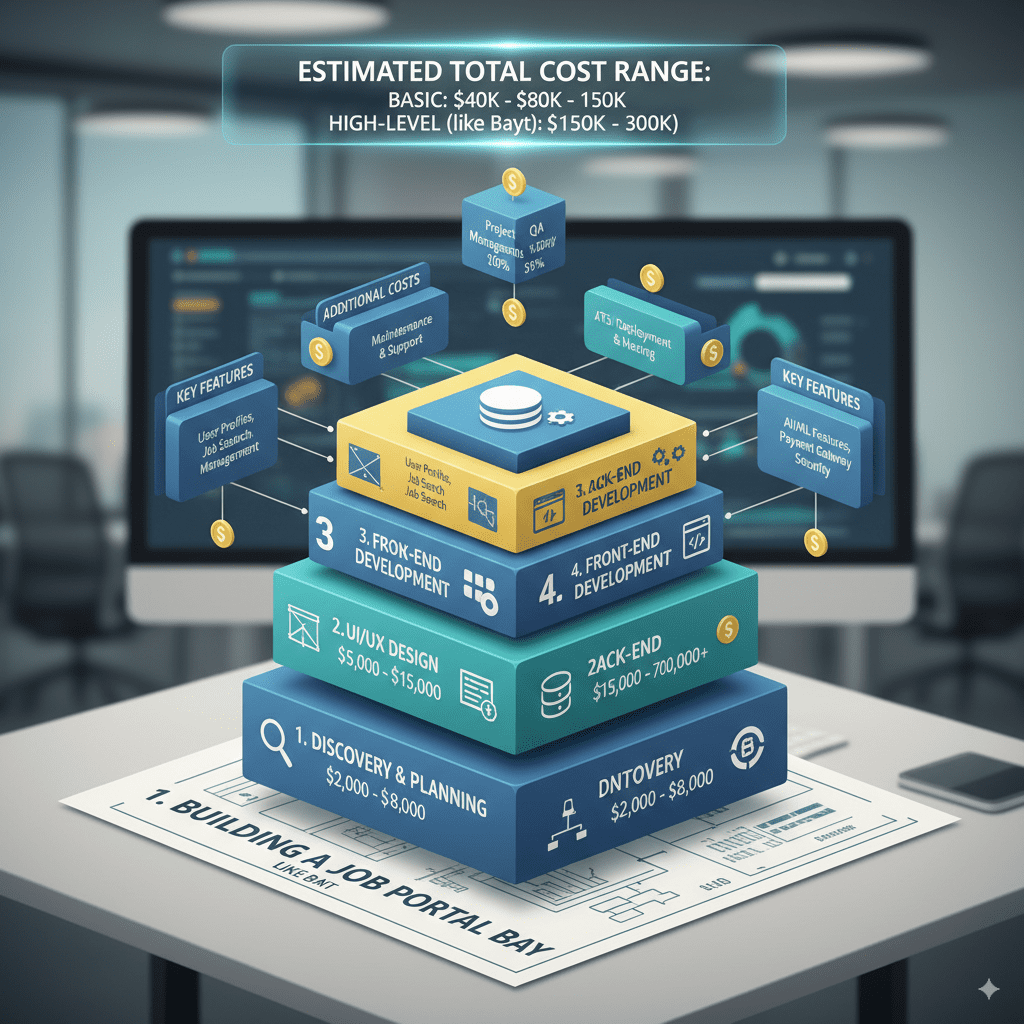
Introduction The booming on-demand food delivery market has made apps like DoorDash household names, offering convenience, choice, and speed. Building a comparable app means creating a multi-faceted system integrating customer ordering, real-time driver tracking, payment processing, restaurant management, and much more. This blog breaks down the key features, development phases, technology stack, and estimated costs associated with building an on-demand food delivery app like DoorDash in 2025. It also highlights ways to optimize budget while delivering a robust, scalable solution. Key Features of a DoorDash-like App 1. User App for Customers Registration/login Browse restaurants and menus Real-time order tracking and notifications Multiple payment gateway integrations Ratings and reviews 2. Delivery Driver App Profile management Order acceptance/rejection GPS navigation and route optimization Earnings and payout tracking Real-time status updates 3. Restaurant Partner App Menu management Order notifications and status updates Sales and analytics dashboard Promotional tools 4. Admin Panel User, driver, and restaurant management Order management and monitoring Payment and commission management Analytics and reports Customer support and dispute handling Technology Stack Recommendations Front-end: React Native (for cross-platform mobile apps) Back-end: Node.js, Python Django Database: PostgreSQL, MongoDB Cloud Hosting: AWS, Azure, or Google Cloud APIs: Google Maps (for navigation), Payment gateways (Stripe, PayPal) Push Notifications: Firebase Cloud Messaging Real-time Updates: Socket.io or similar AI Enhancements: Predictive delivery times, demand forecasting (see AI-driven solutions) Development Timeline Discovery & Planning: 2–4 weeks UI/UX Design: 4–6 weeks Backend & API Development: 8–12 weeks Mobile App Development (iOS & Android): 8–10 weeks Testing & Deployment: 4 weeks Total: 5–7 months approximately Cost Estimation App Component Estimated Cost (USD) Customer App $40,000 – $70,000 Delivery Driver App $30,000 – $50,000 Restaurant App $25,000 – $45,000 Admin Panel $20,000 – $40,000 Backend & API $30,000 – $60,000 Testing & QA $15,000 – $30,000 Project Management $10,000 – $25,000 Total $170,000 – $320,000+ Cost Influencing Factors Feature complexity and AI integration Design sophistication and customization Third-party integrations Development team’s location and expertise Ongoing maintenance and scaling needs Tips to Optimize Development Cost Start with an MVP focusing on core features Use cross-platform frameworks like React Native Outsource to cost-effective, yet experienced teams Leverage cloud services to reduce infrastructure expenses Incorporate AI-driven features after initial launch (Learn more) Conclusion Building an app like DoorDash requires a significant financial commitment, but with strategic planning, smart technology choices, and AI-powered optimizations (Explore AI solutions), it is achievable. A feature-rich, scalable app can capture the opportunities in the fast-growing food delivery marketplace. For detailed guidance, development services, and ongoing innovation insights, consult TechOTD AI Services and stay updated with evolving trends via the TechOTD Blog.

on-demand app

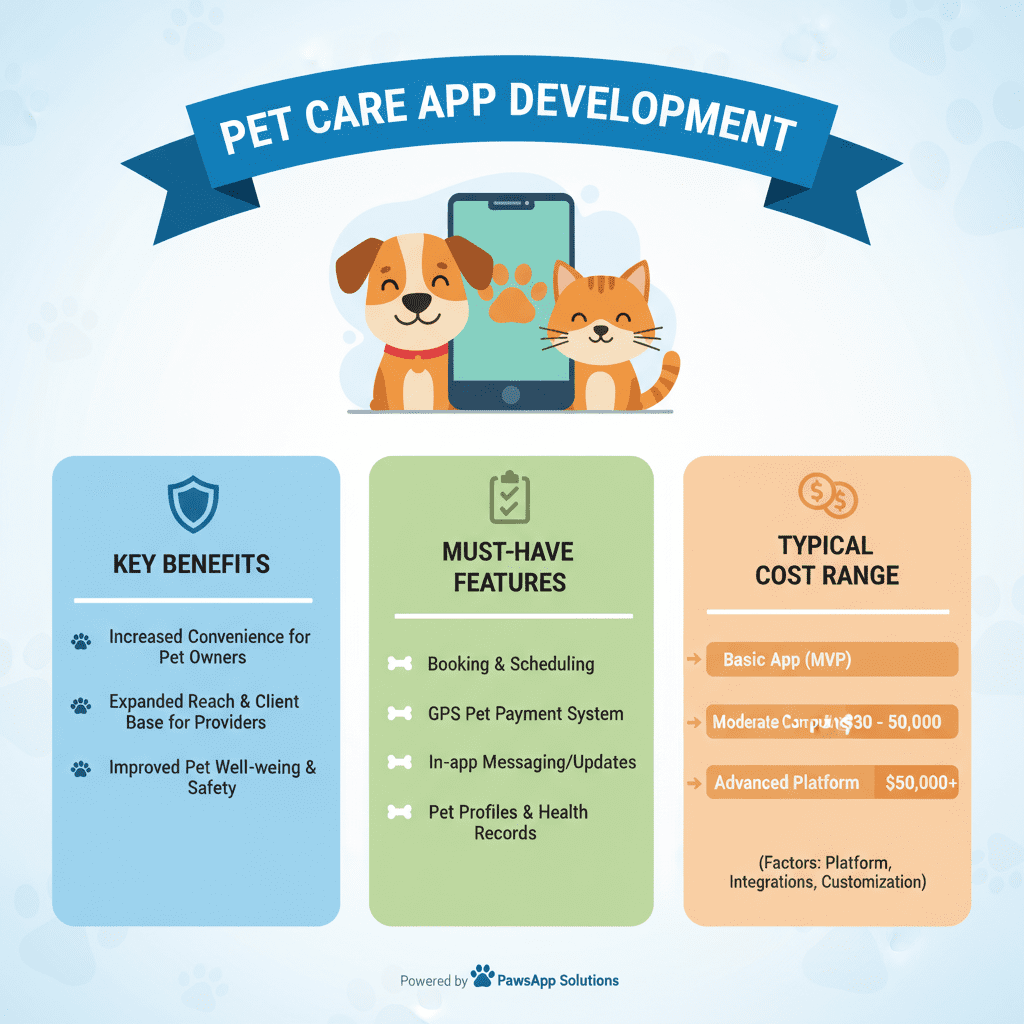
Pet Care App Development Like Rover: Benefits, Features, Costs, and More

Introduction The pet care industry has witnessed remarkable growth driven by changing lifestyles, increased pet ownership, and the demand for convenient, trustworthy pet services. Pet care apps like Rover revolutionize how pet owners find, book, and manage pet care—including dog walking, pet sitting, grooming, and training—right from their smartphones. These platforms create an ecosystem connecting pet owners with vetted service providers, combining technology with compassionate care. Building a pet care app like Rover offers a lucrative opportunity to tap into this expanding market by delivering seamless user experiences, efficient service management, and data-driven insights. This blog explores the benefits, must-have features, development process, costs, and strategies to build a competitive pet care app, enriched with insights and services from TechOTD AI Services and expert content from the TechOTD Blog. Benefits of Developing a Pet Care App Like Rover 1. Addressing Growing Market Demand The global pet care industry is booming, fueled by pet humanization and digital adoption. Apps provide pet owners with on-demand access to qualified pet sitters, walkers, and groomers, meeting their growing need for flexible, reliable care. 2. Building a Trusted Community Platforms like Rover establish trust through background-checked pet care providers, transparent reviews, and secure payment processing, fostering loyalty among users. 3. Increased Convenience and Accessibility 24/7 booking, real-time updates, and location tracking provide unprecedented convenience for pet owners, enhancing satisfaction and repeat usage. 4. Data-Driven Service Optimization Gathering behavioral data enables personalized recommendations, targeted promotions, and improved scheduling—fueling operational efficiency and revenue growth. 5. Monetization Opportunities Multiple revenue streams exist—from commission on bookings, subscription models for providers, to value-added services like pet health tracking and training modules. 6. Competitive Advantage Through Innovation Integrating AI for smart matching, blockchain for secure data management (blockchain in business), and analytics for customer insights sets your app apart. Essential Features of a Pet Care App Like Rover 1. User Profiles and Registration Separate profiles for pet owners and providers with verification, photos, service listings, and user reviews. 2. Search and Filters Robust searching with filters by location, service type, pet type, availability, and pricing. 3. Booking System Easy scheduling with calendar integration, service selection, duration options, and instant booking or request system. 4. Real-Time Notifications and Messaging In-app messaging, push notifications for booking status, reminders, and direct communication between users. 5. GPS Tracking and Updates Live tracking for dog walks and visit updates increases transparency and trust. 6. Secure Payment Gateway Multiple payment methods, automatic invoicing, and refund processing. 7. Ratings, Reviews & Feedback Allowing users to rate and review providers ensuring quality and accountability. 8. Admin Dashboard For managing users, providers, payments, disputes, and analytics reporting. 9. AI-Powered Matching Personalized service provider recommendations based on pet needs and user preferences (AI solutions). 10. Integration with Wearables & Health Tracking Syncing with pet health devices to log activity or medical info enhances service personalization. 11. Customer Support Automation Chatbots or AI assistants to handle FAQs, booking support, and issue resolution (Seamless AI journeys). 12. Multi-language and Localization Supporting global user base by offering region-appropriate languages and service recommendations. Development Process Overview 1. Market Research and Planning Understanding target audience, competitors, and regulatory compliance relevant to pet care and data privacy. 2. UI/UX Design Focusing on intuitive navigation, attractive layouts, and responsive design for mobile and web platforms. 3. Technology Stack Selection Front-end: React Native, Flutter for cross-platform apps Back-end: Node.js, Python/Django Database: MongoDB, PostgreSQL Cloud: AWS, Azure, Google Cloud for scalability AI & Analytics: Integration of machine learning models (Predictive analytics) for personalized recommendations Blockchain: For secure data handling if applicable 4. Development Phases MVP creation with core features Alpha/Beta testing User feedback incorporation Full platform rollout 5. Post-Launch Support Continuous monitoring, feature updates, bug fixes, customer support, and infrastructure scaling (TechOTD’s development process). Cost Breakdown for Building a Pet Care App Feature/Component Estimated Cost Range (USD) Basic MVP Development $40,000 – $70,000 Advanced Features (AI, GPS) Additional $30,000 – $70,000 Mobile App Development $20,000 – $50,000 Backend & API Development $30,000 – $60,000 Design and UX $10,000 – $30,000 Testing and Deployment $10,000 – $20,000 Maintenance & Support (Annual) 15% – 20% of development cost Total estimated budget typically ranges from $100,000 to $250,000+, depending on complexity and scale. Best Practices to Maximize ROI Start with a scalable MVP to test market response. Leverage AI and automation for customer and provider matching. Incorporate secure, transparent payment and data management via blockchain tech (Blockchain integration). Focus on user feedback loops to iterate UI/UX continuously. Offer subscription or premium service tiers. Use analytics for targeted marketing and service improvement. Conclusion Developing a robust pet care app similar to Rover requires a strategic blend of the right features, scalable technology, and a deep understanding of the pet care market. Investing in AI, secure data handling, and user experience can differentiate your platform and fuel sustainable growth. Partnering with experienced AI and software development specialists like TechOTD AI Services ensures access to cutting-edge technology and expert guidance. Stay updated with industry trends and innovation through the TechOTD Blog. Building a pet care app offers not only exciting business opportunities but also the chance to impact pet owners’ lives positively in an increasingly connected world

How would you like me to respond?

Select a personality for your AI assistant

Normal
Happy
Sad
Angry

Your selection will affect how the AI assistant responds to your messages

Chat Assistant

Let's discuss your project!

Hear from our clients and why 3000+ businesses trust TechOTD

Tell us what you need, and we'll get back with a cost and timeline estimate

Scroll to Top