August 2025

Software development

Why Every Automotive CEO Needs an SDV Strategy: Benefits, Architecture, Challenges & More

Introduction As the automotive industry races toward a software-driven future, Software-Defined Vehicles (SDV) have shifted from a buzzword to an urgent business imperative. In 2025, OEMs and suppliers who fail to adopt an SDV strategy risk falling behind not only in product features but also in efficiency, customer experience, revenue models, and security. Here’s why every automotive CEO must lead the SDV transformation—plus the benefits, architecture insights, and toughest challenges along the way. For turnkey digital solutions, see TechOTD and their advanced AI services, or explore the company’s about page, industry expertise, partner program, and comprehensive web development capabilities. What Is a Software-Defined Vehicle (SDV)? An SDV is a vehicle whose core functions—performance, safety, comfort, connectivity, and even after-sales features—are enabled and continually updated by software. Unlike traditional cars, SDVs evolve and improve over their lifetime via over-the-air updates, AI-powered analytics, and continuous data integration. Why SDV Strategy is Essential for Automotive CEOs Continuous Customer Value: Over-the-air (OTA) updates let automakers deliver new features, infotainment enhancements, and safety upgrades to vehicles already on the road—eliminating “feature freeze” at the factory. Enhances brand loyalty and customer engagement by ensuring the car improves during its lifecycle. Recurring Revenue & Monetization: SDVs turn vehicles into platforms for digital services, opening new revenue streams like subscriptions (for seat heating, premium navigation, or autonomous driving features) and on-demand upgrades. Moves business models from one-time sales to ongoing monetization, increasing lifetime customer value. Efficiency & Cost Control: Decoupling software from hardware means faster innovation cycles, less hardware rework, and simplified product portfolios. Enables more predictable R&D budgets and reduces SKUs, benefiting large and complex organizations. Enhanced Personalization & Experience: Vehicles can be tailored to individual drivers, offering customizable user profiles, infotainment, real-time navigation, and AI voice assistants for a truly digital driving experience. Predictive maintenance and remote diagnostics add operational efficiency and improved safety. SDV Architecture: The New Automotive Backbone Adopting SDV requires reimagining automotive architecture from hardware-centric designs to software-focused, centralized platforms. Here’s what that looks like: Domain & Centralized Controllers: Traditional vehicles use multiple electronic control units (ECUs) for each function. SDVs consolidate these into powerful domain or central controllers, managed by a high-performance System-on-Chip (SoC). Artificial intelligence capabilities are built-in for real-time, safety-critical tasks. Layered Software Stack: Embedded operating systems manage functions and prioritize safety over entertainment. Middleware ensures secure communication between hardware, applications, and the cloud. Applications deliver features directly to the end-user and may run onboard or in a hybrid cloud configuration. Connected Systems: Telecom infrastructure and cloud backend enable continuous data exchange, fleet-wide updates, real-time diagnostics, and smart city integration. Core Challenges in Building an SDV Strategy   Legacy & Organizational Barriers: Existing platforms are heavily tied to legacy ECUs, software silos, and supply chains focused on hardware. Transitioning demands organizational transformation as much as technical change. Cybersecurity Risks: Fully connected vehicles create larger attack surfaces. Security must be built into every architectural layer, not treated as an afterthought. Skill Gaps & Talent Shortages: SDV innovation needs a blend of embedded, cloud, AI, and cybersecurity talent—expertise most automakers currently lack. Regulatory Uncertainty: Navigating evolving global and regional rules for OTA updates, data privacy, and liability requires legal agility and transparency. Supply Chain Complexity: The rise of SDVs demands new partnerships across tech, chipmakers, cloud companies, and compliance solution vendors—testing traditional OEM-supplier relationships. Why CEOs Need an SDV Strategy Software as the new differentiator: Real customer value comes from in-cabin features, digital experiences, and upgrade flexibility—all enabled by software. Competitive advantage: First movers unlock new revenue streams (subscriptions, digital services), move faster to market, and gain stronger customer loyalty. Continuous evolution: SDVs can fix bugs, add features, and customize experiences instantly, keeping vehicles “fresh” and future-proof. Regulatory readiness: Software-driven architecture allows fast rollout of compliance features (cybersecurity, emissions, safety). The Benefits of SDV Adoption Personalization & Flexibility: Update UIs, infotainment, and features for different users or regions, even post-sale. Remote Services & Maintenance: OTA updates, remote diagnostics, and predictive maintenance lower costs and minimize recalls. Enhanced Safety & Security: Deploy new ADAS and emergency features rapidly and maintain robust security. New Revenue Streams: Microtransactions, feature unlocks, or third-party app ecosystems are possible. Sustainability: Less hardware, optimized energy, and better support for electric and connected mobility. Core SDV Architecture Principles Centralized Computing: Fewer, high-powered compute domains replace many fragmented ECUs, enabling software/hardware decoupling. Cloud-Native & Edge Integration: Advanced analytics, storage, and multi-vehicle services in the cloud; real-time safety on edge devices. Modular, API-Driven Design: Rapid feature integration, better interoperability, and streamlined DevOps. Secure-by-Design: Security and safety are core to the stack—from ISA/SOC standards to privacy compliance. The Biggest Challenges in SDV Transformation Software Complexity: Modern vehicles run tens of millions of code lines—robust QA and cross-disciplinary teams are essential. Cybersecurity: Greater complexity and connectivity increase attack surfaces, requiring strong, layered defense and constant vigilance. Legacy Integration: Migrating from legacy hardware/software to modern SDV architectures is costly and complex. Supply Chain & Talent: Collaboration across chipmakers, cloud providers, and digital talent is critical. Global Compliance: Regulations (like ISO 26262, ISO/SAE 21434) evolve rapidly, demanding agile, embedded compliance processes. Strategic Advice for Automotive Executives Set a bold SDV vision: Make the SDV model central to future products and culture. Invest in digital talent: Hire and upskill in software, AI, DevOps, and cybersecurity. Develop the right partnerships: Work with technology providers, consultancies, and AI/cloud platforms to accelerate transformation. Consider becoming a TechOTD partner. Prioritize secure architecture: Focus on defense-in-depth, robust OTA, modular systems, and continuous compliance. Center on user experience: Prioritize personalization, upgradability, and feedback loops. Start small, scale rapidly: Use MVPs, pilots, and agile rollouts to minimize risk and drive learning, then expand. Conclusion A software-defined future is already unfolding on the roads. For automotive CEOs, standing still means falling behind. SDV strategies empower automakers to deliver dynamic, upgradeable products, create resilient revenue streams, transform customer satisfaction, and lead in the digital mobility marketplace. Now is the moment to invest in software talent, rethink platform architecture, prioritize security by design, and build future-ready ecosystems. The next generation of industry winners will be defined by their mastery of software—and their willingness to lead this transformation. Accelerate your SDV journey: Get in touch for strategy, AI, integration, and secure web development with TechOTD’s expert services, explore their AI solutions, or review the about page for industry insights and partnership opportunities. Useful Links & Backlinks TechOTD – Digital Transformation AI-Powered
App Development

How to Build a Secure App in Australia in 2025: All You Need to Know

Introduction As Australia steps up its digital transformation, app security is now a primary concern for startups, corporates, and government-backed platforms alike. With advanced cyber threats and strict national regulations, building a secure app in 2025 means much more than encrypting logins—it requires a holistic, compliance-driven approach that covers every stage of the software lifecycle. This guide covers everything you need to know, from regulations and technical controls to security-first DevOps and ongoing maintenance. Key Australian Security Regulations and Frameworks Privacy Act 1988 & APPs: The foundation of data privacy in Australia. Your app must comply with 13 Australian Privacy Principles, covering data collection, storage, consent, access, and correction. Cyber Security Bill 2024: Part of Australia’s national strategy—mandates regular security testing and proactive strategies across all digital services. Consumer Data Right (CDR): Grants users power over their data and enforces encrypted, permission-based sharing (especially for fintech, energy, health, and telecom apps). ACSC Essential Eight: Critical mitigation strategies from the Australian Cyber Security Centre, such as application whitelisting, multi-factor authentication (MFA), and prompt patching. Core Features for Securing an Australian App End-to-End Encryption: Encrypt all data in transit (user–server, API, third party) and at rest (device, cloud) using robust algorithms. Multi-Factor Authentication (MFA): Integrate frameworks for MFA, with support for biometrics and one-time passwords. Role-Based Access Control (RBAC): Restrict user and admin permissions based on roles, minimizing access to sensitive data. Secure APIs: Use HTTPS, OAuth 2.0, JWT tokens, and strict input validation to prevent API exploits. Comprehensive Logging and Monitoring: Track user actions and anomalies for rapid detection, audits, and incident response. Patching and Upgrades: Keep dependencies current and patch vulnerabilities quickly, including those in third-party code. Compliance Dashboards: Centralize reporting for legal audits and provide automated alerts for non-compliance. Secure App Development Lifecycle Planning: Embed security and compliance goals from day one. Map data flows, model threats, and document all regulatory requirements. Development: Enforce secure coding practices, code reviews, static and dynamic code analysis, and minimize hardcoded secrets. Testing: Use SAST, DAST, and regular penetration testing. Validate your app against all current regulatory checklists. Deployment: Harden infrastructure, enforce API keys/credentials management, enable HTTPS everywhere, and use infrastructure-as-code for secure, repeatable builds. Ongoing Maintenance: Monitor for threats 24/7, apply critical security patches, and train your development team on the latest exploits and mitigations. Include real incident and breach response plans in policy documents. 2025 Security Trends for Australian Apps AI and ML Threat Intelligence: Use AI-powered monitoring for real-time anomaly detection and automated response. Cloud Security Posture Management (CSPM): Automated review of your cloud setup for misconfigurations or vulnerabilities. DevSecOps: Integrate security into your CI/CD pipeline to catch vulnerabilities before release. Post-Quantum Cryptography: Begin evaluating quantum-resistant encryption, especially for finance and government apps. Software Supply Chain Security: Monitor and document all third-party libraries/SBOMs to patch supply-chain threats rapidly. Overcoming Common Challenges Evolving Threats: Proactively adopt AI-based security solutions and maintain strong ties with cybersecurity experts and Australian government resources. User Experience vs. Security: Use frictionless MFA (biometrics), smart session management, and clear notifications to balance security with user delight. Multi-Jurisdictional Compliance: Architect your app for modular compliance, making it easy to adjust for international rules (like GDPR or CCPA) when expanding. Conclusion Building a secure app in Australia in 2025 means thoroughly integrating regulatory compliance, technical controls, and proactive threat intelligence into your development process. Start with security at the planning stage, close every gap with modern frameworks and ongoing audits, and always act on the principle that securing your users’ data is the cornerstone of building trust, credibility, and long-term business success. For expert support, compliance consulting, and secure digital product development, consider partnering with industry leaders such as TechOTD. FAQ 1. What are must-haves for secure app development in Australia? End-to-end encryption, role-based access, secure coding, regular audits, compliance with the Privacy Act, and ongoing threat monitoring. 2. Which regulations are most important for my app? The Privacy Act 1988, Cyber Security Bill 2024, Consumer Data Right, and ACSC’s Essential Eight are crucial for all major industries. 3. Is compliance optional? Absolutely not—non-compliance risks fines, lawsuits, reputation loss, and app bans. 4. How do I keep up with threats? Adopt DevSecOps, use AI-based monitoring, engage in regular training, and partner with security experts. 5. Can my team do this alone? Many choose to work with specialist partners for compliance  and complex technical challenges. Review TechOTD’s web and AI offerings for expert help.

Artificial Intelligence

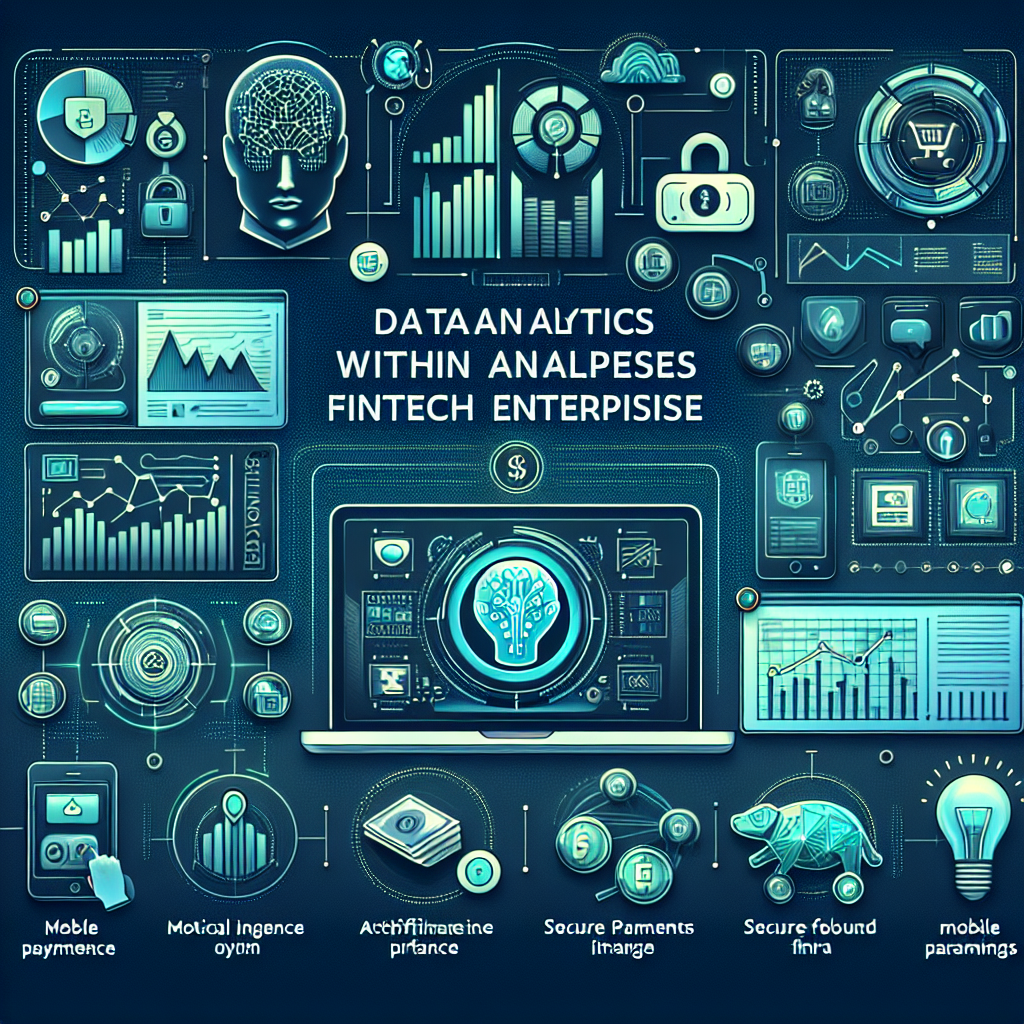
How Data Analytics Works in Fintech Enterprises

Introduction In 2025, data analytics has become the backbone of innovation and efficiency in fintech enterprises. Whether it’s for risk assessment, real-time fraud detection, customer personalization, or regulatory compliance, the strategic use of big data is redefining how fintech firms operate and scale. In this blog, we’ll explore how data analytics functions in the fintech sector, covering everything from data collection and processing to predictive modeling and business impact. Plus, discover why working with a future-ready partner like TechOTD is key to accelerating your fintech transformation journey. The Role of Data Analytics in Fintech 1. Data Collection & Integration Fintech companies ingest massive volumes of structured and unstructured data from banking transactions, payment gateways, customer interactions, IoT devices, and open banking APIs. The data stack typically involves cloud-native data lakes, robust ETL pipelines, and seamless integrations—often built by expert partners like TechOTD Web Development Services. 2. Preprocessing & Cleaning Before analysis, raw data undergoes cleaning, transformation, and normalization. This ensures that only accurate, relevant, and consistent information is carried forward. Automated workflows powered by AI-driven process monitoring and automation can catch anomalies and flag low-quality data early. 3. Real-Time Analysis & Decisioning Modern fintech relies on real-time analytics. Platforms stream data through tools like Apache Kafka or cloud-native systems, enabling instantaneous fraud detection, payment authorization, and compliance monitoring. For high-volume actions such as microtransactions or trading, milliseconds matter. 4. Predictive Modeling & Machine Learning At the core of fintech analytics are advanced AI and machine learning models that power: Credit scoring & risk assessment Fraud pattern recognition Customer segmentation & personalization Predictive portfolio management Dynamic pricing for loans and insurance AI models are developed, trained, and deployed by specialists using platforms and stacks like those offered by TechOTD’s AI Solutions, which also include model retraining and ongoing performance refinement. 5. Visualization & Business Insights Clear data visualization—think dashboards, interactive charts, automated reports—makes complex analytics understandable, actionable, and auditable for decision-makers, regulators, and partners. 6. Compliance & Data Security Regulations in finance are strict (GDPR, PSD2, local compliance). Data analytics platforms in fintech must be secure, transparent, and auditable, using encrypted flows, monitored access, and traceable changes. TechOTD’s consulting and development services include robust compliance planning baked into every solution. Key Benefits of Data Analytics in Fintech Faster and smarter decision-making Reduced fraud and operational risk Improved loan and product personalization Better regulatory reporting and auditability Higher user retention and growth rates Practical Example: AI-Powered Credit Scoring A leading fintech lender integrates open banking data and transaction histories through a secure cloud pipeline. ML models analyze applicant financial footprints in real time, generating nuanced credit ratings that outperform legacy techniques—reducing default rates and improving financial inclusion. Why Choose TechOTD for Fintech Data Analytics? Deep expertise in cloud, AI, and secure web development for finance Experience across banking, insurance, trading, and eCommerce verticals End-to-end project delivery from strategy to support Backed by glowing client testimonials—discover our services at TechOTD, About TechOTD, and Partner with Us. Conclusion Data analytics is the competitive edge that defines modern fintech. From collecting transaction data to deploying AI-driven models and visualizing actionable insights, each step unlocks new value and opportunity. If you’re looking to transform your fintech enterprise with next-level analytics, expert development, or custom AI, connect with TechOTD—and start building the future today. FAQ 1. What is the primary value of data analytics in fintech? It powers smarter decisions, reduces risk, and drives customer personalization and growth. 2. How do fintechs ensure data quality? Through automated cleaning, transformation, real-time monitoring, and specialist support from partners like TechOTD. 3. What role does AI play in fintech analytics? AI enables advanced use cases: predictive credit scoring, smart fraud detection, automated process optimization, and customer experience tailoring. 4. Is data analytics essential for compliance? Absolutely. Analytics platforms facilitate real-time compliance checks, automated reporting, and full audit trails. 5. How can TechOTD help my fintech business? By delivering secure, scalable, and innovative web, AI, and analytics solutions tailored for the financial services ecosystem—see our AI services and industry expertise

Mobile App Development, Uncategorized

How to Design Dark Mode: A 2025 Guide for Mobile Designers

Introduction In 2025, dark mode isn’t just a trend—it’s an essential feature for mobile apps, demanded by users for aesthetics, comfort, and cutting-edge battery efficiency. Major platforms like iOS and Android have refined their dark themes, making nuanced color choices, accessibility, and seamless transitions a key priority for top-tier mobile designers. This comprehensive guide walks you through the best practices, design principles, and new tips for mastering dark mode UI in modern mobile app design.   Why Dark Mode Matters in 2025 Reduces Eye Strain: Dark backgrounds with lighter text minimize eye pressure in low-light settings—users can browse longer, day or night. Battery Efficiency: On OLED and AMOLED devices, dark themes save noticeable power by turning off pixels. Modern Appeal: Dark UIs offer a sleek, premium look and let colors + highlights pop more than on light backgrounds. Accessibility: With the right contrast, dark mode helps users with light sensitivity or visual impairments. User Choice: Dark/light toggles let users personalize their experience, boosting engagement and satisfaction. Core Principles for Effective Dark Mode Design 1. Avoid Pure Black—Use Deep Grays Use dark gray backgrounds (#121212, #1b1b1b) instead of pure black (#000000) to reduce harshness and keep shadows natural. Deep grays feel less stark, help UI elements blend, and improve readability. 2. Curate and Adapt Colors Carefully Don’t just invert your color scheme. Re-calibrate each color for vibrancy against dark backgrounds. Use desaturated, muted colors (like teal, blue, or purple) for UI elements to avoid excessive intensity. 3. Contrast Is Everything—But Balance It Maintain high color contrast between text and backgrounds (ideally 15:1 per accessibility guidelines). Prefer off-whites or light grays for text instead of pure white. 4. Design for Accessibility Meet or exceed WCAG AA or AAA contrast standards for visually impaired users. Enlarge text and interactive elements, and don’t rely solely on color to indicate state. 5. Minimize Glare and Visual Noise Use negative space and minimalist layouts—it helps users scan content and reduces cognitive load. Limit the use of highly saturated colors to alerts or primary action items. 6. Include Seamless Dark/Light Toggles Give users a simple switch—either in-app or obey the OS setting—to swap between dark and light modes instantly. 7. Test Your Design in Real-World Conditions Preview dark mode on different displays (OLED, LCD), in various ambient lighting scenarios, and with real users. Pro Tips from Design Leaders Use Adaptive Assets: Provide SVG or vector icons/symbols optimized for both light/dark backgrounds. Incorporate Subtle Animations: Use micro-interactions or transitions to help users adjust visually between themes. Dynamic Shadows and Elevation: Refine shadows and layers to enhance the perception of depth in dark mode. Brand Personality in the Dark: Custom graphics or “Easter eggs” for dark mode can make your experience stand out. Conclusion Designing great dark mode in 2025 is about much more than flipping a color scheme. It’s a thoughtful, user-focused process blending visual comfort, brand personality, accessibility, and technical optimization. Mobile designers who get dark mode right deliver experiences users love—sleek, stylish, and future-proof. FAQ 1. Is dark mode better for eye health? It reduces eye strain in low-light settings and is preferred by users with light sensitivity. It’s best to let users switch modes based on their needs. 2. Should I just invert the colors from my app’s light mode? No. Each color and element should be recalculated for best readability, accessibility, and emotion on dark backgrounds. 3. What’s the best background color for dark mode? Avoid pure black; use dark grays (#121212 or #1b1b1b). These are easier to look at and keep contrast from being too harsh. 4. How can I test for good dark mode design? Run accessibility audits, preview on different screens, compare in various lighting, and gather real user feedback. 5. Do I need a toggle or should my app match the system setting? Offer both—a dedicated toggle for user control, and the ability to automatically match device/system-wide theme settings.

Internet of Things

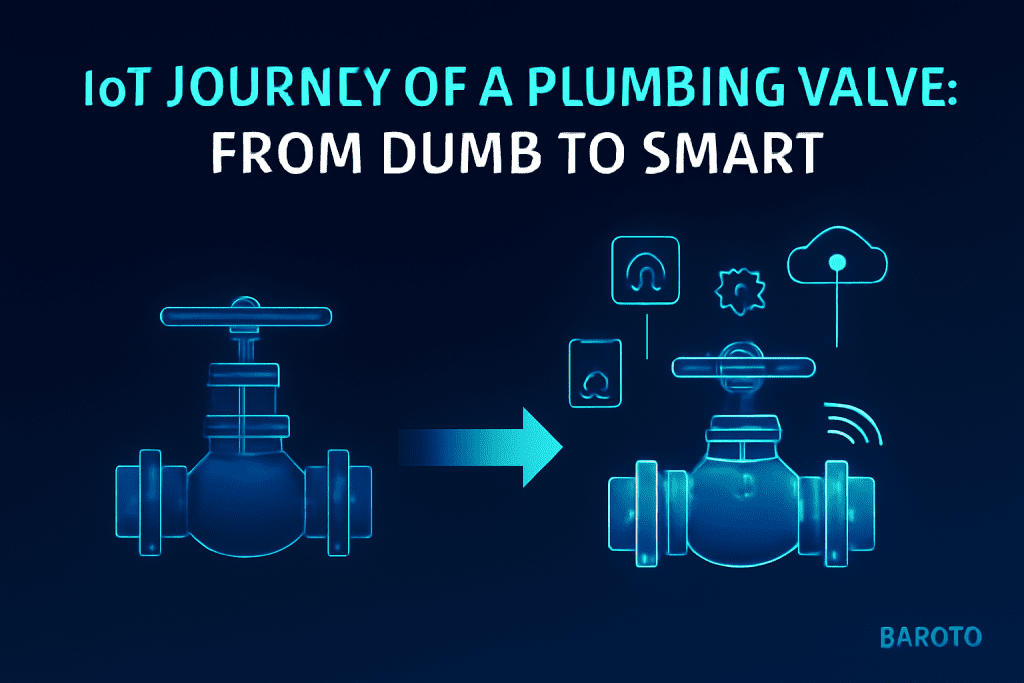
IoT Journey of a Plumbing Valve: From Dumb to Smart—A Hardwork Product Story

Introduction Traditionally, plumbing valves were mere mechanical switches—simple, robust, and entirely manual. But with the rise of the Internet of Things (IoT), these “dumb” products are undergoing a spectacular digital transformation, turning into intelligent, connected, and self-optimizing components of modern water systems. In this blog, we chronicle the real-world journey of a plumbing valve—from initial concept to becoming a smart hardware product—and show how the convergence of sensors, cloud connectivity, and data analytics enables new levels of efficiency, sustainability, and value. 1. Phase One: The Age of Dumb Valves Manual operation: Requires on-site access, often leading to delayed response for leaks or issues. Lack of data: No usage tracking, failure prediction, or remote diagnostics. Constant supervision: Human monitoring needed to ensure systems function as intended. Maintenance challenges: Failures are often detected late, causing water loss or property damage. 2. The Trigger: What Problems Spark Smart Plumbing Innovation? Water wastage and costly leaks: Manual valves can’t respond instantly to unexpected bursts or inefficiencies. Regulatory pressure and sustainability goals: Cities and organizations demand more visibility and control over water consumption. Labor and maintenance costs: Manual checks are labor-intensive and prone to human error. 3. Reimagining the Valve: Digital Foundations Embedded Sensors: Smart valves are equipped with flow, pressure, and sometimes chemical sensors, enabling real-time monitoring of water conditions at every point in the system. Wireless Connectivity: Modern smart valves feature WiFi, ZigBee, LoRa, or cellular modules that communicate with building management systems or mobile apps. Microcontrollers & Actuators: Allow the valve to be operated remotely and respond autonomously to sensor data (e.g., shutting off when a leak is detected). 4. The IoT Plumbing Valve Solution: Capabilities Unleashed Remote Monitoring & Control: Facility managers and homeowners can check valve status, flow rates, and issue commands from a smartphone or dashboard—anywhere, anytime. Automated Alerts: Receive instant notifications for leaks, excessive flow, or freezing conditions, enabling rapid response and minimizing damage. Predictive Maintenance & Analytics: The combination of usage data and AI analytics supports proactive servicing, optimizing both performance and lifespan of plumbing assets. Integration with Smart Ecosystems: Connect valves to fire suppression, energy management, or home automation platforms for unified, responsive building operations. 5. Real-World Impact Water Utilities: Deploy smart valves to monitor city-wide systems, reduce non-revenue water through early leak detection, and optimize pressure to minimize bursts. Commercial Buildings: Achieve regulatory compliance, reduce operational costs, and deliver greener, more responsive facilities. Residential Homes: Prevent costly flood damage and empower owners to actively manage water usage and conserve resources. 6. The Future: Smarter, Safer, Sustainable AI + Digital Twins: Next-gen smart valves use digital twins and AI to simulate and optimize real-world performance, preempting problems before they happen. Edge Computing: Smart valves are becoming more autonomous, running analytics on-device for instant decision-making. Self-Learning Systems: Over time, smart valves adapt to usage patterns, environmental changes, and unique plumbing demands—delivering truly “intelligent” water management. Conclusion The IoT-driven evolution of plumbing valves is a story of hard work, innovation, and digital transformation. What started as a humble manual component is now central to smart buildings, sustainable utilities, and efficient, resilient infrastructure. Businesses and homeowners ready to harness the full value of IoT plumbing systems—integrating smart sensors, cloud dashboards, and AI analytics—will drive the next phase of efficiency and water wisdom. Interested in building, upgrading, or monitoring your own smart plumbing systems? Partner with the IoT and web development leaders at TechOTD, leverage advanced analytics with AI solutions, or explore industry-specific innovations at Industry Solutions. Discover flexible, scalable, and secure digital plumbing control—start your journey today! FAQ 1. What makes a plumbing valve “smart”? Sensors, actuators, and wireless connectivity allow for real-time data, remote control, and autonomous behavior in response to leaks or usage patterns. 2. What are the biggest benefits of IoT plumbing valves? Instant leak detection, predictive maintenance, water conservation, and remote monitoring/control. 3. Can smart valves integrate with other smart home or building systems? Yes! Modern platforms enable integration with fire, HVAC, and central building management systems for holistic control. 4. Are smart valves cost-effective for small buildings or homes? While initial investment is higher than standard valves, long-term savings from avoided damage, lower labor, and water efficiency justify the expense. 5. How do I get started with smart plumbing technology? Contact experts like Techotd for a tailored solution that fits your property, budget, and sustainability goals.

Blockchain & Technology

Ethereum Tokenization in 2025

Introduction Tokenization is transforming the world of finance—turning real-world assets like stocks, bonds, real estate, and commodities into programmable digital securities. By 2025, Ethereum has emerged as the backbone for this new wave, making security tokens more accessible, transparent, and efficient than ever before. This blog explores how Ethereum is powering institutional adoption, what’s driving the surge in security tokens, and how technical advances and regulatory clarity are unlocking trillion-dollar opportunities for businesses, investors, and fintech innovators. Data Analytics in Banking: Transforming Finance in 2025   What Is Tokenization, and Why Does It Matter in 2025?   Tokenization is the process of converting rights to an asset into a digital token on a blockchain. With security tokens, these digital assets follow strict legal and regulatory frameworks, combining blockchain transparency with the safeguards of traditional finance. Why it matters: Improved liquidity & 24/7 trading Fractional ownership and instant settlement Lower transaction costs and fewer intermediaries Greater transparency and auditability Improved access for global retail and institutional investors Key Trends Shaping Ethereum Tokenization   1. Regulatory Clarity and Institutional Adoption Security tokens are no longer experimental. As of 2025, global regulators have established clear frameworks for tokenized securities, enabling traditional banks, asset managers, and major trading platforms to enter the space confidently. Major institutions are deploying capital at scale and demanding industrial-strength tokenization platforms. 2. Ethereum: The Platform of Choice Mature Standards: ERC-3643 and ERC-1400, designed specifically for compliance and transfer restrictions, are widely used for security token management. On-Chain Compliance: Automation of KYC/AML and transfer validations through smart contracts. Interoperability: Seamless integration with DeFi, Layer-2 solutions, other blockchains, and real-world financial infrastructure. 3. Growing Tokenization Use Cases Tokenized Treasuries: Over $24 billion in real-world assets (RWAs) are already tokenized—including U.S. Treasuries (the largest category), real estate, and private equity. New Asset Categories: Equity, credit funds, and even IP rights are joining the tokenized economy. Programmable Compliance: Smart contracts automate rule enforcement, dividend payouts, voting, and more. How Security Tokens Work on Ethereum   Asset Selection: Real-world asset (e.g., stock, real estate) is chosen for tokenization. Token Standardization: Security tokens are created using ERC-3643, ERC-1400, or ERC-1404—which enforce compliance and transfer rules at the smart contract level. Custody & Compliance: Assets are held by licensed custodians. On-chain KYC/AML controls who can hold or trade tokens. Issuance & Trading: Tokens are issued, managed, and traded digitally on compliant exchanges and marketplaces—enabling instant, global liquidity. Reporting & Analytics: Immutable audit logs, real-time reporting, privacy features (with zero-knowledge proofs), and AI-powered anomaly detection. Benefits of Ethereum-Powered Tokenization     Efficiency: Near-instant settlement, automated compliance, and fewer intermediaries cut costs and speed up processes. Transparency: Blockchain’s auditability reduces fraud, manual errors, and regulatory risk. Programmability: Automated dividends, voting, or redemption logic embedded in smart contracts. Accessibility: Fractional ownership democratizes investment in previously illiquid or exclusive asset classes. Challenges and What’s Ahead   Scalability: Layer-2s and rollups address throughput and cost concerns. Privacy & Security: Zero-knowledge cryptography and robust custody solutions balance transparency with confidentiality. Interoperability: Bridges, modular architectures, and evolving standards let tokens move across platforms and chains. Market Education: As the benefits become clearer, financial institutions, governments, and investors are accelerating adoption. Real-World Examples Making Waves   Apollo Global’s On-Chain Credit Fund: Tokenized funds operational on Ethereum. Robinhood & eToro: Offering tokenized equity in private companies exclusively on Ethereum. Major Banks & Agencies: Adopting tokenization for bonds, funds, and supply chain finance. Conclusion Ethereum tokenization in 2025 is ushering in an era where security tokens are foundational to the next generation of capital markets. Backed by regulatory clarity, technical maturity, and rising institutional demand, Ethereum is enabling programmable, borderless, and transparent assets that redefine access to investment and unlock new models for global finance. Ready to harness blockchain for financial innovation? Discover tailored tokenization, smart contract, and decentralized finance solutions for your enterprise at TechOTD, or explore AI-powered smart contract analytics and integration with TechOTD AI, custom development services, and more. FAQ 1. What are security tokens? Security tokens are digital representations of ownership in assets like stocks, funds, or real estate, issued and traded on blockchain networks under regulatory compliance. 2. Why is Ethereum preferred for tokenization? Ethereum offers mature standards (ERC-3643, ERC-1400), programmable compliance, a vibrant DeFi ecosystem, and proven reliability. 3. What assets are being tokenized in 2025? U.S. Treasuries, real estate, private equity, credit funds, and even intellectual property rights. 4. How does compliance work on-chain? Smart contracts automate transfer restrictions, KYC/AML, cap tables, and reporting, with audit trails and privacy layers. 5. Can retail investors participate? Yes, as regulatory clarity spreads, access is broadening—fractional ownership opens doors to global retail and institutional investors.

Technology

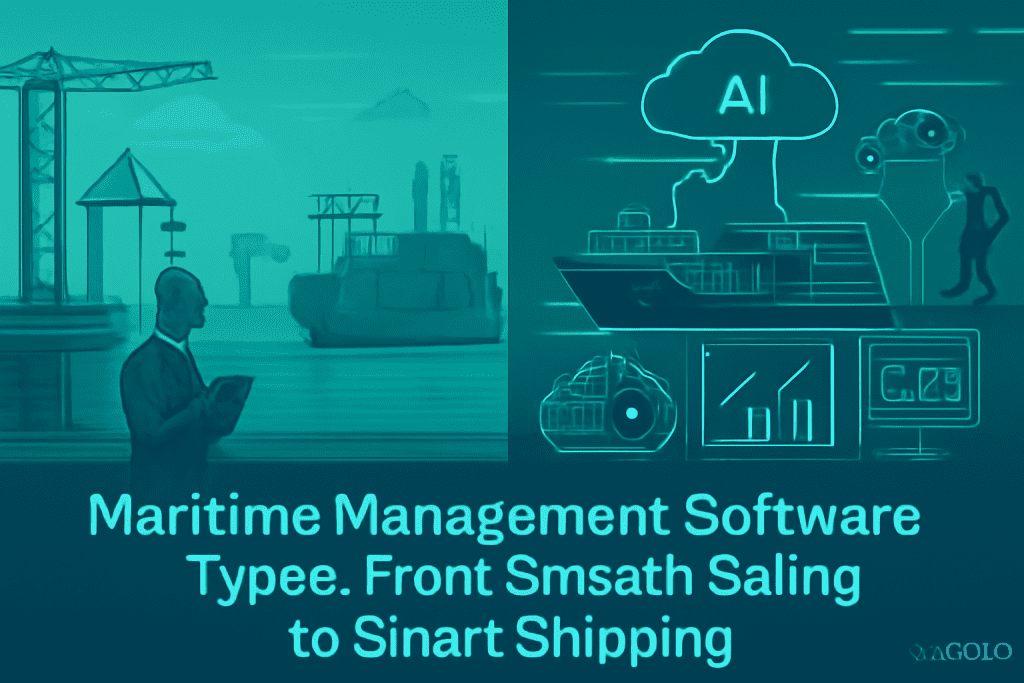
Maritime Management Software Types: From Smooth Sailing to Smart Shipping

Introduction The maritime industry is experiencing a technological revolution, moving from traditional pen-and-paper methods and siloed systems to digitally connected, intelligent shipping operations. Today’s maritime management software spans everything from daily fleet operations to smart shipping powered by AI, automation, and real-time analytics. This guide breaks down the essential types of maritime software, explains their critical features, and shows how companies can achieve smooth—and eventually, truly smart—shipping. Want to future-proof your maritime business? Discover how TechOTD and its partners can help. 1. Fleet Management Software Purpose: Centralizes oversight of entire vessel fleets with dashboards for real-time tracking, fuel consumption, speed, voyage planning, and maintenance. Benefits: Increases operational efficiency, reduces costs, and supports compliance by providing actionable insights on fleet health and performance. Who Needs It: Shipping lines, logistics companies, port operators. Expert solution: Web & App Development by TechOTD 2. Vessel Management & Maintenance Software Purpose: Manages vessel operations, onboard resources, planned maintenance, and safety compliance. Features: Maintenance schedules, reporting, spare parts inventory, QHSE (quality, health, safety, environment), and documentation. Smart Feature: Predictive maintenance alerts powered by AI analytics. Who Needs It: Shipowners, technical management firms. 3. Crew Management Software   Purpose: Simplifies the management of crew schedules, assignments, payroll, certifications, and HR compliance. Features: Automated scheduling, crew movement logging, document management, real-time compliance alerts, and payroll automation. Who Needs It: Operators managing large or multinational crews. 4. Cargo & Inventory Management Software Purpose: Tracks and documents cargo, inventory, and freight from booking to unloading. Features: Cargo tracking, electronic bill of lading, hazardous goods handling, inventory optimization, and documentation. Smart Feature: Real-time shipment updates and automated notifications. Industries: Bulk carriers, container shipping, port warehouses. 5. Port & Terminal Management Software Purpose: Optimizes port operations, berth scheduling, vessel traffic, resource allocation, billing, and regulatory compliance. Features: Port call planning, automated billing, digital data exchange, and integration with customs and port authority systems. 6. Navigation & Safety Software Purpose: Automates navigation, chart plotting, regulatory alerts, and onboard safety management. Features: Electronic navigation charts (ENC), GPS integration, weather routing, and incident logging. 7. Compliance & Regulatory Software Purpose: Ensures ships meet global and regional maritime regulations, safety standards, and environmental requirements. Features: SOLAS, MARPOL, ISM Code compliance modules, emission monitoring, and audit reporting. 8. Smart Shipping Solutions (AI & IoT Integration) Purpose: Leverages AI, IoT, predictive analytics, and machine learning for smart routing, fuel and maintenance optimization, fleet asset tracking, and decision support. Smart Example: Route/weather optimization suggestions, real-time fuel efficiency dashboards, and AI-powered anomaly detection. Explore advanced integration at: TechOTD’s AI Services Why Invest in Maritime Management Software? Efficiency: Replace manual processes with automated workflows—reduce errors, speed up operations. Visibility: Real-time tracking and analytics improve decision-making and customer satisfaction. Cost Reduction: Lower fuel consumption, maintenance expenses, and administrative overhead. Compliance: Automate regulatory reporting and reduce risk of fines or detentions. How to Choose the Right Maritime Software Mix Assess your business goals: Increase efficiency, regulatory compliance, customer focus, or digital transformation? Find scalable solutions: Choose systems that integrate across fleet, crew, cargo, port, and smart analytics needs. Prioritize integration: Unified data creates smoother workflows and reduces duplication. Leverage expert partners: Work with innovators like TechOTD and TechOTD’s Partner Program for custom, future-ready deployments. Explore industry-focused modules: For logistics, eCommerce, or specific fleet operations, see TechOTD’s Industry Solutions. Conclusion From smooth, everyday sailing to smart shipping powered by analytics and automation, maritime management software is transforming the industry. Whether you run a global fleet, operate busy ports, or manage complex crew logistics, the right software drives efficiency, compliance, and profitability. Ready to navigate your digital future? Start your journey with TechOTD for tailored solutions, robust support, and seamless integration at every wave of your shipping business. FAQ: Maritime Management Software Types – From Smooth Sailing to Smart Shipping 1. What is maritime management software? Maritime management software refers to specialized systems that help shipping companies and port operators manage fleets, logistics, crew, cargo, maintenance, and compliance efficiently. 2. How does smart shipping software improve operations? Smart shipping software leverages AI, IoT, and real-time analytics to optimize routes, reduce fuel consumption, improve safety, and enable predictive maintenance, leading to cost savings and improved reliability. 3. What types of maritime software exist? Key types include fleet management, vessel maintenance, crew management, cargo tracking, port management, navigation, compliance solutions, and integrated smart shipping platforms. 4. Can maritime software handle regulatory compliance? Yes, many maritime software platforms include modules to help ensure adherence to international maritime laws, safety standards, and environmental regulations. 5. Is maritime software scalable for different fleet sizes? Most modern maritime management software solutions are highly scalable, capable of supporting single-vessel operators to global fleets. 6. How can companies choose the right maritime software? Companies should assess operational needs, prioritize integration capabilities, scalability, and select vendors offering robust support and industry expertise, such as TechOTD.

sensor, Uncategorized

Industrial IoT Sensors: 16 Types Every Company Should Consider

Introduction In today’s rapidly advancing manufacturing and logistics landscape, Industrial Internet of Things (IIoT) sensors play a pivotal role in driving smart factories, real-time monitoring, and predictive analytics. From automating routine processes to enabling proactive maintenance and sustainability insights, the right IoT sensors transform how companies operate and compete. This comprehensive guide reveals 16 essential types of IIoT sensors modern enterprises should consider—plus actionable advice, real-world applications, and expert resources from TechOTD to future-proof your connected operations. Understanding Industrial IoT Sensors IIoT sensors are the building blocks of the smart industry. By capturing, transmitting, and analyzing physical phenomena (temperature, pressure, motion, etc.), they empower businesses to: Automate machine monitoring and control. Predict and prevent equipment failures. Boost energy efficiency and reduce costs. Improve workplace safety and compliance. Gain data-driven insights for better decision-making. Leading-edge sensor integration often includes AI, cloud analytics, and seamless custom development—discover what’s possible with TechOTD’s AI Services. 16 Types of Industrial IoT Sensors to Power Your Business 1. Temperature Sensors   Monitor equipment, products, and environments to prevent overheating, freezing, or spoilage. Use Cases: Cold chain logistics, HVAC, manufacturing. 2. Pressure Sensors Track fluid or gas pressure in pumps, pipelines, and tanks to prevent leaks or maintain optimal operation. Use Cases: Oil & gas, chemical processing, water utilities. 3. Proximity Sensors Detect presence or absence of objects—crucial for automation and safety interlocks. Use Cases: Conveyor lines, robotics, packaging lines. 4. Vibration Sensors Identify abnormal equipment vibrations indicating wear, imbalance, or impending breakdown. Use Cases: Predictive maintenance, rotating machinery, motors. 5. Humidity Sensors Measure moisture levels to ensure safe storage and ideal production conditions. Use Cases: Food processing, electronics, pharmaceuticals. 6. Flow Sensors Monitor the movement of liquids or gases for efficient control and billing. Use Cases: Water treatment, chemical processing, energy management. 7. Level Sensors Detect levels of liquids, solids, or granular materials in tanks and silos. Use Cases: Bulk storage, process industries, agriculture. 8. Accelerometers Track acceleration, tilt, and motion—enabling asset tracking and machine condition monitoring. Use Cases: Fleet management, machine health, smart logistics. 9. Gas Sensors Detect hazardous gases and pollutants to prevent accidents and ensure compliance. Use Cases: Mining, utilities, manufacturing, building management. 10. Optical Sensors Leverage light for object detection, counting, and quality inspection. Use Cases: Automated sorting, vision-based inspection, packaging. 11. Current/Voltage Sensors Monitor electrical consumption, surges, and overloads for operational efficiency and safety. Use Cases: Energy management, predictive maintenance, power distribution. 12. Ultrasonic Sensors Measure distance, detect objects, or monitor fluid levels using sound waves. Use Cases: Robotics, logistics automation, tank level detection. 13. Magnetic Sensors Detect magnetic fields or positions for speed, position, and rotational measurements. Use Cases: Conveyor belts, electric motors, proximity detection. 14. Infrared (IR) Sensors Enable temperature measurement and motion detection using infrared radiation. Use Cases: Safety systems, automated lighting, thermal monitoring. 15. Force/Torque Sensors Measure mechanical force or torque in manufacturing processes for quality control. Use Cases: Robotics, assembly lines, pick-and-place operations. 16. Image Sensors (Cameras) Capture and process images for AI analysis, defect detection, and remote monitoring. Use Cases: Production line inspection, security, operational dashboards. Integrating IIoT Sensors for Maximum Value Modern businesses achieve transformative benefits by integrating these sensors with: Cloud platforms for scalable analytics (Connect with TechOTD) AI and machine learning for predictive maintenance and insight generation (Next-gen AI Solutions) Custom dashboards for real-time, actionable views (Partner Programs) Industry-focused use cases like eCommerce logistics, manufacturing, or smart buildings (Industry Solutions) Conclusion The future of industrial operations is data-driven, intelligent, and interconnected. By strategically deploying these 16 IIoT sensor types, your company unlocks new levels of visibility, efficiency, and innovation. Ready to design a future-proof sensor network or need world-class AI integration for manufacturing, logistics, or energy? Start your digital transformation journey with TechOTD’s expert solutions. FAQ 1. What are the most popular IIoT sensor types for 2025? Temperature, pressure, vibration, and proximity sensors lead deployments in manufacturing and logistics. 2. How can IIoT sensors save costs for my business? They enable predictive maintenance, reduce downtime, optimize processes, and cut energy/waste expenses. 3. Is integrating multiple sensor types complicated? With the right partner and modular platforms like TechOTD, multi-sensor integration is streamlined and scalable. 4. Are IIoT sensors secure? Partner with trusted providers that prioritize data security, encryption, and compliance for safe operations. 5. How do I choose the right mix of sensors? Analyze your process needs, consult with IIoT and AI experts, and start with scalable pilot projects.

Real-Time Visibility

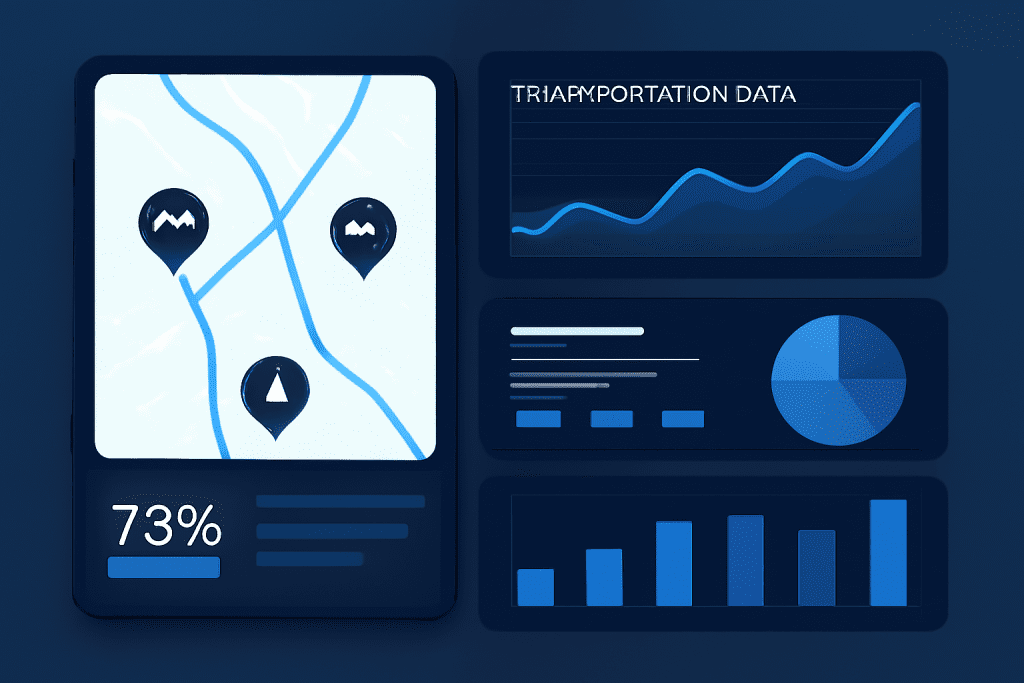
Solving the Transportation Data Breakdown Before It Hurts Performance

Introduction Transportation systems run on data—real-time routing, shipment tracking, fleet maintenance, and customer service all depend on seamless digital information flow. But when data breaks down—due to silos, outdated systems, or poor integrations—the impact is immediate: missed deliveries, increased costs, frustrated customers, and lost revenue. This blog reveals how to proactively solve the transportation data breakdown before it disrupts your logistics, showing you key strategies, actionable steps, and the critical role of future-proof technology in powering performance. Solving the Transportation Data Breakdown Before It Hurts Performance Transportation networks—covering logistics, fleet management, supply chain operations, and delivery services—depend heavily on accurate and timely data. When data breakdowns happen (due to silos, poor data quality, or system integration issues), it leads to: Delayed shipments Higher operational costs Inefficient route planning Reduced customer satisfaction Common Causes and Warning Signs of Data Breakdown Data Silos: Information trapped in separate TMS, ERP, or telematics platforms with no cross-communication. Manual Processes: Reliance on spreadsheets, faxes, or phone calls for load assignment and tracking. Inconsistent Data Formats: Discrepancies between systems, leading to errors in route planning, billing, or compliance. Lack of Real-Time Visibility: Delays in data flow mean you don’t know where trucks, inventory, or drivers are—until it’s too late. Integration Gaps: Outdated APIs or incompatible software prevent smooth hand-offs between shipper, carrier, and customer portals. Spot the warning signs: Frequent shipment delays or rerouting. Customer service teams “chasing” information across departments. High rates of billing errors and dispute resolution. Drivers or staff entering the same data into multiple systems. Why Fixing Data Breakdown is Critical Performance Impact: Broken data pipelines lead to missed ETAs, inventory shortfalls, and lost business. Cost Escalation: Every manual workaround or error correction increases operational costs. Customer Experience: Today’s clients expect real-time tracking and transparent updates—data breakdown derails trust. Compliance Risks: Regulatory requirements around safety, hours of service, and freight documentation demand accurate, up-to-date data.   Strategies to Solve Transportation Data Breakdowns Transportation systems rely heavily on data for smooth operations—covering everything from vehicle tracking and route optimization to shipment visibility and predictive maintenance. When data is incomplete, siloed, or inaccurate, it leads to operational delays, cost overruns, and reduced customer satisfaction.Here are key strategies to prevent and solve transportation data breakdowns:   1. Centralize and Synchronize Data Implement a unified transportation management system (TMS) that connects with ERPs, GPS, telematics, and customer portals. Use cloud-based solutions to enable seamless access and sharing, supporting distributed workforces and partners. Regularly audit your data schema—fix inconsistencies before they multiply. 2. Automate Data Collection and Sharing Replace manual logs and spreadsheets with IoT sensors, RFID tags, and direct software integrations. Automate notifications for load status, delays, or re-routing, giving customers and staff real-time alerts. 3. Modernize Integrations Use open APIs and EDI standards for easy communication between shippers, carriers, and partners. Invest in modular platforms that support easy integration with new tools (AI analytics, route optimization, billing). 4. Drive Data Quality and Governance Set up validation rules and “single source of truth” principles. Regularly inspect and cleanse historical data to ensure accuracy for reporting and decision-making. 5. Empower Data-Driven Performance Use real-time dashboards for tracking assets, shipments, and performance metrics. Leverage predictive analytics to spot issues before they occur—such as maintenance needs, at-risk deliveries, or bottlenecks. TechOTD offers expert solutions for cloud-based TMS, AI-powered route optimization, and seamless system integration. Discover modern logistics tech at TechOTD, or explore AI & Automation, Web Development, and Industry eCommerce Solutions for customized support. Conclusion Don’t let data breakdown silently undermine your transportation performance. By centralizing information, automating workflows, and modernizing integrations, your business can deliver faster, cheaper, and smarter than ever before. Act now—future-proof your logistics with digital solutions that keep your data, drivers, and customers in sync. Take the lead in transportation innovation. Connect with TechOTD for a free audit or explore end-to-end logistics technology built for tomorrow’s challenges. FAQ 1. What is transportation data breakdown? It’s when digital information flow (orders, routes, shipment status) is disrupted—causing delays, errors, and customer/operational issues. 2. How do I spot data breakdown early? Frequent shipment delays, manual data entry across platforms, and missing/inconsistent shipment info are key red flags. 3. What’s the fastest way to automate my transport data? Adopt cloud-based TMS, leverage open APIs, and integrate IoT/telematics for real-time data capture. 4. Can AI help prevent breakdown? Yes—AI predicts bottlenecks, optimizes routes, and automates alerts, making data-driven performance possible. 5. Is a single vendor or platform best for solving breakdown? A modular approach lets you integrate best-of-breed solutions—just ensure strong API and data governance for seamless operation.

Technical Debt

Digital Innovation Challenges: Can Your Technology Keep Up?

Digital Innovation Challenges: Can Your Technology Keep Up?   Introduction In today’s lightning-fast digital era, innovation isn’t just a buzzword—it’s a necessity. Businesses that fail to adapt quickly risk losing ground to agile competitors, eroding market share, and falling short of customer expectations. Digital innovation brings immense promise—streamlined operations, new revenue streams, and better user experiences—but it also introduces unique technological challenges. Is your technology stack resilient, scalable, and intelligent enough to keep pace? This blog explores the key hurdles companies face in the race for digital excellence and provides practical solutions, highlighting how future-ready partners like TechOTD can empower your journey. The Biggest Digital Innovation Challenges Legacy System Limitations Outdated IT infrastructure and siloed systems hamper integration and flexibility. Difficulty connecting legacy platforms to cloud, mobile, and AI solutions slows business transformation. Solution: Migrate gradually with expert web development and modernization. Scalability for Sudden Growth Many companies struggle to scale infrastructure to meet demand spikes without prohibitive costs. Cloud adoption and automation help, but navigating the transition can be complex. Solution: Embrace robust cloud solutions and leverage AI-powered automation. Security in a Connected World Expanding digital footprints increase vulnerabilities to cyber threats and data breaches. Compliance with evolving regulations (GDPR, HIPAA) is increasingly demanding. Solution: Build secure software with regular security audits through industry-leading partners. Data Overload and Insight Extraction Massive data is generated every minute, but actionable insights lag behind. Integrating disparate data sources and harnessing predictive analytics is an ongoing struggle. Solution: Invest in AI & Analytics to turn raw data into strategic advantage. User Expectations & Digital Experience Customers demand seamless, personalized experiences across platforms. Slow, unintuitive, or buggy apps lead to abandoned carts and lost loyalty. Solution: Employ cutting-edge mobile app and web solutions for world-class customer engagement. How to Overcome Innovation Hurdles Create a Culture of Agility Foster cross-functional teams and encourage experimentation over perfectionism. Rapidly prototype and test new ideas with minimal risk. Adopt Modular, Future-Proof Platforms Use modern APIs and microservices to facilitate integration and scalability. Avoid vendor lock-in and ensure long-term flexibility. Harness Artificial Intelligence Automate repetitive tasks and drive smarter decisions with AI-driven tools. Leverage AI for predictive analytics, personalization, and product recommendations for industries like eCommerce. Partner with Innovation-Driven Experts Collaborate with technology advisors who offer both strategy and implementation—see how TechOTD’s partner programs deliver end-to-end digital transformation. Invest in Proactive Maintenance and Support Ensure continuous uptime, regular updates, and future scalability. Choose IT partners that provide robust support and knowledge transfer—learn more About TechOTD. Conclusion Digital innovation is a journey with hurdles at every step—from legacy challenges and security threats to the need for constant scalability and insight. But with the right strategy and future-facing technology partners, these challenges turn into stepping stones for growth and leadership. Is your organization ready to innovate at scale and speed? Start by assessing your digital readiness and engaging with trusted partners like TechOTD to shape a resilient, intelligent future. FAQ 1. What’s the main technology challenge in digital innovation? Legacy systems and lack of integration are the biggest barriers—modernize gradually, don’t rip and replace. 2. How can my business extract more value from our data? Utilize advanced AI and data analytics platforms to unify, process, and interpret data from all sources. 3. Are cloud solutions essential for digital innovation? Yes, cloud infrastructure allows you to scale rapidly, deploy globally, and tap into new services and capabilities with less friction. 4. What are best practices for securing digital innovations? Follow a security-by-design approach, conduct regular audits, and stay compliant with the latest regulations. 5. When should I seek an external technology partner? If you need fresh expertise, want to expedite transformation, or lack in-house tech resources, partnering with a firm like TechOTD is highly effective.

How would you like me to respond?

Select a personality for your AI assistant

Normal
Happy
Sad
Angry

Your selection will affect how the AI assistant responds to your messages

Chat Assistant

Let's discuss your project!

Hear from our clients and why 3000+ businesses trust TechOTD

Tell us what you need, and we'll get back with a cost and timeline estimate

Scroll to Top